dress

‘God wants to cover us in robes of grace,’ Catholic fashion writer says #Catholic According to Catholic author Mary Harper, the way we dress can be a way to express faith, human dignity, and personal identity.Harper, author of “The Liturgical Style Guide,” in which she explores how faith should influence how we dress, noted that the Bible shows the symbolic importance of clothing: “It’s actually pretty amazing how, throughout both the Old Testament and the New … clothing is mentioned over 100 times... The majority of times, it’s meant to be a sign of God’s mercy and providence.”This symbolism appears from the very beginning of the Bible, she said in a recent interview posted by the Archdiocese of Miami.
 
 Mary Harper, author of “The Liturgical Style Guide,” explores how faith can influence even everyday dress. | Credit: Archdiocese of Miami
 
 After original sin, Adam and Eve tried to cover themselves by sewing together fig leaves, which Harper called “flimsy.”“What does God do? He literally slaughters an animal, the first sacrifice in Scripture. He covers them in leather garments because he wants them to have something that’s worthy, something that’s good, something that’s actually going to protect them and be lasting,” she explained.According to Harper, this biblical image helps us understand human dignity. “God wants to cover us in robes of grace,” she said, also recalling the parable of the prodigal son, when the father “puts a robe on him and a ring on him, as a reminder of his goodness and his dignity and his identity.”That’s why even something as ordinary as getting dressed every day can have a spiritual dimension. “Even through something that we do every day — getting dressed for the day — the Lord is speaking his providence over you. He desires to lavish you in grace. Even getting dressed in the morning is a way to remember putting on Christ, putting on your baptismal garment again, remembering who you are and who you’re called to be in Christ,” she pointed out.Harper grew up Catholic in New Orleans. She earned her master’s and bachelor’s degrees in theology from Ave Maria University and is the founder of LiturgicalStyle.com, a project dedicated to reflecting on the theological significance of clothing based on the Bible, the stories of the saints, and the liturgical calendar.She also writes for litanynyc.com a Catholic made-to-measure clothing company that seeks to apply the Church’s social teaching in its production process.Clothing as a form of Christian witness“Whether I intend it or not, my clothing is going to communicate something. You wear a school uniform, it tells you what school you go to; priests put on vestments that tell you about the liturgical season. Well, there’s great power in that,” she said.From that perspective, she added, clothing can become a form of Christian witness. “I have the capacity to communicate the Gospel through my very garments, through intentionality, creativity, and beauty.”The author also cautioned that the Christian view of modesty avoids two extremes: absolute individualism and fear of the body.“One extreme is, I can wear whatever I want, I don’t care what anyone else thinks about it. At the same time, we don’t want to get to the point of, ‘I don’t know how to dress myself well, and I’m so scared of doing the wrong thing … [and] nothing can show because my body is bad,’” she explained.“The Church has never said that,” Harper added, noting that Christian teaching on the goodness of the human body is developed in depth in St. John Paul II’s theology of the body.More than strict rules, she argued, the key lies in discerning: “What is it that I want to communicate through what I’m wearing?” Harper also explained that modesty involves considering the context and the activity.“It is my responsibility to wear something that makes sense for the activity at hand, for the environment that I’m in, and that allows me to be fully present. That’s a service to everyone around me and to myself,” she stated, citing as an example the impracticality of wearing flip flops to hike in the Rocky Mountains.Drawing inspiration from the saintsHarper also proposed a creative idea for living out one’s faith in everyday life: finding inspiration in the saints when choosing what to wear.This does not mean, she clarified, that we imitate them literally. “I’m not telling you to go around wearing a Carmelite habit,” she joked.Rather, she suggested small symbolic gestures: “If you have Western boots, you can say you’re wearing them in honor of St. Teresa of the Andes,” who loved horseback riding. Or “when you wear jeans, you can think of her, because she just loved to be this great adventurer and going into the mountains” and “I’m going to ask her to pray for me."Creativity and freedom in the Christian lifeFor Harper, the relationship between faith and clothing should not become a source of scrupulosity or pressure.“Sometimes we can get so caught up saying, ‘If I’m a ‘real Catholic,’ then I’m going to dress in this particular way.’ I think it’s really easy to get kind of scrupulous when it comes to clothing,” she reflected.Instead, she recommended bringing the matter to prayer and discernment with trusted individuals. “If you have any concern about, ‘Am I dressing in a way that is good?’, talk to someone who knows your heart,” she advised.Finally, Harper encouraged living out Christian creativity in these everyday details as well: “The Holy Spirit is creative."“When you get dressed for the day, if you just say, ‘Come, Holy Spirit,’ he’s going to show up. It’s going to be awesome and joyful, and it’ll be more fun.”This story was first published by ACI Prensa, the Spanish-language sister service of EWTN News. It has been translated and adapted by EWTN News English.

‘God wants to cover us in robes of grace,’ Catholic fashion writer says #Catholic According to Catholic author Mary Harper, the way we dress can be a way to express faith, human dignity, and personal identity.Harper, author of “The Liturgical Style Guide,” in which she explores how faith should influence how we dress, noted that the Bible shows the symbolic importance of clothing: “It’s actually pretty amazing how, throughout both the Old Testament and the New … clothing is mentioned over 100 times… The majority of times, it’s meant to be a sign of God’s mercy and providence.”This symbolism appears from the very beginning of the Bible, she said in a recent interview posted by the Archdiocese of Miami. Mary Harper, author of “The Liturgical Style Guide,” explores how faith can influence even everyday dress. | Credit: Archdiocese of Miami After original sin, Adam and Eve tried to cover themselves by sewing together fig leaves, which Harper called “flimsy.”“What does God do? He literally slaughters an animal, the first sacrifice in Scripture. He covers them in leather garments because he wants them to have something that’s worthy, something that’s good, something that’s actually going to protect them and be lasting,” she explained.According to Harper, this biblical image helps us understand human dignity. “God wants to cover us in robes of grace,” she said, also recalling the parable of the prodigal son, when the father “puts a robe on him and a ring on him, as a reminder of his goodness and his dignity and his identity.”That’s why even something as ordinary as getting dressed every day can have a spiritual dimension. “Even through something that we do every day — getting dressed for the day — the Lord is speaking his providence over you. He desires to lavish you in grace. Even getting dressed in the morning is a way to remember putting on Christ, putting on your baptismal garment again, remembering who you are and who you’re called to be in Christ,” she pointed out.Harper grew up Catholic in New Orleans. She earned her master’s and bachelor’s degrees in theology from Ave Maria University and is the founder of LiturgicalStyle.com, a project dedicated to reflecting on the theological significance of clothing based on the Bible, the stories of the saints, and the liturgical calendar.She also writes for litanynyc.com a Catholic made-to-measure clothing company that seeks to apply the Church’s social teaching in its production process.Clothing as a form of Christian witness“Whether I intend it or not, my clothing is going to communicate something. You wear a school uniform, it tells you what school you go to; priests put on vestments that tell you about the liturgical season. Well, there’s great power in that,” she said.From that perspective, she added, clothing can become a form of Christian witness. “I have the capacity to communicate the Gospel through my very garments, through intentionality, creativity, and beauty.”The author also cautioned that the Christian view of modesty avoids two extremes: absolute individualism and fear of the body.“One extreme is, I can wear whatever I want, I don’t care what anyone else thinks about it. At the same time, we don’t want to get to the point of, ‘I don’t know how to dress myself well, and I’m so scared of doing the wrong thing … [and] nothing can show because my body is bad,’” she explained.“The Church has never said that,” Harper added, noting that Christian teaching on the goodness of the human body is developed in depth in St. John Paul II’s theology of the body.More than strict rules, she argued, the key lies in discerning: “What is it that I want to communicate through what I’m wearing?” Harper also explained that modesty involves considering the context and the activity.“It is my responsibility to wear something that makes sense for the activity at hand, for the environment that I’m in, and that allows me to be fully present. That’s a service to everyone around me and to myself,” she stated, citing as an example the impracticality of wearing flip flops to hike in the Rocky Mountains.Drawing inspiration from the saintsHarper also proposed a creative idea for living out one’s faith in everyday life: finding inspiration in the saints when choosing what to wear.This does not mean, she clarified, that we imitate them literally. “I’m not telling you to go around wearing a Carmelite habit,” she joked.Rather, she suggested small symbolic gestures: “If you have Western boots, you can say you’re wearing them in honor of St. Teresa of the Andes,” who loved horseback riding. Or “when you wear jeans, you can think of her, because she just loved to be this great adventurer and going into the mountains” and “I’m going to ask her to pray for me."Creativity and freedom in the Christian lifeFor Harper, the relationship between faith and clothing should not become a source of scrupulosity or pressure.“Sometimes we can get so caught up saying, ‘If I’m a ‘real Catholic,’ then I’m going to dress in this particular way.’ I think it’s really easy to get kind of scrupulous when it comes to clothing,” she reflected.Instead, she recommended bringing the matter to prayer and discernment with trusted individuals. “If you have any concern about, ‘Am I dressing in a way that is good?’, talk to someone who knows your heart,” she advised.Finally, Harper encouraged living out Christian creativity in these everyday details as well: “The Holy Spirit is creative."“When you get dressed for the day, if you just say, ‘Come, Holy Spirit,’ he’s going to show up. It’s going to be awesome and joyful, and it’ll be more fun.”This story was first published by ACI Prensa, the Spanish-language sister service of EWTN News. It has been translated and adapted by EWTN News English.

Mary Harper explains the positive dimension of choosing what to wear and what it can express, urging Catholics to invite the Holy Spirit into their fashion choices.

Read More
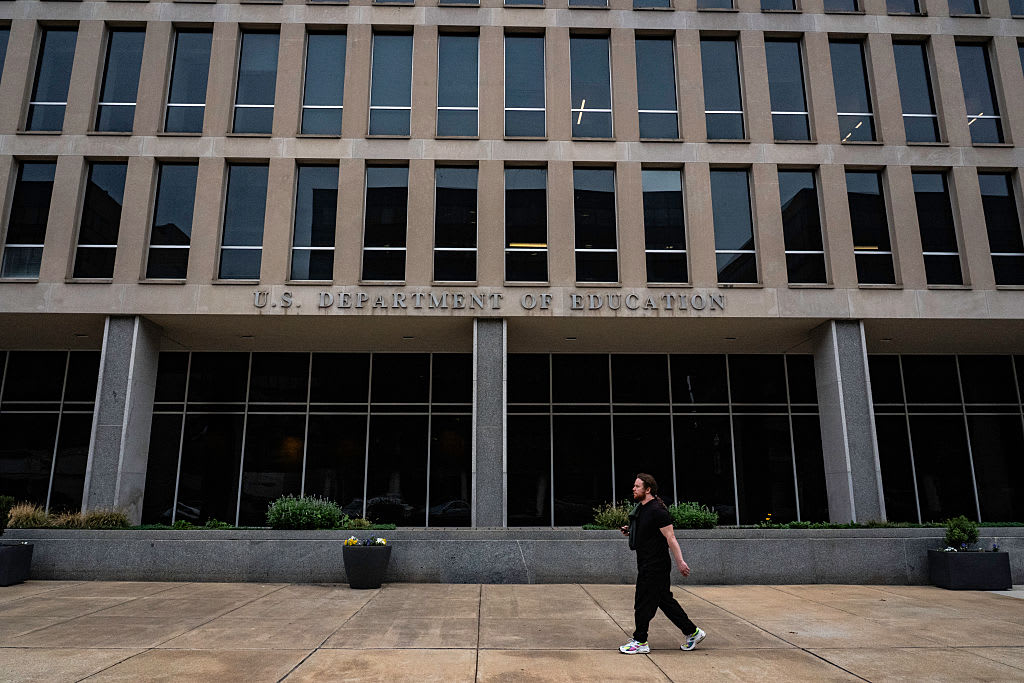
U.S. government reminds public schools to allow prayer #Catholic Public schools in the United States are required by the U.S. Constitution to allow students and staff to pray, the government said this week, with the Trump administration reminding educators that they must neither impose nor generally forbid prayer in school facilities. The government issued the guidance on Feb. 5, with U.S. Department of Education Office of the Secretary Chief Counsel Josh Kleinfeld writing that schools in general should “allow the individuals who make up a public school community to act and speak in accordance with their faith.”Schools must adopt a “stance of neutrality” regarding faith, the guidance says, with educators required to allow personal religious conduct so long as it does not infringe upon the rights of other students and the school itself does not show favoritism to one religion or another.U.S. President Donald Trump announced the guidance ahead of its release on Feb. 5, telling attendees at the 2026 National Prayer Breakfast that he expected the document to incur lawsuits. “We’ll win it,” Trump anticipated. Students, employees allowed to express religious beliefsDetailing a history of Supreme Court decisions involving free speech and religious expression in schools, the guidance offers “concrete scenarios” in which schools are required to accommodate religious expression.Among them include instances where students “pray privately and quietly by themselves” and cases where students “dress in accordance with their religious faith,” such as wearing crosses, yarmulkes, or headscarfs. Support for religious student groupsSchools are also required to support religious student groups “on the same terms” they support nonreligious groups. Public schools “may not sponsor or organize compulsory prayer” at school functions, the guidance notes, but schools are also required to allow participants to engage in prayer at such events provided they do not coerce other attendees or “speak on behalf of the school.” Teachers and staff themselves, meanwhile, “do not forfeit their First Amendment rights at the schoolhouse gate and need not pray behind closed doors.” School employees “must be permitted to pray while at work on the same terms as students.”The guidance distances itself from what it described as the “legally unsound” principle of a “wall of separation” between church and state.Rather, it advances what it says is “a stance of neutrality among and accommodation toward all faiths, and hostility toward none,” which it describes as “deeply rooted in our nation’s history, traditions, and constitutional law.”Though the guidance itself is ultimately reflective of years of settled court precedent, it offers another indication of the Trump administration’s proactive support for religious liberty and practice in the U.S.At the 2026 National Prayer Breakfast, Trump announced that the government will hold an event, titled “Rededicate 250,” on the National Mall in Washington, D.C., on May 17 “to rededicate America as one nation under God.”“We’re inviting Americans from all across the country to come together on our National Mall to pray, to give thanks,” he said.In May 2025 the president established the Religious Liberty Commission,  which has held hearings on religious liberty in education and the military.In December 2025, meanwhile, Trump became the first president in U.S. history to officially recognize the feast of the Immaculate Conception, acknowledging it as a “holy day honoring the faith, humility, and love of Mary, mother of Jesus and one of the greatest figures in the Bible.”

U.S. government reminds public schools to allow prayer #Catholic Public schools in the United States are required by the U.S. Constitution to allow students and staff to pray, the government said this week, with the Trump administration reminding educators that they must neither impose nor generally forbid prayer in school facilities. The government issued the guidance on Feb. 5, with U.S. Department of Education Office of the Secretary Chief Counsel Josh Kleinfeld writing that schools in general should “allow the individuals who make up a public school community to act and speak in accordance with their faith.”Schools must adopt a “stance of neutrality” regarding faith, the guidance says, with educators required to allow personal religious conduct so long as it does not infringe upon the rights of other students and the school itself does not show favoritism to one religion or another.U.S. President Donald Trump announced the guidance ahead of its release on Feb. 5, telling attendees at the 2026 National Prayer Breakfast that he expected the document to incur lawsuits. “We’ll win it,” Trump anticipated. Students, employees allowed to express religious beliefsDetailing a history of Supreme Court decisions involving free speech and religious expression in schools, the guidance offers “concrete scenarios” in which schools are required to accommodate religious expression.Among them include instances where students “pray privately and quietly by themselves” and cases where students “dress in accordance with their religious faith,” such as wearing crosses, yarmulkes, or headscarfs. Support for religious student groupsSchools are also required to support religious student groups “on the same terms” they support nonreligious groups. Public schools “may not sponsor or organize compulsory prayer” at school functions, the guidance notes, but schools are also required to allow participants to engage in prayer at such events provided they do not coerce other attendees or “speak on behalf of the school.” Teachers and staff themselves, meanwhile, “do not forfeit their First Amendment rights at the schoolhouse gate and need not pray behind closed doors.” School employees “must be permitted to pray while at work on the same terms as students.”The guidance distances itself from what it described as the “legally unsound” principle of a “wall of separation” between church and state.Rather, it advances what it says is “a stance of neutrality among and accommodation toward all faiths, and hostility toward none,” which it describes as “deeply rooted in our nation’s history, traditions, and constitutional law.”Though the guidance itself is ultimately reflective of years of settled court precedent, it offers another indication of the Trump administration’s proactive support for religious liberty and practice in the U.S.At the 2026 National Prayer Breakfast, Trump announced that the government will hold an event, titled “Rededicate 250,” on the National Mall in Washington, D.C., on May 17 “to rededicate America as one nation under God.”“We’re inviting Americans from all across the country to come together on our National Mall to pray, to give thanks,” he said.In May 2025 the president established the Religious Liberty Commission, which has held hearings on religious liberty in education and the military.In December 2025, meanwhile, Trump became the first president in U.S. history to officially recognize the feast of the Immaculate Conception, acknowledging it as a “holy day honoring the faith, humility, and love of Mary, mother of Jesus and one of the greatest figures in the Bible.”

Public schools in the United States are required by the U.S. Constitution to allow students and staff to pray, the government said this week.

Read More
Jonathan Roumie trades in Jesus sandals for dress shoes in new ‘wholesome’ rom-com #Catholic Jonathan Roumie, known for his role portraying Jesus in “The Chosen,” is trading in the sandals for dress shoes in a new movie titled “Solo Mio” to be released on Feb. 6.Roumie first appeared as Jesus in the hit series in 2019. In 2023, he took on the role of Lonnie Frisbee, an evangelical pastor, in the film “Jesus Revolution.” Now, Roumie is playing the role of Neil, a wannabe therapist, in his first non-faith-based role since taking on the role of Jesus Christ.“It was a lovely change of pace for me,” Roumie told EWTN News in an interview. “It was nice to play a character that is not shouldering the weight of the world.”“Solo Mio,” rated PG and taking place in Rome, is a romantic comedy starring Kevin James as Matt Taylor, an art teacher left at the altar in Rome who decides to go on his nonrefundable honeymoon despite no longer being in a relationship. Throughout his journey, he encounters fellow honeymooners Neil, played by Roumie, and Julian, played by Kim Coates, who offer friendship and advice.Roumie shared that he became friends with James, a practicing Catholic, during a Lenten spiritual retreat. Two years later, James reached out to Roumie to pitch him the idea of the movie.
 
 Kevin James and Jonathan Roumie in “Solo Mio.” | Credit: Angel Studios
 
 “I said, ‘I’d do anything you’re doing. Whatever you’re doing, if you want me in it, I’d be honored to be in it,” Roumie recalled. “Because I just love him, I love his heart, and I love who he is and getting to know him as a person and as a man of faith to me was like, ‘All right, whatever this guy’s doing I know it’s going to be — he’s got God at the center of his life, so I know it’ll be good no matter what.’”Reflecting on his character, Neil, and Jesus, Roumie pointed out a similarity the two share in that they “both have huge hearts.”“Neil wants to help people heal. That’s his thing. He’s a therapist and he wants to help people heal and so does Jesus. And so I think that’s where they can kind of connect in that way,” he added.Another major theme seen throughout the film is the importance of genuine male friendships — a theme also seen among Jesus and the disciples in “The Chosen.”Roumie said he believes portrayals of male friendships are important because “for whatever reason, culture or society or the world in its current state has driven culture to, I don’t know, paint this negative picture of what it means to be masculine and what it means to share brotherhood.”“I think it comes down to this detraction of masculinity. And the whole toxic masculinity thing I think was something adopted by the culture that became very pervasive over the last 10 years,” he added. “And so you’ve seen any image of men being just men, and like good men, just stripped from stories and stripped from culture as if that’s what people want to see. And I think it’s a gross mischaracterization of what it means to be a man.”The actor said he sees this new movie as a “real throwback to how stories used to be told and the kinds of movies that used to be made — they were just good films, with great stories, that were wholesome, and that were beloved by generations of fans.”Roumie admitted that he’s aware that there will be people who are “a little nervous to see it because they only want to see me as Jesus.”“To them I say: It’s OK. It’s going to be OK. You’re going to enjoy the film. It’s within the ethos of the projects that appeal to me. It’s within the ethos of the spirit of the work that I think God has put me on this Earth to do. It’s within the ethos of the mission and the ministry that I carry as an artist,” he said.

Jonathan Roumie trades in Jesus sandals for dress shoes in new ‘wholesome’ rom-com #Catholic Jonathan Roumie, known for his role portraying Jesus in “The Chosen,” is trading in the sandals for dress shoes in a new movie titled “Solo Mio” to be released on Feb. 6.Roumie first appeared as Jesus in the hit series in 2019. In 2023, he took on the role of Lonnie Frisbee, an evangelical pastor, in the film “Jesus Revolution.” Now, Roumie is playing the role of Neil, a wannabe therapist, in his first non-faith-based role since taking on the role of Jesus Christ.“It was a lovely change of pace for me,” Roumie told EWTN News in an interview. “It was nice to play a character that is not shouldering the weight of the world.”“Solo Mio,” rated PG and taking place in Rome, is a romantic comedy starring Kevin James as Matt Taylor, an art teacher left at the altar in Rome who decides to go on his nonrefundable honeymoon despite no longer being in a relationship. Throughout his journey, he encounters fellow honeymooners Neil, played by Roumie, and Julian, played by Kim Coates, who offer friendship and advice.Roumie shared that he became friends with James, a practicing Catholic, during a Lenten spiritual retreat. Two years later, James reached out to Roumie to pitch him the idea of the movie. Kevin James and Jonathan Roumie in “Solo Mio.” | Credit: Angel Studios “I said, ‘I’d do anything you’re doing. Whatever you’re doing, if you want me in it, I’d be honored to be in it,” Roumie recalled. “Because I just love him, I love his heart, and I love who he is and getting to know him as a person and as a man of faith to me was like, ‘All right, whatever this guy’s doing I know it’s going to be — he’s got God at the center of his life, so I know it’ll be good no matter what.’”Reflecting on his character, Neil, and Jesus, Roumie pointed out a similarity the two share in that they “both have huge hearts.”“Neil wants to help people heal. That’s his thing. He’s a therapist and he wants to help people heal and so does Jesus. And so I think that’s where they can kind of connect in that way,” he added.Another major theme seen throughout the film is the importance of genuine male friendships — a theme also seen among Jesus and the disciples in “The Chosen.”Roumie said he believes portrayals of male friendships are important because “for whatever reason, culture or society or the world in its current state has driven culture to, I don’t know, paint this negative picture of what it means to be masculine and what it means to share brotherhood.”“I think it comes down to this detraction of masculinity. And the whole toxic masculinity thing I think was something adopted by the culture that became very pervasive over the last 10 years,” he added. “And so you’ve seen any image of men being just men, and like good men, just stripped from stories and stripped from culture as if that’s what people want to see. And I think it’s a gross mischaracterization of what it means to be a man.”The actor said he sees this new movie as a “real throwback to how stories used to be told and the kinds of movies that used to be made — they were just good films, with great stories, that were wholesome, and that were beloved by generations of fans.”Roumie admitted that he’s aware that there will be people who are “a little nervous to see it because they only want to see me as Jesus.”“To them I say: It’s OK. It’s going to be OK. You’re going to enjoy the film. It’s within the ethos of the projects that appeal to me. It’s within the ethos of the spirit of the work that I think God has put me on this Earth to do. It’s within the ethos of the mission and the ministry that I carry as an artist,” he said.

“Solo Mio” will be released in theaters across the U.S. on Feb. 6.

Read More