hatred

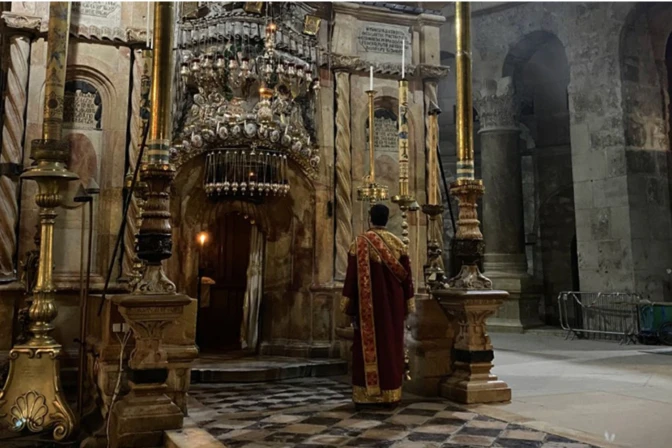
War forces Latin Patriarchate of Jerusalem to cancel Palm Sunday procession #Catholic Amid the continuing war and restrictions on access to the holy sites, the Latin Patriarchate of Jerusalem has canceled the traditional Palm Sunday procession from the Mount of Olives to Jerusalem, announcing “exceptional measures” regarding this year’s Holy Week and Easter celebrations.The Palm Sunday procession will instead be replaced by a time of prayer for the city in a location yet to be announced.The patriarchate also announced the postponement of the chrism Mass until circumstances allow — most likely during the Easter season after necessary ecclesiastical approvals are obtained.At the same time, it affirmed that the churches of the diocese will remain open and that priests and pastors will work, within the limits of what is possible, to ensure the participation of the faithful in prayers and liturgical celebrations.The patriarchate explained that this year it has not been possible to hold the traditional Lenten pilgrimage in Jerusalem, with its celebrations at the Church of the Holy Sepulchre and the sites associated with Christ’s passion. It noted that, although the faithful have been able to prepare individually, they have felt the absence of the communal journey toward Easter, which is an essential element of the Church’s spiritual life.Continuing restrictionsThe patriarchate said the security conditions linked to the conflict do not suggest any improvement in the near future. It stressed that, in coordination with the other Churches and the relevant authorities, it is continuing to assess possible ways to hold the celebrations within the available framework.Decisions, it said, will be made on a day-by-day basis according to developments on the ground. According to the statement, it has become clear that it will not be possible to organize normal celebrations open to all the faithful, prompting the patriarchate to adopt a set of organizational measures.The patriarchate said this reality constitutes “another wound added to the many wounds caused by the conflict.” The pain, it said, is not limited to the consequences of war but also includes the inability to celebrate Easter together “in a fitting way.” Yet it stressed the need not to surrender to despair and called for perseverance in prayer.In this context, the patriarchate called on the faithful to unite in prayer on Saturday, March 28, by reciting the rosary for peace and reassurance, especially for those suffering because of the conflict. It concluded by affirming that Easter remains, despite every circumstance, a sign of hope, recalling that “no darkness, not even the darkness of war, can have the last word” and that the empty tomb remains a witness to the victory of life over hatred and mercy over sin.This story was first published by ACI MENA, the Arabic-language sister service of EWTN News. It has been translated and adapted by EWTN News English.

War forces Latin Patriarchate of Jerusalem to cancel Palm Sunday procession #Catholic Amid the continuing war and restrictions on access to the holy sites, the Latin Patriarchate of Jerusalem has canceled the traditional Palm Sunday procession from the Mount of Olives to Jerusalem, announcing “exceptional measures” regarding this year’s Holy Week and Easter celebrations.The Palm Sunday procession will instead be replaced by a time of prayer for the city in a location yet to be announced.The patriarchate also announced the postponement of the chrism Mass until circumstances allow — most likely during the Easter season after necessary ecclesiastical approvals are obtained.At the same time, it affirmed that the churches of the diocese will remain open and that priests and pastors will work, within the limits of what is possible, to ensure the participation of the faithful in prayers and liturgical celebrations.The patriarchate explained that this year it has not been possible to hold the traditional Lenten pilgrimage in Jerusalem, with its celebrations at the Church of the Holy Sepulchre and the sites associated with Christ’s passion. It noted that, although the faithful have been able to prepare individually, they have felt the absence of the communal journey toward Easter, which is an essential element of the Church’s spiritual life.Continuing restrictionsThe patriarchate said the security conditions linked to the conflict do not suggest any improvement in the near future. It stressed that, in coordination with the other Churches and the relevant authorities, it is continuing to assess possible ways to hold the celebrations within the available framework.Decisions, it said, will be made on a day-by-day basis according to developments on the ground. According to the statement, it has become clear that it will not be possible to organize normal celebrations open to all the faithful, prompting the patriarchate to adopt a set of organizational measures.The patriarchate said this reality constitutes “another wound added to the many wounds caused by the conflict.” The pain, it said, is not limited to the consequences of war but also includes the inability to celebrate Easter together “in a fitting way.” Yet it stressed the need not to surrender to despair and called for perseverance in prayer.In this context, the patriarchate called on the faithful to unite in prayer on Saturday, March 28, by reciting the rosary for peace and reassurance, especially for those suffering because of the conflict. It concluded by affirming that Easter remains, despite every circumstance, a sign of hope, recalling that “no darkness, not even the darkness of war, can have the last word” and that the empty tomb remains a witness to the victory of life over hatred and mercy over sin.This story was first published by ACI MENA, the Arabic-language sister service of EWTN News. It has been translated and adapted by EWTN News English.

Holy Week observances and events in the Holy Land have been canceled or significantly revised in the face of closures in Jerusalem due to the war with Iran.
Read More
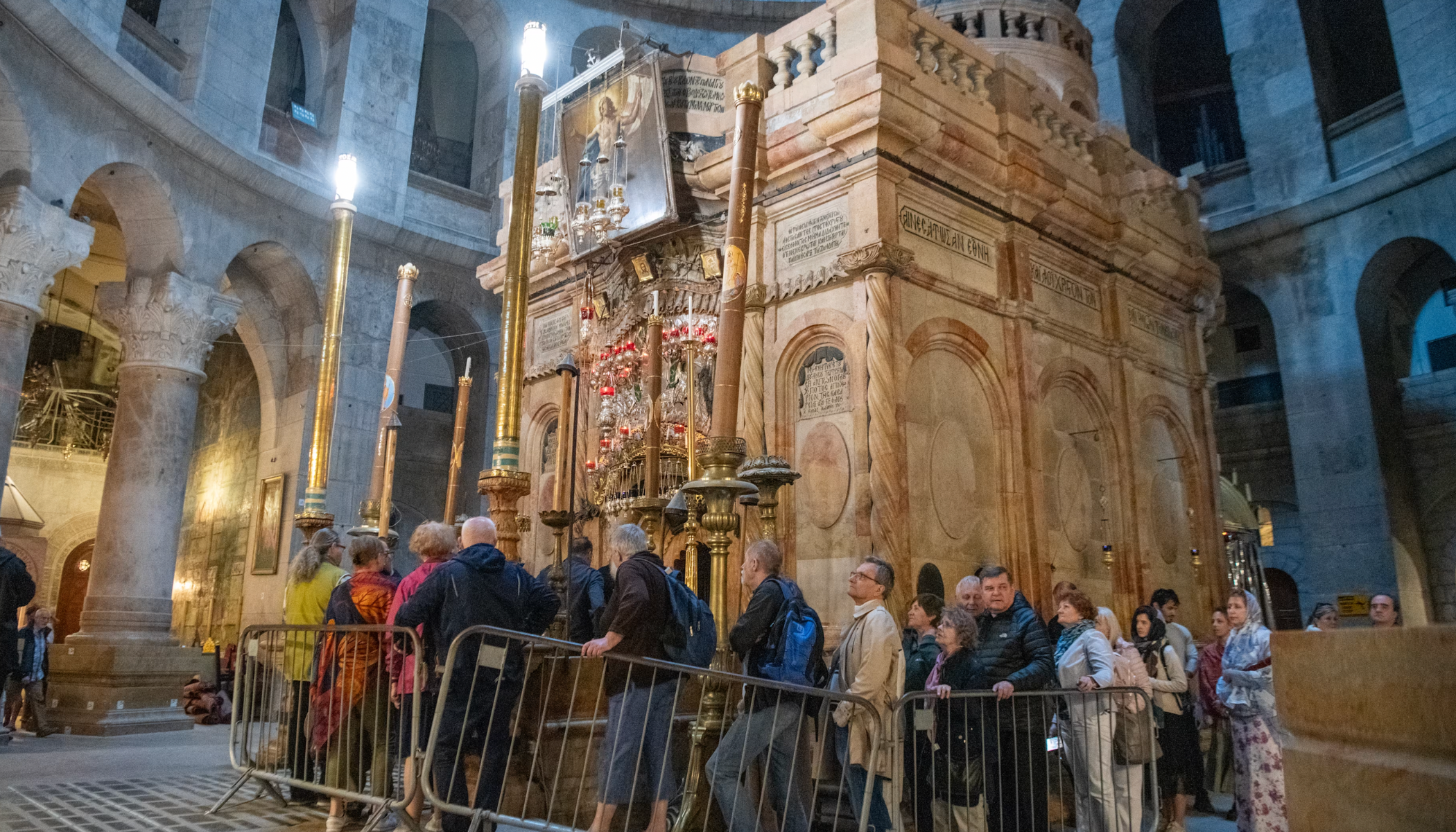
Collection for the Holy Land: Christians need concrete hope, not just consoling words #Catholic Cardinal Claudio Gugerotti, prefect of the Dicastery for the Eastern Churches, called upon the faithful worldwide to participate in the Good Friday collection aimed at assisting Christian communities in the Holy Land.The Good Friday collection is one of the primary sources of support for the Custody of the Holy Land — the Franciscan institution that for centuries has safeguarded the sites connected to the life of Jesus Christ and accompanied the Christian communities living in the region.The prefect called upon the faithful around the world to respond with a concrete gesture of solidarity. “I wish to propose a small gesture to you: to offer a little of our money to help our brothers and sisters who find themselves in extreme peril to live one more day, to find hope, and to find the possibility of starting anew.”“How many times have I personally visited those Christian minorities who wake up every morning facing the danger of no longer having a place to exist!” Gugerotti wrote in the March 18 letter, which was also signed by the dicastery’s secretary, Archbishop Michel Jalakh.“Help us to offer them concrete hope, not merely words of consolation — for we who visit them will leave, while they remain with their fears, even with the terror that, precisely because they are Christians, they may be eliminated,” the cardinal stated. The cardinal explained that the Good Friday donations hold a twofold significance: on the one hand, providing material aid to those living amid war and poverty, and on the other, challenging the conscience of the faithful.“It is also vital for us, because without sacrifice, without a real change in our way of living, we risk remaining inert before a world in flames — and thus complicit in its destruction,” he said. Gugerotti noted that many Christians in the Holy Land have lost their means of livelihood, especially those who depended on religious tourism, which historically sustained a large portion of the local economy. The conflict that began on Oct. 7, 2023, when Hamas attacked Israel, triggered a sharp decline in religious tourism.“A great many Christians in the Holy Land have lost everything, even the work that came from serving pilgrims,” he pointed out.In early 2025, Israel’s Ministry of Tourism characterized the year as a turning point, with 1.3 million international arrivals. However, 2026 has once again proven to be a highly problematic year for pilgrimages primarily due to the military escalation by the United States and Israel against Iran, which has thrown the entire region into crisis.The drastic reduction in pilgrimages and the current climate of insecurity have  exacerbated the situation. “Now, out of fear, almost everyone tends to avoid venturing into those lands,” he said.What is done with the money collected?In 2023 — the most recent year for which official data are available — the Holy Land collection raised 6,571,893 euros (.5 million). The Custody of the Holy Land typically receives 65% of the proceeds, while the remaining 35% goes to the Dicastery for the Eastern Churches, which uses it for the formation of priests and for subsidies to the various dioceses and eparchies in Palestine, Israel, Jordan, Lebanon, Syria, Turkey, and Iraq.Of the money it receives, the Custody of the Holy Land normally invests 20% in the upkeep of the sites where Jesus Christ walked, while the remainder goes to Christian families, who, in 1948, constituted 20% of the local population but now make up less than 1.4%.In the Gaza Strip, it collaborates with the Latin parish and the Atfa-Luna association to provide psycho-social support “to some 1,000 children and 300 adults,” as well as to distribute emergency kits and aid to families of people with disabilities.In Lebanon, the Church responded to the 2024 crisis (the fighting between Israel and Hezbollah) by providing “hot meals for some 500 beneficiaries every day” and ensuring “drinking water for about 250 people daily.” The Custody of the Holy Land also manages hundreds of housing units at nominal rents to prevent emigration.“It has been said that peace has been achieved; however, even though the media speak of it much less today than before, the shooting continues, people continue to die, lands remain disputed, and Christians continue to emigrate to save their lives,” the cardinal noted.According to the 2023 data released by the Dicastery for the Eastern Churches, 2,376,167 euros (.7 million) was donated to seminaries, houses of religious formation, and cultural institutions. The Franciscan Custody allocated more than 2 million euros (.3 million) to the education of young people in the Holy Land in 2023, funding scholarships at various universities in the region. Nearly 1 million euros (.15 million) were allocated to the Pontifical Oriental Institute, which now encompasses, at Pope Francis’ direction, the Pontifical Gregorian University.A portion was also invested in Bethlehem University, one of the prestigious foundations that underwrites the academic studies of 3,300 young people, both Muslim and Christian, with the aim of educating them to build a future of peace in the Holy Land.A concrete gesture: Giving is a ‘strong sign of faith’In his message, the cardinal invited bishops and pastoral leaders to raise awareness among the faithful regarding the importance of sustaining the Christian presence in the places where Christianity was born.“Let us ensure that our people approach the collection with the awareness that giving is a strong sign of faith,” he wrote. “A Holy Land without believers is a lost land, for the living memory of salvation is lost,” he added.“Pope Leo XIV never ceases to bring to our minds and hearts this commitment to be one, so that there may be peace — not a provisional truce, not perpetual hatred, not an immense expenditure on armaments, but a contribution to our common rebirth,” the cardinal wrote.The prelate concluded his letter by acknowledging that the collection would be merely “a drop in the ocean” but that “the ocean, as a result of losing its drops, is turning into a desert.”In addition to supporting the Franciscan mission in the Holy Land to safeguard the holy places, sustain local Christian communities, and foster peace in the region where Jesus lived, the cardinal said Christians can actively contribute by offering prayers to support this work and inspire new vocations, or by undertaking a pilgrimage to discover the roots of Christianity.This story was first published by ACI Prensa, the Spanish-language sister service of EWTN News. It has been translated and adapted by EWTN News English.

Collection for the Holy Land: Christians need concrete hope, not just consoling words #Catholic Cardinal Claudio Gugerotti, prefect of the Dicastery for the Eastern Churches, called upon the faithful worldwide to participate in the Good Friday collection aimed at assisting Christian communities in the Holy Land.The Good Friday collection is one of the primary sources of support for the Custody of the Holy Land — the Franciscan institution that for centuries has safeguarded the sites connected to the life of Jesus Christ and accompanied the Christian communities living in the region.The prefect called upon the faithful around the world to respond with a concrete gesture of solidarity. “I wish to propose a small gesture to you: to offer a little of our money to help our brothers and sisters who find themselves in extreme peril to live one more day, to find hope, and to find the possibility of starting anew.”“How many times have I personally visited those Christian minorities who wake up every morning facing the danger of no longer having a place to exist!” Gugerotti wrote in the March 18 letter, which was also signed by the dicastery’s secretary, Archbishop Michel Jalakh.“Help us to offer them concrete hope, not merely words of consolation — for we who visit them will leave, while they remain with their fears, even with the terror that, precisely because they are Christians, they may be eliminated,” the cardinal stated. The cardinal explained that the Good Friday donations hold a twofold significance: on the one hand, providing material aid to those living amid war and poverty, and on the other, challenging the conscience of the faithful.“It is also vital for us, because without sacrifice, without a real change in our way of living, we risk remaining inert before a world in flames — and thus complicit in its destruction,” he said. Gugerotti noted that many Christians in the Holy Land have lost their means of livelihood, especially those who depended on religious tourism, which historically sustained a large portion of the local economy. The conflict that began on Oct. 7, 2023, when Hamas attacked Israel, triggered a sharp decline in religious tourism.“A great many Christians in the Holy Land have lost everything, even the work that came from serving pilgrims,” he pointed out.In early 2025, Israel’s Ministry of Tourism characterized the year as a turning point, with 1.3 million international arrivals. However, 2026 has once again proven to be a highly problematic year for pilgrimages primarily due to the military escalation by the United States and Israel against Iran, which has thrown the entire region into crisis.The drastic reduction in pilgrimages and the current climate of insecurity have  exacerbated the situation. “Now, out of fear, almost everyone tends to avoid venturing into those lands,” he said.What is done with the money collected?In 2023 — the most recent year for which official data are available — the Holy Land collection raised 6,571,893 euros ($7.5 million). The Custody of the Holy Land typically receives 65% of the proceeds, while the remaining 35% goes to the Dicastery for the Eastern Churches, which uses it for the formation of priests and for subsidies to the various dioceses and eparchies in Palestine, Israel, Jordan, Lebanon, Syria, Turkey, and Iraq.Of the money it receives, the Custody of the Holy Land normally invests 20% in the upkeep of the sites where Jesus Christ walked, while the remainder goes to Christian families, who, in 1948, constituted 20% of the local population but now make up less than 1.4%.In the Gaza Strip, it collaborates with the Latin parish and the Atfa-Luna association to provide psycho-social support “to some 1,000 children and 300 adults,” as well as to distribute emergency kits and aid to families of people with disabilities.In Lebanon, the Church responded to the 2024 crisis (the fighting between Israel and Hezbollah) by providing “hot meals for some 500 beneficiaries every day” and ensuring “drinking water for about 250 people daily.” The Custody of the Holy Land also manages hundreds of housing units at nominal rents to prevent emigration.“It has been said that peace has been achieved; however, even though the media speak of it much less today than before, the shooting continues, people continue to die, lands remain disputed, and Christians continue to emigrate to save their lives,” the cardinal noted.According to the 2023 data released by the Dicastery for the Eastern Churches, 2,376,167 euros ($2.7 million) was donated to seminaries, houses of religious formation, and cultural institutions. The Franciscan Custody allocated more than 2 million euros ($2.3 million) to the education of young people in the Holy Land in 2023, funding scholarships at various universities in the region. Nearly 1 million euros ($1.15 million) were allocated to the Pontifical Oriental Institute, which now encompasses, at Pope Francis’ direction, the Pontifical Gregorian University.A portion was also invested in Bethlehem University, one of the prestigious foundations that underwrites the academic studies of 3,300 young people, both Muslim and Christian, with the aim of educating them to build a future of peace in the Holy Land.A concrete gesture: Giving is a ‘strong sign of faith’In his message, the cardinal invited bishops and pastoral leaders to raise awareness among the faithful regarding the importance of sustaining the Christian presence in the places where Christianity was born.“Let us ensure that our people approach the collection with the awareness that giving is a strong sign of faith,” he wrote. “A Holy Land without believers is a lost land, for the living memory of salvation is lost,” he added.“Pope Leo XIV never ceases to bring to our minds and hearts this commitment to be one, so that there may be peace — not a provisional truce, not perpetual hatred, not an immense expenditure on armaments, but a contribution to our common rebirth,” the cardinal wrote.The prelate concluded his letter by acknowledging that the collection would be merely “a drop in the ocean” but that “the ocean, as a result of losing its drops, is turning into a desert.”In addition to supporting the Franciscan mission in the Holy Land to safeguard the holy places, sustain local Christian communities, and foster peace in the region where Jesus lived, the cardinal said Christians can actively contribute by offering prayers to support this work and inspire new vocations, or by undertaking a pilgrimage to discover the roots of Christianity.This story was first published by ACI Prensa, the Spanish-language sister service of EWTN News. It has been translated and adapted by EWTN News English.

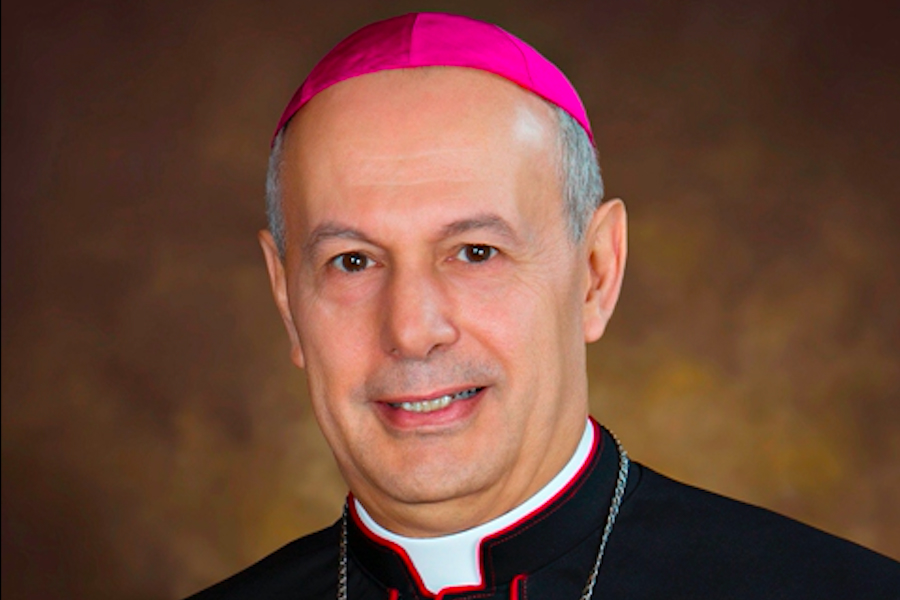
Now more than ever, the Christian minority in the Holy Land needs the support it receives through the annual Good Friday collection as ongoing violence in the Middle East has curtailed pilgrimages.
Read More
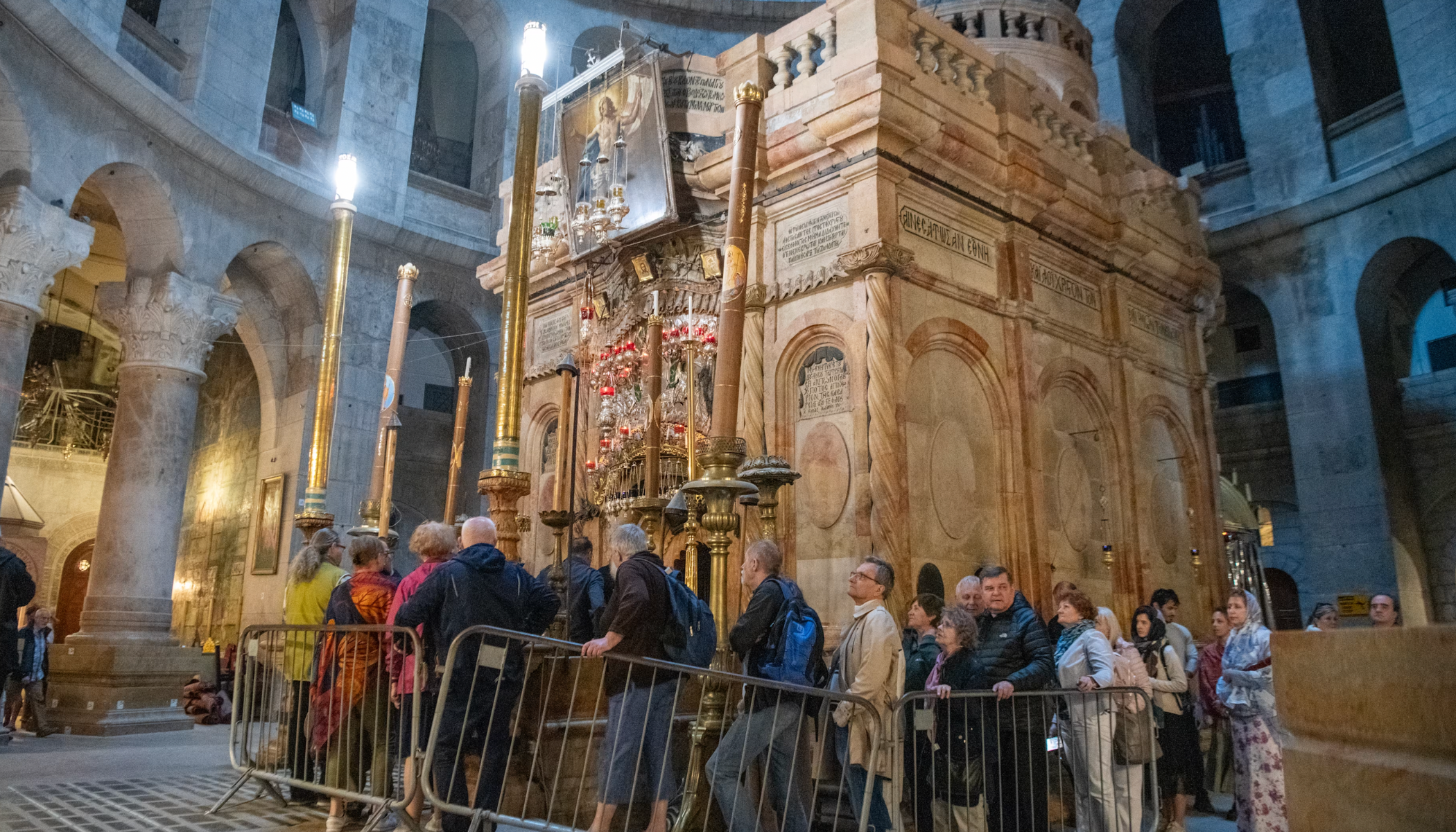
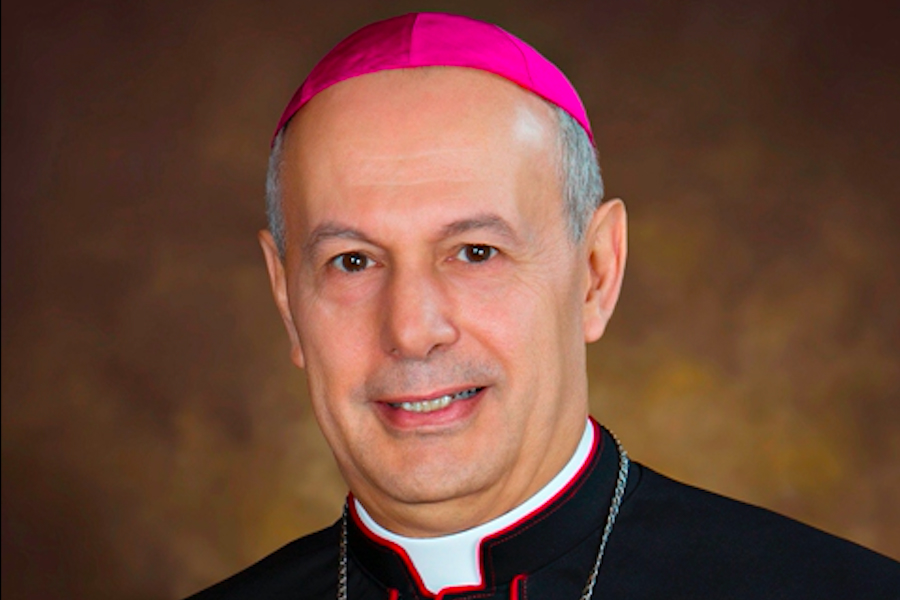
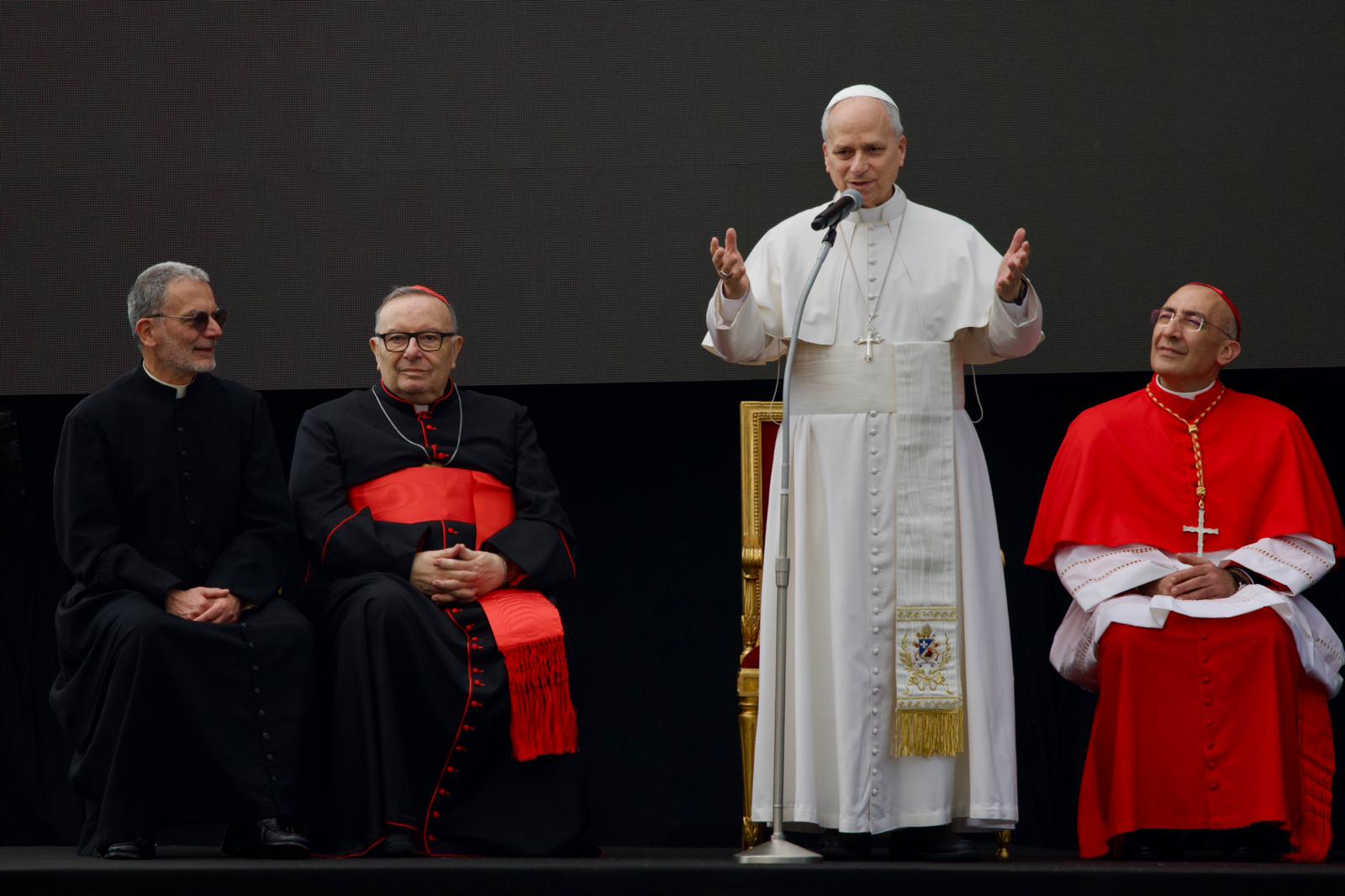
At a time of conflict, Pope Leo sends a bridge-builder to the United States #Catholic Archbishop Gabriele Caccia, the recently appointed apostolic nuncio to the United States, takes up his new role at a time of heightened tension between the Vatican and the White House over issues including immigration to the U.S. and war in the Middle East.Former collaborators say Caccia’s personal qualities and wide diplomatic experience — including in Lebanon and the Philippines — make him well suited for this crucial assignment.The 68-year-old diplomat recently served as the permanent observer of the Holy See Mission to the United Nations in New York after Pope Francis appointed him there in 2019. His new job is important as a liaison between the Vatican and the U.S., where recent federal policies have faced growing resistance from Church leaders.Pope Leo’s new man on a high-stakes missionA veteran diplomat, Caccia will serve as Pope Leo XIV’s chief representative to the Trump administration. Like his predecessor, Cardinal Christophe Pierre, he assumes office amid ongoing tension between the administration and the Church, especially on immigration enforcement and foreign policy.In a public statement in November 2025, U.S. bishops strongly opposed the administration’s treatment of migrants during mass deportations. Pope Leo expressed support for the statement and denounced the treatment of migrants as “extremely disrespectful, and with instances of violence.”The U.S. bishops have also voiced concern over recent foreign policy moves, including interventions in the Middle East. In January of this year, three U.S. cardinals — Blase Cupich, Joseph Tobin, and Robert McElroy — jointly condemned the administration’s foreign policy in a public statement. In recent addresses, Pope Leo has also called for a ceasefire in the Middle East, deploring on March 15 a “widespread climate of hatred and fear.”Monsignor Roger Landry, who served at the Holy See Mission from 2015 to 2022 and now heads the Pontifical Mission Societies, expressed confidence in the nuncio’s ability to communicate the Holy See’s concerns effectively to the U.S. government while supporting the bishops.“He will represent Pope Leo very well to the U.S. government and the U.S. Church, be a great listener and effective relayer of what’s happening in the United States to Pope Leo, and be a steady source of counsel and support to U.S. bishops,” he told EWTN News.Dálida Morales, who interned at the mission and now works at the Ministry of Industry and Commerce in the Dominican Republic, conveyed hope for the archbishop’s potential to build international dialogue.“He is genuinely a bridge-builder for peace. At a time when dialogue, moral clarity, and principled leadership are urgently needed in the United States, his appointment there is both timely and hopeful,” she said.A diplomat forged in complex geopoliticsHaving worked in the diplomatic service of the Holy See since 1991, Caccia previously served in challenging posts before his appointment to the U.N. He served as apostolic nuncio to Lebanon and the Philippines, two countries with sensitive political climates.His service in Lebanon occurred during the outbreak of the Syrian Civil War in 2011. There, he helped coordinate the Church’s humanitarian response to support over 1.5 million Syrian refugees in Lebanon. His service also included helping maintain peace in a country constitutionally divided among Maronite Christians, Muslims, and Druze.He served in the Philippines at the height of President Rodrigo Duterte’s highly aggressive and controversial anti-narcotics campaign, which resulted in thousands of extrajudicial killings. As the nuncio, he helped to support the bishops, who were vocal critics against the government, while maintaining the country’s diplomatic relations with the Holy See.During his time at the U.N., he promoted the Vatican’s diplomatic stance. Father Mark Knestout, who served with Caccia as a former attaché for the Holy See Mission, noted the importance of his diplomatic experience in his new role.“He was in Lebanon for eight years, which is a complex situation because you have multiple denominations of Catholics there, alongside the situation with Muslims,” he told EWTN News. “So I see him being personable and striving to get to know everyone in the United States as best he can.”An inclusive leader and sports loverFormer staff of Caccia also shared with EWTN News some personal anecdotes from their time serving with him in New York. Vitória Volpato, a former intern at the mission who serves at the Prefecture of São Paulo in Brazil, noted with gratitude the archbishop’s insights on leadership.“He said something that stayed with me: ‘I do not choose the people I work with, but I work with the people I have.’ That made me reflect on what a good leader must be, something the archbishop clearly is,” she said.Ashley Campbell, who interned at the mission and now works at the Religious Freedom Institute, reflected on his love of sports. “I remember once walking with him back to the Holy See Mission building from the U.N., and we talked about how we both grew up playing sports and how amazing it would be if Vatican City could send athletes to the Olympics.”Fidelity to the Holy FatherOne trait consistently praised by those who have worked with the archbishop is his fidelity to the Holy Father. Knestout described the archbishop as a “true Churchman who wants to represent the desires and the intentions of the Holy Father.”Morales added: “Every Wednesday, he would ask us about the Holy Father’s general audience. In this way, he reminded us that one of the most meaningful ways to remain united to the Church is by listening to the voice of the pope. It is a habit I continue to keep today thanks to him.”

At a time of conflict, Pope Leo sends a bridge-builder to the United States #Catholic Archbishop Gabriele Caccia, the recently appointed apostolic nuncio to the United States, takes up his new role at a time of heightened tension between the Vatican and the White House over issues including immigration to the U.S. and war in the Middle East.Former collaborators say Caccia’s personal qualities and wide diplomatic experience — including in Lebanon and the Philippines — make him well suited for this crucial assignment.The 68-year-old diplomat recently served as the permanent observer of the Holy See Mission to the United Nations in New York after Pope Francis appointed him there in 2019. His new job is important as a liaison between the Vatican and the U.S., where recent federal policies have faced growing resistance from Church leaders.Pope Leo’s new man on a high-stakes missionA veteran diplomat, Caccia will serve as Pope Leo XIV’s chief representative to the Trump administration. Like his predecessor, Cardinal Christophe Pierre, he assumes office amid ongoing tension between the administration and the Church, especially on immigration enforcement and foreign policy.In a public statement in November 2025, U.S. bishops strongly opposed the administration’s treatment of migrants during mass deportations. Pope Leo expressed support for the statement and denounced the treatment of migrants as “extremely disrespectful, and with instances of violence.”The U.S. bishops have also voiced concern over recent foreign policy moves, including interventions in the Middle East. In January of this year, three U.S. cardinals — Blase Cupich, Joseph Tobin, and Robert McElroy — jointly condemned the administration’s foreign policy in a public statement. In recent addresses, Pope Leo has also called for a ceasefire in the Middle East, deploring on March 15 a “widespread climate of hatred and fear.”Monsignor Roger Landry, who served at the Holy See Mission from 2015 to 2022 and now heads the Pontifical Mission Societies, expressed confidence in the nuncio’s ability to communicate the Holy See’s concerns effectively to the U.S. government while supporting the bishops.“He will represent Pope Leo very well to the U.S. government and the U.S. Church, be a great listener and effective relayer of what’s happening in the United States to Pope Leo, and be a steady source of counsel and support to U.S. bishops,” he told EWTN News.Dálida Morales, who interned at the mission and now works at the Ministry of Industry and Commerce in the Dominican Republic, conveyed hope for the archbishop’s potential to build international dialogue.“He is genuinely a bridge-builder for peace. At a time when dialogue, moral clarity, and principled leadership are urgently needed in the United States, his appointment there is both timely and hopeful,” she said.A diplomat forged in complex geopoliticsHaving worked in the diplomatic service of the Holy See since 1991, Caccia previously served in challenging posts before his appointment to the U.N. He served as apostolic nuncio to Lebanon and the Philippines, two countries with sensitive political climates.His service in Lebanon occurred during the outbreak of the Syrian Civil War in 2011. There, he helped coordinate the Church’s humanitarian response to support over 1.5 million Syrian refugees in Lebanon. His service also included helping maintain peace in a country constitutionally divided among Maronite Christians, Muslims, and Druze.He served in the Philippines at the height of President Rodrigo Duterte’s highly aggressive and controversial anti-narcotics campaign, which resulted in thousands of extrajudicial killings. As the nuncio, he helped to support the bishops, who were vocal critics against the government, while maintaining the country’s diplomatic relations with the Holy See.During his time at the U.N., he promoted the Vatican’s diplomatic stance. Father Mark Knestout, who served with Caccia as a former attaché for the Holy See Mission, noted the importance of his diplomatic experience in his new role.“He was in Lebanon for eight years, which is a complex situation because you have multiple denominations of Catholics there, alongside the situation with Muslims,” he told EWTN News. “So I see him being personable and striving to get to know everyone in the United States as best he can.”An inclusive leader and sports loverFormer staff of Caccia also shared with EWTN News some personal anecdotes from their time serving with him in New York. Vitória Volpato, a former intern at the mission who serves at the Prefecture of São Paulo in Brazil, noted with gratitude the archbishop’s insights on leadership.“He said something that stayed with me: ‘I do not choose the people I work with, but I work with the people I have.’ That made me reflect on what a good leader must be, something the archbishop clearly is,” she said.Ashley Campbell, who interned at the mission and now works at the Religious Freedom Institute, reflected on his love of sports. “I remember once walking with him back to the Holy See Mission building from the U.N., and we talked about how we both grew up playing sports and how amazing it would be if Vatican City could send athletes to the Olympics.”Fidelity to the Holy FatherOne trait consistently praised by those who have worked with the archbishop is his fidelity to the Holy Father. Knestout described the archbishop as a “true Churchman who wants to represent the desires and the intentions of the Holy Father.”Morales added: “Every Wednesday, he would ask us about the Holy Father’s general audience. In this way, he reminded us that one of the most meaningful ways to remain united to the Church is by listening to the voice of the pope. It is a habit I continue to keep today thanks to him.”

Archbishop Gabriele Caccia, the new papal envoy to Washington, has been shaped by a diplomatic career in geopolitical hot spots.
Read More
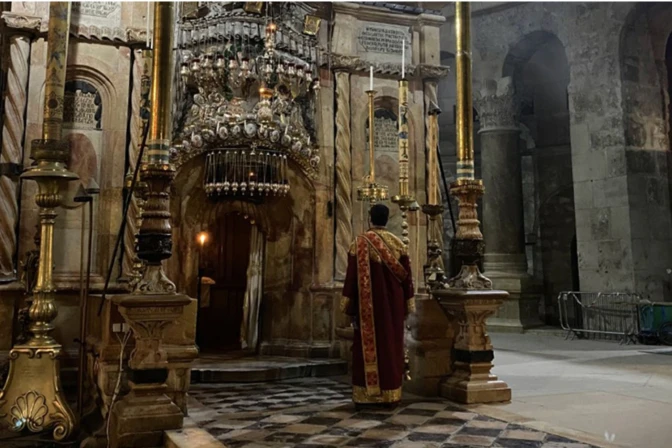
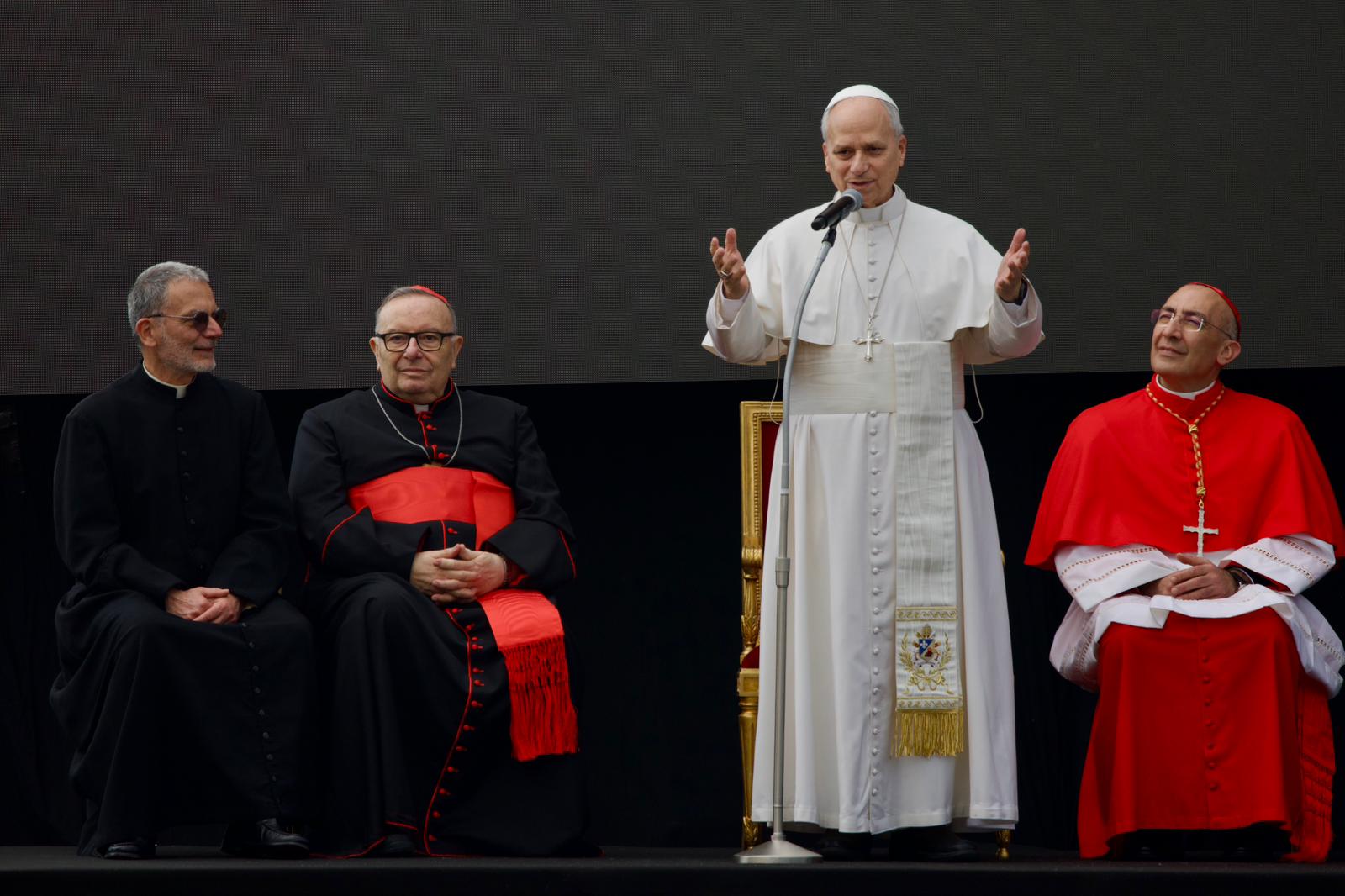
Pope Leo says parishes should reflect a Church that ‘cares for her children’ #Catholic Pope Leo XIV continued his pastoral visits to parishes on the outskirts of Rome Sunday, traveling to the Santa Maria della Presentazione parish in the Torrevecchia neighborhood, where he encouraged Catholics to ensure parish activities reflect a Church that “cares for her children.”The pope arrived at the parish at 4 p.m., when he was welcomed by Cardinal Vicar Baldo Reina and the pastor, Father Paolo Stacchiotti. The warmest welcome, however, came from catechism students, young people, and families from Rome’s 13th municipal district.It has been more than 40 years since a pope last visited Santa Maria della Presentazione parish. The previous papal visit was made by St. John Paul II in 1982.The pastor said the neighborhood faces significant challenges but is also marked by strong community bonds.“This is not an easy neighborhood,” Stacchiotti said. “But the crime reports do not do justice to the good that exists here. This is a united community, full of generous people who do not hold back in helping one another.”The visit marked Leo XIV’s fourth to a Roman parish since mid-February. Parishioners welcomed him with banners, songs, and warm handshakes.“We will give the pope an icon made by consecrated women who have lived in Bastogi for 30 years,” the pastor said. “It is a copy of the Madonna Pellegrina that travels around the neighborhood during the month of May. It is not a precious gift, but it is a symbol of our parish.”Before Mass, the pope stopped on the parish sports field to greet children and families amid banners reading “we give our hearts,” balloons, and a festive atmosphere.During his visit to the parish complex, Leo XIV also met with people with disabilities and the sick. In the parish hall he greeted about 60 people experiencing various forms of vulnerability before celebrating Mass at 5 p.m.In his homily, reflecting on the Gospel account of Jesus and the Samaritan woman, the pope emphasized the connection between God’s closeness and the life of faith.“In this journey, the closeness of God and our life of faith are deeply intertwined: by renewing in each of us the grace of Baptism, the Lord calls us to conversion, even as he purifies our hearts with his love and with the works of charity he invites us to perform,” the pope said.“The thirst for life and love of the Samaritan woman is our thirst: the thirst of the Church and of all humanity, wounded by sin but even more deeply inhabited by the desire for God,” he continued.Leo XIV noted that the Gospel narrative shows the woman’s gradual recognition of Jesus — first as a man, then a prophet, the Messiah, and finally the Savior — and how encountering Christ transforms her into a witness to others.“Standing beside him and enjoying his company, the Samaritan woman becomes in turn a source of truth,” he said. “The new water of God’s gift has begun to spring up in her heart, and she feels immediately driven to return to her village, finally free from shame and eager to make known to everyone her liberator, Jesus.”The pope also addressed the social difficulties facing the parish’s neighborhood.“I know well that your parish community lives in an area with many challenges,” he said. “Situations of marginalization are not lacking, nor material and moral poverty.”“Many are waiting for a home, a job that ensures a dignified life, and safe places where they can meet, play, and build something beautiful together,” he said.Encouraging the faithful to respond to these realities with pastoral charity, the pope pointed to the Eucharist as the heart of Christian community life.“Starting from the Eucharist, the beating heart of every Christian community, I encourage you to ensure that parish activities become a sign of a Church that — like a mother — cares for her children, without condemning them, but rather welcoming them, listening to them, and supporting them in the face of danger,” Leo XIV said.Before the Mass, the pope also spoke informally to young people and children gathered on the sports field, many of whom are preparing for their first Communion.“Jesus will come to your home, into your heart, into your life,” he told them. “We must all be ready to open the door to find Jesus who is waiting for us.”He also encouraged them to pray regularly and to speak to God about their worries and daily difficulties.Finally, the pope spoke to the children about the importance of peace and reconciliation.“Make peace with your friends when there are difficulties or differences of opinion,” he said. “Reject all forms of violence and hatred, things that cause division, and try to be promoters of peace and reconciliation in today’s world.”At the end of the celebration, the pope met with the parish pastoral council and priests before returning to the Vatican.This article was originally published by ACI Stampa, EWTN News’ Italian-language partner agency, and has been translated and adapted by EWTN News.

Pope Leo says parishes should reflect a Church that ‘cares for her children’ #Catholic Pope Leo XIV continued his pastoral visits to parishes on the outskirts of Rome Sunday, traveling to the Santa Maria della Presentazione parish in the Torrevecchia neighborhood, where he encouraged Catholics to ensure parish activities reflect a Church that “cares for her children.”The pope arrived at the parish at 4 p.m., when he was welcomed by Cardinal Vicar Baldo Reina and the pastor, Father Paolo Stacchiotti. The warmest welcome, however, came from catechism students, young people, and families from Rome’s 13th municipal district.It has been more than 40 years since a pope last visited Santa Maria della Presentazione parish. The previous papal visit was made by St. John Paul II in 1982.The pastor said the neighborhood faces significant challenges but is also marked by strong community bonds.“This is not an easy neighborhood,” Stacchiotti said. “But the crime reports do not do justice to the good that exists here. This is a united community, full of generous people who do not hold back in helping one another.”The visit marked Leo XIV’s fourth to a Roman parish since mid-February. Parishioners welcomed him with banners, songs, and warm handshakes.“We will give the pope an icon made by consecrated women who have lived in Bastogi for 30 years,” the pastor said. “It is a copy of the Madonna Pellegrina that travels around the neighborhood during the month of May. It is not a precious gift, but it is a symbol of our parish.”Before Mass, the pope stopped on the parish sports field to greet children and families amid banners reading “we give our hearts,” balloons, and a festive atmosphere.During his visit to the parish complex, Leo XIV also met with people with disabilities and the sick. In the parish hall he greeted about 60 people experiencing various forms of vulnerability before celebrating Mass at 5 p.m.In his homily, reflecting on the Gospel account of Jesus and the Samaritan woman, the pope emphasized the connection between God’s closeness and the life of faith.“In this journey, the closeness of God and our life of faith are deeply intertwined: by renewing in each of us the grace of Baptism, the Lord calls us to conversion, even as he purifies our hearts with his love and with the works of charity he invites us to perform,” the pope said.“The thirst for life and love of the Samaritan woman is our thirst: the thirst of the Church and of all humanity, wounded by sin but even more deeply inhabited by the desire for God,” he continued.Leo XIV noted that the Gospel narrative shows the woman’s gradual recognition of Jesus — first as a man, then a prophet, the Messiah, and finally the Savior — and how encountering Christ transforms her into a witness to others.“Standing beside him and enjoying his company, the Samaritan woman becomes in turn a source of truth,” he said. “The new water of God’s gift has begun to spring up in her heart, and she feels immediately driven to return to her village, finally free from shame and eager to make known to everyone her liberator, Jesus.”The pope also addressed the social difficulties facing the parish’s neighborhood.“I know well that your parish community lives in an area with many challenges,” he said. “Situations of marginalization are not lacking, nor material and moral poverty.”“Many are waiting for a home, a job that ensures a dignified life, and safe places where they can meet, play, and build something beautiful together,” he said.Encouraging the faithful to respond to these realities with pastoral charity, the pope pointed to the Eucharist as the heart of Christian community life.“Starting from the Eucharist, the beating heart of every Christian community, I encourage you to ensure that parish activities become a sign of a Church that — like a mother — cares for her children, without condemning them, but rather welcoming them, listening to them, and supporting them in the face of danger,” Leo XIV said.Before the Mass, the pope also spoke informally to young people and children gathered on the sports field, many of whom are preparing for their first Communion.“Jesus will come to your home, into your heart, into your life,” he told them. “We must all be ready to open the door to find Jesus who is waiting for us.”He also encouraged them to pray regularly and to speak to God about their worries and daily difficulties.Finally, the pope spoke to the children about the importance of peace and reconciliation.“Make peace with your friends when there are difficulties or differences of opinion,” he said. “Reject all forms of violence and hatred, things that cause division, and try to be promoters of peace and reconciliation in today’s world.”At the end of the celebration, the pope met with the parish pastoral council and priests before returning to the Vatican.This article was originally published by ACI Stampa, EWTN News’ Italian-language partner agency, and has been translated and adapted by EWTN News.

The pontiff encouraged a Rome parish facing poverty and social challenges to show its closeness to those wounded and searching for hope.
Read More
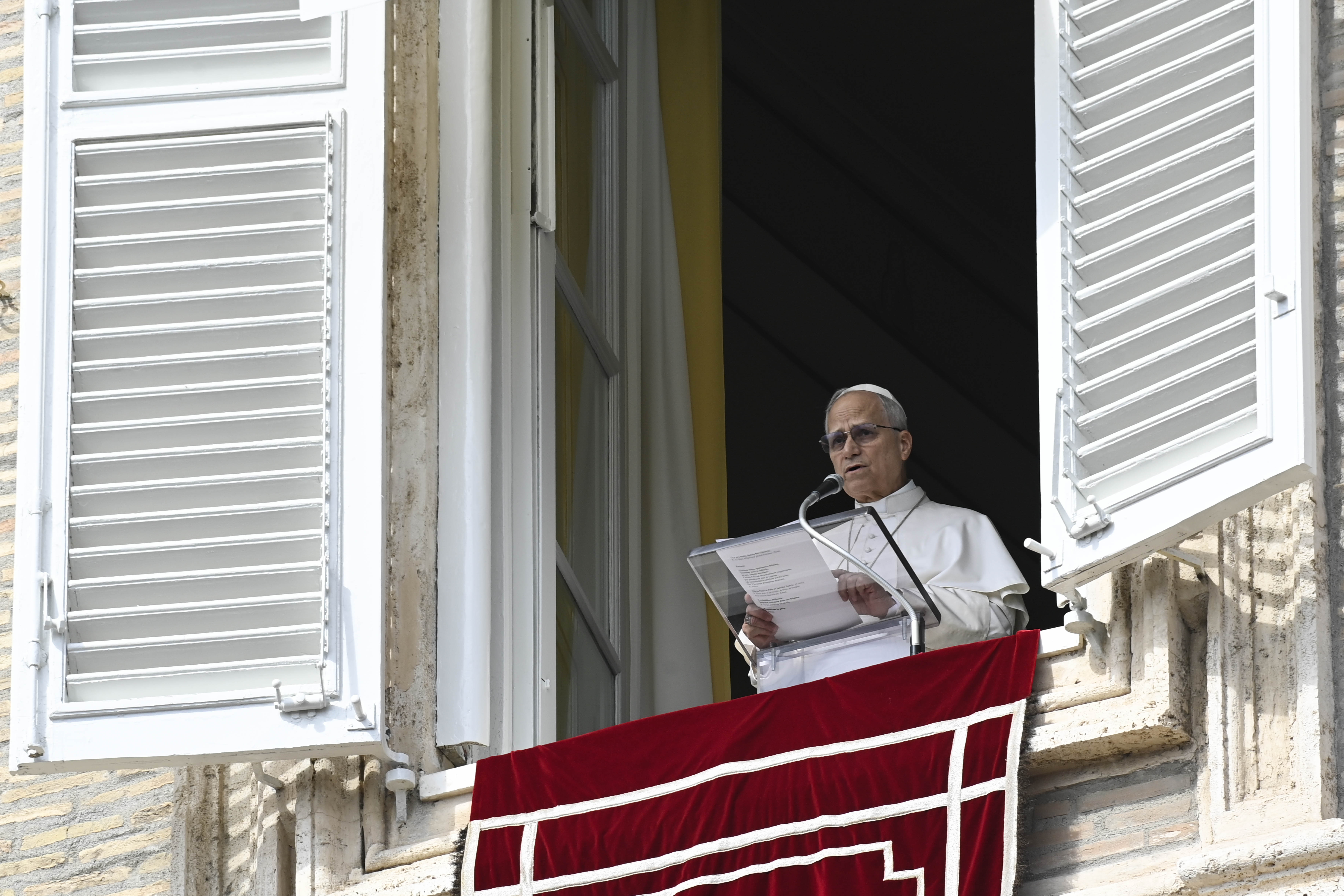
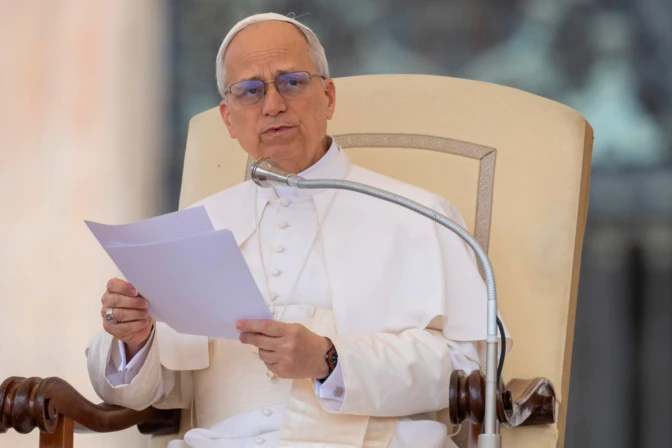
Pope Leo XIV warns of wider Middle East conflict #Catholic Pope Leo XIV on Sunday appealed for peace as violence and fear continue to spread in Iran and across the Middle East, praying in particular for Lebanon and warning that the conflict could widen.Speaking after the Angelus on March 8, the pope said “deeply disturbing news continues to arrive from Iran and the entire Middle East.”“In addition to the episodes of violence and devastation as well as the widespread climate of hatred and fear, there is also the concern that the conflict will spread and that other countries in the region, including beloved Lebanon, may again sink back into instability,” he said.“We lift up our humble prayer to the Lord, so that the thunderous sound of bombs may cease, weapons may fall silent, and a space for dialogue may open up in which the voice of the people can be heard,” the pope said. He added that he was entrusting that intention to the Virgin Mary, “that she may intercede for those who suffer because of war and lead hearts along the paths of reconciliation and hope.”Before the Marian prayer in St. Peter’s Square, Leo reflected on the day’s Gospel and said that “since the first centuries of the Church’s history, the dialogue between Jesus and the Samaritan woman, the healing of the man born blind and the resurrection of Lazarus illuminate the path of those who, at Easter, will receive Baptism and begin a new life.”“These great Gospel passages, which we read beginning this Sunday, are intended for the catechumens to help them on their journey to become Christians,” he said. “At the same time, these passages are heard once again by the entire community of believers to help them to be more authentic and joyful Christians.”Referring to Jesus’ encounter with the Samaritan woman, the pope said: “Indeed, Jesus is the response to our thirst. As he suggested to the Samaritan woman, the encounter with him stirs in the depths of each person ‘a spring of water gushing up to eternal life.’”“How many people in the entire world are searching even today for this spiritual spring!” he said.Quoting the diary of Etty Hillesum, a Dutch Jewish writer who died in Auschwitz during World War II, Leo said: “‘Sometimes I am there too. But more often stones and grit block the well, and God is buried beneath. Then he must be dug out again.’”“Dear friends, there is no energy better spent than that dedicated to freeing our heart,” the pope said. “For this reason, Lent is a gift: we are starting the third week and now we are able to intensify the journey!”He went on to reflect on the disciples’ reaction in the Gospel: “His disciples came [and] they were astonished that he was speaking with a woman.” The Master, he said, had to prompt them: “‘Do you not say, “Four months more, then comes the harvest”? But I tell you, look around you, and see how the fields are ripe for harvesting.’”“The Lord still says to his Church: ‘Lift up your eyes and recognize God’s surprises!’” Leo said. “In the fields, four months prior to the harvest, one sees practically nothing. But there, where we see nothing, grace is already at work and its fruits are ready to be gathered.”“The harvest is great: perhaps the workers are few because they are distracted by other activities,” he continued. “Jesus, on the other hand, is attentive. According to custom, he ought to have simply ignored that Samaritan woman; instead, Jesus speaks with her, listens to her, and shows her respect — without a hidden agenda and without disdain.”“How many people seek in the Church this same sensitivity, this availability!” the pope said.“And how beautiful it is when we lose track of time in order to give attention to the person we are encountering, as we see in this passage,” he added. “Jesus was so spiritually nourished by God’s desire to reach people on the deepest levels that he even forgot to eat.”Leo said that “the Samaritan woman becomes the first of many female evangelizers.” Because of her testimony, “many from her village of despised and rejected people came to meet Jesus, and also in them faith bubbled forth like pure water.”The pope also marked International Women’s Day, observed March 8, saying: “We renew our commitment, which for us Christians is based on the Gospel, to recognize the equal dignity of man and woman.”“Unfortunately many women, from childhood onwards, are still discriminated against and suffer various forms of violence,” he said. “In a special way, I offer to them my solidarity and my prayers.”This article was originally published by ACI Stampa, CNA’s Italian-language news partner, and has been translated and adapted by EWTN News.

Pope Leo XIV warns of wider Middle East conflict #Catholic Pope Leo XIV on Sunday appealed for peace as violence and fear continue to spread in Iran and across the Middle East, praying in particular for Lebanon and warning that the conflict could widen.Speaking after the Angelus on March 8, the pope said “deeply disturbing news continues to arrive from Iran and the entire Middle East.”“In addition to the episodes of violence and devastation as well as the widespread climate of hatred and fear, there is also the concern that the conflict will spread and that other countries in the region, including beloved Lebanon, may again sink back into instability,” he said.“We lift up our humble prayer to the Lord, so that the thunderous sound of bombs may cease, weapons may fall silent, and a space for dialogue may open up in which the voice of the people can be heard,” the pope said. He added that he was entrusting that intention to the Virgin Mary, “that she may intercede for those who suffer because of war and lead hearts along the paths of reconciliation and hope.”Before the Marian prayer in St. Peter’s Square, Leo reflected on the day’s Gospel and said that “since the first centuries of the Church’s history, the dialogue between Jesus and the Samaritan woman, the healing of the man born blind and the resurrection of Lazarus illuminate the path of those who, at Easter, will receive Baptism and begin a new life.”“These great Gospel passages, which we read beginning this Sunday, are intended for the catechumens to help them on their journey to become Christians,” he said. “At the same time, these passages are heard once again by the entire community of believers to help them to be more authentic and joyful Christians.”Referring to Jesus’ encounter with the Samaritan woman, the pope said: “Indeed, Jesus is the response to our thirst. As he suggested to the Samaritan woman, the encounter with him stirs in the depths of each person ‘a spring of water gushing up to eternal life.’”“How many people in the entire world are searching even today for this spiritual spring!” he said.Quoting the diary of Etty Hillesum, a Dutch Jewish writer who died in Auschwitz during World War II, Leo said: “‘Sometimes I am there too. But more often stones and grit block the well, and God is buried beneath. Then he must be dug out again.’”“Dear friends, there is no energy better spent than that dedicated to freeing our heart,” the pope said. “For this reason, Lent is a gift: we are starting the third week and now we are able to intensify the journey!”He went on to reflect on the disciples’ reaction in the Gospel: “His disciples came [and] they were astonished that he was speaking with a woman.” The Master, he said, had to prompt them: “‘Do you not say, “Four months more, then comes the harvest”? But I tell you, look around you, and see how the fields are ripe for harvesting.’”“The Lord still says to his Church: ‘Lift up your eyes and recognize God’s surprises!’” Leo said. “In the fields, four months prior to the harvest, one sees practically nothing. But there, where we see nothing, grace is already at work and its fruits are ready to be gathered.”“The harvest is great: perhaps the workers are few because they are distracted by other activities,” he continued. “Jesus, on the other hand, is attentive. According to custom, he ought to have simply ignored that Samaritan woman; instead, Jesus speaks with her, listens to her, and shows her respect — without a hidden agenda and without disdain.”“How many people seek in the Church this same sensitivity, this availability!” the pope said.“And how beautiful it is when we lose track of time in order to give attention to the person we are encountering, as we see in this passage,” he added. “Jesus was so spiritually nourished by God’s desire to reach people on the deepest levels that he even forgot to eat.”Leo said that “the Samaritan woman becomes the first of many female evangelizers.” Because of her testimony, “many from her village of despised and rejected people came to meet Jesus, and also in them faith bubbled forth like pure water.”The pope also marked International Women’s Day, observed March 8, saying: “We renew our commitment, which for us Christians is based on the Gospel, to recognize the equal dignity of man and woman.”“Unfortunately many women, from childhood onwards, are still discriminated against and suffer various forms of violence,” he said. “In a special way, I offer to them my solidarity and my prayers.”This article was originally published by ACI Stampa, CNA’s Italian-language news partner, and has been translated and adapted by EWTN News.

At his Sunday Angelus, the pope voiced alarm over violence and fear spreading from Iran across the region.
Read More
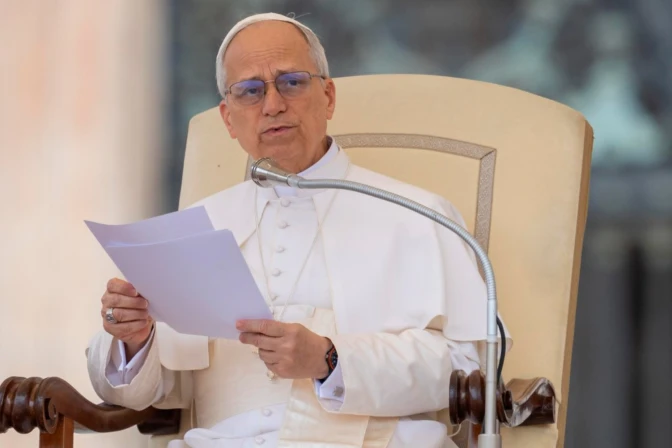
This is Pope Leo XIV’s prayer intention for the month of March #Catholic Pope Leo XIV’s prayer intention for the month of March is for disarmament and peace.In a video released on X, the Holy Father posed a question to the faithful: “Would you imagine what a world without wars would be like? A world without the terror of approaching explosions? Without rocket alarms shattering the silence of the night?”“Please join me in prayer this month for disarmament and peace,” he said.In the full video shared on the Pope’s Worldwide Prayer Network website, Pope Leo recites an original prayer written specifically for this month’s prayer intention.Here is the pope’s full prayer:Lord of Life,you shaped every human being in your image and likeness.We believe you created us for communion, not for war,for fraternity, not for destruction.You who greeted your disciples saying, “Peace be with you,”grant us the gift of your peaceand the strength to make it a reality in history.Today we lift up our prayer for peace in the world,asking that nations renounce weaponsand choose the path of dialogue and diplomacy.Disarm our hearts of hatred, resentment, and indifference,so we may become instruments of reconciliation.Help us understand that true securitydoes not come from control fueled by fear,but from trust, justice, and solidarity among peoples.Lord, enlighten the leaders of the nations,so they may have the courage to abandon projects of death,halt the arms race,and place the lives of the most vulnerable at the center.May the nuclear threat never again dictate the future of humanity.Holy Spirit,make us faithful and creative builders of daily peace:in our hearts, our families,our communities, and our cities.May every kind word, every gesture of reconciliation,and every choice for dialogue be seeds of a new world.Amen.“Pray with the Pope” is accessible on the Pope’s Worldwide Prayer Network website and its digital platforms.

This is Pope Leo XIV’s prayer intention for the month of March #Catholic Pope Leo XIV’s prayer intention for the month of March is for disarmament and peace.In a video released on X, the Holy Father posed a question to the faithful: “Would you imagine what a world without wars would be like? A world without the terror of approaching explosions? Without rocket alarms shattering the silence of the night?”“Please join me in prayer this month for disarmament and peace,” he said.In the full video shared on the Pope’s Worldwide Prayer Network website, Pope Leo recites an original prayer written specifically for this month’s prayer intention.Here is the pope’s full prayer:Lord of Life,you shaped every human being in your image and likeness.We believe you created us for communion, not for war,for fraternity, not for destruction.You who greeted your disciples saying, “Peace be with you,”grant us the gift of your peaceand the strength to make it a reality in history.Today we lift up our prayer for peace in the world,asking that nations renounce weaponsand choose the path of dialogue and diplomacy.Disarm our hearts of hatred, resentment, and indifference,so we may become instruments of reconciliation.Help us understand that true securitydoes not come from control fueled by fear,but from trust, justice, and solidarity among peoples.Lord, enlighten the leaders of the nations,so they may have the courage to abandon projects of death,halt the arms race,and place the lives of the most vulnerable at the center.May the nuclear threat never again dictate the future of humanity.Holy Spirit,make us faithful and creative builders of daily peace:in our hearts, our families,our communities, and our cities.May every kind word, every gesture of reconciliation,and every choice for dialogue be seeds of a new world.Amen.“Pray with the Pope” is accessible on the Pope’s Worldwide Prayer Network website and its digital platforms.

In a video released on X, the Holy Father posed a question to the faithful: “Would you imagine what a world without wars would be like? A world without the terror of approaching explosions?”
Read More
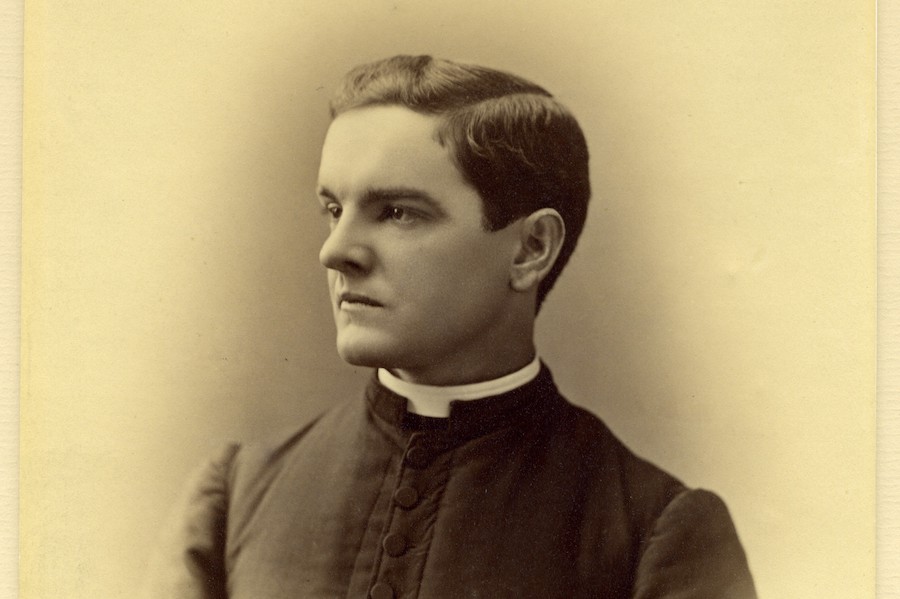
Archbishop Lori issues pastoral letter on political life in honor of 250th anniversary of the U.S. #Catholic Archbishop William Lori of Baltimore urged Catholics to foster a political culture grounded in Christ by prioritizing human dignity and genuine encounter amid partisan divisions.“In Charity and Truth: Toward a Renewed Political Culture,” released in anticipation of the 250th anniversary of the Declaration of Independence, is among the nine pastoral letters and reflections Lori has written as archbishop of Baltimore. The Feb. 9 letter explored how the anniversary can be “a moment of grace” and one of “responsibility.”The U.S. can both take pride in its achievements and “the vibrancy of our Catholic faith” while also recognizing “the fractures, wounds, and crises that mark both our national life and, sadly, even at times our ecclesial life,” Lori wrote.“As our nation approaches the 250th anniversary of the signing of the Declaration of Independence, we find ourselves invited into a moment of profound reflection and renewal,” Lori said. “Anniversaries are not merely occasions for nostalgia or celebration. Authentic remembrance always orients us toward renewal; it calls us to consider not only who we have been and who we are becoming — but, by God’s grace, who we are called to be.”The letter draws on teachings from the popes, the Second Vatican Council, the Constitution, and the lives of the saints.Addressing political discourse from a Catholic viewThe letter highlighted the U.S. political atmosphere, noting that “political discourse has become more vitriolic than usual.” Lori called for synodal listening, civic virtue, and patriotic charity — as exemplified by Blessed Michael McGivney — to renew public life with truth, responsibility, and hope.McGivney, founder of the Knights of Columbus, served immigrant families and addressed their economic insecurity and exclusion. Lori said genuine charity, unity, fraternity, and patriotic love should guide how Catholics engage with migrants and support their dignity and inclusion.
 
 Father Michael McGivney. | Credit: John Tierney/Father McGivney Guild
 
 Lori said ideological and cultural polarization “has produced an epidemic of loneliness and isolation — an aching sense of being unmoored, misunderstood, or unheard.”Lori wrote: “Synodality is, at its heart, a commitment to listening with humility, speaking with honesty, and discerning with the Holy Spirit — all while walking together, not apart.”“Such unity does not mean uniformity, nor does it eliminate disagreement,” Lori said. “Rather, it reflects a deeper truth. Our communion in Christ precedes our differences.”Synodality “does not dissolve disagreement. It expects it, because diverse people will inevitably see the world from different angles,” Lori said. The letter detailed what “synodality in politics looks like,” including a renewed willingness to listen, a refusal to demonize, a commitment to discernment, and a shared journey.Our world also needs “a new kind of politics — one that begins not with power but with the truth of the human person revealed in Jesus Christ,” Lori said. “Christ, in his incarnation, affirms the goodness of the human body and the meaning of human history.”According to Lori, this new type of politics includes resisting the idolatry of ideology. It must also honor the inherent dignity of every human life from conception to natural death, protect the vulnerable and the marginalized, engage in dialogue rather than accusation, and place the common good above partisan loyalty.A “mature Catholic political presence will” always defend human life in all its stages, advocate for the poor and the vulnerable, insist on racial and social justice, promote peace and reject violence, and uphold religious freedom for all, Lori said.In order to build a better political culture, “we must learn once more how to encounter, by stepping outside our ideological comfort zones, seeking out conversations with those on the margins or those with differing points of view, healing the wounds that divide us, committing ourselves to forgiveness,” Lori said.Virtue in public lifeLori called on U.S. citizens to employ the cardinal virtues in public life to create a “healthy political engagement.”People can use prudence by “evaluating policies not by slogans or emotional appeal but by their actual impact on human dignity,” Lori said. The virtue “helps us to see clearly, to judge wisely, and to act firmly.”Justice “is foundational to political life,” Lori said. “It is the virtue that moves us to honor the dignity of every human person and to recognize that each person has rights that must be protected and responsibilities that must be fulfilled.”Fortitude “strengthens us to pursue what is right despite fear, intimidation, or difficulty,” Lori said. “It empowers each of us to resist the pressure to conform to divisive rhetoric, to endure criticism when standing for truth, and to advocate for the vulnerable even when it is politically inconvenient.”Lastly, temperance “moderates our impulses and helps us resist the allure of excess,” Lori said. “In political culture, temperance is perhaps the virtue most needed today. Temperance invites us to slow down, to choose words carefully, to avoid rash judgments, and to discipline the desire to ‘win’ at the expense of relationship, truth, or the common good.”RenewalLori called for renewal ahead of the 250th anniversary of the U.S. He invited all Catholics and all people of goodwill to commit themselves to a renewed political culture and to answer the call of hope.The letter concluded by detailing “a path forward” on how to renew political culture, including: renewing prayer for the nation, practicing civil dialogue, rejecting hatred and violence, serving the common good, forming consciences, and encountering those different from oneself.“In the midst of political upheaval, the Church does not withdraw from public life, nor does she align herself with any partisan identity,” Lori said. “She remains what she has always been: a sacrament of unity, a beacon of hope, and a teacher of truth.”“Her mission is not to win elections but to form saints. Not to secure power but to proclaim the Gospel. Not to mirror the divisions of society but to heal them,” Lori said.“Our nation needs Catholics who embody this mission — women and men whose lives witness to the dignity of every human person, whose love bridges divides, whose courage resists hatred, and whose faith insists that despair does not have the final word. The civic landscape may look dark at times, but the Church has lived through darker times and emerged stronger, purified, and more faithful. So, too, can our nation,” he said.

Archbishop Lori issues pastoral letter on political life in honor of 250th anniversary of the U.S. #Catholic Archbishop William Lori of Baltimore urged Catholics to foster a political culture grounded in Christ by prioritizing human dignity and genuine encounter amid partisan divisions.“In Charity and Truth: Toward a Renewed Political Culture,” released in anticipation of the 250th anniversary of the Declaration of Independence, is among the nine pastoral letters and reflections Lori has written as archbishop of Baltimore. The Feb. 9 letter explored how the anniversary can be “a moment of grace” and one of “responsibility.”The U.S. can both take pride in its achievements and “the vibrancy of our Catholic faith” while also recognizing “the fractures, wounds, and crises that mark both our national life and, sadly, even at times our ecclesial life,” Lori wrote.“As our nation approaches the 250th anniversary of the signing of the Declaration of Independence, we find ourselves invited into a moment of profound reflection and renewal,” Lori said. “Anniversaries are not merely occasions for nostalgia or celebration. Authentic remembrance always orients us toward renewal; it calls us to consider not only who we have been and who we are becoming — but, by God’s grace, who we are called to be.”The letter draws on teachings from the popes, the Second Vatican Council, the Constitution, and the lives of the saints.Addressing political discourse from a Catholic viewThe letter highlighted the U.S. political atmosphere, noting that “political discourse has become more vitriolic than usual.” Lori called for synodal listening, civic virtue, and patriotic charity — as exemplified by Blessed Michael McGivney — to renew public life with truth, responsibility, and hope.McGivney, founder of the Knights of Columbus, served immigrant families and addressed their economic insecurity and exclusion. Lori said genuine charity, unity, fraternity, and patriotic love should guide how Catholics engage with migrants and support their dignity and inclusion. Father Michael McGivney. | Credit: John Tierney/Father McGivney Guild Lori said ideological and cultural polarization “has produced an epidemic of loneliness and isolation — an aching sense of being unmoored, misunderstood, or unheard.”Lori wrote: “Synodality is, at its heart, a commitment to listening with humility, speaking with honesty, and discerning with the Holy Spirit — all while walking together, not apart.”“Such unity does not mean uniformity, nor does it eliminate disagreement,” Lori said. “Rather, it reflects a deeper truth. Our communion in Christ precedes our differences.”Synodality “does not dissolve disagreement. It expects it, because diverse people will inevitably see the world from different angles,” Lori said. The letter detailed what “synodality in politics looks like,” including a renewed willingness to listen, a refusal to demonize, a commitment to discernment, and a shared journey.Our world also needs “a new kind of politics — one that begins not with power but with the truth of the human person revealed in Jesus Christ,” Lori said. “Christ, in his incarnation, affirms the goodness of the human body and the meaning of human history.”According to Lori, this new type of politics includes resisting the idolatry of ideology. It must also honor the inherent dignity of every human life from conception to natural death, protect the vulnerable and the marginalized, engage in dialogue rather than accusation, and place the common good above partisan loyalty.A “mature Catholic political presence will” always defend human life in all its stages, advocate for the poor and the vulnerable, insist on racial and social justice, promote peace and reject violence, and uphold religious freedom for all, Lori said.In order to build a better political culture, “we must learn once more how to encounter, by stepping outside our ideological comfort zones, seeking out conversations with those on the margins or those with differing points of view, healing the wounds that divide us, committing ourselves to forgiveness,” Lori said.Virtue in public lifeLori called on U.S. citizens to employ the cardinal virtues in public life to create a “healthy political engagement.”People can use prudence by “evaluating policies not by slogans or emotional appeal but by their actual impact on human dignity,” Lori said. The virtue “helps us to see clearly, to judge wisely, and to act firmly.”Justice “is foundational to political life,” Lori said. “It is the virtue that moves us to honor the dignity of every human person and to recognize that each person has rights that must be protected and responsibilities that must be fulfilled.”Fortitude “strengthens us to pursue what is right despite fear, intimidation, or difficulty,” Lori said. “It empowers each of us to resist the pressure to conform to divisive rhetoric, to endure criticism when standing for truth, and to advocate for the vulnerable even when it is politically inconvenient.”Lastly, temperance “moderates our impulses and helps us resist the allure of excess,” Lori said. “In political culture, temperance is perhaps the virtue most needed today. Temperance invites us to slow down, to choose words carefully, to avoid rash judgments, and to discipline the desire to ‘win’ at the expense of relationship, truth, or the common good.”RenewalLori called for renewal ahead of the 250th anniversary of the U.S. He invited all Catholics and all people of goodwill to commit themselves to a renewed political culture and to answer the call of hope.The letter concluded by detailing “a path forward” on how to renew political culture, including: renewing prayer for the nation, practicing civil dialogue, rejecting hatred and violence, serving the common good, forming consciences, and encountering those different from oneself.“In the midst of political upheaval, the Church does not withdraw from public life, nor does she align herself with any partisan identity,” Lori said. “She remains what she has always been: a sacrament of unity, a beacon of hope, and a teacher of truth.”“Her mission is not to win elections but to form saints. Not to secure power but to proclaim the Gospel. Not to mirror the divisions of society but to heal them,” Lori said.“Our nation needs Catholics who embody this mission — women and men whose lives witness to the dignity of every human person, whose love bridges divides, whose courage resists hatred, and whose faith insists that despair does not have the final word. The civic landscape may look dark at times, but the Church has lived through darker times and emerged stronger, purified, and more faithful. So, too, can our nation,” he said.

Archbishop William Lori urged Catholics to approach public life with synodal listening and civic virtue, drawing on Blessed Michael McGivney’s example of serving immigrant families.

Read More