Investment

Scottish bishops say ‘prayer moved hearts’ after Scottish Parliament rejects assisted suicide #Catholic In a final vote, members of Scottish Parliament (MSPs) have rejected a bill that would have made assisted suicide legal — a dramatic turn of events that Scotland’s Catholic bishops are attributing to the power of prayer.Reacting to the result immediately after its announcement on March 17, Scotland’s bishops told EWTN News: “Prayer is what moved hearts on this important issue. We are over the moon. Glory be to God that life has triumphed tonight!”Bill sponsor Liam McArthur and his supporters were confident of the Assisted Dying for Terminally Ill Adults (Scotland) Bill becoming law. In the first vote in May 2025, Parliament voted 70 to 56 in favor of the bill progressing to Stage 2. The bill was then amended at Stage 2 before moving to Stage 3 for a decisive vote. in the end, however, MSPs rejected it, voting 69 to 57 against the bill.
 
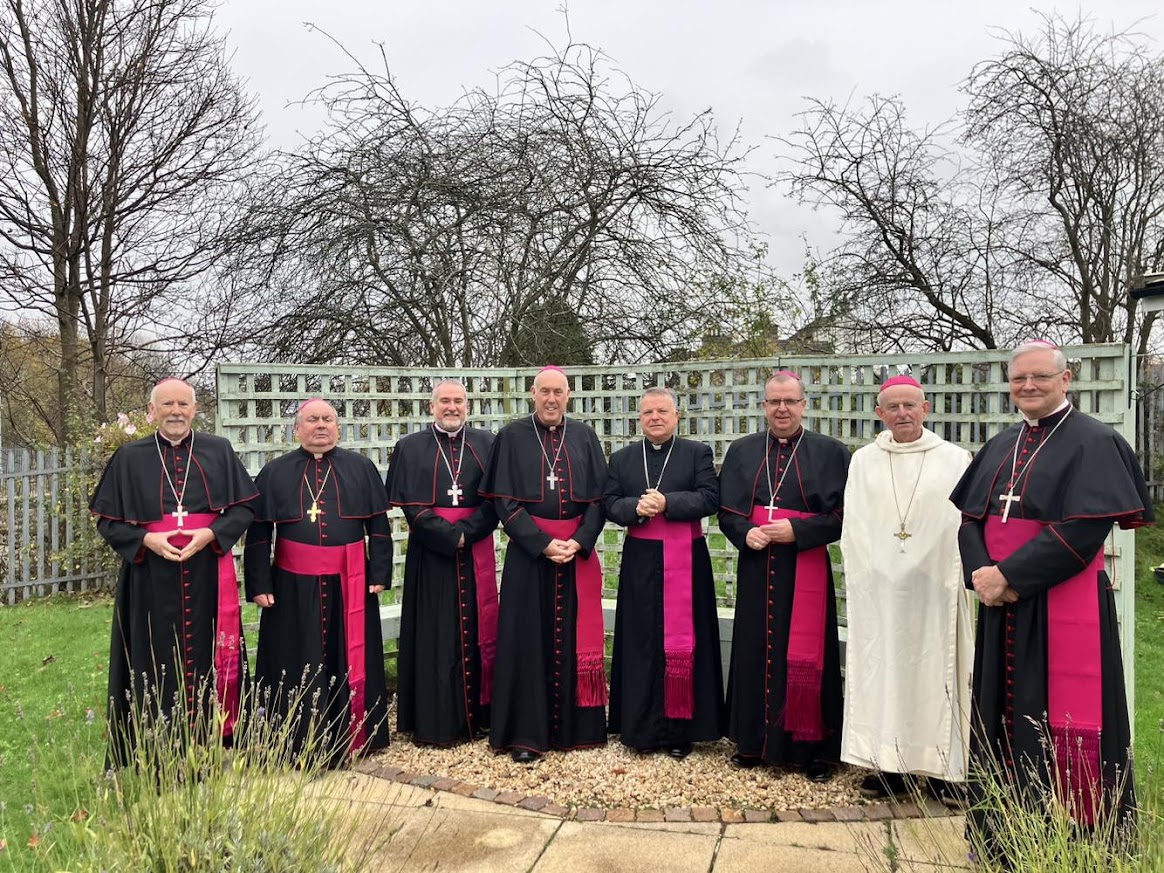
 Bishop John Keenan, president of the Bishops’ Conference of Scotland, said the vote against the assisted suicide bill would “protect some of Scotland’s most vulnerable individuals from the risk of being pressured into a premature death.” | Credit: Photo courtesy of the Bishops’ Conference of Scotland
 
 After an emotional debate, 12 MSPs changed sides, moving from supporting the Bill at Stage 1 to opposing it. Notable MSPs who swapped sides included Jamie Hepburn (Scottish National Party), Daniel Johnson (Labour), and Brian Whittle (Conservative), who publicly announced their decisions during the debate. This followed other notable announcements in the buildup to the vote by Scottish Conservative leader Russell Findlay and Scottish National Party MSPs Audrey Nicoll and Collette Stevenson, who had initially supported the bill and then shared their decisions to vote against it.Commending MSPs for voting against the legislation, Bishop John Keenan, president of the Bishops’ Conference of Scotland, said after the vote: “I would like to express my gratitude to all MSPs for their serious engagement with this issue and for the thoughtful and considered attention they have given to the bill. I am especially grateful to those who upheld the principle of human dignity and advocated on behalf of the vulnerable.”The Catholic Church teaches that assisted suicide is inherently immoral. In advance of the final vote, Keenan commented that a vote against the bill would “protect some of Scotland’s most vulnerable individuals from the risk of being pressured into a premature death.”“Every human life possesses inherent value,” he said. “Genuine compassion is not expressed through ending a life but through accompanying those who suffer and ensuring they receive the medical, emotional, and spiritual support that recognizes their dignity.”
 
 Alisdair Hungerford-Morgan, chief executive of pro-life charity Right To Life UK, called the result “a great and deeply significant victory for the most vulnerable people in Scotland.” | Credit: Photo courtesy of Right To Life UK
 
 Pro-life groups opposing the bill also highlighted the importance of the vote for the vulnerable. In a message to EWTN News, Alisdair Hungerford-Morgan, chief executive of pro-life charity Right To Life UK, called the result “a great and deeply significant victory for the most vulnerable people in Scotland.”Hungerford-Morgan told EWTN News: “People nearing the end of their lives, no matter what their condition, need love and support, not a pathway to suicide, which is exactly what the Scottish assisted suicide bill would have done."The vote followed an intense and long debate over five sessions, culminating in the final debate and vote on March 17.Hungerford-Morgan said: “If this bill had passed in the Scottish Parliament and gone on to become law, it would have ushered in an irrevocable change that would have put the vulnerable at risk and seen the ending of thousands of lives through assisted suicide in Scotland.”He added: “After two years of debate, and the most intense scrutiny that the question of assisted suicide has ever received in Scotland, Holyrood, which is widely regarded as one of the world’s most socially and politically progressive legislatures, has come to the conclusion that introducing assisted suicide is unsafe and dangerous.”Paul Atkin, pro-life officer at the Archdiocese of St. Andrews and Edinburgh, highlighted “the strength of engagement across our archdiocese” due to the fact that, from the 12 MSPs who changed their votes to opposing the bill, eight represent constituencies within the Archdiocese of St. Andrews and Edinburgh.Atkin told EWTN News: “The defeat of this bill is a welcome result, reflecting the strength of engagement across our archdiocese. From the archbishop’s leadership to parishes who organized hundreds of letters, this was a united effort which made the difference.”Praising the “remarkable contribution” of the archdiocese, Atkin paid tribute to the “polite, persistent engagement from the Catholic community,” which helped “shape outcomes and protect the most vulnerable.”Opponents of the bill called for attention to now move away from assisted suicide toward investment in palliative care. “Our next priority must be to strengthen palliative care by ensuring that it is properly funded and accessible to all who require it,” Keenan said. Echoing this viewpoint, Hungerford-Morgan urged MSPs to “unite to focus on renewed efforts to promote and improve palliative care.”Following the defeat of the bill, Hungerford-Morgan turned his attention to a separate bill currently being debated in the House of Lords in London that would legalize assisted suicide in England and Wales, initiated by Labour MP Kim Leadbeater.Calling on the Leadbeater Bill’s sponsors to “reject assisted suicide,” he said: “This victory will have an impact far beyond Holyrood as the Leadbeater Bill is being debated in the House of Lords. Instead of pushing ahead with this dangerous bill, its sponsors should follow Scotland’s example and reject assisted suicide.”

Scottish bishops say ‘prayer moved hearts’ after Scottish Parliament rejects assisted suicide #Catholic In a final vote, members of Scottish Parliament (MSPs) have rejected a bill that would have made assisted suicide legal — a dramatic turn of events that Scotland’s Catholic bishops are attributing to the power of prayer.Reacting to the result immediately after its announcement on March 17, Scotland’s bishops told EWTN News: “Prayer is what moved hearts on this important issue. We are over the moon. Glory be to God that life has triumphed tonight!”Bill sponsor Liam McArthur and his supporters were confident of the Assisted Dying for Terminally Ill Adults (Scotland) Bill becoming law. In the first vote in May 2025, Parliament voted 70 to 56 in favor of the bill progressing to Stage 2. The bill was then amended at Stage 2 before moving to Stage 3 for a decisive vote. in the end, however, MSPs rejected it, voting 69 to 57 against the bill. Bishop John Keenan, president of the Bishops’ Conference of Scotland, said the vote against the assisted suicide bill would “protect some of Scotland’s most vulnerable individuals from the risk of being pressured into a premature death.” | Credit: Photo courtesy of the Bishops’ Conference of Scotland After an emotional debate, 12 MSPs changed sides, moving from supporting the Bill at Stage 1 to opposing it. Notable MSPs who swapped sides included Jamie Hepburn (Scottish National Party), Daniel Johnson (Labour), and Brian Whittle (Conservative), who publicly announced their decisions during the debate. This followed other notable announcements in the buildup to the vote by Scottish Conservative leader Russell Findlay and Scottish National Party MSPs Audrey Nicoll and Collette Stevenson, who had initially supported the bill and then shared their decisions to vote against it.Commending MSPs for voting against the legislation, Bishop John Keenan, president of the Bishops’ Conference of Scotland, said after the vote: “I would like to express my gratitude to all MSPs for their serious engagement with this issue and for the thoughtful and considered attention they have given to the bill. I am especially grateful to those who upheld the principle of human dignity and advocated on behalf of the vulnerable.”The Catholic Church teaches that assisted suicide is inherently immoral. In advance of the final vote, Keenan commented that a vote against the bill would “protect some of Scotland’s most vulnerable individuals from the risk of being pressured into a premature death.”“Every human life possesses inherent value,” he said. “Genuine compassion is not expressed through ending a life but through accompanying those who suffer and ensuring they receive the medical, emotional, and spiritual support that recognizes their dignity.” Alisdair Hungerford-Morgan, chief executive of pro-life charity Right To Life UK, called the result “a great and deeply significant victory for the most vulnerable people in Scotland.” | Credit: Photo courtesy of Right To Life UK Pro-life groups opposing the bill also highlighted the importance of the vote for the vulnerable. In a message to EWTN News, Alisdair Hungerford-Morgan, chief executive of pro-life charity Right To Life UK, called the result “a great and deeply significant victory for the most vulnerable people in Scotland.”Hungerford-Morgan told EWTN News: “People nearing the end of their lives, no matter what their condition, need love and support, not a pathway to suicide, which is exactly what the Scottish assisted suicide bill would have done."The vote followed an intense and long debate over five sessions, culminating in the final debate and vote on March 17.Hungerford-Morgan said: “If this bill had passed in the Scottish Parliament and gone on to become law, it would have ushered in an irrevocable change that would have put the vulnerable at risk and seen the ending of thousands of lives through assisted suicide in Scotland.”He added: “After two years of debate, and the most intense scrutiny that the question of assisted suicide has ever received in Scotland, Holyrood, which is widely regarded as one of the world’s most socially and politically progressive legislatures, has come to the conclusion that introducing assisted suicide is unsafe and dangerous.”Paul Atkin, pro-life officer at the Archdiocese of St. Andrews and Edinburgh, highlighted “the strength of engagement across our archdiocese” due to the fact that, from the 12 MSPs who changed their votes to opposing the bill, eight represent constituencies within the Archdiocese of St. Andrews and Edinburgh.Atkin told EWTN News: “The defeat of this bill is a welcome result, reflecting the strength of engagement across our archdiocese. From the archbishop’s leadership to parishes who organized hundreds of letters, this was a united effort which made the difference.”Praising the “remarkable contribution” of the archdiocese, Atkin paid tribute to the “polite, persistent engagement from the Catholic community,” which helped “shape outcomes and protect the most vulnerable.”Opponents of the bill called for attention to now move away from assisted suicide toward investment in palliative care. “Our next priority must be to strengthen palliative care by ensuring that it is properly funded and accessible to all who require it,” Keenan said. Echoing this viewpoint, Hungerford-Morgan urged MSPs to “unite to focus on renewed efforts to promote and improve palliative care.”Following the defeat of the bill, Hungerford-Morgan turned his attention to a separate bill currently being debated in the House of Lords in London that would legalize assisted suicide in England and Wales, initiated by Labour MP Kim Leadbeater.Calling on the Leadbeater Bill’s sponsors to “reject assisted suicide,” he said: “This victory will have an impact far beyond Holyrood as the Leadbeater Bill is being debated in the House of Lords. Instead of pushing ahead with this dangerous bill, its sponsors should follow Scotland’s example and reject assisted suicide.”

In a decisive vote, Scottish members of Parliament have rejected the Assisted Dying for Terminally Ill Adults (Scotland) Bill, a victory the bishops in Scotland are praising.
Read More
Ireland group calls for inquiry into deaths of 108 babies born alive after abortion #Catholic Ireland group calls for inquiry into deaths of 108 babies born alive after abortionAn advocacy group in Ireland is calling for an inquiry into the deaths of 108 babies who were born alive after attempted abortions in Ireland.In a story published March 1 and authored by Ireland’s Life Institute and others, the institute cited figures released by Ireland’s Health Service Executive (HSE) from 2019 to 2023.“Were these babies simply left to die and were they denied the lifesaving interventions that might have saved them?” Life Institute spokesperson Sandra Parda asked.“We need answers, we need transparency,” Parda said. “Looking at the evidence, clearly these babies are then simply being left to die, yet everything is shrouded in silence and secrecy.”Deputy Mattie McGrath, who obtained the numbers after requesting them from the HSE, said he was “gravely concerned about any approach that reduces transparency around perinatal outcomes.”Woman forced to induce labor while in prison sues IllinoisA former inmate from Illinois filed a lawsuit against the state prison because it allegedly forced her to give birth via induction rather than spontaneous labor.At about seven months pregnant, Amy Hicks was convicted of an illegal drug offense. Two weeks before her due date, in early 2024, she underwent induction due to prison requirements.Labor is usually induced only if there is a health concern for the mother or baby. Women will often elect to avoid induction because it can increase pain and lead to higher intervention rates such as C-sections, among other concerns.The lawsuit, argued by the American Civil Liberties Union of Illinois, alleges that the prison’s requirements violate the state’s Reproductive Health Act, an amendment that created a right to abortion in the state law. The federal lawsuit names Gov. JB Pritzker’s Illinois Department of Corrections, the prison’s medical provider, and Wexford Health Sources, among others.Wyoming Senate passes heartbeat actThe Wyoming Senate passed a heartbeat bill to protect unborn children from abortion when their heartbeats are detectable.The act prohibits “procedures that terminate the life of a child with a detectable heartbeat” with some exceptions.The bill now moves to the governor’s desk; If signed, the act would immediately take effect.Indiana court blocks protections for unborn children on religious freedom claimsAn Indiana court blocked a law protecting unborn children under religious freedom claims on March 6.The American Civil Liberties Union, on behalf of the advocacy group Hoosier Jews for Choice and anonymous women, claimed the law violated religious freedom by preventing women from aborting their children.Lawsuit alleges Virginia abortion rights ballot initiative is invalidA lawsuit dated March 6 alleges that a Virginia ballot initiative to create a right to abortion is invalid.District 3 Supervisor for the Bedford County Board of Supervisors Charla Bansley claimed in the lawsuit that the House of Delegates missed mandated procedural steps, making the ballot initiative invalid.The 35-page lawsuit claims that Virginia’s House of Delegates failed to send it to all circuit court clerks so they could post it for public inspection three months prior to the 2025 House of Delegates elections.North Dakota trains physicians to understand new protections for unborn childrenA training for doctors required by a North Dakota law recently became available, part of a recent law passed to enforce laws surrounding abortion.The online training is required after the Legislature passed a bill requiring training for physicians on how to apply the state’s laws protecting unborn children in various scenarios.Susan B. Anthony Pro-Life America to campaign in OhioSusan B. Anthony Pro-Life America and Women Speak Out PAC launched a seven-figure campaign in Ohio to elect pro-life legislators.The organizations announced on March 2 that they are dedicating .25 million to campaign in support of U.S. Sen. Jon Husted, who is running against former U.S. Sen. Sherrod Brown, and plan to canvas 500,000 houses.The Ohio campaign is part of SBA’s  million investment for the 2026 midterm cycle across the nation.

Ireland group calls for inquiry into deaths of 108 babies born alive after abortion #Catholic Ireland group calls for inquiry into deaths of 108 babies born alive after abortionAn advocacy group in Ireland is calling for an inquiry into the deaths of 108 babies who were born alive after attempted abortions in Ireland.In a story published March 1 and authored by Ireland’s Life Institute and others, the institute cited figures released by Ireland’s Health Service Executive (HSE) from 2019 to 2023.“Were these babies simply left to die and were they denied the lifesaving interventions that might have saved them?” Life Institute spokesperson Sandra Parda asked.“We need answers, we need transparency,” Parda said. “Looking at the evidence, clearly these babies are then simply being left to die, yet everything is shrouded in silence and secrecy.”Deputy Mattie McGrath, who obtained the numbers after requesting them from the HSE, said he was “gravely concerned about any approach that reduces transparency around perinatal outcomes.”Woman forced to induce labor while in prison sues IllinoisA former inmate from Illinois filed a lawsuit against the state prison because it allegedly forced her to give birth via induction rather than spontaneous labor.At about seven months pregnant, Amy Hicks was convicted of an illegal drug offense. Two weeks before her due date, in early 2024, she underwent induction due to prison requirements.Labor is usually induced only if there is a health concern for the mother or baby. Women will often elect to avoid induction because it can increase pain and lead to higher intervention rates such as C-sections, among other concerns.The lawsuit, argued by the American Civil Liberties Union of Illinois, alleges that the prison’s requirements violate the state’s Reproductive Health Act, an amendment that created a right to abortion in the state law. The federal lawsuit names Gov. JB Pritzker’s Illinois Department of Corrections, the prison’s medical provider, and Wexford Health Sources, among others.Wyoming Senate passes heartbeat actThe Wyoming Senate passed a heartbeat bill to protect unborn children from abortion when their heartbeats are detectable.The act prohibits “procedures that terminate the life of a child with a detectable heartbeat” with some exceptions.The bill now moves to the governor’s desk; If signed, the act would immediately take effect.Indiana court blocks protections for unborn children on religious freedom claimsAn Indiana court blocked a law protecting unborn children under religious freedom claims on March 6.The American Civil Liberties Union, on behalf of the advocacy group Hoosier Jews for Choice and anonymous women, claimed the law violated religious freedom by preventing women from aborting their children.Lawsuit alleges Virginia abortion rights ballot initiative is invalidA lawsuit dated March 6 alleges that a Virginia ballot initiative to create a right to abortion is invalid.District 3 Supervisor for the Bedford County Board of Supervisors Charla Bansley claimed in the lawsuit that the House of Delegates missed mandated procedural steps, making the ballot initiative invalid.The 35-page lawsuit claims that Virginia’s House of Delegates failed to send it to all circuit court clerks so they could post it for public inspection three months prior to the 2025 House of Delegates elections.North Dakota trains physicians to understand new protections for unborn childrenA training for doctors required by a North Dakota law recently became available, part of a recent law passed to enforce laws surrounding abortion.The online training is required after the Legislature passed a bill requiring training for physicians on how to apply the state’s laws protecting unborn children in various scenarios.Susan B. Anthony Pro-Life America to campaign in OhioSusan B. Anthony Pro-Life America and Women Speak Out PAC launched a seven-figure campaign in Ohio to elect pro-life legislators.The organizations announced on March 2 that they are dedicating $3.25 million to campaign in support of U.S. Sen. Jon Husted, who is running against former U.S. Sen. Sherrod Brown, and plan to canvas 500,000 houses.The Ohio campaign is part of SBA’s $80 million investment for the 2026 midterm cycle across the nation.

Here is a roundup of recent pro-life and abortion-related news.

Read More