Lent

Pakistan Christian prisoners rebuild lives after church bombings #Catholic LAHORE, Pakistan — Every year during Lent, Sunil Masih remembers his elder brother as churches in Youhanabad — Lahore’s largest squatter settlement for poor Christians — mark the anniversary of the 2015 church bombings.The four Catholic brothers were among more than 150 Christians arrested by police days after twin suicide attacks on St. John’s Catholic Church and Christ Church on March 15, 2015, which killed at least 19 people and injured hundreds. The attacks were claimed by Jamaat-ul-Ahrar, an offshoot of Tehreek-e-Taliban Pakistan.The bombings sparked mob violence that mistakenly killed two Muslim men, who were later identified and detained through raids and video evidence.
 
 Sunil Masih stands beside his vegetable cart in front of his family’s former
milk shop in Youhanabad, Lahore, Pakistan, on March 15, 2025. | Credit:
Kamran Chaudhry
 
 Masih, now 28, said the trauma of prison changed him forever.“They hurled abuses at us, beat us with strips cut from vehicle tires, and in jail we were given old dried roti [flat bread],” he told EWTN News. “Water from the greasy toilet taps was served for drinking. Family meetings were allowed only after a month. It was a hellhole on earth.”He and his brother Sadaqat Perwaiz — popularly known as Monty — were released after six months in Central Jail Lahore. One brother, however, remained among 42 Christians and one Muslim charged in the lynching case.Devastation beyond prisonThe protracted court proceedings devastated the family’s four-decade-old milk business, saddled them with mounting debts, and forced the sale of their 680-square-foot home.Their worries deepened after two Christian inmates, Inderyas Masih, 36, and Usman Shaukat, 29, died in custody under suspicious circumstances during the trial. Police claimed tuberculosis and a heart attack, respectively, while families and the British Pakistani Christian Association reported bruises and unexplained injuries.
 
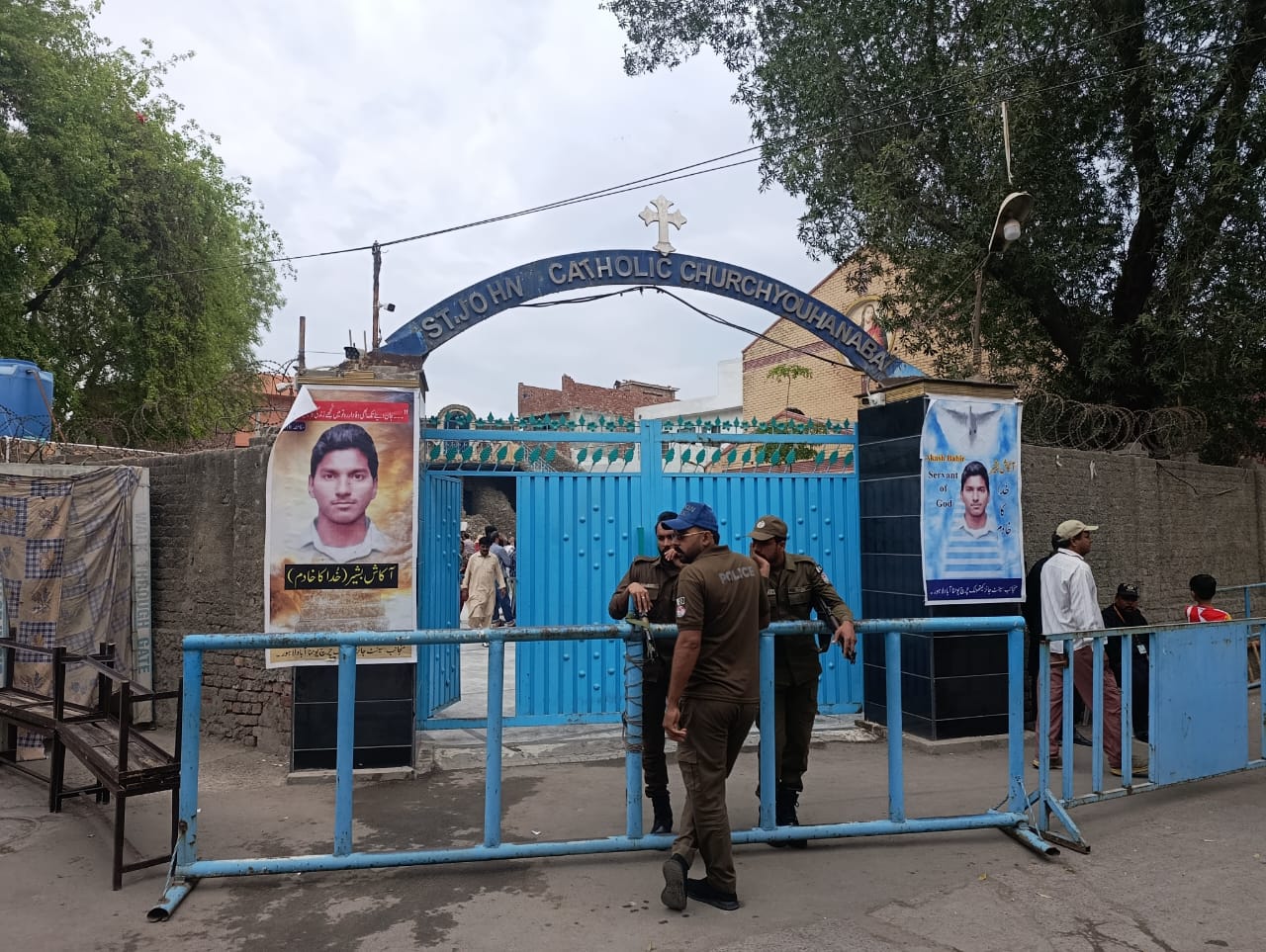
 Pakistani police stand guard outside St. John’s Catholic Church in
Youhanabad, Lahore, on March 15, 2025. Posters of Servant of God Akash Bashir flank the entrance gate on the 10th anniversary of twin suicide bombings that struck the neighborhood. | Credit: Kamran Chaudhry
 
 In January 2020, an anti-terrorism court acquitted the remaining 39 accused after blood money (Diyat) of 25 million rupees ($89,800) was paid to the victims’ families by Pastor Anwar Fazal, a prominent Christian televangelist.Under the Qisas and Diyat Ordinance 1990, introduced during Gen. Ziaul Haq’s Islamization process, courts calculate compensation based on the financial capacity of the convict and the victim’s heirs, with a minimum value linked to 30,630 grams of silver.Monty died of a heart attack in 2022, leaving behind two children aged 10 and 14. His faded poster still hangs in front of the family’s closed milk shop.“He was a stout man, known for his strong community ties and friendly nature in our neighborhood. Prison left him very lean and weakened by an infection that caused his legs to swell beneath the knees and bleed,” Masih said.Today, Sunil Masih sells vegetables from a wooden cart in front of the same shop, now leased to a real estate dealer. He hopes to marry once his new business stabilizes.‘The gift of a hero’On March 15, police guarded churches in Youhanabad, which houses more than 150,000 Christians, as the community observed the 11th bombing anniversary.At St. John’s, parishioners lit candles and placed flowers beneath a banner honoring Akash Bashir, the 20-year-old security volunteer who died preventing a suicide bomber from entering the church during that Sunday Mass.“Salute and gratitude to the martyrs of Youhanabad,” read the banner near the Marian grotto. In January 2022, the Vatican recognized Bashir as a servant of God, making him the first Pakistani Catholic on the path to canonization.
 
 Father Akram Javed (fifth from right), parish priest of St. John’s Catholic Church, lights a memorial candle for Servant of God Akash Bashir at a commemoration in Youhanabad, Lahore, Pakistan, on March 15, 2025. |
Credit: Kamran Chaudhry
 
 Father Akram Javed, parish priest of St. John’s, thanked police for security.“A group of 30 local volunteers carry on Akash’s mission, protecting the church and worshippers. The bombings were a terrible tragedy, but in that darkness, we received the gift of a hero,” he told EWTN News.‘The bombing was a national tragedy’Pentecostal politician Aslam Pervaiz Sahotra, who spent five years in prison, sees the anniversary as a moment of reflection for Pakistan’s 3.3 million Christians, many of whom continue to face discrimination, economic hardship, and lingering trauma.
 
 A man prays outside a church in Youhanabad, Lahore, Pakistan, on March 15, 2025, during commemorations marking the anniversary of the twin suicide bombings. Banners honoring Akash Bashir are visible in the background. | Credit: Kamran Chaudhry
 
 “The bombing was a national tragedy from which the authorities learnt nothing. We continue to suffer losses due to terrorism, with sporadic attacks targeting minority communities and security forces,” said the 65-year-old head of the Massiha Millat Party (Christian Nation Party).He alleged prison authorities tried to manipulate him, introducing Muslim prisoners to persuade him to stay passive.“Despite back pain from four displaced vertebrae, my time in prison strengthened my faith and resolve for activism. The trend of arresting Christians for alleged blasphemy to appease angry crowds will continue unless investigations are conducted on merit,” he added.
 
 Pakistani bishops demand probe into death of Christian farmworker
 
 The United States Commission on International Religious Freedom, in its 2025 annual report, said religious freedom in Pakistan continued to deteriorate, recommending it be designated a “country of particular concern,” citing blasphemy-related prosecutions, mob violence, and forced conversions targeting Christians and other minorities, and a growing climate of fear and impunity.

Pakistan Christian prisoners rebuild lives after church bombings #Catholic LAHORE, Pakistan — Every year during Lent, Sunil Masih remembers his elder brother as churches in Youhanabad — Lahore’s largest squatter settlement for poor Christians — mark the anniversary of the 2015 church bombings.The four Catholic brothers were among more than 150 Christians arrested by police days after twin suicide attacks on St. John’s Catholic Church and Christ Church on March 15, 2015, which killed at least 19 people and injured hundreds. The attacks were claimed by Jamaat-ul-Ahrar, an offshoot of Tehreek-e-Taliban Pakistan.The bombings sparked mob violence that mistakenly killed two Muslim men, who were later identified and detained through raids and video evidence. Sunil Masih stands beside his vegetable cart in front of his family’s former milk shop in Youhanabad, Lahore, Pakistan, on March 15, 2025. | Credit: Kamran Chaudhry Masih, now 28, said the trauma of prison changed him forever.“They hurled abuses at us, beat us with strips cut from vehicle tires, and in jail we were given old dried roti [flat bread],” he told EWTN News. “Water from the greasy toilet taps was served for drinking. Family meetings were allowed only after a month. It was a hellhole on earth.”He and his brother Sadaqat Perwaiz — popularly known as Monty — were released after six months in Central Jail Lahore. One brother, however, remained among 42 Christians and one Muslim charged in the lynching case.Devastation beyond prisonThe protracted court proceedings devastated the family’s four-decade-old milk business, saddled them with mounting debts, and forced the sale of their 680-square-foot home.Their worries deepened after two Christian inmates, Inderyas Masih, 36, and Usman Shaukat, 29, died in custody under suspicious circumstances during the trial. Police claimed tuberculosis and a heart attack, respectively, while families and the British Pakistani Christian Association reported bruises and unexplained injuries. Pakistani police stand guard outside St. John’s Catholic Church in Youhanabad, Lahore, on March 15, 2025. Posters of Servant of God Akash Bashir flank the entrance gate on the 10th anniversary of twin suicide bombings that struck the neighborhood. | Credit: Kamran Chaudhry In January 2020, an anti-terrorism court acquitted the remaining 39 accused after blood money (Diyat) of 25 million rupees ($89,800) was paid to the victims’ families by Pastor Anwar Fazal, a prominent Christian televangelist.Under the Qisas and Diyat Ordinance 1990, introduced during Gen. Ziaul Haq’s Islamization process, courts calculate compensation based on the financial capacity of the convict and the victim’s heirs, with a minimum value linked to 30,630 grams of silver.Monty died of a heart attack in 2022, leaving behind two children aged 10 and 14. His faded poster still hangs in front of the family’s closed milk shop.“He was a stout man, known for his strong community ties and friendly nature in our neighborhood. Prison left him very lean and weakened by an infection that caused his legs to swell beneath the knees and bleed,” Masih said.Today, Sunil Masih sells vegetables from a wooden cart in front of the same shop, now leased to a real estate dealer. He hopes to marry once his new business stabilizes.‘The gift of a hero’On March 15, police guarded churches in Youhanabad, which houses more than 150,000 Christians, as the community observed the 11th bombing anniversary.At St. John’s, parishioners lit candles and placed flowers beneath a banner honoring Akash Bashir, the 20-year-old security volunteer who died preventing a suicide bomber from entering the church during that Sunday Mass.“Salute and gratitude to the martyrs of Youhanabad,” read the banner near the Marian grotto. In January 2022, the Vatican recognized Bashir as a servant of God, making him the first Pakistani Catholic on the path to canonization. Father Akram Javed (fifth from right), parish priest of St. John’s Catholic Church, lights a memorial candle for Servant of God Akash Bashir at a commemoration in Youhanabad, Lahore, Pakistan, on March 15, 2025. | Credit: Kamran Chaudhry Father Akram Javed, parish priest of St. John’s, thanked police for security.“A group of 30 local volunteers carry on Akash’s mission, protecting the church and worshippers. The bombings were a terrible tragedy, but in that darkness, we received the gift of a hero,” he told EWTN News.‘The bombing was a national tragedy’Pentecostal politician Aslam Pervaiz Sahotra, who spent five years in prison, sees the anniversary as a moment of reflection for Pakistan’s 3.3 million Christians, many of whom continue to face discrimination, economic hardship, and lingering trauma. A man prays outside a church in Youhanabad, Lahore, Pakistan, on March 15, 2025, during commemorations marking the anniversary of the twin suicide bombings. Banners honoring Akash Bashir are visible in the background. | Credit: Kamran Chaudhry “The bombing was a national tragedy from which the authorities learnt nothing. We continue to suffer losses due to terrorism, with sporadic attacks targeting minority communities and security forces,” said the 65-year-old head of the Massiha Millat Party (Christian Nation Party).He alleged prison authorities tried to manipulate him, introducing Muslim prisoners to persuade him to stay passive.“Despite back pain from four displaced vertebrae, my time in prison strengthened my faith and resolve for activism. The trend of arresting Christians for alleged blasphemy to appease angry crowds will continue unless investigations are conducted on merit,” he added. Pakistani bishops demand probe into death of Christian farmworker The United States Commission on International Religious Freedom, in its 2025 annual report, said religious freedom in Pakistan continued to deteriorate, recommending it be designated a “country of particular concern,” citing blasphemy-related prosecutions, mob violence, and forced conversions targeting Christians and other minorities, and a growing climate of fear and impunity.

Eleven years after twin suicide bombings struck two Pakistan churches, survivors of mass arrests still bear the scars as a young martyr who died stopping the attack moves toward sainthood.
Read More
Rohingya refugees learn about Lent as Caritas Bangladesh bridges faiths in camps #Catholic COX’S BAZAR, Bangladesh — As more than 1 million Rohingya Muslim refugees in Bangladesh observe the final days of Ramadan, the Catholic charity Caritas Bangladesh is building bridges between the two faiths by sharing the meaning of Lent with refugees and host communities in the sprawling camps of Cox’s Bazar.“We at Caritas Bangladesh are building a bridge between the two religions by highlighting the significance of Lent for our Christians with the Rohingya refugees and the host community so that they can understand the meaning of Lent,” said Liton Luis Gomes, project director of Caritas Bangladesh’s Emergency Response Program.“We have been sharing with the Rohingya refugees the significance of our fasting, which is to eat less and distribute it to the poor, to listen to people, or to serve those who really deserve it,” Gomes told EWTN News.Caritas is sharing the theme of its 2026 Lenten campaign — “Prayer, Listening, and Fasting: A Holy Call of Inner Transformation” — with the Rohingya and host communities, Gomes said.The pope and the RohingyaPope Francis met a group of Rohingya refugees during his apostolic visit to Bangladesh on Dec. 1, 2017. The refugees traveled to Dhaka from Cox’s Bazar to meet the pope during an interreligious gathering at the archbishop’s residence.“The presence of God today is also called Rohingya,” Francis told the gathering in remarks that marked the first time during his visit to Myanmar and Bangladesh that he publicly used the word “Rohingya” to describe the persecuted Muslim minority.
 
 Pope urges ‘full rights’ be given to persecuted Rohingya minority
 
 Most of the Rohingya in the Cox’s Bazar camps arrived from Myanmar since August 2017, when the military began conducting clearance operations after a series of rebel attacks in Myanmar’s Rakhine state. The Rohingya are Muslims who have long faced discrimination in Buddhist-majority Myanmar, including being denied citizenship since 1982. The military coup in Myanmar, formerly Burma, in February 2021 further heightened their vulnerability.The population density of the camps is staggering — roughly 103,600 people per square mile, more than 40 times the average population density of Bangladesh as a whole. Refugees live in side-by-side plastic and bamboo shelters, each just a little larger than 100 square feet, some holding a dozen residents.‘We are not in a festive mood’Eid al-Fitr, one of Islam’s most important religious celebrations, is expected to begin later this week, but refugees say they are not able to celebrate.Abdur Rahim, 55, a Rohingya father of five, told EWTN News that food in the camps is not sufficient but that refugees are “still surviving, thanks to the Bangladesh government and the Almighty.”“We have no money to buy new clothes for my child and grandchild for this festival. Eid is joyful to Muslims, but we are not in a festive mood, because if we can go to our motherland Myanmar, we will be happy,” Rahim said.Rahim said the Caritas initiative had given him a new understanding of the season of fasting.“I didn’t know that Ramadan is not just about not eating. Now, through Caritas, I’ve learned that Ramadan is about helping people and reducing your expenses,” Rahim said.Between 2017 and 2023, Caritas provided  million in emergency efforts for Rohingya and host community members in Cox’s Bazar, according to Caritas Internationalis. During that period the charity assisted nearly 1.7 million individuals with shelter support, protection, disaster risk reduction, education, and water, sanitation, and hygiene services.Caritas Bangladesh is the social action arm of the Catholic Bishops’ Conference of Bangladesh.

Rohingya refugees learn about Lent as Caritas Bangladesh bridges faiths in camps #Catholic COX’S BAZAR, Bangladesh — As more than 1 million Rohingya Muslim refugees in Bangladesh observe the final days of Ramadan, the Catholic charity Caritas Bangladesh is building bridges between the two faiths by sharing the meaning of Lent with refugees and host communities in the sprawling camps of Cox’s Bazar.“We at Caritas Bangladesh are building a bridge between the two religions by highlighting the significance of Lent for our Christians with the Rohingya refugees and the host community so that they can understand the meaning of Lent,” said Liton Luis Gomes, project director of Caritas Bangladesh’s Emergency Response Program.“We have been sharing with the Rohingya refugees the significance of our fasting, which is to eat less and distribute it to the poor, to listen to people, or to serve those who really deserve it,” Gomes told EWTN News.Caritas is sharing the theme of its 2026 Lenten campaign — “Prayer, Listening, and Fasting: A Holy Call of Inner Transformation” — with the Rohingya and host communities, Gomes said.The pope and the RohingyaPope Francis met a group of Rohingya refugees during his apostolic visit to Bangladesh on Dec. 1, 2017. The refugees traveled to Dhaka from Cox’s Bazar to meet the pope during an interreligious gathering at the archbishop’s residence.“The presence of God today is also called Rohingya,” Francis told the gathering in remarks that marked the first time during his visit to Myanmar and Bangladesh that he publicly used the word “Rohingya” to describe the persecuted Muslim minority. Pope urges ‘full rights’ be given to persecuted Rohingya minority Most of the Rohingya in the Cox’s Bazar camps arrived from Myanmar since August 2017, when the military began conducting clearance operations after a series of rebel attacks in Myanmar’s Rakhine state. The Rohingya are Muslims who have long faced discrimination in Buddhist-majority Myanmar, including being denied citizenship since 1982. The military coup in Myanmar, formerly Burma, in February 2021 further heightened their vulnerability.The population density of the camps is staggering — roughly 103,600 people per square mile, more than 40 times the average population density of Bangladesh as a whole. Refugees live in side-by-side plastic and bamboo shelters, each just a little larger than 100 square feet, some holding a dozen residents.‘We are not in a festive mood’Eid al-Fitr, one of Islam’s most important religious celebrations, is expected to begin later this week, but refugees say they are not able to celebrate.Abdur Rahim, 55, a Rohingya father of five, told EWTN News that food in the camps is not sufficient but that refugees are “still surviving, thanks to the Bangladesh government and the Almighty.”“We have no money to buy new clothes for my child and grandchild for this festival. Eid is joyful to Muslims, but we are not in a festive mood, because if we can go to our motherland Myanmar, we will be happy,” Rahim said.Rahim said the Caritas initiative had given him a new understanding of the season of fasting.“I didn’t know that Ramadan is not just about not eating. Now, through Caritas, I’ve learned that Ramadan is about helping people and reducing your expenses,” Rahim said.Between 2017 and 2023, Caritas provided $45 million in emergency efforts for Rohingya and host community members in Cox’s Bazar, according to Caritas Internationalis. During that period the charity assisted nearly 1.7 million individuals with shelter support, protection, disaster risk reduction, education, and water, sanitation, and hygiene services.Caritas Bangladesh is the social action arm of the Catholic Bishops’ Conference of Bangladesh.

As Ramadan draws to a close in the camps of Cox’s Bazar, Caritas Bangladesh is sharing the meaning of Lent with more than 1 million Rohingya Muslim refugees.
Read More
Pakistani Christians join Muslims for Ramadan meals amid Iran war fallout #Catholic LAHORE, Pakistan — White bedsheets for Muslim worshippers were laid on the grassy lawn outside the Dominican Peace Center in Punjab an hour before the annual interfaith iftar — the fast-breaking meal during Ramadan.The aroma of crispy pakoras (fritters), dried dates, rose-flavored Rooh Afza, and dahi bhallay (lentil dumplings in yogurt) drew guests to the dining tables after they finished reciting their iftar prayers in Lahore, the provincial capital.Dominican Father James Channan, director of the center, has hosted such interfaith gatherings for 25 years in a country where religious tensions have periodically turned violent.
 
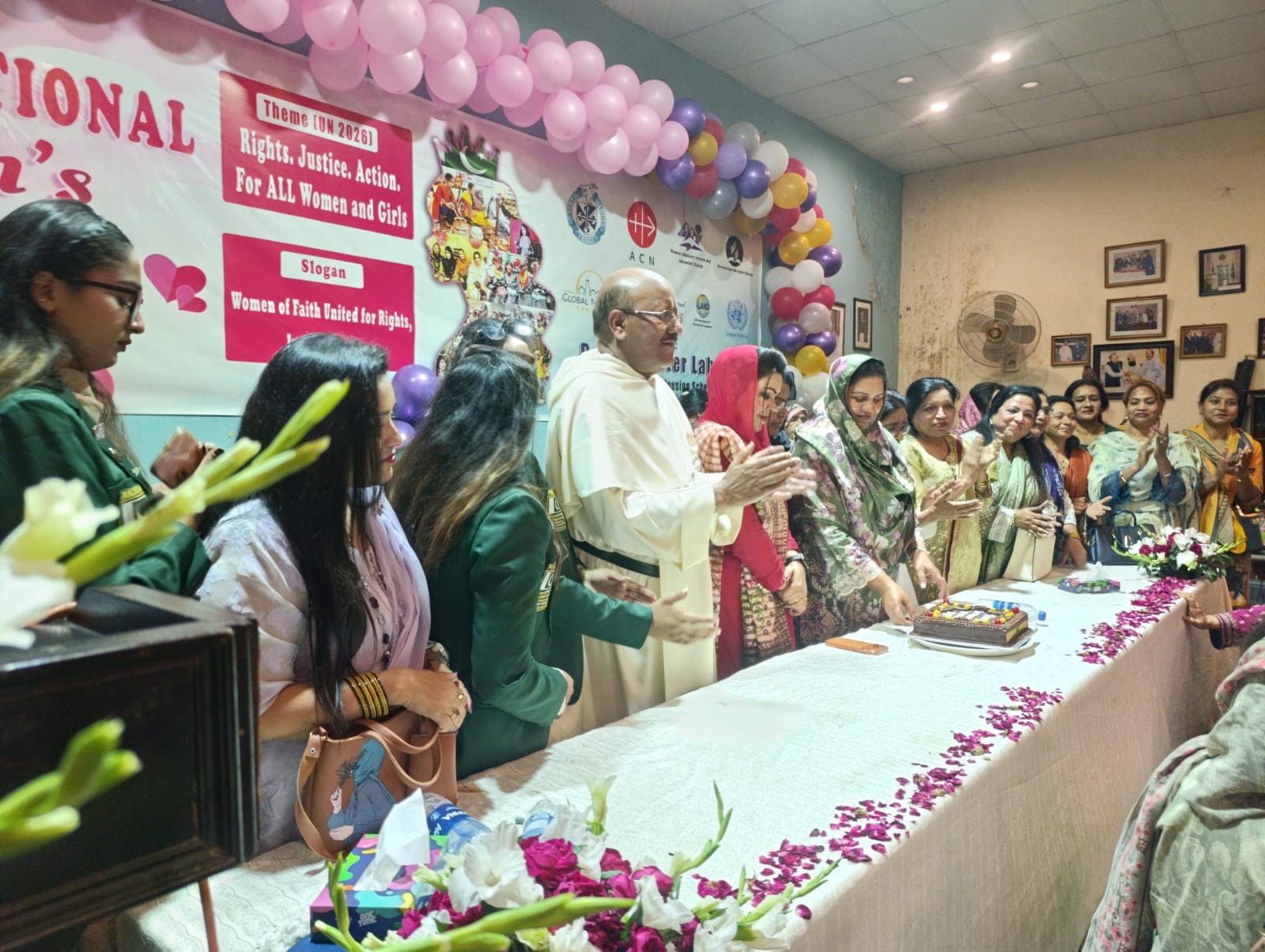
 Dominican Father James Channan speaks at a combined International Women’s Day and interfaith iftar program at the Dominican Peace Center in Lahore, Pakistan, on March 8, 2026. | Credit: Kamran Chaudhry
 
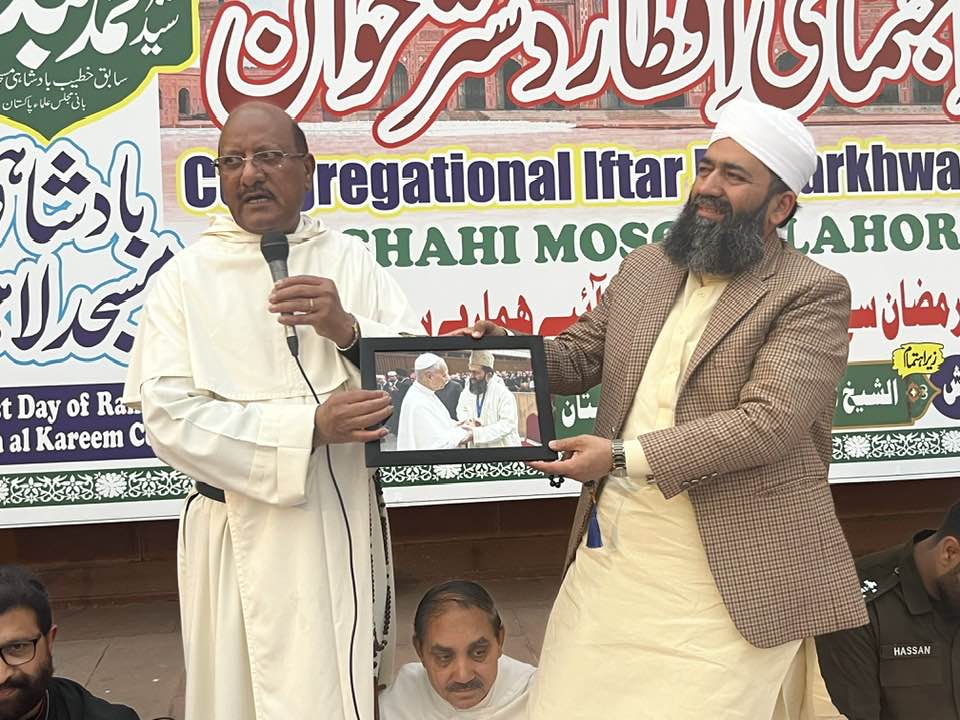
 “Table friendships are very important in our context. People attending such forums highlight them on social media, reaching millions,” he told EWTN News at the sidelines of the program, timed with International Women’s Day on March 8.“The combined meals and prayer services have helped curb trends of church attacks that followed U.S. wars in Muslim countries.”Pakistani Christians have faced multiple terrorist attacks since October 2001, after the United States — seen by many Pakistani Muslims as a Christian nation — launched its military campaign in Afghanistan.“It’s a bitter past. Churches and Christian settlements were considered soft targets. The ongoing conflicts are not crusades; they are wars of interest,” Channan said.Interfaith meals continue despite unrestInterfaith gatherings continued this year even as protests against U.S. and Israeli strikes on Iran left 26 dead in Pakistan.Church leaders joined clerics in prayers for peace and shared meals at mosques, church premises, and hotels across six dioceses and one apostolic vicariate, as Middle East air travel disruption and rising fuel prices added regional tension.Many Pakistanis view the United States and Western Europe as Christian nations, and some militant groups target local Christians as linked to these “Christian countries.”Communal tensions have also erupted locally. In May 2024, a mob attacked 74-year-old Christian Nazir Masih over alleged blasphemy in Sargodha. He later died of his injuries. In August 2023, violence in Jaranwala destroyed 26 churches and 80 Christian homes following allegations of Quran desecration.In a Feb. 17 message, Archbishop Joseph Arshad of Rawalpindi-Islamabad invited Christians and Muslims to offer special prayers for peace as Lent and Ramadan coincided this year. He encouraged people of both faiths “to visit one another, exchange greetings with respect, and unite in serving vulnerable segments of society.”Joint events across PakistanIn Multan, over 82 participants attended a Feb. 28 iftar jointly organized by the Catholic Commission for Inter-Religious Dialogue and Ecumenism; Saiban-e-Pakistan, a state peace initiative; and the Centre of Excellence on Countering Violent Extremism.A day earlier in Lahore, Channan and four Catholic priests attended the fast-breaking event at the Badshahi Mosque, the country’s second-largest mosque. He presented a framed photo of Abdul Khabeer Azad, the mosque’s “khateeb” (prayer leader), who met Pope Leo XIV in October 2025 at the “Christian-Muslim Dialogue and Daring Peace” conference in Rome organized by the Community of Sant’Egidio.
 
 Guests share the interfaith iftar meal at the Dominican Peace Center in Lahore on March 8, 2026. | Credit: Kamran Chaudhry
 
 Among 120 guests at the Dominican iftar was Muslim speaker Shehzad Qaiser. The event, held in collaboration with groups including the Seventh-day Adventist Church, highlighted ongoing social challenges.The head of external affairs at Sundas Foundation, which supports patients with blood disorders, agreed that Christians face discrimination in some offices and some Muslims refuse the food prepared by Christians.“It is very important to share our common practices, joys, and sorrows. Religious leaders have the duty to raise awareness. Sadly some mistake local Christians as ‘kafir’ (infidels),” Qaiser said.“During Ramadan, people distribute free meals to everyone without asking their religion. Blood donors don’t discriminate either. This is the real spirit of Ramadan and Lent.”

Pakistani Christians join Muslims for Ramadan meals amid Iran war fallout #Catholic LAHORE, Pakistan — White bedsheets for Muslim worshippers were laid on the grassy lawn outside the Dominican Peace Center in Punjab an hour before the annual interfaith iftar — the fast-breaking meal during Ramadan.The aroma of crispy pakoras (fritters), dried dates, rose-flavored Rooh Afza, and dahi bhallay (lentil dumplings in yogurt) drew guests to the dining tables after they finished reciting their iftar prayers in Lahore, the provincial capital.Dominican Father James Channan, director of the center, has hosted such interfaith gatherings for 25 years in a country where religious tensions have periodically turned violent. Dominican Father James Channan speaks at a combined International Women’s Day and interfaith iftar program at the Dominican Peace Center in Lahore, Pakistan, on March 8, 2026. | Credit: Kamran Chaudhry “Table friendships are very important in our context. People attending such forums highlight them on social media, reaching millions,” he told EWTN News at the sidelines of the program, timed with International Women’s Day on March 8.“The combined meals and prayer services have helped curb trends of church attacks that followed U.S. wars in Muslim countries.”Pakistani Christians have faced multiple terrorist attacks since October 2001, after the United States — seen by many Pakistani Muslims as a Christian nation — launched its military campaign in Afghanistan.“It’s a bitter past. Churches and Christian settlements were considered soft targets. The ongoing conflicts are not crusades; they are wars of interest,” Channan said.Interfaith meals continue despite unrestInterfaith gatherings continued this year even as protests against U.S. and Israeli strikes on Iran left 26 dead in Pakistan.Church leaders joined clerics in prayers for peace and shared meals at mosques, church premises, and hotels across six dioceses and one apostolic vicariate, as Middle East air travel disruption and rising fuel prices added regional tension.Many Pakistanis view the United States and Western Europe as Christian nations, and some militant groups target local Christians as linked to these “Christian countries.”Communal tensions have also erupted locally. In May 2024, a mob attacked 74-year-old Christian Nazir Masih over alleged blasphemy in Sargodha. He later died of his injuries. In August 2023, violence in Jaranwala destroyed 26 churches and 80 Christian homes following allegations of Quran desecration.In a Feb. 17 message, Archbishop Joseph Arshad of Rawalpindi-Islamabad invited Christians and Muslims to offer special prayers for peace as Lent and Ramadan coincided this year. He encouraged people of both faiths “to visit one another, exchange greetings with respect, and unite in serving vulnerable segments of society.”Joint events across PakistanIn Multan, over 82 participants attended a Feb. 28 iftar jointly organized by the Catholic Commission for Inter-Religious Dialogue and Ecumenism; Saiban-e-Pakistan, a state peace initiative; and the Centre of Excellence on Countering Violent Extremism.A day earlier in Lahore, Channan and four Catholic priests attended the fast-breaking event at the Badshahi Mosque, the country’s second-largest mosque. He presented a framed photo of Abdul Khabeer Azad, the mosque’s “khateeb” (prayer leader), who met Pope Leo XIV in October 2025 at the “Christian-Muslim Dialogue and Daring Peace” conference in Rome organized by the Community of Sant’Egidio. Guests share the interfaith iftar meal at the Dominican Peace Center in Lahore on March 8, 2026. | Credit: Kamran Chaudhry Among 120 guests at the Dominican iftar was Muslim speaker Shehzad Qaiser. The event, held in collaboration with groups including the Seventh-day Adventist Church, highlighted ongoing social challenges.The head of external affairs at Sundas Foundation, which supports patients with blood disorders, agreed that Christians face discrimination in some offices and some Muslims refuse the food prepared by Christians.“It is very important to share our common practices, joys, and sorrows. Religious leaders have the duty to raise awareness. Sadly some mistake local Christians as ‘kafir’ (infidels),” Qaiser said.“During Ramadan, people distribute free meals to everyone without asking their religion. Blood donors don’t discriminate either. This is the real spirit of Ramadan and Lent.”

Church leaders and Muslim clerics shared Ramadan fast-breaking meals across six Pakistani dioceses this year as the overlap of Lent and Ramadan inspired joint prayers for peace.
Read More
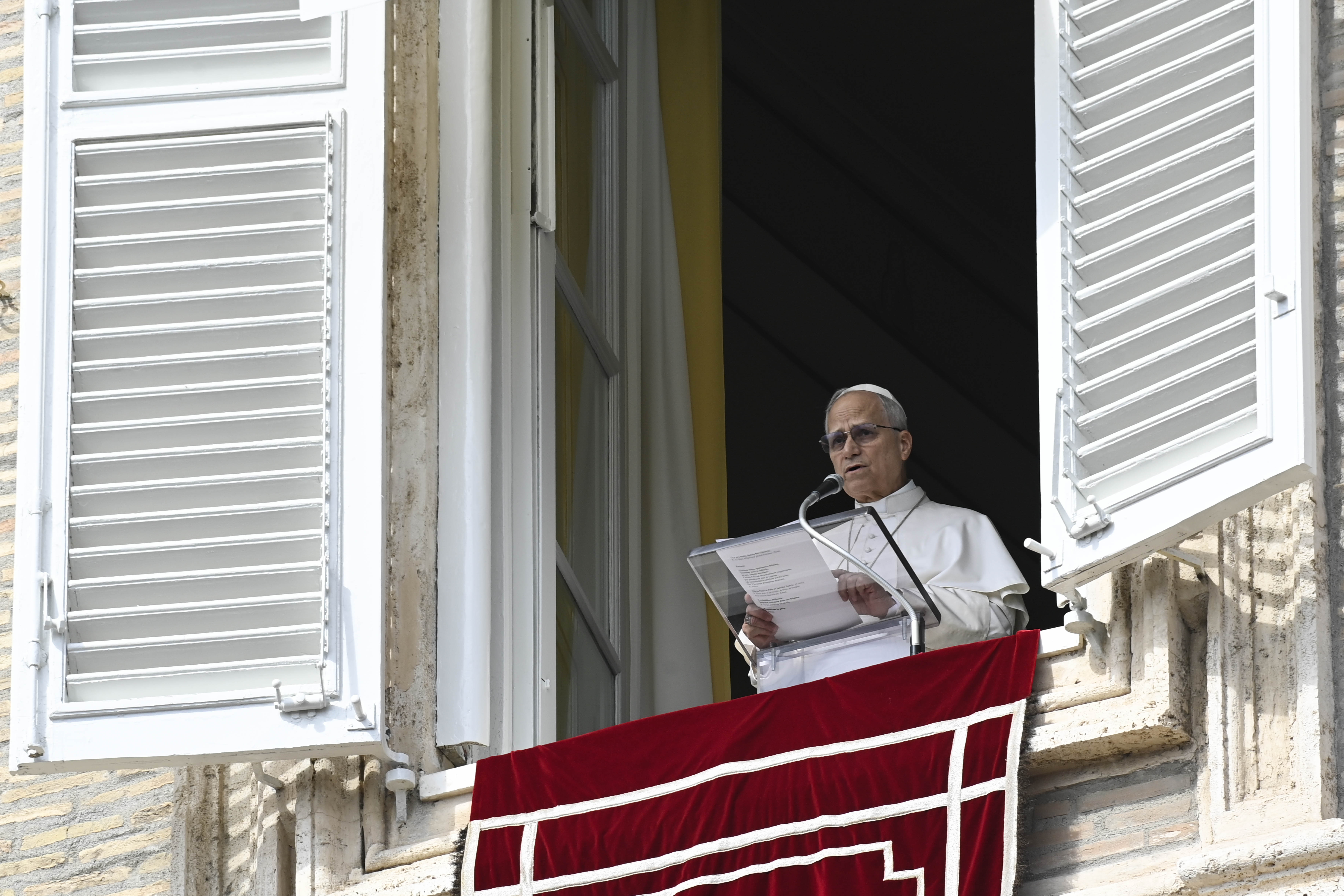
Pope Leo XIV warns of wider Middle East conflict #Catholic Pope Leo XIV on Sunday appealed for peace as violence and fear continue to spread in Iran and across the Middle East, praying in particular for Lebanon and warning that the conflict could widen.Speaking after the Angelus on March 8, the pope said “deeply disturbing news continues to arrive from Iran and the entire Middle East.”“In addition to the episodes of violence and devastation as well as the widespread climate of hatred and fear, there is also the concern that the conflict will spread and that other countries in the region, including beloved Lebanon, may again sink back into instability,” he said.“We lift up our humble prayer to the Lord, so that the thunderous sound of bombs may cease, weapons may fall silent, and a space for dialogue may open up in which the voice of the people can be heard,” the pope said. He added that he was entrusting that intention to the Virgin Mary, “that she may intercede for those who suffer because of war and lead hearts along the paths of reconciliation and hope.”Before the Marian prayer in St. Peter’s Square, Leo reflected on the day’s Gospel and said that “since the first centuries of the Church’s history, the dialogue between Jesus and the Samaritan woman, the healing of the man born blind and the resurrection of Lazarus illuminate the path of those who, at Easter, will receive Baptism and begin a new life.”“These great Gospel passages, which we read beginning this Sunday, are intended for the catechumens to help them on their journey to become Christians,” he said. “At the same time, these passages are heard once again by the entire community of believers to help them to be more authentic and joyful Christians.”Referring to Jesus’ encounter with the Samaritan woman, the pope said: “Indeed, Jesus is the response to our thirst. As he suggested to the Samaritan woman, the encounter with him stirs in the depths of each person ‘a spring of water gushing up to eternal life.’”“How many people in the entire world are searching even today for this spiritual spring!” he said.Quoting the diary of Etty Hillesum, a Dutch Jewish writer who died in Auschwitz during World War II, Leo said: “‘Sometimes I am there too. But more often stones and grit block the well, and God is buried beneath. Then he must be dug out again.’”“Dear friends, there is no energy better spent than that dedicated to freeing our heart,” the pope said. “For this reason, Lent is a gift: we are starting the third week and now we are able to intensify the journey!”He went on to reflect on the disciples’ reaction in the Gospel: “His disciples came [and] they were astonished that he was speaking with a woman.” The Master, he said, had to prompt them: “‘Do you not say, “Four months more, then comes the harvest”? But I tell you, look around you, and see how the fields are ripe for harvesting.’”“The Lord still says to his Church: ‘Lift up your eyes and recognize God’s surprises!’” Leo said. “In the fields, four months prior to the harvest, one sees practically nothing. But there, where we see nothing, grace is already at work and its fruits are ready to be gathered.”“The harvest is great: perhaps the workers are few because they are distracted by other activities,” he continued. “Jesus, on the other hand, is attentive. According to custom, he ought to have simply ignored that Samaritan woman; instead, Jesus speaks with her, listens to her, and shows her respect — without a hidden agenda and without disdain.”“How many people seek in the Church this same sensitivity, this availability!” the pope said.“And how beautiful it is when we lose track of time in order to give attention to the person we are encountering, as we see in this passage,” he added. “Jesus was so spiritually nourished by God’s desire to reach people on the deepest levels that he even forgot to eat.”Leo said that “the Samaritan woman becomes the first of many female evangelizers.” Because of her testimony, “many from her village of despised and rejected people came to meet Jesus, and also in them faith bubbled forth like pure water.”The pope also marked International Women’s Day, observed March 8, saying: “We renew our commitment, which for us Christians is based on the Gospel, to recognize the equal dignity of man and woman.”“Unfortunately many women, from childhood onwards, are still discriminated against and suffer various forms of violence,” he said. “In a special way, I offer to them my solidarity and my prayers.”This article was originally published by ACI Stampa, CNA’s Italian-language news partner, and has been translated and adapted by EWTN News.

Pope Leo XIV warns of wider Middle East conflict #Catholic Pope Leo XIV on Sunday appealed for peace as violence and fear continue to spread in Iran and across the Middle East, praying in particular for Lebanon and warning that the conflict could widen.Speaking after the Angelus on March 8, the pope said “deeply disturbing news continues to arrive from Iran and the entire Middle East.”“In addition to the episodes of violence and devastation as well as the widespread climate of hatred and fear, there is also the concern that the conflict will spread and that other countries in the region, including beloved Lebanon, may again sink back into instability,” he said.“We lift up our humble prayer to the Lord, so that the thunderous sound of bombs may cease, weapons may fall silent, and a space for dialogue may open up in which the voice of the people can be heard,” the pope said. He added that he was entrusting that intention to the Virgin Mary, “that she may intercede for those who suffer because of war and lead hearts along the paths of reconciliation and hope.”Before the Marian prayer in St. Peter’s Square, Leo reflected on the day’s Gospel and said that “since the first centuries of the Church’s history, the dialogue between Jesus and the Samaritan woman, the healing of the man born blind and the resurrection of Lazarus illuminate the path of those who, at Easter, will receive Baptism and begin a new life.”“These great Gospel passages, which we read beginning this Sunday, are intended for the catechumens to help them on their journey to become Christians,” he said. “At the same time, these passages are heard once again by the entire community of believers to help them to be more authentic and joyful Christians.”Referring to Jesus’ encounter with the Samaritan woman, the pope said: “Indeed, Jesus is the response to our thirst. As he suggested to the Samaritan woman, the encounter with him stirs in the depths of each person ‘a spring of water gushing up to eternal life.’”“How many people in the entire world are searching even today for this spiritual spring!” he said.Quoting the diary of Etty Hillesum, a Dutch Jewish writer who died in Auschwitz during World War II, Leo said: “‘Sometimes I am there too. But more often stones and grit block the well, and God is buried beneath. Then he must be dug out again.’”“Dear friends, there is no energy better spent than that dedicated to freeing our heart,” the pope said. “For this reason, Lent is a gift: we are starting the third week and now we are able to intensify the journey!”He went on to reflect on the disciples’ reaction in the Gospel: “His disciples came [and] they were astonished that he was speaking with a woman.” The Master, he said, had to prompt them: “‘Do you not say, “Four months more, then comes the harvest”? But I tell you, look around you, and see how the fields are ripe for harvesting.’”“The Lord still says to his Church: ‘Lift up your eyes and recognize God’s surprises!’” Leo said. “In the fields, four months prior to the harvest, one sees practically nothing. But there, where we see nothing, grace is already at work and its fruits are ready to be gathered.”“The harvest is great: perhaps the workers are few because they are distracted by other activities,” he continued. “Jesus, on the other hand, is attentive. According to custom, he ought to have simply ignored that Samaritan woman; instead, Jesus speaks with her, listens to her, and shows her respect — without a hidden agenda and without disdain.”“How many people seek in the Church this same sensitivity, this availability!” the pope said.“And how beautiful it is when we lose track of time in order to give attention to the person we are encountering, as we see in this passage,” he added. “Jesus was so spiritually nourished by God’s desire to reach people on the deepest levels that he even forgot to eat.”Leo said that “the Samaritan woman becomes the first of many female evangelizers.” Because of her testimony, “many from her village of despised and rejected people came to meet Jesus, and also in them faith bubbled forth like pure water.”The pope also marked International Women’s Day, observed March 8, saying: “We renew our commitment, which for us Christians is based on the Gospel, to recognize the equal dignity of man and woman.”“Unfortunately many women, from childhood onwards, are still discriminated against and suffer various forms of violence,” he said. “In a special way, I offer to them my solidarity and my prayers.”This article was originally published by ACI Stampa, CNA’s Italian-language news partner, and has been translated and adapted by EWTN News.

At his Sunday Angelus, the pope voiced alarm over violence and fear spreading from Iran across the region.
Read More
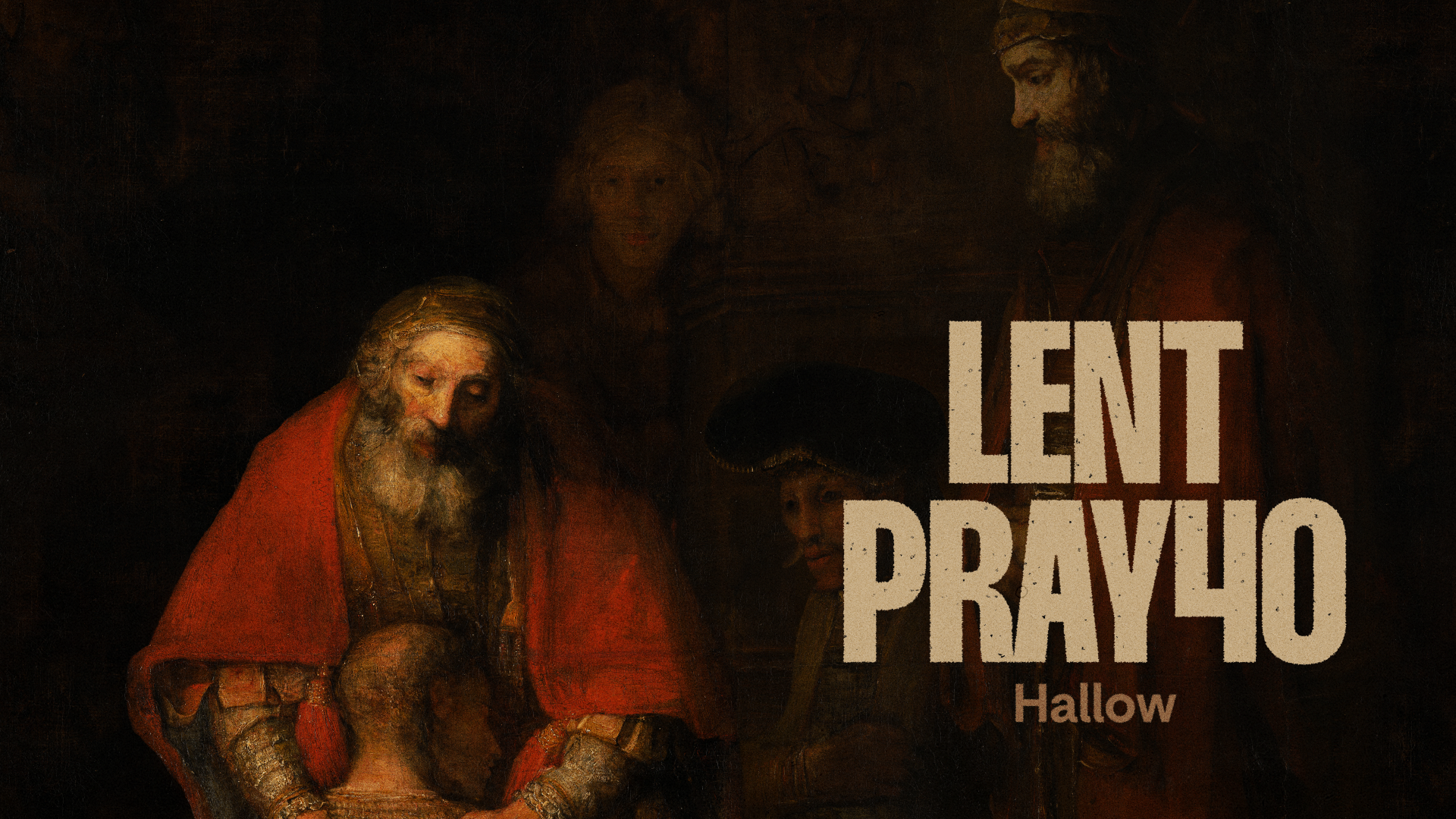
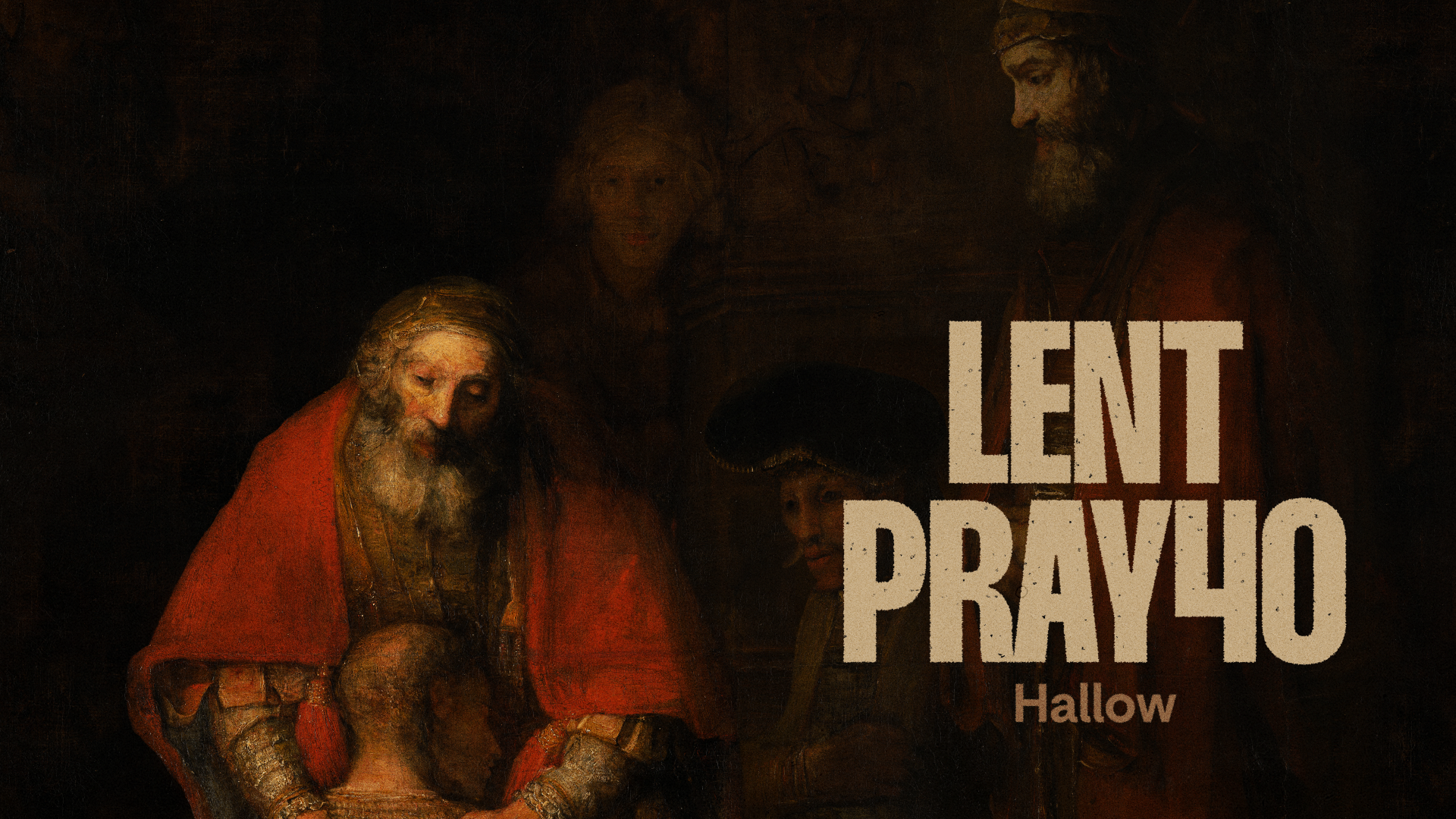
Lent 2026: 5 programs to help you grow in your faith #Catholic This year Lent begins on Feb. 18 with Ash Wednesday. As we quickly approach this time of prayer, fasting, and almsgiving, here are five programs to help you grow in your faith this Lenten season.‘Pray 40: The Return’ (Hallow)This year, Hallow’s Lent Pray40 prayer challenge is titled “Pray40: The Return.” The theme for this year’s challenge focuses on returning to God, just like we read in the parable of the prodigal son. To help go further into this idea, listeners will dive into “The Brothers Karamazov” by Fyodor Dostoevsky.Actor Jonathan Roumie will guide listeners through “The Brothers Karamazov”; Mark Wahlberg and Chris Pratt will provide fasting challenges; Mother Olga will meditate on Scripture; Sister Miriam James Heidland, SOLT, will help listeners take part in imaginative prayer sessions; and Father Mike Schmitz will provide Sunday homilies.‘Crux’ (Ascension)Father Columba Jordan, CFR, will be hosting a daily Lenten program on the Ascension app titled “Crux.” Crux invites the faithful to see Lent as a transformative season through a four-part daily system rooted in both physical and spiritual discipline. The four daily challenges include daily reading of Scripture, a nightly examen, one form of physical exercise, and one dietary fast.“Crux” can be done individually, in parishes, or in small groups. Additionally, for those seeking a screen-free way to take part in the challenge, the “Crux: A Lenten Journey of Surrender” journal is also available.‘Seeking the Inner Room’ (Word on Fire)Word on Fire Institute will be hosting a virtual retreat this Lent led by Sister Miriam James Heidland, SOLT, titled “Seeking the Inner Room.” The seven-week series will help participants dive deeper into Scripture and prayer in order to let the Holy Spirit into each of our inner rooms — our hearts. The retreat will also include reflections on “Gate of Heaven: Reflections on the Mother of God.”Lenten Phone Fast Challenge (Real Life Catholic)Real Life Catholic is inviting people of all ages to put down their phones this Lent to offer prayers and sacrifice to support the renewal of young Catholics. The Lenten Phone Fast Challenge offers participants the opportunity to specifically pray for the spiritual protection of Catholic teens. Participants will also receive weekly messages of support and spiritual guidance from evangelist Chris Stefanick.Programs offered through the EWTN Religious CatalogueIf you’re looking for Lenten devotionals or books you can read during this time, the EWTN Religious Catalogue has a variety of options including “Praying with Jesus and Faustina During Lent,” “Lent and Easter: Wisdom From Fulton Sheen,” and “Lenten Journey with Mother Mary,” among others.

Lent 2026: 5 programs to help you grow in your faith #Catholic This year Lent begins on Feb. 18 with Ash Wednesday. As we quickly approach this time of prayer, fasting, and almsgiving, here are five programs to help you grow in your faith this Lenten season.‘Pray 40: The Return’ (Hallow)This year, Hallow’s Lent Pray40 prayer challenge is titled “Pray40: The Return.” The theme for this year’s challenge focuses on returning to God, just like we read in the parable of the prodigal son. To help go further into this idea, listeners will dive into “The Brothers Karamazov” by Fyodor Dostoevsky.Actor Jonathan Roumie will guide listeners through “The Brothers Karamazov”; Mark Wahlberg and Chris Pratt will provide fasting challenges; Mother Olga will meditate on Scripture; Sister Miriam James Heidland, SOLT, will help listeners take part in imaginative prayer sessions; and Father Mike Schmitz will provide Sunday homilies.‘Crux’ (Ascension)Father Columba Jordan, CFR, will be hosting a daily Lenten program on the Ascension app titled “Crux.” Crux invites the faithful to see Lent as a transformative season through a four-part daily system rooted in both physical and spiritual discipline. The four daily challenges include daily reading of Scripture, a nightly examen, one form of physical exercise, and one dietary fast.“Crux” can be done individually, in parishes, or in small groups. Additionally, for those seeking a screen-free way to take part in the challenge, the “Crux: A Lenten Journey of Surrender” journal is also available.‘Seeking the Inner Room’ (Word on Fire)Word on Fire Institute will be hosting a virtual retreat this Lent led by Sister Miriam James Heidland, SOLT, titled “Seeking the Inner Room.” The seven-week series will help participants dive deeper into Scripture and prayer in order to let the Holy Spirit into each of our inner rooms — our hearts. The retreat will also include reflections on “Gate of Heaven: Reflections on the Mother of God.”Lenten Phone Fast Challenge (Real Life Catholic)Real Life Catholic is inviting people of all ages to put down their phones this Lent to offer prayers and sacrifice to support the renewal of young Catholics. The Lenten Phone Fast Challenge offers participants the opportunity to specifically pray for the spiritual protection of Catholic teens. Participants will also receive weekly messages of support and spiritual guidance from evangelist Chris Stefanick.Programs offered through the EWTN Religious CatalogueIf you’re looking for Lenten devotionals or books you can read during this time, the EWTN Religious Catalogue has a variety of options including “Praying with Jesus and Faustina During Lent,” “Lent and Easter: Wisdom From Fulton Sheen,” and “Lenten Journey with Mother Mary,” among others.

Lent begins on Ash Wednesday, Feb. 18, beginning a season of prayer, fasting, and almsgiving in the Catholic Church.
Read More
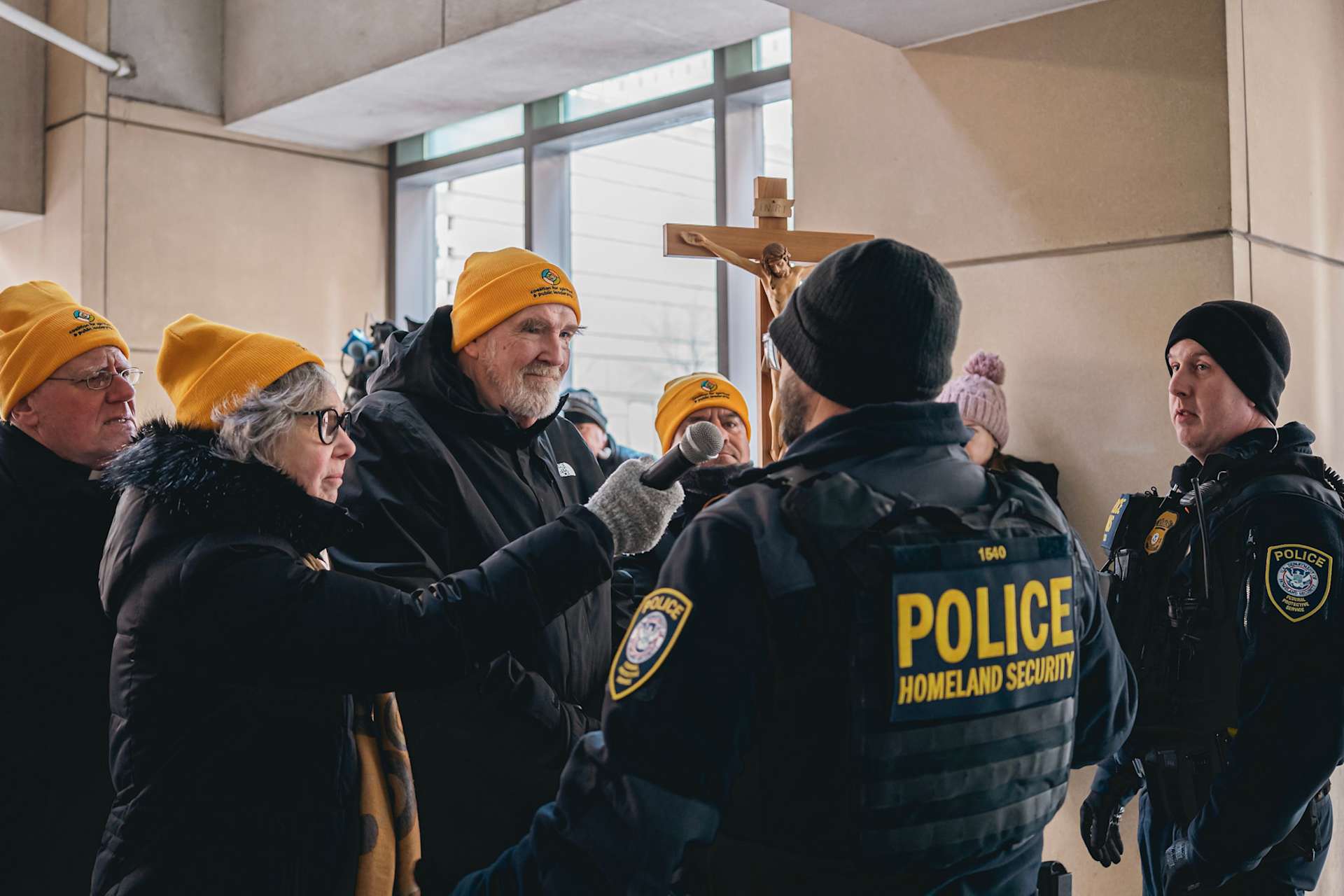
ICE must allow Communion, distribution of ashes at Illinois processing facility, judge says #Catholic The Immigration and Customs Enforcement (ICE) facility in Broadview, Illinois, must accommodate Catholic clergy who wish to provide detainees with ashes and Communion on Ash Wednesday, Feb. 18, according to a federal court ruling.Judge Robert W. Gettleman issued the Feb. 12 order in favor of the Coalition for Spiritual and Public Leadership (CSPL), a nonprofit that helps facilitate Catholic services at ICE facilities among other initiatives. Its mission is rooted in liberation theology and focused on economic, environmental, racial, and social justice.The Department of Homeland Security (DHS), which operates ICE, denied repeated requests to administer the sacraments at the Broadview facility, including when clergy sought to bring Communion and pastoral care to immigration detainees on Christmas.“The whole world has seen the injustices of our federal immigration system,” Father Leandro Fossá, CS, a member of the CSPL Clergy Council, said in a statement.“We are eager to see how the federal government responds to the injunction and restores the fundamental religious rights of people in detention to receive pastoral visits, rights that had been honored previously,” he said.The order states that the government has substantially burdened the religious exercise of the clergy and that there is no compelling government interest to justify that burden. The judge cited the Religious Freedom Restoration Act.“Allowing plaintiffs to provide pastoral care to migrants and detainees will improve the condition of those detained at Broadview,” the judge’s order states. The judge ordered the government to permit ashes and Communion for Ash Wednesday and to coordinate with CSPL to establish an appropriate safety and security protocol. The order directs them to also meet and confer about future religious ministry at the facility.Father Dan Hartnett, SJ, a member of the CSPL Clergy Council, expressed hope that this ruling will set a trend.“The collective voices and faithful witness of Catholics and Christians in Chicago and across the country are making an impact,” he said. “As Lent begins, we pray this ruling restores religious freedom for those detained and moves our country closer to justice in honoring the dignity of all migrants.”Pope Leo XIV said in November 2025 the spiritual rights of migrants in detention must be considered.According to an CSPL statement, the nonprofit is awaiting a response from ICE about coordinating the Ash Wednesday services. Both priests and religious sisters are expected to visit the Broadview facility.Neither ICE nor DHS immediately responded to a request for comment.
 
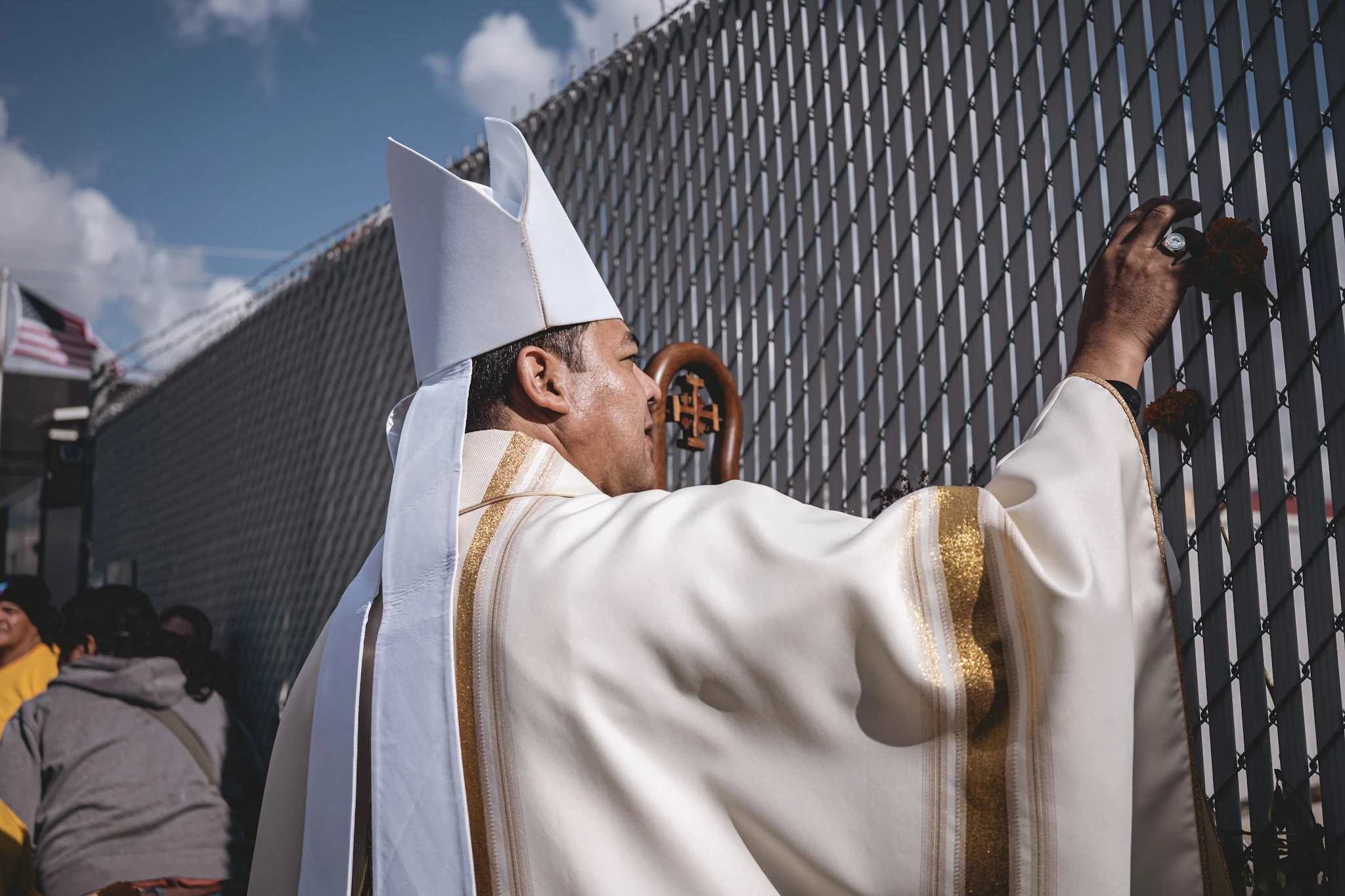
 Auxiliary Bishop Jose María García-Maldonado attempts to visit detainees at the Broadview, Illinois, immigration facility and was not admitted Nov. 1, 2025. | Credit: Bryan Sebastian, courtesy of Coalition for Spiritual and Public Leadership
 
 The Broadview facility is an ICE field office used to process detainees before being transferred to a detention center. Although detainees are only meant to be held there for a few hours, with the maximum being 72 hours, some alleged last year that they were held there for several days and even up to one week.A large outdoor Mass with Scalabrinian Missionaries is set for Ash Wednesday at Our Lady of Mount Carmel Catholic Church in Melrose Park, led by Cardinal Blase J. Cupich of the Archdiocese of Chicago. It will be followed by a procession through the Melrose Park community as participants say the rosary and sing as a sign of the Church’s presence and solidarity with immigrant families.

ICE must allow Communion, distribution of ashes at Illinois processing facility, judge says #Catholic The Immigration and Customs Enforcement (ICE) facility in Broadview, Illinois, must accommodate Catholic clergy who wish to provide detainees with ashes and Communion on Ash Wednesday, Feb. 18, according to a federal court ruling.Judge Robert W. Gettleman issued the Feb. 12 order in favor of the Coalition for Spiritual and Public Leadership (CSPL), a nonprofit that helps facilitate Catholic services at ICE facilities among other initiatives. Its mission is rooted in liberation theology and focused on economic, environmental, racial, and social justice.The Department of Homeland Security (DHS), which operates ICE, denied repeated requests to administer the sacraments at the Broadview facility, including when clergy sought to bring Communion and pastoral care to immigration detainees on Christmas.“The whole world has seen the injustices of our federal immigration system,” Father Leandro Fossá, CS, a member of the CSPL Clergy Council, said in a statement.“We are eager to see how the federal government responds to the injunction and restores the fundamental religious rights of people in detention to receive pastoral visits, rights that had been honored previously,” he said.The order states that the government has substantially burdened the religious exercise of the clergy and that there is no compelling government interest to justify that burden. The judge cited the Religious Freedom Restoration Act.“Allowing plaintiffs to provide pastoral care to migrants and detainees will improve the condition of those detained at Broadview,” the judge’s order states. The judge ordered the government to permit ashes and Communion for Ash Wednesday and to coordinate with CSPL to establish an appropriate safety and security protocol. The order directs them to also meet and confer about future religious ministry at the facility.Father Dan Hartnett, SJ, a member of the CSPL Clergy Council, expressed hope that this ruling will set a trend.“The collective voices and faithful witness of Catholics and Christians in Chicago and across the country are making an impact,” he said. “As Lent begins, we pray this ruling restores religious freedom for those detained and moves our country closer to justice in honoring the dignity of all migrants.”Pope Leo XIV said in November 2025 the spiritual rights of migrants in detention must be considered.According to an CSPL statement, the nonprofit is awaiting a response from ICE about coordinating the Ash Wednesday services. Both priests and religious sisters are expected to visit the Broadview facility.Neither ICE nor DHS immediately responded to a request for comment. Auxiliary Bishop Jose María García-Maldonado attempts to visit detainees at the Broadview, Illinois, immigration facility and was not admitted Nov. 1, 2025. | Credit: Bryan Sebastian, courtesy of Coalition for Spiritual and Public Leadership The Broadview facility is an ICE field office used to process detainees before being transferred to a detention center. Although detainees are only meant to be held there for a few hours, with the maximum being 72 hours, some alleged last year that they were held there for several days and even up to one week.A large outdoor Mass with Scalabrinian Missionaries is set for Ash Wednesday at Our Lady of Mount Carmel Catholic Church in Melrose Park, led by Cardinal Blase J. Cupich of the Archdiocese of Chicago. It will be followed by a procession through the Melrose Park community as participants say the rosary and sing as a sign of the Church’s presence and solidarity with immigrant families.

Clergy had argued they “have lost their own religious freedom, by blanket denial of any opportunity to provide spiritual consolation.”
Read More