Operation

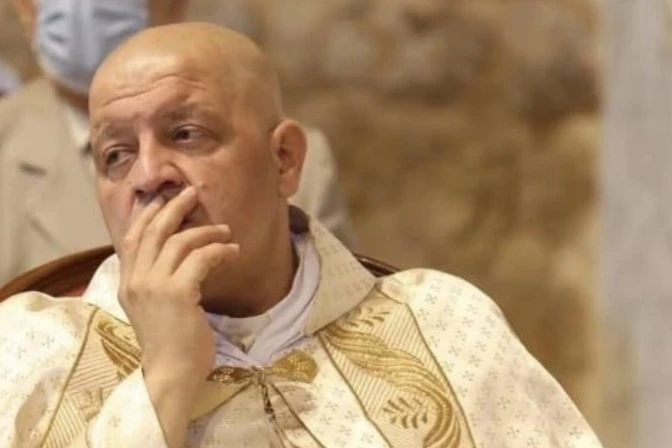
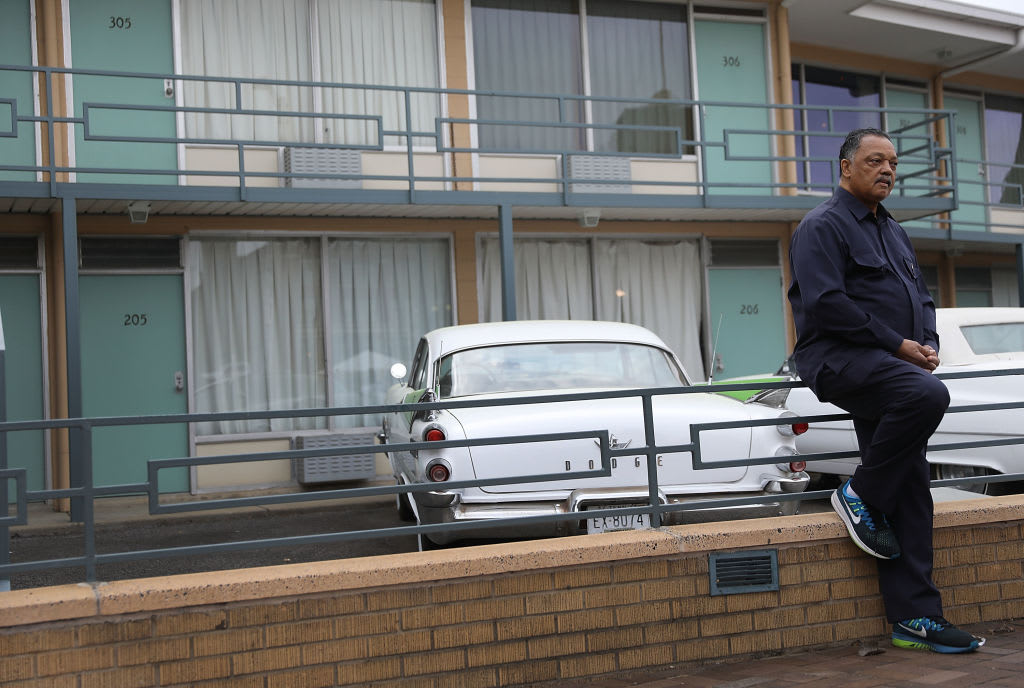
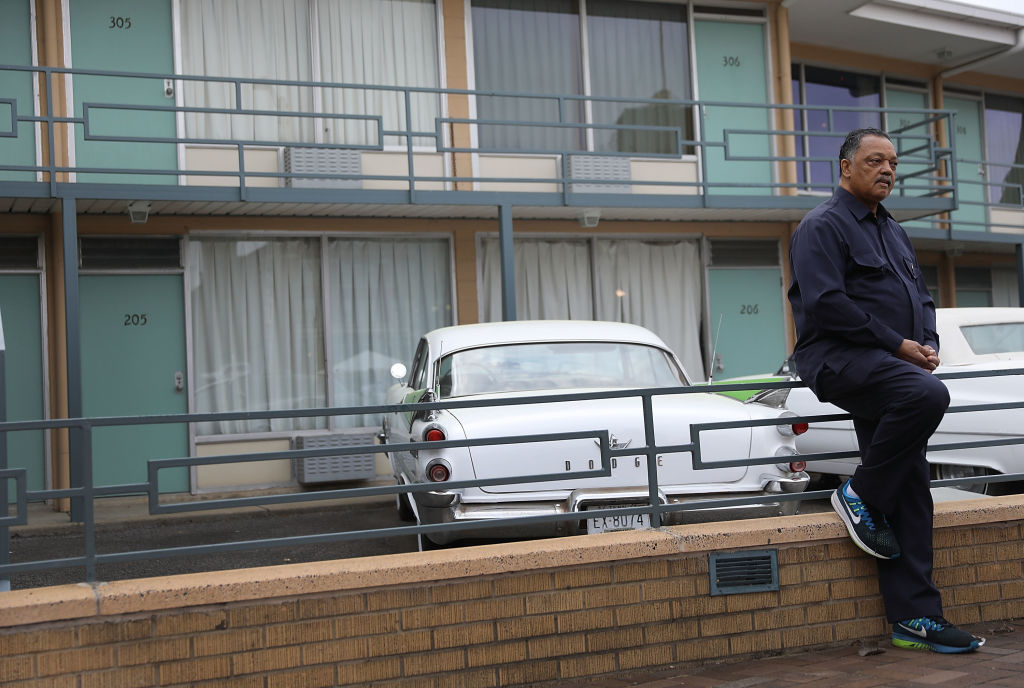
Jesse Jackson, civil rights activist who urged Vatican to address humanitarian crises, dies at 84 #Catholic Jesse Jackson, whose decades of activism included work in the Civil Rights Movement, two runs for the White House, and multiple meetings with Pope John Paul II, died on Feb. 17. He was 84 years old.His family announced his passing in a statement on social media. They described him as a “servant leader” with an “unwavering belief in justice, equality, and love.” Jackson had suffered health issues for several years, including a diagnosis of Parkinson’s disease in 2017.Born Jesse Burns in Greenville, South Carolina, on Oct. 8, 1941, Jackson was adopted by his mother Helen’s subsequent husband Charles Jackson, though he maintained a close relationship with his birth father, Noah Robinson.Taunts from local children about his out-of-wedlock birth reportedly instilled in Jackson a motive to succeed; he further cited his biological father’s example of a “strong healthy ego” and “sense of dignity” that led him to push for civil rights in what was then the heavily segregated Southern U.S.He was a member of the “Greenville Eight” who protested the city’s segregated library system in 1960. A protege of Martin Luther King Jr., he participated in the Selma-to-Montgomery marches and played early roles in the Southern Christian Leadership Conference. Jackson was present at King’s assassination at the Lorraine Motel in Memphis on April 4, 1968.He founded the social justice organization Operation PUSH — now Rainbow/PUSH — in 1971. He would eventually mount two campaigns for U.S. president, one in 1984 and one in 1988, both of which he lost.Earlier in his career Jackson had been an outspoken pro-life advocate, at one point even endorsing amending the U.S. Constitution to ban abortion, though in later decades he would pivot to aggressive support of abortion.He met with Pope John Paul II on three separate occasions in the 1980s and 1990s. In 1982 he urged the pontiff to advocate on behalf of Haitian refugees in the U.S., describing John Paul II as “the dominant force and moral authority in the world” at the time.He met with the pope again in 1985 and reportedly asked him to visit South Africa to protest apartheid, and again a third time in 1999 to urge the pontiff to advocate on behalf of three imprisoned CARE humanitarian workers in a Belgrade prison.Jackson is survived by his wife of 64 years, Jacqueline Lavinia Brown, and their five children. He is also survived by a daughter, Ashley, born to one of his former staffers in 1999.In a famed speech at the 1984 Democratic National Convention in San Francisco, Jackson reflected on his political career and acknowledged that he was “not a perfect servant” but “a public servant doing my best against the odds.” He told the crowd: “As I develop and serve, be patient: God is not finished with me yet.”“For leaders, the pain is often intense,” he said at the time. “But you must smile through your tears and keep moving with the faith that there is a brighter side somewhere.”

Jesse Jackson, civil rights activist who urged Vatican to address humanitarian crises, dies at 84 #Catholic Jesse Jackson, whose decades of activism included work in the Civil Rights Movement, two runs for the White House, and multiple meetings with Pope John Paul II, died on Feb. 17. He was 84 years old.His family announced his passing in a statement on social media. They described him as a “servant leader” with an “unwavering belief in justice, equality, and love.” Jackson had suffered health issues for several years, including a diagnosis of Parkinson’s disease in 2017.Born Jesse Burns in Greenville, South Carolina, on Oct. 8, 1941, Jackson was adopted by his mother Helen’s subsequent husband Charles Jackson, though he maintained a close relationship with his birth father, Noah Robinson.Taunts from local children about his out-of-wedlock birth reportedly instilled in Jackson a motive to succeed; he further cited his biological father’s example of a “strong healthy ego” and “sense of dignity” that led him to push for civil rights in what was then the heavily segregated Southern U.S.He was a member of the “Greenville Eight” who protested the city’s segregated library system in 1960. A protege of Martin Luther King Jr., he participated in the Selma-to-Montgomery marches and played early roles in the Southern Christian Leadership Conference. Jackson was present at King’s assassination at the Lorraine Motel in Memphis on April 4, 1968.He founded the social justice organization Operation PUSH — now Rainbow/PUSH — in 1971. He would eventually mount two campaigns for U.S. president, one in 1984 and one in 1988, both of which he lost.Earlier in his career Jackson had been an outspoken pro-life advocate, at one point even endorsing amending the U.S. Constitution to ban abortion, though in later decades he would pivot to aggressive support of abortion.He met with Pope John Paul II on three separate occasions in the 1980s and 1990s. In 1982 he urged the pontiff to advocate on behalf of Haitian refugees in the U.S., describing John Paul II as “the dominant force and moral authority in the world” at the time.He met with the pope again in 1985 and reportedly asked him to visit South Africa to protest apartheid, and again a third time in 1999 to urge the pontiff to advocate on behalf of three imprisoned CARE humanitarian workers in a Belgrade prison.Jackson is survived by his wife of 64 years, Jacqueline Lavinia Brown, and their five children. He is also survived by a daughter, Ashley, born to one of his former staffers in 1999.In a famed speech at the 1984 Democratic National Convention in San Francisco, Jackson reflected on his political career and acknowledged that he was “not a perfect servant” but “a public servant doing my best against the odds.” He told the crowd: “As I develop and serve, be patient: God is not finished with me yet.”“For leaders, the pain is often intense,” he said at the time. “But you must smile through your tears and keep moving with the faith that there is a brighter side somewhere.”

The longtime activist was a fixture in U.S. politics for decades, including two presidential runs.

Read More
Bishop of Columbus grants Mass dispensation to immigrants who fear deportation #Catholic 
 
 Bishop Earl Fernandes of Columbus, Ohio, carries the Blessed Sacrament during a procession at Pickaway Correctional Institution on June 28, 2024, at one of the stops on the Seton Route of the National Eucharistic Pilgrimage. Credit: Catholic Times/Ken Snow

Dec 29, 2025 / 14:18 pm (CNA).
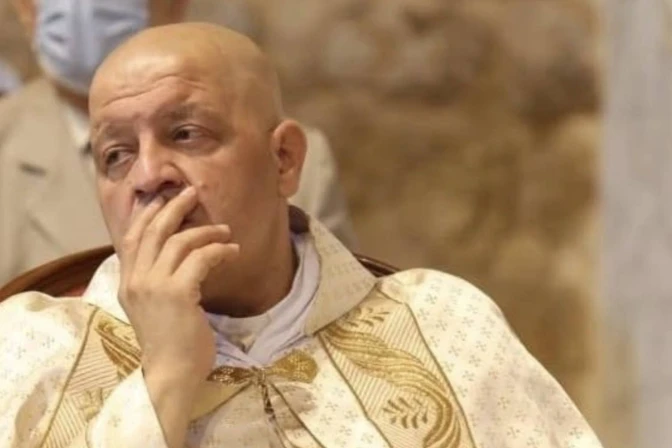
The bishop of the Diocese of Columbus, Ohio, has granted a dispensation from Mass for parishioners who fear deportation by immigration enforcement officers, who have increased activity in the area since mid-December.Bishop Earl Fernandes announced in a letter and video last week that those who fear immigration enforcement action are free from the obligation to attend Sunday Mass until Jan. 11, 2026. The bishop said the dispensation was precipitated by increased immigration enforcement activity in Ohio stemming from Operation Buckeye, a U.S. Immigration and Customs Enforcement (ICE) initiative launched Dec. 16 that is allegedly targeting “the worst of the worst criminal illegal aliens in Columbus and throughout Ohio.”Fernandes told EWTN News on Monday that after he began receiving messages from pastors throughout his diocese informing him that Hispanic parishioners were afraid to attend Mass due to the increased enforcement by ICE officers, he asked diocesan personnel in the Office of Catholic Social Doctrine and the Hispanic ministry office to help him get a clearer picture of “what is happening on the ground.”“They told me there were ICE trucks in front of parishes; even in front of schools,” Fernandes said. “All of a sudden, there were half or fewer attendees at the Posadas [traditional pre-Christmas] celebrations.”He said he decided to issue the dispensation “even though I did not want to” because “people need Mass and the sacraments more than ever” and he wanted families to be together without fear for Christmas.During a Mass he celebrated on Saturday, Dec. 20, Fernandes told EWTN News the pastor of the church remained at the front door and saw an ICE truck nearby. Because of this, the Posada [traditional pre-Christmas] procession was moved from outdoors to a hallway inside the building because “the people were too afraid to go outside.”The procession took place inside the building. “We had a meal, there was a piñata and some celebrations,” Fernandes said. “But it was clear there were a lot of people who weren’t there.”The bishop said he began receiving calls from pastors more than two hours from Columbus who were reporting ICE’s presence.Sharp drops in Mass attendance“The atmosphere of fear was keeping people away,” he said. One pastor reported that only one-third of his congregation attended weekend Mass. Another said only one-quarter were present, Fernandes said.Of the increased enforcement against immigrants, Fernandes reflected: “It’s easy to say immigrants should have come to our country legally. But what if your parents came here illegally and you are a U.S. citizen? … What if one spouse is documented and the other is not. What’s in the best interest of their children and society at large?”Of the Mexican population in Columbus, Fernandes said that “many are the grandchildren of the Cristeros,” resistors to the Mexican government’s attempts in the 1920s to suppress Catholicism in the country.He said a large group of Hispanics came to the midnight Mass on Christmas at the cathedral because they did not think ICE would be there. “I think they felt safe at the cathedral.”Fernandes said the Diocese of Columbus also has large numbers of Catholic African migrants who have “tons of children” and make up “young communities full of life and full of faith.”Fernandes said he talked to the pastor of a multiethnic parish made up of Nigerians, Filipinos, and others, and “they’re afraid too.”He is concerned for the Haitian community as well, whose temporary protected status (TPS) is set to expire on Feb. 3, 2026.He said the Mass dispensation expires on Jan. 11, the end of the Christmas season, at which time he will reevaluate the situation.

Bishop of Columbus grants Mass dispensation to immigrants who fear deportation #Catholic Bishop Earl Fernandes of Columbus, Ohio, carries the Blessed Sacrament during a procession at Pickaway Correctional Institution on June 28, 2024, at one of the stops on the Seton Route of the National Eucharistic Pilgrimage. Credit: Catholic Times/Ken Snow Dec 29, 2025 / 14:18 pm (CNA). The bishop of the Diocese of Columbus, Ohio, has granted a dispensation from Mass for parishioners who fear deportation by immigration enforcement officers, who have increased activity in the area since mid-December.Bishop Earl Fernandes announced in a letter and video last week that those who fear immigration enforcement action are free from the obligation to attend Sunday Mass until Jan. 11, 2026. The bishop said the dispensation was precipitated by increased immigration enforcement activity in Ohio stemming from Operation Buckeye, a U.S. Immigration and Customs Enforcement (ICE) initiative launched Dec. 16 that is allegedly targeting “the worst of the worst criminal illegal aliens in Columbus and throughout Ohio.”Fernandes told EWTN News on Monday that after he began receiving messages from pastors throughout his diocese informing him that Hispanic parishioners were afraid to attend Mass due to the increased enforcement by ICE officers, he asked diocesan personnel in the Office of Catholic Social Doctrine and the Hispanic ministry office to help him get a clearer picture of “what is happening on the ground.”“They told me there were ICE trucks in front of parishes; even in front of schools,” Fernandes said. “All of a sudden, there were half or fewer attendees at the Posadas [traditional pre-Christmas] celebrations.”He said he decided to issue the dispensation “even though I did not want to” because “people need Mass and the sacraments more than ever” and he wanted families to be together without fear for Christmas.During a Mass he celebrated on Saturday, Dec. 20, Fernandes told EWTN News the pastor of the church remained at the front door and saw an ICE truck nearby. Because of this, the Posada [traditional pre-Christmas] procession was moved from outdoors to a hallway inside the building because “the people were too afraid to go outside.”The procession took place inside the building. “We had a meal, there was a piñata and some celebrations,” Fernandes said. “But it was clear there were a lot of people who weren’t there.”The bishop said he began receiving calls from pastors more than two hours from Columbus who were reporting ICE’s presence.Sharp drops in Mass attendance“The atmosphere of fear was keeping people away,” he said. One pastor reported that only one-third of his congregation attended weekend Mass. Another said only one-quarter were present, Fernandes said.Of the increased enforcement against immigrants, Fernandes reflected: “It’s easy to say immigrants should have come to our country legally. But what if your parents came here illegally and you are a U.S. citizen? … What if one spouse is documented and the other is not. What’s in the best interest of their children and society at large?”Of the Mexican population in Columbus, Fernandes said that “many are the grandchildren of the Cristeros,” resistors to the Mexican government’s attempts in the 1920s to suppress Catholicism in the country.He said a large group of Hispanics came to the midnight Mass on Christmas at the cathedral because they did not think ICE would be there. “I think they felt safe at the cathedral.”Fernandes said the Diocese of Columbus also has large numbers of Catholic African migrants who have “tons of children” and make up “young communities full of life and full of faith.”Fernandes said he talked to the pastor of a multiethnic parish made up of Nigerians, Filipinos, and others, and “they’re afraid too.”He is concerned for the Haitian community as well, whose temporary protected status (TPS) is set to expire on Feb. 3, 2026.He said the Mass dispensation expires on Jan. 11, the end of the Christmas season, at which time he will reevaluate the situation.


Bishop Earl Fernandes of Columbus, Ohio, carries the Blessed Sacrament during a procession at Pickaway Correctional Institution on June 28, 2024, at one of the stops on the Seton Route of the National Eucharistic Pilgrimage. Credit: Catholic Times/Ken Snow

Dec 29, 2025 / 14:18 pm (CNA).

The bishop of the Diocese of Columbus, Ohio, has granted a dispensation from Mass for parishioners who fear deportation by immigration enforcement officers, who have increased activity in the area since mid-December.

Bishop Earl Fernandes announced in a letter and video last week that those who fear immigration enforcement action are free from the obligation to attend Sunday Mass until Jan. 11, 2026. The bishop said the dispensation was precipitated by increased immigration enforcement activity in Ohio stemming from Operation Buckeye, a U.S. Immigration and Customs Enforcement (ICE) initiative launched Dec. 16 that is allegedly targeting “the worst of the worst criminal illegal aliens in Columbus and throughout Ohio.”

Fernandes told EWTN News on Monday that after he began receiving messages from pastors throughout his diocese informing him that Hispanic parishioners were afraid to attend Mass due to the increased enforcement by ICE officers, he asked diocesan personnel in the Office of Catholic Social Doctrine and the Hispanic ministry office to help him get a clearer picture of “what is happening on the ground.”

“They told me there were ICE trucks in front of parishes; even in front of schools,” Fernandes said. “All of a sudden, there were half or fewer attendees at the Posadas [traditional pre-Christmas] celebrations.”

He said he decided to issue the dispensation “even though I did not want to” because “people need Mass and the sacraments more than ever” and he wanted families to be together without fear for Christmas.

During a Mass he celebrated on Saturday, Dec. 20, Fernandes told EWTN News the pastor of the church remained at the front door and saw an ICE truck nearby. Because of this, the Posada [traditional pre-Christmas] procession was moved from outdoors to a hallway inside the building because “the people were too afraid to go outside.”

The procession took place inside the building. “We had a meal, there was a piñata and some celebrations,” Fernandes said. “But it was clear there were a lot of people who weren’t there.”

The bishop said he began receiving calls from pastors more than two hours from Columbus who were reporting ICE’s presence.

Sharp drops in Mass attendance

“The atmosphere of fear was keeping people away,” he said. One pastor reported that only one-third of his congregation attended weekend Mass. Another said only one-quarter were present, Fernandes said.

Of the increased enforcement against immigrants, Fernandes reflected: “It’s easy to say immigrants should have come to our country legally. But what if your parents came here illegally and you are a U.S. citizen? … What if one spouse is documented and the other is not. What’s in the best interest of their children and society at large?”

Of the Mexican population in Columbus, Fernandes said that “many are the grandchildren of the Cristeros,” resistors to the Mexican government’s attempts in the 1920s to suppress Catholicism in the country.

He said a large group of Hispanics came to the midnight Mass on Christmas at the cathedral because they did not think ICE would be there. “I think they felt safe at the cathedral.”

Fernandes said the Diocese of Columbus also has large numbers of Catholic African migrants who have “tons of children” and make up “young communities full of life and full of faith.”

Fernandes said he talked to the pastor of a multiethnic parish made up of Nigerians, Filipinos, and others, and “they’re afraid too.”

He is concerned for the Haitian community as well, whose temporary protected status (TPS) is set to expire on Feb. 3, 2026.

He said the Mass dispensation expires on Jan. 11, the end of the Christmas season, at which time he will reevaluate the situation.

Read More
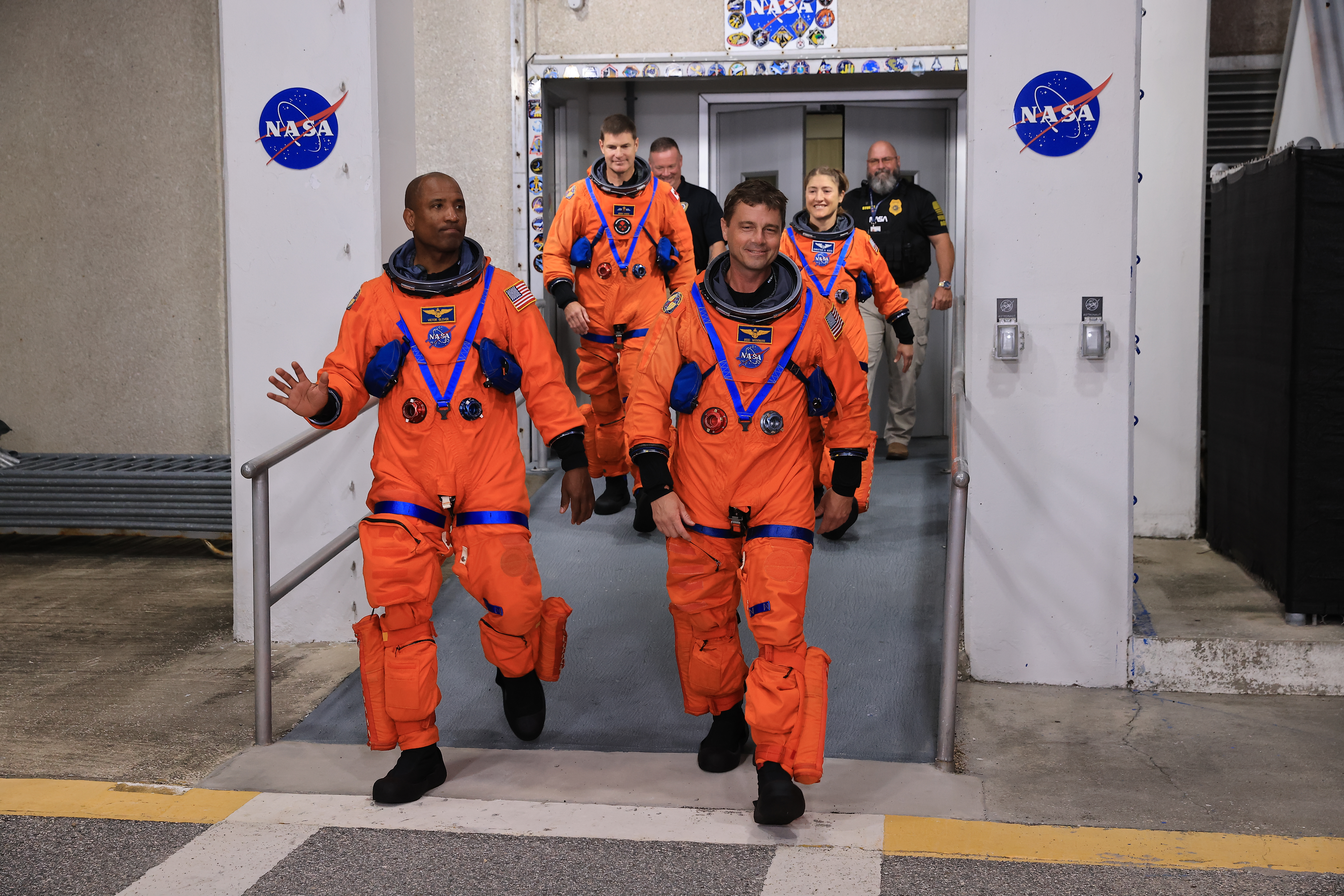
Artemis II Crew Walks Out for Practice Scenarios

From left to right, NASA astronauts Victor Glover, Artemis II pilot; Reid Wiseman, Artemis II commander; CSA (Canadian Space Agency) astronaut Jeremy Hansen, Artemis II mission specialist, and NASA astronaut Christina Koch, Artemis II mission specialist, suit up and walk out of the Neil A. Armstrong Operations and Checkout Building at NASA’s Kennedy Space Center in Florida on Monday, Aug. 11, 2025. During a two-day operation, the Artemis II team practiced night-run demonstrations of different launch day scenarios for the Artemis II test flight.

Read More