Pilot

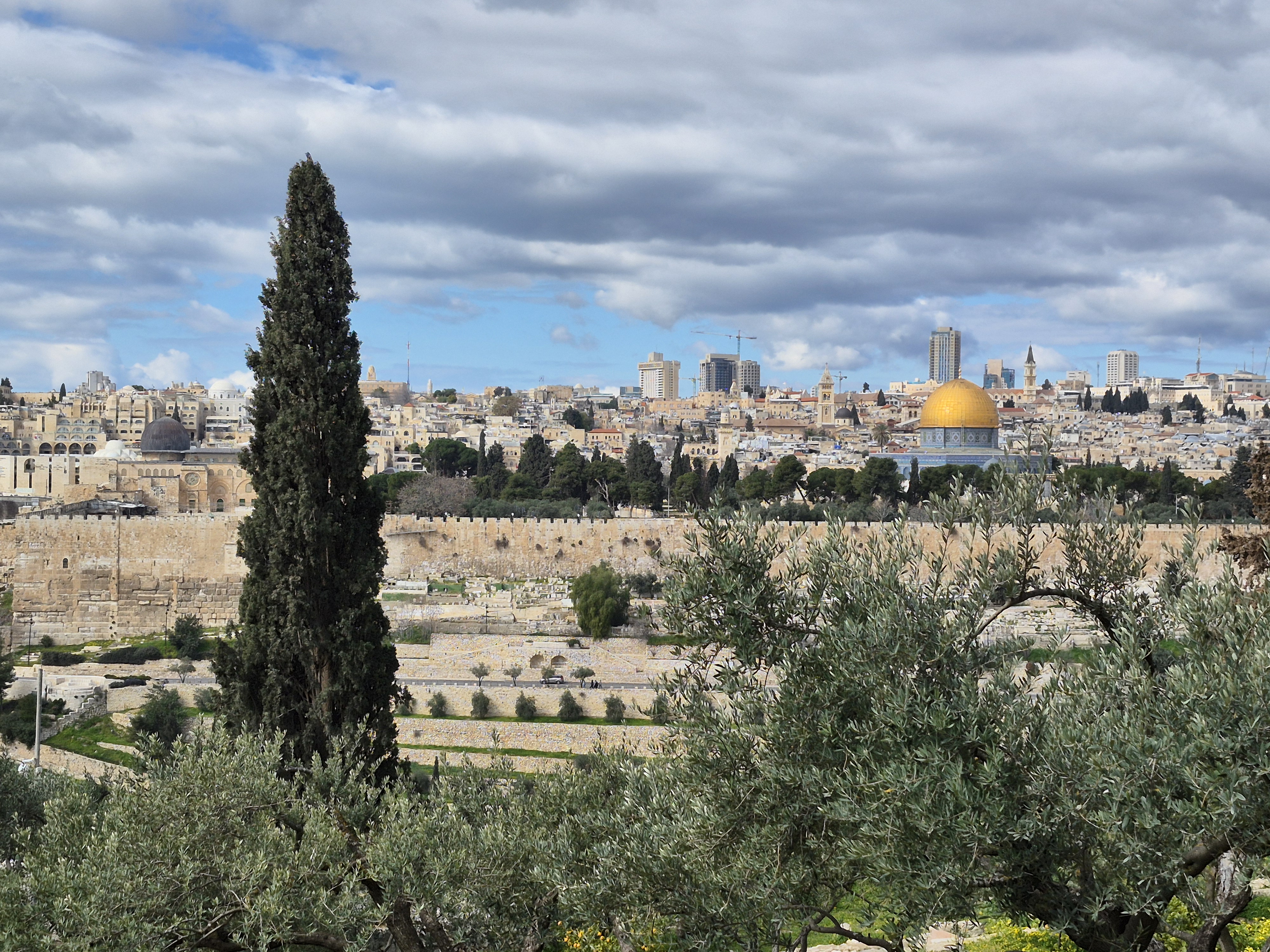
‘My trust was in God’: Priest recounts flight from Holy Land amid Iranian conflict #Catholic A Jesuit priest says he has a “much larger perspective” of the crisis of war after fleeing the Holy Land at the outset of U.S. and Israeli aggressions against Iran.Father Anthony Wieck, SJ, told EWTN News he was leading a pilgrimage of about 20 Catholics in the Holy Land when the war began on Feb. 28.“We had just spent a week in Galilee and prayed our way through the holy sites of Jesus’ teaching and miracles,” Wieck said, describing the region as “a lovely land [God] created for himself to enjoy on this earth.”The group arrived in Jerusalem on Feb. 26, he said, and the next day word began to spread of the need to evacuate from the region. Several pilgrims were able to leave immediately, Wieck said, while others who attempted to leave the next day were unable to get a flight out and eventually had to return to the pilgrim group.Ben Gurion International Airport “is not a safe place to be because there are military installations near the airport,” he said. “Iranian missiles were being sent that way, and our people ... were taken into the bomb shelter five stories down below the airport.”Wieck said that even as the conflict broke out, his group still toured holy sites, including the Church of the Pater Noster, where tradition holds that Christ taught the disciples to pray the Our Father. “We were instructed by our guide to continue the tour and to simply seek cover whenever the sirens went off,” he said, pointing out that “those living in Jerusalem are so used to warning sirens there that they have much less fear than we do. They’re observant but not fearful. And we were trusting them.”The priest was offering a chanted Mass at the Dominus Flevit Church while explosions sounded in the distance as Israel’s Iron Dome intercepted Iranian missiles.“It was scary, yes,” Wieck said. “But I continued the Mass with trust, and after Communion (before the final prayer) asked all pilgrims to pray for a couple minutes regarding where the Lord was in all of this situation.”
 
 Father Anthony Wieck, SJ, says Mass at the Dominus Flevit Church in Jerusalem on Saturday, Feb. 28, 2026. | Credit: Father Anthony Wieck, SJ
 
 After Mass, a group of pilgrims from Kansas joined them in the church amid sirens and explosions in the surrounding region. “It struck me as supremely important that we not make decisions based on fear but on faith,” he said.The priest’s group took a truncated walking tour of Jerusalem, he said, which “became eerily quiet that evening.”The tour company ordered them to evacuate the following morning.  Departing for Jordan, the group found itself stuck amid a crush of evacuations in the area. “A typical two-hour trip to Amman, Jordan, took us seven hours,” Wieck said. And while the group initially “felt much safer being outside of Jerusalem,” they eventually felt “locked in” at their hotel, particularly amid mass flight cancellations. 
 
 Missile contrails are seen over the Holy Land region on Sunday, March 1, 2026. | Credit: Father Anthony Wieck, SJ
 
 Jordanians in the area kept assuring the Americans that the country’s King Abdullah II would protect them. “Not feeling the same allegiance to their king, my trust was in God,” the priest said.The U.S. Department of State provided military evacuations to Americans in the area. “Little by little, our pilgrims found an occasional flight that [shuttled] them out of the war zone,” Wieck said. The priest and one other pilgrim, a religious from Phoenix, were the last from their group to remain in Jordan before they took a flight with Royal Jordanian Airlines on March 4. Wieck said the pilot took “great efforts to circumvent Israeli airspace.” The air carrier “was bold enough to keep to their travel plans despite the threats,” Wieck said, describing the airline as “my new favorite.” ‘Truly a Catholic experience’Wieck told EWTN News that he “would not say that I was stellar in my response to what God was doing here.” “I wanted to pray much but felt so much stress and trauma around me that it was truly difficult,” he said. “I was exhausted.”Yet during the frightening evacuation, he said, “hundreds of people” back home were lifting up the pilgrims with prayers and sacrifices. “They knew our plight was becoming a bit more grave,” he said.Back home in the U.S., Wieck, who lives in Louisiana, said he was still reflecting on what happened but said the harrowing ordeal gave him “a much larger perspective to have experienced profoundly how much we need the help of our brothers and sisters in times of crisis.”“It was truly a Catholic experience,” he said.“Though as humans we usually don’t carry our crosses in times of crisis all that well, our brothers and sisters in the faith can see us through. That was my experience,” he said.“How wonderful it is to be Catholic!” he added.

‘My trust was in God’: Priest recounts flight from Holy Land amid Iranian conflict #Catholic A Jesuit priest says he has a “much larger perspective” of the crisis of war after fleeing the Holy Land at the outset of U.S. and Israeli aggressions against Iran.Father Anthony Wieck, SJ, told EWTN News he was leading a pilgrimage of about 20 Catholics in the Holy Land when the war began on Feb. 28.“We had just spent a week in Galilee and prayed our way through the holy sites of Jesus’ teaching and miracles,” Wieck said, describing the region as “a lovely land [God] created for himself to enjoy on this earth.”The group arrived in Jerusalem on Feb. 26, he said, and the next day word began to spread of the need to evacuate from the region. Several pilgrims were able to leave immediately, Wieck said, while others who attempted to leave the next day were unable to get a flight out and eventually had to return to the pilgrim group.Ben Gurion International Airport “is not a safe place to be because there are military installations near the airport,” he said. “Iranian missiles were being sent that way, and our people … were taken into the bomb shelter five stories down below the airport.”Wieck said that even as the conflict broke out, his group still toured holy sites, including the Church of the Pater Noster, where tradition holds that Christ taught the disciples to pray the Our Father. “We were instructed by our guide to continue the tour and to simply seek cover whenever the sirens went off,” he said, pointing out that “those living in Jerusalem are so used to warning sirens there that they have much less fear than we do. They’re observant but not fearful. And we were trusting them.”The priest was offering a chanted Mass at the Dominus Flevit Church while explosions sounded in the distance as Israel’s Iron Dome intercepted Iranian missiles.“It was scary, yes,” Wieck said. “But I continued the Mass with trust, and after Communion (before the final prayer) asked all pilgrims to pray for a couple minutes regarding where the Lord was in all of this situation.” Father Anthony Wieck, SJ, says Mass at the Dominus Flevit Church in Jerusalem on Saturday, Feb. 28, 2026. | Credit: Father Anthony Wieck, SJ After Mass, a group of pilgrims from Kansas joined them in the church amid sirens and explosions in the surrounding region. “It struck me as supremely important that we not make decisions based on fear but on faith,” he said.The priest’s group took a truncated walking tour of Jerusalem, he said, which “became eerily quiet that evening.”The tour company ordered them to evacuate the following morning.  Departing for Jordan, the group found itself stuck amid a crush of evacuations in the area. “A typical two-hour trip to Amman, Jordan, took us seven hours,” Wieck said. And while the group initially “felt much safer being outside of Jerusalem,” they eventually felt “locked in” at their hotel, particularly amid mass flight cancellations. Missile contrails are seen over the Holy Land region on Sunday, March 1, 2026. | Credit: Father Anthony Wieck, SJ Jordanians in the area kept assuring the Americans that the country’s King Abdullah II would protect them. “Not feeling the same allegiance to their king, my trust was in God,” the priest said.The U.S. Department of State provided military evacuations to Americans in the area. “Little by little, our pilgrims found an occasional flight that [shuttled] them out of the war zone,” Wieck said. The priest and one other pilgrim, a religious from Phoenix, were the last from their group to remain in Jordan before they took a flight with Royal Jordanian Airlines on March 4. Wieck said the pilot took “great efforts to circumvent Israeli airspace.” The air carrier “was bold enough to keep to their travel plans despite the threats,” Wieck said, describing the airline as “my new favorite.” ‘Truly a Catholic experience’Wieck told EWTN News that he “would not say that I was stellar in my response to what God was doing here.” “I wanted to pray much but felt so much stress and trauma around me that it was truly difficult,” he said. “I was exhausted.”Yet during the frightening evacuation, he said, “hundreds of people” back home were lifting up the pilgrims with prayers and sacrifices. “They knew our plight was becoming a bit more grave,” he said.Back home in the U.S., Wieck, who lives in Louisiana, said he was still reflecting on what happened but said the harrowing ordeal gave him “a much larger perspective to have experienced profoundly how much we need the help of our brothers and sisters in times of crisis.”“It was truly a Catholic experience,” he said.“Though as humans we usually don’t carry our crosses in times of crisis all that well, our brothers and sisters in the faith can see us through. That was my experience,” he said.“How wonderful it is to be Catholic!” he added.

Father Anthony Wieck, SJ, was leading a group of pilgrims in Jerusalem when the U.S. and Israel began launching strikes against Iran.

Read More
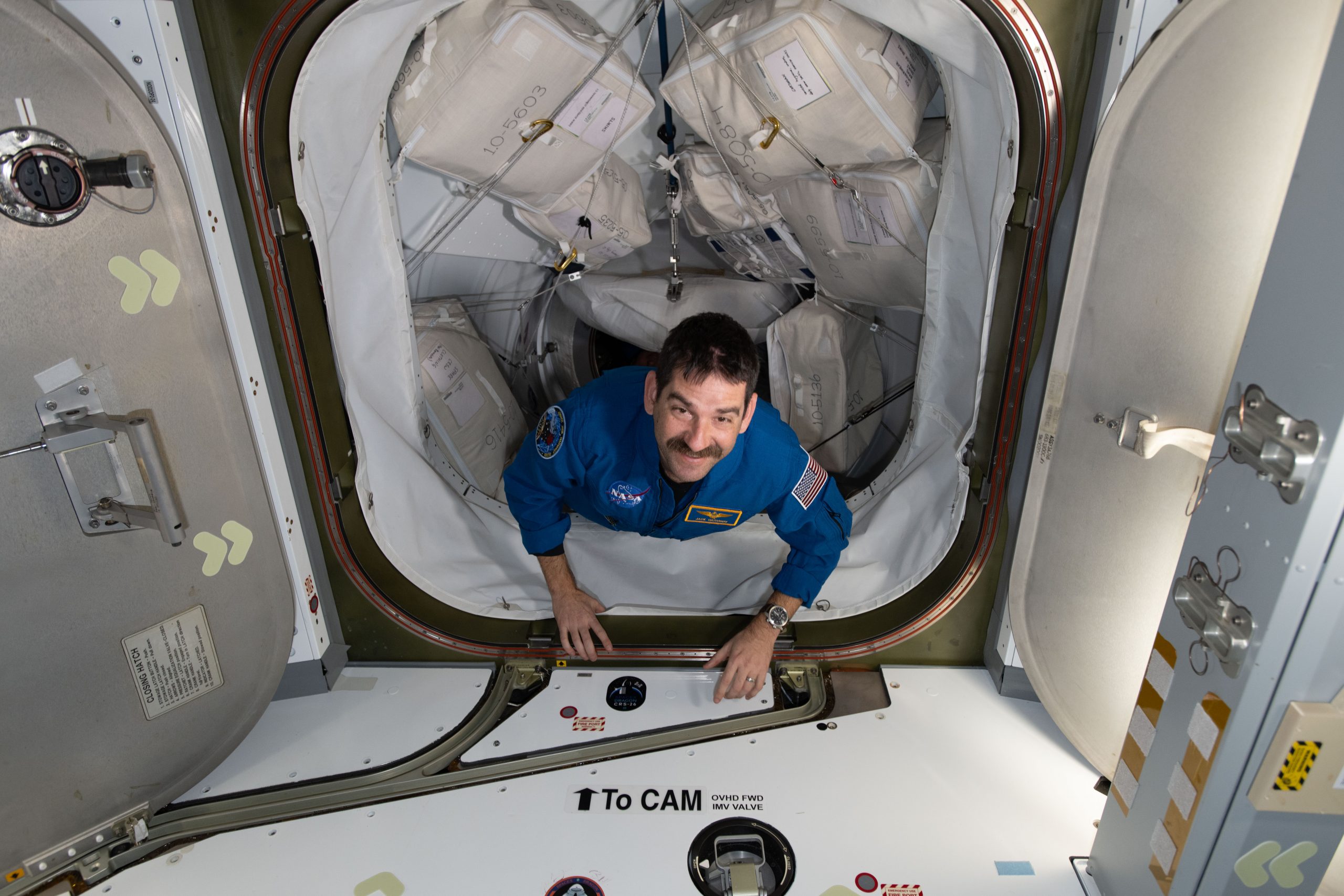
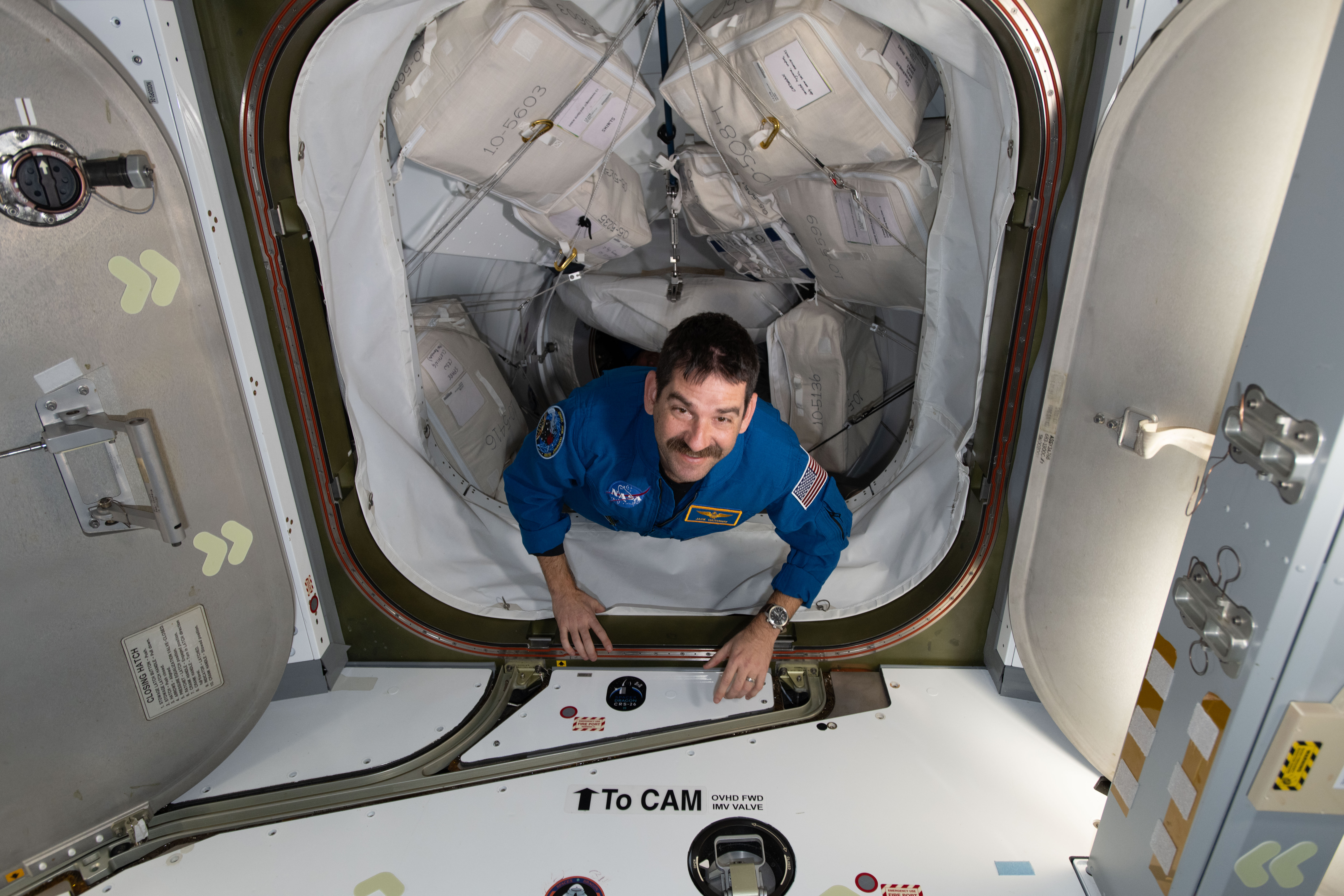
Making an Entrance – NASA astronaut and SpaceX Crew-12 Pilot Jack Hathaway enters the International Space Station after docking aboard the Dragon spacecraft to join Expedition 74 and begin a long-duration microgravity research mission.

NASA astronaut and SpaceX Crew-12 Pilot Jack Hathaway enters the International Space Station after docking aboard the Dragon spacecraft to join Expedition 74 and begin a long-duration microgravity research mission.

Read More
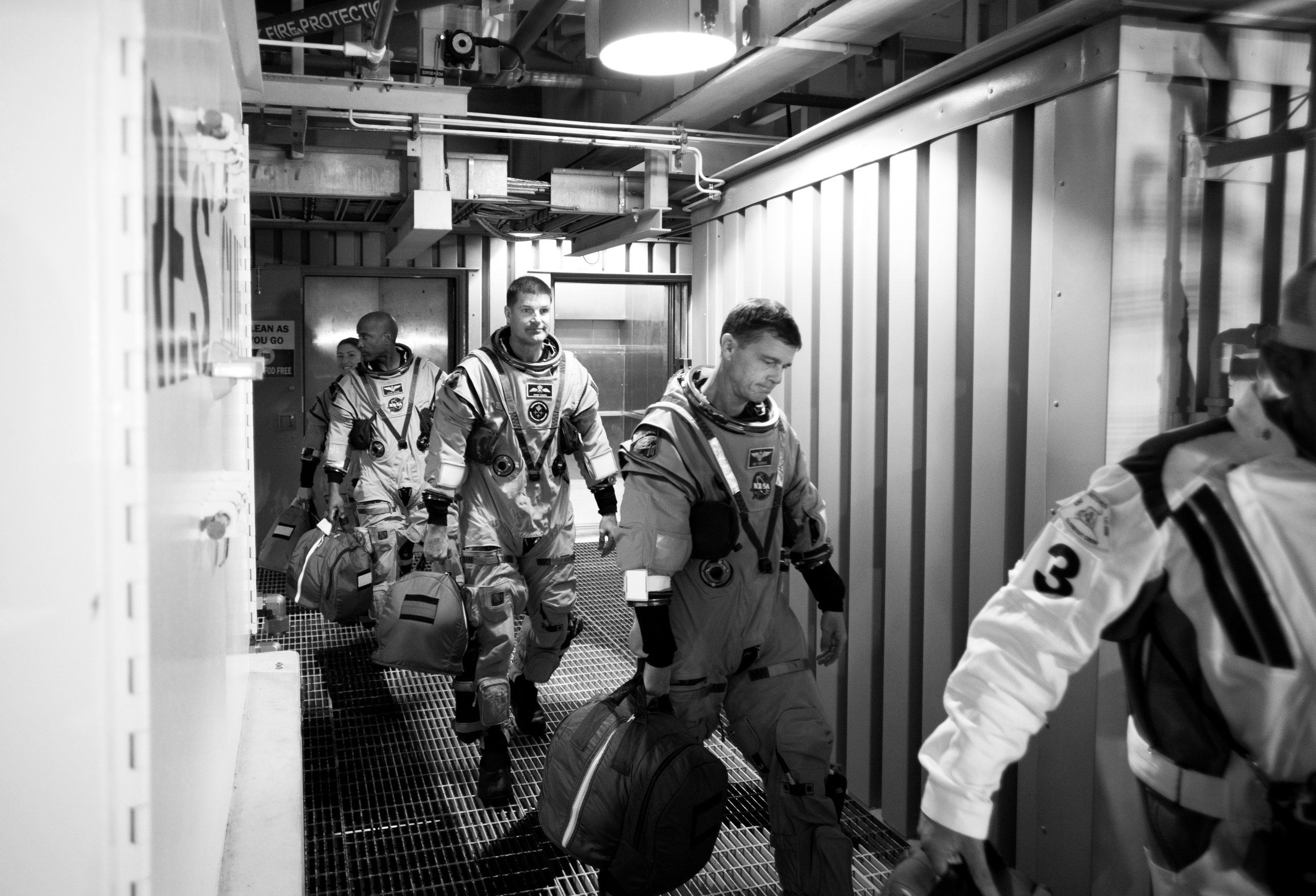
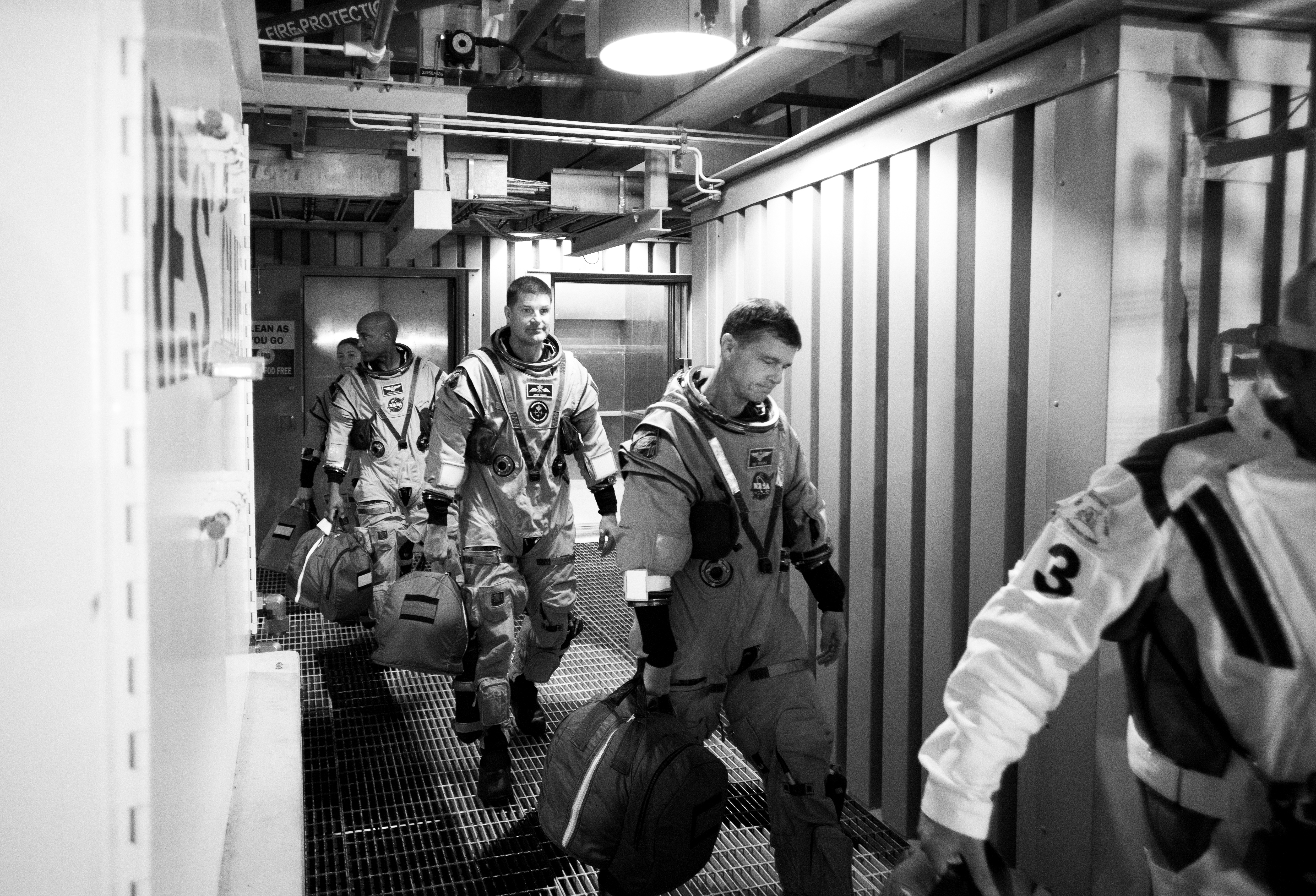
Best of 2025: Artemis II Countdown Demonstration Test – Artemis II crewmembers (left to right) NASA astronauts Christina Koch, mission specialist; and Victor Glover, pilot; CSA (Canadian Space Agency) astronaut Jeremy Hansen, mission specialist; and NASA astronaut Reid Wiseman, commander are led to the crew access arm as they prepare to board their Orion spacecraft atop NASA’s Space Launch System rocket during the Artemis II countdown demonstration test on Dec. 20, 2025.

Artemis II crewmembers (left to right) NASA astronauts Christina Koch, mission specialist; and Victor Glover, pilot; CSA (Canadian Space Agency) astronaut Jeremy Hansen, mission specialist; and NASA astronaut Reid Wiseman, commander are led to the crew access arm as they prepare to board their Orion spacecraft atop NASA’s Space Launch System rocket during the Artemis II countdown demonstration test on Dec. 20, 2025.

Read More
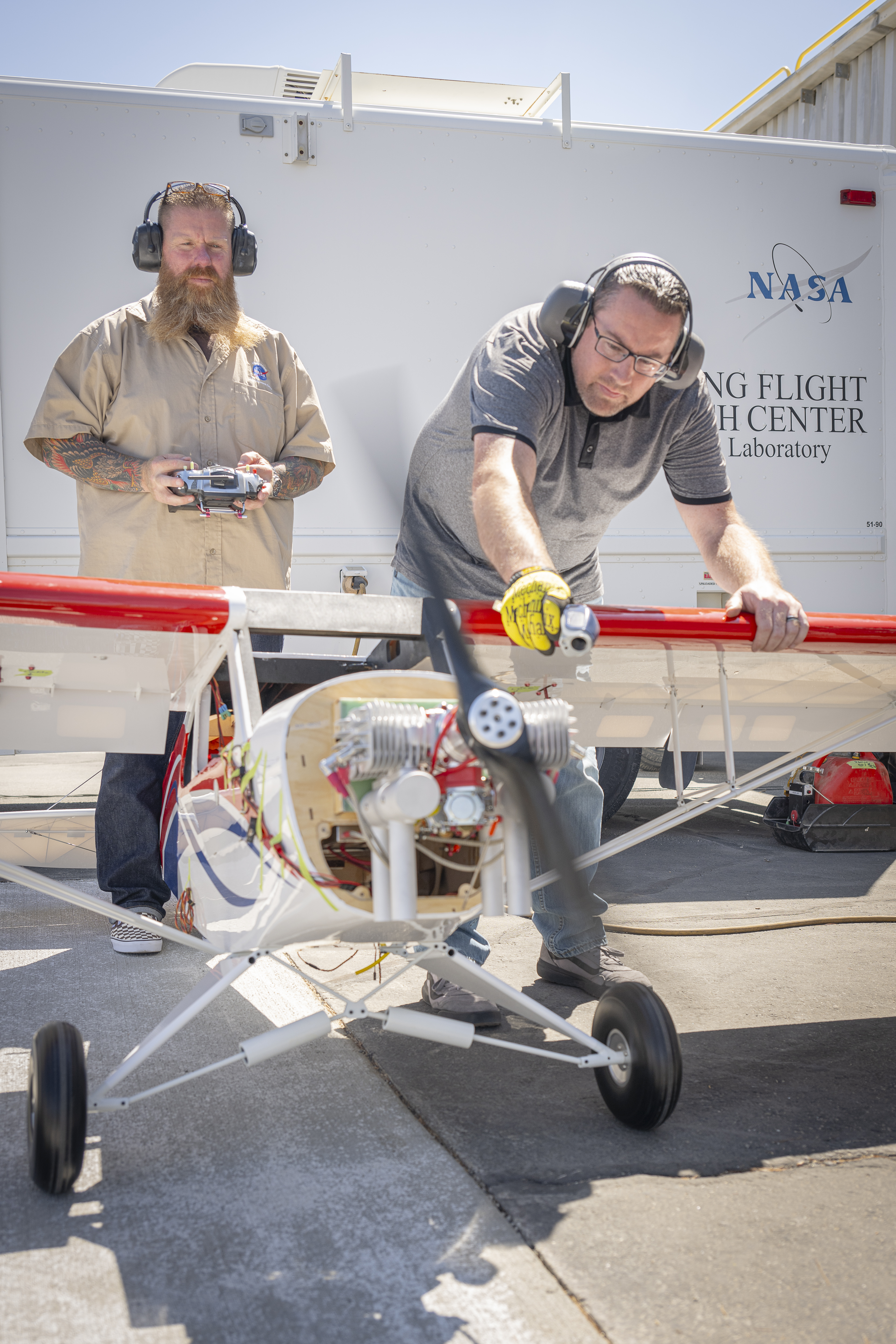
NASA Lab Completes Engine Checks on New Aircraft – Justin Hall, left, controls a subscale aircraft as Justin Link holds the aircraft in place during preliminary engine tests on Friday, Sept. 12, 2025, at NASA’s Armstong Flight Research Center in Edwards, California. Hall is chief pilot at the center’s Dale Reed Subscale Flight Research Laboratory and Link is a pilot for small uncrewed aircraft systems.

Justin Hall, left, controls a subscale aircraft as Justin Link holds the aircraft in place during preliminary engine tests on Friday, Sept. 12, 2025, at NASA’s Armstong Flight Research Center in Edwards, California. Hall is chief pilot at the center’s Dale Reed Subscale Flight Research Laboratory and Link is a pilot for small uncrewed aircraft systems.

Read More
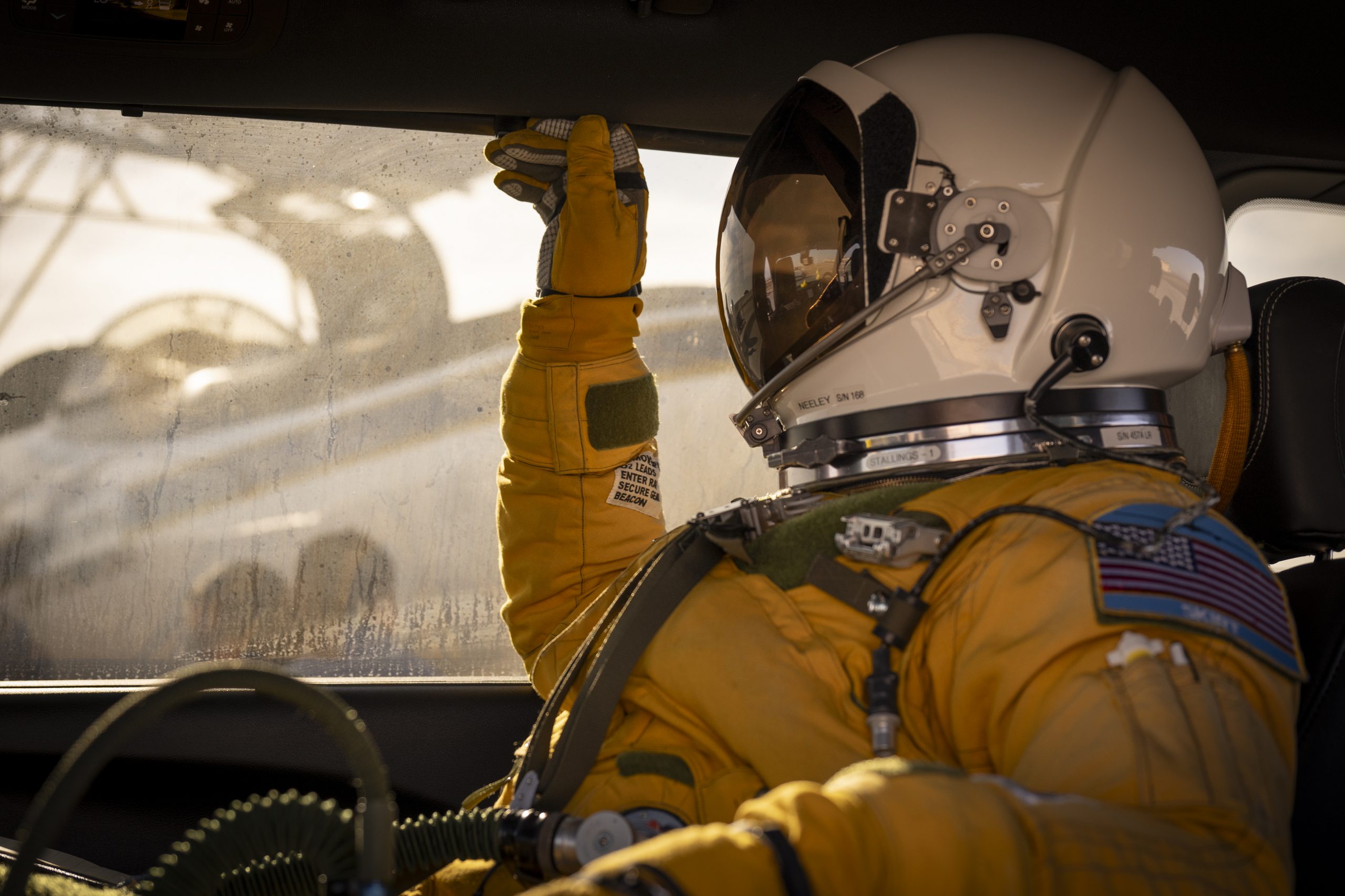
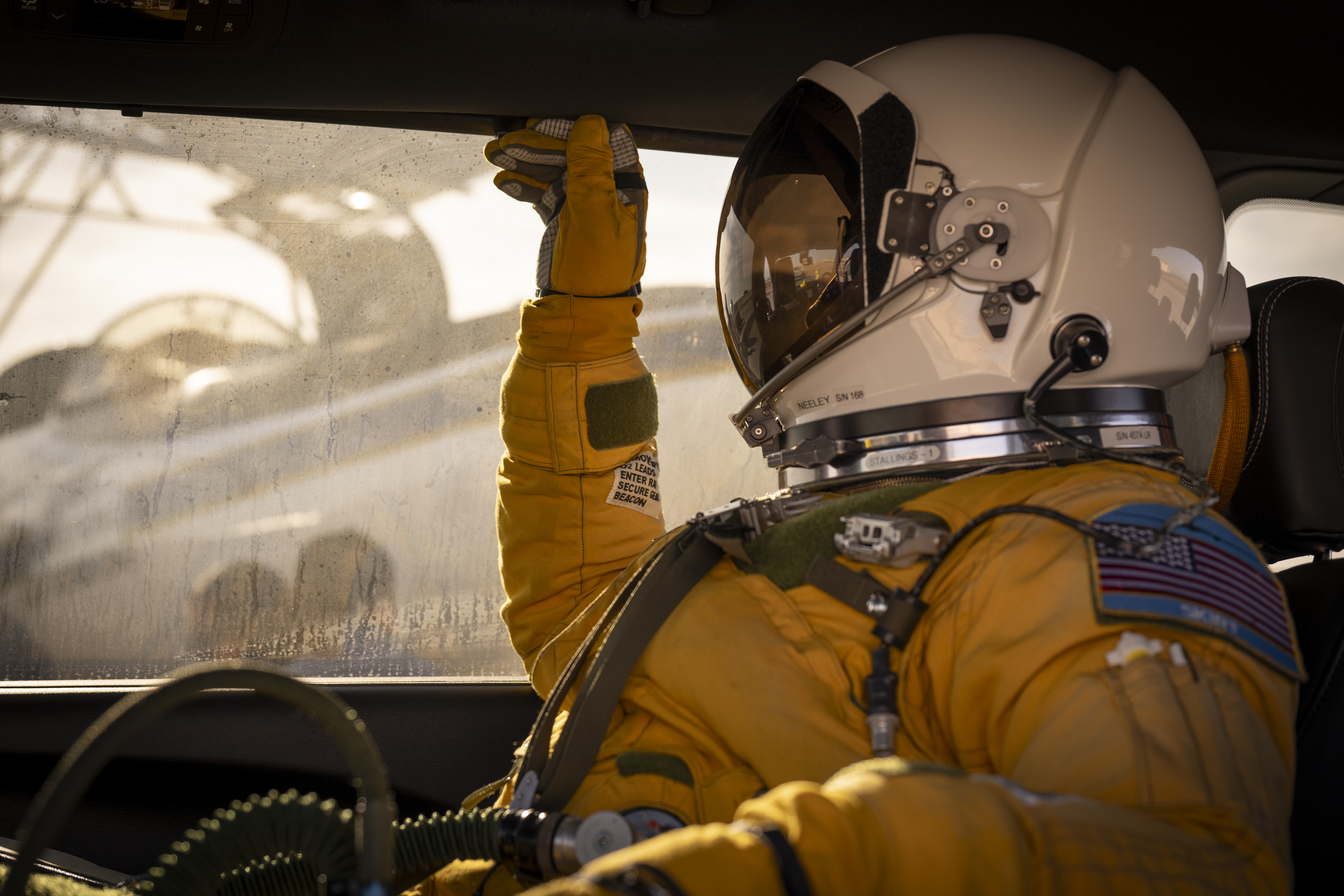
Suited Up for Science: NASA ER-2 Pilot Prepares for GEMx Flight – NASA ER-2 pilot Kirt Stallings waits inside the transport vehicle at Edwards, California, on Thursday, Aug. 21, 2025, moments before boarding NASA’s Armstrong Flight Research Center’s ER-2 aircraft for a high-altitude mission supporting the Geological Earth Mapping Experiment (GEMx). Through the vehicle window, the aircraft can be seen being readied for flight.

NASA ER-2 pilot Kirt Stallings waits inside the transport vehicle at Edwards, California, on Thursday, Aug. 21, 2025, moments before boarding NASA’s Armstrong Flight Research Center’s ER-2 aircraft for a high-altitude mission supporting the Geological Earth Mapping Experiment (GEMx). Through the vehicle window, the aircraft can be seen being readied for flight.

Read More
Artemis II Crew Walks Out for Practice Scenarios

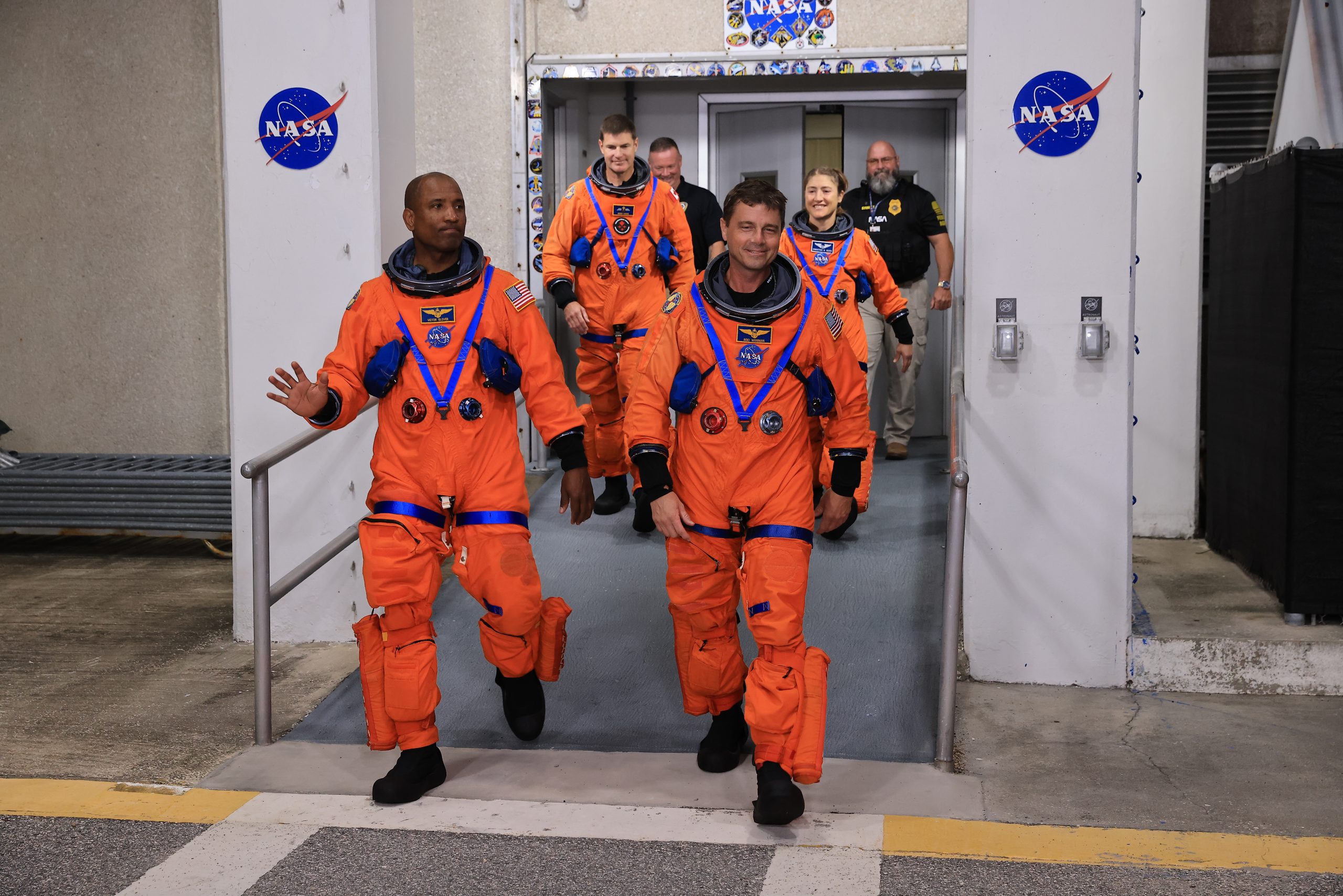
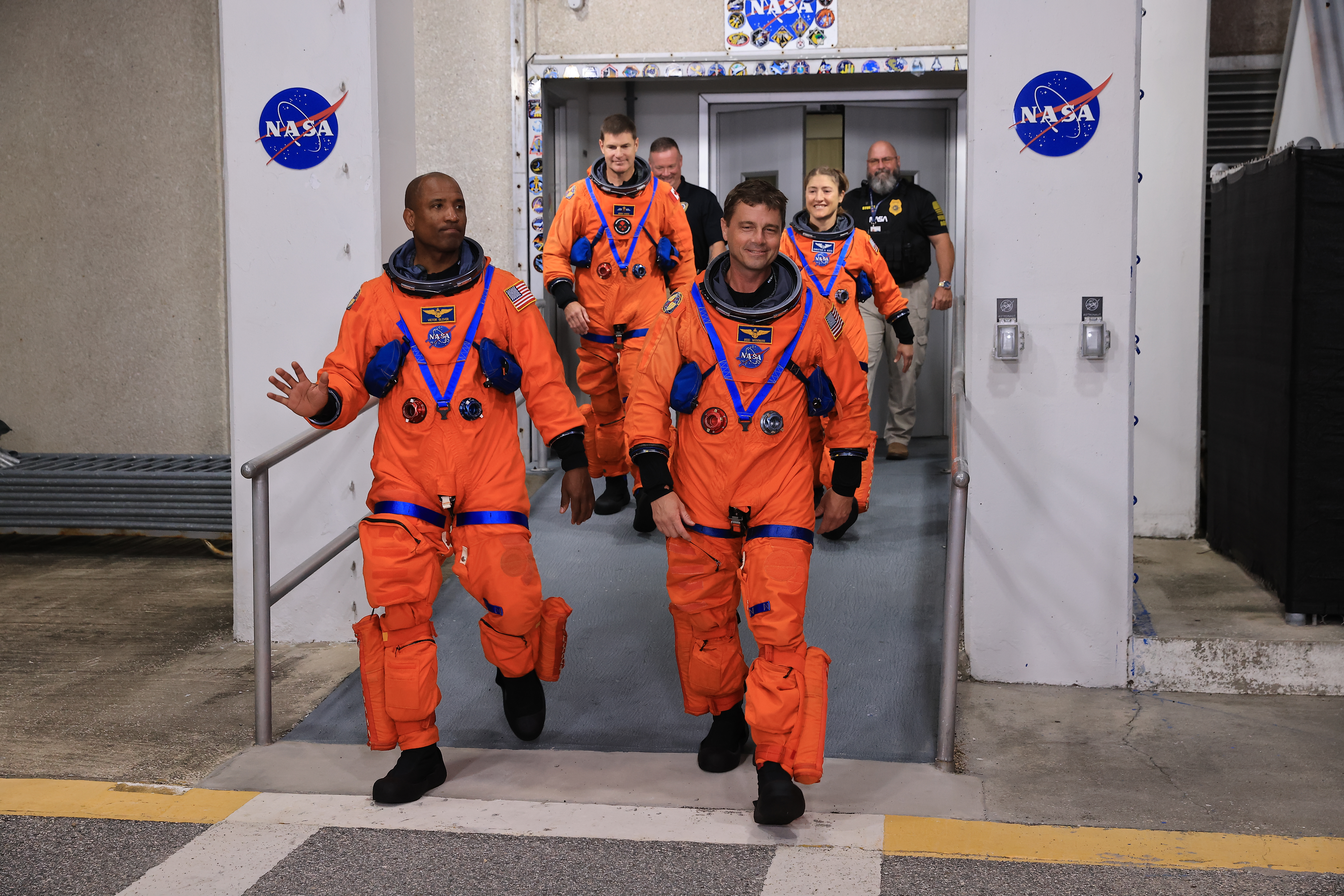
From left to right, NASA astronauts Victor Glover, Artemis II pilot; Reid Wiseman, Artemis II commander; CSA (Canadian Space Agency) astronaut Jeremy Hansen, Artemis II mission specialist, and NASA astronaut Christina Koch, Artemis II mission specialist, suit up and walk out of the Neil A. Armstrong Operations and Checkout Building at NASA’s Kennedy Space Center in Florida on Monday, Aug. 11, 2025. During a two-day operation, the Artemis II team practiced night-run demonstrations of different launch day scenarios for the Artemis II test flight.

Read More
NASA’s Artemis II Crew Trains in Orion

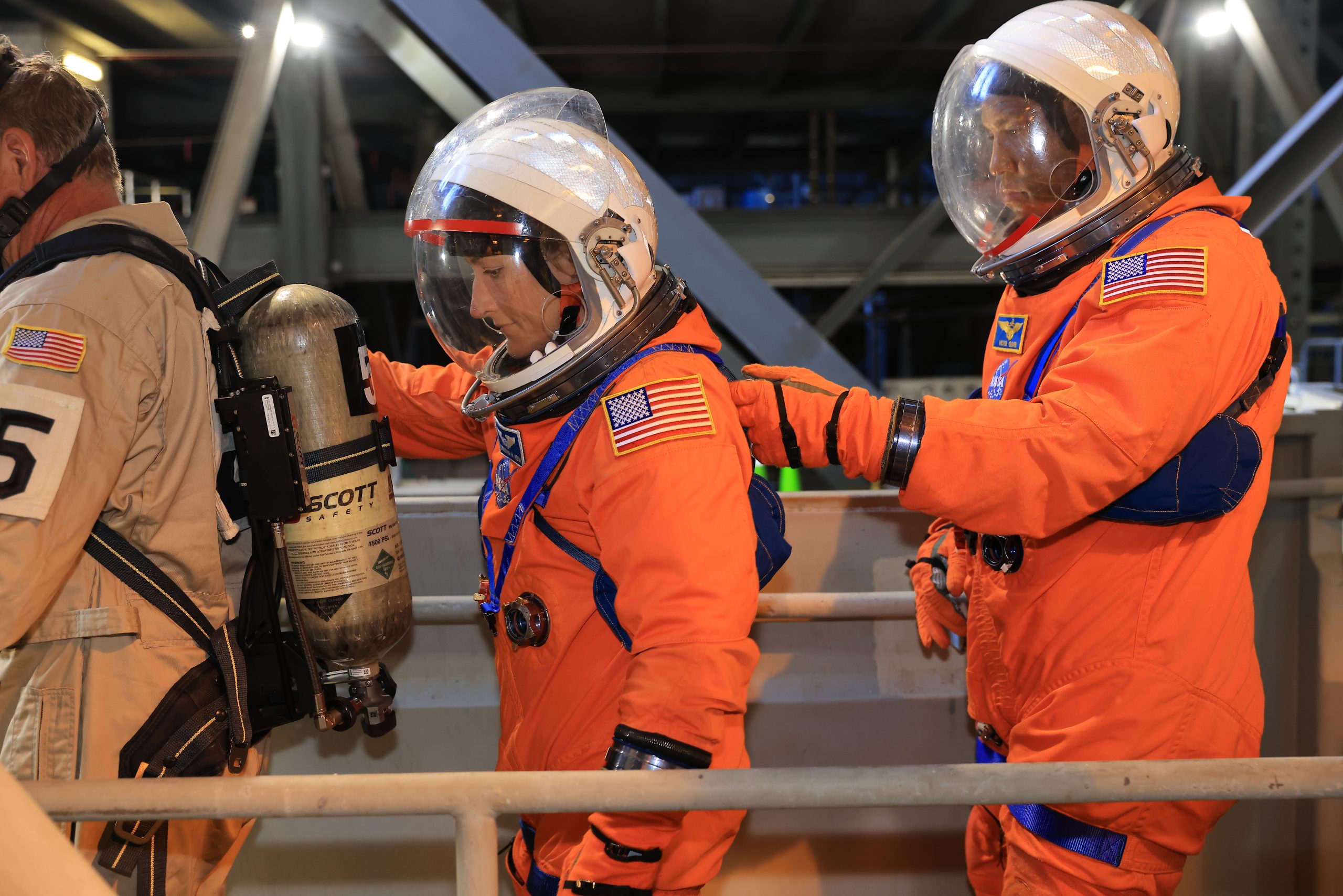
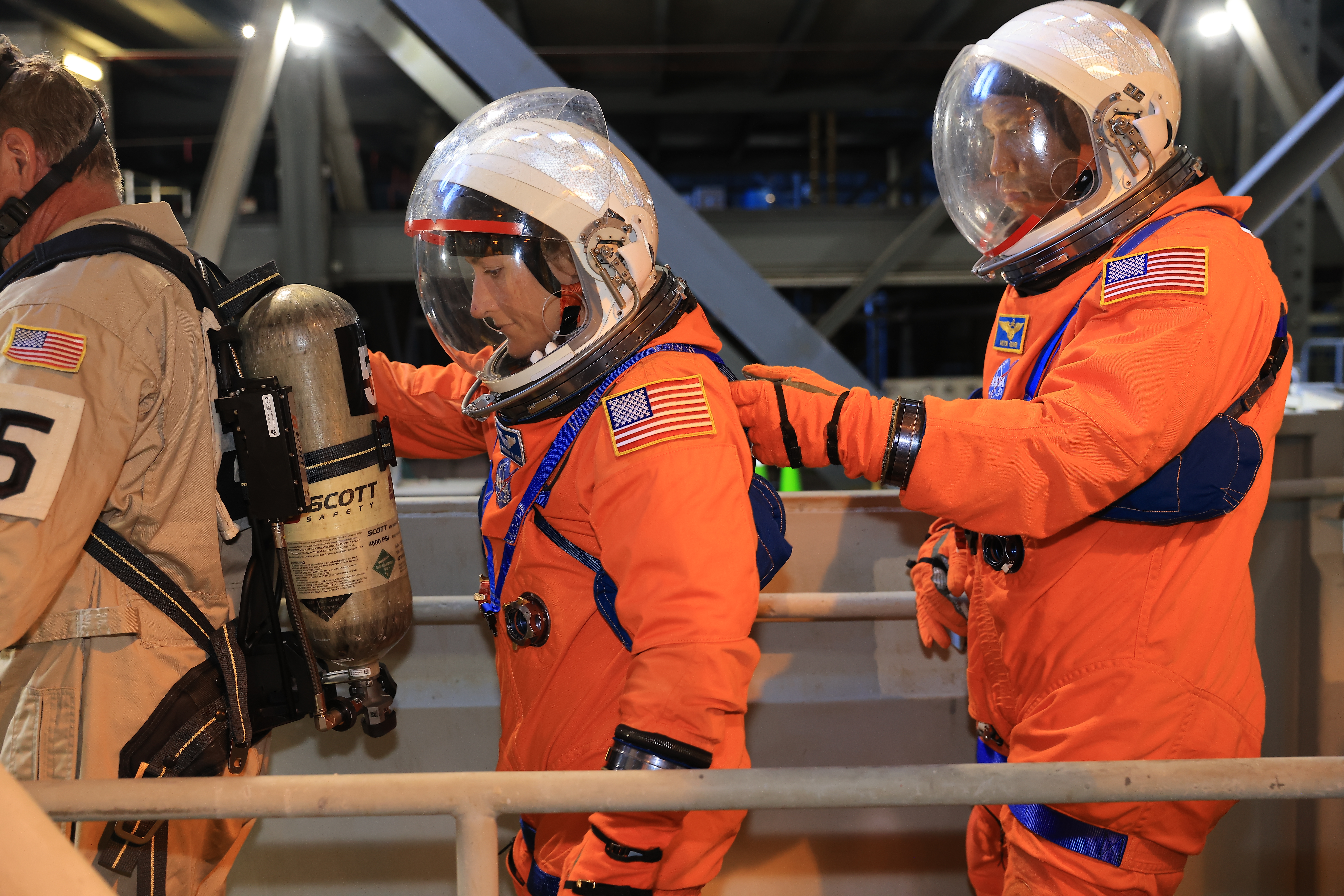
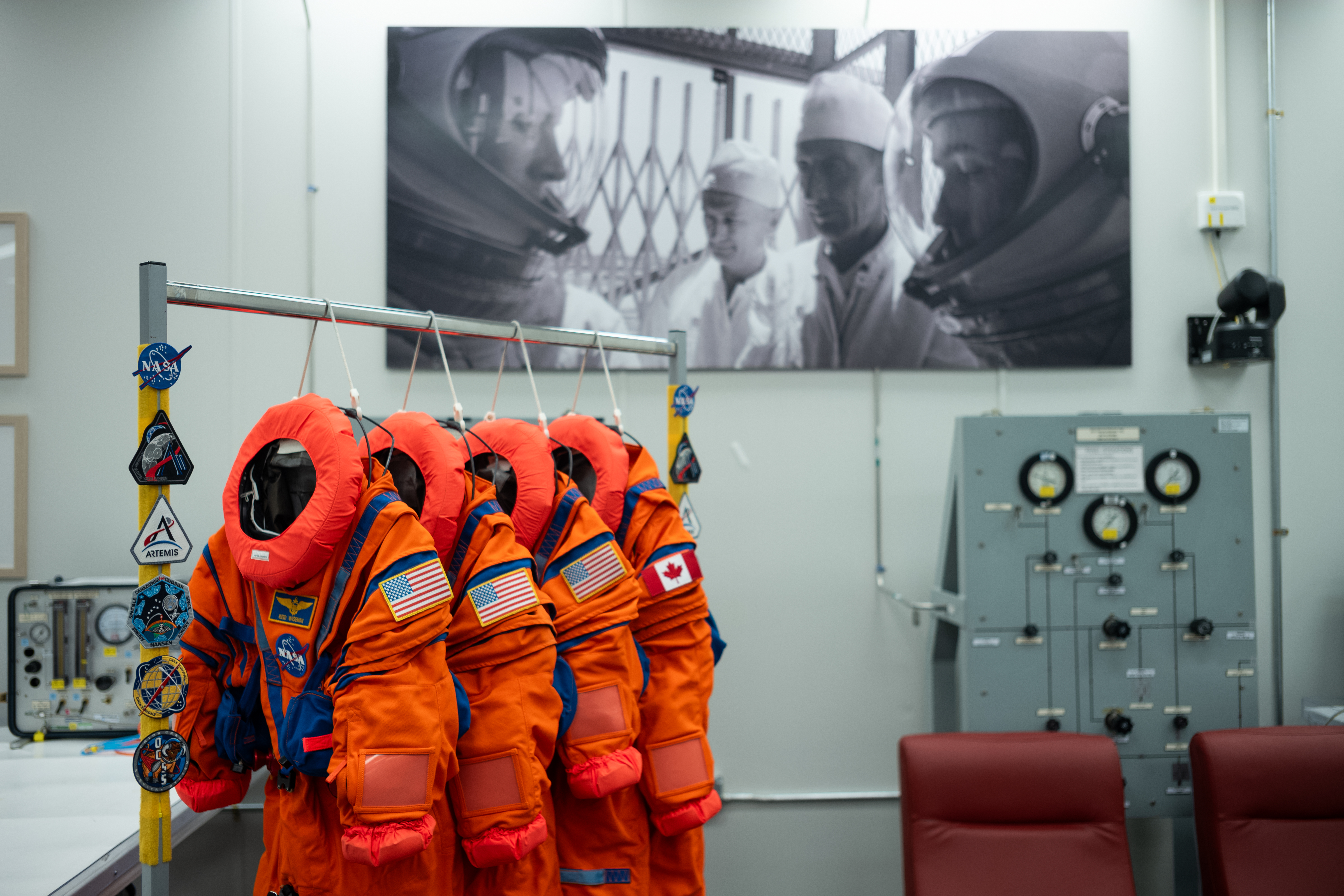
The Artemis II crew (from left to right) CSA (Canadian Space Agency) Jeremy Hansen, mission specialist; Christina Koch, mission specialist; Victor Glover, pilot; and Reid Wiseman, commander, don their Orion Crew Survival System Suits for a multi-day crew module training beginning Thursday, July 31, 2025, at NASA’s Kennedy Space Center in Florida. Behind the crew, wearing clean room apparel, are members of the Artemis II closeout crew.

Read More
Picture of the day


STS-135 final flyaround of ISSThis picture of the International Space Station was photographed from the space shuttle Atlantis as the orbiting complex and the shuttle performed their relative separation in the early hours of July 19, 2011. Onboard the station were Russian cosmonauts Andrey Borisenko, Expedition 28 commander; Sergei Volkov and Alexander Samokutyaev, both flight engineers; Japan Aerospace Exploration astronaut Satoshi Furukawa, and NASA astronauts Mike Fossum and Ron Garan, all flight engineers. Onboard the shuttle were NASA astronauts Chris Ferguson, STS-135 commander; Doug Hurley, pilot; and Sandy Magnus and Rex Walheim, both mission specialists.
 #ImageOfTheDay
Picture of the day
STS-135 final flyaround of ISS
This picture of the International Space Station was photographed from the space shuttle Atlantis as the orbiting complex and the shuttle performed their relative separation in the early hours of July 19, 2011. Onboard the station were Russian cosmonauts Andrey Borisenko, Expedition 28 commander; Sergei Volkov and Alexander Samokutyaev, both flight engineers; Japan Aerospace Exploration astronaut Satoshi Furukawa, and NASA astronauts Mike Fossum and Ron Garan, all flight engineers. Onboard the shuttle were NASA astronauts Chris Ferguson, STS-135 commander; Doug Hurley, pilot; and Sandy Magnus and Rex Walheim, both mission specialists.
Read More
Astronaut Joe Engle Flies X-15

In 1963, Captain Engle was assigned as one of two Air Force test pilots to fly the X-15 Research Rocket aircraft. In 1965, he flew the X-15 to an altitude of 280,600 feet, and became the youngest pilot ever to qualify as an astronaut. Three of his sixteen flights in the X-15 exceeded the 50-mile (264,000 feet) altitude required for astronaut rating.

Read More
Another Milestone for X-59

NASA’s X-59 quiet supersonic research aircraft is seen during its “aluminum bird” systems testing at Lockheed Martin’s Skunk Works facility in Palmdale, California. The test verified how the aircraft’s hardware and software work together, responding to pilot inputs and handling injected system failures.

Read More