plants

‘They want to evict us’: Why Indigenous Catholics fight forest project in Bangladesh #Catholic MADHUPUR, Bangladesh — Indigenous Catholic and tribal leaders in central Bangladesh are warning the government that a stronger protest movement will follow if it does not withdraw a contested forest development project before the end of the Muslim fasting month of Ramadan this week.The Garo and Koch Indigenous peoples say a government plan to dig an artificial lake and build an eco-park in the Madhupur forest — about 94 miles north of the capital, Dhaka — is a pretext for evicting them from ancestral lands they have occupied for generations.“What the government is doing in the name of development is not development. It is a clear plan to evict the Garo and Koch Indigenous from this forest area,” said Toni Chiran, a Catholic from Corpus Christi Church in Jalchatra and president of the Bangladesh Indigenous Youth Forum.
 
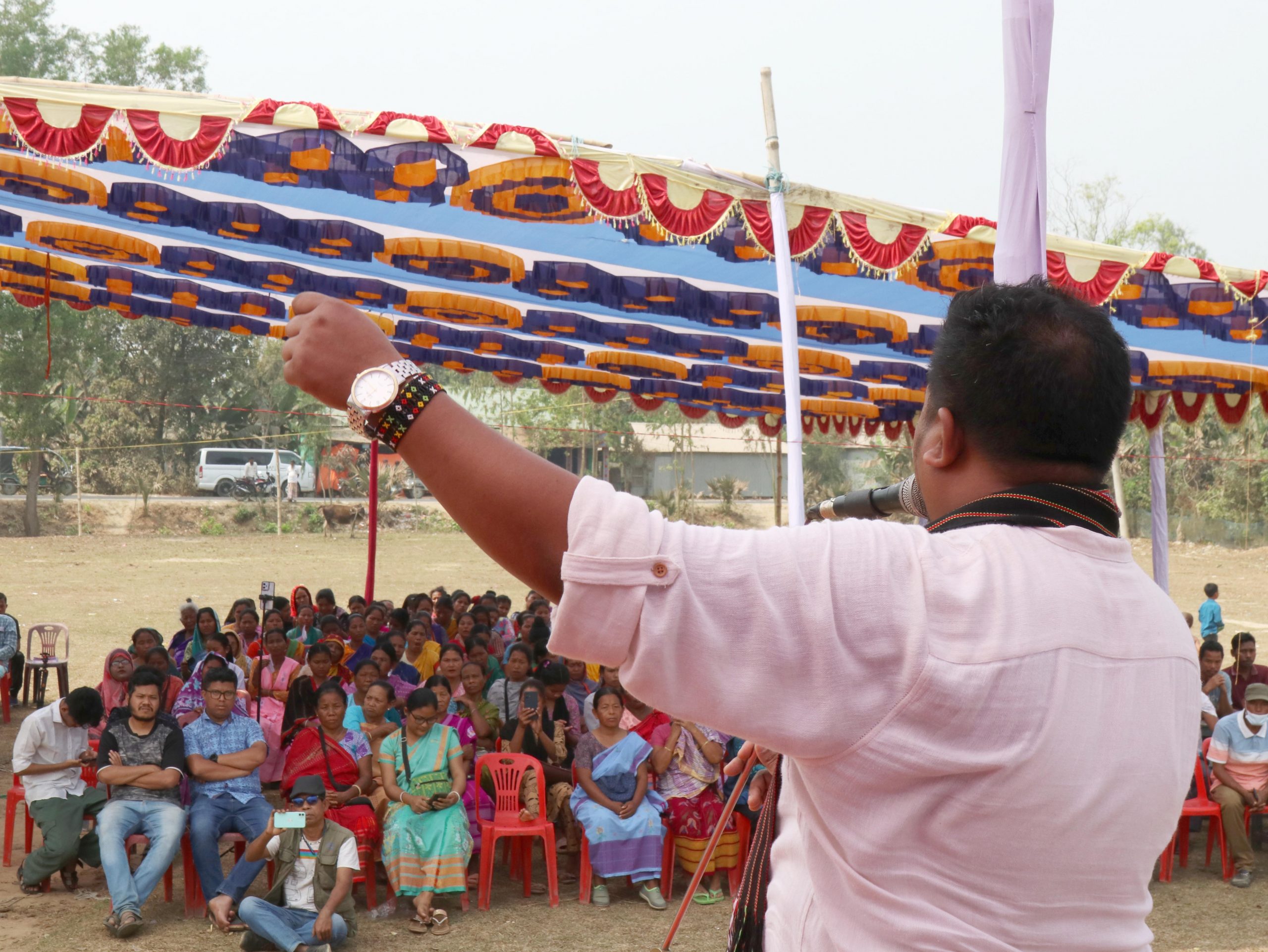
 A speaker addresses Indigenous Garo people at a protest rally in Madhupur, Bangladesh, on March 6, 2026. | Credit: Stephan Uttom Rozario
 
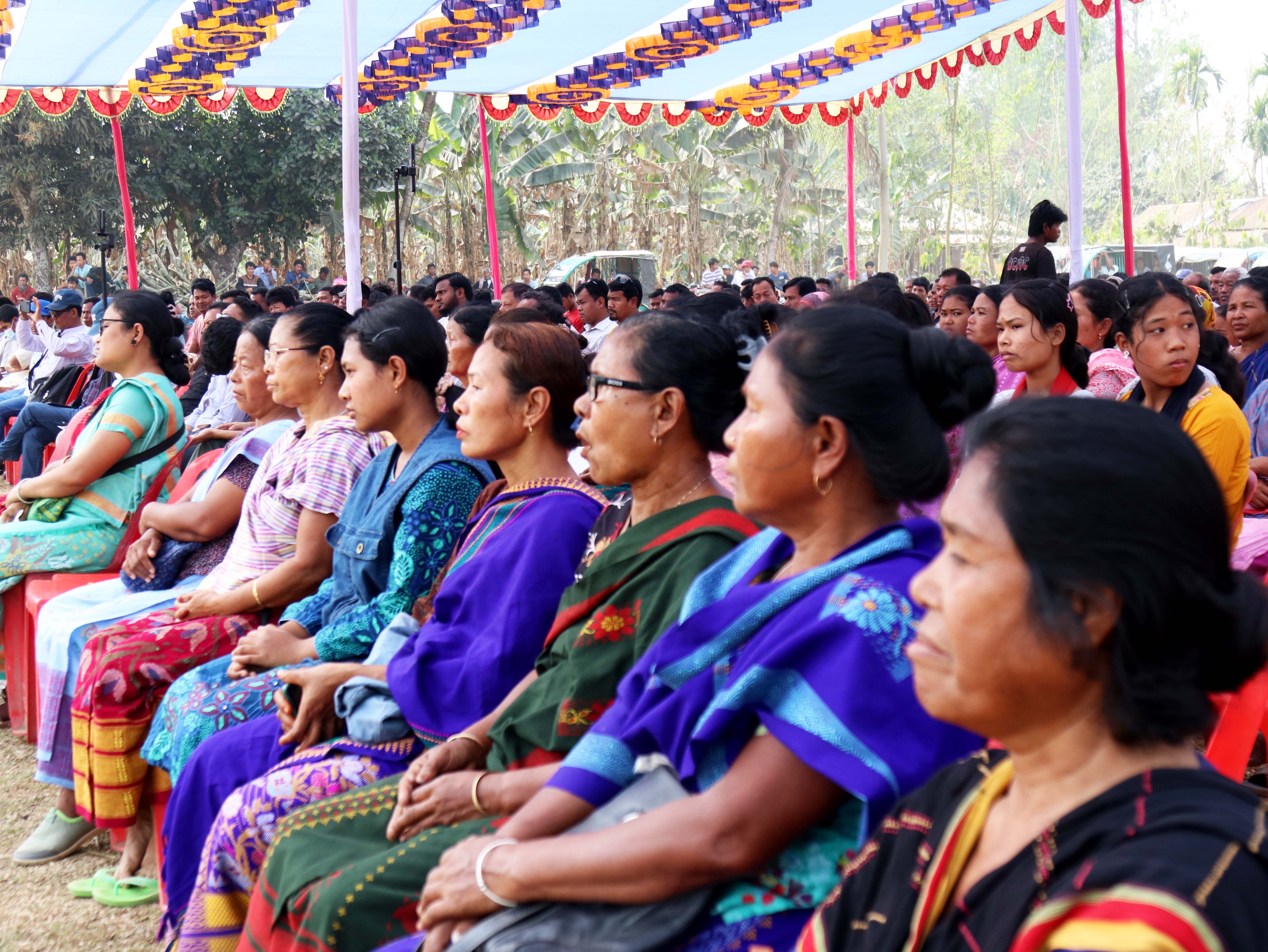
 Chiran spoke at a protest rally on March 6 in Madhupur’s Tangail district, where hundreds of Indigenous students and community members gathered to oppose the project. He said that if the artificial lake and eco-park are built, Indigenous people will lose their agricultural land and the natural forest will be destroyed, leaving the Garo and other Indigenous peoples with no means to sustain their way of life.Bangladesh is home to approximately 400,000 Catholics in a population of nearly 178 million, and more than half of the country’s Catholics come from Indigenous communities.Church voices supportFather Simon Hacha, the vicar general of the Diocese of Mymensingh, which covers the area, said the Church cannot support the government’s plans.“If this project is implemented, the Indigenous people’s cropland will be destroyed and they will face eviction. We think that is what the government wants,” Hacha told EWTN News.“We want to tell the government to back off from such shameful steps. The Catholic Church has always been for justice and has been giving moral support to the Indigenous movement,” he added.Decades-long disputeThe Bangladesh government first proposed an artificial lake and eco-park in the Madhupur forest in 2000. In 2004, at least one Garo man was killed by police gunfire during a protest, and many others were injured. The government subsequently halted the project.In 2026, authorities revived the plan and have already begun excavating the designated area. Indigenous leaders say the project amounts to a long-term strategy to force tribal communities from the region.Janoki Chisim, secretary of the Garo Indigenous Student Union, told EWTN News that the project would be an injustice not only to the forest but also to the people who depend on it.“Let the forest survive in its original form and glory. The Garo and Koch Indigenous people have lived in this forest since time immemorial,” Chisim said.
 
 An excavator digs inside the Madhupur forest in Bangladesh on March 6, 2026, as part of a government project to expand an artificial lake that Indigenous communities say threatens their ancestral land. | Credit: Stephan Uttom Rozario
 
 According to tribal elders, tigers, bears, deer, wild boars, and wild cats once roamed freely in the forest, and hundreds of bird species thrived alongside them. Forest dwellers traditionally collected wild potatoes and medicinal plants from the forest vines. That way of life, residents say, is slowly disappearing.After the Tenancy Act of 1950, the Forest Department encroached on tribal forestland. Successive government projects have steadily eroded the forest’s biodiversity. Remaining forest is being cleared for lakes, entertainment centers, hotels, and resorts, and the local Garo and Koch Indigenous people are being displaced, community leaders say.“If the customary land rights of the tribals are not ensured, a strong movement will be launched in the coming days,” Chisim told EWTN News.Forest officials respondForest officials say the lake is being expanded to 1,165 feet. An existing 665-foot-long lake, dug five decades ago, has silted up, causing a severe water shortage in the forest during the dry season.When rivers and canals dry up, monkeys, hanuman langurs, deer, and other wildlife venture into populated areas in search of water and are sometimes attacked, officials said.“Deer, peacocks, and tortoises in the breeding center also face water shortage. The expansion of this lake is necessary to protect the life of wildlife,” Mosharraf Hossain, a forest official, told EWTN News.Hossain added that no one has customary land rights in the reserved forest and that lakes are not being dug on Garo land. Forest department officials say some youths are spreading unnecessary confusion at the behest of a vested interest group.

‘They want to evict us’: Why Indigenous Catholics fight forest project in Bangladesh #Catholic MADHUPUR, Bangladesh — Indigenous Catholic and tribal leaders in central Bangladesh are warning the government that a stronger protest movement will follow if it does not withdraw a contested forest development project before the end of the Muslim fasting month of Ramadan this week.The Garo and Koch Indigenous peoples say a government plan to dig an artificial lake and build an eco-park in the Madhupur forest — about 94 miles north of the capital, Dhaka — is a pretext for evicting them from ancestral lands they have occupied for generations.“What the government is doing in the name of development is not development. It is a clear plan to evict the Garo and Koch Indigenous from this forest area,” said Toni Chiran, a Catholic from Corpus Christi Church in Jalchatra and president of the Bangladesh Indigenous Youth Forum. A speaker addresses Indigenous Garo people at a protest rally in Madhupur, Bangladesh, on March 6, 2026. | Credit: Stephan Uttom Rozario Chiran spoke at a protest rally on March 6 in Madhupur’s Tangail district, where hundreds of Indigenous students and community members gathered to oppose the project. He said that if the artificial lake and eco-park are built, Indigenous people will lose their agricultural land and the natural forest will be destroyed, leaving the Garo and other Indigenous peoples with no means to sustain their way of life.Bangladesh is home to approximately 400,000 Catholics in a population of nearly 178 million, and more than half of the country’s Catholics come from Indigenous communities.Church voices supportFather Simon Hacha, the vicar general of the Diocese of Mymensingh, which covers the area, said the Church cannot support the government’s plans.“If this project is implemented, the Indigenous people’s cropland will be destroyed and they will face eviction. We think that is what the government wants,” Hacha told EWTN News.“We want to tell the government to back off from such shameful steps. The Catholic Church has always been for justice and has been giving moral support to the Indigenous movement,” he added.Decades-long disputeThe Bangladesh government first proposed an artificial lake and eco-park in the Madhupur forest in 2000. In 2004, at least one Garo man was killed by police gunfire during a protest, and many others were injured. The government subsequently halted the project.In 2026, authorities revived the plan and have already begun excavating the designated area. Indigenous leaders say the project amounts to a long-term strategy to force tribal communities from the region.Janoki Chisim, secretary of the Garo Indigenous Student Union, told EWTN News that the project would be an injustice not only to the forest but also to the people who depend on it.“Let the forest survive in its original form and glory. The Garo and Koch Indigenous people have lived in this forest since time immemorial,” Chisim said. An excavator digs inside the Madhupur forest in Bangladesh on March 6, 2026, as part of a government project to expand an artificial lake that Indigenous communities say threatens their ancestral land. | Credit: Stephan Uttom Rozario According to tribal elders, tigers, bears, deer, wild boars, and wild cats once roamed freely in the forest, and hundreds of bird species thrived alongside them. Forest dwellers traditionally collected wild potatoes and medicinal plants from the forest vines. That way of life, residents say, is slowly disappearing.After the Tenancy Act of 1950, the Forest Department encroached on tribal forestland. Successive government projects have steadily eroded the forest’s biodiversity. Remaining forest is being cleared for lakes, entertainment centers, hotels, and resorts, and the local Garo and Koch Indigenous people are being displaced, community leaders say.“If the customary land rights of the tribals are not ensured, a strong movement will be launched in the coming days,” Chisim told EWTN News.Forest officials respondForest officials say the lake is being expanded to 1,165 feet. An existing 665-foot-long lake, dug five decades ago, has silted up, causing a severe water shortage in the forest during the dry season.When rivers and canals dry up, monkeys, hanuman langurs, deer, and other wildlife venture into populated areas in search of water and are sometimes attacked, officials said.“Deer, peacocks, and tortoises in the breeding center also face water shortage. The expansion of this lake is necessary to protect the life of wildlife,” Mosharraf Hossain, a forest official, told EWTN News.Hossain added that no one has customary land rights in the reserved forest and that lakes are not being dug on Garo land. Forest department officials say some youths are spreading unnecessary confusion at the behest of a vested interest group.

Catholic Indigenous leaders in Bangladesh say they will escalate protests if the government does not halt a forest development project they call a pretext for eviction.
Read More
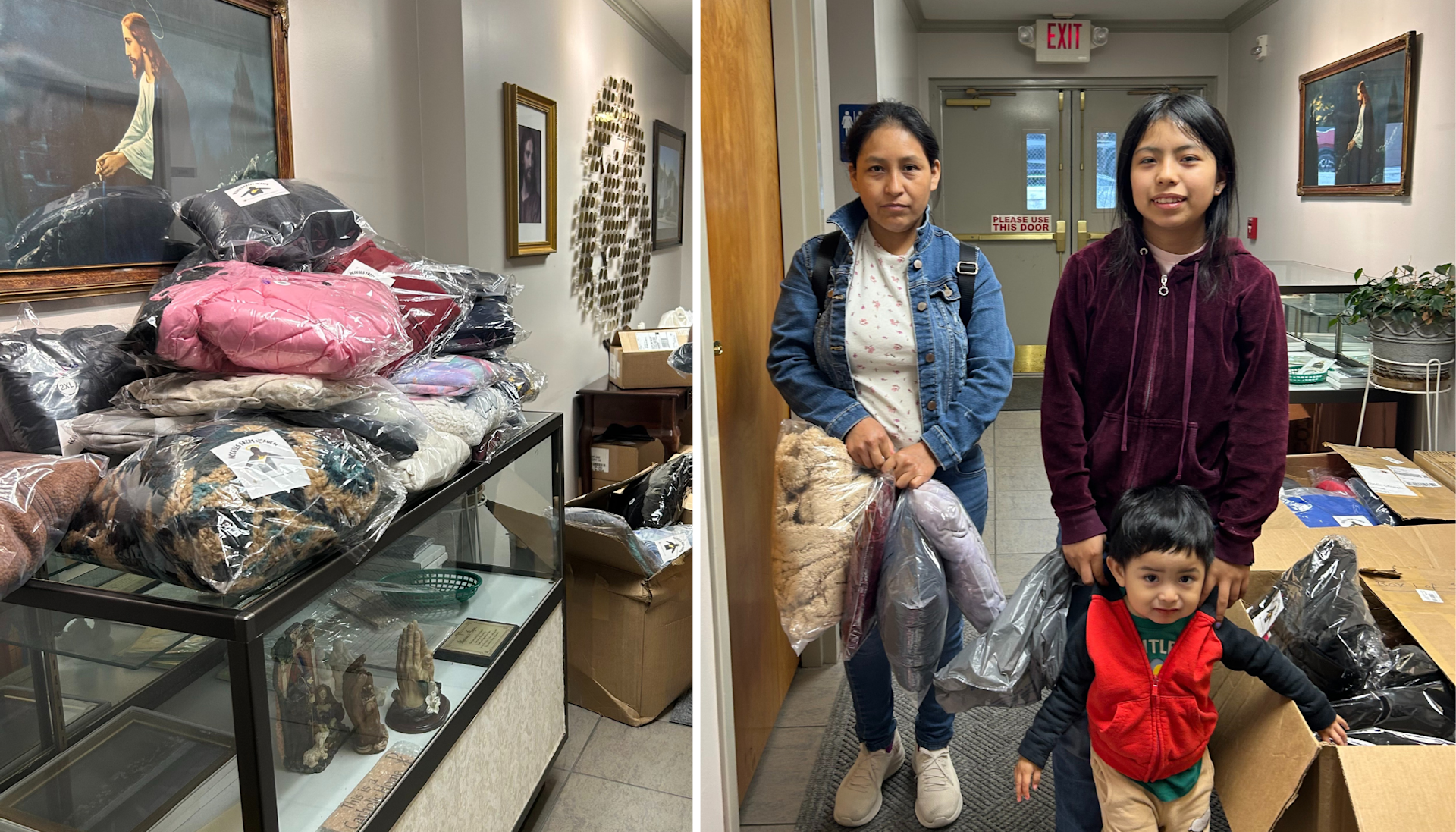
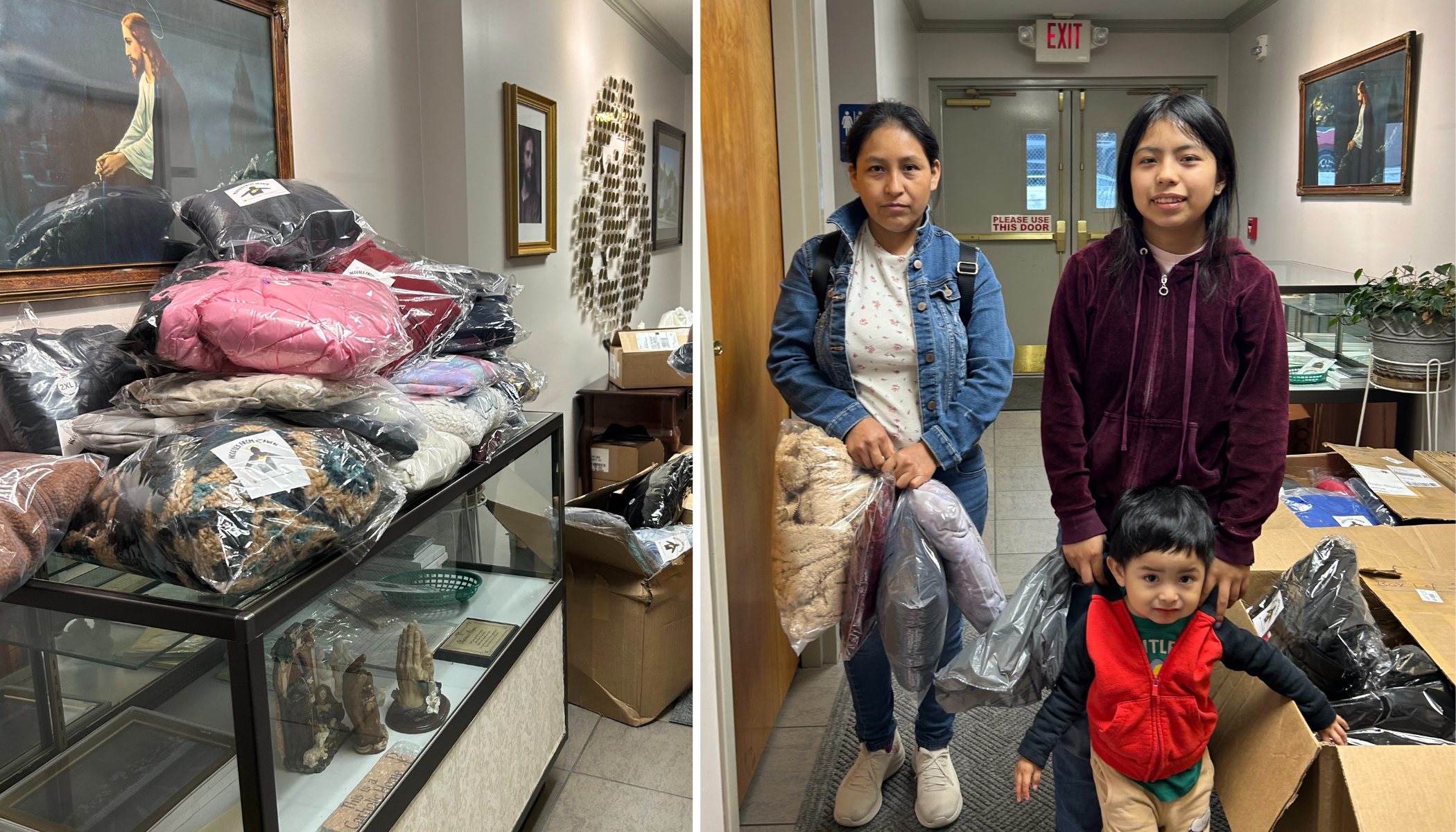
‘Hoodies from Heaven’ brings warmth to children in need #Catholic After retiring in 2021, Patrick McBee began subbing as an aide at local schools in Morgan County, West Virginia. He quickly realized that many children did not have the appropriate clothes to keep them warm during the winter months. Unable to wear their coats during the school day due to security reasons, McBee had an idea to help underprivileged children stay warm — hoodies.A member of the Knights of Columbus for over 20 years, McBee turned to his council for help bringing his idea to fruition. The council at St. Vincent de Paul Catholic Church — the only Catholic Church in Morgan Country — loved the idea and began the Hoodies from Heaven initiative, which solicits donations of new or gently used hoodies to give to children in need at local schools.Since its launch in 2024, Hoodies from Heaven has donated over 300 hoodies to children in six local schools. Each hoodie that is given to a child in need comes with a note that says “God loves you.”McBee told EWTN News that he knew something needed to be done after speaking with the school board and found out that over 1,000 families in Morgan County “identify as needy … and that’s not even counting the ones that do not go to DHHR — Department of Health and Human Resources.”McBee’s wife, Judy, added that “there wasn’t anything specific to help the school-aged children. There’s lots of support for unwed mothers or single mothers with babies and things, but there wasn’t anything for elementary, middle, and high school kids.”She added that part of the Knights’ mission is to “take care of children, widows, and orphans,” and “we knew that the babies were being taken care of. We saw that there were older children suffering and wanted to help them out and let them know that they’re not forgotten about by God.”The married couple explained that the hoodies are handed out by teachers and bus drivers “because they’re the first line of defense. … They distribute them to the kids that they see need them,” Judy said.Despite serving primarily in their local area, Hoodies from Heaven has helped others outside of their county. In September 2025, southwestern West Virginia experienced severe flooding, with many neighborhoods severely damaged or wiped out. The McBees sent over 60 hoodies and some sweatpants that were donated to the Catholic church in the area to be handed out to families in need.The McBees agreed that they would love to “plant the seeds in other Knights of Columbus councils — to do this is so easy,” Judy said.“The people, they just come forth with their generosity … I would say very rarely has a weekend passed that Patrick and I don’t go to Mass and come home with a bag or two of hoodies. It’s awesome how people just step up, but we think that if this word could get out to others, then they could start their own little programs and just specifically to help the older kids who get neglected sometimes.”Patrick shared a story he was told about a little boy who received one of the hoodies. When the boy received it, he asked if he had to give it back. When the teacher told him no and that it was for him to keep, he was “elated.”“When I heard that, that broke my heart,” Judy added.Judy shared that growing up in an affluent town in New Jersey, she “was very fortunate growing up and never wanted for anything as a kid. And I come here, here I am retired, and I see what I see and it just absolutely breaks my heart, but these children here are special.”“They’re very appreciative. They’re not spoiled. They’re not entitled. They know that they don’t come from an entitled background. They’re very humble. The kids here are just extraordinary, just absolutely extraordinary.”As for their hope for Hoodies from Heaven, Judy said: “If we could just make just a couple of kids happy and warm, feel that they’re that valued, and then the little note that goes with them telling them that God loves them too. We hope that that brings a message to them that plants a seed that as they grow older that they’ll know to rely on God, because God provides everything we need.”

‘Hoodies from Heaven’ brings warmth to children in need #Catholic After retiring in 2021, Patrick McBee began subbing as an aide at local schools in Morgan County, West Virginia. He quickly realized that many children did not have the appropriate clothes to keep them warm during the winter months. Unable to wear their coats during the school day due to security reasons, McBee had an idea to help underprivileged children stay warm — hoodies.A member of the Knights of Columbus for over 20 years, McBee turned to his council for help bringing his idea to fruition. The council at St. Vincent de Paul Catholic Church — the only Catholic Church in Morgan Country — loved the idea and began the Hoodies from Heaven initiative, which solicits donations of new or gently used hoodies to give to children in need at local schools.Since its launch in 2024, Hoodies from Heaven has donated over 300 hoodies to children in six local schools. Each hoodie that is given to a child in need comes with a note that says “God loves you.”McBee told EWTN News that he knew something needed to be done after speaking with the school board and found out that over 1,000 families in Morgan County “identify as needy … and that’s not even counting the ones that do not go to DHHR — Department of Health and Human Resources.”McBee’s wife, Judy, added that “there wasn’t anything specific to help the school-aged children. There’s lots of support for unwed mothers or single mothers with babies and things, but there wasn’t anything for elementary, middle, and high school kids.”She added that part of the Knights’ mission is to “take care of children, widows, and orphans,” and “we knew that the babies were being taken care of. We saw that there were older children suffering and wanted to help them out and let them know that they’re not forgotten about by God.”The married couple explained that the hoodies are handed out by teachers and bus drivers “because they’re the first line of defense. … They distribute them to the kids that they see need them,” Judy said.Despite serving primarily in their local area, Hoodies from Heaven has helped others outside of their county. In September 2025, southwestern West Virginia experienced severe flooding, with many neighborhoods severely damaged or wiped out. The McBees sent over 60 hoodies and some sweatpants that were donated to the Catholic church in the area to be handed out to families in need.The McBees agreed that they would love to “plant the seeds in other Knights of Columbus councils — to do this is so easy,” Judy said.“The people, they just come forth with their generosity … I would say very rarely has a weekend passed that Patrick and I don’t go to Mass and come home with a bag or two of hoodies. It’s awesome how people just step up, but we think that if this word could get out to others, then they could start their own little programs and just specifically to help the older kids who get neglected sometimes.”Patrick shared a story he was told about a little boy who received one of the hoodies. When the boy received it, he asked if he had to give it back. When the teacher told him no and that it was for him to keep, he was “elated.”“When I heard that, that broke my heart,” Judy added.Judy shared that growing up in an affluent town in New Jersey, she “was very fortunate growing up and never wanted for anything as a kid. And I come here, here I am retired, and I see what I see and it just absolutely breaks my heart, but these children here are special.”“They’re very appreciative. They’re not spoiled. They’re not entitled. They know that they don’t come from an entitled background. They’re very humble. The kids here are just extraordinary, just absolutely extraordinary.”As for their hope for Hoodies from Heaven, Judy said: “If we could just make just a couple of kids happy and warm, feel that they’re that valued, and then the little note that goes with them telling them that God loves them too. We hope that that brings a message to them that plants a seed that as they grow older that they’ll know to rely on God, because God provides everything we need.”

Amid the freezing temperatures hitting many parts of the U.S., one Knights of Columbus council is providing warmth to children in need through an initiative called “Hoodies from Heaven.”
Read More