Police

Quebec secularism law is ‘anti-religious ideology,’ bishops tell Canada Supreme Court #Catholic Canada’s bishops told the Supreme Court of Canada that Quebec’s secularism legislation Bill 21 “denies the divine” going well beyond provincial jurisdiction by imposing an anti-religious ideology on the province.The bishops were among more than 50 intervenors presenting arguments at a landmark Supreme Court of Canada hearing into the constitutionality of Quebec’s 2019 secularism law. The hearing, one of the longest in the court’s history, ran from March 23–26. The court reserved its decision, with a ruling expected later this year.The secularism law, which lower courts have twice upheld, prohibits certain public employees — such as teachers and police officers — from wearing religious symbols while at work.Toronto lawyer Phil Horgan, president and general counsel of the Catholic Civil Rights League (CCRL), argued on behalf of the Canadian Conference of Catholic Bishops (CCCB), summarizing a factum that argued the “purpose and effect” of Quebec’s legislation is to “amend Canada’s federal constitution by imposing an anti-religious, non-neutral ideology, which goes beyond Québec’s jurisdiction.”Such a “drastic” change can only be made by the federal government using its authority over criminal law or its constitutional “peace, order, and good government” powers, according to the bishops’ argument.Quebec preemptively invoked the notwithstanding clause of the Canadian Charter of Rights and Freedoms when it drafted Bill 21 to shield it from judicial review.Federal and provincial governments can invoke the notwithstanding clause of the Constitution to temporarily prevent courts from invalidating legislation as unconstitutional.The timing and impact of the use of Charter Section 33 became a significant issue during the four days of hearings and will likely be central in the court’s analysis, Horgan told The Catholic Register.The appellants challenging Bill 21 include individual teachers directly affected by it as well as advocacy groups including the National Council of Canadian Muslims (NCCM), the Canadian Civil Liberties Association (CCLA), and the Legal Committee of the Coalition Inclusion Québec. They argue Bill 21 is “ultra vires,” beyond the powers of provincial jurisdiction.In a five-minute oral argument, Horgan told the seven justices that “Canada’s existing federal constitution is pluralist and pro-religion.” Although “the doctrine of state neutrality is well established, Canada has never adopted laicity or an absolutist separation of church and state,” he said.Justice Malcolm Rowe questioned Horgan on the point, asking: “Other than the reference to the supremacy of God in the preamble to the Charter, would you direct me to the provision in the Constitution which is pro-religion?”Horgan cited Section 93 of the Constitution Act, 1867, which protects denominational school rights and privileges, and noted federal charity law recognizes religion as a public good.Horgan said he wasn’t concerned by the pushback, noting judges often ask questions “not so much to get the answers from counsel but to help … persuade other members of the bench on some of the merits of the argument.”In its factum, the CCCB said Bill 21 “turns the expression of religious belief, through the wearing of symbols, into something to be punished because such expression now conflicts with the dominant philosophical posture of laïcité.”Just as religious symbols are an illustration of underlying personal faith, “the prohibition of religious symbols manifests an outlook from the provincial government that denies the divine,” the bishops said.Quebec has argued the notwithstanding clause disqualifies courts from weighing in on matters deemed political debates. Isabelle Brunet, a lawyer for the Quebec government, told the justices: “It is not up to a court to answer a question that doesn’t concern the courts.”Quebec received support from the attorneys general of Alberta, Ontario, and Saskatchewan, who maintain the courts should not interfere once the notwithstanding clause is invoked.Alberta and Ontario take a contrary position, arguing there is nothing in the notwithstanding clause that precludes judicial scrutiny of legislation.Guy J. Pratte, a lawyer for the attorney general of Canada, said Section 33 gives legislatures the power to override Charter rights but does not nullify the rights altogether or prevent judges from issuing an opinion if freedoms are violated.‘Imposing an anti-religious, non-neutral ideology’The following excerpts are from the factum submitted to the Supreme Court of Canada by the Canadian bishops:“The purpose and effect of the act is unilaterally to amend Canada’s federal constitution by imposing an anti-religious, non-neutral ideology, which goes beyond Québec’s jurisdiction.”“When a province makes itself laïc, it is adopting a non-neutral stance on religion. The provinces do not have that power.”“Québec is attempting to impose an atheistic posture on religious believers.”“Our constitution is founded on a political theory that sees fundamental rights and freedoms as God-given. To adopt an expressly anti-religious viewpoint, as the act purports to do, is an amendment of our existing federal constitution.”“In the place of a genuinely neutral, pluralist, and pro-religious approach, the act substitutes an anti-religious constitutional settlement where symbols of religion worn by individuals are not permitted.”“Just as religious symbols manifest an underlying personal faith, the prohibition of religious symbols manifests an outlook … that denies the divine.”This story was first published by The B.C. Catholic and is reprinted here with permission.

Quebec secularism law is ‘anti-religious ideology,’ bishops tell Canada Supreme Court #Catholic Canada’s bishops told the Supreme Court of Canada that Quebec’s secularism legislation Bill 21 “denies the divine” going well beyond provincial jurisdiction by imposing an anti-religious ideology on the province.The bishops were among more than 50 intervenors presenting arguments at a landmark Supreme Court of Canada hearing into the constitutionality of Quebec’s 2019 secularism law. The hearing, one of the longest in the court’s history, ran from March 23–26. The court reserved its decision, with a ruling expected later this year.The secularism law, which lower courts have twice upheld, prohibits certain public employees — such as teachers and police officers — from wearing religious symbols while at work.Toronto lawyer Phil Horgan, president and general counsel of the Catholic Civil Rights League (CCRL), argued on behalf of the Canadian Conference of Catholic Bishops (CCCB), summarizing a factum that argued the “purpose and effect” of Quebec’s legislation is to “amend Canada’s federal constitution by imposing an anti-religious, non-neutral ideology, which goes beyond Québec’s jurisdiction.”Such a “drastic” change can only be made by the federal government using its authority over criminal law or its constitutional “peace, order, and good government” powers, according to the bishops’ argument.Quebec preemptively invoked the notwithstanding clause of the Canadian Charter of Rights and Freedoms when it drafted Bill 21 to shield it from judicial review.Federal and provincial governments can invoke the notwithstanding clause of the Constitution to temporarily prevent courts from invalidating legislation as unconstitutional.The timing and impact of the use of Charter Section 33 became a significant issue during the four days of hearings and will likely be central in the court’s analysis, Horgan told The Catholic Register.The appellants challenging Bill 21 include individual teachers directly affected by it as well as advocacy groups including the National Council of Canadian Muslims (NCCM), the Canadian Civil Liberties Association (CCLA), and the Legal Committee of the Coalition Inclusion Québec. They argue Bill 21 is “ultra vires,” beyond the powers of provincial jurisdiction.In a five-minute oral argument, Horgan told the seven justices that “Canada’s existing federal constitution is pluralist and pro-religion.” Although “the doctrine of state neutrality is well established, Canada has never adopted laicity or an absolutist separation of church and state,” he said.Justice Malcolm Rowe questioned Horgan on the point, asking: “Other than the reference to the supremacy of God in the preamble to the Charter, would you direct me to the provision in the Constitution which is pro-religion?”Horgan cited Section 93 of the Constitution Act, 1867, which protects denominational school rights and privileges, and noted federal charity law recognizes religion as a public good.Horgan said he wasn’t concerned by the pushback, noting judges often ask questions “not so much to get the answers from counsel but to help … persuade other members of the bench on some of the merits of the argument.”In its factum, the CCCB said Bill 21 “turns the expression of religious belief, through the wearing of symbols, into something to be punished because such expression now conflicts with the dominant philosophical posture of laïcité.”Just as religious symbols are an illustration of underlying personal faith, “the prohibition of religious symbols manifests an outlook from the provincial government that denies the divine,” the bishops said.Quebec has argued the notwithstanding clause disqualifies courts from weighing in on matters deemed political debates. Isabelle Brunet, a lawyer for the Quebec government, told the justices: “It is not up to a court to answer a question that doesn’t concern the courts.”Quebec received support from the attorneys general of Alberta, Ontario, and Saskatchewan, who maintain the courts should not interfere once the notwithstanding clause is invoked.Alberta and Ontario take a contrary position, arguing there is nothing in the notwithstanding clause that precludes judicial scrutiny of legislation.Guy J. Pratte, a lawyer for the attorney general of Canada, said Section 33 gives legislatures the power to override Charter rights but does not nullify the rights altogether or prevent judges from issuing an opinion if freedoms are violated.‘Imposing an anti-religious, non-neutral ideology’The following excerpts are from the factum submitted to the Supreme Court of Canada by the Canadian bishops:“The purpose and effect of the act is unilaterally to amend Canada’s federal constitution by imposing an anti-religious, non-neutral ideology, which goes beyond Québec’s jurisdiction.”“When a province makes itself laïc, it is adopting a non-neutral stance on religion. The provinces do not have that power.”“Québec is attempting to impose an atheistic posture on religious believers.”“Our constitution is founded on a political theory that sees fundamental rights and freedoms as God-given. To adopt an expressly anti-religious viewpoint, as the act purports to do, is an amendment of our existing federal constitution.”“In the place of a genuinely neutral, pluralist, and pro-religious approach, the act substitutes an anti-religious constitutional settlement where symbols of religion worn by individuals are not permitted.”“Just as religious symbols manifest an underlying personal faith, the prohibition of religious symbols manifests an outlook … that denies the divine.”This story was first published by The B.C. Catholic and is reprinted here with permission.

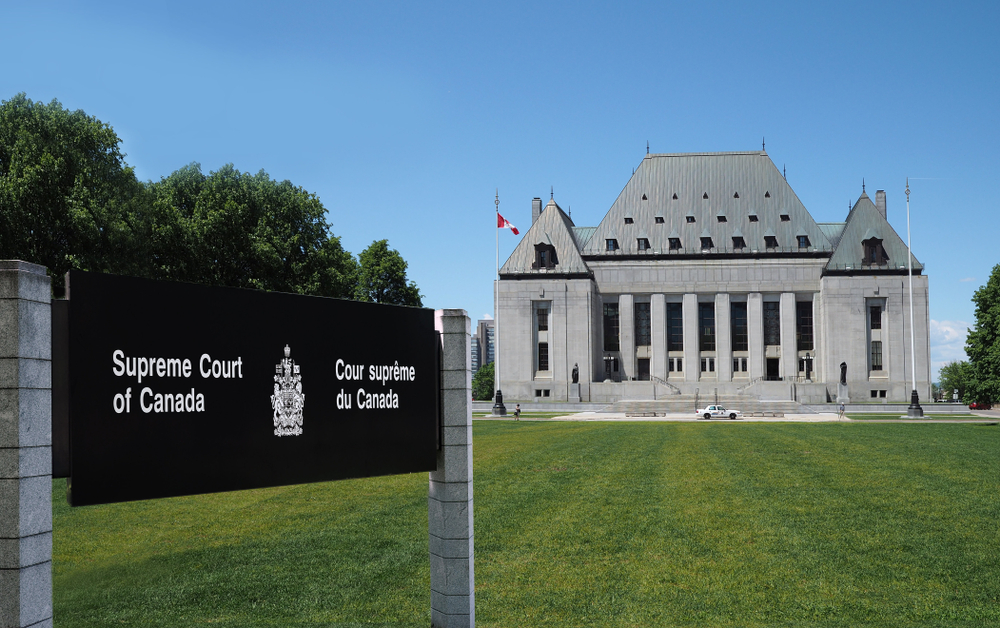
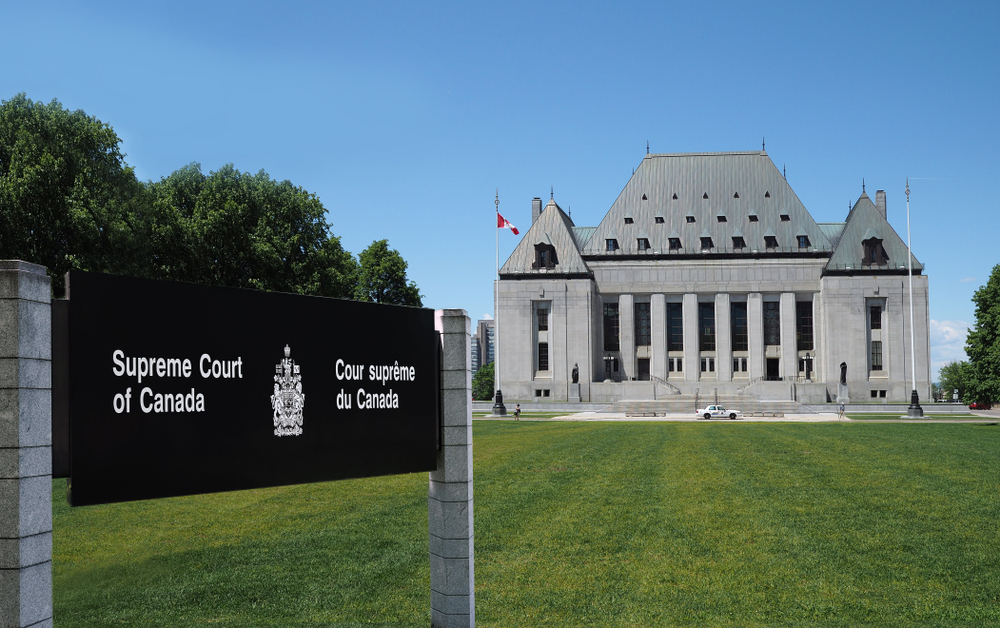
The Catholic bishops were among more than 50 intervenors presenting arguments at a landmark Supreme Court of Canada hearing into the constitutionality of Quebec’s 2019 secularism law.
Read More
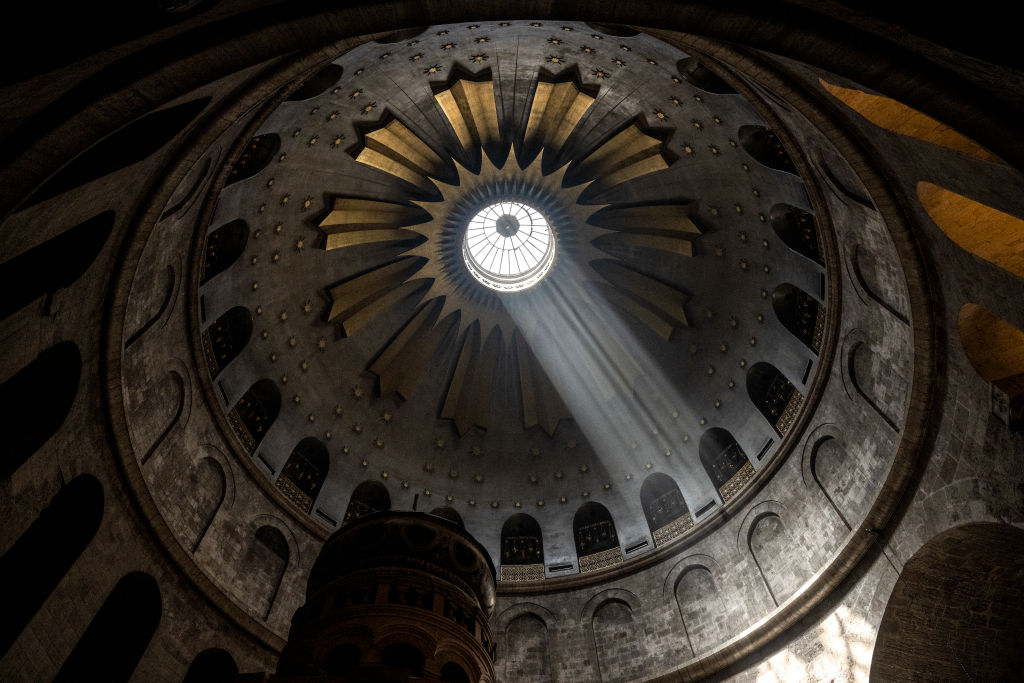
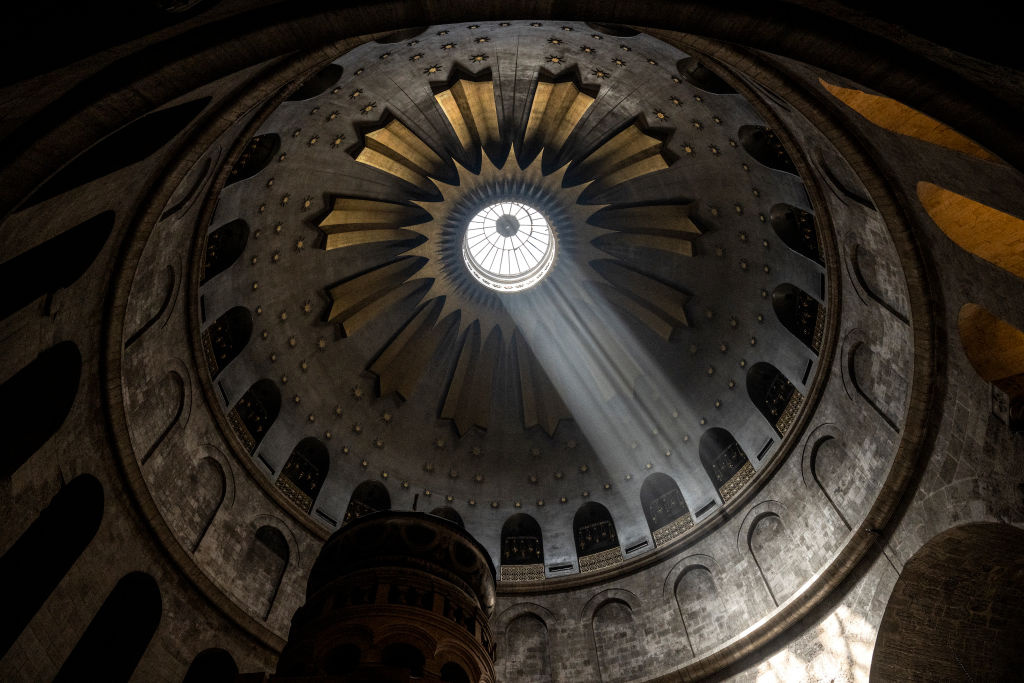
Israeli police block cardinal, custos from entering Church of the Holy Sepulchre #Catholic In an incident described as unprecedented, Israeli police prevented Cardinal Pierbattista Pizzaballa, Latin Patriarch of Jerusalem, along with Father Francesco Patton, Custos of the Holy Land and the official responsible for the Church of the Holy Sepulchre, from entering the church as they made their way to celebrate Palm Sunday Mass.According to a joint statement issued March 29 by the Latin Patriarchate of Jerusalem and the Custody of the Holy Land, police stopped the two church leaders on their way as they were proceeding privately “without any ceremonial or liturgical manifestations,” and forced them to turn back.The statement noted that, for the first time in centuries, this action prevented church leaders from celebrating Palm Sunday Mass at the Church of the Holy Sepulchre. It described the incident as a “serious and dangerous precedent,” adding that it “disregards the sentiments of millions of believers around the world whose eyes turn to Jerusalem during this week."Isaac Herzog, president of Israel, said in a statement on social media that he called Pizzaballa the Patton to express sorrow over the incident. “I clarified that the incident stemmed from security concerns due to the continuous threat of missile attacks from the Iranian terror regime against the civilian population in Israel, following previous incidents in which Iranian missiles fell in the area of the Old City of Jerusalem in recent days,” Herzog wrote. “I reaffirmed the State of Israelʼs unwavering commitment to freedom of religion for all faiths and to upholding the status quo at the holy sites of Jerusalem.”Mike Huckabee, U.S. ambassador to Israel, expressed gratitude for Herzogʼs “conciliatory” and “gracious” statement in a post on social media.TweetThe March 29 statement by the Latin Patriarchate of Jerusalem and the Custody of the Holy Land emphasized that church leaders had acted with full responsibility, noting that since the beginning of the war they had complied with all imposed restrictions, including canceling public gatherings and limiting attendance, while relying instead on broadcast celebrations reaching hundreds of millions of faithful worldwide during the Easter season. It further stressed that preventing the patriarch and the custos of the Holy Land—who represent the highest ecclesiastical authorities responsible for the Catholic Church and the holy sites—from entering the church constitutes a measure that is “clearly unreasonable and disproportionate.”The decision, the statement added, was “hasty and based on flawed grounds,” “tainted by inappropriate considerations,” and represents “a serious departure from the fundamental principles of reasonableness, freedom of worship, and respect for the status quo.” In conclusion, the two church leaders expressed their “deep regret” to Christians in the Holy Land and around the world after “prayer on one of the holiest days of the Christian calendar was prevented in this manner.” Celebrations under restrictionsOn the security front, Jerusalem and the wider Holy Land continue to experience heightened tensions amid the ongoing regional conflict, which has directly affected daily life and the practice of religious rites. According to media reports, preparations for religious celebrations such as Easter and Holy Saturday have been accompanied by strict security measures, with some traditional events canceled due to security threats and reports of rockets landing near religious sites in the Holy City. Authorities have imposed limits on gatherings and restricted access to certain holy places.Pizzaballa has repeatedly highlighted the deep suffering of Christians in the region amid the ongoing conflict, calling for prayer and support for Christian communities facing increasing challenges due to war and insecurity. In previous statements, he emphasized the importance of providing spiritual and moral support to Christians in the Holy Land, underscoring the need for them to remain in their homeland and affirming that the Church continues its mission and services despite ongoing risks.Reports from religious and community sources have also pointed to a rise in attacks against Christians and Christian properties in the West Bank and Jerusalem, including acts of violence by settlers. These developments, according to various reports, reflect the deteriorating security conditions for Palestinian Christian communities amid ongoing settlement expansion, increasing the risk of displacement and further diminishing their historic presence in the Holy Land.This story was updated at 1 p.m. ET on March 29, 2026, to include comments from Isaac Herzog, president of Israel, and Mike Huckabee, U.S. ambassador to Israel.

Israeli police block cardinal, custos from entering Church of the Holy Sepulchre #Catholic In an incident described as unprecedented, Israeli police prevented Cardinal Pierbattista Pizzaballa, Latin Patriarch of Jerusalem, along with Father Francesco Patton, Custos of the Holy Land and the official responsible for the Church of the Holy Sepulchre, from entering the church as they made their way to celebrate Palm Sunday Mass.According to a joint statement issued March 29 by the Latin Patriarchate of Jerusalem and the Custody of the Holy Land, police stopped the two church leaders on their way as they were proceeding privately “without any ceremonial or liturgical manifestations,” and forced them to turn back.The statement noted that, for the first time in centuries, this action prevented church leaders from celebrating Palm Sunday Mass at the Church of the Holy Sepulchre. It described the incident as a “serious and dangerous precedent,” adding that it “disregards the sentiments of millions of believers around the world whose eyes turn to Jerusalem during this week."Isaac Herzog, president of Israel, said in a statement on social media that he called Pizzaballa the Patton to express sorrow over the incident. “I clarified that the incident stemmed from security concerns due to the continuous threat of missile attacks from the Iranian terror regime against the civilian population in Israel, following previous incidents in which Iranian missiles fell in the area of the Old City of Jerusalem in recent days,” Herzog wrote. “I reaffirmed the State of Israelʼs unwavering commitment to freedom of religion for all faiths and to upholding the status quo at the holy sites of Jerusalem.”Mike Huckabee, U.S. ambassador to Israel, expressed gratitude for Herzogʼs “conciliatory” and “gracious” statement in a post on social media.TweetThe March 29 statement by the Latin Patriarchate of Jerusalem and the Custody of the Holy Land emphasized that church leaders had acted with full responsibility, noting that since the beginning of the war they had complied with all imposed restrictions, including canceling public gatherings and limiting attendance, while relying instead on broadcast celebrations reaching hundreds of millions of faithful worldwide during the Easter season. It further stressed that preventing the patriarch and the custos of the Holy Land—who represent the highest ecclesiastical authorities responsible for the Catholic Church and the holy sites—from entering the church constitutes a measure that is “clearly unreasonable and disproportionate.”The decision, the statement added, was “hasty and based on flawed grounds,” “tainted by inappropriate considerations,” and represents “a serious departure from the fundamental principles of reasonableness, freedom of worship, and respect for the status quo.” In conclusion, the two church leaders expressed their “deep regret” to Christians in the Holy Land and around the world after “prayer on one of the holiest days of the Christian calendar was prevented in this manner.” Celebrations under restrictionsOn the security front, Jerusalem and the wider Holy Land continue to experience heightened tensions amid the ongoing regional conflict, which has directly affected daily life and the practice of religious rites. According to media reports, preparations for religious celebrations such as Easter and Holy Saturday have been accompanied by strict security measures, with some traditional events canceled due to security threats and reports of rockets landing near religious sites in the Holy City. Authorities have imposed limits on gatherings and restricted access to certain holy places.Pizzaballa has repeatedly highlighted the deep suffering of Christians in the region amid the ongoing conflict, calling for prayer and support for Christian communities facing increasing challenges due to war and insecurity. In previous statements, he emphasized the importance of providing spiritual and moral support to Christians in the Holy Land, underscoring the need for them to remain in their homeland and affirming that the Church continues its mission and services despite ongoing risks.Reports from religious and community sources have also pointed to a rise in attacks against Christians and Christian properties in the West Bank and Jerusalem, including acts of violence by settlers. These developments, according to various reports, reflect the deteriorating security conditions for Palestinian Christian communities amid ongoing settlement expansion, increasing the risk of displacement and further diminishing their historic presence in the Holy Land.This story was updated at 1 p.m. ET on March 29, 2026, to include comments from Isaac Herzog, president of Israel, and Mike Huckabee, U.S. ambassador to Israel.

Police stopped the two church leaders on their way as they were proceeding privately “without any ceremonial or liturgical manifestations,” and forced them to turn back.
Read More
Pakistan Christian prisoners rebuild lives after church bombings #Catholic LAHORE, Pakistan — Every year during Lent, Sunil Masih remembers his elder brother as churches in Youhanabad — Lahore’s largest squatter settlement for poor Christians — mark the anniversary of the 2015 church bombings.The four Catholic brothers were among more than 150 Christians arrested by police days after twin suicide attacks on St. John’s Catholic Church and Christ Church on March 15, 2015, which killed at least 19 people and injured hundreds. The attacks were claimed by Jamaat-ul-Ahrar, an offshoot of Tehreek-e-Taliban Pakistan.The bombings sparked mob violence that mistakenly killed two Muslim men, who were later identified and detained through raids and video evidence.
 
 Sunil Masih stands beside his vegetable cart in front of his family’s former
milk shop in Youhanabad, Lahore, Pakistan, on March 15, 2025. | Credit:
Kamran Chaudhry
 
 Masih, now 28, said the trauma of prison changed him forever.“They hurled abuses at us, beat us with strips cut from vehicle tires, and in jail we were given old dried roti [flat bread],” he told EWTN News. “Water from the greasy toilet taps was served for drinking. Family meetings were allowed only after a month. It was a hellhole on earth.”He and his brother Sadaqat Perwaiz — popularly known as Monty — were released after six months in Central Jail Lahore. One brother, however, remained among 42 Christians and one Muslim charged in the lynching case.Devastation beyond prisonThe protracted court proceedings devastated the family’s four-decade-old milk business, saddled them with mounting debts, and forced the sale of their 680-square-foot home.Their worries deepened after two Christian inmates, Inderyas Masih, 36, and Usman Shaukat, 29, died in custody under suspicious circumstances during the trial. Police claimed tuberculosis and a heart attack, respectively, while families and the British Pakistani Christian Association reported bruises and unexplained injuries.
 
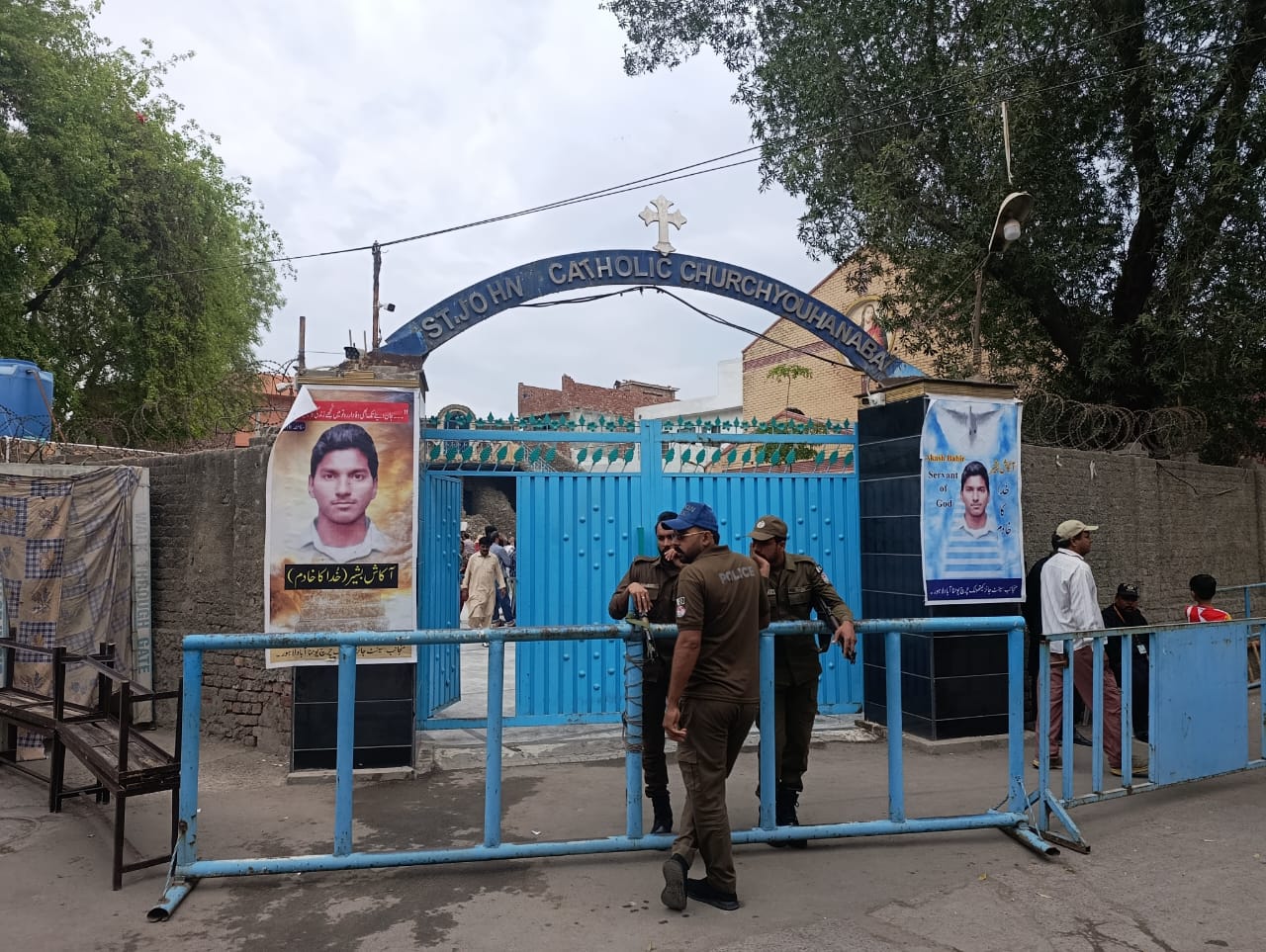
 Pakistani police stand guard outside St. John’s Catholic Church in
Youhanabad, Lahore, on March 15, 2025. Posters of Servant of God Akash Bashir flank the entrance gate on the 10th anniversary of twin suicide bombings that struck the neighborhood. | Credit: Kamran Chaudhry
 
 In January 2020, an anti-terrorism court acquitted the remaining 39 accused after blood money (Diyat) of 25 million rupees ($89,800) was paid to the victims’ families by Pastor Anwar Fazal, a prominent Christian televangelist.Under the Qisas and Diyat Ordinance 1990, introduced during Gen. Ziaul Haq’s Islamization process, courts calculate compensation based on the financial capacity of the convict and the victim’s heirs, with a minimum value linked to 30,630 grams of silver.Monty died of a heart attack in 2022, leaving behind two children aged 10 and 14. His faded poster still hangs in front of the family’s closed milk shop.“He was a stout man, known for his strong community ties and friendly nature in our neighborhood. Prison left him very lean and weakened by an infection that caused his legs to swell beneath the knees and bleed,” Masih said.Today, Sunil Masih sells vegetables from a wooden cart in front of the same shop, now leased to a real estate dealer. He hopes to marry once his new business stabilizes.‘The gift of a hero’On March 15, police guarded churches in Youhanabad, which houses more than 150,000 Christians, as the community observed the 11th bombing anniversary.At St. John’s, parishioners lit candles and placed flowers beneath a banner honoring Akash Bashir, the 20-year-old security volunteer who died preventing a suicide bomber from entering the church during that Sunday Mass.“Salute and gratitude to the martyrs of Youhanabad,” read the banner near the Marian grotto. In January 2022, the Vatican recognized Bashir as a servant of God, making him the first Pakistani Catholic on the path to canonization.
 
 Father Akram Javed (fifth from right), parish priest of St. John’s Catholic Church, lights a memorial candle for Servant of God Akash Bashir at a commemoration in Youhanabad, Lahore, Pakistan, on March 15, 2025. |
Credit: Kamran Chaudhry
 
 Father Akram Javed, parish priest of St. John’s, thanked police for security.“A group of 30 local volunteers carry on Akash’s mission, protecting the church and worshippers. The bombings were a terrible tragedy, but in that darkness, we received the gift of a hero,” he told EWTN News.‘The bombing was a national tragedy’Pentecostal politician Aslam Pervaiz Sahotra, who spent five years in prison, sees the anniversary as a moment of reflection for Pakistan’s 3.3 million Christians, many of whom continue to face discrimination, economic hardship, and lingering trauma.
 
 A man prays outside a church in Youhanabad, Lahore, Pakistan, on March 15, 2025, during commemorations marking the anniversary of the twin suicide bombings. Banners honoring Akash Bashir are visible in the background. | Credit: Kamran Chaudhry
 
 “The bombing was a national tragedy from which the authorities learnt nothing. We continue to suffer losses due to terrorism, with sporadic attacks targeting minority communities and security forces,” said the 65-year-old head of the Massiha Millat Party (Christian Nation Party).He alleged prison authorities tried to manipulate him, introducing Muslim prisoners to persuade him to stay passive.“Despite back pain from four displaced vertebrae, my time in prison strengthened my faith and resolve for activism. The trend of arresting Christians for alleged blasphemy to appease angry crowds will continue unless investigations are conducted on merit,” he added.
 
 Pakistani bishops demand probe into death of Christian farmworker
 
 The United States Commission on International Religious Freedom, in its 2025 annual report, said religious freedom in Pakistan continued to deteriorate, recommending it be designated a “country of particular concern,” citing blasphemy-related prosecutions, mob violence, and forced conversions targeting Christians and other minorities, and a growing climate of fear and impunity.

Pakistan Christian prisoners rebuild lives after church bombings #Catholic LAHORE, Pakistan — Every year during Lent, Sunil Masih remembers his elder brother as churches in Youhanabad — Lahore’s largest squatter settlement for poor Christians — mark the anniversary of the 2015 church bombings.The four Catholic brothers were among more than 150 Christians arrested by police days after twin suicide attacks on St. John’s Catholic Church and Christ Church on March 15, 2015, which killed at least 19 people and injured hundreds. The attacks were claimed by Jamaat-ul-Ahrar, an offshoot of Tehreek-e-Taliban Pakistan.The bombings sparked mob violence that mistakenly killed two Muslim men, who were later identified and detained through raids and video evidence. Sunil Masih stands beside his vegetable cart in front of his family’s former milk shop in Youhanabad, Lahore, Pakistan, on March 15, 2025. | Credit: Kamran Chaudhry Masih, now 28, said the trauma of prison changed him forever.“They hurled abuses at us, beat us with strips cut from vehicle tires, and in jail we were given old dried roti [flat bread],” he told EWTN News. “Water from the greasy toilet taps was served for drinking. Family meetings were allowed only after a month. It was a hellhole on earth.”He and his brother Sadaqat Perwaiz — popularly known as Monty — were released after six months in Central Jail Lahore. One brother, however, remained among 42 Christians and one Muslim charged in the lynching case.Devastation beyond prisonThe protracted court proceedings devastated the family’s four-decade-old milk business, saddled them with mounting debts, and forced the sale of their 680-square-foot home.Their worries deepened after two Christian inmates, Inderyas Masih, 36, and Usman Shaukat, 29, died in custody under suspicious circumstances during the trial. Police claimed tuberculosis and a heart attack, respectively, while families and the British Pakistani Christian Association reported bruises and unexplained injuries. Pakistani police stand guard outside St. John’s Catholic Church in Youhanabad, Lahore, on March 15, 2025. Posters of Servant of God Akash Bashir flank the entrance gate on the 10th anniversary of twin suicide bombings that struck the neighborhood. | Credit: Kamran Chaudhry In January 2020, an anti-terrorism court acquitted the remaining 39 accused after blood money (Diyat) of 25 million rupees ($89,800) was paid to the victims’ families by Pastor Anwar Fazal, a prominent Christian televangelist.Under the Qisas and Diyat Ordinance 1990, introduced during Gen. Ziaul Haq’s Islamization process, courts calculate compensation based on the financial capacity of the convict and the victim’s heirs, with a minimum value linked to 30,630 grams of silver.Monty died of a heart attack in 2022, leaving behind two children aged 10 and 14. His faded poster still hangs in front of the family’s closed milk shop.“He was a stout man, known for his strong community ties and friendly nature in our neighborhood. Prison left him very lean and weakened by an infection that caused his legs to swell beneath the knees and bleed,” Masih said.Today, Sunil Masih sells vegetables from a wooden cart in front of the same shop, now leased to a real estate dealer. He hopes to marry once his new business stabilizes.‘The gift of a hero’On March 15, police guarded churches in Youhanabad, which houses more than 150,000 Christians, as the community observed the 11th bombing anniversary.At St. John’s, parishioners lit candles and placed flowers beneath a banner honoring Akash Bashir, the 20-year-old security volunteer who died preventing a suicide bomber from entering the church during that Sunday Mass.“Salute and gratitude to the martyrs of Youhanabad,” read the banner near the Marian grotto. In January 2022, the Vatican recognized Bashir as a servant of God, making him the first Pakistani Catholic on the path to canonization. Father Akram Javed (fifth from right), parish priest of St. John’s Catholic Church, lights a memorial candle for Servant of God Akash Bashir at a commemoration in Youhanabad, Lahore, Pakistan, on March 15, 2025. | Credit: Kamran Chaudhry Father Akram Javed, parish priest of St. John’s, thanked police for security.“A group of 30 local volunteers carry on Akash’s mission, protecting the church and worshippers. The bombings were a terrible tragedy, but in that darkness, we received the gift of a hero,” he told EWTN News.‘The bombing was a national tragedy’Pentecostal politician Aslam Pervaiz Sahotra, who spent five years in prison, sees the anniversary as a moment of reflection for Pakistan’s 3.3 million Christians, many of whom continue to face discrimination, economic hardship, and lingering trauma. A man prays outside a church in Youhanabad, Lahore, Pakistan, on March 15, 2025, during commemorations marking the anniversary of the twin suicide bombings. Banners honoring Akash Bashir are visible in the background. | Credit: Kamran Chaudhry “The bombing was a national tragedy from which the authorities learnt nothing. We continue to suffer losses due to terrorism, with sporadic attacks targeting minority communities and security forces,” said the 65-year-old head of the Massiha Millat Party (Christian Nation Party).He alleged prison authorities tried to manipulate him, introducing Muslim prisoners to persuade him to stay passive.“Despite back pain from four displaced vertebrae, my time in prison strengthened my faith and resolve for activism. The trend of arresting Christians for alleged blasphemy to appease angry crowds will continue unless investigations are conducted on merit,” he added. Pakistani bishops demand probe into death of Christian farmworker The United States Commission on International Religious Freedom, in its 2025 annual report, said religious freedom in Pakistan continued to deteriorate, recommending it be designated a “country of particular concern,” citing blasphemy-related prosecutions, mob violence, and forced conversions targeting Christians and other minorities, and a growing climate of fear and impunity.

Eleven years after twin suicide bombings struck two Pakistan churches, survivors of mass arrests still bear the scars as a young martyr who died stopping the attack moves toward sainthood.
Read More
‘They want to evict us’: Why Indigenous Catholics fight forest project in Bangladesh #Catholic MADHUPUR, Bangladesh — Indigenous Catholic and tribal leaders in central Bangladesh are warning the government that a stronger protest movement will follow if it does not withdraw a contested forest development project before the end of the Muslim fasting month of Ramadan this week.The Garo and Koch Indigenous peoples say a government plan to dig an artificial lake and build an eco-park in the Madhupur forest — about 94 miles north of the capital, Dhaka — is a pretext for evicting them from ancestral lands they have occupied for generations.“What the government is doing in the name of development is not development. It is a clear plan to evict the Garo and Koch Indigenous from this forest area,” said Toni Chiran, a Catholic from Corpus Christi Church in Jalchatra and president of the Bangladesh Indigenous Youth Forum.
 
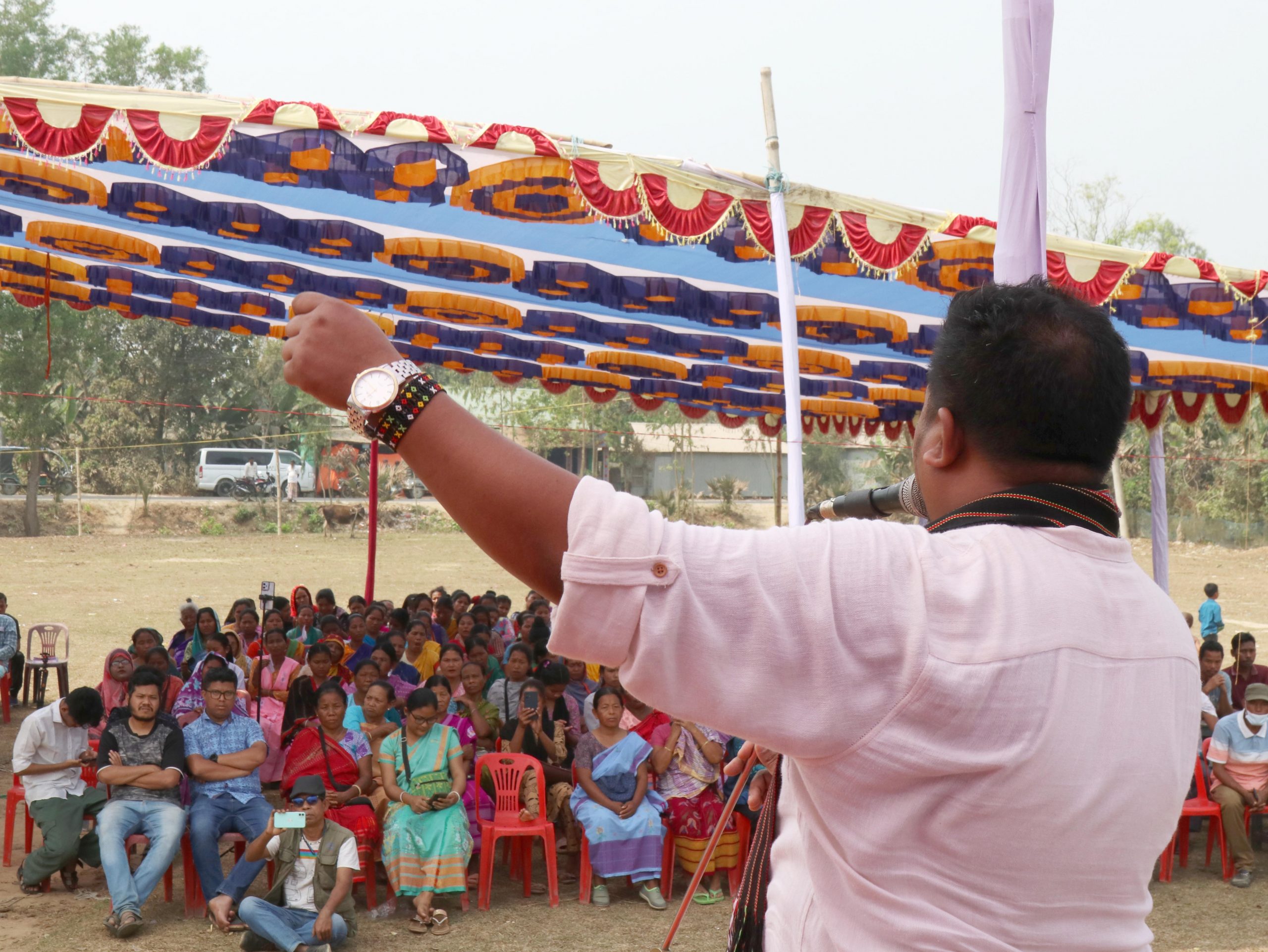
 A speaker addresses Indigenous Garo people at a protest rally in Madhupur, Bangladesh, on March 6, 2026. | Credit: Stephan Uttom Rozario
 
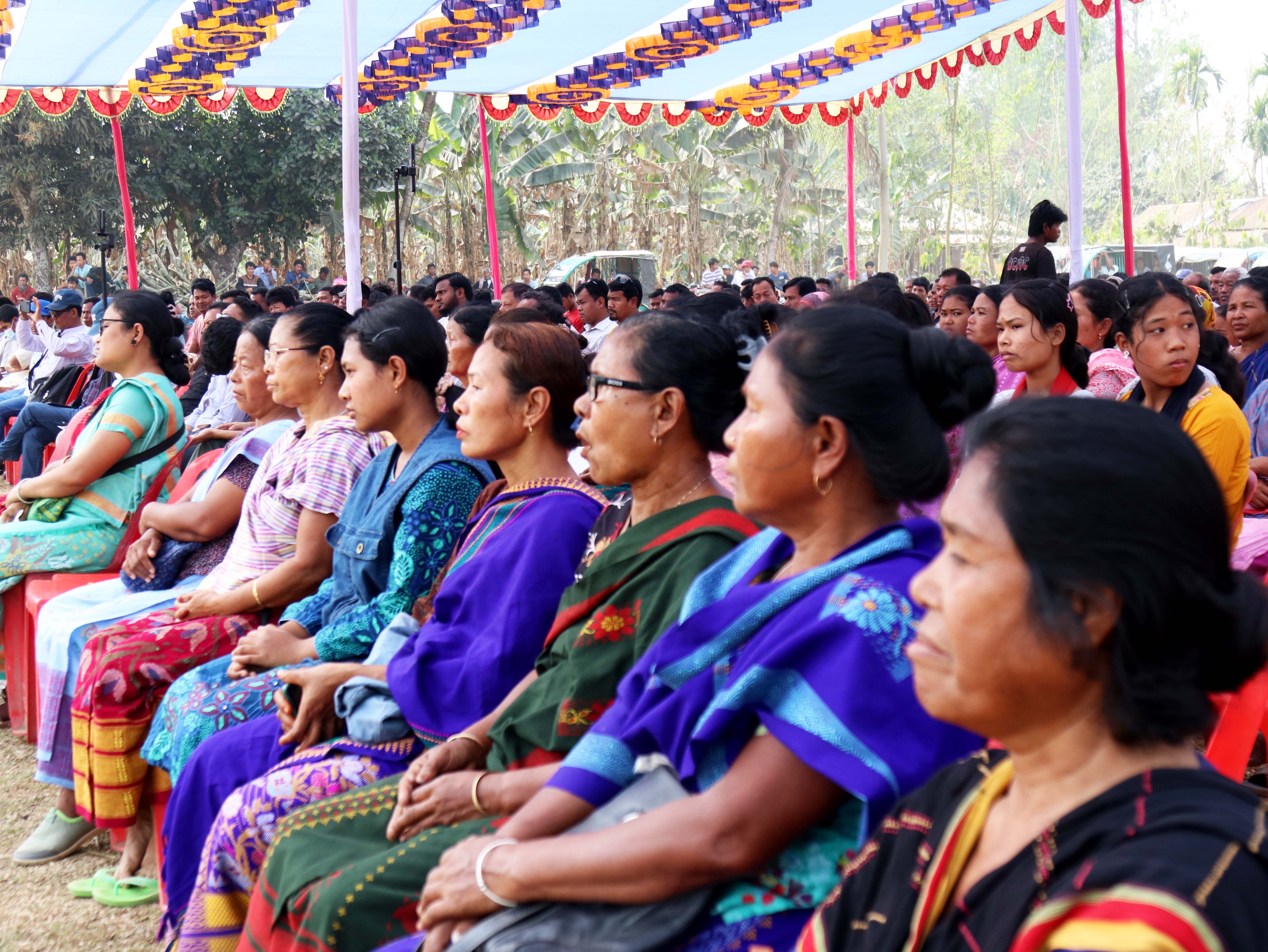
 Chiran spoke at a protest rally on March 6 in Madhupur’s Tangail district, where hundreds of Indigenous students and community members gathered to oppose the project. He said that if the artificial lake and eco-park are built, Indigenous people will lose their agricultural land and the natural forest will be destroyed, leaving the Garo and other Indigenous peoples with no means to sustain their way of life.Bangladesh is home to approximately 400,000 Catholics in a population of nearly 178 million, and more than half of the country’s Catholics come from Indigenous communities.Church voices supportFather Simon Hacha, the vicar general of the Diocese of Mymensingh, which covers the area, said the Church cannot support the government’s plans.“If this project is implemented, the Indigenous people’s cropland will be destroyed and they will face eviction. We think that is what the government wants,” Hacha told EWTN News.“We want to tell the government to back off from such shameful steps. The Catholic Church has always been for justice and has been giving moral support to the Indigenous movement,” he added.Decades-long disputeThe Bangladesh government first proposed an artificial lake and eco-park in the Madhupur forest in 2000. In 2004, at least one Garo man was killed by police gunfire during a protest, and many others were injured. The government subsequently halted the project.In 2026, authorities revived the plan and have already begun excavating the designated area. Indigenous leaders say the project amounts to a long-term strategy to force tribal communities from the region.Janoki Chisim, secretary of the Garo Indigenous Student Union, told EWTN News that the project would be an injustice not only to the forest but also to the people who depend on it.“Let the forest survive in its original form and glory. The Garo and Koch Indigenous people have lived in this forest since time immemorial,” Chisim said.
 
 An excavator digs inside the Madhupur forest in Bangladesh on March 6, 2026, as part of a government project to expand an artificial lake that Indigenous communities say threatens their ancestral land. | Credit: Stephan Uttom Rozario
 
 According to tribal elders, tigers, bears, deer, wild boars, and wild cats once roamed freely in the forest, and hundreds of bird species thrived alongside them. Forest dwellers traditionally collected wild potatoes and medicinal plants from the forest vines. That way of life, residents say, is slowly disappearing.After the Tenancy Act of 1950, the Forest Department encroached on tribal forestland. Successive government projects have steadily eroded the forest’s biodiversity. Remaining forest is being cleared for lakes, entertainment centers, hotels, and resorts, and the local Garo and Koch Indigenous people are being displaced, community leaders say.“If the customary land rights of the tribals are not ensured, a strong movement will be launched in the coming days,” Chisim told EWTN News.Forest officials respondForest officials say the lake is being expanded to 1,165 feet. An existing 665-foot-long lake, dug five decades ago, has silted up, causing a severe water shortage in the forest during the dry season.When rivers and canals dry up, monkeys, hanuman langurs, deer, and other wildlife venture into populated areas in search of water and are sometimes attacked, officials said.“Deer, peacocks, and tortoises in the breeding center also face water shortage. The expansion of this lake is necessary to protect the life of wildlife,” Mosharraf Hossain, a forest official, told EWTN News.Hossain added that no one has customary land rights in the reserved forest and that lakes are not being dug on Garo land. Forest department officials say some youths are spreading unnecessary confusion at the behest of a vested interest group.

‘They want to evict us’: Why Indigenous Catholics fight forest project in Bangladesh #Catholic MADHUPUR, Bangladesh — Indigenous Catholic and tribal leaders in central Bangladesh are warning the government that a stronger protest movement will follow if it does not withdraw a contested forest development project before the end of the Muslim fasting month of Ramadan this week.The Garo and Koch Indigenous peoples say a government plan to dig an artificial lake and build an eco-park in the Madhupur forest — about 94 miles north of the capital, Dhaka — is a pretext for evicting them from ancestral lands they have occupied for generations.“What the government is doing in the name of development is not development. It is a clear plan to evict the Garo and Koch Indigenous from this forest area,” said Toni Chiran, a Catholic from Corpus Christi Church in Jalchatra and president of the Bangladesh Indigenous Youth Forum. A speaker addresses Indigenous Garo people at a protest rally in Madhupur, Bangladesh, on March 6, 2026. | Credit: Stephan Uttom Rozario Chiran spoke at a protest rally on March 6 in Madhupur’s Tangail district, where hundreds of Indigenous students and community members gathered to oppose the project. He said that if the artificial lake and eco-park are built, Indigenous people will lose their agricultural land and the natural forest will be destroyed, leaving the Garo and other Indigenous peoples with no means to sustain their way of life.Bangladesh is home to approximately 400,000 Catholics in a population of nearly 178 million, and more than half of the country’s Catholics come from Indigenous communities.Church voices supportFather Simon Hacha, the vicar general of the Diocese of Mymensingh, which covers the area, said the Church cannot support the government’s plans.“If this project is implemented, the Indigenous people’s cropland will be destroyed and they will face eviction. We think that is what the government wants,” Hacha told EWTN News.“We want to tell the government to back off from such shameful steps. The Catholic Church has always been for justice and has been giving moral support to the Indigenous movement,” he added.Decades-long disputeThe Bangladesh government first proposed an artificial lake and eco-park in the Madhupur forest in 2000. In 2004, at least one Garo man was killed by police gunfire during a protest, and many others were injured. The government subsequently halted the project.In 2026, authorities revived the plan and have already begun excavating the designated area. Indigenous leaders say the project amounts to a long-term strategy to force tribal communities from the region.Janoki Chisim, secretary of the Garo Indigenous Student Union, told EWTN News that the project would be an injustice not only to the forest but also to the people who depend on it.“Let the forest survive in its original form and glory. The Garo and Koch Indigenous people have lived in this forest since time immemorial,” Chisim said. An excavator digs inside the Madhupur forest in Bangladesh on March 6, 2026, as part of a government project to expand an artificial lake that Indigenous communities say threatens their ancestral land. | Credit: Stephan Uttom Rozario According to tribal elders, tigers, bears, deer, wild boars, and wild cats once roamed freely in the forest, and hundreds of bird species thrived alongside them. Forest dwellers traditionally collected wild potatoes and medicinal plants from the forest vines. That way of life, residents say, is slowly disappearing.After the Tenancy Act of 1950, the Forest Department encroached on tribal forestland. Successive government projects have steadily eroded the forest’s biodiversity. Remaining forest is being cleared for lakes, entertainment centers, hotels, and resorts, and the local Garo and Koch Indigenous people are being displaced, community leaders say.“If the customary land rights of the tribals are not ensured, a strong movement will be launched in the coming days,” Chisim told EWTN News.Forest officials respondForest officials say the lake is being expanded to 1,165 feet. An existing 665-foot-long lake, dug five decades ago, has silted up, causing a severe water shortage in the forest during the dry season.When rivers and canals dry up, monkeys, hanuman langurs, deer, and other wildlife venture into populated areas in search of water and are sometimes attacked, officials said.“Deer, peacocks, and tortoises in the breeding center also face water shortage. The expansion of this lake is necessary to protect the life of wildlife,” Mosharraf Hossain, a forest official, told EWTN News.Hossain added that no one has customary land rights in the reserved forest and that lakes are not being dug on Garo land. Forest department officials say some youths are spreading unnecessary confusion at the behest of a vested interest group.

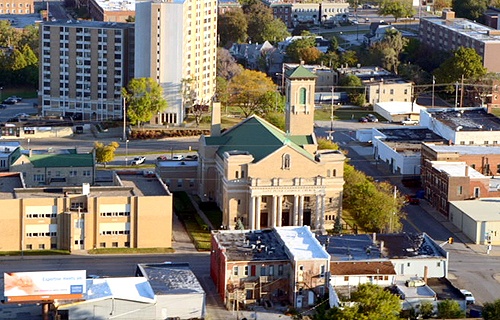
Catholic Indigenous leaders in Bangladesh say they will escalate protests if the government does not halt a forest development project they call a pretext for eviction.
Read More
Suspect arrested after Nebraska deacon found murdered, police say #Catholic Local police have arrested a suspect in connection with the murder of a Catholic deacon in the Archdiocese of Omaha, Nebraska, this week. The Omaha Police Officers Association said in a March 13 Facebook post that a “person of interest” was taken into custody on March 12 after Deacon John Zak was reportedly murdered the previous night. Zak “was an active member of the community and a deacon at St. Peter’s Catholic Church” in the city’s Leavenworth neighborhood, the police association said. Father John Broheimer, the pastor of St. Peter’s, said in a statement on the parish website that Zak had been a member of the parish for more than 30 years and served as a deacon there for 25 years. “Through his ministry he touched countless lives, especially the young people of our parish, whom he served with generosity and sincere faith,” the pastor said. The priest urged parishioners to pray for Zak’s family and to “support them with your charity in the days ahead.”Police had not publicly identified a motive in the killing as of March 13, but local news reports said a “family member” named Martin Zak had been booked in local jail on homicide and felony theft charges.Jail records showed that an individual named Martin Zak was being held without bond.The Archdiocese of Omaha did not immediately respond to a request for comment on the tragedy.

Deacon John Zak was “an active member of the community” before he was killed on March 11, police said.

Read More
After skipping installation, New York mayor meets Archbishop Hicks #Catholic Mayor Zohran Mamdani broke a long-standing New York tradition when he missed the Feb. 6 installation Mass for Archbishop Ronald Hicks at St. Patrick’s Cathedral and met with the archbishop four days later.Joseph Zwilling, director of communications for the Archdiocese of New York, told EWTN News that “the mayor and the archbishop were together at a [New York Police Department] event” Feb. 10 and “then spoke by phone later in the day.”The archdiocese confirmed that Mamdani was invited to the installation Mass. Prior to Hicks’ installation, a sitting mayor was present for at least the past five archbishop installations, which were in 2009, 2000, 1984, 1968, and 1939. Hicks replaced Cardinal Timothy Dolan following his retirement.In Mamdani’s absence, Helen Arteaga, deputy mayor for Health and Human Services, attended the Feb. 6 installation Mass. Prior to the meeting and phone call, Mamdani congratulated Hicks on social media. “Congratulations to Archbishop Ronald Hicks on today’s installment and welcome to New York City,” Mamdani said in a post on X. “I know that Archbishop Hicks and I share a deep and abiding commitment to the dignity of every human being and look forward to working together to create a more just and compassionate city where every New Yorker can thrive.”TweetThe mayor’s press office did not immediately respond to a request for comment.Mamdani became the first Muslim and first democratic-socialist mayor of the city on Jan. 1.Bill Donohue, president of the Catholic League, a Catholic advocacy group, criticized Mamdani for missing the Mass, saying in a statement that Mamdani “ghosted the event.”“He could easily have been there,” Donohue said. “Instead, he attended to business as usual.”“One in 3 New Yorkers are Catholic, making them the largest faith community in the city,” he added. “Mamdani’s professed interest in diversity and inclusion obviously hits a brick wall when it comes to Catholics. He wants nothing to do with them.”Donohue also criticized some of Mamdani’s policy positions, which he said includes “rabid support for abortion, gay marriage, and transgenderism (including the child abuse inherent in sex-reassignment surgery for minors).”During his campaign, Mamdani vowed to increase public funding for abortion, hormone therapy drugs, and surgeries designed to make a person appear like the opposite sex.Mamdani defeated two candidates with nearly 51% of the vote in the November 2025 election. His plans include free buses, city-owned grocery stores, no-cost child care, raising the minimum wage to $30 per hour, and freezing the rent for people in rent-stabilized apartments.“Mamdani has been in office for just over a month, and already he is signaling to Catholics that they are not welcome,” Donohue said.

After skipping installation, New York mayor meets Archbishop Hicks #Catholic Mayor Zohran Mamdani broke a long-standing New York tradition when he missed the Feb. 6 installation Mass for Archbishop Ronald Hicks at St. Patrick’s Cathedral and met with the archbishop four days later.Joseph Zwilling, director of communications for the Archdiocese of New York, told EWTN News that “the mayor and the archbishop were together at a [New York Police Department] event” Feb. 10 and “then spoke by phone later in the day.”The archdiocese confirmed that Mamdani was invited to the installation Mass. Prior to Hicks’ installation, a sitting mayor was present for at least the past five archbishop installations, which were in 2009, 2000, 1984, 1968, and 1939. Hicks replaced Cardinal Timothy Dolan following his retirement.In Mamdani’s absence, Helen Arteaga, deputy mayor for Health and Human Services, attended the Feb. 6 installation Mass. Prior to the meeting and phone call, Mamdani congratulated Hicks on social media. “Congratulations to Archbishop Ronald Hicks on today’s installment and welcome to New York City,” Mamdani said in a post on X. “I know that Archbishop Hicks and I share a deep and abiding commitment to the dignity of every human being and look forward to working together to create a more just and compassionate city where every New Yorker can thrive.”TweetThe mayor’s press office did not immediately respond to a request for comment.Mamdani became the first Muslim and first democratic-socialist mayor of the city on Jan. 1.Bill Donohue, president of the Catholic League, a Catholic advocacy group, criticized Mamdani for missing the Mass, saying in a statement that Mamdani “ghosted the event.”“He could easily have been there,” Donohue said. “Instead, he attended to business as usual.”“One in 3 New Yorkers are Catholic, making them the largest faith community in the city,” he added. “Mamdani’s professed interest in diversity and inclusion obviously hits a brick wall when it comes to Catholics. He wants nothing to do with them.”Donohue also criticized some of Mamdani’s policy positions, which he said includes “rabid support for abortion, gay marriage, and transgenderism (including the child abuse inherent in sex-reassignment surgery for minors).”During his campaign, Mamdani vowed to increase public funding for abortion, hormone therapy drugs, and surgeries designed to make a person appear like the opposite sex.Mamdani defeated two candidates with nearly 51% of the vote in the November 2025 election. His plans include free buses, city-owned grocery stores, no-cost child care, raising the minimum wage to $30 per hour, and freezing the rent for people in rent-stabilized apartments.“Mamdani has been in office for just over a month, and already he is signaling to Catholics that they are not welcome,” Donohue said.

A sitting mayor attended the past five archbishop installations in New York dating back to 1939.
Read More
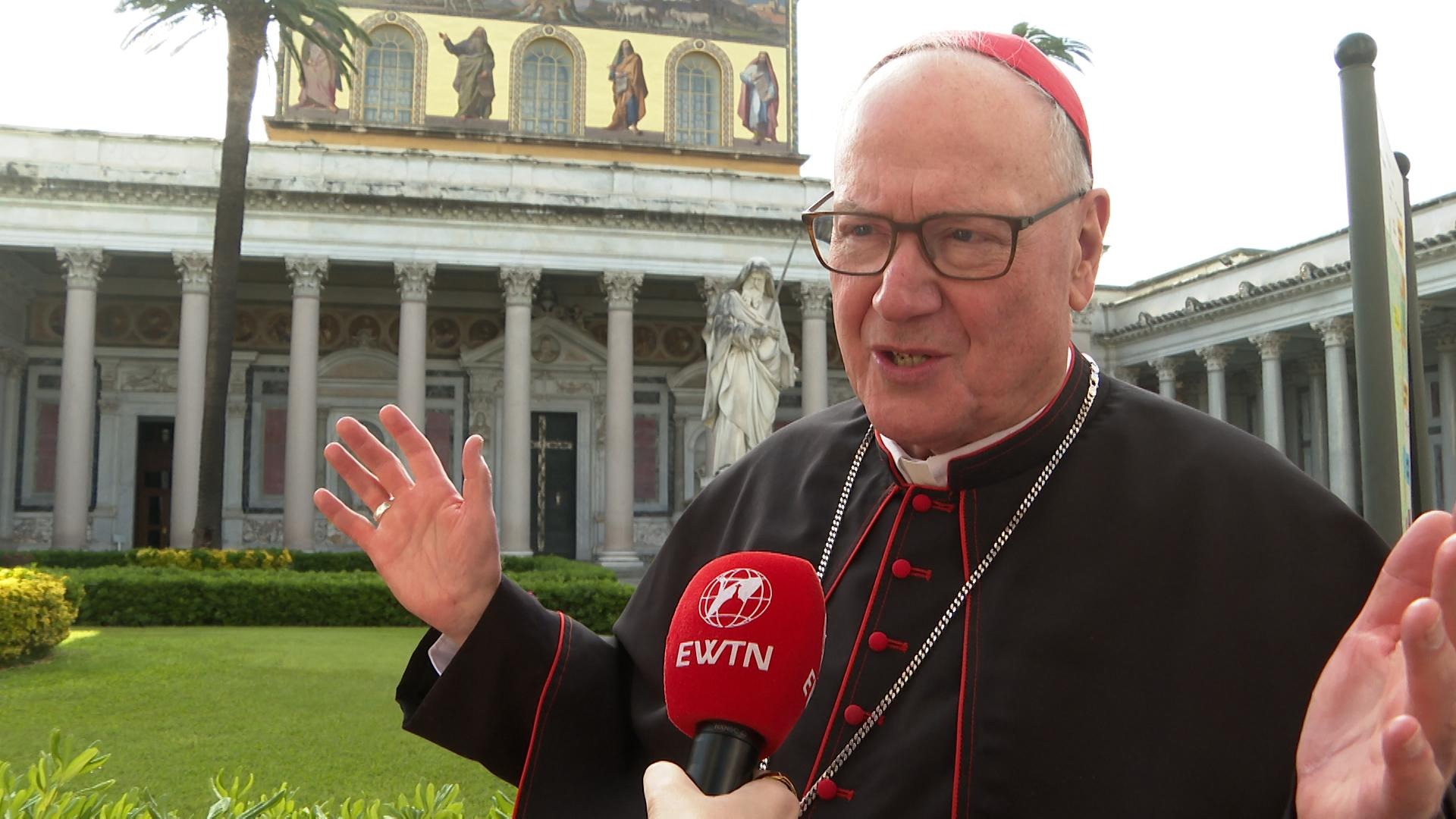
Cardinal Dolan to co-lead New York Police Department’s chaplains’ unit #Catholic New York City Police Commissioner Jessica Tisch is naming Cardinal Timothy Dolan to co-lead the NYPD’s chaplain’s unit.Dolan, who recently retired as archbishop of New York, will serve alongside Rev. A.R. Bernard, pastor and founder of the Christian Cultural Center in Brooklyn, according to a Feb. 9 press release from the archdiocese. Tisch is expected to announce the appointment during her Feb. 10 “State of the NYPD” address.“For more than a century, our Chaplains Unit has made sure that our officers never have to carry the tremendous weight of their work alone. They’ve helped officers find their better angels and remember the calling that lives at the heart of this work,” Tisch said in a statement. Tisch, who is Jewish, said that when contemplating whom she might choose to fill the role, “one word kept coming to mind — ‘tzadik,’ a person of righteousness.”“Cardinal Timothy Dolan and Rev. A.R. Bernard are two of the most righteous people this city has ever known,” she said. “They are two men of incredible faith whose lives and leadership embody the moral clarity, compassion, and wisdom our officers rely on in their hardest moments.”Tisch commended both faith leaders for helping to “shape the spiritual life of this city through leadership that reaches far beyond their pulpits.”“Their decision to serve the NYPD speaks to something enduring between faith and policing, and to the place the chief chaplain role has long held in the lives of the men and women who wear the shield,” she added.Dolan and Bernard will replace longtime Chief Chaplain Rabbi Alvin Kass, who died in October 2025.News of Dolan’s appointment comes days after the installation of New York City’s new archbishop, Ronald Hicks, on Feb. 6. Dolan’s resignation was accepted by Pope Leo XIV on Dec. 18, 2025.

Cardinal Dolan to co-lead New York Police Department’s chaplains’ unit #Catholic New York City Police Commissioner Jessica Tisch is naming Cardinal Timothy Dolan to co-lead the NYPD’s chaplain’s unit.Dolan, who recently retired as archbishop of New York, will serve alongside Rev. A.R. Bernard, pastor and founder of the Christian Cultural Center in Brooklyn, according to a Feb. 9 press release from the archdiocese. Tisch is expected to announce the appointment during her Feb. 10 “State of the NYPD” address.“For more than a century, our Chaplains Unit has made sure that our officers never have to carry the tremendous weight of their work alone. They’ve helped officers find their better angels and remember the calling that lives at the heart of this work,” Tisch said in a statement. Tisch, who is Jewish, said that when contemplating whom she might choose to fill the role, “one word kept coming to mind — ‘tzadik,’ a person of righteousness.”“Cardinal Timothy Dolan and Rev. A.R. Bernard are two of the most righteous people this city has ever known,” she said. “They are two men of incredible faith whose lives and leadership embody the moral clarity, compassion, and wisdom our officers rely on in their hardest moments.”Tisch commended both faith leaders for helping to “shape the spiritual life of this city through leadership that reaches far beyond their pulpits.”“Their decision to serve the NYPD speaks to something enduring between faith and policing, and to the place the chief chaplain role has long held in the lives of the men and women who wear the shield,” she added.Dolan and Bernard will replace longtime Chief Chaplain Rabbi Alvin Kass, who died in October 2025.News of Dolan’s appointment comes days after the installation of New York City’s new archbishop, Ronald Hicks, on Feb. 6. Dolan’s resignation was accepted by Pope Leo XIV on Dec. 18, 2025.

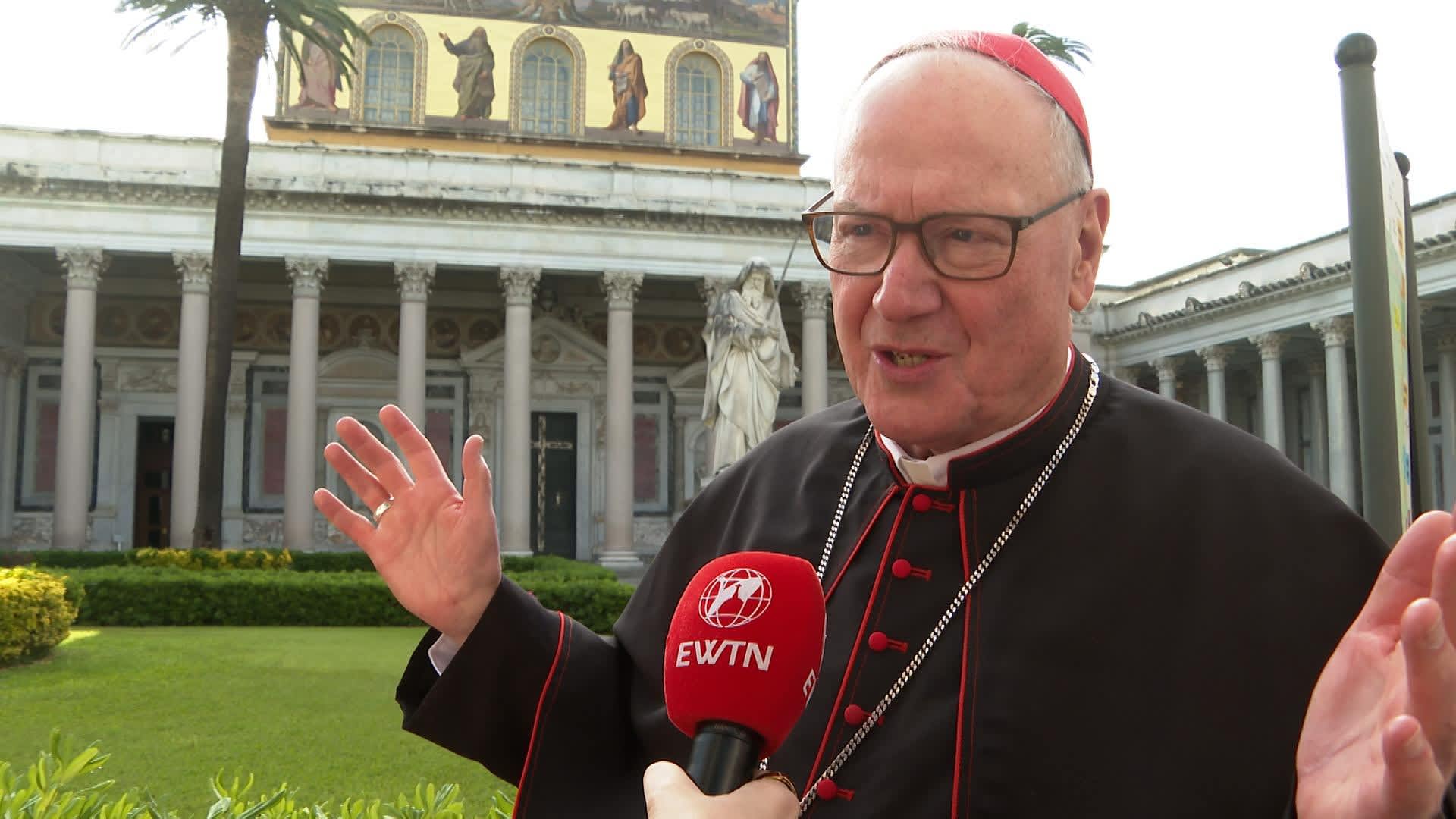
Cardinal Timothy Dolan will work part time as co-lead of the NYPD’s chaplain unit, the archdiocese confirmed.
Read More