Press Release

U.S. bishops say multimillion-dollar Eucharistic revival bore spiritual fruit #Catholic 
 
 Scene from the 2024 National Eucharistic Congress in Indianapolis. | Credit: “EWTN News in Depth”/Screenshot

Jan 17, 2026 / 09:00 am (CNA).
Catholic clergy and lay people reported a stronger devotion to the Eucharist after the National Eucharistic Revival.This week, the United States Conference of Catholic Bishops (USCCB) released the report for the National Eucharistic Revival Impact Study. Done in collaboration with  the National Eucharistic Congress corporation and  Vinea Research, the study surveyed nearly 2,500 lay Catholics, clergy, and Church staff during the summer and fall of 2025.The online survey asked questions about revival promotion, participation, and impact one year after the initial National Eucharistic Pilgrimage and Congress. The price tag of the Eucharistic congress was more than $10 million, organizers said.“Never in my tenure of working for the Church have I seen such deep impact,” said Jason Shanks, president of the National Eucharistic Congress, in a press release. “The fruits of the National Eucharistic Revival are real, lasting, and will continue to shape the life of the American Church for years to come.”The revival, sponsored by the USCCB, launched in June 2022 with the mission to “renew the Church by enkindling a living relationship with the Lord Jesus Christ in the holy Eucharist.”The three-year initiative, which concluded in 2025, included the 10th National Eucharistic Congress and the National Eucharistic Pilgrimage in 2024 and 2025.In a Jan. 16 interview on “EWTN News In Depth,” Bishop Andrew Cozzens, chair of the National Eucharistic Congress, said he was “extremely heartened” by the results of the study.“I had a sense that the revival had a big impact on people and especially on our Church,” he said. “But it was great to see that confirmed by the data and to see some of the actual statistics.”Impact on clergy membersOf 249 clergy members of priests and deacons surveyed, 49% reported feeling “more encouraged’ since the revival began. Specifically, 38% said they feel “somewhat more encouraged” and 11% said they feel “significantly more encouraged.”Nearly half, 48%, said they feel “more comfortable encouraging others to share their faith.”The research found the revival “refocused clergy on the Eucharist,” with the majority reporting changes to their pastoral approach since 2021. The report found that 70% of clergy reported a stronger “focus on the Eucharist in teaching [and] ministry,” and 69% said they have a stronger “emphasis on evangelization and outreach.”Clergy also reported personal advancements with their relationship with the Eucharist. More than half (51%) said their “time spent in personal adoration” is stronger now than it was in 2021. “I was so grateful when I saw that priests found it encouraging. They were encouraged by this opportunity to focus on the Eucharist,” Cozzens said. “I know so much more preaching and encouragement about Eucharistic devotion happened in our parishes during this time.”“If our priests are encouraged and they’re drawing closer to Jesus in the Eucharist, that’s going to help our people so much, and it’s going to help our Church so much,” he said.Impact on lay CatholicsAmong 1,758 of the lay Catholics surveyed, 874 were labeled as “national participants” who attended the National Eucharistic Pilgrimage, National Eucharistic Congress, or both. “We wanted Catholics to come together and to experience more deeply a profound love for Jesus in the Eucharist, and then from that, to be sent out on mission,” Cozzens said. The study “showed that anyone who attended one of our National Eucharistic Pilgrimages or National Eucharistic Congress said they were 50% more likely to do outreach, to share their faith, to do some act of service.”“I think the thing that most stood out to me is that we accomplished our goal,” he said. “Our goal was really to bring about a missionary conversion of Catholics.”Another 425 of lay Catholics were “local participants” who took part in local processions, small groups, and revival-specific Holy Hours. Most (83%) of the laypeople surveyed who participated at the national or local level said their “overall level of faith” is stronger now than it was in 2021.The other 459 laypeople surveyed were “nonparticipating contacts” who did not participate in any revival activities. Most came from the USCCB’s newsletter distribution list and they were aware of the revival but not involved. Even though they did not directly participate, 79% reported their “overall level of faith” was stronger following the revival.When asked to compare their faith practices with those in 2021, lay Catholics overwhelmingly reported praying more, attending adoration more frequently, and going to confession more often.The research took a deeper look at how lay Catholics’ faith evolved, examining the changes in the level of “importance” of faith-related activities over the last three years. The greatest growth in importance was observed in volunteering and spending time in Eucharistic adoration.In 2021, 57% of lay national participants reported “spending quiet time in Eucharistic adoration” was “very important” or “extremely important” to them. Following the revival, the number had jumped to 76%. There was also an increase for local participants with a rise from 65% to 82%. Among those who did not directly participate, there was the largest increase from 49% to 69%.Continuing to spread the ‘fire’The bishops have confirmed that the country’s second National Eucharistic Congress of the 21st century will take place in 2029.“As we continue to strengthen the core of our faith and those people who are committed, and they begin to draw closer to Jesus from Eucharist, what the study showed is that they get on fire, and then they start to spread that fire,” he said.“It’s the way Jesus worked himself. Jesus certainly did preach to crowds, but most of the time he spent with his 12 apostles and with those people who were with him. Because if he could convert and strengthen them, then they could go out and convert the world,” he said.“I think that’s really the goal of the whole Eucharistic movement that we have now is strengthening those people so that they can become the witnesses that we’re called to be,” he said.

U.S. bishops say multimillion-dollar Eucharistic revival bore spiritual fruit #Catholic Scene from the 2024 National Eucharistic Congress in Indianapolis. | Credit: “EWTN News in Depth”/Screenshot Jan 17, 2026 / 09:00 am (CNA). Catholic clergy and lay people reported a stronger devotion to the Eucharist after the National Eucharistic Revival.This week, the United States Conference of Catholic Bishops (USCCB) released the report for the National Eucharistic Revival Impact Study. Done in collaboration with the National Eucharistic Congress corporation and Vinea Research, the study surveyed nearly 2,500 lay Catholics, clergy, and Church staff during the summer and fall of 2025.The online survey asked questions about revival promotion, participation, and impact one year after the initial National Eucharistic Pilgrimage and Congress. The price tag of the Eucharistic congress was more than $10 million, organizers said.“Never in my tenure of working for the Church have I seen such deep impact,” said Jason Shanks, president of the National Eucharistic Congress, in a press release. “The fruits of the National Eucharistic Revival are real, lasting, and will continue to shape the life of the American Church for years to come.”The revival, sponsored by the USCCB, launched in June 2022 with the mission to “renew the Church by enkindling a living relationship with the Lord Jesus Christ in the holy Eucharist.”The three-year initiative, which concluded in 2025, included the 10th National Eucharistic Congress and the National Eucharistic Pilgrimage in 2024 and 2025.In a Jan. 16 interview on “EWTN News In Depth,” Bishop Andrew Cozzens, chair of the National Eucharistic Congress, said he was “extremely heartened” by the results of the study.“I had a sense that the revival had a big impact on people and especially on our Church,” he said. “But it was great to see that confirmed by the data and to see some of the actual statistics.”Impact on clergy membersOf 249 clergy members of priests and deacons surveyed, 49% reported feeling “more encouraged’ since the revival began. Specifically, 38% said they feel “somewhat more encouraged” and 11% said they feel “significantly more encouraged.”Nearly half, 48%, said they feel “more comfortable encouraging others to share their faith.”The research found the revival “refocused clergy on the Eucharist,” with the majority reporting changes to their pastoral approach since 2021. The report found that 70% of clergy reported a stronger “focus on the Eucharist in teaching [and] ministry,” and 69% said they have a stronger “emphasis on evangelization and outreach.”Clergy also reported personal advancements with their relationship with the Eucharist. More than half (51%) said their “time spent in personal adoration” is stronger now than it was in 2021. “I was so grateful when I saw that priests found it encouraging. They were encouraged by this opportunity to focus on the Eucharist,” Cozzens said. “I know so much more preaching and encouragement about Eucharistic devotion happened in our parishes during this time.”“If our priests are encouraged and they’re drawing closer to Jesus in the Eucharist, that’s going to help our people so much, and it’s going to help our Church so much,” he said.Impact on lay CatholicsAmong 1,758 of the lay Catholics surveyed, 874 were labeled as “national participants” who attended the National Eucharistic Pilgrimage, National Eucharistic Congress, or both. “We wanted Catholics to come together and to experience more deeply a profound love for Jesus in the Eucharist, and then from that, to be sent out on mission,” Cozzens said. The study “showed that anyone who attended one of our National Eucharistic Pilgrimages or National Eucharistic Congress said they were 50% more likely to do outreach, to share their faith, to do some act of service.”“I think the thing that most stood out to me is that we accomplished our goal,” he said. “Our goal was really to bring about a missionary conversion of Catholics.”Another 425 of lay Catholics were “local participants” who took part in local processions, small groups, and revival-specific Holy Hours. Most (83%) of the laypeople surveyed who participated at the national or local level said their “overall level of faith” is stronger now than it was in 2021.The other 459 laypeople surveyed were “nonparticipating contacts” who did not participate in any revival activities. Most came from the USCCB’s newsletter distribution list and they were aware of the revival but not involved. Even though they did not directly participate, 79% reported their “overall level of faith” was stronger following the revival.When asked to compare their faith practices with those in 2021, lay Catholics overwhelmingly reported praying more, attending adoration more frequently, and going to confession more often.The research took a deeper look at how lay Catholics’ faith evolved, examining the changes in the level of “importance” of faith-related activities over the last three years. The greatest growth in importance was observed in volunteering and spending time in Eucharistic adoration.In 2021, 57% of lay national participants reported “spending quiet time in Eucharistic adoration” was “very important” or “extremely important” to them. Following the revival, the number had jumped to 76%. There was also an increase for local participants with a rise from 65% to 82%. Among those who did not directly participate, there was the largest increase from 49% to 69%.Continuing to spread the ‘fire’The bishops have confirmed that the country’s second National Eucharistic Congress of the 21st century will take place in 2029.“As we continue to strengthen the core of our faith and those people who are committed, and they begin to draw closer to Jesus from Eucharist, what the study showed is that they get on fire, and then they start to spread that fire,” he said.“It’s the way Jesus worked himself. Jesus certainly did preach to crowds, but most of the time he spent with his 12 apostles and with those people who were with him. Because if he could convert and strengthen them, then they could go out and convert the world,” he said.“I think that’s really the goal of the whole Eucharistic movement that we have now is strengthening those people so that they can become the witnesses that we’re called to be,” he said.


Scene from the 2024 National Eucharistic Congress in Indianapolis. | Credit: “EWTN News in Depth”/Screenshot

Jan 17, 2026 / 09:00 am (CNA).

Catholic clergy and lay people reported a stronger devotion to the Eucharist after the National Eucharistic Revival.

This week, the United States Conference of Catholic Bishops (USCCB) released the report for the National Eucharistic Revival Impact Study. Done in collaboration with the National Eucharistic Congress corporation and Vinea Research, the study surveyed nearly 2,500 lay Catholics, clergy, and Church staff during the summer and fall of 2025.

The online survey asked questions about revival promotion, participation, and impact one year after the initial National Eucharistic Pilgrimage and Congress. The price tag of the Eucharistic congress was more than $10 million, organizers said.

“Never in my tenure of working for the Church have I seen such deep impact,” said Jason Shanks, president of the National Eucharistic Congress, in a press release. “The fruits of the National Eucharistic Revival are real, lasting, and will continue to shape the life of the American Church for years to come.”

The revival, sponsored by the USCCB, launched in June 2022 with the mission to “renew the Church by enkindling a living relationship with the Lord Jesus Christ in the holy Eucharist.”

The three-year initiative, which concluded in 2025, included the 10th National Eucharistic Congress and the National Eucharistic Pilgrimage in 2024 and 2025.

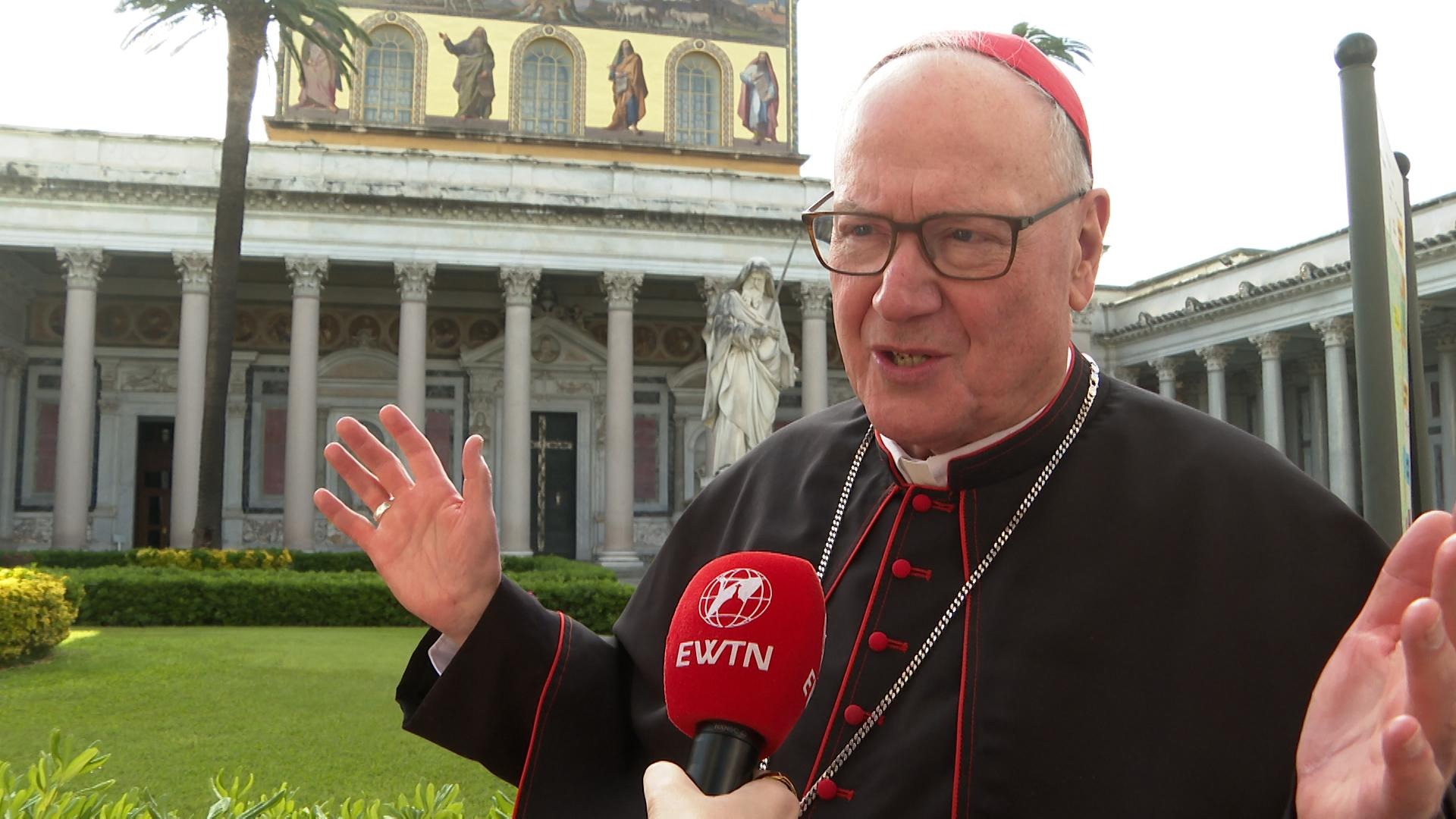
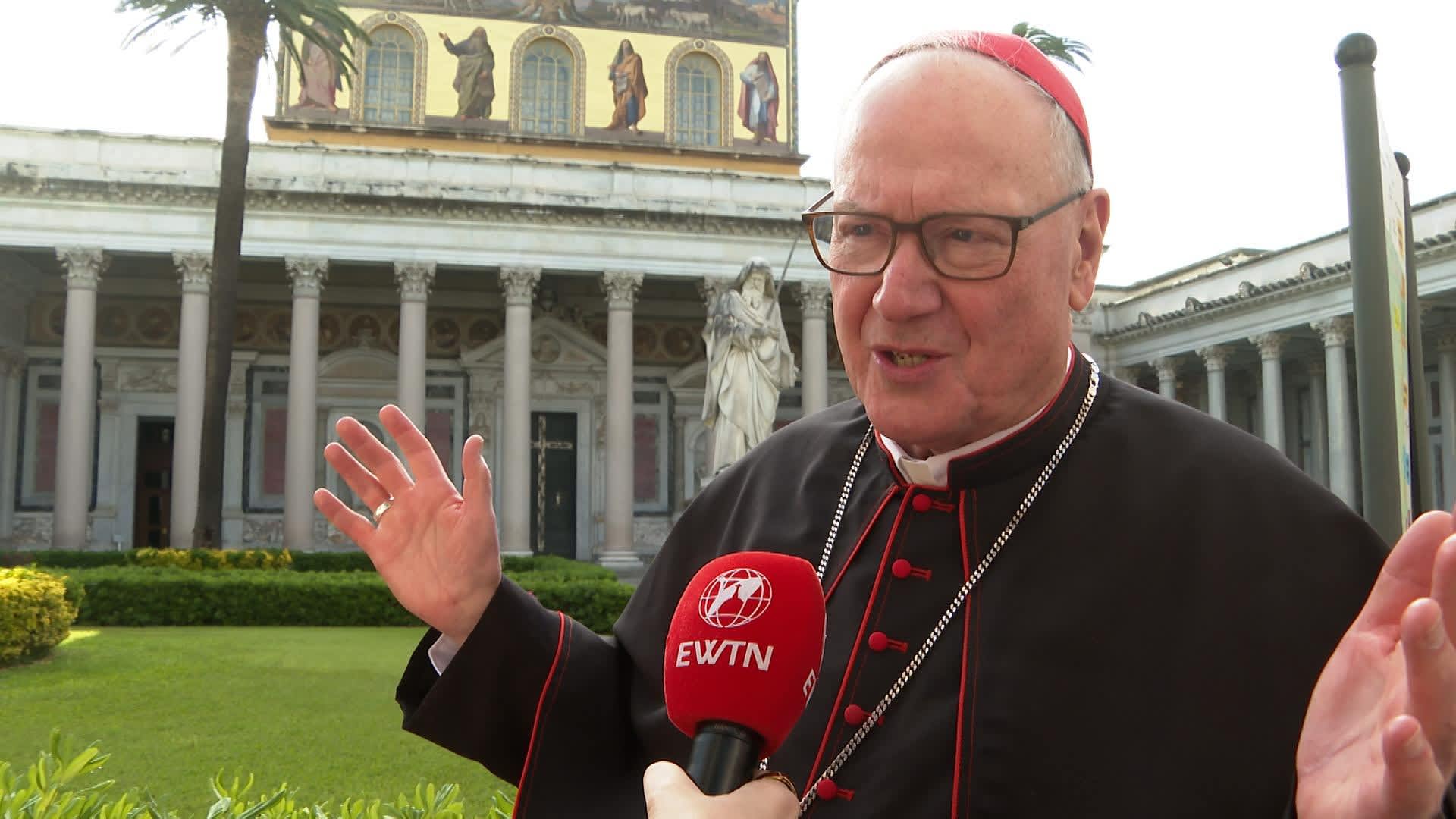
In a Jan. 16 interview on “EWTN News In Depth,” Bishop Andrew Cozzens, chair of the National Eucharistic Congress, said he was “extremely heartened” by the results of the study.

“I had a sense that the revival had a big impact on people and especially on our Church,” he said. “But it was great to see that confirmed by the data and to see some of the actual statistics.”

Impact on clergy members

Of 249 clergy members of priests and deacons surveyed, 49% reported feeling “more encouraged’ since the revival began. Specifically, 38% said they feel “somewhat more encouraged” and 11% said they feel “significantly more encouraged.”

Nearly half, 48%, said they feel “more comfortable encouraging others to share their faith.”

The research found the revival “refocused clergy on the Eucharist,” with the majority reporting changes to their pastoral approach since 2021. The report found that 70% of clergy reported a stronger “focus on the Eucharist in teaching [and] ministry,” and 69% said they have a stronger “emphasis on evangelization and outreach.”

Clergy also reported personal advancements with their relationship with the Eucharist. More than half (51%) said their “time spent in personal adoration” is stronger now than it was in 2021.

“I was so grateful when I saw that priests found it encouraging. They were encouraged by this opportunity to focus on the Eucharist,” Cozzens said. “I know so much more preaching and encouragement about Eucharistic devotion happened in our parishes during this time.”

“If our priests are encouraged and they’re drawing closer to Jesus in the Eucharist, that’s going to help our people so much, and it’s going to help our Church so much,” he said.

Impact on lay Catholics

Among 1,758 of the lay Catholics surveyed, 874 were labeled as “national participants” who attended the National Eucharistic Pilgrimage, National Eucharistic Congress, or both.

“We wanted Catholics to come together and to experience more deeply a profound love for Jesus in the Eucharist, and then from that, to be sent out on mission,” Cozzens said. The study “showed that anyone who attended one of our National Eucharistic Pilgrimages or National Eucharistic Congress said they were 50% more likely to do outreach, to share their faith, to do some act of service.”

“I think the thing that most stood out to me is that we accomplished our goal,” he said. “Our goal was really to bring about a missionary conversion of Catholics.”

Another 425 of lay Catholics were “local participants” who took part in local processions, small groups, and revival-specific Holy Hours. Most (83%) of the laypeople surveyed who participated at the national or local level said their “overall level of faith” is stronger now than it was in 2021.

The other 459 laypeople surveyed were “nonparticipating contacts” who did not participate in any revival activities. Most came from the USCCB’s newsletter distribution list and they were aware of the revival but not involved. Even though they did not directly participate, 79% reported their “overall level of faith” was stronger following the revival.

When asked to compare their faith practices with those in 2021, lay Catholics overwhelmingly reported praying more, attending adoration more frequently, and going to confession more often.

The research took a deeper look at how lay Catholics’ faith evolved, examining the changes in the level of “importance” of faith-related activities over the last three years. The greatest growth in importance was observed in volunteering and spending time in Eucharistic adoration.

In 2021, 57% of lay national participants reported “spending quiet time in Eucharistic adoration” was “very important” or “extremely important” to them. Following the revival, the number had jumped to 76%. There was also an increase for local participants with a rise from 65% to 82%. Among those who did not directly participate, there was the largest increase from 49% to 69%.

Continuing to spread the ‘fire’

The bishops have confirmed that the country’s second National Eucharistic Congress of the 21st century will take place in 2029.

“As we continue to strengthen the core of our faith and those people who are committed, and they begin to draw closer to Jesus from Eucharist, what the study showed is that they get on fire, and then they start to spread that fire,” he said.

“It’s the way Jesus worked himself. Jesus certainly did preach to crowds, but most of the time he spent with his 12 apostles and with those people who were with him. Because if he could convert and strengthen them, then they could go out and convert the world,” he said.

“I think that’s really the goal of the whole Eucharistic movement that we have now is strengthening those people so that they can become the witnesses that we’re called to be,” he said.

Read More
UPDATE: Ohio moves to close nursing home amid ‘widespread care failures’ after purchase from Catholic nuns #Catholic 
 
 Credit: Digital Storm/Shutterstock

Jan 15, 2026 / 06:00 am (CNA).
The attorney general of Ohio is moving to shut down a nursing home after a congregation of Catholic nuns sold it, amid reports that the facility’s “shockingly poor care” is placing elderly residents in “clear and present danger.”House of Loreto, a nursing facility formerly run by the sisters of the Congregation of the Divine Spirit, has allegedly committed “widespread care failures,” Attorney General Dave Yost’s office said in a Jan. 13 press release. The sisters were involved with the home from 1957, when then-Youngstown Bishop Emmet Walsh asked for the religious to run the facility. The current facility opened in 1963. The Youngstown Diocese said in March 2025 that the home had been acquired by Hari Group LLC, a company based out of Ohio. In its press release announcing the sale the diocese did not note any troubles experienced by House of Loreto at the time. A diocesan spokesman said on Jan. 15 that the home was no longer under Catholic control after the sale.In a court order request filed on Jan. 12, Yost’s office said that state inspectors have observed a “rapid deterioration of care” at the facility, with the filing claiming that “shockingly poor care” was putting residents in “real and present danger.” Among the problems alleged by inspectors include the lack of a director of nursing, leaving the facility “spinning out of control” with repeated resident falls, improper medicine administration, denial of pain medication, and other alleged mismanagement issues. The facility is “so dysfunctional” that the government “lacks any confidence that the current leadership … will be able to right the ship,” the court filing says. The attorney general’s office said it is trying to get the facility shut down and “relocate residents to safer facilities.” In a statement to EWTN News, the Youngstown Diocese said it was “deeply saddened” at the imminent closure of the facility. Youngstown Bishop David Bonnar in the statement said the sisters “poured their lives into creating a home where the elderly were cherished and protected.”“Their ministry at the House of Loreto was a profound witness to the Gospel,” the prelate said. “It is painful to see their legacy overshadowed by the serious concerns that have emerged under the new ownership.”The facility said it takes its name from the Holy House of Loreto in Italy, said to be the home at which the Annunciation occurred and the Word was made flesh.The nursing home said it seeks to foster “an environment where seniors can experience the same love and respect they would find in their own homes —truly standing on the threshold of heaven as they navigate life’s later chapters.”Correction: This story originally identified the House of Loreto as a "Catholic-run" facility based on information from the facility's website. The home is actually no longer under Catholic ownership. This story was updated on Thursday, Jan. 15, 2026 at 9:30 a.m. ET.

UPDATE: Ohio moves to close nursing home amid ‘widespread care failures’ after purchase from Catholic nuns #Catholic Credit: Digital Storm/Shutterstock Jan 15, 2026 / 06:00 am (CNA). The attorney general of Ohio is moving to shut down a nursing home after a congregation of Catholic nuns sold it, amid reports that the facility’s “shockingly poor care” is placing elderly residents in “clear and present danger.”House of Loreto, a nursing facility formerly run by the sisters of the Congregation of the Divine Spirit, has allegedly committed “widespread care failures,” Attorney General Dave Yost’s office said in a Jan. 13 press release. The sisters were involved with the home from 1957, when then-Youngstown Bishop Emmet Walsh asked for the religious to run the facility. The current facility opened in 1963. The Youngstown Diocese said in March 2025 that the home had been acquired by Hari Group LLC, a company based out of Ohio. In its press release announcing the sale the diocese did not note any troubles experienced by House of Loreto at the time. A diocesan spokesman said on Jan. 15 that the home was no longer under Catholic control after the sale.In a court order request filed on Jan. 12, Yost’s office said that state inspectors have observed a “rapid deterioration of care” at the facility, with the filing claiming that “shockingly poor care” was putting residents in “real and present danger.” Among the problems alleged by inspectors include the lack of a director of nursing, leaving the facility “spinning out of control” with repeated resident falls, improper medicine administration, denial of pain medication, and other alleged mismanagement issues. The facility is “so dysfunctional” that the government “lacks any confidence that the current leadership … will be able to right the ship,” the court filing says. The attorney general’s office said it is trying to get the facility shut down and “relocate residents to safer facilities.” In a statement to EWTN News, the Youngstown Diocese said it was “deeply saddened” at the imminent closure of the facility. Youngstown Bishop David Bonnar in the statement said the sisters “poured their lives into creating a home where the elderly were cherished and protected.”“Their ministry at the House of Loreto was a profound witness to the Gospel,” the prelate said. “It is painful to see their legacy overshadowed by the serious concerns that have emerged under the new ownership.”The facility said it takes its name from the Holy House of Loreto in Italy, said to be the home at which the Annunciation occurred and the Word was made flesh.The nursing home said it seeks to foster “an environment where seniors can experience the same love and respect they would find in their own homes —truly standing on the threshold of heaven as they navigate life’s later chapters.”Correction: This story originally identified the House of Loreto as a "Catholic-run" facility based on information from the facility's website. The home is actually no longer under Catholic ownership. This story was updated on Thursday, Jan. 15, 2026 at 9:30 a.m. ET.


Credit: Digital Storm/Shutterstock

Jan 15, 2026 / 06:00 am (CNA).

The attorney general of Ohio is moving to shut down a nursing home after a congregation of Catholic nuns sold it, amid reports that the facility’s “shockingly poor care” is placing elderly residents in “clear and present danger.”

House of Loreto, a nursing facility formerly run by the sisters of the Congregation of the Divine Spirit, has allegedly committed “widespread care failures,” Attorney General Dave Yost’s office said in a Jan. 13 press release.

The sisters were involved with the home from 1957, when then-Youngstown Bishop Emmet Walsh asked for the religious to run the facility. The current facility opened in 1963.

The Youngstown Diocese said in March 2025 that the home had been acquired by Hari Group LLC, a company based out of Ohio. In its press release announcing the sale the diocese did not note any troubles experienced by House of Loreto at the time. A diocesan spokesman said on Jan. 15 that the home was no longer under Catholic control after the sale.

In a court order request filed on Jan. 12, Yost’s office said that state inspectors have observed a “rapid deterioration of care” at the facility, with the filing claiming that “shockingly poor care” was putting residents in “real and present danger.”

Among the problems alleged by inspectors include the lack of a director of nursing, leaving the facility “spinning out of control” with repeated resident falls, improper medicine administration, denial of pain medication, and other alleged mismanagement issues.

The facility is “so dysfunctional” that the government “lacks any confidence that the current leadership … will be able to right the ship,” the court filing says.

The attorney general’s office said it is trying to get the facility shut down and “relocate residents to safer facilities.”

In a statement to EWTN News, the Youngstown Diocese said it was “deeply saddened” at the imminent closure of the facility.

Youngstown Bishop David Bonnar in the statement said the sisters “poured their lives into creating a home where the elderly were cherished and protected.”

“Their ministry at the House of Loreto was a profound witness to the Gospel,” the prelate said. “It is painful to see their legacy overshadowed by the serious concerns that have emerged under the new ownership.”

The facility said it takes its name from the Holy House of Loreto in Italy, said to be the home at which the Annunciation occurred and the Word was made flesh.

The nursing home said it seeks to foster “an environment where seniors can experience the same love and respect they would find in their own homes —truly standing on the threshold of heaven as they navigate life’s later chapters.”

Correction: This story originally identified the House of Loreto as a "Catholic-run" facility based on information from the facility's website. The home is actually no longer under Catholic ownership. This story was updated on Thursday, Jan. 15, 2026 at 9:30 a.m. ET.

Read More
Homeland Security Department says rule will address religious worker visa backlog #Catholic 
 
 Credit: Lisa F. Young/Shutterstock

Jan 14, 2026 / 10:25 am (CNA).
The Department of Homeland Security (DHS) said it is addressing a religious worker visa backlog with rules that will reduce wait times and disruptions in ministry for faith-based communities.“Under the leadership of Secretary [Kristi] Noem, DHS is committed to protecting and preserving freedom and expression of religion. We are taking the necessary steps to ensure religious organizations can continue delivering the services that Americans depend on,” a DHS spokesperson said in a press release Wednesday. “Pastors, priests, nuns, and rabbis are essential to the social and moral fabric of this country. We remain committed to finding ways to support and empower these organizations in their critical work.”Under the rule expected to be issued Jan. 14, religious workers in the country on R-1 visas would no longer be required to reside outside of the U.S. for a full year if they reach their statutory five-year maximum period of stay before completing their green card applications. “While R-1 religious workers are still required to depart the U.S., the rule establishes that there is no longer a minimum period of time they must reside and be physically present outside the U.S. before they seek readmission in R-1 status,” DHS said.DHS acknowledged the significant demand for visas within the EB-4 category “has exceeded the supply for many years,” citing 2023 changes implemented by President Joe Biden’s State Department. “By eliminating the one-year foreign residency requirement, USCIS [U.S. Citizenship and Immigration Services] is reducing the time religious organizations are left without their trusted clergy and non-ministerial religious workers,” according to a DHS statement.The rule, expected to be issued at 11 a.m. Jan. 14, is effective immediately, DHS said.Secretary of State Marco Rubio said in a press conference in December 2025 that the government would reveal its plan “early next month” for religious worker visas that would avoid giving preference to one denomination over another. Rubio noted that the plan would not favor one religion over another and that there would be “country-specific requirements depending on the country they’re coming from.” “I think we’re going to get to a good place,” Rubio said at the time. “We don’t have it ready yet. All this takes time to put together, but we’re moving quickly. I think we’ll have something positive about that at some point next month, hopefully in the early part of next month.”Visas for religious workers allow foreign nationals to work for a U.S. religious organization, through the temporary R-1 visa or a Green Card EB-4 visa, which requires at least two years of membership in the same denomination and a job offer from a qualifying nonprofit religious group.Rubio had also said in August the administration was working to create a “standalone process” for religious workers, separate from other competing applicants to the employment-based fourth preference (EB-4) category of visas that became severely backlogged after an unprecedented influx in unaccompanied minor applicants — most of which the USCIS has since alleged were fraudulent — who were added to the already-tight category under the Biden administration.In November 2025, a Catholic diocese in New Jersey dropped a lawsuit filed against the Biden administration’s State Department, Department of Homeland Security, and USCIS, citing knowledge of a solution with national implications.Since the issue of the backlogged visas started, multiple U.S. dioceses have called for a solution. Priests in the Archdiocese of Boston who are in the U.S. on visas were urged to avoid international travel amid the Trump administration’s  immigration policies and deportations.Priests and other Church leaders have expressed fear of having to leave their ministries and return to their home countries, then endure lengthy wait times before coming back. Church officials have warned that a continuing backlog could lead to significant priest shortages in the United States.“We are grateful for the administration’s attention to this important issue for the Church and value the opportunity for ongoing dialogue to address these challenges so the faithful can have access to the sacraments and other essential ministries,” a spokesperson for the USCCB told CNA.

Homeland Security Department says rule will address religious worker visa backlog #Catholic Credit: Lisa F. Young/Shutterstock Jan 14, 2026 / 10:25 am (CNA). The Department of Homeland Security (DHS) said it is addressing a religious worker visa backlog with rules that will reduce wait times and disruptions in ministry for faith-based communities.“Under the leadership of Secretary [Kristi] Noem, DHS is committed to protecting and preserving freedom and expression of religion. We are taking the necessary steps to ensure religious organizations can continue delivering the services that Americans depend on,” a DHS spokesperson said in a press release Wednesday. “Pastors, priests, nuns, and rabbis are essential to the social and moral fabric of this country. We remain committed to finding ways to support and empower these organizations in their critical work.”Under the rule expected to be issued Jan. 14, religious workers in the country on R-1 visas would no longer be required to reside outside of the U.S. for a full year if they reach their statutory five-year maximum period of stay before completing their green card applications. “While R-1 religious workers are still required to depart the U.S., the rule establishes that there is no longer a minimum period of time they must reside and be physically present outside the U.S. before they seek readmission in R-1 status,” DHS said.DHS acknowledged the significant demand for visas within the EB-4 category “has exceeded the supply for many years,” citing 2023 changes implemented by President Joe Biden’s State Department. “By eliminating the one-year foreign residency requirement, USCIS [U.S. Citizenship and Immigration Services] is reducing the time religious organizations are left without their trusted clergy and non-ministerial religious workers,” according to a DHS statement.The rule, expected to be issued at 11 a.m. Jan. 14, is effective immediately, DHS said.Secretary of State Marco Rubio said in a press conference in December 2025 that the government would reveal its plan “early next month” for religious worker visas that would avoid giving preference to one denomination over another. Rubio noted that the plan would not favor one religion over another and that there would be “country-specific requirements depending on the country they’re coming from.” “I think we’re going to get to a good place,” Rubio said at the time. “We don’t have it ready yet. All this takes time to put together, but we’re moving quickly. I think we’ll have something positive about that at some point next month, hopefully in the early part of next month.”Visas for religious workers allow foreign nationals to work for a U.S. religious organization, through the temporary R-1 visa or a Green Card EB-4 visa, which requires at least two years of membership in the same denomination and a job offer from a qualifying nonprofit religious group.Rubio had also said in August the administration was working to create a “standalone process” for religious workers, separate from other competing applicants to the employment-based fourth preference (EB-4) category of visas that became severely backlogged after an unprecedented influx in unaccompanied minor applicants — most of which the USCIS has since alleged were fraudulent — who were added to the already-tight category under the Biden administration.In November 2025, a Catholic diocese in New Jersey dropped a lawsuit filed against the Biden administration’s State Department, Department of Homeland Security, and USCIS, citing knowledge of a solution with national implications.Since the issue of the backlogged visas started, multiple U.S. dioceses have called for a solution. Priests in the Archdiocese of Boston who are in the U.S. on visas were urged to avoid international travel amid the Trump administration’s immigration policies and deportations.Priests and other Church leaders have expressed fear of having to leave their ministries and return to their home countries, then endure lengthy wait times before coming back. Church officials have warned that a continuing backlog could lead to significant priest shortages in the United States.“We are grateful for the administration’s attention to this important issue for the Church and value the opportunity for ongoing dialogue to address these challenges so the faithful can have access to the sacraments and other essential ministries,” a spokesperson for the USCCB told CNA.


Credit: Lisa F. Young/Shutterstock

Jan 14, 2026 / 10:25 am (CNA).

The Department of Homeland Security (DHS) said it is addressing a religious worker visa backlog with rules that will reduce wait times and disruptions in ministry for faith-based communities.

“Under the leadership of Secretary [Kristi] Noem, DHS is committed to protecting and preserving freedom and expression of religion. We are taking the necessary steps to ensure religious organizations can continue delivering the services that Americans depend on,” a DHS spokesperson said in a press release Wednesday. “Pastors, priests, nuns, and rabbis are essential to the social and moral fabric of this country. We remain committed to finding ways to support and empower these organizations in their critical work.”

Under the rule expected to be issued Jan. 14, religious workers in the country on R-1 visas would no longer be required to reside outside of the U.S. for a full year if they reach their statutory five-year maximum period of stay before completing their green card applications.

“While R-1 religious workers are still required to depart the U.S., the rule establishes that there is no longer a minimum period of time they must reside and be physically present outside the U.S. before they seek readmission in R-1 status,” DHS said.

DHS acknowledged the significant demand for visas within the EB-4 category “has exceeded the supply for many years,” citing 2023 changes implemented by President Joe Biden’s State Department. “By eliminating the one-year foreign residency requirement, USCIS [U.S. Citizenship and Immigration Services] is reducing the time religious organizations are left without their trusted clergy and non-ministerial religious workers,” according to a DHS statement.

The rule, expected to be issued at 11 a.m. Jan. 14, is effective immediately, DHS said.

Secretary of State Marco Rubio said in a press conference in December 2025 that the government would reveal its plan “early next month” for religious worker visas that would avoid giving preference to one denomination over another. Rubio noted that the plan would not favor one religion over another and that there would be “country-specific requirements depending on the country they’re coming from.” 

“I think we’re going to get to a good place,” Rubio said at the time. “We don’t have it ready yet. All this takes time to put together, but we’re moving quickly. I think we’ll have something positive about that at some point next month, hopefully in the early part of next month.”

Visas for religious workers allow foreign nationals to work for a U.S. religious organization, through the temporary R-1 visa or a Green Card EB-4 visa, which requires at least two years of membership in the same denomination and a job offer from a qualifying nonprofit religious group.

Rubio had also said in August the administration was working to create a “standalone process” for religious workers, separate from other competing applicants to the employment-based fourth preference (EB-4) category of visas that became severely backlogged after an unprecedented influx in unaccompanied minor applicants — most of which the USCIS has since alleged were fraudulent — who were added to the already-tight category under the Biden administration.

In November 2025, a Catholic diocese in New Jersey dropped a lawsuit filed against the Biden administration’s State Department, Department of Homeland Security, and USCIS, citing knowledge of a solution with national implications.

Since the issue of the backlogged visas started, multiple U.S. dioceses have called for a solution. Priests in the Archdiocese of Boston who are in the U.S. on visas were urged to avoid international travel amid the Trump administration’s immigration policies and deportations.

Priests and other Church leaders have expressed fear of having to leave their ministries and return to their home countries, then endure lengthy wait times before coming back. Church officials have warned that a continuing backlog could lead to significant priest shortages in the United States.

“We are grateful for the administration’s attention to this important issue for the Church and value the opportunity for ongoing dialogue to address these challenges so the faithful can have access to the sacraments and other essential ministries,” a spokesperson for the USCCB told CNA.

Read More
Catholic doctors and ethicists react to CDC’s revised childhood vaccine schedule #Catholic 
 
 Credit: CDC/Debora Cartagena

Jan 12, 2026 / 06:00 am (CNA).
Catholic medical professionals and ethicists had mixed reactions to the Centers for Disease Control and Prevention’s (CDC) announcement last week that it has revised the recommended childhood and adolescent vaccine schedule.In a press release on Jan. 5, the CDC announced a revised recommended childhood immunization schedule, which reduces the number of universally recommended vaccines from 18 to 11. It retains routine recommendations for all children against measles, mumps, rubella, polio, pertussis, tetanus, diphtheria, Haemophilus influenzae type b, pneumococcal disease, human papillomavirus (HPV), and varicella (chickenpox).Vaccines for rotavirus, influenza, COVID-19, hepatitis A, hepatitis B, meningococcal disease, and RSV now shift to recommendations for high-risk groups or after “shared clinical decision-making” between providers and families.According to a Department of Health and Human Services (HHS) memo, the CDC “applies shared clinical decision-making recommendations when evidence indicates that individuals may benefit from vaccination based on an analysis of the individual’s characteristics, values, and preferences, the provider’s medical judgment, and the characteristics of the vaccine being considered.”Insurance companies must continue to cover all vaccines.The changes come after President Donald Trump directed the heads of the CDC and HHS in December 2025 to “review best practices from peer, developed nations regarding childhood vaccination recommendations and the scientific evidence underlying those practices” and to make changes accordingly.After reviewing the vaccination practices of 20 peer nations, a scientific assessment found that “the U.S. is a global outlier among developed nations in both the number of diseases addressed in its routine childhood vaccination schedule and the total number of recommended doses but does not have higher vaccination rates than such countries.”“Science demands continuous evaluation,” Dr. Jay Bhattacharya, director of the National Institutes of Health (NIH), said in the CDC press release. “This decision commits NIH, CDC, and the Food and Drug Administration (FDA) to gold standard science, greater transparency, and ongoing reassessment as new data emerge.”Dr. Tim Millea, chair of the health care policy committee at the Catholic Medical Association (CMA), welcomed the changes, telling CNA that he thought the CDC approached the revisions “in a very logical way.”“There has been a huge drop in trust surrounding vaccines since the COVID-19 pandemic,” Millea said. “The suggestions during COVID that the science was ‘settled’ rubbed a lot of us the wrong way.”“The loudest critics of these new recommendations say this is ideology over science,” he said. “Science is a process, not an end. If we need more evidence, let’s get it,” he said, pointing out Bhattacharya’s call for “gold standard” science and “ongoing reassessment.”Millea, a retired orthopedic surgeon, said he has confidence that Bhattacharya and Dr. Marty Makary, head of the FDA, are “not going to let ideology get ahead of science.”The president of the National Catholic Bioethics Center (NCBC), John Di Camillo, told CNA in a statement regarding the updated immunization recommendations: “The people look to public health authorities precisely for this kind of guidance, which is responsive to continually evolving research, ongoing discussions among professionals in the medical field, and ethical principles that promote the common good, respect the dignity of the human person, and limit the interference of financial and ideological conflicts.”‘Let those closest to the children make the decisions’Millea acknowledged that critics of the CDC’s revised recommendations say comparing the U.S. vaccine schedule to that of much smaller, more homogeneous nations such as Denmark is like “comparing apples to oranges.”However, he pointed out that the CDC’s revised schedule is simply a recommendation, and each of the 50 U.S. states is free to do what it deems best. “It’s like 50 laboratories. Let’s see what works the best.”Invoking the Catholic principle of subsidiarity, Millea said “let those closest to the children who are getting the vaccinations make the decisions.”“One of the positive aspects of the pandemic is that now we can take a step back and we’re questioning, not because something may be wrong, but maybe because it could be improved upon,” Millea said.John F. Brehany, executive vice president and director of Institutional Relations at the NCBC, told CNA that “the new schedule appears to have been designed with good intent; that is, … to have gained public trust in the absence of mandates and to have contributed to population health outcomes that meet or exceed those of the U.S.”“The new schedule does not take a ‘one size fits all’ approach but rather structures recommendations based on the nature of the diseases, vaccines in question, and characteristics of the children or patients who may receive them,” he continued. “This approach appears to be well-founded and to provide a sound foundation for respecting the dignity and rights of every unique human person.”This will ‘sow more confusion’Dr. Gwyneth Spaeder, a Catholic pediatrician in North Carolina, did not welcome the changes to the immunization schedule.While she acknowledged that the damage to trust in institutions was substantial after the COVID-19 pandemic, she thinks the issues surrounding the COVID-19 vaccine’s safety and efficacy “cannot be compared” with the decades of studies demonstrating the safety of common children’s immunizations.“It is not the same moral calculus,” she said.She does not believe revising the immunization schedule this way will restore trust in institutions, which she said might take “years or even generations” to rebuild.This method will “sow more confusion,” Spaeder said. “Instead of trying to rebuild trust in transparent, evidence-based practices, we have created a situation where everyone is told different things … For this child, we think this schedule is the best, for that child, there’s a different one. That’s not how public health works.”She also said that comparing the homogeneous, relatively tiny population of 6 million in Denmark to that of the diverse population of 340 million in the U.S. is “a false comparison.”“Their children are at less risk from falling through the cracks and contracting these diseases we try to vaccinate against,” she said, noting the protective public health effects of Denmark’s universal health care and generous parental leave policies.“The children who will be most harmed in the U.S. are the underserved,” Spaeder said. “That’s being lost in this conversation. We can have a lot of high-level political arguments, but I am most concerned about my patients from single-parent homes who attend day care from young ages, or who are born to mothers who don’t have adequate prenatal care.”“They will lose out the most from not being protected from these diseases.”

Catholic doctors and ethicists react to CDC’s revised childhood vaccine schedule #Catholic Credit: CDC/Debora Cartagena Jan 12, 2026 / 06:00 am (CNA). Catholic medical professionals and ethicists had mixed reactions to the Centers for Disease Control and Prevention’s (CDC) announcement last week that it has revised the recommended childhood and adolescent vaccine schedule.In a press release on Jan. 5, the CDC announced a revised recommended childhood immunization schedule, which reduces the number of universally recommended vaccines from 18 to 11. It retains routine recommendations for all children against measles, mumps, rubella, polio, pertussis, tetanus, diphtheria, Haemophilus influenzae type b, pneumococcal disease, human papillomavirus (HPV), and varicella (chickenpox).Vaccines for rotavirus, influenza, COVID-19, hepatitis A, hepatitis B, meningococcal disease, and RSV now shift to recommendations for high-risk groups or after “shared clinical decision-making” between providers and families.According to a Department of Health and Human Services (HHS) memo, the CDC “applies shared clinical decision-making recommendations when evidence indicates that individuals may benefit from vaccination based on an analysis of the individual’s characteristics, values, and preferences, the provider’s medical judgment, and the characteristics of the vaccine being considered.”Insurance companies must continue to cover all vaccines.The changes come after President Donald Trump directed the heads of the CDC and HHS in December 2025 to “review best practices from peer, developed nations regarding childhood vaccination recommendations and the scientific evidence underlying those practices” and to make changes accordingly.After reviewing the vaccination practices of 20 peer nations, a scientific assessment found that “the U.S. is a global outlier among developed nations in both the number of diseases addressed in its routine childhood vaccination schedule and the total number of recommended doses but does not have higher vaccination rates than such countries.”“Science demands continuous evaluation,” Dr. Jay Bhattacharya, director of the National Institutes of Health (NIH), said in the CDC press release. “This decision commits NIH, CDC, and the Food and Drug Administration (FDA) to gold standard science, greater transparency, and ongoing reassessment as new data emerge.”Dr. Tim Millea, chair of the health care policy committee at the Catholic Medical Association (CMA), welcomed the changes, telling CNA that he thought the CDC approached the revisions “in a very logical way.”“There has been a huge drop in trust surrounding vaccines since the COVID-19 pandemic,” Millea said. “The suggestions during COVID that the science was ‘settled’ rubbed a lot of us the wrong way.”“The loudest critics of these new recommendations say this is ideology over science,” he said. “Science is a process, not an end. If we need more evidence, let’s get it,” he said, pointing out Bhattacharya’s call for “gold standard” science and “ongoing reassessment.”Millea, a retired orthopedic surgeon, said he has confidence that Bhattacharya and Dr. Marty Makary, head of the FDA, are “not going to let ideology get ahead of science.”The president of the National Catholic Bioethics Center (NCBC), John Di Camillo, told CNA in a statement regarding the updated immunization recommendations: “The people look to public health authorities precisely for this kind of guidance, which is responsive to continually evolving research, ongoing discussions among professionals in the medical field, and ethical principles that promote the common good, respect the dignity of the human person, and limit the interference of financial and ideological conflicts.”‘Let those closest to the children make the decisions’Millea acknowledged that critics of the CDC’s revised recommendations say comparing the U.S. vaccine schedule to that of much smaller, more homogeneous nations such as Denmark is like “comparing apples to oranges.”However, he pointed out that the CDC’s revised schedule is simply a recommendation, and each of the 50 U.S. states is free to do what it deems best. “It’s like 50 laboratories. Let’s see what works the best.”Invoking the Catholic principle of subsidiarity, Millea said “let those closest to the children who are getting the vaccinations make the decisions.”“One of the positive aspects of the pandemic is that now we can take a step back and we’re questioning, not because something may be wrong, but maybe because it could be improved upon,” Millea said.John F. Brehany, executive vice president and director of Institutional Relations at the NCBC, told CNA that “the new schedule appears to have been designed with good intent; that is, … to have gained public trust in the absence of mandates and to have contributed to population health outcomes that meet or exceed those of the U.S.”“The new schedule does not take a ‘one size fits all’ approach but rather structures recommendations based on the nature of the diseases, vaccines in question, and characteristics of the children or patients who may receive them,” he continued. “This approach appears to be well-founded and to provide a sound foundation for respecting the dignity and rights of every unique human person.”This will ‘sow more confusion’Dr. Gwyneth Spaeder, a Catholic pediatrician in North Carolina, did not welcome the changes to the immunization schedule.While she acknowledged that the damage to trust in institutions was substantial after the COVID-19 pandemic, she thinks the issues surrounding the COVID-19 vaccine’s safety and efficacy “cannot be compared” with the decades of studies demonstrating the safety of common children’s immunizations.“It is not the same moral calculus,” she said.She does not believe revising the immunization schedule this way will restore trust in institutions, which she said might take “years or even generations” to rebuild.This method will “sow more confusion,” Spaeder said. “Instead of trying to rebuild trust in transparent, evidence-based practices, we have created a situation where everyone is told different things … For this child, we think this schedule is the best, for that child, there’s a different one. That’s not how public health works.”She also said that comparing the homogeneous, relatively tiny population of 6 million in Denmark to that of the diverse population of 340 million in the U.S. is “a false comparison.”“Their children are at less risk from falling through the cracks and contracting these diseases we try to vaccinate against,” she said, noting the protective public health effects of Denmark’s universal health care and generous parental leave policies.“The children who will be most harmed in the U.S. are the underserved,” Spaeder said. “That’s being lost in this conversation. We can have a lot of high-level political arguments, but I am most concerned about my patients from single-parent homes who attend day care from young ages, or who are born to mothers who don’t have adequate prenatal care.”“They will lose out the most from not being protected from these diseases.”


Credit: CDC/Debora Cartagena

Jan 12, 2026 / 06:00 am (CNA).

Catholic medical professionals and ethicists had mixed reactions to the Centers for Disease Control and Prevention’s (CDC) announcement last week that it has revised the recommended childhood and adolescent vaccine schedule.

In a press release on Jan. 5, the CDC announced a revised recommended childhood immunization schedule, which reduces the number of universally recommended vaccines from 18 to 11. It retains routine recommendations for all children against measles, mumps, rubella, polio, pertussis, tetanus, diphtheria, Haemophilus influenzae type b, pneumococcal disease, human papillomavirus (HPV), and varicella (chickenpox).

Vaccines for rotavirus, influenza, COVID-19, hepatitis A, hepatitis B, meningococcal disease, and RSV now shift to recommendations for high-risk groups or after “shared clinical decision-making” between providers and families.

According to a Department of Health and Human Services (HHS) memo, the CDC “applies shared clinical decision-making recommendations when evidence indicates that individuals may benefit from vaccination based on an analysis of the individual’s characteristics, values, and preferences, the provider’s medical judgment, and the characteristics of the vaccine being considered.”

Insurance companies must continue to cover all vaccines.

The changes come after President Donald Trump directed the heads of the CDC and HHS in December 2025 to “review best practices from peer, developed nations regarding childhood vaccination recommendations and the scientific evidence underlying those practices” and to make changes accordingly.

After reviewing the vaccination practices of 20 peer nations, a scientific assessment found that “the U.S. is a global outlier among developed nations in both the number of diseases addressed in its routine childhood vaccination schedule and the total number of recommended doses but does not have higher vaccination rates than such countries.”

“Science demands continuous evaluation,” Dr. Jay Bhattacharya, director of the National Institutes of Health (NIH), said in the CDC press release. “This decision commits NIH, CDC, and the Food and Drug Administration (FDA) to gold standard science, greater transparency, and ongoing reassessment as new data emerge.”

Dr. Tim Millea, chair of the health care policy committee at the Catholic Medical Association (CMA), welcomed the changes, telling CNA that he thought the CDC approached the revisions “in a very logical way.”

“There has been a huge drop in trust surrounding vaccines since the COVID-19 pandemic,” Millea said. “The suggestions during COVID that the science was ‘settled’ rubbed a lot of us the wrong way.”

“The loudest critics of these new recommendations say this is ideology over science,” he said. “Science is a process, not an end. If we need more evidence, let’s get it,” he said, pointing out Bhattacharya’s call for “gold standard” science and “ongoing reassessment.”

Millea, a retired orthopedic surgeon, said he has confidence that Bhattacharya and Dr. Marty Makary, head of the FDA, are “not going to let ideology get ahead of science.”

The president of the National Catholic Bioethics Center (NCBC), John Di Camillo, told CNA in a statement regarding the updated immunization recommendations: “The people look to public health authorities precisely for this kind of guidance, which is responsive to continually evolving research, ongoing discussions among professionals in the medical field, and ethical principles that promote the common good, respect the dignity of the human person, and limit the interference of financial and ideological conflicts.”

‘Let those closest to the children make the decisions’

Millea acknowledged that critics of the CDC’s revised recommendations say comparing the U.S. vaccine schedule to that of much smaller, more homogeneous nations such as Denmark is like “comparing apples to oranges.”

However, he pointed out that the CDC’s revised schedule is simply a recommendation, and each of the 50 U.S. states is free to do what it deems best. “It’s like 50 laboratories. Let’s see what works the best.”

Invoking the Catholic principle of subsidiarity, Millea said “let those closest to the children who are getting the vaccinations make the decisions.”

“One of the positive aspects of the pandemic is that now we can take a step back and we’re questioning, not because something may be wrong, but maybe because it could be improved upon,” Millea said.

John F. Brehany, executive vice president and director of Institutional Relations at the NCBC, told CNA that “the new schedule appears to have been designed with good intent; that is, … to have gained public trust in the absence of mandates and to have contributed to population health outcomes that meet or exceed those of the U.S.”

“The new schedule does not take a ‘one size fits all’ approach but rather structures recommendations based on the nature of the diseases, vaccines in question, and characteristics of the children or patients who may receive them,” he continued. “This approach appears to be well-founded and to provide a sound foundation for respecting the dignity and rights of every unique human person.”

This will ‘sow more confusion’

Dr. Gwyneth Spaeder, a Catholic pediatrician in North Carolina, did not welcome the changes to the immunization schedule.

While she acknowledged that the damage to trust in institutions was substantial after the COVID-19 pandemic, she thinks the issues surrounding the COVID-19 vaccine’s safety and efficacy “cannot be compared” with the decades of studies demonstrating the safety of common children’s immunizations.

“It is not the same moral calculus,” she said.

She does not believe revising the immunization schedule this way will restore trust in institutions, which she said might take “years or even generations” to rebuild.

This method will “sow more confusion,” Spaeder said. “Instead of trying to rebuild trust in transparent, evidence-based practices, we have created a situation where everyone is told different things … For this child, we think this schedule is the best, for that child, there’s a different one. That’s not how public health works.”

She also said that comparing the homogeneous, relatively tiny population of 6 million in Denmark to that of the diverse population of 340 million in the U.S. is “a false comparison.”

“Their children are at less risk from falling through the cracks and contracting these diseases we try to vaccinate against,” she said, noting the protective public health effects of Denmark’s universal health care and generous parental leave policies.

“The children who will be most harmed in the U.S. are the underserved,” Spaeder said. “That’s being lost in this conversation. We can have a lot of high-level political arguments, but I am most concerned about my patients from single-parent homes who attend day care from young ages, or who are born to mothers who don’t have adequate prenatal care.”

“They will lose out the most from not being protected from these diseases.”

Read More
Federal judge strikes down rules allowing schools to hide gender ‘transitions’ from parents #Catholic 
 
 null / Credit: sergign/Shutterstock

CNA Staff, Dec 23, 2025 / 10:07 am (CNA).
A federal judge in California this week issued a permanent block against the state’s “gender secrecy policies” that have allowed schools to hide children’s so-called “gender transitions” from their parents.U.S. District Court Judge Roger Benitez issued the ruling in the class action lawsuit on Dec. 22, holding that parents “have a right” to the “gender information” of their children, while teachers themselves also possess the right to provide parents with that information. The order strikes down secretive policies in school districts across California that allowed schools to conceal when a child began identifying as the opposite sex or another LGBT-related identity. Benitez had allowed the legal dispute to proceed as a class action lawsuit in October. School districts in California “are ultimately state agents under state control,” the judge said at the time, and the issue of settling “statewide policy” meant the class action structure would be “superior to numerous individual actions by individual parents and teachers.” The case, Benitez said on Dec. 22, concerns “a parent’s rights to information … against a public school’s policy of secrecy when it comes to a student’s gender identification.” Parents, he said, have a right to such information on grounds of the 14th and First Amendments, he said, while teachers can assert similar First Amendment rights in sharing that information with parents. Teachers have historically informed parents of “physical injuries or questions about a student’s health and well-being,” the judge pointed out, yet lawmakers in California have enacted policies “prohibiting public school teachers from informing parents” when their child claims to have an LGBT identity. “Even if [the government] could demonstrate that excluding parents was good policy on some level, such a policy cannot be implemented at the expense of parents’ constitutional rights,” Benitez wrote. The Thomas More Society, a religious liberty legal group, said in a press release that the decision “protects all California parents, students, and teachers” and “restores sanity and common sense.”School officials in California who work to conceal “gender identity” decisions from parents “should cease all enforcement or face severe legal consequences,” attorney Paul Jonna said in the release. Elizabeth Mirabelli and Lori Ann West, the Christian teachers who originally brought the suit, said they were “profoundly grateful” for the decision. “This victory is not just ours. It is a win for honesty, transparency, and the fundamental rights of teachers and parents,” they said. The Thomas More Society said on Dec. 22 that California officials had gone to “extreme lengths” to “evade responsibility” for their policies, up to and including claiming that the gender secrecy rules were no longer enforced even as they were allegedly continuing to require them. Gender- and LGBT-related school policies have come under fire over the past year from the White House. The U.S. Department of Health and Human Services in August directed U.S. states to remove gender ideology material from their curricula or else face the loss of federal funding. In February the Department of Education launched an investigation into several Virginia school districts to determine if they violated federal orders forbidding schools from supporting the so-called “transition” of children. In December, meanwhile, a Catholic school student in Virginia forced a school district to concede a lawsuit she brought alleging that her constitutional rights had been violated when the school subjected her to “extreme social pressure” to affirm transgender ideology.

Federal judge strikes down rules allowing schools to hide gender ‘transitions’ from parents #Catholic null / Credit: sergign/Shutterstock CNA Staff, Dec 23, 2025 / 10:07 am (CNA). A federal judge in California this week issued a permanent block against the state’s “gender secrecy policies” that have allowed schools to hide children’s so-called “gender transitions” from their parents.U.S. District Court Judge Roger Benitez issued the ruling in the class action lawsuit on Dec. 22, holding that parents “have a right” to the “gender information” of their children, while teachers themselves also possess the right to provide parents with that information. The order strikes down secretive policies in school districts across California that allowed schools to conceal when a child began identifying as the opposite sex or another LGBT-related identity. Benitez had allowed the legal dispute to proceed as a class action lawsuit in October. School districts in California “are ultimately state agents under state control,” the judge said at the time, and the issue of settling “statewide policy” meant the class action structure would be “superior to numerous individual actions by individual parents and teachers.” The case, Benitez said on Dec. 22, concerns “a parent’s rights to information … against a public school’s policy of secrecy when it comes to a student’s gender identification.” Parents, he said, have a right to such information on grounds of the 14th and First Amendments, he said, while teachers can assert similar First Amendment rights in sharing that information with parents. Teachers have historically informed parents of “physical injuries or questions about a student’s health and well-being,” the judge pointed out, yet lawmakers in California have enacted policies “prohibiting public school teachers from informing parents” when their child claims to have an LGBT identity. “Even if [the government] could demonstrate that excluding parents was good policy on some level, such a policy cannot be implemented at the expense of parents’ constitutional rights,” Benitez wrote. The Thomas More Society, a religious liberty legal group, said in a press release that the decision “protects all California parents, students, and teachers” and “restores sanity and common sense.”School officials in California who work to conceal “gender identity” decisions from parents “should cease all enforcement or face severe legal consequences,” attorney Paul Jonna said in the release. Elizabeth Mirabelli and Lori Ann West, the Christian teachers who originally brought the suit, said they were “profoundly grateful” for the decision. “This victory is not just ours. It is a win for honesty, transparency, and the fundamental rights of teachers and parents,” they said. The Thomas More Society said on Dec. 22 that California officials had gone to “extreme lengths” to “evade responsibility” for their policies, up to and including claiming that the gender secrecy rules were no longer enforced even as they were allegedly continuing to require them. Gender- and LGBT-related school policies have come under fire over the past year from the White House. The U.S. Department of Health and Human Services in August directed U.S. states to remove gender ideology material from their curricula or else face the loss of federal funding. In February the Department of Education launched an investigation into several Virginia school districts to determine if they violated federal orders forbidding schools from supporting the so-called “transition” of children. In December, meanwhile, a Catholic school student in Virginia forced a school district to concede a lawsuit she brought alleging that her constitutional rights had been violated when the school subjected her to “extreme social pressure” to affirm transgender ideology.


null / Credit: sergign/Shutterstock

CNA Staff, Dec 23, 2025 / 10:07 am (CNA).

A federal judge in California this week issued a permanent block against the state’s “gender secrecy policies” that have allowed schools to hide children’s so-called “gender transitions” from their parents.

U.S. District Court Judge Roger Benitez issued the ruling in the class action lawsuit on Dec. 22, holding that parents “have a right” to the “gender information” of their children, while teachers themselves also possess the right to provide parents with that information. 

The order strikes down secretive policies in school districts across California that allowed schools to conceal when a child began identifying as the opposite sex or another LGBT-related identity. 

Benitez had allowed the legal dispute to proceed as a class action lawsuit in October. School districts in California “are ultimately state agents under state control,” the judge said at the time, and the issue of settling “statewide policy” meant the class action structure would be “superior to numerous individual actions by individual parents and teachers.” 

The case, Benitez said on Dec. 22, concerns “a parent’s rights to information … against a public school’s policy of secrecy when it comes to a student’s gender identification.” 

Parents, he said, have a right to such information on grounds of the 14th and First Amendments, he said, while teachers can assert similar First Amendment rights in sharing that information with parents. 

Teachers have historically informed parents of “physical injuries or questions about a student’s health and well-being,” the judge pointed out, yet lawmakers in California have enacted policies “prohibiting public school teachers from informing parents” when their child claims to have an LGBT identity. 

“Even if [the government] could demonstrate that excluding parents was good policy on some level, such a policy cannot be implemented at the expense of parents’ constitutional rights,” Benitez wrote. 

The Thomas More Society, a religious liberty legal group, said in a press release that the decision “protects all California parents, students, and teachers” and “restores sanity and common sense.”

School officials in California who work to conceal “gender identity” decisions from parents “should cease all enforcement or face severe legal consequences,” attorney Paul Jonna said in the release. 

Elizabeth Mirabelli and Lori Ann West, the Christian teachers who originally brought the suit, said they were “profoundly grateful” for the decision. 

“This victory is not just ours. It is a win for honesty, transparency, and the fundamental rights of teachers and parents,” they said. 

The Thomas More Society said on Dec. 22 that California officials had gone to “extreme lengths” to “evade responsibility” for their policies, up to and including claiming that the gender secrecy rules were no longer enforced even as they were allegedly continuing to require them. 

Gender- and LGBT-related school policies have come under fire over the past year from the White House. The U.S. Department of Health and Human Services in August directed U.S. states to remove gender ideology material from their curricula or else face the loss of federal funding. 

In February the Department of Education launched an investigation into several Virginia school districts to determine if they violated federal orders forbidding schools from supporting the so-called “transition” of children. 

In December, meanwhile, a Catholic school student in Virginia forced a school district to concede a lawsuit she brought alleging that her constitutional rights had been violated when the school subjected her to “extreme social pressure” to affirm transgender ideology.

Read More
At abortion facilities across the nation, carolers bring tidings of life #Catholic 
 
 Carolers outside Planned Parenthood in Aurora, Illinois, on Dec. 13, 2025. / Credit: John Jansen/Courtesy of the Pro-Life Action League

CNA Staff, Dec 17, 2025 / 08:00 am (CNA).
When a pregnant woman at an abortion facility heard distant carolers singing “Silent Night,” she got up and left.The mother, back in 2003, decided to keep her baby after a pro-life group’s first Christmas caroling event outside a Chicago abortion clinic struck her heart.“The memories of Christmases past stirred in her and she decided she couldn’t go through with the abortion and kept her child,” said Matthew Yonke, a spokesman for the Pro-Life Action League, the group that coordinates these events. She would be the first of many women who chose life after hearing carols. Now, the tradition extends across the nation — and babies continue to be saved. As Christmas Day approaches, nearly 100 caroling groups across the U.S. are gathering at various abortion facilities to sing. Through the nationwide “Peace in the Womb” caroling effort, the group hopes “to bring the Christmas message of peace and joy to the darkness of abortion clinics,” according to a press release shared with CNA. It’s a “simple call for an end to the violence of abortion,” according to Yonke.“At the time of Christmas, the whole world tries to put aside differences and pursue peace, so we’re asking folks to make a connection to the womb, which should be a place of peace, but which is turned into a place of violent unrest in every abortion,” Yonke continued.A caroler holds artwork of Mary, who is pregnant with Jesus, at a caroling event outside a Cedar Rivers abortion facility in Renton, Washington, on Dec. 14, 2025. Credit: Photo courtesy of Richard BraySaving lives The carolers had already packed up after singing their final song outside an abortion site when a couple approached the remaining pro-lifers in Downers Grove, Illinois, on Dec. 13. The couple, Yonke said, “told the sidewalk counselors still there that they had decided to keep their baby after hearing our carols.” “Stories like this go all the way back to the first year,” Yonke said. “We’re thrilled when God can use these beloved songs that touch the hearts of even non-Christians to do his work in the world.”This was one of two rescue stories so far this December that the league heard about, according to Yonke. “Please don’t kill your baby at Christmas,” one caroler called out to a young woman in the back seat of a car that was driving into an abortion clinic.Carolers outside of Planned Parenthood in Madison, Wisconsin, on Dec. 13, 2025. Credit: Cecile Gregory/Courtesy of the Pro-Life Action LeagueIt was a Saturday in Milwaukee, and a group of carolers had gathered to sing outside the abortion clinic on St. Paul Avenue. The car drove into the abortion center parking lot. But minutes later, the car turned around with the young woman still in the back seat — she never even entered the abortion clinic.  Salvation came through an unplanned pregnancyPro-Life Action League invites local pro-lifers to work with them to organize their own caroling groups. On Sunday, Dec. 14, one such caroling group sang outside an abortion facility in Renton, Washington. “This was a fantastic event and I think every Catholic church should do this in their community,” said local pro-life activist Richard Bray, who organized the caroling with the Respect Life Ministry at a local Catholic parish, St. Stephen the Martyr.While every event organized with the league has a “Peace in the Womb” banner, Renton’s organizer would have something special — a handmade manger.  An 88-year-old parishioner at St. Stephen’s built an empty manger that the carolers brought to the event, according to Bray. Manger made by an 88-year-old parishioner of St. Stephen’s in Renton, Washington. Carolers brought the empty manger to the caroling event on Dec. 14, 2025, as a sign of what an abortion does and the empty space it leaves. Credit: Photo courtesy of Richard BrayThe empty manger not only symbolizes that Christ is coming at Christmas — but it also represents how a crib is empty after an abortion, according to Bray.“It’s particularly sad to think of someone getting an abortion during the Christmas season,” Bray told CNA. “So we gather to sing carols and remind abortion-bound mothers and our community that the salvation of the world came through an unplanned pregnancy.”

At abortion facilities across the nation, carolers bring tidings of life #Catholic Carolers outside Planned Parenthood in Aurora, Illinois, on Dec. 13, 2025. / Credit: John Jansen/Courtesy of the Pro-Life Action League CNA Staff, Dec 17, 2025 / 08:00 am (CNA). When a pregnant woman at an abortion facility heard distant carolers singing “Silent Night,” she got up and left.The mother, back in 2003, decided to keep her baby after a pro-life group’s first Christmas caroling event outside a Chicago abortion clinic struck her heart.“The memories of Christmases past stirred in her and she decided she couldn’t go through with the abortion and kept her child,” said Matthew Yonke, a spokesman for the Pro-Life Action League, the group that coordinates these events. She would be the first of many women who chose life after hearing carols. Now, the tradition extends across the nation — and babies continue to be saved. As Christmas Day approaches, nearly 100 caroling groups across the U.S. are gathering at various abortion facilities to sing. Through the nationwide “Peace in the Womb” caroling effort, the group hopes “to bring the Christmas message of peace and joy to the darkness of abortion clinics,” according to a press release shared with CNA. It’s a “simple call for an end to the violence of abortion,” according to Yonke.“At the time of Christmas, the whole world tries to put aside differences and pursue peace, so we’re asking folks to make a connection to the womb, which should be a place of peace, but which is turned into a place of violent unrest in every abortion,” Yonke continued.A caroler holds artwork of Mary, who is pregnant with Jesus, at a caroling event outside a Cedar Rivers abortion facility in Renton, Washington, on Dec. 14, 2025. Credit: Photo courtesy of Richard BraySaving lives The carolers had already packed up after singing their final song outside an abortion site when a couple approached the remaining pro-lifers in Downers Grove, Illinois, on Dec. 13. The couple, Yonke said, “told the sidewalk counselors still there that they had decided to keep their baby after hearing our carols.” “Stories like this go all the way back to the first year,” Yonke said. “We’re thrilled when God can use these beloved songs that touch the hearts of even non-Christians to do his work in the world.”This was one of two rescue stories so far this December that the league heard about, according to Yonke. “Please don’t kill your baby at Christmas,” one caroler called out to a young woman in the back seat of a car that was driving into an abortion clinic.Carolers outside of Planned Parenthood in Madison, Wisconsin, on Dec. 13, 2025. Credit: Cecile Gregory/Courtesy of the Pro-Life Action LeagueIt was a Saturday in Milwaukee, and a group of carolers had gathered to sing outside the abortion clinic on St. Paul Avenue. The car drove into the abortion center parking lot. But minutes later, the car turned around with the young woman still in the back seat — she never even entered the abortion clinic.  Salvation came through an unplanned pregnancyPro-Life Action League invites local pro-lifers to work with them to organize their own caroling groups. On Sunday, Dec. 14, one such caroling group sang outside an abortion facility in Renton, Washington. “This was a fantastic event and I think every Catholic church should do this in their community,” said local pro-life activist Richard Bray, who organized the caroling with the Respect Life Ministry at a local Catholic parish, St. Stephen the Martyr.While every event organized with the league has a “Peace in the Womb” banner, Renton’s organizer would have something special — a handmade manger.  An 88-year-old parishioner at St. Stephen’s built an empty manger that the carolers brought to the event, according to Bray. Manger made by an 88-year-old parishioner of St. Stephen’s in Renton, Washington. Carolers brought the empty manger to the caroling event on Dec. 14, 2025, as a sign of what an abortion does and the empty space it leaves. Credit: Photo courtesy of Richard BrayThe empty manger not only symbolizes that Christ is coming at Christmas — but it also represents how a crib is empty after an abortion, according to Bray.“It’s particularly sad to think of someone getting an abortion during the Christmas season,” Bray told CNA. “So we gather to sing carols and remind abortion-bound mothers and our community that the salvation of the world came through an unplanned pregnancy.”


Carolers outside Planned Parenthood in Aurora, Illinois, on Dec. 13, 2025. / Credit: John Jansen/Courtesy of the Pro-Life Action League

CNA Staff, Dec 17, 2025 / 08:00 am (CNA).

When a pregnant woman at an abortion facility heard distant carolers singing “Silent Night,” she got up and left.

The mother, back in 2003, decided to keep her baby after a pro-life group’s first Christmas caroling event outside a Chicago abortion clinic struck her heart.

“The memories of Christmases past stirred in her and she decided she couldn’t go through with the abortion and kept her child,” said Matthew Yonke, a spokesman for the Pro-Life Action League, the group that coordinates these events. 

She would be the first of many women who chose life after hearing carols. Now, the tradition extends across the nation — and babies continue to be saved. 

As Christmas Day approaches, nearly 100 caroling groups across the U.S. are gathering at various abortion facilities to sing. 

Through the nationwide “Peace in the Womb” caroling effort, the group hopes “to bring the Christmas message of peace and joy to the darkness of abortion clinics,” according to a press release shared with CNA. 

It’s a “simple call for an end to the violence of abortion,” according to Yonke.

“At the time of Christmas, the whole world tries to put aside differences and pursue peace, so we’re asking folks to make a connection to the womb, which should be a place of peace, but which is turned into a place of violent unrest in every abortion,” Yonke continued.

A caroler holds artwork of Mary, who is pregnant with Jesus, at a caroling event outside a Cedar Rivers abortion facility in Renton, Washington, on Dec. 14, 2025. Credit: Photo courtesy of Richard Bray

Saving lives 

The carolers had already packed up after singing their final song outside an abortion site when a couple approached the remaining pro-lifers in Downers Grove, Illinois, on Dec. 13. 

The couple, Yonke said, “told the sidewalk counselors still there that they had decided to keep their baby after hearing our carols.” 

“Stories like this go all the way back to the first year,” Yonke said. “We’re thrilled when God can use these beloved songs that touch the hearts of even non-Christians to do his work in the world.”

This was one of two rescue stories so far this December that the league heard about, according to Yonke. 

“Please don’t kill your baby at Christmas,” one caroler called out to a young woman in the back seat of a car that was driving into an abortion clinic.

Carolers outside of Planned Parenthood in Madison, Wisconsin, on Dec. 13, 2025. Credit: Cecile Gregory/Courtesy of the Pro-Life Action League

It was a Saturday in Milwaukee, and a group of carolers had gathered to sing outside the abortion clinic on St. Paul Avenue. 

The car drove into the abortion center parking lot. But minutes later, the car turned around with the young woman still in the back seat — she never even entered the abortion clinic.  

Salvation came through an unplanned pregnancy

Pro-Life Action League invites local pro-lifers to work with them to organize their own caroling groups. 

On Sunday, Dec. 14, one such caroling group sang outside an abortion facility in Renton, Washington. 

“This was a fantastic event and I think every Catholic church should do this in their community,” said local pro-life activist Richard Bray, who organized the caroling with the Respect Life Ministry at a local Catholic parish, St. Stephen the Martyr.

While every event organized with the league has a “Peace in the Womb” banner, Renton’s organizer would have something special — a handmade manger.  

An 88-year-old parishioner at St. Stephen’s built an empty manger that the carolers brought to the event, according to Bray. 

Manger made by an 88-year-old parishioner of St. Stephen’s in Renton, Washington. Carolers brought the empty manger to the caroling event on Dec. 14, 2025, as a sign of what an abortion does and the empty space it leaves. Credit: Photo courtesy of Richard Bray

The empty manger not only symbolizes that Christ is coming at Christmas — but it also represents how a crib is empty after an abortion, according to Bray.

“It’s particularly sad to think of someone getting an abortion during the Christmas season,” Bray told CNA. “So we gather to sing carols and remind abortion-bound mothers and our community that the salvation of the world came through an unplanned pregnancy.”

Read More