shepherd

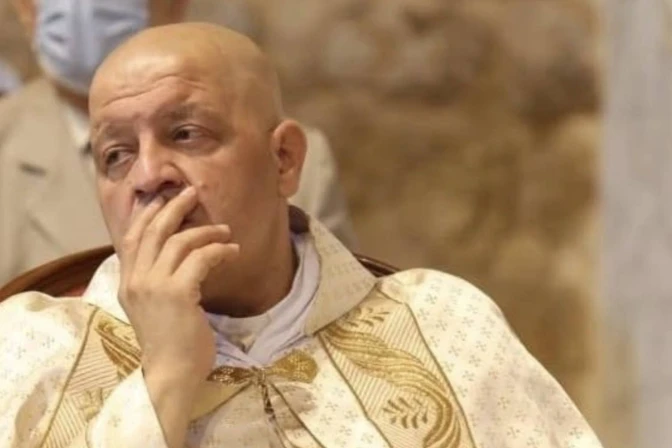
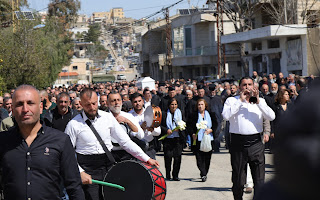
Lebanon mourns Father Pierre El-Rahi as calls for peace echo at his funeral #Catholic Amid a war weighing heavily on southern Lebanon with fear and destruction, a prayer of farewell rose from the town of Qlayaa for a priest who chose to remain beside his people until the very end. In the courtyard of St. George Church in a scene marked by tears, prayer, and hope, mourners bid farewell to Father Pierre El-Rahi, who was killed after shelling struck his town.The funeral and burial rites were held with the participation of Bishop Elias Nassar, representing Maronite Patriarch Cardinal Bechara Boutros al-Rahi, and Maronite Archbishop of Tyre Charbel Abdallah, along with Lebanese Army Commander Gen. Rodolphe Haykal, members of the clergy, and a large crowd of townspeople and loved ones who came to bid farewell to their pastor.In a message read on his behalf by Nassar, al-Rahi expressed his “deep pain and sorrow” at the news of the priest’s martyrdom. He described him as a “zealous and courageous pastor” and a man marked by “priestly virtues filled with divine grace.” Recalling El-Rahi’s priestly journey and pastoral service, the patriarch noted that the late priest was a son of the town of Debel and had lived his priesthood, since his ordination in 2014, with unconditional love, remaining close to children, youth, and families. As a result, St. George Parish in Qlayaa, which he had served for about five years, became “a model of a vibrant parish of Christ.”Al-Rahi noted that the martyred priest’s role was not limited to pastoral work. He also held ecclesial, canonical, and social responsibilities in the Archdiocese of Tyre, while serving those who were suffering, the poor, and prisoners. 
 
 Mourners gather for the funeral of Father Pierre El-Rahi at St. George Church in the town of Qlayaa in southern Lebanon. | Credit: ACI MENA
 
 The patriarch also stressed El-Rahi’s “courageous” decision to remain with the steadfast people of Qlayaa while the region bears the cost of the ongoing war. He added in his message: “We pray that his martyrdom may be an act of redemption for the people of Qlayaa and for all Lebanon and the Lebanese who reject this war and long for a just, comprehensive, and lasting peace.”Pope Leo XIV mourned the martyred priest at the end of his weekly general audience on Wednesday. He said El-Rahi embodied the meaning of his family name, becoming “a true shepherd,” always close to his flock and filled with the love and sacrifice of Jesus, the Good Shepherd. He added that the priest rushed without hesitation to help members of his parish as soon as he heard they had been wounded in the shelling. The pope concluded with a prayer for peace in the Middle East, saying: “We ask God to make his shed blood a seed of peace for beloved Lebanon.”This story was first published by ACI MENA, the Arabic-language sister service of EWTN News. It has been translated and adapted by EWTN News English.

Lebanon mourns Father Pierre El-Rahi as calls for peace echo at his funeral #Catholic Amid a war weighing heavily on southern Lebanon with fear and destruction, a prayer of farewell rose from the town of Qlayaa for a priest who chose to remain beside his people until the very end. In the courtyard of St. George Church in a scene marked by tears, prayer, and hope, mourners bid farewell to Father Pierre El-Rahi, who was killed after shelling struck his town.The funeral and burial rites were held with the participation of Bishop Elias Nassar, representing Maronite Patriarch Cardinal Bechara Boutros al-Rahi, and Maronite Archbishop of Tyre Charbel Abdallah, along with Lebanese Army Commander Gen. Rodolphe Haykal, members of the clergy, and a large crowd of townspeople and loved ones who came to bid farewell to their pastor.In a message read on his behalf by Nassar, al-Rahi expressed his “deep pain and sorrow” at the news of the priest’s martyrdom. He described him as a “zealous and courageous pastor” and a man marked by “priestly virtues filled with divine grace.” Recalling El-Rahi’s priestly journey and pastoral service, the patriarch noted that the late priest was a son of the town of Debel and had lived his priesthood, since his ordination in 2014, with unconditional love, remaining close to children, youth, and families. As a result, St. George Parish in Qlayaa, which he had served for about five years, became “a model of a vibrant parish of Christ.”Al-Rahi noted that the martyred priest’s role was not limited to pastoral work. He also held ecclesial, canonical, and social responsibilities in the Archdiocese of Tyre, while serving those who were suffering, the poor, and prisoners. Mourners gather for the funeral of Father Pierre El-Rahi at St. George Church in the town of Qlayaa in southern Lebanon. | Credit: ACI MENA The patriarch also stressed El-Rahi’s “courageous” decision to remain with the steadfast people of Qlayaa while the region bears the cost of the ongoing war. He added in his message: “We pray that his martyrdom may be an act of redemption for the people of Qlayaa and for all Lebanon and the Lebanese who reject this war and long for a just, comprehensive, and lasting peace.”Pope Leo XIV mourned the martyred priest at the end of his weekly general audience on Wednesday. He said El-Rahi embodied the meaning of his family name, becoming “a true shepherd,” always close to his flock and filled with the love and sacrifice of Jesus, the Good Shepherd. He added that the priest rushed without hesitation to help members of his parish as soon as he heard they had been wounded in the shelling. The pope concluded with a prayer for peace in the Middle East, saying: “We ask God to make his shed blood a seed of peace for beloved Lebanon.”This story was first published by ACI MENA, the Arabic-language sister service of EWTN News. It has been translated and adapted by EWTN News English.

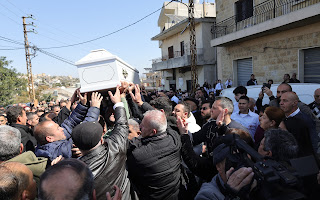
In the courtyard of St. George Church, in a scene marked by tears, prayer, and hope, mourners bid farewell to a beloved priest who was killed after shelling struck his town.
Read More
Before he was killed, priest in Lebanon declared: ‘We will remain until death’ #Catholic In recent days, Christian villages in southern Lebanon have drawn widespread attention across media and social networks, praised for their resilience and peaceful resistance as many residents chose to remain in their homes despite the dangers of ongoing hostilities. But on Monday, that resilience took a tragic turn. What had become a symbol of persistence turned into a scene of martyrdom, when a Catholic parish priest was killed in an Israeli strike that hit the border village of Qlayaa in southern Lebanon. Father Pierre Al Rahi, who had chosen to remain with his parishioners, died alongside the community he refused to abandon.According to local media reports, Hezbollah militants infiltrated the Christian town, turning it into a target for Israeli airstrikes. Residents alerted Rahi, who reportedly went to confront them and ask them to leave the village. The strike that killed him occurred around the same time.In one of his last television interviews before the strike, Rahi said: “We will remain here until death.”It was not the first time he had expressed such determination. During a previous round of the war in 2024, speaking from the same village of Qlayaa, he said: “We will not leave. We are projects of martyrdom, and we will not abandon our land.”His death sparked strong reactions among Lebanon’s Christian community, particularly from political and religious leaders. Fingers were pointed at both Israel and Hezbollah. In a statement, Lebanese Forces leader Samir Geagea confirmed that Hezbollah fighters had infiltrated the village of Qlayaa, triggering Israeli strikes that led to Rahi’s death.Father Dani Dergham, known for his political activism, wrote on X that during both the current war and previous rounds of fighting, Rahi had repeatedly warned about the presence of armed men among the peaceful residents of his town.Meanwhile, a video also circulated online showing Father Hanna Khoury, another priest from Qlayaa, saying that anyone whose presence or activities in the village are unknown should be considered a threat to the community, reflecting fears among residents about the infiltration of Hezbollah militants into the town.Rahi was not the only victim of the strikes. Several residents were injured, and earlier, community pages from Christian villages in southern Lebanon also announced the death of a Christian farmer, Sami Youssef Al-Ghafri — from the nearby town of Alma Al-Shaab — who was killed in the shelling.Christian residents of southern Lebanon have also been calling for the deployment of the Lebanese Army in their towns. They say they wish to remain on their land, fearing that if they evacuate, Hezbollah could use their villages to launch rockets, exposing them to destruction. Some also express concern that if Israel launches a ground operation, displacement could lead to the loss of their land.

Before he was killed, priest in Lebanon declared: ‘We will remain until death’ #Catholic In recent days, Christian villages in southern Lebanon have drawn widespread attention across media and social networks, praised for their resilience and peaceful resistance as many residents chose to remain in their homes despite the dangers of ongoing hostilities. But on Monday, that resilience took a tragic turn. What had become a symbol of persistence turned into a scene of martyrdom, when a Catholic parish priest was killed in an Israeli strike that hit the border village of Qlayaa in southern Lebanon. Father Pierre Al Rahi, who had chosen to remain with his parishioners, died alongside the community he refused to abandon.According to local media reports, Hezbollah militants infiltrated the Christian town, turning it into a target for Israeli airstrikes. Residents alerted Rahi, who reportedly went to confront them and ask them to leave the village. The strike that killed him occurred around the same time.In one of his last television interviews before the strike, Rahi said: “We will remain here until death.”It was not the first time he had expressed such determination. During a previous round of the war in 2024, speaking from the same village of Qlayaa, he said: “We will not leave. We are projects of martyrdom, and we will not abandon our land.”His death sparked strong reactions among Lebanon’s Christian community, particularly from political and religious leaders. Fingers were pointed at both Israel and Hezbollah. In a statement, Lebanese Forces leader Samir Geagea confirmed that Hezbollah fighters had infiltrated the village of Qlayaa, triggering Israeli strikes that led to Rahi’s death.Father Dani Dergham, known for his political activism, wrote on X that during both the current war and previous rounds of fighting, Rahi had repeatedly warned about the presence of armed men among the peaceful residents of his town.Meanwhile, a video also circulated online showing Father Hanna Khoury, another priest from Qlayaa, saying that anyone whose presence or activities in the village are unknown should be considered a threat to the community, reflecting fears among residents about the infiltration of Hezbollah militants into the town.Rahi was not the only victim of the strikes. Several residents were injured, and earlier, community pages from Christian villages in southern Lebanon also announced the death of a Christian farmer, Sami Youssef Al-Ghafri — from the nearby town of Alma Al-Shaab — who was killed in the shelling.Christian residents of southern Lebanon have also been calling for the deployment of the Lebanese Army in their towns. They say they wish to remain on their land, fearing that if they evacuate, Hezbollah could use their villages to launch rockets, exposing them to destruction. Some also express concern that if Israel launches a ground operation, displacement could lead to the loss of their land.

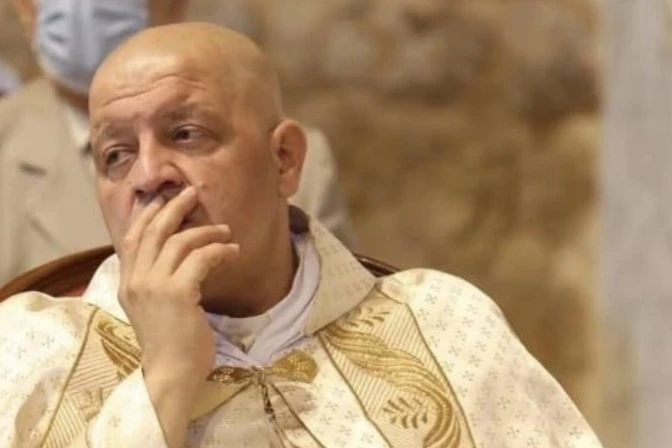
Father Pierre Rahi, a shepherd who refused to leave Southern Lebanon, was killed in Israeli strike.
Read More
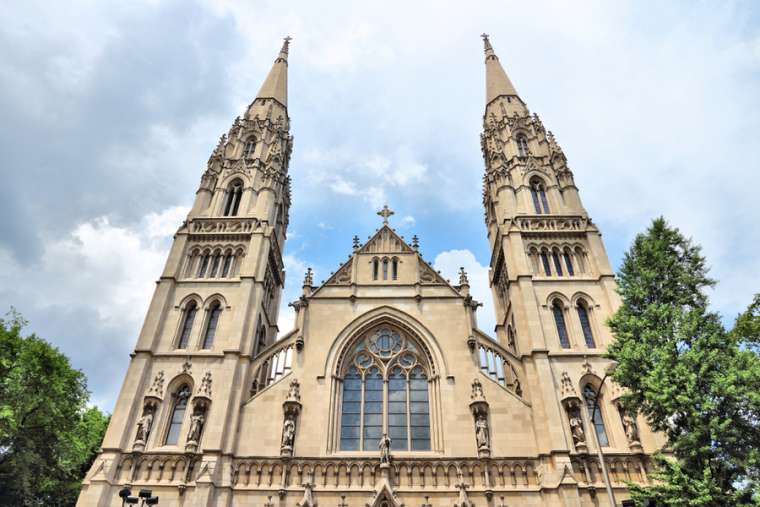
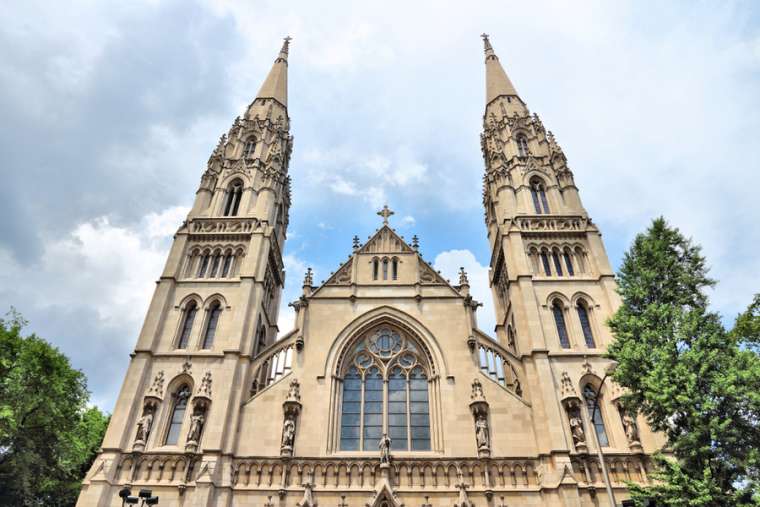
Diocese of Pittsburgh: 7 churches to close next month #Catholic The Catholic Diocese of Pittsburgh announced the permanent closure of seven churches, effective March 12.The decision was formally communicated to parishioners during Masses on Feb. 8 at St. Joseph the Worker Parish, where a letter from Bishop Mark A. Eckman was read aloud.In the letter, Eckman explained that St. Joseph the Worker Parish was established on July 1, 2020, through the merger of seven parishes serving communities in Braddock, Churchill, Forest Hills, Swissvale, Turtle Creek, Wilmerding, and surrounding areas.Since the merger, all eight church buildings initially remained open for worship. However, due to persistent declining Mass attendance and ongoing financial constraints, the parish has gradually reduced the number of active worship sites.After a yearlong review in 2025, including consultations with clergy, advisory councils, the facilities mission team, and parish senate sessions, it became clear that sustaining all current buildings was not feasible. Parishioner feedback was gathered through emails, phone messages, and meetings, with many acknowledging the challenges and the necessity for change.Father Michael Stumpf, the current pastor at St. Joseph the Worker, along with parish leadership, petitioned the bishop to close the church buildings of Good Shepherd, Madonna del Castello, Sacred Heart, St. Anselm, St. Colman, St. John Fisher, and St. Jude the Apostle.Eckman consulted diocesan officials in November 2025, who supported the rationale. He subsequently issued decrees approving the closures.St. Maurice Church in Forest Hills will remain the sole open worship site for the parish.Eckman acknowledged the emotional impact of the decision, noting that parishioners have invested years of faith, prayer, and service into the churches.“I recognize that this news brings a time of significant change and a sense of loss,” Eckman said in the letter. “For many years, you have poured your lives into these sacred buildings, strengthening your communities with holy faith, fervent prayer, and tireless service.”“We are a people of the Resurrection,” he said. ”And even in seasons of pruning, there is promise for new life. This decision is made with prayerful intent to better resource your parish, ensuring that the corporal and spiritual works of mercy may continue to reach the hearts of Braddock, Churchill, Forest Hills, Swissville, Turtle Creek, and Wilmerding for generations to come.”This announcement comes amid broader trends in the Diocese of Pittsburgh, including previous mergers and consolidations aimed at addressing similar demographic and financial pressures.

Diocese of Pittsburgh: 7 churches to close next month #Catholic The Catholic Diocese of Pittsburgh announced the permanent closure of seven churches, effective March 12.The decision was formally communicated to parishioners during Masses on Feb. 8 at St. Joseph the Worker Parish, where a letter from Bishop Mark A. Eckman was read aloud.In the letter, Eckman explained that St. Joseph the Worker Parish was established on July 1, 2020, through the merger of seven parishes serving communities in Braddock, Churchill, Forest Hills, Swissvale, Turtle Creek, Wilmerding, and surrounding areas.Since the merger, all eight church buildings initially remained open for worship. However, due to persistent declining Mass attendance and ongoing financial constraints, the parish has gradually reduced the number of active worship sites.After a yearlong review in 2025, including consultations with clergy, advisory councils, the facilities mission team, and parish senate sessions, it became clear that sustaining all current buildings was not feasible. Parishioner feedback was gathered through emails, phone messages, and meetings, with many acknowledging the challenges and the necessity for change.Father Michael Stumpf, the current pastor at St. Joseph the Worker, along with parish leadership, petitioned the bishop to close the church buildings of Good Shepherd, Madonna del Castello, Sacred Heart, St. Anselm, St. Colman, St. John Fisher, and St. Jude the Apostle.Eckman consulted diocesan officials in November 2025, who supported the rationale. He subsequently issued decrees approving the closures.St. Maurice Church in Forest Hills will remain the sole open worship site for the parish.Eckman acknowledged the emotional impact of the decision, noting that parishioners have invested years of faith, prayer, and service into the churches.“I recognize that this news brings a time of significant change and a sense of loss,” Eckman said in the letter. “For many years, you have poured your lives into these sacred buildings, strengthening your communities with holy faith, fervent prayer, and tireless service.”“We are a people of the Resurrection,” he said. ”And even in seasons of pruning, there is promise for new life. This decision is made with prayerful intent to better resource your parish, ensuring that the corporal and spiritual works of mercy may continue to reach the hearts of Braddock, Churchill, Forest Hills, Swissville, Turtle Creek, and Wilmerding for generations to come.”This announcement comes amid broader trends in the Diocese of Pittsburgh, including previous mergers and consolidations aimed at addressing similar demographic and financial pressures.

Parishioners learned that seven churches will be closed in March due to financial constraints and lower Mass attendance.

Read More