teens

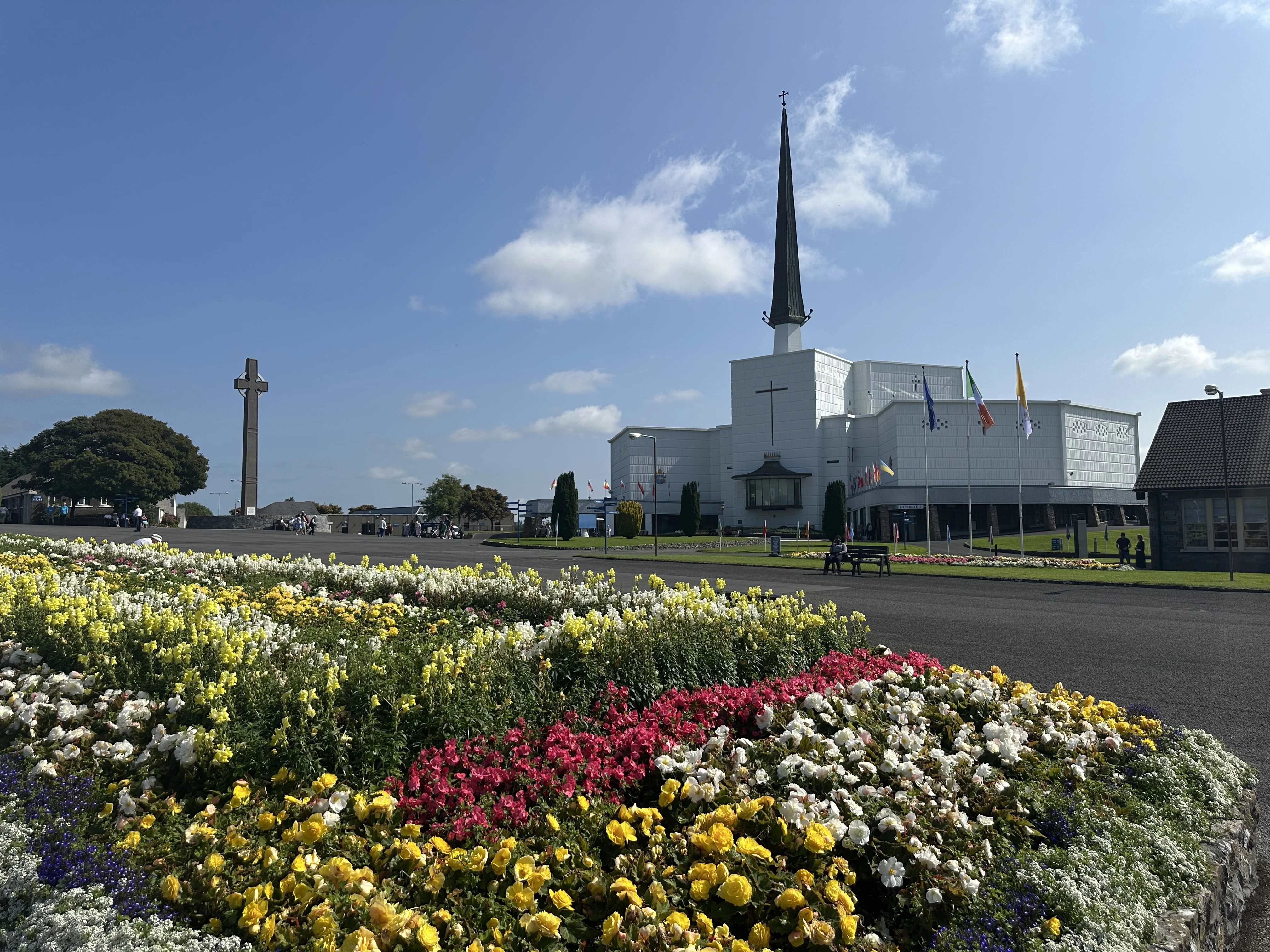
Ireland sees modest revival in faith, especially among youth and young adults #Catholic An increase in spirituality and religious practice among young adults in Ireland aged 18 to 30 and confirmation that Ireland is in the “middle range” of religious countries in Europe are among the trends identified in a new report published by the Irish Catholic bishops titled “Turning the Tide.”Archbishop Eamon Martin of Armagh, primate of all Ireland, told EWTN News: “There has been a lot of talk recently about the so-called quiet revival in religious practice in recent years. The [report] looks at some of the research studies that have been carried out north and south of the island of Ireland into religious practice, religious awareness and spirituality, and interest in religion, and asks a question by comparing this with European social studies: Is there actually any uptake [in] religious practice and awareness and interest in Ireland?”Drawing on research from the European Social Survey, the Iona Institute’s two recent surveys conducted by Amárach Research, and a variety of relevant academic studies, the report seeks to provide an integrated, relevant, and current look at religious practice in Ireland.“The report very interestingly points to some type of uptick, as they call it, particularly among young people around the ages of 16 to 30 and the fact that they are taking a new interest in religion and in spirituality.”Encouraged by the positive trends emerging across different studies, Martin sounded a note of caution, highlighting the challenges that these findings pose for the Catholic Church in Ireland.“I don’t think we should get ourselves too enthusiastic thinking this is a complete reversal of the very obvious decline and religious practice over the last 10 or 20 years,” he said. “However, it is saying something on the turning tide.”The archbishop pointed to the implications for the Irish Church: “It’s asking us to reflect on this phenomenon in the light of research, and for instance what does this mean for us as Church, as parishes, as dioceses? How are we responding to this growing body of young people who want to know more more about God, about church, and about religion?”The report, co-authored by Stephen Bullivant, professor of theology and the sociology of religion at St. Mary’s University, Twickenham, and Emily Nelson, a doctoral student of sociology at Queen’s University Belfast, examined the overall religious profile of the island of Ireland, including areas of convergence and divergence between Northern Ireland and the Republic of Ireland.The authors drew together research studies on patterns in belief, practice, and religious identification between generations, with particular attention to differences within young adult cohorts. The work also provided insight on  dimensions of religiosity, religious transmission, and attitudes toward Church teaching and institutions among both men and women.Ireland remains among the more religious countries in Europe, on measures of religious affiliation, religious service attendance, and frequency of prayer. Among western European countries, it is one of few outliers with a relatively high level of overall religiosity. It also ranks toward the higher end of (especially western) European countries on measures of weekly Mass attendance and daily prayer.While key measures of Irish religiosity have declined significantly since the European Social Survey began in 2002-2003, the most recent round in 2023-2024 shows a strong uptick in religious affiliation and religious practice.This effect is most strongly evident among those aged 16–29 years, across both Catholics and Protestants.Northern Ireland is both the most religious region of the United Kingdom, by a large margin, and the most religious part of the island of Ireland, in terms of both affiliation and religious practice.Although women in the Republic of Ireland are equally as likely as men to be religious, they continue to play an influential role in transmitting faith, even as they express higher levels of moral dissent and institutional dissatisfaction. The report revealed that 74% of Irish Catholic women were found to believe that the Church did not treat them with “a lot of respect.”According to the report, 51% of Irish adults — and 27% of Irish young adults —pray at least once a week, and 31% say they attend Mass at least once a week, placing them fourth overall, alongside Italy (32%) but well behind Poland (49%) and Slovakia (46%).There is a significant drop-off among young adults, whose reported religious practice is roughly half that of older adults. Irish 16- to 29-year-olds rank sixth overall compared with other countries, at 17%, though that is at least double the rates of the same age group in Switzerland, Germany, and Belgium, at 5%, and in Austria with less than 1%.The Irish report also pointed to a 2023 Barna study that found in certain respects, Irish teens are more religious than their global peers. Just over 3 in 5 (62%) Irish teens identify as Christian with nearly a third identify as atheist, agnostic, or of no faith.On average, 18- to 24-year-olds in the Republic of Ireland aren’t particularly positive about both Christianity and the Catholic Church in Ireland, but they are more positive than those in the 25–34 age range, and fewer have a negative attitude toward priests and nuns.In 2023, EWTN News’ Colm Flynn traveled to Ireland with the question “Is Ireland still Catholic?” He explored the various reasons for the decline of the faith in Ireland and the challenges the Church faces there today. In the three years since, and after many emails and messages pointing to signs of a “quiet revival” of faith in Ireland, Flynn recently returned to the country to explore those signs of renewal. In his report, he refers to the “Turning the Tide” report:

Ireland sees modest revival in faith, especially among youth and young adults #Catholic An increase in spirituality and religious practice among young adults in Ireland aged 18 to 30 and confirmation that Ireland is in the “middle range” of religious countries in Europe are among the trends identified in a new report published by the Irish Catholic bishops titled “Turning the Tide.”Archbishop Eamon Martin of Armagh, primate of all Ireland, told EWTN News: “There has been a lot of talk recently about the so-called quiet revival in religious practice in recent years. The [report] looks at some of the research studies that have been carried out north and south of the island of Ireland into religious practice, religious awareness and spirituality, and interest in religion, and asks a question by comparing this with European social studies: Is there actually any uptake [in] religious practice and awareness and interest in Ireland?”Drawing on research from the European Social Survey, the Iona Institute’s two recent surveys conducted by Amárach Research, and a variety of relevant academic studies, the report seeks to provide an integrated, relevant, and current look at religious practice in Ireland.“The report very interestingly points to some type of uptick, as they call it, particularly among young people around the ages of 16 to 30 and the fact that they are taking a new interest in religion and in spirituality.”Encouraged by the positive trends emerging across different studies, Martin sounded a note of caution, highlighting the challenges that these findings pose for the Catholic Church in Ireland.“I don’t think we should get ourselves too enthusiastic thinking this is a complete reversal of the very obvious decline and religious practice over the last 10 or 20 years,” he said. “However, it is saying something on the turning tide.”The archbishop pointed to the implications for the Irish Church: “It’s asking us to reflect on this phenomenon in the light of research, and for instance what does this mean for us as Church, as parishes, as dioceses? How are we responding to this growing body of young people who want to know more more about God, about church, and about religion?”The report, co-authored by Stephen Bullivant, professor of theology and the sociology of religion at St. Mary’s University, Twickenham, and Emily Nelson, a doctoral student of sociology at Queen’s University Belfast, examined the overall religious profile of the island of Ireland, including areas of convergence and divergence between Northern Ireland and the Republic of Ireland.The authors drew together research studies on patterns in belief, practice, and religious identification between generations, with particular attention to differences within young adult cohorts. The work also provided insight on  dimensions of religiosity, religious transmission, and attitudes toward Church teaching and institutions among both men and women.Ireland remains among the more religious countries in Europe, on measures of religious affiliation, religious service attendance, and frequency of prayer. Among western European countries, it is one of few outliers with a relatively high level of overall religiosity. It also ranks toward the higher end of (especially western) European countries on measures of weekly Mass attendance and daily prayer.While key measures of Irish religiosity have declined significantly since the European Social Survey began in 2002-2003, the most recent round in 2023-2024 shows a strong uptick in religious affiliation and religious practice.This effect is most strongly evident among those aged 16–29 years, across both Catholics and Protestants.Northern Ireland is both the most religious region of the United Kingdom, by a large margin, and the most religious part of the island of Ireland, in terms of both affiliation and religious practice.Although women in the Republic of Ireland are equally as likely as men to be religious, they continue to play an influential role in transmitting faith, even as they express higher levels of moral dissent and institutional dissatisfaction. The report revealed that 74% of Irish Catholic women were found to believe that the Church did not treat them with “a lot of respect.”According to the report, 51% of Irish adults — and 27% of Irish young adults —pray at least once a week, and 31% say they attend Mass at least once a week, placing them fourth overall, alongside Italy (32%) but well behind Poland (49%) and Slovakia (46%).There is a significant drop-off among young adults, whose reported religious practice is roughly half that of older adults. Irish 16- to 29-year-olds rank sixth overall compared with other countries, at 17%, though that is at least double the rates of the same age group in Switzerland, Germany, and Belgium, at 5%, and in Austria with less than 1%.The Irish report also pointed to a 2023 Barna study that found in certain respects, Irish teens are more religious than their global peers. Just over 3 in 5 (62%) Irish teens identify as Christian with nearly a third identify as atheist, agnostic, or of no faith.On average, 18- to 24-year-olds in the Republic of Ireland aren’t particularly positive about both Christianity and the Catholic Church in Ireland, but they are more positive than those in the 25–34 age range, and fewer have a negative attitude toward priests and nuns.In 2023, EWTN News’ Colm Flynn traveled to Ireland with the question “Is Ireland still Catholic?” He explored the various reasons for the decline of the faith in Ireland and the challenges the Church faces there today. In the three years since, and after many emails and messages pointing to signs of a “quiet revival” of faith in Ireland, Flynn recently returned to the country to explore those signs of renewal. In his report, he refers to the “Turning the Tide” report:

A new report examining surveys and research on the practice of the Catholic faith in Ireland shows an uptick in religious practice and spirituality among younger people.
Read More
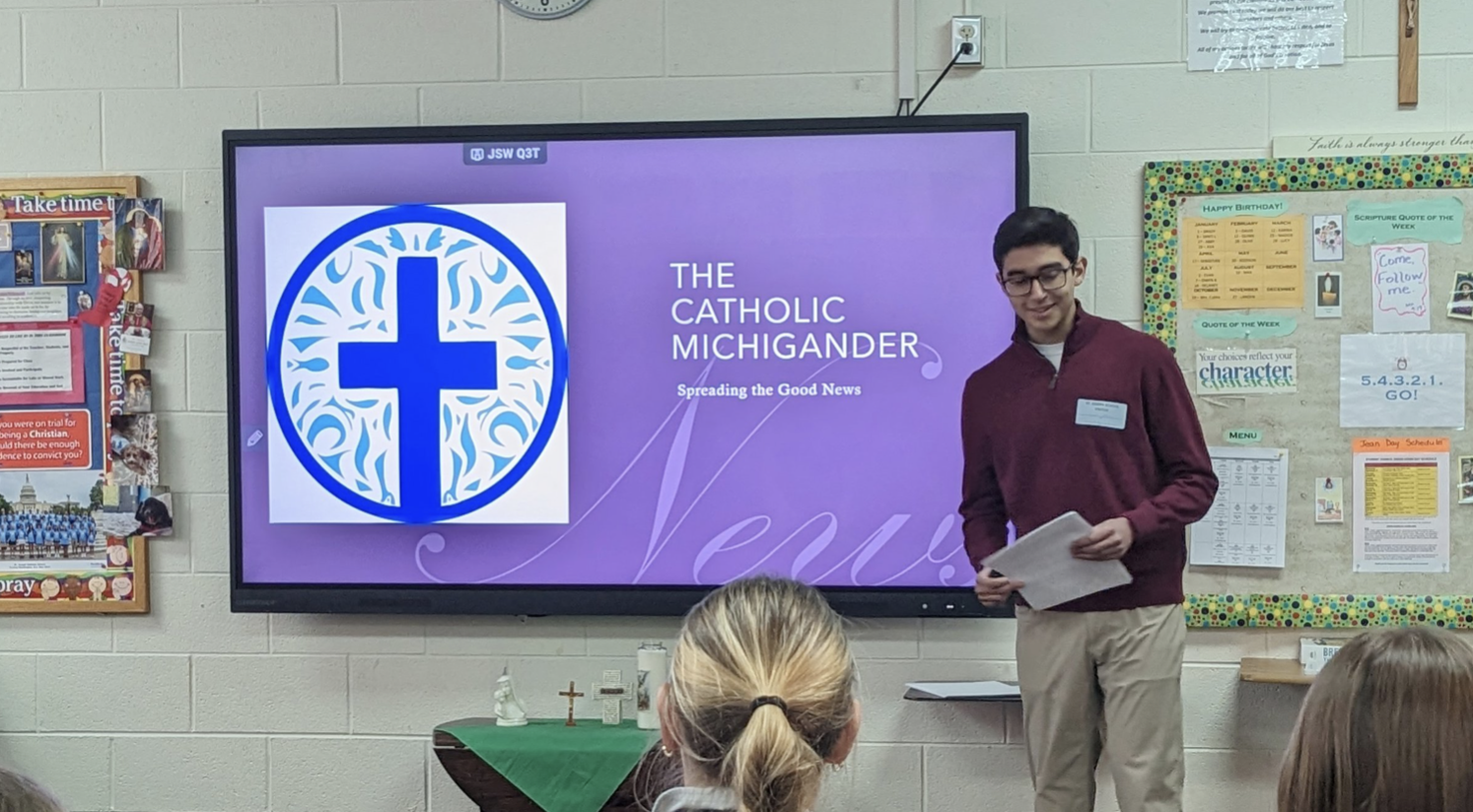
Michigan teen starts Catholic online newspaper for other teens #Catholic Luis Nava, a high school freshman at the International Academy in Michigan, takes to heart that he wants to be ready to answer any questions from his peers but also to better understand his Catholic faith. He began an online newspaper called The Catholic Michigander, where he tackles some of those questions and more.Nava is a parishioner at St. Joseph Parish in Lake Orion, Michigan, and spent his first few years attending school there. He recently spoke to students at the Catholic school about a project he started to help spread the Catholic faith among teens and to help young people understand what the faith is all about.“A lot of the times, if I’m facing questions from classmates that don’t have the same beliefs as me, I want to know exactly what I believe and exactly why I believe it,” Nava said.Learning about his faith became more of a quest after Nava attended a pro-life conference in 2024 at his parish. While he was there, Nava picked up a quote from William Wilberforce that he says inspired him to fulfill what he believes is his calling: “Let it not be said that I was silent when they needed me,” he said. The saying is posted above his desk. “I see it every day.”Nava, who plans to study neuroscience, said he has always been passionate about writing and hoped to start a newspaper one day. After the conference, he felt the prompting of the Holy Spirit guiding him, and he got to work on a website.“It all came from a project that I had when I was in middle school,” he said. “I was on the newspaper for my middle school in sixth grade, and then in seventh grade I took over as the editor.”Nava takes ideas for content for the newspaper from his daily experiences and conversations with classmates. He also invites others to write with him.The newspaper contains a wide variety of articles on different topics, from infertility and natural family planning to life issues and the real presence of Christ in the Eucharist. Nava said he writes “if a particular issue sparks my interest.” Father Jim Kean advises Nava on Catholic theology to ensure that all of the content adheres to Catholic teaching.“There was a report that a huge amount of Catholics don’t know that Christ is really present in the Eucharist, so I thought topics like those would be good to address,” Nava said.Each month, Nava writes and edits the copy and posts it to the website, featuring not only his writing but also that of some of his peers.
 
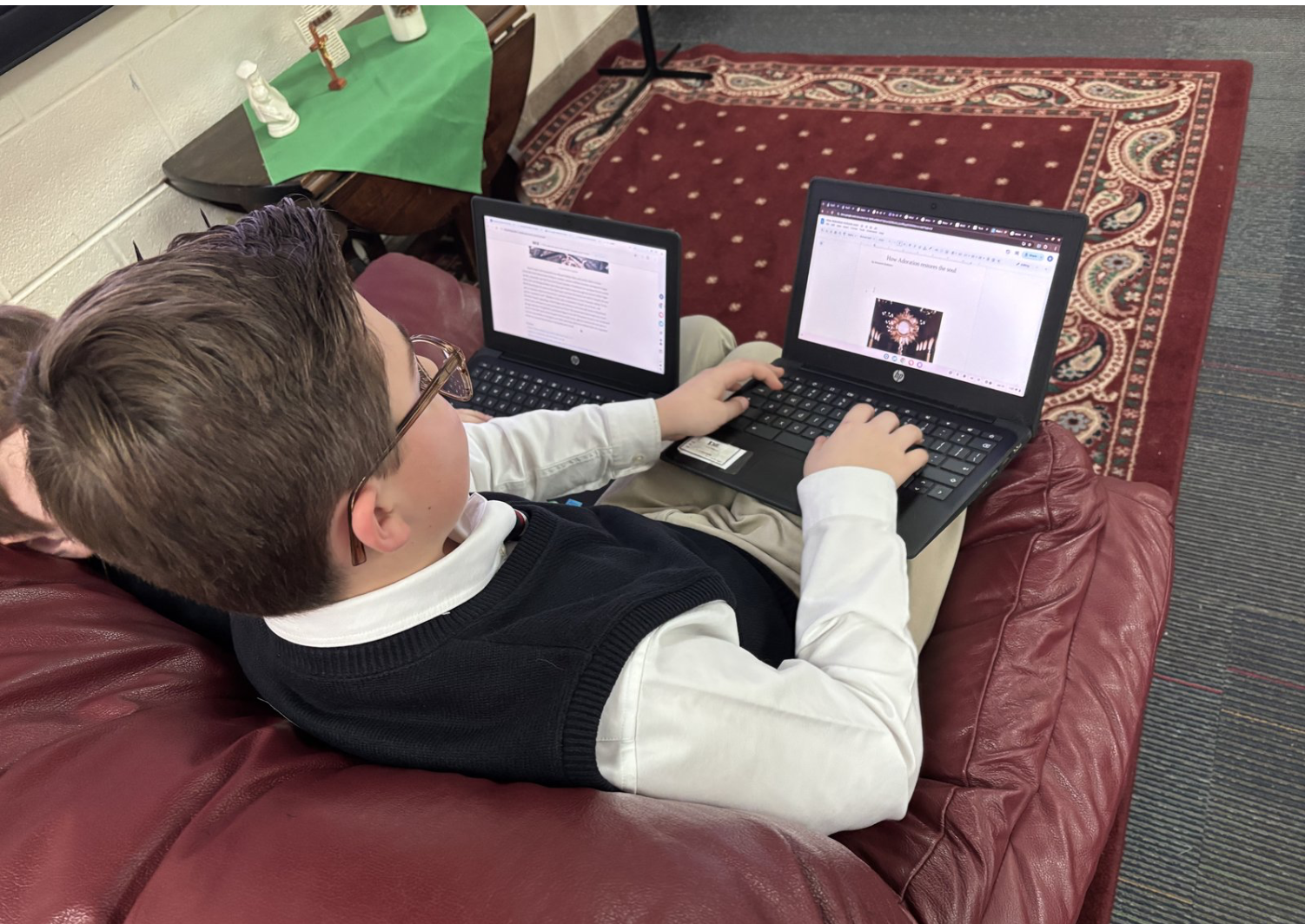
 A middle school student at St. Joseph School in Lake Orion, Michigan, reviews an article in Luis Nava’s online newspaper, The Catholic Michigander. | Credit: Photo courtesy of Luis Nava/Detroit Catholic
 
 “A couple of them are parishioners here at St. Joseph Parish, but they were public school students,” said Doris Fornasiero, principal at St. Joseph School. “I think that’s also a remarkable piece, that he’s reaching and pulling in students from all over the public school, private school, but students who are passionate about their faith.”Nava doesn’t just write about his faith, but he brings it to life, said Lindy Cubba, a middle school religion teacher at St. Joseph.“As teachers and educators, listening to him, it was remarkable because he had captured this passion for faith and yet this way to inspire and nurture beliefs that people already have and bring them into the open,” Cubba said.In addition to his work with the newspaper, Nava is also active in the youth group and as an athlete, where he encourages others to live their lives of faith. Recently he spoke to St. Joseph students about his project.“He’s just an incredibly positive, strong influence in the right way,” Fornasiero said. “He inspired the kids and encouraged them to speak out, that they didn’t have to keep their beliefs and their feelings about their faith to themselves. He was giving them a safe place to voice their beliefs.”Nava said he is grateful to the Holy Spirit, as well as mentors such as Fornasiero and Cubba, and said he wants to encourage other students to be courageous enough to do what they dream.“Well, I try to be a model to imitate, but I mean it’s a work in progress,” he said.“Like with everything, we’re all called to be saints, so I’m trying to walk down that road, as I’m sure everybody is,” Nava said. “I hope this can inspire other people to maybe take action and realize they can do anything. Hopefully, we can get all of the youth of today to really grow in their love for God.”Nava believes his newspaper project and his interest in neuroscience are related.“It’s really perfect, because neuroscience and religion and spirituality go hand in hand so well together,” Nava said. “We need God at the center of our lives if we want to have good mental health. I thought that would integrate very well with the writing and with religion.”With three more years of high school ahead of him, Nava said he hopes he can continue the newspaper for several more years.“I’m not sure how it’s going to evolve,” he said, “but I hope that we can continue to put out articles that teenagers can see and be inspired by.”This story was first published by the Detroit Catholic and is reprinted here with permission.

Michigan teen starts Catholic online newspaper for other teens #Catholic Luis Nava, a high school freshman at the International Academy in Michigan, takes to heart that he wants to be ready to answer any questions from his peers but also to better understand his Catholic faith. He began an online newspaper called The Catholic Michigander, where he tackles some of those questions and more.Nava is a parishioner at St. Joseph Parish in Lake Orion, Michigan, and spent his first few years attending school there. He recently spoke to students at the Catholic school about a project he started to help spread the Catholic faith among teens and to help young people understand what the faith is all about.“A lot of the times, if I’m facing questions from classmates that don’t have the same beliefs as me, I want to know exactly what I believe and exactly why I believe it,” Nava said.Learning about his faith became more of a quest after Nava attended a pro-life conference in 2024 at his parish. While he was there, Nava picked up a quote from William Wilberforce that he says inspired him to fulfill what he believes is his calling: “Let it not be said that I was silent when they needed me,” he said. The saying is posted above his desk. “I see it every day.”Nava, who plans to study neuroscience, said he has always been passionate about writing and hoped to start a newspaper one day. After the conference, he felt the prompting of the Holy Spirit guiding him, and he got to work on a website.“It all came from a project that I had when I was in middle school,” he said. “I was on the newspaper for my middle school in sixth grade, and then in seventh grade I took over as the editor.”Nava takes ideas for content for the newspaper from his daily experiences and conversations with classmates. He also invites others to write with him.The newspaper contains a wide variety of articles on different topics, from infertility and natural family planning to life issues and the real presence of Christ in the Eucharist. Nava said he writes “if a particular issue sparks my interest.” Father Jim Kean advises Nava on Catholic theology to ensure that all of the content adheres to Catholic teaching.“There was a report that a huge amount of Catholics don’t know that Christ is really present in the Eucharist, so I thought topics like those would be good to address,” Nava said.Each month, Nava writes and edits the copy and posts it to the website, featuring not only his writing but also that of some of his peers. A middle school student at St. Joseph School in Lake Orion, Michigan, reviews an article in Luis Nava’s online newspaper, The Catholic Michigander. | Credit: Photo courtesy of Luis Nava/Detroit Catholic “A couple of them are parishioners here at St. Joseph Parish, but they were public school students,” said Doris Fornasiero, principal at St. Joseph School. “I think that’s also a remarkable piece, that he’s reaching and pulling in students from all over the public school, private school, but students who are passionate about their faith.”Nava doesn’t just write about his faith, but he brings it to life, said Lindy Cubba, a middle school religion teacher at St. Joseph.“As teachers and educators, listening to him, it was remarkable because he had captured this passion for faith and yet this way to inspire and nurture beliefs that people already have and bring them into the open,” Cubba said.In addition to his work with the newspaper, Nava is also active in the youth group and as an athlete, where he encourages others to live their lives of faith. Recently he spoke to St. Joseph students about his project.“He’s just an incredibly positive, strong influence in the right way,” Fornasiero said. “He inspired the kids and encouraged them to speak out, that they didn’t have to keep their beliefs and their feelings about their faith to themselves. He was giving them a safe place to voice their beliefs.”Nava said he is grateful to the Holy Spirit, as well as mentors such as Fornasiero and Cubba, and said he wants to encourage other students to be courageous enough to do what they dream.“Well, I try to be a model to imitate, but I mean it’s a work in progress,” he said.“Like with everything, we’re all called to be saints, so I’m trying to walk down that road, as I’m sure everybody is,” Nava said. “I hope this can inspire other people to maybe take action and realize they can do anything. Hopefully, we can get all of the youth of today to really grow in their love for God.”Nava believes his newspaper project and his interest in neuroscience are related.“It’s really perfect, because neuroscience and religion and spirituality go hand in hand so well together,” Nava said. “We need God at the center of our lives if we want to have good mental health. I thought that would integrate very well with the writing and with religion.”With three more years of high school ahead of him, Nava said he hopes he can continue the newspaper for several more years.“I’m not sure how it’s going to evolve,” he said, “but I hope that we can continue to put out articles that teenagers can see and be inspired by.”This story was first published by the Detroit Catholic and is reprinted here with permission.

Luis Nava, a high school freshman in Lake Orion, Michigan, felt inspired to help peers find their voice and live their Catholic faith.
Read More
Meta blocks AI chatbot from discussing abortion with minors #Catholic Meta blocks AI chatbot from discussing abortion with minorsMeta won’t allow its AI chatbot to discuss abortion with minors, according to a report from the progressive outlet Mother Jones.Citing internal Meta documents, Mother Jones reported that Meta’s chatbot policy guidelines for interactions with minors prevent the chatbot from advising them on “content that provides advice or opinion" about "sexual health” or offering information helping them obtain an abortion.According to the report, a Meta spokesperson disputed claims of bias, saying that “any claims of enforcement based on group affiliation or advocacy are baseless” and that the company allows "posts and ads promoting health care services like abortion, as well as discussion and debate around them, as long as they follow our policies. We also give people the opportunity to appeal decisions if they think we’ve got it wrong.”When asked about the leaked documents, a company spokesperson told EWTN News: "Our AIs are trained to engage in age-appropriate discussions with teens, and to connect them with expert resources and support when appropriate." "They provide factual information on sexual health but refrain from offering advice or opinions. We continuously review and improve our protections so that teens have access to helpful information with default safeguards in place.”The Meta spokesperson also responded to advertisement censorship claims.“Every organization and individual on our platforms is subject to the same set of rules, and any claims of enforcement based on group affiliation or advocacy are baseless," the spokesperson said. United Kingdom assisted suicide bill falters as local measures advanceA national assisted suicide bill is failing to pass in the United Kingdom this week, even as local measures advance.According to a statement by the advocacy group Right to Life UK, on Feb. 26 the national bill was “widely pronounced as dead by commentators after it was revealed that it will 'almost certainly' run out of time”In Wales, the regional parliament voted on Feb. 24 in favor of the National Health Service to oversee assisted suicide if the Terminally Ill Adults Bill passes in the House of Lords.Archbishop Mark O'Toole of Cardiff-Menevia called the vote “a sad day for Wales’s most vulnerable" in a Feb. 25 statement.The island of Jersey similarly passed a law to legalize assisted suicide in a 32-to-16 vote on Feb. 26 by members of the States Assembly. The measure applies to “mentally competent” adults with terminal illnesses and who have been residents of Jersey for 12 months. Before the bill can become law, it will need royal assent.Ohio Appeals Court upholds ban on aborted baby burial requirementOhio judges on Wednesday upheld a ban on a law requiring abortion clinics to dispose of the remains of babies via burial or cremation.The appellate court in Cincinnati upheld a lower court ruling permanently blocking the law.Ohio in 2023 passed a constitutional amendment enshrining a right to abortion.Executive Director of Ohio Right to Life Carrie Snyder condemned the decision.“It’s unfortunate, but not a surprise, that the First District Court of Appeals sided with the abortion industry to stop Ohio’s fetal remains law from taking effect. Sadly, clinics will continue treating these precious little ones like garbage to be disposed of as cheaply as possible,” Snyder said in a Feb. 26 statement. “This really underscores that abortion is not health care, and that clinics are going to do everything within their power to boost their profit margin.”A Planned Parenthood spokeswoman, meanwhile, celebrated the decision, claiming the burial law was "cruel" and "nothing more than an opportunity to shame and stigmatize" women who get abortions.Texas attorney general sues mail-in abortion company for alleged illegal shipmentsTexas Attorney General Ken Paxton sued mail-in abortion company Aid Access along with California abortionist Remy Coeytaux and abortionist and founder of Aid Access Rebecca Gomperts for allegedly illegally shipping abortion drugs to Texas.Aid Access’s website advertises its shipping to all states including Texas, according to Paxton’s press release.“These unlawful shipments have had real and devastating consequences for Texas families,” the press release read. “In 2025, a Nueces County man allegedly used abortion-inducing drugs obtained from an out-of-state provider to secretly poison his girlfriend, resulting in the death of their unborn child.”“Every unborn child is a life worth protecting,” Paxton said, adding that he will “relentlessly enforce our state’s pro-life laws against Aid Access and other radicals like it.”

Meta blocks AI chatbot from discussing abortion with minors #Catholic Meta blocks AI chatbot from discussing abortion with minorsMeta won’t allow its AI chatbot to discuss abortion with minors, according to a report from the progressive outlet Mother Jones.Citing internal Meta documents, Mother Jones reported that Meta’s chatbot policy guidelines for interactions with minors prevent the chatbot from advising them on “content that provides advice or opinion" about "sexual health” or offering information helping them obtain an abortion.According to the report, a Meta spokesperson disputed claims of bias, saying that “any claims of enforcement based on group affiliation or advocacy are baseless” and that the company allows "posts and ads promoting health care services like abortion, as well as discussion and debate around them, as long as they follow our policies. We also give people the opportunity to appeal decisions if they think we’ve got it wrong.”When asked about the leaked documents, a company spokesperson told EWTN News: "Our AIs are trained to engage in age-appropriate discussions with teens, and to connect them with expert resources and support when appropriate." "They provide factual information on sexual health but refrain from offering advice or opinions. We continuously review and improve our protections so that teens have access to helpful information with default safeguards in place.”The Meta spokesperson also responded to advertisement censorship claims.“Every organization and individual on our platforms is subject to the same set of rules, and any claims of enforcement based on group affiliation or advocacy are baseless," the spokesperson said. United Kingdom assisted suicide bill falters as local measures advanceA national assisted suicide bill is failing to pass in the United Kingdom this week, even as local measures advance.According to a statement by the advocacy group Right to Life UK, on Feb. 26 the national bill was “widely pronounced as dead by commentators after it was revealed that it will 'almost certainly' run out of time”In Wales, the regional parliament voted on Feb. 24 in favor of the National Health Service to oversee assisted suicide if the Terminally Ill Adults Bill passes in the House of Lords.Archbishop Mark O'Toole of Cardiff-Menevia called the vote “a sad day for Wales’s most vulnerable" in a Feb. 25 statement.The island of Jersey similarly passed a law to legalize assisted suicide in a 32-to-16 vote on Feb. 26 by members of the States Assembly. The measure applies to “mentally competent” adults with terminal illnesses and who have been residents of Jersey for 12 months. Before the bill can become law, it will need royal assent.Ohio Appeals Court upholds ban on aborted baby burial requirementOhio judges on Wednesday upheld a ban on a law requiring abortion clinics to dispose of the remains of babies via burial or cremation.The appellate court in Cincinnati upheld a lower court ruling permanently blocking the law.Ohio in 2023 passed a constitutional amendment enshrining a right to abortion.Executive Director of Ohio Right to Life Carrie Snyder condemned the decision.“It’s unfortunate, but not a surprise, that the First District Court of Appeals sided with the abortion industry to stop Ohio’s fetal remains law from taking effect. Sadly, clinics will continue treating these precious little ones like garbage to be disposed of as cheaply as possible,” Snyder said in a Feb. 26 statement. “This really underscores that abortion is not health care, and that clinics are going to do everything within their power to boost their profit margin.”A Planned Parenthood spokeswoman, meanwhile, celebrated the decision, claiming the burial law was "cruel" and "nothing more than an opportunity to shame and stigmatize" women who get abortions.Texas attorney general sues mail-in abortion company for alleged illegal shipmentsTexas Attorney General Ken Paxton sued mail-in abortion company Aid Access along with California abortionist Remy Coeytaux and abortionist and founder of Aid Access Rebecca Gomperts for allegedly illegally shipping abortion drugs to Texas.Aid Access’s website advertises its shipping to all states including Texas, according to Paxton’s press release.“These unlawful shipments have had real and devastating consequences for Texas families,” the press release read. “In 2025, a Nueces County man allegedly used abortion-inducing drugs obtained from an out-of-state provider to secretly poison his girlfriend, resulting in the death of their unborn child.”“Every unborn child is a life worth protecting,” Paxton said, adding that he will “relentlessly enforce our state’s pro-life laws against Aid Access and other radicals like it.”

A roundup of recent pro-life and abortion-related news.

Read More
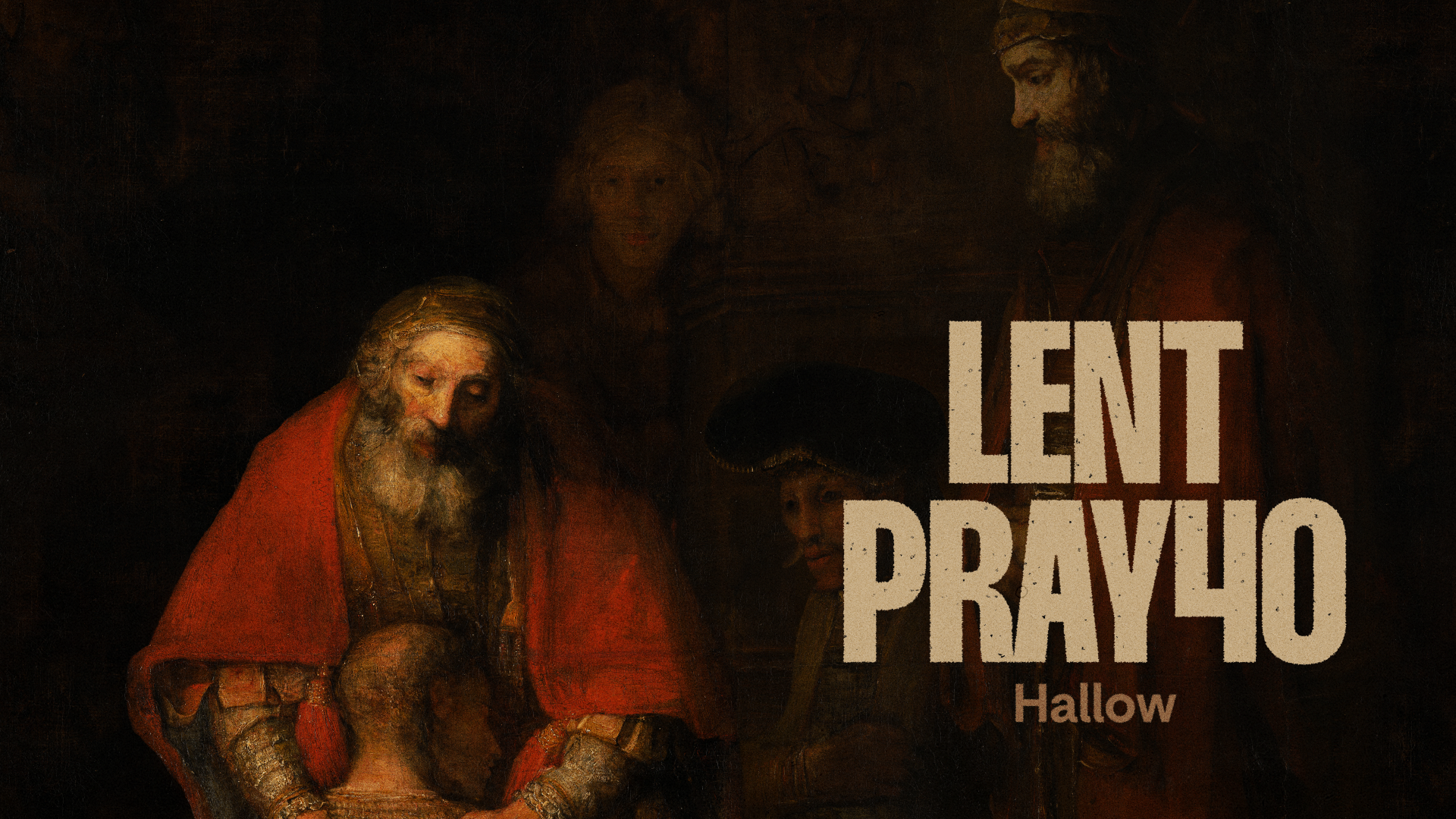
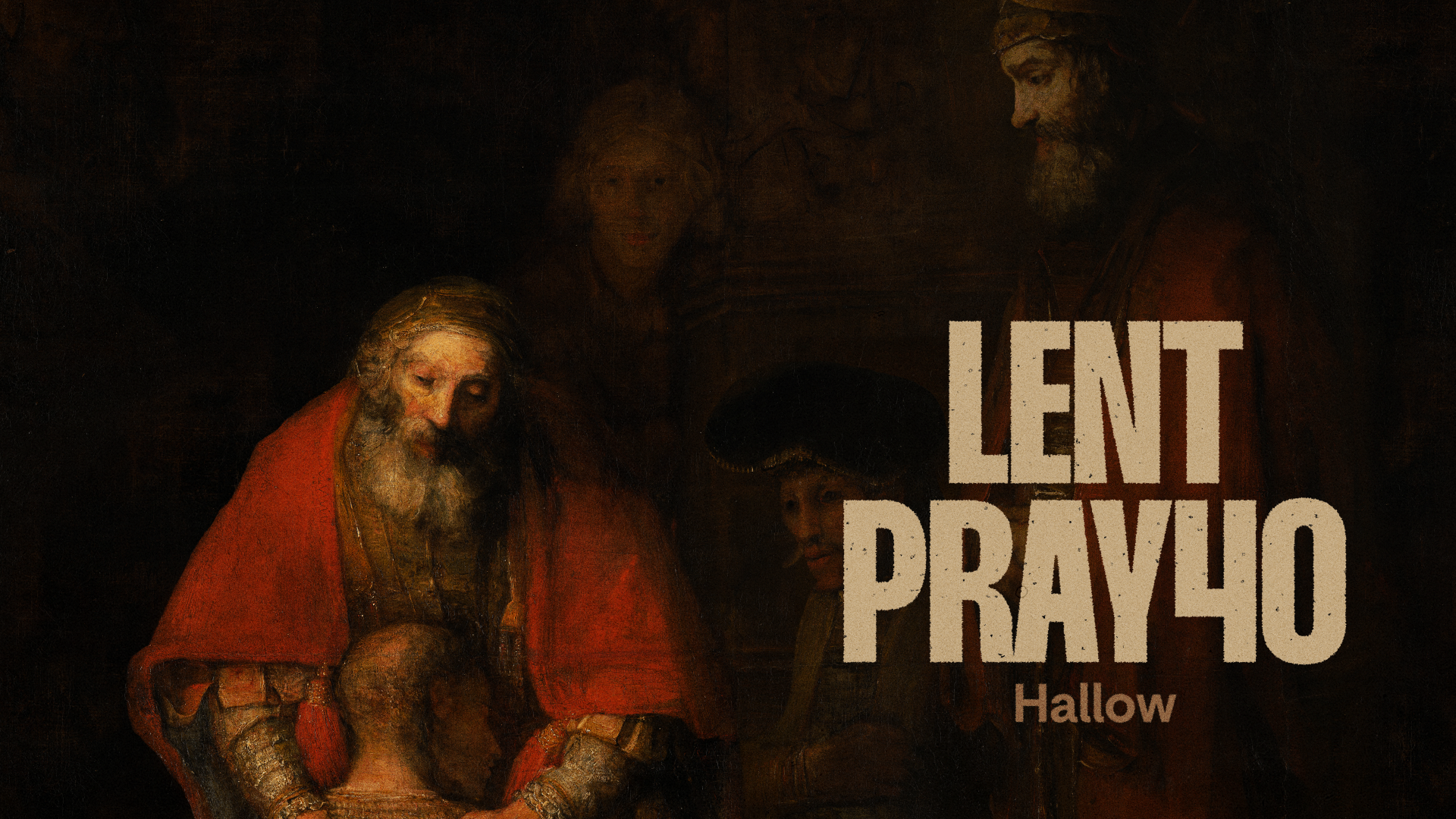
Lent 2026: 5 programs to help you grow in your faith #Catholic This year Lent begins on Feb. 18 with Ash Wednesday. As we quickly approach this time of prayer, fasting, and almsgiving, here are five programs to help you grow in your faith this Lenten season.‘Pray 40: The Return’ (Hallow)This year, Hallow’s Lent Pray40 prayer challenge is titled “Pray40: The Return.” The theme for this year’s challenge focuses on returning to God, just like we read in the parable of the prodigal son. To help go further into this idea, listeners will dive into “The Brothers Karamazov” by Fyodor Dostoevsky.Actor Jonathan Roumie will guide listeners through “The Brothers Karamazov”; Mark Wahlberg and Chris Pratt will provide fasting challenges; Mother Olga will meditate on Scripture; Sister Miriam James Heidland, SOLT, will help listeners take part in imaginative prayer sessions; and Father Mike Schmitz will provide Sunday homilies.‘Crux’ (Ascension)Father Columba Jordan, CFR, will be hosting a daily Lenten program on the Ascension app titled “Crux.” Crux invites the faithful to see Lent as a transformative season through a four-part daily system rooted in both physical and spiritual discipline. The four daily challenges include daily reading of Scripture, a nightly examen, one form of physical exercise, and one dietary fast.“Crux” can be done individually, in parishes, or in small groups. Additionally, for those seeking a screen-free way to take part in the challenge, the “Crux: A Lenten Journey of Surrender” journal is also available.‘Seeking the Inner Room’ (Word on Fire)Word on Fire Institute will be hosting a virtual retreat this Lent led by Sister Miriam James Heidland, SOLT, titled “Seeking the Inner Room.” The seven-week series will help participants dive deeper into Scripture and prayer in order to let the Holy Spirit into each of our inner rooms — our hearts. The retreat will also include reflections on “Gate of Heaven: Reflections on the Mother of God.”Lenten Phone Fast Challenge (Real Life Catholic)Real Life Catholic is inviting people of all ages to put down their phones this Lent to offer prayers and sacrifice to support the renewal of young Catholics. The Lenten Phone Fast Challenge offers participants the opportunity to specifically pray for the spiritual protection of Catholic teens. Participants will also receive weekly messages of support and spiritual guidance from evangelist Chris Stefanick.Programs offered through the EWTN Religious CatalogueIf you’re looking for Lenten devotionals or books you can read during this time, the EWTN Religious Catalogue has a variety of options including “Praying with Jesus and Faustina During Lent,” “Lent and Easter: Wisdom From Fulton Sheen,” and “Lenten Journey with Mother Mary,” among others.

Lent 2026: 5 programs to help you grow in your faith #Catholic This year Lent begins on Feb. 18 with Ash Wednesday. As we quickly approach this time of prayer, fasting, and almsgiving, here are five programs to help you grow in your faith this Lenten season.‘Pray 40: The Return’ (Hallow)This year, Hallow’s Lent Pray40 prayer challenge is titled “Pray40: The Return.” The theme for this year’s challenge focuses on returning to God, just like we read in the parable of the prodigal son. To help go further into this idea, listeners will dive into “The Brothers Karamazov” by Fyodor Dostoevsky.Actor Jonathan Roumie will guide listeners through “The Brothers Karamazov”; Mark Wahlberg and Chris Pratt will provide fasting challenges; Mother Olga will meditate on Scripture; Sister Miriam James Heidland, SOLT, will help listeners take part in imaginative prayer sessions; and Father Mike Schmitz will provide Sunday homilies.‘Crux’ (Ascension)Father Columba Jordan, CFR, will be hosting a daily Lenten program on the Ascension app titled “Crux.” Crux invites the faithful to see Lent as a transformative season through a four-part daily system rooted in both physical and spiritual discipline. The four daily challenges include daily reading of Scripture, a nightly examen, one form of physical exercise, and one dietary fast.“Crux” can be done individually, in parishes, or in small groups. Additionally, for those seeking a screen-free way to take part in the challenge, the “Crux: A Lenten Journey of Surrender” journal is also available.‘Seeking the Inner Room’ (Word on Fire)Word on Fire Institute will be hosting a virtual retreat this Lent led by Sister Miriam James Heidland, SOLT, titled “Seeking the Inner Room.” The seven-week series will help participants dive deeper into Scripture and prayer in order to let the Holy Spirit into each of our inner rooms — our hearts. The retreat will also include reflections on “Gate of Heaven: Reflections on the Mother of God.”Lenten Phone Fast Challenge (Real Life Catholic)Real Life Catholic is inviting people of all ages to put down their phones this Lent to offer prayers and sacrifice to support the renewal of young Catholics. The Lenten Phone Fast Challenge offers participants the opportunity to specifically pray for the spiritual protection of Catholic teens. Participants will also receive weekly messages of support and spiritual guidance from evangelist Chris Stefanick.Programs offered through the EWTN Religious CatalogueIf you’re looking for Lenten devotionals or books you can read during this time, the EWTN Religious Catalogue has a variety of options including “Praying with Jesus and Faustina During Lent,” “Lent and Easter: Wisdom From Fulton Sheen,” and “Lenten Journey with Mother Mary,” among others.

Lent begins on Ash Wednesday, Feb. 18, beginning a season of prayer, fasting, and almsgiving in the Catholic Church.

Read More