UK

Scottish bishops say ‘prayer moved hearts’ after Scottish Parliament rejects assisted suicide #Catholic In a final vote, members of Scottish Parliament (MSPs) have rejected a bill that would have made assisted suicide legal — a dramatic turn of events that Scotland’s Catholic bishops are attributing to the power of prayer.Reacting to the result immediately after its announcement on March 17, Scotland’s bishops told EWTN News: “Prayer is what moved hearts on this important issue. We are over the moon. Glory be to God that life has triumphed tonight!”Bill sponsor Liam McArthur and his supporters were confident of the Assisted Dying for Terminally Ill Adults (Scotland) Bill becoming law. In the first vote in May 2025, Parliament voted 70 to 56 in favor of the bill progressing to Stage 2. The bill was then amended at Stage 2 before moving to Stage 3 for a decisive vote. in the end, however, MSPs rejected it, voting 69 to 57 against the bill.
 
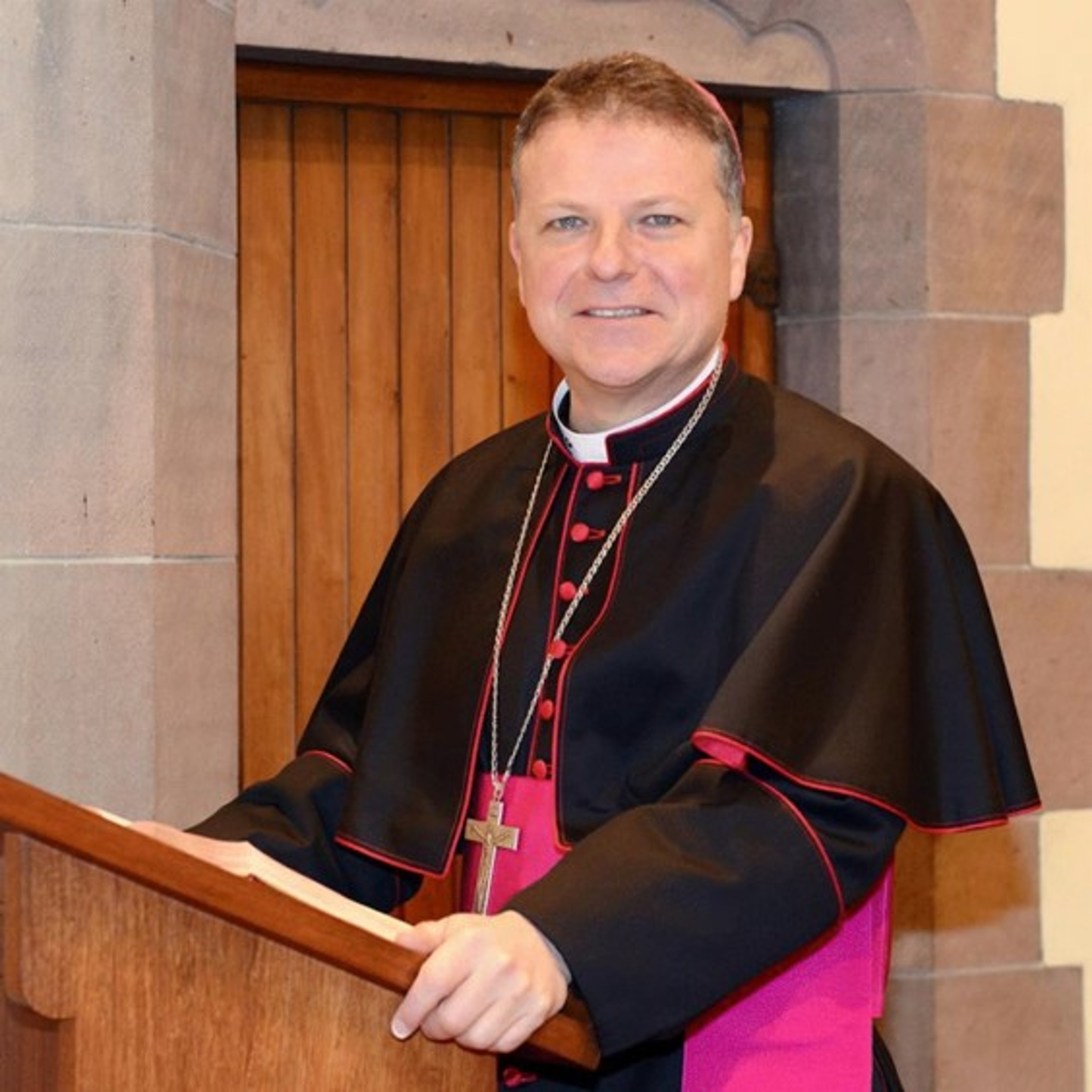
 Bishop John Keenan, president of the Bishops’ Conference of Scotland, said the vote against the assisted suicide bill would “protect some of Scotland’s most vulnerable individuals from the risk of being pressured into a premature death.” | Credit: Photo courtesy of the Bishops’ Conference of Scotland
 
 After an emotional debate, 12 MSPs changed sides, moving from supporting the Bill at Stage 1 to opposing it. Notable MSPs who swapped sides included Jamie Hepburn (Scottish National Party), Daniel Johnson (Labour), and Brian Whittle (Conservative), who publicly announced their decisions during the debate. This followed other notable announcements in the buildup to the vote by Scottish Conservative leader Russell Findlay and Scottish National Party MSPs Audrey Nicoll and Collette Stevenson, who had initially supported the bill and then shared their decisions to vote against it.Commending MSPs for voting against the legislation, Bishop John Keenan, president of the Bishops’ Conference of Scotland, said after the vote: “I would like to express my gratitude to all MSPs for their serious engagement with this issue and for the thoughtful and considered attention they have given to the bill. I am especially grateful to those who upheld the principle of human dignity and advocated on behalf of the vulnerable.”The Catholic Church teaches that assisted suicide is inherently immoral. In advance of the final vote, Keenan commented that a vote against the bill would “protect some of Scotland’s most vulnerable individuals from the risk of being pressured into a premature death.”“Every human life possesses inherent value,” he said. “Genuine compassion is not expressed through ending a life but through accompanying those who suffer and ensuring they receive the medical, emotional, and spiritual support that recognizes their dignity.”
 
 Alisdair Hungerford-Morgan, chief executive of pro-life charity Right To Life UK, called the result “a great and deeply significant victory for the most vulnerable people in Scotland.” | Credit: Photo courtesy of Right To Life UK
 
 Pro-life groups opposing the bill also highlighted the importance of the vote for the vulnerable. In a message to EWTN News, Alisdair Hungerford-Morgan, chief executive of pro-life charity Right To Life UK, called the result “a great and deeply significant victory for the most vulnerable people in Scotland.”Hungerford-Morgan told EWTN News: “People nearing the end of their lives, no matter what their condition, need love and support, not a pathway to suicide, which is exactly what the Scottish assisted suicide bill would have done."The vote followed an intense and long debate over five sessions, culminating in the final debate and vote on March 17.Hungerford-Morgan said: “If this bill had passed in the Scottish Parliament and gone on to become law, it would have ushered in an irrevocable change that would have put the vulnerable at risk and seen the ending of thousands of lives through assisted suicide in Scotland.”He added: “After two years of debate, and the most intense scrutiny that the question of assisted suicide has ever received in Scotland, Holyrood, which is widely regarded as one of the world’s most socially and politically progressive legislatures, has come to the conclusion that introducing assisted suicide is unsafe and dangerous.”Paul Atkin, pro-life officer at the Archdiocese of St. Andrews and Edinburgh, highlighted “the strength of engagement across our archdiocese” due to the fact that, from the 12 MSPs who changed their votes to opposing the bill, eight represent constituencies within the Archdiocese of St. Andrews and Edinburgh.Atkin told EWTN News: “The defeat of this bill is a welcome result, reflecting the strength of engagement across our archdiocese. From the archbishop’s leadership to parishes who organized hundreds of letters, this was a united effort which made the difference.”Praising the “remarkable contribution” of the archdiocese, Atkin paid tribute to the “polite, persistent engagement from the Catholic community,” which helped “shape outcomes and protect the most vulnerable.”Opponents of the bill called for attention to now move away from assisted suicide toward investment in palliative care. “Our next priority must be to strengthen palliative care by ensuring that it is properly funded and accessible to all who require it,” Keenan said. Echoing this viewpoint, Hungerford-Morgan urged MSPs to “unite to focus on renewed efforts to promote and improve palliative care.”Following the defeat of the bill, Hungerford-Morgan turned his attention to a separate bill currently being debated in the House of Lords in London that would legalize assisted suicide in England and Wales, initiated by Labour MP Kim Leadbeater.Calling on the Leadbeater Bill’s sponsors to “reject assisted suicide,” he said: “This victory will have an impact far beyond Holyrood as the Leadbeater Bill is being debated in the House of Lords. Instead of pushing ahead with this dangerous bill, its sponsors should follow Scotland’s example and reject assisted suicide.”

Scottish bishops say ‘prayer moved hearts’ after Scottish Parliament rejects assisted suicide #Catholic In a final vote, members of Scottish Parliament (MSPs) have rejected a bill that would have made assisted suicide legal — a dramatic turn of events that Scotland’s Catholic bishops are attributing to the power of prayer.Reacting to the result immediately after its announcement on March 17, Scotland’s bishops told EWTN News: “Prayer is what moved hearts on this important issue. We are over the moon. Glory be to God that life has triumphed tonight!”Bill sponsor Liam McArthur and his supporters were confident of the Assisted Dying for Terminally Ill Adults (Scotland) Bill becoming law. In the first vote in May 2025, Parliament voted 70 to 56 in favor of the bill progressing to Stage 2. The bill was then amended at Stage 2 before moving to Stage 3 for a decisive vote. in the end, however, MSPs rejected it, voting 69 to 57 against the bill. Bishop John Keenan, president of the Bishops’ Conference of Scotland, said the vote against the assisted suicide bill would “protect some of Scotland’s most vulnerable individuals from the risk of being pressured into a premature death.” | Credit: Photo courtesy of the Bishops’ Conference of Scotland After an emotional debate, 12 MSPs changed sides, moving from supporting the Bill at Stage 1 to opposing it. Notable MSPs who swapped sides included Jamie Hepburn (Scottish National Party), Daniel Johnson (Labour), and Brian Whittle (Conservative), who publicly announced their decisions during the debate. This followed other notable announcements in the buildup to the vote by Scottish Conservative leader Russell Findlay and Scottish National Party MSPs Audrey Nicoll and Collette Stevenson, who had initially supported the bill and then shared their decisions to vote against it.Commending MSPs for voting against the legislation, Bishop John Keenan, president of the Bishops’ Conference of Scotland, said after the vote: “I would like to express my gratitude to all MSPs for their serious engagement with this issue and for the thoughtful and considered attention they have given to the bill. I am especially grateful to those who upheld the principle of human dignity and advocated on behalf of the vulnerable.”The Catholic Church teaches that assisted suicide is inherently immoral. In advance of the final vote, Keenan commented that a vote against the bill would “protect some of Scotland’s most vulnerable individuals from the risk of being pressured into a premature death.”“Every human life possesses inherent value,” he said. “Genuine compassion is not expressed through ending a life but through accompanying those who suffer and ensuring they receive the medical, emotional, and spiritual support that recognizes their dignity.” Alisdair Hungerford-Morgan, chief executive of pro-life charity Right To Life UK, called the result “a great and deeply significant victory for the most vulnerable people in Scotland.” | Credit: Photo courtesy of Right To Life UK Pro-life groups opposing the bill also highlighted the importance of the vote for the vulnerable. In a message to EWTN News, Alisdair Hungerford-Morgan, chief executive of pro-life charity Right To Life UK, called the result “a great and deeply significant victory for the most vulnerable people in Scotland.”Hungerford-Morgan told EWTN News: “People nearing the end of their lives, no matter what their condition, need love and support, not a pathway to suicide, which is exactly what the Scottish assisted suicide bill would have done."The vote followed an intense and long debate over five sessions, culminating in the final debate and vote on March 17.Hungerford-Morgan said: “If this bill had passed in the Scottish Parliament and gone on to become law, it would have ushered in an irrevocable change that would have put the vulnerable at risk and seen the ending of thousands of lives through assisted suicide in Scotland.”He added: “After two years of debate, and the most intense scrutiny that the question of assisted suicide has ever received in Scotland, Holyrood, which is widely regarded as one of the world’s most socially and politically progressive legislatures, has come to the conclusion that introducing assisted suicide is unsafe and dangerous.”Paul Atkin, pro-life officer at the Archdiocese of St. Andrews and Edinburgh, highlighted “the strength of engagement across our archdiocese” due to the fact that, from the 12 MSPs who changed their votes to opposing the bill, eight represent constituencies within the Archdiocese of St. Andrews and Edinburgh.Atkin told EWTN News: “The defeat of this bill is a welcome result, reflecting the strength of engagement across our archdiocese. From the archbishop’s leadership to parishes who organized hundreds of letters, this was a united effort which made the difference.”Praising the “remarkable contribution” of the archdiocese, Atkin paid tribute to the “polite, persistent engagement from the Catholic community,” which helped “shape outcomes and protect the most vulnerable.”Opponents of the bill called for attention to now move away from assisted suicide toward investment in palliative care. “Our next priority must be to strengthen palliative care by ensuring that it is properly funded and accessible to all who require it,” Keenan said. Echoing this viewpoint, Hungerford-Morgan urged MSPs to “unite to focus on renewed efforts to promote and improve palliative care.”Following the defeat of the bill, Hungerford-Morgan turned his attention to a separate bill currently being debated in the House of Lords in London that would legalize assisted suicide in England and Wales, initiated by Labour MP Kim Leadbeater.Calling on the Leadbeater Bill’s sponsors to “reject assisted suicide,” he said: “This victory will have an impact far beyond Holyrood as the Leadbeater Bill is being debated in the House of Lords. Instead of pushing ahead with this dangerous bill, its sponsors should follow Scotland’s example and reject assisted suicide.”

In a decisive vote, Scottish members of Parliament have rejected the Assisted Dying for Terminally Ill Adults (Scotland) Bill, a victory the bishops in Scotland are praising.

Read More
Meta blocks AI chatbot from discussing abortion with minors #Catholic Meta blocks AI chatbot from discussing abortion with minorsMeta won’t allow its AI chatbot to discuss abortion with minors, according to a report from the progressive outlet Mother Jones.Citing internal Meta documents, Mother Jones reported that Meta’s chatbot policy guidelines for interactions with minors prevent the chatbot from advising them on “content that provides advice or opinion" about "sexual health” or offering information helping them obtain an abortion.According to the report, a Meta spokesperson disputed claims of bias, saying that “any claims of enforcement based on group affiliation or advocacy are baseless” and that the company allows "posts and ads promoting health care services like abortion, as well as discussion and debate around them, as long as they follow our policies. We also give people the opportunity to appeal decisions if they think we’ve got it wrong.”When asked about the leaked documents, a company spokesperson told EWTN News: "Our AIs are trained to engage in age-appropriate discussions with teens, and to connect them with expert resources and support when appropriate." "They provide factual information on sexual health but refrain from offering advice or opinions. We continuously review and improve our protections so that teens have access to helpful information with default safeguards in place.”The Meta spokesperson also responded to advertisement censorship claims.“Every organization and individual on our platforms is subject to the same set of rules, and any claims of enforcement based on group affiliation or advocacy are baseless," the spokesperson said. United Kingdom assisted suicide bill falters as local measures advanceA national assisted suicide bill is failing to pass in the United Kingdom this week, even as local measures advance.According to a statement by the advocacy group Right to Life UK, on Feb. 26 the national bill was “widely pronounced as dead by commentators after it was revealed that it will 'almost certainly' run out of time”In Wales, the regional parliament voted on Feb. 24 in favor of the National Health Service to oversee assisted suicide if the Terminally Ill Adults Bill passes in the House of Lords.Archbishop Mark O'Toole of Cardiff-Menevia called the vote “a sad day for Wales’s most vulnerable" in a Feb. 25 statement.The island of Jersey similarly passed a law to legalize assisted suicide in a 32-to-16 vote on Feb. 26 by members of the States Assembly. The measure applies to “mentally competent” adults with terminal illnesses and who have been residents of Jersey for 12 months. Before the bill can become law, it will need royal assent.Ohio Appeals Court upholds ban on aborted baby burial requirementOhio judges on Wednesday upheld a ban on a law requiring abortion clinics to dispose of the remains of babies via burial or cremation.The appellate court in Cincinnati upheld a lower court ruling permanently blocking the law.Ohio in 2023 passed a constitutional amendment enshrining a right to abortion.Executive Director of Ohio Right to Life Carrie Snyder condemned the decision.“It’s unfortunate, but not a surprise, that the First District Court of Appeals sided with the abortion industry to stop Ohio’s fetal remains law from taking effect. Sadly, clinics will continue treating these precious little ones like garbage to be disposed of as cheaply as possible,” Snyder said in a Feb. 26 statement. “This really underscores that abortion is not health care, and that clinics are going to do everything within their power to boost their profit margin.”A Planned Parenthood spokeswoman, meanwhile, celebrated the decision, claiming the burial law was "cruel" and "nothing more than an opportunity to shame and stigmatize" women who get abortions.Texas attorney general sues mail-in abortion company for alleged illegal shipmentsTexas Attorney General Ken Paxton sued mail-in abortion company Aid Access along with California abortionist Remy Coeytaux and abortionist and founder of Aid Access Rebecca Gomperts for allegedly illegally shipping abortion drugs to Texas.Aid Access’s website advertises its shipping to all states including Texas, according to Paxton’s press release.“These unlawful shipments have had real and devastating consequences for Texas families,” the press release read. “In 2025, a Nueces County man allegedly used abortion-inducing drugs obtained from an out-of-state provider to secretly poison his girlfriend, resulting in the death of their unborn child.”“Every unborn child is a life worth protecting,” Paxton said, adding that he will “relentlessly enforce our state’s pro-life laws against Aid Access and other radicals like it.”

Meta blocks AI chatbot from discussing abortion with minors #Catholic Meta blocks AI chatbot from discussing abortion with minorsMeta won’t allow its AI chatbot to discuss abortion with minors, according to a report from the progressive outlet Mother Jones.Citing internal Meta documents, Mother Jones reported that Meta’s chatbot policy guidelines for interactions with minors prevent the chatbot from advising them on “content that provides advice or opinion" about "sexual health” or offering information helping them obtain an abortion.According to the report, a Meta spokesperson disputed claims of bias, saying that “any claims of enforcement based on group affiliation or advocacy are baseless” and that the company allows "posts and ads promoting health care services like abortion, as well as discussion and debate around them, as long as they follow our policies. We also give people the opportunity to appeal decisions if they think we’ve got it wrong.”When asked about the leaked documents, a company spokesperson told EWTN News: "Our AIs are trained to engage in age-appropriate discussions with teens, and to connect them with expert resources and support when appropriate." "They provide factual information on sexual health but refrain from offering advice or opinions. We continuously review and improve our protections so that teens have access to helpful information with default safeguards in place.”The Meta spokesperson also responded to advertisement censorship claims.“Every organization and individual on our platforms is subject to the same set of rules, and any claims of enforcement based on group affiliation or advocacy are baseless," the spokesperson said. United Kingdom assisted suicide bill falters as local measures advanceA national assisted suicide bill is failing to pass in the United Kingdom this week, even as local measures advance.According to a statement by the advocacy group Right to Life UK, on Feb. 26 the national bill was “widely pronounced as dead by commentators after it was revealed that it will 'almost certainly' run out of time”In Wales, the regional parliament voted on Feb. 24 in favor of the National Health Service to oversee assisted suicide if the Terminally Ill Adults Bill passes in the House of Lords.Archbishop Mark O'Toole of Cardiff-Menevia called the vote “a sad day for Wales’s most vulnerable" in a Feb. 25 statement.The island of Jersey similarly passed a law to legalize assisted suicide in a 32-to-16 vote on Feb. 26 by members of the States Assembly. The measure applies to “mentally competent” adults with terminal illnesses and who have been residents of Jersey for 12 months. Before the bill can become law, it will need royal assent.Ohio Appeals Court upholds ban on aborted baby burial requirementOhio judges on Wednesday upheld a ban on a law requiring abortion clinics to dispose of the remains of babies via burial or cremation.The appellate court in Cincinnati upheld a lower court ruling permanently blocking the law.Ohio in 2023 passed a constitutional amendment enshrining a right to abortion.Executive Director of Ohio Right to Life Carrie Snyder condemned the decision.“It’s unfortunate, but not a surprise, that the First District Court of Appeals sided with the abortion industry to stop Ohio’s fetal remains law from taking effect. Sadly, clinics will continue treating these precious little ones like garbage to be disposed of as cheaply as possible,” Snyder said in a Feb. 26 statement. “This really underscores that abortion is not health care, and that clinics are going to do everything within their power to boost their profit margin.”A Planned Parenthood spokeswoman, meanwhile, celebrated the decision, claiming the burial law was "cruel" and "nothing more than an opportunity to shame and stigmatize" women who get abortions.Texas attorney general sues mail-in abortion company for alleged illegal shipmentsTexas Attorney General Ken Paxton sued mail-in abortion company Aid Access along with California abortionist Remy Coeytaux and abortionist and founder of Aid Access Rebecca Gomperts for allegedly illegally shipping abortion drugs to Texas.Aid Access’s website advertises its shipping to all states including Texas, according to Paxton’s press release.“These unlawful shipments have had real and devastating consequences for Texas families,” the press release read. “In 2025, a Nueces County man allegedly used abortion-inducing drugs obtained from an out-of-state provider to secretly poison his girlfriend, resulting in the death of their unborn child.”“Every unborn child is a life worth protecting,” Paxton said, adding that he will “relentlessly enforce our state’s pro-life laws against Aid Access and other radicals like it.”

A roundup of recent pro-life and abortion-related news.

Read More