Ukraine

Vatican urges Catholics not to leave Pope Leo XIV alone in opposing war #Catholic VATICAN CITY — Vatican Secretary of State Cardinal Pietro Parolin warned that the “logic of the strongest” risks prevailing on the international stage and called on Christians to become “voices of peace” who do not leave Pope Leo XIV standing alone in his opposition to war.In an interview with Dialoghi, a cultural magazine linked to Italian Catholic Action, Parolin said the voice of the pope is “prophetic” but risks becoming “a voice crying in the wilderness if it is not supported and helped concretely.”His remarks also offer a key to understanding the peace prayer vigil Leo XIV has called for April 11 in St. Peter’s Basilica.Parolin recalled the 2003 Iraq war, when St. John Paul II pleaded for the conflict to be avoided but “was left alone.” He therefore stressed the need to support the current pontiff’s appeal for a peace that is “unarmed and disarming” and to reject “the false propaganda of rearmament.”“There is a need for more voices of peace, more voices against the madness of the rush toward rearmament, more voices raised in favor of our poorest brothers and sisters, more voices and more proposals — I am thinking, for example, of the world of Catholic universities — for new economic models inspired by justice and care for the weakest instead of the idolatry of money,” Parolin said.The cardinal described an alarming international climate in which military action appears to impose itself too easily.“I am struck by how much determination — I was about to say ease — with which the military option is presented as decisive, almost inevitable,” he said.According to the Vatican secretary of state, this trend has left diplomacy practically “mute,” unable to activate alternative tools, while awareness of the tragedy of war and the value of shared rules is being lost.Parolin said the root of the problem is a “multi-polarism inspired by the primacy of power,” in which states place greater trust in force than in international law. That, he said, has produced “double standards,” visible in the differing reactions to attacks on civilians in Ukraine and the destruction in Gaza.“Many governments,” Parolin said, “have expressed indignation over attacks against Ukrainian civilians by Russian missiles and drones, imposing sanctions on the aggressors.”“I do not think the same has happened with the tragedy of the destruction of Gaza,” he added.For the cardinal, this is a case of “double standards” tied to the “primacy of power” — the dominance of one’s own country over others — with international law invoked “only when convenient” and ignored in many other cases.“It seems there has been a lack of awareness of the value of peace, awareness of the tragic reality of war, awareness of the importance of shared rules and of respecting them,” he said.Parolin also lamented the weakening of the global diplomatic architecture and said it is “utopian” to think peace can be guaranteed “by weapons and by balances imposed by the strongest rather than by international agreements.”“We cannot surrender to the logic of the strongest,” the cardinal insisted, because that logic “bends international law to its own interests” and weakens multilateral institutions.In that context, he also expressed regret that Europe has been unable to speak with one voice. He said it is necessary “to rekindle in peoples the sense of European belonging and, in leadership, the awareness of the need for common actions without ever failing the principles that are at the foundation of the European Union itself.”Regarding the United Nations, Parolin said the Holy See “continues to believe in its importance,” considering international organizations essential for restraining the logic of the strongest. At the same time, he acknowledged that the use of the veto has limited the U.N.’s ability to act.“We cannot move from the force of law to the law of force,” he warned.Parolin also highlighted the role believers can play, including defending life and human dignity, protecting religious freedom, promoting reforms to the economic and financial system in line with the Church’s social doctrine, and caring for creation.Finally, the cardinal addressed the cultural impact of new technologies, saying hyper-connectivity and the spread of fake news help fuel fear and build new walls.“As Christians, we must oppose this drift with our daily lives,” he concluded.This story was first published by ACI Prensa, the Spanish-language sister service of EWTN News. It has been translated and adapted by EWTN News English.

Vatican urges Catholics not to leave Pope Leo XIV alone in opposing war #Catholic VATICAN CITY — Vatican Secretary of State Cardinal Pietro Parolin warned that the “logic of the strongest” risks prevailing on the international stage and called on Christians to become “voices of peace” who do not leave Pope Leo XIV standing alone in his opposition to war.In an interview with Dialoghi, a cultural magazine linked to Italian Catholic Action, Parolin said the voice of the pope is “prophetic” but risks becoming “a voice crying in the wilderness if it is not supported and helped concretely.”His remarks also offer a key to understanding the peace prayer vigil Leo XIV has called for April 11 in St. Peter’s Basilica.Parolin recalled the 2003 Iraq war, when St. John Paul II pleaded for the conflict to be avoided but “was left alone.” He therefore stressed the need to support the current pontiff’s appeal for a peace that is “unarmed and disarming” and to reject “the false propaganda of rearmament.”“There is a need for more voices of peace, more voices against the madness of the rush toward rearmament, more voices raised in favor of our poorest brothers and sisters, more voices and more proposals — I am thinking, for example, of the world of Catholic universities — for new economic models inspired by justice and care for the weakest instead of the idolatry of money,” Parolin said.The cardinal described an alarming international climate in which military action appears to impose itself too easily.“I am struck by how much determination — I was about to say ease — with which the military option is presented as decisive, almost inevitable,” he said.According to the Vatican secretary of state, this trend has left diplomacy practically “mute,” unable to activate alternative tools, while awareness of the tragedy of war and the value of shared rules is being lost.Parolin said the root of the problem is a “multi-polarism inspired by the primacy of power,” in which states place greater trust in force than in international law. That, he said, has produced “double standards,” visible in the differing reactions to attacks on civilians in Ukraine and the destruction in Gaza.“Many governments,” Parolin said, “have expressed indignation over attacks against Ukrainian civilians by Russian missiles and drones, imposing sanctions on the aggressors.”“I do not think the same has happened with the tragedy of the destruction of Gaza,” he added.For the cardinal, this is a case of “double standards” tied to the “primacy of power” — the dominance of one’s own country over others — with international law invoked “only when convenient” and ignored in many other cases.“It seems there has been a lack of awareness of the value of peace, awareness of the tragic reality of war, awareness of the importance of shared rules and of respecting them,” he said.Parolin also lamented the weakening of the global diplomatic architecture and said it is “utopian” to think peace can be guaranteed “by weapons and by balances imposed by the strongest rather than by international agreements.”“We cannot surrender to the logic of the strongest,” the cardinal insisted, because that logic “bends international law to its own interests” and weakens multilateral institutions.In that context, he also expressed regret that Europe has been unable to speak with one voice. He said it is necessary “to rekindle in peoples the sense of European belonging and, in leadership, the awareness of the need for common actions without ever failing the principles that are at the foundation of the European Union itself.”Regarding the United Nations, Parolin said the Holy See “continues to believe in its importance,” considering international organizations essential for restraining the logic of the strongest. At the same time, he acknowledged that the use of the veto has limited the U.N.’s ability to act.“We cannot move from the force of law to the law of force,” he warned.Parolin also highlighted the role believers can play, including defending life and human dignity, protecting religious freedom, promoting reforms to the economic and financial system in line with the Church’s social doctrine, and caring for creation.Finally, the cardinal addressed the cultural impact of new technologies, saying hyper-connectivity and the spread of fake news help fuel fear and build new walls.“As Christians, we must oppose this drift with our daily lives,” he concluded.This story was first published by ACI Prensa, the Spanish-language sister service of EWTN News. It has been translated and adapted by EWTN News English.

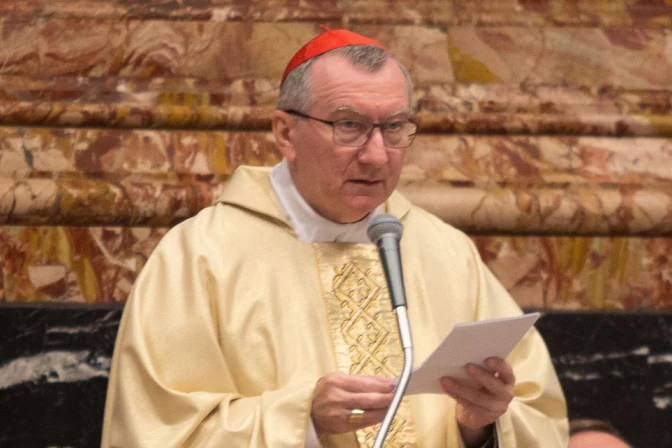
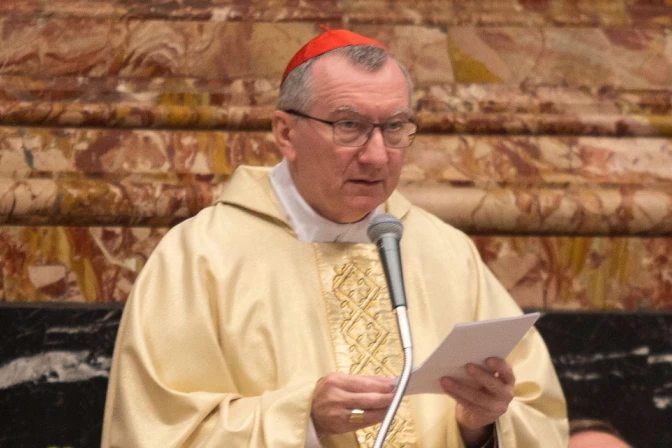
The Vatican Secretary of State said the pope’s appeals for peace need concrete support.

Read More
What to expect at the New York Encounter, ‘Where Everything Is Waiting for You’ #Catholic The annual three-day cultural event hosted by Communion and Liberation, a movement within the Church founded by Father Luigi Giussani, begins this Friday evening with a video message from Cardinal Pierbattista Pizzaballa.This year’s New York Encounter will center on the theme “Where Everything Is Waiting for You,” focusing on “the reemerging human desire for authentic belonging amid global isolation, emphasizing how freedom, truth, forgiveness, and dignity foster certainty and openness in true community.”The event is set to take place Feb. 13–15 at the Metropolitan Pavilion in New York City’s Chelsea neighborhood. Several of the presentations will be livestreamed, but for those who wish to attend in person, the event is free and open to all.Holly Peterson, one of the event’s moderators, told “EWTN News Nightly” on Feb. 10 that amid life’s challenges and “the angst of the world we live in,” the New York Encounter is “a place to go where everything is waiting for you.”“We’ll have amazing speakers who will be able to address some of the challenges that we have today, whether it be social media or AI or whatnot,” she said. “But it’s a place where everyone is welcome.”Peterson said the Latin patriarch of Jerusalem has recorded a “phenomenal” video that will be aired at the event. She further highlighted several panels and discussions set to take place at the event, including one on just war theory and another featuring Bishop Earl Fernandes of Columbus, Ohio, who will be interviewing two Ukrainian bishops about the situation on the ground in Ukraine.Dialogue and reflection will focus on urgent questions shaping common life, according to the event’s website. The Encounter plans to bring together leading voices from culture, academia, faith, and the arts to explore how human flourishing is possible in today’s world.Peterson said she hopes participants will leave the event with “curiosity” and motivated to ask “deep questions and not necessarily find answers, but to be able to address some of the topics that are discussed with friends and family.”“There’ll be thousands of people there, but it’s all free and everyone will be welcome,” she said.

What to expect at the New York Encounter, ‘Where Everything Is Waiting for You’ #Catholic The annual three-day cultural event hosted by Communion and Liberation, a movement within the Church founded by Father Luigi Giussani, begins this Friday evening with a video message from Cardinal Pierbattista Pizzaballa.This year’s New York Encounter will center on the theme “Where Everything Is Waiting for You,” focusing on “the reemerging human desire for authentic belonging amid global isolation, emphasizing how freedom, truth, forgiveness, and dignity foster certainty and openness in true community.”The event is set to take place Feb. 13–15 at the Metropolitan Pavilion in New York City’s Chelsea neighborhood. Several of the presentations will be livestreamed, but for those who wish to attend in person, the event is free and open to all.Holly Peterson, one of the event’s moderators, told “EWTN News Nightly” on Feb. 10 that amid life’s challenges and “the angst of the world we live in,” the New York Encounter is “a place to go where everything is waiting for you.”“We’ll have amazing speakers who will be able to address some of the challenges that we have today, whether it be social media or AI or whatnot,” she said. “But it’s a place where everyone is welcome.”Peterson said the Latin patriarch of Jerusalem has recorded a “phenomenal” video that will be aired at the event. She further highlighted several panels and discussions set to take place at the event, including one on just war theory and another featuring Bishop Earl Fernandes of Columbus, Ohio, who will be interviewing two Ukrainian bishops about the situation on the ground in Ukraine.Dialogue and reflection will focus on urgent questions shaping common life, according to the event’s website. The Encounter plans to bring together leading voices from culture, academia, faith, and the arts to explore how human flourishing is possible in today’s world.Peterson said she hopes participants will leave the event with “curiosity” and motivated to ask “deep questions and not necessarily find answers, but to be able to address some of the topics that are discussed with friends and family.”“There’ll be thousands of people there, but it’s all free and everyone will be welcome,” she said.

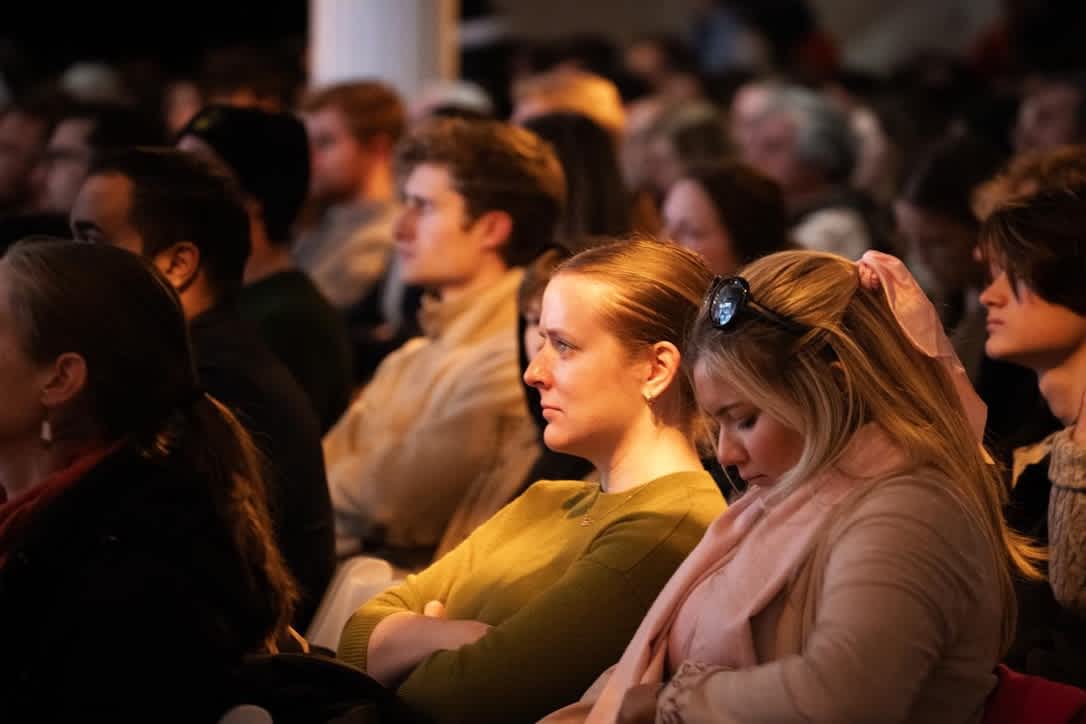
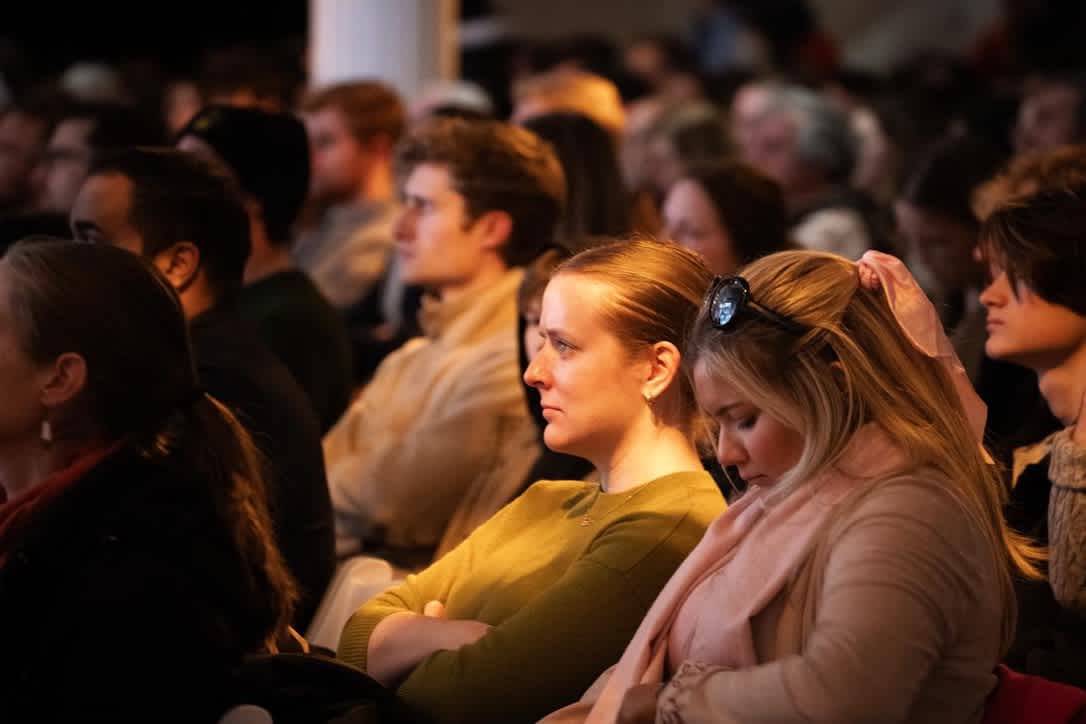
Communion and Liberation’s annual cultural event, the New York Encounter, will begin Friday in the heart of New York City.

Read More