
Day: January 8, 2026

Under thy patronage, dear Mother, and calling on the mystery of thine Immaculate Conception, I desire to pursue my studies and my literary labors: I hereby solemnly declare that I am giving myself to these studies chiefly to the following end: that I may the better contribute to the glory of God and to the promotion of thy veneration among men. I pray thee, therefore, most loving Mother, who art the Seat of Wisdom, to bless my labors in thy loving-kindness. Moreover I promise with true …

Read More
After Maduro’s capture, there’s hope for Venezuela, Nicaragua, and Cuba, leader says - #Catholic - 
 
 Artist’s sketch of Nicolás Maduro and Cilia Flores at the New York courthouse where they appeared Jan. 5, 2025. Photos and videos are prohibited, hence this illustration, but journalists are allowed to be present. | Credit: CNN

Jan 8, 2026 / 18:10 pm (CNA).
Arturo McFields, former Nicaraguan ambassador to the Organization of American States (OAS), stated that, following the capture of Nicolás Maduro, “winds of hope are blowing” for Venezuela, Nicaragua, and Cuba.“At this moment, it’s impossible not to share the joy of the Venezuelan people, the hope for a new day, although it’s complex because democracy is not easy, but hope has strongly resurged among Venezuelans, Nicaraguans, and Cubans, the hope that no dictatorship is eternal, and today that hope is more alive than ever,” the exiled former diplomat told ACI Prensa, CNA’s Spanish-language news partner, on Jan. 6.“We are seeing right now, in real time, how the powerful figures who thought they were gods or demigods are now brought to their knees and dressed in prison uniforms,” McFields said in reference to Maduro’s appearance this week in New York, where he pleaded not guilty.Maduro has been accused of narcoterrorism conspiracy, conspiracy to import cocaine, possession of machine guns and destructive devices, and conspiracy to possess machine guns and destructive devices against the United States.After stating that the most important thing for a people is their faith in God, the former ambassador emphasized that “all these earthly gods, these Baals, are transient, and we are seeing this in real time. That is a very important message, a very important message of hope for the people of Nicaragua as well, because we know that one day we will see justice, not only divine justice, but in some way even earthly justice.”Dictatorships are not eternal“A very important message to consider is that dictatorships are not eternal: We have the dictatorship of the socialist bloc, which lasted more than 70 years. Then we have Syria, more than 50 years. Then we have the dictatorship of Evo Morales [in Bolivia] and the socialist movement, more than 20 years. And each and every one of them eventually fell, and now we are seeing the collapse in Venezuela of more than 26 years of 21st-century socialism, Chavismo, and Maduroism,” McFields continued.The former ambassador was referring to the socialist political and economic policies of former presidents Hugo Chávez and his successor Maduro. Great empires like the Roman one, McFields pointed out, “or great dictatorships, fall, and some are more complex, like the socialist dictatorship or the dictatorship in Syria, or the Roman Empire itself, which fell. So, if all those great regimes fell, how could a simpler and less sophisticated regime like Nicaragua’s not fall?”International law must change to confront ‘criminal dictatorships’“Under international law, it’s not legal to invade a country, nor is what Maduro was doing legal,” Nicaraguan researcher Martha Patricia Molina, author of the report “Nicaragua: A Persecuted Church,” told ACI Prensa. Her latest report documented that more than 16,500 religious processions were banned by the dictatorship and nearly 1,000 attacks were carried out against Catholics.“The domestic law of several countries establishes that when someone needs help because they are in imminent danger, you can enter a house without authorization to save the person who needs help. In international law, it’s not like that,” the author continued, addressing those who criticize the Jan. 3 U.S. military intervention during which Maduro was captured in Caracas.“I believe that international laws are not suited to the criminal dictatorships of Venezuela, Cuba, and Nicaragua but rather to countries that respect the rule of law. Current international laws must change and adapt to reality to allow this type of intervention against perpetrators of crimes against humanity,” she emphasized.In her opinion, an intervention in Nicaragua, like the one the United States carried out in Venezuela, would not happen because “we are not a country of interest to the international community.”Tyrants feign courage but live in fear“The one who is most afraid is the most powerful. Tyrants feign courage and present themselves as high and mighty and aggressive, but they live constantly threatened by fear and turn others, even those in their own inner circle, into rivals or enemies to be eliminated. And they don’t hesitate to do so when they see their power threatened,” said Silvio Báez, the exiled auxiliary bishop of Managua, Nicaragua, in his Sunday, Jan. 4, homily for the Mass for the Epiphany of the Lord.Speaking about the capture of Maduro, but without mentioning him by name, the bishop emphasized that “this is the world of the powerful and of tyrants. [King] Herod and his court personify the dark world of power, where everything is justified and anything goes: calculation, cynicism, lies, cruelty, contempt for life. However, and you will agree with me, ancient history, let’s think of Herod, and recent history, let’s think about what happened yesterday, teaches us that all tyrants pass away, all of them, and end up condemned by God and by history.”Regarding the Three Wise Men who came to adore the newborn baby Jesus, the Nicaraguan prelate said this act of adoration “transforms us and gives us strength, because only God is to be worshipped; it gives us the strength never to kneel down or be subservient to any idol or power of this world.”This story was first published by ACI Prensa, CNA’s Spanish-language news partner. It has been translated and adapted by CNA.

After Maduro’s capture, there’s hope for Venezuela, Nicaragua, and Cuba, leader says – #Catholic – Artist’s sketch of Nicolás Maduro and Cilia Flores at the New York courthouse where they appeared Jan. 5, 2025. Photos and videos are prohibited, hence this illustration, but journalists are allowed to be present. | Credit: CNN Jan 8, 2026 / 18:10 pm (CNA). Arturo McFields, former Nicaraguan ambassador to the Organization of American States (OAS), stated that, following the capture of Nicolás Maduro, “winds of hope are blowing” for Venezuela, Nicaragua, and Cuba.“At this moment, it’s impossible not to share the joy of the Venezuelan people, the hope for a new day, although it’s complex because democracy is not easy, but hope has strongly resurged among Venezuelans, Nicaraguans, and Cubans, the hope that no dictatorship is eternal, and today that hope is more alive than ever,” the exiled former diplomat told ACI Prensa, CNA’s Spanish-language news partner, on Jan. 6.“We are seeing right now, in real time, how the powerful figures who thought they were gods or demigods are now brought to their knees and dressed in prison uniforms,” McFields said in reference to Maduro’s appearance this week in New York, where he pleaded not guilty.Maduro has been accused of narcoterrorism conspiracy, conspiracy to import cocaine, possession of machine guns and destructive devices, and conspiracy to possess machine guns and destructive devices against the United States.After stating that the most important thing for a people is their faith in God, the former ambassador emphasized that “all these earthly gods, these Baals, are transient, and we are seeing this in real time. That is a very important message, a very important message of hope for the people of Nicaragua as well, because we know that one day we will see justice, not only divine justice, but in some way even earthly justice.”Dictatorships are not eternal“A very important message to consider is that dictatorships are not eternal: We have the dictatorship of the socialist bloc, which lasted more than 70 years. Then we have Syria, more than 50 years. Then we have the dictatorship of Evo Morales [in Bolivia] and the socialist movement, more than 20 years. And each and every one of them eventually fell, and now we are seeing the collapse in Venezuela of more than 26 years of 21st-century socialism, Chavismo, and Maduroism,” McFields continued.The former ambassador was referring to the socialist political and economic policies of former presidents Hugo Chávez and his successor Maduro. Great empires like the Roman one, McFields pointed out, “or great dictatorships, fall, and some are more complex, like the socialist dictatorship or the dictatorship in Syria, or the Roman Empire itself, which fell. So, if all those great regimes fell, how could a simpler and less sophisticated regime like Nicaragua’s not fall?”International law must change to confront ‘criminal dictatorships’“Under international law, it’s not legal to invade a country, nor is what Maduro was doing legal,” Nicaraguan researcher Martha Patricia Molina, author of the report “Nicaragua: A Persecuted Church,” told ACI Prensa. Her latest report documented that more than 16,500 religious processions were banned by the dictatorship and nearly 1,000 attacks were carried out against Catholics.“The domestic law of several countries establishes that when someone needs help because they are in imminent danger, you can enter a house without authorization to save the person who needs help. In international law, it’s not like that,” the author continued, addressing those who criticize the Jan. 3 U.S. military intervention during which Maduro was captured in Caracas.“I believe that international laws are not suited to the criminal dictatorships of Venezuela, Cuba, and Nicaragua but rather to countries that respect the rule of law. Current international laws must change and adapt to reality to allow this type of intervention against perpetrators of crimes against humanity,” she emphasized.In her opinion, an intervention in Nicaragua, like the one the United States carried out in Venezuela, would not happen because “we are not a country of interest to the international community.”Tyrants feign courage but live in fear“The one who is most afraid is the most powerful. Tyrants feign courage and present themselves as high and mighty and aggressive, but they live constantly threatened by fear and turn others, even those in their own inner circle, into rivals or enemies to be eliminated. And they don’t hesitate to do so when they see their power threatened,” said Silvio Báez, the exiled auxiliary bishop of Managua, Nicaragua, in his Sunday, Jan. 4, homily for the Mass for the Epiphany of the Lord.Speaking about the capture of Maduro, but without mentioning him by name, the bishop emphasized that “this is the world of the powerful and of tyrants. [King] Herod and his court personify the dark world of power, where everything is justified and anything goes: calculation, cynicism, lies, cruelty, contempt for life. However, and you will agree with me, ancient history, let’s think of Herod, and recent history, let’s think about what happened yesterday, teaches us that all tyrants pass away, all of them, and end up condemned by God and by history.”Regarding the Three Wise Men who came to adore the newborn baby Jesus, the Nicaraguan prelate said this act of adoration “transforms us and gives us strength, because only God is to be worshipped; it gives us the strength never to kneel down or be subservient to any idol or power of this world.”This story was first published by ACI Prensa, CNA’s Spanish-language news partner. It has been translated and adapted by CNA.


Artist’s sketch of Nicolás Maduro and Cilia Flores at the New York courthouse where they appeared Jan. 5, 2025. Photos and videos are prohibited, hence this illustration, but journalists are allowed to be present. | Credit: CNN

Jan 8, 2026 / 18:10 pm (CNA).

Arturo McFields, former Nicaraguan ambassador to the Organization of American States (OAS), stated that, following the capture of Nicolás Maduro, “winds of hope are blowing” for Venezuela, Nicaragua, and Cuba.

“At this moment, it’s impossible not to share the joy of the Venezuelan people, the hope for a new day, although it’s complex because democracy is not easy, but hope has strongly resurged among Venezuelans, Nicaraguans, and Cubans, the hope that no dictatorship is eternal, and today that hope is more alive than ever,” the exiled former diplomat told ACI Prensa, CNA’s Spanish-language news partner, on Jan. 6.

“We are seeing right now, in real time, how the powerful figures who thought they were gods or demigods are now brought to their knees and dressed in prison uniforms,” McFields said in reference to Maduro’s appearance this week in New York, where he pleaded not guilty.

Maduro has been accused of narcoterrorism conspiracy, conspiracy to import cocaine, possession of machine guns and destructive devices, and conspiracy to possess machine guns and destructive devices against the United States.

After stating that the most important thing for a people is their faith in God, the former ambassador emphasized that “all these earthly gods, these Baals, are transient, and we are seeing this in real time. That is a very important message, a very important message of hope for the people of Nicaragua as well, because we know that one day we will see justice, not only divine justice, but in some way even earthly justice.”

Dictatorships are not eternal

“A very important message to consider is that dictatorships are not eternal: We have the dictatorship of the socialist bloc, which lasted more than 70 years. Then we have Syria, more than 50 years. Then we have the dictatorship of Evo Morales [in Bolivia] and the socialist movement, more than 20 years. And each and every one of them eventually fell, and now we are seeing the collapse in Venezuela of more than 26 years of 21st-century socialism, Chavismo, and Maduroism,” McFields continued.

The former ambassador was referring to the socialist political and economic policies of former presidents Hugo Chávez and his successor Maduro.

Great empires like the Roman one, McFields pointed out, “or great dictatorships, fall, and some are more complex, like the socialist dictatorship or the dictatorship in Syria, or the Roman Empire itself, which fell. So, if all those great regimes fell, how could a simpler and less sophisticated regime like Nicaragua’s not fall?”

International law must change to confront ‘criminal dictatorships’

“Under international law, it’s not legal to invade a country, nor is what Maduro was doing legal,” Nicaraguan researcher Martha Patricia Molina, author of the report “Nicaragua: A Persecuted Church,” told ACI Prensa. Her latest report documented that more than 16,500 religious processions were banned by the dictatorship and nearly 1,000 attacks were carried out against Catholics.

“The domestic law of several countries establishes that when someone needs help because they are in imminent danger, you can enter a house without authorization to save the person who needs help. In international law, it’s not like that,” the author continued, addressing those who criticize the Jan. 3 U.S. military intervention during which Maduro was captured in Caracas.

“I believe that international laws are not suited to the criminal dictatorships of Venezuela, Cuba, and Nicaragua but rather to countries that respect the rule of law. Current international laws must change and adapt to reality to allow this type of intervention against perpetrators of crimes against humanity,” she emphasized.

In her opinion, an intervention in Nicaragua, like the one the United States carried out in Venezuela, would not happen because “we are not a country of interest to the international community.”

Tyrants feign courage but live in fear

“The one who is most afraid is the most powerful. Tyrants feign courage and present themselves as high and mighty and aggressive, but they live constantly threatened by fear and turn others, even those in their own inner circle, into rivals or enemies to be eliminated. And they don’t hesitate to do so when they see their power threatened,” said Silvio Báez, the exiled auxiliary bishop of Managua, Nicaragua, in his Sunday, Jan. 4, homily for the Mass for the Epiphany of the Lord.

Speaking about the capture of Maduro, but without mentioning him by name, the bishop emphasized that “this is the world of the powerful and of tyrants. [King] Herod and his court personify the dark world of power, where everything is justified and anything goes: calculation, cynicism, lies, cruelty, contempt for life. However, and you will agree with me, ancient history, let’s think of Herod, and recent history, let’s think about what happened yesterday, teaches us that all tyrants pass away, all of them, and end up condemned by God and by history.”

Regarding the Three Wise Men who came to adore the newborn baby Jesus, the Nicaraguan prelate said this act of adoration “transforms us and gives us strength, because only God is to be worshipped; it gives us the strength never to kneel down or be subservient to any idol or power of this world.”

This story was first published by ACI Prensa, CNA’s Spanish-language news partner. It has been translated and adapted by CNA.

Read More

Gospel and Word of the Day – 09 January 2026 – A reading from the Letter of John 1 John 5:5-13 Beloved: Who indeed is the victor over the world but the one who believes that Jesus is the Son of God? This is the one who came through water and Blood, Jesus Christ, not by water alone, but by water and Blood. The Spirit is the one who testifies, and the Spirit is truth. So there are three who testify, the Spirit, the water, and the Blood, and the three are of one accord. If we accept human testimony, the testimony of God is surely greater. Now the testimony of God is this, that he has testified on behalf of his Son. Whoever believes in the Son of God has this testimony within himself. Whoever does not believe God has made him a liar by not believing the testimony God has given about his Son. And this is the testimony: God gave us eternal life, and this life is in his Son. Whoever possesses the Son has life; whoever does not possess the Son of God does not have life. I write these things to you so that you may know that you have eternal life, you who believe in the name of the Son of God.From the Gospel according to Luke 5:12-16 It happened that there was a man full of leprosy in one of the towns where Jesus was; and when he saw Jesus, he fell prostrate, pleaded with him, and said, “Lord, if you wish, you can make me clean.” Jesus stretched out his hand, touched him, and said, “I do will it. Be made clean.” And the leprosy left him immediately. Then he ordered him not to tell anyone, but “Go, show yourself to the priest and offer for your cleansing what Moses prescribed; that will be proof for them.” The report about him spread all the more, and great crowds assembled to listen to him and to be cured of their ailments, but he would withdraw to deserted places to pray.After healing the leper, Jesus commands him not to speak of this to anyone, but tells him: “go and show yourself to the priest, and make an offering for your cleansing, as Moses commanded, for a proof to the people” (Lk 5:14). This disposition of Jesus demonstrates at least three things. First: the grace that acts in us does not seek sensationalism. Usually it is moved with discretion and without clamour. To treat our wounds and guide us on the path of holiness it works by patiently modelling our heart on the Heart of the Lord, so as to increasingly assume his thoughts and feelings. Second: by making the priest officially verify the healing and by celebrating an expiatory sacrifice, the leper is readmitted to the community of believers and to social life. His reintegration completes the healing. As he himself had supplicated, now he is completely made clean. Lastly, by presenting himself to the priests, the leper bears witness to them regarding Jesus and his messianic authority. The power of compassion with which Jesus healed the leper led this man’s faith to open itself to the mission. He was excluded, now he is one of us. Let us consider ourselves, our miseries…. Each has his own. Let us think sincerely. How often we cover them with the hypocrisy of “good manners”. And precisely then it is necessary to be alone, to kneel before God and pray: “Lord, if you will, you can make me clean!”. Do it, do it before going to bed, every evening. (Pope Francis, General Audience, 22 June 2016)

A reading from the Letter of John
1 John 5:5-13

Beloved:
Who indeed is the victor over the world
but the one who believes that Jesus is the Son of God?

This is the one who came through water and Blood, Jesus Christ,
not by water alone, but by water and Blood.
The Spirit is the one who testifies,
and the Spirit is truth.
So there are three who testify,
the Spirit, the water, and the Blood,
and the three are of one accord.
If we accept human testimony,
the testimony of God is surely greater.
Now the testimony of God is this,
that he has testified on behalf of his Son.
Whoever believes in the Son of God
has this testimony within himself.
Whoever does not believe God has made him a liar
by not believing the testimony God has given about his Son.
And this is the testimony:
God gave us eternal life,
and this life is in his Son.
Whoever possesses the Son has life;
whoever does not possess the Son of God does not have life.

I write these things to you so that you may know
that you have eternal life,
you who believe in the name of the Son of God.

From the Gospel according to Luke
5:12-16

It happened that there was a man full of leprosy in one of the towns where Jesus was;
and when he saw Jesus,
he fell prostrate, pleaded with him, and said,
“Lord, if you wish, you can make me clean.”
Jesus stretched out his hand, touched him, and said,
“I do will it. Be made clean.”
And the leprosy left him immediately.
Then he ordered him not to tell anyone, but
“Go, show yourself to the priest and offer for your cleansing
what Moses prescribed; that will be proof for them.”
The report about him spread all the more,
and great crowds assembled to listen to him
and to be cured of their ailments,
but he would withdraw to deserted places to pray.

After healing the leper, Jesus commands him not to speak of this to anyone, but tells him: “go and show yourself to the priest, and make an offering for your cleansing, as Moses commanded, for a proof to the people” (Lk 5:14). This disposition of Jesus demonstrates at least three things. First: the grace that acts in us does not seek sensationalism. Usually it is moved with discretion and without clamour. To treat our wounds and guide us on the path of holiness it works by patiently modelling our heart on the Heart of the Lord, so as to increasingly assume his thoughts and feelings. Second: by making the priest officially verify the healing and by celebrating an expiatory sacrifice, the leper is readmitted to the community of believers and to social life. His reintegration completes the healing. As he himself had supplicated, now he is completely made clean. Lastly, by presenting himself to the priests, the leper bears witness to them regarding Jesus and his messianic authority. The power of compassion with which Jesus healed the leper led this man’s faith to open itself to the mission. He was excluded, now he is one of us.

Let us consider ourselves, our miseries…. Each has his own. Let us think sincerely. How often we cover them with the hypocrisy of “good manners”. And precisely then it is necessary to be alone, to kneel before God and pray: “Lord, if you will, you can make me clean!”. Do it, do it before going to bed, every evening. (Pope Francis, General Audience, 22 June 2016)

Read More
‘Pray with the Pope’: Leo XIV proposes monthly prayer for the challenges of the world – #Catholic – 
 
 Official image of the “Pray with the Pope” campaign for January 2026. | Credit: World Prayer Network

Jan 8, 2026 / 17:40 pm (CNA).
The Vatican’s Dicastery for Communication has launched a new prayer campaign in which Pope Leo XIV invites Catholics to pray with him for the great challenges facing the world.The “Pray with the Pope” initiative is part of the Pope’s Worldwide Prayer Network, which, during the pontificate of Pope Francis, launched the project known as “The Pope’s Video,” through which the faithful were invited each month to unite in prayer for a specific intention.Continuing this mission, the new campaign not only invites people to pray but also offers a specific prayer from Leo XIV, who will present his monthly intention from a renewed perspective, encouraging an intimate and serene experience with Christ.Transforming life from withinAccording to Jesuit Father Cristobal Fones, international director of the Pope’s Worldwide Prayer Network, who presented the initiative Jan. 7 in Rome alongside Paolo Ruffini, prefect of the Dicastery for Communication, the initiative proposes “a shared inner experience that aspires to transform life from within.”The focus of this new phase, as the Jesuit priest explained, “will be more centered on supporting a spiritual experience, which often becomes difficult amidst our busy and noise-filled daily lives.”“The pope is very aware of this and wants to help us, inviting us to pray together for others,” he added. The “update” of the initiative, according to Fones, stems “from the profound need we have to slow down in order to achieve greater depth in our decisions and relationships.”With a simple and accessible format, “Pray with the Pope” aims to allow anyone, wherever they are, to join in the Holy Father’s prayer intention, which this year 2026 begins with the invitation to “learn to pray with the most definitive Word, which is not our own, so full of empty promises, but Jesus Christ.”In this month’s video, Pope Leo XIV is seen silently reading a passage from the Bible in the presence of the Lord, and then he recites a short prayer:“Lord Jesus, living word of the Father, in you we find the light that guides our steps.“We know that the human heart lives restless, hungry for meaning, and only your Gospel can give it peace and fullness.“Teach us to listen to you each day in the Scriptures, to let ourselves be challenged by your voice, and to discern our decisions from the closeness to your heart.“May your word be nourishment in weariness, hope in darkness, and strength in our communities.“Lord, may your word never be absent from our lips or from our hearts — the word that makes us sons and daughters, brothers and sisters, disciples and missionaries of your kingdom.“Make us a Church that prays with the word, that builds upon it and shares it with joy, so that in every person the hope of a new world may be born again.“May our faith grow in the encounter with you through your word, moving us from the heart to reach out to others, to serve the most vulnerable, to forgive, build bridges, and proclaim life. Amen.”Countering the globalization of indifferenceFor Fones, this January’s intention will be the basis for the rest of the year’s intentions, which will include children with incurable diseases, the end of war, priests in crisis, respect for human life, and families experiencing the absence of a mother or father, among others.The priest explained that the initiative also seeks to “highlight important and crucial issues for everyone, opening our hearts to urgent realities and transforming our environment to counteract the globalization of indifference.”The campaign can be followed on the pope’s prayer website in several languages, and will also be available in audio format through Vatican Radio and partner platforms such as Pray as You Go, RezandoVoy, and Hallow. The Pope’s Worldwide Prayer Network is currently present in more than 90 countries and reaches over 22 million people.This story was first published by ACI Prensa, CNA’s Spanish-language news partner. It has been translated and adapted by CNA.

‘Pray with the Pope’: Leo XIV proposes monthly prayer for the challenges of the world – #Catholic – Official image of the “Pray with the Pope” campaign for January 2026. | Credit: World Prayer Network Jan 8, 2026 / 17:40 pm (CNA). The Vatican’s Dicastery for Communication has launched a new prayer campaign in which Pope Leo XIV invites Catholics to pray with him for the great challenges facing the world.The “Pray with the Pope” initiative is part of the Pope’s Worldwide Prayer Network, which, during the pontificate of Pope Francis, launched the project known as “The Pope’s Video,” through which the faithful were invited each month to unite in prayer for a specific intention.Continuing this mission, the new campaign not only invites people to pray but also offers a specific prayer from Leo XIV, who will present his monthly intention from a renewed perspective, encouraging an intimate and serene experience with Christ.Transforming life from withinAccording to Jesuit Father Cristobal Fones, international director of the Pope’s Worldwide Prayer Network, who presented the initiative Jan. 7 in Rome alongside Paolo Ruffini, prefect of the Dicastery for Communication, the initiative proposes “a shared inner experience that aspires to transform life from within.”The focus of this new phase, as the Jesuit priest explained, “will be more centered on supporting a spiritual experience, which often becomes difficult amidst our busy and noise-filled daily lives.”“The pope is very aware of this and wants to help us, inviting us to pray together for others,” he added. The “update” of the initiative, according to Fones, stems “from the profound need we have to slow down in order to achieve greater depth in our decisions and relationships.”With a simple and accessible format, “Pray with the Pope” aims to allow anyone, wherever they are, to join in the Holy Father’s prayer intention, which this year 2026 begins with the invitation to “learn to pray with the most definitive Word, which is not our own, so full of empty promises, but Jesus Christ.”In this month’s video, Pope Leo XIV is seen silently reading a passage from the Bible in the presence of the Lord, and then he recites a short prayer:“Lord Jesus, living word of the Father, in you we find the light that guides our steps.“We know that the human heart lives restless, hungry for meaning, and only your Gospel can give it peace and fullness.“Teach us to listen to you each day in the Scriptures, to let ourselves be challenged by your voice, and to discern our decisions from the closeness to your heart.“May your word be nourishment in weariness, hope in darkness, and strength in our communities.“Lord, may your word never be absent from our lips or from our hearts — the word that makes us sons and daughters, brothers and sisters, disciples and missionaries of your kingdom.“Make us a Church that prays with the word, that builds upon it and shares it with joy, so that in every person the hope of a new world may be born again.“May our faith grow in the encounter with you through your word, moving us from the heart to reach out to others, to serve the most vulnerable, to forgive, build bridges, and proclaim life. Amen.”Countering the globalization of indifferenceFor Fones, this January’s intention will be the basis for the rest of the year’s intentions, which will include children with incurable diseases, the end of war, priests in crisis, respect for human life, and families experiencing the absence of a mother or father, among others.The priest explained that the initiative also seeks to “highlight important and crucial issues for everyone, opening our hearts to urgent realities and transforming our environment to counteract the globalization of indifference.”The campaign can be followed on the pope’s prayer website in several languages, and will also be available in audio format through Vatican Radio and partner platforms such as Pray as You Go, RezandoVoy, and Hallow. The Pope’s Worldwide Prayer Network is currently present in more than 90 countries and reaches over 22 million people.This story was first published by ACI Prensa, CNA’s Spanish-language news partner. It has been translated and adapted by CNA.


Official image of the “Pray with the Pope” campaign for January 2026. | Credit: World Prayer Network

Jan 8, 2026 / 17:40 pm (CNA).

The Vatican’s Dicastery for Communication has launched a new prayer campaign in which Pope Leo XIV invites Catholics to pray with him for the great challenges facing the world.

The “Pray with the Pope” initiative is part of the Pope’s Worldwide Prayer Network, which, during the pontificate of Pope Francis, launched the project known as “The Pope’s Video,” through which the faithful were invited each month to unite in prayer for a specific intention.

Continuing this mission, the new campaign not only invites people to pray but also offers a specific prayer from Leo XIV, who will present his monthly intention from a renewed perspective, encouraging an intimate and serene experience with Christ.

Transforming life from within

According to Jesuit Father Cristobal Fones, international director of the Pope’s Worldwide Prayer Network, who presented the initiative Jan. 7 in Rome alongside Paolo Ruffini, prefect of the Dicastery for Communication, the initiative proposes “a shared inner experience that aspires to transform life from within.”

The focus of this new phase, as the Jesuit priest explained, “will be more centered on supporting a spiritual experience, which often becomes difficult amidst our busy and noise-filled daily lives.”

“The pope is very aware of this and wants to help us, inviting us to pray together for others,” he added. The “update” of the initiative, according to Fones, stems “from the profound need we have to slow down in order to achieve greater depth in our decisions and relationships.”

With a simple and accessible format, “Pray with the Pope” aims to allow anyone, wherever they are, to join in the Holy Father’s prayer intention, which this year 2026 begins with the invitation to “learn to pray with the most definitive Word, which is not our own, so full of empty promises, but Jesus Christ.”

In this month’s video, Pope Leo XIV is seen silently reading a passage from the Bible in the presence of the Lord, and then he recites a short prayer:

“Lord Jesus, living word of the Father, in you we find the light that guides our steps.

“We know that the human heart lives restless, hungry for meaning, and only your Gospel can give it peace and fullness.

“Teach us to listen to you each day in the Scriptures, to let ourselves be challenged by your voice, and to discern our decisions from the closeness to your heart.

“May your word be nourishment in weariness, hope in darkness, and strength in our communities.

“Lord, may your word never be absent from our lips or from our hearts — the word that makes us sons and daughters, brothers and sisters, disciples and missionaries of your kingdom.

“Make us a Church that prays with the word, that builds upon it and shares it with joy, so that in every person the hope of a new world may be born again.

“May our faith grow in the encounter with you through your word, moving us from the heart to reach out to others, to serve the most vulnerable, to forgive, build bridges, and proclaim life. Amen.”

Countering the globalization of indifference

For Fones, this January’s intention will be the basis for the rest of the year’s intentions, which will include children with incurable diseases, the end of war, priests in crisis, respect for human life, and families experiencing the absence of a mother or father, among others.

The priest explained that the initiative also seeks to “highlight important and crucial issues for everyone, opening our hearts to urgent realities and transforming our environment to counteract the globalization of indifference.”

The campaign can be followed on the pope’s prayer website in several languages, and will also be available in audio format through Vatican Radio and partner platforms such as Pray as You Go, RezandoVoy, and Hallow. The Pope’s Worldwide Prayer Network is currently present in more than 90 countries and reaches over 22 million people.

This story was first published by ACI Prensa, CNA’s Spanish-language news partner. It has been translated and adapted by CNA.

Read More
Pope Leo XIV to cardinals: ‘We gather not to promote personal or group agendas’ – #Catholic – 
 
 Pope Leo XIV arrives at St. Peter’s Basilica for a Mass with cardinals on Jan. 8, 2026. | Credit: Vatican Media

Jan 8, 2026 / 17:04 pm (CNA).
Pope Leo XIV on Thursday called on cardinals to experience the extraordinary consistory as a time of spiritual discernment in unity and warned against the temptation to put personal interests ahead of the common good.“We gather not to promote personal or group ‘agendas’ but to entrust our plans and inspirations to a discernment that transcends us — ‘as the heavens are higher than the earth’ — and which comes only from the Lord,” he said in  his homily for the Mass he celebrated Jan. 8 in St. Peter’s Basilica with the cardinals present in Rome for this important two-day ecclesial meeting convened to help him make decisions about the future of the Catholic Church.Leo XIV urged the cardinals to experience the Eucharist as the place where this discernment is purified and transformed, asking them to place all their “hopes and ideas upon the altar.”Truly listening to the voice of God“Only in this way will we truly know how to listen to his voice and to welcome it through the gift that we are to one another — which is the very reason we have gathered,” he added.The pope linked this vision to the spirituality of communion, recalling that Christian love is “Trinitarian” and “relational,” and quoted St. John Paul II, who defined it as “the heart’s contemplation of the mystery of the Trinity dwelling in us.”Pope Leo XIV during the consecration at the Mass for the consistory of cardinals on Jan. 8, 2026, at St. Peter’s Basilica at the Vatican. | Credit: Vatican MediaThis extraordinary consistory — different from the ordinary ones, which are more limited and frequent — was planned to take place immediately after the Jubilee of Hope to “offer support and advice to the Holy Father in the exercise of his high and arduous responsibility of governing the Church,” according to a statement from the Holy See.St. John Paul II convened six extraordinary consistories during his 26-year pontificate, while Pope Benedict XVI chose to hold consultative meetings with the cardinals on the eve of the ordinary consistories. In total, he held three such meetings during his pontificate.During the 12 years of his pontificate, Pope Francis held only one extraordinary consistory, on Feb. 20, 2014, which focused primarily on the family and marriage, ahead of the Synod on the Family held that same year.Pope Leo XIV celebrates Mass with cardinals at the consistory on Jan. 8, 2026. | Credit: Vatican MediaUnlike his predecessor, who preferred to consult with a smaller council, Leo XIV convened the entire College of Cardinals to assist him in governing the universal Church.Evangelization and synodalityThe cardinals are expected to offer the new pontiff their views on two specific topics: the Synod and synodality, and the mission of evangelization and the missionary character of the Church in light of Pope Francis’ apostolic exhortation Evangelii Gaudium. Initially, the meeting topics also included discussions on the liturgy and the apostolic constitution Praedicate Evangelium, but lack of time has limited the issues that will be addressed.The pontiff reflected on the very meaning of the consistory, recalling that the word “consistorium” in Latin refers to the idea of ​​“pausing.” “Indeed, all of us have ‘paused’ in order to be here. We have set aside our activities for a time, and even canceled important commitments, so as to discern together what the Lord is asking of us for the good of his people,” he emphasized.Not a group of experts, but a community of faithIn his homily, the Holy Father reminded those present that this gathering is not about a “mere group of experts” but “a community of faith. Only when the gifts that each person brings are offered to the Lord and returned by him, will they bear the greatest fruit according to his providence.”Cardinals arrive for the Mass during the consistory on Jan. 8, 2026, at St. Peter’s Basilica at the Vatican. | Credit: Vatican MediaThe pontiff also recalled the words of St. Leo the Great to emphasize the communal dimension of ecclesial service: “In this way,” he said, “‘the hungry are fed, the naked clothed, the sick visited, and no one seeks his or her own interests, but those of others.’”Referring to the challenges of today’s world, marked by profound inequalities and a widespread “hunger for goodness and peace,” the pope acknowledged the feeling of inadequacy in the face of the mission but encouraged them to face it together, trusting in providence.“We will be able to help one another — and in particular, to help the pope — to find the “five loaves and two fish” that providence “never fails to provide,” he affirmed.Leo XIV concluded his homily by offering the cardinals his “heartfelt thanks” for their service and reminding them that, even if they don’t always manage to find solutions to the problems they face.‘We may not always find immediate solutions to the problems we face’“We may not always be able to find immediate solutions to the problems we face. Yet in every place and circumstance, we will be able to help one another — and in particular, to help the pope,” he said, calling for collaboration.“Beloved brothers,” the pope noted, “what you offer to the Church through your service, at every level, is something profound and very personal, unique to each of you and precious to all.”According to what the director of the Holy See Press Office, Matteo Bruni, reported Jan. 7, of the 245 cardinals who currently make up the College of Cardinals, 170 are in Rome participating in the closed-door meetings that concluded Thursday.This story was first published by ACI Prensa, CNA’s Spanish-language news partner. It has been translated and adapted by CNA.

Pope Leo XIV to cardinals: ‘We gather not to promote personal or group agendas’ – #Catholic – Pope Leo XIV arrives at St. Peter’s Basilica for a Mass with cardinals on Jan. 8, 2026. | Credit: Vatican Media Jan 8, 2026 / 17:04 pm (CNA). Pope Leo XIV on Thursday called on cardinals to experience the extraordinary consistory as a time of spiritual discernment in unity and warned against the temptation to put personal interests ahead of the common good.“We gather not to promote personal or group ‘agendas’ but to entrust our plans and inspirations to a discernment that transcends us — ‘as the heavens are higher than the earth’ — and which comes only from the Lord,” he said in his homily for the Mass he celebrated Jan. 8 in St. Peter’s Basilica with the cardinals present in Rome for this important two-day ecclesial meeting convened to help him make decisions about the future of the Catholic Church.Leo XIV urged the cardinals to experience the Eucharist as the place where this discernment is purified and transformed, asking them to place all their “hopes and ideas upon the altar.”Truly listening to the voice of God“Only in this way will we truly know how to listen to his voice and to welcome it through the gift that we are to one another — which is the very reason we have gathered,” he added.The pope linked this vision to the spirituality of communion, recalling that Christian love is “Trinitarian” and “relational,” and quoted St. John Paul II, who defined it as “the heart’s contemplation of the mystery of the Trinity dwelling in us.”Pope Leo XIV during the consecration at the Mass for the consistory of cardinals on Jan. 8, 2026, at St. Peter’s Basilica at the Vatican. | Credit: Vatican MediaThis extraordinary consistory — different from the ordinary ones, which are more limited and frequent — was planned to take place immediately after the Jubilee of Hope to “offer support and advice to the Holy Father in the exercise of his high and arduous responsibility of governing the Church,” according to a statement from the Holy See.St. John Paul II convened six extraordinary consistories during his 26-year pontificate, while Pope Benedict XVI chose to hold consultative meetings with the cardinals on the eve of the ordinary consistories. In total, he held three such meetings during his pontificate.During the 12 years of his pontificate, Pope Francis held only one extraordinary consistory, on Feb. 20, 2014, which focused primarily on the family and marriage, ahead of the Synod on the Family held that same year.Pope Leo XIV celebrates Mass with cardinals at the consistory on Jan. 8, 2026. | Credit: Vatican MediaUnlike his predecessor, who preferred to consult with a smaller council, Leo XIV convened the entire College of Cardinals to assist him in governing the universal Church.Evangelization and synodalityThe cardinals are expected to offer the new pontiff their views on two specific topics: the Synod and synodality, and the mission of evangelization and the missionary character of the Church in light of Pope Francis’ apostolic exhortation Evangelii Gaudium. Initially, the meeting topics also included discussions on the liturgy and the apostolic constitution Praedicate Evangelium, but lack of time has limited the issues that will be addressed.The pontiff reflected on the very meaning of the consistory, recalling that the word “consistorium” in Latin refers to the idea of ​​“pausing.” “Indeed, all of us have ‘paused’ in order to be here. We have set aside our activities for a time, and even canceled important commitments, so as to discern together what the Lord is asking of us for the good of his people,” he emphasized.Not a group of experts, but a community of faithIn his homily, the Holy Father reminded those present that this gathering is not about a “mere group of experts” but “a community of faith. Only when the gifts that each person brings are offered to the Lord and returned by him, will they bear the greatest fruit according to his providence.”Cardinals arrive for the Mass during the consistory on Jan. 8, 2026, at St. Peter’s Basilica at the Vatican. | Credit: Vatican MediaThe pontiff also recalled the words of St. Leo the Great to emphasize the communal dimension of ecclesial service: “In this way,” he said, “‘the hungry are fed, the naked clothed, the sick visited, and no one seeks his or her own interests, but those of others.’”Referring to the challenges of today’s world, marked by profound inequalities and a widespread “hunger for goodness and peace,” the pope acknowledged the feeling of inadequacy in the face of the mission but encouraged them to face it together, trusting in providence.“We will be able to help one another — and in particular, to help the pope — to find the “five loaves and two fish” that providence “never fails to provide,” he affirmed.Leo XIV concluded his homily by offering the cardinals his “heartfelt thanks” for their service and reminding them that, even if they don’t always manage to find solutions to the problems they face.‘We may not always find immediate solutions to the problems we face’“We may not always be able to find immediate solutions to the problems we face. Yet in every place and circumstance, we will be able to help one another — and in particular, to help the pope,” he said, calling for collaboration.“Beloved brothers,” the pope noted, “what you offer to the Church through your service, at every level, is something profound and very personal, unique to each of you and precious to all.”According to what the director of the Holy See Press Office, Matteo Bruni, reported Jan. 7, of the 245 cardinals who currently make up the College of Cardinals, 170 are in Rome participating in the closed-door meetings that concluded Thursday.This story was first published by ACI Prensa, CNA’s Spanish-language news partner. It has been translated and adapted by CNA.


Pope Leo XIV arrives at St. Peter’s Basilica for a Mass with cardinals on Jan. 8, 2026. | Credit: Vatican Media

Jan 8, 2026 / 17:04 pm (CNA).

Pope Leo XIV on Thursday called on cardinals to experience the extraordinary consistory as a time of spiritual discernment in unity and warned against the temptation to put personal interests ahead of the common good.

“We gather not to promote personal or group ‘agendas’ but to entrust our plans and inspirations to a discernment that transcends us — ‘as the heavens are higher than the earth’ — and which comes only from the Lord,” he said in his homily for the Mass he celebrated Jan. 8 in St. Peter’s Basilica with the cardinals present in Rome for this important two-day ecclesial meeting convened to help him make decisions about the future of the Catholic Church.

Leo XIV urged the cardinals to experience the Eucharist as the place where this discernment is purified and transformed, asking them to place all their “hopes and ideas upon the altar.”

Truly listening to the voice of God

“Only in this way will we truly know how to listen to his voice and to welcome it through the gift that we are to one another — which is the very reason we have gathered,” he added.

The pope linked this vision to the spirituality of communion, recalling that Christian love is “Trinitarian” and “relational,” and quoted St. John Paul II, who defined it as “the heart’s contemplation of the mystery of the Trinity dwelling in us.”

Pope Leo XIV during the consecration at the Mass for the consistory of cardinals on Jan. 8, 2026, at St. Peter’s Basilica at the Vatican. | Credit: Vatican Media

This extraordinary consistory — different from the ordinary ones, which are more limited and frequent — was planned to take place immediately after the Jubilee of Hope to “offer support and advice to the Holy Father in the exercise of his high and arduous responsibility of governing the Church,” according to a statement from the Holy See.

St. John Paul II convened six extraordinary consistories during his 26-year pontificate, while Pope Benedict XVI chose to hold consultative meetings with the cardinals on the eve of the ordinary consistories. In total, he held three such meetings during his pontificate.

During the 12 years of his pontificate, Pope Francis held only one extraordinary consistory, on Feb. 20, 2014, which focused primarily on the family and marriage, ahead of the Synod on the Family held that same year.

Pope Leo XIV celebrates Mass with cardinals at the consistory on Jan. 8, 2026. | Credit: Vatican Media

Unlike his predecessor, who preferred to consult with a smaller council, Leo XIV convened the entire College of Cardinals to assist him in governing the universal Church.

Evangelization and synodality

The cardinals are expected to offer the new pontiff their views on two specific topics: the Synod and synodality, and the mission of evangelization and the missionary character of the Church in light of Pope Francis’ apostolic exhortation Evangelii Gaudium. Initially, the meeting topics also included discussions on the liturgy and the apostolic constitution Praedicate Evangelium, but lack of time has limited the issues that will be addressed.

The pontiff reflected on the very meaning of the consistory, recalling that the word “consistorium” in Latin refers to the idea of ​​“pausing.”

“Indeed, all of us have ‘paused’ in order to be here. We have set aside our activities for a time, and even canceled important commitments, so as to discern together what the Lord is asking of us for the good of his people,” he emphasized.

Not a group of experts, but a community of faith

In his homily, the Holy Father reminded those present that this gathering is not about a “mere group of experts” but “a community of faith. Only when the gifts that each person brings are offered to the Lord and returned by him, will they bear the greatest fruit according to his providence.”

Cardinals arrive for the Mass during the consistory on Jan. 8, 2026, at St. Peter’s Basilica at the Vatican. | Credit: Vatican Media

The pontiff also recalled the words of St. Leo the Great to emphasize the communal dimension of ecclesial service: “In this way,” he said, “‘the hungry are fed, the naked clothed, the sick visited, and no one seeks his or her own interests, but those of others.’”

Referring to the challenges of today’s world, marked by profound inequalities and a widespread “hunger for goodness and peace,” the pope acknowledged the feeling of inadequacy in the face of the mission but encouraged them to face it together, trusting in providence.

“We will be able to help one another — and in particular, to help the pope — to find the “five loaves and two fish” that providence “never fails to provide,” he affirmed.

Leo XIV concluded his homily by offering the cardinals his “heartfelt thanks” for their service and reminding them that, even if they don’t always manage to find solutions to the problems they face.

‘We may not always find immediate solutions to the problems we face’

“We may not always be able to find immediate solutions to the problems we face. Yet in every place and circumstance, we will be able to help one another — and in particular, to help the pope,” he said, calling for collaboration.

“Beloved brothers,” the pope noted, “what you offer to the Church through your service, at every level, is something profound and very personal, unique to each of you and precious to all.”

According to what the director of the Holy See Press Office, Matteo Bruni, reported Jan. 7, of the 245 cardinals who currently make up the College of Cardinals, 170 are in Rome participating in the closed-door meetings that concluded Thursday.

This story was first published by ACI Prensa, CNA’s Spanish-language news partner. It has been translated and adapted by CNA.

Read More

You’ll find this terrific open cluster midway between 5th-magnitude Sigma Cassiopeiae and 6th-magnitude Rho Cas. This group glows at magnitude 6.7, so even through a 4-inch telescope, you’ll see 50 stars evenly spread across this rich cluster’s face. An 8-inch telescope shows more than a hundred members and the number just keeps increasing with aperture.Continue reading “Michael’s Miscellany: Observe Herschel’s Spiral Cluster”

The post Michael’s Miscellany: Observe Herschel’s Spiral Cluster appeared first on Astronomy Magazine.

Read More
Beyond The Beacon Episode 103: A shepherd’s approach to a new year with Bishop Kevin Sweeney #Catholic – 
For this special episode, Bishop Kevin Sweeney looks back on the year and offers his perspective on the Universal and local Catholic Church for 2026. Joining him are Communications Director Jai Agnish and Digital Media Specialist Cecile Pagliarulo. We reflect on some of the biggest stories, social media posts, Beacon articles, and podcast episodes that resonated with our audience. Bishop Sweeney takes a few questions and discusses some of the noteworthy happenings planned for 2026.
Listen to the episode here, or on any major podcast platform, or watch it on Bishop Sweeney’s YouTube channel.

Click here to subscribe to our weekly newsletter.

Beyond The Beacon Episode 103: A shepherd’s approach to a new year with Bishop Kevin Sweeney #Catholic –

For this special episode, Bishop Kevin Sweeney looks back on the year and offers his perspective on the Universal and local Catholic Church for 2026. Joining him are Communications Director Jai Agnish and Digital Media Specialist Cecile Pagliarulo. We reflect on some of the biggest stories, social media posts, Beacon articles, and podcast episodes that resonated with our audience. Bishop Sweeney takes a few questions and discusses some of the noteworthy happenings planned for 2026.

Listen to the episode here, or on any major podcast platform, or watch it on Bishop Sweeney’s YouTube channel.


Click here to subscribe to our weekly newsletter.

For this special episode, Bishop Kevin Sweeney looks back on the year and offers his perspective on the Universal and local Catholic Church for 2026. Joining him are Communications Director Jai Agnish and Digital Media Specialist Cecile Pagliarulo. We reflect on some of the biggest stories, social media posts, Beacon articles, and podcast episodes that resonated with our audience. Bishop Sweeney takes a few questions and discusses some of the noteworthy happenings planned for 2026. Listen to the episode here, or on any major podcast platform, or watch it on Bishop Sweeney’s YouTube channel. Click here to subscribe to our

Read More
Knights’ visit brightens holidays for Calabrese House residents #Catholic – Members of the Knights of Columbus Bishop McLaughlin Council 3495 of Morris Plains, N.J., spread Christmas cheer during a recent visit to the Calabrese House in Parsippany, N.J., a group home for people with intellectual and developmental disabilities operated by the Department for Persons with Disabilities (DPD). DPD is part of Catholic Charities of the Paterson Diocese in New Jersey.
The knights brought gifts and food and shared them with the clients and staff of Calabrese House. Among those who accompanied the knights were Father Lukasz Wunk, administrator of St. Virgil’s Parish, also in Morris Plains, and family members of the late Dominick Calabrese, a past state deputy for the knights and the facility’s namesake: Mike, his son, and Terry, his widow.

Click here to subscribe to our weekly newsletter.


Knights’ visit brightens holidays for Calabrese House residents #Catholic –

Members of the Knights of Columbus Bishop McLaughlin Council 3495 of Morris Plains, N.J., spread Christmas cheer during a recent visit to the Calabrese House in Parsippany, N.J., a group home for people with intellectual and developmental disabilities operated by the Department for Persons with Disabilities (DPD). DPD is part of Catholic Charities of the Paterson Diocese in New Jersey.

The knights brought gifts and food and shared them with the clients and staff of Calabrese House. Among those who accompanied the knights were Father Lukasz Wunk, administrator of St. Virgil’s Parish, also in Morris Plains, and family members of the late Dominick Calabrese, a past state deputy for the knights and the facility’s namesake: Mike, his son, and Terry, his widow.


Click here to subscribe to our weekly newsletter.


Members of the Knights of Columbus Bishop McLaughlin Council 3495 of Morris Plains, N.J., spread Christmas cheer during a recent visit to the Calabrese House in Parsippany, N.J., a group home for people with intellectual and developmental disabilities operated by the Department for Persons with Disabilities (DPD). DPD is part of Catholic Charities of the Paterson Diocese in New Jersey. The knights brought gifts and food and shared them with the clients and staff of Calabrese House. Among those who accompanied the knights were Father Lukasz Wunk, administrator of St. Virgil’s Parish, also in Morris Plains, and family members of

Read More
New Madison evangelization center head pledges to advance mission #Catholic – John Cammarata wants to make it his mission as the new executive director of St. Paul Inside the Walls at Bayley-Ellard in Madison, N.J., to promote even more widely the Catholic evangelization center’s already dynamic mission: to invite all people to explore a life of faith and inspire them to live that life as missionary disciples of Christ.
In an email last week to the community of the Paterson Diocese in New Jersey, Msgr. T. Mark Condon, diocesan vicar general and moderator of the Curia, announced the appointment of Cammarata, 48, as St. Paul’s executive director on behalf of Bishop Kevin J. Sweeney. Cammarata started his new position on Jan. 5. He oversees the staff and operations of the Office of Evangelization at St. Paul’s with Father Paul Manning, diocesan vicar for evangelization and vicar for education.
Cammarata comes to St. Paul’s with more than 20 years of experience in youth ministry and catechetical formation. He will continue his duties as diocesan youth ministry director, a post he has held since 2022. Until his appointment to St. Paul’s, he served for 25 years in many capacities as a pastoral minister at St. Peter the Apostle Parish in Parsippany, N.J., most recently as youth minister and religious education coordinator.

Click here to subscribe to our weekly newsletter.

“I’m excited. As executive director, I want to continue the great work of the center, and over time, implement other programs or initiatives that I think might benefit the diocesan Catholic community,” Cammarata said. He also views his new position as a way to utilize the master’s degree in Church management he earned from Villanova University in Villanova, Penn., in 2022. “I also want to get out to every corner of the diocese to reach every parish — their pastors and staff —to encourage their faithful to take advantage of what St. Paul’s has to offer,” he said.
As executive director, Cammarata succeeds Brian Honsberger, who was a St. Paul’s staff member for 15 years and also served as diocesan director of mission and technology integration. He was also the administrator of the diocesan Certificate in Catholic Evangelization (CCE) program, and started the Paul Street Journal podcast with Freddy Garcia, associate diocesan coordinator of evangelization and a campus minister.
Cammarata’s responsibilities will include organizational leadership; programming and scheduling; oversight and management of the budget, finances, and facilities; conducting and/or cooperating with diocesan initiatives, programs, and events; staff development; and mission and technology integration. His duties also include continued partnering with Immaculate Conception Seminary at Seton Hall University in South Orange, N.J., and St. Elizabeth University in the Convent Station neighborhood of Morris Township, N.J.
St. Paul’s was founded by Bishop Emeritus Arthur J. Serratelli, who dedicated the center in 2010 as a training center for evangelization, equipping Catholic leaders to share their faith with others. The center is home to several ministries and offices, including Youth Ministry, Campus Ministry, Young Adult Ministry, Hispanic Ministry, and the Office of Catechesis.
“Within these walls, through conversation and community, self-discovery and shared mission, we try to inspire people of all ages, beliefs, cultures, perspectives, and professions to engage in the quest for truth, for meaning, and for God,” according to St. Paul’s website.
As diocesan youth minister, Cammarata and his office have provided tools, training, and support to help youth ministers build their programs and make the best possible impact on the youth, and have held activities to help local youth deepen their faith. He helped the diocese, parishes, and schools restart their youth programs that had closed during COVID-19. Cammarata also revived the annual diocesan Youth Conference, started annual regional youth retreats, and formed a Diocesan Youth Leadership Team to help plan activities.
Cammarata is the happy and proud husband of Veronica and father of Raymond and Lindsey. He sees a link between his work in youth ministry and at St. Paul’s.
“Being Catholic involves lifelong formation from childhood and throughout adulthood,” said Cammarata, taking note of St. Paul’s wide variety of programs, which offer “formation for everyone.”
Click here for information about St. Paul Inside the Walls.
 

New Madison evangelization center head pledges to advance mission #Catholic – John Cammarata wants to make it his mission as the new executive director of St. Paul Inside the Walls at Bayley-Ellard in Madison, N.J., to promote even more widely the Catholic evangelization center’s already dynamic mission: to invite all people to explore a life of faith and inspire them to live that life as missionary disciples of Christ. In an email last week to the community of the Paterson Diocese in New Jersey, Msgr. T. Mark Condon, diocesan vicar general and moderator of the Curia, announced the appointment of Cammarata, 48, as St. Paul’s executive director on behalf of Bishop Kevin J. Sweeney. Cammarata started his new position on Jan. 5. He oversees the staff and operations of the Office of Evangelization at St. Paul’s with Father Paul Manning, diocesan vicar for evangelization and vicar for education. Cammarata comes to St. Paul’s with more than 20 years of experience in youth ministry and catechetical formation. He will continue his duties as diocesan youth ministry director, a post he has held since 2022. Until his appointment to St. Paul’s, he served for 25 years in many capacities as a pastoral minister at St. Peter the Apostle Parish in Parsippany, N.J., most recently as youth minister and religious education coordinator. Click here to subscribe to our weekly newsletter. “I’m excited. As executive director, I want to continue the great work of the center, and over time, implement other programs or initiatives that I think might benefit the diocesan Catholic community,” Cammarata said. He also views his new position as a way to utilize the master’s degree in Church management he earned from Villanova University in Villanova, Penn., in 2022. “I also want to get out to every corner of the diocese to reach every parish — their pastors and staff —to encourage their faithful to take advantage of what St. Paul’s has to offer,” he said. As executive director, Cammarata succeeds Brian Honsberger, who was a St. Paul’s staff member for 15 years and also served as diocesan director of mission and technology integration. He was also the administrator of the diocesan Certificate in Catholic Evangelization (CCE) program, and started the Paul Street Journal podcast with Freddy Garcia, associate diocesan coordinator of evangelization and a campus minister. Cammarata’s responsibilities will include organizational leadership; programming and scheduling; oversight and management of the budget, finances, and facilities; conducting and/or cooperating with diocesan initiatives, programs, and events; staff development; and mission and technology integration. His duties also include continued partnering with Immaculate Conception Seminary at Seton Hall University in South Orange, N.J., and St. Elizabeth University in the Convent Station neighborhood of Morris Township, N.J. St. Paul’s was founded by Bishop Emeritus Arthur J. Serratelli, who dedicated the center in 2010 as a training center for evangelization, equipping Catholic leaders to share their faith with others. The center is home to several ministries and offices, including Youth Ministry, Campus Ministry, Young Adult Ministry, Hispanic Ministry, and the Office of Catechesis. “Within these walls, through conversation and community, self-discovery and shared mission, we try to inspire people of all ages, beliefs, cultures, perspectives, and professions to engage in the quest for truth, for meaning, and for God,” according to St. Paul’s website. As diocesan youth minister, Cammarata and his office have provided tools, training, and support to help youth ministers build their programs and make the best possible impact on the youth, and have held activities to help local youth deepen their faith. He helped the diocese, parishes, and schools restart their youth programs that had closed during COVID-19. Cammarata also revived the annual diocesan Youth Conference, started annual regional youth retreats, and formed a Diocesan Youth Leadership Team to help plan activities. Cammarata is the happy and proud husband of Veronica and father of Raymond and Lindsey. He sees a link between his work in youth ministry and at St. Paul’s. “Being Catholic involves lifelong formation from childhood and throughout adulthood,” said Cammarata, taking note of St. Paul’s wide variety of programs, which offer “formation for everyone.” Click here for information about St. Paul Inside the Walls.  

New Madison evangelization center head pledges to advance mission #Catholic –

John Cammarata wants to make it his mission as the new executive director of St. Paul Inside the Walls at Bayley-Ellard in Madison, N.J., to promote even more widely the Catholic evangelization center’s already dynamic mission: to invite all people to explore a life of faith and inspire them to live that life as missionary disciples of Christ.

In an email last week to the community of the Paterson Diocese in New Jersey, Msgr. T. Mark Condon, diocesan vicar general and moderator of the Curia, announced the appointment of Cammarata, 48, as St. Paul’s executive director on behalf of Bishop Kevin J. Sweeney. Cammarata started his new position on Jan. 5. He oversees the staff and operations of the Office of Evangelization at St. Paul’s with Father Paul Manning, diocesan vicar for evangelization and vicar for education.

Cammarata comes to St. Paul’s with more than 20 years of experience in youth ministry and catechetical formation. He will continue his duties as diocesan youth ministry director, a post he has held since 2022. Until his appointment to St. Paul’s, he served for 25 years in many capacities as a pastoral minister at St. Peter the Apostle Parish in Parsippany, N.J., most recently as youth minister and religious education coordinator.


Click here to subscribe to our weekly newsletter.

“I’m excited. As executive director, I want to continue the great work of the center, and over time, implement other programs or initiatives that I think might benefit the diocesan Catholic community,” Cammarata said. He also views his new position as a way to utilize the master’s degree in Church management he earned from Villanova University in Villanova, Penn., in 2022. “I also want to get out to every corner of the diocese to reach every parish — their pastors and staff —to encourage their faithful to take advantage of what St. Paul’s has to offer,” he said.

As executive director, Cammarata succeeds Brian Honsberger, who was a St. Paul’s staff member for 15 years and also served as diocesan director of mission and technology integration. He was also the administrator of the diocesan Certificate in Catholic Evangelization (CCE) program, and started the Paul Street Journal podcast with Freddy Garcia, associate diocesan coordinator of evangelization and a campus minister.

Cammarata’s responsibilities will include organizational leadership; programming and scheduling; oversight and management of the budget, finances, and facilities; conducting and/or cooperating with diocesan initiatives, programs, and events; staff development; and mission and technology integration. His duties also include continued partnering with Immaculate Conception Seminary at Seton Hall University in South Orange, N.J., and St. Elizabeth University in the Convent Station neighborhood of Morris Township, N.J.

St. Paul’s was founded by Bishop Emeritus Arthur J. Serratelli, who dedicated the center in 2010 as a training center for evangelization, equipping Catholic leaders to share their faith with others. The center is home to several ministries and offices, including Youth Ministry, Campus Ministry, Young Adult Ministry, Hispanic Ministry, and the Office of Catechesis.

“Within these walls, through conversation and community, self-discovery and shared mission, we try to inspire people of all ages, beliefs, cultures, perspectives, and professions to engage in the quest for truth, for meaning, and for God,” according to St. Paul’s website.

As diocesan youth minister, Cammarata and his office have provided tools, training, and support to help youth ministers build their programs and make the best possible impact on the youth, and have held activities to help local youth deepen their faith. He helped the diocese, parishes, and schools restart their youth programs that had closed during COVID-19. Cammarata also revived the annual diocesan Youth Conference, started annual regional youth retreats, and formed a Diocesan Youth Leadership Team to help plan activities.

Cammarata is the happy and proud husband of Veronica and father of Raymond and Lindsey. He sees a link between his work in youth ministry and at St. Paul’s.

“Being Catholic involves lifelong formation from childhood and throughout adulthood,” said Cammarata, taking note of St. Paul’s wide variety of programs, which offer “formation for everyone.”

Click here for information about St. Paul Inside the Walls.


John Cammarata wants to make it his mission as the new executive director of St. Paul Inside the Walls at Bayley-Ellard in Madison, N.J., to promote even more widely the Catholic evangelization center’s already dynamic mission: to invite all people to explore a life of faith and inspire them to live that life as missionary disciples of Christ. In an email last week to the community of the Paterson Diocese in New Jersey, Msgr. T. Mark Condon, diocesan vicar general and moderator of the Curia, announced the appointment of Cammarata, 48, as St. Paul’s executive director on behalf of Bishop

Read More
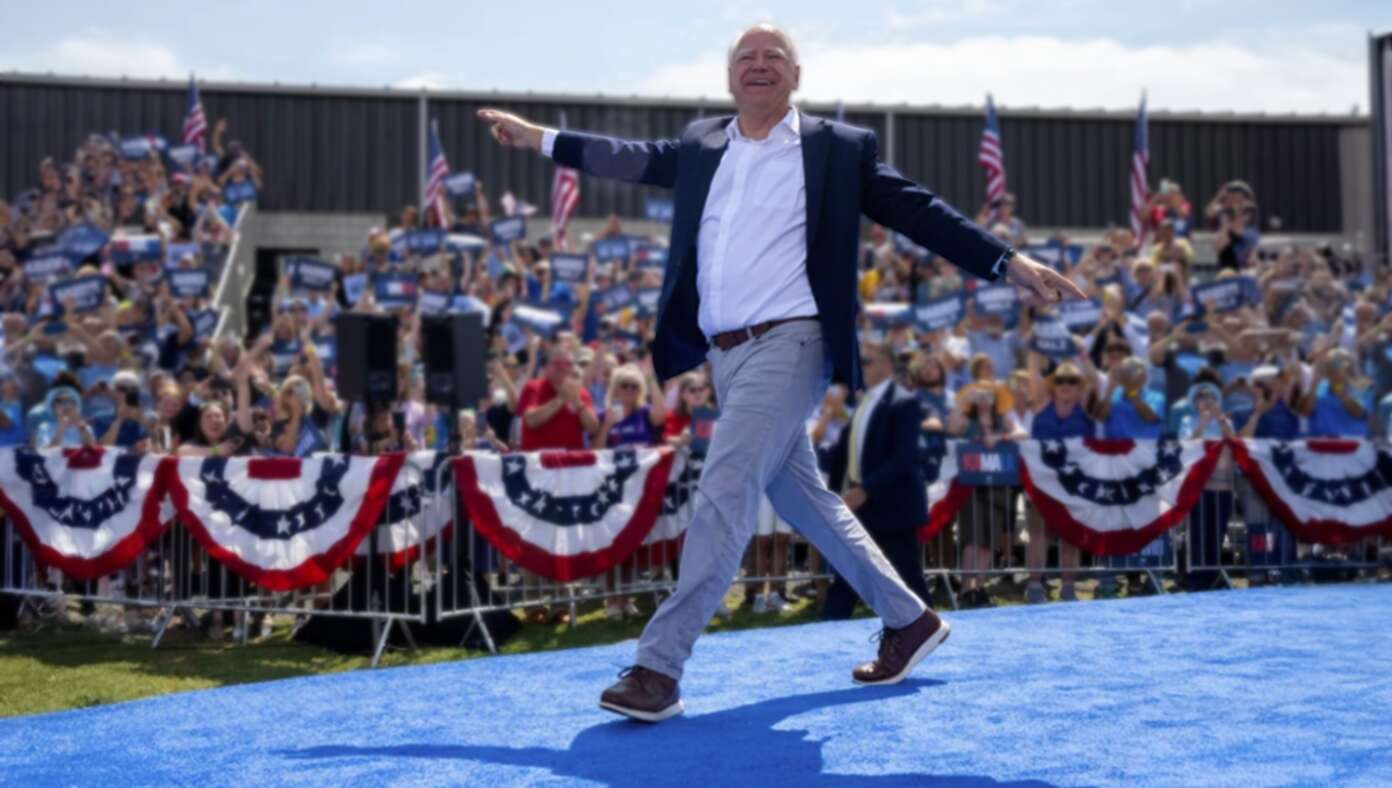
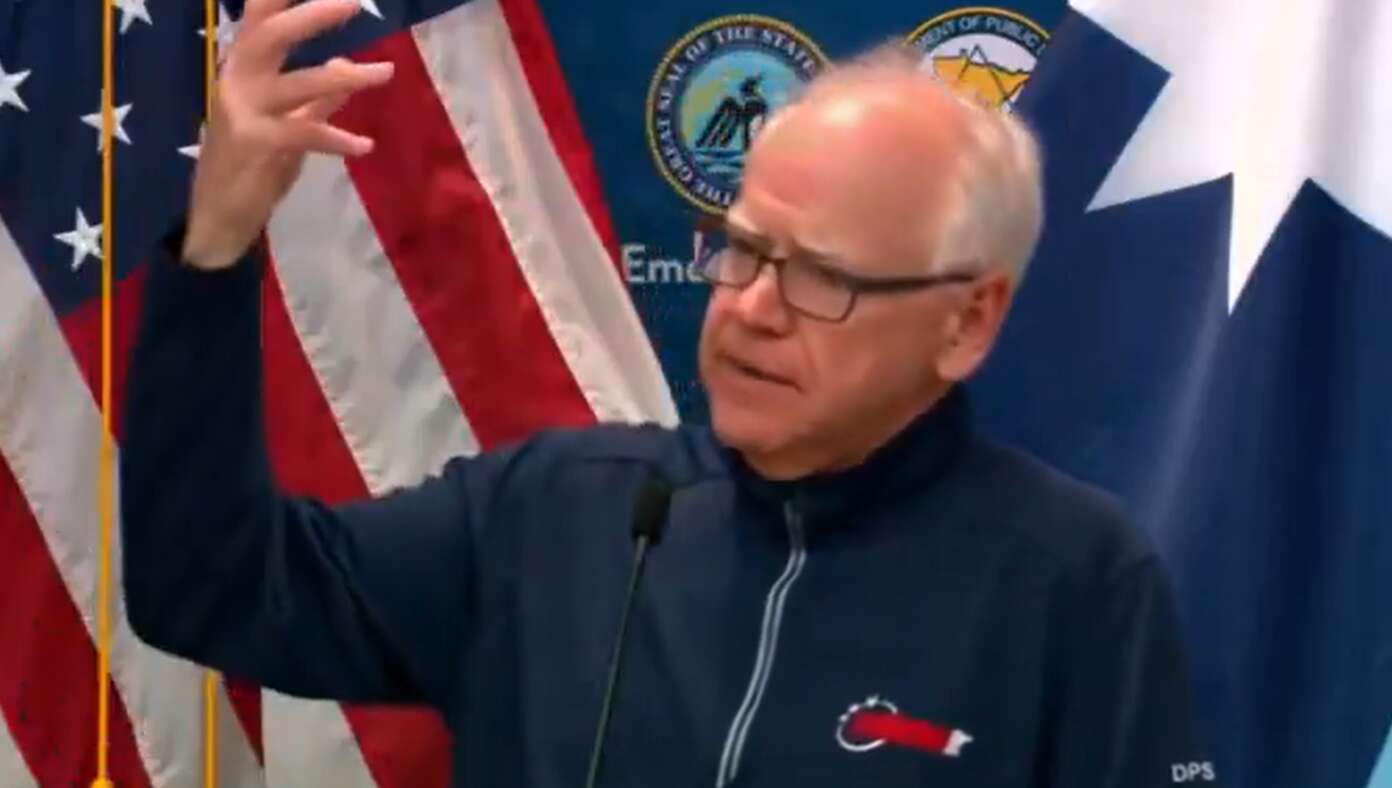
8 Perfect New Jobs For Tim Walz #BabylonBee – With the announcement that he is withdrawing from the Minnesota governor’s race, Tim Walz is on the hunt for a new career. Fortunately, The Babylon Bee has come up with the following list of jobs he’d be absolutely fabulous for:

With the announcement that he is withdrawing from the Minnesota governor’s race, Tim Walz is on the hunt for a new career. Fortunately, The Babylon Bee has come up with the following list of jobs he’d be absolutely fabulous for:

Read More