DHAKA, Bangladesh — The archbishop of Dhaka is urging the Bangladeshi government to reconsider a proposal to introduce online classes for school students amid the countryʼs ongoing energy crisis, warning that the move would undermine education at the hundreds of institutions run by the Catholic Church.
“We Christians in Bangladesh run many educational institutions,” Archbishop Bejoy N. DʼCruze, OMI, of Dhaka said. “Along with academic subjects, we focus on morals, values, and good character. When we hear about online classes, we become worried about where this system will take our students.”
The archbishop made the remarks while exchanging Easter greetings with Mirza Fakhrul Islam Alamgir, secretary-general of the Bangladesh Nationalist Party, on Easter Sunday. He said Catholic school principals and headmasters remain deeply concerned about the impact of online learning on children.
The proposal comes as Bangladesh faces energy shortages linked to global instability in the Middle East. To reduce electricity consumption and ease pressure on infrastructure, the government is considering partial online learning in selected educational institutions. However, Catholic leaders say the experience of online education during the COVID-19 pandemic revealed serious limits, especially for students' academic and moral formation.
Students and parents voice concerns
Students say online classes make it harder to understand lessons and stay focused.
“I have difficulty understanding lessons when classes are online,” said Sonnet Gomes, a student at a missionary school in Dhaka. “I want to go to school and take classes physically.”
Referring to her experience during the COVID-19 lockdowns, Gomes said online learning created both academic and health-related problems. “When we had online classes during corona, it was not good for us. Now there is no health risk. If needed, we can reduce class hours instead of moving everything online,” she said.
Parents, especially Catholic parents, also strongly oppose online classes. They worry about screen addiction, lack of supervision, and the financial burden placed on families.
“I donʼt want online classes,” said Priyanka Gomes, a Catholic mother in Dhaka. “During corona, I was forced to buy my son a smartphone. With online classes, children stay on their phones all day. They play games, use social media, and become addicted.”
Teachers: ‘Online classes are not effective’
Catholic teachers echo these concerns and say online learning often leads to poor attendance and weak engagement.
“If the government orders online classes, we will obey,” said Cornelius DʼCruze, vice principal of Heed International School in Dhaka. “But honestly, online classes are not effective. Many students skip classes. Parents go to work, and children spend most of the time on their phones.”
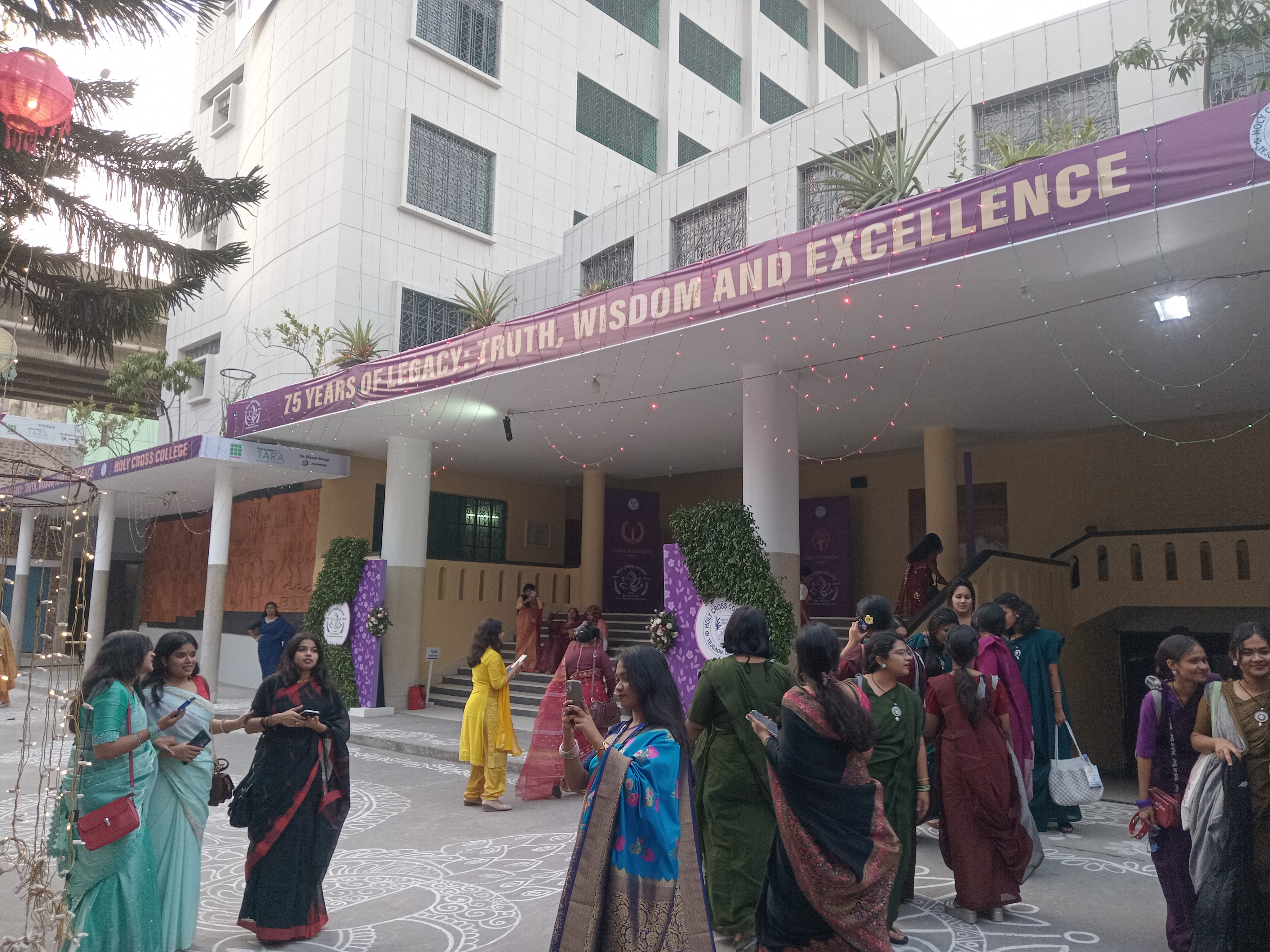
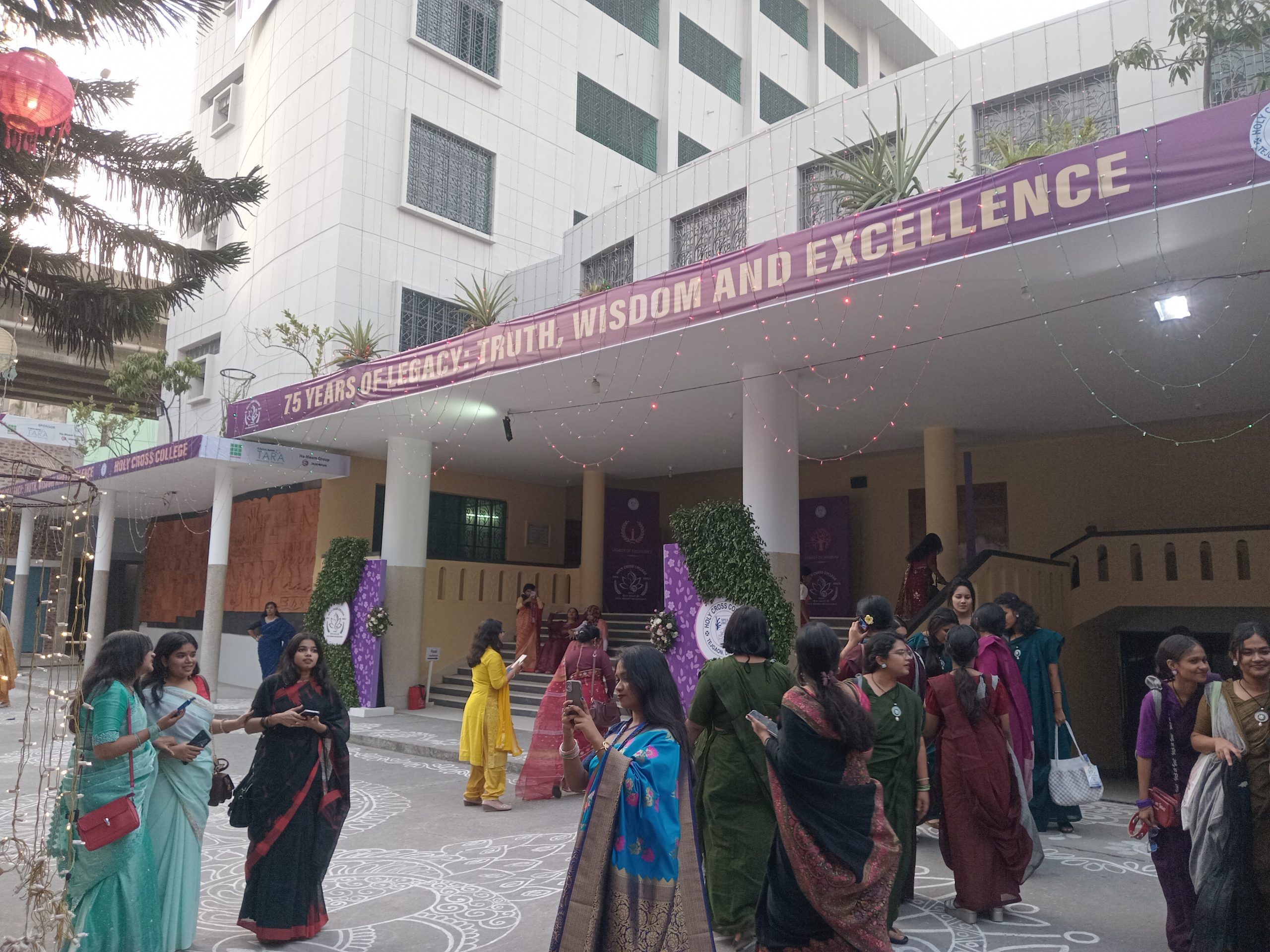
According to the Catholic Directory of Bangladesh, the Catholic Church in the country runs one university, 17 colleges, 60 high schools, and nearly 300 primary and technical schools. Well-known institutions such as Notre Dame College, Holy Cross College, St. Gregoryʼs High School, and St. Joseph Higher Secondary School are among the countryʼs most respected academic centers.
Government says proposal still under review
Government officials say the move toward online or blended learning is necessary under current conditions.
The Ministry of Education and the Ministry of Primary and Mass Education recently organized a seminar at the International Mother Language Institute in Dhaka to discuss how to continue education during the energy crisis.
Education Minister A.N.M. Ehsanul Hoque Milon and State Minister for Primary and Mass Education Bobby Hajjaj attended the seminar. Students, teachers, and guardians from various institutions in the Dhaka metropolitan area shared their views on the proposal.
The education minister said online classes would not be introduced nationwide at once but would begin on an experimental basis in selected institutions.
“Various crises in world history have opened new possibilities,” Milon said. “Education must continue in new ways. We should not see everything as a threat. We can also see opportunities.”
The government is considering a hybrid system combining physical and online classes in selected schools and colleges, including Viqarunnisa Noon School and College and Ideal School and College in Motijheel.
Amid Bangladesh energy crisis, Catholics oppose online classes proposal – #Catholic –
DHAKA, Bangladesh — The archbishop of Dhaka is urging the Bangladeshi government to reconsider a proposal to introduce online classes for school students amid the countryʼs ongoing energy crisis, warning that the move would undermine education at the hundreds of institutions run by the Catholic Church.
“We Christians in Bangladesh run many educational institutions,” Archbishop Bejoy N. DʼCruze, OMI, of Dhaka said. “Along with academic subjects, we focus on morals, values, and good character. When we hear about online classes, we become worried about where this system will take our students.”
The archbishop made the remarks while exchanging Easter greetings with Mirza Fakhrul Islam Alamgir, secretary-general of the Bangladesh Nationalist Party, on Easter Sunday. He said Catholic school principals and headmasters remain deeply concerned about the impact of online learning on children.
The proposal comes as Bangladesh faces energy shortages linked to global instability in the Middle East. To reduce electricity consumption and ease pressure on infrastructure, the government is considering partial online learning in selected educational institutions. However, Catholic leaders say the experience of online education during the COVID-19 pandemic revealed serious limits, especially for students' academic and moral formation.
Students and parents voice concerns
Students say online classes make it harder to understand lessons and stay focused.
“I have difficulty understanding lessons when classes are online,” said Sonnet Gomes, a student at a missionary school in Dhaka. “I want to go to school and take classes physically.”
Referring to her experience during the COVID-19 lockdowns, Gomes said online learning created both academic and health-related problems. “When we had online classes during corona, it was not good for us. Now there is no health risk. If needed, we can reduce class hours instead of moving everything online,” she said.
Parents, especially Catholic parents, also strongly oppose online classes. They worry about screen addiction, lack of supervision, and the financial burden placed on families.
“I donʼt want online classes,” said Priyanka Gomes, a Catholic mother in Dhaka. “During corona, I was forced to buy my son a smartphone. With online classes, children stay on their phones all day. They play games, use social media, and become addicted.”
Teachers: ‘Online classes are not effective’
Catholic teachers echo these concerns and say online learning often leads to poor attendance and weak engagement.
“If the government orders online classes, we will obey,” said Cornelius DʼCruze, vice principal of Heed International School in Dhaka. “But honestly, online classes are not effective. Many students skip classes. Parents go to work, and children spend most of the time on their phones.”
According to the Catholic Directory of Bangladesh, the Catholic Church in the country runs one university, 17 colleges, 60 high schools, and nearly 300 primary and technical schools. Well-known institutions such as Notre Dame College, Holy Cross College, St. Gregoryʼs High School, and St. Joseph Higher Secondary School are among the countryʼs most respected academic centers.
Government says proposal still under review
Government officials say the move toward online or blended learning is necessary under current conditions.
The Ministry of Education and the Ministry of Primary and Mass Education recently organized a seminar at the International Mother Language Institute in Dhaka to discuss how to continue education during the energy crisis.
Education Minister A.N.M. Ehsanul Hoque Milon and State Minister for Primary and Mass Education Bobby Hajjaj attended the seminar. Students, teachers, and guardians from various institutions in the Dhaka metropolitan area shared their views on the proposal.
The education minister said online classes would not be introduced nationwide at once but would begin on an experimental basis in selected institutions.
“Various crises in world history have opened new possibilities,” Milon said. “Education must continue in new ways. We should not see everything as a threat. We can also see opportunities.”
The government is considering a hybrid system combining physical and online classes in selected schools and colleges, including Viqarunnisa Noon School and College and Ideal School and College in Motijheel.
Catholic educators and parents say the proposal could deepen learning gaps and increase screen addiction, especially for low-income families.