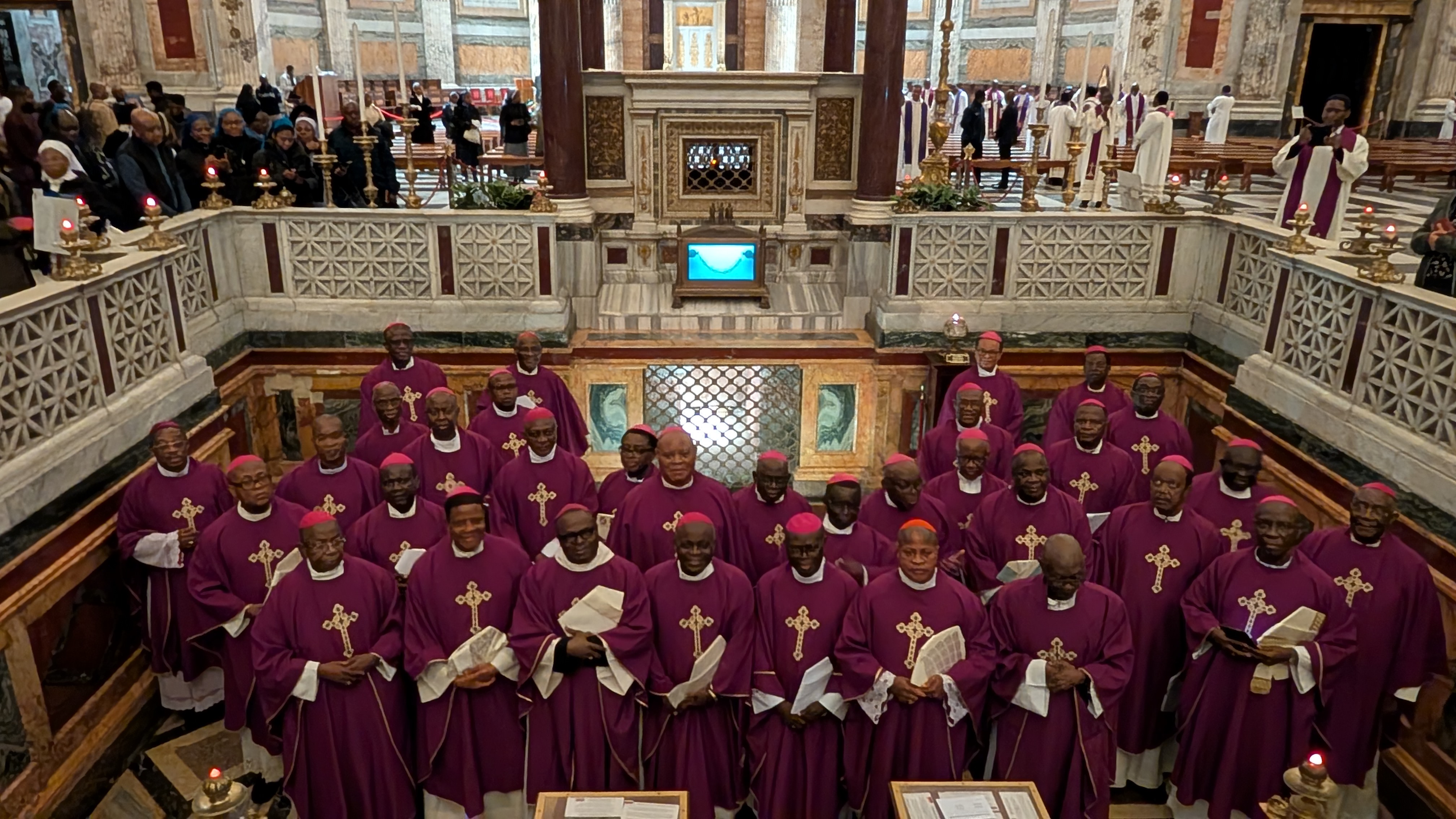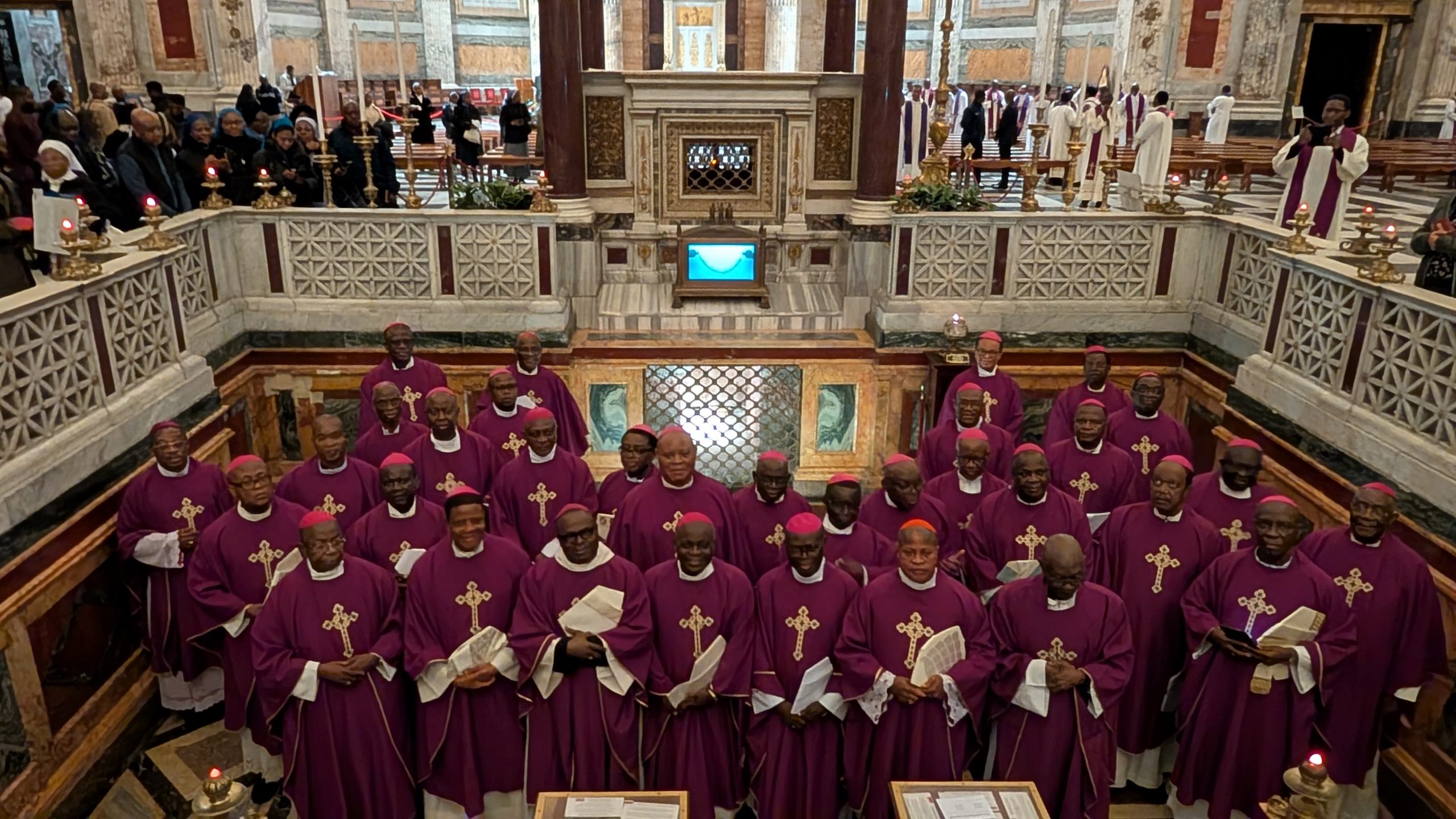
VATICAN CITY — Amid increased religious violence and insecurity in Nigeria, a group of Nigerian bishops recently met Pope Leo XIV during their “ad limina” visit to Rome. The Nigerian bishops described it as an opportunity to amplify the “cries of their people” to the Vatican and to counter “false narratives” from government officials about the situation facing Nigerian Christians.
Under canon law, every diocesan bishop must visit Rome — ideally every five years — to meet the pope and report on the state of his diocese. The visit also includes meetings with the dicasteries of the Roman Curia.
The Nigerian bishops spoke of their visit March 1–16 as an expression of filial communion with Pope Leo and an opportunity for him to confirm the faith of their beleaguered people.
A pilgrimage to Rome with a nation under fire
Nigeria continues to be plagued by ethnic and religious violence, accounting for 72% of Christian killings, according to Open Doors’ World Watch List in 2026. A study by the World Watch List found the number of Christian killings and kidnappings in Nigeria was the highest in the world in 2024, underscoring the disproportionate targeting of Christians.
Pope Leo has raised awareness of religious violence in Nigeria. Last November, he commented to EWTN News on the issue that both “Christians and Muslims have been slaughtered.”
Archbishop Matthew Ndagoso, who was recently elected head of the Catholic Bishops’ Conference of Nigeria, told EWTN News that the bishops recounted the reality of the situation to the pope.
“Before we came to Rome, we bishops sent reports on our dioceses to the Vatican, and the summary was given to the Holy Father,” he told EWTN News. “But beyond what was written, we discussed with him the violence, the insurgencies, and the difficulties we face as apostles on the ground.”
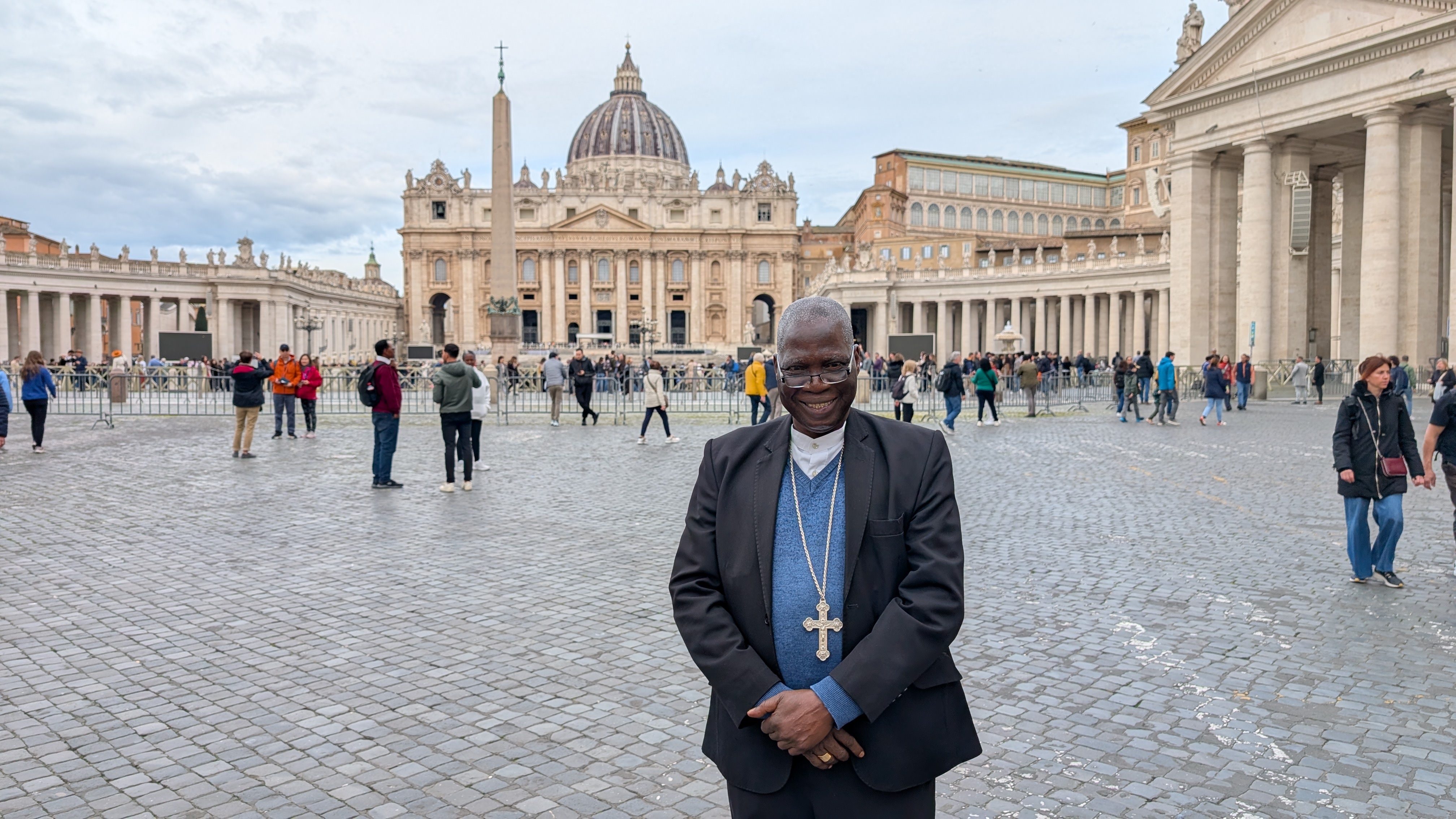
Archbishop Adewale Martins of Lagos added that “the issue of Christian violence came up very strongly with the pope, and he told us that he will use whatever possibilities he has to highlight our situation and see what he can do for us.”
Rebuttal to Nigerian first lady’s comments on Christian genocide
Several of the bishops spoke to EWTN News about the comments made in a recent interview by the Nigerian first lady, Oluremi Tinubu. In the face of growing concerns of Christian persecution in Nigeria, the first lady denied that Christians were being targeted for genocide. Cardinal Peter Okpaleke, however, insisted that the plight of Christians in Nigeria is concerning.
“There are many interpretations depending on what people understand as persecution,” Okpaleke said. “So, whatever vocabulary people want to use is not our concern. But the reality is that many people are dying.”
Archbishop Lucius Iwejuru Ugorji of Owerri also noted the discrimination of Nigerian Christians in the federal constitution.
“When you look at the constitution, you see that it is lopsided in favor of Islam,” he told EWTN News. “Christians are often excluded. The Fulani militia has uprooted many communities. These groups are emboldened because of the government’s inability or unwillingness to act.”
Ndagoso also criticized the narrative denying the targeting of Christians in religious violence.
“For anyone to say there is no persecution of Christians in northern Nigeria is simply not living in reality. In some of our dioceses, the Muslim population is 98% or 99%. We Christians are an eternal minority. I can tell you that for over a century, we have been discriminated against and excluded from government and employment.”
The office of Sen. Oluremi Tinubu did not respond to a request for comment from EWTN News.
A stagnant canonization cause of Blessed Iwene Tansi?
The bishops rejected claims in the Nigerian press that the cause for the canonization of Blessed Iwene Tansi, whom Pope John Paul II beatified in 1998, is stalled. Archbishop Valerian Okeke of Onitsha assured EWTN News that the canonization process is ongoing for Nigeria’s only beatified person.
“It is not true that the cause has stalled,” he told EWTN News. “It is proceeding according to the style of the Church. The Church is still waiting for that miracle that will defy all doubt and alternative explanations. The supernatural reality of the event will be so clear even to the uninitiated. The Church is waiting for that, and we are hopeful that it will come.”
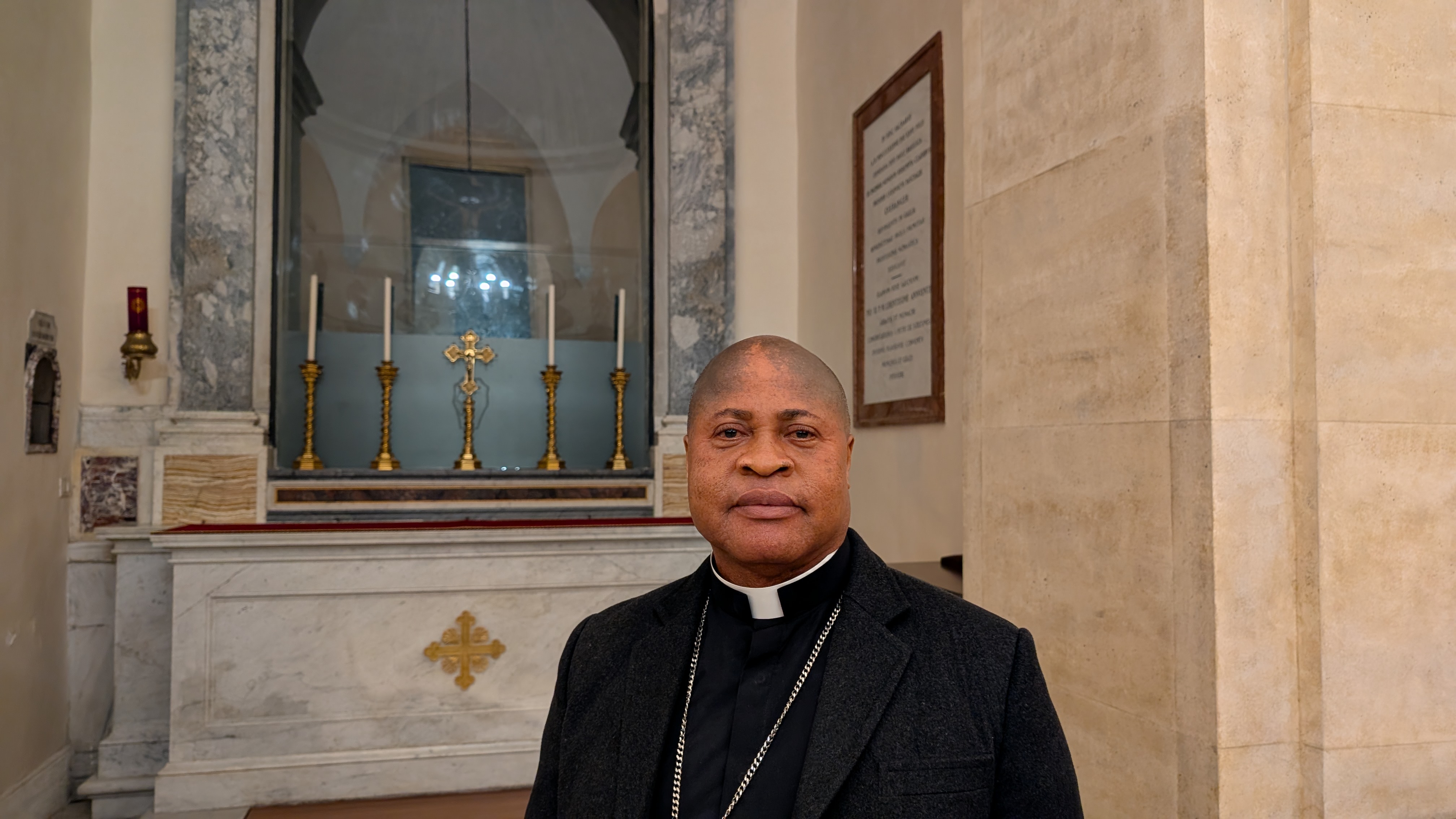
Okpaleke also addressed Blessed Tansi’s canonization. “We are not worried that others are ‘faster’ than us. In our own case, yes, we look forward to Blessed Iwene Tansi being canonized, but this also reminds us of the need to continue to invoke him in our prayers,” he said.
Looking ahead to 2027 general elections
Before their pilgrimage to Rome, the Nigerian bishops held their first plenary assembly from Feb. 19–26. They then issued a communiqué regarding the upcoming Nigerian general elections in 2027.
Ugorji, who formerly served as president of the Catholic Bishops’ Conference of Nigeria, spoke of the need for political leaders to stop promoting their own interests ahead of those of the nation.
“Nigeria is a country where people get into leadership and put their private interests above the common good. So, we needed to emphasize the fact that the common good of society is tied to individual welfare,” he said.
Bishop John Niyiring, OSA, of Kano added: “All we want is for them to ensure security for all. Providing security is a constitutional responsibility. Instead of defending a narrative or their own interests, they should protect all citizens.”
Nigerian bishops tell the pope: Our people are dying – #Catholic –
VATICAN CITY — Amid increased religious violence and insecurity in Nigeria, a group of Nigerian bishops recently met Pope Leo XIV during their “ad limina” visit to Rome. The Nigerian bishops described it as an opportunity to amplify the “cries of their people” to the Vatican and to counter “false narratives” from government officials about the situation facing Nigerian Christians.
Under canon law, every diocesan bishop must visit Rome — ideally every five years — to meet the pope and report on the state of his diocese. The visit also includes meetings with the dicasteries of the Roman Curia.
The Nigerian bishops spoke of their visit March 1–16 as an expression of filial communion with Pope Leo and an opportunity for him to confirm the faith of their beleaguered people.
A pilgrimage to Rome with a nation under fire
Nigeria continues to be plagued by ethnic and religious violence, accounting for 72% of Christian killings, according to Open Doors’ World Watch List in 2026. A study by the World Watch List found the number of Christian killings and kidnappings in Nigeria was the highest in the world in 2024, underscoring the disproportionate targeting of Christians.
Pope Leo has raised awareness of religious violence in Nigeria. Last November, he commented to EWTN News on the issue that both “Christians and Muslims have been slaughtered.”
Archbishop Matthew Ndagoso, who was recently elected head of the Catholic Bishops’ Conference of Nigeria, told EWTN News that the bishops recounted the reality of the situation to the pope.
“Before we came to Rome, we bishops sent reports on our dioceses to the Vatican, and the summary was given to the Holy Father,” he told EWTN News. “But beyond what was written, we discussed with him the violence, the insurgencies, and the difficulties we face as apostles on the ground.”
Archbishop Adewale Martins of Lagos added that “the issue of Christian violence came up very strongly with the pope, and he told us that he will use whatever possibilities he has to highlight our situation and see what he can do for us.”
Rebuttal to Nigerian first lady’s comments on Christian genocide
Several of the bishops spoke to EWTN News about the comments made in a recent interview by the Nigerian first lady, Oluremi Tinubu. In the face of growing concerns of Christian persecution in Nigeria, the first lady denied that Christians were being targeted for genocide. Cardinal Peter Okpaleke, however, insisted that the plight of Christians in Nigeria is concerning.
“There are many interpretations depending on what people understand as persecution,” Okpaleke said. “So, whatever vocabulary people want to use is not our concern. But the reality is that many people are dying.”
Archbishop Lucius Iwejuru Ugorji of Owerri also noted the discrimination of Nigerian Christians in the federal constitution.
“When you look at the constitution, you see that it is lopsided in favor of Islam,” he told EWTN News. “Christians are often excluded. The Fulani militia has uprooted many communities. These groups are emboldened because of the government’s inability or unwillingness to act.”
Ndagoso also criticized the narrative denying the targeting of Christians in religious violence.
“For anyone to say there is no persecution of Christians in northern Nigeria is simply not living in reality. In some of our dioceses, the Muslim population is 98% or 99%. We Christians are an eternal minority. I can tell you that for over a century, we have been discriminated against and excluded from government and employment.”
The office of Sen. Oluremi Tinubu did not respond to a request for comment from EWTN News.
A stagnant canonization cause of Blessed Iwene Tansi?
The bishops rejected claims in the Nigerian press that the cause for the canonization of Blessed Iwene Tansi, whom Pope John Paul II beatified in 1998, is stalled. Archbishop Valerian Okeke of Onitsha assured EWTN News that the canonization process is ongoing for Nigeria’s only beatified person.
“It is not true that the cause has stalled,” he told EWTN News. “It is proceeding according to the style of the Church. The Church is still waiting for that miracle that will defy all doubt and alternative explanations. The supernatural reality of the event will be so clear even to the uninitiated. The Church is waiting for that, and we are hopeful that it will come.”
Okpaleke also addressed Blessed Tansi’s canonization. “We are not worried that others are ‘faster’ than us. In our own case, yes, we look forward to Blessed Iwene Tansi being canonized, but this also reminds us of the need to continue to invoke him in our prayers,” he said.
Looking ahead to 2027 general elections
Before their pilgrimage to Rome, the Nigerian bishops held their first plenary assembly from Feb. 19–26. They then issued a communiqué regarding the upcoming Nigerian general elections in 2027.
Ugorji, who formerly served as president of the Catholic Bishops’ Conference of Nigeria, spoke of the need for political leaders to stop promoting their own interests ahead of those of the nation.
“Nigeria is a country where people get into leadership and put their private interests above the common good. So, we needed to emphasize the fact that the common good of society is tied to individual welfare,” he said.
Bishop John Niyiring, OSA, of Kano added: “All we want is for them to ensure security for all. Providing security is a constitutional responsibility. Instead of defending a narrative or their own interests, they should protect all citizens.”
As Christians in their country suffer increased persecution, the Nigerian bishops bring the hopes of a nation to Rome.