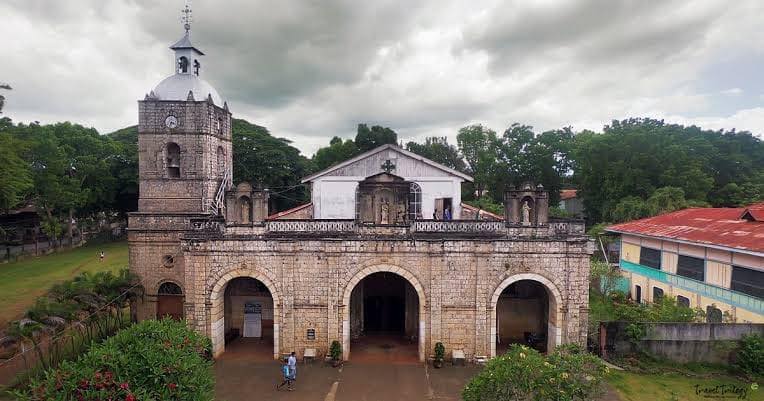
MANILA, Philippines — Several parishes in the Philippines have begun enforcing smoke-free and vape-free policies on church grounds, citing both the sacredness of the premises and the health of parishioners.
“I support the smoke-free and vape-free policies in church premises for the good of all,” Maria Christina Jomen, a parishioner of St. John the Baptist Parish in Jimenez, Misamis Occidental, told EWTN News. “Having a healthy environment is a responsibility for all, especially in places of worship.”
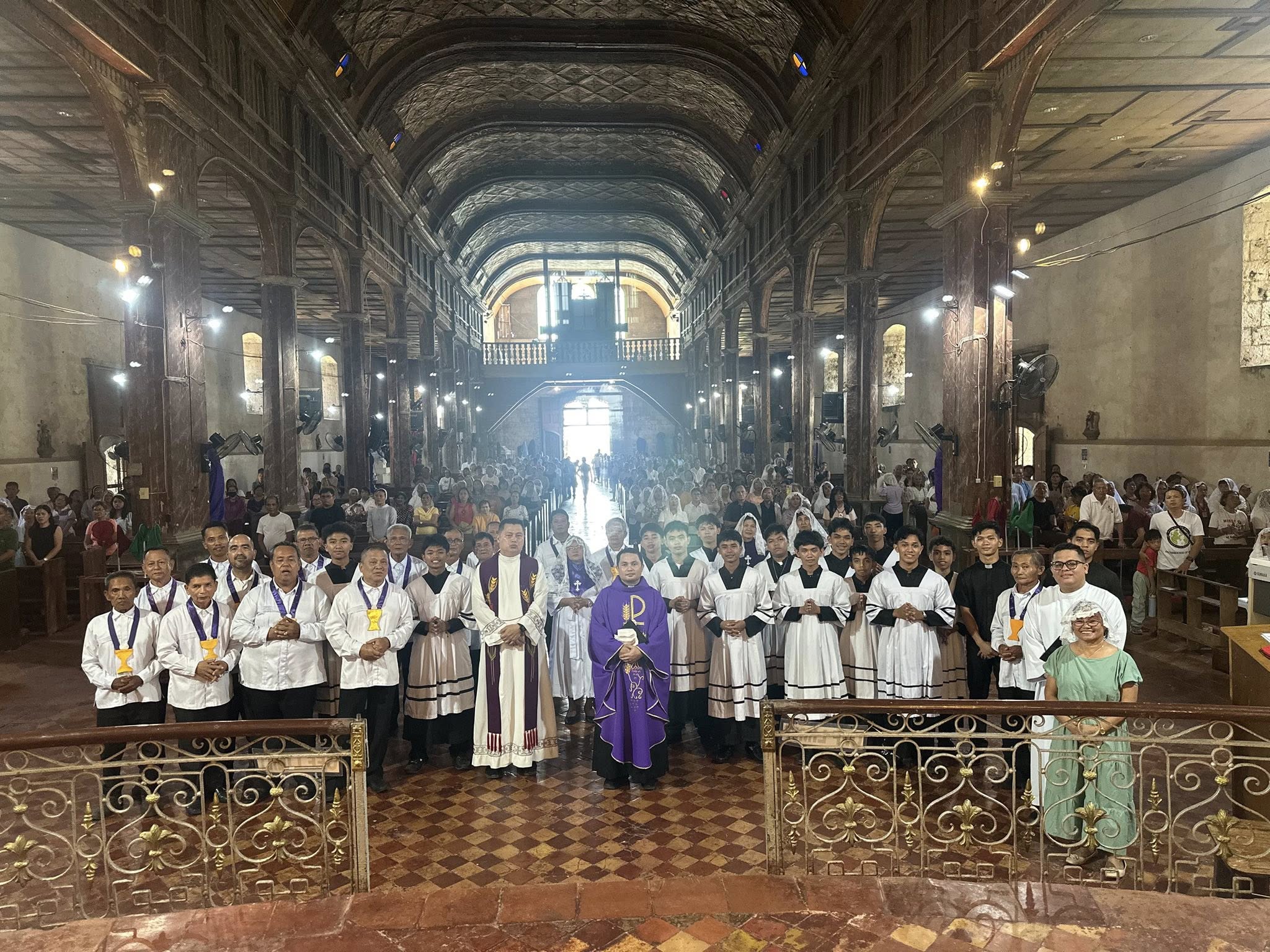
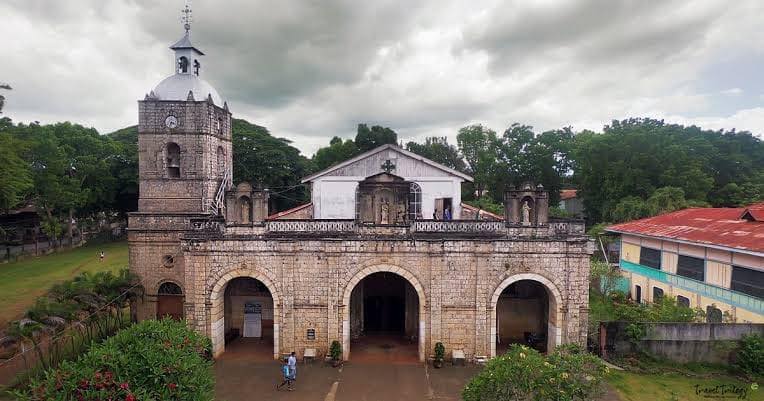
The church, some 755.89 kilometers (469.69 miles) south of Manila, is among the parishes implementing the smoke-free policy in response to health initiatives from the Catholic Bishops' Conference of the Philippines (CBCP) in collaboration with local governments.
On April 2, the executive secretary of the CBCP Episcopal Commission on Health Care, Camillian Father Dan Vicente Cancino Jr., issued a statement directing parishes nationwide to adhere to smoking bans as a sign of respect for sacred spaces. The Department of Health later circulated a video message from Cancino on its platforms.
Cancino said tobacco use leads to preventable disease, premature death, and suffering, and called on all parishes to strictly enforce smoke-free and vape-free policies. The bishops' conference has voiced alarm at the prevalence of smoking and vaping among Filipinos, particularly among the young.
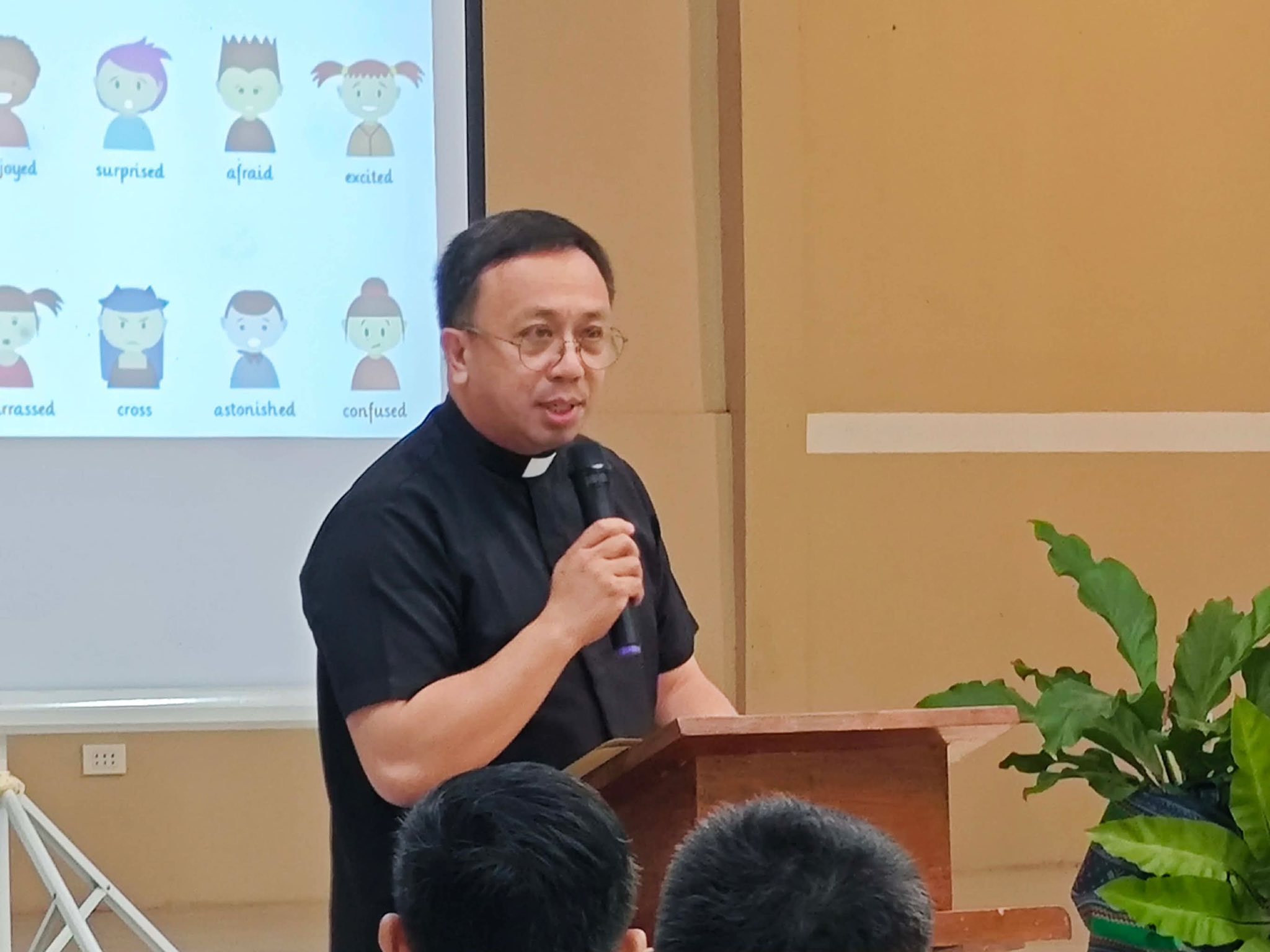
“This initiative is in accordance with our existing laws, and the move is also out of respect for the sacred and concern for community health,” the priest said, noting that smoking in public places such as churches endangers both individual and community health.
“These habits pose serious threats to both individuals and the community. I hope that all our parishes and communities strictly enforce smoke-free and vape-free policies in accordance with existing laws,” Cancino said.
“We understand it is not easy. But with Godʼs grace, liberation is possible. We can do it,” he added.
A long-standing precedent
The National Shrine of Our Mother of Perpetual Help, Parañaque City, Manila, has enforced a no-smoking policy on its premises since 2015, partly in response to Pope Francis' encyclical on care for creation, Laudato Si'.
Other parishes have moved in step with municipal anti-smoking ordinances in cities including Baguio, Davao, Balanga, and Iloilo, pairing health-conscious campaigns with what Church officials describe as “green” initiatives to protect public health and the environment.
Smoking and vaping in the Philippines
According to the World Health Organizationʼs 2025 Global Report on Trends in Prevalence of Tobacco Use, roughly 1 in 5 Filipino adults — about 19.7% of those aged 15 and over — currently smoke, with the rate among men (35.6%) more than eight times higher than among women (4.2%).
The 2021 Philippines Global Adult Tobacco Survey, conducted by the Philippine Statistics Authority and the Department of Health with WHO support, similarly found that 18.5% of Filipino adults currently smoke tobacco. WHO estimates that smoking causes roughly 88,000 deaths in the Philippines each year.
Data from the Food and Nutrition Research Institute of the Department of Science and Technology indicate that 4.8% of Filipinos aged 10 to 19 smoked in 2023, up from 2.3% in 2021.
The World Health Organization has reported that, globally, children aged 13 to 15 are using e-cigarettes at higher rates than adults. The Philippine Department of Health has urged the public to reject vaping products, warning they are not a safer alternative to cigarettes and citing the rising trend of nicotine use among young Filipinos.
Philippine parishes enforce smoke-free, vape-free rules on church grounds – #Catholic –
MANILA, Philippines — Several parishes in the Philippines have begun enforcing smoke-free and vape-free policies on church grounds, citing both the sacredness of the premises and the health of parishioners.
“I support the smoke-free and vape-free policies in church premises for the good of all,” Maria Christina Jomen, a parishioner of St. John the Baptist Parish in Jimenez, Misamis Occidental, told EWTN News. “Having a healthy environment is a responsibility for all, especially in places of worship.”
The church, some 755.89 kilometers (469.69 miles) south of Manila, is among the parishes implementing the smoke-free policy in response to health initiatives from the Catholic Bishops' Conference of the Philippines (CBCP) in collaboration with local governments.
On April 2, the executive secretary of the CBCP Episcopal Commission on Health Care, Camillian Father Dan Vicente Cancino Jr., issued a statement directing parishes nationwide to adhere to smoking bans as a sign of respect for sacred spaces. The Department of Health later circulated a video message from Cancino on its platforms.
Cancino said tobacco use leads to preventable disease, premature death, and suffering, and called on all parishes to strictly enforce smoke-free and vape-free policies. The bishops' conference has voiced alarm at the prevalence of smoking and vaping among Filipinos, particularly among the young.
“This initiative is in accordance with our existing laws, and the move is also out of respect for the sacred and concern for community health,” the priest said, noting that smoking in public places such as churches endangers both individual and community health.
“These habits pose serious threats to both individuals and the community. I hope that all our parishes and communities strictly enforce smoke-free and vape-free policies in accordance with existing laws,” Cancino said.
“We understand it is not easy. But with Godʼs grace, liberation is possible. We can do it,” he added.
A long-standing precedent
The National Shrine of Our Mother of Perpetual Help, Parañaque City, Manila, has enforced a no-smoking policy on its premises since 2015, partly in response to Pope Francis' encyclical on care for creation, Laudato Si'.
Other parishes have moved in step with municipal anti-smoking ordinances in cities including Baguio, Davao, Balanga, and Iloilo, pairing health-conscious campaigns with what Church officials describe as “green” initiatives to protect public health and the environment.
Smoking and vaping in the Philippines
According to the World Health Organizationʼs 2025 Global Report on Trends in Prevalence of Tobacco Use, roughly 1 in 5 Filipino adults — about 19.7% of those aged 15 and over — currently smoke, with the rate among men (35.6%) more than eight times higher than among women (4.2%).
The 2021 Philippines Global Adult Tobacco Survey, conducted by the Philippine Statistics Authority and the Department of Health with WHO support, similarly found that 18.5% of Filipino adults currently smoke tobacco. WHO estimates that smoking causes roughly 88,000 deaths in the Philippines each year.
Data from the Food and Nutrition Research Institute of the Department of Science and Technology indicate that 4.8% of Filipinos aged 10 to 19 smoked in 2023, up from 2.3% in 2021.
The World Health Organization has reported that, globally, children aged 13 to 15 are using e-cigarettes at higher rates than adults. The Philippine Department of Health has urged the public to reject vaping products, warning they are not a safer alternative to cigarettes and citing the rising trend of nicotine use among young Filipinos.
A Catholic bishops’ health official is urging parishes nationwide to enforce smoke-free and vape-free rules out of respect for sacred space and concern for public health.