Here’s a roundup of the latest Catholic education news in the United States:
Sisters part ways with Benedictine due to aging community, demanding board, expansion efforts
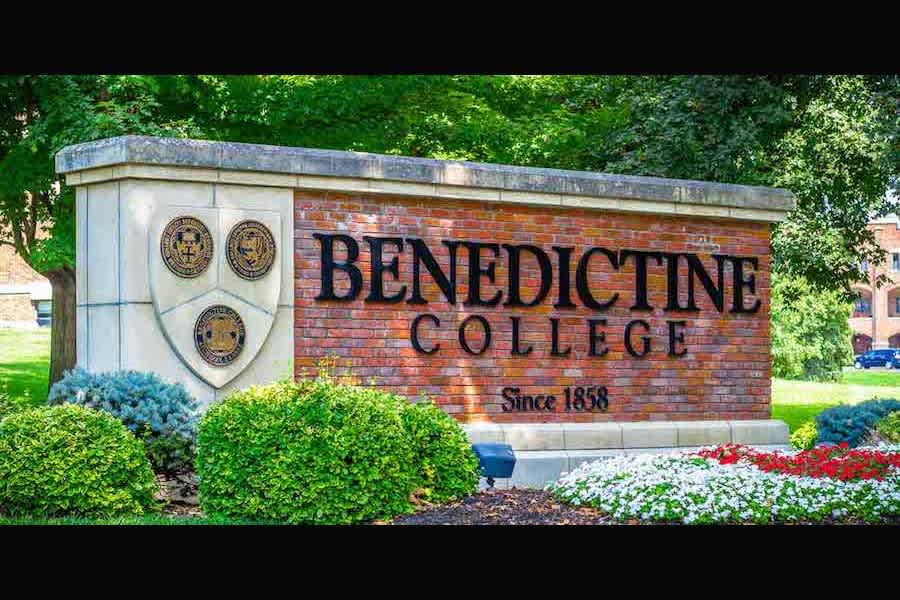
The announcement of the decision by Mount St. Scholastica sisters to part ways with Benedictine College in Atchison, Kansas, came as no surprise to leadership at the institution, as the aging religious community has faced difficulties keeping up with the popular Newman Guide school’s growth.
Dean of Students Joe Wurtz told EWTN News he believes the sisters have been discerning the move for more than a decade but ultimately informed the college of the decision a few days before the announcement. “I believe it’s because they saw the trajectory of their order and thought, ‘OK, we have to plan for the future.’”
Wurtz, who is also the executive director of the Gregorian Fellows Leadership Program at Benedictine, said he believes the current demands of the college’s board of directors were ultimately too much for the sisters to handle alongside their current ministries. “I think they just felt it was too much,” he said.
Benedictine’s board requires three sisters, the prioress and two sisters who rotate every four years, to be present at every board meeting as well as every executive meeting.
“Again, with the complexity of the medical school, there’s a lot of terminology, there’s a lot of process, there’s a lot of things to consider, and it’s complicated if you’re not tracking all that detail and you’re making a big vote,” Wurtz said.
While the sisters did not cite the proposed medical school specifically, “they did say the demands of the board are heavy compared to their other things,” he said.
According to Wurtz, the sisters did not cite differences in mission or politics when informing the college of their decision.
Dartmouth’s new provost a Catholic who says Ivies have been ‘negative’ role models
Dartmouth University’s new provost, Santiago Schnell, spoke with the National Catholic Register’s Jonathan Liedl on “EWTN News In Depth” about how his Catholic faith shapes his vision for higher education reform, discussing the Catholic foundations of the modern university and how higher education has gone “astray.”
“We have been failing in the United States higher education. That’s why the general public and the government are responding negatively,” Schnell said. “The Ivies have served as a role model in a very negative way on how higher education should be moving forward, and the time for reform has arrived.”
Schnell, a Venezuelan-born mathematical biologist and former dean at the University of Notre Dame, said the “primary challenge” causing the crisis in higher education has been “that we don’t have intellectual diversity as we used to” and that many university and faculty members have “unearned certainty” about their beliefs. “They are promoting their ideologies or their points of views instead of providing the tools and the perspectives to the students to actually question and seek the truth,” he said.
Schnell called for a return to the historic roots of the university, which he emphasized “is a Catholic invention.”
Iowa Catholic schools see enrollment boom after new law grants public funding access
Catholic schools in Iowa saw rising enrollment in the 2024-2025 school year thanks to a 2023 Iowa state law allowing families to use education savings accounts (ESAs) for private school expenses.
“Enrollment in Iowa’s Catholic schools increased in the 2025-26 school year. As of October 2025, there were 26,095 students enrolled in Catholic schools, up a little more than 3% compared to the previous year. ESAs are being used increasingly by lower-income families,” the Iowa Catholic Conference said in a statement on X.
According to data from the conference, 25,519 Catholic school students received an education savings account in the 2025-2026 school year. The accounts were also “used increasingly by lower-income families,” with the number of students eligible for reduced-price lunches increasing by 10%.
Major gift allows Pittsburgh Diocese to offer all elementary school families financial aid
The Diocese of Pittsburgh has received “a significant Educational Improvement Tax Credit (EITC) gift from an anonymous donor” to go exclusively toward expanding long-term financial assistance to Catholic families for education costs across the diocese.
“Combined with existing support and continued monitoring of potential new federal funding opportunities, this gift allows the diocese to make financial assistance available to everyone,” the diocese said in a Feb. 3 statement.
“This extraordinary gift reflects a deep belief in the value of Catholic education and the families who depend on it,” Bishop Mark Eckman said. “We are deeply grateful for this generosity, which allows us to serve more children, strengthen our schools, and remain faithful to our mission of forming students in faith, knowledge, and service.”
Sisters part ways with Benedictine College due to aging community, increased demands – #Catholic –
Here’s a roundup of the latest Catholic education news in the United States:
Sisters part ways with Benedictine due to aging community, demanding board, expansion efforts
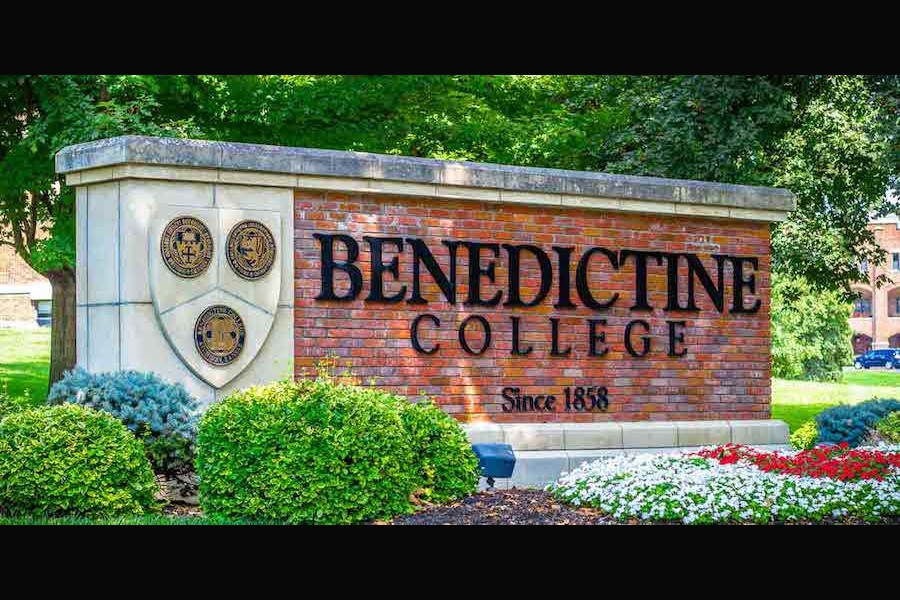
The announcement of the decision by Mount St. Scholastica sisters to part ways with Benedictine College in Atchison, Kansas, came as no surprise to leadership at the institution, as the aging religious community has faced difficulties keeping up with the popular Newman Guide school’s growth.
Dean of Students Joe Wurtz told EWTN News he believes the sisters have been discerning the move for more than a decade but ultimately informed the college of the decision a few days before the announcement. “I believe it’s because they saw the trajectory of their order and thought, ‘OK, we have to plan for the future.’”
Wurtz, who is also the executive director of the Gregorian Fellows Leadership Program at Benedictine, said he believes the current demands of the college’s board of directors were ultimately too much for the sisters to handle alongside their current ministries. “I think they just felt it was too much,” he said.
Benedictine’s board requires three sisters, the prioress and two sisters who rotate every four years, to be present at every board meeting as well as every executive meeting.
“Again, with the complexity of the medical school, there’s a lot of terminology, there’s a lot of process, there’s a lot of things to consider, and it’s complicated if you’re not tracking all that detail and you’re making a big vote,” Wurtz said.
While the sisters did not cite the proposed medical school specifically, “they did say the demands of the board are heavy compared to their other things,” he said.
According to Wurtz, the sisters did not cite differences in mission or politics when informing the college of their decision.
Dartmouth’s new provost a Catholic who says Ivies have been ‘negative’ role models
Dartmouth University’s new provost, Santiago Schnell, spoke with the National Catholic Register’s Jonathan Liedl on “EWTN News In Depth” about how his Catholic faith shapes his vision for higher education reform, discussing the Catholic foundations of the modern university and how higher education has gone “astray.”
“We have been failing in the United States higher education. That’s why the general public and the government are responding negatively,” Schnell said. “The Ivies have served as a role model in a very negative way on how higher education should be moving forward, and the time for reform has arrived.”
Schnell, a Venezuelan-born mathematical biologist and former dean at the University of Notre Dame, said the “primary challenge” causing the crisis in higher education has been “that we don’t have intellectual diversity as we used to” and that many university and faculty members have “unearned certainty” about their beliefs. “They are promoting their ideologies or their points of views instead of providing the tools and the perspectives to the students to actually question and seek the truth,” he said.
Schnell called for a return to the historic roots of the university, which he emphasized “is a Catholic invention.”
Iowa Catholic schools see enrollment boom after new law grants public funding access
Catholic schools in Iowa saw rising enrollment in the 2024-2025 school year thanks to a 2023 Iowa state law allowing families to use education savings accounts (ESAs) for private school expenses.
“Enrollment in Iowa’s Catholic schools increased in the 2025-26 school year. As of October 2025, there were 26,095 students enrolled in Catholic schools, up a little more than 3% compared to the previous year. ESAs are being used increasingly by lower-income families,” the Iowa Catholic Conference said in a statement on X.
According to data from the conference, 25,519 Catholic school students received an education savings account in the 2025-2026 school year. The accounts were also “used increasingly by lower-income families,” with the number of students eligible for reduced-price lunches increasing by 10%.
Major gift allows Pittsburgh Diocese to offer all elementary school families financial aid
The Diocese of Pittsburgh has received “a significant Educational Improvement Tax Credit (EITC) gift from an anonymous donor” to go exclusively toward expanding long-term financial assistance to Catholic families for education costs across the diocese.
“Combined with existing support and continued monitoring of potential new federal funding opportunities, this gift allows the diocese to make financial assistance available to everyone,” the diocese said in a Feb. 3 statement.
“This extraordinary gift reflects a deep belief in the value of Catholic education and the families who depend on it,” Bishop Mark Eckman said. “We are deeply grateful for this generosity, which allows us to serve more children, strengthen our schools, and remain faithful to our mission of forming students in faith, knowledge, and service.”
Here’s a roundup of the latest Catholic education news in the United States.