10th

U.S. bishops say multimillion-dollar Eucharistic revival bore spiritual fruit #Catholic 
 
 Scene from the 2024 National Eucharistic Congress in Indianapolis. | Credit: “EWTN News in Depth”/Screenshot

Jan 17, 2026 / 09:00 am (CNA).
Catholic clergy and lay people reported a stronger devotion to the Eucharist after the National Eucharistic Revival.This week, the United States Conference of Catholic Bishops (USCCB) released the report for the National Eucharistic Revival Impact Study. Done in collaboration with  the National Eucharistic Congress corporation and  Vinea Research, the study surveyed nearly 2,500 lay Catholics, clergy, and Church staff during the summer and fall of 2025.The online survey asked questions about revival promotion, participation, and impact one year after the initial National Eucharistic Pilgrimage and Congress. The price tag of the Eucharistic congress was more than $10 million, organizers said.“Never in my tenure of working for the Church have I seen such deep impact,” said Jason Shanks, president of the National Eucharistic Congress, in a press release. “The fruits of the National Eucharistic Revival are real, lasting, and will continue to shape the life of the American Church for years to come.”The revival, sponsored by the USCCB, launched in June 2022 with the mission to “renew the Church by enkindling a living relationship with the Lord Jesus Christ in the holy Eucharist.”The three-year initiative, which concluded in 2025, included the 10th National Eucharistic Congress and the National Eucharistic Pilgrimage in 2024 and 2025.In a Jan. 16 interview on “EWTN News In Depth,” Bishop Andrew Cozzens, chair of the National Eucharistic Congress, said he was “extremely heartened” by the results of the study.“I had a sense that the revival had a big impact on people and especially on our Church,” he said. “But it was great to see that confirmed by the data and to see some of the actual statistics.”Impact on clergy membersOf 249 clergy members of priests and deacons surveyed, 49% reported feeling “more encouraged’ since the revival began. Specifically, 38% said they feel “somewhat more encouraged” and 11% said they feel “significantly more encouraged.”Nearly half, 48%, said they feel “more comfortable encouraging others to share their faith.”The research found the revival “refocused clergy on the Eucharist,” with the majority reporting changes to their pastoral approach since 2021. The report found that 70% of clergy reported a stronger “focus on the Eucharist in teaching [and] ministry,” and 69% said they have a stronger “emphasis on evangelization and outreach.”Clergy also reported personal advancements with their relationship with the Eucharist. More than half (51%) said their “time spent in personal adoration” is stronger now than it was in 2021. “I was so grateful when I saw that priests found it encouraging. They were encouraged by this opportunity to focus on the Eucharist,” Cozzens said. “I know so much more preaching and encouragement about Eucharistic devotion happened in our parishes during this time.”“If our priests are encouraged and they’re drawing closer to Jesus in the Eucharist, that’s going to help our people so much, and it’s going to help our Church so much,” he said.Impact on lay CatholicsAmong 1,758 of the lay Catholics surveyed, 874 were labeled as “national participants” who attended the National Eucharistic Pilgrimage, National Eucharistic Congress, or both. “We wanted Catholics to come together and to experience more deeply a profound love for Jesus in the Eucharist, and then from that, to be sent out on mission,” Cozzens said. The study “showed that anyone who attended one of our National Eucharistic Pilgrimages or National Eucharistic Congress said they were 50% more likely to do outreach, to share their faith, to do some act of service.”“I think the thing that most stood out to me is that we accomplished our goal,” he said. “Our goal was really to bring about a missionary conversion of Catholics.”Another 425 of lay Catholics were “local participants” who took part in local processions, small groups, and revival-specific Holy Hours. Most (83%) of the laypeople surveyed who participated at the national or local level said their “overall level of faith” is stronger now than it was in 2021.The other 459 laypeople surveyed were “nonparticipating contacts” who did not participate in any revival activities. Most came from the USCCB’s newsletter distribution list and they were aware of the revival but not involved. Even though they did not directly participate, 79% reported their “overall level of faith” was stronger following the revival.When asked to compare their faith practices with those in 2021, lay Catholics overwhelmingly reported praying more, attending adoration more frequently, and going to confession more often.The research took a deeper look at how lay Catholics’ faith evolved, examining the changes in the level of “importance” of faith-related activities over the last three years. The greatest growth in importance was observed in volunteering and spending time in Eucharistic adoration.In 2021, 57% of lay national participants reported “spending quiet time in Eucharistic adoration” was “very important” or “extremely important” to them. Following the revival, the number had jumped to 76%. There was also an increase for local participants with a rise from 65% to 82%. Among those who did not directly participate, there was the largest increase from 49% to 69%.Continuing to spread the ‘fire’The bishops have confirmed that the country’s second National Eucharistic Congress of the 21st century will take place in 2029.“As we continue to strengthen the core of our faith and those people who are committed, and they begin to draw closer to Jesus from Eucharist, what the study showed is that they get on fire, and then they start to spread that fire,” he said.“It’s the way Jesus worked himself. Jesus certainly did preach to crowds, but most of the time he spent with his 12 apostles and with those people who were with him. Because if he could convert and strengthen them, then they could go out and convert the world,” he said.“I think that’s really the goal of the whole Eucharistic movement that we have now is strengthening those people so that they can become the witnesses that we’re called to be,” he said.

U.S. bishops say multimillion-dollar Eucharistic revival bore spiritual fruit #Catholic Scene from the 2024 National Eucharistic Congress in Indianapolis. | Credit: “EWTN News in Depth”/Screenshot Jan 17, 2026 / 09:00 am (CNA). Catholic clergy and lay people reported a stronger devotion to the Eucharist after the National Eucharistic Revival.This week, the United States Conference of Catholic Bishops (USCCB) released the report for the National Eucharistic Revival Impact Study. Done in collaboration with the National Eucharistic Congress corporation and Vinea Research, the study surveyed nearly 2,500 lay Catholics, clergy, and Church staff during the summer and fall of 2025.The online survey asked questions about revival promotion, participation, and impact one year after the initial National Eucharistic Pilgrimage and Congress. The price tag of the Eucharistic congress was more than $10 million, organizers said.“Never in my tenure of working for the Church have I seen such deep impact,” said Jason Shanks, president of the National Eucharistic Congress, in a press release. “The fruits of the National Eucharistic Revival are real, lasting, and will continue to shape the life of the American Church for years to come.”The revival, sponsored by the USCCB, launched in June 2022 with the mission to “renew the Church by enkindling a living relationship with the Lord Jesus Christ in the holy Eucharist.”The three-year initiative, which concluded in 2025, included the 10th National Eucharistic Congress and the National Eucharistic Pilgrimage in 2024 and 2025.In a Jan. 16 interview on “EWTN News In Depth,” Bishop Andrew Cozzens, chair of the National Eucharistic Congress, said he was “extremely heartened” by the results of the study.“I had a sense that the revival had a big impact on people and especially on our Church,” he said. “But it was great to see that confirmed by the data and to see some of the actual statistics.”Impact on clergy membersOf 249 clergy members of priests and deacons surveyed, 49% reported feeling “more encouraged’ since the revival began. Specifically, 38% said they feel “somewhat more encouraged” and 11% said they feel “significantly more encouraged.”Nearly half, 48%, said they feel “more comfortable encouraging others to share their faith.”The research found the revival “refocused clergy on the Eucharist,” with the majority reporting changes to their pastoral approach since 2021. The report found that 70% of clergy reported a stronger “focus on the Eucharist in teaching [and] ministry,” and 69% said they have a stronger “emphasis on evangelization and outreach.”Clergy also reported personal advancements with their relationship with the Eucharist. More than half (51%) said their “time spent in personal adoration” is stronger now than it was in 2021. “I was so grateful when I saw that priests found it encouraging. They were encouraged by this opportunity to focus on the Eucharist,” Cozzens said. “I know so much more preaching and encouragement about Eucharistic devotion happened in our parishes during this time.”“If our priests are encouraged and they’re drawing closer to Jesus in the Eucharist, that’s going to help our people so much, and it’s going to help our Church so much,” he said.Impact on lay CatholicsAmong 1,758 of the lay Catholics surveyed, 874 were labeled as “national participants” who attended the National Eucharistic Pilgrimage, National Eucharistic Congress, or both. “We wanted Catholics to come together and to experience more deeply a profound love for Jesus in the Eucharist, and then from that, to be sent out on mission,” Cozzens said. The study “showed that anyone who attended one of our National Eucharistic Pilgrimages or National Eucharistic Congress said they were 50% more likely to do outreach, to share their faith, to do some act of service.”“I think the thing that most stood out to me is that we accomplished our goal,” he said. “Our goal was really to bring about a missionary conversion of Catholics.”Another 425 of lay Catholics were “local participants” who took part in local processions, small groups, and revival-specific Holy Hours. Most (83%) of the laypeople surveyed who participated at the national or local level said their “overall level of faith” is stronger now than it was in 2021.The other 459 laypeople surveyed were “nonparticipating contacts” who did not participate in any revival activities. Most came from the USCCB’s newsletter distribution list and they were aware of the revival but not involved. Even though they did not directly participate, 79% reported their “overall level of faith” was stronger following the revival.When asked to compare their faith practices with those in 2021, lay Catholics overwhelmingly reported praying more, attending adoration more frequently, and going to confession more often.The research took a deeper look at how lay Catholics’ faith evolved, examining the changes in the level of “importance” of faith-related activities over the last three years. The greatest growth in importance was observed in volunteering and spending time in Eucharistic adoration.In 2021, 57% of lay national participants reported “spending quiet time in Eucharistic adoration” was “very important” or “extremely important” to them. Following the revival, the number had jumped to 76%. There was also an increase for local participants with a rise from 65% to 82%. Among those who did not directly participate, there was the largest increase from 49% to 69%.Continuing to spread the ‘fire’The bishops have confirmed that the country’s second National Eucharistic Congress of the 21st century will take place in 2029.“As we continue to strengthen the core of our faith and those people who are committed, and they begin to draw closer to Jesus from Eucharist, what the study showed is that they get on fire, and then they start to spread that fire,” he said.“It’s the way Jesus worked himself. Jesus certainly did preach to crowds, but most of the time he spent with his 12 apostles and with those people who were with him. Because if he could convert and strengthen them, then they could go out and convert the world,” he said.“I think that’s really the goal of the whole Eucharistic movement that we have now is strengthening those people so that they can become the witnesses that we’re called to be,” he said.


Scene from the 2024 National Eucharistic Congress in Indianapolis. | Credit: “EWTN News in Depth”/Screenshot

Jan 17, 2026 / 09:00 am (CNA).

Catholic clergy and lay people reported a stronger devotion to the Eucharist after the National Eucharistic Revival.

This week, the United States Conference of Catholic Bishops (USCCB) released the report for the National Eucharistic Revival Impact Study. Done in collaboration with the National Eucharistic Congress corporation and Vinea Research, the study surveyed nearly 2,500 lay Catholics, clergy, and Church staff during the summer and fall of 2025.

The online survey asked questions about revival promotion, participation, and impact one year after the initial National Eucharistic Pilgrimage and Congress. The price tag of the Eucharistic congress was more than $10 million, organizers said.

“Never in my tenure of working for the Church have I seen such deep impact,” said Jason Shanks, president of the National Eucharistic Congress, in a press release. “The fruits of the National Eucharistic Revival are real, lasting, and will continue to shape the life of the American Church for years to come.”

The revival, sponsored by the USCCB, launched in June 2022 with the mission to “renew the Church by enkindling a living relationship with the Lord Jesus Christ in the holy Eucharist.”

The three-year initiative, which concluded in 2025, included the 10th National Eucharistic Congress and the National Eucharistic Pilgrimage in 2024 and 2025.

In a Jan. 16 interview on “EWTN News In Depth,” Bishop Andrew Cozzens, chair of the National Eucharistic Congress, said he was “extremely heartened” by the results of the study.

“I had a sense that the revival had a big impact on people and especially on our Church,” he said. “But it was great to see that confirmed by the data and to see some of the actual statistics.”

Impact on clergy members

Of 249 clergy members of priests and deacons surveyed, 49% reported feeling “more encouraged’ since the revival began. Specifically, 38% said they feel “somewhat more encouraged” and 11% said they feel “significantly more encouraged.”

Nearly half, 48%, said they feel “more comfortable encouraging others to share their faith.”

The research found the revival “refocused clergy on the Eucharist,” with the majority reporting changes to their pastoral approach since 2021. The report found that 70% of clergy reported a stronger “focus on the Eucharist in teaching [and] ministry,” and 69% said they have a stronger “emphasis on evangelization and outreach.”

Clergy also reported personal advancements with their relationship with the Eucharist. More than half (51%) said their “time spent in personal adoration” is stronger now than it was in 2021.

“I was so grateful when I saw that priests found it encouraging. They were encouraged by this opportunity to focus on the Eucharist,” Cozzens said. “I know so much more preaching and encouragement about Eucharistic devotion happened in our parishes during this time.”

“If our priests are encouraged and they’re drawing closer to Jesus in the Eucharist, that’s going to help our people so much, and it’s going to help our Church so much,” he said.

Impact on lay Catholics

Among 1,758 of the lay Catholics surveyed, 874 were labeled as “national participants” who attended the National Eucharistic Pilgrimage, National Eucharistic Congress, or both.

“We wanted Catholics to come together and to experience more deeply a profound love for Jesus in the Eucharist, and then from that, to be sent out on mission,” Cozzens said. The study “showed that anyone who attended one of our National Eucharistic Pilgrimages or National Eucharistic Congress said they were 50% more likely to do outreach, to share their faith, to do some act of service.”

“I think the thing that most stood out to me is that we accomplished our goal,” he said. “Our goal was really to bring about a missionary conversion of Catholics.”

Another 425 of lay Catholics were “local participants” who took part in local processions, small groups, and revival-specific Holy Hours. Most (83%) of the laypeople surveyed who participated at the national or local level said their “overall level of faith” is stronger now than it was in 2021.

The other 459 laypeople surveyed were “nonparticipating contacts” who did not participate in any revival activities. Most came from the USCCB’s newsletter distribution list and they were aware of the revival but not involved. Even though they did not directly participate, 79% reported their “overall level of faith” was stronger following the revival.

When asked to compare their faith practices with those in 2021, lay Catholics overwhelmingly reported praying more, attending adoration more frequently, and going to confession more often.

The research took a deeper look at how lay Catholics’ faith evolved, examining the changes in the level of “importance” of faith-related activities over the last three years. The greatest growth in importance was observed in volunteering and spending time in Eucharistic adoration.

In 2021, 57% of lay national participants reported “spending quiet time in Eucharistic adoration” was “very important” or “extremely important” to them. Following the revival, the number had jumped to 76%. There was also an increase for local participants with a rise from 65% to 82%. Among those who did not directly participate, there was the largest increase from 49% to 69%.

Continuing to spread the ‘fire’

The bishops have confirmed that the country’s second National Eucharistic Congress of the 21st century will take place in 2029.

“As we continue to strengthen the core of our faith and those people who are committed, and they begin to draw closer to Jesus from Eucharist, what the study showed is that they get on fire, and then they start to spread that fire,” he said.

“It’s the way Jesus worked himself. Jesus certainly did preach to crowds, but most of the time he spent with his 12 apostles and with those people who were with him. Because if he could convert and strengthen them, then they could go out and convert the world,” he said.

“I think that’s really the goal of the whole Eucharistic movement that we have now is strengthening those people so that they can become the witnesses that we’re called to be,” he said.

Read More
Catholic bishops, families ask Supreme Court to rule for Catholic schools in Colorado suit #Catholic 
 
 Colorado state capitol in Denver. / Credit: Shutterstock

CNA Staff, Dec 19, 2025 / 11:52 am (CNA).
The U.S. Conference of Catholic Bishops, a coalition of Catholic families, and numerous other advocates are petitioning the U.S. Supreme Court to rule in favor of Catholic schools seeking to be included in Colorado’s universal preschool funding program. The religious liberty law group Becket said in a Dec. 18 release that the Catholic schools’ advocates — including numerous religious groups, legal organizations, and public policy groups — are urging the high court to rule against Colorado’s “discriminatory exclusion” of the faith-based schools. The Archdiocese of Denver and a group of Catholic preschools asked the Supreme Court in November to allow them to access the Colorado program after the U.S. Court of Appeals for the 10th Circuit ruled in September that the state may continue to exclude the preschools from the education fund. The state has barred those schools from the funding pool because they require teachers and families to sign a pledge promising to uphold their religious mission, including teachings on sexuality and gender identity.In an amicus filing this week, the U.S. bishops said the Colorado rule “denies Catholic preschools access to a state-run tuition assistance program solely because those schools adhere to Catholic doctrine about human sexuality.”Allowing the rule to stand will offer a “roadmap” for other governments to violate the First Amendment rights of religious Americans around the country, the bishops argued. Permitting the schools’ exclusion “will impair the ability of Catholic organizations and other faith-based service providers to partner with state and local governments to serve the public,” the prelates said, arguing that the “resulting harm to the nation’s social support infrastructure would be immense.”In another filing, a coalition of Catholic families said it regards Catholic schools as “essential partners” in their mission to impart the Catholic faith to their children. The Colorado rule, however, would force the Catholic schools to operate in a manner “inconsistent with their religious beliefs and mission.” Multiple families in the filing — all of whom have four or more children — testified to the formative role that Catholic preschools have played for them. The families said they “want their children to embrace the Catholic Church’s teachings on the nature of the human person” and that the state rule impedes their ability to do so through Catholic schools. Numerous other amicus filers include the Thomas More Society, the Center for American Liberty, and Concerned Women for America as well as religious groups representing Lutherans, Evangelicals, Jews, and Muslims.Archdiocese of Denver School Superintendent Scott Elmer said via Becket that the archdiocese is “humbled” by the showing of support. “Our preschools aren’t asking for special treatment, just equal treatment,” he said, expressing hope that the Supreme Court “takes this case and upholds the promise of universal preschool for every family in Colorado.” The Supreme Court has not yet ruled on whether it will hear the case. Becket said the high court will likely decide whether or not to hear it “in early 2026.”

Catholic bishops, families ask Supreme Court to rule for Catholic schools in Colorado suit #Catholic Colorado state capitol in Denver. / Credit: Shutterstock CNA Staff, Dec 19, 2025 / 11:52 am (CNA). The U.S. Conference of Catholic Bishops, a coalition of Catholic families, and numerous other advocates are petitioning the U.S. Supreme Court to rule in favor of Catholic schools seeking to be included in Colorado’s universal preschool funding program. The religious liberty law group Becket said in a Dec. 18 release that the Catholic schools’ advocates — including numerous religious groups, legal organizations, and public policy groups — are urging the high court to rule against Colorado’s “discriminatory exclusion” of the faith-based schools. The Archdiocese of Denver and a group of Catholic preschools asked the Supreme Court in November to allow them to access the Colorado program after the U.S. Court of Appeals for the 10th Circuit ruled in September that the state may continue to exclude the preschools from the education fund. The state has barred those schools from the funding pool because they require teachers and families to sign a pledge promising to uphold their religious mission, including teachings on sexuality and gender identity.In an amicus filing this week, the U.S. bishops said the Colorado rule “denies Catholic preschools access to a state-run tuition assistance program solely because those schools adhere to Catholic doctrine about human sexuality.”Allowing the rule to stand will offer a “roadmap” for other governments to violate the First Amendment rights of religious Americans around the country, the bishops argued. Permitting the schools’ exclusion “will impair the ability of Catholic organizations and other faith-based service providers to partner with state and local governments to serve the public,” the prelates said, arguing that the “resulting harm to the nation’s social support infrastructure would be immense.”In another filing, a coalition of Catholic families said it regards Catholic schools as “essential partners” in their mission to impart the Catholic faith to their children. The Colorado rule, however, would force the Catholic schools to operate in a manner “inconsistent with their religious beliefs and mission.” Multiple families in the filing — all of whom have four or more children — testified to the formative role that Catholic preschools have played for them. The families said they “want their children to embrace the Catholic Church’s teachings on the nature of the human person” and that the state rule impedes their ability to do so through Catholic schools. Numerous other amicus filers include the Thomas More Society, the Center for American Liberty, and Concerned Women for America as well as religious groups representing Lutherans, Evangelicals, Jews, and Muslims.Archdiocese of Denver School Superintendent Scott Elmer said via Becket that the archdiocese is “humbled” by the showing of support. “Our preschools aren’t asking for special treatment, just equal treatment,” he said, expressing hope that the Supreme Court “takes this case and upholds the promise of universal preschool for every family in Colorado.” The Supreme Court has not yet ruled on whether it will hear the case. Becket said the high court will likely decide whether or not to hear it “in early 2026.”


Colorado state capitol in Denver. / Credit: Shutterstock

CNA Staff, Dec 19, 2025 / 11:52 am (CNA).

The U.S. Conference of Catholic Bishops, a coalition of Catholic families, and numerous other advocates are petitioning the U.S. Supreme Court to rule in favor of Catholic schools seeking to be included in Colorado’s universal preschool funding program. 

The religious liberty law group Becket said in a Dec. 18 release that the Catholic schools’ advocates — including numerous religious groups, legal organizations, and public policy groups — are urging the high court to rule against Colorado’s “discriminatory exclusion” of the faith-based schools. 

The Archdiocese of Denver and a group of Catholic preschools asked the Supreme Court in November to allow them to access the Colorado program after the U.S. Court of Appeals for the 10th Circuit ruled in September that the state may continue to exclude the preschools from the education fund. 

The state has barred those schools from the funding pool because they require teachers and families to sign a pledge promising to uphold their religious mission, including teachings on sexuality and gender identity.

In an amicus filing this week, the U.S. bishops said the Colorado rule “denies Catholic preschools access to a state-run tuition assistance program solely because those schools adhere to Catholic doctrine about human sexuality.”

Allowing the rule to stand will offer a “roadmap” for other governments to violate the First Amendment rights of religious Americans around the country, the bishops argued. 

Permitting the schools’ exclusion “will impair the ability of Catholic organizations and other faith-based service providers to partner with state and local governments to serve the public,” the prelates said, arguing that the “resulting harm to the nation’s social support infrastructure would be immense.”

In another filing, a coalition of Catholic families said it regards Catholic schools as “essential partners” in their mission to impart the Catholic faith to their children. The Colorado rule, however, would force the Catholic schools to operate in a manner “inconsistent with their religious beliefs and mission.” 

Multiple families in the filing — all of whom have four or more children — testified to the formative role that Catholic preschools have played for them. The families said they “want their children to embrace the Catholic Church’s teachings on the nature of the human person” and that the state rule impedes their ability to do so through Catholic schools. 

Numerous other amicus filers include the Thomas More Society, the Center for American Liberty, and Concerned Women for America as well as religious groups representing Lutherans, Evangelicals, Jews, and Muslims.

Archdiocese of Denver School Superintendent Scott Elmer said via Becket that the archdiocese is “humbled” by the showing of support. 

“Our preschools aren’t asking for special treatment, just equal treatment,” he said, expressing hope that the Supreme Court “takes this case and upholds the promise of universal preschool for every family in Colorado.” 

The Supreme Court has not yet ruled on whether it will hear the case. Becket said the high court will likely decide whether or not to hear it “in early 2026.”

Read More
Picture of the day


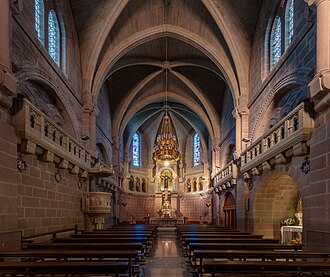
Basilica, Xavier, Navarre, Spain. The basilica belongs to the ensemble of the Castle of Xavier, built in the 10th century, although the basilica was not built until end of the 19th and beginning of the 20th century. Of eclectic style, the interior has a unique neogothic nave built with grey stone and white marble. The stained glass is a work of painter Marcelino Santamaría from Burgos. The main altar is an artistic decorative work, carved in stone inlaid with mosaics, bronzes and enamels by the Biais house in Paris. The tabernacle is located on a high relief that represents San Francisco baptizing and preaching.
 #ImageOfTheDay
Picture of the day
Basilica, Xavier, Navarre, Spain. The basilica belongs to the ensemble of the Castle of Xavier, built in the 10th century, although the basilica was not built until end of the 19th and beginning of the 20th century. Of eclectic style, the interior has a unique neogothic nave built with grey stone and white marble. The stained glass is a work of painter Marcelino Santamaría from Burgos. The main altar is an artistic decorative work, carved in stone inlaid with mosaics, bronzes and enamels by the Biais house in Paris. The tabernacle is located on a high relief that represents San Francisco baptizing and preaching.
Read More
Sun Rises on Crew-10 at Launch Pad

A SpaceX Falcon 9 rocket with the company’s Dragon spacecraft on top is seen during sunrise on the launch pad at Launch Complex 39A at NASA’s Kennedy Space Center in Florida on Tuesday, March 11, 2025, ahead of the agency’s SpaceX Crew-10 launch. Crew-10 is the 10th crew rotation mission with SpaceX to the International Space Station as part of the agency’s Commercial Crew Program. Liftoff is targeted for 7:48 p.m. EDT on Wednesday, March 12, 2025.

Read More