![Inaugural edition of Sheen Awards honors Mother Angelica #Catholic On Sept. 25, one day after the beatification of Archbishop Fulton Sheen, members of the media and entertainment world as well as the Church at large gathered in Peoria, Illinois — the hometown of now-Blessed Fulton Sheen — for the inaugural Sheen Awards.Among the notable figures in attendance were Bishop Louis Tylka of the Diocese of Peoria; Bishop John Barres of the Diocese Rockville Centre, New York; Bishop Robert Barron of the Diocese of Winona-Rochester, Minnesota; Jonathan Roumie, who plays Jesus in “The Chosen”; David Henrie, host of EWTN’s travel series “Seeking Beauty”; and Siobhan Fallon Hogan, host of the EWTN podcast “Catholics and Cappuccinos.” Seven awards were presented including the Radio and Podcast Impact Award, the Evangelization Impact Award, the Mission and Humanitarian Impact Award, the Innovation Impact Award, the Digital Creator Impact Award, the Television and Streaming Impact Award, and the Archbishop Fulton J. Sheen Lifetime Achievement Award.Mother Angelica, EWTN’s foundress, posthumously received the inaugural Lifetime Achievement Award. The award was bestowed on Mother Angelica in recognition of her lifetime of service to the Church and her pioneering use of television to proclaim the Gospel through the Eternal Word Television Network. EWTN Studios President Peter Gagnon accepted the award on her behalf.“On behalf of Michael Warsaw, CEO, and myself, we want to thank Bishop Tylka and the Archbishop Sheen Foundation for honoring Mother Angelica with this award,” Gagnon said in his acceptance speech. Gagnon worked with Mother Angelica for many years and pointed out that “one of her favorite expressions was to say, ‘This is awesome!’”He said: “When there would be a papal event, she would say, ‘Wasnʼt that awesome?’ … I think tonight she would say, ‘This is awesome.’”A little over one year after the death of Sheen — on Dec. 12, 1980 — EWTN was officially incorporated by Mother Angelica. Reflecting on this, Gagnon said: “I donʼt think itʼs a coincidence.”“Mother Angelica took the torch from Archbishop Sheen because she saw the power of reaching people through the media, through television,” he said. “She, like Archbishop Sheen, could reach through that camera lens and talk to you. And when she was talking to you, she was talking to you directly.”Gagnon added: “Also like him [Sheen], she had just an incredible love for the Church and a zeal for souls. I never knew anyone who loved Our Lord as much as Mother Angelica did. Her impact on many throughout the world is truly humbling and amazing.”EWTN has aired “Life Is Worth Living,” Sheen’s popular television show, for over 20 years. Gagnon emphasized that the network is “proud to share his words and message throughout the world.”In an additional statement commenting on the significance of the award, Michael Warsaw, chairman and CEO of EWTN Global Catholic Network, noted: “Among the great Catholic evangelists of the 20th century, Blessed Archbishop Fulton J. Sheen, and our own Mother Angelica, stand out for the extraordinary ways they embraced media to proclaim the Gospel, defend the dignity of the human person and speak the truth to a world desperately in need of Jesus Christ.” “It is especially meaningful to see Mother Angelica honored in the name of Archbishop Sheen, whose pioneering use of radio and television demonstrated the power of media in service of the Gospel,” Warsaw pointed out. He said the recognition is “particularly poignant as we mark the 10th anniversary of Mother Angelica’s passing.”
EWTN Studios President Peter Gagnon accepts the Lifetime Achievement Award on behalf of Mother Angelica at the Sheen Awards on Sept. 25, 2026. | Credit: Nellie Gould, Archbishop Fulton J. Sheen Foundation
“She would have been deeply honored to be recognized at the inaugural Sheen Awards and counted among the innovators and communicators carrying forward Archbishop Sheen’s legacy,” Warsaw added.Broaching the topic of Mother Angelica’s own potential cause for canonization, Warsaw indicated: “While I remain mindful of the Church’s careful discernment regarding any potential cause for sainthood, I can say personally that I pray and hope that one day Mother Angelica might be numbered among the saints of the Church she loved and served so faithfully.”Warsaw concluded: “On behalf of the entire EWTN family, I am profoundly grateful for this recognition of Mother Angelica and, more importantly, for the opportunity to remember what animated both Mother Angelica and Blessed Fulton Sheen: the desire to bring souls to Jesus Christ. May their example inspire us all to use the gifts God has given us to proclaim the Gospel with courage, creativity and joy.”Additional Sheen Award recipients included Katie McGrady, who received the Radio and Podcast Impact Award; Roumie, who received the Television and Streaming Impact Award; and Barron, who received the Evangelization Impact Award.The Mission and Humanitarian Impact Award went to the Pontifical Mission Societies in the United States, while Hallow received the Innovation Impact Award. Paul J. Kim was awarded the Digital Creator Impact Award.Watch EWTN’s livestream of the red carpet at the Sheen Awards here.](https://unitedyam.com/wp-content/uploads/2026/10/inaugural-edition-of-sheen-awards-honors-mother-angelica-catholic-on-sept-25-one-day-after-the-beatification-of-archbishop-fulton-sheen-members-of-the-media-and-entertainment-world-as-well-as-the-scaled.jpg "Inaugural edition of Sheen Awards honors Mother Angelica #Catholic On Sept. 25, one day after the beatification of Archbishop Fulton Sheen, members of the media and entertainment world as well as the Church at large gathered in Peoria, Illinois — the hometown of now-Blessed Fulton Sheen — for the inaugural Sheen Awards.Among the notable figures in attendance were Bishop Louis Tylka of the Diocese of Peoria; Bishop John Barres of the Diocese Rockville Centre, New York; Bishop Robert Barron of the Diocese of Winona-Rochester, Minnesota; Jonathan Roumie, who plays Jesus in “The Chosen”; David Henrie, host of EWTN’s travel series “Seeking Beauty”; and Siobhan Fallon Hogan, host of the EWTN podcast “Catholics and Cappuccinos.” Seven awards were presented including the Radio and Podcast Impact Award, the Evangelization Impact Award, the Mission and Humanitarian Impact Award, the Innovation Impact Award, the Digital Creator Impact Award, the Television and Streaming Impact Award, and the Archbishop Fulton J. Sheen Lifetime Achievement Award.Mother Angelica, EWTN’s foundress, posthumously received the inaugural Lifetime Achievement Award. The award was bestowed on Mother Angelica in recognition of her lifetime of service to the Church and her pioneering use of television to proclaim the Gospel through the Eternal Word Television Network. EWTN Studios President Peter Gagnon accepted the award on her behalf.“On behalf of Michael Warsaw, CEO, and myself, we want to thank Bishop Tylka and the Archbishop Sheen Foundation for honoring Mother Angelica with this award,” Gagnon said in his acceptance speech. Gagnon worked with Mother Angelica for many years and pointed out that “one of her favorite expressions was to say, ‘This is awesome!’”He said: “When there would be a papal event, she would say, ‘Wasnʼt that awesome?’ … I think tonight she would say, ‘This is awesome.’”A little over one year after the death of Sheen — on Dec. 12, 1980 — EWTN was officially incorporated by Mother Angelica. Reflecting on this, Gagnon said: “I donʼt think itʼs a coincidence.”“Mother Angelica took the torch from Archbishop Sheen because she saw the power of reaching people through the media, through television,” he said. “She, like Archbishop Sheen, could reach through that camera lens and talk to you. And when she was talking to you, she was talking to you directly.”Gagnon added: “Also like him [Sheen], she had just an incredible love for the Church and a zeal for souls. I never knew anyone who loved Our Lord as much as Mother Angelica did. Her impact on many throughout the world is truly humbling and amazing.”EWTN has aired “Life Is Worth Living,” Sheen’s popular television show, for over 20 years. Gagnon emphasized that the network is “proud to share his words and message throughout the world.”In an additional statement commenting on the significance of the award, Michael Warsaw, chairman and CEO of EWTN Global Catholic Network, noted: “Among the great Catholic evangelists of the 20th century, Blessed Archbishop Fulton J. Sheen, and our own Mother Angelica, stand out for the extraordinary ways they embraced media to proclaim the Gospel, defend the dignity of the human person and speak the truth to a world desperately in need of Jesus Christ.” “It is especially meaningful to see Mother Angelica honored in the name of Archbishop Sheen, whose pioneering use of radio and television demonstrated the power of media in service of the Gospel,” Warsaw pointed out. He said the recognition is “particularly poignant as we mark the 10th anniversary of Mother Angelica’s passing.”
EWTN Studios President Peter Gagnon accepts the Lifetime Achievement Award on behalf of Mother Angelica at the Sheen Awards on Sept. 25, 2026. | Credit: Nellie Gould, Archbishop Fulton J. Sheen Foundation
“She would have been deeply honored to be recognized at the inaugural Sheen Awards and counted among the innovators and communicators carrying forward Archbishop Sheen’s legacy,” Warsaw added.Broaching the topic of Mother Angelica’s own potential cause for canonization, Warsaw indicated: “While I remain mindful of the Church’s careful discernment regarding any potential cause for sainthood, I can say personally that I pray and hope that one day Mother Angelica might be numbered among the saints of the Church she loved and served so faithfully.”Warsaw concluded: “On behalf of the entire EWTN family, I am profoundly grateful for this recognition of Mother Angelica and, more importantly, for the opportunity to remember what animated both Mother Angelica and Blessed Fulton Sheen: the desire to bring souls to Jesus Christ. May their example inspire us all to use the gifts God has given us to proclaim the Gospel with courage, creativity and joy.”Additional Sheen Award recipients included Katie McGrady, who received the Radio and Podcast Impact Award; Roumie, who received the Television and Streaming Impact Award; and Barron, who received the Evangelization Impact Award.The Mission and Humanitarian Impact Award went to the Pontifical Mission Societies in the United States, while Hallow received the Innovation Impact Award. Paul J. Kim was awarded the Digital Creator Impact Award.Watch EWTN’s livestream of the red carpet at the Sheen Awards here.")


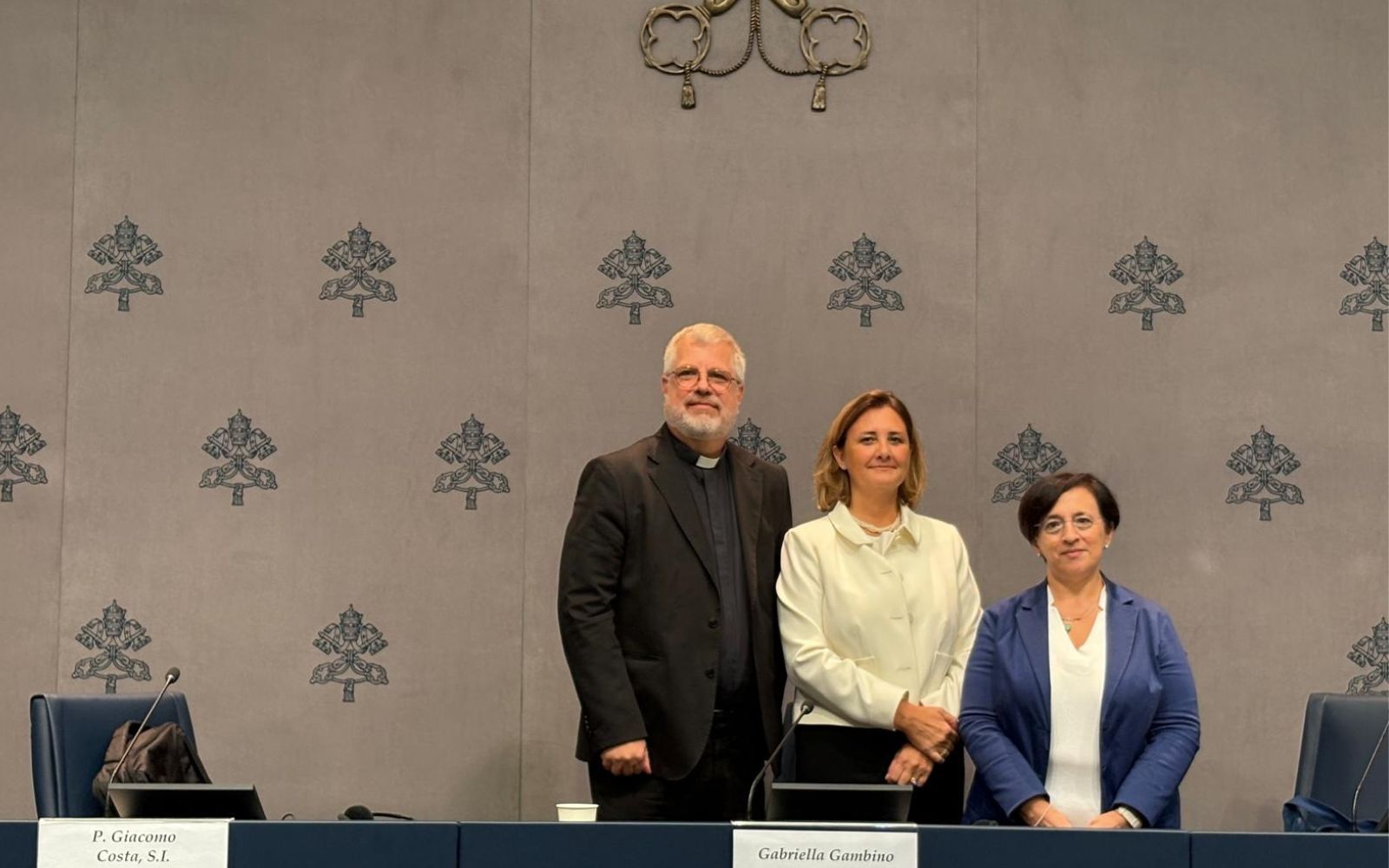
Vatican officials said the weeklong meeting is neither a synod, nor an evaluation of Amoris Laetitia.
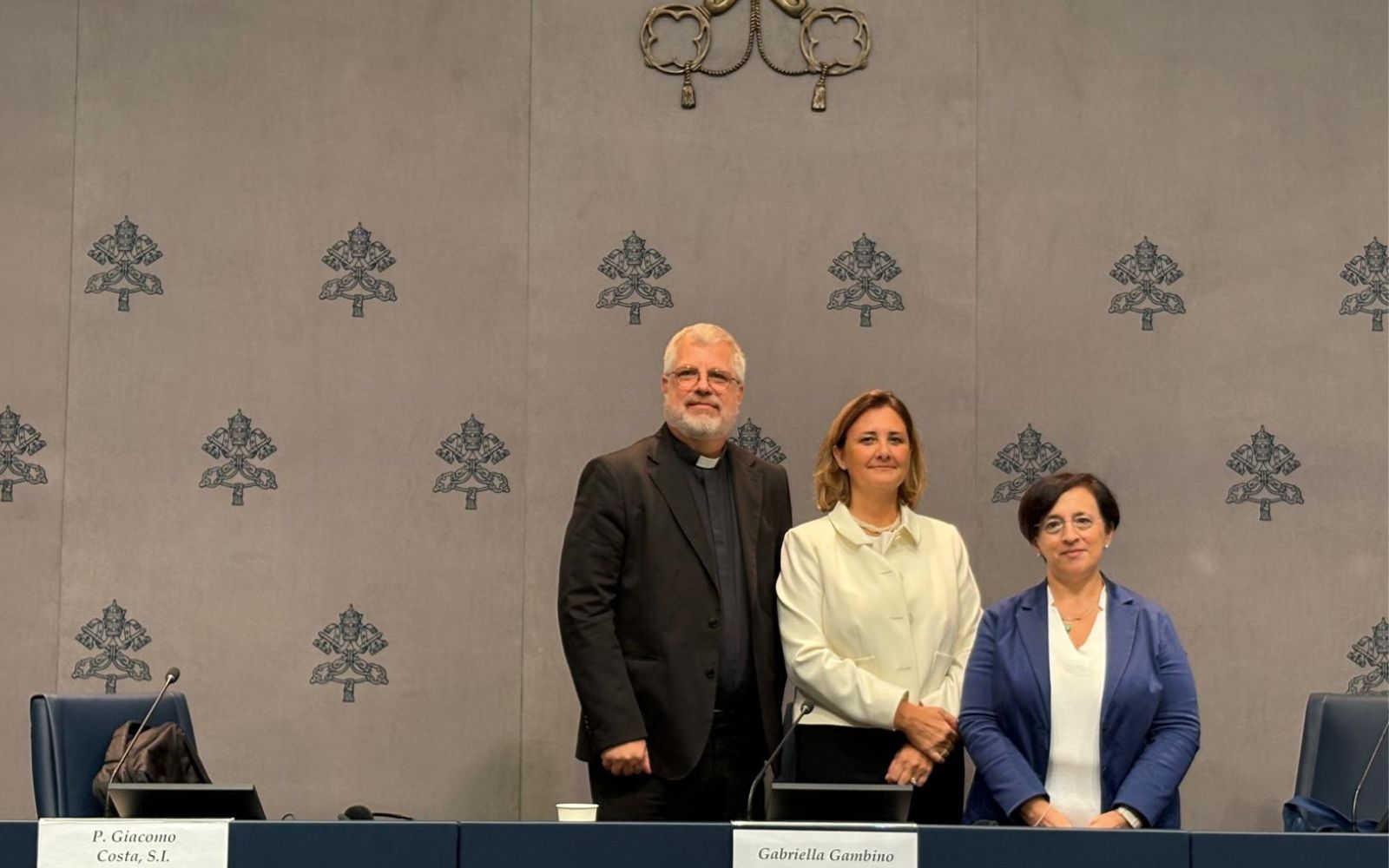
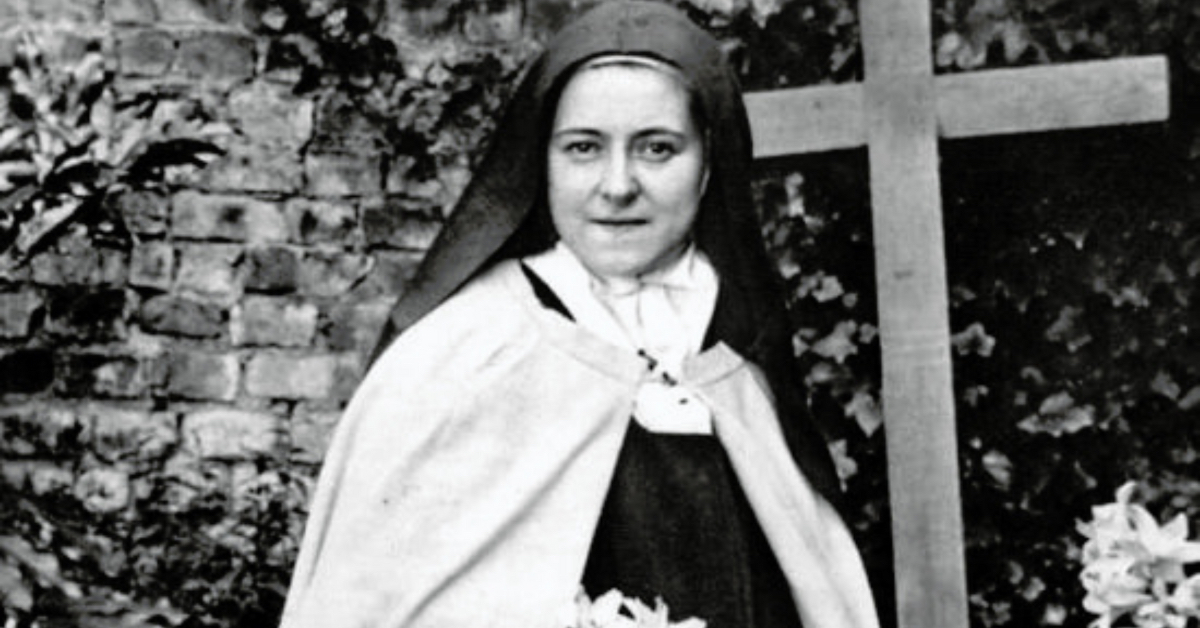
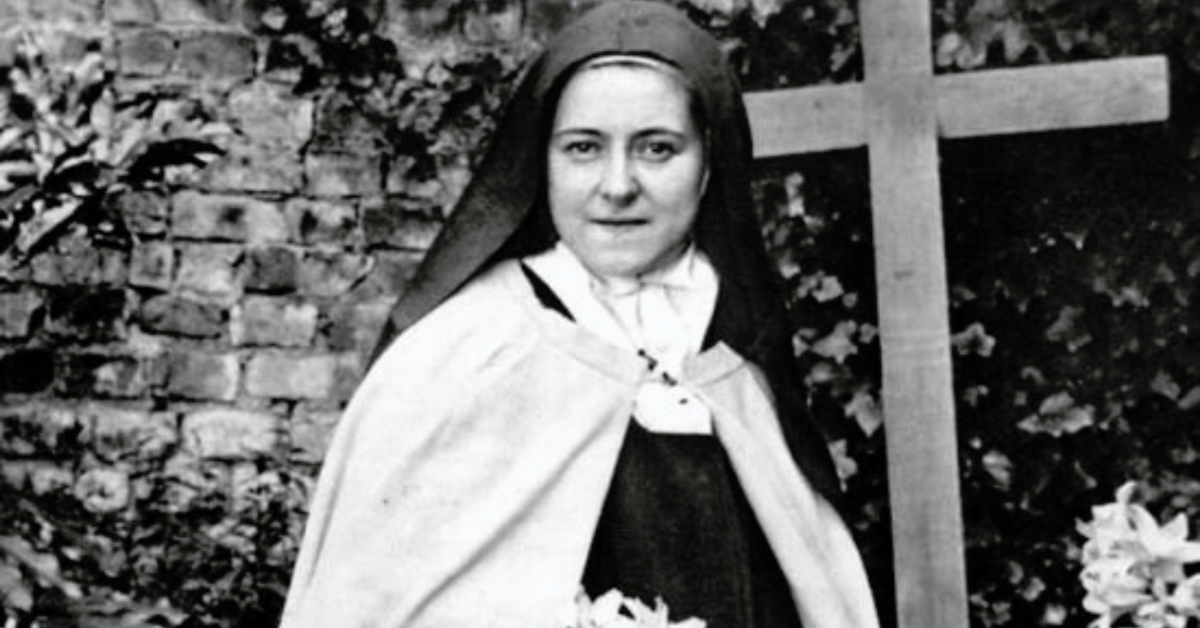
The beloved Carmelite nun, patron saint of the missions, and youngest doctor of the Church is celebrated in the universal Church on Oct. 1.
| Picture of the day |
|---|

|
|
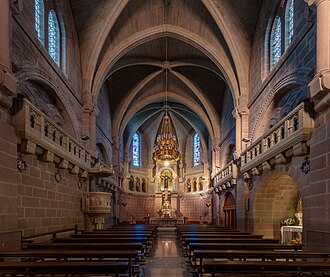
Basilica, Xavier, Navarre, Spain. The basilica belongs to the ensemble of the Castle of Xavier, built in the 10th century, although the basilica was not built until end of the 19th and beginning of the 20th century. Of eclectic style, the interior has a unique neogothic nave built with grey stone and white marble. The stained glass is a work of painter Marcelino Santamaría from Burgos. The main altar is an artistic decorative work, carved in stone inlaid with mosaics, bronzes and enamels by the Biais house in Paris. The tabernacle is located on a high relief that represents San Francisco baptizing and preaching.
|