Ancient

CNA explains: How does the Catholic Church create dioceses and archdioceses? #Catholic 
 
 St. Joseph Cathedral, Buffalo. | Credit: CiEll/Shutterstock

Jan 10, 2026 / 06:00 am (CNA).
Catholics in the U.S. were witness to a rare Church decision in 2023 when Pope Francis elevated the Diocese of Las Vegas to a metropolitan archdiocese. Las Vegas had previously been a suffragan diocese of San Francisco, having been created by Pope John Paul II in 1995. A suffragan diocese operates within an ecclesiastical province subordinate to a larger archdiocese and is led by a suffragan bishop who has the authority to lead his own diocese but works under the metropolitan archbishop.In September 2025, Pope Leo XIV created a new Catholic diocese in northern China; though it goes by the same name as one established decades ago by Beijing without Vatican approval — a product of ongoing tensions between China and the Holy See — the move demonstrated the Holy See’s authority in creating local Church jurisdictions. Outside of one’s own parish, a diocese or archdiocese is arguably the average Catholic’s most common point of interaction with the Church. These jurisdictions manage local Church life and administration, with bishops and archbishops offering both spiritual and temporal guidance and authority to Catholics under their care. But how does the Catholic Church decide what becomes a diocese or an archdiocese? What are the roots of this ancient practice, and how does it function today?Exclusively a papal rightMonsignor William King, JCD, KCHS, an assistant professor at the school of canon law at The Catholic University of America, told CNA that the right to erect (or suppress) a diocese “belongs exclusively to the successor of Peter, the bishop of Rome,” that is, the pope.“Historically, secular rulers have intruded into the process and the autonomy of the Church in this action has been hard-won,” he said, pointing out that “even today in certain parts of the world, secular or civil rulers wish to have input into matters such as this.”The pope never makes decisions regarding dioceses and archdioceses “without considerable study and consultation,” King said. The history of diocesan administration stretches back to the earliest years of the Church, he said. In those days a diocese consisted of “a city larger than the surrounding cities and towns,” often a place of commerce or a center of government.Throughout the centuries, including after the imperial legalization of the Church by Constantine, Church leaders refined the diocesan structure of “pastoral ministry and governance” in order to facilitate “communication and decision-making” throughout Christendom.“This became increasingly important as the Church grew and encountered different systems of law, philosophy, and religious practice,” King said. Roman models of government structure proved useful and sufficient for Church governance; King noted that the Church structure even today more closely resembles a government than a corporation.The process by determining which jurisdictions counted as archdioceses likely arose in earlier centuries organically, King said, with Church leaders identifying major centers of “culture, education, commerce, government, and transportation” as particularly significant jurisdictions.The procedure for elevating a diocese to an archdiocese, meanwhile — as Pope Francis did to Las Vegas in 2023 — requires “significant study, discussion, and decision-making,” King said.The Holy See conducts such reviews in part through a diocese’s “quinquennial report,” a detailed rundown of the diocese’s activities and administration. Such a report may indicate to the Holy See that a particular region is growing and could benefit from elevation to an archdiocese.Local suffragan bishops will participate in discussions to that effect, King said, and the Roman Curia will work with bishops’ conferences as well as the local apostolic nuncio.“The ultimate decision is that of the Roman pontiff, the bishop of Rome,” King said, “but is always done with his awareness of the conversations and consultations already conducted at every level.”The priest pointed out that not every local jurisdiction of the Church is a diocese or archdiocese. At times, he said, the pope may establish a less common ecclesiastical administration “for a variety of reasons that relate to culture, legal acceptance or opposition, small numbers, and the like.”Such jurisdictions include apostolic prefectures, apostolic vicariates, ordinariates, and other designations. Such areas may be governed by a bishop or a priest named by the pope, King said.

CNA explains: How does the Catholic Church create dioceses and archdioceses? #Catholic St. Joseph Cathedral, Buffalo. | Credit: CiEll/Shutterstock Jan 10, 2026 / 06:00 am (CNA). Catholics in the U.S. were witness to a rare Church decision in 2023 when Pope Francis elevated the Diocese of Las Vegas to a metropolitan archdiocese. Las Vegas had previously been a suffragan diocese of San Francisco, having been created by Pope John Paul II in 1995. A suffragan diocese operates within an ecclesiastical province subordinate to a larger archdiocese and is led by a suffragan bishop who has the authority to lead his own diocese but works under the metropolitan archbishop.In September 2025, Pope Leo XIV created a new Catholic diocese in northern China; though it goes by the same name as one established decades ago by Beijing without Vatican approval — a product of ongoing tensions between China and the Holy See — the move demonstrated the Holy See’s authority in creating local Church jurisdictions. Outside of one’s own parish, a diocese or archdiocese is arguably the average Catholic’s most common point of interaction with the Church. These jurisdictions manage local Church life and administration, with bishops and archbishops offering both spiritual and temporal guidance and authority to Catholics under their care. But how does the Catholic Church decide what becomes a diocese or an archdiocese? What are the roots of this ancient practice, and how does it function today?Exclusively a papal rightMonsignor William King, JCD, KCHS, an assistant professor at the school of canon law at The Catholic University of America, told CNA that the right to erect (or suppress) a diocese “belongs exclusively to the successor of Peter, the bishop of Rome,” that is, the pope.“Historically, secular rulers have intruded into the process and the autonomy of the Church in this action has been hard-won,” he said, pointing out that “even today in certain parts of the world, secular or civil rulers wish to have input into matters such as this.”The pope never makes decisions regarding dioceses and archdioceses “without considerable study and consultation,” King said. The history of diocesan administration stretches back to the earliest years of the Church, he said. In those days a diocese consisted of “a city larger than the surrounding cities and towns,” often a place of commerce or a center of government.Throughout the centuries, including after the imperial legalization of the Church by Constantine, Church leaders refined the diocesan structure of “pastoral ministry and governance” in order to facilitate “communication and decision-making” throughout Christendom.“This became increasingly important as the Church grew and encountered different systems of law, philosophy, and religious practice,” King said. Roman models of government structure proved useful and sufficient for Church governance; King noted that the Church structure even today more closely resembles a government than a corporation.The process by determining which jurisdictions counted as archdioceses likely arose in earlier centuries organically, King said, with Church leaders identifying major centers of “culture, education, commerce, government, and transportation” as particularly significant jurisdictions.The procedure for elevating a diocese to an archdiocese, meanwhile — as Pope Francis did to Las Vegas in 2023 — requires “significant study, discussion, and decision-making,” King said.The Holy See conducts such reviews in part through a diocese’s “quinquennial report,” a detailed rundown of the diocese’s activities and administration. Such a report may indicate to the Holy See that a particular region is growing and could benefit from elevation to an archdiocese.Local suffragan bishops will participate in discussions to that effect, King said, and the Roman Curia will work with bishops’ conferences as well as the local apostolic nuncio.“The ultimate decision is that of the Roman pontiff, the bishop of Rome,” King said, “but is always done with his awareness of the conversations and consultations already conducted at every level.”The priest pointed out that not every local jurisdiction of the Church is a diocese or archdiocese. At times, he said, the pope may establish a less common ecclesiastical administration “for a variety of reasons that relate to culture, legal acceptance or opposition, small numbers, and the like.”Such jurisdictions include apostolic prefectures, apostolic vicariates, ordinariates, and other designations. Such areas may be governed by a bishop or a priest named by the pope, King said.


St. Joseph Cathedral, Buffalo. | Credit: CiEll/Shutterstock

Jan 10, 2026 / 06:00 am (CNA).

Catholics in the U.S. were witness to a rare Church decision in 2023 when Pope Francis elevated the Diocese of Las Vegas to a metropolitan archdiocese. Las Vegas had previously been a suffragan diocese of San Francisco, having been created by Pope John Paul II in 1995.

A suffragan diocese operates within an ecclesiastical province subordinate to a larger archdiocese and is led by a suffragan bishop who has the authority to lead his own diocese but works under the metropolitan archbishop.

In September 2025, Pope Leo XIV created a new Catholic diocese in northern China; though it goes by the same name as one established decades ago by Beijing without Vatican approval — a product of ongoing tensions between China and the Holy See — the move demonstrated the Holy See’s authority in creating local Church jurisdictions.

Outside of one’s own parish, a diocese or archdiocese is arguably the average Catholic’s most common point of interaction with the Church. These jurisdictions manage local Church life and administration, with bishops and archbishops offering both spiritual and temporal guidance and authority to Catholics under their care.

But how does the Catholic Church decide what becomes a diocese or an archdiocese? What are the roots of this ancient practice, and how does it function today?

Exclusively a papal right

Monsignor William King, JCD, KCHS, an assistant professor at the school of canon law at The Catholic University of America, told CNA that the right to erect (or suppress) a diocese “belongs exclusively to the successor of Peter, the bishop of Rome,” that is, the pope.

“Historically, secular rulers have intruded into the process and the autonomy of the Church in this action has been hard-won,” he said, pointing out that “even today in certain parts of the world, secular or civil rulers wish to have input into matters such as this.”

The pope never makes decisions regarding dioceses and archdioceses “without considerable study and consultation,” King said.

The history of diocesan administration stretches back to the earliest years of the Church, he said. In those days a diocese consisted of “a city larger than the surrounding cities and towns,” often a place of commerce or a center of government.

Throughout the centuries, including after the imperial legalization of the Church by Constantine, Church leaders refined the diocesan structure of “pastoral ministry and governance” in order to facilitate “communication and decision-making” throughout Christendom.

“This became increasingly important as the Church grew and encountered different systems of law, philosophy, and religious practice,” King said. Roman models of government structure proved useful and sufficient for Church governance; King noted that the Church structure even today more closely resembles a government than a corporation.

The process by determining which jurisdictions counted as archdioceses likely arose in earlier centuries organically, King said, with Church leaders identifying major centers of “culture, education, commerce, government, and transportation” as particularly significant jurisdictions.

The procedure for elevating a diocese to an archdiocese, meanwhile — as Pope Francis did to Las Vegas in 2023 — requires “significant study, discussion, and decision-making,” King said.

The Holy See conducts such reviews in part through a diocese’s “quinquennial report,” a detailed rundown of the diocese’s activities and administration. Such a report may indicate to the Holy See that a particular region is growing and could benefit from elevation to an archdiocese.

Local suffragan bishops will participate in discussions to that effect, King said, and the Roman Curia will work with bishops’ conferences as well as the local apostolic nuncio.

“The ultimate decision is that of the Roman pontiff, the bishop of Rome,” King said, “but is always done with his awareness of the conversations and consultations already conducted at every level.”

The priest pointed out that not every local jurisdiction of the Church is a diocese or archdiocese. At times, he said, the pope may establish a less common ecclesiastical administration “for a variety of reasons that relate to culture, legal acceptance or opposition, small numbers, and the like.”

Such jurisdictions include apostolic prefectures, apostolic vicariates, ordinariates, and other designations. Such areas may be governed by a bishop or a priest named by the pope, King said.

Read More
CNA’s top Catholic moments of 2025 #Catholic 
 
 Pope Leo XIV greets a girl in a wheelchair during an audience with members of Italian Catholic Action on Dec. 19, 2025 at the Vatican. Credit: Vatican Media

Dec 31, 2025 / 08:00 am (CNA).
2025 was filled with impactful moments — from the death of Pope Francis to the election of the first American-born pope, Leo XIV, to hundreds of thousands of young people who gathered in Rome for the Jubilee of Youth to the canonization of the Church’s first millennial saint.Here are some of the top Catholic moments of 2025:Death of Pope FrancisThe new year began with Catholics around the world uniting in prayer for Pope Francis’ health as he entered the hospital on Feb. 14. He was admitted to Gemelli Hospital in Rome due to a respiratory infection that progressed to bilateral pneumonia, requiring a prolonged hospitalization that lasted almost six weeks. 
         View this post on Instagram            
 
 On March 23, Pope Francis was discharged from the hospital and gave a blessing from the hospital window to the faithful who were gathered. 
         View this post on Instagram            
 
 Soon after, on March 29, the late pontiff was readmitted to the hospital with difficulty breathing. On April 21, the day after Easter, Pope Francis passed away at the age of 88 from a stroke, coma, and irreversible cardiovascular collapse, according to the death certificate published just over 12 hours after Francis’ death.More than 400,000 people filled St. Peter’s Square for the funeral of Pope Francis on April 26 as the world said goodbye to the first Latin American pope, who led the Catholic Church for 12 years.Conclave and election of Pope Leo XIVOn May 7, 133 cardinal electors gathered in the Sistine Chapel for the start of the conclave. After four ballots, Cardinal Robert Prevost was elected on May 8 as the 267th pope of the Catholic Church and took the name Pope Leo XIV. A Chicago native, he became the first American pope in Church history.Thousands gathered in St. Peter’s Square erupted in cheers as the bells of the basilica began to toll, confirming the election of a new pontiff. The crowds gathered as word spread throughout Rome that a new pope had been chosen. 
         View this post on Instagram            
 
 Jubilee of YouthOne of Pope Leo’s first major events was the Jubilee of Youth, which was held in Rome from July 28 to Aug. 3. Roughly 1 million young adults from around the world filled the streets of Rome as each day was filled with different opportunities and events for the young people to experience the richness of the Catholic faith.On Aug. 2, Pope Leo XIV was greeted by the largest crowd he had addressed during his pontificate thus far for the evening vigil at Tor Vergata, an outdoor venue 10 miles east of Rome. An estimated 1 million people were in attendance. The Holy Father arrived by helicopter and then drove through the grounds on the popemobile, waving to the cheering young people before the prayer service began.Pope Leo XIV approaches Tor Vergata in Rome by helicopter on Saturday, Aug. 2, 2025. | Credit: Vatican MediaMinneapolis school shootingThe Catholic community was shaken when a school shooting took place on Aug. 27 at Annunciation Catholic Church in Minneapolis. Two children were killed and 20 were injured. The shooter was identified as Robin Westman — who was born “Robert” and identified as a transgender woman — who died by suicide shortly after shooting through the windows of the church during a weekday school Mass.The Holy Father sent his condolences and offered prayers for the victims. He described the event as an “extremely difficult” and “terrible” tragedy.People attend a vigil at Lynnhurst Park to mourn the dead and pray for the wounded after a gunman opened fire on students at Annunciation Catholic School on Aug. 27, 2025, in Minneapolis. | Credit: Scott Olson/Getty ImagesCanonization of Carlo Acutis and Pier Giorgio FrassatiOn Sept. 7, two of the Church’s most beloved blesseds became saints: Carlo Acutis and Pier Giorgio Frassati. The canonizations of the two men, promulgated before an estimated 70,000 people in St. Peter’s Square, were the first of Leo XIV’s pontificate.During his homily, the pope said: “Today we look to St. Pier Giorgio Frassati and St. Carlo Acutis: a young man from the early 20th century and a teenager from our own day, both in love with Jesus and ready to give everything for him.”“Dear friends, Sts. Pier Giorgio Frassati and Carlo Acutis are an invitation to all of us, especially young people, not to squander our lives but to direct them upwards and make them masterpieces,” he added. 
         View this post on Instagram            
 
 Newman made doctor of the ChurchThe Catholic Church gained a new doctor of the Church on Nov. 1 , when Pope Leo XIV declared St. John Henry Newman a doctor of the Church, recognizing the English cardinal and theologian — one of the most influential converts from Anglicanism — as a towering figure of faith and intellect in modern Catholicism.“Newman’s impressive spiritual and cultural stature will surely serve as an inspiration to new generations whose hearts thirst for the infinite and who, through research and knowledge, are willing to undertake that journey which, as the ancients said, takes us ‘per aspera ad astra,’ through difficulties to the stars,” the pope said in his homily.On All Saints’ Day 2025, St. John Henry Newman was proclaimed a doctor of the Church by Pope Leo XIV. | Credit: Vatican MediaPope Leo featured at NCYCOn Nov. 21, Pope Leo took part in his first digital encounter with American youth during the National Catholic Youth Conference, which took place Nov. 20–22 in Indianapolis.The conference featured Catholic speakers, daily Mass and adoration, music and worship, breakout groups and workshops, and interactive exhibits with games, vendors, meetups, and live radio shows.The main attraction of the conference was the hourlong live, virtual dialogue the pope had with those in attendance. Five young people were chosen to ask the Holy Father questions, which ranged from prayer to technology to friendships and the future of the Church. Pope Leo gave those gathered invaluable advice regarding the several different topics discussed.First papal trip to Turkey and LebanonPope Leo visited Turkey and Lebanon during his first papal trip from Nov. 27–Dec. 2. The wide-ranging international visit included historic ecumenical encounters, deeply symbolic gestures of prayer, and pastoral visits to Christian communities under pressure. The Holy Father highlighted the importance of unity, peace, and fraternity, and brought encouragement to a region marked by ancient faith and present suffering.Pope Leo XIV visits the Sultan Ahmed Mosque, also known as the “Blue Mosque,” in Istanbul, Turkey, on Nov. 29, 2025. Credit: Vatican Media

CNA’s top Catholic moments of 2025 #Catholic Pope Leo XIV greets a girl in a wheelchair during an audience with members of Italian Catholic Action on Dec. 19, 2025 at the Vatican. Credit: Vatican Media Dec 31, 2025 / 08:00 am (CNA). 2025 was filled with impactful moments — from the death of Pope Francis to the election of the first American-born pope, Leo XIV, to hundreds of thousands of young people who gathered in Rome for the Jubilee of Youth to the canonization of the Church’s first millennial saint.Here are some of the top Catholic moments of 2025:Death of Pope FrancisThe new year began with Catholics around the world uniting in prayer for Pope Francis’ health as he entered the hospital on Feb. 14. He was admitted to Gemelli Hospital in Rome due to a respiratory infection that progressed to bilateral pneumonia, requiring a prolonged hospitalization that lasted almost six weeks. View this post on Instagram On March 23, Pope Francis was discharged from the hospital and gave a blessing from the hospital window to the faithful who were gathered. View this post on Instagram Soon after, on March 29, the late pontiff was readmitted to the hospital with difficulty breathing. On April 21, the day after Easter, Pope Francis passed away at the age of 88 from a stroke, coma, and irreversible cardiovascular collapse, according to the death certificate published just over 12 hours after Francis’ death.More than 400,000 people filled St. Peter’s Square for the funeral of Pope Francis on April 26 as the world said goodbye to the first Latin American pope, who led the Catholic Church for 12 years.Conclave and election of Pope Leo XIVOn May 7, 133 cardinal electors gathered in the Sistine Chapel for the start of the conclave. After four ballots, Cardinal Robert Prevost was elected on May 8 as the 267th pope of the Catholic Church and took the name Pope Leo XIV. A Chicago native, he became the first American pope in Church history.Thousands gathered in St. Peter’s Square erupted in cheers as the bells of the basilica began to toll, confirming the election of a new pontiff. The crowds gathered as word spread throughout Rome that a new pope had been chosen. View this post on Instagram Jubilee of YouthOne of Pope Leo’s first major events was the Jubilee of Youth, which was held in Rome from July 28 to Aug. 3. Roughly 1 million young adults from around the world filled the streets of Rome as each day was filled with different opportunities and events for the young people to experience the richness of the Catholic faith.On Aug. 2, Pope Leo XIV was greeted by the largest crowd he had addressed during his pontificate thus far for the evening vigil at Tor Vergata, an outdoor venue 10 miles east of Rome. An estimated 1 million people were in attendance. The Holy Father arrived by helicopter and then drove through the grounds on the popemobile, waving to the cheering young people before the prayer service began.Pope Leo XIV approaches Tor Vergata in Rome by helicopter on Saturday, Aug. 2, 2025. | Credit: Vatican MediaMinneapolis school shootingThe Catholic community was shaken when a school shooting took place on Aug. 27 at Annunciation Catholic Church in Minneapolis. Two children were killed and 20 were injured. The shooter was identified as Robin Westman — who was born “Robert” and identified as a transgender woman — who died by suicide shortly after shooting through the windows of the church during a weekday school Mass.The Holy Father sent his condolences and offered prayers for the victims. He described the event as an “extremely difficult” and “terrible” tragedy.People attend a vigil at Lynnhurst Park to mourn the dead and pray for the wounded after a gunman opened fire on students at Annunciation Catholic School on Aug. 27, 2025, in Minneapolis. | Credit: Scott Olson/Getty ImagesCanonization of Carlo Acutis and Pier Giorgio FrassatiOn Sept. 7, two of the Church’s most beloved blesseds became saints: Carlo Acutis and Pier Giorgio Frassati. The canonizations of the two men, promulgated before an estimated 70,000 people in St. Peter’s Square, were the first of Leo XIV’s pontificate.During his homily, the pope said: “Today we look to St. Pier Giorgio Frassati and St. Carlo Acutis: a young man from the early 20th century and a teenager from our own day, both in love with Jesus and ready to give everything for him.”“Dear friends, Sts. Pier Giorgio Frassati and Carlo Acutis are an invitation to all of us, especially young people, not to squander our lives but to direct them upwards and make them masterpieces,” he added. View this post on Instagram Newman made doctor of the ChurchThe Catholic Church gained a new doctor of the Church on Nov. 1 , when Pope Leo XIV declared St. John Henry Newman a doctor of the Church, recognizing the English cardinal and theologian — one of the most influential converts from Anglicanism — as a towering figure of faith and intellect in modern Catholicism.“Newman’s impressive spiritual and cultural stature will surely serve as an inspiration to new generations whose hearts thirst for the infinite and who, through research and knowledge, are willing to undertake that journey which, as the ancients said, takes us ‘per aspera ad astra,’ through difficulties to the stars,” the pope said in his homily.On All Saints’ Day 2025, St. John Henry Newman was proclaimed a doctor of the Church by Pope Leo XIV. | Credit: Vatican MediaPope Leo featured at NCYCOn Nov. 21, Pope Leo took part in his first digital encounter with American youth during the National Catholic Youth Conference, which took place Nov. 20–22 in Indianapolis.The conference featured Catholic speakers, daily Mass and adoration, music and worship, breakout groups and workshops, and interactive exhibits with games, vendors, meetups, and live radio shows.The main attraction of the conference was the hourlong live, virtual dialogue the pope had with those in attendance. Five young people were chosen to ask the Holy Father questions, which ranged from prayer to technology to friendships and the future of the Church. Pope Leo gave those gathered invaluable advice regarding the several different topics discussed.First papal trip to Turkey and LebanonPope Leo visited Turkey and Lebanon during his first papal trip from Nov. 27–Dec. 2. The wide-ranging international visit included historic ecumenical encounters, deeply symbolic gestures of prayer, and pastoral visits to Christian communities under pressure. The Holy Father highlighted the importance of unity, peace, and fraternity, and brought encouragement to a region marked by ancient faith and present suffering.Pope Leo XIV visits the Sultan Ahmed Mosque, also known as the “Blue Mosque,” in Istanbul, Turkey, on Nov. 29, 2025. Credit: Vatican Media


Pope Leo XIV greets a girl in a wheelchair during an audience with members of Italian Catholic Action on Dec. 19, 2025 at the Vatican. Credit: Vatican Media

Dec 31, 2025 / 08:00 am (CNA).

2025 was filled with impactful moments — from the death of Pope Francis to the election of the first American-born pope, Leo XIV, to hundreds of thousands of young people who gathered in Rome for the Jubilee of Youth to the canonization of the Church’s first millennial saint.

Here are some of the top Catholic moments of 2025:

Death of Pope Francis

The new year began with Catholics around the world uniting in prayer for Pope Francis’ health as he entered the hospital on Feb. 14. He was admitted to Gemelli Hospital in Rome due to a respiratory infection that progressed to bilateral pneumonia, requiring a prolonged hospitalization that lasted almost six weeks.

On March 23, Pope Francis was discharged from the hospital and gave a blessing from the hospital window to the faithful who were gathered.

Soon after, on March 29, the late pontiff was readmitted to the hospital with difficulty breathing. On April 21, the day after Easter, Pope Francis passed away at the age of 88 from a stroke, coma, and irreversible cardiovascular collapse, according to the death certificate published just over 12 hours after Francis’ death.

More than 400,000 people filled St. Peter’s Square for the funeral of Pope Francis on April 26 as the world said goodbye to the first Latin American pope, who led the Catholic Church for 12 years.

Conclave and election of Pope Leo XIV

On May 7, 133 cardinal electors gathered in the Sistine Chapel for the start of the conclave. After four ballots, Cardinal Robert Prevost was elected on May 8 as the 267th pope of the Catholic Church and took the name Pope Leo XIV. A Chicago native, he became the first American pope in Church history.

Thousands gathered in St. Peter’s Square erupted in cheers as the bells of the basilica began to toll, confirming the election of a new pontiff. The crowds gathered as word spread throughout Rome that a new pope had been chosen.

Jubilee of Youth

One of Pope Leo’s first major events was the Jubilee of Youth, which was held in Rome from July 28 to Aug. 3. Roughly 1 million young adults from around the world filled the streets of Rome as each day was filled with different opportunities and events for the young people to experience the richness of the Catholic faith.

On Aug. 2, Pope Leo XIV was greeted by the largest crowd he had addressed during his pontificate thus far for the evening vigil at Tor Vergata, an outdoor venue 10 miles east of Rome. An estimated 1 million people were in attendance. The Holy Father arrived by helicopter and then drove through the grounds on the popemobile, waving to the cheering young people before the prayer service began.

Pope Leo XIV approaches Tor Vergata in Rome by helicopter on Saturday, Aug. 2, 2025. | Credit: Vatican Media

Minneapolis school shooting

The Catholic community was shaken when a school shooting took place on Aug. 27 at Annunciation Catholic Church in Minneapolis. Two children were killed and 20 were injured. The shooter was identified as Robin Westman — who was born “Robert” and identified as a transgender woman — who died by suicide shortly after shooting through the windows of the church during a weekday school Mass.

The Holy Father sent his condolences and offered prayers for the victims. He described the event as an “extremely difficult” and “terrible” tragedy.

People attend a vigil at Lynnhurst Park to mourn the dead and pray for the wounded after a gunman opened fire on students at Annunciation Catholic School on Aug. 27, 2025, in Minneapolis. | Credit: Scott Olson/Getty Images

Canonization of Carlo Acutis and Pier Giorgio Frassati

On Sept. 7, two of the Church’s most beloved blesseds became saints: Carlo Acutis and Pier Giorgio Frassati. The canonizations of the two men, promulgated before an estimated 70,000 people in St. Peter’s Square, were the first of Leo XIV’s pontificate.

During his homily, the pope said: “Today we look to St. Pier Giorgio Frassati and St. Carlo Acutis: a young man from the early 20th century and a teenager from our own day, both in love with Jesus and ready to give everything for him.”

“Dear friends, Sts. Pier Giorgio Frassati and Carlo Acutis are an invitation to all of us, especially young people, not to squander our lives but to direct them upwards and make them masterpieces,” he added.

Newman made doctor of the Church

The Catholic Church gained a new doctor of the Church on Nov. 1 , when Pope Leo XIV declared St. John Henry Newman a doctor of the Church, recognizing the English cardinal and theologian — one of the most influential converts from Anglicanism — as a towering figure of faith and intellect in modern Catholicism.

“Newman’s impressive spiritual and cultural stature will surely serve as an inspiration to new generations whose hearts thirst for the infinite and who, through research and knowledge, are willing to undertake that journey which, as the ancients said, takes us ‘per aspera ad astra,’ through difficulties to the stars,” the pope said in his homily.

On All Saints’ Day 2025, St. John Henry Newman was proclaimed a doctor of the Church by Pope Leo XIV. | Credit: Vatican Media

Pope Leo featured at NCYC

On Nov. 21, Pope Leo took part in his first digital encounter with American youth during the National Catholic Youth Conference, which took place Nov. 20–22 in Indianapolis.

The conference featured Catholic speakers, daily Mass and adoration, music and worship, breakout groups and workshops, and interactive exhibits with games, vendors, meetups, and live radio shows.

The main attraction of the conference was the hourlong live, virtual dialogue the pope had with those in attendance. Five young people were chosen to ask the Holy Father questions, which ranged from prayer to technology to friendships and the future of the Church. Pope Leo gave those gathered invaluable advice regarding the several different topics discussed.

First papal trip to Turkey and Lebanon

Pope Leo visited Turkey and Lebanon during his first papal trip from Nov. 27–Dec. 2. The wide-ranging international visit included historic ecumenical encounters, deeply symbolic gestures of prayer, and pastoral visits to Christian communities under pressure. The Holy Father highlighted the importance of unity, peace, and fraternity, and brought encouragement to a region marked by ancient faith and present suffering.

Pope Leo XIV visits the Sultan Ahmed Mosque, also known as the “Blue Mosque,” in Istanbul, Turkey, on Nov. 29, 2025. Credit: Vatican Media
Read More
Picture of the day


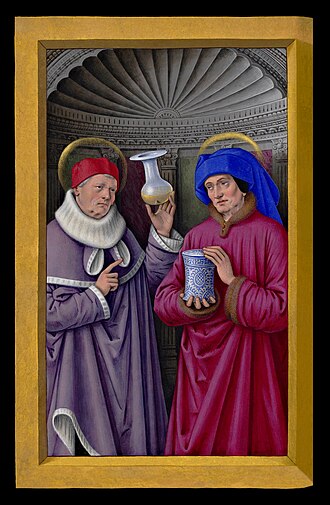
An image of Arab twin brothers Saints Cosmas and Damian from the Grandes Heures of Anne of Brittany. As ancient physicians, they are depicted holding tools of their profession. Today is their feast day on the General Roman Calendar.
 #ImageOfTheDay
Picture of the day
An image of Arab twin brothers Saints Cosmas and Damian from the Grandes Heures of Anne of Brittany. As ancient physicians, they are depicted holding tools of their profession. Today is their feast day on the General Roman Calendar.
Read More
Picture of the day


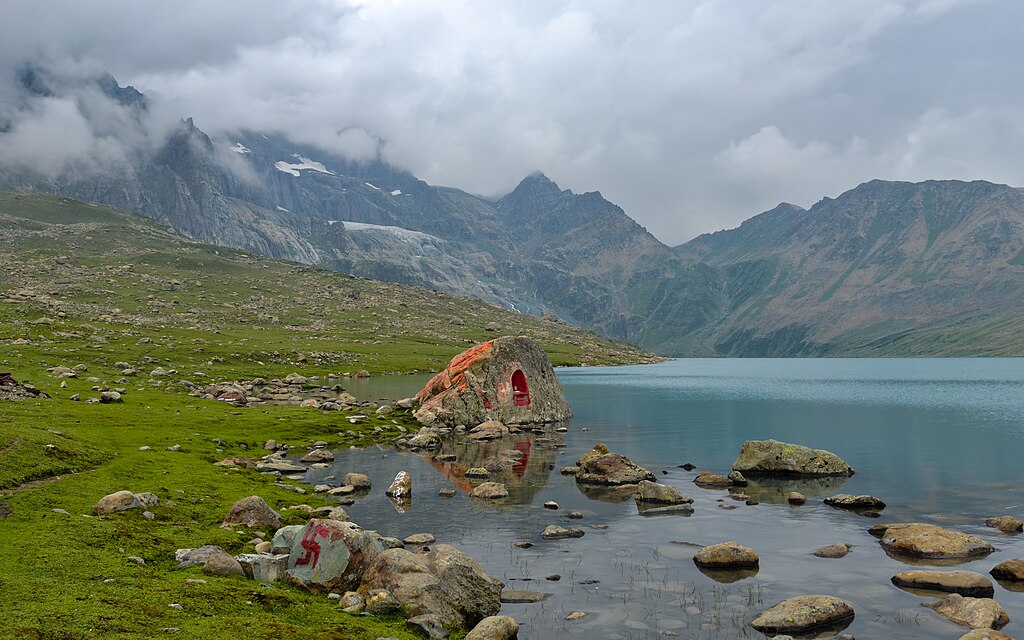
Shrine dedicated to Shiva situated at the shore of the Gangabal Lake, a high altitude glacial lake in the Indian Himalayas. The lake is situated at the foot of Mount Haramukh in Jammu and Kashmir, and is called Gangabal meaning ‘place of Ganga’ in Kashmiri language. It is considered sacred in Hinduism as an abode of Shiva and used by Kashmiri Hindus to immerse the ashes of their dead after cremation. It has been described as a place of pilgrimage in several ancient Hindu texts and an annual Hindu pilgrimage to the lake starts from a nearby 8th century Shiva temple. This picture was taken in the month of Shravan, the fifth month of the Hindu calendar, which is dedicated to the worship of Shiva.
 #ImageOfTheDay
Picture of the day
Shrine dedicated to Shiva situated at the shore of the Gangabal Lake, a high altitude glacial lake in the Indian Himalayas. The lake is situated at the foot of Mount Haramukh in Jammu and Kashmir, and is called Gangabal meaning ‘place of Ganga’ in Kashmiri language. It is considered sacred in Hinduism as an abode of Shiva and used by Kashmiri Hindus to immerse the ashes of their dead after cremation. It has been described as a place of pilgrimage in several ancient Hindu texts and an annual Hindu pilgrimage to the lake starts from a nearby 8th century Shiva temple. This picture was taken in the month of Shravan, the fifth month of the Hindu calendar, which is dedicated to the worship of Shiva.
Read More
Picture of the day


“Lantingji Xu” scroll (Shenlong version). Today’s lunar calendar day is the third day of March (Chinese: 三月初三), is the Shangsi Festival, a traditional festival in ancient China. Legend has it that on the Shangsi Festival in 353, Wang Xizhi held an Orchid Pavilion Gathering and wrote the “Lantingji Xu”. The original is lost. This Tang Dynasty copy by Feng Chengsu (馮承素) is considered the best of all the extant copies.
 #ImageOfTheDay
Picture of the day
“Lantingji Xu” scroll (Shenlong version). Today’s lunar calendar day is the third day of March (Chinese: 三月初三), is the Shangsi Festival, a traditional festival in ancient China. Legend has it that on the Shangsi Festival in 353, Wang Xizhi held an Orchid Pavilion Gathering and wrote the “Lantingji Xu”. The original is lost. This Tang Dynasty copy by Feng Chengsu (馮承素) is considered the best of all the extant copies.
Read More