angel

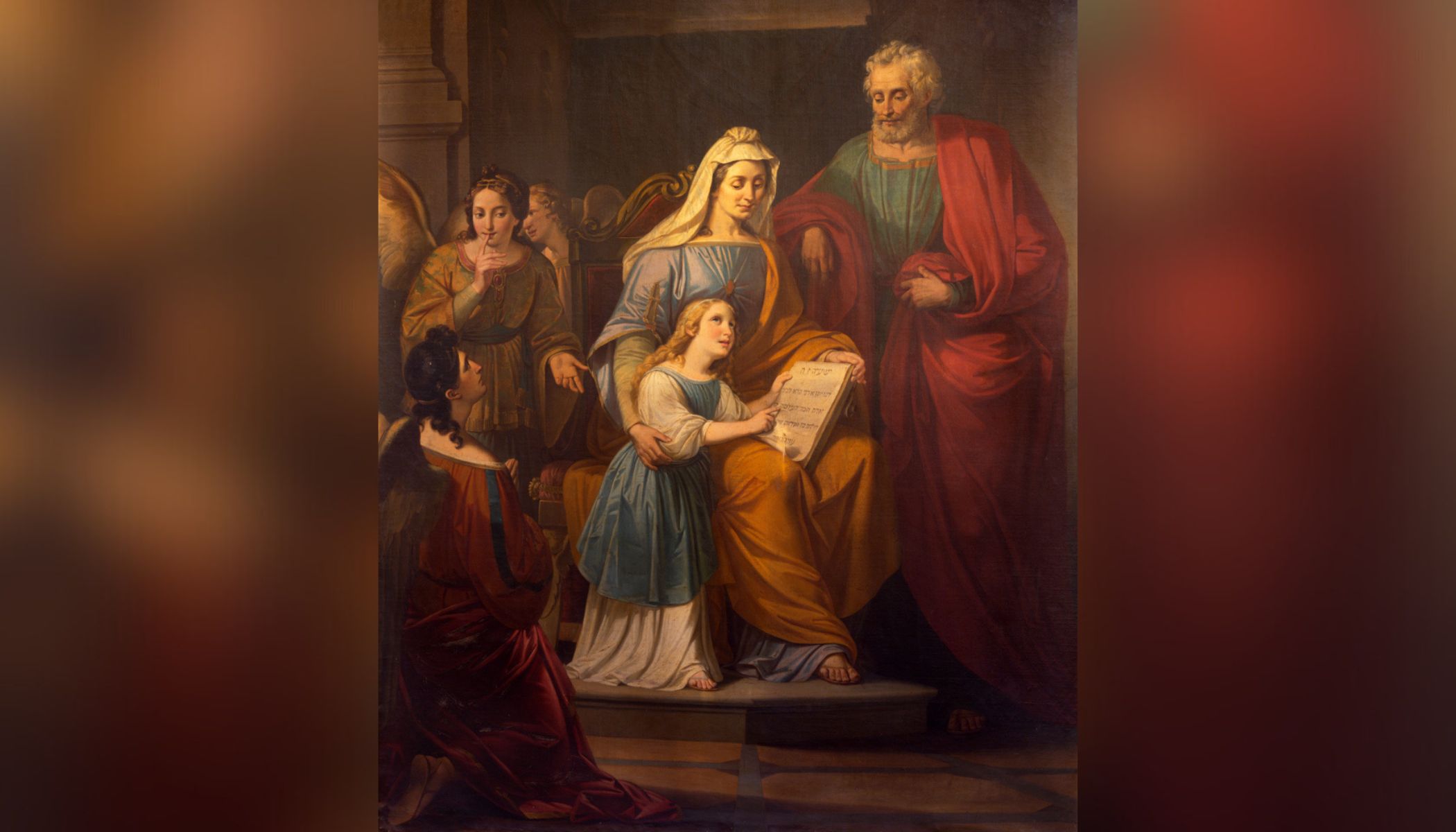
Mary’s birthday: The Church celebrates the Nativity of the Blessed Virgin Mary #Catholic The Catholic Church celebrates the birth of the Blessed Virgin Mary on its traditional fixed date of Sept. 8, nine months after the Dec. 8 celebration of her immaculate conception as the child of Sts. Joachim and Anne.The circumstances of the Virgin Mary’s infancy and early life are not directly recorded in the Bible, but other documents, legends, and traditions describing the circumstances of her birth are cited by some of the earliest Christian writers from the first centuries of the Church.These accounts are not included in the canon of Scripture and thus lack authority, but they do reflect some of the Church’s traditional beliefs about the birth of Mary.One such non-Scriptural source is the early second century “Protoevangelium of James,” an infancy gospel offering pious legends about Mary that nevertheless affirms some of the earliest teachings of the Church on the Blessed Mother.The Protoevangelium describes Mary’s father, Joachim, as a wealthy member of one of the 12 tribes of Israel. Joachim was deeply grieved, along with his wife, Anne, by their childlessness. “He called to mind Abraham,” the early Christian writing says, “that in the last day God gave him a son, Isaac.”Joachim and Anne began to devote themselves extensively and rigorously to prayer and fasting, initially wondering whether their inability to conceive a child might signify God’s displeasure with them.As it turned out, however, the couple was to be blessed even more abundantly than Abraham and Sarah, as an angel revealed to Anne when he appeared to her and prophesied that all generations would honor their future child: “The Lord has heard your prayer, and you shall conceive, and shall bring forth; and your seed shall be spoken of in all the world.”After Mary’s birth, according to the “Protoevangelium of James,” Anne “made a sanctuary” in the infant girl’s room and “allowed nothing common or unclean” on account of the special holiness of the child. The same writing records that when she was a year old, her father “made a great feast and invited the priests, and the scribes, and the elders, and all the people of Israel.”“And Joachim brought the child to the priests,” the account continues, “and they blessed her, saying: ‘O God of our fathers, bless this child, and give her an everlasting name to be named in all generations’ … And he brought her to the chief priests; and they blessed her, saying: ‘O God most high, look upon this child, and bless her with the utmost blessing, which shall be for ever.’”The protoevangelium goes on to describe how Mary’s parents, along with the Temple priests, subsequently decided that she would be offered to God as a consecrated virgin for the rest of her life and enter a chaste marriage with the carpenter Joseph.St. Augustine described the birth of the Blessed Virgin Mary as an event of cosmic and historic significance and an appropriate prelude to the birth of Jesus Christ. “She is the flower of the field from whom bloomed the precious lily of the valley,” he said.The fourth-century bishop, whose theology profoundly shaped the Western Church’s understanding of sin and human nature, affirmed that “through her birth, the nature inherited from our first parents is changed.”This story was first published on Sept. 5, 2010, and has been updated.

Mary’s birthday: The Church celebrates the Nativity of the Blessed Virgin Mary #Catholic The Catholic Church celebrates the birth of the Blessed Virgin Mary on its traditional fixed date of Sept. 8, nine months after the Dec. 8 celebration of her immaculate conception as the child of Sts. Joachim and Anne.The circumstances of the Virgin Mary’s infancy and early life are not directly recorded in the Bible, but other documents, legends, and traditions describing the circumstances of her birth are cited by some of the earliest Christian writers from the first centuries of the Church.These accounts are not included in the canon of Scripture and thus lack authority, but they do reflect some of the Church’s traditional beliefs about the birth of Mary.One such non-Scriptural source is the early second century “Protoevangelium of James,” an infancy gospel offering pious legends about Mary that nevertheless affirms some of the earliest teachings of the Church on the Blessed Mother.The Protoevangelium describes Mary’s father, Joachim, as a wealthy member of one of the 12 tribes of Israel. Joachim was deeply grieved, along with his wife, Anne, by their childlessness. “He called to mind Abraham,” the early Christian writing says, “that in the last day God gave him a son, Isaac.”Joachim and Anne began to devote themselves extensively and rigorously to prayer and fasting, initially wondering whether their inability to conceive a child might signify God’s displeasure with them.As it turned out, however, the couple was to be blessed even more abundantly than Abraham and Sarah, as an angel revealed to Anne when he appeared to her and prophesied that all generations would honor their future child: “The Lord has heard your prayer, and you shall conceive, and shall bring forth; and your seed shall be spoken of in all the world.”After Mary’s birth, according to the “Protoevangelium of James,” Anne “made a sanctuary” in the infant girl’s room and “allowed nothing common or unclean” on account of the special holiness of the child. The same writing records that when she was a year old, her father “made a great feast and invited the priests, and the scribes, and the elders, and all the people of Israel.”“And Joachim brought the child to the priests,” the account continues, “and they blessed her, saying: ‘O God of our fathers, bless this child, and give her an everlasting name to be named in all generations’ … And he brought her to the chief priests; and they blessed her, saying: ‘O God most high, look upon this child, and bless her with the utmost blessing, which shall be for ever.’”The protoevangelium goes on to describe how Mary’s parents, along with the Temple priests, subsequently decided that she would be offered to God as a consecrated virgin for the rest of her life and enter a chaste marriage with the carpenter Joseph.St. Augustine described the birth of the Blessed Virgin Mary as an event of cosmic and historic significance and an appropriate prelude to the birth of Jesus Christ. “She is the flower of the field from whom bloomed the precious lily of the valley,” he said.The fourth-century bishop, whose theology profoundly shaped the Western Church’s understanding of sin and human nature, affirmed that “through her birth, the nature inherited from our first parents is changed.”This story was first published on Sept. 5, 2010, and has been updated.

The Catholic Church celebrates the birth of the Blessed Virgin Mary on Sept. 8, nine months after the Dec. 8 celebration of her immaculate conception.
Read More
People ‘thirsting for Christ’ at procession in Brazil, bishop says #Catholic About 50,000 faithful took part in the closing procession for the novena to Our Lady of Glory in Brazil on Aug. 15. The local bishop, Flávio Giovenale, said the large turnout reflects the faith of the people, who are “thirsting for Christ.”“This multitude is saying: We want spirituality, we want Jesus, and we love Our Lady because she leads us to Jesus,” the bishop told the website Juruá 24 Horas.“Our Lady is like a mother who takes us to school; the teacher — the master — is Jesus, and Our Lady leads us to him,” he said.The devotees walked about two miles in a procession lasting nearly two hours. Holding candles, they followed the image of Our Lady, praying and giving thanks.“We came to give thanks for the harvest and for our family’s health. Being here among so many people sharing the same purpose is something indescribable,” farmer Renilson Fox said to news website G1.“We spend the whole year waiting for this moment,” veterinarian Douglas Vasconcelos told G1. He said that for him, this “is a day to renew our faith and give thanks for so many graces received.”Mary is our ‘prototype’“Today, we celebrate Our Lady of Glory, who is already there [in glory], a gift from God,” Giovenale said during the Mass at the Cruzeiro do Sul cathedral prior to the procession. The bishop recalled Jesus’s words: “I am going to the Father’s glory, and after I prepare a place, I will return and take you with me.”“We say that at the end of time, we will all rise again and be reunited in body and soul to live in heaven, body and soul. But for Our Lady, Jesus chose to make an exception, a gift. In his freedom, he said: ‘Our Lady was the first to say yes to me; she will also be the first to rise again,’” he explained.The bishop recalled that the Dormition of Mary, although not found in the Bible, has been a tradition “since the early years” of Christianity. It says “that Our Lady fell asleep in the Lord and Jesus came and took her, body and soul.”“She is there in heaven, body and soul, as the first Christian, the first to say ‘Here am I, the servant of the Lord,’ and the first to rise again, body and soul. She is, as it were, our prototype,” he said.In his homily, Giovenale said that before attaining glory, Mary served, and Christians must follow her example to reach the kingdom of heaven.“We’re going to walk in procession, why? Because Mary — after receiving the angel’s announcement that she would be the Mother of the Savior, and after saying, ‘I am the servant of the Lord’ — what did she do? She went to serve Elizabeth,” he said.“To serve, to be Christians, to be a faithful people, we can’t afford to slack off. Jesus promised us happiness, not ease. It requires effort; it requires saying, ‘I want to serve,’ just as Mary did,” he said.The bishop recalled that it was Jesus who said, “I came into the world not to be served, but to serve.” “Mary was the one who, in so many ways, anticipated this, because she is the first to be faithful to Jesus,” he added.Giovenale cited the theme of this year’s novena to Our Lady of Glory: “Our Lady of Glory, Mother of the Faithful People.” “If we want to be faithful to Jesus, faithful to God, we must imitate Mary — to journey forth and go serve others,” he said.This story was first published by ACI Digital, the Portuguese-language sister service of EWTN News. It has been translated and adapted by EWTN News English.

People ‘thirsting for Christ’ at procession in Brazil, bishop says #Catholic About 50,000 faithful took part in the closing procession for the novena to Our Lady of Glory in Brazil on Aug. 15. The local bishop, Flávio Giovenale, said the large turnout reflects the faith of the people, who are “thirsting for Christ.”“This multitude is saying: We want spirituality, we want Jesus, and we love Our Lady because she leads us to Jesus,” the bishop told the website Juruá 24 Horas.“Our Lady is like a mother who takes us to school; the teacher — the master — is Jesus, and Our Lady leads us to him,” he said.The devotees walked about two miles in a procession lasting nearly two hours. Holding candles, they followed the image of Our Lady, praying and giving thanks.“We came to give thanks for the harvest and for our family’s health. Being here among so many people sharing the same purpose is something indescribable,” farmer Renilson Fox said to news website G1.“We spend the whole year waiting for this moment,” veterinarian Douglas Vasconcelos told G1. He said that for him, this “is a day to renew our faith and give thanks for so many graces received.”Mary is our ‘prototype’“Today, we celebrate Our Lady of Glory, who is already there [in glory], a gift from God,” Giovenale said during the Mass at the Cruzeiro do Sul cathedral prior to the procession. The bishop recalled Jesus’s words: “I am going to the Father’s glory, and after I prepare a place, I will return and take you with me.”“We say that at the end of time, we will all rise again and be reunited in body and soul to live in heaven, body and soul. But for Our Lady, Jesus chose to make an exception, a gift. In his freedom, he said: ‘Our Lady was the first to say yes to me; she will also be the first to rise again,’” he explained.The bishop recalled that the Dormition of Mary, although not found in the Bible, has been a tradition “since the early years” of Christianity. It says “that Our Lady fell asleep in the Lord and Jesus came and took her, body and soul.”“She is there in heaven, body and soul, as the first Christian, the first to say ‘Here am I, the servant of the Lord,’ and the first to rise again, body and soul. She is, as it were, our prototype,” he said.In his homily, Giovenale said that before attaining glory, Mary served, and Christians must follow her example to reach the kingdom of heaven.“We’re going to walk in procession, why? Because Mary — after receiving the angel’s announcement that she would be the Mother of the Savior, and after saying, ‘I am the servant of the Lord’ — what did she do? She went to serve Elizabeth,” he said.“To serve, to be Christians, to be a faithful people, we can’t afford to slack off. Jesus promised us happiness, not ease. It requires effort; it requires saying, ‘I want to serve,’ just as Mary did,” he said.The bishop recalled that it was Jesus who said, “I came into the world not to be served, but to serve.” “Mary was the one who, in so many ways, anticipated this, because she is the first to be faithful to Jesus,” he added.Giovenale cited the theme of this year’s novena to Our Lady of Glory: “Our Lady of Glory, Mother of the Faithful People.” “If we want to be faithful to Jesus, faithful to God, we must imitate Mary — to journey forth and go serve others,” he said.This story was first published by ACI Digital, the Portuguese-language sister service of EWTN News. It has been translated and adapted by EWTN News English.

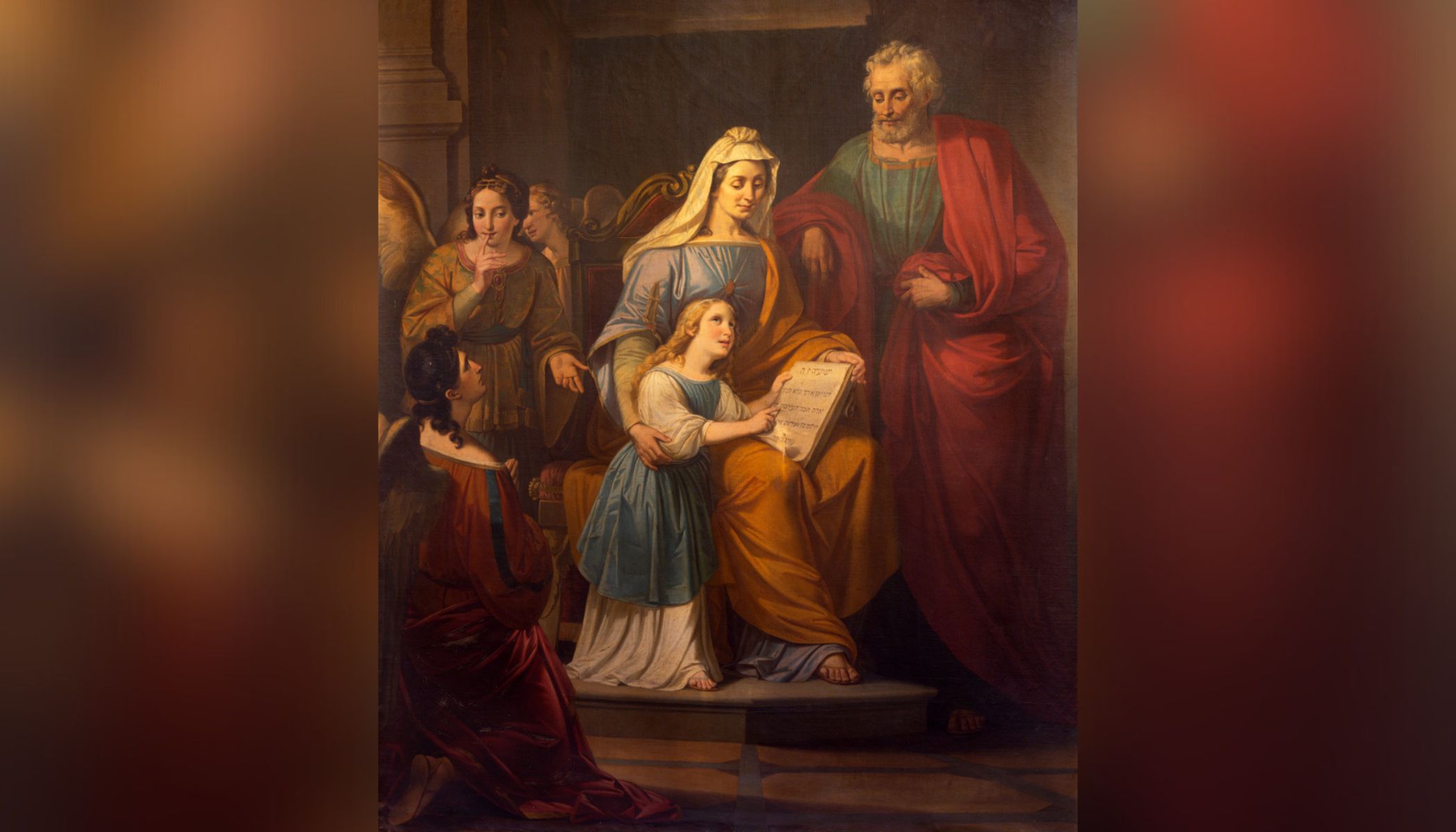
In his homily, Bishop Flávio Giovenale held up Mary as the faithful disciple who, like her son, served others.

Read More
Then I Saw Another Mighty Angel Coming Down from Heaven

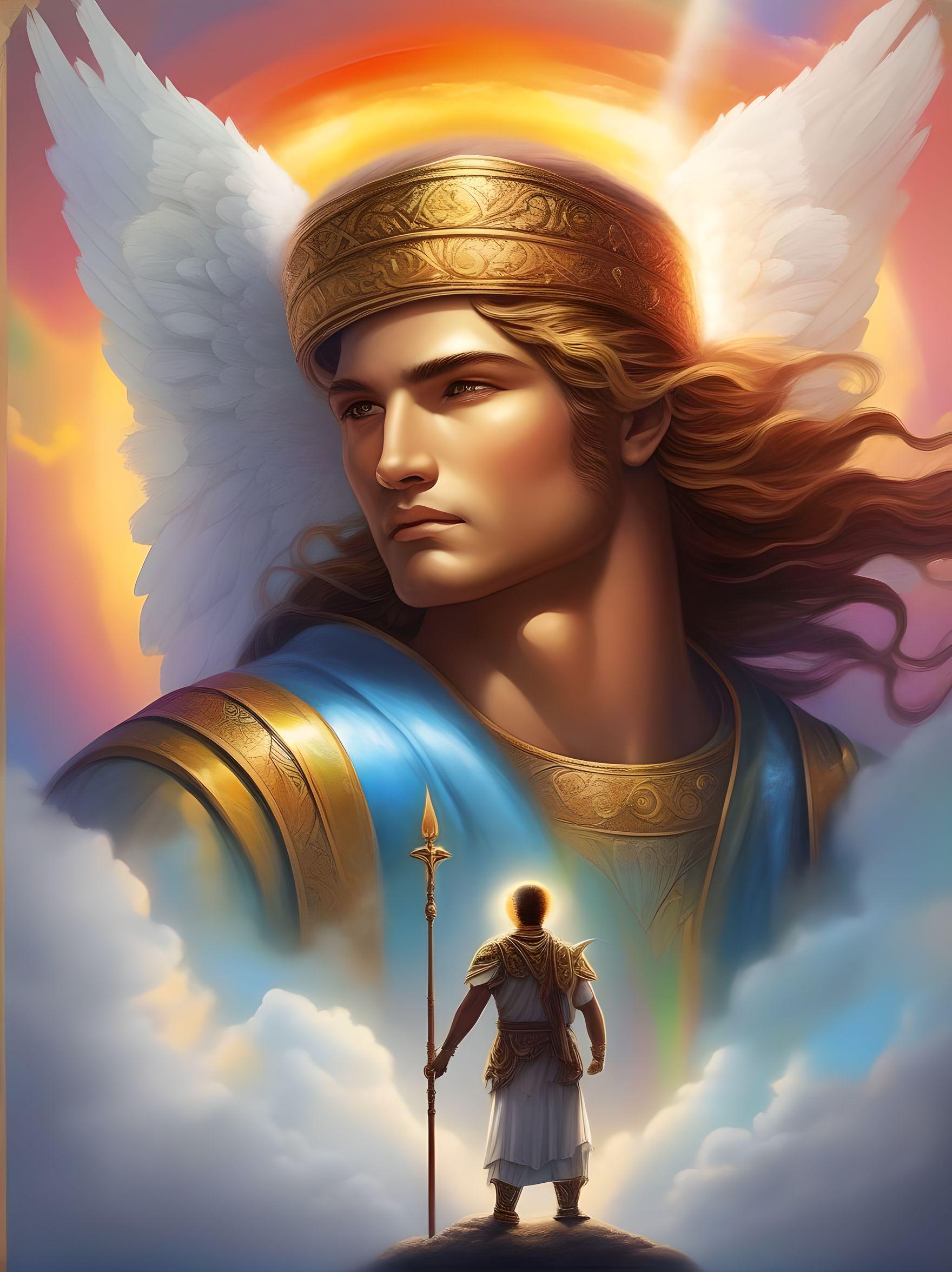
Then I saw another mighty angel coming down from heaven. He was robed in a cloud, with a rainbow above his head; his face was like the sun, and his legs were like fiery pillars. He was holding a little scroll, which lay open in his hand. He planted his right foot on the sea and his left foot on the land, and he gave a loud shout like the roar of a lion. When he shouted, the voices of the seven thunders spoke. And when the seven thunders spoke, I was about to write; but I heard a voice from heaven say, “Seal up what the seven thunders have said and do not write it down.”

Read More