

Kennedy began sparring with Castro in April of 1961 by executing the Bay of Pigs Invasion. CIA-backed Cuban exiles were sent in to overthrow Castro’s regime. However, he reneged on promised US Air Force support, and the operation failed.
Read More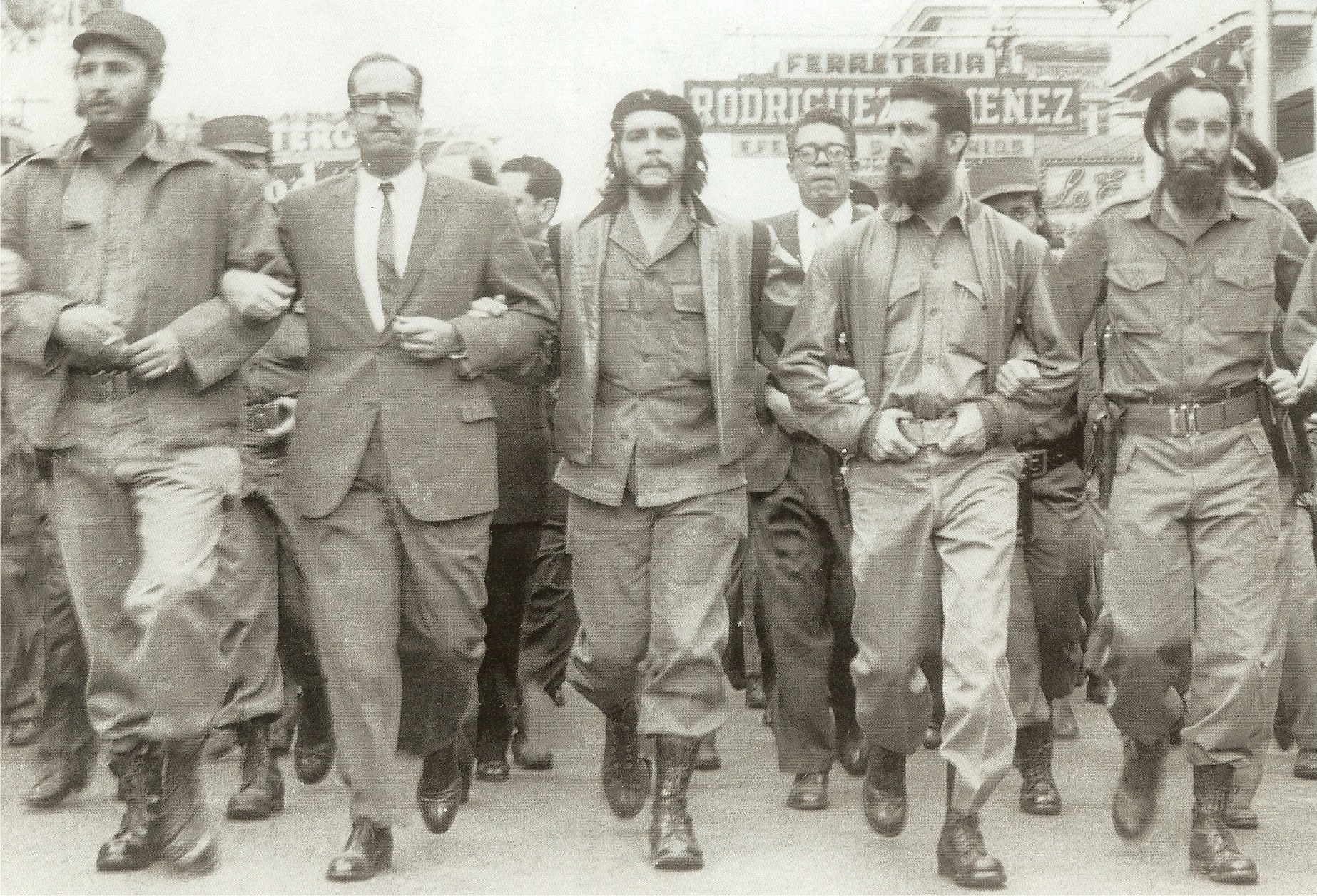
In November, Kennedy countered in a speech delivered to the Inter-American Press Association in Miami, where he called Cuba a pawn of Russia: “It is the fact that a small band of conspirators has stripped the Cuban people of their freedom and handed over the independence and sovereignty of the Cuban nation to forces beyond the hemisphere.” And went on to offer support if the Cuban people revolted, “For once Cuban sovereignty has been restored, we will extend the hand of friendship and assistance to a Cuba whose political and economic institutions have been shaped by the will of the Cuban people.”
Less than a week later, Kennedy was dead.
Read More
Just eighty minutes later, Lee Harvey Oswald, an employee at the Texas School Book Depository in Dealey Plaza, was apprehended for the murder of Dallas police officer J.D. Tippit. Subsequently, Oswald faced allegations of assassinating the president, purportedly firing shots from the book depository’s sixth-floor window using a Mannlicher-Carcano rifle.
Read More


Although many present-day Americans weren’t alive during John F. Kennedy’s tragic demise, the speculation about his assassination remains fervent. *Saving Jackie K*, a novel adept at blending reality with imagination, aims to uncover the elusive “truth” behind these pivotal events. But what do the historical records truly reveal?
Read MoreThe tensions between Kennedy and Castro heightened, notably underscored by the failed Bay of Pigs Invasion in April 1961, where CIA-backed Cuban exiles attempted to overthrow Castro’s government. Castro’s decision to permit the Soviet Union to install nuclear launch pads in Cuba, uncovered during the Cuban Missile Crisis of 1962, further strained relations. His condemnation of US-led incursions into Cuban territory, combined with Kennedy’s portrayal of Cuba as a pawn of Russia, only exacerbated animosity between the two leaders. Less than a week after Kennedy’s address, he was tragically assassinated.
Read More
The tension between Kennedy and Castro escalated, notably with the failed Bay of Pigs Invasion in April 1961, where CIA-backed Cuban exiles attempted to overthrow Castro’s government. Castro’s allowance of the Soviet Union to install nuclear launch pads in Cuba, discovered during the Cuban Missile Crisis of 1962, further strained relations. His denouncement of US-led raids on Cuban soil, coupled with Kennedy’s portrayal of Cuba as a pawn of Russia, intensified animosity between the two leaders. Less than a week after Kennedy’s speech, he was tragically assassinated.
Read More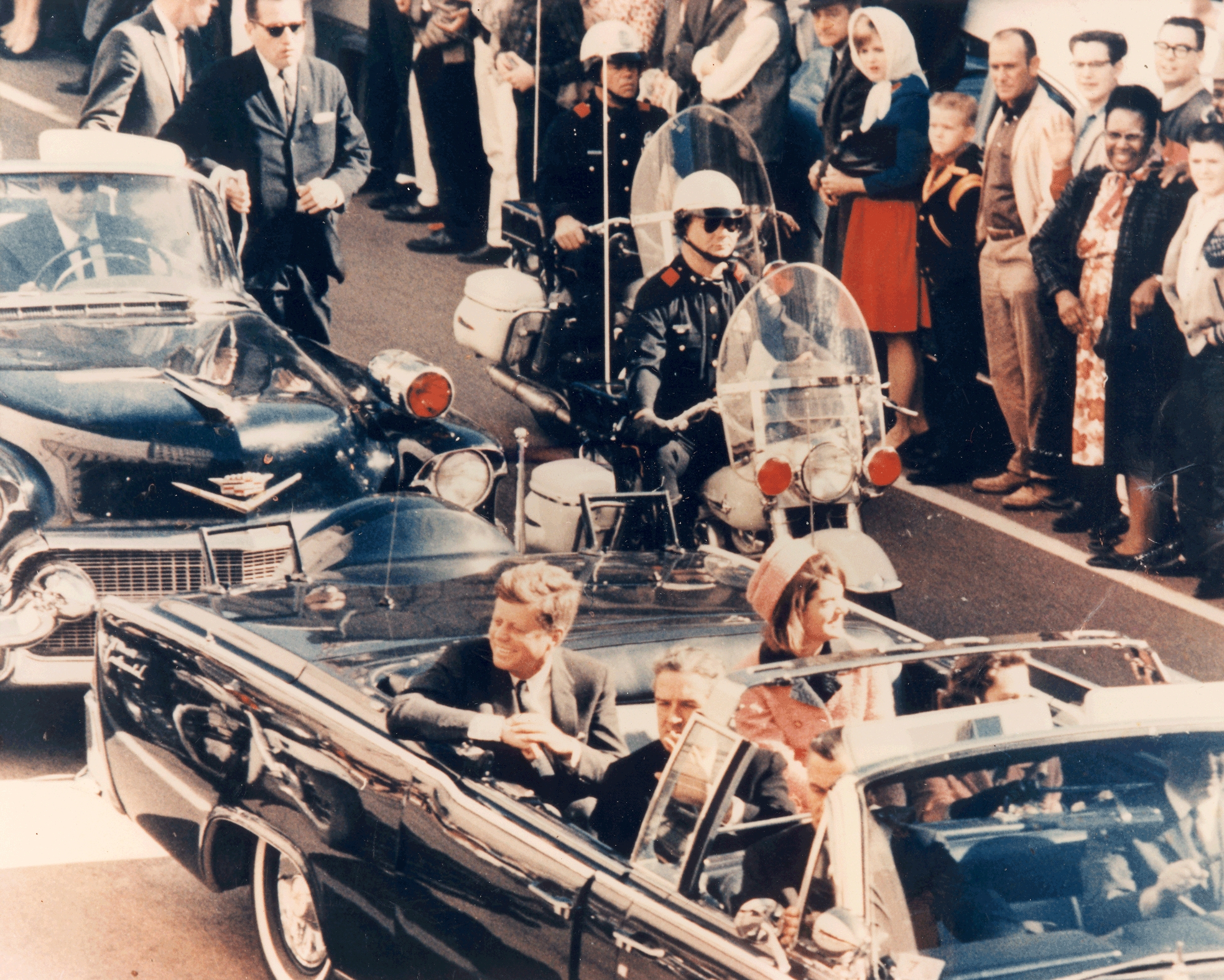
Although many contemporary Americans weren’t alive during John F. Kennedy’s tragic end, the speculation about his assassination remains fervent. *Saving Jackie K*, a novel skilled at blending reality with imagination, aims to uncover the elusive “truth” behind these pivotal events. But what do the historical records truly reveal?
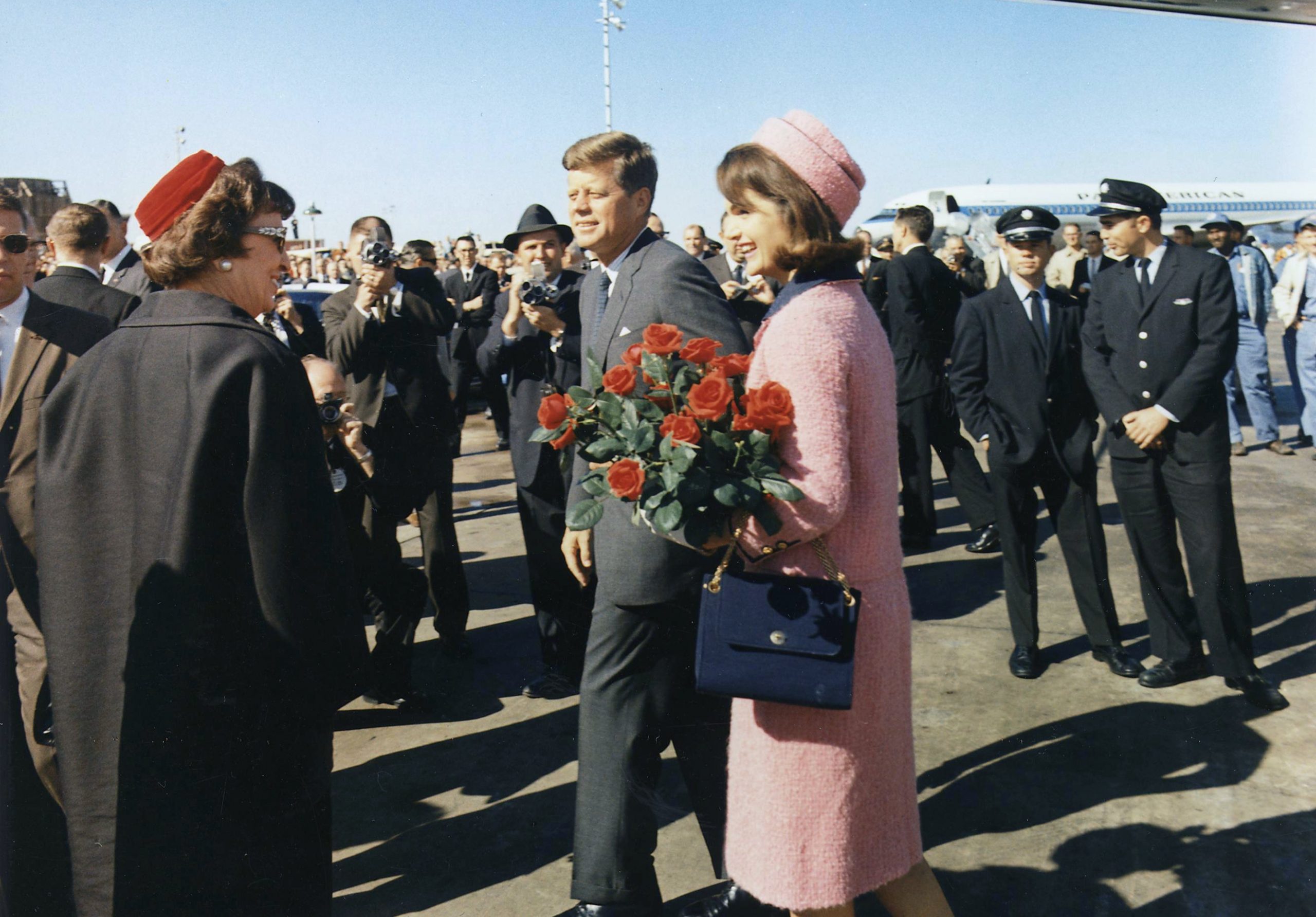
Read MoreAt 12:30 pm on November 22, 1963, President Kennedy became the target of sniper bullets while passing through Dealey Plaza in Dallas in an open limousine. The gunfire echoed through the plaza, shocking bystanders as they witnessed the fatal headshot that stained Kennedy’s Lincoln convertible with blood.
Read MoreDespite these accusations, Oswald never underwent trial. Two days later, nightclub owner Jack Ruby fatally shot Oswald in the basement of the police headquarters as officers prepared to transfer him to jail—an event broadcast live on television, shocking the nation. President Lyndon Baines Johnson appointed Chief Justice Earl Warren to head a committee tasked with investigating the assassination. Following ten months of hearings, the Warren Commission concluded that Oswald acted alone. Nonetheless, widespread skepticism persists, with many Americans positing a broader conspiracy and alleging a cover-up. As highlighted by JFK author and assassination historian L.D.C. Fitzgerald in a recent interview, the discourse surrounding Kennedy’s assassination remains a captivating and perplexing topic for generations to come.
Read More
L. D. C. Fitzgerald, the acclaimed author of two nonfiction books about Kennedy, presents ‘Saving Jackie K’, a science fiction odyssey with a time-travel twist on the most significant conspiracy theory of modern times. This riveting tale merges fact and fiction to unravel the greatest mystery of the 20th century. ‘Saving Jackie K’ promises a thrilling, intellectual journey and stands out as the most provocative science fiction thriller you’ll ever read.
Read More
From the outset of his presidency, Kennedy had ambitions of overthrowing Castro’s regime. Adhering to the Domino Theory, Kennedy feared that the spread of communism in one country would inevitably lead to its expansion in neighboring nations. Moreover, Castro found solidarity with his communist ally, Nikita Khrushchev, the Premier of Russia.
Read MoreDuring the 1950s, Cuba found itself under the rule of the US-backed military dictator and president, Fulgencio Batista. However, in 1959, Fidel Castro, alongside his brother Raul Castro and comrade Che Guevara, led a successful revolution that ousted Batista and established Castro’s communist regime.
Read More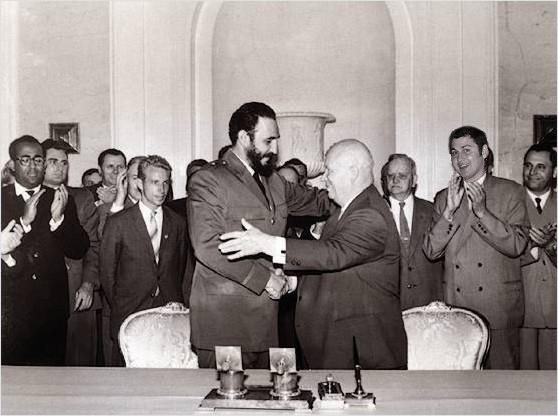
The Kennedy Assassination – In its exploration of the Kennedy Assassination, the acclaimed book Saving Jackie K delves into potential grievances held by various foreign leaders against JFK. Among these figures, considerable attention is directed towards Fidel Castro, Cuba’s entrenched dictator. Was Castro the architect behind Kennedy’s assassination?
Read MoreAlthough many Americans today were not yet born when John F. Kennedy tragically met his end, speculation about his assassination abounds. The novel *Saving Jackie K*, meticulously blending fact with fiction, seeks to unravel the elusive “truth” behind the events. But what do the historical records reveal?
Read MoreIn narrating the story of the Kennedy Assassination, blockbuster Saving Jackie K considers several foreign leaders with grudges against JFK. One of the most obvious is Cuba’s long-term dictator, Fidel Castro. Did Castro mastermind the plot to kill Kennedy?
Read More
In the Style of Leonid Afremov create an image of Clint Hill – Clint Hill was a Secret Service agent assigned to protect First Lady Jacqueline Kennedy. He is known for his heroic attempt to shield the President and First Lady during the assassination. — using acid-culture Color
Read MoreWhile many Americans today were not yet born when John F. Kennedy met his tragic end, it seems everyone has a theory about his assassination. The meticulously researched novel, *Saving Jackie K*, skillfully blends fact with fiction to uncover the “truth.” But what do the historical records suggest?
Read MoreAt 12:30 pm on November 22, 1963, President John F. Kennedy was struck down by sniper bullets as he rode through Dealey Plaza, Dallas, in an open limousine. Hundreds of horrified spectators heard the staccato gunfire, and witnessed the fatal headshot that spattered his Lincoln convertible with bloody tissue.
Read More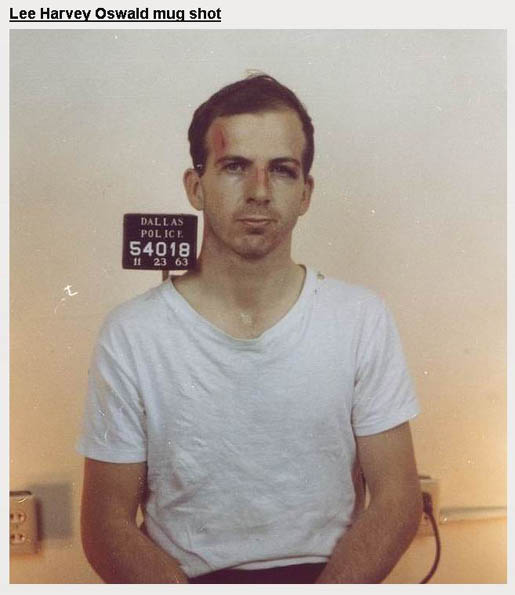
Lee Harvey Oswald, an employee at the Texas School Book Depository located in Dealey Plaza, was apprehended for the murder of Dallas police officer J.D. Tippit. Subsequently, Oswald faced accusations of assassinating the president, allegedly firing shots from the book depository’s sixth-floor window using a Mannlicher-Carcano rifle.
Read More
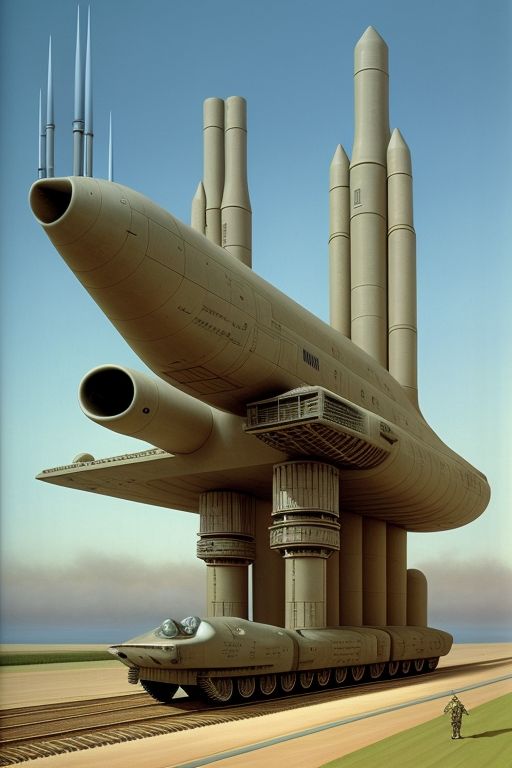
In the Style of Roger Dean create an image of The Military-Industrial Complex This theory suggests that elements within the military-industrial complex- upset with Kennedy’s efforts to reduce military spending and avoid military intervention- may have been involved in the assassination. — using vivid Color
Read MoreThe tensions between Kennedy and Castro intensified, notably highlighted by the failed Bay of Pigs Invasion in April 1961, where CIA-backed Cuban exiles attempted to overthrow Castro’s government. Castro’s agreement to allow the Soviet Union to install nuclear launch pads in Cuba, uncovered during the Cuban Missile Crisis of 1962, further strained relations. His condemnation of US-led intrusions into Cuban territory, coupled with Kennedy’s portrayal of Cuba as a pawn of Russia, only heightened animosity between the two leaders. Less than a week after Kennedy’s address, he was tragically assassinated.
Read More