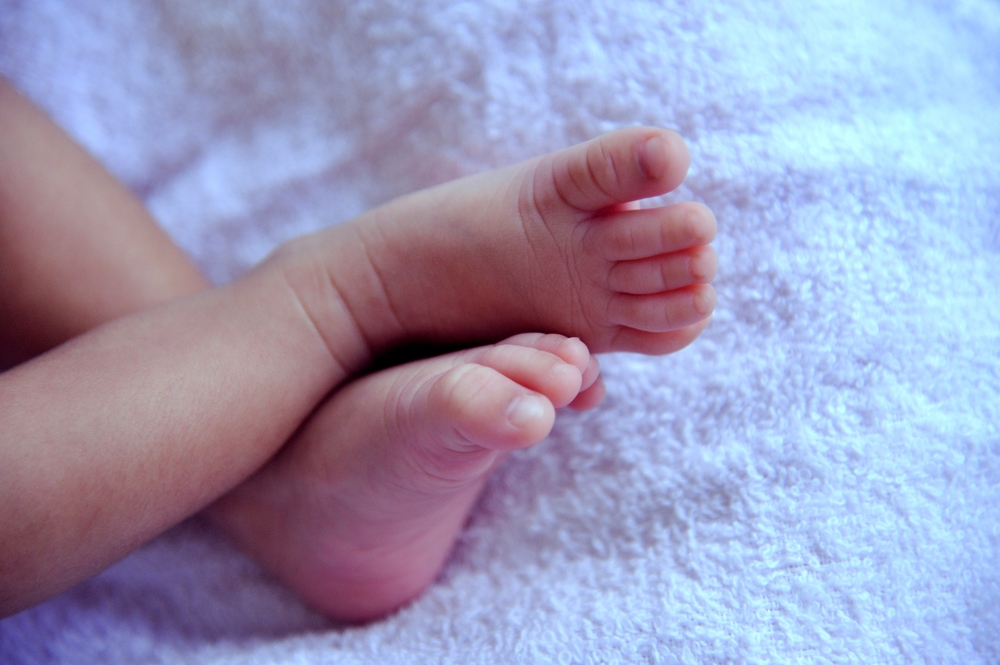
baby

A quarter of Irish Gen Z will have no children, new report says #Catholic One in 4 members of Ireland’s Gen Z demographic are expected to be childless by age 45, according to a new report from Dublin’s Iona Institute, which promotes marriage, freedom of conscience, and religion in society. Gen Z generally refers to people born between 1997 and 2012.Drawing on cohort-level data from the Human Fertility Database (HFD), as well as using demographic modeling, the instituteʼs "Choice or Circumstance? Rising Childlessness in Ireland" report, released in May, charts a huge increase in the number of Irish women who are childless.Among those born in the late 1950s, only 30.9% were childless by age 30, rising to 63.6% for those born in the early 1990s. This trend suggests 25% of women born in the late 1990s will be childless when they reach age 45.Breda OʼBrien of the Iona Institute told EWTN News that “a huge question is whether this will be by choice or circumstance.""Much will be unplanned and forced by circumstance, such as the cost of living," she said. "It’s worrying and weʼre sliding into it without too much discussion. Before the 1930s, we had similar rates of childlessness in Ireland, but that was because of extreme poverty, late marriage, and low marriage rates. Weʼre supposed to be in an era where women have every possible choice.”She continued: “The choice to have children, which is fundamental, is being taken away from young women. Itʼs being painted as a kind of freedom. I donʼt think young women themselves consider it to be a type of freedom, and I think a lot of them are worried about it."According to Central Statistics Office data, the average man’s age at marriage is now nearing 38 and the average womanʼs age is almost 36. A 2022 Amarach Research poll for Iona showed that 85% of people want to have at least two children and only 2% expressed a wish for no children. Births in Ireland have fallen by almost 18% in the last decade, according to Central Statistics Office.With clear indications that the longer a person delays having children, the less likely he or she will have any, O’Brien said “itʼs part of the whole growth of individualism and this idea for kids, from the time theyʼre tiny, [that] you get your education, you travel, you have your career in order, you have fun, you donʼt tie yourself down, and then sometimes in your 30s, you think about settling down. But a lot of women in their mid-30s realize that it is increasingly difficult to conceive.”She added: “The fertility industry is booming, which does show us that people are willing to go to extraordinary lengths to have children, but the life script theyʼve been presented with is actually working against their best interests. Nature has no knowledge of this life script that young people are being presented with.”“The longer you leave it, the more chances there are of miscarriage, of complications in labor, and of medical intervention during birth, if you get that far. So itʼs not consequence-free,” she said.O’Brien told EWTN News that there needs to be debate about why this is happening as a society. "It is a phenomenon we should discuss far more widely if our aim is to help people achieve their eventual life goals. I think among people of faith, they are still prioritizing children and family, and marriage. The Catholic Church needs to support those young families in every way possible.”She pointed out that having fewer children “has very significant social and economic consequences because of the effects of an aging population and growing loneliness.”The report highlights a series of demographic issues related to childlessness and to Ireland’s already-aging population. Lower fertility rates, combined with rising childlessness, mean that the ratio of working-age adults to elderly dependents is set to worsen. Fewer births today mean fewer workers in 20 to 30 years.O’Brien said: “In Ireland, thereʼs still a degree of respect for older people, but one of the awful possible consequences is that younger people will start to resent older people.” The Iona report highlights the situation where a smaller working-age population will be asked to support a larger elderly population, putting pension sustainability, healthcare, and long-term care provision under growing financial pressure.The instituteʼs findings also highlight the effect on housing and household-formation patterns. A rise in the proportion of adults who never have children increases demand for smaller dwellings and single-person households. Additionally, in recent decades, inward migration to Ireland has been an effective and economically rational response in periods of strong demand. However, it is not a response to childlessness.O’Brien pointed to other countries and the demographic shifts they are facing with an increasing aging population. “Other countries are further along the road than we are. South Korea, or even Japan, where theyʼre repurposing childcare facilities for eldercare facilities, moving from baby formula to fortified drinks from the elderly, and from producing diapers for children, to producing incontinence products for the elderly — this is not a good road that weʼre on,” she said.

A quarter of Irish Gen Z will have no children, new report says #Catholic One in 4 members of Ireland’s Gen Z demographic are expected to be childless by age 45, according to a new report from Dublin’s Iona Institute, which promotes marriage, freedom of conscience, and religion in society. Gen Z generally refers to people born between 1997 and 2012.Drawing on cohort-level data from the Human Fertility Database (HFD), as well as using demographic modeling, the instituteʼs "Choice or Circumstance? Rising Childlessness in Ireland" report, released in May, charts a huge increase in the number of Irish women who are childless.Among those born in the late 1950s, only 30.9% were childless by age 30, rising to 63.6% for those born in the early 1990s. This trend suggests 25% of women born in the late 1990s will be childless when they reach age 45.Breda OʼBrien of the Iona Institute told EWTN News that “a huge question is whether this will be by choice or circumstance.""Much will be unplanned and forced by circumstance, such as the cost of living," she said. "It’s worrying and weʼre sliding into it without too much discussion. Before the 1930s, we had similar rates of childlessness in Ireland, but that was because of extreme poverty, late marriage, and low marriage rates. Weʼre supposed to be in an era where women have every possible choice.”She continued: “The choice to have children, which is fundamental, is being taken away from young women. Itʼs being painted as a kind of freedom. I donʼt think young women themselves consider it to be a type of freedom, and I think a lot of them are worried about it."According to Central Statistics Office data, the average man’s age at marriage is now nearing 38 and the average womanʼs age is almost 36. A 2022 Amarach Research poll for Iona showed that 85% of people want to have at least two children and only 2% expressed a wish for no children. Births in Ireland have fallen by almost 18% in the last decade, according to Central Statistics Office.With clear indications that the longer a person delays having children, the less likely he or she will have any, O’Brien said “itʼs part of the whole growth of individualism and this idea for kids, from the time theyʼre tiny, [that] you get your education, you travel, you have your career in order, you have fun, you donʼt tie yourself down, and then sometimes in your 30s, you think about settling down. But a lot of women in their mid-30s realize that it is increasingly difficult to conceive.”She added: “The fertility industry is booming, which does show us that people are willing to go to extraordinary lengths to have children, but the life script theyʼve been presented with is actually working against their best interests. Nature has no knowledge of this life script that young people are being presented with.”“The longer you leave it, the more chances there are of miscarriage, of complications in labor, and of medical intervention during birth, if you get that far. So itʼs not consequence-free,” she said.O’Brien told EWTN News that there needs to be debate about why this is happening as a society. "It is a phenomenon we should discuss far more widely if our aim is to help people achieve their eventual life goals. I think among people of faith, they are still prioritizing children and family, and marriage. The Catholic Church needs to support those young families in every way possible.”She pointed out that having fewer children “has very significant social and economic consequences because of the effects of an aging population and growing loneliness.”The report highlights a series of demographic issues related to childlessness and to Ireland’s already-aging population. Lower fertility rates, combined with rising childlessness, mean that the ratio of working-age adults to elderly dependents is set to worsen. Fewer births today mean fewer workers in 20 to 30 years.O’Brien said: “In Ireland, thereʼs still a degree of respect for older people, but one of the awful possible consequences is that younger people will start to resent older people.” The Iona report highlights the situation where a smaller working-age population will be asked to support a larger elderly population, putting pension sustainability, healthcare, and long-term care provision under growing financial pressure.The instituteʼs findings also highlight the effect on housing and household-formation patterns. A rise in the proportion of adults who never have children increases demand for smaller dwellings and single-person households. Additionally, in recent decades, inward migration to Ireland has been an effective and economically rational response in periods of strong demand. However, it is not a response to childlessness.O’Brien pointed to other countries and the demographic shifts they are facing with an increasing aging population. “Other countries are further along the road than we are. South Korea, or even Japan, where theyʼre repurposing childcare facilities for eldercare facilities, moving from baby formula to fortified drinks from the elderly, and from producing diapers for children, to producing incontinence products for the elderly — this is not a good road that weʼre on,” she said.

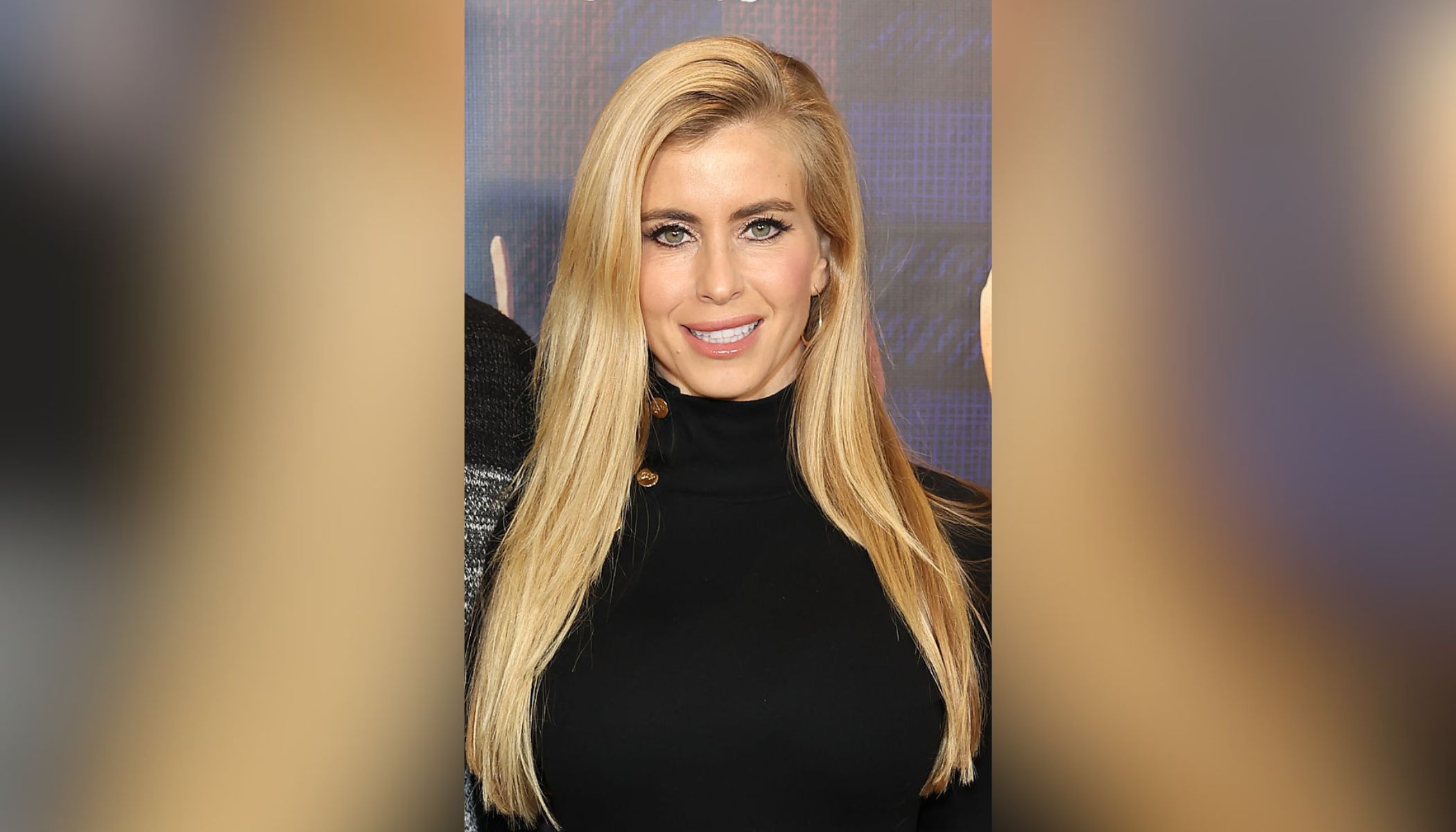
While current trends show that 1 in 4 young women today will remain childless, Iona Institute’s Breda O’Brien said the huge question is “whether this will be by choice or circumstance.”

Read More
After stillbirth loss, mother of 7 returns to school to help others heal #Catholic After experiencing an unimaginable loss, Kelly Helsel felt called to begin a new chapter. Following 17 years as a stay-at-home mother, she returned to school to pursue her dream of becoming a counselor — hoping to offer others the same compassionate support and Catholic guidance that helped bring healing to her own life.In 2023 Helsel’s daughter, Mary Catherine, was stillborn. The experience and grief was ultimately “a huge catalyst to me going back to school,” Helsel told EWTN News.“I think death has an interesting way of snapping your priorities in line,” she said. “And through the death of our daughter, I understood that tomorrow was not promised. And I had been holding this dream very closely for 17 years, just trusting,” she said.“Much of my healing process after the stillbirth of our daughter was helped along by solid Catholic counseling,” she said. “So I just felt a whisper at first, and then I felt like, ‘I can turn around and be this for someone else in need.’ And so I did.”Path back to schoolA native of Arizona, Helsel met her now-husband, Doug, in high school. She then attended Northern Arizona University to receive a bachelorʼs degree in psychology with the hopes of becoming a counselor, but motherhood ultimately became her first priority.“My firstborn … was born during finals week of my bachelorʼs degree,” Helsel said. “I actually had a positive pregnancy test the day before I was scheduled to take the GRE [Graduate Record Examination].”“I just knew that motherhood was the priority and that Godʼs timing would take care of things. So I stayed at home,” she said.Helsel decided to put her plans of working as a counselor on the side and focus on her growing family. She and her husband had seven children over the next 17 years, but after the loss of their sixth child she felt called to switch her plans and return to school. “We just started taking one step in front of the other,” she said. Helsel started by applying to the University of Mary’s master’s program for counseling about six months after her daughter’s passing but was thrown an unexpected “curveball” during the process.“On the feast of the Annunciation, I got in. But then I also had a positive pregnancy test with my daughter, Isabel, on the very same day.”“I remember standing in the bathroom with my husband with my phone in one hand with an acceptance letter, and on the counter was a positive pregnancy test with our seventh baby.”Motherhood provided ‘the skills to be a fantastic student’Despite navigating grief, welcoming a new baby, and continuing to care for the rest of her family, Helsel not only decided to return to school but also opted for a five-semester accelerated program.She graduated on April 25 with a 4.0 GPA and her whole family by her side. It was all possible not in spite of her 17 years as a stay-at-home mom but because of the experience.
 
 Kelly Helsel, her husband Doug Helsel, and their children at her graduation a the University of Mary on April 25, 2026. | Credit: Photo courtesy of Kelly Helsel
 
 “I actually think that motherhood, 17 years of motherhood, gave me the skills to be a fantastic student,” she said. “I learned time management. I learned prioritization. I learned how to ask for help. I learned all kinds of things in the trenches of motherhood that gave me the opportunity to really thrive at UMary.” “I guess the loss of my daughter really showed me that like all things are ‘figure-out-able,’” she said. “When youʼve gone through something like that, it makes you unafraid to do really big things.”“I knew that I could just cannonball into the deep end and we could do this. And my husband was an amazing support throughout the program. But, Isabel was the curveball of all curveballs,” she said.“She was born during Christmas break and I just jumped back in in January. I didnʼt take any time off,” she said. "I would be in a rocking chair breastfeeding her, and my laptop is sitting next to me and Iʼm listening to a lecture.”“I became a pro at using the dictation tool on Microsoft Word” so “I could hold my baby and dictate a paper,” she said. “It was just a really wild time. I learned to be extremely flexible and gentle with myself ... But I just knew God was like, ‘go, go right now.’”“It was super bumpy at some points,“ she said. ”But I chose the University of Mary because I feel like [University of Mary president] Monsignor [James] Shea and the university really put their money where their mouth is in terms of supporting nontraditional students — especially mothers.”“All of my professors were extremely accommodating with extensions if I needed one. A few professors gave me early finals because Isabel was born right at the end of that first semester,” she said. “So the University of Mary was really crucial to my success because everyone was behind me.” Helsel noted that her professors, especially counseling professor Olivia Wedel, and other facility members and students were champions in cheering her “all the way to the finish line.”Waddell “would always remind me that ‘Iʼm surrounded by support,’” Helsel said. “When youʼre super tired and youʼre on your fourth Crock-Pot meal of the week and you donʼt have anymore bandwidth left, I just thought, ‘I am surrounded by support.’”“Jesus is real and his promises are too,” Helsel said. “I just remember really having to trust the Lord in a new way and also having to be very open to my dream not looking exactly like I wanted.”“So yes, I went back to school and I got a masterʼs degree, but it looked absolutely nothing like I thought it was going to, but it was also better, just like he had promised me.”“Your dreams matter to him,“ she said. ”Trust him, and especially Our Lady, with your dreams. Because he wants both. He wants your motherhood and your dreams.”Catholic counseling offers ‘the keys to real human flourishing’Officially a licensed counselor, Helsel is ready to jump in headfirst to help others in need by utilizing the guidance offered by the Catholic Church.“I believe very deeply that the Catholic Church has the keys to real human flourishing,” she said. “So I knew I wanted to become a mental health professional with those guardrails in place, because I benefited so much from Catholic counseling.”“I want to turn back around and help the next woman or couple or … anyone in line that needs to hear the good news, coupled with solid mental health formation. Like St. Thomas Aquinas says, ‘faith and reason.’ We need both.”With her “perinatal mental health training,” Helsel hopes to primarily work in the womenʼs health category “to support other women, pregnant women, postpartum women,” she said. “And obviously I have a love for people who may have lost a child in a particular way.”Helsel is interested in helping those discerning vocations, as her oldest son plans to apply to the priesthood. She is also hoping to support the vocation of marriage as it is “under a particular attack at this time.”To accomplish all of this, Helsel has already started her own private practice called Concordia Counseling.“I chose Concordia because Mary Catherine had a congenital heart condition,” she said. “Concordia means heart to heart or to bring two hearts into harmony. I wanted to honor my baby in heaven and Our Lord with my work. And so I started Concordia Counseling.”“Iʼm just getting it started. I have a caseload of about 10 clients, but Iʼm hoping to accept more,“ Helsel said. ”I know that the work I want to do most of all involves not just mental health but the teachings of the Catholic Church.”“I just think the framework needs to be formed properly, and that is the Catholic understanding of the whole person. And from there we can jump off anywhere,” she said.

After stillbirth loss, mother of 7 returns to school to help others heal #Catholic After experiencing an unimaginable loss, Kelly Helsel felt called to begin a new chapter. Following 17 years as a stay-at-home mother, she returned to school to pursue her dream of becoming a counselor — hoping to offer others the same compassionate support and Catholic guidance that helped bring healing to her own life.In 2023 Helsel’s daughter, Mary Catherine, was stillborn. The experience and grief was ultimately “a huge catalyst to me going back to school,” Helsel told EWTN News.“I think death has an interesting way of snapping your priorities in line,” she said. “And through the death of our daughter, I understood that tomorrow was not promised. And I had been holding this dream very closely for 17 years, just trusting,” she said.“Much of my healing process after the stillbirth of our daughter was helped along by solid Catholic counseling,” she said. “So I just felt a whisper at first, and then I felt like, ‘I can turn around and be this for someone else in need.’ And so I did.”Path back to schoolA native of Arizona, Helsel met her now-husband, Doug, in high school. She then attended Northern Arizona University to receive a bachelorʼs degree in psychology with the hopes of becoming a counselor, but motherhood ultimately became her first priority.“My firstborn … was born during finals week of my bachelorʼs degree,” Helsel said. “I actually had a positive pregnancy test the day before I was scheduled to take the GRE [Graduate Record Examination].”“I just knew that motherhood was the priority and that Godʼs timing would take care of things. So I stayed at home,” she said.Helsel decided to put her plans of working as a counselor on the side and focus on her growing family. She and her husband had seven children over the next 17 years, but after the loss of their sixth child she felt called to switch her plans and return to school. “We just started taking one step in front of the other,” she said. Helsel started by applying to the University of Mary’s master’s program for counseling about six months after her daughter’s passing but was thrown an unexpected “curveball” during the process.“On the feast of the Annunciation, I got in. But then I also had a positive pregnancy test with my daughter, Isabel, on the very same day.”“I remember standing in the bathroom with my husband with my phone in one hand with an acceptance letter, and on the counter was a positive pregnancy test with our seventh baby.”Motherhood provided ‘the skills to be a fantastic student’Despite navigating grief, welcoming a new baby, and continuing to care for the rest of her family, Helsel not only decided to return to school but also opted for a five-semester accelerated program.She graduated on April 25 with a 4.0 GPA and her whole family by her side. It was all possible not in spite of her 17 years as a stay-at-home mom but because of the experience. Kelly Helsel, her husband Doug Helsel, and their children at her graduation a the University of Mary on April 25, 2026. | Credit: Photo courtesy of Kelly Helsel “I actually think that motherhood, 17 years of motherhood, gave me the skills to be a fantastic student,” she said. “I learned time management. I learned prioritization. I learned how to ask for help. I learned all kinds of things in the trenches of motherhood that gave me the opportunity to really thrive at UMary.” “I guess the loss of my daughter really showed me that like all things are ‘figure-out-able,’” she said. “When youʼve gone through something like that, it makes you unafraid to do really big things.”“I knew that I could just cannonball into the deep end and we could do this. And my husband was an amazing support throughout the program. But, Isabel was the curveball of all curveballs,” she said.“She was born during Christmas break and I just jumped back in in January. I didnʼt take any time off,” she said. "I would be in a rocking chair breastfeeding her, and my laptop is sitting next to me and Iʼm listening to a lecture.”“I became a pro at using the dictation tool on Microsoft Word” so “I could hold my baby and dictate a paper,” she said. “It was just a really wild time. I learned to be extremely flexible and gentle with myself … But I just knew God was like, ‘go, go right now.’”“It was super bumpy at some points,“ she said. ”But I chose the University of Mary because I feel like [University of Mary president] Monsignor [James] Shea and the university really put their money where their mouth is in terms of supporting nontraditional students — especially mothers.”“All of my professors were extremely accommodating with extensions if I needed one. A few professors gave me early finals because Isabel was born right at the end of that first semester,” she said. “So the University of Mary was really crucial to my success because everyone was behind me.” Helsel noted that her professors, especially counseling professor Olivia Wedel, and other facility members and students were champions in cheering her “all the way to the finish line.”Waddell “would always remind me that ‘Iʼm surrounded by support,’” Helsel said. “When youʼre super tired and youʼre on your fourth Crock-Pot meal of the week and you donʼt have anymore bandwidth left, I just thought, ‘I am surrounded by support.’”“Jesus is real and his promises are too,” Helsel said. “I just remember really having to trust the Lord in a new way and also having to be very open to my dream not looking exactly like I wanted.”“So yes, I went back to school and I got a masterʼs degree, but it looked absolutely nothing like I thought it was going to, but it was also better, just like he had promised me.”“Your dreams matter to him,“ she said. ”Trust him, and especially Our Lady, with your dreams. Because he wants both. He wants your motherhood and your dreams.”Catholic counseling offers ‘the keys to real human flourishing’Officially a licensed counselor, Helsel is ready to jump in headfirst to help others in need by utilizing the guidance offered by the Catholic Church.“I believe very deeply that the Catholic Church has the keys to real human flourishing,” she said. “So I knew I wanted to become a mental health professional with those guardrails in place, because I benefited so much from Catholic counseling.”“I want to turn back around and help the next woman or couple or … anyone in line that needs to hear the good news, coupled with solid mental health formation. Like St. Thomas Aquinas says, ‘faith and reason.’ We need both.”With her “perinatal mental health training,” Helsel hopes to primarily work in the womenʼs health category “to support other women, pregnant women, postpartum women,” she said. “And obviously I have a love for people who may have lost a child in a particular way.”Helsel is interested in helping those discerning vocations, as her oldest son plans to apply to the priesthood. She is also hoping to support the vocation of marriage as it is “under a particular attack at this time.”To accomplish all of this, Helsel has already started her own private practice called Concordia Counseling.“I chose Concordia because Mary Catherine had a congenital heart condition,” she said. “Concordia means heart to heart or to bring two hearts into harmony. I wanted to honor my baby in heaven and Our Lord with my work. And so I started Concordia Counseling.”“Iʼm just getting it started. I have a caseload of about 10 clients, but Iʼm hoping to accept more,“ Helsel said. ”I know that the work I want to do most of all involves not just mental health but the teachings of the Catholic Church.”“I just think the framework needs to be formed properly, and that is the Catholic understanding of the whole person. And from there we can jump off anywhere,” she said.

After navigating loss and grief, Kelly Helsel is officially now a licensed counselor thanks to the guidance given to her by the Catholic Church and her desire to use her experience to help others.

Read More