Beijing

From proselytism to politics: Bishop Barron addresses hot-button issues on EWTN #Catholic In a wide-ranging interview on EWTN’s “The World Over with Raymond Arroyo,” Bishop Robert Barron of the Diocese of Winona-Rochester, Minnesota, pushed back against the idea that the Catholic Church’s commitment to interreligious dialogue replaces its primary mission to preach the Gospel.Addressing a new Vatican document commemorating the 60th anniversary of Vatican II’s Nostra Aetate — which discourages “defensive entrenchment” and single-minded proselytism — Barron clarified the distinction between aggressive pushiness and authentic Christian proclamation.“In a way, I wish we would drop the word ‘proselytizing’ because it’s used now in so many different ways,” he said.Recalling a conversation with Pope Francis during an ad limina visit, Barron noted that the pope defined proselytism as “obnoxious evangelization” — a browbeating, overbearing approach.While supporting respectful dialogue, Barron insisted that sharing the faith remains nonnegotiable.“We are really good at stressing how kind, respectful, and tolerant we should be. That’s great, and I’m all in favor of it. But we also announce Jesus — in a friendly way, in a nonthreatening way,” he said.Expressing a desire for Church documents to place greater emphasis on proclamation, he added: “The Church is not a debating society. … We are here to proclaim a word in love. It’s the truth in love. But by God, it’s the truth, and I think that’s obviously worth emphasizing.”Advising the White House on religious freedomThe Word on Fire founder also responded to critics questioning his involvement with the Trump administration following his appointment to the U.S. Commission on International Religious Freedom (USCIRF).Clarifying his position, Barron pushed back against claims that his participation represents a political endorsement. “I’m not a member of the Trump administration!” he said. “The president invited me to be around the table to discuss issues about religious liberty so that policy in that regard could be better formulated. Why would I say no to that?”
 
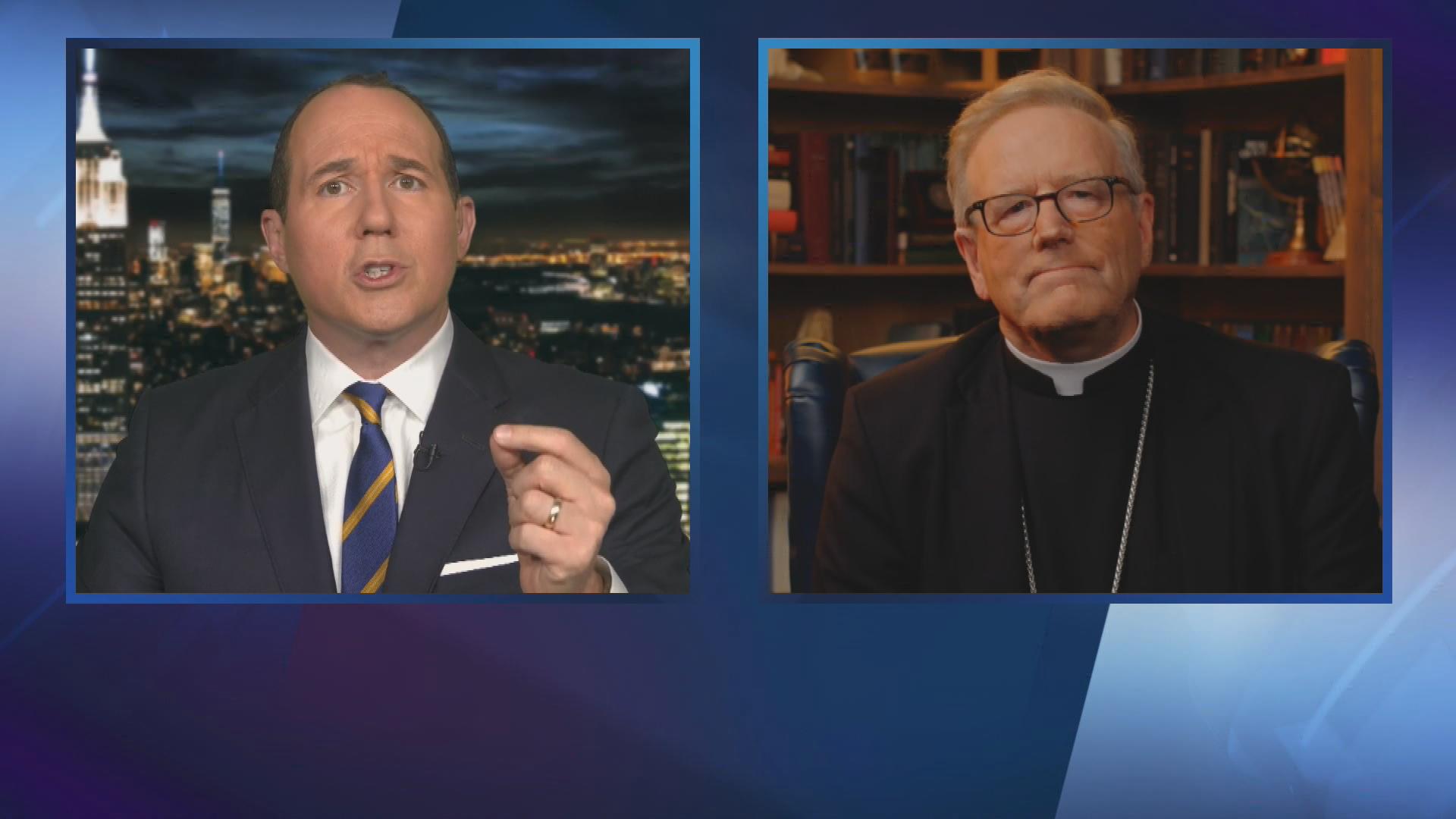
 Raymond Arroyo and Bishop Robert Barron discuss several topics in a wide-ranging interview on EWTN’s “The World Over with Raymond Arroyo” on Sept. 17, 2026. | Credit: “The World Over with Raymond Arroyo”/Screenshot
 
 Comparing his role to that of legendary Notre Dame president Father Theodore Hesburgh — who served on numerous presidential commissions across multiple administrations — Barron noted: “If Joe Biden had invited me to be on a commission considering issues of religious liberty, I would have said, ‘Sure!’ … It’s not in any way a compromise or siding with one party.”Advocating for Jimmy Lai and religious liberty in ChinaTurning to international affairs, Barron stressed his long-standing advocacy for imprisoned Hong Kong media tycoon and democracy activist Jimmy Lai. While noting he was unsure if his public advocacy influenced his appointment to USCIRF, the bishop made his intentions clear regarding his new watchdog role.“For years now, I’ve been advocating on behalf of Jimmy Lai. I think it’s outrageous the way he’s been treated,” Barron said. “If Jimmy Lai isn’t brought up in the commission, I would certainly bring him up.”When asked about the Vatican’s controversial agreement with Beijing regarding the appointment of bishops, Barron hesitated on the specifics of current Vatican diplomacy while pointing to a proven historical model: “I’m a John Paul II man, and the way he dealt with communism, I think, is the right way to deal with it.”Legacy of Fulton Sheen and resurgence of communismLooking ahead to the upcoming beatification of Archbishop Fulton Sheen in St. Louis, Barron praised the pioneering Catholic broadcaster as a model for modern evangelists — highlighting both Sheen’s holiness as the “saint of the Holy Hour” and his courage in identifying ideological threats.Barron noted that Sheen’s bold stance against communism in the mid-20th century carries striking relevance for contemporary culture. “The fact that Sheen took on communism back in the 1940s and ’50s, when he correctly discerned it was threat No. 1 … well, it’s back,” the bishop observed. “It’s back in institutional form in different places around the world, but also in our own country.”Explaining why Sheen’s critique remains essential today, Barron added: “What he noticed about communism was its deep antipathy toward God, the things of the spirit and the moral order, and he knew this was deeply disruptive to the values of the West. That’s a message that still needs to be heard.”Modern culture and empathyConcluding the conversation, Barron reflected on a recent article he penned regarding the limitations of empathy when elevated above all other virtues in public and ecclesial life.“Empathy is a good thing — to feel with somebody else. … However, there is a hierarchy of values, and empathy is not at the top. At the top of the hierarchy for a Christian has to be love,” Barron explicated, drawing on St. Thomas Aquinas’ definition of love as “willing the good of the other.” “To love is not to spare the feelings of someone; to love is to will the good of the other. … We don’t say, ‘God is empathy’; we say, ‘God is love.’”Watch the full interview below:This story was first published by the National Catholic Register, the sister partner of EWTN News, and has been adapted by EWTN News.

From proselytism to politics: Bishop Barron addresses hot-button issues on EWTN #Catholic In a wide-ranging interview on EWTN’s “The World Over with Raymond Arroyo,” Bishop Robert Barron of the Diocese of Winona-Rochester, Minnesota, pushed back against the idea that the Catholic Church’s commitment to interreligious dialogue replaces its primary mission to preach the Gospel.Addressing a new Vatican document commemorating the 60th anniversary of Vatican II’s Nostra Aetate — which discourages “defensive entrenchment” and single-minded proselytism — Barron clarified the distinction between aggressive pushiness and authentic Christian proclamation.“In a way, I wish we would drop the word ‘proselytizing’ because it’s used now in so many different ways,” he said.Recalling a conversation with Pope Francis during an ad limina visit, Barron noted that the pope defined proselytism as “obnoxious evangelization” — a browbeating, overbearing approach.While supporting respectful dialogue, Barron insisted that sharing the faith remains nonnegotiable.“We are really good at stressing how kind, respectful, and tolerant we should be. That’s great, and I’m all in favor of it. But we also announce Jesus — in a friendly way, in a nonthreatening way,” he said.Expressing a desire for Church documents to place greater emphasis on proclamation, he added: “The Church is not a debating society. … We are here to proclaim a word in love. It’s the truth in love. But by God, it’s the truth, and I think that’s obviously worth emphasizing.”Advising the White House on religious freedomThe Word on Fire founder also responded to critics questioning his involvement with the Trump administration following his appointment to the U.S. Commission on International Religious Freedom (USCIRF).Clarifying his position, Barron pushed back against claims that his participation represents a political endorsement. “I’m not a member of the Trump administration!” he said. “The president invited me to be around the table to discuss issues about religious liberty so that policy in that regard could be better formulated. Why would I say no to that?” Raymond Arroyo and Bishop Robert Barron discuss several topics in a wide-ranging interview on EWTN’s “The World Over with Raymond Arroyo” on Sept. 17, 2026. | Credit: “The World Over with Raymond Arroyo”/Screenshot Comparing his role to that of legendary Notre Dame president Father Theodore Hesburgh — who served on numerous presidential commissions across multiple administrations — Barron noted: “If Joe Biden had invited me to be on a commission considering issues of religious liberty, I would have said, ‘Sure!’ … It’s not in any way a compromise or siding with one party.”Advocating for Jimmy Lai and religious liberty in ChinaTurning to international affairs, Barron stressed his long-standing advocacy for imprisoned Hong Kong media tycoon and democracy activist Jimmy Lai. While noting he was unsure if his public advocacy influenced his appointment to USCIRF, the bishop made his intentions clear regarding his new watchdog role.“For years now, I’ve been advocating on behalf of Jimmy Lai. I think it’s outrageous the way he’s been treated,” Barron said. “If Jimmy Lai isn’t brought up in the commission, I would certainly bring him up.”When asked about the Vatican’s controversial agreement with Beijing regarding the appointment of bishops, Barron hesitated on the specifics of current Vatican diplomacy while pointing to a proven historical model: “I’m a John Paul II man, and the way he dealt with communism, I think, is the right way to deal with it.”Legacy of Fulton Sheen and resurgence of communismLooking ahead to the upcoming beatification of Archbishop Fulton Sheen in St. Louis, Barron praised the pioneering Catholic broadcaster as a model for modern evangelists — highlighting both Sheen’s holiness as the “saint of the Holy Hour” and his courage in identifying ideological threats.Barron noted that Sheen’s bold stance against communism in the mid-20th century carries striking relevance for contemporary culture. “The fact that Sheen took on communism back in the 1940s and ’50s, when he correctly discerned it was threat No. 1 … well, it’s back,” the bishop observed. “It’s back in institutional form in different places around the world, but also in our own country.”Explaining why Sheen’s critique remains essential today, Barron added: “What he noticed about communism was its deep antipathy toward God, the things of the spirit and the moral order, and he knew this was deeply disruptive to the values of the West. That’s a message that still needs to be heard.”Modern culture and empathyConcluding the conversation, Barron reflected on a recent article he penned regarding the limitations of empathy when elevated above all other virtues in public and ecclesial life.“Empathy is a good thing — to feel with somebody else. … However, there is a hierarchy of values, and empathy is not at the top. At the top of the hierarchy for a Christian has to be love,” Barron explicated, drawing on St. Thomas Aquinas’ definition of love as “willing the good of the other.” “To love is not to spare the feelings of someone; to love is to will the good of the other. … We don’t say, ‘God is empathy’; we say, ‘God is love.’”Watch the full interview below:This story was first published by the National Catholic Register, the sister partner of EWTN News, and has been adapted by EWTN News.

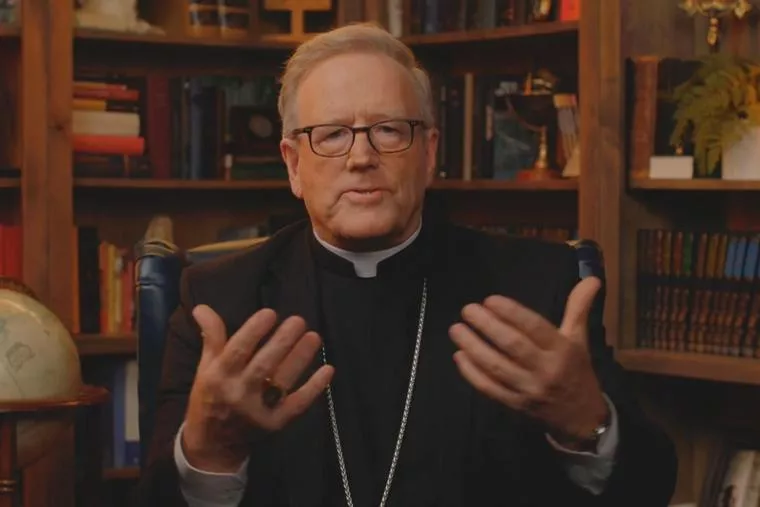
The Word on Fire founder clarifies the call to evangelize, defends his nonpartisan advisory role on religious liberty, and warns of resurgent communism.
Read More
U.S. religious freedom commission urges Trump to press for release of religious prisoners #Catholic The U.S. Commission on International Religious Freedom (USCIRF) urged President Donald Trump to push for the release of religious prisoners in China and for the end of religious persecution by the Chinese government.The commission called on Trump to continue his efforts for the release of the prisoners ahead of Chinese President Xi Jinping’s trip to the U.S. on Sept. 24.USCIRF called for the release of Catholic pro-democracy advocate Jimmy Lai, numerous Christian leaders, and others in prison for practicing their religious beliefs.“President Trump boldly demonstrated to President Xi during their meeting in Beijing earlier this year that the United States stands for religious freedom by calling for the release of freedom of religion or belief (FoRB) prisoners,” said Asif Mahmood, chair of USCIRF.“Speaking up again sends a clear and consistent signal that religious freedom for all is a priority for the United States and that it expects the CCP [Chinese Communist Party] to respect its population rather than persecute millions for practicing their faith,” he said.The commission highlighted that after a direct appeal by Trump, Chinese authorities previously freed former prisoner Pastor Ezra Jin of the Zion Church in July. He was permitted to relocate to the United States and reunite with his family.While Jin was released, eight other Zion Church leaders who were arrested alongside him remain detained.“In releasing Pastor Jin, President Xi showed that he has the power to release FoRB prisoners if he so desires—and indeed he has an obligation to do so under international law,” said Cece Heil, vice chair of USCIRF.USCIRF detailed the other leaders whose release the commission is urging and is asking Trump “to seize the opportunity during his upcoming summit with President Xi,” Heil said.They called on Trump to discuss religious leaders including “Gulshan Abbas, Ekpar Asat, Pastor Gao Quanfu and his wife Pang Yu, Jimmy Lai, the Panchen Lama Gedhun Choekyi Nyima and his family,” Heil said. The commission also asked Trump “to urge the Chinese government to provide a passport to U.S. Lawful Permanent Resident, Pastor John Cao and allow him to reunite with his family and seek urgent medical treatment in the United States,” Heil said.The appeal also precedes a planned hearing on Sept. 16 held by Rep. Chris Smith, R-New Jersey, to discuss the release of Lai. Jimmy Lai’s son, Sebastien Lai, will offer testimony regarding his father’s immediate release and to examine the broader implications of his continued imprisonment.In its 2026 annual report, USCIRF recommended that the U.S. Department of State redesignate China as a country of particular concern (CPC) for engaging “in systematic, ongoing, and egregious violations of religious freedom,” according to the commission.USCIRF urges special watchlist designation for Kyrgyz RepublicIn a September report, USCIRF also reaffirmed its call for the Kyrgyz Republic to be placed on the U.S. Department of State’s special watchlist.The brief was released to highlight “legal restrictions as well as recent violations that Kyrgyz officials have committed against independent Muslims and Christians from unregistered communities,” USCIRF reported. “The Kyrgyz government regularly violates freedom of religion or belief (FoRB) as laid out in its constitution as well as in international documents such as the International Covenant on Civil and Political Rights (ICCPR), to which it is a signatory,” the report said.USCIRF detailed that Kyrgyz officials apply a “vague label of extremism” to justify matters such as regularly raiding places of worship, issuing fines, seizing religious materials, imposing prison sentences, forcing individuals to renounce their beliefs, and engaging in physical abuse.In early 2025, the nation’s president, Sadyr Japarov, amended a restrictive  religion law and approved other acts, which significantly tightened state control over religious groups. “Enforcement of these laws—which often occurs in conjunction with broadly framed anti-extremism statues under the Criminal Code—often involves targeting religious groups that the government considers ‘nontraditional,’ particularly independent Muslims and members of unregistered Christian groups,” the report said.The commissionʼs report noted that targeted Christian groups often face persecution “from harassment and fines to prison sentences and physical abuse,” according to the report.

U.S. religious freedom commission urges Trump to press for release of religious prisoners #Catholic The U.S. Commission on International Religious Freedom (USCIRF) urged President Donald Trump to push for the release of religious prisoners in China and for the end of religious persecution by the Chinese government.The commission called on Trump to continue his efforts for the release of the prisoners ahead of Chinese President Xi Jinping’s trip to the U.S. on Sept. 24.USCIRF called for the release of Catholic pro-democracy advocate Jimmy Lai, numerous Christian leaders, and others in prison for practicing their religious beliefs.“President Trump boldly demonstrated to President Xi during their meeting in Beijing earlier this year that the United States stands for religious freedom by calling for the release of freedom of religion or belief (FoRB) prisoners,” said Asif Mahmood, chair of USCIRF.“Speaking up again sends a clear and consistent signal that religious freedom for all is a priority for the United States and that it expects the CCP [Chinese Communist Party] to respect its population rather than persecute millions for practicing their faith,” he said.The commission highlighted that after a direct appeal by Trump, Chinese authorities previously freed former prisoner Pastor Ezra Jin of the Zion Church in July. He was permitted to relocate to the United States and reunite with his family.While Jin was released, eight other Zion Church leaders who were arrested alongside him remain detained.“In releasing Pastor Jin, President Xi showed that he has the power to release FoRB prisoners if he so desires—and indeed he has an obligation to do so under international law,” said Cece Heil, vice chair of USCIRF.USCIRF detailed the other leaders whose release the commission is urging and is asking Trump “to seize the opportunity during his upcoming summit with President Xi,” Heil said.They called on Trump to discuss religious leaders including “Gulshan Abbas, Ekpar Asat, Pastor Gao Quanfu and his wife Pang Yu, Jimmy Lai, the Panchen Lama Gedhun Choekyi Nyima and his family,” Heil said. The commission also asked Trump “to urge the Chinese government to provide a passport to U.S. Lawful Permanent Resident, Pastor John Cao and allow him to reunite with his family and seek urgent medical treatment in the United States,” Heil said.The appeal also precedes a planned hearing on Sept. 16 held by Rep. Chris Smith, R-New Jersey, to discuss the release of Lai. Jimmy Lai’s son, Sebastien Lai, will offer testimony regarding his father’s immediate release and to examine the broader implications of his continued imprisonment.In its 2026 annual report, USCIRF recommended that the U.S. Department of State redesignate China as a country of particular concern (CPC) for engaging “in systematic, ongoing, and egregious violations of religious freedom,” according to the commission.USCIRF urges special watchlist designation for Kyrgyz RepublicIn a September report, USCIRF also reaffirmed its call for the Kyrgyz Republic to be placed on the U.S. Department of State’s special watchlist.The brief was released to highlight “legal restrictions as well as recent violations that Kyrgyz officials have committed against independent Muslims and Christians from unregistered communities,” USCIRF reported. “The Kyrgyz government regularly violates freedom of religion or belief (FoRB) as laid out in its constitution as well as in international documents such as the International Covenant on Civil and Political Rights (ICCPR), to which it is a signatory,” the report said.USCIRF detailed that Kyrgyz officials apply a “vague label of extremism” to justify matters such as regularly raiding places of worship, issuing fines, seizing religious materials, imposing prison sentences, forcing individuals to renounce their beliefs, and engaging in physical abuse.In early 2025, the nation’s president, Sadyr Japarov, amended a restrictive  religion law and approved other acts, which significantly tightened state control over religious groups. “Enforcement of these laws—which often occurs in conjunction with broadly framed anti-extremism statues under the Criminal Code—often involves targeting religious groups that the government considers ‘nontraditional,’ particularly independent Muslims and members of unregistered Christian groups,” the report said.The commissionʼs report noted that targeted Christian groups often face persecution “from harassment and fines to prison sentences and physical abuse,” according to the report.

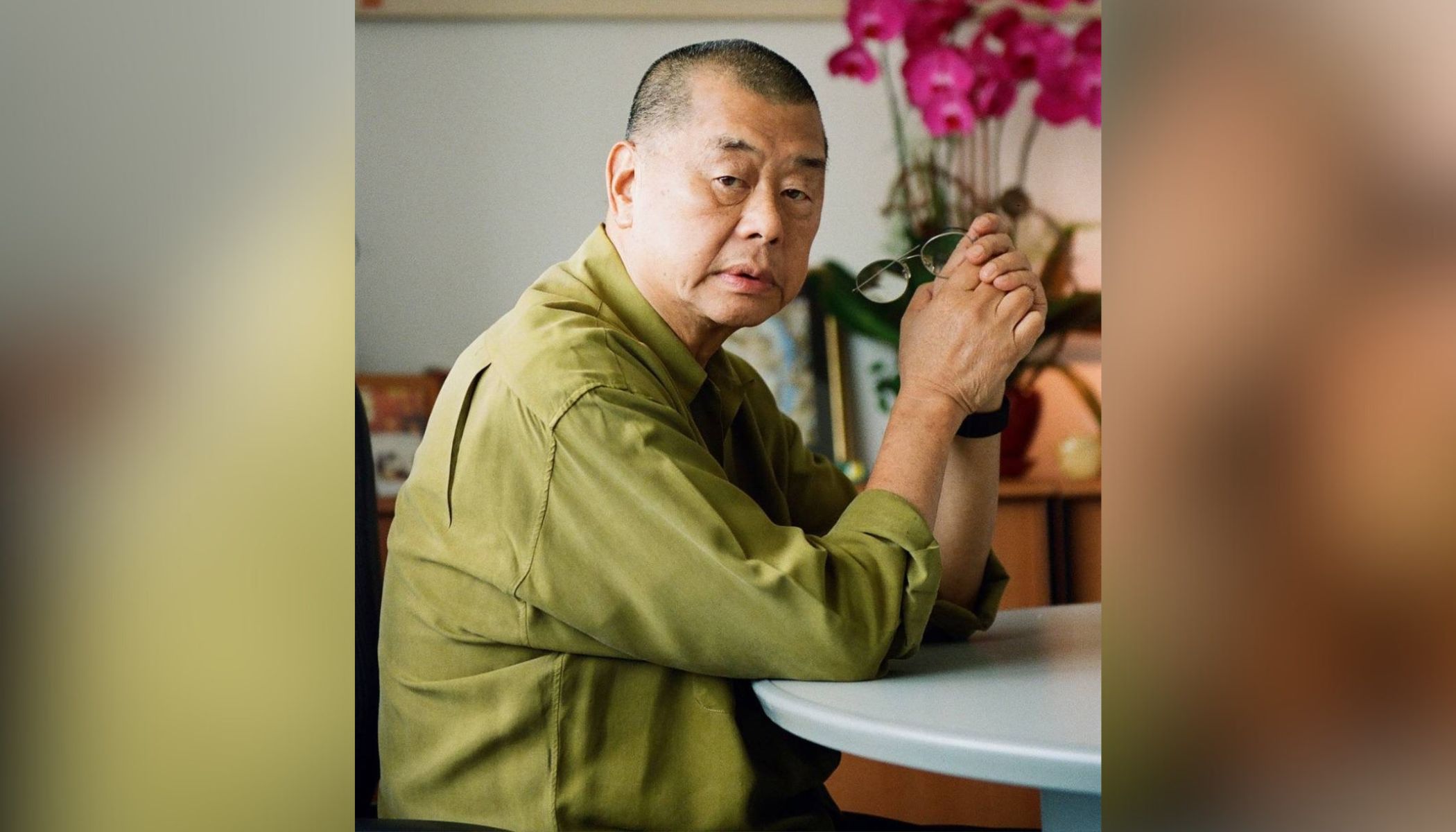
The U.S. Commission on International Religious Freedom made the plea ahead of Chinese President Xi Jinping’s Sept. 24 trip to Washington, D.C.
Read More