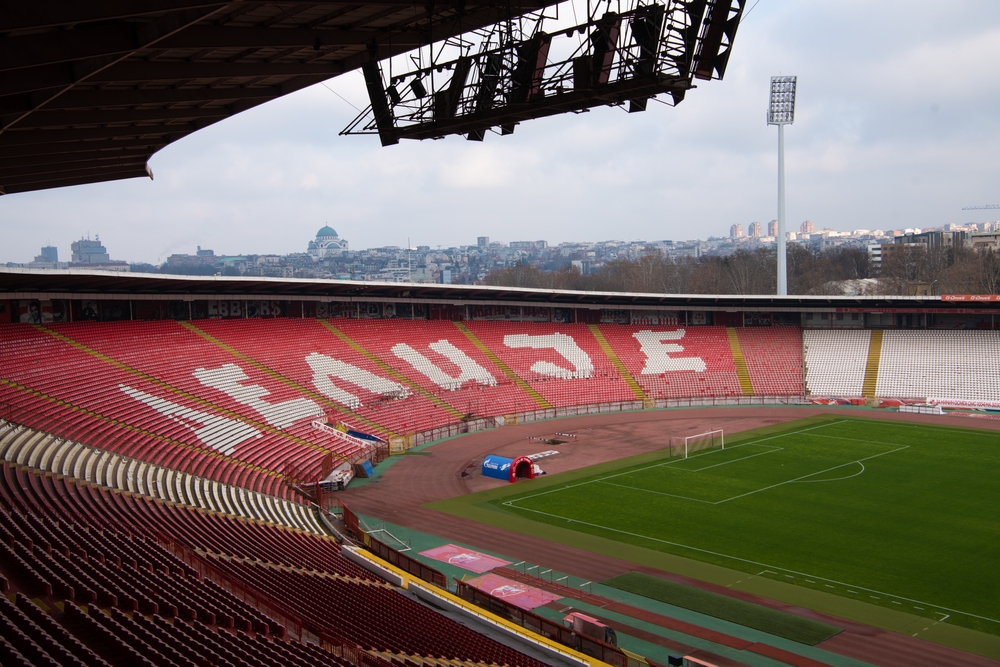

UEFA told EWTN News its fine on a Serbian soccer club was for offensive language, not a massive Orthodox Christian display — contradicting widespread reports the sanction targeted religious imagery.
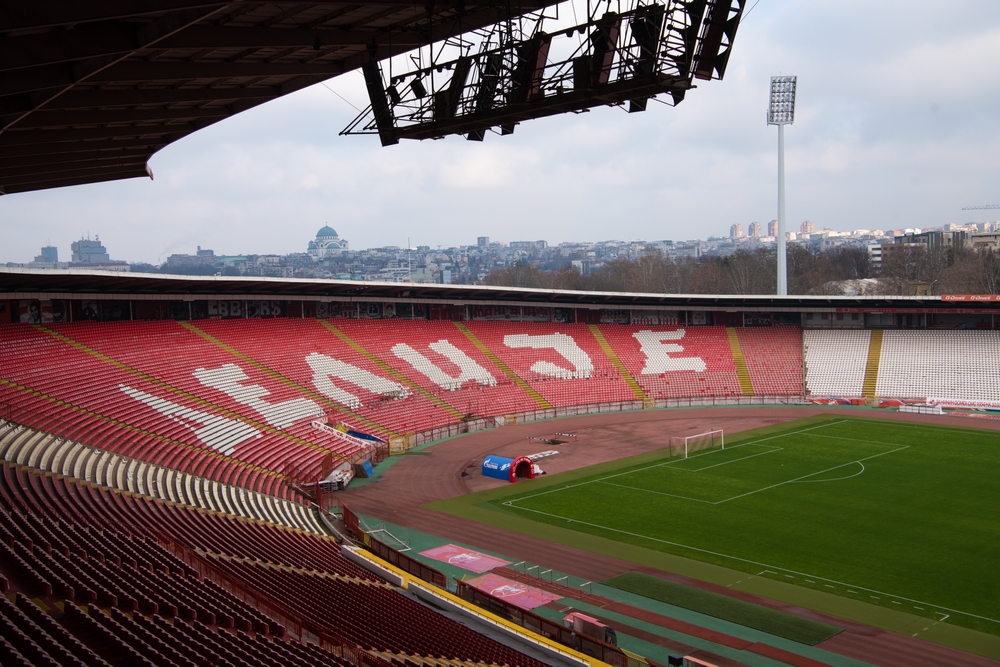
UEFA told EWTN News its fine on a Serbian soccer club was for offensive language, not a massive Orthodox Christian display — contradicting widespread reports the sanction targeted religious imagery.
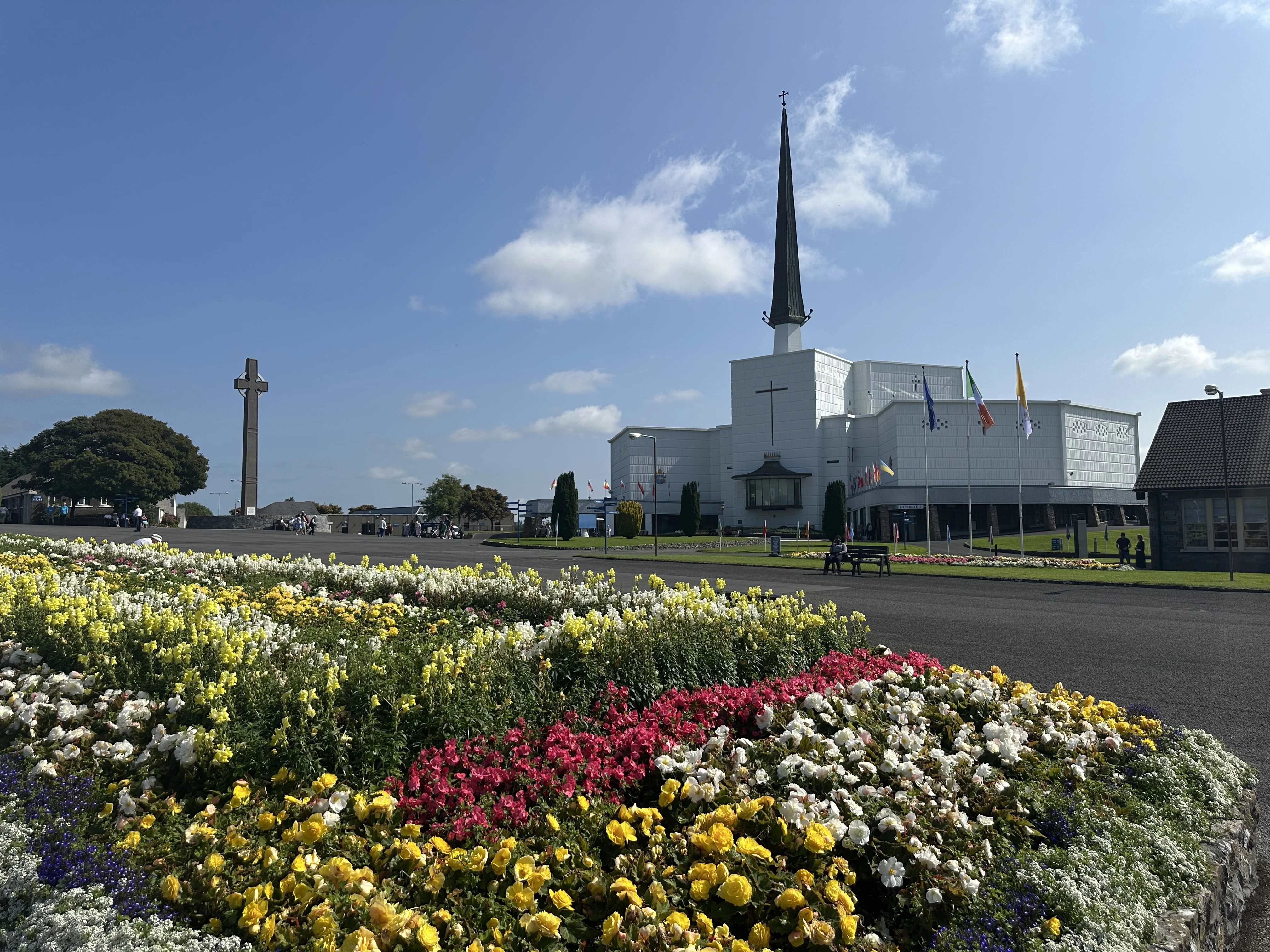
![Ireland sees modest revival in faith, especially among youth and young adults #Catholic An increase in spirituality and religious practice among young adults in Ireland aged 18 to 30 and confirmation that Ireland is in the “middle range” of religious countries in Europe are among the trends identified in a new report published by the Irish Catholic bishops titled “Turning the Tide.”Archbishop Eamon Martin of Armagh, primate of all Ireland, told EWTN News: “There has been a lot of talk recently about the so-called quiet revival in religious practice in recent years. The [report] looks at some of the research studies that have been carried out north and south of the island of Ireland into religious practice, religious awareness and spirituality, and interest in religion, and asks a question by comparing this with European social studies: Is there actually any uptake [in] religious practice and awareness and interest in Ireland?”Drawing on research from the European Social Survey, the Iona Institute’s two recent surveys conducted by Amárach Research, and a variety of relevant academic studies, the report seeks to provide an integrated, relevant, and current look at religious practice in Ireland.“The report very interestingly points to some type of uptick, as they call it, particularly among young people around the ages of 16 to 30 and the fact that they are taking a new interest in religion and in spirituality.”Encouraged by the positive trends emerging across different studies, Martin sounded a note of caution, highlighting the challenges that these findings pose for the Catholic Church in Ireland.“I don’t think we should get ourselves too enthusiastic thinking this is a complete reversal of the very obvious decline and religious practice over the last 10 or 20 years,” he said. “However, it is saying something on the turning tide.”The archbishop pointed to the implications for the Irish Church: “It’s asking us to reflect on this phenomenon in the light of research, and for instance what does this mean for us as Church, as parishes, as dioceses? How are we responding to this growing body of young people who want to know more more about God, about church, and about religion?”The report, co-authored by Stephen Bullivant, professor of theology and the sociology of religion at St. Mary’s University, Twickenham, and Emily Nelson, a doctoral student of sociology at Queen’s University Belfast, examined the overall religious profile of the island of Ireland, including areas of convergence and divergence between Northern Ireland and the Republic of Ireland.The authors drew together research studies on patterns in belief, practice, and religious identification between generations, with particular attention to differences within young adult cohorts. The work also provided insight on dimensions of religiosity, religious transmission, and attitudes toward Church teaching and institutions among both men and women.Ireland remains among the more religious countries in Europe, on measures of religious affiliation, religious service attendance, and frequency of prayer. Among western European countries, it is one of few outliers with a relatively high level of overall religiosity. It also ranks toward the higher end of (especially western) European countries on measures of weekly Mass attendance and daily prayer.While key measures of Irish religiosity have declined significantly since the European Social Survey began in 2002-2003, the most recent round in 2023-2024 shows a strong uptick in religious affiliation and religious practice.This effect is most strongly evident among those aged 16–29 years, across both Catholics and Protestants.Northern Ireland is both the most religious region of the United Kingdom, by a large margin, and the most religious part of the island of Ireland, in terms of both affiliation and religious practice.Although women in the Republic of Ireland are equally as likely as men to be religious, they continue to play an influential role in transmitting faith, even as they express higher levels of moral dissent and institutional dissatisfaction. The report revealed that 74% of Irish Catholic women were found to believe that the Church did not treat them with “a lot of respect.”According to the report, 51% of Irish adults — and 27% of Irish young adults —pray at least once a week, and 31% say they attend Mass at least once a week, placing them fourth overall, alongside Italy (32%) but well behind Poland (49%) and Slovakia (46%).There is a significant drop-off among young adults, whose reported religious practice is roughly half that of older adults. Irish 16- to 29-year-olds rank sixth overall compared with other countries, at 17%, though that is at least double the rates of the same age group in Switzerland, Germany, and Belgium, at 5%, and in Austria with less than 1%.The Irish report also pointed to a 2023 Barna study that found in certain respects, Irish teens are more religious than their global peers. Just over 3 in 5 (62%) Irish teens identify as Christian with nearly a third identify as atheist, agnostic, or of no faith.On average, 18- to 24-year-olds in the Republic of Ireland aren’t particularly positive about both Christianity and the Catholic Church in Ireland, but they are more positive than those in the 25–34 age range, and fewer have a negative attitude toward priests and nuns.In 2023, EWTN News’ Colm Flynn traveled to Ireland with the question “Is Ireland still Catholic?” He explored the various reasons for the decline of the faith in Ireland and the challenges the Church faces there today. In the three years since, and after many emails and messages pointing to signs of a “quiet revival” of faith in Ireland, Flynn recently returned to the country to explore those signs of renewal. In his report, he refers to the “Turning the Tide” report:](https://unitedyam.com/wp-content/uploads/2026/03/ireland-sees-modest-revival-in-faith-especially-among-youth-and-young-adults-catholic-an-increase-in-spirituality-and-religious-practice-among-young-adults-in-ireland-aged-18-to-30-and-confirmation-scaled.jpg "Ireland sees modest revival in faith, especially among youth and young adults #Catholic An increase in spirituality and religious practice among young adults in Ireland aged 18 to 30 and confirmation that Ireland is in the “middle range” of religious countries in Europe are among the trends identified in a new report published by the Irish Catholic bishops titled “Turning the Tide.”Archbishop Eamon Martin of Armagh, primate of all Ireland, told EWTN News: “There has been a lot of talk recently about the so-called quiet revival in religious practice in recent years. The [report] looks at some of the research studies that have been carried out north and south of the island of Ireland into religious practice, religious awareness and spirituality, and interest in religion, and asks a question by comparing this with European social studies: Is there actually any uptake [in] religious practice and awareness and interest in Ireland?”Drawing on research from the European Social Survey, the Iona Institute’s two recent surveys conducted by Amárach Research, and a variety of relevant academic studies, the report seeks to provide an integrated, relevant, and current look at religious practice in Ireland.“The report very interestingly points to some type of uptick, as they call it, particularly among young people around the ages of 16 to 30 and the fact that they are taking a new interest in religion and in spirituality.”Encouraged by the positive trends emerging across different studies, Martin sounded a note of caution, highlighting the challenges that these findings pose for the Catholic Church in Ireland.“I don’t think we should get ourselves too enthusiastic thinking this is a complete reversal of the very obvious decline and religious practice over the last 10 or 20 years,” he said. “However, it is saying something on the turning tide.”The archbishop pointed to the implications for the Irish Church: “It’s asking us to reflect on this phenomenon in the light of research, and for instance what does this mean for us as Church, as parishes, as dioceses? How are we responding to this growing body of young people who want to know more more about God, about church, and about religion?”The report, co-authored by Stephen Bullivant, professor of theology and the sociology of religion at St. Mary’s University, Twickenham, and Emily Nelson, a doctoral student of sociology at Queen’s University Belfast, examined the overall religious profile of the island of Ireland, including areas of convergence and divergence between Northern Ireland and the Republic of Ireland.The authors drew together research studies on patterns in belief, practice, and religious identification between generations, with particular attention to differences within young adult cohorts. The work also provided insight on dimensions of religiosity, religious transmission, and attitudes toward Church teaching and institutions among both men and women.Ireland remains among the more religious countries in Europe, on measures of religious affiliation, religious service attendance, and frequency of prayer. Among western European countries, it is one of few outliers with a relatively high level of overall religiosity. It also ranks toward the higher end of (especially western) European countries on measures of weekly Mass attendance and daily prayer.While key measures of Irish religiosity have declined significantly since the European Social Survey began in 2002-2003, the most recent round in 2023-2024 shows a strong uptick in religious affiliation and religious practice.This effect is most strongly evident among those aged 16–29 years, across both Catholics and Protestants.Northern Ireland is both the most religious region of the United Kingdom, by a large margin, and the most religious part of the island of Ireland, in terms of both affiliation and religious practice.Although women in the Republic of Ireland are equally as likely as men to be religious, they continue to play an influential role in transmitting faith, even as they express higher levels of moral dissent and institutional dissatisfaction. The report revealed that 74% of Irish Catholic women were found to believe that the Church did not treat them with “a lot of respect.”According to the report, 51% of Irish adults — and 27% of Irish young adults —pray at least once a week, and 31% say they attend Mass at least once a week, placing them fourth overall, alongside Italy (32%) but well behind Poland (49%) and Slovakia (46%).There is a significant drop-off among young adults, whose reported religious practice is roughly half that of older adults. Irish 16- to 29-year-olds rank sixth overall compared with other countries, at 17%, though that is at least double the rates of the same age group in Switzerland, Germany, and Belgium, at 5%, and in Austria with less than 1%.The Irish report also pointed to a 2023 Barna study that found in certain respects, Irish teens are more religious than their global peers. Just over 3 in 5 (62%) Irish teens identify as Christian with nearly a third identify as atheist, agnostic, or of no faith.On average, 18- to 24-year-olds in the Republic of Ireland aren’t particularly positive about both Christianity and the Catholic Church in Ireland, but they are more positive than those in the 25–34 age range, and fewer have a negative attitude toward priests and nuns.In 2023, EWTN News’ Colm Flynn traveled to Ireland with the question “Is Ireland still Catholic?” He explored the various reasons for the decline of the faith in Ireland and the challenges the Church faces there today. In the three years since, and after many emails and messages pointing to signs of a “quiet revival” of faith in Ireland, Flynn recently returned to the country to explore those signs of renewal. In his report, he refers to the “Turning the Tide” report:")
A new report examining surveys and research on the practice of the Catholic faith in Ireland shows an uptick in religious practice and spirituality among younger people.