Canada

St. John Neumann, promoter of Catholic education in the U.S., is celebrated today #Catholic 
 
 The National Shrine of St. John Neumann at St. Peter the Apostle Church in Philadelphia. | Credit: Farragutful, CC BY-SA 4.0, via Wikimedia Commons

Jan 5, 2026 / 04:00 am (CNA).
Every Jan. 5 the Church celebrates the feast of St. John Neumann, Redemptorist missionary, fourth bishop of the city of Philadelphia, and organizer of the first Catholic education network in the U.S.John Nepomucene Neumann was born in Bohemia, now the Czech Republic, in 1811. He attended school in Budweis and years later, in 1831, entered the seminary in that same city. Upon completing his preparation for the priesthood, he presented himself to his diocese but suffered an unexpected setback. The local bishop had fallen ill and priestly ordinations in his diocese were suspended until further notice.Neumann, eager to serve the Lord, wrote letters to the bishops of the neighboring dioceses, but none of them wanted to accept him. Despite the obstacles, the saint was not discouraged.To earn his living, he went to work in a factory where he met a few Americans from whom he learned some English. Later, he contacted some bishops in the United States. Neumann had a missionary soul and was ready to move to America.Priest and missionary in North AmericaThe archbishop of New York agreed to receive and ordain Neumann, so he left his family and friends to embark on the adventure of proclaiming the Lord in a distant land. After being ordained in the U.S., Neumann joined 36 other priests who were to assist the almost 200,000 Catholics living in the U.S. at the time.The newly ordained was entrusted with the administration of a parish. The first pastoral difficulty he faced was the vast territory entrusted to him: His parish stretched from Ontario, Canada, to Pennsylvania.Given the immense need, Neumann spent most of his time visiting villages and towns. He had to cross inhospitable territories, walk long distances in extreme cold and sweltering heat, and trek high mountains and majestic landscapes — all in order to watch over his flock and to assist those in need.These were long years of providing catechesis, administering the sacraments, and celebrating the Eucharist. It was common to see Neumann preach both in churches and in abandoned huts. He even preached outside taverns, refuges for impenitent souls.Neumann often had to celebrate Mass in dining rooms and kitchens.RedemptoristWith time and continued difficulties, the missionary priest discovered the need for the support of a religious community. He knew the Redemptorists well so he applied to join the Congregation of the Most Holy Redeemer. When the time came, he took his vows at the congregation’s house in Baltimore in 1842.Neumann was noted for his piety and kindness as well as his versatility in understanding and accompanying his parishioners, most of whom were European immigrants. Neumann knew up to six languages, so it was not difficult for him to communicate with Catholics who did not speak English well.In 1847, he was appointed visitator of the Redemptorists in the United States. At the end of his service, the Redemptorists were ready to form an autonomous “province or religious province,” which became a reality in 1850.Promoter of Catholic education in the U.S.Neumann was then ordained bishop of Philadelphia, and from that city he organized the diocesan system of Catholic schools, becoming a great promoter of religious education in the country. He also founded the congregation of the Sisters of the Third Order of St. Francis, dedicated to teaching in schools, and was the promoter of the construction of more than 80 churches throughout the country.Neumann was a simple man, short in stature and reportedly good-natured. Although he never had robust health, he carried out great pastoral and literary activity. He wrote many articles in magazines and newspapers, and published two catechisms and a history of the Bible for schoolchildren.Once, in one of his articles, he wrote: “I have never regretted having dedicated myself to the mission in America.”On Jan. 5, 1860, when he was just 48 years old, he suddenly collapsed in the street and went home to the Lord. He was beatified in 1963 and canonized in 1977 by Pope Paul VI.This story was first published by ACI Prensa, CNA’s Spanish-language news partner. It has been translated and adapted by CNA.

St. John Neumann, promoter of Catholic education in the U.S., is celebrated today #Catholic The National Shrine of St. John Neumann at St. Peter the Apostle Church in Philadelphia. | Credit: Farragutful, CC BY-SA 4.0, via Wikimedia Commons Jan 5, 2026 / 04:00 am (CNA). Every Jan. 5 the Church celebrates the feast of St. John Neumann, Redemptorist missionary, fourth bishop of the city of Philadelphia, and organizer of the first Catholic education network in the U.S.John Nepomucene Neumann was born in Bohemia, now the Czech Republic, in 1811. He attended school in Budweis and years later, in 1831, entered the seminary in that same city. Upon completing his preparation for the priesthood, he presented himself to his diocese but suffered an unexpected setback. The local bishop had fallen ill and priestly ordinations in his diocese were suspended until further notice.Neumann, eager to serve the Lord, wrote letters to the bishops of the neighboring dioceses, but none of them wanted to accept him. Despite the obstacles, the saint was not discouraged.To earn his living, he went to work in a factory where he met a few Americans from whom he learned some English. Later, he contacted some bishops in the United States. Neumann had a missionary soul and was ready to move to America.Priest and missionary in North AmericaThe archbishop of New York agreed to receive and ordain Neumann, so he left his family and friends to embark on the adventure of proclaiming the Lord in a distant land. After being ordained in the U.S., Neumann joined 36 other priests who were to assist the almost 200,000 Catholics living in the U.S. at the time.The newly ordained was entrusted with the administration of a parish. The first pastoral difficulty he faced was the vast territory entrusted to him: His parish stretched from Ontario, Canada, to Pennsylvania.Given the immense need, Neumann spent most of his time visiting villages and towns. He had to cross inhospitable territories, walk long distances in extreme cold and sweltering heat, and trek high mountains and majestic landscapes — all in order to watch over his flock and to assist those in need.These were long years of providing catechesis, administering the sacraments, and celebrating the Eucharist. It was common to see Neumann preach both in churches and in abandoned huts. He even preached outside taverns, refuges for impenitent souls.Neumann often had to celebrate Mass in dining rooms and kitchens.RedemptoristWith time and continued difficulties, the missionary priest discovered the need for the support of a religious community. He knew the Redemptorists well so he applied to join the Congregation of the Most Holy Redeemer. When the time came, he took his vows at the congregation’s house in Baltimore in 1842.Neumann was noted for his piety and kindness as well as his versatility in understanding and accompanying his parishioners, most of whom were European immigrants. Neumann knew up to six languages, so it was not difficult for him to communicate with Catholics who did not speak English well.In 1847, he was appointed visitator of the Redemptorists in the United States. At the end of his service, the Redemptorists were ready to form an autonomous “province or religious province,” which became a reality in 1850.Promoter of Catholic education in the U.S.Neumann was then ordained bishop of Philadelphia, and from that city he organized the diocesan system of Catholic schools, becoming a great promoter of religious education in the country. He also founded the congregation of the Sisters of the Third Order of St. Francis, dedicated to teaching in schools, and was the promoter of the construction of more than 80 churches throughout the country.Neumann was a simple man, short in stature and reportedly good-natured. Although he never had robust health, he carried out great pastoral and literary activity. He wrote many articles in magazines and newspapers, and published two catechisms and a history of the Bible for schoolchildren.Once, in one of his articles, he wrote: “I have never regretted having dedicated myself to the mission in America.”On Jan. 5, 1860, when he was just 48 years old, he suddenly collapsed in the street and went home to the Lord. He was beatified in 1963 and canonized in 1977 by Pope Paul VI.This story was first published by ACI Prensa, CNA’s Spanish-language news partner. It has been translated and adapted by CNA.


The National Shrine of St. John Neumann at St. Peter the Apostle Church in Philadelphia. | Credit: Farragutful, CC BY-SA 4.0, via Wikimedia Commons

Jan 5, 2026 / 04:00 am (CNA).

Every Jan. 5 the Church celebrates the feast of St. John Neumann, Redemptorist missionary, fourth bishop of the city of Philadelphia, and organizer of the first Catholic education network in the U.S.

John Nepomucene Neumann was born in Bohemia, now the Czech Republic, in 1811. He attended school in Budweis and years later, in 1831, entered the seminary in that same city.

Upon completing his preparation for the priesthood, he presented himself to his diocese but suffered an unexpected setback. The local bishop had fallen ill and priestly ordinations in his diocese were suspended until further notice.

Neumann, eager to serve the Lord, wrote letters to the bishops of the neighboring dioceses, but none of them wanted to accept him. Despite the obstacles, the saint was not discouraged.

To earn his living, he went to work in a factory where he met a few Americans from whom he learned some English. Later, he contacted some bishops in the United States. Neumann had a missionary soul and was ready to move to America.

Priest and missionary in North America

The archbishop of New York agreed to receive and ordain Neumann, so he left his family and friends to embark on the adventure of proclaiming the Lord in a distant land. After being ordained in the U.S., Neumann joined 36 other priests who were to assist the almost 200,000 Catholics living in the U.S. at the time.

The newly ordained was entrusted with the administration of a parish. The first pastoral difficulty he faced was the vast territory entrusted to him: His parish stretched from Ontario, Canada, to Pennsylvania.

Given the immense need, Neumann spent most of his time visiting villages and towns. He had to cross inhospitable territories, walk long distances in extreme cold and sweltering heat, and trek high mountains and majestic landscapes — all in order to watch over his flock and to assist those in need.

These were long years of providing catechesis, administering the sacraments, and celebrating the Eucharist. It was common to see Neumann preach both in churches and in abandoned huts. He even preached outside taverns, refuges for impenitent souls.

Neumann often had to celebrate Mass in dining rooms and kitchens.

Redemptorist

With time and continued difficulties, the missionary priest discovered the need for the support of a religious community. He knew the Redemptorists well so he applied to join the Congregation of the Most Holy Redeemer. When the time came, he took his vows at the congregation’s house in Baltimore in 1842.

Neumann was noted for his piety and kindness as well as his versatility in understanding and accompanying his parishioners, most of whom were European immigrants. Neumann knew up to six languages, so it was not difficult for him to communicate with Catholics who did not speak English well.

In 1847, he was appointed visitator of the Redemptorists in the United States. At the end of his service, the Redemptorists were ready to form an autonomous “province or religious province,” which became a reality in 1850.

Promoter of Catholic education in the U.S.

Neumann was then ordained bishop of Philadelphia, and from that city he organized the diocesan system of Catholic schools, becoming a great promoter of religious education in the country. He also founded the congregation of the Sisters of the Third Order of St. Francis, dedicated to teaching in schools, and was the promoter of the construction of more than 80 churches throughout the country.

Neumann was a simple man, short in stature and reportedly good-natured. Although he never had robust health, he carried out great pastoral and literary activity. He wrote many articles in magazines and newspapers, and published two catechisms and a history of the Bible for schoolchildren.

Once, in one of his articles, he wrote: “I have never regretted having dedicated myself to the mission in America.”

On Jan. 5, 1860, when he was just 48 years old, he suddenly collapsed in the street and went home to the Lord. He was beatified in 1963 and canonized in 1977 by Pope Paul VI.

This story was first published by ACI Prensa, CNA’s Spanish-language news partner. It has been translated and adapted by CNA.

Read More
2025 saw expanded access to physician-assisted suicide  #Catholic 
 
 Empty wheelchairs used during the Nov. 4, 2025, anti-assisted suicide event in Rome. / Credit: Courtesy of ProVita & Famiglia

Washington, D.C. Newsroom, Dec 28, 2025 / 07:00 am (CNA).
Despite opposition from advocacy groups and Catholic leaders, multiple states and countries advanced legislation in 2025 to expand access to physician-assisted suicide.Delaware Delaware Gov. Matt Meyer signed a bill in May legalizing physician-assisted suicide for terminally ill adults with a prognosis of six months or less to live. The law will go into effect on Jan. 1, 2026, allowing patients to self-administer lethal medication. After the bill was signed, several disability and patient advocacy groups filed a lawsuit in the U.S. District Court in Delaware on Dec. 8 alleging that the law discriminates against people with disabilities. Illinois The House passed a bill in May to legalize physician-assisted suicide in Illinois, and it stalled in the Senate during the regular session. After it was taken up during the fall veto session, senators passed it on Oct. 31. The bill, which allows doctors to give terminally ill patients life-ending drugs if they request them, was signed into law by Gov. JB Pritzker on Dec. 12. The law “ignores the very real failures in access to quality care that drive vulnerable people to despair,” according to the Catholic Conference of Illinois.Illinois joined states that permit the practice including California, Colorado, Delaware, Hawaii, Maine, Montana, New Jersey, New Mexico, Oregon, Vermont, and Washington, as well as the District of Columbia.New York The New York State Assembly advanced an assisted suicide measure in May, which Cardinal Timothy Dolan called “a disaster waiting to happen.” Despite calls from Catholic bishops, the New York Legislature passed the “Medical Aid in Dying Act” in June.The legislation is expected to be signed by New York Gov. Kathy Hochul.ColoradoAssisted suicide has been legal in Colorado since 2016. In June 2025, a coalition of advocacy groups sued the state over its assisted suicide law, claiming the statute is unconstitutional for allegedly discriminating against those who suffer from disabilities. The suit was filed on June 30 in U.S. district court by organizations including Not Dead Yet and the Institute for Patients’ Rights. It calls Colorado’s assisted suicide regime “a deadly and discriminatory system that steers people with life-threatening disabilities away from necessary lifesaving and preserving mental health care.” FranceThe National Assembly approved a bill in May that would allow certain terminally ill adults to receive lethal medication. The bill passed with 305 votes in favor and 199 against. In a statement released after the vote, the French Bishops’ Conference expressed its “deep concern” over the so-called “right to assistance in dying.” United KingdomBritish lawmakers in the House of Commons passed a bill in June to legalize assisted suicide for terminally ill patients in England and Wales. In order to become law, the bill must pass the second chamber of Parliament, the unelected House of Lords. The Lords can amend legislation, but because the bill has the support of the Commons, it is likely to pass.Uruguay Legislators in Uruguay passed a bill in August to legalize euthanasia in the country. In October, Uruguay’s Parliament approved the “Dignified Death Bill,” making the bill law and allowing adults in the terminal stage of a disease to request euthanasia. Canada A Cardus Health report released in September found the legalization of medical assistance in dying (MAID) in Canada led to disproportionately high rates of premature deaths among vulnerable groups.MAID passed in 2012 with safeguards and provisions that the report said Canada has not upheld. It said: “Those who died from MAID were more likely to have been living with a disability than those who did not die from MAID, even though both groups had similar medical conditions and experienced diminished capability.”People suffering from mental illness are also dying by assisted suicide at disproportionate rates, the report said. 

2025 saw expanded access to physician-assisted suicide  #Catholic Empty wheelchairs used during the Nov. 4, 2025, anti-assisted suicide event in Rome. / Credit: Courtesy of ProVita & Famiglia Washington, D.C. Newsroom, Dec 28, 2025 / 07:00 am (CNA). Despite opposition from advocacy groups and Catholic leaders, multiple states and countries advanced legislation in 2025 to expand access to physician-assisted suicide.Delaware Delaware Gov. Matt Meyer signed a bill in May legalizing physician-assisted suicide for terminally ill adults with a prognosis of six months or less to live. The law will go into effect on Jan. 1, 2026, allowing patients to self-administer lethal medication. After the bill was signed, several disability and patient advocacy groups filed a lawsuit in the U.S. District Court in Delaware on Dec. 8 alleging that the law discriminates against people with disabilities. Illinois The House passed a bill in May to legalize physician-assisted suicide in Illinois, and it stalled in the Senate during the regular session. After it was taken up during the fall veto session, senators passed it on Oct. 31. The bill, which allows doctors to give terminally ill patients life-ending drugs if they request them, was signed into law by Gov. JB Pritzker on Dec. 12. The law “ignores the very real failures in access to quality care that drive vulnerable people to despair,” according to the Catholic Conference of Illinois.Illinois joined states that permit the practice including California, Colorado, Delaware, Hawaii, Maine, Montana, New Jersey, New Mexico, Oregon, Vermont, and Washington, as well as the District of Columbia.New York The New York State Assembly advanced an assisted suicide measure in May, which Cardinal Timothy Dolan called “a disaster waiting to happen.” Despite calls from Catholic bishops, the New York Legislature passed the “Medical Aid in Dying Act” in June.The legislation is expected to be signed by New York Gov. Kathy Hochul.ColoradoAssisted suicide has been legal in Colorado since 2016. In June 2025, a coalition of advocacy groups sued the state over its assisted suicide law, claiming the statute is unconstitutional for allegedly discriminating against those who suffer from disabilities. The suit was filed on June 30 in U.S. district court by organizations including Not Dead Yet and the Institute for Patients’ Rights. It calls Colorado’s assisted suicide regime “a deadly and discriminatory system that steers people with life-threatening disabilities away from necessary lifesaving and preserving mental health care.” FranceThe National Assembly approved a bill in May that would allow certain terminally ill adults to receive lethal medication. The bill passed with 305 votes in favor and 199 against. In a statement released after the vote, the French Bishops’ Conference expressed its “deep concern” over the so-called “right to assistance in dying.” United KingdomBritish lawmakers in the House of Commons passed a bill in June to legalize assisted suicide for terminally ill patients in England and Wales. In order to become law, the bill must pass the second chamber of Parliament, the unelected House of Lords. The Lords can amend legislation, but because the bill has the support of the Commons, it is likely to pass.Uruguay Legislators in Uruguay passed a bill in August to legalize euthanasia in the country. In October, Uruguay’s Parliament approved the “Dignified Death Bill,” making the bill law and allowing adults in the terminal stage of a disease to request euthanasia. Canada A Cardus Health report released in September found the legalization of medical assistance in dying (MAID) in Canada led to disproportionately high rates of premature deaths among vulnerable groups.MAID passed in 2012 with safeguards and provisions that the report said Canada has not upheld. It said: “Those who died from MAID were more likely to have been living with a disability than those who did not die from MAID, even though both groups had similar medical conditions and experienced diminished capability.”People suffering from mental illness are also dying by assisted suicide at disproportionate rates, the report said. 


Empty wheelchairs used during the Nov. 4, 2025, anti-assisted suicide event in Rome. / Credit: Courtesy of ProVita & Famiglia

Washington, D.C. Newsroom, Dec 28, 2025 / 07:00 am (CNA).

Despite opposition from advocacy groups and Catholic leaders, multiple states and countries advanced legislation in 2025 to expand access to physician-assisted suicide.

Delaware 

Delaware Gov. Matt Meyer signed a bill in May legalizing physician-assisted suicide for terminally ill adults with a prognosis of six months or less to live. The law will go into effect on Jan. 1, 2026, allowing patients to self-administer lethal medication. 

After the bill was signed, several disability and patient advocacy groups filed a lawsuit in the U.S. District Court in Delaware on Dec. 8 alleging that the law discriminates against people with disabilities. 

Illinois 

The House passed a bill in May to legalize physician-assisted suicide in Illinois, and it stalled in the Senate during the regular session. After it was taken up during the fall veto session, senators passed it on Oct. 31. 

The bill, which allows doctors to give terminally ill patients life-ending drugs if they request them, was signed into law by Gov. JB Pritzker on Dec. 12. The law “ignores the very real failures in access to quality care that drive vulnerable people to despair,” according to the Catholic Conference of Illinois.

Illinois joined states that permit the practice including California, Colorado, Delaware, Hawaii, Maine, Montana, New Jersey, New Mexico, Oregon, Vermont, and Washington, as well as the District of Columbia.

New York 

The New York State Assembly advanced an assisted suicide measure in May, which Cardinal Timothy Dolan called “a disaster waiting to happen.” Despite calls from Catholic bishops, the New York Legislature passed the “Medical Aid in Dying Act” in June.

The legislation is expected to be signed by New York Gov. Kathy Hochul.

Colorado

Assisted suicide has been legal in Colorado since 2016. In June 2025, a coalition of advocacy groups sued the state over its assisted suicide law, claiming the statute is unconstitutional for allegedly discriminating against those who suffer from disabilities. 

The suit was filed on June 30 in U.S. district court by organizations including Not Dead Yet and the Institute for Patients’ Rights. It calls Colorado’s assisted suicide regime “a deadly and discriminatory system that steers people with life-threatening disabilities away from necessary lifesaving and preserving mental health care.” 

France

The National Assembly approved a bill in May that would allow certain terminally ill adults to receive lethal medication. The bill passed with 305 votes in favor and 199 against. 

In a statement released after the vote, the French Bishops’ Conference expressed its “deep concern” over the so-called “right to assistance in dying.” 

United Kingdom

British lawmakers in the House of Commons passed a bill in June to legalize assisted suicide for terminally ill patients in England and Wales. 

In order to become law, the bill must pass the second chamber of Parliament, the unelected House of Lords. The Lords can amend legislation, but because the bill has the support of the Commons, it is likely to pass.

Uruguay 

Legislators in Uruguay passed a bill in August to legalize euthanasia in the country. In October, Uruguay’s Parliament approved the “Dignified Death Bill,” making the bill law and allowing adults in the terminal stage of a disease to request euthanasia. 

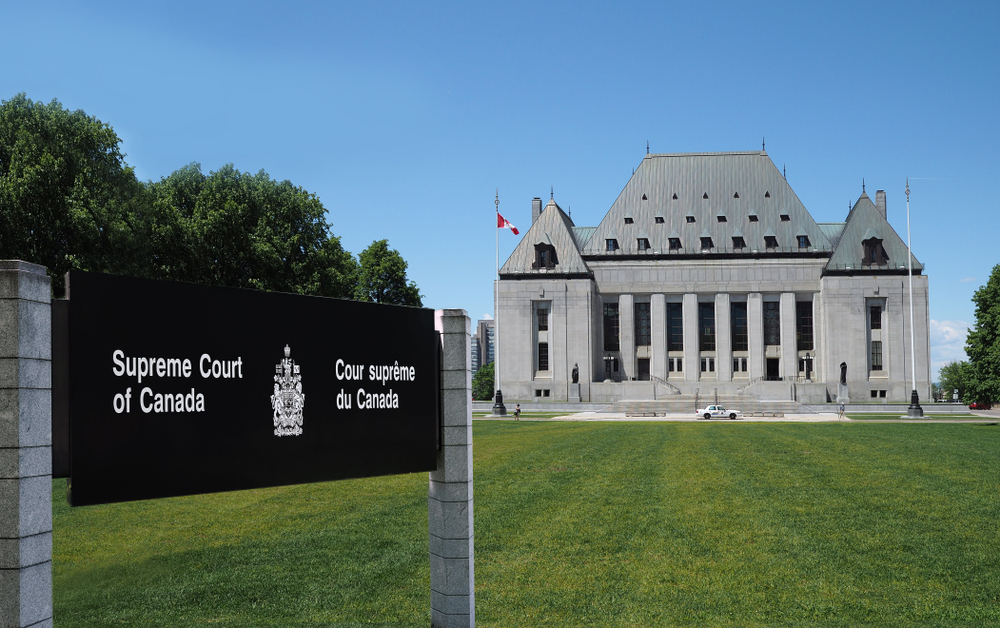
Canada 

A Cardus Health report released in September found the legalization of medical assistance in dying (MAID) in Canada led to disproportionately high rates of premature deaths among vulnerable groups.

MAID passed in 2012 with safeguards and provisions that the report said Canada has not upheld. It said: “Those who died from MAID were more likely to have been living with a disability than those who did not die from MAID, even though both groups had similar medical conditions and experienced diminished capability.”

People suffering from mental illness are also dying by assisted suicide at disproportionate rates, the report said. 

Read More