Canada

Pope Leo XIV appoints new bishop of London, Ontario #Catholic Pope Leo XIV has appointed Daniel J. Miehm as the new bishop of the Diocese of London, Ontario, Canada. Until now, the prelate served as the bishop of Peterborough, Ontario.The prelate succeeds Bishop Peter Fabbro in leading the Diocese of London. Fabbro’s resignation was accepted upon reaching the age of 75, the mandatory retirement age for bishops.After expressing his gratitude for the trust placed in him by the Holy Father for the new role, Miehm stated: “In this Easter season, as the Church celebrates the resurrection of Christ, we are invited to deep faith, trust in God, and hope in the promise of new life. It is in such a spirit that I embrace this new chapter in my continued service to the Church.”“I ask your prayers for me, for all those I have served in Peterborough and for those whom I will meet and serve in my episcopal ministry in the Diocese of London,” the prelate added in a statement from the Diocese of London.Fabbro, who served at the helm of the London Diocese for 24 years, said that Miehm “is a strong, compassionate leader with outstanding pastoral instincts and the wisdom to guide our diocese into the future. Under his episcopal leadership, the Diocese of London will be in very capable hands.”Miehm will be installed as the new bishop of London on June 29, the solemnity of Sts. Peter and Paul, at St. Peter’s Cathedral Basilica in London.Who is the new bishop of London?Miehm was born on Aug. 27, 1960, in Kitchener, Ontario. He studied philosophy at St. Jeromeʼs University in Waterloo, Ontario, and theology at St. Augustineʼs Seminary in Toronto. He earned a licentiate in canon law from the Pontifical University of St. Thomas in Rome, according to the Vatican Press Office.He was ordained a priest on May 6, 1989, for the Diocese of Hamilton, Ontario.He has held the following positions, among others: vicar of the Cathedral of Christ the King; defender of the bond at the ecclesiastical tribunal of Hamilton; pastor of Our Lady of Lourdes in Hamilton (1998–2004) and of St. Ann in Ancaster (2004–2012); and pastor of St. Benedict in Milton, as well as spiritual assistant to the St. Thomas More Lawyers' Guild (2012).He was appointed auxiliary bishop of Hamilton on Feb. 20, 2013, receiving episcopal consecration on May 7 of that year. On March 10, 2017, he was appointed bishop of Peterborough, where he served until now.This story was first published by ACI Prensa, the Spanish-language sister service of EWTN News. It has been translated and adapted by EWTN News English.

Pope Leo XIV appoints new bishop of London, Ontario #Catholic Pope Leo XIV has appointed Daniel J. Miehm as the new bishop of the Diocese of London, Ontario, Canada. Until now, the prelate served as the bishop of Peterborough, Ontario.The prelate succeeds Bishop Peter Fabbro in leading the Diocese of London. Fabbro’s resignation was accepted upon reaching the age of 75, the mandatory retirement age for bishops.After expressing his gratitude for the trust placed in him by the Holy Father for the new role, Miehm stated: “In this Easter season, as the Church celebrates the resurrection of Christ, we are invited to deep faith, trust in God, and hope in the promise of new life. It is in such a spirit that I embrace this new chapter in my continued service to the Church.”“I ask your prayers for me, for all those I have served in Peterborough and for those whom I will meet and serve in my episcopal ministry in the Diocese of London,” the prelate added in a statement from the Diocese of London.Fabbro, who served at the helm of the London Diocese for 24 years, said that Miehm “is a strong, compassionate leader with outstanding pastoral instincts and the wisdom to guide our diocese into the future. Under his episcopal leadership, the Diocese of London will be in very capable hands.”Miehm will be installed as the new bishop of London on June 29, the solemnity of Sts. Peter and Paul, at St. Peter’s Cathedral Basilica in London.Who is the new bishop of London?Miehm was born on Aug. 27, 1960, in Kitchener, Ontario. He studied philosophy at St. Jeromeʼs University in Waterloo, Ontario, and theology at St. Augustineʼs Seminary in Toronto. He earned a licentiate in canon law from the Pontifical University of St. Thomas in Rome, according to the Vatican Press Office.He was ordained a priest on May 6, 1989, for the Diocese of Hamilton, Ontario.He has held the following positions, among others: vicar of the Cathedral of Christ the King; defender of the bond at the ecclesiastical tribunal of Hamilton; pastor of Our Lady of Lourdes in Hamilton (1998–2004) and of St. Ann in Ancaster (2004–2012); and pastor of St. Benedict in Milton, as well as spiritual assistant to the St. Thomas More Lawyers' Guild (2012).He was appointed auxiliary bishop of Hamilton on Feb. 20, 2013, receiving episcopal consecration on May 7 of that year. On March 10, 2017, he was appointed bishop of Peterborough, where he served until now.This story was first published by ACI Prensa, the Spanish-language sister service of EWTN News. It has been translated and adapted by EWTN News English.

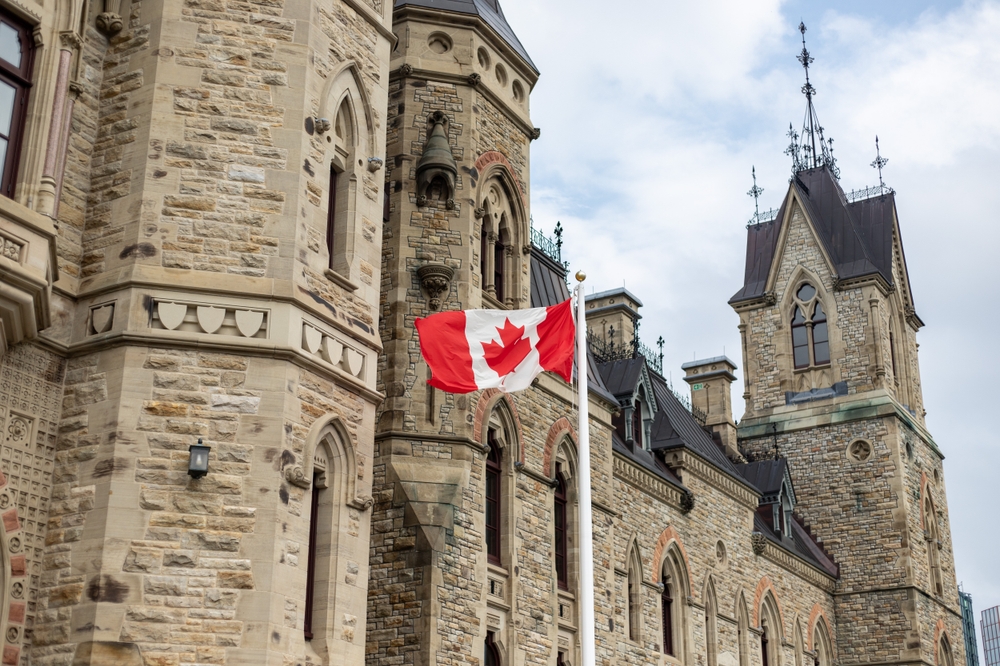
With the retirement of Bishop Peter Fabbro, Bishop Daniel J. Miehm of the Diocese of Peterborough has been appointed the new bishop of London, Ontario, Canada. He will be installed on June 29.

Read More
U.S., Canadian seminarians prepare in Mexico to serve Hispanic community #Catholic In response to the growing Hispanic Catholic community in the United States and Canada, seminarians from both countries are being sent to study in Mexico at the Hispanic Seminary of Our Lady of Guadalupe, a multicultural formation center for future priests.The seminary was founded on Aug. 31, 1999, by the then-primate archbishop of Mexico, Cardinal Norberto Rivera, after the Catholic Church recognized the need to form priests capable of understanding the cultural richness of Hispanics in North America.
 
 Study group at the Hispanic seminary in Mexico. | Credit: EWTN Noticias
 
 Rivera was inspired by the call issued by St. John Paul II in the January 1999 apostolic exhortation Ecclesia in America, which called the American Church to a new evangelization.The seminary opened in August 2000 with the arrival of five seminarians from the archdioceses of Los Angeles and Milwaukee. Since then, more than 200 graduates from at least 55 dioceses across the U.S. have passed through the formation center.‘A Church without borders’In an interview with ACI Prensa, the Spanish-language sister service of EWTN News, Father Juan Antonio Vértiz Gutiérrez, the seminary’s rector, explained that the learning experience goes beyond language. The seminarians gain firsthand insight into what the Church in Mexico is like as well as its ecclesial and cultural traditions, particularly through apostolates.
 
 Seminarians visit the Isabel the Catholic Monarch nursing home in Mexico City. | Credit: Hispanic Seminary of Our Lady of Guadalupe
 
 According to the priest, this enables them to “better serve our fellow countrymen and our brothers and sisters of Hispanic origin” in their home dioceses in the U.S. He emphasized that this formation helps these young men understand two distinct cultural realities that, while united in faith, have different cultural expressions.For Vértiz, one of the greatest beauties of Catholicism is that it “doesn’t have any borders.” In a time marked by tensions stemming from immigration policies, he noted that the experience of the Hispanic seminary demonstrates that for the Catholic Church, regardless of one’s background, every person “already belongs to the family of the children of God.”The programLife at the seminary follows the rhythm of any house of priestly formation but with a particular emphasis on cultural encounter. Mornings are dedicated to philosophical and theological studies at Lumen Gentium Catholic University, while in the afternoons, seminarians delve deeper into language learning and spiritual formation.During Holy Week, seminarians are often sent to communities outside Mexico City.The admissions process is typically conducted through diocesan vocations offices in the U.S. “We do not accept young men who do not belong to a diocese,” the rector explained. Currently, the seminary hosts 16 young men hailing from California, Nevada, Washington, Texas, Illinois, Alabama, and Georgia.
 
 A map marks the seminarians’ states of origin. | Credit: EWTN Noticias
 
 Diverse testimonies of faithRamsés Yates, originally from the Diocese of Yakima, Washington, arrived at the seminary a year and a half ago to complete his theological formation and learn Spanish.In an interview with ACI Prensa, he said his experience in Mexican communities has filled him with “much hope and much joy.” In them, he said, it’s possible to witness what it means to “be a community that lives out Catholicism to the fullest.”He noted that he is eagerly preparing to return to Yakima, knowing that he will now be able to speak “with many more people in my diocese, people with whom I previously could not communicate effectively. That fills me with great enthusiasm.”Ramón Pérez, originally from Guanajuato, Mexico, migrated to Fresno, California, at the age of 17. There, his life was defined by work until he felt “the call to the priesthood, to a more complete dedication to the service of the Church.”
 
 A seminarian prays at the Hispanic Seminary of Our Lady of Guadalupe. | Credit: EWTN Noticias
 
 He told ACI Prensa that following a lengthy process of discernment, he requested admission to the seminary. His diocese decided to send him to Mexico “to continue nurturing my culture and to support the various people entering the United States” from Spanish-speaking countries.The seminarian said the experience has enabled him “to know and become conscious of my origins, my roots, and my culture, of where I was born and where I come from.” Growing up in two different cultures, he acknowledged, can be challenging, but it has also “profoundly shaped this aspect of my vocation.”This story was first published by ACI Prensa, the Spanish-language sister service of EWTN News. It has been translated and adapted by EWTN News English.

U.S., Canadian seminarians prepare in Mexico to serve Hispanic community #Catholic In response to the growing Hispanic Catholic community in the United States and Canada, seminarians from both countries are being sent to study in Mexico at the Hispanic Seminary of Our Lady of Guadalupe, a multicultural formation center for future priests.The seminary was founded on Aug. 31, 1999, by the then-primate archbishop of Mexico, Cardinal Norberto Rivera, after the Catholic Church recognized the need to form priests capable of understanding the cultural richness of Hispanics in North America. Study group at the Hispanic seminary in Mexico. | Credit: EWTN Noticias Rivera was inspired by the call issued by St. John Paul II in the January 1999 apostolic exhortation Ecclesia in America, which called the American Church to a new evangelization.The seminary opened in August 2000 with the arrival of five seminarians from the archdioceses of Los Angeles and Milwaukee. Since then, more than 200 graduates from at least 55 dioceses across the U.S. have passed through the formation center.‘A Church without borders’In an interview with ACI Prensa, the Spanish-language sister service of EWTN News, Father Juan Antonio Vértiz Gutiérrez, the seminary’s rector, explained that the learning experience goes beyond language. The seminarians gain firsthand insight into what the Church in Mexico is like as well as its ecclesial and cultural traditions, particularly through apostolates. Seminarians visit the Isabel the Catholic Monarch nursing home in Mexico City. | Credit: Hispanic Seminary of Our Lady of Guadalupe According to the priest, this enables them to “better serve our fellow countrymen and our brothers and sisters of Hispanic origin” in their home dioceses in the U.S. He emphasized that this formation helps these young men understand two distinct cultural realities that, while united in faith, have different cultural expressions.For Vértiz, one of the greatest beauties of Catholicism is that it “doesn’t have any borders.” In a time marked by tensions stemming from immigration policies, he noted that the experience of the Hispanic seminary demonstrates that for the Catholic Church, regardless of one’s background, every person “already belongs to the family of the children of God.”The programLife at the seminary follows the rhythm of any house of priestly formation but with a particular emphasis on cultural encounter. Mornings are dedicated to philosophical and theological studies at Lumen Gentium Catholic University, while in the afternoons, seminarians delve deeper into language learning and spiritual formation.During Holy Week, seminarians are often sent to communities outside Mexico City.The admissions process is typically conducted through diocesan vocations offices in the U.S. “We do not accept young men who do not belong to a diocese,” the rector explained. Currently, the seminary hosts 16 young men hailing from California, Nevada, Washington, Texas, Illinois, Alabama, and Georgia. A map marks the seminarians’ states of origin. | Credit: EWTN Noticias Diverse testimonies of faithRamsés Yates, originally from the Diocese of Yakima, Washington, arrived at the seminary a year and a half ago to complete his theological formation and learn Spanish.In an interview with ACI Prensa, he said his experience in Mexican communities has filled him with “much hope and much joy.” In them, he said, it’s possible to witness what it means to “be a community that lives out Catholicism to the fullest.”He noted that he is eagerly preparing to return to Yakima, knowing that he will now be able to speak “with many more people in my diocese, people with whom I previously could not communicate effectively. That fills me with great enthusiasm.”Ramón Pérez, originally from Guanajuato, Mexico, migrated to Fresno, California, at the age of 17. There, his life was defined by work until he felt “the call to the priesthood, to a more complete dedication to the service of the Church.” A seminarian prays at the Hispanic Seminary of Our Lady of Guadalupe. | Credit: EWTN Noticias He told ACI Prensa that following a lengthy process of discernment, he requested admission to the seminary. His diocese decided to send him to Mexico “to continue nurturing my culture and to support the various people entering the United States” from Spanish-speaking countries.The seminarian said the experience has enabled him “to know and become conscious of my origins, my roots, and my culture, of where I was born and where I come from.” Growing up in two different cultures, he acknowledged, can be challenging, but it has also “profoundly shaped this aspect of my vocation.”This story was first published by ACI Prensa, the Spanish-language sister service of EWTN News. It has been translated and adapted by EWTN News English.

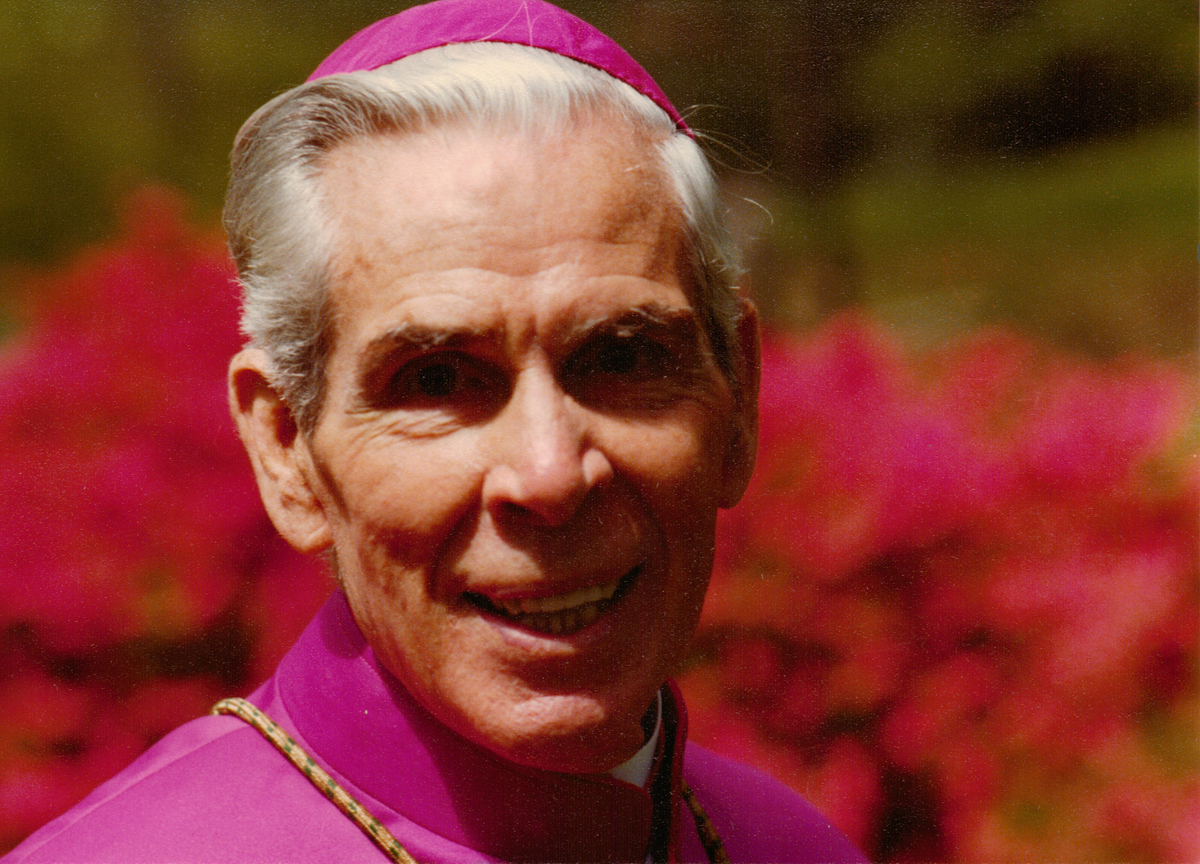
A seminary was established in Mexico in 1999 to serve the growing Hispanic community in North America, forming future priests who learn Spanish as well as ecclesial and cultural traditions.

Read More
Quebec secularism law is ‘anti-religious ideology,’ bishops tell Canada Supreme Court #Catholic Canada’s bishops told the Supreme Court of Canada that Quebec’s secularism legislation Bill 21 “denies the divine” going well beyond provincial jurisdiction by imposing an anti-religious ideology on the province.The bishops were among more than 50 intervenors presenting arguments at a landmark Supreme Court of Canada hearing into the constitutionality of Quebec’s 2019 secularism law. The hearing, one of the longest in the court’s history, ran from March 23–26. The court reserved its decision, with a ruling expected later this year.The secularism law, which lower courts have twice upheld, prohibits certain public employees — such as teachers and police officers — from wearing religious symbols while at work.Toronto lawyer Phil Horgan, president and general counsel of the Catholic Civil Rights League (CCRL), argued on behalf of the Canadian Conference of Catholic Bishops (CCCB), summarizing a factum that argued the “purpose and effect” of Quebec’s legislation is to “amend Canada’s federal constitution by imposing an anti-religious, non-neutral ideology, which goes beyond Québec’s jurisdiction.”Such a “drastic” change can only be made by the federal government using its authority over criminal law or its constitutional “peace, order, and good government” powers, according to the bishops’ argument.Quebec preemptively invoked the notwithstanding clause of the Canadian Charter of Rights and Freedoms when it drafted Bill 21 to shield it from judicial review.Federal and provincial governments can invoke the notwithstanding clause of the Constitution to temporarily prevent courts from invalidating legislation as unconstitutional.The timing and impact of the use of Charter Section 33 became a significant issue during the four days of hearings and will likely be central in the court’s analysis, Horgan told The Catholic Register.The appellants challenging Bill 21 include individual teachers directly affected by it as well as advocacy groups including the National Council of Canadian Muslims (NCCM), the Canadian Civil Liberties Association (CCLA), and the Legal Committee of the Coalition Inclusion Québec. They argue Bill 21 is “ultra vires,” beyond the powers of provincial jurisdiction.In a five-minute oral argument, Horgan told the seven justices that “Canada’s existing federal constitution is pluralist and pro-religion.” Although “the doctrine of state neutrality is well established, Canada has never adopted laicity or an absolutist separation of church and state,” he said.Justice Malcolm Rowe questioned Horgan on the point, asking: “Other than the reference to the supremacy of God in the preamble to the Charter, would you direct me to the provision in the Constitution which is pro-religion?”Horgan cited Section 93 of the Constitution Act, 1867, which protects denominational school rights and privileges, and noted federal charity law recognizes religion as a public good.Horgan said he wasn’t concerned by the pushback, noting judges often ask questions “not so much to get the answers from counsel but to help … persuade other members of the bench on some of the merits of the argument.”In its factum, the CCCB said Bill 21 “turns the expression of religious belief, through the wearing of symbols, into something to be punished because such expression now conflicts with the dominant philosophical posture of laïcité.”Just as religious symbols are an illustration of underlying personal faith, “the prohibition of religious symbols manifests an outlook from the provincial government that denies the divine,” the bishops said.Quebec has argued the notwithstanding clause disqualifies courts from weighing in on matters deemed political debates. Isabelle Brunet, a lawyer for the Quebec government, told the justices: “It is not up to a court to answer a question that doesn’t concern the courts.”Quebec received support from the attorneys general of Alberta, Ontario, and Saskatchewan, who maintain the courts should not interfere once the notwithstanding clause is invoked.Alberta and Ontario take a contrary position, arguing there is nothing in the notwithstanding clause that precludes judicial scrutiny of legislation.Guy J. Pratte, a lawyer for the attorney general of Canada, said Section 33 gives legislatures the power to override Charter rights but does not nullify the rights altogether or prevent judges from issuing an opinion if freedoms are violated.‘Imposing an anti-religious, non-neutral ideology’The following excerpts are from the factum submitted to the Supreme Court of Canada by the Canadian bishops:“The purpose and effect of the act is unilaterally to amend Canada’s federal constitution by imposing an anti-religious, non-neutral ideology, which goes beyond Québec’s jurisdiction.”“When a province makes itself laïc, it is adopting a non-neutral stance on religion. The provinces do not have that power.”“Québec is attempting to impose an atheistic posture on religious believers.”“Our constitution is founded on a political theory that sees fundamental rights and freedoms as God-given. To adopt an expressly anti-religious viewpoint, as the act purports to do, is an amendment of our existing federal constitution.”“In the place of a genuinely neutral, pluralist, and pro-religious approach, the act substitutes an anti-religious constitutional settlement where symbols of religion worn by individuals are not permitted.”“Just as religious symbols manifest an underlying personal faith, the prohibition of religious symbols manifests an outlook … that denies the divine.”This story was first published by The B.C. Catholic and is reprinted here with permission.

Quebec secularism law is ‘anti-religious ideology,’ bishops tell Canada Supreme Court #Catholic Canada’s bishops told the Supreme Court of Canada that Quebec’s secularism legislation Bill 21 “denies the divine” going well beyond provincial jurisdiction by imposing an anti-religious ideology on the province.The bishops were among more than 50 intervenors presenting arguments at a landmark Supreme Court of Canada hearing into the constitutionality of Quebec’s 2019 secularism law. The hearing, one of the longest in the court’s history, ran from March 23–26. The court reserved its decision, with a ruling expected later this year.The secularism law, which lower courts have twice upheld, prohibits certain public employees — such as teachers and police officers — from wearing religious symbols while at work.Toronto lawyer Phil Horgan, president and general counsel of the Catholic Civil Rights League (CCRL), argued on behalf of the Canadian Conference of Catholic Bishops (CCCB), summarizing a factum that argued the “purpose and effect” of Quebec’s legislation is to “amend Canada’s federal constitution by imposing an anti-religious, non-neutral ideology, which goes beyond Québec’s jurisdiction.”Such a “drastic” change can only be made by the federal government using its authority over criminal law or its constitutional “peace, order, and good government” powers, according to the bishops’ argument.Quebec preemptively invoked the notwithstanding clause of the Canadian Charter of Rights and Freedoms when it drafted Bill 21 to shield it from judicial review.Federal and provincial governments can invoke the notwithstanding clause of the Constitution to temporarily prevent courts from invalidating legislation as unconstitutional.The timing and impact of the use of Charter Section 33 became a significant issue during the four days of hearings and will likely be central in the court’s analysis, Horgan told The Catholic Register.The appellants challenging Bill 21 include individual teachers directly affected by it as well as advocacy groups including the National Council of Canadian Muslims (NCCM), the Canadian Civil Liberties Association (CCLA), and the Legal Committee of the Coalition Inclusion Québec. They argue Bill 21 is “ultra vires,” beyond the powers of provincial jurisdiction.In a five-minute oral argument, Horgan told the seven justices that “Canada’s existing federal constitution is pluralist and pro-religion.” Although “the doctrine of state neutrality is well established, Canada has never adopted laicity or an absolutist separation of church and state,” he said.Justice Malcolm Rowe questioned Horgan on the point, asking: “Other than the reference to the supremacy of God in the preamble to the Charter, would you direct me to the provision in the Constitution which is pro-religion?”Horgan cited Section 93 of the Constitution Act, 1867, which protects denominational school rights and privileges, and noted federal charity law recognizes religion as a public good.Horgan said he wasn’t concerned by the pushback, noting judges often ask questions “not so much to get the answers from counsel but to help … persuade other members of the bench on some of the merits of the argument.”In its factum, the CCCB said Bill 21 “turns the expression of religious belief, through the wearing of symbols, into something to be punished because such expression now conflicts with the dominant philosophical posture of laïcité.”Just as religious symbols are an illustration of underlying personal faith, “the prohibition of religious symbols manifests an outlook from the provincial government that denies the divine,” the bishops said.Quebec has argued the notwithstanding clause disqualifies courts from weighing in on matters deemed political debates. Isabelle Brunet, a lawyer for the Quebec government, told the justices: “It is not up to a court to answer a question that doesn’t concern the courts.”Quebec received support from the attorneys general of Alberta, Ontario, and Saskatchewan, who maintain the courts should not interfere once the notwithstanding clause is invoked.Alberta and Ontario take a contrary position, arguing there is nothing in the notwithstanding clause that precludes judicial scrutiny of legislation.Guy J. Pratte, a lawyer for the attorney general of Canada, said Section 33 gives legislatures the power to override Charter rights but does not nullify the rights altogether or prevent judges from issuing an opinion if freedoms are violated.‘Imposing an anti-religious, non-neutral ideology’The following excerpts are from the factum submitted to the Supreme Court of Canada by the Canadian bishops:“The purpose and effect of the act is unilaterally to amend Canada’s federal constitution by imposing an anti-religious, non-neutral ideology, which goes beyond Québec’s jurisdiction.”“When a province makes itself laïc, it is adopting a non-neutral stance on religion. The provinces do not have that power.”“Québec is attempting to impose an atheistic posture on religious believers.”“Our constitution is founded on a political theory that sees fundamental rights and freedoms as God-given. To adopt an expressly anti-religious viewpoint, as the act purports to do, is an amendment of our existing federal constitution.”“In the place of a genuinely neutral, pluralist, and pro-religious approach, the act substitutes an anti-religious constitutional settlement where symbols of religion worn by individuals are not permitted.”“Just as religious symbols manifest an underlying personal faith, the prohibition of religious symbols manifests an outlook … that denies the divine.”This story was first published by The B.C. Catholic and is reprinted here with permission.

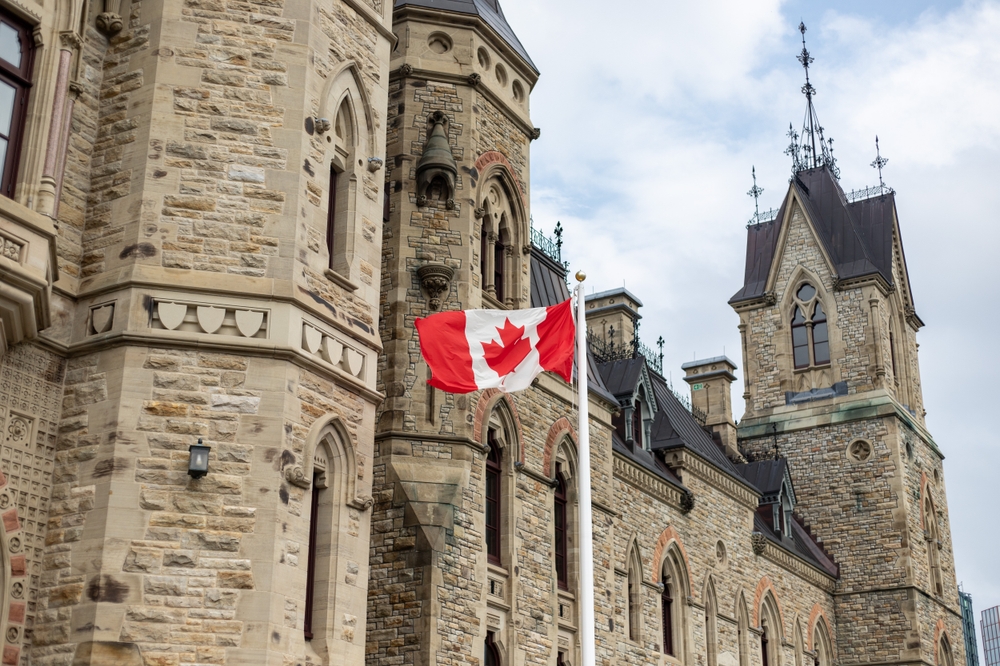
The Catholic bishops were among more than 50 intervenors presenting arguments at a landmark Supreme Court of Canada hearing into the constitutionality of Quebec’s 2019 secularism law.

Read More