

Bishop Brendan Cahill noted the importance of ecumenical approaches to “one of the most pressing issues of our time.”

Bishop Brendan Cahill noted the importance of ecumenical approaches to “one of the most pressing issues of our time.”
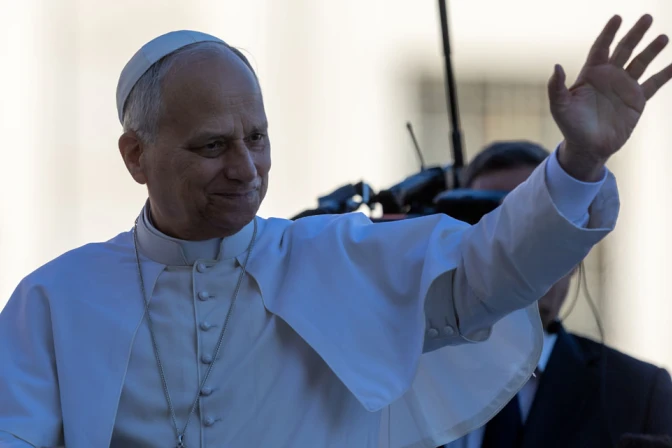
On the International Day of Mathematics, Pope Leo XIV sent a message inviting reflection on the role good mathematics can play in today’s world.
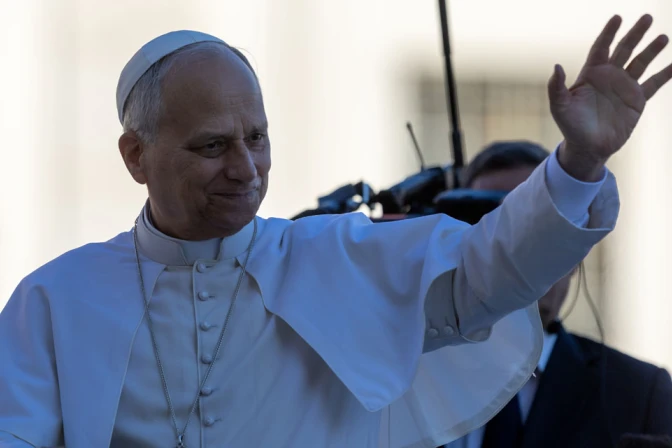

Former Miss California Carrie Prejean Boller has been removed from President Trump’s Religious Liberty Commission.

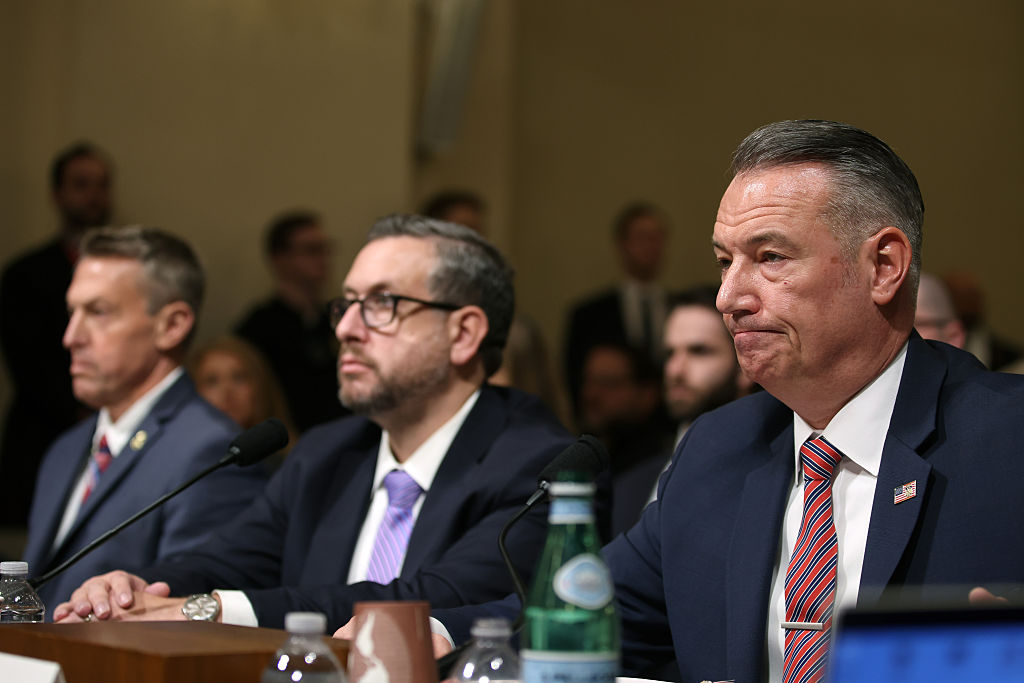
![Democratic lawmaker asks ICE director if he’s ‘going to hell’ in fiery hearing #Catholic A Democratic lawmaker asked U.S. Immigration and Customs Enforcement (ICE) Acting Director Todd Lyons whether he believes he is “going to hell” in a contentious hearing with the House Homeland Security Committee on Tuesday, Feb. 10.Lyons — along with U.S. Citizenship and Immigration Services Director Joseph Edlow and Customs and Border Protection Commissioner Rodney Scott — testified before the committee as Congress negotiates potential reforms and funding for the agencies.On Feb. 3, Congress voted to extend funding for the Department of Homeland Security (DHS), which operates the three agencies, until Feb. 13 to end a four-day partial government shutdown. A deal has not yet been reached to extend funding further.At the hearing, Democratic lawmakers accused ICE of terrorizing the streets, using excessive force, and lacking accountability. Republicans defended ICE and rebuked Democratic officials in certain states for refusing to cooperate with federal immigration enforcement.One of the fiercest exchanges came from Rep. LaMonica McIver, D-New Jersey, who praised protesters for “peacefully rejecting your cruel agenda in the streets.” She said ICE believes it is “the highest power who decides which people deserve dignity, protection, and due process” and said “you are wrong [and] we are here for answers.”“How do you think judgment day will work for you, with so much blood on your hands?” McIver asked Lyons, to which he responded that he would not entertain the question.“Do you think you’re going to hell?” she followed up, before being chastised by Committee Chair Andrew Garbarino, R-New York, who told her to avoid personal attacks on witnesses and maintain decorum.McIver said “you guys are always talking about religion here, and the Bible.” She changed the subject slightly and asked Lyons whether he could name agencies that “routinely kill American citizens and still get funding,” which he also said was a question he was “not going to entertain.”“Once again, questions that you cannot answer and that is exactly why … we should not be funding this agency,” McIver said. “The people are watching you; they are watching you. And this is why we need to abolish ICE.”Lawmakers debate ICE operations, future of agencyThe killings of two American citizens at ICE protests — Renée Good and Alex Pretti — were a focal point of the hearing, and two examples that Democrats used to accuse ICE of excessive force and lacking accountability.Democratic Rep. Eric Swalwell, D-California, referenced both killings and criticized DHS Secretary Kristi Noem for referring to those who died as “domestic terrorists.” He asked Lyons whether he would apologize to the families or reject that characterization.Lyons said he would not comment on an ongoing investigation but would welcome a private conversation with the families.Democrats are split on whether to reform ICE or abolish it altogether.Rep. Seth Magaziner, D-Rhode Island, brought up instances in which he believes ICE used excessive force and suggested reforms are necessary before Congress awards funding.“It’s not just the actions of the agents in the field,” he said. “It is the lack of accountability from the top that has caused public trust to erode, and there needs to be major reforms before we vote to give any of you any more funding.”Alternatively, Rep. Delia Ramirez, D-Illinois, called for abolishing ICE and the entire DHS, which Congress formed to address terrorism threats after the Sept. 11, 2001, attacks. Ramirez said DHS was created to “violate our rights under the pretense of securing our safety.”“I’m going to say it loud and clear and I’m proud to stand by what I say,” she said. “DHS cannot be reformed. It must be dismantled and something new must take its place.”Rep. Michael McCaul, R-Texas, commented during the hearing that Democratic lawmakers “have called to abolish ICE [and] now they’re trying to shut it down” amid the negotiations and discussion during the hearing.He criticized the lack of coordination from Democratic-led “sanctuary” states and cities, which do not cooperate with ICE, saying the policies in Minneapolis “created a perfect storm for our officers being thrown into this situation.”Rep. August Pfluger, R-Texas, similarly expressed concern about ICE funding moving forward, based on the debates between the two parties.“It seems like one side of the aisle is in favor of open borders and wants to abolish ICE … and the other side of the aisle wants to enforce laws that are on the books,” he said.During the question and answer, Lyons expressed worry about the rhetoric from Democrats and noted that threats and assaults against ICE agents are on the rise. He said agents are trying to “keep America safe, restore order to our communities, [and] return the rule of law to this country.”“Those who illegally enter our country must be held accountable,” he said.Scott also showed concerns about the ongoing debate and expressed hope that DHS could receive support from both Republicans and Democrats.“I believe consistency and seeing support from the leadership on both sides of this building and the president is very important for our security,” he said. “I think the rhetoric and the … politicizing of law enforcement in general detracts from the general morale of our personnel.”Andrew Arthur, a resident fellow in law and policy at the Center for Immigration Studies, told “EWTN News Nightly” that he sees “much of [the Democratic threats to halt funding] as political theater,” noting that ICE will continue to operate regardless of whether Congress passes the funding bill.He said Democrats hope to take away an issue that made Trump popular during the 2024 election “and turn it into a bad issue for Republicans” in the midterms.Arthur said there may be some shifts in ICE’s approach in Minneapolis now that Border Czar Tom Homan is involved in seeking the “cooperation of state and city governments” that have been “reluctant, if not hostile” to immigration enforcement over the past year.The United States Conference of Catholic Bishops (USCCB) in November 2025 approved a special message with a 216-5 vote that declared opposition to “the indiscriminate mass deportation of people.”Late last month, about 300 Catholic leaders — including 15 bishops — asked Congress to reject ICE funding if the legislation fails to include reforms that have protections for migrants.](https://unitedyam.com/wp-content/uploads/2026/02/democratic-lawmaker-asks-ice-director-if-hes-going-to-hell-in-fiery-hearing-catholic-a-democratic-lawmaker-asked-u-s-immigration-and-customs-enforcement-ice-acting-direc.jpg "Democratic lawmaker asks ICE director if he’s ‘going to hell’ in fiery hearing #Catholic A Democratic lawmaker asked U.S. Immigration and Customs Enforcement (ICE) Acting Director Todd Lyons whether he believes he is “going to hell” in a contentious hearing with the House Homeland Security Committee on Tuesday, Feb. 10.Lyons — along with U.S. Citizenship and Immigration Services Director Joseph Edlow and Customs and Border Protection Commissioner Rodney Scott — testified before the committee as Congress negotiates potential reforms and funding for the agencies.On Feb. 3, Congress voted to extend funding for the Department of Homeland Security (DHS), which operates the three agencies, until Feb. 13 to end a four-day partial government shutdown. A deal has not yet been reached to extend funding further.At the hearing, Democratic lawmakers accused ICE of terrorizing the streets, using excessive force, and lacking accountability. Republicans defended ICE and rebuked Democratic officials in certain states for refusing to cooperate with federal immigration enforcement.One of the fiercest exchanges came from Rep. LaMonica McIver, D-New Jersey, who praised protesters for “peacefully rejecting your cruel agenda in the streets.” She said ICE believes it is “the highest power who decides which people deserve dignity, protection, and due process” and said “you are wrong [and] we are here for answers.”“How do you think judgment day will work for you, with so much blood on your hands?” McIver asked Lyons, to which he responded that he would not entertain the question.“Do you think you’re going to hell?” she followed up, before being chastised by Committee Chair Andrew Garbarino, R-New York, who told her to avoid personal attacks on witnesses and maintain decorum.McIver said “you guys are always talking about religion here, and the Bible.” She changed the subject slightly and asked Lyons whether he could name agencies that “routinely kill American citizens and still get funding,” which he also said was a question he was “not going to entertain.”“Once again, questions that you cannot answer and that is exactly why … we should not be funding this agency,” McIver said. “The people are watching you; they are watching you. And this is why we need to abolish ICE.”Lawmakers debate ICE operations, future of agencyThe killings of two American citizens at ICE protests — Renée Good and Alex Pretti — were a focal point of the hearing, and two examples that Democrats used to accuse ICE of excessive force and lacking accountability.Democratic Rep. Eric Swalwell, D-California, referenced both killings and criticized DHS Secretary Kristi Noem for referring to those who died as “domestic terrorists.” He asked Lyons whether he would apologize to the families or reject that characterization.Lyons said he would not comment on an ongoing investigation but would welcome a private conversation with the families.Democrats are split on whether to reform ICE or abolish it altogether.Rep. Seth Magaziner, D-Rhode Island, brought up instances in which he believes ICE used excessive force and suggested reforms are necessary before Congress awards funding.“It’s not just the actions of the agents in the field,” he said. “It is the lack of accountability from the top that has caused public trust to erode, and there needs to be major reforms before we vote to give any of you any more funding.”Alternatively, Rep. Delia Ramirez, D-Illinois, called for abolishing ICE and the entire DHS, which Congress formed to address terrorism threats after the Sept. 11, 2001, attacks. Ramirez said DHS was created to “violate our rights under the pretense of securing our safety.”“I’m going to say it loud and clear and I’m proud to stand by what I say,” she said. “DHS cannot be reformed. It must be dismantled and something new must take its place.”Rep. Michael McCaul, R-Texas, commented during the hearing that Democratic lawmakers “have called to abolish ICE [and] now they’re trying to shut it down” amid the negotiations and discussion during the hearing.He criticized the lack of coordination from Democratic-led “sanctuary” states and cities, which do not cooperate with ICE, saying the policies in Minneapolis “created a perfect storm for our officers being thrown into this situation.”Rep. August Pfluger, R-Texas, similarly expressed concern about ICE funding moving forward, based on the debates between the two parties.“It seems like one side of the aisle is in favor of open borders and wants to abolish ICE … and the other side of the aisle wants to enforce laws that are on the books,” he said.During the question and answer, Lyons expressed worry about the rhetoric from Democrats and noted that threats and assaults against ICE agents are on the rise. He said agents are trying to “keep America safe, restore order to our communities, [and] return the rule of law to this country.”“Those who illegally enter our country must be held accountable,” he said.Scott also showed concerns about the ongoing debate and expressed hope that DHS could receive support from both Republicans and Democrats.“I believe consistency and seeing support from the leadership on both sides of this building and the president is very important for our security,” he said. “I think the rhetoric and the … politicizing of law enforcement in general detracts from the general morale of our personnel.”Andrew Arthur, a resident fellow in law and policy at the Center for Immigration Studies, told “EWTN News Nightly” that he sees “much of [the Democratic threats to halt funding] as political theater,” noting that ICE will continue to operate regardless of whether Congress passes the funding bill.He said Democrats hope to take away an issue that made Trump popular during the 2024 election “and turn it into a bad issue for Republicans” in the midterms.Arthur said there may be some shifts in ICE’s approach in Minneapolis now that Border Czar Tom Homan is involved in seeking the “cooperation of state and city governments” that have been “reluctant, if not hostile” to immigration enforcement over the past year.The United States Conference of Catholic Bishops (USCCB) in November 2025 approved a special message with a 216-5 vote that declared opposition to “the indiscriminate mass deportation of people.”Late last month, about 300 Catholic leaders — including 15 bishops — asked Congress to reject ICE funding if the legislation fails to include reforms that have protections for migrants.")
Top U.S. immigration officials defended their policies during a contentious hearing as lawmakers continue to negotiate potential ICE funding and reforms.

| Picture of the day |
|---|

|
|
A beach chair on the beach of Juliusruh is illuminated by the rising morning sun.
|