![Trump signs bill to reopen SSocial Security, Medicare opt-ins for priests, clergy #Catholic President Donald Trump signed into law a measure that allows clergy — including Catholic priests and bishops — to opt back in to Social Security and Medicare if they had previously opted out of the program.Under the tax code, clergy may opt out of Social Security and Medicare taxes for ministerial work but cannot receive the benefits if they do. A person who opts out typically cannot reverse that decision, but the law, supported by the U.S. Conference of Catholic Bishops (USCCB), opens a two-year window for members of clergy to opt back in if they have changed their minds.The law, signed on Oct. 20, allows clergy members to opt back in during the 2029 or 2030 tax years, but they must still meet the standard contribution requirements to receive benefits. The House of Representatives passed the bill 350-5 on April 27, and the Senate cleared it by unanimous consent on Sept. 30.According to a news release from the House Ways and Means Committee, about 2,000 people take the opt-out. This is the third time Congress offered a temporary window for clergy to reverse their opt-outs, with the last time being 1999.“America’s pastors and faith leaders spend their lives caring for others,” Rep. Jason Smith, R-Missouri, chair of the House Ways and Means Committee, said in a statement.“Many chose to opt out of Social Security when they were young and just starting their ministry,” he said. “A single, sometimes ill-advised, decision made decades ago should not stand between them and a secure retirement.”Support from Catholic bishopsWhen reached for comment, the USCCB referred EWTN News to an April 14 letter supportive of the bill, signed by Archbishop Shelton Fabre, chair of the USCCB Committee on Domestic Justice and Human Development, and Archbishop Ronald Hicks, chair of the USCCB Committee on Clergy, Consecrated Life, and Vocations.The letter states that the bill offers “much needed relief and support for priests and religious who previously opted out of Social Security and Medicare to opt back into the programs.”“For one reason or another, many clergy members, often decades prior and due to inaccurate financial advice, opted out of contributing,” the letter states.It adds that the bill helps clergy “move toward a more complete retirement” and offers a “more comprehensive financial and physical wellbeing as they transition into the next phase of their lives and ministries.”“Priests and religious have spent their lives in service to Christ by ministering to the faithful and those in need,” the letter adds. “[The legislation helps] enable them to obtain better financial and physical health in their retirement.”](https://unitedyam.com/wp-content/uploads/2026/10/trump-signs-bill-to-reopen-ssocial-security-medicare-opt-ins-for-priests-clergy-catholic-president-donald-trump-signed-into-law-a-measure-that-allows-clergy-including-catholic-priests-and.jpg "Trump signs bill to reopen SSocial Security, Medicare opt-ins for priests, clergy #Catholic President Donald Trump signed into law a measure that allows clergy — including Catholic priests and bishops — to opt back in to Social Security and Medicare if they had previously opted out of the program.Under the tax code, clergy may opt out of Social Security and Medicare taxes for ministerial work but cannot receive the benefits if they do. A person who opts out typically cannot reverse that decision, but the law, supported by the U.S. Conference of Catholic Bishops (USCCB), opens a two-year window for members of clergy to opt back in if they have changed their minds.The law, signed on Oct. 20, allows clergy members to opt back in during the 2029 or 2030 tax years, but they must still meet the standard contribution requirements to receive benefits. The House of Representatives passed the bill 350-5 on April 27, and the Senate cleared it by unanimous consent on Sept. 30.According to a news release from the House Ways and Means Committee, about 2,000 people take the opt-out. This is the third time Congress offered a temporary window for clergy to reverse their opt-outs, with the last time being 1999.“America’s pastors and faith leaders spend their lives caring for others,” Rep. Jason Smith, R-Missouri, chair of the House Ways and Means Committee, said in a statement.“Many chose to opt out of Social Security when they were young and just starting their ministry,” he said. “A single, sometimes ill-advised, decision made decades ago should not stand between them and a secure retirement.”Support from Catholic bishopsWhen reached for comment, the USCCB referred EWTN News to an April 14 letter supportive of the bill, signed by Archbishop Shelton Fabre, chair of the USCCB Committee on Domestic Justice and Human Development, and Archbishop Ronald Hicks, chair of the USCCB Committee on Clergy, Consecrated Life, and Vocations.The letter states that the bill offers “much needed relief and support for priests and religious who previously opted out of Social Security and Medicare to opt back into the programs.”“For one reason or another, many clergy members, often decades prior and due to inaccurate financial advice, opted out of contributing,” the letter states.It adds that the bill helps clergy “move toward a more complete retirement” and offers a “more comprehensive financial and physical wellbeing as they transition into the next phase of their lives and ministries.”“Priests and religious have spent their lives in service to Christ by ministering to the faithful and those in need,” the letter adds. “[The legislation helps] enable them to obtain better financial and physical health in their retirement.”")

The measure, supported by Catholic bishops, allows clergy to reverse their decision to opt out of Social Security and Medicare.
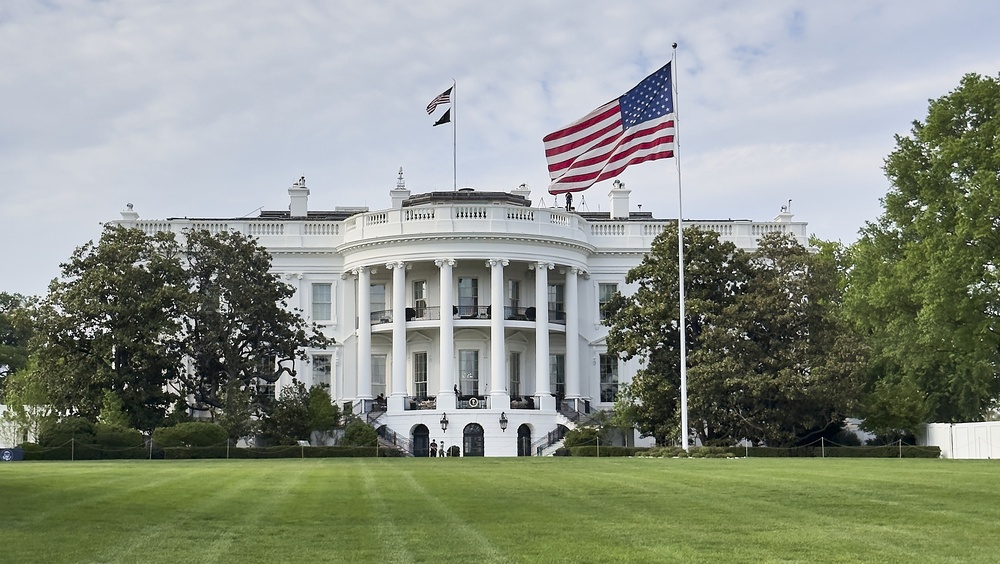
The measure, supported by Catholic bishops, allows clergy to reverse their decision to opt out of Social Security and Medicare.
![Conference encourages Black Catholic men to lead families, parishes, and communities #Catholic Twenty-four years ago three priests from the Society of the Divine Word and founders of the Bowman Francis Ministry had the idea to bring Black Catholic men together for fellowship, workshops, discussions, and prayer — with the hope that the men would then take what they learned back to their communities and ministries. That dream eventually became an annual conference, and its 24th gathering just took place in Birmingham, Alabama, Oct. 15–18.The Fr. Chester P. Smith National Black Catholic Men’s Conference was created by Father Chester P. Smith, Father Charles Smith, and Father Kenneth Hamilton and invites Black Catholic men from across the United States for a weekend of faith, leadership, brotherhood, and cultural reflection.This year’s conference — hosted by the Bowman Francis Ministry, the Society of the Divine Word Missionaries, and the Office of Black Catholic Ministry of the Diocese of Birmingham — had the theme of “The Rock I Stand On,” which aimed to equip participants with the spiritual and life skills needed to take on their roles as protectors and providers.Attendees were able to experience a guided, firsthand look at Birmingham’s role in the Civil Rights movement and engage in meaningful dialogue that connects faith, justice, and social responsibility. The Civil Rights Immersion Tour also included a Harambe Town Hall, which featured notable Birmingham community leaders debating todayʼs social and political climate.Cameron Beatty serves as the conference’s program chair. For him, the conference holds a special place in his heart — Father Chester P. Smith was his godfather.
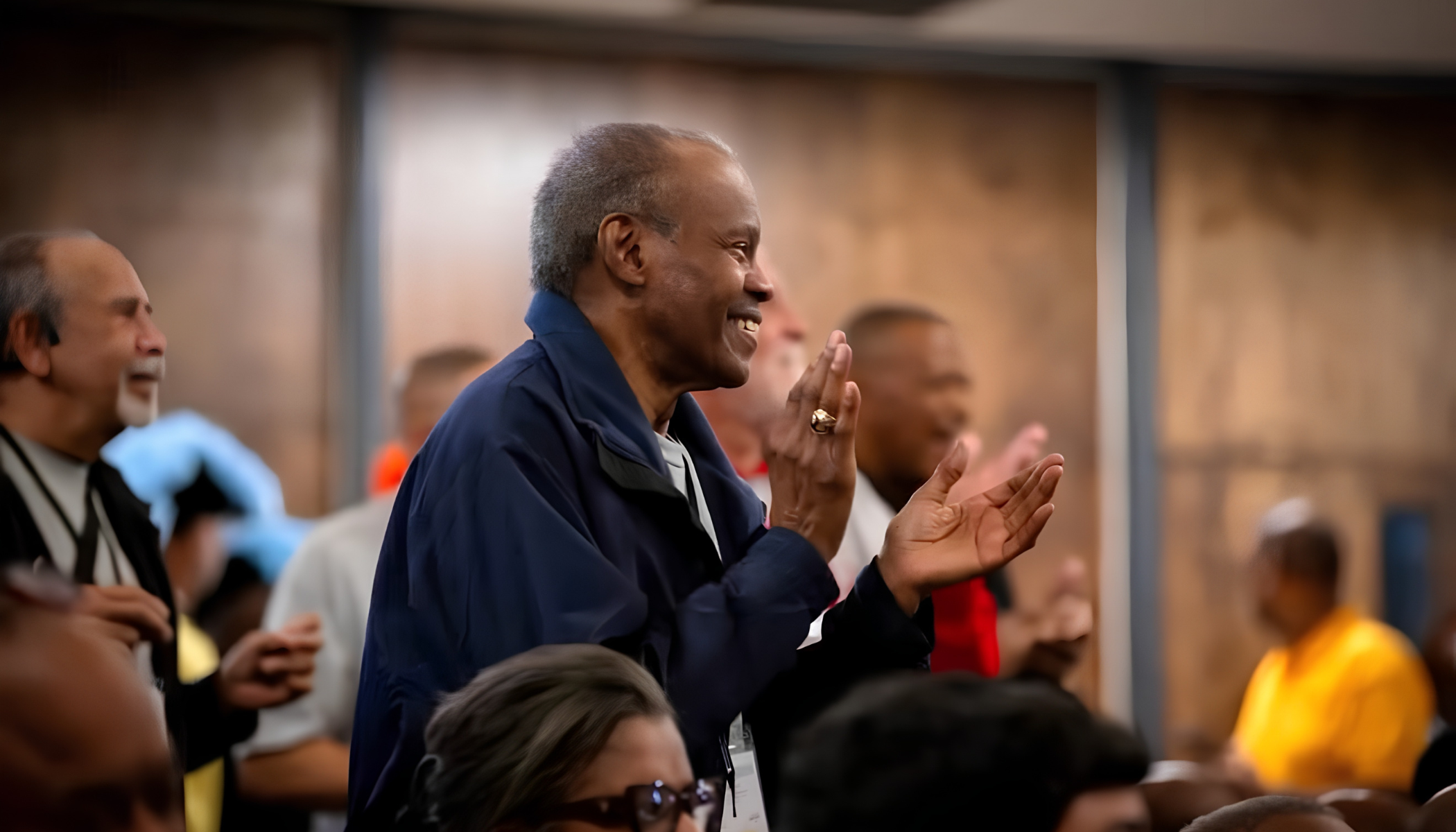
Participants at the Fr. Chester P. Smith National Black Catholic Men’s Conference, which took place Oct. 15–18, 2026, in Birmingham, Alabama. | Credit: Brent Patterson
Beatty told EWTN News in an interview that he has been attending the conferences since they first started 24 years ago.“I was in high school during the first one and I would be like a reader or an altar server … then I would start leading workshops or doing the youth workshops,” Beatty recalled. “Then it kind of evolved once he [Smith] passed away. [It was] like, ‘Hey, we need somebody to step up and take on some more leadership roles,’ because he would do a lot of the planning and the executing and thatʼs how I got involved in more of a leadership role once he passed.”He added: “We want to make sure that his legacy lives on and his commitment to the ministry lives on, and I am very busy but this is something that Iʼm committed to because I believe in it strongly.”Smith grew up in Chicago’s inner city and made history when he and his identical twin — Father Charles Smith — were ordained priests in 1988, becoming the first pair of African American twins to become priests in the United States. As a priest, he rose to become an international leader in African American ministry and youth outreach.He founded Ambassadors of the Word, a peer group ministry program that fosters youth rites of passage and cross-cultural experiences. And he and his brother developed Boyhood to Manhood, a parish-based program to help young Black men realize their value, get in touch with their spirituality, and train future Church leaders. And he was a co-founder of the Bowman Francis Ministry, which is an outreach organization that evangelizes and ministers to Black Catholics.Smith died on April 8, 2020, at the age of 60. Father Charles Smith is still alive.Beatty called his godfather “an amazing, amazing person.”“We would say they’re [the Smith brothers] the Ying and the Yang,” he shared. “Father Chester was the outgoing one, the boisterous one. He was the one that would go out and do revivals in Black Catholic communities, he would go out and do the Lent services. People from all over the country knew him because they would invite him to their parish as a guest priest or a guest homilist … Father Charles, heʼs a little — and Iʼll say this to his face — heʼs a little bit more reserved. He likes to keep to himself. He can still preach, he can still minister. But, them together were just a powerful force.”Beatty explained that Smith’s great contribution to the Black Catholic community was that he remained “unapologetic” about the cultural aspect found in the identity of being a Black Catholic.A couple of years before Smith passed away, Beatty recalled an instance where Smith gave a powerful message at the men’s conference. While Smith typically never chose to include himself in the list of speakers — he preferred remaining as the planner behind the scenes — that year he decided to preach.“He preached that year and I just had never — Iʼve grown up with him, Iʼve known him my entire life — and Iʼve just never seen him preach that way,” Beatty shared. “He talked about the Promised Land, what does it mean to get to the Promised Land, and you canʼt just show up at the Promised Land, you have to work to get there … You hear it all the time, you hear the Scripture, you hear the reading, but I just had never heard it framed that way so passionately that it just resonated with me.”He added: “I could see after he had preached, he was so drained and exhausted because he put everything, his whole body, his whole spirit, into that message. And I just had never felt that or seen that from him as many times as Iʼve seen him preach. And to me that was just transformative for me, and thatʼs why I commit to this and hope to see the conference go on for many, many years.”
Mass is celebrated during the Fr. Chester P. Smith National Black Catholic Men’s Conference, which took place Oct. 15–18, 2026, in Birmingham, Alabama. | Credit: Brent Patterson
Beatty said he believes a conference like the Fr. Chester P. Smith National Black Catholic Men’s Conference is needed “for folks to feel like they have a strong community.”“Sometimes folks might be going to an African-American parish in their respective city or sometimes theyʼre the only Black family in their parish, given on where they live or practice their Catholicism,” he explained. “So, I think a conference like this gives folks an opportunity to come together with like-minded men … and itʼs an opportunity to have conversations that sometimes they canʼt have in their respective parishes.”Beatty said he hopes that those who attended the conference took away “some energy to go back to their respective communities and still evangelize about what it means to be Catholic, about what it means to be Black and Catholic, about what it means to be a man that is Black and Catholic in terms of the leaders of their family, the leaders in their community, the leaders within their parishes, their churches, and take away some tools in order to enact those types of things of ministering to folks that might not have any idea of what it means to be Christian and to be Catholic.”](https://unitedyam.com/wp-content/uploads/2026/10/conference-encourages-black-catholic-men-to-lead-families-parishes-and-communities-catholic-twenty-four-years-ago-three-priests-from-the-society-of-the-divine-word-and-founders-of-the-bowman-franci.png "Conference encourages Black Catholic men to lead families, parishes, and communities #Catholic Twenty-four years ago three priests from the Society of the Divine Word and founders of the Bowman Francis Ministry had the idea to bring Black Catholic men together for fellowship, workshops, discussions, and prayer — with the hope that the men would then take what they learned back to their communities and ministries. That dream eventually became an annual conference, and its 24th gathering just took place in Birmingham, Alabama, Oct. 15–18.The Fr. Chester P. Smith National Black Catholic Men’s Conference was created by Father Chester P. Smith, Father Charles Smith, and Father Kenneth Hamilton and invites Black Catholic men from across the United States for a weekend of faith, leadership, brotherhood, and cultural reflection.This year’s conference — hosted by the Bowman Francis Ministry, the Society of the Divine Word Missionaries, and the Office of Black Catholic Ministry of the Diocese of Birmingham — had the theme of “The Rock I Stand On,” which aimed to equip participants with the spiritual and life skills needed to take on their roles as protectors and providers.Attendees were able to experience a guided, firsthand look at Birmingham’s role in the Civil Rights movement and engage in meaningful dialogue that connects faith, justice, and social responsibility. The Civil Rights Immersion Tour also included a Harambe Town Hall, which featured notable Birmingham community leaders debating todayʼs social and political climate.Cameron Beatty serves as the conference’s program chair. For him, the conference holds a special place in his heart — Father Chester P. Smith was his godfather.
Participants at the Fr. Chester P. Smith National Black Catholic Men’s Conference, which took place Oct. 15–18, 2026, in Birmingham, Alabama. | Credit: Brent Patterson
Beatty told EWTN News in an interview that he has been attending the conferences since they first started 24 years ago.“I was in high school during the first one and I would be like a reader or an altar server … then I would start leading workshops or doing the youth workshops,” Beatty recalled. “Then it kind of evolved once he [Smith] passed away. [It was] like, ‘Hey, we need somebody to step up and take on some more leadership roles,’ because he would do a lot of the planning and the executing and thatʼs how I got involved in more of a leadership role once he passed.”He added: “We want to make sure that his legacy lives on and his commitment to the ministry lives on, and I am very busy but this is something that Iʼm committed to because I believe in it strongly.”Smith grew up in Chicago’s inner city and made history when he and his identical twin — Father Charles Smith — were ordained priests in 1988, becoming the first pair of African American twins to become priests in the United States. As a priest, he rose to become an international leader in African American ministry and youth outreach.He founded Ambassadors of the Word, a peer group ministry program that fosters youth rites of passage and cross-cultural experiences. And he and his brother developed Boyhood to Manhood, a parish-based program to help young Black men realize their value, get in touch with their spirituality, and train future Church leaders. And he was a co-founder of the Bowman Francis Ministry, which is an outreach organization that evangelizes and ministers to Black Catholics.Smith died on April 8, 2020, at the age of 60. Father Charles Smith is still alive.Beatty called his godfather “an amazing, amazing person.”“We would say they’re [the Smith brothers] the Ying and the Yang,” he shared. “Father Chester was the outgoing one, the boisterous one. He was the one that would go out and do revivals in Black Catholic communities, he would go out and do the Lent services. People from all over the country knew him because they would invite him to their parish as a guest priest or a guest homilist … Father Charles, heʼs a little — and Iʼll say this to his face — heʼs a little bit more reserved. He likes to keep to himself. He can still preach, he can still minister. But, them together were just a powerful force.”Beatty explained that Smith’s great contribution to the Black Catholic community was that he remained “unapologetic” about the cultural aspect found in the identity of being a Black Catholic.A couple of years before Smith passed away, Beatty recalled an instance where Smith gave a powerful message at the men’s conference. While Smith typically never chose to include himself in the list of speakers — he preferred remaining as the planner behind the scenes — that year he decided to preach.“He preached that year and I just had never — Iʼve grown up with him, Iʼve known him my entire life — and Iʼve just never seen him preach that way,” Beatty shared. “He talked about the Promised Land, what does it mean to get to the Promised Land, and you canʼt just show up at the Promised Land, you have to work to get there … You hear it all the time, you hear the Scripture, you hear the reading, but I just had never heard it framed that way so passionately that it just resonated with me.”He added: “I could see after he had preached, he was so drained and exhausted because he put everything, his whole body, his whole spirit, into that message. And I just had never felt that or seen that from him as many times as Iʼve seen him preach. And to me that was just transformative for me, and thatʼs why I commit to this and hope to see the conference go on for many, many years.”
Mass is celebrated during the Fr. Chester P. Smith National Black Catholic Men’s Conference, which took place Oct. 15–18, 2026, in Birmingham, Alabama. | Credit: Brent Patterson
Beatty said he believes a conference like the Fr. Chester P. Smith National Black Catholic Men’s Conference is needed “for folks to feel like they have a strong community.”“Sometimes folks might be going to an African-American parish in their respective city or sometimes theyʼre the only Black family in their parish, given on where they live or practice their Catholicism,” he explained. “So, I think a conference like this gives folks an opportunity to come together with like-minded men … and itʼs an opportunity to have conversations that sometimes they canʼt have in their respective parishes.”Beatty said he hopes that those who attended the conference took away “some energy to go back to their respective communities and still evangelize about what it means to be Catholic, about what it means to be Black and Catholic, about what it means to be a man that is Black and Catholic in terms of the leaders of their family, the leaders in their community, the leaders within their parishes, their churches, and take away some tools in order to enact those types of things of ministering to folks that might not have any idea of what it means to be Christian and to be Catholic.”")
The national Black Catholic men’s conference took place in Birmingham, Alabama, Oct. 15–18, carrying on the legacy of Father Chester P. Smith.
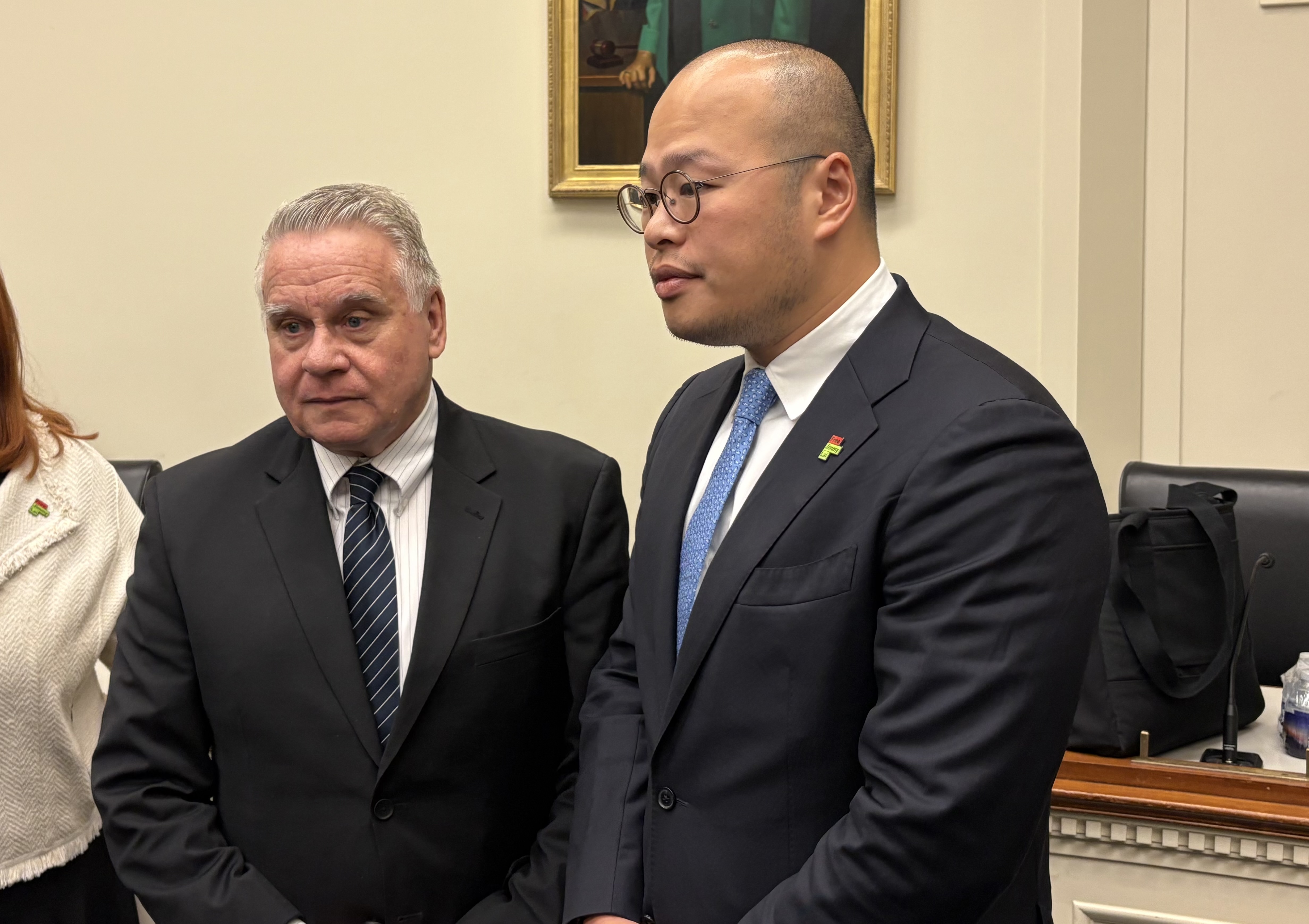
![Jimmy Lai’s family, advocates press for his release before Xi-Trump meeting #Catholic Family members and advocates of imprisoned Catholic pro-democracy activist Jimmy Lai offered urgent pleas for his release ahead of President Xi Jinping’s planned trip to the U.S. to meet with President Donald Trump.In anticipation of Xiʼs visit to Washington on Sept. 24, Sebastien Lai, Jimmy Lai’s son, met with leaders to advocate for his father. He joined a Sept. 16 congressional hearing led by Rep. Chris Smith, R-New Jersey.“Jimmy Lai is not being imprisoned because he committed any act of violence whatsoever,” Smith, co-chair of the Congressional-Executive Commission on China, said. “His son has emphasized that his father has never, never advocated violence. Rather, Jimmy Lai used his voice, his newspaper, and his public platform to support freedom and democracy,” he said. Smith said he introduced legislation Sept. 16 that would require the State Department to quickly assess any death in custody of a Hong Kong political prisoner and impose sanctions on officials found responsible. He titled the bill the “Jimmy Lai Hong Kong Political Prisoner Accountability Act of 2026.”At the hearing, Sebastien Lai offered testimony along with Steve Yates, a research fellow on China and national security policy, and Mark Clifford, president of the Committee for Freedom in Hong Kong Foundation.“I want to thank America, President Trump, who has been a true champion of my fatherʼs, his administration, and the senators and members of both parties whose support has never wavered and only gotten stronger. That is moral courage, and my family does not take it for granted,” Sebastien Lai said.“By the end of this year my father will have spent six years in a maximum-security prison in solitary. At 78, he is the oldest political prisoner in Hong Kong. With a 20-year sentence looming over him, if he’s not freed soon, he will most likely die in prison,” he said. “My sister Claire was to testify beside me today. A few weeks ago, she was diagnosed with cancer,” he said. “I was with her in London last week as she began chemotherapy. My father learned of his own daughterʼs diagnosis from a maximum-security prison. He cannot hold her hand. She wants nothing more than to have him with her for this fight,“ he said.
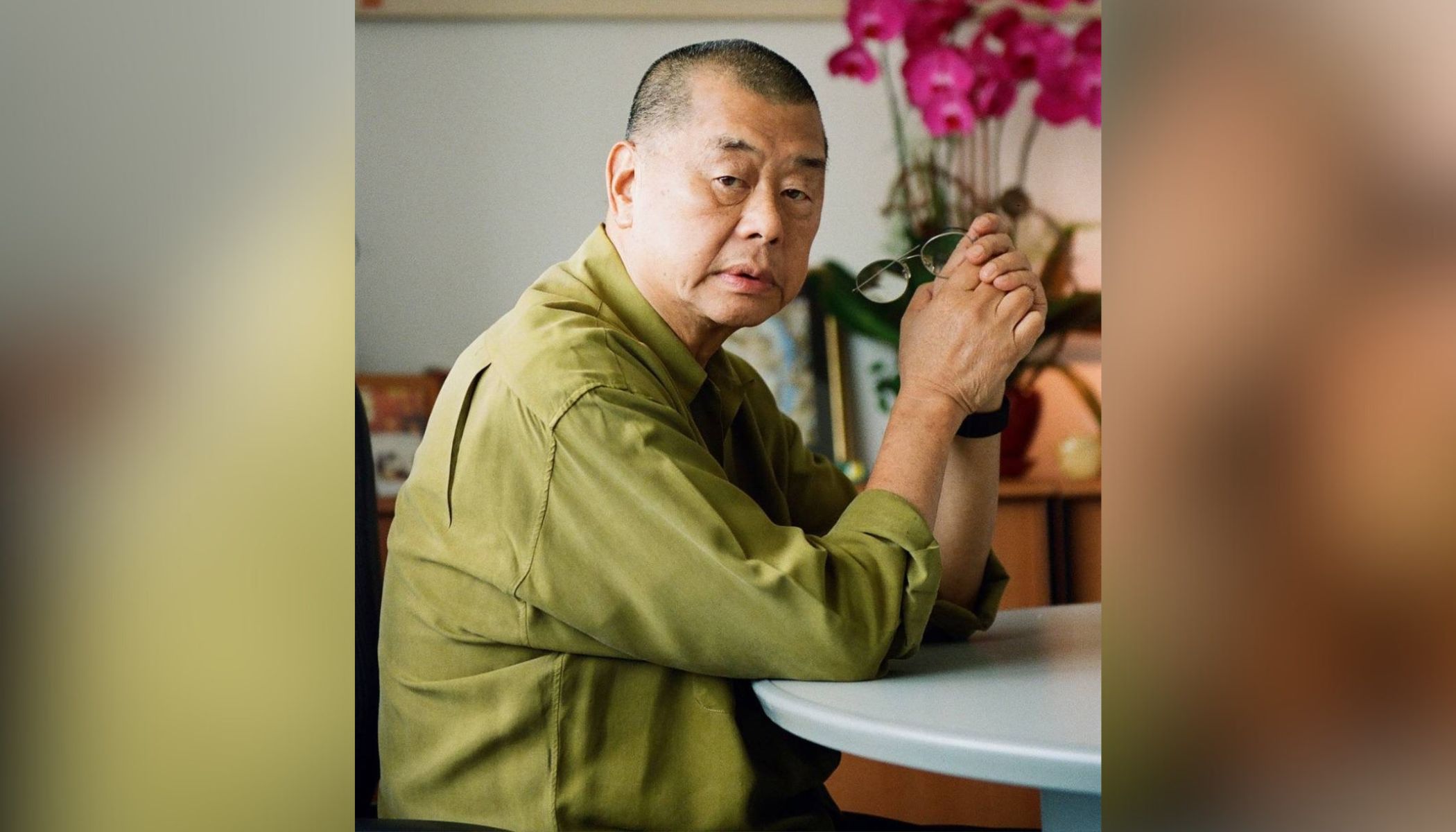
Claire Lai, daughter of imprisoned pro-democracy activist Jimmy Lai, discusses her father’s sentencing on “EWTN News Nightly” on Feb. 9, 2026. | Credit: “EWTN News Nightly”/Screenshot
“We hope the Chinese authorities will consider what compassionate release would mean for her, and for a 78-year-old man who has already suffered enough,” he said.“America understands, in its bones, that freedom dies with the last man willing to defend it and that the cost of not standing up for liberty is not felt until it is too late,“ he said.The appeal to Xi “is simple," Sebastien Lai said. “My father poses no threat. His imprisonment makes him a symbol of injustice; his death in prison would be a disgrace. Let Jimmy Lai come home to his family and let him sit beside his daughter in her hardest moment.”
America understands, in its bones, that freedom dies with the last man willing to defend it and that the cost of not standing up for liberty is not felt until it is too late.”
Sebastien LaiSon of imprisoned Hong Kong media publisher and democracy advocate Jimmy Lai
Clifford, of the Washington‑based advocacy group promoting human rights in Hong Kong, spoke on behalf of his friend Jimmy Lai and to remind “people that Jimmy is just one of hundreds of political prisoners being held in often appalling conditions.”“Iʼd like to emphasize the release of Jimmy Lai would be something President Trump, Republicans and Democrats, indeed, freedom-loving people around the world would applaud,” Clifford said. “It would be a unifying event at the time when the world really needs it.”Yates said Jimmy Lai’s case is “a test of character, of Xi Jinping’s leadership, of the president’s relationship with his counterpart, and of whether there remains any credible basis for the assumptions on which American policy toward Hong Kong was long constructed.”The case is “a litmus test of whether there remains any reason to believe there is a future in Xi Jinping’s China for the kind of man Jimmy Lai is: a child of God, a lover of the real China, and, it may fairly be said, one of China’s greatest entrepreneurs,” Yates said. Lai’s health ‘is going to get worse’At a subsequent event, Sebastien Lai spoke at a press conference at Georgetown University about his father.Trump has previously met with Xi about Jimmy Lai’s case, which did not end with his release, but Sebastian Lai said he does not believe “it is a lost cause.” He said he hopes Trump raises his father’s case “again and again.”Sebastian Lai detailed his father’s health, which “hasnʼt gotten any better” while in solitary confinement.“He now has heart issues. His nails fall off. His teeth are rotting. During the summer, he bleeds all over his body because [of] his rashes,” he said.His health was especially worrisome recently because “Hong Kong just had a record summer,” Sebastien Lai said. “The heat traps in there and essentially bakes in itself. So weʼre very, very worried.”Caoilfhionn Gallagher, human rights lawyer and leader of the international legal team representing Jimmy Lai, further laid out the urgency of the case.“It’s very clear that if someone is detained in solitary confinement for an extended period of time, there is a direct ramification for their mortality,” she said.“The risk to prisoners detained in solitary confinement is particularly heightened if they’re elderly or diabetic, and Jimmy Lai is both. So this couldn’t be a more urgent and timely discussion,” she said. Gallagher also noted the broader human rights issues and lack of democracy in Hong Kong.Hong Kong “has become a place where you can be thrown in prison for singing the wrong song, or not singing the right song, or wearing the wrong T-shirt, printing the wrong newspaper. And I think Jimmy Laiʼs case is hugely important in itself because of who he is,” Gallagher said.“Heʼs probably the worldʼs most famous political prisoner at the moment. His case is hugely important, but we think part of why theyʼve gone for Jimmy Lai is because by getting the biggest fish of all, it sends the message to the small fry across Hong Kong,” Gallagher said. "It makes very clear that their message is keep silent or youʼll be next,” Gallagher said. Xi’s visit to the U.S. offers “a particular opportunity to shine a light on this issue,” she said.](https://unitedyam.com/wp-content/uploads/2026/09/jimmy-lais-family-advocates-press-for-his-release-before-xi-trump-meeting-catholic-family-members-and-advocates-of-imprisoned-catholic-pro-democracy-activist-jimmy-lai-offered-urgent-pleas.jpg "Jimmy Lai’s family, advocates press for his release before Xi-Trump meeting #Catholic Family members and advocates of imprisoned Catholic pro-democracy activist Jimmy Lai offered urgent pleas for his release ahead of President Xi Jinping’s planned trip to the U.S. to meet with President Donald Trump.In anticipation of Xiʼs visit to Washington on Sept. 24, Sebastien Lai, Jimmy Lai’s son, met with leaders to advocate for his father. He joined a Sept. 16 congressional hearing led by Rep. Chris Smith, R-New Jersey.“Jimmy Lai is not being imprisoned because he committed any act of violence whatsoever,” Smith, co-chair of the Congressional-Executive Commission on China, said. “His son has emphasized that his father has never, never advocated violence. Rather, Jimmy Lai used his voice, his newspaper, and his public platform to support freedom and democracy,” he said. Smith said he introduced legislation Sept. 16 that would require the State Department to quickly assess any death in custody of a Hong Kong political prisoner and impose sanctions on officials found responsible. He titled the bill the “Jimmy Lai Hong Kong Political Prisoner Accountability Act of 2026.”At the hearing, Sebastien Lai offered testimony along with Steve Yates, a research fellow on China and national security policy, and Mark Clifford, president of the Committee for Freedom in Hong Kong Foundation.“I want to thank America, President Trump, who has been a true champion of my fatherʼs, his administration, and the senators and members of both parties whose support has never wavered and only gotten stronger. That is moral courage, and my family does not take it for granted,” Sebastien Lai said.“By the end of this year my father will have spent six years in a maximum-security prison in solitary. At 78, he is the oldest political prisoner in Hong Kong. With a 20-year sentence looming over him, if he’s not freed soon, he will most likely die in prison,” he said. “My sister Claire was to testify beside me today. A few weeks ago, she was diagnosed with cancer,” he said. “I was with her in London last week as she began chemotherapy. My father learned of his own daughterʼs diagnosis from a maximum-security prison. He cannot hold her hand. She wants nothing more than to have him with her for this fight,“ he said.
Claire Lai, daughter of imprisoned pro-democracy activist Jimmy Lai, discusses her father’s sentencing on “EWTN News Nightly” on Feb. 9, 2026. | Credit: “EWTN News Nightly”/Screenshot
“We hope the Chinese authorities will consider what compassionate release would mean for her, and for a 78-year-old man who has already suffered enough,” he said.“America understands, in its bones, that freedom dies with the last man willing to defend it and that the cost of not standing up for liberty is not felt until it is too late,“ he said.The appeal to Xi “is simple,\" Sebastien Lai said. “My father poses no threat. His imprisonment makes him a symbol of injustice; his death in prison would be a disgrace. Let Jimmy Lai come home to his family and let him sit beside his daughter in her hardest moment.”
America understands, in its bones, that freedom dies with the last man willing to defend it and that the cost of not standing up for liberty is not felt until it is too late.”
Sebastien LaiSon of imprisoned Hong Kong media publisher and democracy advocate Jimmy Lai
Clifford, of the Washington‑based advocacy group promoting human rights in Hong Kong, spoke on behalf of his friend Jimmy Lai and to remind “people that Jimmy is just one of hundreds of political prisoners being held in often appalling conditions.”“Iʼd like to emphasize the release of Jimmy Lai would be something President Trump, Republicans and Democrats, indeed, freedom-loving people around the world would applaud,” Clifford said. “It would be a unifying event at the time when the world really needs it.”Yates said Jimmy Lai’s case is “a test of character, of Xi Jinping’s leadership, of the president’s relationship with his counterpart, and of whether there remains any credible basis for the assumptions on which American policy toward Hong Kong was long constructed.”The case is “a litmus test of whether there remains any reason to believe there is a future in Xi Jinping’s China for the kind of man Jimmy Lai is: a child of God, a lover of the real China, and, it may fairly be said, one of China’s greatest entrepreneurs,” Yates said. Lai’s health ‘is going to get worse’At a subsequent event, Sebastien Lai spoke at a press conference at Georgetown University about his father.Trump has previously met with Xi about Jimmy Lai’s case, which did not end with his release, but Sebastian Lai said he does not believe “it is a lost cause.” He said he hopes Trump raises his father’s case “again and again.”Sebastian Lai detailed his father’s health, which “hasnʼt gotten any better” while in solitary confinement.“He now has heart issues. His nails fall off. His teeth are rotting. During the summer, he bleeds all over his body because [of] his rashes,” he said.His health was especially worrisome recently because “Hong Kong just had a record summer,” Sebastien Lai said. “The heat traps in there and essentially bakes in itself. So weʼre very, very worried.”Caoilfhionn Gallagher, human rights lawyer and leader of the international legal team representing Jimmy Lai, further laid out the urgency of the case.“It’s very clear that if someone is detained in solitary confinement for an extended period of time, there is a direct ramification for their mortality,” she said.“The risk to prisoners detained in solitary confinement is particularly heightened if they’re elderly or diabetic, and Jimmy Lai is both. So this couldn’t be a more urgent and timely discussion,” she said. Gallagher also noted the broader human rights issues and lack of democracy in Hong Kong.Hong Kong “has become a place where you can be thrown in prison for singing the wrong song, or not singing the right song, or wearing the wrong T-shirt, printing the wrong newspaper. And I think Jimmy Laiʼs case is hugely important in itself because of who he is,” Gallagher said.“Heʼs probably the worldʼs most famous political prisoner at the moment. His case is hugely important, but we think part of why theyʼve gone for Jimmy Lai is because by getting the biggest fish of all, it sends the message to the small fry across Hong Kong,” Gallagher said. \"It makes very clear that their message is keep silent or youʼll be next,” Gallagher said. Xi’s visit to the U.S. offers “a particular opportunity to shine a light on this issue,” she said.")
“America understands, in its bones, that freedom dies with the last man willing to defend it and that the cost of not standing up for liberty is not felt until it is too late,” Sebastien Lai said.
![U.S. religious freedom commission urges Trump to press for release of religious prisoners #Catholic The U.S. Commission on International Religious Freedom (USCIRF) urged President Donald Trump to push for the release of religious prisoners in China and for the end of religious persecution by the Chinese government.The commission called on Trump to continue his efforts for the release of the prisoners ahead of Chinese President Xi Jinping’s trip to the U.S. on Sept. 24.USCIRF called for the release of Catholic pro-democracy advocate Jimmy Lai, numerous Christian leaders, and others in prison for practicing their religious beliefs.“President Trump boldly demonstrated to President Xi during their meeting in Beijing earlier this year that the United States stands for religious freedom by calling for the release of freedom of religion or belief (FoRB) prisoners,” said Asif Mahmood, chair of USCIRF.“Speaking up again sends a clear and consistent signal that religious freedom for all is a priority for the United States and that it expects the CCP [Chinese Communist Party] to respect its population rather than persecute millions for practicing their faith,” he said.The commission highlighted that after a direct appeal by Trump, Chinese authorities previously freed former prisoner Pastor Ezra Jin of the Zion Church in July. He was permitted to relocate to the United States and reunite with his family.While Jin was released, eight other Zion Church leaders who were arrested alongside him remain detained.“In releasing Pastor Jin, President Xi showed that he has the power to release FoRB prisoners if he so desires—and indeed he has an obligation to do so under international law,” said Cece Heil, vice chair of USCIRF.USCIRF detailed the other leaders whose release the commission is urging and is asking Trump “to seize the opportunity during his upcoming summit with President Xi,” Heil said.They called on Trump to discuss religious leaders including “Gulshan Abbas, Ekpar Asat, Pastor Gao Quanfu and his wife Pang Yu, Jimmy Lai, the Panchen Lama Gedhun Choekyi Nyima and his family,” Heil said. The commission also asked Trump “to urge the Chinese government to provide a passport to U.S. Lawful Permanent Resident, Pastor John Cao and allow him to reunite with his family and seek urgent medical treatment in the United States,” Heil said.The appeal also precedes a planned hearing on Sept. 16 held by Rep. Chris Smith, R-New Jersey, to discuss the release of Lai. Jimmy Lai’s son, Sebastien Lai, will offer testimony regarding his father’s immediate release and to examine the broader implications of his continued imprisonment.In its 2026 annual report, USCIRF recommended that the U.S. Department of State redesignate China as a country of particular concern (CPC) for engaging “in systematic, ongoing, and egregious violations of religious freedom,” according to the commission.USCIRF urges special watchlist designation for Kyrgyz RepublicIn a September report, USCIRF also reaffirmed its call for the Kyrgyz Republic to be placed on the U.S. Department of State’s special watchlist.The brief was released to highlight “legal restrictions as well as recent violations that Kyrgyz officials have committed against independent Muslims and Christians from unregistered communities,” USCIRF reported. “The Kyrgyz government regularly violates freedom of religion or belief (FoRB) as laid out in its constitution as well as in international documents such as the International Covenant on Civil and Political Rights (ICCPR), to which it is a signatory,” the report said.USCIRF detailed that Kyrgyz officials apply a “vague label of extremism” to justify matters such as regularly raiding places of worship, issuing fines, seizing religious materials, imposing prison sentences, forcing individuals to renounce their beliefs, and engaging in physical abuse.In early 2025, the nation’s president, Sadyr Japarov, amended a restrictive religion law and approved other acts, which significantly tightened state control over religious groups. “Enforcement of these laws—which often occurs in conjunction with broadly framed anti-extremism statues under the Criminal Code—often involves targeting religious groups that the government considers ‘nontraditional,’ particularly independent Muslims and members of unregistered Christian groups,” the report said.The commissionʼs report noted that targeted Christian groups often face persecution “from harassment and fines to prison sentences and physical abuse,” according to the report.](https://unitedyam.com/wp-content/uploads/2026/09/u-s-religious-freedom-commission-urges-trump-to-press-for-release-of-religious-prisoners-catholic-the-u-s-commission-on-international-religious-freedom-uscirf-urged-president-donald-trump-to-push.jpg "U.S. religious freedom commission urges Trump to press for release of religious prisoners #Catholic The U.S. Commission on International Religious Freedom (USCIRF) urged President Donald Trump to push for the release of religious prisoners in China and for the end of religious persecution by the Chinese government.The commission called on Trump to continue his efforts for the release of the prisoners ahead of Chinese President Xi Jinping’s trip to the U.S. on Sept. 24.USCIRF called for the release of Catholic pro-democracy advocate Jimmy Lai, numerous Christian leaders, and others in prison for practicing their religious beliefs.“President Trump boldly demonstrated to President Xi during their meeting in Beijing earlier this year that the United States stands for religious freedom by calling for the release of freedom of religion or belief (FoRB) prisoners,” said Asif Mahmood, chair of USCIRF.“Speaking up again sends a clear and consistent signal that religious freedom for all is a priority for the United States and that it expects the CCP [Chinese Communist Party] to respect its population rather than persecute millions for practicing their faith,” he said.The commission highlighted that after a direct appeal by Trump, Chinese authorities previously freed former prisoner Pastor Ezra Jin of the Zion Church in July. He was permitted to relocate to the United States and reunite with his family.While Jin was released, eight other Zion Church leaders who were arrested alongside him remain detained.“In releasing Pastor Jin, President Xi showed that he has the power to release FoRB prisoners if he so desires—and indeed he has an obligation to do so under international law,” said Cece Heil, vice chair of USCIRF.USCIRF detailed the other leaders whose release the commission is urging and is asking Trump “to seize the opportunity during his upcoming summit with President Xi,” Heil said.They called on Trump to discuss religious leaders including “Gulshan Abbas, Ekpar Asat, Pastor Gao Quanfu and his wife Pang Yu, Jimmy Lai, the Panchen Lama Gedhun Choekyi Nyima and his family,” Heil said. The commission also asked Trump “to urge the Chinese government to provide a passport to U.S. Lawful Permanent Resident, Pastor John Cao and allow him to reunite with his family and seek urgent medical treatment in the United States,” Heil said.The appeal also precedes a planned hearing on Sept. 16 held by Rep. Chris Smith, R-New Jersey, to discuss the release of Lai. Jimmy Lai’s son, Sebastien Lai, will offer testimony regarding his father’s immediate release and to examine the broader implications of his continued imprisonment.In its 2026 annual report, USCIRF recommended that the U.S. Department of State redesignate China as a country of particular concern (CPC) for engaging “in systematic, ongoing, and egregious violations of religious freedom,” according to the commission.USCIRF urges special watchlist designation for Kyrgyz RepublicIn a September report, USCIRF also reaffirmed its call for the Kyrgyz Republic to be placed on the U.S. Department of State’s special watchlist.The brief was released to highlight “legal restrictions as well as recent violations that Kyrgyz officials have committed against independent Muslims and Christians from unregistered communities,” USCIRF reported. “The Kyrgyz government regularly violates freedom of religion or belief (FoRB) as laid out in its constitution as well as in international documents such as the International Covenant on Civil and Political Rights (ICCPR), to which it is a signatory,” the report said.USCIRF detailed that Kyrgyz officials apply a “vague label of extremism” to justify matters such as regularly raiding places of worship, issuing fines, seizing religious materials, imposing prison sentences, forcing individuals to renounce their beliefs, and engaging in physical abuse.In early 2025, the nation’s president, Sadyr Japarov, amended a restrictive religion law and approved other acts, which significantly tightened state control over religious groups. “Enforcement of these laws—which often occurs in conjunction with broadly framed anti-extremism statues under the Criminal Code—often involves targeting religious groups that the government considers ‘nontraditional,’ particularly independent Muslims and members of unregistered Christian groups,” the report said.The commissionʼs report noted that targeted Christian groups often face persecution “from harassment and fines to prison sentences and physical abuse,” according to the report.")
The U.S. Commission on International Religious Freedom made the plea ahead of Chinese President Xi Jinping’s Sept. 24 trip to Washington, D.C.
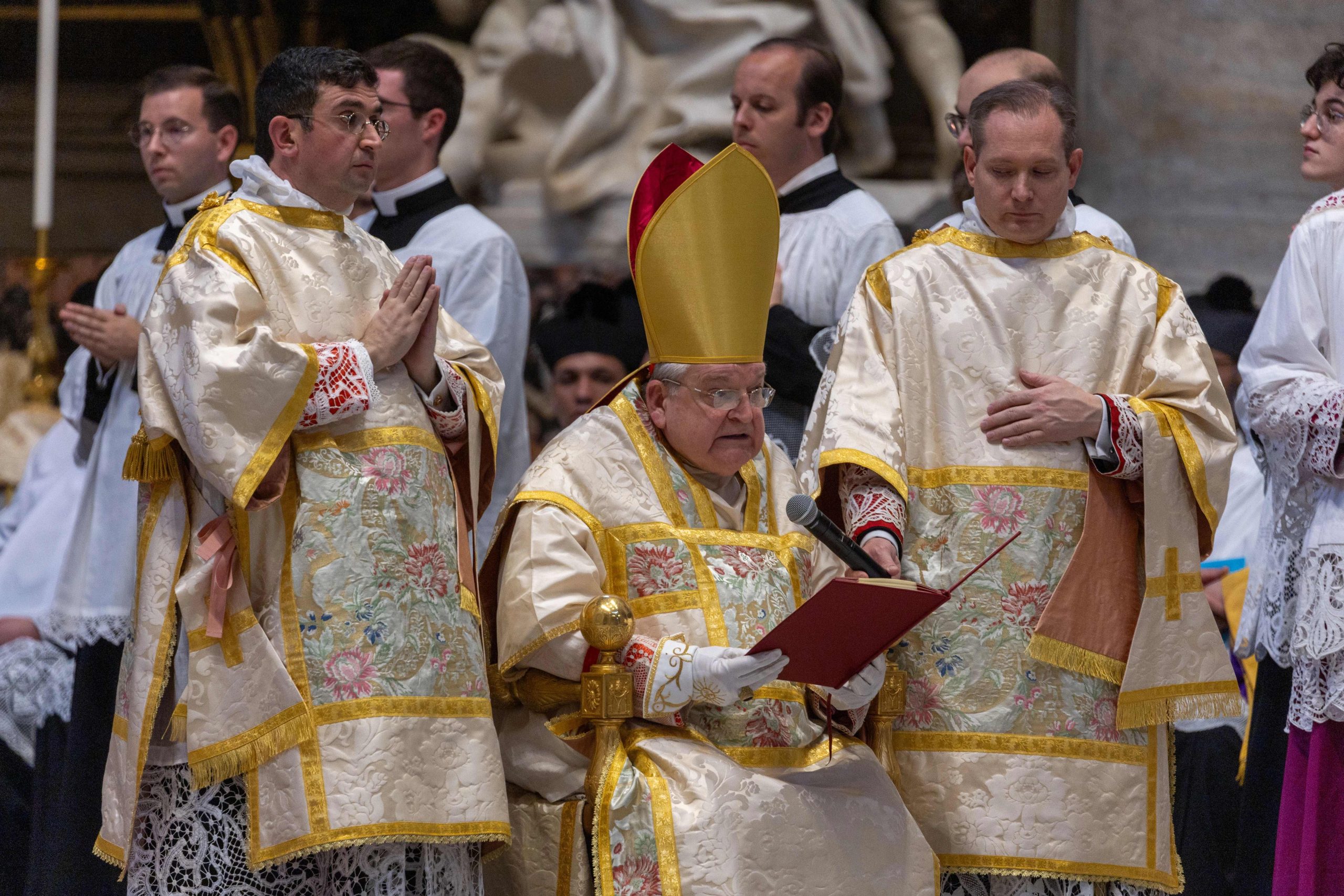
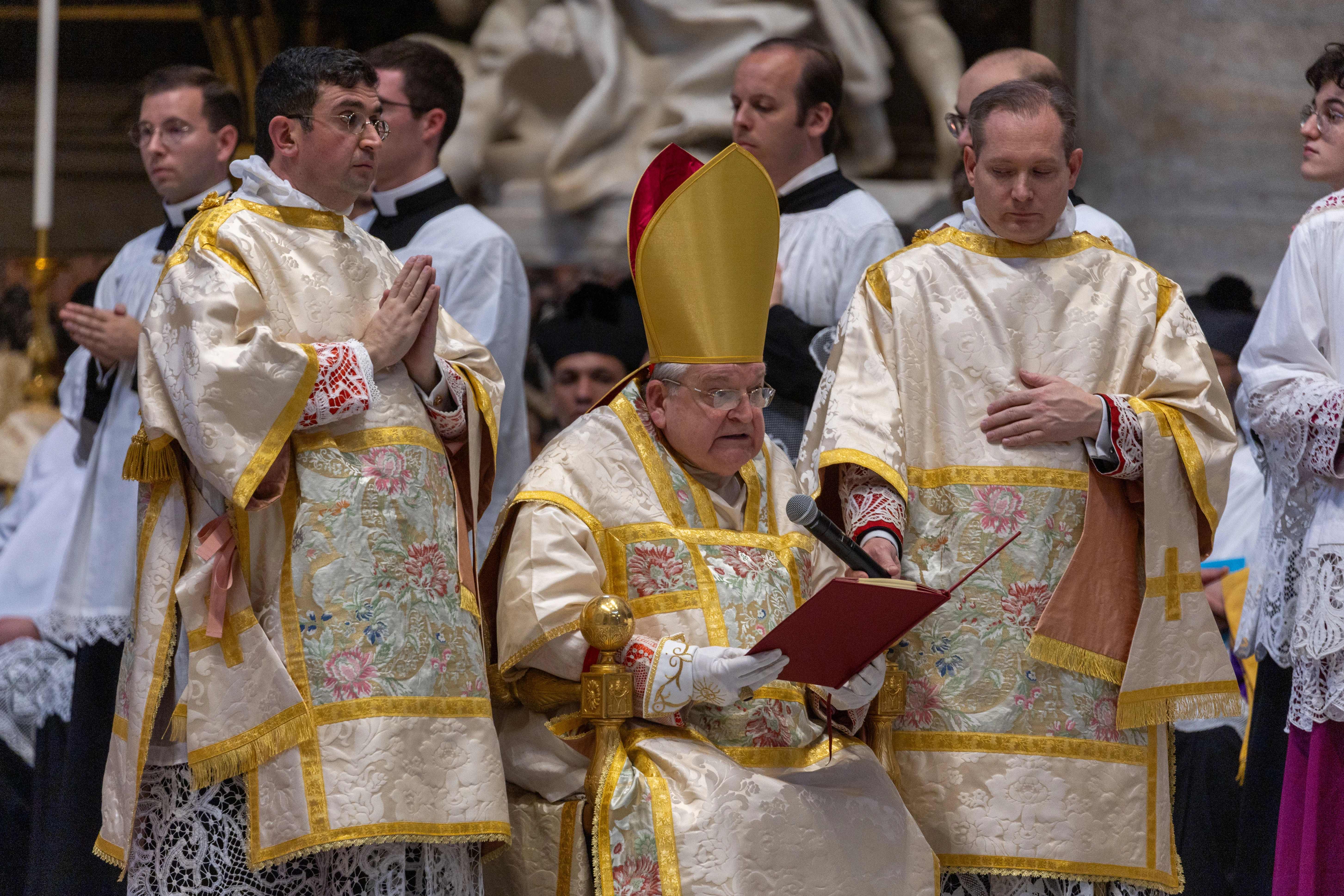
Catholic cardinal presides over Rosary Rally in Holland, Norway celebrates 100 years since first Mass, Scottish sisters to stand trial for abuse, and more in this week’s world news round up.
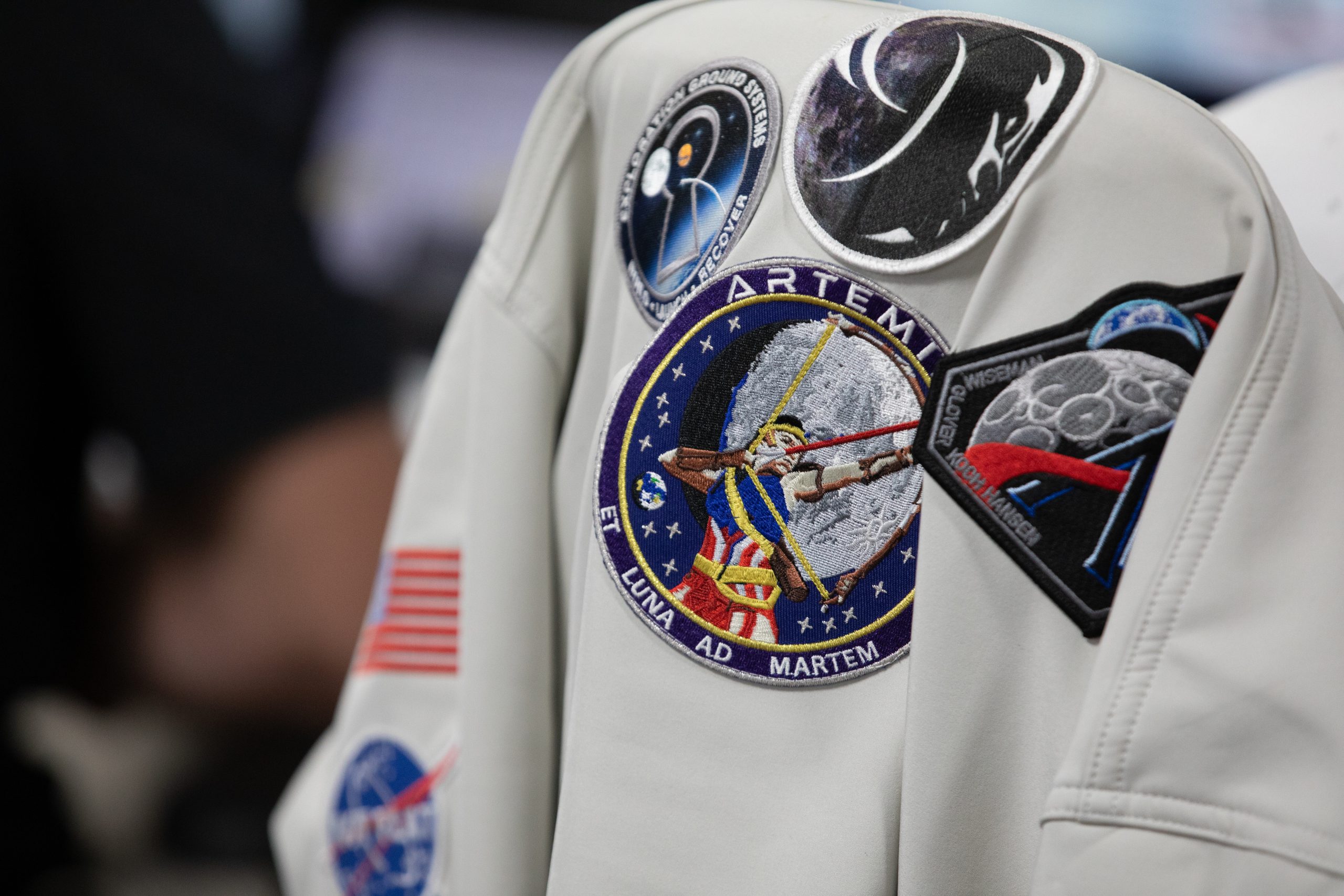
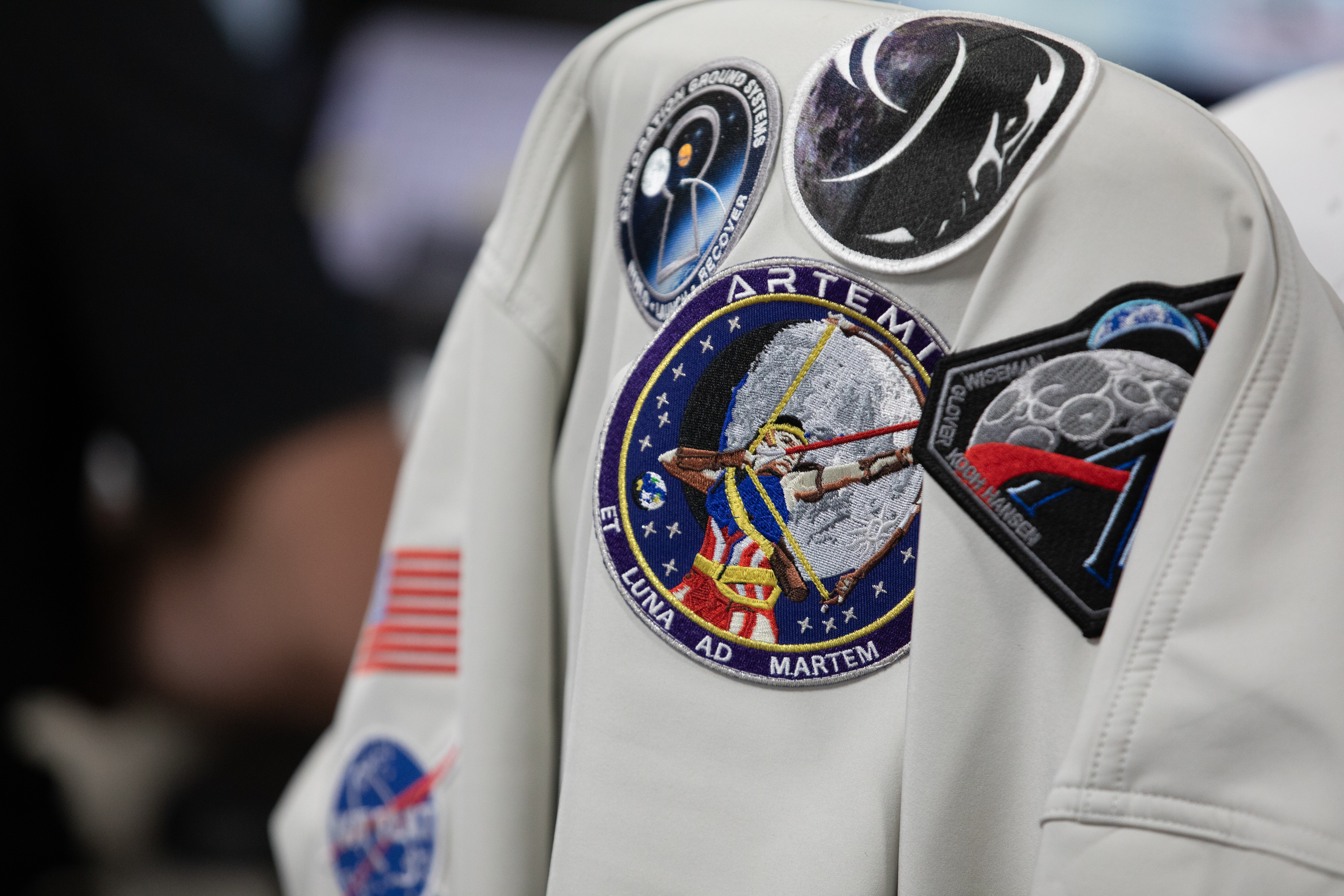
A NASA jacket containing Artemis I and II mission patches, along with other NASA patches hangs on the back of a chair on Thursday, Aug. 6, 2026, inside Firing Room 1 of the Rocco A. Petrone Launch Control Center at NASA’s Kennedy Space Center in Florida during a terminal countdown simulation for the Artemis III mission.
Read More

Nasdaq Chair and Chief Executive Officer Adena T. Friedman, left, and NASA’s Artemis II crew ring the closing bell of the Nasdaq market session, Thursday, April 30, 2026.
Read More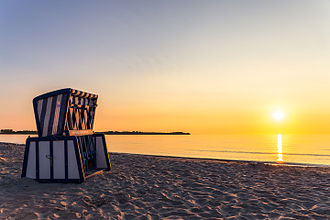
| Picture of the day |
|---|

|
|
A beach chair on the beach of Juliusruh is illuminated by the rising morning sun.
|