Congress

Madrid archbishop says Catholics feel ‘incredible expectation’ at pope’s upcoming trip to Spain #Catholic Madrid Archbishop Cardinal José Cobo Cano said that the imminent visit of Pope Leo XIV to Spain has generated “incredible expectations” and that the main challenge will not only be organizational, but pastoral.“The challenge is that it is not an event. We are used to concerts, which are prepared, closed and thatʼs it," he said in an interview with EWTN News about the preparations for the trip of Pope Leo XIV, who will visit Madrid, Barcelona and the Canary Islands from June 6 to 12. He expressed hope that the visit will be “a moment of experience and … a moment also that will be slow, that it helps us to look up and take a step forward.”Preparations in record timeCardinal Cobo explained that the visit has been organized in “record time,” with just three months of work, and with a much greater social and ecclesial response than expected.“We have had three scarce months to prepare a trip, during which we have also found that there is a great desire and an incredible expectation. I think we thought it was going to be something [for which] we had to motivate [Catholics] a lot, but nothing was needed,” he said.As he highlighted, the popeʼs program in Madrid has been designed as a “pastoral triptych” with three major components: the celebration of the Eucharist on the feast of Corpus Christi, the great meeting with the Church of Madrid at the Santiago Bernabéu stadium, and a space for dialogue with leaders of culture, economy and sport.“The celebration of the Eucharist, [especially on] Corpus Christi — which is a very important holiday for us — and celebrating it with the successor of Peter, is a gift for the whole Church of Madrid and for the whole Church of Spain, because they will come from all places. This is the most celebratory central moment,” said the cardinal.The pope and “politics with capital letters”In Coboʼs opinion, one of the most delicate moments will be the appearance of the Holy Father in the Cortes, or the Spanish parliament, before a joint session of both the Congress of Deputies and the Senate.Cobo warned that he is concerned that a message about “politics with capital letters” may be reduced to a partisan reading.“In a society where we are used to talking about political parties, that moment is important,” he said. “Of course the intention is that the pope will come, that he will support politicians, that he will support politics and that he will thus be able to reinforce democracy from the experience and tradition of the Church,” he said.Asked if the recent accusation of alleged corruption of the former Spanish Prime Minister José Luis Rodríguez Zapatero could have any impact on the visit, Cobo indicated it was unlikely. “We are used to working with many events in political life. Thatʼs already part of life and the headlines are moving,” he said. “I think the good thing about a papal visit is that … it can help us look up and see that despite the political situation that is painful … there is a higher level.”“There is another level, a level that speaks to us of hope, it is a level that speaks to us of responsibility, that speaks to us of ethics,” he said. “I believe that we are not going to contradict one thing with another, but we are going to get used to being also in another space, which is that of non-confrontation and welcoming wounds and difficulties and putting them in front of the space of meaning that life gives and that faith tells us.”The hope of the young, and not so youngThe cardinal also noted that for young people the visit could represent a response to a climate of “disorientation”, “uprooting” and “hopelessness.” He maintained that many are looking for “anchors” and answers about the meaning of life, something that, in his opinion, explains the renewed interest in the figure of the pope among new generations.“I think it is a response to a longing that young people have … and not only young people, I think it is from a very broad generation, I believe that there is an experience of a certain discomfort, a disorientation … a certain de-rooting. People need anchors that they donʼt have.”A meeting between Pope Leo XIV and Bad Bunny?Regarding the coincidence of the popeʼs presence in Madrid occurring at the same time as the rapper Bad Bunnyʼs concerts, Cobo did not close the door to a possible meeting, although he left it in the hands of both parties. “The pope is never closed to talking to anyone who wants to enter into dialogue with him,” he said.“If at some point that can happen, we wouldnʼt rule it out of course, but that depends on the two of them. What is certain is that indeed Madrid is very big and can have different events on the same day,” he said.

Madrid archbishop says Catholics feel ‘incredible expectation’ at pope’s upcoming trip to Spain #Catholic Madrid Archbishop Cardinal José Cobo Cano said that the imminent visit of Pope Leo XIV to Spain has generated “incredible expectations” and that the main challenge will not only be organizational, but pastoral.“The challenge is that it is not an event. We are used to concerts, which are prepared, closed and thatʼs it," he said in an interview with EWTN News about the preparations for the trip of Pope Leo XIV, who will visit Madrid, Barcelona and the Canary Islands from June 6 to 12. He expressed hope that the visit will be “a moment of experience and … a moment also that will be slow, that it helps us to look up and take a step forward.”Preparations in record timeCardinal Cobo explained that the visit has been organized in “record time,” with just three months of work, and with a much greater social and ecclesial response than expected.“We have had three scarce months to prepare a trip, during which we have also found that there is a great desire and an incredible expectation. I think we thought it was going to be something [for which] we had to motivate [Catholics] a lot, but nothing was needed,” he said.As he highlighted, the popeʼs program in Madrid has been designed as a “pastoral triptych” with three major components: the celebration of the Eucharist on the feast of Corpus Christi, the great meeting with the Church of Madrid at the Santiago Bernabéu stadium, and a space for dialogue with leaders of culture, economy and sport.“The celebration of the Eucharist, [especially on] Corpus Christi — which is a very important holiday for us — and celebrating it with the successor of Peter, is a gift for the whole Church of Madrid and for the whole Church of Spain, because they will come from all places. This is the most celebratory central moment,” said the cardinal.The pope and “politics with capital letters”In Coboʼs opinion, one of the most delicate moments will be the appearance of the Holy Father in the Cortes, or the Spanish parliament, before a joint session of both the Congress of Deputies and the Senate.Cobo warned that he is concerned that a message about “politics with capital letters” may be reduced to a partisan reading.“In a society where we are used to talking about political parties, that moment is important,” he said. “Of course the intention is that the pope will come, that he will support politicians, that he will support politics and that he will thus be able to reinforce democracy from the experience and tradition of the Church,” he said.Asked if the recent accusation of alleged corruption of the former Spanish Prime Minister José Luis Rodríguez Zapatero could have any impact on the visit, Cobo indicated it was unlikely. “We are used to working with many events in political life. Thatʼs already part of life and the headlines are moving,” he said. “I think the good thing about a papal visit is that … it can help us look up and see that despite the political situation that is painful … there is a higher level.”“There is another level, a level that speaks to us of hope, it is a level that speaks to us of responsibility, that speaks to us of ethics,” he said. “I believe that we are not going to contradict one thing with another, but we are going to get used to being also in another space, which is that of non-confrontation and welcoming wounds and difficulties and putting them in front of the space of meaning that life gives and that faith tells us.”The hope of the young, and not so youngThe cardinal also noted that for young people the visit could represent a response to a climate of “disorientation”, “uprooting” and “hopelessness.” He maintained that many are looking for “anchors” and answers about the meaning of life, something that, in his opinion, explains the renewed interest in the figure of the pope among new generations.“I think it is a response to a longing that young people have … and not only young people, I think it is from a very broad generation, I believe that there is an experience of a certain discomfort, a disorientation … a certain de-rooting. People need anchors that they donʼt have.”A meeting between Pope Leo XIV and Bad Bunny?Regarding the coincidence of the popeʼs presence in Madrid occurring at the same time as the rapper Bad Bunnyʼs concerts, Cobo did not close the door to a possible meeting, although he left it in the hands of both parties. “The pope is never closed to talking to anyone who wants to enter into dialogue with him,” he said.“If at some point that can happen, we wouldnʼt rule it out of course, but that depends on the two of them. What is certain is that indeed Madrid is very big and can have different events on the same day,” he said.

Archbishop José Cobo Cano hopes Pope Leo XIV’s visit will help Catholics “look up and take a step forward.”

Read More
Bishop Barron speaks on U.S. religious roots ahead of nation’s 250th anniversary #Catholic While there has been a tendency in the United Sates "to hyper-stress separation of church and state," Bishop Robert Barron said "the roots of our country are deeply religious" and "the basic principles of the country are inescapably religious.” On May 17, thousands gathered on the National Mall in Washington, D.C., for the White House event celebrating “one nation under God” and "the connection between religion and our American democracy,”  Barron said.In an interview with EWTN News’ Colm Flynn ahead of the event, Barron discussed the “hugely important” phrase "one nation under God.”“In the written versions of the Gettysburg Address that [Abraham Lincoln] prepared before giving it, the phrase ‘under God’ is not there,” Barron explained.“But then when he was delivering it he added ... ‘under God,’“ Barron said. ”I think it represented a deep intuition that Lincoln had that you canʼt really understand our democracy without it.” The phrase “under God” is “meant to hold off tyranny,” he said. It is clear that “all kings and all rulers are under God, meaning under the judgment and authority of God. Our founders understood that.”“And that little phrase is meant to hold off that tendency to deify any political establishment, political party, political ruler. Weʼre a nation, yes indeed, but weʼre under God. Our laws are determined by God,” he said.“I love the First Amendment to our Constitution, which in its opening lines expresses very eloquently … the right balance,“ he said. ”Namely, ‘Congress shall make no law respecting the establishment of religion.’”“But then thereʼs a second part, the second clause of that: ‘Congress shall make no law limiting the free exercise of religion,’” he said.“Thatʼs an eloquent balance. So thereʼs no officially state-sanctioned religion, but that does not mean that religion has no role in public life. On the contrary, because there should be no law restricting the free exercise of religion,” Barron said. Catholics’ role in public life and public officeCatholics in public office should bring “moral sensibility into their public decisions,” Barron said.“Weʼre not here to impose Catholicism on anybody,” he said. “But I think to bring a moral and spiritual sensibility into the decisions that you make at these high levels is altogether valid.”As a member of the White House Religious Liberty Commission, Barron said he met “lots of Catholics in the present administration” and told them to “bring Thomas Aquinas into your public life.”“By which I mean bring these great moral and spiritual principles that indeed undergird our democracy, but make them a lively presence in the work that you do,” he said.Barron further spoke about his time on the White House commission, where he received both criticism and praise.When asked to be a commissioner, “my first reaction was very positive,” Barron said. “I thought … ‘Theyʼre inviting a Catholic bishop to be a voice around the table in the formulation of this policy. Why would I say no?’”To say no would be “taking a Catholic voice away from that process,” he said.“I’m not implementing the policy. Iʼm making suggestions regarding the formulation of policy,” Barron explained. “The president could take or leave what we say … So Iʼm not implementing the presidentʼs policies. Iʼm helping to shape public policy.”“The commission was great. I spoke my mind in every setting. No one censored me,” said Barron, who was present at a White House Holy Week event when Pentecostal pastor Paula Cain White compared the president’s suffering to Jesus Christ’s.Barron said he was able to address issues within the administration, specifically about Immigration and Customs Enforcement (ICE) “detainees in Chicago having access to sacraments and pastoral care.”The bishop took the matter to Homeland Security and “no one questioned” him. It was “a religious liberty issue,” because “people have a right to their sacraments and pastoral care,” he said.Barron also spoke out in regard to the president’s “critical remarks about the pope.”“I said in an X post that I have deep admiration for the president in regard to religion. Heʼs done wonderful things. But I said I think that was a disrespectful way to talk to the pope,” Barron said.“In regards to prudential judgment,” a president can “disagree with the pope,” Barron said. “But the pope is not ... just an ordinary hack politician that you can sort of talk in that flippant way to.”
 
 Bishop Robert Barron speaks with EWTN News’ Colm Flynn ahead of the May 17, 2026, White House event on “one nation under God” in Washington, D.C. | Credit: EWTN News
 
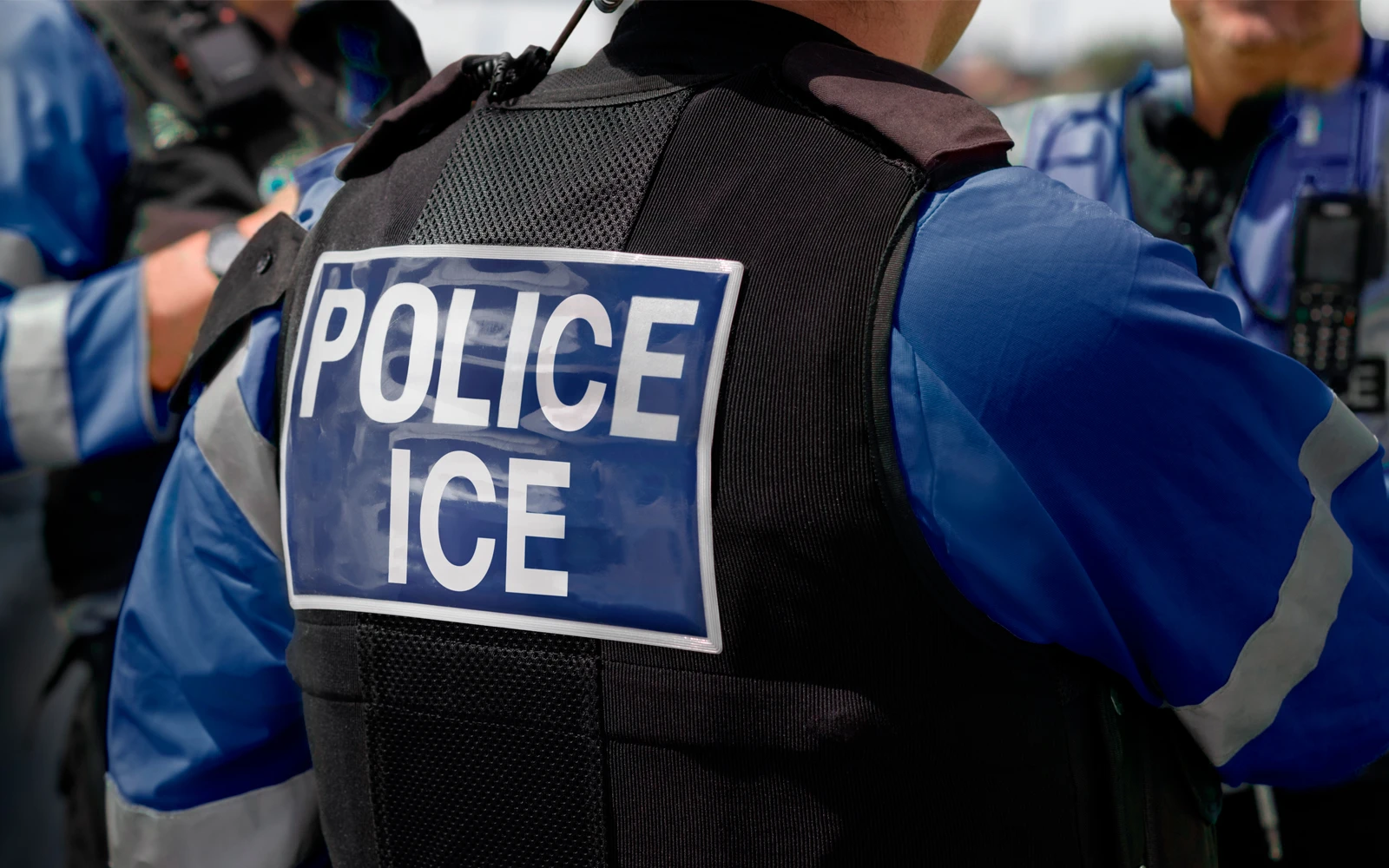
 “Heʼs the vicar of Christ, successor of Peter. Heʼs our Holy Father. And I just felt that was disrespectful, and I thought it was not a constructive contribution to the conversation,” he said.“Heʼs the Holy Father, so we have a filial relationship to him. Heʼs a father, weʼre like children … we have a family relationship to the pope. So itʼs different than just our relationship to a political leader.”“At the level of principle and the moral values that ought to be informing our life … we abide by what the pope is saying, but I think there can be disagreement at the prudential level,” Barron said.Dividing issues in the nation todayAmid numerous wars right now, Barron said “we should study” the just war tradition.It offers “very useful criteria, and I think the Churchʼs job is to bring these to consciousness and urge political leaders to apply them,” he said.“The Catechism of the Catholic Church says that when it comes to the evaluation and application of the criteria, that belongs to the civil authorities. And I think thereʼs great wisdom there too.”Barron also spoke to the ongoing matters with U.S. immigration enforcement.“A completely open border invites a lot of moral chaos, and a lot of catastrophe happens because of an open border. So the Church recognizes the legitimacy of that,” Barron said. “At the same time, the Church wants us to welcome the stranger and to be open to those who are in great need and those who are seeking refuge.”ICE “is a very legitimate expression of the governmentʼs authority, but … I think ICE is way too blunt a tool to use to solve the general issue of people in the country illegally,” Barron said.“I think a political solution has to be found. I donʼt think ICE is the right instrument to do that,” he said. “Iʼd invite people who are intimately involved in these things to have a good, morally informed conversation about it and come to good prudential judgments.”“Iʼm not an expert in immigration policy, and Iʼm not an expert in the economics that are prevailing on the ground in various situations,” he said. “I think we have to inform all those who are making those decisions, make sure they have a keen moral sensibility, [and] know what the principles are.”“But I think people of goodwill can, and obviously do, disagree about how they are applied … concretely,” he said.

Bishop Barron speaks on U.S. religious roots ahead of nation’s 250th anniversary #Catholic While there has been a tendency in the United Sates "to hyper-stress separation of church and state," Bishop Robert Barron said "the roots of our country are deeply religious" and "the basic principles of the country are inescapably religious.” On May 17, thousands gathered on the National Mall in Washington, D.C., for the White House event celebrating “one nation under God” and "the connection between religion and our American democracy,”  Barron said.In an interview with EWTN News’ Colm Flynn ahead of the event, Barron discussed the “hugely important” phrase "one nation under God.”“In the written versions of the Gettysburg Address that [Abraham Lincoln] prepared before giving it, the phrase ‘under God’ is not there,” Barron explained.“But then when he was delivering it he added … ‘under God,’“ Barron said. ”I think it represented a deep intuition that Lincoln had that you canʼt really understand our democracy without it.” The phrase “under God” is “meant to hold off tyranny,” he said. It is clear that “all kings and all rulers are under God, meaning under the judgment and authority of God. Our founders understood that.”“And that little phrase is meant to hold off that tendency to deify any political establishment, political party, political ruler. Weʼre a nation, yes indeed, but weʼre under God. Our laws are determined by God,” he said.“I love the First Amendment to our Constitution, which in its opening lines expresses very eloquently … the right balance,“ he said. ”Namely, ‘Congress shall make no law respecting the establishment of religion.’”“But then thereʼs a second part, the second clause of that: ‘Congress shall make no law limiting the free exercise of religion,’” he said.“Thatʼs an eloquent balance. So thereʼs no officially state-sanctioned religion, but that does not mean that religion has no role in public life. On the contrary, because there should be no law restricting the free exercise of religion,” Barron said. Catholics’ role in public life and public officeCatholics in public office should bring “moral sensibility into their public decisions,” Barron said.“Weʼre not here to impose Catholicism on anybody,” he said. “But I think to bring a moral and spiritual sensibility into the decisions that you make at these high levels is altogether valid.”As a member of the White House Religious Liberty Commission, Barron said he met “lots of Catholics in the present administration” and told them to “bring Thomas Aquinas into your public life.”“By which I mean bring these great moral and spiritual principles that indeed undergird our democracy, but make them a lively presence in the work that you do,” he said.Barron further spoke about his time on the White House commission, where he received both criticism and praise.When asked to be a commissioner, “my first reaction was very positive,” Barron said. “I thought … ‘Theyʼre inviting a Catholic bishop to be a voice around the table in the formulation of this policy. Why would I say no?’”To say no would be “taking a Catholic voice away from that process,” he said.“I’m not implementing the policy. Iʼm making suggestions regarding the formulation of policy,” Barron explained. “The president could take or leave what we say … So Iʼm not implementing the presidentʼs policies. Iʼm helping to shape public policy.”“The commission was great. I spoke my mind in every setting. No one censored me,” said Barron, who was present at a White House Holy Week event when Pentecostal pastor Paula Cain White compared the president’s suffering to Jesus Christ’s.Barron said he was able to address issues within the administration, specifically about Immigration and Customs Enforcement (ICE) “detainees in Chicago having access to sacraments and pastoral care.”The bishop took the matter to Homeland Security and “no one questioned” him. It was “a religious liberty issue,” because “people have a right to their sacraments and pastoral care,” he said.Barron also spoke out in regard to the president’s “critical remarks about the pope.”“I said in an X post that I have deep admiration for the president in regard to religion. Heʼs done wonderful things. But I said I think that was a disrespectful way to talk to the pope,” Barron said.“In regards to prudential judgment,” a president can “disagree with the pope,” Barron said. “But the pope is not … just an ordinary hack politician that you can sort of talk in that flippant way to.” Bishop Robert Barron speaks with EWTN News’ Colm Flynn ahead of the May 17, 2026, White House event on “one nation under God” in Washington, D.C. | Credit: EWTN News “Heʼs the vicar of Christ, successor of Peter. Heʼs our Holy Father. And I just felt that was disrespectful, and I thought it was not a constructive contribution to the conversation,” he said.“Heʼs the Holy Father, so we have a filial relationship to him. Heʼs a father, weʼre like children … we have a family relationship to the pope. So itʼs different than just our relationship to a political leader.”“At the level of principle and the moral values that ought to be informing our life … we abide by what the pope is saying, but I think there can be disagreement at the prudential level,” Barron said.Dividing issues in the nation todayAmid numerous wars right now, Barron said “we should study” the just war tradition.It offers “very useful criteria, and I think the Churchʼs job is to bring these to consciousness and urge political leaders to apply them,” he said.“The Catechism of the Catholic Church says that when it comes to the evaluation and application of the criteria, that belongs to the civil authorities. And I think thereʼs great wisdom there too.”Barron also spoke to the ongoing matters with U.S. immigration enforcement.“A completely open border invites a lot of moral chaos, and a lot of catastrophe happens because of an open border. So the Church recognizes the legitimacy of that,” Barron said. “At the same time, the Church wants us to welcome the stranger and to be open to those who are in great need and those who are seeking refuge.”ICE “is a very legitimate expression of the governmentʼs authority, but … I think ICE is way too blunt a tool to use to solve the general issue of people in the country illegally,” Barron said.“I think a political solution has to be found. I donʼt think ICE is the right instrument to do that,” he said. “Iʼd invite people who are intimately involved in these things to have a good, morally informed conversation about it and come to good prudential judgments.”“Iʼm not an expert in immigration policy, and Iʼm not an expert in the economics that are prevailing on the ground in various situations,” he said. “I think we have to inform all those who are making those decisions, make sure they have a keen moral sensibility, [and] know what the principles are.”“But I think people of goodwill can, and obviously do, disagree about how they are applied … concretely,” he said.

“There’s no officially state-sanctioned religion, but that does not mean that religion has no role in public life,” Bishop Robert Barron said.

Read More
German Catholic congress approves bondage group’s booth #Catholic An ecumenical working group promoting “consensual BDSM culture” will again exhibit at Germanyʼs Catholic Congress in Würzburg this week after organizers said its guidelines pose “no contradiction with the Catechism.”BDSM is an acronym that stands for “bondage and discipline, dominance and submission, sadism and masochism.”“The Ecumenical Working Group BDSM and Christianity has been represented on the Kirchenmeile at several Catholic Congresses now,” Cosima Jagow-Duda, head of press and marketing at the Catholic Congress, told CNA Deutsch, the German-language sister service of EWTN News, in response to an inquiry.“All organizations with an explicitly Christian reference have this right in principle, provided they are not unconstitutional or hostile to specific groups.” The groupʼs guidelines, she added, contain “no contradiction with the Catechism.”The working group was founded in 1999, according to its own website. It also exhibited at the previous Catholic Congress in Erfurt in 2024.Organized by the Central Committee of German Catholics (ZdK), the German Catholic Congress (Katholikentag) is a biennial gathering led by laypeople and representing the countryʼs main umbrella organization for lay Catholic associations. The 104th edition is taking place from May 13 to 17 in Würzburg under the motto “Have Courage, Stand Up!” Around 20,000 people are expected to attend the event, which features approximately 900 events across 50 venues.The approved booth is listed in the official program as stand number MW-R-07 on the Kirchenmeile — a German term meaning “Church Mile” — an exhibitor area where approximately 300 organizations present themselves to attendees.‘Out of the taboo corner’On its website, the working group describes itself as “Christians from various denominations who deal with eroticism and sexuality, particularly in the area of sadomasochistic sexual preferences.”Its published guidelines open with a “preamble on the relationship with God,” affirm belief in “the love and salvation through Jesus Christ,” and state that the group “accepts and lives the diverse and consensual BDSM culture.” The group has also said it wants to take the topic “out of the taboo corner.”Jagow-Duda told CNA Deutsch that applications for the Kirchenmeile “follow clear rules and guidelines” and that the organizers do not admit, for example, “right-wing extremist or anti-democratic groups.”The printed program book states, on page 58, that “a diversity of opinions that encourages and enriches discourse on the cohesion of society is expressly desired,” with limits “where discriminatory, racist, or antisemitic convictions are represented, expressions of group-related misanthropy, or an ideological distance from the free democratic constitutional order are to be expected.”“This concerns a booth where Christians are entering into conversation about their faith,” Jagow-Duda said.Other groups presenting on the Kirchenmeile whose positions stand in tension with Catholic teaching on sexuality include the Network of Catholic Lesbians, the LGBT initiative #OutInChurch, and the Ecumenical Working Group Homosexuals and Church.The official program also lists a “Queer worship service” on May 16 under the title “Life is colorful — diversity in the Church?!” and a Bible workshop titled “Reading the Bible queerly. Why G*D is a fan of diversity.”Pro-life panels rejected, association still presentThe eventʼs panel program, meanwhile, turned down three proposals on surrogacy, abortion, and end-of-life care from the countryʼs largest lay pro-life association, citing limited slots, even as the association maintains its own booth at the congress.The proposals were submitted by the Action for the Right to Life for All (ALfA) in cooperation with the Association of Catholic German Teachers (VkdL).The proposals' titles, according to the Catholic weekly Die Tagespost, were “Life Without a Child? Is Surrogacy the Solution on the Way to a Wished-For Child?”, “Taboo Topic Abortion — ‘I didnʼt want to abort, I had to,’” and “My Death and My Dignity — Autonomy and Human Dignity at the End of Life.”Britta Baas, a spokeswoman for the ZdK, told Die Tagespost that the rejections were made on “capacity grounds.” Two-thirds of all applications had to be turned down because only 40 panel slots were available, she said.The Catholic Congress leadership had set up a so-called “topic convention” before the nationwide call for proposals opened, which pre-selected the 40 panel themes. About three times as many applications were submitted as there were slots, Baas said, and “the panel working group commissioned by the Catholic Congress leadership then had to make a selection.”According to Die Tagespost, ALfA and VkdL had already secured several speakers for the proposed panels, including psychiatrist Christian Spaemann, surgeon and medical ethicist Kai Witzel, and the jurist Felix Böllmann of Alliance Defending Freedom International.The Catholic Congress will, however, host one panel on assisted suicide, titled “Quo Vadis Assisted Suicide? General Regulations and Individual Wishes,” with Social Democratic Party (SPD) parliamentarian Lars Castellucci and the president of the German Caritas Association, Eva Maria Welskop-Deffaa, among the discussants.ALfA itself will be present at the Catholic Congress with a booth on the Kirchenmeile, located in the “Social Cohesion” theme area. In parallel to the official program, the association is holding its own events in cooperation with the VkdL and Die Tagespost, including a lecture on end-of-life autonomy by Witzel, a presentation on international surrogacy by ALfA national chair Cornelia Kaminski, and a panel discussion with Bishop Rudolf Voderholzer of Regensburg on the relationship between the Catholic Church and the German pro-life movement.“The commitment to the protection of human life belongs at the heart of the Church,” Kaminski said in a May 8 statement. “The Catholic Congress is therefore an important place to enter into conversation with people, to present our work, and to make clear how many areas there are in which the right to life and human dignity are under threat — and how needed Church members are who commit themselves to this cause.”Catholic teaching on sexualityThe Catechism of the Catholic Church teaches that sexual pleasure “is morally disordered when sought for itself, isolated from its procreative and unitive purposes” (No. 2351).Chastity, the Catechism teaches, “involves the integrity of the person and the integrality of the gift” and is realized in “the complete and lifelong mutual gift of a man and a woman” (No. 2337). It requires what the Catechism calls “an apprenticeship in self-mastery which is a training in human freedom” (No. 2339).Consent does not, in Catholic moral theology, automatically change the moral character of an act.

German Catholic congress approves bondage group’s booth #Catholic An ecumenical working group promoting “consensual BDSM culture” will again exhibit at Germanyʼs Catholic Congress in Würzburg this week after organizers said its guidelines pose “no contradiction with the Catechism.”BDSM is an acronym that stands for “bondage and discipline, dominance and submission, sadism and masochism.”“The Ecumenical Working Group BDSM and Christianity has been represented on the Kirchenmeile at several Catholic Congresses now,” Cosima Jagow-Duda, head of press and marketing at the Catholic Congress, told CNA Deutsch, the German-language sister service of EWTN News, in response to an inquiry.“All organizations with an explicitly Christian reference have this right in principle, provided they are not unconstitutional or hostile to specific groups.” The groupʼs guidelines, she added, contain “no contradiction with the Catechism.”The working group was founded in 1999, according to its own website. It also exhibited at the previous Catholic Congress in Erfurt in 2024.Organized by the Central Committee of German Catholics (ZdK), the German Catholic Congress (Katholikentag) is a biennial gathering led by laypeople and representing the countryʼs main umbrella organization for lay Catholic associations. The 104th edition is taking place from May 13 to 17 in Würzburg under the motto “Have Courage, Stand Up!” Around 20,000 people are expected to attend the event, which features approximately 900 events across 50 venues.The approved booth is listed in the official program as stand number MW-R-07 on the Kirchenmeile — a German term meaning “Church Mile” — an exhibitor area where approximately 300 organizations present themselves to attendees.‘Out of the taboo corner’On its website, the working group describes itself as “Christians from various denominations who deal with eroticism and sexuality, particularly in the area of sadomasochistic sexual preferences.”Its published guidelines open with a “preamble on the relationship with God,” affirm belief in “the love and salvation through Jesus Christ,” and state that the group “accepts and lives the diverse and consensual BDSM culture.” The group has also said it wants to take the topic “out of the taboo corner.”Jagow-Duda told CNA Deutsch that applications for the Kirchenmeile “follow clear rules and guidelines” and that the organizers do not admit, for example, “right-wing extremist or anti-democratic groups.”The printed program book states, on page 58, that “a diversity of opinions that encourages and enriches discourse on the cohesion of society is expressly desired,” with limits “where discriminatory, racist, or antisemitic convictions are represented, expressions of group-related misanthropy, or an ideological distance from the free democratic constitutional order are to be expected.”“This concerns a booth where Christians are entering into conversation about their faith,” Jagow-Duda said.Other groups presenting on the Kirchenmeile whose positions stand in tension with Catholic teaching on sexuality include the Network of Catholic Lesbians, the LGBT initiative #OutInChurch, and the Ecumenical Working Group Homosexuals and Church.The official program also lists a “Queer worship service” on May 16 under the title “Life is colorful — diversity in the Church?!” and a Bible workshop titled “Reading the Bible queerly. Why G*D is a fan of diversity.”Pro-life panels rejected, association still presentThe eventʼs panel program, meanwhile, turned down three proposals on surrogacy, abortion, and end-of-life care from the countryʼs largest lay pro-life association, citing limited slots, even as the association maintains its own booth at the congress.The proposals were submitted by the Action for the Right to Life for All (ALfA) in cooperation with the Association of Catholic German Teachers (VkdL).The proposals' titles, according to the Catholic weekly Die Tagespost, were “Life Without a Child? Is Surrogacy the Solution on the Way to a Wished-For Child?”, “Taboo Topic Abortion — ‘I didnʼt want to abort, I had to,’” and “My Death and My Dignity — Autonomy and Human Dignity at the End of Life.”Britta Baas, a spokeswoman for the ZdK, told Die Tagespost that the rejections were made on “capacity grounds.” Two-thirds of all applications had to be turned down because only 40 panel slots were available, she said.The Catholic Congress leadership had set up a so-called “topic convention” before the nationwide call for proposals opened, which pre-selected the 40 panel themes. About three times as many applications were submitted as there were slots, Baas said, and “the panel working group commissioned by the Catholic Congress leadership then had to make a selection.”According to Die Tagespost, ALfA and VkdL had already secured several speakers for the proposed panels, including psychiatrist Christian Spaemann, surgeon and medical ethicist Kai Witzel, and the jurist Felix Böllmann of Alliance Defending Freedom International.The Catholic Congress will, however, host one panel on assisted suicide, titled “Quo Vadis Assisted Suicide? General Regulations and Individual Wishes,” with Social Democratic Party (SPD) parliamentarian Lars Castellucci and the president of the German Caritas Association, Eva Maria Welskop-Deffaa, among the discussants.ALfA itself will be present at the Catholic Congress with a booth on the Kirchenmeile, located in the “Social Cohesion” theme area. In parallel to the official program, the association is holding its own events in cooperation with the VkdL and Die Tagespost, including a lecture on end-of-life autonomy by Witzel, a presentation on international surrogacy by ALfA national chair Cornelia Kaminski, and a panel discussion with Bishop Rudolf Voderholzer of Regensburg on the relationship between the Catholic Church and the German pro-life movement.“The commitment to the protection of human life belongs at the heart of the Church,” Kaminski said in a May 8 statement. “The Catholic Congress is therefore an important place to enter into conversation with people, to present our work, and to make clear how many areas there are in which the right to life and human dignity are under threat — and how needed Church members are who commit themselves to this cause.”Catholic teaching on sexualityThe Catechism of the Catholic Church teaches that sexual pleasure “is morally disordered when sought for itself, isolated from its procreative and unitive purposes” (No. 2351).Chastity, the Catechism teaches, “involves the integrity of the person and the integrality of the gift” and is realized in “the complete and lifelong mutual gift of a man and a woman” (No. 2337). It requires what the Catechism calls “an apprenticeship in self-mastery which is a training in human freedom” (No. 2339).Consent does not, in Catholic moral theology, automatically change the moral character of an act.

Organizers of the Würzburg congress told EWTN News the group’s guidelines contain ‘no contradiction with the Catechism.’

Read More
U.S. lawmakers urge Trump to press China’s president on Jimmy Lai case #Catholic More than 100 U.S. lawmakers sent President Donald Trump a letter asking him to address Jimmy Lai’s case when he meets with Chinese President Xi Jinping in Beijing on May 14–15.Lai, founder and publisher of the pro-democracy tabloid Apple Daily, was sentenced to 20 years in prison on Feb. 9 over what Chinese officials claim were national security violations. The sentencing followed Lai’s conviction, which ended what Lai’s defenders described as a politically motivated show trial.In October 2025, Trump spoke with Xi Jinping about Lai. In the letter sent to the White House on May 8, lawmakers urged Trump to advocate for Lai again by asking for his humanitarian release.Catholic Rep. Chris Smith, R-New Jersey, co-chair of the Congressional-Executive Commission on China, and Sen. Rick Scott, R-Florida, both longtime advocates of Laiʼs, circulated the bipartisan letter that was signed by 105 other members of Congress.“We know the president wants to do this,” Smith said in a May 8 interview with “EWTN News Nightly." “We want him to know — President Trump — that weʼre solidly behind him about what he might be able to accomplish.”“And he could use that, frankly, more effectively, with Xi Jinping, and say, ‘Look, donʼt just do it for the executive branch. The legislative branch is asking you, as well, from a humanitarian point of view,’” Smith said.The president has “an ability to persuade” like “no other president Iʼve ever known,” Smith said. “And I hope he can persuade Xi Jinping to let this great man go.”The letter notes that Trump’s “direct engagement is critical to securing Mr. Laiʼs immediate release on humanitarian parole” and the case for his freedom “is urgent and undeniable.”“He is a devout Catholic and successful entrepreneur who has already spent five years in detention, much of it in solitary confinement,” lawmakers wrote.“His family, his friends, and supporters have indicated that if he is released, he will leave Hong Kong and withdraw from public life,” they wrote. “It is a clear, practical path forward that reunites a family and prevents this case from becoming an irreversible tragedy — and an enduring symbol of repression that will echo far beyond Hong Kong.”Lai’s ‘deteriorating health’The group is calling for a humanitarian release due to Lai’s “deteriorating health condition.” They wrote: “His health has declined in custody, and prolonged isolation and inadequate prison conditions only increase the risk of permanent harm.”“From a humanitarian point of view, weʼre hoping the president will look Xi Jinping in the eyes and say, ‘Let this guy go. Do it now. Itʼs a good gesture. It means a lot to us as Americans,’” Smith said.“Jimmy Lai spoke truth to power. He did it with grace, eloquence,” Smith said. “His newspaper … was just a beacon of hope and [truth], and for that, heʼs got a life sentence — 20 years. Heʼs 78. Itʼs probably a life sentence, and heʼs very sick.”“Iʼm very concerned,” Smith said. “Weʼve known for decades that when somebody is a political prisoner, and thatʼs what Jimmy Lai is, or religious prisoner, and you get sick, they let you die. They do not attend to your needs.”Lai “has a number of very serious ailments,” Smith said. “Type 2 diabetes is just one of them. Heʼs got a lot of other problems, and they all are compounding, cascading. He needs good medical attention, and he needs it now.”“Otherwise itʼll be a blight on the Chinese Communist Party added to the other blights that theyʼve accumulated over the years. But break that mold of letting people just die in prison through neglect,” Smith said.“No one can do it better than Trump, and I think he will,” Smith said. “And if it does fail, it wonʼt be on Trumpʼs back. Itʼll be, sadly, that Xi Jinping again has decided to stay with being cruel.”

U.S. lawmakers urge Trump to press China’s president on Jimmy Lai case #Catholic More than 100 U.S. lawmakers sent President Donald Trump a letter asking him to address Jimmy Lai’s case when he meets with Chinese President Xi Jinping in Beijing on May 14–15.Lai, founder and publisher of the pro-democracy tabloid Apple Daily, was sentenced to 20 years in prison on Feb. 9 over what Chinese officials claim were national security violations. The sentencing followed Lai’s conviction, which ended what Lai’s defenders described as a politically motivated show trial.In October 2025, Trump spoke with Xi Jinping about Lai. In the letter sent to the White House on May 8, lawmakers urged Trump to advocate for Lai again by asking for his humanitarian release.Catholic Rep. Chris Smith, R-New Jersey, co-chair of the Congressional-Executive Commission on China, and Sen. Rick Scott, R-Florida, both longtime advocates of Laiʼs, circulated the bipartisan letter that was signed by 105 other members of Congress.“We know the president wants to do this,” Smith said in a May 8 interview with “EWTN News Nightly." “We want him to know — President Trump — that weʼre solidly behind him about what he might be able to accomplish.”“And he could use that, frankly, more effectively, with Xi Jinping, and say, ‘Look, donʼt just do it for the executive branch. The legislative branch is asking you, as well, from a humanitarian point of view,’” Smith said.The president has “an ability to persuade” like “no other president Iʼve ever known,” Smith said. “And I hope he can persuade Xi Jinping to let this great man go.”The letter notes that Trump’s “direct engagement is critical to securing Mr. Laiʼs immediate release on humanitarian parole” and the case for his freedom “is urgent and undeniable.”“He is a devout Catholic and successful entrepreneur who has already spent five years in detention, much of it in solitary confinement,” lawmakers wrote.“His family, his friends, and supporters have indicated that if he is released, he will leave Hong Kong and withdraw from public life,” they wrote. “It is a clear, practical path forward that reunites a family and prevents this case from becoming an irreversible tragedy — and an enduring symbol of repression that will echo far beyond Hong Kong.”Lai’s ‘deteriorating health’The group is calling for a humanitarian release due to Lai’s “deteriorating health condition.” They wrote: “His health has declined in custody, and prolonged isolation and inadequate prison conditions only increase the risk of permanent harm.”“From a humanitarian point of view, weʼre hoping the president will look Xi Jinping in the eyes and say, ‘Let this guy go. Do it now. Itʼs a good gesture. It means a lot to us as Americans,’” Smith said.“Jimmy Lai spoke truth to power. He did it with grace, eloquence,” Smith said. “His newspaper … was just a beacon of hope and [truth], and for that, heʼs got a life sentence — 20 years. Heʼs 78. Itʼs probably a life sentence, and heʼs very sick.”“Iʼm very concerned,” Smith said. “Weʼve known for decades that when somebody is a political prisoner, and thatʼs what Jimmy Lai is, or religious prisoner, and you get sick, they let you die. They do not attend to your needs.”Lai “has a number of very serious ailments,” Smith said. “Type 2 diabetes is just one of them. Heʼs got a lot of other problems, and they all are compounding, cascading. He needs good medical attention, and he needs it now.”“Otherwise itʼll be a blight on the Chinese Communist Party added to the other blights that theyʼve accumulated over the years. But break that mold of letting people just die in prison through neglect,” Smith said.“No one can do it better than Trump, and I think he will,” Smith said. “And if it does fail, it wonʼt be on Trumpʼs back. Itʼll be, sadly, that Xi Jinping again has decided to stay with being cruel.”

Chinese officials sentenced Lai, founder and publisher of the pro-democracy tabloid Apple Daily, to 20 years in prison on Feb. 9.

Read More
India’s state elections deliver split verdict for Christian community #Catholic The results of staggered elections in four key Indian states held in April have drawn diverse reactions from the Christian community following the May 4 counting of the votes.While the poll outcomes from the two southern states of Kerala and Tamil Nadu have been soothing for Christians, the results from West Bengal and Assam in eastern and northeastern India have come as frustrating for Christian communities.Kerala: A ‘clear verdict’ against propagandaIn the southern Christian heartland of Kerala, the ruling communist alliance was decimated to 35 seats while the opposition Congress-led alliance won 102 seats in the 140-member assembly of Kerala, a state of 35 million people, 18% of whom are Christian.“The result has shown that the people cannot be misled by propaganda and they have given a clear verdict against it,” Father Thomas Tharayil, deputy secretary of the Kerala Catholic Bishops' Council, told EWTN News on May 6.The remark came against the backdrop of anti-Christian propaganda by the Hindu nationalist Bharatiya Janata Party (BJP), with prominent Christians in the BJP even attacking Church leaders for the Churchʼs protest against the draconian amendment to the Foreign Contribution Regulation Act.Christians in Kerala were relieved after four prominent Christians who had allied with the BJP lost the polls despite making much noise against church leadership: P.C. George, a seven-time Kerala legislator; his son Shone George; federal Minister of State for Minority Affairs George Kurian; and Anoop Antony, son of veteran Congress party leader and former Kerala chief minister A.K. Antony.Half a dozen other Christian candidates the BJP fielded in Christian pockets under its lotus symbol also lost, while the party won just three seats with its Hindu candidates.Tamil Nadu: A ‘genuinely historic’ TVK upsetIn neighboring Tamil Nadu, with a population of 77 million, the new political party TVK (Tamilaga Vettri Kazhagam — Victory Party of Tamil Nadu), founded by Catholic actor Joseph Vijay, stunned the Dravidian parties that had held power for nearly six decades between them.Under Vijayʼs leadership, the TVK he founded in 2024 won 108 of the 234 seats in the state legislature, with the ruling DMK reduced to 73 and the opposition AIADMK left with 53 seats.Describing the TVK victory that stunned even poll forecasts as “genuinely historic,” Father Charles Antony, editor of the Catholic fortnightly New Leader based in Chennai, told EWTN News: “Vijayʼs victory is real, consequential, and disruptive [of the] bipolar politics” in the state, which has more than 5 million Christians.“He visited churches, temples, and mosques alike during the campaign, successfully projecting himself as a leader for all communities. This secular messaging helped his party distance itself from identity-based polarization,” he added.While Vijay is “Catholic,” Antony emphasized that “his Christian identity is incidental to his politics. Attacks from the BJP [on his Christian identity] with ‘minority’ tag against him, paradoxically, may have helped consolidate minority votes.”West Bengal: ‘A terrible result many had feared’The likely outcome in West Bengal — the state bordering Bangladesh — had been the subject of much conjecture even before voting, due to the controversial, hurried action of the Election Commission of India that disenfranchised more than 9 million, or 12%, of its 76 million voters under a Special Intensive Revision of the voter list.The Trinamool Congress, which had ruled the state since 2011 across three consecutive terms, lost the election badly — as many had feared — winning a mere 80 seats while the BJP captured power in the state for the first time, with 205 seats in the 294-seat state assembly.“This is a terrible result many had feared,” Sunil Lucas, former president of Signis India, told EWTN News, while prominent Church leaders declined to comment on the results that bring the Hindu nationalist BJP to power in West Bengal — with Kolkata as its capital — for the first time.“Decoding BJPʼs Bengal sweep: 77 seats won in 2021 retained, 129 wrested from TMC,” Indian Express summed up the results, which were flayed by the ruling party and the opposition parties other than the BJP.On May 5, the national news channel NDTV carried a similar report with graphic details on how the ruling Trinamool Congress party “performed in seats with high voter deletions.” In constituencies where more than 25,000 voters had been disenfranchised, the BJP had won 95 of 147 seats, the report pointed out.Assam: ‘Democracy becomes a failure’In Assam state in the northeast, the BJP improved its tally with allies to 102 of the stateʼs 126 seats, securing a third consecutive term.“When the ruling party with over two-thirds majority has no member of the minorities in the legislature, democracy becomes a failure,” Allen Brooks, a Catholic and spokesperson for the ecumenical Assam Christian Forum, told EWTN News.While none of the 82 BJP winners are from the Muslim community, which accounts for 34% of Assamʼs population, Brooks also lamented that “there is not a single Christian in the Assam Assembly now, though Christians account for 3.7%” of the stateʼs 31 million people.Commenting on the election results, Cardinal Anthony Poola, president of the Catholic Bishops' conference of India, in a May 6 statement said: “The true measure of a vibrant democracy lies not just in the successful conduct of elections but in the steadfast commitment of elected leaders to serve the most vulnerable. We urge the new governments to work hand-in-hand with all institutions to build a more just, inclusive, and equitable India.”This story was updated at 12:29 p.m. ET on May 6, 2026, to include Cardinal Anthony Poolaʼs statement.

India’s state elections deliver split verdict for Christian community #Catholic The results of staggered elections in four key Indian states held in April have drawn diverse reactions from the Christian community following the May 4 counting of the votes.While the poll outcomes from the two southern states of Kerala and Tamil Nadu have been soothing for Christians, the results from West Bengal and Assam in eastern and northeastern India have come as frustrating for Christian communities.Kerala: A ‘clear verdict’ against propagandaIn the southern Christian heartland of Kerala, the ruling communist alliance was decimated to 35 seats while the opposition Congress-led alliance won 102 seats in the 140-member assembly of Kerala, a state of 35 million people, 18% of whom are Christian.“The result has shown that the people cannot be misled by propaganda and they have given a clear verdict against it,” Father Thomas Tharayil, deputy secretary of the Kerala Catholic Bishops' Council, told EWTN News on May 6.The remark came against the backdrop of anti-Christian propaganda by the Hindu nationalist Bharatiya Janata Party (BJP), with prominent Christians in the BJP even attacking Church leaders for the Churchʼs protest against the draconian amendment to the Foreign Contribution Regulation Act.Christians in Kerala were relieved after four prominent Christians who had allied with the BJP lost the polls despite making much noise against church leadership: P.C. George, a seven-time Kerala legislator; his son Shone George; federal Minister of State for Minority Affairs George Kurian; and Anoop Antony, son of veteran Congress party leader and former Kerala chief minister A.K. Antony.Half a dozen other Christian candidates the BJP fielded in Christian pockets under its lotus symbol also lost, while the party won just three seats with its Hindu candidates.Tamil Nadu: A ‘genuinely historic’ TVK upsetIn neighboring Tamil Nadu, with a population of 77 million, the new political party TVK (Tamilaga Vettri Kazhagam — Victory Party of Tamil Nadu), founded by Catholic actor Joseph Vijay, stunned the Dravidian parties that had held power for nearly six decades between them.Under Vijayʼs leadership, the TVK he founded in 2024 won 108 of the 234 seats in the state legislature, with the ruling DMK reduced to 73 and the opposition AIADMK left with 53 seats.Describing the TVK victory that stunned even poll forecasts as “genuinely historic,” Father Charles Antony, editor of the Catholic fortnightly New Leader based in Chennai, told EWTN News: “Vijayʼs victory is real, consequential, and disruptive [of the] bipolar politics” in the state, which has more than 5 million Christians.“He visited churches, temples, and mosques alike during the campaign, successfully projecting himself as a leader for all communities. This secular messaging helped his party distance itself from identity-based polarization,” he added.While Vijay is “Catholic,” Antony emphasized that “his Christian identity is incidental to his politics. Attacks from the BJP [on his Christian identity] with ‘minority’ tag against him, paradoxically, may have helped consolidate minority votes.”West Bengal: ‘A terrible result many had feared’The likely outcome in West Bengal — the state bordering Bangladesh — had been the subject of much conjecture even before voting, due to the controversial, hurried action of the Election Commission of India that disenfranchised more than 9 million, or 12%, of its 76 million voters under a Special Intensive Revision of the voter list.The Trinamool Congress, which had ruled the state since 2011 across three consecutive terms, lost the election badly — as many had feared — winning a mere 80 seats while the BJP captured power in the state for the first time, with 205 seats in the 294-seat state assembly.“This is a terrible result many had feared,” Sunil Lucas, former president of Signis India, told EWTN News, while prominent Church leaders declined to comment on the results that bring the Hindu nationalist BJP to power in West Bengal — with Kolkata as its capital — for the first time.“Decoding BJPʼs Bengal sweep: 77 seats won in 2021 retained, 129 wrested from TMC,” Indian Express summed up the results, which were flayed by the ruling party and the opposition parties other than the BJP.On May 5, the national news channel NDTV carried a similar report with graphic details on how the ruling Trinamool Congress party “performed in seats with high voter deletions.” In constituencies where more than 25,000 voters had been disenfranchised, the BJP had won 95 of 147 seats, the report pointed out.Assam: ‘Democracy becomes a failure’In Assam state in the northeast, the BJP improved its tally with allies to 102 of the stateʼs 126 seats, securing a third consecutive term.“When the ruling party with over two-thirds majority has no member of the minorities in the legislature, democracy becomes a failure,” Allen Brooks, a Catholic and spokesperson for the ecumenical Assam Christian Forum, told EWTN News.While none of the 82 BJP winners are from the Muslim community, which accounts for 34% of Assamʼs population, Brooks also lamented that “there is not a single Christian in the Assam Assembly now, though Christians account for 3.7%” of the stateʼs 31 million people.Commenting on the election results, Cardinal Anthony Poola, president of the Catholic Bishops' conference of India, in a May 6 statement said: “The true measure of a vibrant democracy lies not just in the successful conduct of elections but in the steadfast commitment of elected leaders to serve the most vulnerable. We urge the new governments to work hand-in-hand with all institutions to build a more just, inclusive, and equitable India.”This story was updated at 12:29 p.m. ET on May 6, 2026, to include Cardinal Anthony Poolaʼs statement.

Christian leaders welcomed the Kerala and Tamil Nadu outcomes but voiced alarm at the BJP’s historic sweep of West Bengal and a third-term win in Assam.

Read More
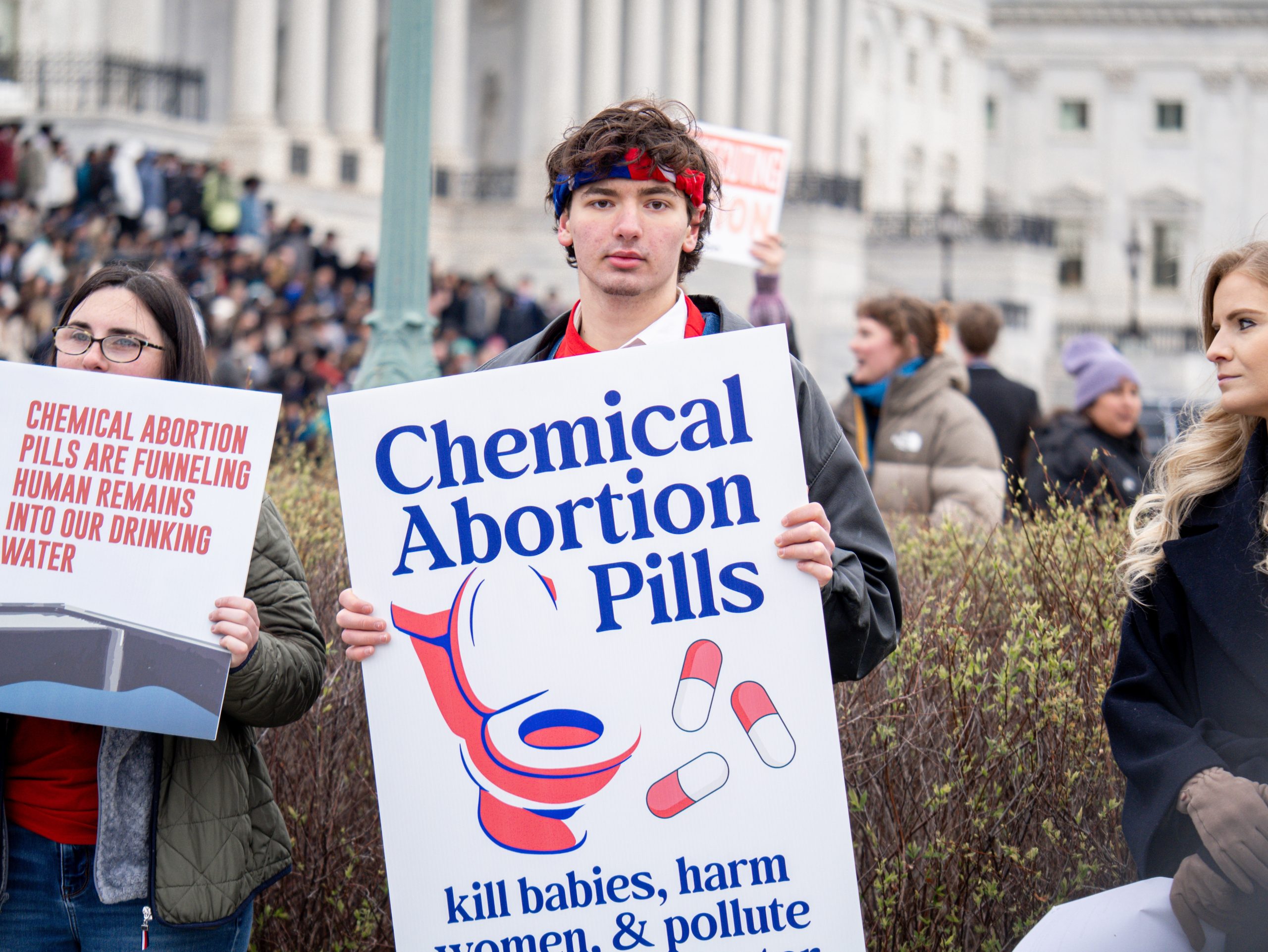
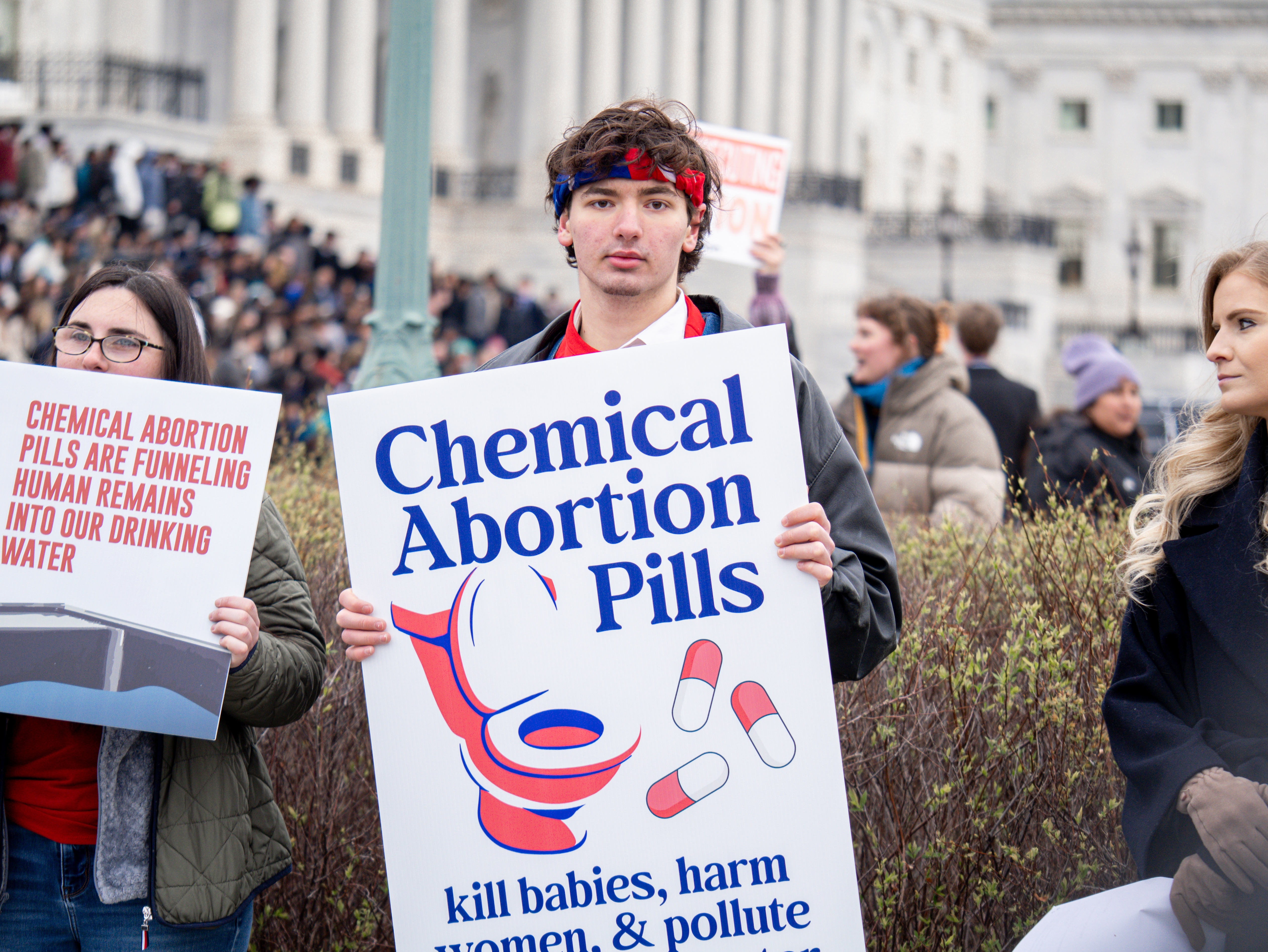
U.S. Supreme Court allows faith-based pregnancy center to challenge donor subpoena #Catholic The U.S. Supreme Court said a New Jersey faith-based pregnancy center may challenge a state subpoena demanding donor information.The court in a unanimous ruling April 29 decided the case could proceed in federal court, reversing a lower court decision that had deemed the lawsuit premature.The pregnancy center had raised First Amendment concerns about whether it could immediately assert its right to challenge a state subpoena demanding donor information — including names, addresses, and places of employment — in federal court, or whether it must first proceed through the state court system.The ruling was a victory for First Choice Women’s Resource Centers. Diverse groups including the U.S. Conference of Catholic Bishops, The Church of Jesus Christ of Latter-day Saints, members of Congress, the Trump administration, and the ACLU had agreed that First Choice should be able to challenge the subpoena in federal court without first litigating the issue in New Jersey state court.The case, First Choice Women’s Resource Centers, Inc. v. Davenport, involves a 2023 subpoena issued by New Jersey Attorney General Matthew J. Platkin seeking donor information from First Choice. In 2022, Platkin had begun investigating crisis pregnancy centers like First Choice, saying they are organizations that may provide “false or misleading information about the safety and legality of abortion.”First Choice described itself in a Supreme Court brief as a faith-based nonprofit serving New Jersey women by offering material support and medical services such as ultrasounds and pregnancy tests. The organization said it does not provide or refer for abortions.The U.S. Conference of Catholic Bishops told the court in an amicus brief: “Compelling disclosure of a religious organization’s financial support violates the constitutional guarantee of freedom of religion.”It contended that compelling disclosure would undermine the group’s religious mission and chill the free‑exercise rights of donors who give anonymously in keeping with their beliefs.

U.S. Supreme Court allows faith-based pregnancy center to challenge donor subpoena #Catholic The U.S. Supreme Court said a New Jersey faith-based pregnancy center may challenge a state subpoena demanding donor information.The court in a unanimous ruling April 29 decided the case could proceed in federal court, reversing a lower court decision that had deemed the lawsuit premature.The pregnancy center had raised First Amendment concerns about whether it could immediately assert its right to challenge a state subpoena demanding donor information — including names, addresses, and places of employment — in federal court, or whether it must first proceed through the state court system.The ruling was a victory for First Choice Women’s Resource Centers. Diverse groups including the U.S. Conference of Catholic Bishops, The Church of Jesus Christ of Latter-day Saints, members of Congress, the Trump administration, and the ACLU had agreed that First Choice should be able to challenge the subpoena in federal court without first litigating the issue in New Jersey state court.The case, First Choice Women’s Resource Centers, Inc. v. Davenport, involves a 2023 subpoena issued by New Jersey Attorney General Matthew J. Platkin seeking donor information from First Choice. In 2022, Platkin had begun investigating crisis pregnancy centers like First Choice, saying they are organizations that may provide “false or misleading information about the safety and legality of abortion.”First Choice described itself in a Supreme Court brief as a faith-based nonprofit serving New Jersey women by offering material support and medical services such as ultrasounds and pregnancy tests. The organization said it does not provide or refer for abortions.The U.S. Conference of Catholic Bishops told the court in an amicus brief: “Compelling disclosure of a religious organization’s financial support violates the constitutional guarantee of freedom of religion.”It contended that compelling disclosure would undermine the group’s religious mission and chill the free‑exercise rights of donors who give anonymously in keeping with their beliefs.

U.S. bishops had told the court in an amicus brief that compelling disclosure of a religious organization’s financial support violates the constitutional guarantee of freedom of religion.

Read More