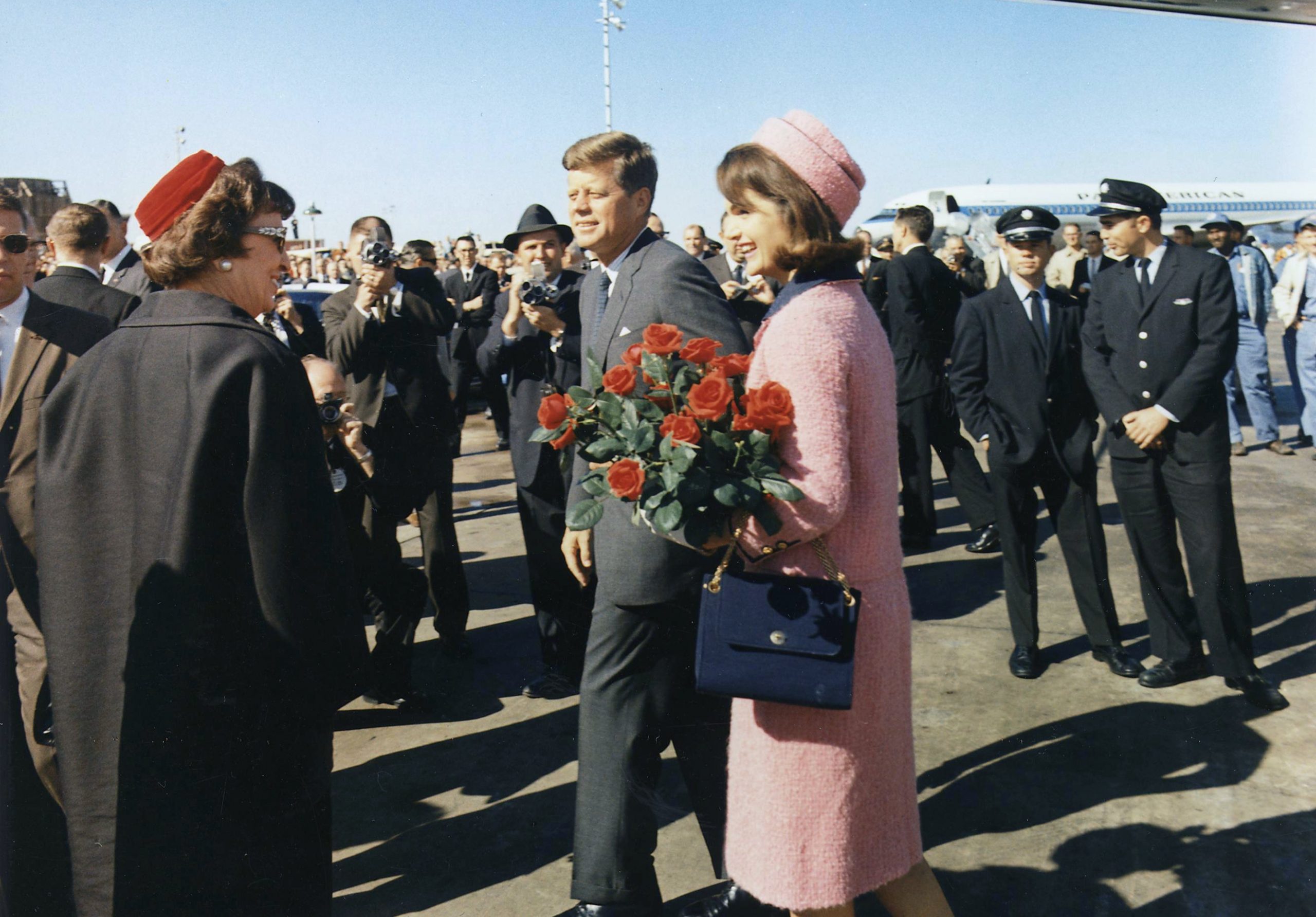


Kennedy began sparring with Castro in April of 1961 by executing the Bay of Pigs Invasion. CIA-backed Cuban exiles were sent in to overthrow Castro’s regime. However, he reneged on promised US Air Force support, and the operation failed.
Read More
Mystery Readers will be enthralled by this book!
L. D. C. Fitzgerald, renowned author of two nonfiction books about Kennedy, brings you ‘Saving Jackie K’, a science fiction odyssey with a time-travel twist on one of the most significant conspiracy theories of modern times. This gripping tale blends fact and fiction to unravel the greatest mystery of the 20th century. ‘Saving Jackie K’ offers a thrilling, intellectual journey and is the most provocative science fiction thriller you’ll ever read.
Read More
Conspiracy theorists will be captivated by this book!
L. D. C. Fitzgerald, acclaimed author of two nonfiction books about Kennedy, presents ‘Saving Jackie K’, a science fiction odyssey with a time-travel twist on one of the most significant conspiracy theories of modern times. This compelling narrative blends fact and fiction to unravel the greatest mystery of the 20th century. ‘Saving Jackie K’ promises a thrilling, intellectual journey and stands out as the most provocative science fiction thriller you’ll ever read.
Read More
Just eighty minutes later, Lee Harvey Oswald, an employee at the Texas School Book Depository in Dealey Plaza, was apprehended for the murder of Dallas police officer J.D. Tippit. Subsequently, Oswald faced allegations of assassinating the president, purportedly firing shots from the book depository’s sixth-floor window using a Mannlicher-Carcano rifle.
Read More

L. D. C. Fitzgerald, renowned author of two nonfiction books about Kennedy, introduces ‘Saving Jackie K’, a science fiction odyssey with a time-travel twist on one of the most significant conspiracy theories of modern times. This gripping narrative merges fact and fiction to unravel the greatest mystery of the 20th century. ‘Saving Jackie K’ offers a thrilling, intellectual journey and stands out as the most provocative science fiction thriller you’ll ever read.
Read More
Although many present-day Americans weren’t alive during John F. Kennedy’s tragic demise, the speculation about his assassination remains fervent. *Saving Jackie K*, a novel adept at blending reality with imagination, aims to uncover the elusive “truth” behind these pivotal events. But what do the historical records truly reveal?
Read More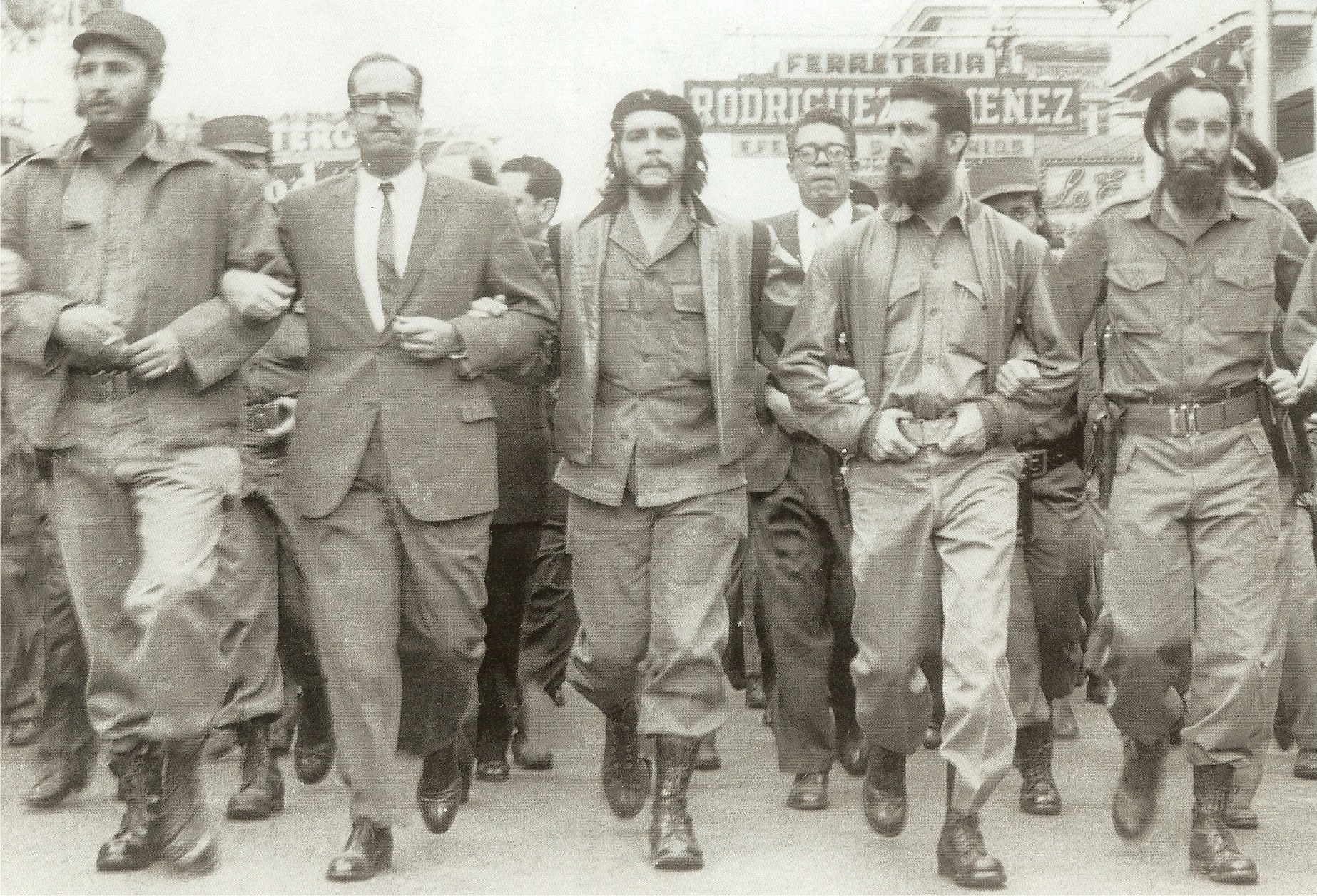
The tensions between Kennedy and Castro heightened, notably underscored by the failed Bay of Pigs Invasion in April 1961, where CIA-backed Cuban exiles attempted to overthrow Castro’s government. Castro’s decision to permit the Soviet Union to install nuclear launch pads in Cuba, uncovered during the Cuban Missile Crisis of 1962, further strained relations. His condemnation of US-led incursions into Cuban territory, combined with Kennedy’s portrayal of Cuba as a pawn of Russia, only exacerbated animosity between the two leaders. Less than a week after Kennedy’s address, he was tragically assassinated.
Read More
The tension between Kennedy and Castro escalated, notably with the failed Bay of Pigs Invasion in April 1961, where CIA-backed Cuban exiles attempted to overthrow Castro’s government. Castro’s allowance of the Soviet Union to install nuclear launch pads in Cuba, discovered during the Cuban Missile Crisis of 1962, further strained relations. His denouncement of US-led raids on Cuban soil, coupled with Kennedy’s portrayal of Cuba as a pawn of Russia, intensified animosity between the two leaders. Less than a week after Kennedy’s speech, he was tragically assassinated.
Read More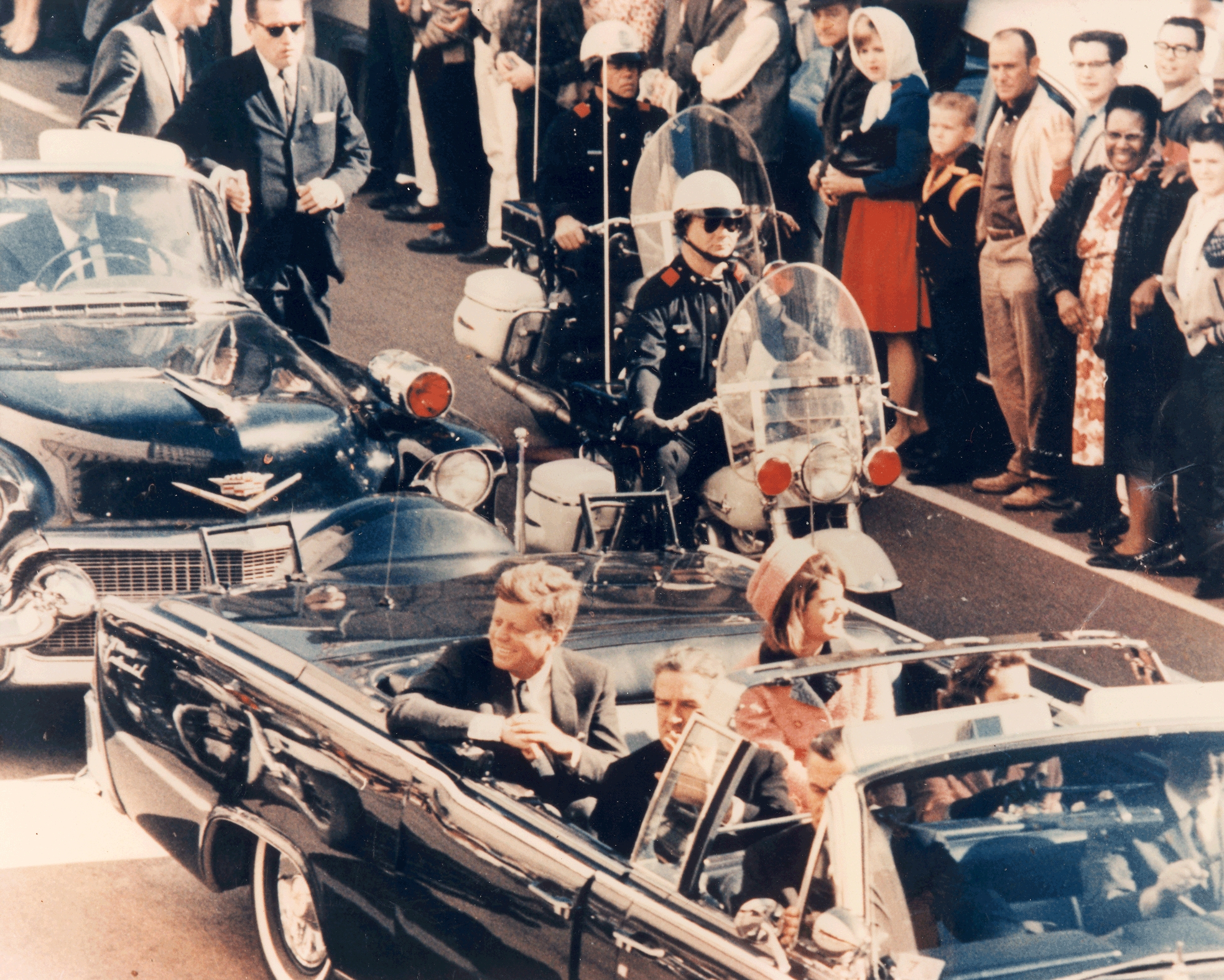
Although many contemporary Americans weren’t alive during John F. Kennedy’s tragic end, the speculation about his assassination remains fervent. *Saving Jackie K*, a novel skilled at blending reality with imagination, aims to uncover the elusive “truth” behind these pivotal events. But what do the historical records truly reveal?
Read More
L. D. C. Fitzgerald, the acclaimed author of two nonfiction books about Kennedy, presents ‘Saving Jackie K’, a science fiction odyssey with a time-travel twist on the most significant conspiracy theory of modern times. This riveting tale merges fact and fiction to unravel the greatest mystery of the 20th century. ‘Saving Jackie K’ promises a thrilling, intellectual journey and stands out as the most provocative science fiction thriller you’ll ever read.
Read More
From the outset of his presidency, Kennedy had ambitions of overthrowing Castro’s regime. Adhering to the Domino Theory, Kennedy feared that the spread of communism in one country would inevitably lead to its expansion in neighboring nations. Moreover, Castro found solidarity with his communist ally, Nikita Khrushchev, the Premier of Russia.
Read More
JFK, Conspiracy, Jackie Kennedy, Conspiracy Theorists, Saving Jackie K, time-travel, science fiction, thriller
Read More
What if the bullet intended for John Fitzgerald Kennedy had killed Jackie Kennedy instead?
What would this mean to the history of our country as we know it?
Conspiracy Theorists will adore this book!
Read MoreWhile many Americans today were not yet born when John F. Kennedy met his tragic end, it seems everyone has a theory about his assassination. The meticulously researched novel, *Saving Jackie K*, skillfully blends fact with fiction to uncover the “truth.” But what do the historical records suggest?
Read More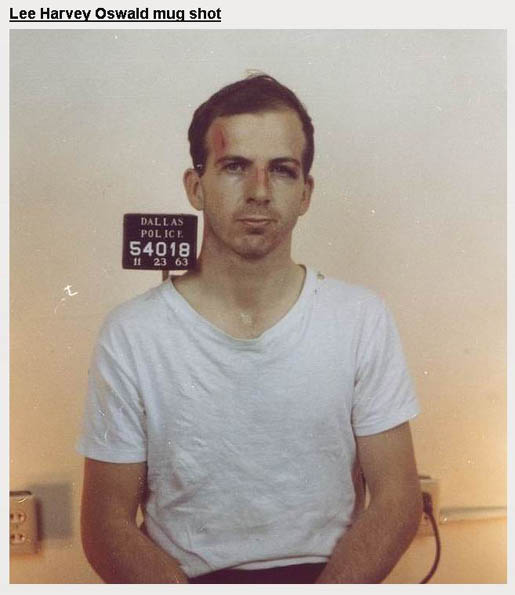
Lee Harvey Oswald, an employee at the Texas School Book Depository located in Dealey Plaza, was apprehended for the murder of Dallas police officer J.D. Tippit. Subsequently, Oswald faced accusations of assassinating the president, allegedly firing shots from the book depository’s sixth-floor window using a Mannlicher-Carcano rifle.
Read MoreThe tensions between Kennedy and Castro intensified, notably highlighted by the failed Bay of Pigs Invasion in April 1961, where CIA-backed Cuban exiles attempted to overthrow Castro’s government. Castro’s agreement to allow the Soviet Union to install nuclear launch pads in Cuba, uncovered during the Cuban Missile Crisis of 1962, further strained relations. His condemnation of US-led intrusions into Cuban territory, coupled with Kennedy’s portrayal of Cuba as a pawn of Russia, only heightened animosity between the two leaders. Less than a week after Kennedy’s address, he was tragically assassinated.
Read More