

Fraudulent online romance, gambling, and cryptocurrency schemes have defrauded people in more than 125 countries, with Americans losing at least $18.2 billion in 2025, according to a new report.

Fraudulent online romance, gambling, and cryptocurrency schemes have defrauded people in more than 125 countries, with Americans losing at least $18.2 billion in 2025, according to a new report.
| Picture of the day |
|---|

|
|
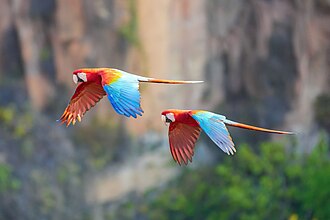
Red-and-green macaw (Ara chloropterus) couple in flight in Mato Grosso, Brazil
|
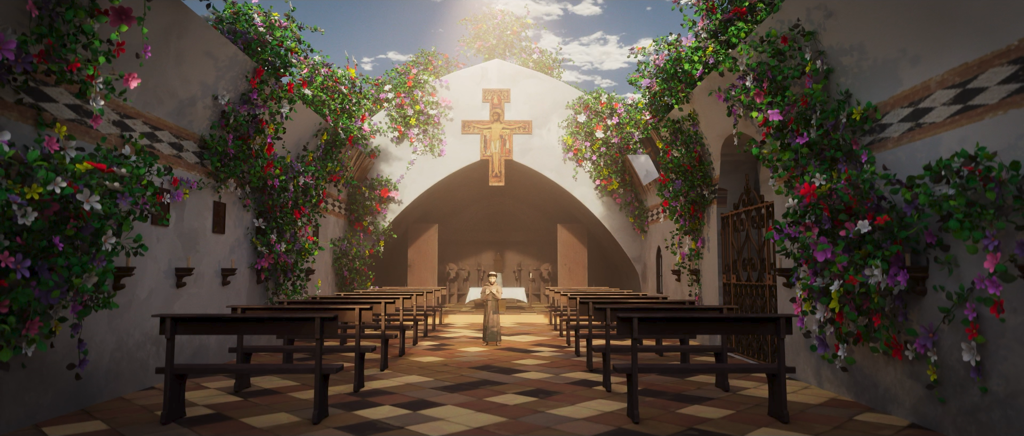
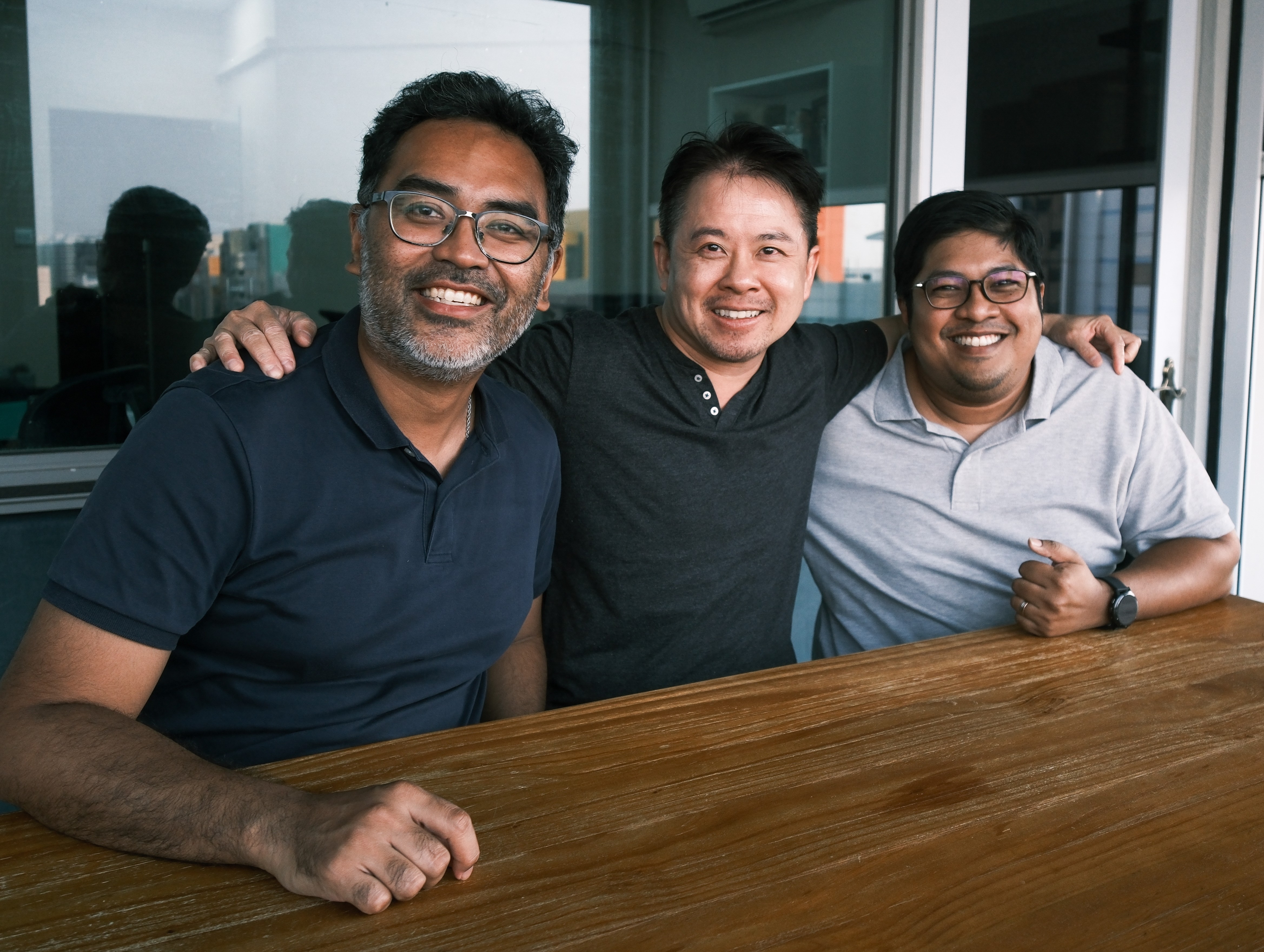
Director Benjamin Tanaka, executive producer Gabriel Patrick, and composer Ethan Hsu call the project “The Francis Chronicles.”
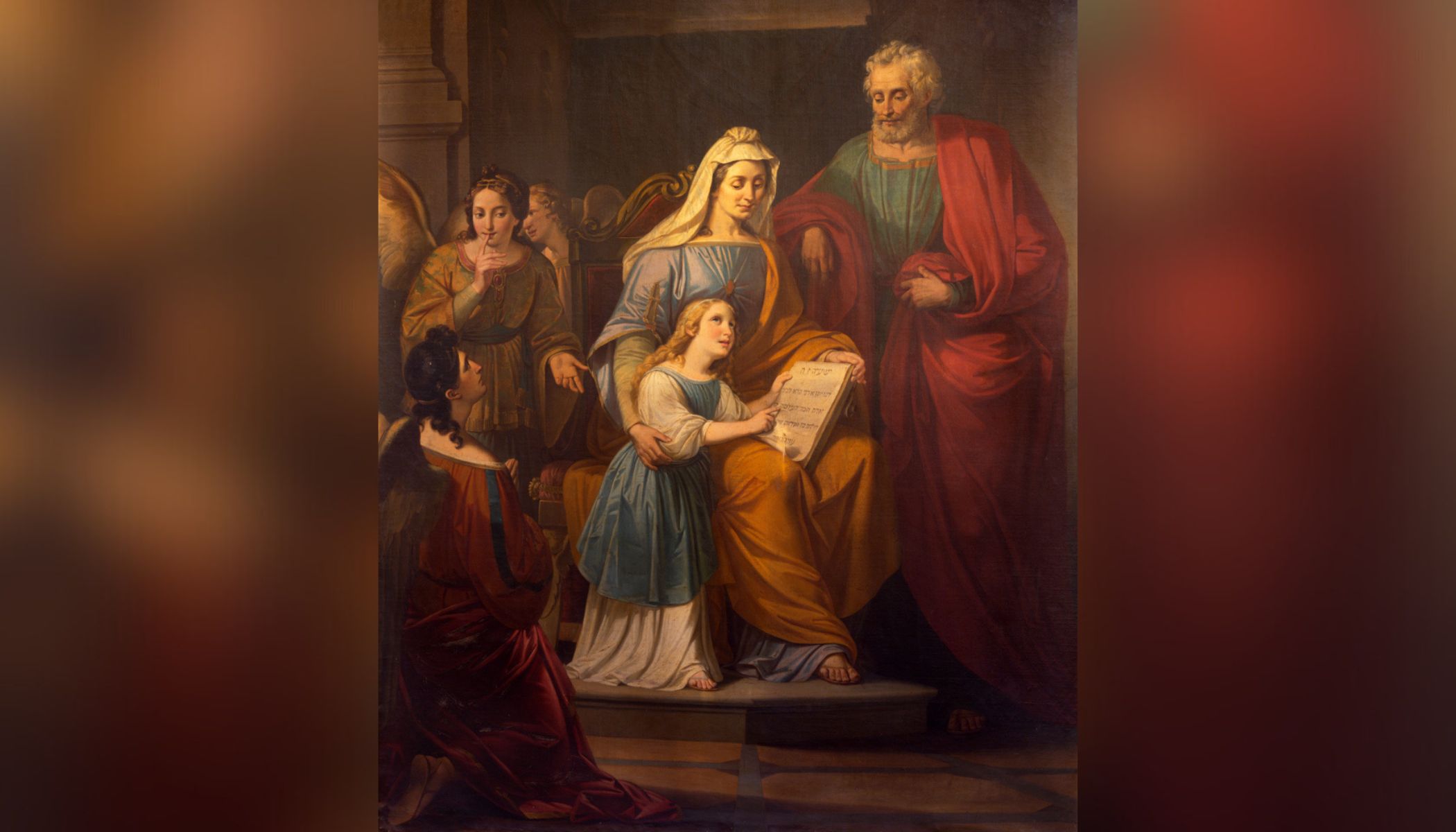
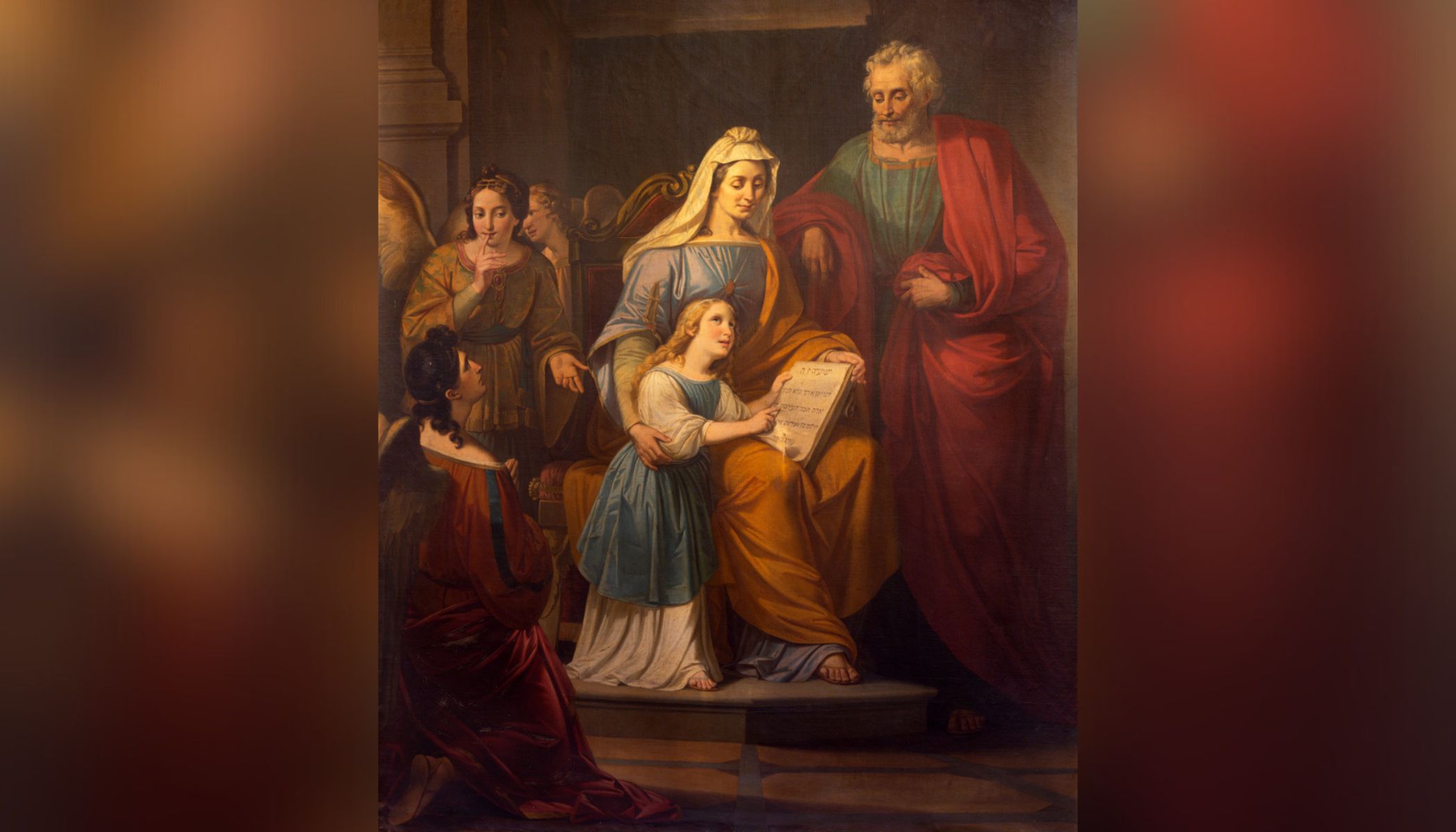
The Catholic Church celebrates the birth of the Blessed Virgin Mary on Sept. 8, nine months after the Dec. 8 celebration of her immaculate conception.
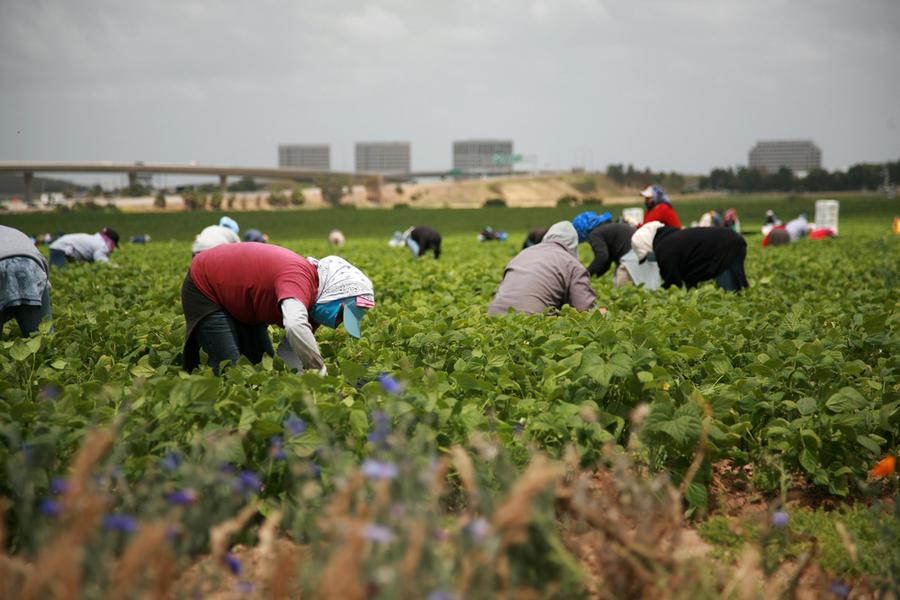
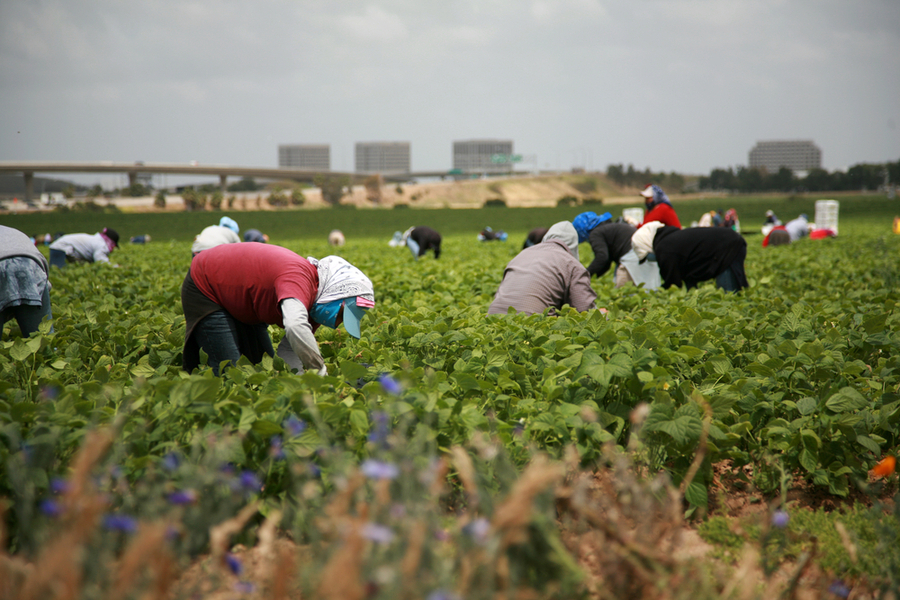
“All work, no matter what the work is, is essential,” said Father Sinclair Oubre, spiritual moderator of the Catholic Labor Network.
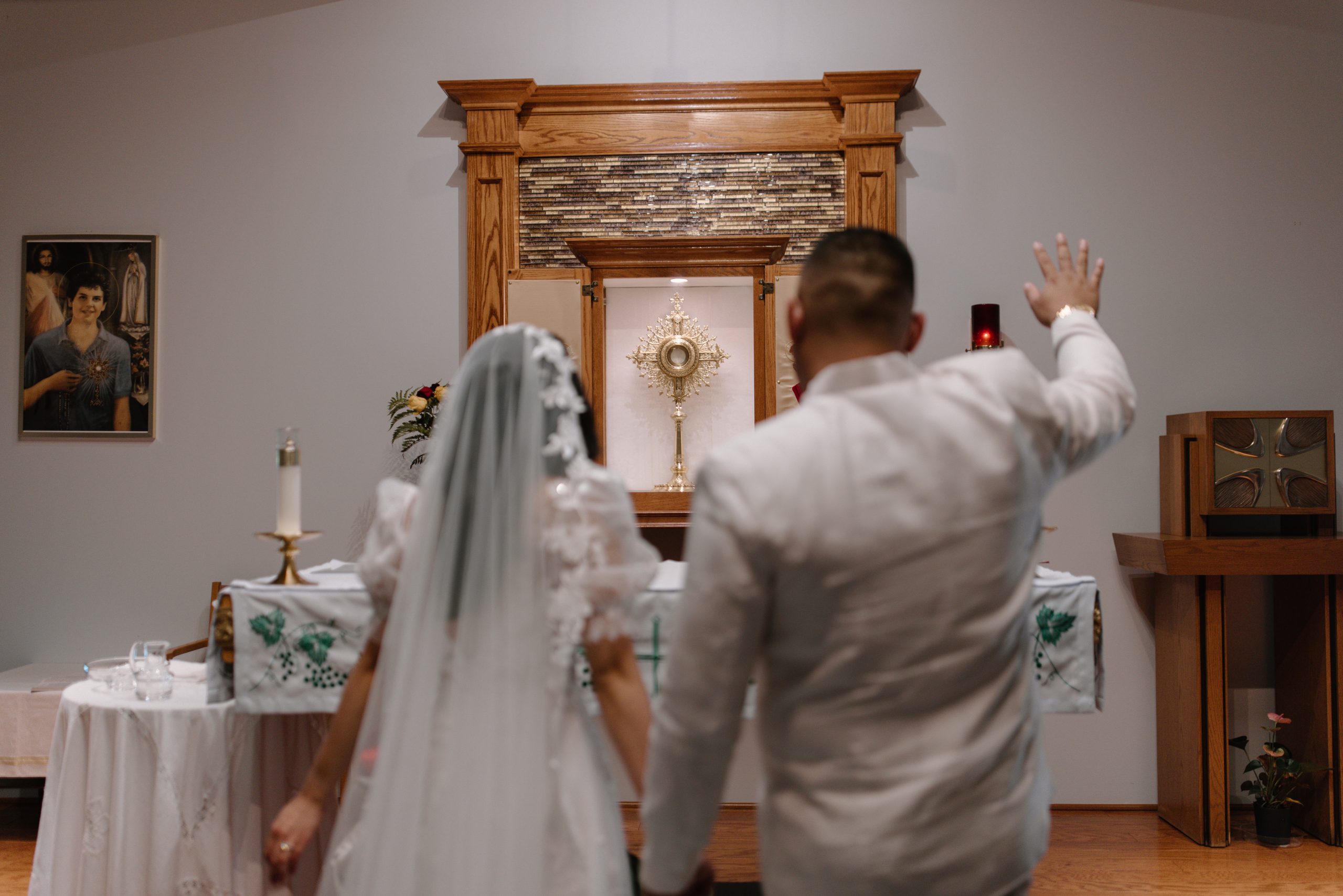
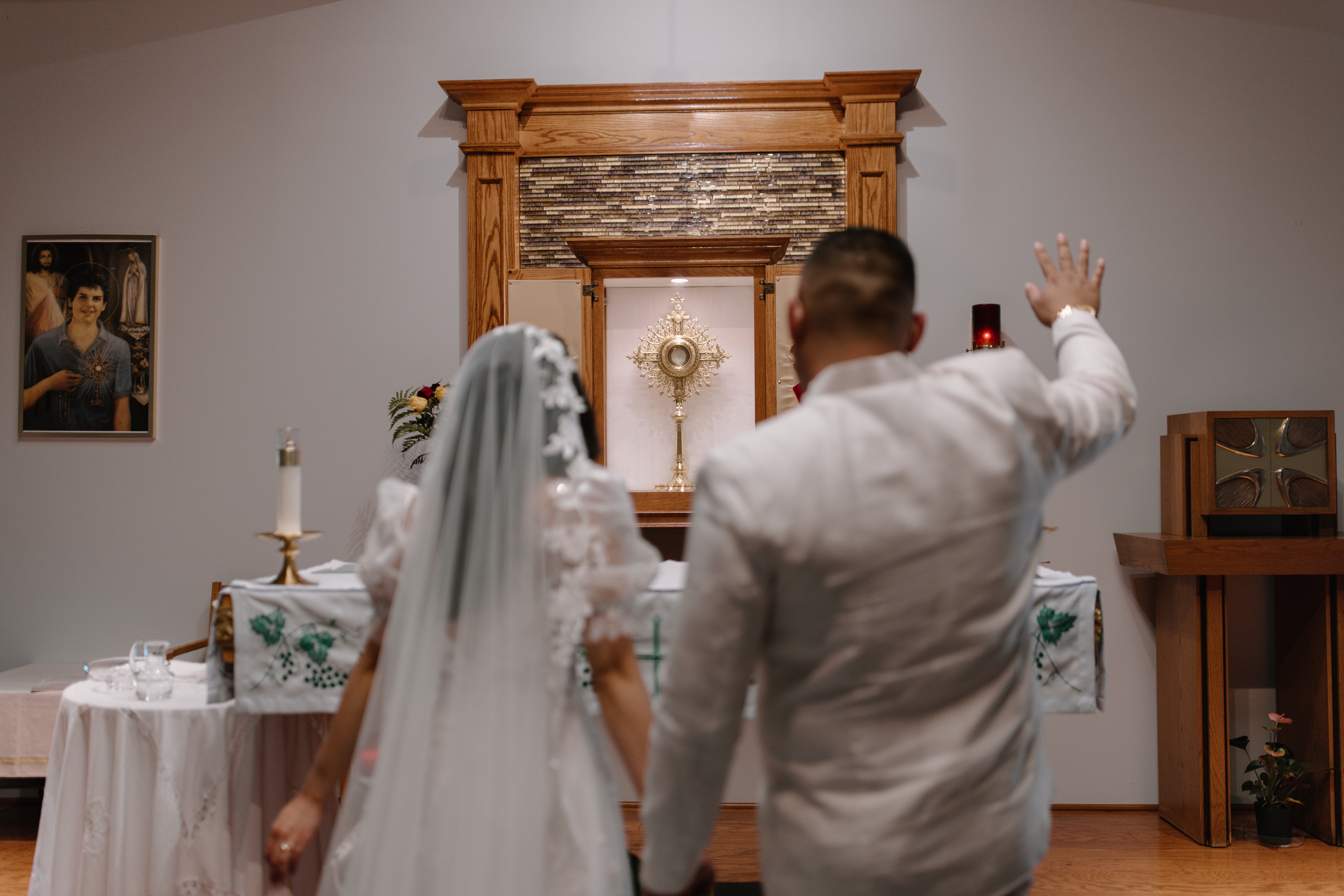
“Catholic and Christian couples don’t just have to register for their home goods,” but can “also register for sacred arts, sacred jewelry, beautiful wall mounts, and icons,” James Reichert said.
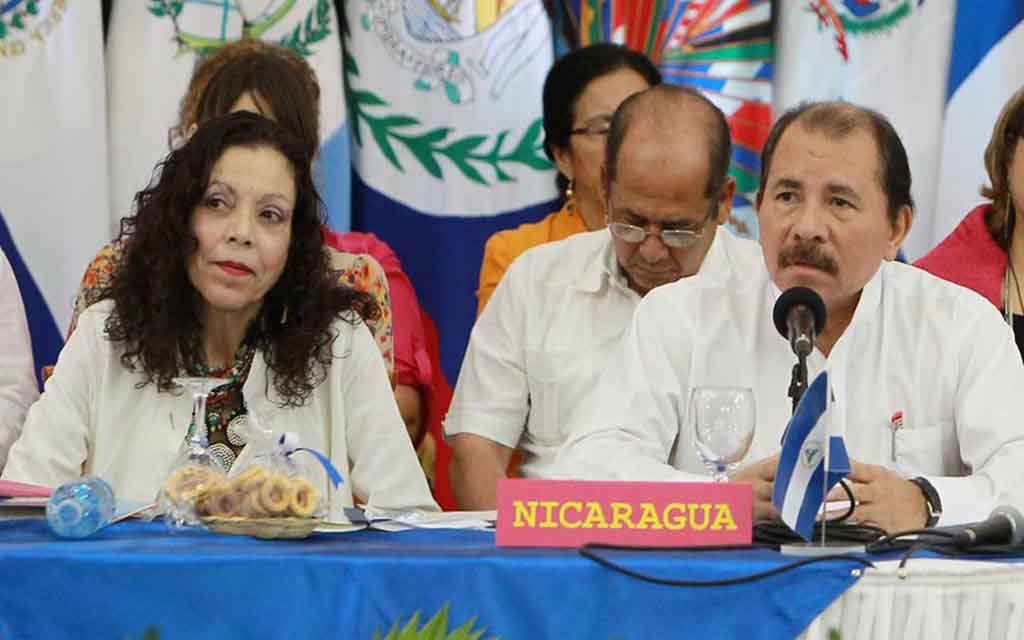
![Human rights group calls Nicaragua’s constitutional reforms a ‘usurpation of power’ #Catholic Nicaragua’s National Assembly, controlled by the dictatorship of President Daniel Ortega and his wife and co-president, Rosario Murillo, “unanimously” approved a constitutional reform barring “traitors to the homeland” (the term the regime uses for its political opposition) from participating in elections. The measure has sparked widespread domestic and international condemnation.The reform was “unanimously approved in general terms,” Assembly President Gustavo Porras stated on Sept. 1 during a special session held in the city of León, according to the Nicaraguan newspaper La Prensa.The reform amends the constitution, which extends the presidential term, as well as those of other high-ranking officials, from six to seven years, with the possibility of renewal.Ortega has governed Nicaragua for about 30 years: since 2007, and previously, from 1979 to 1990. On July 19, he stated that there would be no further elections in Nicaragua, and on July 31, he proposed the reform — set to take effect in 2027 — that excludes “coup plotters” and “terrorists,”, terms he uses to refer to the political opposition, from participating in elections.Reforms are a ‘formalization of the usurpation of power’Ruta del Cambio (Pathway for Change), an organization which defends human rights and the rule of law, declared in a Sept. 2 statement that it “categorically rejects and and gives no legal recognition to the partial reform to the Political Constitution [of the Republic of Nicaragua] approved during the first legislative session on Sept. 1, 2026, by a National Assembly stripped of all independence and reduced to a mere rubber stamp for the will of Daniel Ortega and Rosario Murillo.”Ruta del Cambio counts among its leaders Félix Maradiaga, a former presidential candidate and former political prisoner now living in exile.“What has been approved is not a constitutional reform. It is the formalization of the usurpation of power through a text drafted in secret, approved without opposition, and voted for with unanimous obedience by those who owe their positions, privileges, and impunity to the couple that has hijacked the state,” Ruta del Cambio charged.“Daniel Ortega and Rosario Murillo have turned the constitution into a family’s title deed. They have transformed the state into personal property, the law into an instrument of vengeance, and the republic’s [law enforcement apparatus] into tools of terror against the very people they swore to serve,” the organization emphasized.Ruta del Cambio called for “rejecting the legal validity of this reform and of any act, mandate, extension, or appointment derived from it, and formally declaring it without force under international law.”Elections ‘without legitimacy’“What we are seeing in Nicaragua right now is a reform attempting to hold elections without competition, without legitimacy, and without any possibility of change. In other words, Ortega controls the judges and the playing field, and seeks to firmly establish his authoritarian model without any competition,” stated Arturo Mcfields Yescas, Nicaragua’s former ambassador to the Organization of American States (OAS), in a Sept. 3 interview with EWTN Noticias, the Spanish-language edition of EWTN News.“This further undermines not only civil and political freedoms but also another fundamental freedom: religious freedom,” he pointed out.McFields explained that when the regime speaks of “traitors to the homeland,” it is referring to those who dissent from its rule. “People who questioned Ortega’s authority immediately became traitors to the homeland,” as did those who “simply thought differently” or called for “international mediation.”“This means,” he charged, “that anyone who does not applaud Ortega becomes a traitor to the homeland.”U.S. reactionOn Wednesday, U.S. Secretary of State Marco Rubio stated on X that “the Murillo-Ortega’s National Assembly gutted what remained of Nicaragua’s democracy in the second constitutional rewrite in two years. The U.S. will implement measures at the next @OAS_official [meeting of foreign ministers] to ensure that our hemisphere stops business as usual with this dictatorship.”Regarding the United States’ call for countries to sever diplomatic and commercial ties with Nicaragua, McFields called it “an extraordinary start.” “For the first time, Ortega is facing pressure of this nature. For the first time, the OAS has approved a resolution on Nicaragua almost unanimously,” by convening a meeting of foreign ministers to address the situation, McFields said.Likewise, neighboring Costa Rica expressed its “deep concern regarding the ongoing deterioration of democracy in Nicaragua, exacerbated by the recent constitutional reform that further limits political and electoral participation,” and stated that it “will support a firm and coordinated response” with the OAS.The government of Peru, led by President Keiko Fujimori, also rejected the approval of the constitutional reform. In a Sept. 2 statement, it declared that it “will stand with the Nicaraguan people, their political prisoners, their exiles, and all those who are currently persecuted for dreaming of free elections.”Persecution of the Catholic Church in NicaraguaMcFields questioned the stance of countries like Brazil and Mexico, which did not support the resolution against Nicaragua, stating that “it’s surprising, painful, and something that ought to change. There should be empathy for the suffering of the Nicaraguan people, for persecuted politicians, for priests who have been imprisoned, exiled, or banished, and for the churches that have, at times, been burned down. It is truly grotesque, yet ideology seems to be prevailing over democracy.”Since 2018, the Ortega-Murillo dictatorship has waged a fierce campaign of persecution against the Catholic Church in Nicaragua. Its latest known victim is the bishop emeritus of Estelí, Abelardo Mata (80), who suffers from diabetes, a heart condition, and vision problems. His condition remains uncertain, despite the regime’s claim that he is at home. In mid-August, the regime released a video of an interview with the prelate, who recently celebrated his 50th anniversary as a priest, without specifying when the footage was recorded.This story was first published by ACI Prensa, the Spanish-language sister service of EWTN News. It has been translated and adapted by EWTN News English.](https://unitedyam.com/wp-content/uploads/2026/09/human-rights-group-calls-nicaraguas-constitutional-reforms-a-usurpation-of-power-catholic-nicaraguas-national-assembly-controlled-by-the-dictatorship-of-president.jpg "Human rights group calls Nicaragua’s constitutional reforms a ‘usurpation of power’ #Catholic Nicaragua’s National Assembly, controlled by the dictatorship of President Daniel Ortega and his wife and co-president, Rosario Murillo, “unanimously” approved a constitutional reform barring “traitors to the homeland” (the term the regime uses for its political opposition) from participating in elections. The measure has sparked widespread domestic and international condemnation.The reform was “unanimously approved in general terms,” Assembly President Gustavo Porras stated on Sept. 1 during a special session held in the city of León, according to the Nicaraguan newspaper La Prensa.The reform amends the constitution, which extends the presidential term, as well as those of other high-ranking officials, from six to seven years, with the possibility of renewal.Ortega has governed Nicaragua for about 30 years: since 2007, and previously, from 1979 to 1990. On July 19, he stated that there would be no further elections in Nicaragua, and on July 31, he proposed the reform — set to take effect in 2027 — that excludes “coup plotters” and “terrorists,”, terms he uses to refer to the political opposition, from participating in elections.Reforms are a ‘formalization of the usurpation of power’Ruta del Cambio (Pathway for Change), an organization which defends human rights and the rule of law, declared in a Sept. 2 statement that it “categorically rejects and and gives no legal recognition to the partial reform to the Political Constitution [of the Republic of Nicaragua] approved during the first legislative session on Sept. 1, 2026, by a National Assembly stripped of all independence and reduced to a mere rubber stamp for the will of Daniel Ortega and Rosario Murillo.”Ruta del Cambio counts among its leaders Félix Maradiaga, a former presidential candidate and former political prisoner now living in exile.“What has been approved is not a constitutional reform. It is the formalization of the usurpation of power through a text drafted in secret, approved without opposition, and voted for with unanimous obedience by those who owe their positions, privileges, and impunity to the couple that has hijacked the state,” Ruta del Cambio charged.“Daniel Ortega and Rosario Murillo have turned the constitution into a family’s title deed. They have transformed the state into personal property, the law into an instrument of vengeance, and the republic’s [law enforcement apparatus] into tools of terror against the very people they swore to serve,” the organization emphasized.Ruta del Cambio called for “rejecting the legal validity of this reform and of any act, mandate, extension, or appointment derived from it, and formally declaring it without force under international law.”Elections ‘without legitimacy’“What we are seeing in Nicaragua right now is a reform attempting to hold elections without competition, without legitimacy, and without any possibility of change. In other words, Ortega controls the judges and the playing field, and seeks to firmly establish his authoritarian model without any competition,” stated Arturo Mcfields Yescas, Nicaragua’s former ambassador to the Organization of American States (OAS), in a Sept. 3 interview with EWTN Noticias, the Spanish-language edition of EWTN News.“This further undermines not only civil and political freedoms but also another fundamental freedom: religious freedom,” he pointed out.McFields explained that when the regime speaks of “traitors to the homeland,” it is referring to those who dissent from its rule. “People who questioned Ortega’s authority immediately became traitors to the homeland,” as did those who “simply thought differently” or called for “international mediation.”“This means,” he charged, “that anyone who does not applaud Ortega becomes a traitor to the homeland.”U.S. reactionOn Wednesday, U.S. Secretary of State Marco Rubio stated on X that “the Murillo-Ortega’s National Assembly gutted what remained of Nicaragua’s democracy in the second constitutional rewrite in two years. The U.S. will implement measures at the next @OAS_official [meeting of foreign ministers] to ensure that our hemisphere stops business as usual with this dictatorship.”Regarding the United States’ call for countries to sever diplomatic and commercial ties with Nicaragua, McFields called it “an extraordinary start.” “For the first time, Ortega is facing pressure of this nature. For the first time, the OAS has approved a resolution on Nicaragua almost unanimously,” by convening a meeting of foreign ministers to address the situation, McFields said.Likewise, neighboring Costa Rica expressed its “deep concern regarding the ongoing deterioration of democracy in Nicaragua, exacerbated by the recent constitutional reform that further limits political and electoral participation,” and stated that it “will support a firm and coordinated response” with the OAS.The government of Peru, led by President Keiko Fujimori, also rejected the approval of the constitutional reform. In a Sept. 2 statement, it declared that it “will stand with the Nicaraguan people, their political prisoners, their exiles, and all those who are currently persecuted for dreaming of free elections.”Persecution of the Catholic Church in NicaraguaMcFields questioned the stance of countries like Brazil and Mexico, which did not support the resolution against Nicaragua, stating that “it’s surprising, painful, and something that ought to change. There should be empathy for the suffering of the Nicaraguan people, for persecuted politicians, for priests who have been imprisoned, exiled, or banished, and for the churches that have, at times, been burned down. It is truly grotesque, yet ideology seems to be prevailing over democracy.”Since 2018, the Ortega-Murillo dictatorship has waged a fierce campaign of persecution against the Catholic Church in Nicaragua. Its latest known victim is the bishop emeritus of Estelí, Abelardo Mata (80), who suffers from diabetes, a heart condition, and vision problems. His condition remains uncertain, despite the regime’s claim that he is at home. In mid-August, the regime released a video of an interview with the prelate, who recently celebrated his 50th anniversary as a priest, without specifying when the footage was recorded.This story was first published by ACI Prensa, the Spanish-language sister service of EWTN News. It has been translated and adapted by EWTN News English.")
The Ortega-Murilla regime has approved reforms that bar the opposition from participating in elections, drawing strong opposition from exiled leaders, the United States, Costa Rica and Peru.
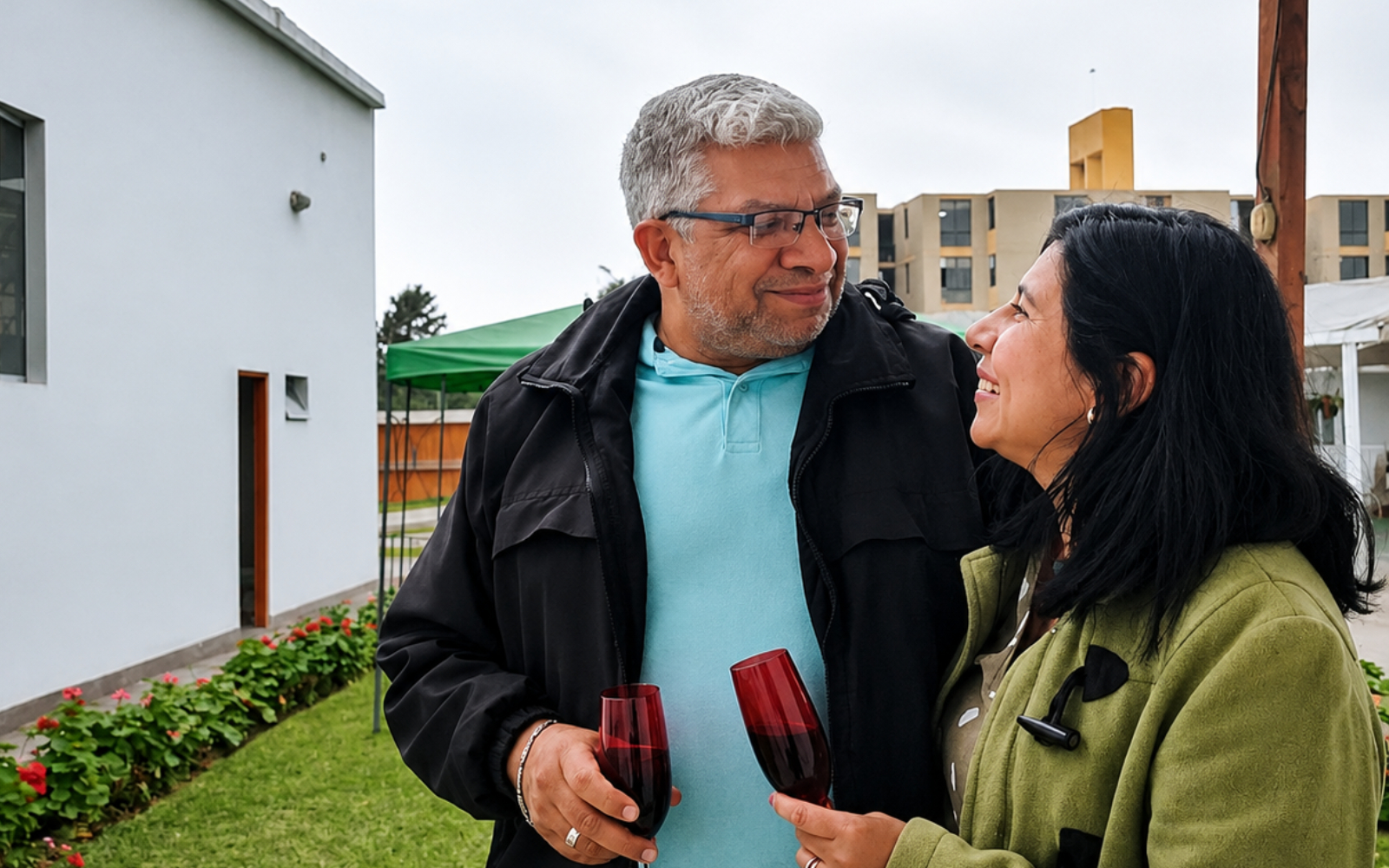
![Hope for broken marriages: One couple’s story #Catholic On April 7, 2009, Mariela Villanueva landed in Venezuela convinced that she was going to end her marriage. Five years had passed since her husband, Harold Figueras, had left his family in Peru and rebuilt his life in another country. She carried with her the pain of a long separation and the resolve to sign the divorce papers. He had with him a written list of all the grievances he intended to unleash the moment he saw her.Nothing happened the way either of them had imagined.They arranged to meet on a Wednesday at 3 p.m., the Hour of Mercy, at the very spot where they had courted years before. When Mariela appeared, Harold frantically searched for the sheet of paper containing his complaints. It had vanished.“I was expecting a war. She opened her arms to embrace me, and I realized that I was the only one who wanted to fight,” Harold recalled in an interview with ACI Prensa, the Spanish-language sister service of EWTN News. Mariela said she made that gesture because she had already begun a process of conversion and was holding onto one last hope.That embrace did not immediately restore the marriage, however. It would still be nearly a month before he ended the other relationship he was in and decided to return to his family. But on that day, they both attest, Jesus won the first great battle.
Harold and Mariela in front of Lima Cathedral. | Credit: Photo courtesy of Harold Figueras and Mariela Villanueva
A marriage marked by woundednessHarold and Mariela met in 1998 at the Venezuelan College of Engineers. He worked in systems; she was a young lawyer running a legal consultation firm with dozens of professionals under her supervision.While Mariela had grown up in a Catholic family and frequently prayed the rosary, Harold was completely indifferent to the faith.“I used to make fun of priests. For me, getting married in the Church was simply a matter of fulfilling a social formality,” he admitted.They were married in a civil ceremony and on Sept. 2, 2000, received the sacrament at marriage at St. Francis of Assisi Parish in Barranco, Peru. However, they acknowledged that they came to the altar without truly understanding the meaning of the vocation of marriage.“We began our life together without God at the center. That was the first major mistake,” Harold explained.Over the years, deep-seated wounds began to surface: abandonment, loneliness, pride, an inability to communicate, and unrealistic expectations about love. Venezuela’s economic crisis further aggravated the situation. Harold traveled constantly between the two countries until, one day, he simply stopped coming back.Mariela was left alone in Lima with her young daughter.
Recent photo of Harold and Mariela with their three daughters in Lima, Peru. | Credit: Photo courtesy of Harold Figueras and Mariela Villanueva
‘Mom, teach me to pray’Paradoxically, the restoration did not begin when Harold changed. It began when Mariela got down on her knees.Estranged from the Church and filled with resentment, the young mother had abandoned the practice of her faith after being hurt by a bad experience at a parish. Everything changed thanks to an unexpected request from her 7-year-old daughter: “Mom, grandma says you know how to pray. Teach me the rosary.”Mariela agreed, more out of a sense of obligation than anything else. Shortly after that, her daughter insisted on making her first Communion and said something that pierced her mother’s heart: “You know what it’s like to have Jesus in your heart… so why don’t you [go to Communion]?”Those words led Mariela back to the confessional.From then on, she began a routine that would change her life: daily Mass before work, Eucharistic adoration at midday, and the rosary every night with her daughter.“I was looking for God to change my husband. The Lord ended up changing me,” she related.
Harold and Mariela with members of the Peruvian Catholic movement “Jesus and Mary Are Restoring My Family.” | Credit: Photo courtesy of Harold Figueras and Mariela Villanueva
‘Look at me’During Eucharistic adoration, an experience occurred that would, years later, give its name to the retreat the couple now leads as part of the Peruvian Catholic movement “Jesus and Mary Are Restoring My Family.”Mariela was praying, seeing herself as the victim in her story: “Lord, look at me. Look at how good I am. Look at what he did to me.”Then, she raised her eyes toward the monstrance.“I no longer saw the monstrance. I saw Jesus, wounded and bloodied. And he said to me only: ‘Look at me.’”In that moment, she experienced a personal encounter with Jesus. She began to recall her own sins from childhood and realized that, for years, she had been unable to recognize her own wounds.“I realized that God wasn’t going to ask me about Harold’s sins. He was going to ask me how much I loved my husband within the sacrament.”Her prayer changed completely, and she no longer asked for Harold to return. She only prayed: “Lord, bring him back to you.”
Mariela Villanueva. | Credit: Photo courtesy of Mariela Villanueva
The hell of the occultWhile Mariela was deepening her prayer life, Harold was heading down a completely opposite path.Seeking better financial prospects, he began consulting tarot cards. Next came syncretist Santería practices, and finally Palería, a witchcraft practice involving human remains and animal sacrifices.“I entered a dark room containing skeletal remains. I felt an indescribable fear, yet I kept looking for answers where they weren’t to be found,” Harold recalled.Amid that emptiness, he began to notice something strange. Mariela kept calling him, but no longer to get him back. One afternoon, in a mocking tone, he asked her: “What’s wrong? Don’t you need me anymore?”Her answer baffled him.“No. Whatʼs going on is that I have someone here who loves me.”Harold thought she had another romantic partner, but today he knows his wife was speaking of Christ himself.
Harold Figueras. | Credit: Photo courtesy of Harold Figueras
Welcomed back with loveAfter that encounter with his wife in Venezuela, Harold eventually returned to Peru.He admitted he was terrified of facing Mariela’s family and above all, their daughter. He imagined reproaches, humiliation, and rejection. Yet, he found exactly the opposite.“They all hugged me as if I had just stepped out to buy bread,” he recounted.A few days later, he accompanied Mariela to the Oblate Fathers’ church in the Barranco neighborhood of Lima. He had no thought of even going inside. He was standing near the doorway when, as he tells it, he felt an inner impulse that led him straight to the confessional.“I told the priest: ‘Father, I’ve been separated from my wife for five years, and I don’t know why I’ve come back.’”The priest invited him to attend a spiritual retreat. It was there that Harold experienced his own conversion.Before the Blessed Sacrament, after resisting for hours, Harold looked up: “I no longer saw the monstrance. I saw two honey-colored eyes that pierced my heart. I began to weep as I never had in my life.”From that moment on, he abandoned the occult and began a journey of faith that continues to this day.An ongoing miracleMore than 15 years have passed since that reconciliation.Harold and Mariela maintain that the true miracle was not simply living together again but discovering that marriage is a daily path to holiness.“Restoring the marriage takes your whole life. It doesn’t stop when the husband returns. It begins there,” Mariela said.
Harold and Mariela today. | Credit: Photo courtesy of Harold Figueras and Mariela Villanueva
That experience gave rise to the “Jesus and Mary Are Restoring My Family” movement, an initiative that supports spouses who are separated or on the verge of divorce. The path they propose begins with oneʼs own conversion rather than an attempt to change oneʼs spouse.Those who come to the mission begin with what’s called “Mary’s Workshop,” a preparation for consecration to the Immaculate Heart of Mary that focuses on the sacrament of marriage. There, the aim is for each person to acknowledge his or her own wounds and receive the tools to discern how to handle their issues as a family.However, Harold and Mariela noted that not all journeys end the same way. Some married couples manage to reunite, while others go their separate ways, including through the process of a declaration of nullity. What remains, they maintain, is the call to conversion and to seek God’s will.“The Lord wants us to be holy,” Mariela explained. She said that even when a person goes through a process different from what she or he hoped for, suffering can become an opportunity to draw closer to Christ and offer that pain for the holiness of the Church.Today, when they look back, the couple no longer see themselves as the same people who had separated. Mariela describes Harold as a man more committed to knowing Godʼs love and capable of giving of himself to his family.For his part, he acknowledged that the woman he reunited with after five years was no longer the same one he had left behind.
The Figueras Villanueva family today. | Credit: Photo courtesy of Harold Figueras and Mariela Villanueva
For this reason, their testimony does not aim to offer a formula for restoring a lost marriage. It is, above all, the story of two people who discovered that, before asking God to change the other person, they had to allow themselves to be transformed by him.“Many people come saying, ‘I want my husband to come back.’ We tell them: First, let Jesus return to the center of your heart,” Harold explained.Their message to couples in crisis stems from that experience: Don’t hide your wounds, don’t let shame defeat you, and don’t confuse restoration with a simple return to the life you had before.For as they discovered that Wednesday afternoon in 2009, some marital battles are not won by defeating the other person but by allowing oneself to be conquered by God’s merciful love.This story was first published by ACI Prensa, the Spanish-language sister service of EWTN News. It has been translated and adapted by EWTN News English.](https://unitedyam.com/wp-content/uploads/2026/08/hope-for-broken-marriages-one-couples-story-catholic-on-april-7-2009-mariela-villanueva-landed-in-venezuela-convinced-that-she-was-going-to-end-her-marriage-five-years-had-passed-since-h.jpg "Hope for broken marriages: One couple’s story #Catholic On April 7, 2009, Mariela Villanueva landed in Venezuela convinced that she was going to end her marriage. Five years had passed since her husband, Harold Figueras, had left his family in Peru and rebuilt his life in another country. She carried with her the pain of a long separation and the resolve to sign the divorce papers. He had with him a written list of all the grievances he intended to unleash the moment he saw her.Nothing happened the way either of them had imagined.They arranged to meet on a Wednesday at 3 p.m., the Hour of Mercy, at the very spot where they had courted years before. When Mariela appeared, Harold frantically searched for the sheet of paper containing his complaints. It had vanished.“I was expecting a war. She opened her arms to embrace me, and I realized that I was the only one who wanted to fight,” Harold recalled in an interview with ACI Prensa, the Spanish-language sister service of EWTN News. Mariela said she made that gesture because she had already begun a process of conversion and was holding onto one last hope.That embrace did not immediately restore the marriage, however. It would still be nearly a month before he ended the other relationship he was in and decided to return to his family. But on that day, they both attest, Jesus won the first great battle.
Harold and Mariela in front of Lima Cathedral. | Credit: Photo courtesy of Harold Figueras and Mariela Villanueva
A marriage marked by woundednessHarold and Mariela met in 1998 at the Venezuelan College of Engineers. He worked in systems; she was a young lawyer running a legal consultation firm with dozens of professionals under her supervision.While Mariela had grown up in a Catholic family and frequently prayed the rosary, Harold was completely indifferent to the faith.“I used to make fun of priests. For me, getting married in the Church was simply a matter of fulfilling a social formality,” he admitted.They were married in a civil ceremony and on Sept. 2, 2000, received the sacrament at marriage at St. Francis of Assisi Parish in Barranco, Peru. However, they acknowledged that they came to the altar without truly understanding the meaning of the vocation of marriage.“We began our life together without God at the center. That was the first major mistake,” Harold explained.Over the years, deep-seated wounds began to surface: abandonment, loneliness, pride, an inability to communicate, and unrealistic expectations about love. Venezuela’s economic crisis further aggravated the situation. Harold traveled constantly between the two countries until, one day, he simply stopped coming back.Mariela was left alone in Lima with her young daughter.
Recent photo of Harold and Mariela with their three daughters in Lima, Peru. | Credit: Photo courtesy of Harold Figueras and Mariela Villanueva
‘Mom, teach me to pray’Paradoxically, the restoration did not begin when Harold changed. It began when Mariela got down on her knees.Estranged from the Church and filled with resentment, the young mother had abandoned the practice of her faith after being hurt by a bad experience at a parish. Everything changed thanks to an unexpected request from her 7-year-old daughter: “Mom, grandma says you know how to pray. Teach me the rosary.”Mariela agreed, more out of a sense of obligation than anything else. Shortly after that, her daughter insisted on making her first Communion and said something that pierced her mother’s heart: “You know what it’s like to have Jesus in your heart… so why don’t you [go to Communion]?”Those words led Mariela back to the confessional.From then on, she began a routine that would change her life: daily Mass before work, Eucharistic adoration at midday, and the rosary every night with her daughter.“I was looking for God to change my husband. The Lord ended up changing me,” she related.
Harold and Mariela with members of the Peruvian Catholic movement “Jesus and Mary Are Restoring My Family.” | Credit: Photo courtesy of Harold Figueras and Mariela Villanueva
‘Look at me’During Eucharistic adoration, an experience occurred that would, years later, give its name to the retreat the couple now leads as part of the Peruvian Catholic movement “Jesus and Mary Are Restoring My Family.”Mariela was praying, seeing herself as the victim in her story: “Lord, look at me. Look at how good I am. Look at what he did to me.”Then, she raised her eyes toward the monstrance.“I no longer saw the monstrance. I saw Jesus, wounded and bloodied. And he said to me only: ‘Look at me.’”In that moment, she experienced a personal encounter with Jesus. She began to recall her own sins from childhood and realized that, for years, she had been unable to recognize her own wounds.“I realized that God wasn’t going to ask me about Harold’s sins. He was going to ask me how much I loved my husband within the sacrament.”Her prayer changed completely, and she no longer asked for Harold to return. She only prayed: “Lord, bring him back to you.”
Mariela Villanueva. | Credit: Photo courtesy of Mariela Villanueva
The hell of the occultWhile Mariela was deepening her prayer life, Harold was heading down a completely opposite path.Seeking better financial prospects, he began consulting tarot cards. Next came syncretist Santería practices, and finally Palería, a witchcraft practice involving human remains and animal sacrifices.“I entered a dark room containing skeletal remains. I felt an indescribable fear, yet I kept looking for answers where they weren’t to be found,” Harold recalled.Amid that emptiness, he began to notice something strange. Mariela kept calling him, but no longer to get him back. One afternoon, in a mocking tone, he asked her: “What’s wrong? Don’t you need me anymore?”Her answer baffled him.“No. Whatʼs going on is that I have someone here who loves me.”Harold thought she had another romantic partner, but today he knows his wife was speaking of Christ himself.
Harold Figueras. | Credit: Photo courtesy of Harold Figueras
Welcomed back with loveAfter that encounter with his wife in Venezuela, Harold eventually returned to Peru.He admitted he was terrified of facing Mariela’s family and above all, their daughter. He imagined reproaches, humiliation, and rejection. Yet, he found exactly the opposite.“They all hugged me as if I had just stepped out to buy bread,” he recounted.A few days later, he accompanied Mariela to the Oblate Fathers’ church in the Barranco neighborhood of Lima. He had no thought of even going inside. He was standing near the doorway when, as he tells it, he felt an inner impulse that led him straight to the confessional.“I told the priest: ‘Father, I’ve been separated from my wife for five years, and I don’t know why I’ve come back.’”The priest invited him to attend a spiritual retreat. It was there that Harold experienced his own conversion.Before the Blessed Sacrament, after resisting for hours, Harold looked up: “I no longer saw the monstrance. I saw two honey-colored eyes that pierced my heart. I began to weep as I never had in my life.”From that moment on, he abandoned the occult and began a journey of faith that continues to this day.An ongoing miracleMore than 15 years have passed since that reconciliation.Harold and Mariela maintain that the true miracle was not simply living together again but discovering that marriage is a daily path to holiness.“Restoring the marriage takes your whole life. It doesn’t stop when the husband returns. It begins there,” Mariela said.
Harold and Mariela today. | Credit: Photo courtesy of Harold Figueras and Mariela Villanueva
That experience gave rise to the “Jesus and Mary Are Restoring My Family” movement, an initiative that supports spouses who are separated or on the verge of divorce. The path they propose begins with oneʼs own conversion rather than an attempt to change oneʼs spouse.Those who come to the mission begin with what’s called “Mary’s Workshop,” a preparation for consecration to the Immaculate Heart of Mary that focuses on the sacrament of marriage. There, the aim is for each person to acknowledge his or her own wounds and receive the tools to discern how to handle their issues as a family.However, Harold and Mariela noted that not all journeys end the same way. Some married couples manage to reunite, while others go their separate ways, including through the process of a declaration of nullity. What remains, they maintain, is the call to conversion and to seek God’s will.“The Lord wants us to be holy,” Mariela explained. She said that even when a person goes through a process different from what she or he hoped for, suffering can become an opportunity to draw closer to Christ and offer that pain for the holiness of the Church.Today, when they look back, the couple no longer see themselves as the same people who had separated. Mariela describes Harold as a man more committed to knowing Godʼs love and capable of giving of himself to his family.For his part, he acknowledged that the woman he reunited with after five years was no longer the same one he had left behind.
The Figueras Villanueva family today. | Credit: Photo courtesy of Harold Figueras and Mariela Villanueva
For this reason, their testimony does not aim to offer a formula for restoring a lost marriage. It is, above all, the story of two people who discovered that, before asking God to change the other person, they had to allow themselves to be transformed by him.“Many people come saying, ‘I want my husband to come back.’ We tell them: First, let Jesus return to the center of your heart,” Harold explained.Their message to couples in crisis stems from that experience: Don’t hide your wounds, don’t let shame defeat you, and don’t confuse restoration with a simple return to the life you had before.For as they discovered that Wednesday afternoon in 2009, some marital battles are not won by defeating the other person but by allowing oneself to be conquered by God’s merciful love.This story was first published by ACI Prensa, the Spanish-language sister service of EWTN News. It has been translated and adapted by EWTN News English.")
Starting out their marriage without God at the center, the couple became estranged and the husband left, but things began to change when their daughter asked her mom, “Teach me to pray.”
| Picture of the day |
|---|

|
|
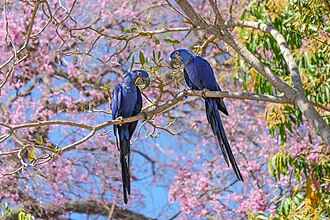
Hyacinth macaw couple with a Pink Ipê tree in the background in Mato Grosso, Brazil
|