Crime

Archdiocese of New Orleans issues public apology to abuse victims #Catholic 
 
 The Saint Louis Cathedral and Jackson Square are seen at sunset near the French Quarter in downtown New Orleans on April 10, 2010. | Credit: Graythen/Getty Images

Jan 5, 2026 / 18:32 pm (CNA).
The Archdiocese of New Orleans released a letter written to child sexual abuse claimants apologizing for the “inexcusable harm” they suffered.“On behalf of the clergy, religious, and laity of the Archdiocese of New Orleans,” Archbishop Gregory Aymond of New Orleans expressed in the Dec. 26, 2025, letter his “profound regret over the tragic and inexcusable harm” child abuse survivors suffered.The letter was made public on Jan. 4 and emphasized that the Archdiocese of New Orleans “takes responsibility for the abuse.” Aymond said the archdiocese “pledges to keep children and all vulnerable people safe in our ministry.”“I sincerely apologize to you for the trauma caused to you and to those close to you as a survivor of sexual abuse perpetrated by a member of the clergy, a religious sister or brother, or a lay employee or volunteer working within the Catholic Church,” Aymond said.“I am ashamed that you or anyone should have been sexually abused by someone working within the Catholic Church. Sexual abuse is an inexcusable evil, and I am ashamed that you or anyone should have been sexually abused by someone working within the Catholic Church.”“Please know that you are not to blame for the abuse perpetrated on you,” Aymond said. “You were and are completely innocent and did nothing to deserve the pain you have suffered because of the hideous crime of sexual abuse of a minor.”‘Recognition’ provisionsThe public release of the letter is a part of an “extensive media outreach” to express the Archdiocese of New Orleans’ “commitment to the nonmonetary provisions laid out in its Chapter 11 settlement plan,” according to the Clarion Herald, the official newspaper of the archdiocese.The letter follows the October 2025 approval for a 0 million bankruptcy settlement to pay out over 650 victims after five years of litigation.The Chapter 11 case filed in 2020 highlights a number of procedures in its nonmonetary provisions “to foster child protection and prevent child sexual abuse.” Within its “recognition” section, the document calls for individual apology letters and a public apology letter.“It is my fervent hope that as we bring these Chapter 11 proceedings to a close, you will achieve some sense of peace, justice, and healing,” Aymond wrote in the letter. “I hold you and all survivors of abuse in prayer daily and encourage all to join me in prayer for you.”The letter will be shared through multiple media outlets over the upcoming days and weeks.

Archdiocese of New Orleans issues public apology to abuse victims #Catholic The Saint Louis Cathedral and Jackson Square are seen at sunset near the French Quarter in downtown New Orleans on April 10, 2010. | Credit: Graythen/Getty Images Jan 5, 2026 / 18:32 pm (CNA). The Archdiocese of New Orleans released a letter written to child sexual abuse claimants apologizing for the “inexcusable harm” they suffered.“On behalf of the clergy, religious, and laity of the Archdiocese of New Orleans,” Archbishop Gregory Aymond of New Orleans expressed in the Dec. 26, 2025, letter his “profound regret over the tragic and inexcusable harm” child abuse survivors suffered.The letter was made public on Jan. 4 and emphasized that the Archdiocese of New Orleans “takes responsibility for the abuse.” Aymond said the archdiocese “pledges to keep children and all vulnerable people safe in our ministry.”“I sincerely apologize to you for the trauma caused to you and to those close to you as a survivor of sexual abuse perpetrated by a member of the clergy, a religious sister or brother, or a lay employee or volunteer working within the Catholic Church,” Aymond said.“I am ashamed that you or anyone should have been sexually abused by someone working within the Catholic Church. Sexual abuse is an inexcusable evil, and I am ashamed that you or anyone should have been sexually abused by someone working within the Catholic Church.”“Please know that you are not to blame for the abuse perpetrated on you,” Aymond said. “You were and are completely innocent and did nothing to deserve the pain you have suffered because of the hideous crime of sexual abuse of a minor.”‘Recognition’ provisionsThe public release of the letter is a part of an “extensive media outreach” to express the Archdiocese of New Orleans’ “commitment to the nonmonetary provisions laid out in its Chapter 11 settlement plan,” according to the Clarion Herald, the official newspaper of the archdiocese.The letter follows the October 2025 approval for a $230 million bankruptcy settlement to pay out over 650 victims after five years of litigation.The Chapter 11 case filed in 2020 highlights a number of procedures in its nonmonetary provisions “to foster child protection and prevent child sexual abuse.” Within its “recognition” section, the document calls for individual apology letters and a public apology letter.“It is my fervent hope that as we bring these Chapter 11 proceedings to a close, you will achieve some sense of peace, justice, and healing,” Aymond wrote in the letter. “I hold you and all survivors of abuse in prayer daily and encourage all to join me in prayer for you.”The letter will be shared through multiple media outlets over the upcoming days and weeks.


The Saint Louis Cathedral and Jackson Square are seen at sunset near the French Quarter in downtown New Orleans on April 10, 2010. | Credit: Graythen/Getty Images

Jan 5, 2026 / 18:32 pm (CNA).

The Archdiocese of New Orleans released a letter written to child sexual abuse claimants apologizing for the “inexcusable harm” they suffered.

“On behalf of the clergy, religious, and laity of the Archdiocese of New Orleans,” Archbishop Gregory Aymond of New Orleans expressed in the Dec. 26, 2025, letter his “profound regret over the tragic and inexcusable harm” child abuse survivors suffered.

The letter was made public on Jan. 4 and emphasized that the Archdiocese of New Orleans “takes responsibility for the abuse.” Aymond said the archdiocese “pledges to keep children and all vulnerable people safe in our ministry.”

“I sincerely apologize to you for the trauma caused to you and to those close to you as a survivor of sexual abuse perpetrated by a member of the clergy, a religious sister or brother, or a lay employee or volunteer working within the Catholic Church,” Aymond said.

“I am ashamed that you or anyone should have been sexually abused by someone working within the Catholic Church. Sexual abuse is an inexcusable evil, and I am ashamed that you or anyone should have been sexually abused by someone working within the Catholic Church.”

“Please know that you are not to blame for the abuse perpetrated on you,” Aymond said. “You were and are completely innocent and did nothing to deserve the pain you have suffered because of the hideous crime of sexual abuse of a minor.”

‘Recognition’ provisions

The public release of the letter is a part of an “extensive media outreach” to express the Archdiocese of New Orleans’ “commitment to the nonmonetary provisions laid out in its Chapter 11 settlement plan,” according to the Clarion Herald, the official newspaper of the archdiocese.

The letter follows the October 2025 approval for a $230 million bankruptcy settlement to pay out over 650 victims after five years of litigation.

The Chapter 11 case filed in 2020 highlights a number of procedures in its nonmonetary provisions “to foster child protection and prevent child sexual abuse.” Within its “recognition” section, the document calls for individual apology letters and a public apology letter.

“It is my fervent hope that as we bring these Chapter 11 proceedings to a close, you will achieve some sense of peace, justice, and healing,” Aymond wrote in the letter. “I hold you and all survivors of abuse in prayer daily and encourage all to join me in prayer for you.”

The letter will be shared through multiple media outlets over the upcoming days and weeks.

Read More
Where does the ‘Feast of the 7 Fishes’ Christmas Eve tradition come from? #Catholic 
 
 A variety of fish dishes served on Christmas Eve. / Credit: Francesca Pollio Fenton/CNA

CNA Staff, Dec 24, 2025 / 04:00 am (CNA).
There are numerous Christmas Eve traditions families around the world take part in, whether it’s watching a certain movie together, baking cookies for Santa, opening one present before going to bed, or eating a specific meal for dinner. The Feast of the Seven Fishes — in Italian “La Vigilia,” which means “The Eve” — is one of these Christmas Eve traditions.So, where does this tradition come from?This feast stems from the southern part of Italy and spans generations. Before 1861, Italy was made up of different regions. Each had its own government, however, and the southern regions were the poorest. This remained true before and after the unification of the country. The new unified government allocated many of its resources to northern Italy, which caused poverty and organized crime in the south. The area, however, though poor, was plentiful in fish since it was so close to the ocean. The Feast of the Seven Fishes tradition is also tied to the Catholic Church’s practice of not eating meat during certain times of the year — for example, on Fridays during Lent and on the eve of some holidays. The number seven is also symbolic in that it is repeated more than 700 times in the Bible, and in Catholicism there are seven sacraments, seven days of creation, and seven deadly sins. Although it is not an actual feast day on the Catholic liturgical calendar, it is definitely a feast in terms of the amount of food on the table!A traditional pasta dish served on Christmas Eve for the Feast of the Seven Fishes. Credit: Francesca Pollio Fenton/CNAPut all these things together and that is how the Feast of the Seven Fishes began in the 1900s. Additionally, many Italians who fled the country due to poverty and immigrated to the United States brought this tradition with them, so the feast continued among many Italian Americans.So what is eaten during this seven-course meal?While there is no specific menu, there are some guidelines that are followed. The first being, of course, having seven different fish dishes. These dishes can include any type of seafood including shellfish. Based on the fish you plan to prepare, you can then determine the different courses that typically include appetizers, a soup, pasta, a side salad, and the main entrees.Many families may also include a palette cleanser, or a small fruit dish, before bringing out the highly-anticipated desserts!Some dishes include “insalata di mare” (“ocean salad”), which typically has shrimp and mussels; “insalata di polipo” (“salad with octopus”); “capestante,” which are clam shells filled with salmon, shrimp, and bechamel sauce; “linguine con frutti di mare,” which is a pasta with several different kinds of fish; and other dishes that include fried fish, eel, crab, and lobster.”Struffoli,” a traditional Neapolitan dessert eaten on Christmas Eve. Credit: Francesca Pollio Fenton/CNAAnd we can’t forget dessert! “Struffoli” are little balls of fried dough covered in honey and sprinkles and are considered a Neapolitan dessert. Others include “mostaccioli” and “roccocò,” which are types of cookies, and “pandoro” and “panettone” are sweet breads.This is just a glimpse into the variety of dishes southern Italian families will spend hours preparing ahead of Christmas Eve dinner. Each family has its own fish dishes and ways of cooking them; however, one thing is for sure: You can expect to be filled to the brim with delicious food before heading off to bed.This story was first published Dec. 23, 2022, and has been updated.

Where does the ‘Feast of the 7 Fishes’ Christmas Eve tradition come from? #Catholic A variety of fish dishes served on Christmas Eve. / Credit: Francesca Pollio Fenton/CNA CNA Staff, Dec 24, 2025 / 04:00 am (CNA). There are numerous Christmas Eve traditions families around the world take part in, whether it’s watching a certain movie together, baking cookies for Santa, opening one present before going to bed, or eating a specific meal for dinner. The Feast of the Seven Fishes — in Italian “La Vigilia,” which means “The Eve” — is one of these Christmas Eve traditions.So, where does this tradition come from?This feast stems from the southern part of Italy and spans generations. Before 1861, Italy was made up of different regions. Each had its own government, however, and the southern regions were the poorest. This remained true before and after the unification of the country. The new unified government allocated many of its resources to northern Italy, which caused poverty and organized crime in the south. The area, however, though poor, was plentiful in fish since it was so close to the ocean. The Feast of the Seven Fishes tradition is also tied to the Catholic Church’s practice of not eating meat during certain times of the year — for example, on Fridays during Lent and on the eve of some holidays. The number seven is also symbolic in that it is repeated more than 700 times in the Bible, and in Catholicism there are seven sacraments, seven days of creation, and seven deadly sins. Although it is not an actual feast day on the Catholic liturgical calendar, it is definitely a feast in terms of the amount of food on the table!A traditional pasta dish served on Christmas Eve for the Feast of the Seven Fishes. Credit: Francesca Pollio Fenton/CNAPut all these things together and that is how the Feast of the Seven Fishes began in the 1900s. Additionally, many Italians who fled the country due to poverty and immigrated to the United States brought this tradition with them, so the feast continued among many Italian Americans.So what is eaten during this seven-course meal?While there is no specific menu, there are some guidelines that are followed. The first being, of course, having seven different fish dishes. These dishes can include any type of seafood including shellfish. Based on the fish you plan to prepare, you can then determine the different courses that typically include appetizers, a soup, pasta, a side salad, and the main entrees.Many families may also include a palette cleanser, or a small fruit dish, before bringing out the highly-anticipated desserts!Some dishes include “insalata di mare” (“ocean salad”), which typically has shrimp and mussels; “insalata di polipo” (“salad with octopus”); “capestante,” which are clam shells filled with salmon, shrimp, and bechamel sauce; “linguine con frutti di mare,” which is a pasta with several different kinds of fish; and other dishes that include fried fish, eel, crab, and lobster.”Struffoli,” a traditional Neapolitan dessert eaten on Christmas Eve. Credit: Francesca Pollio Fenton/CNAAnd we can’t forget dessert! “Struffoli” are little balls of fried dough covered in honey and sprinkles and are considered a Neapolitan dessert. Others include “mostaccioli” and “roccocò,” which are types of cookies, and “pandoro” and “panettone” are sweet breads.This is just a glimpse into the variety of dishes southern Italian families will spend hours preparing ahead of Christmas Eve dinner. Each family has its own fish dishes and ways of cooking them; however, one thing is for sure: You can expect to be filled to the brim with delicious food before heading off to bed.This story was first published Dec. 23, 2022, and has been updated.


A variety of fish dishes served on Christmas Eve. / Credit: Francesca Pollio Fenton/CNA

CNA Staff, Dec 24, 2025 / 04:00 am (CNA).

There are numerous Christmas Eve traditions families around the world take part in, whether it’s watching a certain movie together, baking cookies for Santa, opening one present before going to bed, or eating a specific meal for dinner. The Feast of the Seven Fishes — in Italian “La Vigilia,” which means “The Eve” — is one of these Christmas Eve traditions.

So, where does this tradition come from?

This feast stems from the southern part of Italy and spans generations. Before 1861, Italy was made up of different regions. Each had its own government, however, and the southern regions were the poorest. This remained true before and after the unification of the country. The new unified government allocated many of its resources to northern Italy, which caused poverty and organized crime in the south. The area, however, though poor, was plentiful in fish since it was so close to the ocean.

The Feast of the Seven Fishes tradition is also tied to the Catholic Church’s practice of not eating meat during certain times of the year — for example, on Fridays during Lent and on the eve of some holidays.

The number seven is also symbolic in that it is repeated more than 700 times in the Bible, and in Catholicism there are seven sacraments, seven days of creation, and seven deadly sins.

Although it is not an actual feast day on the Catholic liturgical calendar, it is definitely a feast in terms of the amount of food on the table!

A traditional pasta dish served on Christmas Eve for the Feast of the Seven Fishes. Credit: Francesca Pollio Fenton/CNA

Put all these things together and that is how the Feast of the Seven Fishes began in the 1900s.

Additionally, many Italians who fled the country due to poverty and immigrated to the United States brought this tradition with them, so the feast continued among many Italian Americans.

So what is eaten during this seven-course meal?

While there is no specific menu, there are some guidelines that are followed. The first being, of course, having seven different fish dishes. These dishes can include any type of seafood including shellfish. Based on the fish you plan to prepare, you can then determine the different courses that typically include appetizers, a soup, pasta, a side salad, and the main entrees.

Many families may also include a palette cleanser, or a small fruit dish, before bringing out the highly-anticipated desserts!

Some dishes include “insalata di mare” (“ocean salad”), which typically has shrimp and mussels; “insalata di polipo” (“salad with octopus”); “capestante,” which are clam shells filled with salmon, shrimp, and bechamel sauce; “linguine con frutti di mare,” which is a pasta with several different kinds of fish; and other dishes that include fried fish, eel, crab, and lobster.

"Struffoli," a traditional Neapolitan dessert eaten on Christmas Eve. Credit: Francesca Pollio Fenton/CNA
“Struffoli,” a traditional Neapolitan dessert eaten on Christmas Eve. Credit: Francesca Pollio Fenton/CNA

And we can’t forget dessert! “Struffoli” are little balls of fried dough covered in honey and sprinkles and are considered a Neapolitan dessert. Others include “mostaccioli” and “roccocò,” which are types of cookies, and “pandoro” and “panettone” are sweet breads.

This is just a glimpse into the variety of dishes southern Italian families will spend hours preparing ahead of Christmas Eve dinner. Each family has its own fish dishes and ways of cooking them; however, one thing is for sure: You can expect to be filled to the brim with delicious food before heading off to bed.

This story was first published Dec. 23, 2022, and has been updated.

Read More
Trump eases marijuana regulations amid industry backing, Catholic concerns #Catholic 
 
 President Donald Trump signed an executive order Dec. 18, 2025, that eases federal marijuana regulations amid support from the cannabis industry but opposition from some Catholic and conservative groups. / Credit: Justin Sullivan/Getty Images

Washington, D.C. Newsroom, Dec 18, 2025 / 17:18 pm (CNA).
President Donald Trump on Thursday signed an executive order to ease federal marijuana regulations amid support from the cannabis industry but opposition from some Catholic and conservative groups.Trump’s Dec. 18 executive order directs the attorney general to reclassify marijuana from a Schedule I drug to a Schedule III drug as quickly as federal law allows. This process began under President Joe Biden’s administration and is being continued under Trump.Schedule I, which includes marijuana, is reserved for drugs that have “no currently accepted medical use and a high potential for abuse,” according to the Drug Enforcement Agency (DEA). Schedule III is a lower classification, which is for drugs “with a moderate to low potential for physical and psychological dependence” and less abuse potential than Schedule I.Rescheduling marijuana does not end a federal ban on both recreational and medical use, which would still be in place. However, it would reduce criminal penalties, open the door for medical research, and potentially be a step toward further deregulation and normalization.Right now, 40 states have medical marijuana programs and 24 legalize recreational use, in contrast to the federal law.In a news conference, Trump said rescheduling marijuana will help patients who seek the drug for medical use “live a far better life.” He said the executive order “in no way sanctions its use as a recreational drug.”“Young Americans are especially at risk, so unless a drug is recommended by a doctor for medical reasons, just don’t do it,” the president said.“At the same time, the facts compel the federal government to recognize that marijuana can be legitimate in terms of medical applications when carefully administered,” he said. “In some cases, this may include the use as a substitute for addictive and potentially lethal opioid painkillers.”Kelsey Reinhardt, president and CEO of CatholicVote, criticized the decision. The group had launched a campaign to discourage the president from rescheduling the product. “Every argument pushed by the cannabis lobby has now been exposed as false by real-world data and medical science,” Reinhardt said in a statement.“We were told marijuana was safe, nonaddictive, and would reduce crime — none of that turned out to be true in my home state of Colorado or in other states that are now working to repeal,” she said. “Instead, we’re seeing higher addiction rates, emergency-room spikes, impaired driving, heart risks, mental-health damage, and lasting harm to young people,” Reinhardt said.Reinhardt called the executive order “disappointing” and said it “repeats the same reckless mistakes we made with Big Tobacco and puts ideology ahead of public health.” She said CatholicVote will work with federal agencies to “minimize the damage” and urged Congress to take action to reverse the executive order. The Catechism of the Catholic Church does not directly mention marijuana but teaches “the use of drugs inflicts very grave damage on human health and life.” It calls drug use a “grave offense” with the exception of drugs used on “strictly therapeutic grounds,” such as medical treatment.In spite of concerns from some Catholics, some Catholic hospitals have done research into medical marijuana. Some of that research has looked into medical marijuana as potentially a less risky and less addictive alternative to opioids for pain management.The United States Conference of Catholic Bishops has not taken a position on the matter. Pope Francis said he opposed the partial legalization of so-called “soft drugs,” stating in 2014 that “the problem of drug use is not solved with drugs.” In June, Pope Leo XIV referred to drugs as “an invisible prison” and encouraged law enforcement to focus on drug traffickers instead of addicts. 

Trump eases marijuana regulations amid industry backing, Catholic concerns #Catholic President Donald Trump signed an executive order Dec. 18, 2025, that eases federal marijuana regulations amid support from the cannabis industry but opposition from some Catholic and conservative groups. / Credit: Justin Sullivan/Getty Images Washington, D.C. Newsroom, Dec 18, 2025 / 17:18 pm (CNA). President Donald Trump on Thursday signed an executive order to ease federal marijuana regulations amid support from the cannabis industry but opposition from some Catholic and conservative groups.Trump’s Dec. 18 executive order directs the attorney general to reclassify marijuana from a Schedule I drug to a Schedule III drug as quickly as federal law allows. This process began under President Joe Biden’s administration and is being continued under Trump.Schedule I, which includes marijuana, is reserved for drugs that have “no currently accepted medical use and a high potential for abuse,” according to the Drug Enforcement Agency (DEA). Schedule III is a lower classification, which is for drugs “with a moderate to low potential for physical and psychological dependence” and less abuse potential than Schedule I.Rescheduling marijuana does not end a federal ban on both recreational and medical use, which would still be in place. However, it would reduce criminal penalties, open the door for medical research, and potentially be a step toward further deregulation and normalization.Right now, 40 states have medical marijuana programs and 24 legalize recreational use, in contrast to the federal law.In a news conference, Trump said rescheduling marijuana will help patients who seek the drug for medical use “live a far better life.” He said the executive order “in no way sanctions its use as a recreational drug.”“Young Americans are especially at risk, so unless a drug is recommended by a doctor for medical reasons, just don’t do it,” the president said.“At the same time, the facts compel the federal government to recognize that marijuana can be legitimate in terms of medical applications when carefully administered,” he said. “In some cases, this may include the use as a substitute for addictive and potentially lethal opioid painkillers.”Kelsey Reinhardt, president and CEO of CatholicVote, criticized the decision. The group had launched a campaign to discourage the president from rescheduling the product. “Every argument pushed by the cannabis lobby has now been exposed as false by real-world data and medical science,” Reinhardt said in a statement.“We were told marijuana was safe, nonaddictive, and would reduce crime — none of that turned out to be true in my home state of Colorado or in other states that are now working to repeal,” she said. “Instead, we’re seeing higher addiction rates, emergency-room spikes, impaired driving, heart risks, mental-health damage, and lasting harm to young people,” Reinhardt said.Reinhardt called the executive order “disappointing” and said it “repeats the same reckless mistakes we made with Big Tobacco and puts ideology ahead of public health.” She said CatholicVote will work with federal agencies to “minimize the damage” and urged Congress to take action to reverse the executive order. The Catechism of the Catholic Church does not directly mention marijuana but teaches “the use of drugs inflicts very grave damage on human health and life.” It calls drug use a “grave offense” with the exception of drugs used on “strictly therapeutic grounds,” such as medical treatment.In spite of concerns from some Catholics, some Catholic hospitals have done research into medical marijuana. Some of that research has looked into medical marijuana as potentially a less risky and less addictive alternative to opioids for pain management.The United States Conference of Catholic Bishops has not taken a position on the matter. Pope Francis said he opposed the partial legalization of so-called “soft drugs,” stating in 2014 that “the problem of drug use is not solved with drugs.” In June, Pope Leo XIV referred to drugs as “an invisible prison” and encouraged law enforcement to focus on drug traffickers instead of addicts. 


President Donald Trump signed an executive order Dec. 18, 2025, that eases federal marijuana regulations amid support from the cannabis industry but opposition from some Catholic and conservative groups. / Credit: Justin Sullivan/Getty Images

Washington, D.C. Newsroom, Dec 18, 2025 / 17:18 pm (CNA).

President Donald Trump on Thursday signed an executive order to ease federal marijuana regulations amid support from the cannabis industry but opposition from some Catholic and conservative groups.

Trump’s Dec. 18 executive order directs the attorney general to reclassify marijuana from a Schedule I drug to a Schedule III drug as quickly as federal law allows. This process began under President Joe Biden’s administration and is being continued under Trump.

Schedule I, which includes marijuana, is reserved for drugs that have “no currently accepted medical use and a high potential for abuse,” according to the Drug Enforcement Agency (DEA). Schedule III is a lower classification, which is for drugs “with a moderate to low potential for physical and psychological dependence” and less abuse potential than Schedule I.

Rescheduling marijuana does not end a federal ban on both recreational and medical use, which would still be in place. However, it would reduce criminal penalties, open the door for medical research, and potentially be a step toward further deregulation and normalization.

Right now, 40 states have medical marijuana programs and 24 legalize recreational use, in contrast to the federal law.

In a news conference, Trump said rescheduling marijuana will help patients who seek the drug for medical use “live a far better life.” He said the executive order “in no way sanctions its use as a recreational drug.”

“Young Americans are especially at risk, so unless a drug is recommended by a doctor for medical reasons, just don’t do it,” the president said.

“At the same time, the facts compel the federal government to recognize that marijuana can be legitimate in terms of medical applications when carefully administered,” he said. “In some cases, this may include the use as a substitute for addictive and potentially lethal opioid painkillers.”

Kelsey Reinhardt, president and CEO of CatholicVote, criticized the decision. The group had launched a campaign to discourage the president from rescheduling the product. 

“Every argument pushed by the cannabis lobby has now been exposed as false by real-world data and medical science,” Reinhardt said in a statement.

“We were told marijuana was safe, nonaddictive, and would reduce crime — none of that turned out to be true in my home state of Colorado or in other states that are now working to repeal,” she said. “Instead, we’re seeing higher addiction rates, emergency-room spikes, impaired driving, heart risks, mental-health damage, and lasting harm to young people,” Reinhardt said.

Reinhardt called the executive order “disappointing” and said it “repeats the same reckless mistakes we made with Big Tobacco and puts ideology ahead of public health.” She said CatholicVote will work with federal agencies to “minimize the damage” and urged Congress to take action to reverse the executive order. 

The Catechism of the Catholic Church does not directly mention marijuana but teaches “the use of drugs inflicts very grave damage on human health and life.” It calls drug use a “grave offense” with the exception of drugs used on “strictly therapeutic grounds,” such as medical treatment.

In spite of concerns from some Catholics, some Catholic hospitals have done research into medical marijuana. Some of that research has looked into medical marijuana as potentially a less risky and less addictive alternative to opioids for pain management.

The United States Conference of Catholic Bishops has not taken a position on the matter. Pope Francis said he opposed the partial legalization of so-called “soft drugs,” stating in 2014 that “the problem of drug use is not solved with drugs.” In June, Pope Leo XIV referred to drugs as “an invisible prison” and encouraged law enforcement to focus on drug traffickers instead of addicts. 

Read More
Border czar says Catholic leaders should ‘support’ safety #Catholic 
 
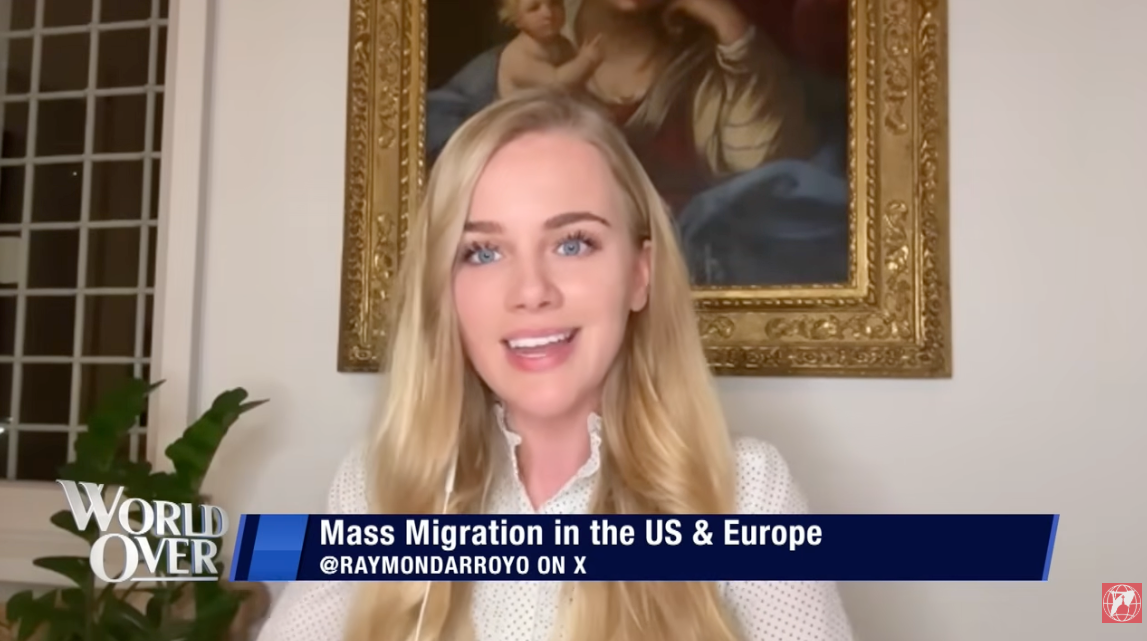
 Trump administration Border Czar Tom Homan interviewed on "The World Over with Raymond Arroyo" on Dec. 11, 2025. / Credit: EWTN News "The World Over with Raymond Arroyo"/Screenshot

Washington, D.C. Newsroom, Dec 12, 2025 / 07:00 am (CNA).
U.S. border czar Tom Homan said “the Catholic Church should support keeping the community safe” through a secure border and immigration enforcement. In an interview on “The World Over with Raymond Arroyo” on Thursday, Homan discussed President Donald Trump’s mass deportation policy and immigration enforcement.   “As President Trump promised on day one, we’re going to enforce immigration law,” Homan said. “That’s what he was voted into office to do, and that’s what we’re doing. We’re going to keep this promise to the American people.”“We’re going to prioritize public safety threats and national security threats,” Homan said. “The majority of people we arrest … have a criminal history. But also, like I’ve said from day one, if you’re in the country illegally, you’re not off the table.”Data on detainees’ criminal history is disputed. A Cato Institute report in November said 5% of people detained by ICE have violent convictions, and 73% had no convictions. Other analyses of deportation data also have shown a lower incidence of people arrested with prior criminal convictions.“Many people who’ve lived for years and years and years, never causing problems, have been deeply affected by what’s going on right now,” Pope Leo XIV said Nov. 4.Since President Trump began his second term, there have been about 600,000 deportations, Homan said. He added: The “results have been outstanding.”Family separationDuring the Biden administration, “just about a half a million children were smuggled into the country, separated from their families, put in the hands of criminal cartels,” Homan said. Homan said the administration has located tens of thousands of children during deportation operations.During the first two years of Trump’s first administration, U.S. authorities separated over 5,000 children from their parents at the U.S.-Mexico border, before ending the practice. In 2021, the Biden administration created a family reunification task force, and a federal judge ruled that border officials cannot use family separation as a deterrence tactic through 2031. Under the second Trump administration, enforcement actions have caused family separations through detentions.Homan told Arroyo: “President Trump promised from day one that we’re going to find these children because the last administration, even though half a million came across, they lost track of 300,000. They couldn’t find them. They weren’t responding to inquiries and their check-ins.”As of Dec. 5 there were 62,456 children “the Trump administration already found,” Homan reported.  “Some of these children were safe and with family. They’re just hiding out because they don’t want to be deported. But many of these children, and one is too many, we found were either in forced labor or forced sexual slavery. Some of these children are in really, really bad conditions,” Homan said.“About half that, 300,000, according to records, have already aged out, which means they’re over 18 already. But … we’re still going to try to locate them … We’re going to do everything we can till the last day of this administration to find these kids. Personally, I’ll do everything I can until I take my last breath on this Earth to find these kids,” Homan said.Carrying out deportations as a CatholicThe United States Conference of Catholic Bishops (USCCB) expressed concern “about the conditions in detention centers and the lack of access to pastoral care.” They wrote: “Human dignity and national security are not in conflict.” When asked how he reconciles bishops’ comments on immigration enforcement with his faith and duties, Homan said he is “willing to sit down with anybody in the Catholic Church and talk about it.”When Catholic leaders “talk about why these laws shouldn’t be enforced … they need to understand, if we don’t enforce laws, what message does that send to the world?” Homan said. He says it sends the message: “Cross the border. It’s illegal, but don’t worry about it.”People need to understand “a border wall saves lives,” Homan said. “I would ask the Catholic leadership, go talk to the hundreds of… moms and dads that have buried their children because their children were killed by someone that wasn’t supposed to be here.”During Biden’s presidency, Homan said “a record number of Americans died from fentanyl because that border was wide open … Hundreds of thousands of Americans died from a drug that came across an open border.”He said a “record number of people from terrorist-related countries” entered the country and said there was “historic increase in sex trafficking of women and children because enforcement was removed from the border.”“Over 4,000 aliens died making that journey, because we sent a message that there’s no consequences here,” Homan said. Response to Catholic leadershipThe USCCB through remarks and messages has called for humane treatment of migrants. In response, Homan said: “We treat everybody with dignity.” Bishops also stated their opposition to “the indiscriminate mass deportation of people.”Homan said: “When you come across the border illegally, not only is it a crime, but you’re cheating the system.”“There are millions of people, millions that are standing in line, taking their test, doing the background investigation, paying their fees to be part of the greatest nation on Earth,” Homan said.“The most humane thing you can do is enforce the law, secure the border, because it saves lives. The Catholic Church should support keeping the community safe again. But I’m saying this, if you’re in the country legally, it’s not OK. Illegal migration is not a victimless crime. I wish Catholic leadership would go with me. Take a border trip with me,” Homan said.“Look at some of the investigations I do. Wear my shoes … You may not agree with me 100% in the end, but you will certainly understand the importance of border security,” Homan said.

Border czar says Catholic leaders should ‘support’ safety #Catholic Trump administration Border Czar Tom Homan interviewed on "The World Over with Raymond Arroyo" on Dec. 11, 2025. / Credit: EWTN News "The World Over with Raymond Arroyo"/Screenshot Washington, D.C. Newsroom, Dec 12, 2025 / 07:00 am (CNA). U.S. border czar Tom Homan said “the Catholic Church should support keeping the community safe” through a secure border and immigration enforcement. In an interview on “The World Over with Raymond Arroyo” on Thursday, Homan discussed President Donald Trump’s mass deportation policy and immigration enforcement.   “As President Trump promised on day one, we’re going to enforce immigration law,” Homan said. “That’s what he was voted into office to do, and that’s what we’re doing. We’re going to keep this promise to the American people.”“We’re going to prioritize public safety threats and national security threats,” Homan said. “The majority of people we arrest … have a criminal history. But also, like I’ve said from day one, if you’re in the country illegally, you’re not off the table.”Data on detainees’ criminal history is disputed. A Cato Institute report in November said 5% of people detained by ICE have violent convictions, and 73% had no convictions. Other analyses of deportation data also have shown a lower incidence of people arrested with prior criminal convictions.“Many people who’ve lived for years and years and years, never causing problems, have been deeply affected by what’s going on right now,” Pope Leo XIV said Nov. 4.Since President Trump began his second term, there have been about 600,000 deportations, Homan said. He added: The “results have been outstanding.”Family separationDuring the Biden administration, “just about a half a million children were smuggled into the country, separated from their families, put in the hands of criminal cartels,” Homan said. Homan said the administration has located tens of thousands of children during deportation operations.During the first two years of Trump’s first administration, U.S. authorities separated over 5,000 children from their parents at the U.S.-Mexico border, before ending the practice. In 2021, the Biden administration created a family reunification task force, and a federal judge ruled that border officials cannot use family separation as a deterrence tactic through 2031. Under the second Trump administration, enforcement actions have caused family separations through detentions.Homan told Arroyo: “President Trump promised from day one that we’re going to find these children because the last administration, even though half a million came across, they lost track of 300,000. They couldn’t find them. They weren’t responding to inquiries and their check-ins.”As of Dec. 5 there were 62,456 children “the Trump administration already found,” Homan reported.  “Some of these children were safe and with family. They’re just hiding out because they don’t want to be deported. But many of these children, and one is too many, we found were either in forced labor or forced sexual slavery. Some of these children are in really, really bad conditions,” Homan said.“About half that, 300,000, according to records, have already aged out, which means they’re over 18 already. But … we’re still going to try to locate them … We’re going to do everything we can till the last day of this administration to find these kids. Personally, I’ll do everything I can until I take my last breath on this Earth to find these kids,” Homan said.Carrying out deportations as a CatholicThe United States Conference of Catholic Bishops (USCCB) expressed concern “about the conditions in detention centers and the lack of access to pastoral care.” They wrote: “Human dignity and national security are not in conflict.” When asked how he reconciles bishops’ comments on immigration enforcement with his faith and duties, Homan said he is “willing to sit down with anybody in the Catholic Church and talk about it.”When Catholic leaders “talk about why these laws shouldn’t be enforced … they need to understand, if we don’t enforce laws, what message does that send to the world?” Homan said. He says it sends the message: “Cross the border. It’s illegal, but don’t worry about it.”People need to understand “a border wall saves lives,” Homan said. “I would ask the Catholic leadership, go talk to the hundreds of… moms and dads that have buried their children because their children were killed by someone that wasn’t supposed to be here.”During Biden’s presidency, Homan said “a record number of Americans died from fentanyl because that border was wide open … Hundreds of thousands of Americans died from a drug that came across an open border.”He said a “record number of people from terrorist-related countries” entered the country and said there was “historic increase in sex trafficking of women and children because enforcement was removed from the border.”“Over 4,000 aliens died making that journey, because we sent a message that there’s no consequences here,” Homan said. Response to Catholic leadershipThe USCCB through remarks and messages has called for humane treatment of migrants. In response, Homan said: “We treat everybody with dignity.” Bishops also stated their opposition to “the indiscriminate mass deportation of people.”Homan said: “When you come across the border illegally, not only is it a crime, but you’re cheating the system.”“There are millions of people, millions that are standing in line, taking their test, doing the background investigation, paying their fees to be part of the greatest nation on Earth,” Homan said.“The most humane thing you can do is enforce the law, secure the border, because it saves lives. The Catholic Church should support keeping the community safe again. But I’m saying this, if you’re in the country legally, it’s not OK. Illegal migration is not a victimless crime. I wish Catholic leadership would go with me. Take a border trip with me,” Homan said.“Look at some of the investigations I do. Wear my shoes … You may not agree with me 100% in the end, but you will certainly understand the importance of border security,” Homan said.


Trump administration Border Czar Tom Homan interviewed on "The World Over with Raymond Arroyo" on Dec. 11, 2025. / Credit: EWTN News "The World Over with Raymond Arroyo"/Screenshot

Washington, D.C. Newsroom, Dec 12, 2025 / 07:00 am (CNA).

U.S. border czar Tom Homan said “the Catholic Church should support keeping the community safe” through a secure border and immigration enforcement. 

In an interview on “The World Over with Raymond Arroyo” on Thursday, Homan discussed President Donald Trump’s mass deportation policy and immigration enforcement.   

“As President Trump promised on day one, we’re going to enforce immigration law,” Homan said. “That’s what he was voted into office to do, and that’s what we’re doing. We’re going to keep this promise to the American people.”

“We’re going to prioritize public safety threats and national security threats,” Homan said. “The majority of people we arrest … have a criminal history. But also, like I’ve said from day one, if you’re in the country illegally, you’re not off the table.”

Data on detainees’ criminal history is disputed. A Cato Institute report in November said 5% of people detained by ICE have violent convictions, and 73% had no convictions. Other analyses of deportation data also have shown a lower incidence of people arrested with prior criminal convictions.

“Many people who’ve lived for years and years and years, never causing problems, have been deeply affected by what’s going on right now,” Pope Leo XIV said Nov. 4.

Since President Trump began his second term, there have been about 600,000 deportations, Homan said. He added: The “results have been outstanding.”

Family separation

During the Biden administration, “just about a half a million children were smuggled into the country, separated from their families, put in the hands of criminal cartels,” Homan said. Homan said the administration has located tens of thousands of children during deportation operations.

During the first two years of Trump’s first administration, U.S. authorities separated over 5,000 children from their parents at the U.S.-Mexico border, before ending the practice. In 2021, the Biden administration created a family reunification task force, and a federal judge ruled that border officials cannot use family separation as a deterrence tactic through 2031. 

Under the second Trump administration, enforcement actions have caused family separations through detentions.

Homan told Arroyo: “President Trump promised from day one that we’re going to find these children because the last administration, even though half a million came across, they lost track of 300,000. They couldn’t find them. They weren’t responding to inquiries and their check-ins.”

As of Dec. 5 there were 62,456 children “the Trump administration already found,” Homan reported.  

“Some of these children were safe and with family. They’re just hiding out because they don’t want to be deported. But many of these children, and one is too many, we found were either in forced labor or forced sexual slavery. Some of these children are in really, really bad conditions,” Homan said.

“About half that, 300,000, according to records, have already aged out, which means they’re over 18 already. But … we’re still going to try to locate them … We’re going to do everything we can till the last day of this administration to find these kids. Personally, I’ll do everything I can until I take my last breath on this Earth to find these kids,” Homan said.

Carrying out deportations as a Catholic

The United States Conference of Catholic Bishops (USCCB) expressed concern “about the conditions in detention centers and the lack of access to pastoral care.” They wrote: “Human dignity and national security are not in conflict.” 

When asked how he reconciles bishops’ comments on immigration enforcement with his faith and duties, Homan said he is “willing to sit down with anybody in the Catholic Church and talk about it.”

When Catholic leaders “talk about why these laws shouldn’t be enforced … they need to understand, if we don’t enforce laws, what message does that send to the world?” Homan said. He says it sends the message: “Cross the border. It’s illegal, but don’t worry about it.”

People need to understand “a border wall saves lives,” Homan said. “I would ask the Catholic leadership, go talk to the hundreds of… moms and dads that have buried their children because their children were killed by someone that wasn’t supposed to be here.”

During Biden’s presidency, Homan said “a record number of Americans died from fentanyl because that border was wide open … Hundreds of thousands of Americans died from a drug that came across an open border.”

He said a “record number of people from terrorist-related countries” entered the country and said there was “historic increase in sex trafficking of women and children because enforcement was removed from the border.”

“Over 4,000 aliens died making that journey, because we sent a message that there’s no consequences here,” Homan said. 

Response to Catholic leadership

The USCCB through remarks and messages has called for humane treatment of migrants. In response, Homan said: “We treat everybody with dignity.” 

Bishops also stated their opposition to “the indiscriminate mass deportation of people.”

Homan said: “When you come across the border illegally, not only is it a crime, but you’re cheating the system.”

“There are millions of people, millions that are standing in line, taking their test, doing the background investigation, paying their fees to be part of the greatest nation on Earth,” Homan said.

“The most humane thing you can do is enforce the law, secure the border, because it saves lives. The Catholic Church should support keeping the community safe again. But I’m saying this, if you’re in the country legally, it’s not OK. Illegal migration is not a victimless crime. I wish Catholic leadership would go with me. Take a border trip with me,” Homan said.

“Look at some of the investigations I do. Wear my shoes … You may not agree with me 100% in the end, but you will certainly understand the importance of border security,” Homan said.

Read More
Filipino archbishop asks Catholics to attend protests against government corruption #Catholic 
 
 Members of Iglesia ni Cristo take part in a protest against corruption on Nov. 16, 2025 in Manila, Philippines. A powerful Philippine megachurch, Iglesia ni Cristo, mobilized over half a million members to join growing protests over alleged corruption in multibillion-peso flood control projects. Catholic leaders in the Philippines have also mobilized Catholics to participate in similar marches. / Credit: Ezra Acayan/Getty Images

CNA Staff, Nov 28, 2025 / 05:53 am (CNA).
Here is a roundup of Catholic world news from the past week that you might have missed. Filipino archbishop asks Catholics to attend protests against government corruptionCardinal Pablo Virgilio David, the outgoing president of the Catholic Bishops’ Conference of the Philippines, has invited Filipinos across the country to attend rallies this weekend in Manila to protest government corruption. The protest comes on the heels of the Trillion Peso March held on Sept. 21, which drew hundreds of thousands.Thousands of Filipinos are expected to participate in the march Sunday, according to Herald Malaysia Online. The protests come amid a growing political crisis and rising public anger over scandals and abuses of government funds.Priest and security guard attacked in Trinidad A priest and a security guard at St. Benedict’s Roman Catholic Church in La Romaine, Trinidad, were the victims of an attack and robbery on Monday, Trinidad Express reported. Five attackers cut the electricity, bound the security guard, entered the rectory, woke and tied up the priest Father Derek Anton, and stole various electronics and cash. The crime is being investigated and the Archdiocese of Port of Spain has confirmed it. “At this time we ask you all for your prayers [for the victims] and for all victims of crime,” the archdiocese said in its statement.Mozambique archbishop pleads for humanitarian support to aid displaced peopleArchbishop Inacio Saure of Namula, Mozambique, has issued an urgent plea for humanitarian aid for more than 30,000 people who have been displaced in the Alua district of Memba. Saure, who is also president of the Episcopal Conference of Mozambique told Vatican News that the people have fled their homes “are currently sheltering in the administrative post of Alua” due to recent terrorist incursions in Nampula province. The archbishop said he has instructed Caritas in Nampula to respond to the crisis. Catholic Church rallies in Thailand to assist victims of historic flooding Historic flooding in southern Thailand has impacted over two million people, causing death and destruction and stranding many tourists. According to Vatican News, in response to the disaster Bishop Paul Trairong Multree of the Diocese of Surat Thani called a meeting Tuesday of Church-led relief groups. “Our relief team will get working tomorrow morning immediately with [the Catholic Office for Emergency Relief and Refugees], bringing drinking water and essentials to the people affected,” Trairong reportedly told LiCAS News, adding that supplies are expected to arrive from Bangkok and other dioceses. Tensions between Pakistanis and Afghans may erupt into new war, says Karachi priestEscalating tensions between Pakistan and Afghanistan have created fear that a new war may be on the horizon, according to Father Mario Angelo Rodrigues, a priest of the Archdiocese of Karachi and rector of St. Patrick’s Catholic High School in Karachi. He told Fides that resentments and fears have built in the wake of the influx of Afghani refugees and recent terrorist attacks. “To re-establish a climate of mutual trust and embark on a path to peace, the Pakistani government should accept the situation and grant residency to Afghan refugees who are living peacefully and have no links to terrorism, in the spirit of an open and pluralistic society,” the priest said. He also noted that “the government in Kabul should cooperate in combating terrorism, our common enemy. As Pakistani Christians, we support paths of acceptance and brotherhood so that we can live in true peace within our society and with our neighbors." Nun who fights human trafficking reacts to new UN report on femicideIn the wake of a new UN report highlighting the high numbers of women killed by men and new forms of violence being caused by tech developments, Sister Abby Avelino, the international coordinator of Talitha Kum, an international group that fights human trafficking, told Vatican News that, “Digital violence is increasingly widespread, and the online world is now a major site of exploitation.” The UN report shows that more than 38% of women are estimated to have experienced online violence, while 85% have witnessed abuse directed at other women on digital platforms.

Filipino archbishop asks Catholics to attend protests against government corruption #Catholic Members of Iglesia ni Cristo take part in a protest against corruption on Nov. 16, 2025 in Manila, Philippines. A powerful Philippine megachurch, Iglesia ni Cristo, mobilized over half a million members to join growing protests over alleged corruption in multibillion-peso flood control projects. Catholic leaders in the Philippines have also mobilized Catholics to participate in similar marches. / Credit: Ezra Acayan/Getty Images CNA Staff, Nov 28, 2025 / 05:53 am (CNA). Here is a roundup of Catholic world news from the past week that you might have missed. Filipino archbishop asks Catholics to attend protests against government corruptionCardinal Pablo Virgilio David, the outgoing president of the Catholic Bishops’ Conference of the Philippines, has invited Filipinos across the country to attend rallies this weekend in Manila to protest government corruption. The protest comes on the heels of the Trillion Peso March held on Sept. 21, which drew hundreds of thousands.Thousands of Filipinos are expected to participate in the march Sunday, according to Herald Malaysia Online. The protests come amid a growing political crisis and rising public anger over scandals and abuses of government funds.Priest and security guard attacked in Trinidad A priest and a security guard at St. Benedict’s Roman Catholic Church in La Romaine, Trinidad, were the victims of an attack and robbery on Monday, Trinidad Express reported. Five attackers cut the electricity, bound the security guard, entered the rectory, woke and tied up the priest Father Derek Anton, and stole various electronics and cash. The crime is being investigated and the Archdiocese of Port of Spain has confirmed it. “At this time we ask you all for your prayers [for the victims] and for all victims of crime,” the archdiocese said in its statement.Mozambique archbishop pleads for humanitarian support to aid displaced peopleArchbishop Inacio Saure of Namula, Mozambique, has issued an urgent plea for humanitarian aid for more than 30,000 people who have been displaced in the Alua district of Memba. Saure, who is also president of the Episcopal Conference of Mozambique told Vatican News that the people have fled their homes “are currently sheltering in the administrative post of Alua” due to recent terrorist incursions in Nampula province. The archbishop said he has instructed Caritas in Nampula to respond to the crisis. Catholic Church rallies in Thailand to assist victims of historic flooding Historic flooding in southern Thailand has impacted over two million people, causing death and destruction and stranding many tourists. According to Vatican News, in response to the disaster Bishop Paul Trairong Multree of the Diocese of Surat Thani called a meeting Tuesday of Church-led relief groups. “Our relief team will get working tomorrow morning immediately with [the Catholic Office for Emergency Relief and Refugees], bringing drinking water and essentials to the people affected,” Trairong reportedly told LiCAS News, adding that supplies are expected to arrive from Bangkok and other dioceses. Tensions between Pakistanis and Afghans may erupt into new war, says Karachi priestEscalating tensions between Pakistan and Afghanistan have created fear that a new war may be on the horizon, according to Father Mario Angelo Rodrigues, a priest of the Archdiocese of Karachi and rector of St. Patrick’s Catholic High School in Karachi. He told Fides that resentments and fears have built in the wake of the influx of Afghani refugees and recent terrorist attacks. “To re-establish a climate of mutual trust and embark on a path to peace, the Pakistani government should accept the situation and grant residency to Afghan refugees who are living peacefully and have no links to terrorism, in the spirit of an open and pluralistic society,” the priest said. He also noted that “the government in Kabul should cooperate in combating terrorism, our common enemy. As Pakistani Christians, we support paths of acceptance and brotherhood so that we can live in true peace within our society and with our neighbors.” Nun who fights human trafficking reacts to new UN report on femicideIn the wake of a new UN report highlighting the high numbers of women killed by men and new forms of violence being caused by tech developments, Sister Abby Avelino, the international coordinator of Talitha Kum, an international group that fights human trafficking, told Vatican News that, “Digital violence is increasingly widespread, and the online world is now a major site of exploitation.” The UN report shows that more than 38% of women are estimated to have experienced online violence, while 85% have witnessed abuse directed at other women on digital platforms.


Members of Iglesia ni Cristo take part in a protest against corruption on Nov. 16, 2025 in Manila, Philippines. A powerful Philippine megachurch, Iglesia ni Cristo, mobilized over half a million members to join growing protests over alleged corruption in multibillion-peso flood control projects. Catholic leaders in the Philippines have also mobilized Catholics to participate in similar marches. / Credit: Ezra Acayan/Getty Images

CNA Staff, Nov 28, 2025 / 05:53 am (CNA).

Here is a roundup of Catholic world news from the past week that you might have missed. 

Filipino archbishop asks Catholics to attend protests against government corruption

Cardinal Pablo Virgilio David, the outgoing president of the Catholic Bishops’ Conference of the Philippines, has invited Filipinos across the country to attend rallies this weekend in Manila to protest government corruption. The protest comes on the heels of the Trillion Peso March held on Sept. 21, which drew hundreds of thousands.

Thousands of Filipinos are expected to participate in the march Sunday, according to Herald Malaysia Online. The protests come amid a growing political crisis and rising public anger over scandals and abuses of government funds.

Priest and security guard attacked in Trinidad 

A priest and a security guard at St. Benedict’s Roman Catholic Church in La Romaine, Trinidad, were the victims of an attack and robbery on Monday, Trinidad Express reported.

Five attackers cut the electricity, bound the security guard, entered the rectory, woke and tied up the priest Father Derek Anton, and stole various electronics and cash.

The crime is being investigated and the Archdiocese of Port of Spain has confirmed it. “At this time we ask you all for your prayers [for the victims] and for all victims of crime,” the archdiocese said in its statement.

Mozambique archbishop pleads for humanitarian support to aid displaced people

Archbishop Inacio Saure of Namula, Mozambique, has issued an urgent plea for humanitarian aid for more than 30,000 people who have been displaced in the Alua district of Memba.

Saure, who is also president of the Episcopal Conference of Mozambique told Vatican News that the people have fled their homes “are currently sheltering in the administrative post of Alua” due to recent terrorist incursions in Nampula province. The archbishop said he has instructed Caritas in Nampula to respond to the crisis. 

Catholic Church rallies in Thailand to assist victims of historic flooding

Historic flooding in southern Thailand has impacted over two million people, causing death and destruction and stranding many tourists. According to Vatican News, in response to the disaster Bishop Paul Trairong Multree of the Diocese of Surat Thani called a meeting Tuesday of Church-led relief groups.

“Our relief team will get working tomorrow morning immediately with [the Catholic Office for Emergency Relief and Refugees], bringing drinking water and essentials to the people affected,” Trairong reportedly told LiCAS News, adding that supplies are expected to arrive from Bangkok and other dioceses.

Tensions between Pakistanis and Afghans may erupt into new war, says Karachi priest

Escalating tensions between Pakistan and Afghanistan have created fear that a new war may be on the horizon, according to Father Mario Angelo Rodrigues, a priest of the Archdiocese of Karachi and rector of St. Patrick’s Catholic High School in Karachi.

He told Fides that resentments and fears have built in the wake of the influx of Afghani refugees and recent terrorist attacks. 

“To re-establish a climate of mutual trust and embark on a path to peace, the Pakistani government should accept the situation and grant residency to Afghan refugees who are living peacefully and have no links to terrorism, in the spirit of an open and pluralistic society,” the priest said.

He also noted that “the government in Kabul should cooperate in combating terrorism, our common enemy. As Pakistani Christians, we support paths of acceptance and brotherhood so that we can live in true peace within our society and with our neighbors.”

Nun who fights human trafficking reacts to new UN report on femicide

In the wake of a new UN report highlighting the high numbers of women killed by men and new forms of violence being caused by tech developments, Sister Abby Avelino, the international coordinator of Talitha Kum, an international group that fights human trafficking, told Vatican News that, “Digital violence is increasingly widespread, and the online world is now a major site of exploitation.” 

The UN report shows that more than 38% of women are estimated to have experienced online violence, while 85% have witnessed abuse directed at other women on digital platforms.

Read More