The president has claimed, without evidence, that Pope Leo XIV wants the Middle Eastern country to develop nuclear armaments.


The president has claimed, without evidence, that Pope Leo XIV wants the Middle Eastern country to develop nuclear armaments.

![Human dignity, national security ‘not in conflict,’ U.S. bishops say amid Trump ‘aliens’ campaign #Catholic The U.S. bishops are reiterating their calls for immigrants in the U.S. to be treated with dignity as the Trump administration launched a campaign that likens immigrants living in the country illegally to extraterrestrials.The White House on May 28 launched a government website “Aliens.gov,” a retro sci-fi-styled site that claims the government has “kept a closely guarded secret” about “aliens” and an “invasion” for decades. The site mimics sci‑fi aesthetics, with a bold, geometric sans‑serif typeface in neon green and black, like 1950s movie posters used to advertise Cold‑War‑era sci‑fi films featuring monstrous extraterrestrials.“Aliens have been walking among us, living in our neighborhoods, and interacting with us in our daily lives,” the site claims, alleging that “aliens” have “shopped in the same stores, attended the same classes as our children, and lived seemingly normal human existences.”Promoting an “alien arrest map” of immigrant detentions around the country, the site states bluntly that people without legal status “do not belong here.”The website urges visitors to “report suspicious aliens” to an “ICE tip line.” In U.S. law, the word alien is a formal legal classification meaning a person who is not a U.S. citizen or national, a definition that appears in the Immigration and Nationality Act and is used in statutes, regulations, and court decisions.Dignity, national security ‘not in conflict,’ bishops saysImmigrants have long been portrayed through metaphors in U.S. culture, from 19th‑century political cartoons that depicted Irish, Italian, and Chinese newcomers as monsters or subhuman creatures to modern rhetoric framing migrant groups as “invaders,” “infestations,” or something other than fully human.The U.S. Conference of Catholic Bishops (USCCB) lamented “the state of contemporary debate and the vilification of immigrants” in a special message in November 2025. In February, the bishops condemned a plan from U.S. Immigration and Customs Enforcement to increase the capacity of migrant detention centers around the U.S. The government earlier this year indicated it would spend about $38 billion to bolster detention space. Victoria, Texas Bishop Brendan Cahill, chair of the bishops' immigration committee, called the plans “deeply troubling” at the time.“The thought of holding thousands of families in massive warehouses should challenge the conscience of every American," the bishop said. Asked about the governmentʼs new “aliens” campaign on May 29, USCCB spokeswoman Chieko Noguchi told EWTN News that the bishops have “continuously condemned vilification of immigrants and dehumanizing rhetoric and consistently advocated for a meaningful reform of our nation’s immigration laws and procedures.” “They’ve also repeatedly asserted that human dignity and national security are not in conflict,” she said, pointing to the bishops' special message. The bishops at that time said they “oppose[d] the indiscriminate mass deportation of people,” with the prelates praying “for an end to dehumanizing rhetoric and violence, whether directed at immigrants or at law enforcement.”The bishops in February urged the U.S. Supreme Court to uphold the U.S. constitutional policy of “birthright citizenship” wherein any individual born on U.S. soil is counted as an American citizen. The dispute before the court was launched after Trump in January 2025 signed an order directing that children born to parents in the country illegally were not entitled to U.S. citizenship. Pope Leo XIV — the first pope in history from the United States — has also weighed in, affirming in November 2025 that while nations have “a right to determine who and how and when people enter,” countries “have to look for ways of treating people humanely, treating people with the dignity that they have.”“When people are living good lives — and many of them (in the United States) for 10, 15, 20 years — to treat them in a way that is extremely disrespectful, to say the least,” is not acceptable, the pope said on Nov. 18, 2025.Regarding the bishops' Nov. 12, 2025 message on immigration, the pope remarked: “I appreciate very much what the bishops have said. I think it’s a very important statement. I would invite, especially all Catholics, but people of goodwill to listen carefully to what they said."In a statement to EWTN News, meanwhile, a spokesperson for the U.S. Department of Homeland Security on May 29 argued that news reports “too often” ignore “the victims [of illegal immigration] and their stories.” "These victims and their families are why we work around the clock to arrest and deport illegal aliens from our communities," the department said, describing crimes committed by undocumented immigrants as "completely preventable.”“What makes someone a target of ICE is if they are in the U.S. illegally,” the statement continued, arguing that “nearly 70% of ICE arrests are of criminal illegal aliens who have been convicted or have pending charges.”ICE data shows most people arrested and booked into ICE custody do not have criminal convictions, and some analyses show the 70% figure comes from redefining “criminal” to include pending charges, foreign allegations untested in a U.S. court, and people who have never been found guilty of a crime. Roughly 25–30% of people arrested by ICE have a prior conviction, according to analyses of ICE arrest and detention data, including work by the Cato Institute and the Transactional Records Access Clearinghouse based on ICE data. Human dignity, national security ‘not in conflict,’ U.S. bishops say amid Trump ‘aliens’ campaign #Catholic The U.S. bishops are reiterating their calls for immigrants in the U.S. to be treated with dignity as the Trump administration launched a campaign that likens immigrants living in the country illegally to extraterrestrials.The White House on May 28 launched a government website “Aliens.gov,” a retro sci-fi-styled site that claims the government has “kept a closely guarded secret” about “aliens” and an “invasion” for decades. The site mimics sci‑fi aesthetics, with a bold, geometric sans‑serif typeface in neon green and black, like 1950s movie posters used to advertise Cold‑War‑era sci‑fi films featuring monstrous extraterrestrials.“Aliens have been walking among us, living in our neighborhoods, and interacting with us in our daily lives,” the site claims, alleging that “aliens” have “shopped in the same stores, attended the same classes as our children, and lived seemingly normal human existences.”Promoting an “alien arrest map” of immigrant detentions around the country, the site states bluntly that people without legal status “do not belong here.”The website urges visitors to “report suspicious aliens” to an “ICE tip line.” In U.S. law, the word alien is a formal legal classification meaning a person who is not a U.S. citizen or national, a definition that appears in the Immigration and Nationality Act and is used in statutes, regulations, and court decisions.Dignity, national security ‘not in conflict,’ bishops saysImmigrants have long been portrayed through metaphors in U.S. culture, from 19th‑century political cartoons that depicted Irish, Italian, and Chinese newcomers as monsters or subhuman creatures to modern rhetoric framing migrant groups as “invaders,” “infestations,” or something other than fully human.The U.S. Conference of Catholic Bishops (USCCB) lamented “the state of contemporary debate and the vilification of immigrants” in a special message in November 2025. In February, the bishops condemned a plan from U.S. Immigration and Customs Enforcement to increase the capacity of migrant detention centers around the U.S. The government earlier this year indicated it would spend about $38 billion to bolster detention space. Victoria, Texas Bishop Brendan Cahill, chair of the bishops' immigration committee, called the plans “deeply troubling” at the time.“The thought of holding thousands of families in massive warehouses should challenge the conscience of every American," the bishop said. Asked about the governmentʼs new “aliens” campaign on May 29, USCCB spokeswoman Chieko Noguchi told EWTN News that the bishops have “continuously condemned vilification of immigrants and dehumanizing rhetoric and consistently advocated for a meaningful reform of our nation’s immigration laws and procedures.” “They’ve also repeatedly asserted that human dignity and national security are not in conflict,” she said, pointing to the bishops' special message. The bishops at that time said they “oppose[d] the indiscriminate mass deportation of people,” with the prelates praying “for an end to dehumanizing rhetoric and violence, whether directed at immigrants or at law enforcement.”The bishops in February urged the U.S. Supreme Court to uphold the U.S. constitutional policy of “birthright citizenship” wherein any individual born on U.S. soil is counted as an American citizen. The dispute before the court was launched after Trump in January 2025 signed an order directing that children born to parents in the country illegally were not entitled to U.S. citizenship. Pope Leo XIV — the first pope in history from the United States — has also weighed in, affirming in November 2025 that while nations have “a right to determine who and how and when people enter,” countries “have to look for ways of treating people humanely, treating people with the dignity that they have.”“When people are living good lives — and many of them (in the United States) for 10, 15, 20 years — to treat them in a way that is extremely disrespectful, to say the least,” is not acceptable, the pope said on Nov. 18, 2025.Regarding the bishops' Nov. 12, 2025 message on immigration, the pope remarked: “I appreciate very much what the bishops have said. I think it’s a very important statement. I would invite, especially all Catholics, but people of goodwill to listen carefully to what they said."In a statement to EWTN News, meanwhile, a spokesperson for the U.S. Department of Homeland Security on May 29 argued that news reports “too often” ignore “the victims [of illegal immigration] and their stories.” "These victims and their families are why we work around the clock to arrest and deport illegal aliens from our communities," the department said, describing crimes committed by undocumented immigrants as "completely preventable.”“What makes someone a target of ICE is if they are in the U.S. illegally,” the statement continued, arguing that “nearly 70% of ICE arrests are of criminal illegal aliens who have been convicted or have pending charges.”ICE data shows most people arrested and booked into ICE custody do not have criminal convictions, and some analyses show the 70% figure comes from redefining “criminal” to include pending charges, foreign allegations untested in a U.S. court, and people who have never been found guilty of a crime. Roughly 25–30% of people arrested by ICE have a prior conviction, according to analyses of ICE arrest and detention data, including work by the Cato Institute and the Transactional Records Access Clearinghouse based on ICE data.](https://unitedyam.com/wp-content/uploads/2026/05/human-dignity-national-security-not-in-conflict-u-s-bishops-say-amid-trump-aliens-campaign-catholic-the-u-s-bishops-are-reiterating-their-calls-for-immigrants-in-the-u-s-to-be-treated-wi.jpg)
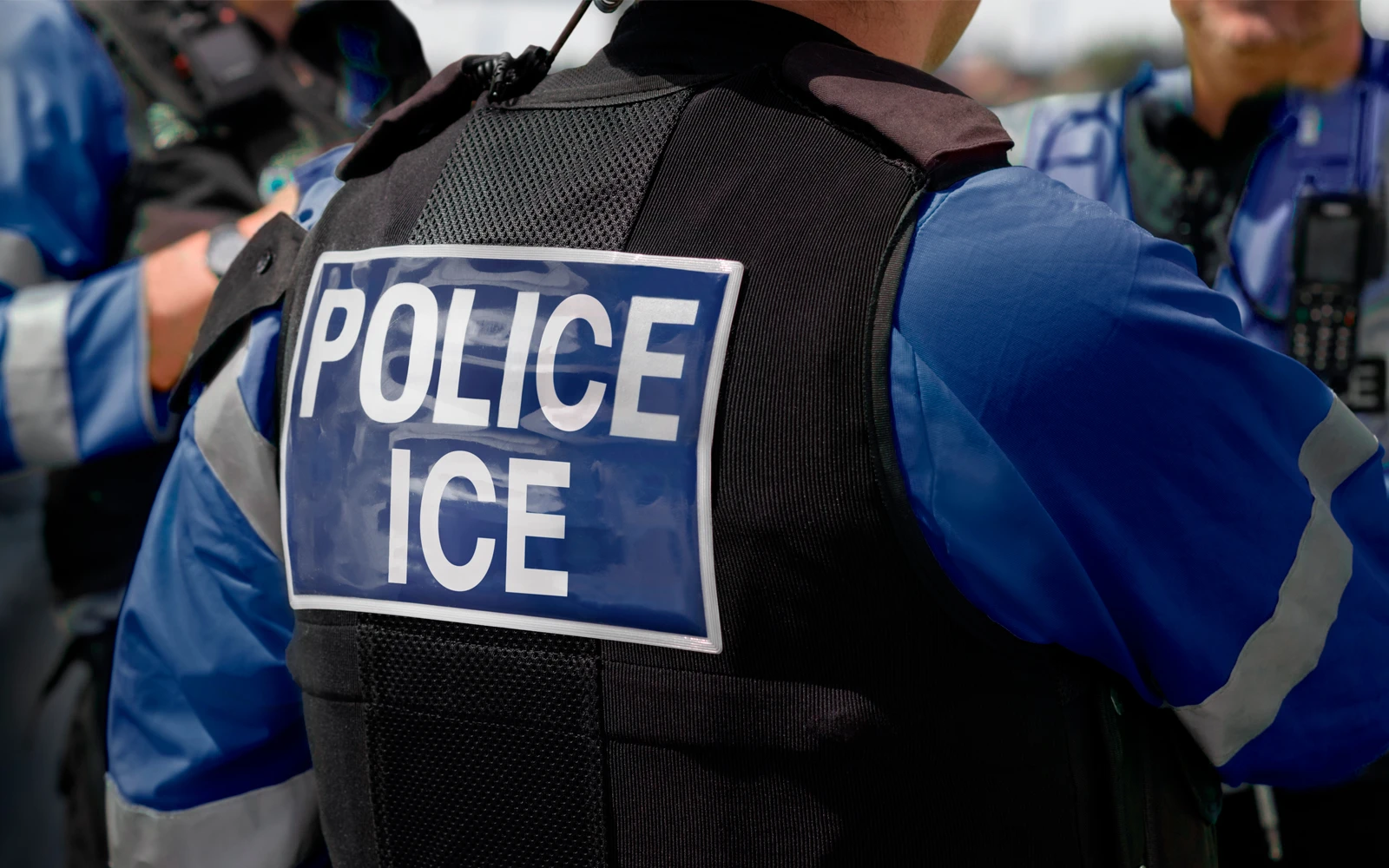
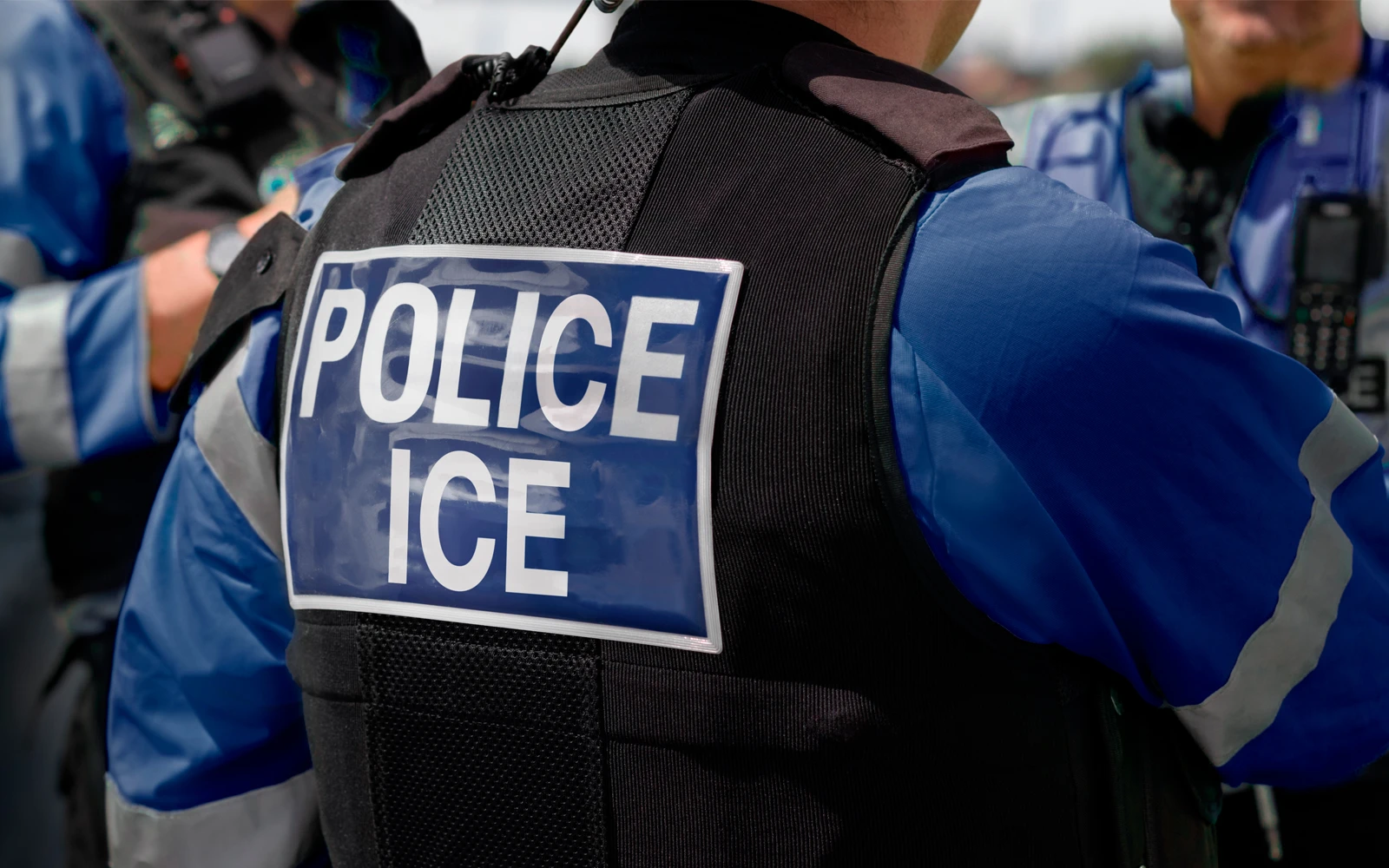
The Trump administration launched an “alien arrest map” with images and rhetoric that likens immigrants living illegally in the country to extraterrestrials.

![Leo XIV makes Marian pilgrimage on 1-year anniversary as pope #Catholic POMPEI, Italy — Pope Leo XIV placed his pontificate under the protection of Mary during a visit to two cities in southern Italy on Friday — the first anniversary of his election to the papacy on May 8, 2025.Leo celebrated Mass for an estimated 20,000 people outside the Shrine of Our Lady of the Rosary of Pompei, whose feast day is May 8, during the day trip to Pompei and Naples.“Exactly one year ago,” the pope said in his homily, amid thunderous applause from the assembled faithful, “when the ministry of successor of Peter was entrusted to me, it was precisely the day of the Supplication to the Virgin, this beautiful day of the Supplication to the Virgin of the Holy Rosary of Pompei! I therefore had to come here, to place my service under the protection of the Holy Virgin.”“Having then chosen the name Leo places me in the footsteps of Leo XIII, who, among his many merits, also developed a rich magisterium on the holy rosary. Added to all of this is the recent canonization of St. Bartolo Longo, apostle of the rosary,” Leo added.Before Mass, the pope — who flew about 150 miles from Rome to Pompei by helicopter early on May 8 — visited the Shrine of Our Lady of Pompei. Despite forecasts of rain, thousands of people filled Bartolo Longo Square from the first light of dawn.At the shrine, the Holy Father met the “Temple of Charity,” an organization that welcomes and assists people coming from situations of hardship.
Pope Leo XIV meets the “Temple of Charity,” an organization that welcomes and assists people coming from situations of hardship, during a pastoral visit to Pompei, Italy, on May 8, 2026. | Credit: Vatican Media
“Good morning, Pompei! Our Mother Mary — our mom — is always with us,” the pope said, informally greeting the faithful who were waiting for Mass. Before the Eucharistic celebration, Leo also greeted the sick and people with disabilities inside the shrine.The pope’s homily at the outdoor Mass focused on the power of the rosary.“The Hail Mary repeated in the holy rosary is an act of love,” he said. “Generations of believers have been shaped and safeguarded by this prayer — simple and popular, yet at the same time capable of mystical heights and a treasure chest of the most essential Christian theology.”He also called the Hail Mary prayer “an invitation to joy.”“It tells Mary, and in her all of us, that upon the ruins of our humanity, tried by sin and therefore always inclined to abuses, oppression, and war, the caress of God has come — the caress of mercy, which in Jesus takes on a human face. Mary thus becomes the mother of mercy.”“When St. John Paul II proclaimed the Year of the Rosary [2002–2003], he wished to place it in a special way under the gaze of the Virgin of Pompei,” Leo XIV continued. “Times have not improved since then. The wars still being fought in so many regions of the world call for renewed commitment, not only economic and political, but also spiritual and religious.”“Peace is born within the heart,” he added. “We cannot resign ourselves to the images of death that the news presents to us every day. St. Bartolo Longo, reflecting on Mary’s faith, called her ‘omnipotent by grace.’ Through her intercession, may an abundant outpouring of mercy come from the God of peace — touching hearts, calming resentments and fratricidal hatred, and enlightening those who bear special responsibilities of governance. No earthly power will save the world, but only the divine power of love.”At the conclusion of Mass, Pope Leo prayed together with the faithful the traditional Supplication to Our Lady of Pompei.The Supplication to the Queen of the Holy Rosary of Pompei was written in 1883 by St. Bartolo Longo. It is solemnly recited twice a year, at noon on May 8 and on the first Sunday of October. The supplication was composed in response to the invitation that Pope Leo XIII addressed to Catholics in his first encyclical on the rosary, Supremi Apostolatus Officio, calling for a spiritual commitment to confront the evils of society.
Pope Leo XIV prays at the Cathedral of the Assumption of Mary in Naples, Italy, on Friday, May 8, 2026. | Credit: Vatican Media
Visit to NaplesAfter lunch in private, Pope Leo took a helicopter about 16 miles northwest to Naples, the capital city of the Campania region of Italy, where he met with priests and religious brothers and sisters in the Naples cathedral.During his visit to the cathedral, Leo stopped in the Chapel of the Treasure of St. Januarius, where the miracle of the liquefaction of the blood of St. Januarius had taken place on May 3. The pope kissed the relic and with it blessed those in the packed cathedral.After some time in adoration of the Blessed Sacrament, the pope addressed the Catholic community: “What I therefore ask of you is this: Listen to one another, walk together, create a symphony of charisms and ministries, and in this way find ways to move from a pastoral ministry of maintenance to a missionary pastoral ministry, capable of engaging with the concrete lives of people.”“In a city marked by inequality, youth unemployment, school dropout rates, and fragile family situations, the proclamation of the Gospel cannot be separated from a concrete and supportive presence that involves everyone — priests, religious, and laypeople alike,” he added.Pope Leo XIV then arrived in the popemobile to Piazza del Plebiscito, the main square of Naples, where authorities estimate about 50,000 people were present.The pope’s address focused on peace and justice: a peace that “begins in the human heart, passes through relationships, takes root in neighborhoods and on the outskirts, and expands to embrace the entire city and the world.” A peace that needs justice “to be authentic” and that “can never be separated from charity.”Leo also spoke about the “Neapolitan paradox:” on the one hand, the significant increase in tourism, which however struggles to correspond to “economic dynamism capable of truly involving the entire social community.” He described a city “marked by a social divide that no longer separates the center from the outskirts but is even evident within every area, with existential peripheries nested even in the heart of the historic center.” Faced with these disparities, Pope Leo XIV recalled the presence of the state as “more necessary than ever, to provide security and confidence to citizens and to take space away from organized crime.”He then encouraged moving forward with the projects of hope taking shape in the city: “Gather your strength, work together, walk united — institutions, Church, and civil society — to connect the city, protect your children from the snares of hardship and evil, and restore to Naples its vocation to be a capital of humanity and hope.”This story was first published in multiple parts by ACI Stampa, the Italian-language sister service of EWTN News. It has been translated and adapted by EWTN News English.](https://unitedyam.com/wp-content/uploads/2026/05/leo-xiv-makes-marian-pilgrimage-on-1-year-anniversary-as-pope-catholic-pompei-italy-pope-leo-xiv-placed-his-pontificate-under-the-protection-of-mary-during-a-visit-to-two-cities-in-souther-scaled.jpg)
Pope Leo XIV traveled around 150 miles south of Rome to the Italian cities of Pompei and Naples on the first anniversary of his election.

![Maryland Supreme Court: State cannot reveal names of individuals who allegedly hid Church abuse #Catholic Prosecutors in Maryland may not reveal the names of individuals who allegedly hid or failed to report Church abuse, the state Supreme Court said April 27. As part of its investigation into alleged abuse in the Archdiocese of Baltimore, the state attorney generalʼs office had sought to make public the details of a grand jury report, including the identities of individuals who have not been charged with a crime but who allegedly failed to stop abuse from occurring. A lower court granted the attorney generalʼs request to publish the information, with an appellate court partly upholding that decision. Yet in its April 27 ruling, the Maryland Supreme Court reversed those decisions, holding that the attorney generalʼs office did not “meet [the] burden” of justifying the release of the identities. “Many grand jury investigations obtain damaging information and allegations about uncharged individuals that the public might benefit from learning,” the high court acknowledged. But “one of the primary purposes of grand jury secrecy is to protect uncharged persons from public disgrace in the absence of a criminal charge and a forum in which to seek vindication,” it said. “A court may not order disclosure of secret grand jury material, over the objection of an uncharged individual, for the purpose of holding that person accountable in the court of public opinion,” the justices said. The court noted that the attorney generalʼs office had argued that the “intensity of public interest” in the case could justify revealing the identities.Yet “the interests promoted by grand jury secrecy do not increase or decrease based on how much the public wants to learn the information contained in grand jury materials,” the court said.The decision comes amid ongoing court proceedings in the Archdiocese of Baltimore, which filed for bankruptcy in September 2023 ahead of a wave of sex abuse claims filed against it under the Maryland Child Victims Act. Earlier this month, the archdiocesan insurer Hartford Insurance Group proposed contributing $100 million to a settlement for abuse victims. The archdiocese in 2024 sued multiple insurers over what it claimed was a failure to pay abuse claims for which the insurers were contractually obligated.In 2024 Archbishop William Lori attended two court-ordered “listening sessions” with alleged victims of sexual abuse, with the prelate describing himself as "deeply moved by their very powerful testimony.” Maryland Supreme Court: State cannot reveal names of individuals who allegedly hid Church abuse #Catholic Prosecutors in Maryland may not reveal the names of individuals who allegedly hid or failed to report Church abuse, the state Supreme Court said April 27. As part of its investigation into alleged abuse in the Archdiocese of Baltimore, the state attorney generalʼs office had sought to make public the details of a grand jury report, including the identities of individuals who have not been charged with a crime but who allegedly failed to stop abuse from occurring. A lower court granted the attorney generalʼs request to publish the information, with an appellate court partly upholding that decision. Yet in its April 27 ruling, the Maryland Supreme Court reversed those decisions, holding that the attorney generalʼs office did not “meet [the] burden” of justifying the release of the identities. “Many grand jury investigations obtain damaging information and allegations about uncharged individuals that the public might benefit from learning,” the high court acknowledged. But “one of the primary purposes of grand jury secrecy is to protect uncharged persons from public disgrace in the absence of a criminal charge and a forum in which to seek vindication,” it said. “A court may not order disclosure of secret grand jury material, over the objection of an uncharged individual, for the purpose of holding that person accountable in the court of public opinion,” the justices said. The court noted that the attorney generalʼs office had argued that the “intensity of public interest” in the case could justify revealing the identities.Yet “the interests promoted by grand jury secrecy do not increase or decrease based on how much the public wants to learn the information contained in grand jury materials,” the court said.The decision comes amid ongoing court proceedings in the Archdiocese of Baltimore, which filed for bankruptcy in September 2023 ahead of a wave of sex abuse claims filed against it under the Maryland Child Victims Act. Earlier this month, the archdiocesan insurer Hartford Insurance Group proposed contributing $100 million to a settlement for abuse victims. The archdiocese in 2024 sued multiple insurers over what it claimed was a failure to pay abuse claims for which the insurers were contractually obligated.In 2024 Archbishop William Lori attended two court-ordered “listening sessions” with alleged victims of sexual abuse, with the prelate describing himself as "deeply moved by their very powerful testimony.”](https://unitedyam.com/wp-content/uploads/2026/04/maryland-supreme-court-state-cannot-reveal-names-of-individuals-who-allegedly-hid-church-abuse-catholic-prosecutors-in-maryland-may-not-reveal-the-names-of-individuals-who-allegedly-hid-or-failed-to-scaled.jpg)
“Uncharged individuals” may not be exposed to the “court of public opinion” in grand jury documents, the state high court ruled.