critical thinking

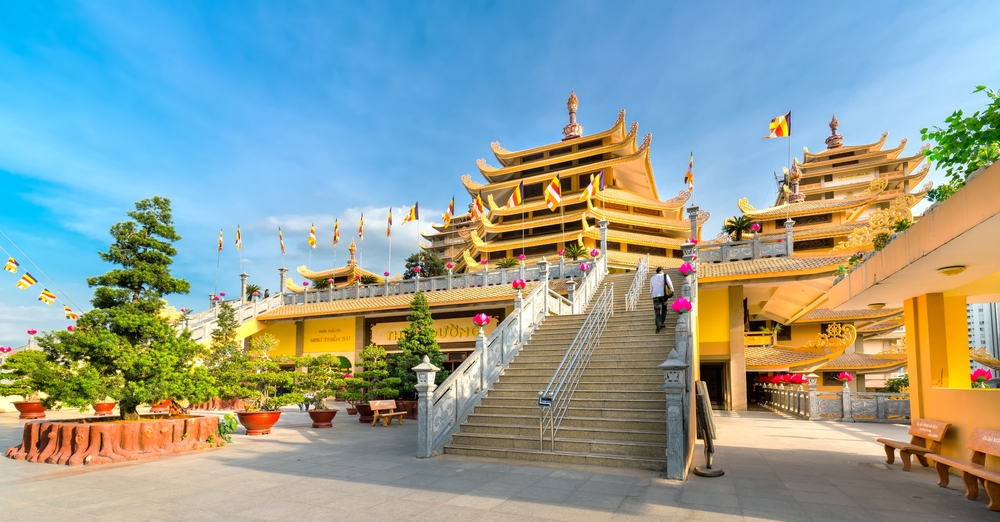
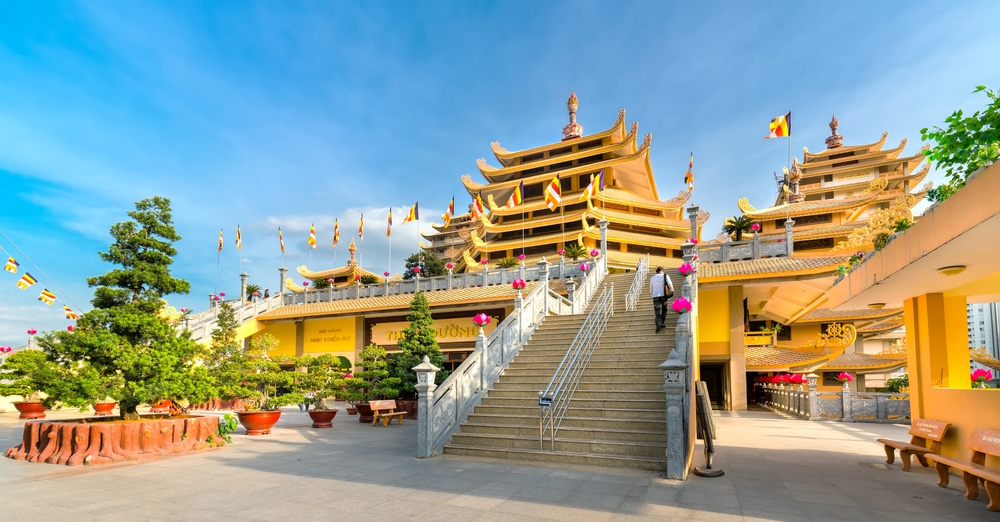
Catholic sisters’ visit to Buddhist temple stirs controversy in Vietnam #Catholic Vietnamese Catholics are debating the limits of interreligious dialogue following a visit of some 100 Catholic sisters to a Buddhist temple in Ho Chi Minh City.The sisters of the Theological Institute of the Inter-Congregations of Lovers of the Holy Cross learned basic principles of Buddhist prayers and “practiced seated meditations” at the visit to Minh Dang Quang Buddhist Monastery on Oct. 26, according to a UCA News report. Controversy followed after photos circulated online of the visit, the report said. Redemptorist Father Peter Nguyen Van Khai said the visit, which included offering incense and praying in front of a Buddhist statue, was inconsistent with Catholic teaching. “Good subjective intentions are not sufficient to justify an action that is objectively incompatible with the faith,” he said.Number of bishops in Ireland to drop by a third following mergerThe number of Catholic bishops in Ireland could decrease from 26 to 17 after a merger that was decided by Vatican consultations in which Pope Leo XIV participated prior to his election as pope.The merger was planned during a meeting in February 2025 with Archbishop Eamon Martin of Armagh, Archbishop Dermot Farrell of Dublin, Archbishop Kieran O’Reilly of Cashel and Emly, and Archbishop Francis Duffy of Tuam, according to an Oct. 27 report from the Irish Times. “Since the meeting in Rome held in February 2025, between the four archbishops of Ireland with Cardinal Robert Prevost … the subject of reconfiguration of dioceses within the province of Munster has been on the agenda of the regular meetings of the seven Munster bishops,” a spokesperson for the bishops said in the report, noting a consultative process is underway that could take “a number of years.”At UN, Holy See calls for ‘peaceful uses of outer space’ The apostolic nuncio to the United Nations, Archbishop Christophe El-Kassis, spoke out against the expansion of space activity at the expense of environmental damage at the 81st session of the U.N. General Assembly in New York City.“Outer space is a common good entrusted to the responsibility of the entire human family. Its exploration and use hold extraordinary promise for scientific advancement and integral human development,” El-Kassis said in his Oct. 28 statement. “However, it is essential that such progress benefits all peoples, without creating new inequalities or exclusions.” The nuncio further called for “greater international cooperation,” especially so that developing countries may benefit from any possible advances. “The Holy See therefore encourages States to pursue their common efforts to preserve outer space as a realm of peace, stability, and cooperation, for the benefit of present and future generations,” he said.Displaced Christians in southern Lebanon appeal for protection, return homeFamilies from Qouzah, a Christian village in southern Lebanon, are appealing to the Vatican and the United States for help returning to their homes after months of displacement.Residents have called for their village to be protected from further conflict, while Father Antonios Hanna, the parish priest, reported extensive damage to homes and the 120-year-old St. Joseph Church, ACI MENA, the Arabic-language sister service of EWTN News, reported on Oct. 27. Before the latest displacement, approximately 54 families lived in the village. Many now face unemployment, rent payments, and difficulties meeting basic needs. Hanna emphasized that residents want neither conflict nor confrontation but lasting peace that will allow them to return to their homes, churches, and farmland.Syrian curriculum changes spark controversy over religion, womenChanges to Syrian school textbooks have sparked criticism over the removal or alteration of material concerning women, the arts, civic education, and national history.According to documented comparisons of older and revised textbooks, images of women and girls were removed or digitally altered to include Islamic coverings, ACI MENA reported Oct. 26. References to traditional dances, famous artworks, and historical figures were also deleted. Some lessons on citizenship, democracy, and respect for the law were replaced or removed, while changes to historical and geographical references raised further concerns. Critics argue that the revisions promote a narrower religious and cultural perspective at the expense of Syriaʼs diverse heritage. The controversy has renewed debate over the role of education in preserving historical accuracy, encouraging critical thinking, and respecting the countryʼs social and religious diversity.African Church leaders urge quality formation as priestly vocations growCatholic leaders and formation personnel in Africa are calling for careful discernment of candidates, qualified formators, and continuing formation for clergy and laypeople as the continent records growth in priestly vocations.In responses shared with ACI Africa, the sister service of EWTN News in Africa, they said the increase in major seminarians calls for attention to candidates’ motivations, human and spiritual maturity, pastoral preparation, and safeguarding. “Rigorous discernment at the entry level should be the norm,” Archbishop Ignatius Ayau Kaigama of Abuja, Nigeria, said. “Careful vetting matters more than recruitment drives.” The archbishop further urged psychological and human screening, and for willingness to turn away candidates who are deemed unfit for the priesthood.Bishop reflects on 20 years of faith and service in Arabian PeninsulaAfter nearly two decades of service in the Arabian Peninsula, Swiss Capuchin Bishop Paul Hinder is preparing to return home, carrying with him memories of a diverse and deeply faithful Church.Appointed apostolic vicar of Arabia in 2005 and of Southern Arabia in 2011, he served communities across six countries, visiting Christians in Yemen and witnessing the devotion of migrant Catholics in Saudi Arabia, ACI MENA reported Oct. 23. Hinder helped build more than seven churches, supported the growth of the clergy, and encouraged lay participation, vocations, and Catholic education. He said his most lasting contribution was helping form people, whom he called the “living stones” of the Church. As he departs, he urged the faithful to remain united, resist hatred, and become peacemakers.

Catholic sisters’ visit to Buddhist temple stirs controversy in Vietnam #Catholic Vietnamese Catholics are debating the limits of interreligious dialogue following a visit of some 100 Catholic sisters to a Buddhist temple in Ho Chi Minh City.The sisters of the Theological Institute of the Inter-Congregations of Lovers of the Holy Cross learned basic principles of Buddhist prayers and “practiced seated meditations” at the visit to Minh Dang Quang Buddhist Monastery on Oct. 26, according to a UCA News report. Controversy followed after photos circulated online of the visit, the report said. Redemptorist Father Peter Nguyen Van Khai said the visit, which included offering incense and praying in front of a Buddhist statue, was inconsistent with Catholic teaching. “Good subjective intentions are not sufficient to justify an action that is objectively incompatible with the faith,” he said.Number of bishops in Ireland to drop by a third following mergerThe number of Catholic bishops in Ireland could decrease from 26 to 17 after a merger that was decided by Vatican consultations in which Pope Leo XIV participated prior to his election as pope.The merger was planned during a meeting in February 2025 with Archbishop Eamon Martin of Armagh, Archbishop Dermot Farrell of Dublin, Archbishop Kieran O’Reilly of Cashel and Emly, and Archbishop Francis Duffy of Tuam, according to an Oct. 27 report from the Irish Times. “Since the meeting in Rome held in February 2025, between the four archbishops of Ireland with Cardinal Robert Prevost … the subject of reconfiguration of dioceses within the province of Munster has been on the agenda of the regular meetings of the seven Munster bishops,” a spokesperson for the bishops said in the report, noting a consultative process is underway that could take “a number of years.”At UN, Holy See calls for ‘peaceful uses of outer space’ The apostolic nuncio to the United Nations, Archbishop Christophe El-Kassis, spoke out against the expansion of space activity at the expense of environmental damage at the 81st session of the U.N. General Assembly in New York City.“Outer space is a common good entrusted to the responsibility of the entire human family. Its exploration and use hold extraordinary promise for scientific advancement and integral human development,” El-Kassis said in his Oct. 28 statement. “However, it is essential that such progress benefits all peoples, without creating new inequalities or exclusions.” The nuncio further called for “greater international cooperation,” especially so that developing countries may benefit from any possible advances. “The Holy See therefore encourages States to pursue their common efforts to preserve outer space as a realm of peace, stability, and cooperation, for the benefit of present and future generations,” he said.Displaced Christians in southern Lebanon appeal for protection, return homeFamilies from Qouzah, a Christian village in southern Lebanon, are appealing to the Vatican and the United States for help returning to their homes after months of displacement.Residents have called for their village to be protected from further conflict, while Father Antonios Hanna, the parish priest, reported extensive damage to homes and the 120-year-old St. Joseph Church, ACI MENA, the Arabic-language sister service of EWTN News, reported on Oct. 27. Before the latest displacement, approximately 54 families lived in the village. Many now face unemployment, rent payments, and difficulties meeting basic needs. Hanna emphasized that residents want neither conflict nor confrontation but lasting peace that will allow them to return to their homes, churches, and farmland.Syrian curriculum changes spark controversy over religion, womenChanges to Syrian school textbooks have sparked criticism over the removal or alteration of material concerning women, the arts, civic education, and national history.According to documented comparisons of older and revised textbooks, images of women and girls were removed or digitally altered to include Islamic coverings, ACI MENA reported Oct. 26. References to traditional dances, famous artworks, and historical figures were also deleted. Some lessons on citizenship, democracy, and respect for the law were replaced or removed, while changes to historical and geographical references raised further concerns. Critics argue that the revisions promote a narrower religious and cultural perspective at the expense of Syriaʼs diverse heritage. The controversy has renewed debate over the role of education in preserving historical accuracy, encouraging critical thinking, and respecting the countryʼs social and religious diversity.African Church leaders urge quality formation as priestly vocations growCatholic leaders and formation personnel in Africa are calling for careful discernment of candidates, qualified formators, and continuing formation for clergy and laypeople as the continent records growth in priestly vocations.In responses shared with ACI Africa, the sister service of EWTN News in Africa, they said the increase in major seminarians calls for attention to candidates’ motivations, human and spiritual maturity, pastoral preparation, and safeguarding. “Rigorous discernment at the entry level should be the norm,” Archbishop Ignatius Ayau Kaigama of Abuja, Nigeria, said. “Careful vetting matters more than recruitment drives.” The archbishop further urged psychological and human screening, and for willingness to turn away candidates who are deemed unfit for the priesthood.Bishop reflects on 20 years of faith and service in Arabian PeninsulaAfter nearly two decades of service in the Arabian Peninsula, Swiss Capuchin Bishop Paul Hinder is preparing to return home, carrying with him memories of a diverse and deeply faithful Church.Appointed apostolic vicar of Arabia in 2005 and of Southern Arabia in 2011, he served communities across six countries, visiting Christians in Yemen and witnessing the devotion of migrant Catholics in Saudi Arabia, ACI MENA reported Oct. 23. Hinder helped build more than seven churches, supported the growth of the clergy, and encouraged lay participation, vocations, and Catholic education. He said his most lasting contribution was helping form people, whom he called the “living stones” of the Church. As he departs, he urged the faithful to remain united, resist hatred, and become peacemakers.

Catholic sisters visit Buddhist shrine, number of bishops in Ireland to drop by a third, Holy See at U.N. meeting calls for “peaceful uses of outer space,” and more in this week’s world news roundup.
Read More
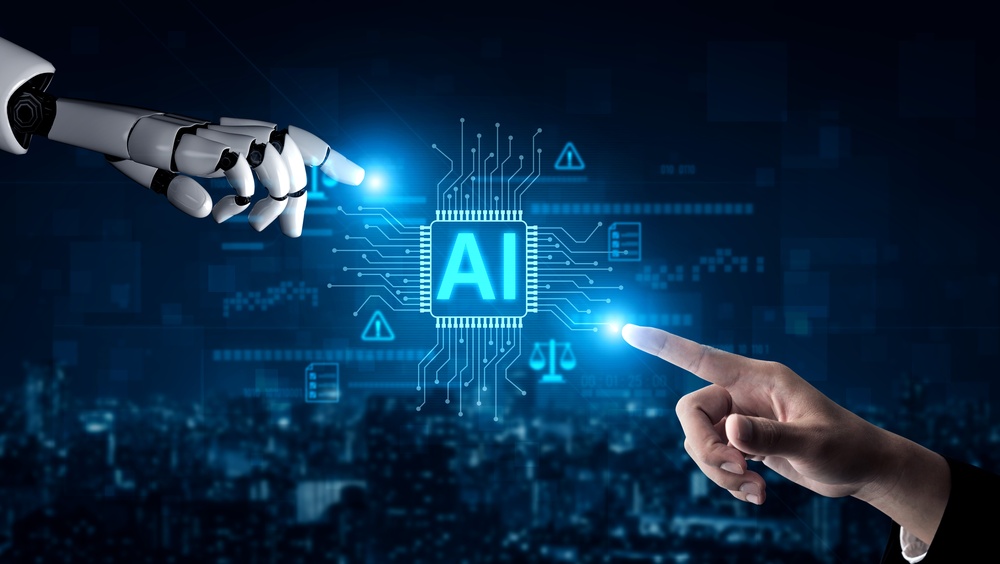
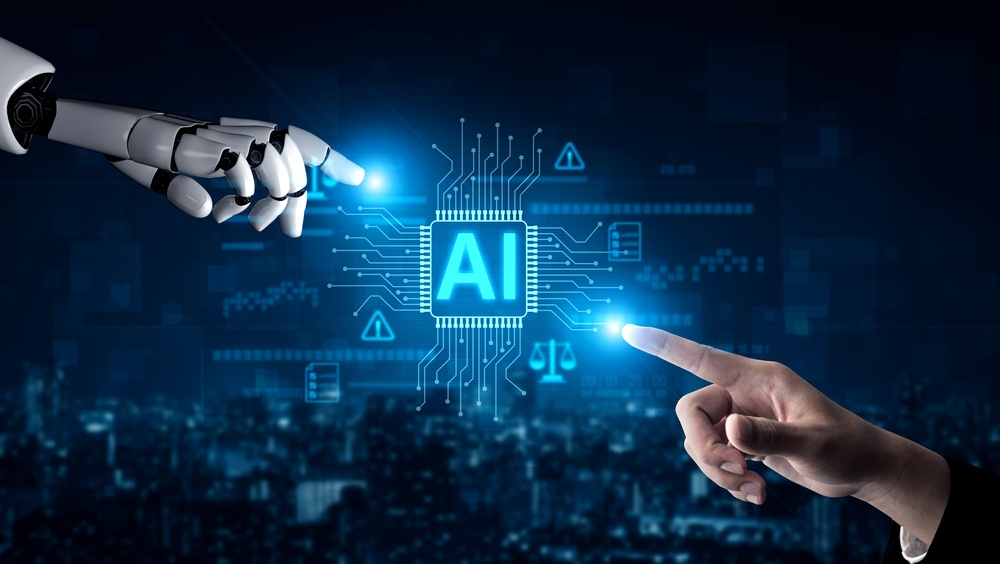
U.S. bishops name members of AI task force formed in response to encyclical #Catholic The U.S. Conference of Catholic Bishops’ (USCCB) Task Force on Preserving Human Dignity in the Age of Artificial Intelligence is composed of eight bishops and three academics who will serve as consultants, the USCCB announced Oct. 16.After meeting with AI experts and tech company executives in September, the U.S. bishops announced the creation of the task force as a response to Pope Leo XIV’s urging in his encyclical Magnifica Humanitas to “‘build forms of cooperation’ and cultivate a culture of shared responsibility” concerning the technology. Bishop Oscar Cantù of the Diocese of San José, California, leads the task force.Members include Cardinal Blase J. Cupich of Chicago; Archbishop Paul D. Etienne of Seattle; Archbishop Shelton J. Fabre of Louisville, Kentucky; Bishop Barry C. Knestout of Richmond, Virginia; Auxiliary Bishop James Massa of Brooklyn, New York; Bishop Michael F. Olson of Fort Worth, Texas; and Auxiliary Bishop Slawomir Szkredka of Los Angeles.Three academics will serve as consultants to the task force. They include Charles Camosy, professor of moral theology and ethics at The Catholic University of America; Kim Daniels, director of the Initiative on Catholic Social Thought and Public Life at Georgetown University; and Meghan Sullivan, professor of philosophy and director of the Institute for Ethics and the Common Good and Ethics Initiative at the University of Notre Dame.The group’s focus will be to promote “policies and practices that protect human dignity, religious liberty, democratic institutions, workers, families, and vulnerable populations,” according to the USCCB. “The Church enters the conversation on this issue as a teacher rather than a customer,” Olson told EWTN News. “It brings 2,000 years of reflection on human dignity, work, relationships, and truth to this conversation. We will listen carefully to Silicon Valley, but we will not outsource our understanding of the human person to it.”
 
 We will listen carefully to Silicon Valley, but we will not outsource our understanding of the human person to it.”
 
 Bishop Michael OlsonDiocese of Fort Worth, Texas
 
 
 The Fort Worth Diocese adopted AI policies before the release of Leo’s encyclical that binds both clergy and staff, Olson said. “AI must remain a tool in human hands. It can assist human judgment, but it must never replace it, least of all in the care of souls,” he said. “Nothing from the confessional or spiritual direction may ever be entered into an AI tool,” he said. “Homilies and pastoral counsel must come from a priest’s own prayer and discernment. And decisions about people, such as hiring, discipline, and who receives help, are made by people.”Olson expressed his concern about ways AI has hurt the elderly and people with disabilities through scams, children through “fake” relationships with chatbots, and students, who are “handing off the very work that forms their minds and critical thinking skills” to AI: “If a technology cannot be made safe for our most vulnerable, it is not ready for the market,” he said. Knestout said in an Oct. 19 statement that “AI is already having a profound impact on many aspects of our lives and will continue to develop in the coming years,” and it is Catholics’ “responsibility to protect the dignity of the human person as AI takes root and transforms life around us.”He said Pope Leo’s encyclical “will guide us as we navigate life with AI and face inevitable questions about what it means to be human, created in the image of God.”The U.S. bishops said in the Oct. 16 announcement that “the task force will emphasize that AI must serve human dignity and the common good” and “will maintain constructive and ongoing dialogues with the frontier labs, research organizations, academic centers and other stakeholders across the United States.”“Special attention will be given to helping Church leaders understand both the opportunities and risks posed by AI in areas such as education, communications, employment, healthcare, evangelization, governance, and the protection of children and vulnerable persons,” the bishops wrote.USCCB spokesperson Chieko Noguchi said in September that after their meetings with tech executives and experts, the bishops hoped “to identify ways the Church can contribute to the moral foundation of AI models and steps the companies can take to protect against misuse of their inventions and to guarantee human oversight of the technology.”

U.S. bishops name members of AI task force formed in response to encyclical #Catholic The U.S. Conference of Catholic Bishops’ (USCCB) Task Force on Preserving Human Dignity in the Age of Artificial Intelligence is composed of eight bishops and three academics who will serve as consultants, the USCCB announced Oct. 16.After meeting with AI experts and tech company executives in September, the U.S. bishops announced the creation of the task force as a response to Pope Leo XIV’s urging in his encyclical Magnifica Humanitas to “‘build forms of cooperation’ and cultivate a culture of shared responsibility” concerning the technology. Bishop Oscar Cantù of the Diocese of San José, California, leads the task force.Members include Cardinal Blase J. Cupich of Chicago; Archbishop Paul D. Etienne of Seattle; Archbishop Shelton J. Fabre of Louisville, Kentucky; Bishop Barry C. Knestout of Richmond, Virginia; Auxiliary Bishop James Massa of Brooklyn, New York; Bishop Michael F. Olson of Fort Worth, Texas; and Auxiliary Bishop Slawomir Szkredka of Los Angeles.Three academics will serve as consultants to the task force. They include Charles Camosy, professor of moral theology and ethics at The Catholic University of America; Kim Daniels, director of the Initiative on Catholic Social Thought and Public Life at Georgetown University; and Meghan Sullivan, professor of philosophy and director of the Institute for Ethics and the Common Good and Ethics Initiative at the University of Notre Dame.The group’s focus will be to promote “policies and practices that protect human dignity, religious liberty, democratic institutions, workers, families, and vulnerable populations,” according to the USCCB. “The Church enters the conversation on this issue as a teacher rather than a customer,” Olson told EWTN News. “It brings 2,000 years of reflection on human dignity, work, relationships, and truth to this conversation. We will listen carefully to Silicon Valley, but we will not outsource our understanding of the human person to it.” We will listen carefully to Silicon Valley, but we will not outsource our understanding of the human person to it.” Bishop Michael OlsonDiocese of Fort Worth, Texas The Fort Worth Diocese adopted AI policies before the release of Leo’s encyclical that binds both clergy and staff, Olson said. “AI must remain a tool in human hands. It can assist human judgment, but it must never replace it, least of all in the care of souls,” he said. “Nothing from the confessional or spiritual direction may ever be entered into an AI tool,” he said. “Homilies and pastoral counsel must come from a priest’s own prayer and discernment. And decisions about people, such as hiring, discipline, and who receives help, are made by people.”Olson expressed his concern about ways AI has hurt the elderly and people with disabilities through scams, children through “fake” relationships with chatbots, and students, who are “handing off the very work that forms their minds and critical thinking skills” to AI: “If a technology cannot be made safe for our most vulnerable, it is not ready for the market,” he said. Knestout said in an Oct. 19 statement that “AI is already having a profound impact on many aspects of our lives and will continue to develop in the coming years,” and it is Catholics’ “responsibility to protect the dignity of the human person as AI takes root and transforms life around us.”He said Pope Leo’s encyclical “will guide us as we navigate life with AI and face inevitable questions about what it means to be human, created in the image of God.”The U.S. bishops said in the Oct. 16 announcement that “the task force will emphasize that AI must serve human dignity and the common good” and “will maintain constructive and ongoing dialogues with the frontier labs, research organizations, academic centers and other stakeholders across the United States.”“Special attention will be given to helping Church leaders understand both the opportunities and risks posed by AI in areas such as education, communications, employment, healthcare, evangelization, governance, and the protection of children and vulnerable persons,” the bishops wrote.USCCB spokesperson Chieko Noguchi said in September that after their meetings with tech executives and experts, the bishops hoped “to identify ways the Church can contribute to the moral foundation of AI models and steps the companies can take to protect against misuse of their inventions and to guarantee human oversight of the technology.”

U.S. bishops formed the task force after meeting with AI experts and executives in September to identify how the Church could help shape the moral foundations of AI.
Read More