

Egyptian

Coptic youths freed after video sparks accusations of insulting Islam #Catholic After less than three weeks in detention, six Coptic young men — one a minor — were released, bringing to a close a case that had raised fears of sectarian tensions in the countryside of Egypt’s Minya province. The case followed the young men’s posting of a video in which they reenacted a scene from an Egyptian film.In an interview with ACI MENA, the Arabic-language sister service of EWTN News, Nader Shukry, a citizenship researcher and writer specializing in Coptic affairs, described the case and its broader implications. He highlighted challenges around understanding Egyptian law and using social media.Shukry said the young men, who live in Ezbet Tanious in the village of Taha al-Amda, in the Samalut district of Minya, reenacted a scene from the 2018 film “Khalawis.” The scene does not mock religion, he said; it depicts prisoners known for bullying and violence trying to pray without knowing how.Dozens of Egyptian Muslims also reenacted and posted the scene without provoking similar reactions, Shukry said. But when the Coptic young men posted it, one village resident objected and accused them of insulting Islam.The young men deleted the video shortly after posting it because they did not realize some viewers might find it offensive, Shukry said. But incitement continued, prompting security forces to detain them in an effort to contain anger and prevent possible attacks on Christians and their property. He said extremist currents in Minya seek to inflame religious sentiment and create disorder.Shukry said the young men were not held for long once it became clear they had not intended to insult religion. A de-escalation meeting was also held in the village, with the church taking part. He distinguished this meeting from customary reconciliation sessions, saying it aimed to counter incitement on social media and ease tensions among residents.Shukry stressed the danger of attributing an individual’s actions, whether the person is guilty or innocent, to an entire religious community. A citizen should be held accountable for what that person did, he said; Christians as a whole, or an entire village, should not bear responsibility for one person’s actions.He also pointed to pages that publish content insulting Christians without facing legal consequences comparable to those a Christian might face for discussing Islam. The case involving the six young men remains open until the prosecutor general issues a decision to close it, Shukry said, although it has largely concluded in practice. He cited the short length of their detention compared with other cases involving alleged contempt of religion.Shukry urged young people to exercise caution when dealing with religious matters and to avoid discussions that others might exploit or present as insults to religion. He distinguished such discussions from interreligious dialogue conducted by specialists.Egyptian society faces a challenge of awareness, he said, noting that many Christians have previously become involved in cases involving alleged contempt of religion because they were unfamiliar with Egyptian law and how to use social media.This story was first published by ACI MENA, the Arabic-language sister service of EWTN News. It has been translated and adapted by EWTN News English.

Coptic youths freed after video sparks accusations of insulting Islam #Catholic After less than three weeks in detention, six Coptic young men — one a minor — were released, bringing to a close a case that had raised fears of sectarian tensions in the countryside of Egypt’s Minya province. The case followed the young men’s posting of a video in which they reenacted a scene from an Egyptian film.In an interview with ACI MENA, the Arabic-language sister service of EWTN News, Nader Shukry, a citizenship researcher and writer specializing in Coptic affairs, described the case and its broader implications. He highlighted challenges around understanding Egyptian law and using social media.Shukry said the young men, who live in Ezbet Tanious in the village of Taha al-Amda, in the Samalut district of Minya, reenacted a scene from the 2018 film “Khalawis.” The scene does not mock religion, he said; it depicts prisoners known for bullying and violence trying to pray without knowing how.Dozens of Egyptian Muslims also reenacted and posted the scene without provoking similar reactions, Shukry said. But when the Coptic young men posted it, one village resident objected and accused them of insulting Islam.The young men deleted the video shortly after posting it because they did not realize some viewers might find it offensive, Shukry said. But incitement continued, prompting security forces to detain them in an effort to contain anger and prevent possible attacks on Christians and their property. He said extremist currents in Minya seek to inflame religious sentiment and create disorder.Shukry said the young men were not held for long once it became clear they had not intended to insult religion. A de-escalation meeting was also held in the village, with the church taking part. He distinguished this meeting from customary reconciliation sessions, saying it aimed to counter incitement on social media and ease tensions among residents.Shukry stressed the danger of attributing an individual’s actions, whether the person is guilty or innocent, to an entire religious community. A citizen should be held accountable for what that person did, he said; Christians as a whole, or an entire village, should not bear responsibility for one person’s actions.He also pointed to pages that publish content insulting Christians without facing legal consequences comparable to those a Christian might face for discussing Islam. The case involving the six young men remains open until the prosecutor general issues a decision to close it, Shukry said, although it has largely concluded in practice. He cited the short length of their detention compared with other cases involving alleged contempt of religion.Shukry urged young people to exercise caution when dealing with religious matters and to avoid discussions that others might exploit or present as insults to religion. He distinguished such discussions from interreligious dialogue conducted by specialists.Egyptian society faces a challenge of awareness, he said, noting that many Christians have previously become involved in cases involving alleged contempt of religion because they were unfamiliar with Egyptian law and how to use social media.This story was first published by ACI MENA, the Arabic-language sister service of EWTN News. It has been translated and adapted by EWTN News English.

Coptic researcher urges caution as religious contempt cases persist in Egypt.

Read More
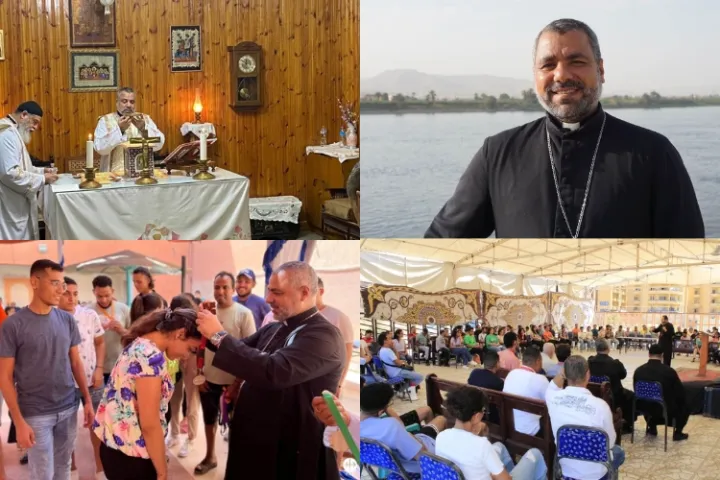
What the Catholic Church in Egypt is doing to keep youths attached to their faith #Catholic CAIRO — The Catholic Church in Egypt faces the challenge of keeping its young population attached to the faith, a bishop in the country said, noting that many youths abandon the Catholic faith at marriage.Speaking to Aid to the Church in Need, Bishop Emmanuel Bishay of Egypt’s Coptic Catholic Eparchy of Luxor clarified that relations between the Catholic and Orthodox churches are good.However, he pointed out the challenge of keeping youths in the Church, noting that to deepen the Catholic faith, the Church runs formation programs alongside initiatives that make it easier for young Catholics to meet and forge relationships.“At the official level, relations between the Catholic and Orthodox churches are good. There is affection, and people exchange greetings on religious occasions,” Bishay said in an Oct. 19 ACN report.“Unfortunately, if a young Catholic man or woman marries an Orthodox person, they may be required to become Orthodox and to follow the Orthodox Church’s requirements,” he said. “This is a major challenge for us as a Church: How can we help our young people deepen their Catholic faith and remain attached to their Church?”“I believe that the formation we provide, especially through catechesis, is an important service. We also create many opportunities for young Catholics to meet one another,” he said.In Egypt, Catholics are described as “a minority within a minority” in the ACN report. The charity organization says that the largest Christian denomination in Egypt is the historic Coptic Orthodox Church.“Though there are no official numbers, estimates point to between 10 and 15 million Copts in the country, making it the biggest Christian community in the Middle East, by a large margin. Muslims make up the vast majority of the rest of Egypt’s 120 million people,” the ACN report said.The Catholic Coptic Church, on the other hand, has only around 300,000 faithful living in Egypt, but according to Bishay, they are playing an important part in forging good relations between different religious communities and also for their contributions to health, education, and culture.“As one travels farther into Upper Egypt, people can be somewhat more rigid in their attitudes. We make every effort to build relationships with the Orthodox community and with Muslims, who are the majority, even if we encounter some difficulties, especially in villages and small settlements,” Bishay was quoted as explaining.Regarding relations with the Muslim community, the Catholic bishop admitted that there have been difficult periods but said the situation has improved.“The hard-line voices that used to be heard are no longer as prominent, while another voice, the moderate one, is growing. The change is slow but noticeable: People are listening to those with moderate views, and the government is giving them room to act. The process is moving in this direction. I believe that if Egypt continues along this path, things will keep getting better,” the Church leader said.Bishay further said that the Catholic Church plays an outsized role in the services it provides in Egypt, especially in the poorer regions, but its faithful continue to face difficult challenges as a minority within a large country.“The Catholic Church is small in numbers but strong in services. Some of the best schools in Egypt are Catholic schools, and the fact that state officials regularly turn to Catholic schools is evidence of this. We also work in healthcare. Our diocese alone has 14 clinics, most of which are staffed by religious sisters who devote much of their time to this work. Another contribution is through cultural centers and libraries,” Bishay explained.He added: “The Catholic Church has not only provided these services; it has also shown Egyptian society how to provide them. The Coptic Orthodox Church learned to provide them from us and, more recently, mosques have also begun providing services of this kind, following our example. The Catholic Church has been a pioneer in this field.”The bishop went on to say that the services are particularly important in the Eparchy of Luxor.“Upper Egypt receives less attention than the Delta and the north of the country, which means that services are less adequate, particularly in healthcare. Hospitals do not always meet the required standard, and there are also shortcomings in education and childcare. This requires a great deal of effort from us as the Catholic Church.”He added: “The figures indicate that we are among the poorest governorates in Egypt. This affects people’s abilities and talents, whether intellectual or otherwise. It saddens me to see talented people whose abilities are not given their due, or whose surroundings do not give them the opportunity to develop and fulfill their potential,” the bishop said.He expressed gratitude to ACN, which he said continues to support the Catholic Church in Egypt in many different fields. “ACN is a very important support for us. What is especially valuable is that the foundation looks at our priorities, rather than imposing its own agenda. That is very important!”This story was first published by ACI Africa, the sister service of EWTN News in Africa, and has been adapted by EWTN News.

What the Catholic Church in Egypt is doing to keep youths attached to their faith #Catholic CAIRO — The Catholic Church in Egypt faces the challenge of keeping its young population attached to the faith, a bishop in the country said, noting that many youths abandon the Catholic faith at marriage.Speaking to Aid to the Church in Need, Bishop Emmanuel Bishay of Egypt’s Coptic Catholic Eparchy of Luxor clarified that relations between the Catholic and Orthodox churches are good.However, he pointed out the challenge of keeping youths in the Church, noting that to deepen the Catholic faith, the Church runs formation programs alongside initiatives that make it easier for young Catholics to meet and forge relationships.“At the official level, relations between the Catholic and Orthodox churches are good. There is affection, and people exchange greetings on religious occasions,” Bishay said in an Oct. 19 ACN report.“Unfortunately, if a young Catholic man or woman marries an Orthodox person, they may be required to become Orthodox and to follow the Orthodox Church’s requirements,” he said. “This is a major challenge for us as a Church: How can we help our young people deepen their Catholic faith and remain attached to their Church?”“I believe that the formation we provide, especially through catechesis, is an important service. We also create many opportunities for young Catholics to meet one another,” he said.In Egypt, Catholics are described as “a minority within a minority” in the ACN report. The charity organization says that the largest Christian denomination in Egypt is the historic Coptic Orthodox Church.“Though there are no official numbers, estimates point to between 10 and 15 million Copts in the country, making it the biggest Christian community in the Middle East, by a large margin. Muslims make up the vast majority of the rest of Egypt’s 120 million people,” the ACN report said.The Catholic Coptic Church, on the other hand, has only around 300,000 faithful living in Egypt, but according to Bishay, they are playing an important part in forging good relations between different religious communities and also for their contributions to health, education, and culture.“As one travels farther into Upper Egypt, people can be somewhat more rigid in their attitudes. We make every effort to build relationships with the Orthodox community and with Muslims, who are the majority, even if we encounter some difficulties, especially in villages and small settlements,” Bishay was quoted as explaining.Regarding relations with the Muslim community, the Catholic bishop admitted that there have been difficult periods but said the situation has improved.“The hard-line voices that used to be heard are no longer as prominent, while another voice, the moderate one, is growing. The change is slow but noticeable: People are listening to those with moderate views, and the government is giving them room to act. The process is moving in this direction. I believe that if Egypt continues along this path, things will keep getting better,” the Church leader said.Bishay further said that the Catholic Church plays an outsized role in the services it provides in Egypt, especially in the poorer regions, but its faithful continue to face difficult challenges as a minority within a large country.“The Catholic Church is small in numbers but strong in services. Some of the best schools in Egypt are Catholic schools, and the fact that state officials regularly turn to Catholic schools is evidence of this. We also work in healthcare. Our diocese alone has 14 clinics, most of which are staffed by religious sisters who devote much of their time to this work. Another contribution is through cultural centers and libraries,” Bishay explained.He added: “The Catholic Church has not only provided these services; it has also shown Egyptian society how to provide them. The Coptic Orthodox Church learned to provide them from us and, more recently, mosques have also begun providing services of this kind, following our example. The Catholic Church has been a pioneer in this field.”The bishop went on to say that the services are particularly important in the Eparchy of Luxor.“Upper Egypt receives less attention than the Delta and the north of the country, which means that services are less adequate, particularly in healthcare. Hospitals do not always meet the required standard, and there are also shortcomings in education and childcare. This requires a great deal of effort from us as the Catholic Church.”He added: “The figures indicate that we are among the poorest governorates in Egypt. This affects people’s abilities and talents, whether intellectual or otherwise. It saddens me to see talented people whose abilities are not given their due, or whose surroundings do not give them the opportunity to develop and fulfill their potential,” the bishop said.He expressed gratitude to ACN, which he said continues to support the Catholic Church in Egypt in many different fields. “ACN is a very important support for us. What is especially valuable is that the foundation looks at our priorities, rather than imposing its own agenda. That is very important!”This story was first published by ACI Africa, the sister service of EWTN News in Africa, and has been adapted by EWTN News.

Speaking to Aid to the Church in Need, Bishop Emmanuel Bishay of Egypt’s Coptic Catholic Eparchy of Luxor said that relations between the Catholic and Orthodox churches are good.
Read More
Picture of the day


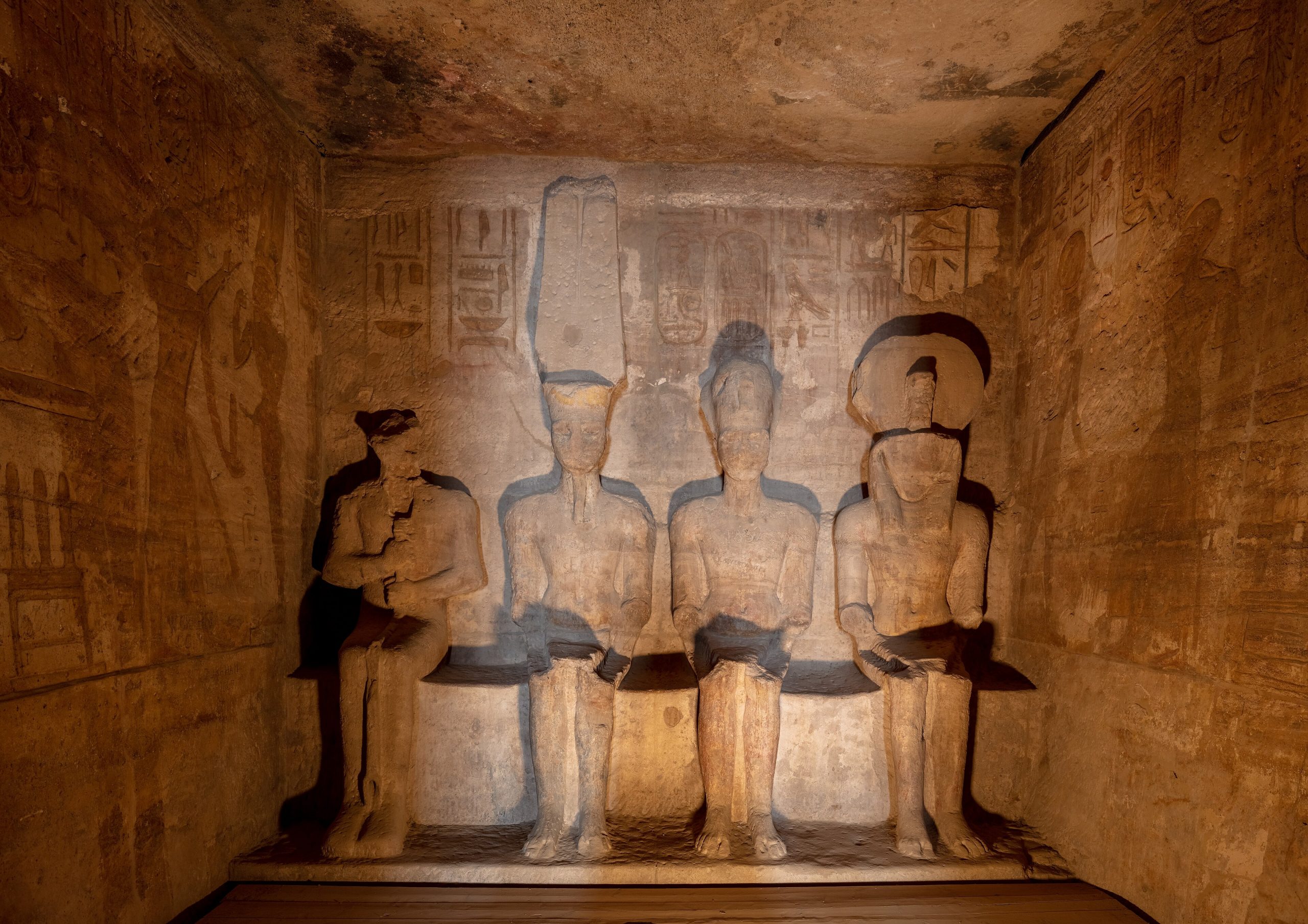
Famous sanctuary of the temple of Ramses II, Abu Simbel, Egypt. The Great Temple at Abu Simbel, which took about twenty years to build, was completed around year 24 of the reign of Ramesses the Great (which corresponds to 1265 BC). It was dedicated to the gods Amun, Ra-Horakhty, and Ptah, as well as to the deified Ramesses himself. It is generally considered the grandest and most beautiful of the temples commissioned during the reign of Ramesses II, and one of the most beautiful in Egypt. In the sanctuary are rock cut sculptures of four seated figures: Ra-Horakhty, the deified king Ramesses, and the gods Amun Ra and Ptah, the main divinities in that period. It is believed that the axis of the temple was positioned by the ancient Egyptian architects in such a way that on October 22 and February 22 (allegedly the king’s birthday and coronation day, respectively), the rays of the sun would penetrate the sanctuary and illuminate the sculptures on the back wall, except for the statue of Ptah, a god connected with the realm of the dead, who always remained in the dark. People gather at Abu Simbel on these days to witness this.
 #ImageOfTheDay
Picture of the day
Famous sanctuary of the temple of Ramses II, Abu Simbel, Egypt. The Great Temple at Abu Simbel, which took about twenty years to build, was completed around year 24 of the reign of Ramesses the Great (which corresponds to 1265 BC). It was dedicated to the gods Amun, Ra-Horakhty, and Ptah, as well as to the deified Ramesses himself. It is generally considered the grandest and most beautiful of the temples commissioned during the reign of Ramesses II, and one of the most beautiful in Egypt. In the sanctuary are rock cut sculptures of four seated figures: Ra-Horakhty, the deified king Ramesses, and the gods Amun Ra and Ptah, the main divinities in that period. It is believed that the axis of the temple was positioned by the ancient Egyptian architects in such a way that on October 22 and February 22 (allegedly the king’s birthday and coronation day, respectively), the rays of the sun would penetrate the sanctuary and illuminate the sculptures on the back wall, except for the statue of Ptah, a god connected with the realm of the dead, who always remained in the dark. People gather at Abu Simbel on these days to witness this.
Read More