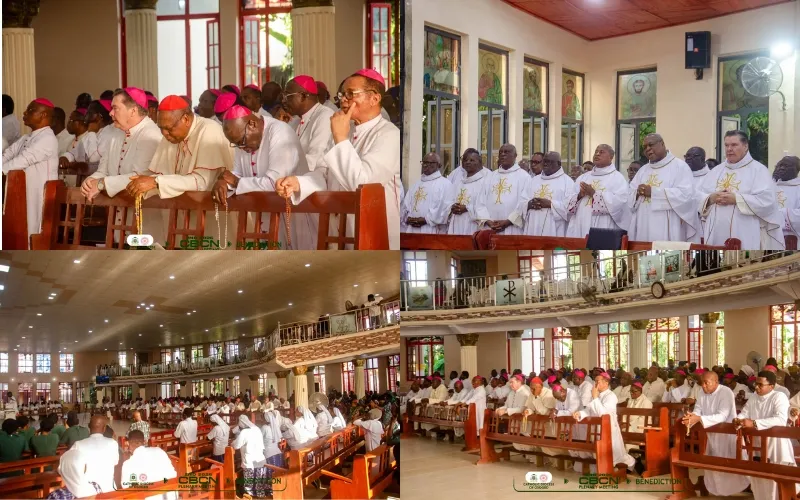

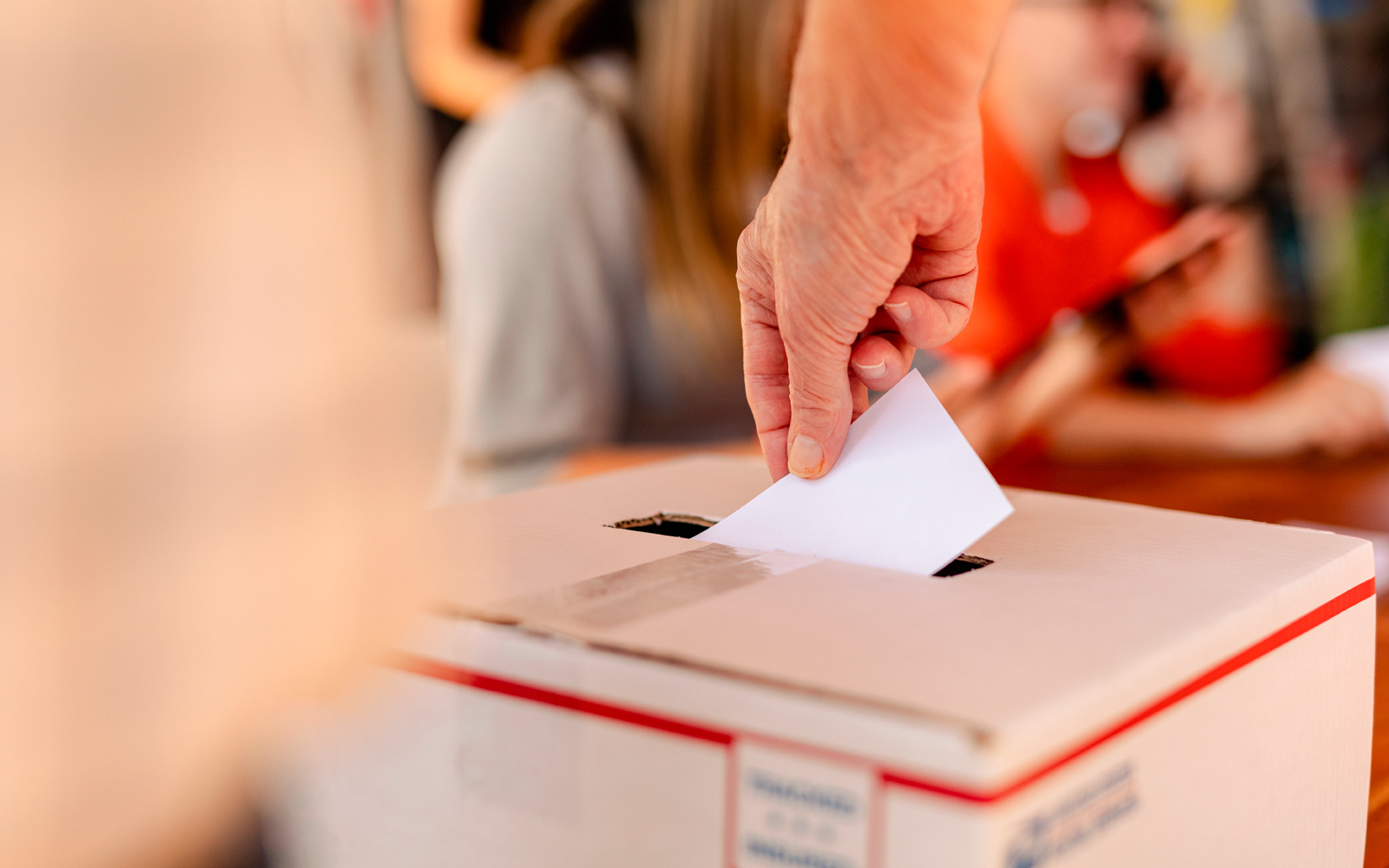
The Bishops’ Conference of Nigeria has called for prayer and fasting on December 8 for the success of the country’s general elections, calling on Nigerians to prepare spiritually for the polls.
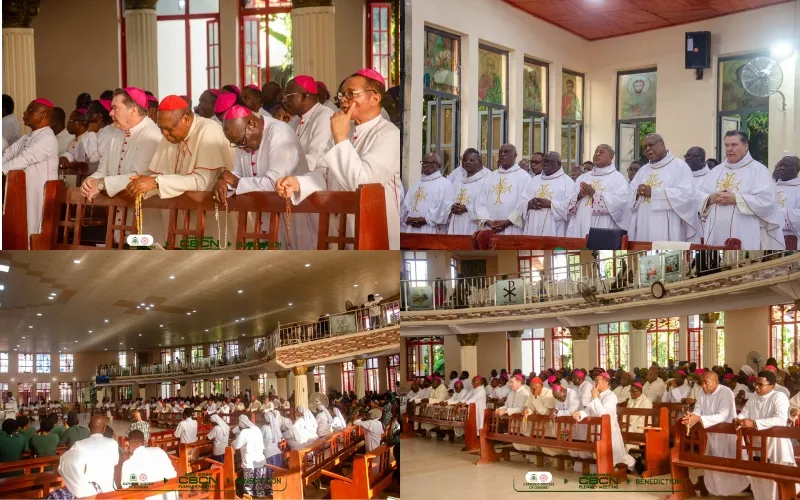
The Bishops’ Conference of Nigeria has called for prayer and fasting on December 8 for the success of the country’s general elections, calling on Nigerians to prepare spiritually for the polls.
![Venezuela: Talks with opposition, oil deal, Delcy Rodríguez in New York, and the Church’s stance #Catholic Sept. 15 marked the start of the second round of negotiations between a Venezuelan opposition delegation and the country’s ruling socialist regime, a process promoted and driven by the U.S. government with an eye toward potential presidential elections in the South American nation.Dinorah Figuera, who leads the opposition delegation, arrived in Venezuela on Sept. 13 and before national and international media explained that once this weekʼs discussions conclude, the country could expect an announcement regarding the agreements reached.Meanwhile, Jorge Millán, who is also part of the opposition delegation, stated that they would continue “pursuing a Supreme Court of Justice with honorable, independent, and impartial judges capable of providing Venezuela with an upstanding judicial system after so many years. At the end of the cycle [of talks], we will present clear and verifiable objectives.”He also stated that this round of negotiations would also address the status of political parties, political guarantees, and “the dismantling of the repressive apparatus” established by Chavismo (the socialist government established by President Hugo Chávez and continued by President Nicolás Maduro) for over two decades. The state of freedom of expression in Venezuela will also be one of the items on the agenda.“The foundation for achieving a full democracy requires creating the conditions for elections to be held in Venezuela as soon as possible, as quickly as possible. We are laying the groundwork to reach those important areas that will enable all Venezuelans to elect our leaders very soon, with the speed we desire but also allowing for the time this will take,” Millán added.Concerns and proposals from the Catholic ChurchLast week, Cardinals Baltazar Porras and Diego Padrón, together with Bishop Emeritus Ramón Ovidio Pérez Morales, once again spoke out regarding the political and social situation in Venezuela. The prelates had previously raised their voices at the start of negotiations, offering to serve as guarantors of the process.On this occasion, they addressed the state of “indeterminacy, confusion, and uncertainty” prevailing in the country, offering “certain opinions, judgments, and proposals” that seek to “open the way” to help overcome the current crisis and achieve solid institutional stability and the national common good.Following the capture and extradition of President Nicolás Maduro and his wife, Cilia Flores, by U.S. forces on Jan. 3, the prelates noted that “changes have occurred, yet neither the desired and expected change nor a shift toward the structuring and functioning of the country in line with the preamble and fundamental principles of the 1999 Constitution is perceptible.”The cardinals and the bishop cite as examples of this lack of change that there are still political prisoners and a climate of repression as well as a state monopoly on the media and the continued centralization of power. Although these issues have been placed on the negotiating tableʼs agenda, the prelates maintain that these talks “operate within a framework of limited scope and authority.”In this regard, they pointed out that the state is operating on “shaky and legally undefined ground,” while the executive branch is “illegitimate regarding both its origins and its exercise of power.” Consequently, they emphasized the urgent need to call for elections soon.Oil deals with few detailsA few weeks ago, the Trump administration and the Chavista regime signed a massive energy deal granting the United States effective control over approximately one-third of Venezuelan oil, some 65 billion barrels of proven reserves.Beyond the economic aspects, the agreement has sparked particular controversy by including Venezuelan businessman Alejandro Betancourt López as an intermediary. He has been the subject of several investigations regarding alleged corruption, inflated prices in electricity contracts, and money laundering linked to the oil sector.Within Venezuela, Betancourt is singled out as one of the key figures responsible for the serious deterioration of the electrical grid, which has led to daily, hourslong blackouts across the country for years, severely impacting the populationʼs daily lives and even resulting in loss of life due to various causes.While acknowledging they are not experts in the field, Porras, Padrón, and Pérez Morales call for greater transparency in the negotiations and recommend “prudence and a gradual approach regarding commitments.” This, they state, reflects the prevailing sentiment among the Venezuelan people, who are concerned about the fate and use of the “vast sums of money” the state is set to receive.Greater emphasis on the need to call electionsIn light of the foregoing, the cardinals and the bishop underscored the priority of allowing the sovereign people of Venezuela to have a “a defined and clear mandate” regarding the nation’s future, a step that would also offer a sure path toward “encounter, social reconciliation, and peace.”“God has given us this country as a setting in which to build a ‘new society,’ the ideal of the civilization of love. We Venezuelans, through our own efforts and by invoking divine assistance, must keep hope alive and continue working on this compelling task, striving to reap its fruits of peace, freedom, justice, and fraternity,” the prelates stated.Delcy Rodríguez in New York?According to a Sept. 14 Bloomberg report, Venezuelaʼs interim president, Delcy Rodríguez, is considering a trip to New York to attend the United Nations General Assembly, which takes place next week.If the trip goes ahead, Rodríguez would be in the same city where Nicolás Maduro and Cilia Flores are in U.S. custody. When asked about a possible meeting with the Chavista leader, President Donald Trump simply replied: “Maybe, maybe.”Meanwhile, U.S. Secretary of State Marco Rubio indicated that an in-person meeting “probably will happen” if the presence of the interim regimeʼs president is confirmed.Rodríguezʼs presence on U.S. soil would mark a milestone in relations between Washington and Caracas, following more than two decades of tension and discord. Within Venezuela, the growing rapprochement between the U.S. government and the remnants of Chavismo is fueling concern and uncertainty regarding the possibility of real political change.This story was first published by ACI Prensa, the Spanish-language sister service of EWTN News. It has been translated and adapted by EWTN News English.](https://unitedyam.com/wp-content/uploads/2026/09/venezuela-talks-with-opposition-oil-deal-delcy-rodriguez-in-new-york-and-the-churchs-stance-catholic-sept-15-marked-the-start-of-the-second-round-of-negotiations-between-a-venezuelan-op.jpg "Venezuela: Talks with opposition, oil deal, Delcy Rodríguez in New York, and the Church’s stance #Catholic Sept. 15 marked the start of the second round of negotiations between a Venezuelan opposition delegation and the country’s ruling socialist regime, a process promoted and driven by the U.S. government with an eye toward potential presidential elections in the South American nation.Dinorah Figuera, who leads the opposition delegation, arrived in Venezuela on Sept. 13 and before national and international media explained that once this weekʼs discussions conclude, the country could expect an announcement regarding the agreements reached.Meanwhile, Jorge Millán, who is also part of the opposition delegation, stated that they would continue “pursuing a Supreme Court of Justice with honorable, independent, and impartial judges capable of providing Venezuela with an upstanding judicial system after so many years. At the end of the cycle [of talks], we will present clear and verifiable objectives.”He also stated that this round of negotiations would also address the status of political parties, political guarantees, and “the dismantling of the repressive apparatus” established by Chavismo (the socialist government established by President Hugo Chávez and continued by President Nicolás Maduro) for over two decades. The state of freedom of expression in Venezuela will also be one of the items on the agenda.“The foundation for achieving a full democracy requires creating the conditions for elections to be held in Venezuela as soon as possible, as quickly as possible. We are laying the groundwork to reach those important areas that will enable all Venezuelans to elect our leaders very soon, with the speed we desire but also allowing for the time this will take,” Millán added.Concerns and proposals from the Catholic ChurchLast week, Cardinals Baltazar Porras and Diego Padrón, together with Bishop Emeritus Ramón Ovidio Pérez Morales, once again spoke out regarding the political and social situation in Venezuela. The prelates had previously raised their voices at the start of negotiations, offering to serve as guarantors of the process.On this occasion, they addressed the state of “indeterminacy, confusion, and uncertainty” prevailing in the country, offering “certain opinions, judgments, and proposals” that seek to “open the way” to help overcome the current crisis and achieve solid institutional stability and the national common good.Following the capture and extradition of President Nicolás Maduro and his wife, Cilia Flores, by U.S. forces on Jan. 3, the prelates noted that “changes have occurred, yet neither the desired and expected change nor a shift toward the structuring and functioning of the country in line with the preamble and fundamental principles of the 1999 Constitution is perceptible.”The cardinals and the bishop cite as examples of this lack of change that there are still political prisoners and a climate of repression as well as a state monopoly on the media and the continued centralization of power. Although these issues have been placed on the negotiating tableʼs agenda, the prelates maintain that these talks “operate within a framework of limited scope and authority.”In this regard, they pointed out that the state is operating on “shaky and legally undefined ground,” while the executive branch is “illegitimate regarding both its origins and its exercise of power.” Consequently, they emphasized the urgent need to call for elections soon.Oil deals with few detailsA few weeks ago, the Trump administration and the Chavista regime signed a massive energy deal granting the United States effective control over approximately one-third of Venezuelan oil, some 65 billion barrels of proven reserves.Beyond the economic aspects, the agreement has sparked particular controversy by including Venezuelan businessman Alejandro Betancourt López as an intermediary. He has been the subject of several investigations regarding alleged corruption, inflated prices in electricity contracts, and money laundering linked to the oil sector.Within Venezuela, Betancourt is singled out as one of the key figures responsible for the serious deterioration of the electrical grid, which has led to daily, hourslong blackouts across the country for years, severely impacting the populationʼs daily lives and even resulting in loss of life due to various causes.While acknowledging they are not experts in the field, Porras, Padrón, and Pérez Morales call for greater transparency in the negotiations and recommend “prudence and a gradual approach regarding commitments.” This, they state, reflects the prevailing sentiment among the Venezuelan people, who are concerned about the fate and use of the “vast sums of money” the state is set to receive.Greater emphasis on the need to call electionsIn light of the foregoing, the cardinals and the bishop underscored the priority of allowing the sovereign people of Venezuela to have a “a defined and clear mandate” regarding the nation’s future, a step that would also offer a sure path toward “encounter, social reconciliation, and peace.”“God has given us this country as a setting in which to build a ‘new society,’ the ideal of the civilization of love. We Venezuelans, through our own efforts and by invoking divine assistance, must keep hope alive and continue working on this compelling task, striving to reap its fruits of peace, freedom, justice, and fraternity,” the prelates stated.Delcy Rodríguez in New York?According to a Sept. 14 Bloomberg report, Venezuelaʼs interim president, Delcy Rodríguez, is considering a trip to New York to attend the United Nations General Assembly, which takes place next week.If the trip goes ahead, Rodríguez would be in the same city where Nicolás Maduro and Cilia Flores are in U.S. custody. When asked about a possible meeting with the Chavista leader, President Donald Trump simply replied: “Maybe, maybe.”Meanwhile, U.S. Secretary of State Marco Rubio indicated that an in-person meeting “probably will happen” if the presence of the interim regimeʼs president is confirmed.Rodríguezʼs presence on U.S. soil would mark a milestone in relations between Washington and Caracas, following more than two decades of tension and discord. Within Venezuela, the growing rapprochement between the U.S. government and the remnants of Chavismo is fueling concern and uncertainty regarding the possibility of real political change.This story was first published by ACI Prensa, the Spanish-language sister service of EWTN News. It has been translated and adapted by EWTN News English.")
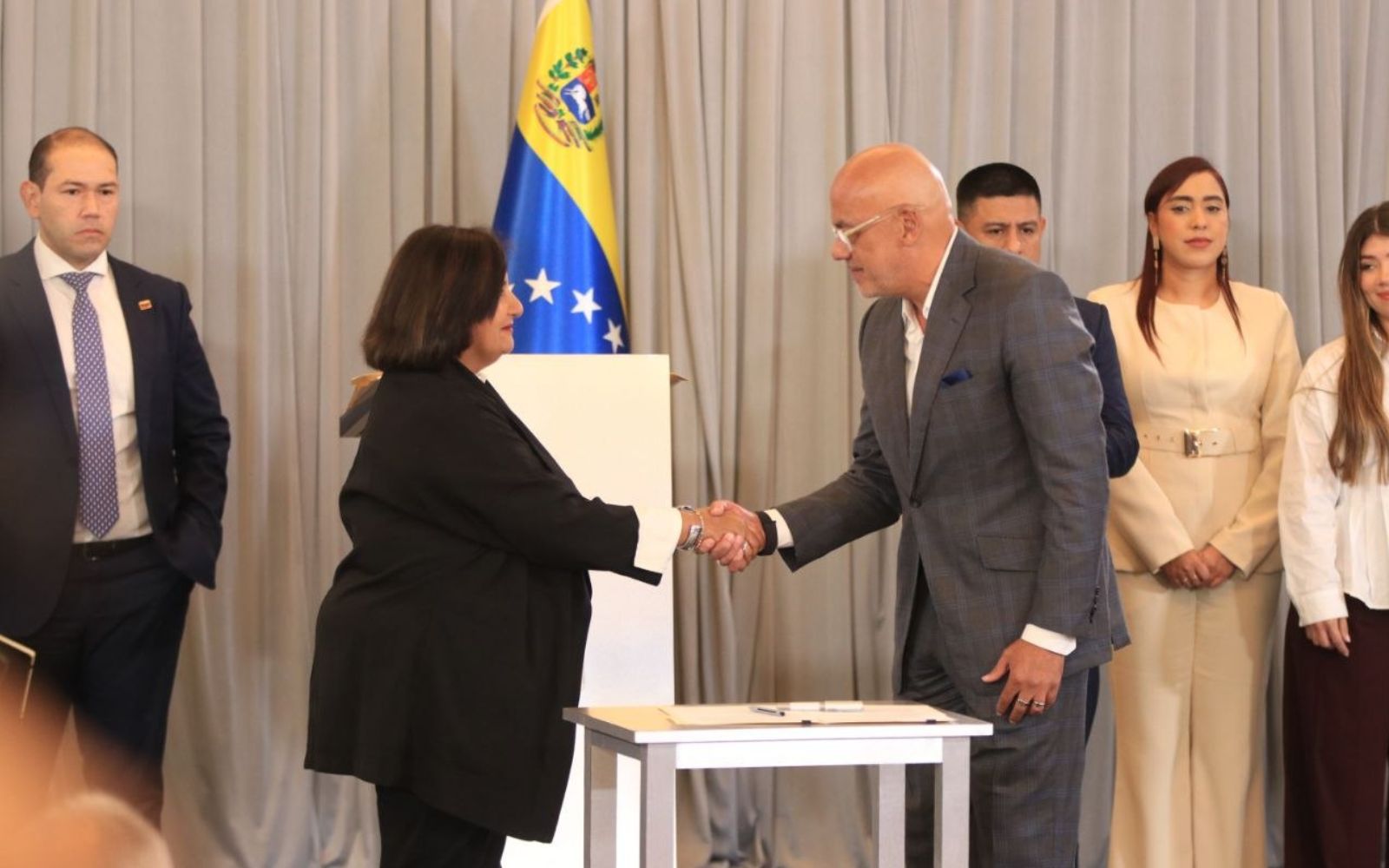
Ongoing talks between the socialist regime and the opposition in Venezuela are making some progress while the Church is trying to contribute to the transition to democracy and freedom.

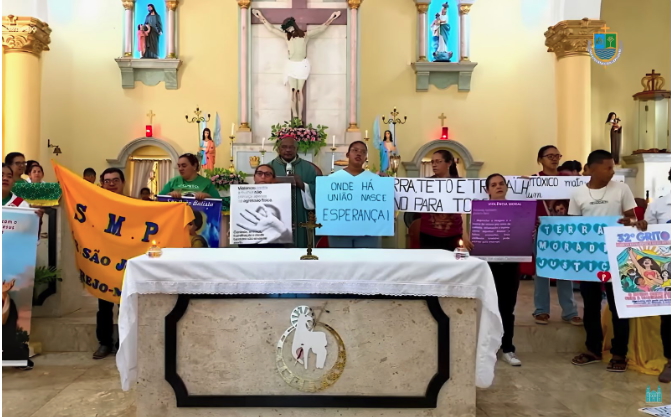
This past Sept. 7, the “Creed of the Ecclesial Base Communities” was included as part of a Mass marking Brazil’s annual “Cry of the Excluded” event.
The guide is meant to assist in priestly formation on Catholic Social Teaching, so they can better communicate those teachings to their congregations.
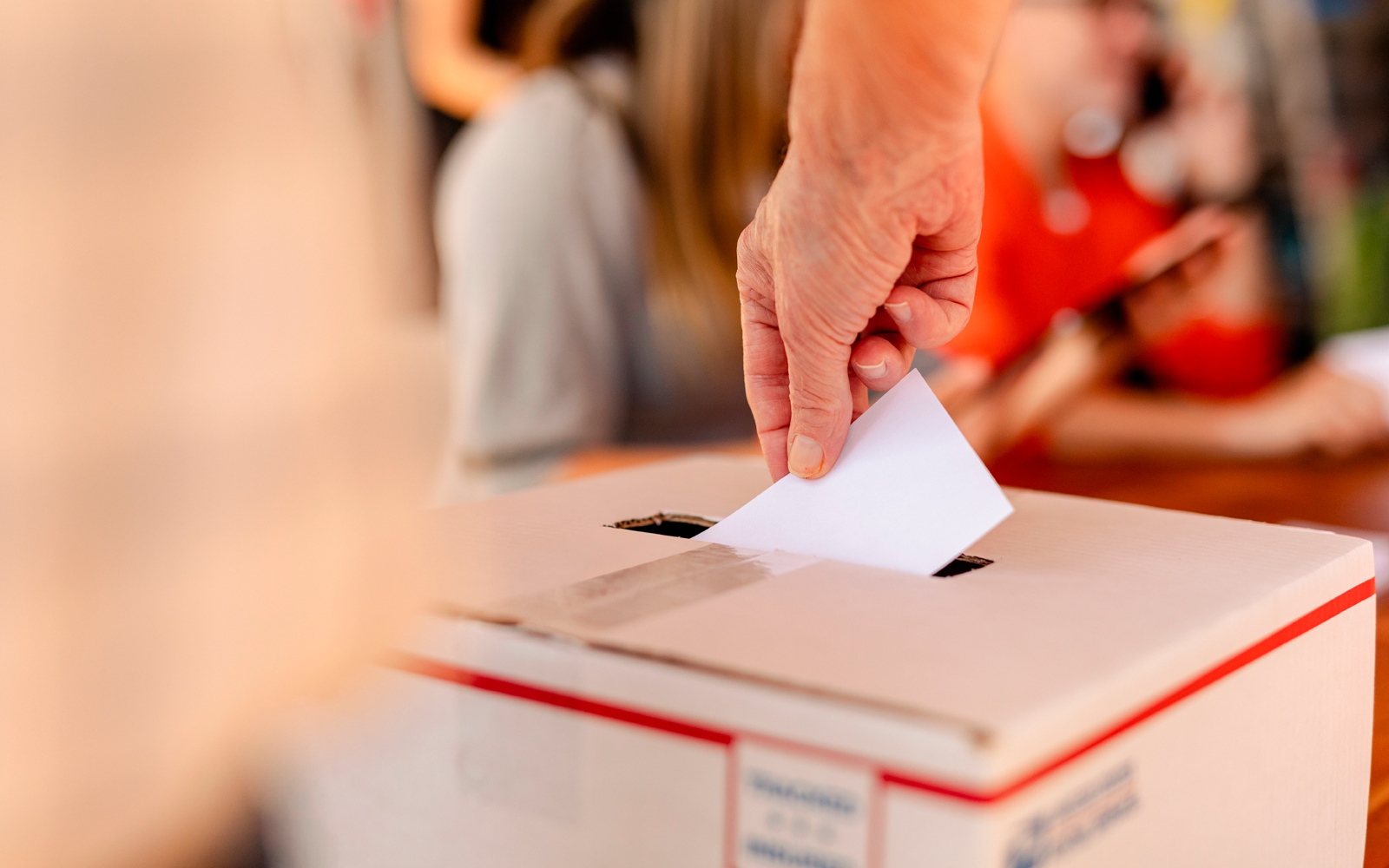
![Human rights group calls Nicaragua’s constitutional reforms a ‘usurpation of power’ #Catholic Nicaragua’s National Assembly, controlled by the dictatorship of President Daniel Ortega and his wife and co-president, Rosario Murillo, “unanimously” approved a constitutional reform barring “traitors to the homeland” (the term the regime uses for its political opposition) from participating in elections. The measure has sparked widespread domestic and international condemnation.The reform was “unanimously approved in general terms,” Assembly President Gustavo Porras stated on Sept. 1 during a special session held in the city of León, according to the Nicaraguan newspaper La Prensa.The reform amends the constitution, which extends the presidential term, as well as those of other high-ranking officials, from six to seven years, with the possibility of renewal.Ortega has governed Nicaragua for about 30 years: since 2007, and previously, from 1979 to 1990. On July 19, he stated that there would be no further elections in Nicaragua, and on July 31, he proposed the reform — set to take effect in 2027 — that excludes “coup plotters” and “terrorists,”, terms he uses to refer to the political opposition, from participating in elections.Reforms are a ‘formalization of the usurpation of power’Ruta del Cambio (Pathway for Change), an organization which defends human rights and the rule of law, declared in a Sept. 2 statement that it “categorically rejects and and gives no legal recognition to the partial reform to the Political Constitution [of the Republic of Nicaragua] approved during the first legislative session on Sept. 1, 2026, by a National Assembly stripped of all independence and reduced to a mere rubber stamp for the will of Daniel Ortega and Rosario Murillo.”Ruta del Cambio counts among its leaders Félix Maradiaga, a former presidential candidate and former political prisoner now living in exile.“What has been approved is not a constitutional reform. It is the formalization of the usurpation of power through a text drafted in secret, approved without opposition, and voted for with unanimous obedience by those who owe their positions, privileges, and impunity to the couple that has hijacked the state,” Ruta del Cambio charged.“Daniel Ortega and Rosario Murillo have turned the constitution into a family’s title deed. They have transformed the state into personal property, the law into an instrument of vengeance, and the republic’s [law enforcement apparatus] into tools of terror against the very people they swore to serve,” the organization emphasized.Ruta del Cambio called for “rejecting the legal validity of this reform and of any act, mandate, extension, or appointment derived from it, and formally declaring it without force under international law.”Elections ‘without legitimacy’“What we are seeing in Nicaragua right now is a reform attempting to hold elections without competition, without legitimacy, and without any possibility of change. In other words, Ortega controls the judges and the playing field, and seeks to firmly establish his authoritarian model without any competition,” stated Arturo Mcfields Yescas, Nicaragua’s former ambassador to the Organization of American States (OAS), in a Sept. 3 interview with EWTN Noticias, the Spanish-language edition of EWTN News.“This further undermines not only civil and political freedoms but also another fundamental freedom: religious freedom,” he pointed out.McFields explained that when the regime speaks of “traitors to the homeland,” it is referring to those who dissent from its rule. “People who questioned Ortega’s authority immediately became traitors to the homeland,” as did those who “simply thought differently” or called for “international mediation.”“This means,” he charged, “that anyone who does not applaud Ortega becomes a traitor to the homeland.”U.S. reactionOn Wednesday, U.S. Secretary of State Marco Rubio stated on X that “the Murillo-Ortega’s National Assembly gutted what remained of Nicaragua’s democracy in the second constitutional rewrite in two years. The U.S. will implement measures at the next @OAS_official [meeting of foreign ministers] to ensure that our hemisphere stops business as usual with this dictatorship.”Regarding the United States’ call for countries to sever diplomatic and commercial ties with Nicaragua, McFields called it “an extraordinary start.” “For the first time, Ortega is facing pressure of this nature. For the first time, the OAS has approved a resolution on Nicaragua almost unanimously,” by convening a meeting of foreign ministers to address the situation, McFields said.Likewise, neighboring Costa Rica expressed its “deep concern regarding the ongoing deterioration of democracy in Nicaragua, exacerbated by the recent constitutional reform that further limits political and electoral participation,” and stated that it “will support a firm and coordinated response” with the OAS.The government of Peru, led by President Keiko Fujimori, also rejected the approval of the constitutional reform. In a Sept. 2 statement, it declared that it “will stand with the Nicaraguan people, their political prisoners, their exiles, and all those who are currently persecuted for dreaming of free elections.”Persecution of the Catholic Church in NicaraguaMcFields questioned the stance of countries like Brazil and Mexico, which did not support the resolution against Nicaragua, stating that “it’s surprising, painful, and something that ought to change. There should be empathy for the suffering of the Nicaraguan people, for persecuted politicians, for priests who have been imprisoned, exiled, or banished, and for the churches that have, at times, been burned down. It is truly grotesque, yet ideology seems to be prevailing over democracy.”Since 2018, the Ortega-Murillo dictatorship has waged a fierce campaign of persecution against the Catholic Church in Nicaragua. Its latest known victim is the bishop emeritus of Estelí, Abelardo Mata (80), who suffers from diabetes, a heart condition, and vision problems. His condition remains uncertain, despite the regime’s claim that he is at home. In mid-August, the regime released a video of an interview with the prelate, who recently celebrated his 50th anniversary as a priest, without specifying when the footage was recorded.This story was first published by ACI Prensa, the Spanish-language sister service of EWTN News. It has been translated and adapted by EWTN News English.](https://unitedyam.com/wp-content/uploads/2026/09/human-rights-group-calls-nicaraguas-constitutional-reforms-a-usurpation-of-power-catholic-nicaraguas-national-assembly-controlled-by-the-dictatorship-of-president.jpg "Human rights group calls Nicaragua’s constitutional reforms a ‘usurpation of power’ #Catholic Nicaragua’s National Assembly, controlled by the dictatorship of President Daniel Ortega and his wife and co-president, Rosario Murillo, “unanimously” approved a constitutional reform barring “traitors to the homeland” (the term the regime uses for its political opposition) from participating in elections. The measure has sparked widespread domestic and international condemnation.The reform was “unanimously approved in general terms,” Assembly President Gustavo Porras stated on Sept. 1 during a special session held in the city of León, according to the Nicaraguan newspaper La Prensa.The reform amends the constitution, which extends the presidential term, as well as those of other high-ranking officials, from six to seven years, with the possibility of renewal.Ortega has governed Nicaragua for about 30 years: since 2007, and previously, from 1979 to 1990. On July 19, he stated that there would be no further elections in Nicaragua, and on July 31, he proposed the reform — set to take effect in 2027 — that excludes “coup plotters” and “terrorists,”, terms he uses to refer to the political opposition, from participating in elections.Reforms are a ‘formalization of the usurpation of power’Ruta del Cambio (Pathway for Change), an organization which defends human rights and the rule of law, declared in a Sept. 2 statement that it “categorically rejects and and gives no legal recognition to the partial reform to the Political Constitution [of the Republic of Nicaragua] approved during the first legislative session on Sept. 1, 2026, by a National Assembly stripped of all independence and reduced to a mere rubber stamp for the will of Daniel Ortega and Rosario Murillo.”Ruta del Cambio counts among its leaders Félix Maradiaga, a former presidential candidate and former political prisoner now living in exile.“What has been approved is not a constitutional reform. It is the formalization of the usurpation of power through a text drafted in secret, approved without opposition, and voted for with unanimous obedience by those who owe their positions, privileges, and impunity to the couple that has hijacked the state,” Ruta del Cambio charged.“Daniel Ortega and Rosario Murillo have turned the constitution into a family’s title deed. They have transformed the state into personal property, the law into an instrument of vengeance, and the republic’s [law enforcement apparatus] into tools of terror against the very people they swore to serve,” the organization emphasized.Ruta del Cambio called for “rejecting the legal validity of this reform and of any act, mandate, extension, or appointment derived from it, and formally declaring it without force under international law.”Elections ‘without legitimacy’“What we are seeing in Nicaragua right now is a reform attempting to hold elections without competition, without legitimacy, and without any possibility of change. In other words, Ortega controls the judges and the playing field, and seeks to firmly establish his authoritarian model without any competition,” stated Arturo Mcfields Yescas, Nicaragua’s former ambassador to the Organization of American States (OAS), in a Sept. 3 interview with EWTN Noticias, the Spanish-language edition of EWTN News.“This further undermines not only civil and political freedoms but also another fundamental freedom: religious freedom,” he pointed out.McFields explained that when the regime speaks of “traitors to the homeland,” it is referring to those who dissent from its rule. “People who questioned Ortega’s authority immediately became traitors to the homeland,” as did those who “simply thought differently” or called for “international mediation.”“This means,” he charged, “that anyone who does not applaud Ortega becomes a traitor to the homeland.”U.S. reactionOn Wednesday, U.S. Secretary of State Marco Rubio stated on X that “the Murillo-Ortega’s National Assembly gutted what remained of Nicaragua’s democracy in the second constitutional rewrite in two years. The U.S. will implement measures at the next @OAS_official [meeting of foreign ministers] to ensure that our hemisphere stops business as usual with this dictatorship.”Regarding the United States’ call for countries to sever diplomatic and commercial ties with Nicaragua, McFields called it “an extraordinary start.” “For the first time, Ortega is facing pressure of this nature. For the first time, the OAS has approved a resolution on Nicaragua almost unanimously,” by convening a meeting of foreign ministers to address the situation, McFields said.Likewise, neighboring Costa Rica expressed its “deep concern regarding the ongoing deterioration of democracy in Nicaragua, exacerbated by the recent constitutional reform that further limits political and electoral participation,” and stated that it “will support a firm and coordinated response” with the OAS.The government of Peru, led by President Keiko Fujimori, also rejected the approval of the constitutional reform. In a Sept. 2 statement, it declared that it “will stand with the Nicaraguan people, their political prisoners, their exiles, and all those who are currently persecuted for dreaming of free elections.”Persecution of the Catholic Church in NicaraguaMcFields questioned the stance of countries like Brazil and Mexico, which did not support the resolution against Nicaragua, stating that “it’s surprising, painful, and something that ought to change. There should be empathy for the suffering of the Nicaraguan people, for persecuted politicians, for priests who have been imprisoned, exiled, or banished, and for the churches that have, at times, been burned down. It is truly grotesque, yet ideology seems to be prevailing over democracy.”Since 2018, the Ortega-Murillo dictatorship has waged a fierce campaign of persecution against the Catholic Church in Nicaragua. Its latest known victim is the bishop emeritus of Estelí, Abelardo Mata (80), who suffers from diabetes, a heart condition, and vision problems. His condition remains uncertain, despite the regime’s claim that he is at home. In mid-August, the regime released a video of an interview with the prelate, who recently celebrated his 50th anniversary as a priest, without specifying when the footage was recorded.This story was first published by ACI Prensa, the Spanish-language sister service of EWTN News. It has been translated and adapted by EWTN News English.")
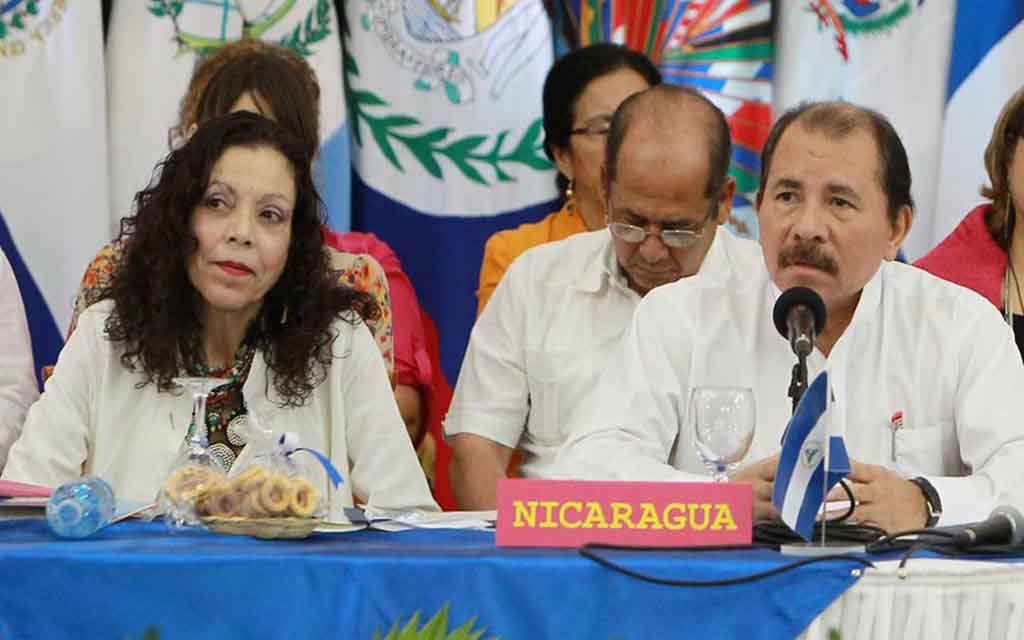
The Ortega-Murilla regime has approved reforms that bar the opposition from participating in elections, drawing strong opposition from exiled leaders, the United States, Costa Rica and Peru.