Europe

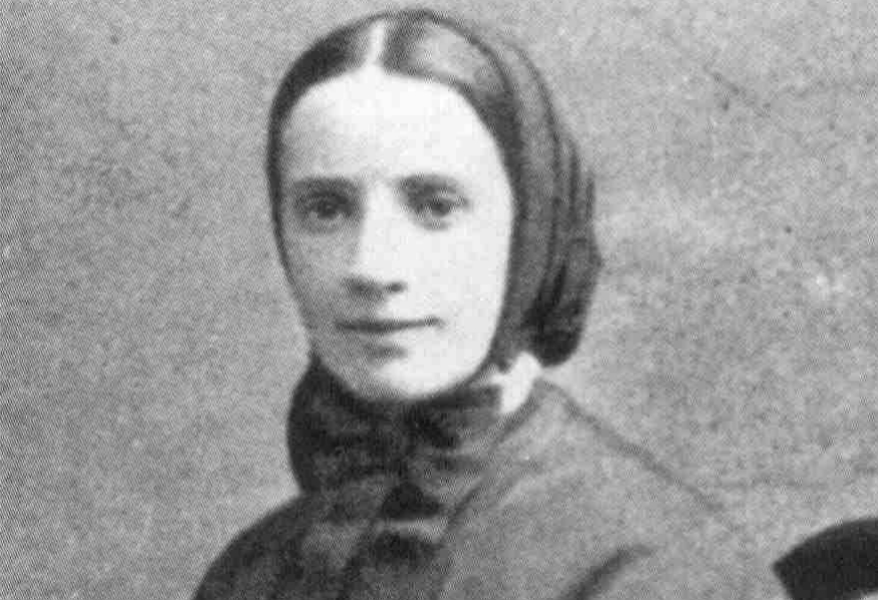
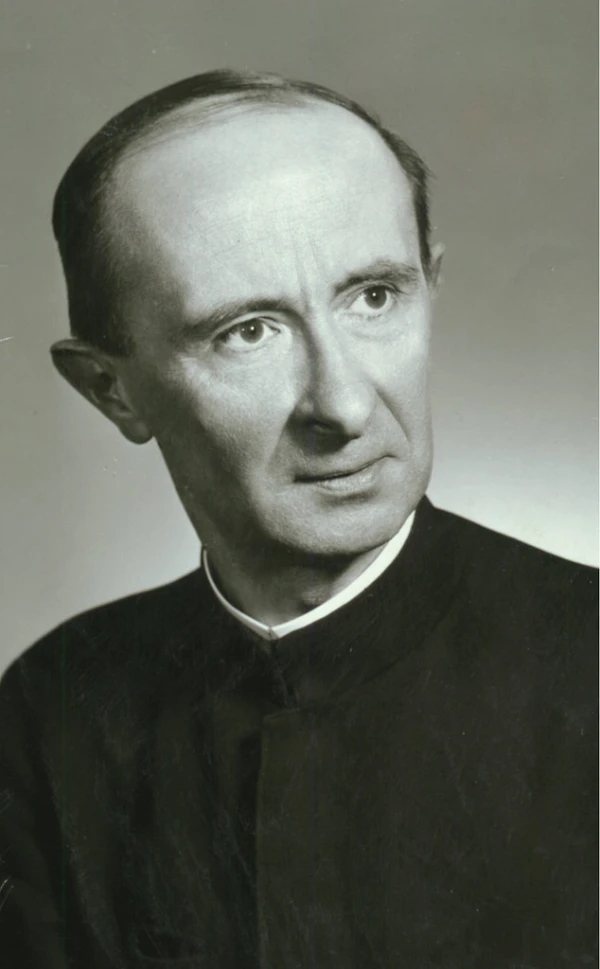
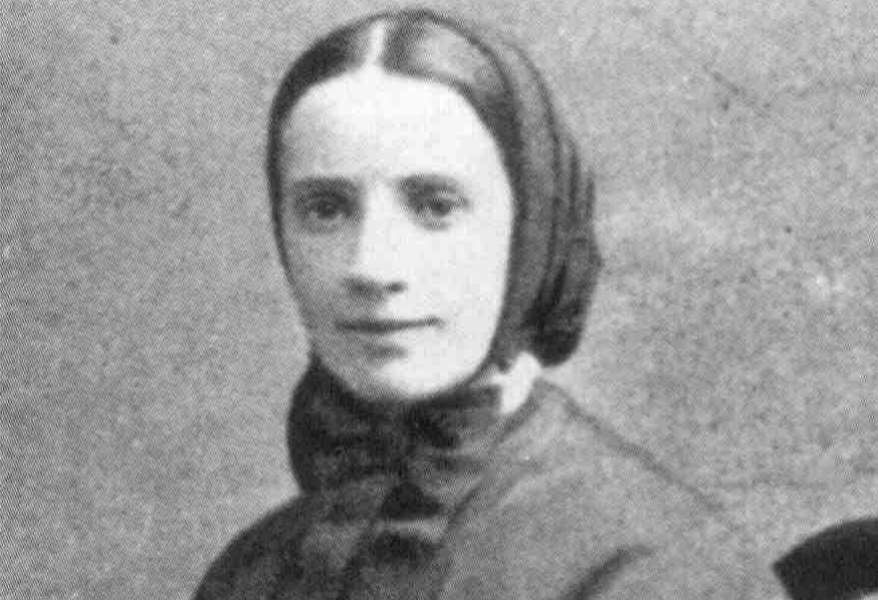
10 things to know about St. Frances Xavier Cabrini #Catholic A statue of St. Frances Xavier Cabrini, the first American saint, will replace a statue of Christopher Columbus at Arrigo Park in Chicago — an area known as Little Italy — Chicago Park District officials announced Feb. 18.Cabrini, who served poor Italian immigrants in Chicago, received roughly 38% of the almost 4,000 votes cast during an online contest to pick three nominees for the honor.The park district is now looking for artists who want to create the statue and are asking that applications be submitted by March 1.Here are 10 things to know about this beloved Catholic saint:1. She was the first American citizen to be canonized.Though born in Italy, Frances Xavier Cabrini became a naturalized U.S. citizen in 1909. In 1946, she was canonized by Pope Pius XII, becoming the first American citizen to be declared a saint.2. She originally wanted to be a missionary to China.Inspired by St. Francis Xavier, Cabrini hoped to evangelize in China. Instead, Pope Leo XIII directed her westward, telling her to serve immigrants in the United States, “not to the East, but to the West.”3. She arrived in New York with almost nothing.In 1889, Cabrini landed in New York City with six fellow sisters and limited resources. What awaited her was not a warm welcome but housing instability and overwhelming poverty among Italian immigrants.4. She founded the Missionary Sisters of the Sacred Heart.In 1880, she established the Missionary Sisters of the Sacred Heart of Jesus, a religious order dedicated to education, health care, and missionary work. The order continues its work worldwide today.5. She built an empire of schools and hospitals.By the time of her death, Cabrini had founded nearly 70 institutions, including orphanages, schools, and hospitals across the United States, Europe, and Latin America.6. She served Italian immigrants during a time of intense prejudice.In the late 19th and early 20th centuries, Italian immigrants faced widespread discrimination in America. Cabrini advocated fiercely for their dignity, education, and health care.7. She became a U.S. citizen in 1909.Cabrini’s naturalization reflected her long-term commitment to serving American communities, particularly in cities like New York and Chicago.8. She died in Chicago in 1917.Cabrini passed away on Dec. 22, 1917, in Chicago after years of tireless travel and work. The doctor attributed her death to chronic endocarditis, or heart disease. Her body is preserved for veneration at the National Shrine of St. Frances Xavier Cabrini.9. She is the patron saint of immigrants.In 1950, Pope Pius XII officially named her the patron saint of immigrants, recognizing her lifelong dedication to displaced and marginalized communities.10. Her legacy remains visible across the U.S.Hospitals, schools, and institutions bearing her name continue her mission of faith-driven service and education.

10 things to know about St. Frances Xavier Cabrini #Catholic A statue of St. Frances Xavier Cabrini, the first American saint, will replace a statue of Christopher Columbus at Arrigo Park in Chicago — an area known as Little Italy — Chicago Park District officials announced Feb. 18.Cabrini, who served poor Italian immigrants in Chicago, received roughly 38% of the almost 4,000 votes cast during an online contest to pick three nominees for the honor.The park district is now looking for artists who want to create the statue and are asking that applications be submitted by March 1.Here are 10 things to know about this beloved Catholic saint:1. She was the first American citizen to be canonized.Though born in Italy, Frances Xavier Cabrini became a naturalized U.S. citizen in 1909. In 1946, she was canonized by Pope Pius XII, becoming the first American citizen to be declared a saint.2. She originally wanted to be a missionary to China.Inspired by St. Francis Xavier, Cabrini hoped to evangelize in China. Instead, Pope Leo XIII directed her westward, telling her to serve immigrants in the United States, “not to the East, but to the West.”3. She arrived in New York with almost nothing.In 1889, Cabrini landed in New York City with six fellow sisters and limited resources. What awaited her was not a warm welcome but housing instability and overwhelming poverty among Italian immigrants.4. She founded the Missionary Sisters of the Sacred Heart.In 1880, she established the Missionary Sisters of the Sacred Heart of Jesus, a religious order dedicated to education, health care, and missionary work. The order continues its work worldwide today.5. She built an empire of schools and hospitals.By the time of her death, Cabrini had founded nearly 70 institutions, including orphanages, schools, and hospitals across the United States, Europe, and Latin America.6. She served Italian immigrants during a time of intense prejudice.In the late 19th and early 20th centuries, Italian immigrants faced widespread discrimination in America. Cabrini advocated fiercely for their dignity, education, and health care.7. She became a U.S. citizen in 1909.Cabrini’s naturalization reflected her long-term commitment to serving American communities, particularly in cities like New York and Chicago.8. She died in Chicago in 1917.Cabrini passed away on Dec. 22, 1917, in Chicago after years of tireless travel and work. The doctor attributed her death to chronic endocarditis, or heart disease. Her body is preserved for veneration at the National Shrine of St. Frances Xavier Cabrini.9. She is the patron saint of immigrants.In 1950, Pope Pius XII officially named her the patron saint of immigrants, recognizing her lifelong dedication to displaced and marginalized communities.10. Her legacy remains visible across the U.S.Hospitals, schools, and institutions bearing her name continue her mission of faith-driven service and education.

St. Frances Xavier Cabrini was the first American citizen to be canonized and is the patron saint of immigrants. A new statue of her will be erected in Chicago’s Little Italy.

Read More
Ave Maria University to open campus in Ireland #Catholic Here is a round up of recent Catholic-education-related news:Ave Maria University to open campus in IrelandAve Maria University, a Catholic liberal arts university in Florida, is opening a new campus at a former monastery in rural Ireland, according to an announcement on its website.The new campus will be in County Waterford in the southern region of Ireland at the former Cistercian monastery of Mount Melleray near Cappoquin, the university announced in a video. The abbey closed in January 2025 after almost two centuries.The video announcement pledged that the new campus would be “a fully integrated Ave Maria University experience now embedded in the rich Catholic and cultural heritage of Europe.”Diocese of Brooklyn to close 7 struggling schools Seven Catholic schools will be closing in June in the Diocese of Brooklyn, New York, due to financial challenges and enrollment declines, the diocese announced Feb. 11.The seven schools closing are: Sacred Heart Catholic Academy, Cambria Heights; St. Bartholomew Catholic Academy in Elmhurst; St. Nicholas of Tolentine Catholic Academy in Jamaica; Incarnation Catholic Academy in Queens Village; St. Thomas the Apostle Catholic Academy in Woodhaven; St. Elizabeth Catholic Academy in Ozone Park; and Our Lady of Trust Catholic Academy in Canarsie.“Our responsibility is both pastoral and practical,” said Deacon Kevin McCormack, superintendent of schools for the diocese. “We will walk with our families and employees through this process while continuing to strengthen Catholic education throughout Brooklyn and Queens.”The enrollment decline has been ongoing since 2019, with a sharp decline from 2024 to 2025, according to the diocese newspaper.The diocese has a website to help families facilitate transferring to nearby Catholic schools.Thomas Aquinas College celebrates 100 alumni priestsA Catholic liberal arts college in California with an East Coast satellite location in Massachusetts celebrated its 100th alumni priest.Priest alumni of Thomas Aquinas College include 11 Benedictines, nine Dominicans, eight Norbertines, and 40 diocesan priests, among others, according to a Feb. 12 press release shared with EWTN News.Thomas Aquinas College has a combined enrollment of about 500 students and is designed to be an intentionally small community.“We are deeply honored to have played some small part in these men’s formation, and we pray for their ministry and witness as they serve Christ’s people throughout the world,” President Paul O’Reilly said in a statement shared with EWTN News.The four newest priests were ordained in 2024 at three separate ordination masses.

Ave Maria University to open campus in Ireland #Catholic Here is a round up of recent Catholic-education-related news:Ave Maria University to open campus in IrelandAve Maria University, a Catholic liberal arts university in Florida, is opening a new campus at a former monastery in rural Ireland, according to an announcement on its website.The new campus will be in County Waterford in the southern region of Ireland at the former Cistercian monastery of Mount Melleray near Cappoquin, the university announced in a video. The abbey closed in January 2025 after almost two centuries.The video announcement pledged that the new campus would be “a fully integrated Ave Maria University experience now embedded in the rich Catholic and cultural heritage of Europe.”Diocese of Brooklyn to close 7 struggling schools Seven Catholic schools will be closing in June in the Diocese of Brooklyn, New York, due to financial challenges and enrollment declines, the diocese announced Feb. 11.The seven schools closing are: Sacred Heart Catholic Academy, Cambria Heights; St. Bartholomew Catholic Academy in Elmhurst; St. Nicholas of Tolentine Catholic Academy in Jamaica; Incarnation Catholic Academy in Queens Village; St. Thomas the Apostle Catholic Academy in Woodhaven; St. Elizabeth Catholic Academy in Ozone Park; and Our Lady of Trust Catholic Academy in Canarsie.“Our responsibility is both pastoral and practical,” said Deacon Kevin McCormack, superintendent of schools for the diocese. “We will walk with our families and employees through this process while continuing to strengthen Catholic education throughout Brooklyn and Queens.”The enrollment decline has been ongoing since 2019, with a sharp decline from 2024 to 2025, according to the diocese newspaper.The diocese has a website to help families facilitate transferring to nearby Catholic schools.Thomas Aquinas College celebrates 100 alumni priestsA Catholic liberal arts college in California with an East Coast satellite location in Massachusetts celebrated its 100th alumni priest.Priest alumni of Thomas Aquinas College include 11 Benedictines, nine Dominicans, eight Norbertines, and 40 diocesan priests, among others, according to a Feb. 12 press release shared with EWTN News.Thomas Aquinas College has a combined enrollment of about 500 students and is designed to be an intentionally small community.“We are deeply honored to have played some small part in these men’s formation, and we pray for their ministry and witness as they serve Christ’s people throughout the world,” President Paul O’Reilly said in a statement shared with EWTN News.The four newest priests were ordained in 2024 at three separate ordination masses.

Ave Maria University, a Catholic liberal arts university in Florida, is opening a new campus at a former monastery in rural Ireland. Learn more in this Catholic education news roundup.

Read More
Catholic convert Eva Vlaardingerbroek on censorship and immigration in Europe #Catholic Catholic Dutch political commentator and activist Eva Vlaardingerbroek said “the rule of law is dead” in Europe and detailed the issues of censorship and immigration on the continent.Vlaardingerbroek is an attorney and Catholic convert who has been outspoken about European immigration, national sovereignty, and free speech. Recently, the U.K. government banned her from entering the country due to her outspoken views.“Out of the blue, I saw that I had received an email from the U.K. government,” she told Raymond Arroyo on EWTN’s “The World Over with Raymond Arroyo.” It was “just a couple of sentences saying that my ETA, which is the travel authorization that Europeans need to travel to the U.K., had been revoked.”The reason they stated “was that I am ‘not conducive to the public good,’” she said. Vlaardingerbroek said she believes the ban occurred because she criticized the prime minister of the United Kingdom, Keir Starmer, on social media three days before receiving the email.The situation shows that “the rule of law is dead in Europe,” Vlaardingerbroek said. “Because if you get a notification like that out of the blue, you have no ability, no means to defend yourself … I  don’t have a criminal record. I didn’t commit a crime.”“I got converted to Catholicism in the United Kingdom, so I have a couple of really dear friends there. Now, I’m no longer able to go because I say the wrong things, apparently. That is the state of Europe right now … They either throw you in jail or they make sure that you can’t enter the country. That’s what happens in the United Kingdom if you go against the grain,” she said.European immigrationVlaardingerbroek has also been outspoken about illegal immigration in Europe and said that mass immigration has destabilized Europe and led to spikes in violent crimes.“Anyone with two eyes can see that it’s true,” she said. Everyone who lives here, apart from maybe people living in ivory towers or in areas where there are no immigrants, everyone who lives in the real world knows that it’s true.”“I will continue speaking the truth about what I see happening to this beautiful continent of ours because it’s being destroyed,” she said. “We see churches burning down every week here in Europe, and that’s not a coincidence. That didn’t happen for hundreds of years, and suddenly now … they’re burning down faster than I can count.”“You can break the law coming here. It’s not being punished. In fact, it’s rewarded because people get to stay, people get free housing, people get free health care, and they’re able to just roam around even awaiting whether they are going to get their asylum approved or not.”“The governments and the legal system seem to be working hand in hand” and the “judges are complicit,” Vlaardingerbroek said. In Europe, the migrants that commit crimes are not held accountable because judges believe “they are traumatized because they come from a war zone” or due to their “their mental state.”“Then what ends up happening is these immigrants who rape, kill, and assault the native population, they just don’t get any real prison time, and they definitely do not get deported,” she said.“I think that this is a holdover from World War II,” she continued. Institutions including the European Union have “given evil one face and one face only” and “they refuse to see the difference between a Nazi and a conservative Christian.”“To them, it’s all the same, and that’s the way that they treat us,” she said. “I don’t think they’re afraid to acknowledge it. I think they honestly don’t care. I mean, the churches that are being burned down in France that we see, that’s a physical thing unfolding in front of our eyes.”The burning of churches “is powerful imagery that should wake people up to something else, something invisible, which is the agenda that is being carried out here to erode Christianity,” Vlaardingerbroek said.When the European Union discusses European culture, identity, and history, “they never mention Christianity,” Vlaardingerbroek said.“They actively removed it from their documents. They talk about the Enlightenment, but Christianity is never mentioned. They are actively eroding and erasing Christianity here in Europe because it threatens their agenda, because these people see [themselves] as God,” she said.U.S. immigrationAs debates over Immigration and Customs Enforcement (ICE) and law enforcement continue in the U.S, Vlaardingerbroek also discussed the status of immigration on this side of the pond.“As a Catholic, of course, we can be charitable. Nobody’s saying that we cannot allow some immigration or that we cannot help those in need. That is, of course, a Catholic ideal. That is a Catholic value … That’s what our legal system reflects,” she said.“That doesn’t mean, however, that when you come here illegally, which is what happens the majority of the time, and you break [the] laws, that we have to sit by and watch that happen.”ICE agents “are doing their job,” Vlaardingerbroek said. “They are enforcing the law. I think it’s a disgrace the way that they are being treated.”“I wish actually that here in Europe, we would have our version of ICE and that they would … send back home the people who come here illegally and who do not belong in these countries and who actively fight everything that we stand for, both in America and here in Europe,” Vlaardingerbroek said.

Catholic convert Eva Vlaardingerbroek on censorship and immigration in Europe #Catholic Catholic Dutch political commentator and activist Eva Vlaardingerbroek said “the rule of law is dead” in Europe and detailed the issues of censorship and immigration on the continent.Vlaardingerbroek is an attorney and Catholic convert who has been outspoken about European immigration, national sovereignty, and free speech. Recently, the U.K. government banned her from entering the country due to her outspoken views.“Out of the blue, I saw that I had received an email from the U.K. government,” she told Raymond Arroyo on EWTN’s “The World Over with Raymond Arroyo.” It was “just a couple of sentences saying that my ETA, which is the travel authorization that Europeans need to travel to the U.K., had been revoked.”The reason they stated “was that I am ‘not conducive to the public good,’” she said. Vlaardingerbroek said she believes the ban occurred because she criticized the prime minister of the United Kingdom, Keir Starmer, on social media three days before receiving the email.The situation shows that “the rule of law is dead in Europe,” Vlaardingerbroek said. “Because if you get a notification like that out of the blue, you have no ability, no means to defend yourself … I  don’t have a criminal record. I didn’t commit a crime.”“I got converted to Catholicism in the United Kingdom, so I have a couple of really dear friends there. Now, I’m no longer able to go because I say the wrong things, apparently. That is the state of Europe right now … They either throw you in jail or they make sure that you can’t enter the country. That’s what happens in the United Kingdom if you go against the grain,” she said.European immigrationVlaardingerbroek has also been outspoken about illegal immigration in Europe and said that mass immigration has destabilized Europe and led to spikes in violent crimes.“Anyone with two eyes can see that it’s true,” she said. Everyone who lives here, apart from maybe people living in ivory towers or in areas where there are no immigrants, everyone who lives in the real world knows that it’s true.”“I will continue speaking the truth about what I see happening to this beautiful continent of ours because it’s being destroyed,” she said. “We see churches burning down every week here in Europe, and that’s not a coincidence. That didn’t happen for hundreds of years, and suddenly now … they’re burning down faster than I can count.”“You can break the law coming here. It’s not being punished. In fact, it’s rewarded because people get to stay, people get free housing, people get free health care, and they’re able to just roam around even awaiting whether they are going to get their asylum approved or not.”“The governments and the legal system seem to be working hand in hand” and the “judges are complicit,” Vlaardingerbroek said. In Europe, the migrants that commit crimes are not held accountable because judges believe “they are traumatized because they come from a war zone” or due to their “their mental state.”“Then what ends up happening is these immigrants who rape, kill, and assault the native population, they just don’t get any real prison time, and they definitely do not get deported,” she said.“I think that this is a holdover from World War II,” she continued. Institutions including the European Union have “given evil one face and one face only” and “they refuse to see the difference between a Nazi and a conservative Christian.”“To them, it’s all the same, and that’s the way that they treat us,” she said. “I don’t think they’re afraid to acknowledge it. I think they honestly don’t care. I mean, the churches that are being burned down in France that we see, that’s a physical thing unfolding in front of our eyes.”The burning of churches “is powerful imagery that should wake people up to something else, something invisible, which is the agenda that is being carried out here to erode Christianity,” Vlaardingerbroek said.When the European Union discusses European culture, identity, and history, “they never mention Christianity,” Vlaardingerbroek said.“They actively removed it from their documents. They talk about the Enlightenment, but Christianity is never mentioned. They are actively eroding and erasing Christianity here in Europe because it threatens their agenda, because these people see [themselves] as God,” she said.U.S. immigrationAs debates over Immigration and Customs Enforcement (ICE) and law enforcement continue in the U.S, Vlaardingerbroek also discussed the status of immigration on this side of the pond.“As a Catholic, of course, we can be charitable. Nobody’s saying that we cannot allow some immigration or that we cannot help those in need. That is, of course, a Catholic ideal. That is a Catholic value … That’s what our legal system reflects,” she said.“That doesn’t mean, however, that when you come here illegally, which is what happens the majority of the time, and you break [the] laws, that we have to sit by and watch that happen.”ICE agents “are doing their job,” Vlaardingerbroek said. “They are enforcing the law. I think it’s a disgrace the way that they are being treated.”“I wish actually that here in Europe, we would have our version of ICE and that they would … send back home the people who come here illegally and who do not belong in these countries and who actively fight everything that we stand for, both in America and here in Europe,” Vlaardingerbroek said.

Catholic convert Eva Vlaardingerbroek discussed immigration and the state of free speech in Europe on EWTN’s “The World Over with Raymond Arroyo.”

Read More
Archbishop Wenski makes case for ‘permanent’ solution for Haitian refugees in U.S. #Catholic Archbishop Thomas Wenski of Miami is calling on Congress to find a “permanent” solution for Haitian refugees in the United States.On Feb. 2 a federal judge blocked the Trump administration from ending Temporary Protected Status (TPS) for hundreds of thousands of Haitian immigrants that was given in 2010. TPS provides eligible Haitians in the U.S. with protection from deportation and work authorization, due to ongoing safety concerns in Haiti.As Florida has the largest Haitian population in the country, Wenski said there is “relief” after the judge blocked the order. Ending TPS “would affect possibly 300,000 Haitians, not only here in South Florida but throughout the United States,” he said in an interview with “EWTN News Nightly.”“It’s not the final solution … because the administration, I think, has the intention of making an appeal, and what is given could be quickly taken away as well. While the Haitians are breathing a sigh of relief, at the same time, we realize that it’s a temporary relief.”Now, Wenski said, it is up to Congress “to step up to the plate and provide a more permanent solution to the plight of these Haitians.” The administration “is applying the laws as they understand them, but it is Congress that makes the laws.”“If the laws are unfair, unjust, or inadequate to the real needs of our country, then they should be changed, and that’s a prerogative of Congress. So I would urge Congress to step up to provide a solution, because the Haitians being forced back to Haiti with very perilous, dangerous conditions right now … puts their lives in danger.”The Haitians “leaving South Florida and other places in the United States so abruptly would cause great economic damage to the United States,” Wenski said. He detailed that Haitians in the U.S. with TPS are working gainfully, paying taxes, and participating in the economy.“It is also important to remember, these people have temporary protective status, which also grants them a work permit. They are not illegals. They’re not violating any law because they have been given a status by the government,” Wenski said.TPS status does put them “in limbo,” Wenski said. It “doesn’t provide any path to permanent residency. If they would leave the country, they would not be able to return.”Concerns in HaitiAs the U.S. State Department tells Americans not to travel to Haiti, when “the Trump administration puts a travel ban, trying to stop people from Haiti,” it “shows the perilousness of the country conditions,” Wenski said.“For instance, the capital city, where there’s about 3 million people residing, is in the hands of gangs,” he said. “Here’s a country that has its school system in disarray because gangs make it impossible for kids to go to school.”Wenski also highlighted the issue of “almost nonexistent health care” as “doctors have been forced to flee and hospitals have been closed” in the country.“It is a place where there is no rule of law, no government, where these gangs and other criminals operate with impunity. For many people, the only lifeline that they have that allows them to survive is the remittances, small as they might be, that the Haitians in the United States are sending home to support families,” Wenski said.“It’s a real problem, not only in Haiti, but the Caribbean region,” Wenski said. He specifically noted Mexico, Venezuela, Colombia, and Ecuador.“We see the drugs that are being transported into Europe from Asia and also Africa. It is a worldwide problem. What I think we have to recognize is that the poorest people are not the ones that are driving the problem. They are the victims of the problem.”The Haitians in the U.S. seeking refuge and protection “did not create the problems, but they were the ones that have been victimized by the problems,” Wenski said. “We have to be careful that we don’t blame the victims because it’s easier to do that sometimes because they don’t have the strength to oppose us,” Wenski said.

Archbishop Wenski makes case for ‘permanent’ solution for Haitian refugees in U.S. #Catholic Archbishop Thomas Wenski of Miami is calling on Congress to find a “permanent” solution for Haitian refugees in the United States.On Feb. 2 a federal judge blocked the Trump administration from ending Temporary Protected Status (TPS) for hundreds of thousands of Haitian immigrants that was given in 2010. TPS provides eligible Haitians in the U.S. with protection from deportation and work authorization, due to ongoing safety concerns in Haiti.As Florida has the largest Haitian population in the country, Wenski said there is “relief” after the judge blocked the order. Ending TPS “would affect possibly 300,000 Haitians, not only here in South Florida but throughout the United States,” he said in an interview with “EWTN News Nightly.”“It’s not the final solution … because the administration, I think, has the intention of making an appeal, and what is given could be quickly taken away as well. While the Haitians are breathing a sigh of relief, at the same time, we realize that it’s a temporary relief.”Now, Wenski said, it is up to Congress “to step up to the plate and provide a more permanent solution to the plight of these Haitians.” The administration “is applying the laws as they understand them, but it is Congress that makes the laws.”“If the laws are unfair, unjust, or inadequate to the real needs of our country, then they should be changed, and that’s a prerogative of Congress. So I would urge Congress to step up to provide a solution, because the Haitians being forced back to Haiti with very perilous, dangerous conditions right now … puts their lives in danger.”The Haitians “leaving South Florida and other places in the United States so abruptly would cause great economic damage to the United States,” Wenski said. He detailed that Haitians in the U.S. with TPS are working gainfully, paying taxes, and participating in the economy.“It is also important to remember, these people have temporary protective status, which also grants them a work permit. They are not illegals. They’re not violating any law because they have been given a status by the government,” Wenski said.TPS status does put them “in limbo,” Wenski said. It “doesn’t provide any path to permanent residency. If they would leave the country, they would not be able to return.”Concerns in HaitiAs the U.S. State Department tells Americans not to travel to Haiti, when “the Trump administration puts a travel ban, trying to stop people from Haiti,” it “shows the perilousness of the country conditions,” Wenski said.“For instance, the capital city, where there’s about 3 million people residing, is in the hands of gangs,” he said. “Here’s a country that has its school system in disarray because gangs make it impossible for kids to go to school.”Wenski also highlighted the issue of “almost nonexistent health care” as “doctors have been forced to flee and hospitals have been closed” in the country.“It is a place where there is no rule of law, no government, where these gangs and other criminals operate with impunity. For many people, the only lifeline that they have that allows them to survive is the remittances, small as they might be, that the Haitians in the United States are sending home to support families,” Wenski said.“It’s a real problem, not only in Haiti, but the Caribbean region,” Wenski said. He specifically noted Mexico, Venezuela, Colombia, and Ecuador.“We see the drugs that are being transported into Europe from Asia and also Africa. It is a worldwide problem. What I think we have to recognize is that the poorest people are not the ones that are driving the problem. They are the victims of the problem.”The Haitians in the U.S. seeking refuge and protection “did not create the problems, but they were the ones that have been victimized by the problems,” Wenski said. “We have to be careful that we don’t blame the victims because it’s easier to do that sometimes because they don’t have the strength to oppose us,” Wenski said.

The Haitians “leaving South Florida and other places in the United States so abruptly would cause great economic damage to the United States,” Archbishop Thomas Wenski said.

Read More
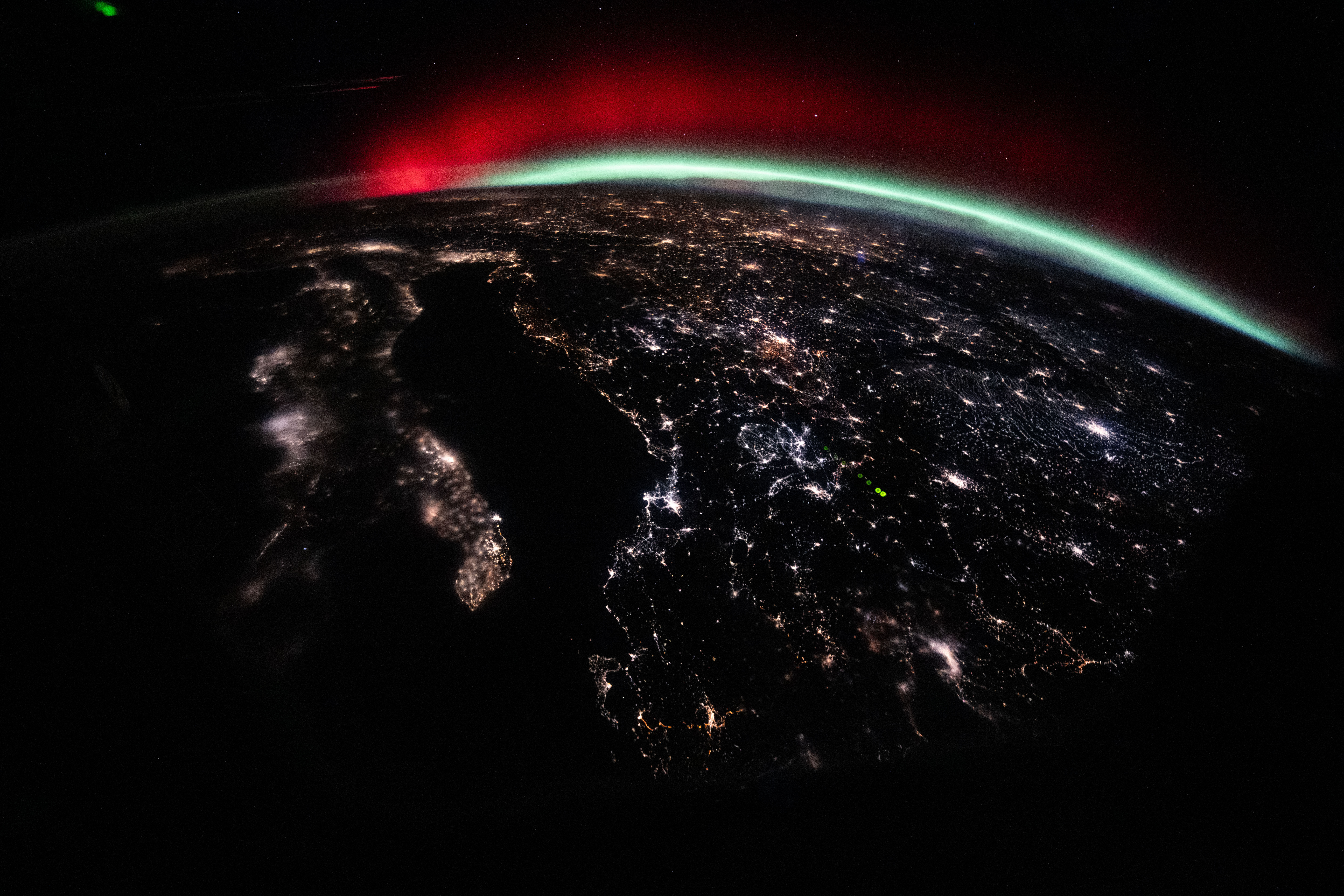
Red, Green Light Show – A green and red aurora streams across Earth’s horizon above the city lights of Europe in this Jan. 19, 2026, photograph, which looks north across Italy toward Germany. The International Space Station was orbiting 262 miles above the Mediterranean Sea at approximately 10:02 p.m. local time when the image was captured.

A green and red aurora streams across Earth’s horizon above the city lights of Europe in this Jan. 19, 2026, photograph, which looks north across Italy toward Germany. The International Space Station was orbiting 262 miles above the Mediterranean Sea at approximately 10:02 p.m. local time when the image was captured.

Read More
City Lights and Atmospheric Glow – The atmospheric glow blankets southern Europe and the northwestern Mediterranean coast, outlined by city lights. At left, the Po Valley urban corridor in Italy shines with the metropolitan areas of Milan and Turin and their surrounding suburbs.

The atmospheric glow blankets southern Europe and the northwestern Mediterranean coast, outlined by city lights. At left, the Po Valley urban corridor in Italy shines with the metropolitan areas of Milan and Turin and their surrounding suburbs.

Read More