![International rosary in Rome held in advance of 100th World Mission Sunday #Catholic An international rosary in Rome united clergy, religious, and lay faithful to mark the 100th anniversary of World Mission Sunday.The rosary was held on the grounds of the Pontifical Urban University on Oct. 17, the eve of this year’s World Mission Sunday on Oct. 18. Led by Cardinal Luis Antonio Tagle, dean of the College of Cardinals and Grand Chancellor of the university, the rosary was recited in 13 languages across five mysteries representing Africa, Asia, the Americas, Europe, and Oceania.The occasion also marked the 75th anniversary of the rosary’s establishment by Blessed Fulton J. Sheen, who was U.S. national director of the Pontifical Mission Societies from 1950 to 1966.Sister Mary Teresa Baron, recently appointed president of the Pontifical Mission Societies, was not present during the rosary.Several participants in the rosary explained how the faithful can support the Church’s missionaries beyond financial contributions.Archbishop Fortunatus Nwachukwu, who serves as a secretary at the Dicastery for Evangelization, urged a focus on the Word of God.“I am always a bit wary about monetizing mission,” Nwachukwu said to EWTN News. “So, I do not want to begin with money; I want to begin with the Word, because mission is all about bringing the Word of the Lord to the ends of the earth.”
Archbishop Fortunatus Nwachukwu, secretary of the Section of First Evangelization at the Dicastery for Evangelization, participated in an international rosary at the Pontifical Urban University in Rome on Oct. 17, 2026, to mark the 100th anniversary of World Mission Sunday. | Credit: Ishmael Adibuah/EWTN News
At the same time, Nwachukwu indicated that supporting missionaries also means providing “the means to bring the Gospel to various places.” That support, he said, involves money.“[Today] is also an occasion to tell people: please, be generous to missionaries,” Nwachukwu said.Msgr. Thomas George Schluep, who also serves at the Dicastery for Evangelization, cited Pope Leo XIV’s message for World Mission Sunday as a reminder that unity in Christ precedes material support“Pope Leo, in his message for this 100th Anniversary of World Mission Sunday, reminds us that we first must be one in Christ,” Schluep told EWTN News. “Our baptism calls us to be missionaries: to share that love with our families, our friends, our coworkers.”Memories of missionaries, Pope Leo’s return from the hospitalParticipants also shared personal anecdotes about missionaries and their impact on their faith journey.Schluep shared his memory of Father Gerard Hammond, an American Maryknoll missionary priest known for his decades of humanitarian work in North and South Korea.“I met him in Korea, where he had been serving since 1960 when he was ordained and sent on mission. He was celebrated by thousands of people in South Korea for bringing the faith to them over the course of 65 years,” Schluep said.“In North Korea he could not speak of Christ, but his “apostolate of presence” and love for those suffering from tuberculosis was itself evangelization. He taught me a lot about the importance of being present to people, exactly where they are at in their lives, no matter the personal cost.”Around the time the rosary was taking place, Pope Leo XIV returned to the Vatican after being hospitalized for surgery Oct. 13 at Rome’s Gemelli Hospital. Nwachukwu expressed happiness at his return and hoped that “the Lord will keep him quite long among us”.“We are all praying for him. We love the Pope, and we love what he is doing.”The contributions of AmericansSchluep, an American from Pittsburgh, Pennsylvania, also noted the significant contributions of Americans, such as Blessed Fulton Sheen, to missionary work through the Pontifical Mission Societies.“The American contribution to the missions historically has been enormous,” Schluep noted. “It was a great joy to see Fulton Sheen beatified, who did so much to evangelize the United States, but also who traveled personally to so many missions around the world and did so much to raise funds for those missions.”
Cardinal Tagle stands before the image of Blessed Fulton Sheen during the beatification Mass in St. Louis on Sept. 24, 2026. | Credit: Jeffrey Bruno
Schluep said he hoped the example of Pope Leo XIV, the first U.S.-born pope, would encourage renewed American support. “The fact that the Holy Father understands American culture and missionary life in Peru can help him in his particular guidance for us, but now he is the Pope of the entire world, and he calls us to think also of the entire world and not just our country, our families, and especially ourselves,” Schluep said.](https://unitedyam.com/wp-content/uploads/2026/10/international-rosary-in-rome-held-in-advance-of-100th-world-mission-sunday-catholic-an-international-rosary-in-rome-united-clergy-religious-and-lay-faithful-to-mark-the-100th-anniversary-of-world-m-scaled.jpg "International rosary in Rome held in advance of 100th World Mission Sunday #Catholic An international rosary in Rome united clergy, religious, and lay faithful to mark the 100th anniversary of World Mission Sunday.The rosary was held on the grounds of the Pontifical Urban University on Oct. 17, the eve of this year’s World Mission Sunday on Oct. 18. Led by Cardinal Luis Antonio Tagle, dean of the College of Cardinals and Grand Chancellor of the university, the rosary was recited in 13 languages across five mysteries representing Africa, Asia, the Americas, Europe, and Oceania.The occasion also marked the 75th anniversary of the rosary’s establishment by Blessed Fulton J. Sheen, who was U.S. national director of the Pontifical Mission Societies from 1950 to 1966.Sister Mary Teresa Baron, recently appointed president of the Pontifical Mission Societies, was not present during the rosary.Several participants in the rosary explained how the faithful can support the Church’s missionaries beyond financial contributions.Archbishop Fortunatus Nwachukwu, who serves as a secretary at the Dicastery for Evangelization, urged a focus on the Word of God.“I am always a bit wary about monetizing mission,” Nwachukwu said to EWTN News. “So, I do not want to begin with money; I want to begin with the Word, because mission is all about bringing the Word of the Lord to the ends of the earth.”
Archbishop Fortunatus Nwachukwu, secretary of the Section of First Evangelization at the Dicastery for Evangelization, participated in an international rosary at the Pontifical Urban University in Rome on Oct. 17, 2026, to mark the 100th anniversary of World Mission Sunday. | Credit: Ishmael Adibuah/EWTN News
At the same time, Nwachukwu indicated that supporting missionaries also means providing “the means to bring the Gospel to various places.” That support, he said, involves money.“[Today] is also an occasion to tell people: please, be generous to missionaries,” Nwachukwu said.Msgr. Thomas George Schluep, who also serves at the Dicastery for Evangelization, cited Pope Leo XIV’s message for World Mission Sunday as a reminder that unity in Christ precedes material support“Pope Leo, in his message for this 100th Anniversary of World Mission Sunday, reminds us that we first must be one in Christ,” Schluep told EWTN News. “Our baptism calls us to be missionaries: to share that love with our families, our friends, our coworkers.”Memories of missionaries, Pope Leo’s return from the hospitalParticipants also shared personal anecdotes about missionaries and their impact on their faith journey.Schluep shared his memory of Father Gerard Hammond, an American Maryknoll missionary priest known for his decades of humanitarian work in North and South Korea.“I met him in Korea, where he had been serving since 1960 when he was ordained and sent on mission. He was celebrated by thousands of people in South Korea for bringing the faith to them over the course of 65 years,” Schluep said.“In North Korea he could not speak of Christ, but his “apostolate of presence” and love for those suffering from tuberculosis was itself evangelization. He taught me a lot about the importance of being present to people, exactly where they are at in their lives, no matter the personal cost.”Around the time the rosary was taking place, Pope Leo XIV returned to the Vatican after being hospitalized for surgery Oct. 13 at Rome’s Gemelli Hospital. Nwachukwu expressed happiness at his return and hoped that “the Lord will keep him quite long among us”.“We are all praying for him. We love the Pope, and we love what he is doing.”The contributions of AmericansSchluep, an American from Pittsburgh, Pennsylvania, also noted the significant contributions of Americans, such as Blessed Fulton Sheen, to missionary work through the Pontifical Mission Societies.“The American contribution to the missions historically has been enormous,” Schluep noted. “It was a great joy to see Fulton Sheen beatified, who did so much to evangelize the United States, but also who traveled personally to so many missions around the world and did so much to raise funds for those missions.”
Cardinal Tagle stands before the image of Blessed Fulton Sheen during the beatification Mass in St. Louis on Sept. 24, 2026. | Credit: Jeffrey Bruno
Schluep said he hoped the example of Pope Leo XIV, the first U.S.-born pope, would encourage renewed American support. “The fact that the Holy Father understands American culture and missionary life in Peru can help him in his particular guidance for us, but now he is the Pope of the entire world, and he calls us to think also of the entire world and not just our country, our families, and especially ourselves,” Schluep said.")

The rosary, recited in 13 languages, also marked the 75th anniversary of the World Mission Rosary by Blessed Fulton Sheen.
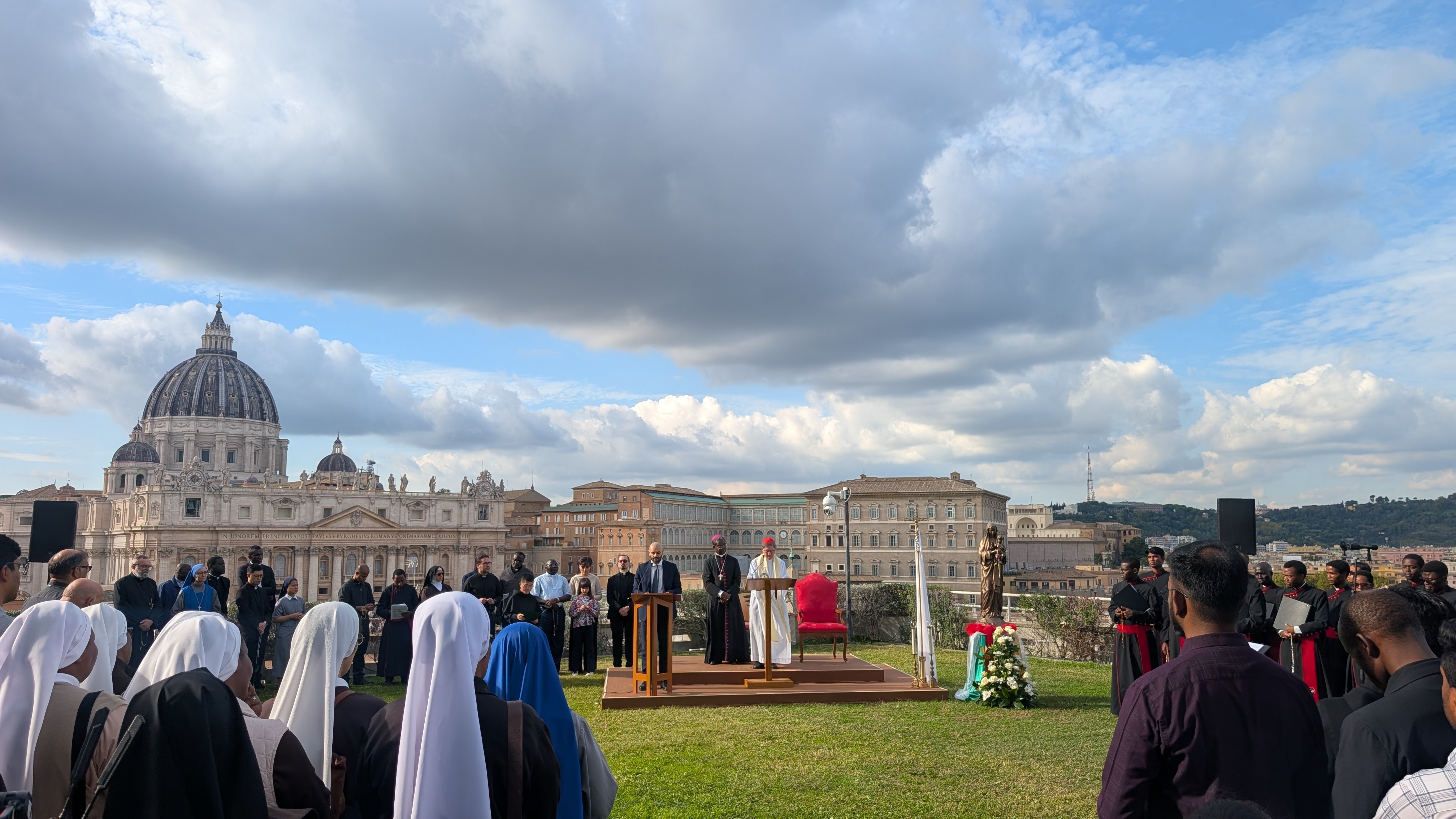
The rosary, recited in 13 languages, also marked the 75th anniversary of the World Mission Rosary by Blessed Fulton Sheen.
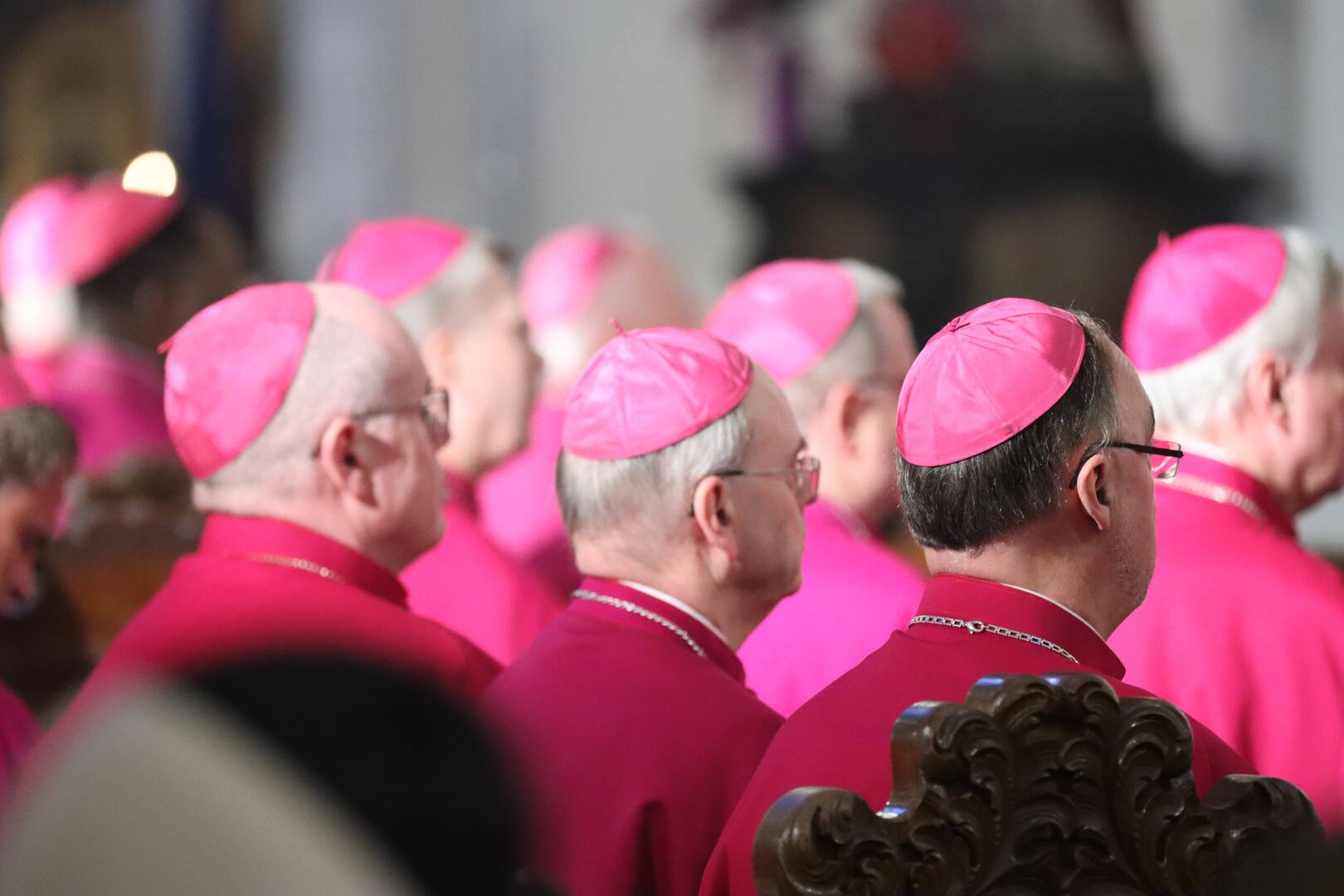
Citing Pope Leo XIV’s call to defend human dignity in the age of AI, the German Bishops’ Conference has joined an initiative to make artificial intelligence safe for children.
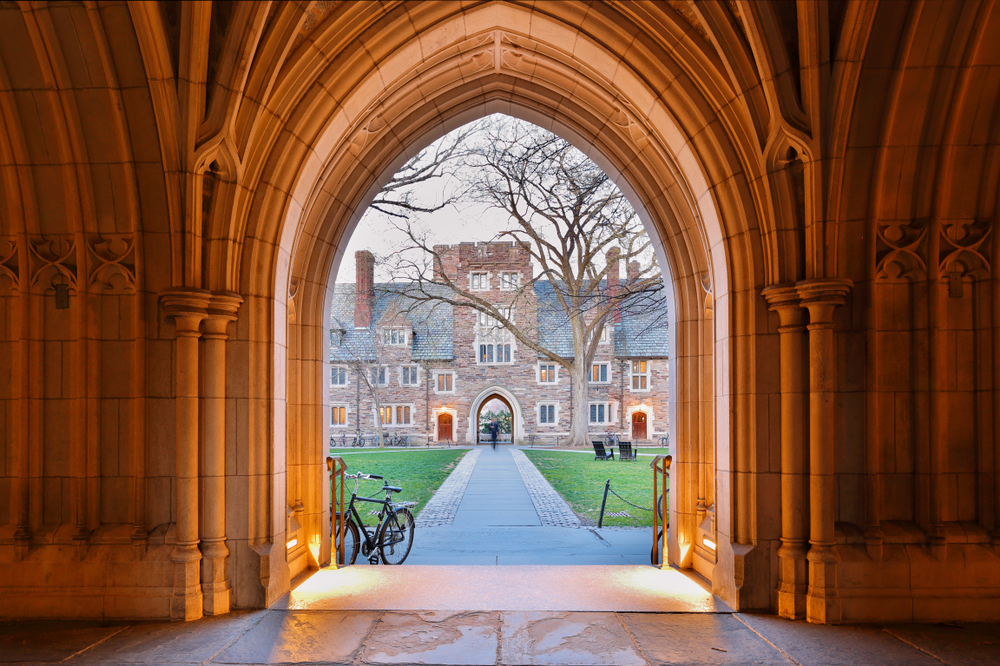
Noah McKay said the Catholic Church’s evidence in favor of vindicatory miracles helped lead him to the Church.
![Pope Leo in Lourdes: The Church must heal her ‘wounds, infidelities, and painful errors’ #Catholic LOURDES, France — Pope Leo XIV issued a firm call to conversion from sin and error in the Church, and invited all to repent and do penance, at the Sanctuary of Our Lady of Lourdes on Sunday.Mary’s call to conversion in her message to St. Bernadette “also concerns the Church herself as she makes her earthly journey. She must have the courage to begin with herself,” he said at Mass on Sept. 27.“In order to heal the deep wounds, infidelities and painful errors that have occurred within her, we must humbly place ourselves under the Lord’s purifying gaze. Recognizing our own faults is essential to our spiritual growth,” the pontiff said.In 2021, the Independent Commission on Sexual Abuse in the Church (CIASE) published a nearly 2,500-page final report, estimating that 216,000 children were abused by priests, deacons, monks, or nuns in France from 1950 to 2020.TweetLeo is scheduled to meet later on Sunday with seven victims of clerical sexual abuse in France.Lourdes is an evocative backdrop to the private meeting, since it is among the first shrines to cover artwork by the accused sexual abuser Father Marko Rupnik, currently on trial at the Vatican.Rupnik’s mosaics decorating the front of the Basilica of the Rosary were covered ahead of Leo’s visit and will remain covered indefinitely, according to the local bishop.The pope celebrated Mass on a prairie across the river Gave de Pau from the grotto of the apparitions on the third day of his Sept. 25-28 visit to France.Pilgrims from France and around the world gathered on the grassy hill and along the streets of the shrine. Some waved flags or held banners of sacred images. A number of pilgrims arrived in wheelchairs. Around 150,000 people attended the Mass, according to the Vatican.Claire Banks, a nurse from the UK, said she has traveled over 100 times to Lourdes.“It was too good of an opportunity to miss coming here and seeing the pope. I think he’s wonderful,” she told EWTN News. She described an “electric atmosphere” at the shrine since Leo’s arrival.Libby Frank, another Mass attendee, is also from the UK, but has lived in Lourdes for 40 years. She recently retired after working for a charity that brings sick people to the shrine.“I worked for three papal visits and now I’ve come to one papal visit to enjoy it with my family and friends and just be part of the community,” she said, referencing two visits by St. Pope John Paul II in 1983 and 2004, and one by Pope Benedict in 2008.“There’s been a phenomenal amount of excitement locally waiting for Leo to come visit. The town [of Lourdes] has really gotten behind everything that’s happening,” she said.TweetThe Sanctuary of Our Lady of Lourdes is among the most popular Catholic shrines in the world, built on the site of Mary’s apparitions to St. Bernadette in 1858. It is particularly visited by the sick, who come to bathe in or drink its healing spring water.In his homily, Pope Leo noted that a “call to conversion, both tender and urgent,” was a central part of the message the Virgin Mary entrusted to Bernadette, and that “it is today, not tomorrow, that we must repent.”He said Jesus is quite direct about the call to repentance: “As St. Luke tells us, ‘Unless you repent, you will all perish.’ But he also extends our horizon beyond this earthly life to the horizon of eternal life.”“Did not the Virgin Mary say to St. Bernadette, ‘I do not promise to make you happy in this world but in the next’?” Leo said.The pope noted that we can often forget this in an age and society focused on progress and material wellbeing.Eternal life is already won for us by Jesus’ sacrifice, he continued, but “the obstacle to grace and eternal life — the only obstacle to this love — is sin.”The Holy Father called everyone to do penance, an act of love for God and for our brothers and sisters, “who do not heed this call to conversion, and whose sins lead them towards death.”“We want to make amends for the wounds our sins have dealt to [God’s] heart,” he said.Addressing the many sick, elderly, and disabled people present at the Mass, Leo said their suffering, if lived in a “spirit of offering,” can take part “in the redemptive work that the world so greatly needs.”“In this way, you are truly at the heart of the Church, and your role is irreplaceable,” he said.“In the face of current trends that seek to redefine the value of human life in illness, suffering and old age, the grotto of Massabielle stands as a place of Christian hope,” he said. “Here, no one is turned away due to their frailty.”Earlier in the morning, Leo met with France’s bishops at the shrine, where he praised their courage in opposing the recent legalization of euthanasia and assisted suicide in the country.“I encourage you to persevere, together with all people of good will who uphold the same values,” he told the bishops’ conference.At the end of Mass, before praying the Angelus, the pope invited those present to pray the rosary for peace, and to offer concrete acts of penance and mercy.“It was here that the Immaculate Virgin appeared to St. Bernadette with the rosary and, as it were, guided her in prayer,” he said. “For this reason, today I invite all the faithful and all Christian communities to pray the holy rosary throughout the coming month of October, with the particular intention that wars may cease and that peace may be established among peoples in conflict.”Elliot Hartley contributed to this report.This story was updated at 7:14 a.m. ET with more information about the Mass and the pope’s meeting with bishops.](https://unitedyam.com/wp-content/uploads/2026/09/pope-leo-in-lourdes-the-church-must-heal-her-wounds-infidelities-and-painful-errors-catholic-lourdes-france-pope-leo-xiv-issued-a-firm-call-to-conversion-from-sin-and.jpg "Pope Leo in Lourdes: The Church must heal her ‘wounds, infidelities, and painful errors’ #Catholic LOURDES, France — Pope Leo XIV issued a firm call to conversion from sin and error in the Church, and invited all to repent and do penance, at the Sanctuary of Our Lady of Lourdes on Sunday.Mary’s call to conversion in her message to St. Bernadette “also concerns the Church herself as she makes her earthly journey. She must have the courage to begin with herself,” he said at Mass on Sept. 27.“In order to heal the deep wounds, infidelities and painful errors that have occurred within her, we must humbly place ourselves under the Lord’s purifying gaze. Recognizing our own faults is essential to our spiritual growth,” the pontiff said.In 2021, the Independent Commission on Sexual Abuse in the Church (CIASE) published a nearly 2,500-page final report, estimating that 216,000 children were abused by priests, deacons, monks, or nuns in France from 1950 to 2020.TweetLeo is scheduled to meet later on Sunday with seven victims of clerical sexual abuse in France.Lourdes is an evocative backdrop to the private meeting, since it is among the first shrines to cover artwork by the accused sexual abuser Father Marko Rupnik, currently on trial at the Vatican.Rupnik’s mosaics decorating the front of the Basilica of the Rosary were covered ahead of Leo’s visit and will remain covered indefinitely, according to the local bishop.The pope celebrated Mass on a prairie across the river Gave de Pau from the grotto of the apparitions on the third day of his Sept. 25-28 visit to France.Pilgrims from France and around the world gathered on the grassy hill and along the streets of the shrine. Some waved flags or held banners of sacred images. A number of pilgrims arrived in wheelchairs. Around 150,000 people attended the Mass, according to the Vatican.Claire Banks, a nurse from the UK, said she has traveled over 100 times to Lourdes.“It was too good of an opportunity to miss coming here and seeing the pope. I think he’s wonderful,” she told EWTN News. She described an “electric atmosphere” at the shrine since Leo’s arrival.Libby Frank, another Mass attendee, is also from the UK, but has lived in Lourdes for 40 years. She recently retired after working for a charity that brings sick people to the shrine.“I worked for three papal visits and now I’ve come to one papal visit to enjoy it with my family and friends and just be part of the community,” she said, referencing two visits by St. Pope John Paul II in 1983 and 2004, and one by Pope Benedict in 2008.“There’s been a phenomenal amount of excitement locally waiting for Leo to come visit. The town [of Lourdes] has really gotten behind everything that’s happening,” she said.TweetThe Sanctuary of Our Lady of Lourdes is among the most popular Catholic shrines in the world, built on the site of Mary’s apparitions to St. Bernadette in 1858. It is particularly visited by the sick, who come to bathe in or drink its healing spring water.In his homily, Pope Leo noted that a “call to conversion, both tender and urgent,” was a central part of the message the Virgin Mary entrusted to Bernadette, and that “it is today, not tomorrow, that we must repent.”He said Jesus is quite direct about the call to repentance: “As St. Luke tells us, ‘Unless you repent, you will all perish.’ But he also extends our horizon beyond this earthly life to the horizon of eternal life.”“Did not the Virgin Mary say to St. Bernadette, ‘I do not promise to make you happy in this world but in the next’?” Leo said.The pope noted that we can often forget this in an age and society focused on progress and material wellbeing.Eternal life is already won for us by Jesus’ sacrifice, he continued, but “the obstacle to grace and eternal life — the only obstacle to this love — is sin.”The Holy Father called everyone to do penance, an act of love for God and for our brothers and sisters, “who do not heed this call to conversion, and whose sins lead them towards death.”“We want to make amends for the wounds our sins have dealt to [God’s] heart,” he said.Addressing the many sick, elderly, and disabled people present at the Mass, Leo said their suffering, if lived in a “spirit of offering,” can take part “in the redemptive work that the world so greatly needs.”“In this way, you are truly at the heart of the Church, and your role is irreplaceable,” he said.“In the face of current trends that seek to redefine the value of human life in illness, suffering and old age, the grotto of Massabielle stands as a place of Christian hope,” he said. “Here, no one is turned away due to their frailty.”Earlier in the morning, Leo met with France’s bishops at the shrine, where he praised their courage in opposing the recent legalization of euthanasia and assisted suicide in the country.“I encourage you to persevere, together with all people of good will who uphold the same values,” he told the bishops’ conference.At the end of Mass, before praying the Angelus, the pope invited those present to pray the rosary for peace, and to offer concrete acts of penance and mercy.“It was here that the Immaculate Virgin appeared to St. Bernadette with the rosary and, as it were, guided her in prayer,” he said. “For this reason, today I invite all the faithful and all Christian communities to pray the holy rosary throughout the coming month of October, with the particular intention that wars may cease and that peace may be established among peoples in conflict.”Elliot Hartley contributed to this report.This story was updated at 7:14 a.m. ET with more information about the Mass and the pope’s meeting with bishops.")
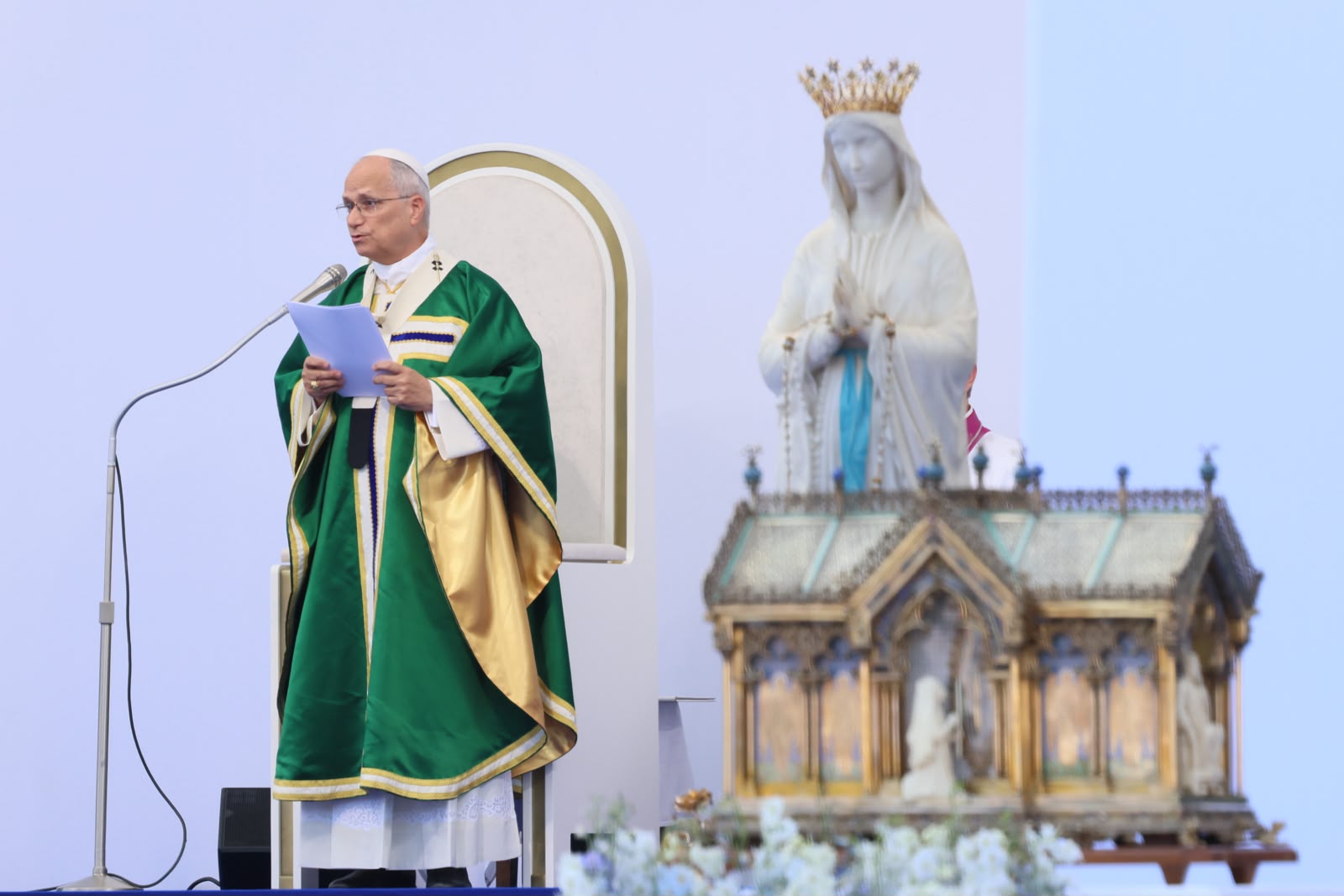
The pontiff spoke about the urgency of repentance and conversion at a Mass on the third day of his visit to France.
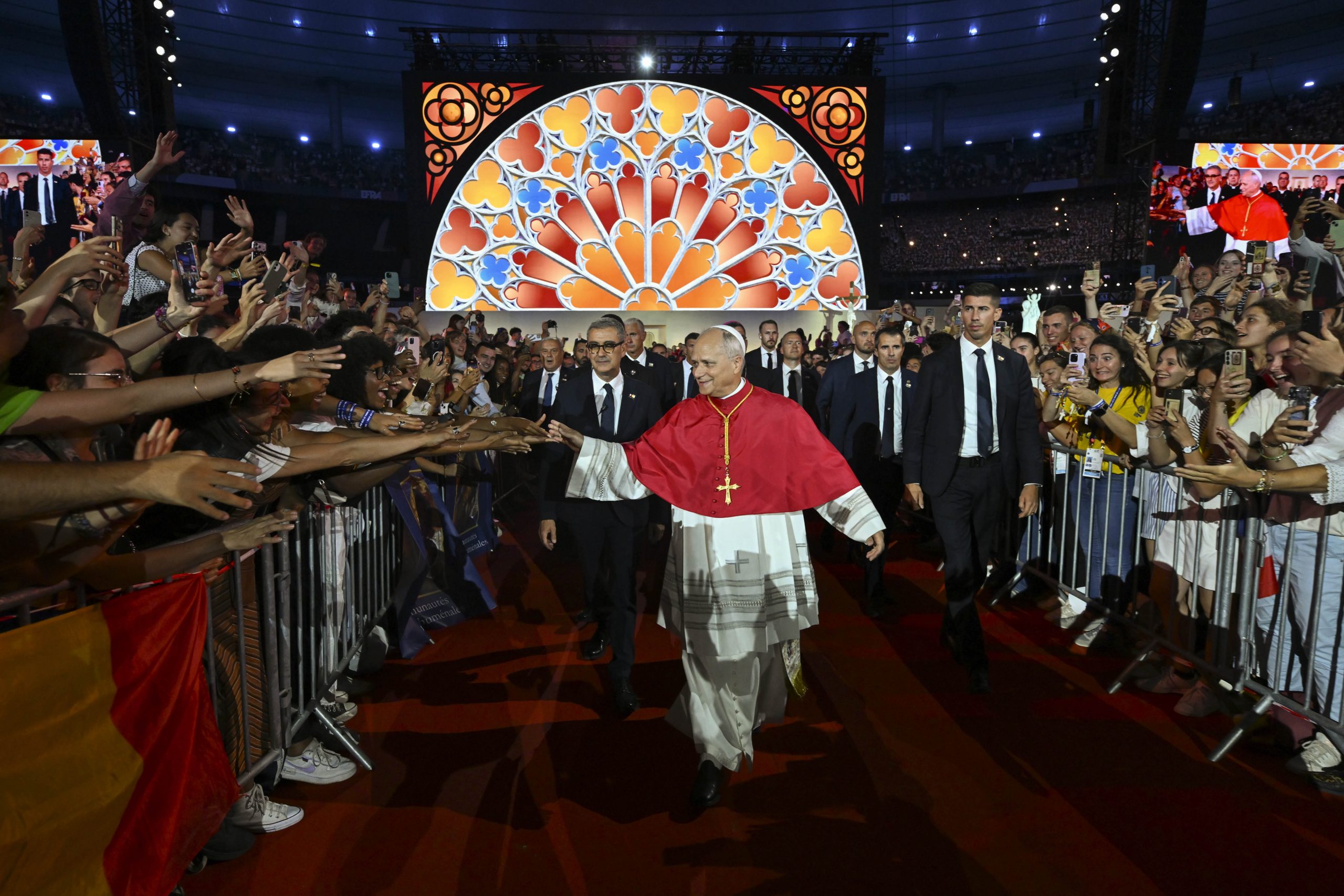
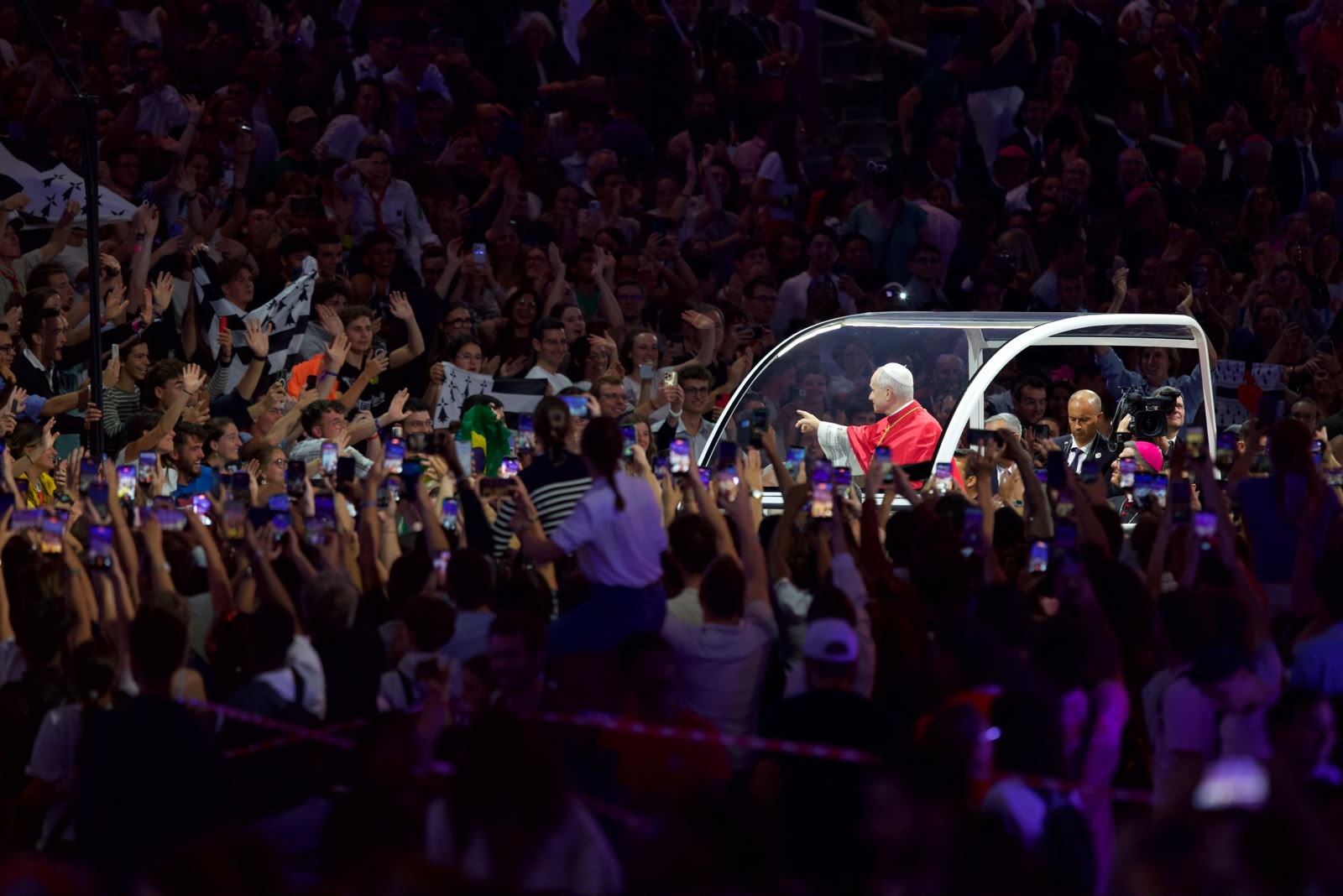
France’s Catholic culture and the energy of the country’s young people stole the show at a prayer vigil at the national stadium in Saint-Denis, France.
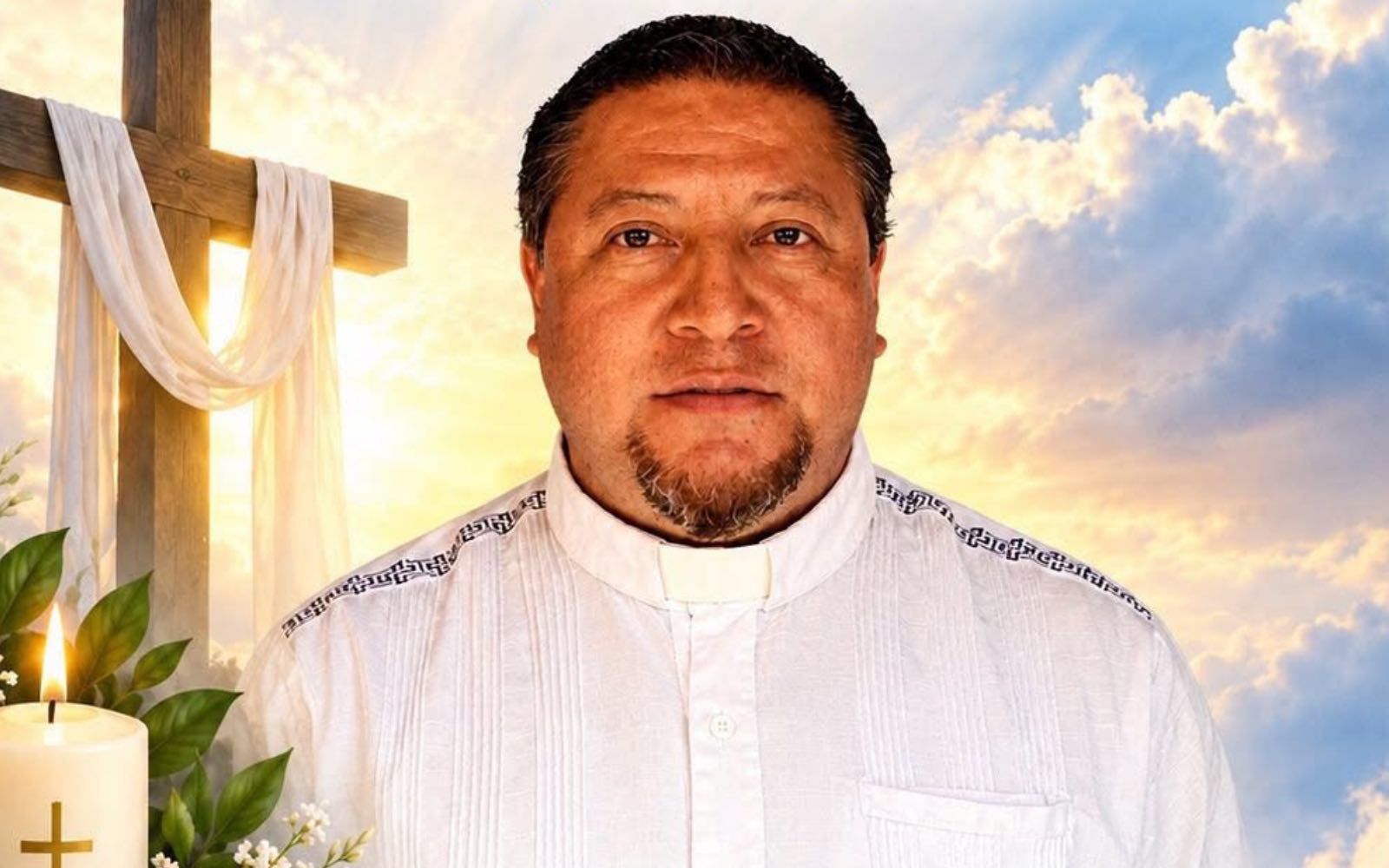
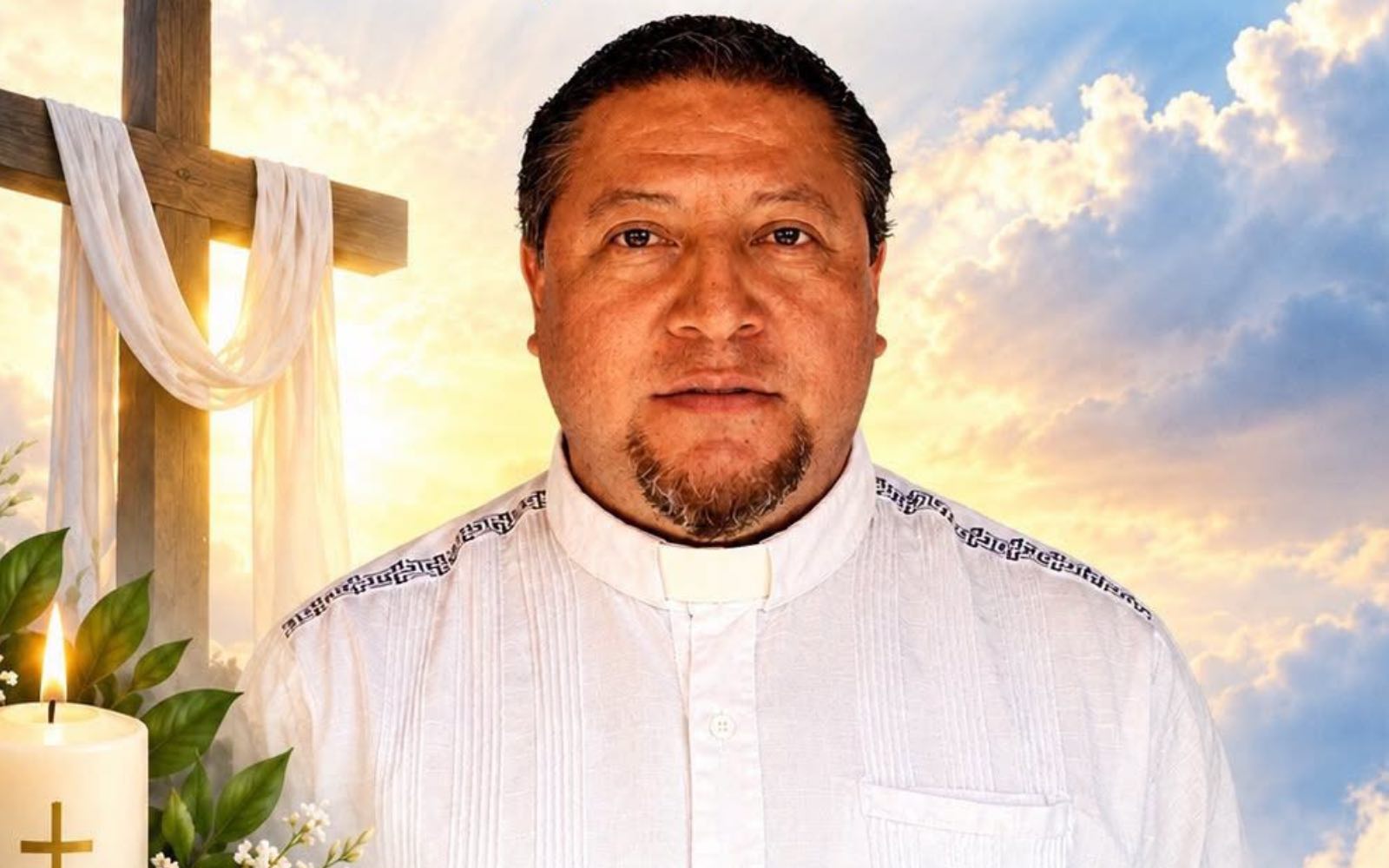
The priest was found dead with gunshot wounds along a stretch of highway. The local bishop urged people not to speculate about the crime and denounced the ongoing violence in the country.
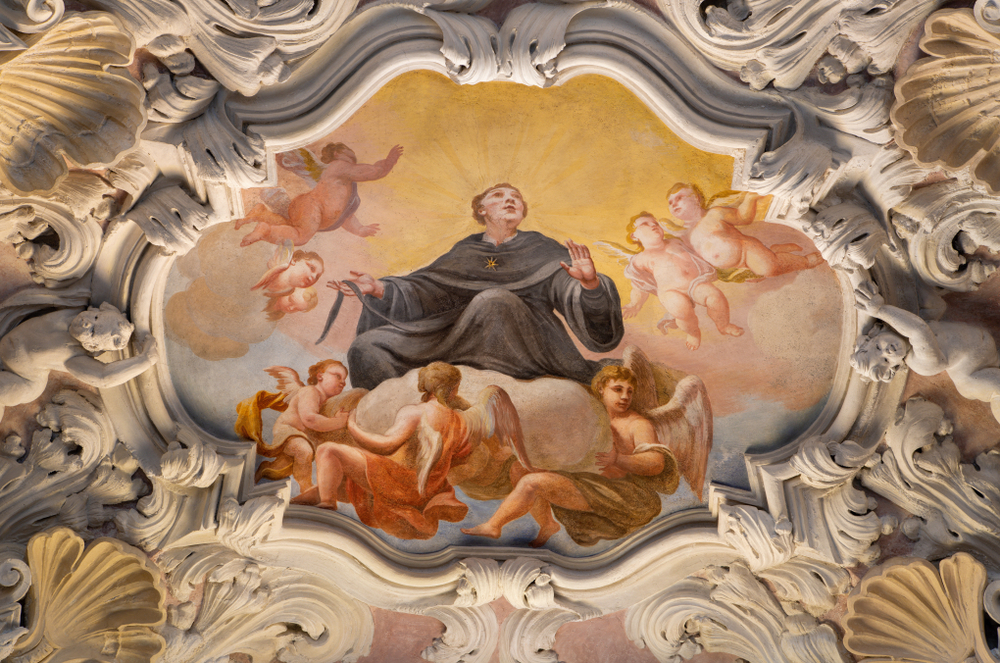
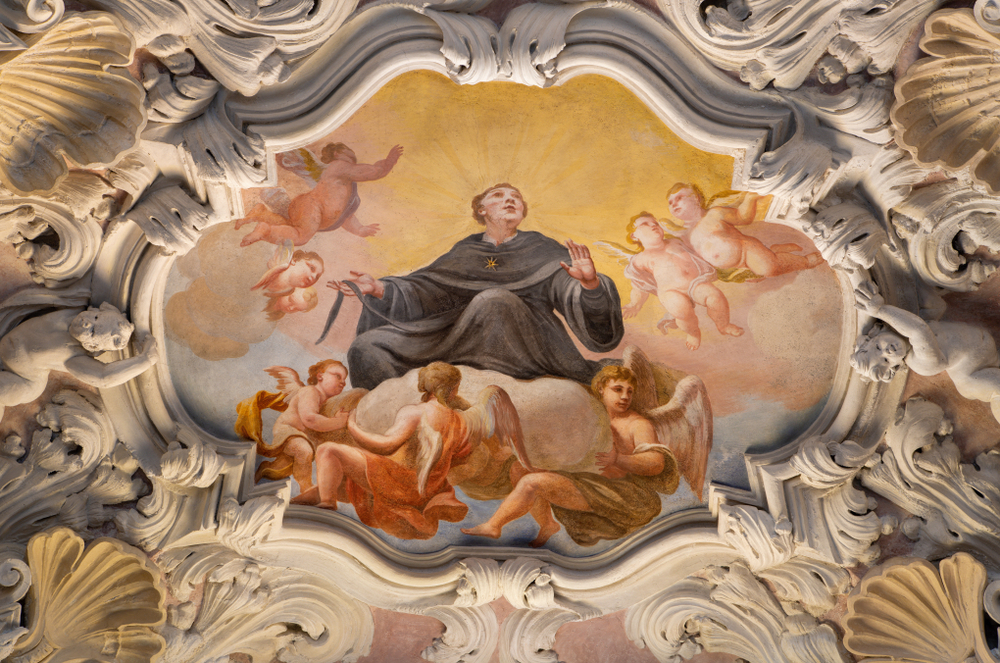
For St. Nicholas of Tolentino, the Catholic imperative to pray for the dead was made very real to him when a deceased friend appeared to him asking for prayers.
| Picture of the day |
|---|

|
|
Motion picture poster for Three Friends, a Biograph Studios release, shows three men clasping hands while sitting at a table in a bar. 1 print (poster) : lithograph, color ; 104 x 70 cm. Today is International Beer Day.
|
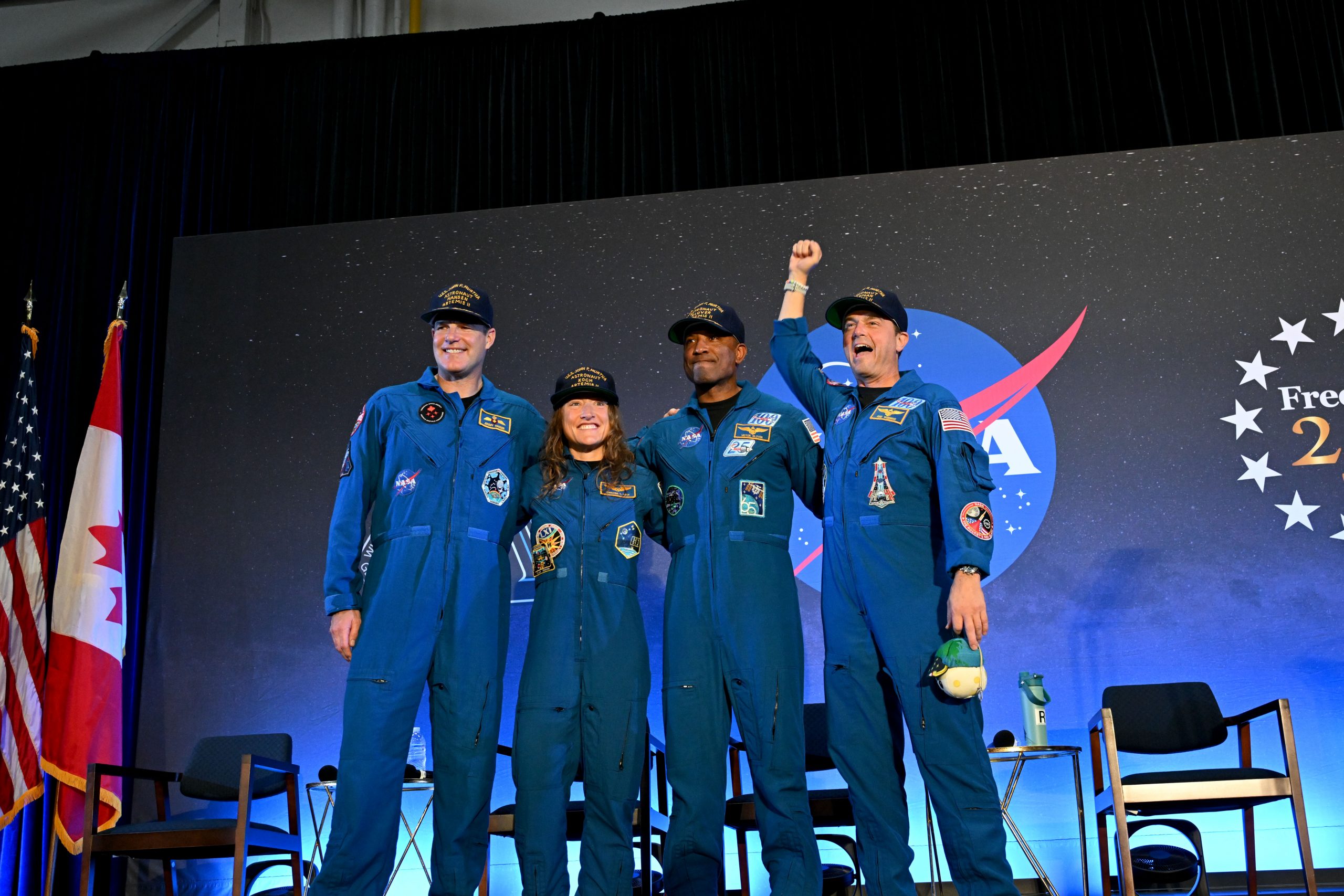
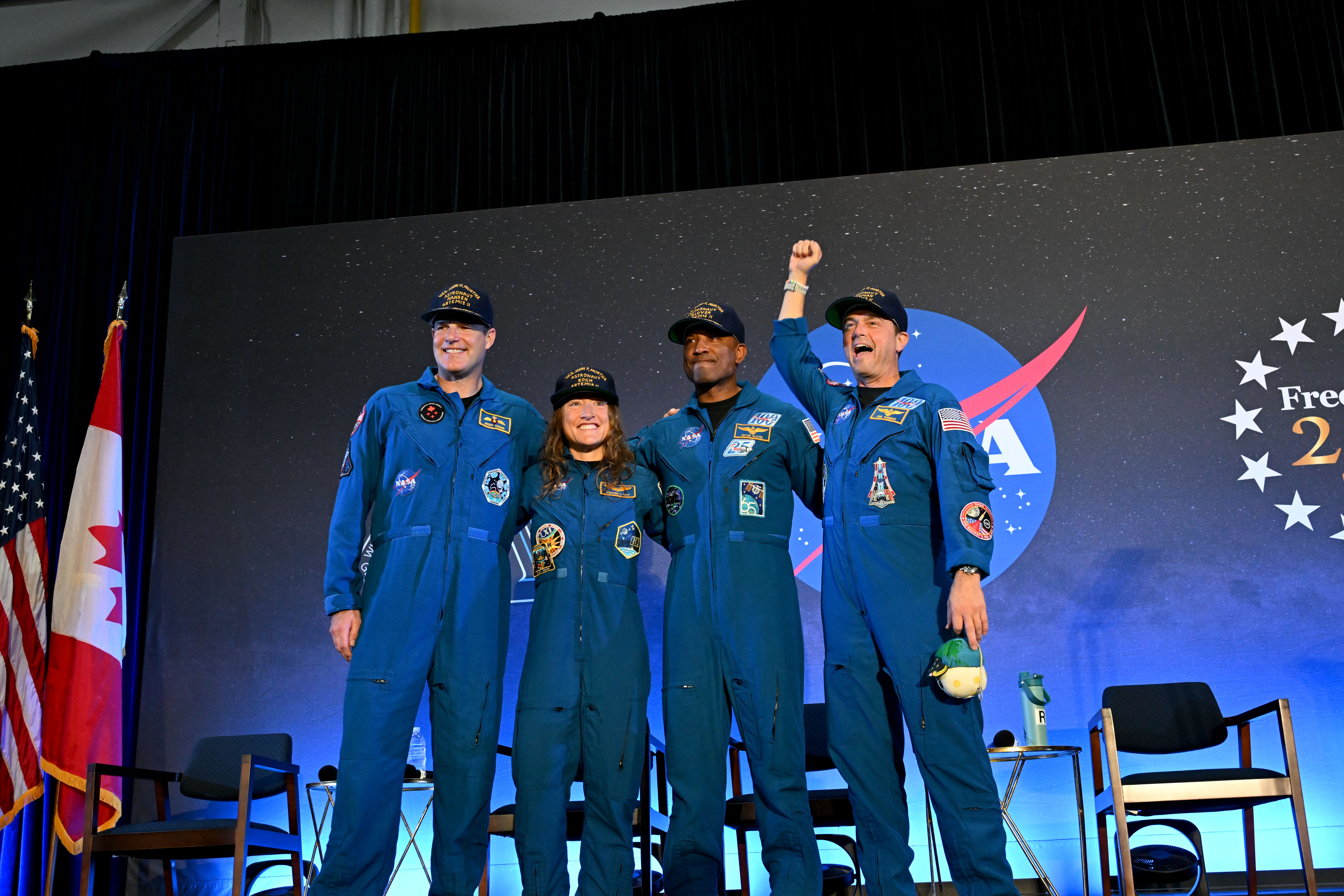
NASA’s Artemis II crew shared brief remarks with friends, family, and colleagues after they landed at Ellington Airport near NASA’s Johnson Space Center in Houston on Saturday, April 11, 2026, after a nearly 10-day journey around the Moon and back to Earth.
Read More