![Yad Vashem chief: Holocaust memory is key to fighting antisemitism #Catholic Dani Dayan, chairman of Yad Vashem, said that remembering and honoring the Holocaust is essential to combating rising antisemitism worldwide.Dayan, who met with Pope Leo XIV on March 23 together with Israel’s ambassador to the Holy See, Yaron Sideman, said their conversation focused on “two issues: the historical remembrance, the need to remember, to know about the Holocaust — but not just for the sake of history, also for the sake of the present and the sake of the future.”We have to make sure that an “atrocity like this cannot happen again — not to the Jewish people, not to any other people,” he said.He added that antisemitism is “raising its ugly head again all over the world” and that the two issues are closely linked.“I think that knowing about the Holocaust, learning about the Holocaust, remembering, honoring the Holocaust is one of the tools to combat antisemitism,” Dayan said.‘Antisemitism is bigotry’Asked whether Israeli policy risks fueling antisemitism, Dayan rejected the premise.“I think antisemitism should not have palliative reasons. Antisemitism is bigotry, antisemitism is racism, and it’s completely independent of anything that Israel does or does not,” he said.He described antisemitism as a unifying force among otherwise opposed extremist groups.“In many sectors in the world, antisemitism has become the common denominator, the lingua franca of all the extremists in the world — left-wing extremists, right-wing extremists, religious extremists, Islamist extremists, and many others,” he said.“They hate each other on any other issue… [but] they don’t only agree, they even collaborate.”“Antisemitism should not be understood. It should be combated without any reservation,” he added, noting he found “full agreement” with Pope Leo XIV on the point.Memory, politics, and responsibilityDayan emphasized the distinction between Holocaust remembrance and contemporary political debates.“The policy and Holocaust remembrance are two completely different things,” he said, while noting that the Holocaust remains “omnipresent in the back of our minds” for many Jews and continues to shape collective identity.He said the obligation to remember the Holocaust is “threefold”: for the future, to build a world free of bigotry and genocide; for the present, amid resurging antisemitism; and as a moral duty to the victims.“Six million victims that were massacred by Nazi Germany and its collaborators during the Shoah deserve to be remembered,” he said. “It’s a debt that we have to maintain.”A shared history and a future visit?Reflecting on relations between the Catholic Church and the Jewish people, Dayan pointed to the significance of papal visits to Yad Vashem.He presented Pope Leo XIV with a painting by Jewish artist Carol Deutsch, created during the Shoah, depicting the biblical question “Adam, where are you?”He linked the image to Pope Francis’ address at Yad Vashem, in which the late pope asked: “Where was humanity?”Dayan expressed hope that Pope Leo XIV would visit Yad Vashem in the future, “when circumstances allow it.”‘Peace is an imperative’Asked about the role of believers in promoting peace, Dayan said the memory of the Holocaust underscores the urgency of that mission.“To yearn for it and to act for it,” he said. “Learning about the Holocaust… is one of the greatest motivations a person can have to understand that peace is an imperative.”He acknowledged that he once believed the devastation of World War II and the Holocaust would end war and antisemitism.“Unfortunately… I was very naive in that respect. We have to work harder, all of us, in order to make that a reality in the future,” he said.This story was first published by ACI Stampa, the Italian-language sister service of EWTN News. It has been translated and adapted by EWTN News English.](https://unitedyam.com/wp-content/uploads/2026/03/yad-vashem-chief-holocaust-memory-is-key-to-fighting-antisemitism-catholic-dani-dayan-chairman-of-yad-vashem-said-that-remembering-and-honoring-the-holocaust-is-essential-to-combating-rising-antis-scaled.jpg "Yad Vashem chief: Holocaust memory is key to fighting antisemitism #Catholic Dani Dayan, chairman of Yad Vashem, said that remembering and honoring the Holocaust is essential to combating rising antisemitism worldwide.Dayan, who met with Pope Leo XIV on March 23 together with Israel’s ambassador to the Holy See, Yaron Sideman, said their conversation focused on “two issues: the historical remembrance, the need to remember, to know about the Holocaust — but not just for the sake of history, also for the sake of the present and the sake of the future.”We have to make sure that an “atrocity like this cannot happen again — not to the Jewish people, not to any other people,” he said.He added that antisemitism is “raising its ugly head again all over the world” and that the two issues are closely linked.“I think that knowing about the Holocaust, learning about the Holocaust, remembering, honoring the Holocaust is one of the tools to combat antisemitism,” Dayan said.‘Antisemitism is bigotry’Asked whether Israeli policy risks fueling antisemitism, Dayan rejected the premise.“I think antisemitism should not have palliative reasons. Antisemitism is bigotry, antisemitism is racism, and it’s completely independent of anything that Israel does or does not,” he said.He described antisemitism as a unifying force among otherwise opposed extremist groups.“In many sectors in the world, antisemitism has become the common denominator, the lingua franca of all the extremists in the world — left-wing extremists, right-wing extremists, religious extremists, Islamist extremists, and many others,” he said.“They hate each other on any other issue… [but] they don’t only agree, they even collaborate.”“Antisemitism should not be understood. It should be combated without any reservation,” he added, noting he found “full agreement” with Pope Leo XIV on the point.Memory, politics, and responsibilityDayan emphasized the distinction between Holocaust remembrance and contemporary political debates.“The policy and Holocaust remembrance are two completely different things,” he said, while noting that the Holocaust remains “omnipresent in the back of our minds” for many Jews and continues to shape collective identity.He said the obligation to remember the Holocaust is “threefold”: for the future, to build a world free of bigotry and genocide; for the present, amid resurging antisemitism; and as a moral duty to the victims.“Six million victims that were massacred by Nazi Germany and its collaborators during the Shoah deserve to be remembered,” he said. “It’s a debt that we have to maintain.”A shared history and a future visit?Reflecting on relations between the Catholic Church and the Jewish people, Dayan pointed to the significance of papal visits to Yad Vashem.He presented Pope Leo XIV with a painting by Jewish artist Carol Deutsch, created during the Shoah, depicting the biblical question “Adam, where are you?”He linked the image to Pope Francis’ address at Yad Vashem, in which the late pope asked: “Where was humanity?”Dayan expressed hope that Pope Leo XIV would visit Yad Vashem in the future, “when circumstances allow it.”‘Peace is an imperative’Asked about the role of believers in promoting peace, Dayan said the memory of the Holocaust underscores the urgency of that mission.“To yearn for it and to act for it,” he said. “Learning about the Holocaust… is one of the greatest motivations a person can have to understand that peace is an imperative.”He acknowledged that he once believed the devastation of World War II and the Holocaust would end war and antisemitism.“Unfortunately… I was very naive in that respect. We have to work harder, all of us, in order to make that a reality in the future,” he said.This story was first published by ACI Stampa, the Italian-language sister service of EWTN News. It has been translated and adapted by EWTN News English.")

Dani Dayan speaks after meeting Pope Leo XIV, says antisemitism is “bigotry” independent of Israeli policy.
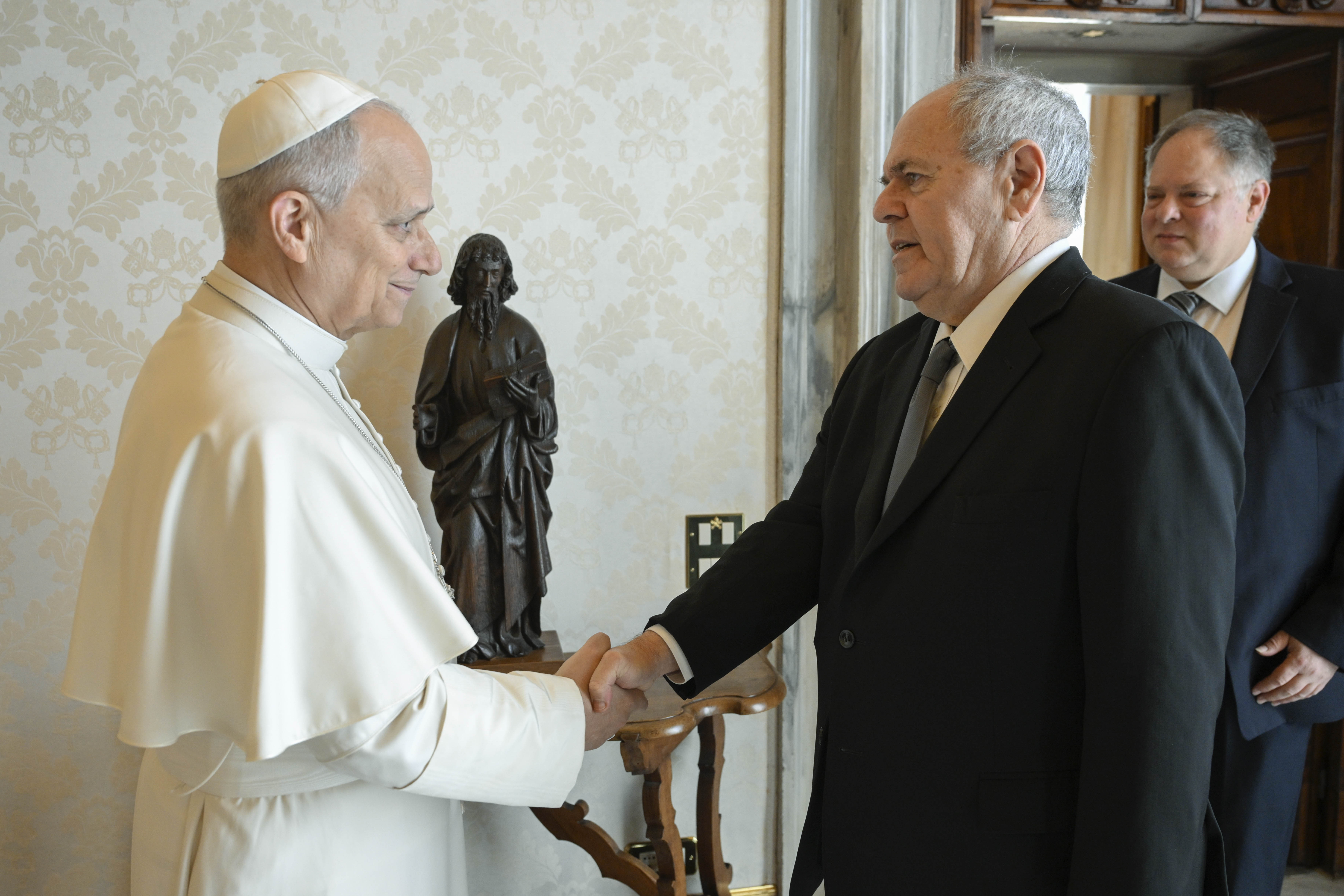
Dani Dayan speaks after meeting Pope Leo XIV, says antisemitism is “bigotry” independent of Israeli policy.
![Ireland sees modest revival in faith, especially among youth and young adults #Catholic An increase in spirituality and religious practice among young adults in Ireland aged 18 to 30 and confirmation that Ireland is in the “middle range” of religious countries in Europe are among the trends identified in a new report published by the Irish Catholic bishops titled “Turning the Tide.”Archbishop Eamon Martin of Armagh, primate of all Ireland, told EWTN News: “There has been a lot of talk recently about the so-called quiet revival in religious practice in recent years. The [report] looks at some of the research studies that have been carried out north and south of the island of Ireland into religious practice, religious awareness and spirituality, and interest in religion, and asks a question by comparing this with European social studies: Is there actually any uptake [in] religious practice and awareness and interest in Ireland?”Drawing on research from the European Social Survey, the Iona Institute’s two recent surveys conducted by Amárach Research, and a variety of relevant academic studies, the report seeks to provide an integrated, relevant, and current look at religious practice in Ireland.“The report very interestingly points to some type of uptick, as they call it, particularly among young people around the ages of 16 to 30 and the fact that they are taking a new interest in religion and in spirituality.”Encouraged by the positive trends emerging across different studies, Martin sounded a note of caution, highlighting the challenges that these findings pose for the Catholic Church in Ireland.“I don’t think we should get ourselves too enthusiastic thinking this is a complete reversal of the very obvious decline and religious practice over the last 10 or 20 years,” he said. “However, it is saying something on the turning tide.”The archbishop pointed to the implications for the Irish Church: “It’s asking us to reflect on this phenomenon in the light of research, and for instance what does this mean for us as Church, as parishes, as dioceses? How are we responding to this growing body of young people who want to know more more about God, about church, and about religion?”The report, co-authored by Stephen Bullivant, professor of theology and the sociology of religion at St. Mary’s University, Twickenham, and Emily Nelson, a doctoral student of sociology at Queen’s University Belfast, examined the overall religious profile of the island of Ireland, including areas of convergence and divergence between Northern Ireland and the Republic of Ireland.The authors drew together research studies on patterns in belief, practice, and religious identification between generations, with particular attention to differences within young adult cohorts. The work also provided insight on dimensions of religiosity, religious transmission, and attitudes toward Church teaching and institutions among both men and women.Ireland remains among the more religious countries in Europe, on measures of religious affiliation, religious service attendance, and frequency of prayer. Among western European countries, it is one of few outliers with a relatively high level of overall religiosity. It also ranks toward the higher end of (especially western) European countries on measures of weekly Mass attendance and daily prayer.While key measures of Irish religiosity have declined significantly since the European Social Survey began in 2002-2003, the most recent round in 2023-2024 shows a strong uptick in religious affiliation and religious practice.This effect is most strongly evident among those aged 16–29 years, across both Catholics and Protestants.Northern Ireland is both the most religious region of the United Kingdom, by a large margin, and the most religious part of the island of Ireland, in terms of both affiliation and religious practice.Although women in the Republic of Ireland are equally as likely as men to be religious, they continue to play an influential role in transmitting faith, even as they express higher levels of moral dissent and institutional dissatisfaction. The report revealed that 74% of Irish Catholic women were found to believe that the Church did not treat them with “a lot of respect.”According to the report, 51% of Irish adults — and 27% of Irish young adults —pray at least once a week, and 31% say they attend Mass at least once a week, placing them fourth overall, alongside Italy (32%) but well behind Poland (49%) and Slovakia (46%).There is a significant drop-off among young adults, whose reported religious practice is roughly half that of older adults. Irish 16- to 29-year-olds rank sixth overall compared with other countries, at 17%, though that is at least double the rates of the same age group in Switzerland, Germany, and Belgium, at 5%, and in Austria with less than 1%.The Irish report also pointed to a 2023 Barna study that found in certain respects, Irish teens are more religious than their global peers. Just over 3 in 5 (62%) Irish teens identify as Christian with nearly a third identify as atheist, agnostic, or of no faith.On average, 18- to 24-year-olds in the Republic of Ireland aren’t particularly positive about both Christianity and the Catholic Church in Ireland, but they are more positive than those in the 25–34 age range, and fewer have a negative attitude toward priests and nuns.In 2023, EWTN News’ Colm Flynn traveled to Ireland with the question “Is Ireland still Catholic?” He explored the various reasons for the decline of the faith in Ireland and the challenges the Church faces there today. In the three years since, and after many emails and messages pointing to signs of a “quiet revival” of faith in Ireland, Flynn recently returned to the country to explore those signs of renewal. In his report, he refers to the “Turning the Tide” report:](https://unitedyam.com/wp-content/uploads/2026/03/ireland-sees-modest-revival-in-faith-especially-among-youth-and-young-adults-catholic-an-increase-in-spirituality-and-religious-practice-among-young-adults-in-ireland-aged-18-to-30-and-confirmation-scaled.jpg "Ireland sees modest revival in faith, especially among youth and young adults #Catholic An increase in spirituality and religious practice among young adults in Ireland aged 18 to 30 and confirmation that Ireland is in the “middle range” of religious countries in Europe are among the trends identified in a new report published by the Irish Catholic bishops titled “Turning the Tide.”Archbishop Eamon Martin of Armagh, primate of all Ireland, told EWTN News: “There has been a lot of talk recently about the so-called quiet revival in religious practice in recent years. The [report] looks at some of the research studies that have been carried out north and south of the island of Ireland into religious practice, religious awareness and spirituality, and interest in religion, and asks a question by comparing this with European social studies: Is there actually any uptake [in] religious practice and awareness and interest in Ireland?”Drawing on research from the European Social Survey, the Iona Institute’s two recent surveys conducted by Amárach Research, and a variety of relevant academic studies, the report seeks to provide an integrated, relevant, and current look at religious practice in Ireland.“The report very interestingly points to some type of uptick, as they call it, particularly among young people around the ages of 16 to 30 and the fact that they are taking a new interest in religion and in spirituality.”Encouraged by the positive trends emerging across different studies, Martin sounded a note of caution, highlighting the challenges that these findings pose for the Catholic Church in Ireland.“I don’t think we should get ourselves too enthusiastic thinking this is a complete reversal of the very obvious decline and religious practice over the last 10 or 20 years,” he said. “However, it is saying something on the turning tide.”The archbishop pointed to the implications for the Irish Church: “It’s asking us to reflect on this phenomenon in the light of research, and for instance what does this mean for us as Church, as parishes, as dioceses? How are we responding to this growing body of young people who want to know more more about God, about church, and about religion?”The report, co-authored by Stephen Bullivant, professor of theology and the sociology of religion at St. Mary’s University, Twickenham, and Emily Nelson, a doctoral student of sociology at Queen’s University Belfast, examined the overall religious profile of the island of Ireland, including areas of convergence and divergence between Northern Ireland and the Republic of Ireland.The authors drew together research studies on patterns in belief, practice, and religious identification between generations, with particular attention to differences within young adult cohorts. The work also provided insight on dimensions of religiosity, religious transmission, and attitudes toward Church teaching and institutions among both men and women.Ireland remains among the more religious countries in Europe, on measures of religious affiliation, religious service attendance, and frequency of prayer. Among western European countries, it is one of few outliers with a relatively high level of overall religiosity. It also ranks toward the higher end of (especially western) European countries on measures of weekly Mass attendance and daily prayer.While key measures of Irish religiosity have declined significantly since the European Social Survey began in 2002-2003, the most recent round in 2023-2024 shows a strong uptick in religious affiliation and religious practice.This effect is most strongly evident among those aged 16–29 years, across both Catholics and Protestants.Northern Ireland is both the most religious region of the United Kingdom, by a large margin, and the most religious part of the island of Ireland, in terms of both affiliation and religious practice.Although women in the Republic of Ireland are equally as likely as men to be religious, they continue to play an influential role in transmitting faith, even as they express higher levels of moral dissent and institutional dissatisfaction. The report revealed that 74% of Irish Catholic women were found to believe that the Church did not treat them with “a lot of respect.”According to the report, 51% of Irish adults — and 27% of Irish young adults —pray at least once a week, and 31% say they attend Mass at least once a week, placing them fourth overall, alongside Italy (32%) but well behind Poland (49%) and Slovakia (46%).There is a significant drop-off among young adults, whose reported religious practice is roughly half that of older adults. Irish 16- to 29-year-olds rank sixth overall compared with other countries, at 17%, though that is at least double the rates of the same age group in Switzerland, Germany, and Belgium, at 5%, and in Austria with less than 1%.The Irish report also pointed to a 2023 Barna study that found in certain respects, Irish teens are more religious than their global peers. Just over 3 in 5 (62%) Irish teens identify as Christian with nearly a third identify as atheist, agnostic, or of no faith.On average, 18- to 24-year-olds in the Republic of Ireland aren’t particularly positive about both Christianity and the Catholic Church in Ireland, but they are more positive than those in the 25–34 age range, and fewer have a negative attitude toward priests and nuns.In 2023, EWTN News’ Colm Flynn traveled to Ireland with the question “Is Ireland still Catholic?” He explored the various reasons for the decline of the faith in Ireland and the challenges the Church faces there today. In the three years since, and after many emails and messages pointing to signs of a “quiet revival” of faith in Ireland, Flynn recently returned to the country to explore those signs of renewal. In his report, he refers to the “Turning the Tide” report:")
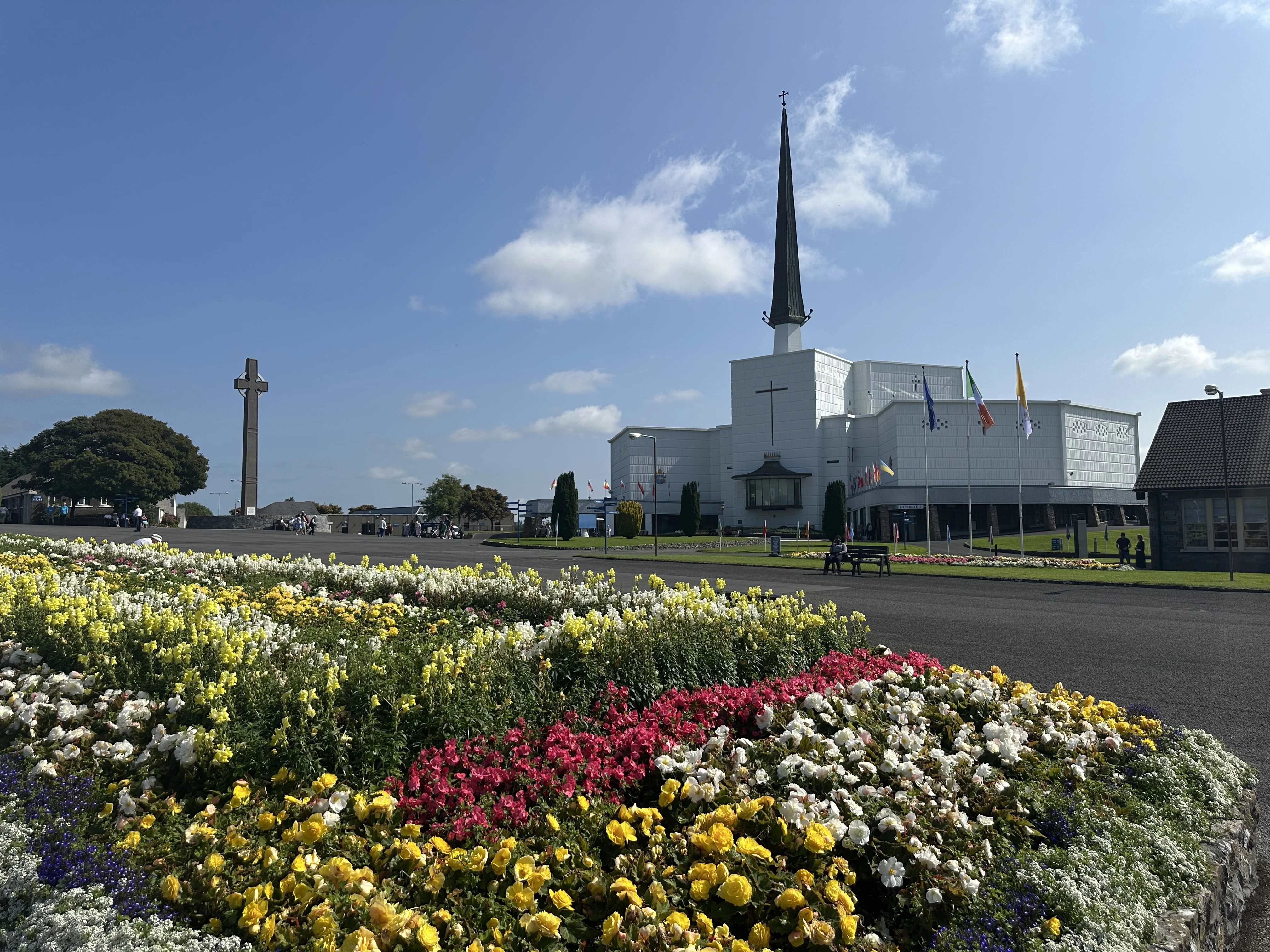
A new report examining surveys and research on the practice of the Catholic faith in Ireland shows an uptick in religious practice and spirituality among younger people.
| Picture of the day |
|---|

|
|
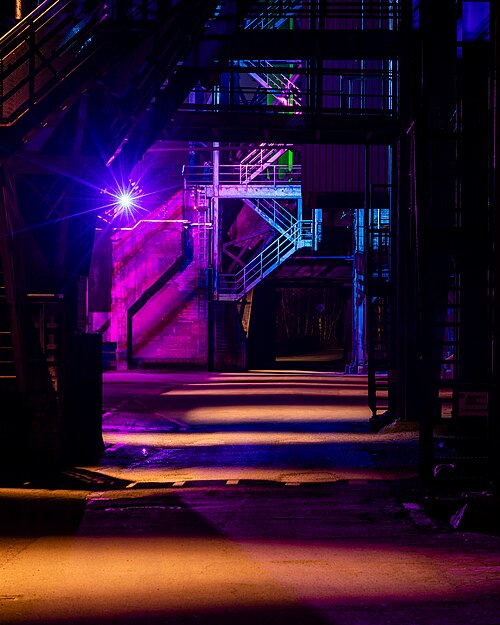
Blast furnace road (at night) Landschaftspark Duisburg-Nord, North Rhine-Westphalia, Germany
|
| Picture of the day |
|---|

|
|
The historic Geigersberg vineyard, northeast of the Sachsenheim district of Ochsenbach in Germany, still retains many of its old dry stone walls and is home to rare plant and animal species.
|
| Picture of the day |
|---|
_-_Kloster_Lorch_-_Klosterkirche_-_Ansicht_von_SO_(1).jpg)
|
|
Abbey church and bell tower of the former Benedictine monastery Lorch Abbey in Lorch, Germany.
|
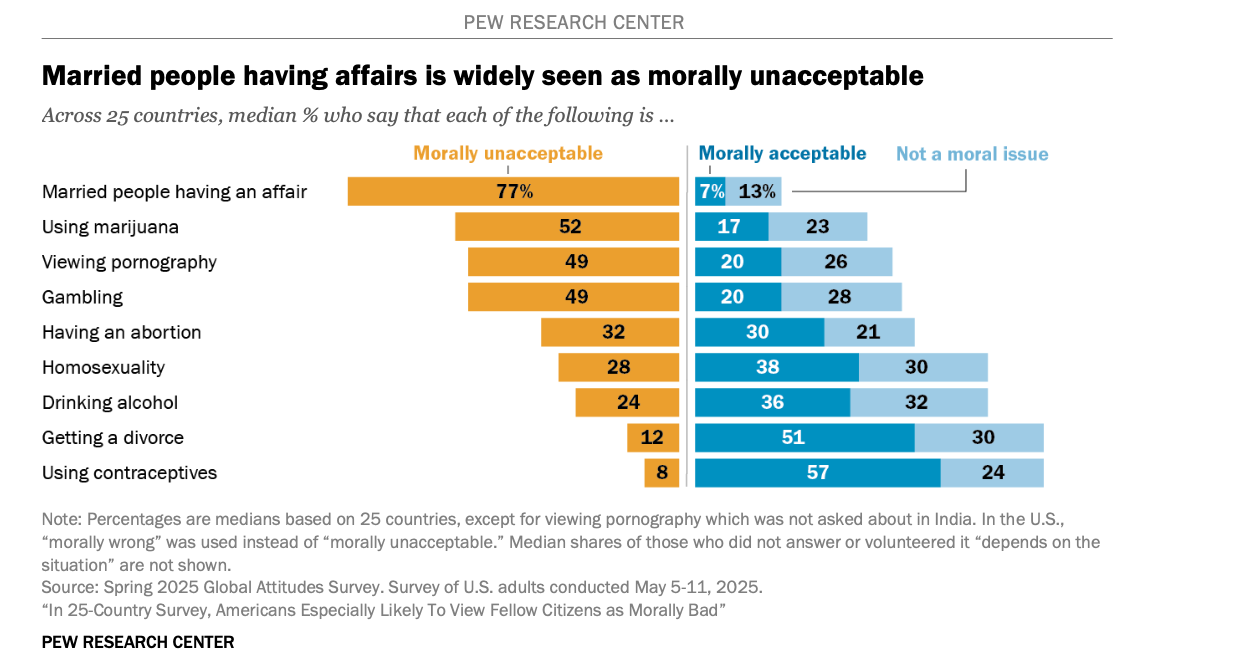
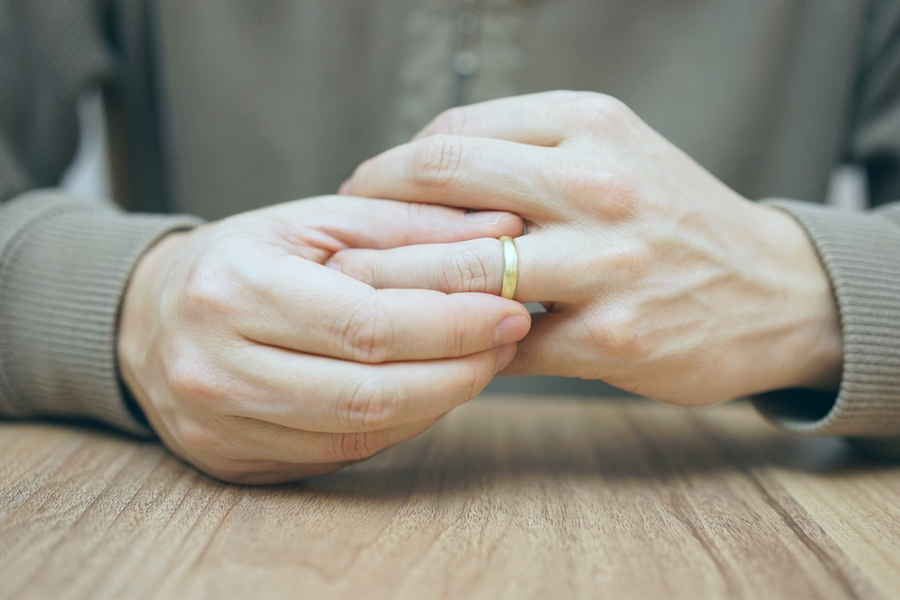
U.S. adults were among those most likely to condemn extramarital affairs as immoral in a study of 25 countries.
| Picture of the day |
|---|

|
|
Crane installation in the Duisburg-Nord Landscape Park, North Rhine-Westphalia, Germany
|
| Picture of the day |
|---|

|
|
Heubach and tree-lined wedding avenue, Hausdülmen, Dülmen, North Rhine-Westphalia, Germany
|
| Picture of the day |
|---|

|
|
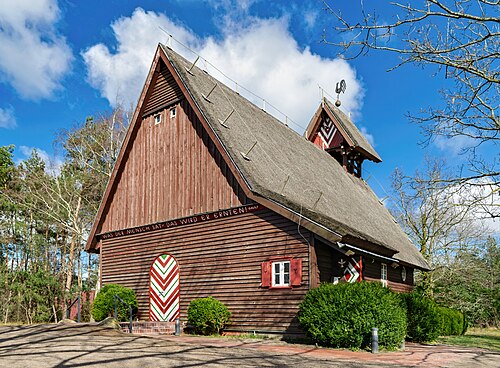
Southwest view of the Lutheran Fishermen’s Church in Born auf dem Darß, Germany
|
| Picture of the day |
|---|
.jpg)
|
|
Window in a former joinery workshop in Beilstein, Germany. Hop has grown into the workshop and has draped its tendrils before this window.
|
| Picture of the day |
|---|

|
|
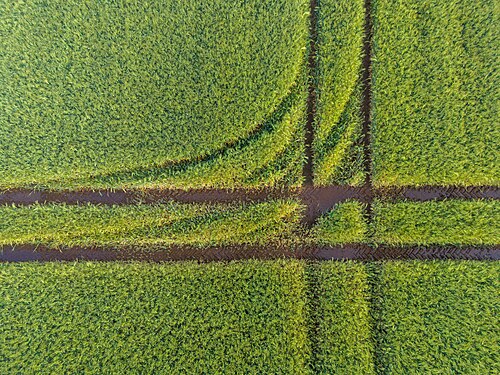
Grain field in the Dernekamp hamlet, Kirchspiel, Dülmen, North Rhine-Westphalia, Germany
|
| Picture of the day |
|---|
.jpg)
|
|
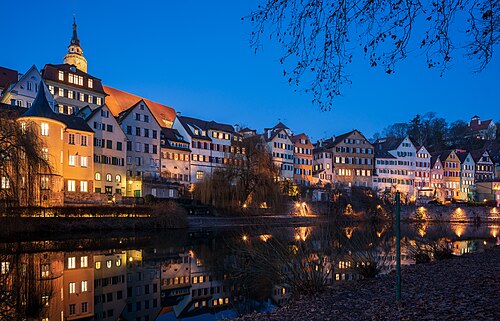
The Neckarfront in Tübingen, Germany, seen in the blue hour over the river Neckar. At the left the Hölderlinturm, followed by a row of historic town houses, at the top the tower of St. George’s Collegiate Church.
|

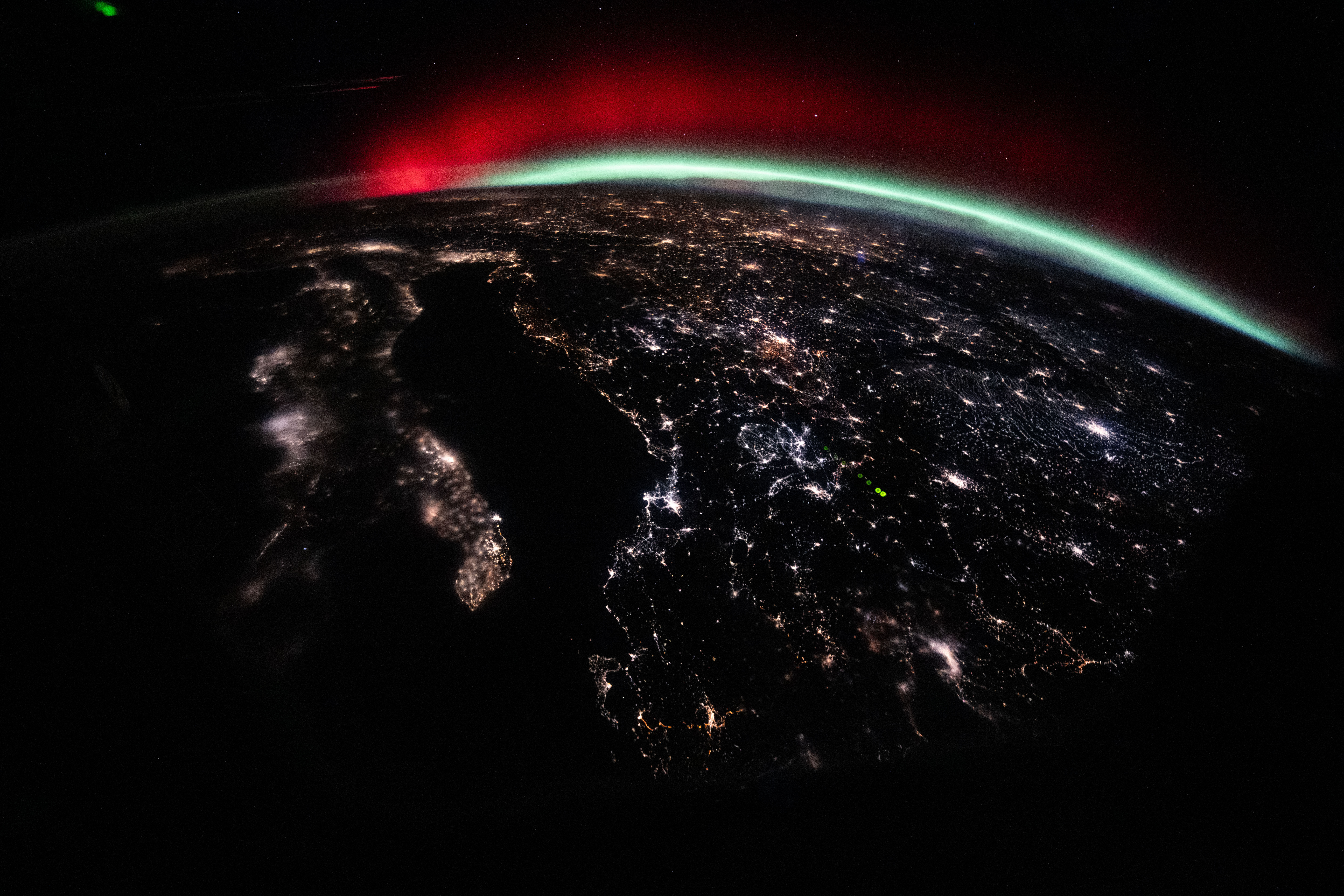
A green and red aurora streams across Earth’s horizon above the city lights of Europe in this Jan. 19, 2026, photograph, which looks north across Italy toward Germany. The International Space Station was orbiting 262 miles above the Mediterranean Sea at approximately 10:02 p.m. local time when the image was captured.
Read More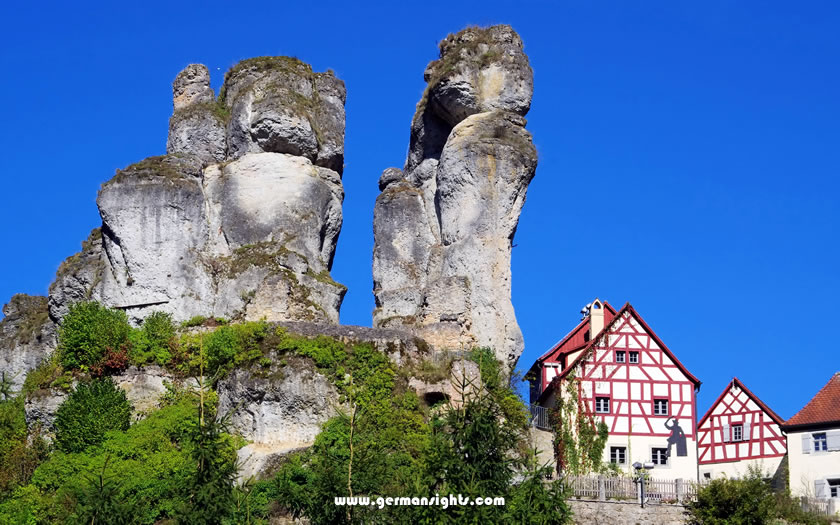
| Picture of the day |
|---|

|
|
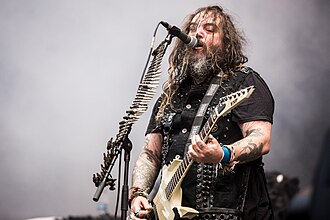
Earth bumblebee on a cosmea flower in a garden in Bamberg, Upper Franconia, Bavaria, Germany. Focus stack of 28 pictures.
|
| Picture of the day |
|---|

|
|
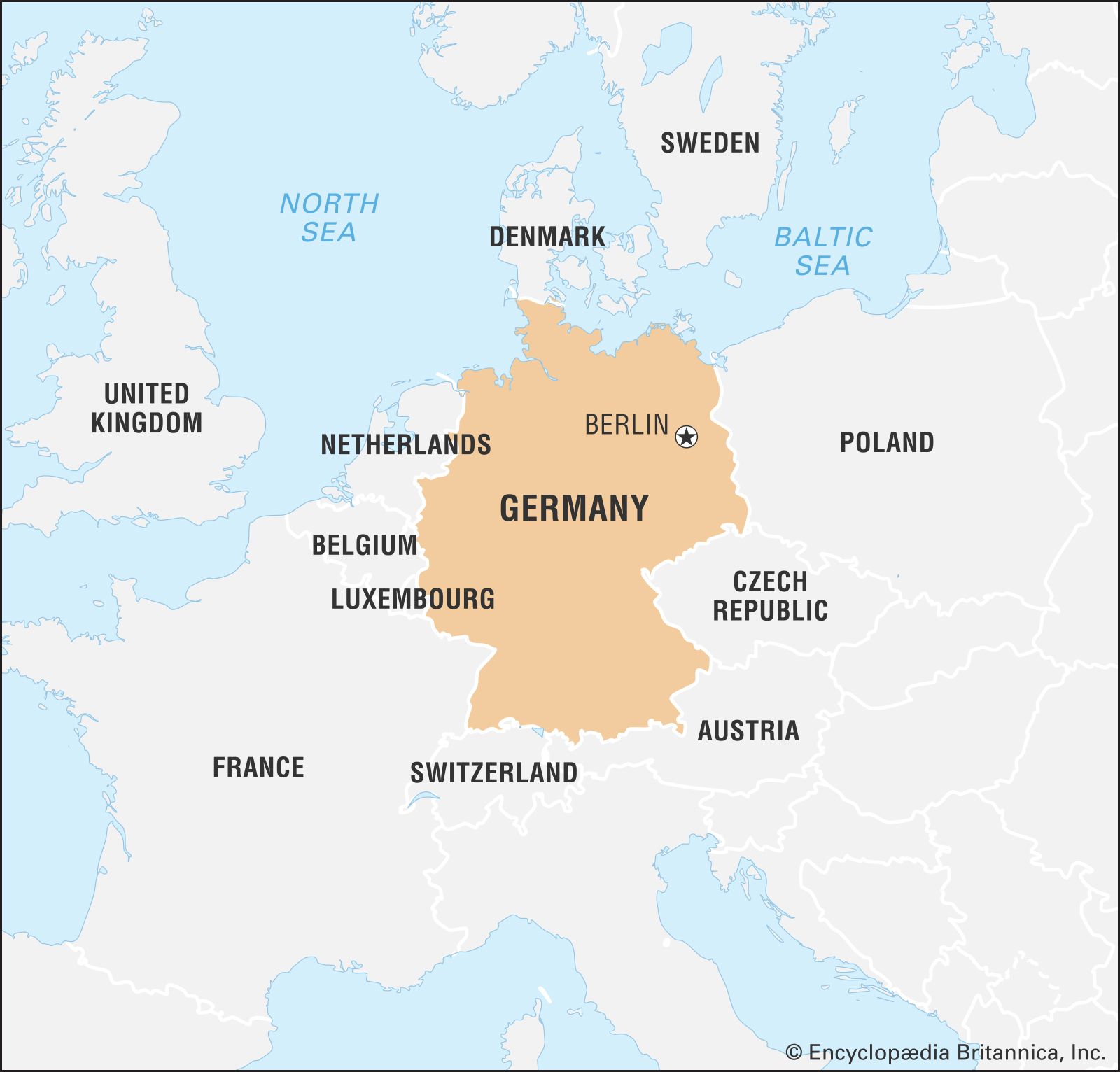
The American heavy metal band Soulfly at the With Full Force Summer Open Air 2018 in Ferropolis, Germany
|
| Picture of the day |
|---|
.jpg)
|
|
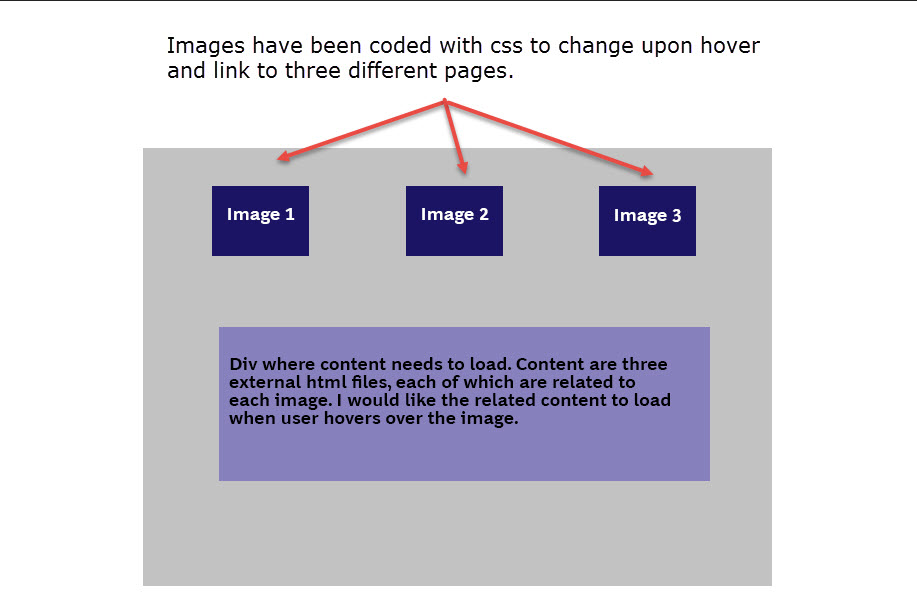
Snowy landscape around the Schmidbachtal in Beilstein, Germany, with a distinctive old pear tree.
|
| Picture of the day |
|---|
,_Born_a._Dar%C3%9F.jpg)
|
|
Window in the west facade of the Lutheran Fishermen’s Church in Born auf dem Darß, Germany
|
| Picture of the day |
|---|
.jpg)
|
|
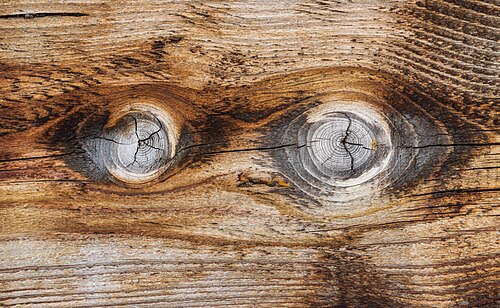
Two wood knots which resemble two eyes, a simple example of pareidolia. Detail of a wooden fence in Beilstein, Germany.
|

| Picture of the day |
|---|

|
|
View of the frozen Knollenteich in Hof (Saale), Bavaria, Germany. The cube-shaped concrete water drainage system is completely surrounded by the frozen pond.
|
| Picture of the day |
|---|

|
|
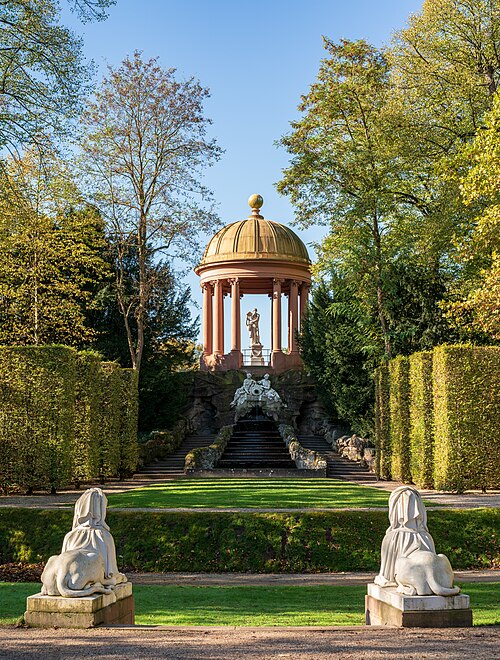
Schwetzingen Palace gardens, Schwetzingen, Germany: view from the Garden Theatre to the Temple of Apollo.
|
| Picture of the day |
|---|
.jpg)
|
|
Vineyards with colourful autumn leaves at the Scheuerberg in Neckarsulm, Germany.
|
| Picture of the day |
|---|

|
|
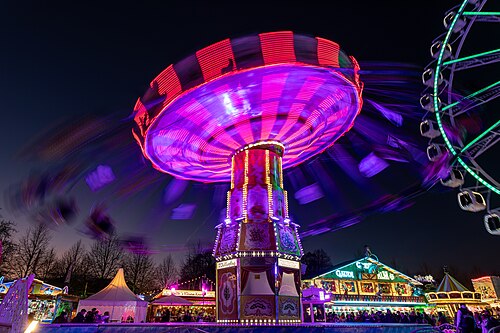
Swing ride “Wellenflug” at the Herbstsend in Münster, North Rhine-Westphalia, Germany
|
| Picture of the day |
|---|

|
|
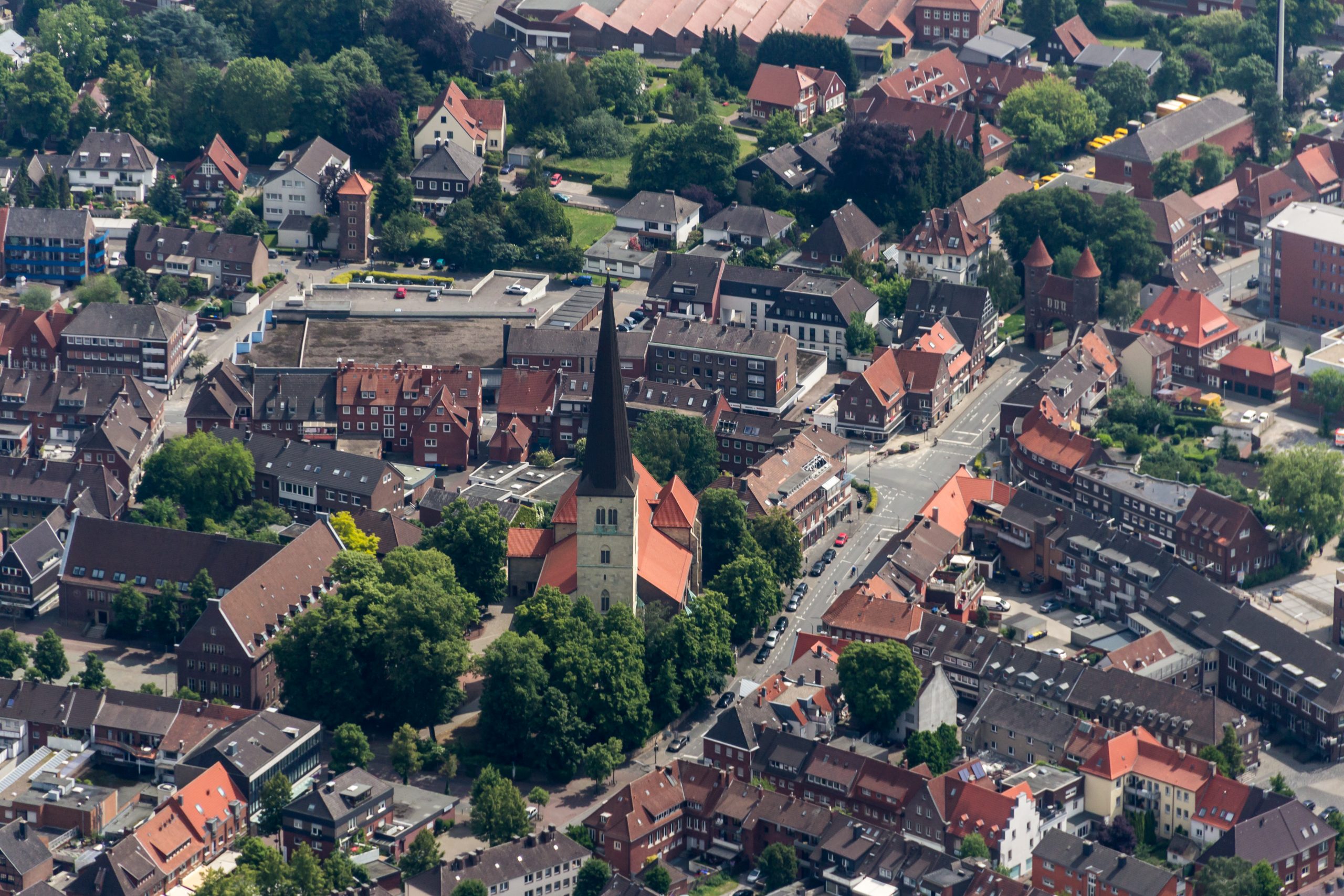
Three doors of the bunker 26 in the Dülmen-Visbeck special ammunition depot, Dernekamp hamlet, Kirchspiel, Dülmen, North Rhine-Westphalia, Germany
|
| Picture of the day |
|---|
.jpg)
|
|
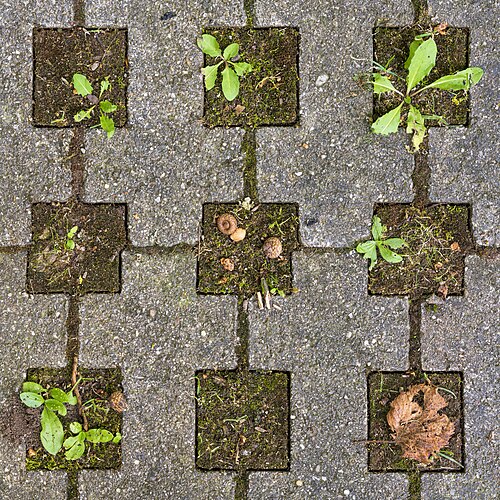
Concrete paving with gaps in the parking lot of the city cemetery of Waldenbuch, Germany
|
| Picture of the day |
|---|

|
|
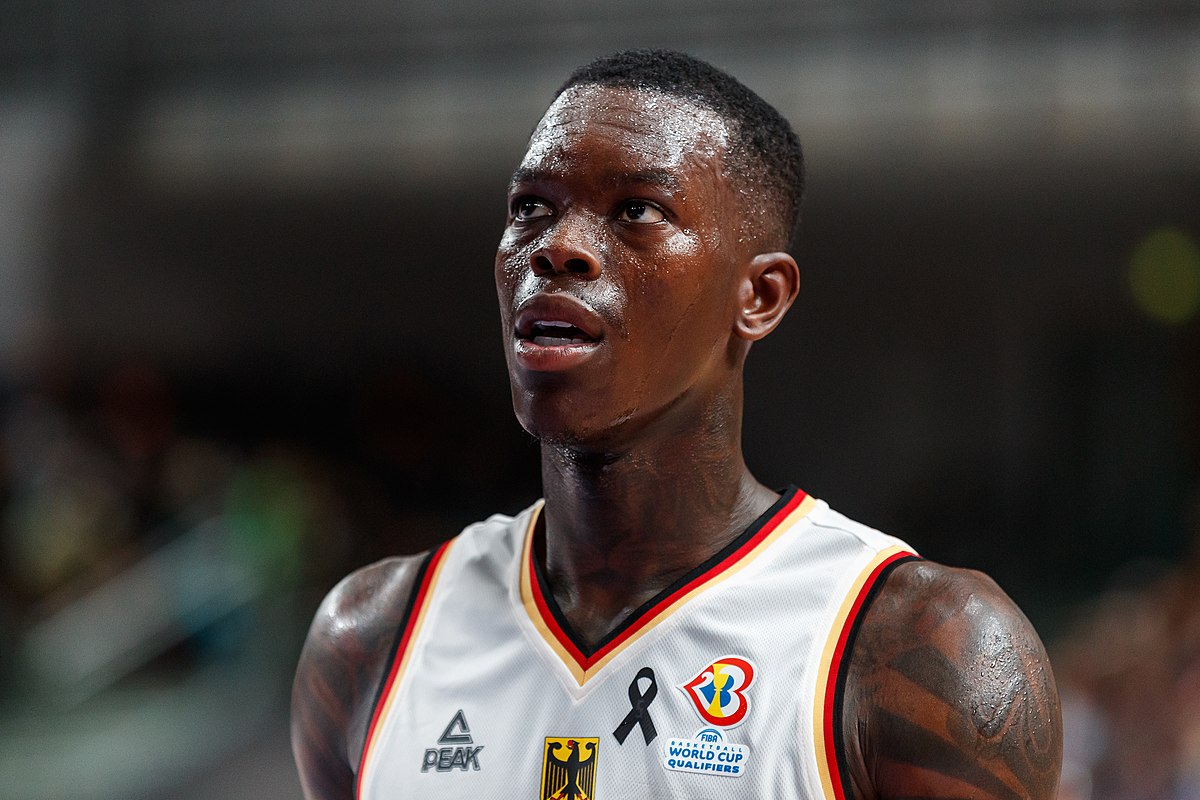
Basketball, European Qualifiers, match between Germany and Poland in July 2022: Dennis Schröder (GER, 17). Today is his birthday.
|

| Picture of the day |
|---|

|
|
Photographic art based on the lights of a Ferris wheel on the Herbstsend in Münster, North Rhine-Westphalia, Germany
|

| Picture of the day |
|---|
.jpg)
|
|
View of the old town of Schwäbisch Hall, Germany, seen from the islet Unterwöhrd in the river Kocher.
|

| Picture of the day |
|---|

|
|
Bunker 26 in the Dülmen-Visbeck special ammunition depot, Dernekamp hamlet, Kirchspiel, Dülmen, North Rhine-Westphalia, Germany
|

| Picture of the day |
|---|

|
|
Audi Sport quattro concept at Frankfurt Motor Show 2013 in Frankfurt, Germany. The company was founded on this day 116 years ago.
|

| Picture of the day |
|---|

|
|
Blade of grass at the golden hour in the Gladbeck hamlet, Nottuln, North Rhine-Westphalia, Germany
|

| Picture of the day |
|---|
| (purge this page’s cache) |

|
|
This image of Mary Help of Christians was painted after the original by Lucas Cranach the Elder and is located in Maria Hilf pilgrimage church (Moosbronn, Baden-Württemberg, Germany). Today is the feast day of Mary Help of Christians in the Catholic Church.
|

| Picture of the day |
|---|
| (purge this page’s cache) |

|
|
Ore bunker in the Duisburg-Nord Landscape Park, Duisburg, North Rhine-Westphalia, Germany
|

| Picture of the day |
|---|

|
|
The old Jewish cemetery near Waibstadt, Germany. The gravestones in this part date from the 19th century; the photo shows a typical section of that part of the cemetery.
|

