Germany

Bethsaida excavation turning ‘Bible stories into Bible realities’ #Catholic WASHINGTON — The academic director of one of the most celebrated current archaeological digs in Israel was in Washington, D.C., this week to provide an update on the ongoing excavation of Bethsaida, the town that the Gospel of John (1:44) records as the home of the apostles Peter, his brother Andrew, and Philip and where Jesus performed various miracles.In a May 5 presentation at the Catholic Information Center, Steven Notley, the academic director of the El Araj Excavation Project, said the excavation of the last town of apostolic times to be discovered, which began in 2016 and has been ongoing since then, has essentially confirmed that the site, known as El Araj, is indeed the location of the Galilean seaside town of Bethsaida, which is referenced several times in the New Testament.Notley, who is also executive director of the Center for the Study of Ancient Judaism and Christian Origins, lived in Jerusalem with his wife and four children for 16 years and has been leading groups of students and laypeople to Israel and the eastern Mediterranean region for over 35 years.Melissa Overmyer, a Catholic evangelist who has participated in the dig at Bethsaida, shared her own testimony at the event, saying being a part of such experiences in the Holy Land turns “Bible stories into Bible realities.” Notley said excavations at the site in 2018 uncovered the remains of a Byzantine-era basilica and a first-century house located directly under its apse in 2023. These remains, he said, match the historic account of Willibald, an eighth-century bishop of Eichstätt in Bavaria, Germany, who traveled to the Holy Land in 725 A.D. and wrote about a church in Bethsaida that was built over the home of Sts. Peter and Andrew.Among the discoveries made at this basilica is a mosaic, uncovered in 2022, with the inscription “Chief of the apostles and keeper of the keys of heaven, intercede for him and his children George and Theophano."Last year, the site also endured a wildfire, the results of which Notley said have subsequently allowed the team to uncover evidence of columns and other structures previously overlooked due to dense underbrush.Notley told EWTN News that the archaeological team was able to identify a structure underneath the apse of the basilica by identifying pottery they discovered there as first-century pottery. The team also found first-century fishing weights.“So, we have a first-century house wall under the apse. It doesnʼt have a plaque on it that says ‘Peter slept here,’ but from a perspective of archaeology, it doesnʼt get much better than that,” Notley said.Notley said he welcomes volunteers to participate in the ongoing dig, which he said is entirely privately funded. Information about how to volunteer may be found on the excavation’s website.

Bethsaida excavation turning ‘Bible stories into Bible realities’ #Catholic WASHINGTON — The academic director of one of the most celebrated current archaeological digs in Israel was in Washington, D.C., this week to provide an update on the ongoing excavation of Bethsaida, the town that the Gospel of John (1:44) records as the home of the apostles Peter, his brother Andrew, and Philip and where Jesus performed various miracles.In a May 5 presentation at the Catholic Information Center, Steven Notley, the academic director of the El Araj Excavation Project, said the excavation of the last town of apostolic times to be discovered, which began in 2016 and has been ongoing since then, has essentially confirmed that the site, known as El Araj, is indeed the location of the Galilean seaside town of Bethsaida, which is referenced several times in the New Testament.Notley, who is also executive director of the Center for the Study of Ancient Judaism and Christian Origins, lived in Jerusalem with his wife and four children for 16 years and has been leading groups of students and laypeople to Israel and the eastern Mediterranean region for over 35 years.Melissa Overmyer, a Catholic evangelist who has participated in the dig at Bethsaida, shared her own testimony at the event, saying being a part of such experiences in the Holy Land turns “Bible stories into Bible realities.” Notley said excavations at the site in 2018 uncovered the remains of a Byzantine-era basilica and a first-century house located directly under its apse in 2023. These remains, he said, match the historic account of Willibald, an eighth-century bishop of Eichstätt in Bavaria, Germany, who traveled to the Holy Land in 725 A.D. and wrote about a church in Bethsaida that was built over the home of Sts. Peter and Andrew.Among the discoveries made at this basilica is a mosaic, uncovered in 2022, with the inscription “Chief of the apostles and keeper of the keys of heaven, intercede for him and his children George and Theophano."Last year, the site also endured a wildfire, the results of which Notley said have subsequently allowed the team to uncover evidence of columns and other structures previously overlooked due to dense underbrush.Notley told EWTN News that the archaeological team was able to identify a structure underneath the apse of the basilica by identifying pottery they discovered there as first-century pottery. The team also found first-century fishing weights.“So, we have a first-century house wall under the apse. It doesnʼt have a plaque on it that says ‘Peter slept here,’ but from a perspective of archaeology, it doesnʼt get much better than that,” Notley said.Notley said he welcomes volunteers to participate in the ongoing dig, which he said is entirely privately funded. Information about how to volunteer may be found on the excavation’s website.

Recent excavations at the site match the account of an eighth-century Bavarian bishop who wrote about a church in Bethsaida that was built over the home of Sts. Peter and Andrew.

Read More
‘Truthful, respectful’: Czech bishop backs Sudeten German gathering in Brno #Catholic For the first time, the Sudeten German Association, uniting descendants of those expelled from Czechoslovakia after World War II, will gather in Brno, the second-largest city in modern-day Czech Republic. They were invited by the cultural festival Meeting Brno for part of its multiday program in late May. Both entities will discuss reconciliation and commemorate the victims of the Shoah.German Interior Minister Alexander Dobrindt is expected to come, too. The gathering is titled “All Life Is Meeting.”A reconciliation Mass will be celebrated at the Brno Exhibition Centre as part of the gathering.Ulrike Scharf, Bavarian state minister for family, labor, and social affairs, told EWTN News that the event “shows that we are reconciled, that we have become friends.”Scharf, whose agenda includes Sudeten Germans in Bavaria, stressed that reconciliation is “the essence of Europe.” In this “wonderful” European community, “it is crucial that we meet in friendship,” the politician explained.
 
 Pope Leo names reconciliation champion as new archbishop of Prague
 
 Yet the decision created a polemic in Czechia, with public figures weighing in and a series of protests, one of which was attended by the speaker of the Chamber of Deputies, Tomio Okamura. Rather than reconciliation, they see the gathering as a provocation and relativization of history.The critique came also from Miloš Zeman and Václav Klaus, who served as presidents as well as prime ministers of Czechia. “We have nothing to reconcile with the Germans,” Klaus said, clarifying that he does “not feel not reconciled” with them.“We did not trigger two world wars” and “are not the cause of tens of millions of victims” of World War II, Klaus explained, arguing that as prime minister in 1997, he signed, together with German Chancellor Helmut Kohl, the Czech-German Declaration on Mutual Relations and Their Future Development.Wounds that remainHowever, the bishop of Brno, Pavel Konzbul, welcomed “every initiative that leads to the meeting of people, to dialogue, and to overcoming historical injustices,” he underscored for EWTN News."Reconciliation between nations and individuals," the prelate continued, "does not happen by denying or simplifying the past but by "talking about it truthfully and with respect."Thus, he sees “the presence of the descendants of the Sudeten Germans” in his diocese “primarily as an opportunity for such a meeting,” provided “it takes place in a spirit of respect, without mutual accusations or spreading false slander, and with openness to the other.”The local bishop appealed to participants, residents, and critics to act with “calm, respect, and to a willingness to look for what can unite us.”Only “such attitudes are the basis of true and lasting peace,” the bishop underlined.When the new archbishop of Prague, Stanislav Přibyl, was the bishop of Litoměřice a few months ago, he proclaimed 2026 a Year of Reconciliation to address wounds that remain from World War II and its aftermath.Nazi Germany annexed the Sudetenland, the majority-German region in Czechoslovakia, in 1938 and later established the Protectorate of Bohemia and Moravia in the country. Following Germanyʼs defeat, Czechoslovakia expelled approximately 3 million ethnic Germans.

‘Truthful, respectful’: Czech bishop backs Sudeten German gathering in Brno #Catholic For the first time, the Sudeten German Association, uniting descendants of those expelled from Czechoslovakia after World War II, will gather in Brno, the second-largest city in modern-day Czech Republic. They were invited by the cultural festival Meeting Brno for part of its multiday program in late May. Both entities will discuss reconciliation and commemorate the victims of the Shoah.German Interior Minister Alexander Dobrindt is expected to come, too. The gathering is titled “All Life Is Meeting.”A reconciliation Mass will be celebrated at the Brno Exhibition Centre as part of the gathering.Ulrike Scharf, Bavarian state minister for family, labor, and social affairs, told EWTN News that the event “shows that we are reconciled, that we have become friends.”Scharf, whose agenda includes Sudeten Germans in Bavaria, stressed that reconciliation is “the essence of Europe.” In this “wonderful” European community, “it is crucial that we meet in friendship,” the politician explained. Pope Leo names reconciliation champion as new archbishop of Prague Yet the decision created a polemic in Czechia, with public figures weighing in and a series of protests, one of which was attended by the speaker of the Chamber of Deputies, Tomio Okamura. Rather than reconciliation, they see the gathering as a provocation and relativization of history.The critique came also from Miloš Zeman and Václav Klaus, who served as presidents as well as prime ministers of Czechia. “We have nothing to reconcile with the Germans,” Klaus said, clarifying that he does “not feel not reconciled” with them.“We did not trigger two world wars” and “are not the cause of tens of millions of victims” of World War II, Klaus explained, arguing that as prime minister in 1997, he signed, together with German Chancellor Helmut Kohl, the Czech-German Declaration on Mutual Relations and Their Future Development.Wounds that remainHowever, the bishop of Brno, Pavel Konzbul, welcomed “every initiative that leads to the meeting of people, to dialogue, and to overcoming historical injustices,” he underscored for EWTN News."Reconciliation between nations and individuals," the prelate continued, "does not happen by denying or simplifying the past but by "talking about it truthfully and with respect."Thus, he sees “the presence of the descendants of the Sudeten Germans” in his diocese “primarily as an opportunity for such a meeting,” provided “it takes place in a spirit of respect, without mutual accusations or spreading false slander, and with openness to the other.”The local bishop appealed to participants, residents, and critics to act with “calm, respect, and to a willingness to look for what can unite us.”Only “such attitudes are the basis of true and lasting peace,” the bishop underlined.When the new archbishop of Prague, Stanislav Přibyl, was the bishop of Litoměřice a few months ago, he proclaimed 2026 a Year of Reconciliation to address wounds that remain from World War II and its aftermath.Nazi Germany annexed the Sudetenland, the majority-German region in Czechoslovakia, in 1938 and later established the Protectorate of Bohemia and Moravia in the country. Following Germanyʼs defeat, Czechoslovakia expelled approximately 3 million ethnic Germans.

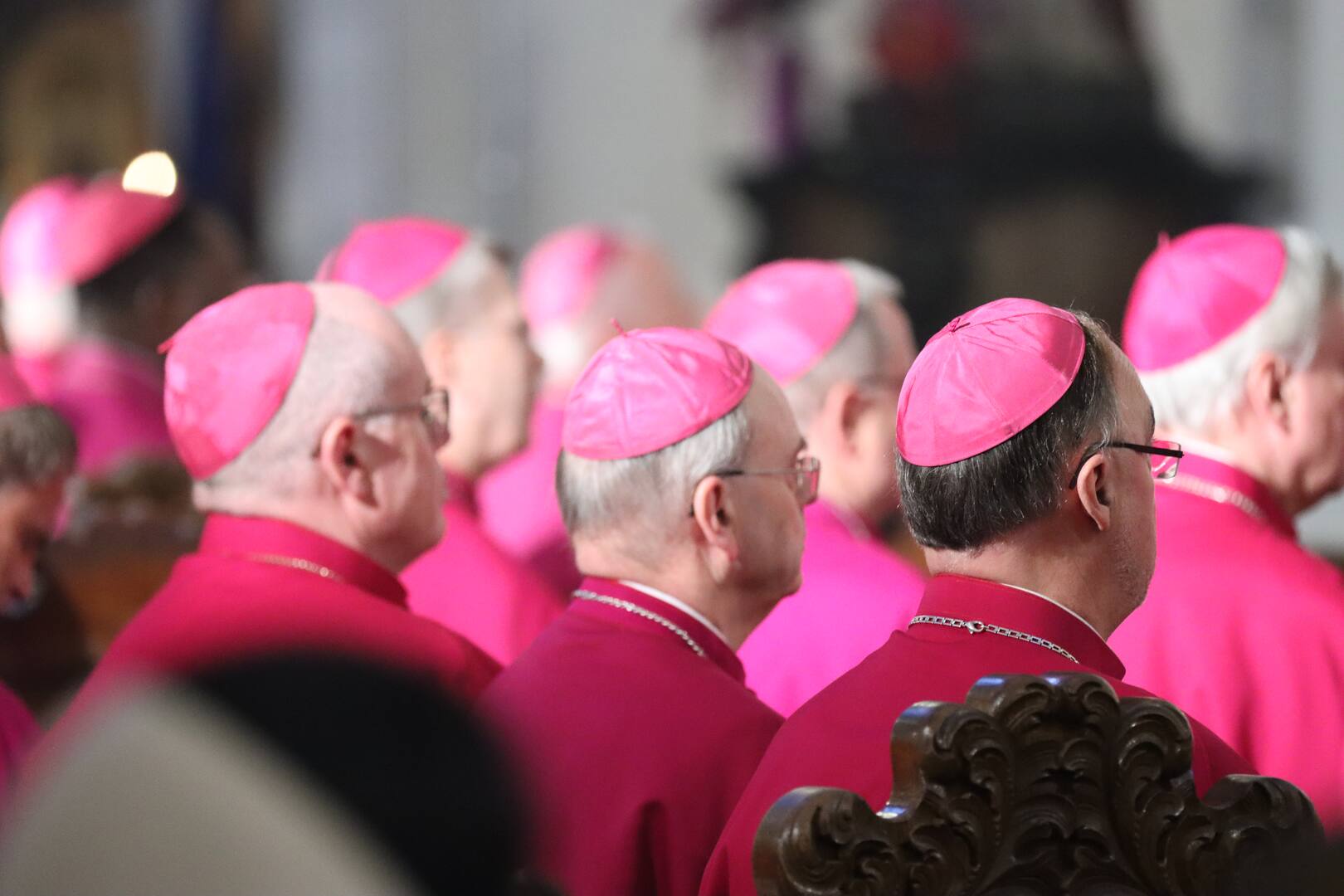
Bishop Pavel Konzbul of Brno, Czech Republic, is backing the late-May gathering despite a public backlash led by former Czech presidents Václav Klaus and Miloš Zeman.

Read More
Picture of the day


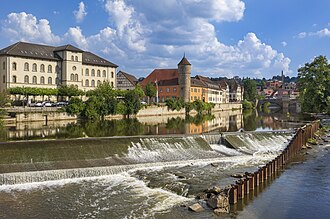
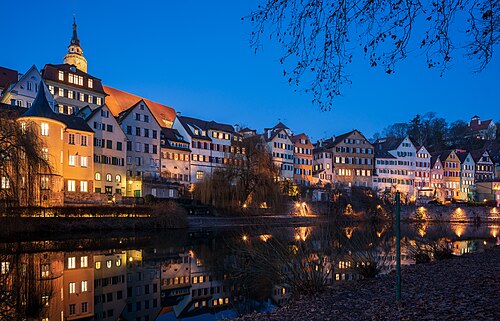
The Neckarfront in Tübingen, Germany, seen in the blue hour over the river Neckar. At the left the Hölderlinturm, followed by a row of historic town houses, at the top the tower of St. George’s Collegiate Church.
 #ImageOfTheDay
Picture of the day
The Neckarfront in Tübingen, Germany, seen in the blue hour over the river Neckar. At the left the Hölderlinturm, followed by a row of historic town houses, at the top the tower of St. George’s Collegiate Church.
Read More
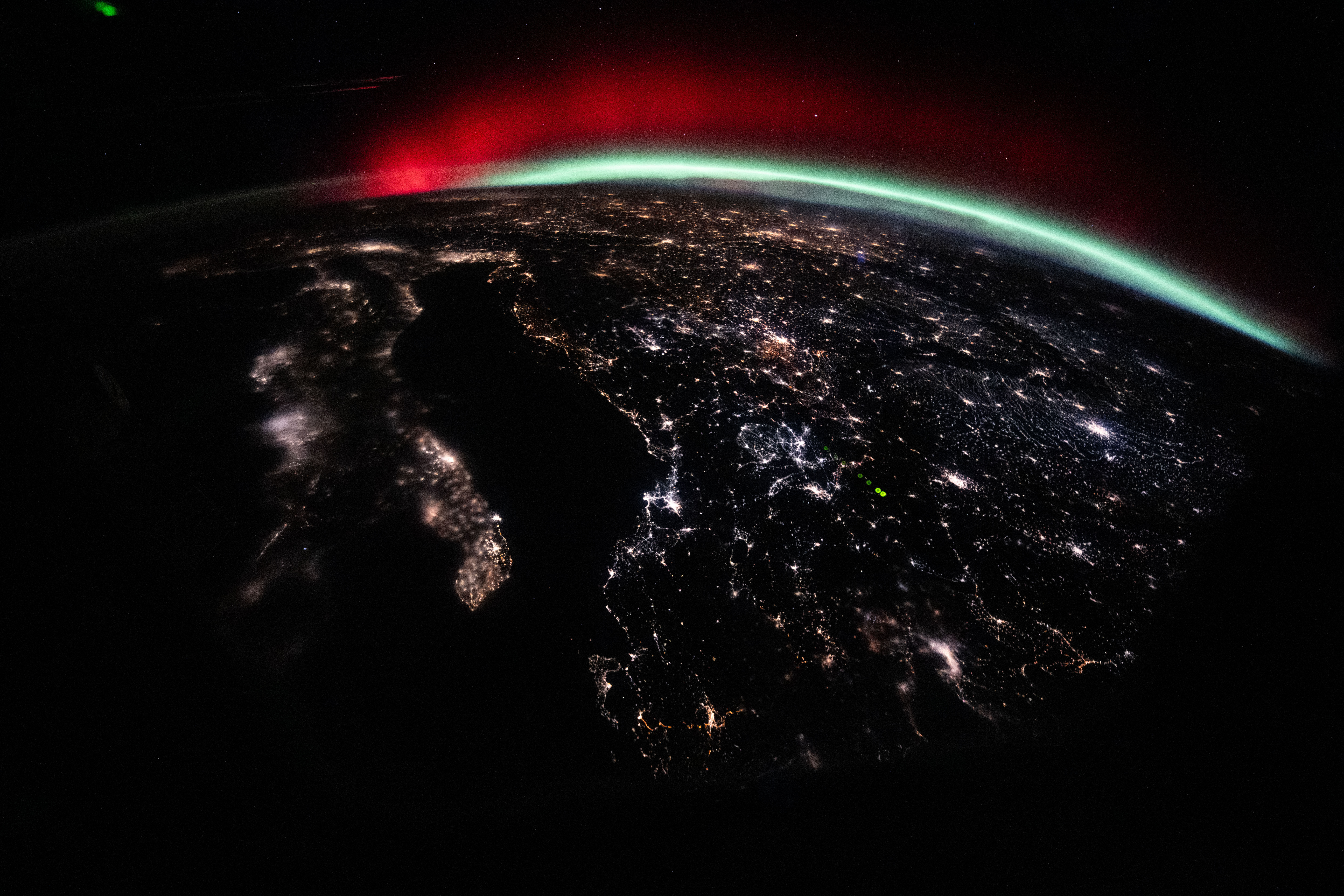
Red, Green Light Show – A green and red aurora streams across Earth’s horizon above the city lights of Europe in this Jan. 19, 2026, photograph, which looks north across Italy toward Germany. The International Space Station was orbiting 262 miles above the Mediterranean Sea at approximately 10:02 p.m. local time when the image was captured.

A green and red aurora streams across Earth’s horizon above the city lights of Europe in this Jan. 19, 2026, photograph, which looks north across Italy toward Germany. The International Space Station was orbiting 262 miles above the Mediterranean Sea at approximately 10:02 p.m. local time when the image was captured.

Read More
Picture of the day


(purge this page’s cache)


This image of Mary Help of Christians was painted after the original by Lucas Cranach the Elder and is located in Maria Hilf pilgrimage church (Moosbronn, Baden-Württemberg, Germany). Today is the feast day of Mary Help of Christians in the Catholic Church.
 #ImageOfTheDay
Picture of the day
(purge this page’s cache)
This image of Mary Help of Christians was painted after the original by Lucas Cranach the Elder and is located in Maria Hilf pilgrimage church (Moosbronn, Baden-Württemberg, Germany). Today is the feast day of Mary Help of Christians in the Catholic Church.
Read More