gospel

How to bless your home on the feast of Epiphany 2026 #Catholic 
 
 A chalk home blessing from the feast of the Epiphany. | Credit: A.Davey via Flickr (CC BY-NC-ND 2.0)

Jan 4, 2026 / 04:00 am (CNA).
Have you ever walked past a door and seen what appears to be random letters and numbers written at the top? These letters and numbers actually have a great significance.Traditionally on the feast of Epiphany, Catholics bless their homes by writing the letters C, M, and B and the numbers of the year on either side — so this year it would look like “20+C+M+B+26.”The letters stand for the traditional names of the three Magi: Caspar, Melchior, and Balthasar. They also represent the Latin blessing “Christus mansionem benedicat,” which means “May Christ bless this house.”Many Catholic parishes will give their parishioners a piece of chalk, a small bottle of holy water, and the words for the house blessing so that each family can bless its home.Epiphany, which is also known as “Little Christmas,” is the feast that celebrates the arrival of the three Magi who came to worship the child Jesus shortly after his birth. It is traditionally celebrated on Jan. 6. However, the Church in the United States celebrates it on the Sunday between Jan. 2 and Jan. 8. Many around the world celebrate this feast with as much pomp and circumstance as Christmas, including the exchanging of gifts.The blessing, which is popular in Poland and other Slavic countries, has spread around the world and become increasingly popular in the United States.How do you bless your home?Begin by having all family members gather outside the front door. All make the sign of the cross. One person will then read this prayer:Leader: Peace be to this house.All: And to all who dwell herein.Leader: From the east came the Magi to Bethlehem to adore the Lord; and opening their treasures they offered precious gifts: gold for the great King, incense for the true God, and myrrh in symbol of his burial.(Enter your home and read the Magnificat, the hymn of praise sung by the Blessed Virgin Mary in Luke’s Gospel after being greeted by Elizabeth. During this, sprinkle the area you are in with holy water. After that is complete, pray:)All: From the east came the Magi to Bethlehem to adore the Lord; and opening their treasures they offered precious gifts: gold for the great King, incense for the true God, and myrrh in symbol of his burial.Leader: Our Father, who art in heaven, hallowed be thy name. Thy kingdom come, thy will be done on earth as it is in heaven. Give us this day our daily bread, and forgive us our trespasses as we forgive those who trespass against us. And lead us not into temptation,All: But deliver us from evil.Leader: All they from Saba shall comeAll: Bringing gold and frankincense.Leader: O Lord, hear my prayer.All: And let my cry come unto thee.Leader: Let us pray. O God, who by the guidance of a star didst on this day manifest thine only-begotten Son to the Gentiles, mercifully grant that we who know thee by faith may also attain the vision of thy glorious majesty. Through Christ, Our Lord.All: Amen.Leader: Be enlightened, be enlightened, O Jerusalem, for thy light is come, and the glory of the Lord is risen upon thee — Jesus Christ born of the Virgin Mary.All: And the Gentiles shall walk in thy light and kings in the splendor of thy rising, and the glory of the Lord has risen upon thee.Leader: Let us pray. Bless, O Lord God almighty, this home, that in it there may be health, purity, the strength of victory, humility, goodness, and mercy, the fulfillment of thy law, the thanksgiving to God the Father and to the Son and to the Holy Spirit. And may this blessing remain upon this home and upon all who dwell herein. Through Christ, Our Lord.All: Amen.After the prayers are recited, walk throughout your home sprinkling each room with holy water. Then write the initials of the Magi connected with crosses at the top of your front door. Then the numbers of the year. The numbers will be split so that they are on each side of the initials. You will write:20 + C + M + B + 26This is a special tradition at the beginning of each year, a way to invite God into your home and place your family under his protection.This story was first published Jan. 6, 2022, and was updated Jan. 2, 2026.

How to bless your home on the feast of Epiphany 2026 #Catholic A chalk home blessing from the feast of the Epiphany. | Credit: A.Davey via Flickr (CC BY-NC-ND 2.0) Jan 4, 2026 / 04:00 am (CNA). Have you ever walked past a door and seen what appears to be random letters and numbers written at the top? These letters and numbers actually have a great significance.Traditionally on the feast of Epiphany, Catholics bless their homes by writing the letters C, M, and B and the numbers of the year on either side — so this year it would look like “20+C+M+B+26.”The letters stand for the traditional names of the three Magi: Caspar, Melchior, and Balthasar. They also represent the Latin blessing “Christus mansionem benedicat,” which means “May Christ bless this house.”Many Catholic parishes will give their parishioners a piece of chalk, a small bottle of holy water, and the words for the house blessing so that each family can bless its home.Epiphany, which is also known as “Little Christmas,” is the feast that celebrates the arrival of the three Magi who came to worship the child Jesus shortly after his birth. It is traditionally celebrated on Jan. 6. However, the Church in the United States celebrates it on the Sunday between Jan. 2 and Jan. 8. Many around the world celebrate this feast with as much pomp and circumstance as Christmas, including the exchanging of gifts.The blessing, which is popular in Poland and other Slavic countries, has spread around the world and become increasingly popular in the United States.How do you bless your home?Begin by having all family members gather outside the front door. All make the sign of the cross. One person will then read this prayer:Leader: Peace be to this house.All: And to all who dwell herein.Leader: From the east came the Magi to Bethlehem to adore the Lord; and opening their treasures they offered precious gifts: gold for the great King, incense for the true God, and myrrh in symbol of his burial.(Enter your home and read the Magnificat, the hymn of praise sung by the Blessed Virgin Mary in Luke’s Gospel after being greeted by Elizabeth. During this, sprinkle the area you are in with holy water. After that is complete, pray:)All: From the east came the Magi to Bethlehem to adore the Lord; and opening their treasures they offered precious gifts: gold for the great King, incense for the true God, and myrrh in symbol of his burial.Leader: Our Father, who art in heaven, hallowed be thy name. Thy kingdom come, thy will be done on earth as it is in heaven. Give us this day our daily bread, and forgive us our trespasses as we forgive those who trespass against us. And lead us not into temptation,All: But deliver us from evil.Leader: All they from Saba shall comeAll: Bringing gold and frankincense.Leader: O Lord, hear my prayer.All: And let my cry come unto thee.Leader: Let us pray. O God, who by the guidance of a star didst on this day manifest thine only-begotten Son to the Gentiles, mercifully grant that we who know thee by faith may also attain the vision of thy glorious majesty. Through Christ, Our Lord.All: Amen.Leader: Be enlightened, be enlightened, O Jerusalem, for thy light is come, and the glory of the Lord is risen upon thee — Jesus Christ born of the Virgin Mary.All: And the Gentiles shall walk in thy light and kings in the splendor of thy rising, and the glory of the Lord has risen upon thee.Leader: Let us pray. Bless, O Lord God almighty, this home, that in it there may be health, purity, the strength of victory, humility, goodness, and mercy, the fulfillment of thy law, the thanksgiving to God the Father and to the Son and to the Holy Spirit. And may this blessing remain upon this home and upon all who dwell herein. Through Christ, Our Lord.All: Amen.After the prayers are recited, walk throughout your home sprinkling each room with holy water. Then write the initials of the Magi connected with crosses at the top of your front door. Then the numbers of the year. The numbers will be split so that they are on each side of the initials. You will write:20 + C + M + B + 26This is a special tradition at the beginning of each year, a way to invite God into your home and place your family under his protection.This story was first published Jan. 6, 2022, and was updated Jan. 2, 2026.


A chalk home blessing from the feast of the Epiphany. | Credit: A.Davey via Flickr (CC BY-NC-ND 2.0)

Jan 4, 2026 / 04:00 am (CNA).

Have you ever walked past a door and seen what appears to be random letters and numbers written at the top? These letters and numbers actually have a great significance.

Traditionally on the feast of Epiphany, Catholics bless their homes by writing the letters C, M, and B and the numbers of the year on either side — so this year it would look like “20+C+M+B+26.”

The letters stand for the traditional names of the three Magi: Caspar, Melchior, and Balthasar. They also represent the Latin blessing “Christus mansionem benedicat,” which means “May Christ bless this house.”

Many Catholic parishes will give their parishioners a piece of chalk, a small bottle of holy water, and the words for the house blessing so that each family can bless its home.

Epiphany, which is also known as “Little Christmas,” is the feast that celebrates the arrival of the three Magi who came to worship the child Jesus shortly after his birth. It is traditionally celebrated on Jan. 6. However, the Church in the United States celebrates it on the Sunday between Jan. 2 and Jan. 8. Many around the world celebrate this feast with as much pomp and circumstance as Christmas, including the exchanging of gifts.

The blessing, which is popular in Poland and other Slavic countries, has spread around the world and become increasingly popular in the United States.

How do you bless your home?

Begin by having all family members gather outside the front door. All make the sign of the cross. One person will then read this prayer:

Leader: Peace be to this house.

All: And to all who dwell herein.

Leader: From the east came the Magi to Bethlehem to adore the Lord; and opening their treasures they offered precious gifts: gold for the great King, incense for the true God, and myrrh in symbol of his burial.

(Enter your home and read the Magnificat, the hymn of praise sung by the Blessed Virgin Mary in Luke’s Gospel after being greeted by Elizabeth. During this, sprinkle the area you are in with holy water. After that is complete, pray:)

All: From the east came the Magi to Bethlehem to adore the Lord; and opening their treasures they offered precious gifts: gold for the great King, incense for the true God, and myrrh in symbol of his burial.

Leader: Our Father, who art in heaven, hallowed be thy name. Thy kingdom come, thy will be done on earth as it is in heaven. Give us this day our daily bread, and forgive us our trespasses as we forgive those who trespass against us. And lead us not into temptation,

All: But deliver us from evil.

Leader: All they from Saba shall come

All: Bringing gold and frankincense.

Leader: O Lord, hear my prayer.

All: And let my cry come unto thee.

Leader: Let us pray. O God, who by the guidance of a star didst on this day manifest thine only-begotten Son to the Gentiles, mercifully grant that we who know thee by faith may also attain the vision of thy glorious majesty. Through Christ, Our Lord.

All: Amen.

Leader: Be enlightened, be enlightened, O Jerusalem, for thy light is come, and the glory of the Lord is risen upon thee — Jesus Christ born of the Virgin Mary.

All: And the Gentiles shall walk in thy light and kings in the splendor of thy rising, and the glory of the Lord has risen upon thee.

Leader: Let us pray. Bless, O Lord God almighty, this home, that in it there may be health, purity, the strength of victory, humility, goodness, and mercy, the fulfillment of thy law, the thanksgiving to God the Father and to the Son and to the Holy Spirit. And may this blessing remain upon this home and upon all who dwell herein. Through Christ, Our Lord.

All: Amen.

After the prayers are recited, walk throughout your home sprinkling each room with holy water. Then write the initials of the Magi connected with crosses at the top of your front door. Then the numbers of the year. The numbers will be split so that they are on each side of the initials. You will write:

20 + C + M + B + 26

This is a special tradition at the beginning of each year, a way to invite God into your home and place your family under his protection.

This story was first published Jan. 6, 2022, and was updated Jan. 2, 2026.

Read More
FOCUS expands reach into parishes, hoping to revitalize local Church #Catholic 
 
 Left to right: Curtis Martin, founder of FOCUS, and his son, Brock Martin, vice president of parish outreach at FOCUS, sit down for an interview with CNA on Dec. 10, 2025. | Credit: Francesca Fenton/EWTN News

Jan 3, 2026 / 08:00 am (CNA).
For nearly 30 years, FOCUS has been known for its missionary work on college campuses. Earlier this year, the ministry began to expand its reach with a new branch — FOCUS Parish.FOCUS Parish brings FOCUS missionaries into Catholic parishes to help revitalize the parish itself and the parishioners, and to form missionary disciples — laypeople who effectively spread the Gospel message in the local community and diocese.Founder of FOCUS Curtis Martin and his son, Brock Martin, vice president of parish outreach at FOCUS, both agree that FOCUS Parish is a response to the need of sending missionaries to “where the people are.”“If we’re trying to bring the Gospel to every man, woman, and child on the face of the earth, the vast majority of people don’t currently live on U.S. college campuses,” Brock told CNA in an interview. “The Catholic Church has amazingly already done this work — every inch of the globe is already mapped out into a parish structure. So, FOCUS’ move into parishes is really a response to the fact that we want to take this mission seriously. We need to send missionaries to where the people are.”Curtis added: “Everybody lives in a parish, as Brock said, and evangelization takes root when there’s real transformation. It’s going to take place in families and in parishes. That’s where Catholics live. And so we want to be with them to share the Gospel of Jesus Christ with them in the midst, as Brock said, in the midst of friendship.”Parishes who take part in FOCUS’ new ministry will receive two full-time missionaries who become part of the parish’s leadership team, help advise and lead parish ministries, and work to create small communities where the Gospel message is shared and spread to all parishioners.“These missionaries are imbedding into the parish culture,” Brock said.FOCUS Parish is currently in 25 parishes and plans to expand to an additional 25 parishes in 2026.When speaking to the fact that FOCUS Parish has become the fastest-growing part of the apostolate, Brock credited the current “landscape of the parish in the United States.”“Right now there’s about 16,000 parishes [in the U.S.],” Brock said. “I think the number of parishes who are waking up, the number of pastors who recognize that business as usual is not working, we have to, with new ardor and new methodologies, try to figure out how to live the new evangelization. I just think there’s a unique moment where as pastors and finance councils become aware of the opportunity, we’re seeing more and more people start to raise their hand at a faster rate.”Curtis highlighted the retention rate of FOCUS Parish missionaries leading to the success of the ministry.“We’re seeing greater longevity with our missionaries because they’re not walking with 18- to 22-year-olds, they’re walking with people who are of their same age, maybe older, maybe younger,” he explained. “The retention rate for FOCUS missionaries in Parish last year was 100%. Nobody left. By way of comparison, probably 25% of the missionaries left on campus; that’s part of our cycle. And so to be able to recognize, we can grow because of the longevity.”With the growth to 25 more parishes in the new year, FOCUS is looking to hire an additional 50 to 55 missionaries — considering both moving campus missionaries to parishes and hiring individuals who have never been FOCUS missionaries.As for his hopes for the future, Brock said: “My deepest hope in FOCUS Parish is that this would be a simple and repeatable gift that we can offer to the Church.”Curtis said: “My hope for FOCUS in the parish is actually hope. I think a lot of leaders in the Church are good people but they’re discouraged and they’re kind of managing a slow decline. And that’s not the way Christianity works. Christianity has grown in every generation since the time of Christ. We’re living in a very abnormal time, at least in the West. It’s shrinking. That’s not the way it should be.”He added: “There’s a resurgence of faith — articles are being written about this all over the world — FOCUS is just participating in a little way. Millions of people awakening to Christ. We need to welcome them and to be able to recognize the Church ought to be growing. This can work. And when you have hope you start to make decisions based upon that and all of a sudden you see the Church should be a place of growth.”

FOCUS expands reach into parishes, hoping to revitalize local Church #Catholic Left to right: Curtis Martin, founder of FOCUS, and his son, Brock Martin, vice president of parish outreach at FOCUS, sit down for an interview with CNA on Dec. 10, 2025. | Credit: Francesca Fenton/EWTN News Jan 3, 2026 / 08:00 am (CNA). For nearly 30 years, FOCUS has been known for its missionary work on college campuses. Earlier this year, the ministry began to expand its reach with a new branch — FOCUS Parish.FOCUS Parish brings FOCUS missionaries into Catholic parishes to help revitalize the parish itself and the parishioners, and to form missionary disciples — laypeople who effectively spread the Gospel message in the local community and diocese.Founder of FOCUS Curtis Martin and his son, Brock Martin, vice president of parish outreach at FOCUS, both agree that FOCUS Parish is a response to the need of sending missionaries to “where the people are.”“If we’re trying to bring the Gospel to every man, woman, and child on the face of the earth, the vast majority of people don’t currently live on U.S. college campuses,” Brock told CNA in an interview. “The Catholic Church has amazingly already done this work — every inch of the globe is already mapped out into a parish structure. So, FOCUS’ move into parishes is really a response to the fact that we want to take this mission seriously. We need to send missionaries to where the people are.”Curtis added: “Everybody lives in a parish, as Brock said, and evangelization takes root when there’s real transformation. It’s going to take place in families and in parishes. That’s where Catholics live. And so we want to be with them to share the Gospel of Jesus Christ with them in the midst, as Brock said, in the midst of friendship.”Parishes who take part in FOCUS’ new ministry will receive two full-time missionaries who become part of the parish’s leadership team, help advise and lead parish ministries, and work to create small communities where the Gospel message is shared and spread to all parishioners.“These missionaries are imbedding into the parish culture,” Brock said.FOCUS Parish is currently in 25 parishes and plans to expand to an additional 25 parishes in 2026.When speaking to the fact that FOCUS Parish has become the fastest-growing part of the apostolate, Brock credited the current “landscape of the parish in the United States.”“Right now there’s about 16,000 parishes [in the U.S.],” Brock said. “I think the number of parishes who are waking up, the number of pastors who recognize that business as usual is not working, we have to, with new ardor and new methodologies, try to figure out how to live the new evangelization. I just think there’s a unique moment where as pastors and finance councils become aware of the opportunity, we’re seeing more and more people start to raise their hand at a faster rate.”Curtis highlighted the retention rate of FOCUS Parish missionaries leading to the success of the ministry.“We’re seeing greater longevity with our missionaries because they’re not walking with 18- to 22-year-olds, they’re walking with people who are of their same age, maybe older, maybe younger,” he explained. “The retention rate for FOCUS missionaries in Parish last year was 100%. Nobody left. By way of comparison, probably 25% of the missionaries left on campus; that’s part of our cycle. And so to be able to recognize, we can grow because of the longevity.”With the growth to 25 more parishes in the new year, FOCUS is looking to hire an additional 50 to 55 missionaries — considering both moving campus missionaries to parishes and hiring individuals who have never been FOCUS missionaries.As for his hopes for the future, Brock said: “My deepest hope in FOCUS Parish is that this would be a simple and repeatable gift that we can offer to the Church.”Curtis said: “My hope for FOCUS in the parish is actually hope. I think a lot of leaders in the Church are good people but they’re discouraged and they’re kind of managing a slow decline. And that’s not the way Christianity works. Christianity has grown in every generation since the time of Christ. We’re living in a very abnormal time, at least in the West. It’s shrinking. That’s not the way it should be.”He added: “There’s a resurgence of faith — articles are being written about this all over the world — FOCUS is just participating in a little way. Millions of people awakening to Christ. We need to welcome them and to be able to recognize the Church ought to be growing. This can work. And when you have hope you start to make decisions based upon that and all of a sudden you see the Church should be a place of growth.”


Left to right: Curtis Martin, founder of FOCUS, and his son, Brock Martin, vice president of parish outreach at FOCUS, sit down for an interview with CNA on Dec. 10, 2025. | Credit: Francesca Fenton/EWTN News

Jan 3, 2026 / 08:00 am (CNA).

For nearly 30 years, FOCUS has been known for its missionary work on college campuses. Earlier this year, the ministry began to expand its reach with a new branch — FOCUS Parish.

FOCUS Parish brings FOCUS missionaries into Catholic parishes to help revitalize the parish itself and the parishioners, and to form missionary disciples — laypeople who effectively spread the Gospel message in the local community and diocese.

Founder of FOCUS Curtis Martin and his son, Brock Martin, vice president of parish outreach at FOCUS, both agree that FOCUS Parish is a response to the need of sending missionaries to “where the people are.”

“If we’re trying to bring the Gospel to every man, woman, and child on the face of the earth, the vast majority of people don’t currently live on U.S. college campuses,” Brock told CNA in an interview. “The Catholic Church has amazingly already done this work — every inch of the globe is already mapped out into a parish structure. So, FOCUS’ move into parishes is really a response to the fact that we want to take this mission seriously. We need to send missionaries to where the people are.”

Curtis added: “Everybody lives in a parish, as Brock said, and evangelization takes root when there’s real transformation. It’s going to take place in families and in parishes. That’s where Catholics live. And so we want to be with them to share the Gospel of Jesus Christ with them in the midst, as Brock said, in the midst of friendship.”

Parishes who take part in FOCUS’ new ministry will receive two full-time missionaries who become part of the parish’s leadership team, help advise and lead parish ministries, and work to create small communities where the Gospel message is shared and spread to all parishioners.

“These missionaries are imbedding into the parish culture,” Brock said.

FOCUS Parish is currently in 25 parishes and plans to expand to an additional 25 parishes in 2026.

When speaking to the fact that FOCUS Parish has become the fastest-growing part of the apostolate, Brock credited the current “landscape of the parish in the United States.”

“Right now there’s about 16,000 parishes [in the U.S.],” Brock said. “I think the number of parishes who are waking up, the number of pastors who recognize that business as usual is not working, we have to, with new ardor and new methodologies, try to figure out how to live the new evangelization. I just think there’s a unique moment where as pastors and finance councils become aware of the opportunity, we’re seeing more and more people start to raise their hand at a faster rate.”

Curtis highlighted the retention rate of FOCUS Parish missionaries leading to the success of the ministry.

“We’re seeing greater longevity with our missionaries because they’re not walking with 18- to 22-year-olds, they’re walking with people who are of their same age, maybe older, maybe younger,” he explained. “The retention rate for FOCUS missionaries in Parish last year was 100%. Nobody left. By way of comparison, probably 25% of the missionaries left on campus; that’s part of our cycle. And so to be able to recognize, we can grow because of the longevity.”

With the growth to 25 more parishes in the new year, FOCUS is looking to hire an additional 50 to 55 missionaries — considering both moving campus missionaries to parishes and hiring individuals who have never been FOCUS missionaries.

As for his hopes for the future, Brock said: “My deepest hope in FOCUS Parish is that this would be a simple and repeatable gift that we can offer to the Church.”

Curtis said: “My hope for FOCUS in the parish is actually hope. I think a lot of leaders in the Church are good people but they’re discouraged and they’re kind of managing a slow decline. And that’s not the way Christianity works. Christianity has grown in every generation since the time of Christ. We’re living in a very abnormal time, at least in the West. It’s shrinking. That’s not the way it should be.”

He added: “There’s a resurgence of faith — articles are being written about this all over the world — FOCUS is just participating in a little way. Millions of people awakening to Christ. We need to welcome them and to be able to recognize the Church ought to be growing. This can work. And when you have hope you start to make decisions based upon that and all of a sudden you see the Church should be a place of growth.”

Read More
Rest in peace: Looking back at notable Catholics who passed away in 2025 #Catholic 
 
 Credit: udra11/Shutterstock

Dec 31, 2025 / 06:00 am (CNA).
The past year has seen several notable Catholics pass away — from public officials to the vicar of Christ himself.Here’s a rundown of some prominent Catholics around the world who left us in 2025:Pope Francis (Dec. 17, 1936 — April 21, 2025)The Holy Father, Pope Francis, passed away at 7:35 a.m. on Easter Monday, April 21, at his residence in the Vatican’s Casa Santa Marta. The 88-year-old pontiff led the Catholic Church for a little more than 12 years.The first Latin American pope in history as well as the first Jesuit pope, Francis led the Church through significant canonical and catechetical reforms, urging the faithful to reach out and minister to those on the margins of society while preaching the mercy of God.Upon his death he left the legacy of what Cardinal Kevin Farrell said was a life “dedicated to the service of God and his Church,” one that urged the faithful to “live the values of the Gospel with fidelity, courage, and universal love, especially for the poorest and most marginalized.”Pope Francis was succeeded in the chair of St. Peter by Pope Leo XIV on May 8.Mabel Landry Staton (Nov. 20, 1932 — Feb. 20, 2025)Mabel Landry Staton, a trailblazing athlete who briefly set an Olympic record at the 1952 Summer Olympics, died on Feb. 20 at age 92.Representing the United States at the Olympic games in Helsinki in 1952, Staton — known as “Dolly” after a nickname from her father — set a record in the long jump category at 19 feet 3.25 inches. Though the record only lasted for several minutes before New Zealand athlete Yvette Williams bested it, Staton would go on to win medals in the 1955 Pan American Games.The Philadelphia Inquirer reported that Staton served as a Eucharistic minister at St. Thomas More Church in Cherry Hill, New Jersey, as well as on the board of the Black Catholic Ministry of the Diocese of Camden.According to the Inquirer, Staton “could still outsprint some of the local high school boys in her 70s.”Alasdair MacIntyre (Jan. 12, 1929 — May 21, 2025)Alasdair MacIntyre, a towering figure in moral philosophy and a Catholic convert credited with reviving the discipline of virtue ethics, died on May 21 at age 96.His seminal 1981 work “After Virtue” reshaped contemporary moral and political philosophy, emphasizing virtue over utilitarian or deontological frameworks.Known by many as “the most important” modern Catholic philosopher, MacIntyre’s intellectual and spiritual journey spanned atheism, Marxism, Anglicanism, and ultimately Roman Catholicism.James Hitchcock (Feb. 13, 1938 — July 14, 2025)James Hitchcock — a noted historian of the Catholic Church, popular author, and longtime college professor — died on July 14 at age 87.Hitchcock was remembered by friends and colleagues as a man of prophetic insight who defended Church teaching and helped to make the Catholic intellectual tradition accessible for his students and readers.Hitchcock taught history at Saint Louis University from the late 1960s until 2013. Some of the most popular of the dozen books he wrote include his one-volume “History of the Catholic Church: From the Apostolic Age to the Third Millennium,” published in 2012 by Ignatius Press.Frank Caprio (Nov. 24, 1936 — Aug. 20, 2025)Frank Caprio, who served as a Providence, Rhode Island, municipal court judge for nearly 40 years and came to be known as “America’s nicest judge,” passed away on Aug. 20 from pancreatic cancer.Caprio gained worldwide fame for a lenient judicial style that blended justice, extreme empathy, and mercy when his courtroom was televised in a program called “Caught in Providence.”The program began in 1999 and went viral in 2017, achieving hundreds of millions of views since then. The show was nominated for a Daytime Emmy Award in 2021 and has a YouTube channel with nearly 3 million subscribers.Caprio told EWTN News in February that he always kept in mind something his father, a hardworking Italian immigrant with a fifth-grade education, had impressed upon him: “What might seem like a small fine to some was something that many couldn’t afford.”“Your case is dismissed” became Caprio’s signature phrase.Thomas A. Nelson (March 1, 1937 — Aug. 16, 2025)Thomas A. Nelson, the founder of TAN Books — a Catholic publishing house known for its books promoting traditional Catholicism in the post-Vatican II era — died Aug. 16 at age 88.Nelson, who had previously worked as a teacher, founded TAN Books and Publishers Inc. in Rockford, Illinois, in 1967 and an accompanying printing plant in 1978. In addition to being Nelson’s initials, TAN is an acronym for the Latin phrase “Tuum Adoramus Nomen” (“Let Us Adore Thy Name”).Under Nelson’s ownership, TAN became known for publishing orthodox Catholic books, including reprints of classic Catholic works on theology, Scripture, traditional devotions, the Traditional Latin Mass, and the lives of the saints as well as new titles on these subjects by contemporary authors.Katharine, Duchess of Kent (Feb. 22, 1933 — Sept. 4, 2025)The Duchess of Kent, who became the first senior British royal to be received into the Catholic Church since the 17th century, died on Sept. 4 at the age of 92.Renowned for her natural charm, compassion for the sick and downtrodden, and commitment to serving others, the duchess was a much-loved and hardworking British royal whose popularity was enhanced by her own personal suffering and self-effacing nature.She was received into the Church in January 1994 by Cardinal Basil Hume. Up until then, no senior royal had publicly been received into the Church since 1685.Katharine spoke favorably of the Church’s moral precepts. “I do love guidelines and the Catholic Church offers you guidelines,” she once told the BBC. “I have always wanted that in my life. I like to know what’s expected of me.”Sister Jean Dolores Schmidt (Aug. 21, 1919 — Oct. 9, 2025)Sister Jean Dolores Schmidt, the beloved Catholic nun who became known across the country at the age of 98 as the chaplain of the Loyola University Chicago men’s basketball team, died Oct. 9 at the age of 106.Sister Jean was born Dolores Bertha Schmidt on Aug. 21, 1919, to Joseph and Bertha Schmidt. She was raised in a devout Catholic home in San Francisco’s Castro District.In 1937, she joined the Sisters of Charity of the Blessed Virgin Mary and took the name Sister Jean Dolores. In 1991, she joined the staff at Loyola Chicago and three years later became part of the basketball team, first as an academic adviser before transitioning to chaplain.Sister Jean led the team in prayer before each game — praying for her players to be safe, for the referees to be fair, and for God’s assistance during the game.She also admitted to praying for the opposing team, though “not as hard.”Sister Mary Michael of the Eucharistic Heart of Jesus, PCPA (Feb. 25, 1931 — Nov. 10, 2025)Sister Mary Michael of the Eucharistic Heart of Jesus, PCPA, died on Nov. 10 at age 94 after roughly three-quarters of a century of religious life.Sister Mary Michael was the last of the original five nuns who, along with EWTN foundress Mother Angelica, began the Our Lady of the Angels Monastery in Irondale, Alabama.Born Evelyn Shinosky on Feb. 25, 1931, to Joseph and Helen Shinosky, she entered Sancta Clara Monastery in Canton, Ohio, on Aug. 15, 1951, and received the habit and her new name the following May.Her passing marked the end of an era at EWTN and at the monastery — one that saw both the launch of the global Catholic network and the expansion of the religious community to include the Shrine of the Most Blessed Sacrament of Our Lady of the Angels Monastery.Paul Badde (March 10, 1948 — Nov. 10, 2025)Paul Badde, author of many well-known books such as “Benedict Up Close,” “The Face of God,” and “The True Icon,” died on Nov. 10 at the age of 77 after a long illness. Badde was also a veteran contributor to EWTN and CNA Deutsch, CNA’s German-language news partner.Born in Schaag, Germany — a small village on the Lower Rhine — he studied philosophy and sociology in Freiburg as well as art history, history, and political science in Frankfurt. Before embarking on a journalistic career, Badde worked as a teacher for several years.A founding editor of Vatican Magazine, Paul and his wife, Ellen, had five children. Sister JoAnn Persch (June 27, 1934 — Nov. 14, 2025)Longtime immigrant rights advocate Sister JoAnn Persch died on Nov. 14 at age 91.Two weeks before her death, Persch attempted to bring Communion to detainees at the Broadview, Illinois, Immigration and Customs Enforcement (ICE) facility where for decades the Sisters of Mercy ministered to migrants and refugees. Officials denied her entry.Persch and Sister Pat Murphy were founding members of the Su Casa Catholic Worker House in Chicago, serving refugees from Central America who were survivors of war, torture, and political persecution.May the souls of the faithful departed, through the mercy of God, rest in peace.

Rest in peace: Looking back at notable Catholics who passed away in 2025 #Catholic Credit: udra11/Shutterstock Dec 31, 2025 / 06:00 am (CNA). The past year has seen several notable Catholics pass away — from public officials to the vicar of Christ himself.Here’s a rundown of some prominent Catholics around the world who left us in 2025:Pope Francis (Dec. 17, 1936 — April 21, 2025)The Holy Father, Pope Francis, passed away at 7:35 a.m. on Easter Monday, April 21, at his residence in the Vatican’s Casa Santa Marta. The 88-year-old pontiff led the Catholic Church for a little more than 12 years.The first Latin American pope in history as well as the first Jesuit pope, Francis led the Church through significant canonical and catechetical reforms, urging the faithful to reach out and minister to those on the margins of society while preaching the mercy of God.Upon his death he left the legacy of what Cardinal Kevin Farrell said was a life “dedicated to the service of God and his Church,” one that urged the faithful to “live the values of the Gospel with fidelity, courage, and universal love, especially for the poorest and most marginalized.”Pope Francis was succeeded in the chair of St. Peter by Pope Leo XIV on May 8.Mabel Landry Staton (Nov. 20, 1932 — Feb. 20, 2025)Mabel Landry Staton, a trailblazing athlete who briefly set an Olympic record at the 1952 Summer Olympics, died on Feb. 20 at age 92.Representing the United States at the Olympic games in Helsinki in 1952, Staton — known as “Dolly” after a nickname from her father — set a record in the long jump category at 19 feet 3.25 inches. Though the record only lasted for several minutes before New Zealand athlete Yvette Williams bested it, Staton would go on to win medals in the 1955 Pan American Games.The Philadelphia Inquirer reported that Staton served as a Eucharistic minister at St. Thomas More Church in Cherry Hill, New Jersey, as well as on the board of the Black Catholic Ministry of the Diocese of Camden.According to the Inquirer, Staton “could still outsprint some of the local high school boys in her 70s.”Alasdair MacIntyre (Jan. 12, 1929 — May 21, 2025)Alasdair MacIntyre, a towering figure in moral philosophy and a Catholic convert credited with reviving the discipline of virtue ethics, died on May 21 at age 96.His seminal 1981 work “After Virtue” reshaped contemporary moral and political philosophy, emphasizing virtue over utilitarian or deontological frameworks.Known by many as “the most important” modern Catholic philosopher, MacIntyre’s intellectual and spiritual journey spanned atheism, Marxism, Anglicanism, and ultimately Roman Catholicism.James Hitchcock (Feb. 13, 1938 — July 14, 2025)James Hitchcock — a noted historian of the Catholic Church, popular author, and longtime college professor — died on July 14 at age 87.Hitchcock was remembered by friends and colleagues as a man of prophetic insight who defended Church teaching and helped to make the Catholic intellectual tradition accessible for his students and readers.Hitchcock taught history at Saint Louis University from the late 1960s until 2013. Some of the most popular of the dozen books he wrote include his one-volume “History of the Catholic Church: From the Apostolic Age to the Third Millennium,” published in 2012 by Ignatius Press.Frank Caprio (Nov. 24, 1936 — Aug. 20, 2025)Frank Caprio, who served as a Providence, Rhode Island, municipal court judge for nearly 40 years and came to be known as “America’s nicest judge,” passed away on Aug. 20 from pancreatic cancer.Caprio gained worldwide fame for a lenient judicial style that blended justice, extreme empathy, and mercy when his courtroom was televised in a program called “Caught in Providence.”The program began in 1999 and went viral in 2017, achieving hundreds of millions of views since then. The show was nominated for a Daytime Emmy Award in 2021 and has a YouTube channel with nearly 3 million subscribers.Caprio told EWTN News in February that he always kept in mind something his father, a hardworking Italian immigrant with a fifth-grade education, had impressed upon him: “What might seem like a small fine to some was something that many couldn’t afford.”“Your case is dismissed” became Caprio’s signature phrase.Thomas A. Nelson (March 1, 1937 — Aug. 16, 2025)Thomas A. Nelson, the founder of TAN Books — a Catholic publishing house known for its books promoting traditional Catholicism in the post-Vatican II era — died Aug. 16 at age 88.Nelson, who had previously worked as a teacher, founded TAN Books and Publishers Inc. in Rockford, Illinois, in 1967 and an accompanying printing plant in 1978. In addition to being Nelson’s initials, TAN is an acronym for the Latin phrase “Tuum Adoramus Nomen” (“Let Us Adore Thy Name”).Under Nelson’s ownership, TAN became known for publishing orthodox Catholic books, including reprints of classic Catholic works on theology, Scripture, traditional devotions, the Traditional Latin Mass, and the lives of the saints as well as new titles on these subjects by contemporary authors.Katharine, Duchess of Kent (Feb. 22, 1933 — Sept. 4, 2025)The Duchess of Kent, who became the first senior British royal to be received into the Catholic Church since the 17th century, died on Sept. 4 at the age of 92.Renowned for her natural charm, compassion for the sick and downtrodden, and commitment to serving others, the duchess was a much-loved and hardworking British royal whose popularity was enhanced by her own personal suffering and self-effacing nature.She was received into the Church in January 1994 by Cardinal Basil Hume. Up until then, no senior royal had publicly been received into the Church since 1685.Katharine spoke favorably of the Church’s moral precepts. “I do love guidelines and the Catholic Church offers you guidelines,” she once told the BBC. “I have always wanted that in my life. I like to know what’s expected of me.”Sister Jean Dolores Schmidt (Aug. 21, 1919 — Oct. 9, 2025)Sister Jean Dolores Schmidt, the beloved Catholic nun who became known across the country at the age of 98 as the chaplain of the Loyola University Chicago men’s basketball team, died Oct. 9 at the age of 106.Sister Jean was born Dolores Bertha Schmidt on Aug. 21, 1919, to Joseph and Bertha Schmidt. She was raised in a devout Catholic home in San Francisco’s Castro District.In 1937, she joined the Sisters of Charity of the Blessed Virgin Mary and took the name Sister Jean Dolores. In 1991, she joined the staff at Loyola Chicago and three years later became part of the basketball team, first as an academic adviser before transitioning to chaplain.Sister Jean led the team in prayer before each game — praying for her players to be safe, for the referees to be fair, and for God’s assistance during the game.She also admitted to praying for the opposing team, though “not as hard.”Sister Mary Michael of the Eucharistic Heart of Jesus, PCPA (Feb. 25, 1931 — Nov. 10, 2025)Sister Mary Michael of the Eucharistic Heart of Jesus, PCPA, died on Nov. 10 at age 94 after roughly three-quarters of a century of religious life.Sister Mary Michael was the last of the original five nuns who, along with EWTN foundress Mother Angelica, began the Our Lady of the Angels Monastery in Irondale, Alabama.Born Evelyn Shinosky on Feb. 25, 1931, to Joseph and Helen Shinosky, she entered Sancta Clara Monastery in Canton, Ohio, on Aug. 15, 1951, and received the habit and her new name the following May.Her passing marked the end of an era at EWTN and at the monastery — one that saw both the launch of the global Catholic network and the expansion of the religious community to include the Shrine of the Most Blessed Sacrament of Our Lady of the Angels Monastery.Paul Badde (March 10, 1948 — Nov. 10, 2025)Paul Badde, author of many well-known books such as “Benedict Up Close,” “The Face of God,” and “The True Icon,” died on Nov. 10 at the age of 77 after a long illness. Badde was also a veteran contributor to EWTN and CNA Deutsch, CNA’s German-language news partner.Born in Schaag, Germany — a small village on the Lower Rhine — he studied philosophy and sociology in Freiburg as well as art history, history, and political science in Frankfurt. Before embarking on a journalistic career, Badde worked as a teacher for several years.A founding editor of Vatican Magazine, Paul and his wife, Ellen, had five children. Sister JoAnn Persch (June 27, 1934 — Nov. 14, 2025)Longtime immigrant rights advocate Sister JoAnn Persch died on Nov. 14 at age 91.Two weeks before her death, Persch attempted to bring Communion to detainees at the Broadview, Illinois, Immigration and Customs Enforcement (ICE) facility where for decades the Sisters of Mercy ministered to migrants and refugees. Officials denied her entry.Persch and Sister Pat Murphy were founding members of the Su Casa Catholic Worker House in Chicago, serving refugees from Central America who were survivors of war, torture, and political persecution.May the souls of the faithful departed, through the mercy of God, rest in peace.


Credit: udra11/Shutterstock

Dec 31, 2025 / 06:00 am (CNA).

The past year has seen several notable Catholics pass away — from public officials to the vicar of Christ himself.

Here’s a rundown of some prominent Catholics around the world who left us in 2025:

Pope Francis (Dec. 17, 1936 — April 21, 2025)

The Holy Father, Pope Francis, passed away at 7:35 a.m. on Easter Monday, April 21, at his residence in the Vatican’s Casa Santa Marta. The 88-year-old pontiff led the Catholic Church for a little more than 12 years.

The first Latin American pope in history as well as the first Jesuit pope, Francis led the Church through significant canonical and catechetical reforms, urging the faithful to reach out and minister to those on the margins of society while preaching the mercy of God.

Upon his death he left the legacy of what Cardinal Kevin Farrell said was a life “dedicated to the service of God and his Church,” one that urged the faithful to “live the values of the Gospel with fidelity, courage, and universal love, especially for the poorest and most marginalized.”

Pope Francis was succeeded in the chair of St. Peter by Pope Leo XIV on May 8.

Mabel Landry Staton (Nov. 20, 1932 — Feb. 20, 2025)

Mabel Landry Staton, a trailblazing athlete who briefly set an Olympic record at the 1952 Summer Olympics, died on Feb. 20 at age 92.

Representing the United States at the Olympic games in Helsinki in 1952, Staton — known as “Dolly” after a nickname from her father — set a record in the long jump category at 19 feet 3.25 inches. Though the record only lasted for several minutes before New Zealand athlete Yvette Williams bested it, Staton would go on to win medals in the 1955 Pan American Games.

The Philadelphia Inquirer reported that Staton served as a Eucharistic minister at St. Thomas More Church in Cherry Hill, New Jersey, as well as on the board of the Black Catholic Ministry of the Diocese of Camden.

According to the Inquirer, Staton “could still outsprint some of the local high school boys in her 70s.”

Alasdair MacIntyre (Jan. 12, 1929 — May 21, 2025)

Alasdair MacIntyre, a towering figure in moral philosophy and a Catholic convert credited with reviving the discipline of virtue ethics, died on May 21 at age 96.

His seminal 1981 work “After Virtue” reshaped contemporary moral and political philosophy, emphasizing virtue over utilitarian or deontological frameworks.

Known by many as “the most important” modern Catholic philosopher, MacIntyre’s intellectual and spiritual journey spanned atheism, Marxism, Anglicanism, and ultimately Roman Catholicism.

James Hitchcock (Feb. 13, 1938 — July 14, 2025)

James Hitchcock — a noted historian of the Catholic Church, popular author, and longtime college professor — died on July 14 at age 87.

Hitchcock was remembered by friends and colleagues as a man of prophetic insight who defended Church teaching and helped to make the Catholic intellectual tradition accessible for his students and readers.

Hitchcock taught history at Saint Louis University from the late 1960s until 2013. Some of the most popular of the dozen books he wrote include his one-volume “History of the Catholic Church: From the Apostolic Age to the Third Millennium,” published in 2012 by Ignatius Press.

Frank Caprio (Nov. 24, 1936 — Aug. 20, 2025)

Frank Caprio, who served as a Providence, Rhode Island, municipal court judge for nearly 40 years and came to be known as “America’s nicest judge,” passed away on Aug. 20 from pancreatic cancer.

Caprio gained worldwide fame for a lenient judicial style that blended justice, extreme empathy, and mercy when his courtroom was televised in a program called “Caught in Providence.”

The program began in 1999 and went viral in 2017, achieving hundreds of millions of views since then. The show was nominated for a Daytime Emmy Award in 2021 and has a YouTube channel with nearly 3 million subscribers.

Caprio told EWTN News in February that he always kept in mind something his father, a hardworking Italian immigrant with a fifth-grade education, had impressed upon him: “What might seem like a small fine to some was something that many couldn’t afford.”

“Your case is dismissed” became Caprio’s signature phrase.

Thomas A. Nelson (March 1, 1937 — Aug. 16, 2025)

Thomas A. Nelson, the founder of TAN Books — a Catholic publishing house known for its books promoting traditional Catholicism in the post-Vatican II era — died Aug. 16 at age 88.

Nelson, who had previously worked as a teacher, founded TAN Books and Publishers Inc. in Rockford, Illinois, in 1967 and an accompanying printing plant in 1978. In addition to being Nelson’s initials, TAN is an acronym for the Latin phrase “Tuum Adoramus Nomen” (“Let Us Adore Thy Name”).

Under Nelson’s ownership, TAN became known for publishing orthodox Catholic books, including reprints of classic Catholic works on theology, Scripture, traditional devotions, the Traditional Latin Mass, and the lives of the saints as well as new titles on these subjects by contemporary authors.

Katharine, Duchess of Kent (Feb. 22, 1933 — Sept. 4, 2025)

The Duchess of Kent, who became the first senior British royal to be received into the Catholic Church since the 17th century, died on Sept. 4 at the age of 92.

Renowned for her natural charm, compassion for the sick and downtrodden, and commitment to serving others, the duchess was a much-loved and hardworking British royal whose popularity was enhanced by her own personal suffering and self-effacing nature.

She was received into the Church in January 1994 by Cardinal Basil Hume. Up until then, no senior royal had publicly been received into the Church since 1685.

Katharine spoke favorably of the Church’s moral precepts. “I do love guidelines and the Catholic Church offers you guidelines,” she once told the BBC. “I have always wanted that in my life. I like to know what’s expected of me.”

Sister Jean Dolores Schmidt (Aug. 21, 1919 — Oct. 9, 2025)

Sister Jean Dolores Schmidt, the beloved Catholic nun who became known across the country at the age of 98 as the chaplain of the Loyola University Chicago men’s basketball team, died Oct. 9 at the age of 106.

Sister Jean was born Dolores Bertha Schmidt on Aug. 21, 1919, to Joseph and Bertha Schmidt. She was raised in a devout Catholic home in San Francisco’s Castro District.

In 1937, she joined the Sisters of Charity of the Blessed Virgin Mary and took the name Sister Jean Dolores. In 1991, she joined the staff at Loyola Chicago and three years later became part of the basketball team, first as an academic adviser before transitioning to chaplain.

Sister Jean led the team in prayer before each game — praying for her players to be safe, for the referees to be fair, and for God’s assistance during the game.

She also admitted to praying for the opposing team, though “not as hard.”

Sister Mary Michael of the Eucharistic Heart of Jesus, PCPA (Feb. 25, 1931 — Nov. 10, 2025)

Sister Mary Michael of the Eucharistic Heart of Jesus, PCPA, died on Nov. 10 at age 94 after roughly three-quarters of a century of religious life.

Sister Mary Michael was the last of the original five nuns who, along with EWTN foundress Mother Angelica, began the Our Lady of the Angels Monastery in Irondale, Alabama.

Born Evelyn Shinosky on Feb. 25, 1931, to Joseph and Helen Shinosky, she entered Sancta Clara Monastery in Canton, Ohio, on Aug. 15, 1951, and received the habit and her new name the following May.

Her passing marked the end of an era at EWTN and at the monastery — one that saw both the launch of the global Catholic network and the expansion of the religious community to include the Shrine of the Most Blessed Sacrament of Our Lady of the Angels Monastery.

Paul Badde (March 10, 1948 — Nov. 10, 2025)

Paul Badde, author of many well-known books such as “Benedict Up Close,” “The Face of God,” and “The True Icon,” died on Nov. 10 at the age of 77 after a long illness. Badde was also a veteran contributor to EWTN and CNA Deutsch, CNA’s German-language news partner.

Born in Schaag, Germany — a small village on the Lower Rhine — he studied philosophy and sociology in Freiburg as well as art history, history, and political science in Frankfurt. Before embarking on a journalistic career, Badde worked as a teacher for several years.

A founding editor of Vatican Magazine, Paul and his wife, Ellen, had five children.

Sister JoAnn Persch (June 27, 1934 — Nov. 14, 2025)

Longtime immigrant rights advocate Sister JoAnn Persch died on Nov. 14 at age 91.

Two weeks before her death, Persch attempted to bring Communion to detainees at the Broadview, Illinois, Immigration and Customs Enforcement (ICE) facility where for decades the Sisters of Mercy ministered to migrants and refugees. Officials denied her entry.

Persch and Sister Pat Murphy were founding members of the Su Casa Catholic Worker House in Chicago, serving refugees from Central America who were survivors of war, torture, and political persecution.

May the souls of the faithful departed, through the mercy of God, rest in peace.

Read More
‘Holiness of family life’: A look behind the icon depicting a mother of 8 #Catholic 
 
 Father Richard Reiser, an iconographer based in Omaha, Nebraska, writes an icon of St. Bridget of Sweden with her family for FOCCUS Marriage Ministries’ 40th anniversary. / Credit: Photo courtesy of FOCCUS

CNA Staff, Dec 13, 2025 / 06:00 am (CNA).
When an iconographer began his work on a unique icon, he looked to the bones of the saint’s husband for help.FOCCUS Marriage Ministries, a Catholic marriage ministry, invited the priest-iconographer Father Richard Reiser to make an icon of St. Bridget of Sweden, a mystic and the mother of eight. The ministry is celebrating its 40th anniversary this year and chose St. Bridget to be the patron saint of its work.But there was one challenge. According to Reiser, historically there is no established iconographic prototype of an icon of St. Bridget of Sweden.So using his imagination and every historical source available — including the bones of St. Bridget’s husband — the priest developed an entirely new icon of a saint who has gone without an icon for hundreds of years.The domestic church “For me, iconography is first and foremost a form of prayer,” Reiser said. “The entire creative process is an act of listening to God and allowing the sacred story of a saint or mystery to take shape through layers of contemplation, color, and symbolism.”The end result was an icon ripe with symbolic meaning — at its heart, marriage and family.At the blessing ceremony of the icon are (left to right): FOCCUS Director of Ministry Father Michael Grewe, Archbishop Michael McGovern of Omaha, FOCCUS Executive Director Sheila Simpson, and Iconographer Father Richard Reiser. Credit: Photo courtesy of FOCCUSFOCCUS Marriage Ministries chose St. Bridget of Sweden to be its patron because of her commitment to marriage and the Church.St. Bridget’s life “beautifully reflects the heart of marriage ministry,” Sheila Simpson, who heads the archdiocese-owned nonprofit, told CNA.Now displayed in the hallway of the FOCCUS office in the Archdiocese of Omaha, Nebraska, the icon contains a quote from Pope Benedict XVI about the family as the domestic church as well as several symbols of the married couple’s life together. “The icon quietly teaches that marriage is both a covenant of grace and a living witness to the Gospel,” Reiser told CNA. With St. Bridget as its guiding light, FOCCUS is launching resources for couples whose marriages have unusual challenges, such as those who need their marriage convalidated by the Church, as well as those marrying later in life.FOCCUS is most well known for its inventories — questionnaires designed to help engaged couples prepare for marriage by initiating conversations about issues like finance and values. The additional, new questionnaires will have questions tailored for couples in unusual situations, including military couples, first responders, and deacons.Simpson said many couples say FOCCUS “became a turning point — not because it told them what to do, but because it helped them truly hear each other.”Windows into the divine Reiser said that one of the most “fascinating” parts of the icon-making process was consulting the bones of Ulf Gudmarsson, the husband of St. Bridget.“His bones indicated that he was significantly larger in stature than she was,” he said. “To honor historical accuracy while still emphasizing Bridget’s spiritual prominence, I placed her on a small set of steps so she would remain the central figure of the composition,” he explained. Icons are “created for contemplation and spiritual truth more than realism,” Reiser said. “They are windows into the divine — visual theology meant to open the heart and mind to God’s presence,” he continued. “They participate in the mystery of the Incarnation,” Reiser said. “The eternal Word of God takes visible form.”The icon depicts an emblem of the Third Order Franciscans, which the couple joined after they got married.In addition, Gudmarsson holds a staff with a shell, referencing the pilgrimage the couple took to northwestern Spain.It would be the last pilgrimage the couple ever made together. On the return journey from the pilgrimage, Gudmarsson grew ill and died soon after they returned to Sweden.As a widow, St. Bridget dedicated her life to Christ, founding the religious order now known as the Bridgettines, which still exists to this day.The icon of St. Bridget of Sweden and her family by Father Richard Reiser contains many symbols, such as the staff and shell, the 15 florets, and the clasp of St. Bridget’s cloak. Framing the icon are words from Pope Benedict XVI on the domestic church. Credit: Courtesy of FOCCUSAn icon of family and unityIconographers don’t paint — they write.“Every line, color, and gesture carries symbolic meaning,” Reiser said. “That is why we often say icons are ‘written’ rather than painted.”For instance, the 15 florets below St. Bridget of Sweden reference her 15 meditations on Christ’s passion. The cloak she wears has a brooch styled to symbolize the five wounds of Christ. Within the brooch is a relic of St. Bridget.“Writing the icon of St. Bridget of Sweden was a unique and grace-filled experience because, historically, there is no established iconographic prototype of her — especially not one depicting her with her family,” Reiser said. “Without a traditional image to follow, I drew from existing paintings of St. Bridget and shaped them within the contemplative, dignified structure of classical iconography.”With “no established icon tradition for Bridget’s family,” Reiser said he “consulted other family-centered icons, especially images of Christ with children, to discern how to portray children in an authentically iconographic style.”The paintings of the children visually form a circle, which Reiser said represents the unity of the family. One of the children, Ingeborg, holds bluebells, the national flower of St. Bridget’s homeland, Sweden.“Each of these details helps the icon speak not just as artwork but as a theological meditation on the holiness of family life,” Reiser said.

‘Holiness of family life’: A look behind the icon depicting a mother of 8 #Catholic Father Richard Reiser, an iconographer based in Omaha, Nebraska, writes an icon of St. Bridget of Sweden with her family for FOCCUS Marriage Ministries’ 40th anniversary. / Credit: Photo courtesy of FOCCUS CNA Staff, Dec 13, 2025 / 06:00 am (CNA). When an iconographer began his work on a unique icon, he looked to the bones of the saint’s husband for help.FOCCUS Marriage Ministries, a Catholic marriage ministry, invited the priest-iconographer Father Richard Reiser to make an icon of St. Bridget of Sweden, a mystic and the mother of eight. The ministry is celebrating its 40th anniversary this year and chose St. Bridget to be the patron saint of its work.But there was one challenge. According to Reiser, historically there is no established iconographic prototype of an icon of St. Bridget of Sweden.So using his imagination and every historical source available — including the bones of St. Bridget’s husband — the priest developed an entirely new icon of a saint who has gone without an icon for hundreds of years.The domestic church “For me, iconography is first and foremost a form of prayer,” Reiser said. “The entire creative process is an act of listening to God and allowing the sacred story of a saint or mystery to take shape through layers of contemplation, color, and symbolism.”The end result was an icon ripe with symbolic meaning — at its heart, marriage and family.At the blessing ceremony of the icon are (left to right): FOCCUS Director of Ministry Father Michael Grewe, Archbishop Michael McGovern of Omaha, FOCCUS Executive Director Sheila Simpson, and Iconographer Father Richard Reiser. Credit: Photo courtesy of FOCCUSFOCCUS Marriage Ministries chose St. Bridget of Sweden to be its patron because of her commitment to marriage and the Church.St. Bridget’s life “beautifully reflects the heart of marriage ministry,” Sheila Simpson, who heads the archdiocese-owned nonprofit, told CNA.Now displayed in the hallway of the FOCCUS office in the Archdiocese of Omaha, Nebraska, the icon contains a quote from Pope Benedict XVI about the family as the domestic church as well as several symbols of the married couple’s life together. “The icon quietly teaches that marriage is both a covenant of grace and a living witness to the Gospel,” Reiser told CNA. With St. Bridget as its guiding light, FOCCUS is launching resources for couples whose marriages have unusual challenges, such as those who need their marriage convalidated by the Church, as well as those marrying later in life.FOCCUS is most well known for its inventories — questionnaires designed to help engaged couples prepare for marriage by initiating conversations about issues like finance and values. The additional, new questionnaires will have questions tailored for couples in unusual situations, including military couples, first responders, and deacons.Simpson said many couples say FOCCUS “became a turning point — not because it told them what to do, but because it helped them truly hear each other.”Windows into the divine Reiser said that one of the most “fascinating” parts of the icon-making process was consulting the bones of Ulf Gudmarsson, the husband of St. Bridget.“His bones indicated that he was significantly larger in stature than she was,” he said. “To honor historical accuracy while still emphasizing Bridget’s spiritual prominence, I placed her on a small set of steps so she would remain the central figure of the composition,” he explained. Icons are “created for contemplation and spiritual truth more than realism,” Reiser said. “They are windows into the divine — visual theology meant to open the heart and mind to God’s presence,” he continued. “They participate in the mystery of the Incarnation,” Reiser said. “The eternal Word of God takes visible form.”The icon depicts an emblem of the Third Order Franciscans, which the couple joined after they got married.In addition, Gudmarsson holds a staff with a shell, referencing the pilgrimage the couple took to northwestern Spain.It would be the last pilgrimage the couple ever made together. On the return journey from the pilgrimage, Gudmarsson grew ill and died soon after they returned to Sweden.As a widow, St. Bridget dedicated her life to Christ, founding the religious order now known as the Bridgettines, which still exists to this day.The icon of St. Bridget of Sweden and her family by Father Richard Reiser contains many symbols, such as the staff and shell, the 15 florets, and the clasp of St. Bridget’s cloak. Framing the icon are words from Pope Benedict XVI on the domestic church. Credit: Courtesy of FOCCUSAn icon of family and unityIconographers don’t paint — they write.“Every line, color, and gesture carries symbolic meaning,” Reiser said. “That is why we often say icons are ‘written’ rather than painted.”For instance, the 15 florets below St. Bridget of Sweden reference her 15 meditations on Christ’s passion. The cloak she wears has a brooch styled to symbolize the five wounds of Christ. Within the brooch is a relic of St. Bridget.“Writing the icon of St. Bridget of Sweden was a unique and grace-filled experience because, historically, there is no established iconographic prototype of her — especially not one depicting her with her family,” Reiser said. “Without a traditional image to follow, I drew from existing paintings of St. Bridget and shaped them within the contemplative, dignified structure of classical iconography.”With “no established icon tradition for Bridget’s family,” Reiser said he “consulted other family-centered icons, especially images of Christ with children, to discern how to portray children in an authentically iconographic style.”The paintings of the children visually form a circle, which Reiser said represents the unity of the family. One of the children, Ingeborg, holds bluebells, the national flower of St. Bridget’s homeland, Sweden.“Each of these details helps the icon speak not just as artwork but as a theological meditation on the holiness of family life,” Reiser said.


Father Richard Reiser, an iconographer based in Omaha, Nebraska, writes an icon of St. Bridget of Sweden with her family for FOCCUS Marriage Ministries’ 40th anniversary. / Credit: Photo courtesy of FOCCUS

CNA Staff, Dec 13, 2025 / 06:00 am (CNA).

When an iconographer began his work on a unique icon, he looked to the bones of the saint’s husband for help.

FOCCUS Marriage Ministries, a Catholic marriage ministry, invited the priest-iconographer Father Richard Reiser to make an icon of St. Bridget of Sweden, a mystic and the mother of eight. The ministry is celebrating its 40th anniversary this year and chose St. Bridget to be the patron saint of its work.

But there was one challenge. According to Reiser, historically there is no established iconographic prototype of an icon of St. Bridget of Sweden.

So using his imagination and every historical source available — including the bones of St. Bridget’s husband — the priest developed an entirely new icon of a saint who has gone without an icon for hundreds of years.

The domestic church 

“For me, iconography is first and foremost a form of prayer,” Reiser said. “The entire creative process is an act of listening to God and allowing the sacred story of a saint or mystery to take shape through layers of contemplation, color, and symbolism.”

The end result was an icon ripe with symbolic meaning — at its heart, marriage and family.

At the blessing ceremony of the icon are (left to right): FOCCUS Director of Ministry Father Michael Grewe, Archbishop Michael McGovern of Omaha, FOCCUS Executive Director Sheila Simpson, and Iconographer Father Richard Reiser. Credit: Photo courtesy of FOCCUS

FOCCUS Marriage Ministries chose St. Bridget of Sweden to be its patron because of her commitment to marriage and the Church.

St. Bridget’s life “beautifully reflects the heart of marriage ministry,” Sheila Simpson, who heads the archdiocese-owned nonprofit, told CNA.

Now displayed in the hallway of the FOCCUS office in the Archdiocese of Omaha, Nebraska, the icon contains a quote from Pope Benedict XVI about the family as the domestic church as well as several symbols of the married couple’s life together. 

“The icon quietly teaches that marriage is both a covenant of grace and a living witness to the Gospel,” Reiser told CNA. 

With St. Bridget as its guiding light, FOCCUS is launching resources for couples whose marriages have unusual challenges, such as those who need their marriage convalidated by the Church, as well as those marrying later in life.

FOCCUS is most well known for its inventories — questionnaires designed to help engaged couples prepare for marriage by initiating conversations about issues like finance and values. The additional, new questionnaires will have questions tailored for couples in unusual situations, including military couples, first responders, and deacons.

Simpson said many couples say FOCCUS “became a turning point — not because it told them what to do, but because it helped them truly hear each other.”

Windows into the divine 

Reiser said that one of the most “fascinating” parts of the icon-making process was consulting the bones of Ulf Gudmarsson, the husband of St. Bridget.

“His bones indicated that he was significantly larger in stature than she was,” he said. 

“To honor historical accuracy while still emphasizing Bridget’s spiritual prominence, I placed her on a small set of steps so she would remain the central figure of the composition,” he explained. 

Icons are “created for contemplation and spiritual truth more than realism,” Reiser said. 

“They are windows into the divine — visual theology meant to open the heart and mind to God’s presence,” he continued. 

“They participate in the mystery of the Incarnation,” Reiser said. “The eternal Word of God takes visible form.”

The icon depicts an emblem of the Third Order Franciscans, which the couple joined after they got married.

In addition, Gudmarsson holds a staff with a shell, referencing the pilgrimage the couple took to northwestern Spain.

It would be the last pilgrimage the couple ever made together. On the return journey from the pilgrimage, Gudmarsson grew ill and died soon after they returned to Sweden.

As a widow, St. Bridget dedicated her life to Christ, founding the religious order now known as the Bridgettines, which still exists to this day.

The icon of St. Bridget of Sweden and her family by Father Richard Reiser contains many symbols, such as the staff and shell, the 15 florets, and the clasp of St. Bridget’s cloak. Framing the icon are words from Pope Benedict XVI on the domestic church. Credit: Courtesy of FOCCUS

An icon of family and unity

Iconographers don’t paint — they write.

“Every line, color, and gesture carries symbolic meaning,” Reiser said. “That is why we often say icons are ‘written’ rather than painted.”

For instance, the 15 florets below St. Bridget of Sweden reference her 15 meditations on Christ’s passion. The cloak she wears has a brooch styled to symbolize the five wounds of Christ. Within the brooch is a relic of St. Bridget.

“Writing the icon of St. Bridget of Sweden was a unique and grace-filled experience because, historically, there is no established iconographic prototype of her — especially not one depicting her with her family,” Reiser said. “Without a traditional image to follow, I drew from existing paintings of St. Bridget and shaped them within the contemplative, dignified structure of classical iconography.”

With “no established icon tradition for Bridget’s family,” Reiser said he “consulted other family-centered icons, especially images of Christ with children, to discern how to portray children in an authentically iconographic style.”

The paintings of the children visually form a circle, which Reiser said represents the unity of the family. One of the children, Ingeborg, holds bluebells, the national flower of St. Bridget’s homeland, Sweden.

“Each of these details helps the icon speak not just as artwork but as a theological meditation on the holiness of family life,” Reiser said.

Read More
Doug Keck honored with 2025 Mother Angelica Award #Catholic 
 
 Former EWTN president Doug Keck was presented with the Mother Angelica Award on Dec. 12, 2025. / Credit: EWTN News

Washington, D.C. Newsroom, Dec 12, 2025 / 20:02 pm (CNA).
The EWTN Global Catholic Network presented the 2025 Mother Angelica Award to its longtime former president, Doug Keck, in recognition of his decades of service, faithful leadership, and tireless commitment to the mission of evangelization.Following a 29-year career at EWTN, Keck retired from his duties as EWTN president and chief operating officer in June. He subsequently assumed the honorary title of president emeritus and continues to host his signature series “EWTN Bookmark” as well as serve as co-host of “Father Spitzer’s Universe.”The Mother Angelica Award, which was presented to Keck during a special ceremony broadcast globally, is the highest honor bestowed by the network to recognize individuals whose lives reflect the spirit of faith, courage, and evangelistic zeal embodied by EWTN’s foundress, Mother Angelica.“On behalf of the entire EWTN family around the globe, I want to thank Doug for keeping the mission of EWTN our No. 1 priority over the years and never compromising on sharing the truth of the Gospel for views or clicks,” said EWTN Chairman of the Board and CEO Michael Warsaw.“He is more than deserving of this award,” Warsaw added.Keck joined EWTN in 1996 after a highly successful career in cable television in New York City, where he contributed to the growth of networks such as Sports Channel, Bravo, AMC, and CNBC. Over the years at EWTN, Keck helped develop and launch numerous flagship programs, including “Life on the Rock,” “The Journey Home,” “EWTN Bookmark,” and “The World Over with Raymond Arroyo,” playing a central role in the network’s expansion across television, radio, and digital platforms.In 2009, Keck became the network’s executive vice president and chief operating officer, and in 2013 he was named president and chief operating officer. Under his leadership, EWTN grew to become the largest global Catholic media organization, reaching millions of households worldwide and offering content across multiple languages and media channels.“Mother Angelica always said our job is to soak the earth with the truth of the Gospel and the Catholic Church. That’s been EWTN’s No. 1 priority, and I’ve been proud to be a part of it alongside so many other dedicated people,” Keck said.Reflecting on how God called him out of his career in secular media, Keck’s message to any Catholic is to consider how God might be calling him or her to put their talents to the service of the Gospel.  “That’s what we’re called to do, really,” he said. “You don’t bury what you’ve been given. You give your talents over to him.” The full award ceremony, including tributes from those whose lives have been touched by Keck, will be available for viewing on EWTN On Demand at www.ondemand.ewtn.com.Keck now joins previous distinguished recipients of the Mother Angelica Award including Archbishop Emeritus of Philadelphia Charles J. Chaput, OFM Cap; former New Orleans Saints wide receiver and football coach Danny Abramowicz; and co-founders of the Fellowship of Catholic University Students (FOCUS) Curtis and Michaelann Martin.Inaugurated in 2021 on the 40th anniversary of EWTN’s founding, the Mother Angelica Award honors recipients for their extraordinary contribution to the Church and the new evangelization — serving as witnesses to God’s providence through their ministry and leadership.The largest Catholic media organization in the world, EWTN’s 11 global television channels broadcast in multiple languages 24 hours a day. The network also operates radio services via SiriusXM, iHeartRadio, and hundreds of AM/FM affiliates as well as one of the most visited Catholic websites in the U.S., a publishing division, and a robust global news operation.The network’s diverse range of programming includes catechetical series, devotions, news, talk shows, documentaries, and live coverage of major Church events — reaching hundreds of millions of viewers worldwide.

Doug Keck honored with 2025 Mother Angelica Award #Catholic Former EWTN president Doug Keck was presented with the Mother Angelica Award on Dec. 12, 2025. / Credit: EWTN News Washington, D.C. Newsroom, Dec 12, 2025 / 20:02 pm (CNA). The EWTN Global Catholic Network presented the 2025 Mother Angelica Award to its longtime former president, Doug Keck, in recognition of his decades of service, faithful leadership, and tireless commitment to the mission of evangelization.Following a 29-year career at EWTN, Keck retired from his duties as EWTN president and chief operating officer in June. He subsequently assumed the honorary title of president emeritus and continues to host his signature series “EWTN Bookmark” as well as serve as co-host of “Father Spitzer’s Universe.”The Mother Angelica Award, which was presented to Keck during a special ceremony broadcast globally, is the highest honor bestowed by the network to recognize individuals whose lives reflect the spirit of faith, courage, and evangelistic zeal embodied by EWTN’s foundress, Mother Angelica.“On behalf of the entire EWTN family around the globe, I want to thank Doug for keeping the mission of EWTN our No. 1 priority over the years and never compromising on sharing the truth of the Gospel for views or clicks,” said EWTN Chairman of the Board and CEO Michael Warsaw.“He is more than deserving of this award,” Warsaw added.Keck joined EWTN in 1996 after a highly successful career in cable television in New York City, where he contributed to the growth of networks such as Sports Channel, Bravo, AMC, and CNBC. Over the years at EWTN, Keck helped develop and launch numerous flagship programs, including “Life on the Rock,” “The Journey Home,” “EWTN Bookmark,” and “The World Over with Raymond Arroyo,” playing a central role in the network’s expansion across television, radio, and digital platforms.In 2009, Keck became the network’s executive vice president and chief operating officer, and in 2013 he was named president and chief operating officer. Under his leadership, EWTN grew to become the largest global Catholic media organization, reaching millions of households worldwide and offering content across multiple languages and media channels.“Mother Angelica always said our job is to soak the earth with the truth of the Gospel and the Catholic Church. That’s been EWTN’s No. 1 priority, and I’ve been proud to be a part of it alongside so many other dedicated people,” Keck said.Reflecting on how God called him out of his career in secular media, Keck’s message to any Catholic is to consider how God might be calling him or her to put their talents to the service of the Gospel.  “That’s what we’re called to do, really,” he said. “You don’t bury what you’ve been given. You give your talents over to him.” The full award ceremony, including tributes from those whose lives have been touched by Keck, will be available for viewing on EWTN On Demand at www.ondemand.ewtn.com.Keck now joins previous distinguished recipients of the Mother Angelica Award including Archbishop Emeritus of Philadelphia Charles J. Chaput, OFM Cap; former New Orleans Saints wide receiver and football coach Danny Abramowicz; and co-founders of the Fellowship of Catholic University Students (FOCUS) Curtis and Michaelann Martin.Inaugurated in 2021 on the 40th anniversary of EWTN’s founding, the Mother Angelica Award honors recipients for their extraordinary contribution to the Church and the new evangelization — serving as witnesses to God’s providence through their ministry and leadership.The largest Catholic media organization in the world, EWTN’s 11 global television channels broadcast in multiple languages 24 hours a day. The network also operates radio services via SiriusXM, iHeartRadio, and hundreds of AM/FM affiliates as well as one of the most visited Catholic websites in the U.S., a publishing division, and a robust global news operation.The network’s diverse range of programming includes catechetical series, devotions, news, talk shows, documentaries, and live coverage of major Church events — reaching hundreds of millions of viewers worldwide.


Former EWTN president Doug Keck was presented with the Mother Angelica Award on Dec. 12, 2025. / Credit: EWTN News

Washington, D.C. Newsroom, Dec 12, 2025 / 20:02 pm (CNA).

The EWTN Global Catholic Network presented the 2025 Mother Angelica Award to its longtime former president, Doug Keck, in recognition of his decades of service, faithful leadership, and tireless commitment to the mission of evangelization.

Following a 29-year career at EWTN, Keck retired from his duties as EWTN president and chief operating officer in June. He subsequently assumed the honorary title of president emeritus and continues to host his signature series “EWTN Bookmark” as well as serve as co-host of “Father Spitzer’s Universe.”

The Mother Angelica Award, which was presented to Keck during a special ceremony broadcast globally, is the highest honor bestowed by the network to recognize individuals whose lives reflect the spirit of faith, courage, and evangelistic zeal embodied by EWTN’s foundress, Mother Angelica.

“On behalf of the entire EWTN family around the globe, I want to thank Doug for keeping the mission of EWTN our No. 1 priority over the years and never compromising on sharing the truth of the Gospel for views or clicks,” said EWTN Chairman of the Board and CEO Michael Warsaw.

“He is more than deserving of this award,” Warsaw added.

Keck joined EWTN in 1996 after a highly successful career in cable television in New York City, where he contributed to the growth of networks such as Sports Channel, Bravo, AMC, and CNBC.

Over the years at EWTN, Keck helped develop and launch numerous flagship programs, including “Life on the Rock,” “The Journey Home,” “EWTN Bookmark,” and “The World Over with Raymond Arroyo,” playing a central role in the network’s expansion across television, radio, and digital platforms.

In 2009, Keck became the network’s executive vice president and chief operating officer, and in 2013 he was named president and chief operating officer. Under his leadership, EWTN grew to become the largest global Catholic media organization, reaching millions of households worldwide and offering content across multiple languages and media channels.

“Mother Angelica always said our job is to soak the earth with the truth of the Gospel and the Catholic Church. That’s been EWTN’s No. 1 priority, and I’ve been proud to be a part of it alongside so many other dedicated people,” Keck said.

Reflecting on how God called him out of his career in secular media, Keck’s message to any Catholic is to consider how God might be calling him or her to put their talents to the service of the Gospel.  

“That’s what we’re called to do, really,” he said. “You don’t bury what you’ve been given. You give your talents over to him.” 

The full award ceremony, including tributes from those whose lives have been touched by Keck, will be available for viewing on EWTN On Demand at www.ondemand.ewtn.com.

Keck now joins previous distinguished recipients of the Mother Angelica Award including Archbishop Emeritus of Philadelphia Charles J. Chaput, OFM Cap; former New Orleans Saints wide receiver and football coach Danny Abramowicz; and co-founders of the Fellowship of Catholic University Students (FOCUS) Curtis and Michaelann Martin.

Inaugurated in 2021 on the 40th anniversary of EWTN’s founding, the Mother Angelica Award honors recipients for their extraordinary contribution to the Church and the new evangelization — serving as witnesses to God’s providence through their ministry and leadership.

The largest Catholic media organization in the world, EWTN’s 11 global television channels broadcast in multiple languages 24 hours a day. The network also operates radio services via SiriusXM, iHeartRadio, and hundreds of AM/FM affiliates as well as one of the most visited Catholic websites in the U.S., a publishing division, and a robust global news operation.

The network’s diverse range of programming includes catechetical series, devotions, news, talk shows, documentaries, and live coverage of major Church events — reaching hundreds of millions of viewers worldwide.

Read More
Daughter of political prisoner Jimmy Lai speaks out for the first time #Catholic 
 
 Claire Lai, daughter of imprisoned Hong Kong activist and Catholic Jimmy Lai, speaks with EWTN News President Montse Alvarado on “EWTN News Nightly” on Dec. 8, 2025. / Credit: “EWTN News Nightly”/Screenshot

Washington, D.C. Newsroom, Dec 9, 2025 / 06:00 am (CNA).
Daughter of imprisoned Catholic activist Jimmy Lai spoke out for the first time ahead of her father’s 78th birthday. “As a daughter, every day I wake up and I hope that today is the day we get my dad home … the day we get to go to Mass together, or to eat dinner around the table, things that years ago I almost took for granted,” Claire Lai said in an interview with EWTN News.Jimmy Lai, the pro-democracy entrepreneur and human rights activist, was arrested in 2020 in Hong Kong. He underwent a trial that lasted nearly two years for allegations of colluding with foreign forces under a national security law put in effect by the communist-controlled Chinese government.The trial ended in August, and Lai continues to wait for the verdict in prison where he faces inhumane living conditions, deteriorating health, and is denied the Eucharist, his daughter said. In an interview with Montse Alvarado, president and COO of EWTN News, Lai’s daughter Claire said: “We’re still waiting for a verdict, five years after he was charged. He is turning 78. We have waited a very, very long time for his cases to be resolved. We do not believe that they will be through the domestic system. Our only hope is outside, and that’s why I’m here now.”Dec. 8 was Jimmy Lai’s 78th birthday, which falls on the feast of the Immaculate Conception. His daughter highlighted Lai’s deep devotion to the Blessed Mother. She said her family has tried to send him a rosary in prison, but “each attempt failed.” She said he fell down once in the shower, and “because of his waist pain he wasn’t able to get up.”“Even some of the guards came over and tried to help him … but he couldn’t get up. So he pretended as though he had a rosary in his hand and prayed to the Blessed Mother. Then he was able to get up without pain,” Claire Lai said.“When you’re a daughter … and you hear stories like that, you wish you could yourself physically pull him up when he is in pain like that. But you find such great comfort in the fact that Our Lady is protecting him,” she said.Conversion to the faithLai said her father’s conversion to Catholicism has been a stable presence during his time in prison. “My father had quite an unconventional childhood. He came to Hong Kong when he was 12. He had nothing to his name, nothing in his pockets. But he was full of optimism and he had a yearning for freedom,” she said.“It was only later on that he understood that there was something, a higher force, guiding him all along, which was why he was able to go from child laborer to a successful entrepreneur and do so almost without fear. It was later on that he understood that to be God,” she said.Jimmy Lai converted the year of the handover of Hong Kong from the United Kingdom to China when “people were filled with doubt and with a certain amount of fear,” his daughter said. “As Our Lady has taught us, there is nothing that conquers doubt and fear except for the love of God. And that was a time when he was ready to receive it.”“My father converted one year after I was born. Really, the only memories I have are of growing up in a very loving Catholic family,” she said.Legal sagaClaire Lai studied law and has been involved with her father’s case and lengthy trial. “There’s an equal amount of outrage, but also it’s a privilege to be able to be there and witness it as closely as I have,” she said. “As someone who grew up admiring the Hong Kong legal system … it has been heartbreaking to see the rule of law break down, but even more so to see my father and his case is at the helm of it.”The bench was “not neutral in any sense of the word,” she said. “They just grilled him repeatedly. There were gag orders that were imposed when the evidence just did not suit the narrative … it was just so deeply unfair.”The trial had unexplained delays that were “clearly meant so that people would forget about my father and so that it would crush his spirit,” she said. But “with the good Lord as his guide, his spirit remained just as strong.”Prison conditions Lai has been in prison for five years, but “his incarceration has just deepened his faith,” his daughter said. “I think there isn’t anything quite as much as suffering that opens your heart to God’s love. We are so grateful that Our Lord has accompanied my father. He wakes up around midnight every night to pray,” she said.“Before the crack of dawn, he would read the Gospel,” Lai said. “At first, he would ask the guards if they could turn on the light so that he could read … For about the first six months, they said ‘yes.’ Afterwards, they always said ‘no.’”“The conditions he’s kept in have just gotten worse over time. They aren’t a natural byproduct of prison. In the prison cell, there is a window that leads outside that should give access to sunlight. His is deliberately blocked so that he doesn’t have access,” she said.“He’s been denied holy Communion for over two years and got it only very, very intermittently this year,” she said. “It’s something that costs them nothing … for him to get. It costs them nothing for him to get the rosary, and it costs them nothing to turn on the light so that he can read the Gospel.”Kept in solitary confinement, he faces extreme heat conditions in his small cell. “In summer, the heat can get up to … 111 degrees Fahrenheit,” she said. “To say that it’s sweltering is a massive understatement.”“He gets heat rushes all over his body, and they last until the middle of autumn. It is outrageous, and it is torturous,” she said.“We have typhoon seasons in Hong Kong … and the cells get wet. Almost everything in there gets wet. Once that happened, the first thing he checked was his Bible, and it was the one thing that remained dry. We’re very grateful that Our Lord and Our Lady continue to watch over him,” she said.Lai’s health has declined rapidly while behind bars. “In less than a year, he lost 10 kilos … after already having lost a significant amount of weight the last few years. His nails are rotting … He has infections that last for months in spite of antibiotics. And his limbs get swollen, very red, and they’re agonizingly painful,” she said.“My dad is not someone who complains. He doesn’t even make faces. You know that when he does, it’s very painful,” she said. “There are times when even from a distance, you can tell that he’s pale and he’s shivering.”“Then there’s the less visible signs,” she said. “He’s diabetic, and he’s had heart issues. He had a perfectly healthy heart before he went to prison.” He has said “that every few days he would have heart palpitations and they would be disabling,” his daughter said.Call for international involvement Jimmy Lai is a British citizen and his daughter said that any communication between Britain and the Chinese government should include discussion of her father. “He is in prison for basically standing in defense for the freedoms he first came to know as a child in Hong Kong when it was still a British embassy and for hoping that they would keep the promise made during the sign of the British Joint Declaration,” she said.U.S. President Donald Trump has vowed to do “everything” possible to “save” Lai. A White House official told EWTN News in October that Trump spoke with Chinese President Xi Jinping about his imprisonment. “We are so extremely grateful to President Trump and his administration,” Claire Lai said. “They have a long, proven record of freeing the unjustly detained, and we hope that my father will follow soon.”“We are also very, very grateful for members of the public. My father is sustained by your prayers,” she said.She shared that Pope Leo XIV is also praying for her father during this time. In October, Lai’s wife, Teresa Lai, and his daughter met Pope Leo after a general audience. “It was such a privilege and a blessing to have an audience with our Holy Father,” Claire Lai said. Hope for a release “The government has no case,” she said. “All they’ve proven is that my father is a good man, a man who loves God, a man who loves freedom, who loves truth, and loves his family.”If she could speak with the Chinese government, Lai said she would say to “do the only just and … only honorable thing, which is to release a 78-year-old man, my father, Jimmy Lai, against whom no case has been made.”“Don’t let him die a martyr in these conditions, in this health. It is a stain on your history that you will never be able to wipe off,” she said.She said she does “worry” that her father could die in prison, but she is “hopeful.”When her father “reflected on his earlier years, he said that even before he converted and before he opened his heart to the love of God, he was always guided by him — even before he knew it,” she said. “I think that’s how he wants to be remembered, as a faithful servant of Our Lord.”

Daughter of political prisoner Jimmy Lai speaks out for the first time #Catholic Claire Lai, daughter of imprisoned Hong Kong activist and Catholic Jimmy Lai, speaks with EWTN News President Montse Alvarado on “EWTN News Nightly” on Dec. 8, 2025. / Credit: “EWTN News Nightly”/Screenshot Washington, D.C. Newsroom, Dec 9, 2025 / 06:00 am (CNA). Daughter of imprisoned Catholic activist Jimmy Lai spoke out for the first time ahead of her father’s 78th birthday. “As a daughter, every day I wake up and I hope that today is the day we get my dad home … the day we get to go to Mass together, or to eat dinner around the table, things that years ago I almost took for granted,” Claire Lai said in an interview with EWTN News.Jimmy Lai, the pro-democracy entrepreneur and human rights activist, was arrested in 2020 in Hong Kong. He underwent a trial that lasted nearly two years for allegations of colluding with foreign forces under a national security law put in effect by the communist-controlled Chinese government.The trial ended in August, and Lai continues to wait for the verdict in prison where he faces inhumane living conditions, deteriorating health, and is denied the Eucharist, his daughter said. In an interview with Montse Alvarado, president and COO of EWTN News, Lai’s daughter Claire said: “We’re still waiting for a verdict, five years after he was charged. He is turning 78. We have waited a very, very long time for his cases to be resolved. We do not believe that they will be through the domestic system. Our only hope is outside, and that’s why I’m here now.”Dec. 8 was Jimmy Lai’s 78th birthday, which falls on the feast of the Immaculate Conception. His daughter highlighted Lai’s deep devotion to the Blessed Mother. She said her family has tried to send him a rosary in prison, but “each attempt failed.” She said he fell down once in the shower, and “because of his waist pain he wasn’t able to get up.”“Even some of the guards came over and tried to help him … but he couldn’t get up. So he pretended as though he had a rosary in his hand and prayed to the Blessed Mother. Then he was able to get up without pain,” Claire Lai said.“When you’re a daughter … and you hear stories like that, you wish you could yourself physically pull him up when he is in pain like that. But you find such great comfort in the fact that Our Lady is protecting him,” she said.Conversion to the faithLai said her father’s conversion to Catholicism has been a stable presence during his time in prison. “My father had quite an unconventional childhood. He came to Hong Kong when he was 12. He had nothing to his name, nothing in his pockets. But he was full of optimism and he had a yearning for freedom,” she said.“It was only later on that he understood that there was something, a higher force, guiding him all along, which was why he was able to go from child laborer to a successful entrepreneur and do so almost without fear. It was later on that he understood that to be God,” she said.Jimmy Lai converted the year of the handover of Hong Kong from the United Kingdom to China when “people were filled with doubt and with a certain amount of fear,” his daughter said. “As Our Lady has taught us, there is nothing that conquers doubt and fear except for the love of God. And that was a time when he was ready to receive it.”“My father converted one year after I was born. Really, the only memories I have are of growing up in a very loving Catholic family,” she said.Legal sagaClaire Lai studied law and has been involved with her father’s case and lengthy trial. “There’s an equal amount of outrage, but also it’s a privilege to be able to be there and witness it as closely as I have,” she said. “As someone who grew up admiring the Hong Kong legal system … it has been heartbreaking to see the rule of law break down, but even more so to see my father and his case is at the helm of it.”The bench was “not neutral in any sense of the word,” she said. “They just grilled him repeatedly. There were gag orders that were imposed when the evidence just did not suit the narrative … it was just so deeply unfair.”The trial had unexplained delays that were “clearly meant so that people would forget about my father and so that it would crush his spirit,” she said. But “with the good Lord as his guide, his spirit remained just as strong.”Prison conditions Lai has been in prison for five years, but “his incarceration has just deepened his faith,” his daughter said. “I think there isn’t anything quite as much as suffering that opens your heart to God’s love. We are so grateful that Our Lord has accompanied my father. He wakes up around midnight every night to pray,” she said.“Before the crack of dawn, he would read the Gospel,” Lai said. “At first, he would ask the guards if they could turn on the light so that he could read … For about the first six months, they said ‘yes.’ Afterwards, they always said ‘no.’”“The conditions he’s kept in have just gotten worse over time. They aren’t a natural byproduct of prison. In the prison cell, there is a window that leads outside that should give access to sunlight. His is deliberately blocked so that he doesn’t have access,” she said.“He’s been denied holy Communion for over two years and got it only very, very intermittently this year,” she said. “It’s something that costs them nothing … for him to get. It costs them nothing for him to get the rosary, and it costs them nothing to turn on the light so that he can read the Gospel.”Kept in solitary confinement, he faces extreme heat conditions in his small cell. “In summer, the heat can get up to … 111 degrees Fahrenheit,” she said. “To say that it’s sweltering is a massive understatement.”“He gets heat rushes all over his body, and they last until the middle of autumn. It is outrageous, and it is torturous,” she said.“We have typhoon seasons in Hong Kong … and the cells get wet. Almost everything in there gets wet. Once that happened, the first thing he checked was his Bible, and it was the one thing that remained dry. We’re very grateful that Our Lord and Our Lady continue to watch over him,” she said.Lai’s health has declined rapidly while behind bars. “In less than a year, he lost 10 kilos … after already having lost a significant amount of weight the last few years. His nails are rotting … He has infections that last for months in spite of antibiotics. And his limbs get swollen, very red, and they’re agonizingly painful,” she said.“My dad is not someone who complains. He doesn’t even make faces. You know that when he does, it’s very painful,” she said. “There are times when even from a distance, you can tell that he’s pale and he’s shivering.”“Then there’s the less visible signs,” she said. “He’s diabetic, and he’s had heart issues. He had a perfectly healthy heart before he went to prison.” He has said “that every few days he would have heart palpitations and they would be disabling,” his daughter said.Call for international involvement Jimmy Lai is a British citizen and his daughter said that any communication between Britain and the Chinese government should include discussion of her father. “He is in prison for basically standing in defense for the freedoms he first came to know as a child in Hong Kong when it was still a British embassy and for hoping that they would keep the promise made during the sign of the British Joint Declaration,” she said.U.S. President Donald Trump has vowed to do “everything” possible to “save” Lai. A White House official told EWTN News in October that Trump spoke with Chinese President Xi Jinping about his imprisonment. “We are so extremely grateful to President Trump and his administration,” Claire Lai said. “They have a long, proven record of freeing the unjustly detained, and we hope that my father will follow soon.”“We are also very, very grateful for members of the public. My father is sustained by your prayers,” she said.She shared that Pope Leo XIV is also praying for her father during this time. In October, Lai’s wife, Teresa Lai, and his daughter met Pope Leo after a general audience. “It was such a privilege and a blessing to have an audience with our Holy Father,” Claire Lai said. Hope for a release “The government has no case,” she said. “All they’ve proven is that my father is a good man, a man who loves God, a man who loves freedom, who loves truth, and loves his family.”If she could speak with the Chinese government, Lai said she would say to “do the only just and … only honorable thing, which is to release a 78-year-old man, my father, Jimmy Lai, against whom no case has been made.”“Don’t let him die a martyr in these conditions, in this health. It is a stain on your history that you will never be able to wipe off,” she said.She said she does “worry” that her father could die in prison, but she is “hopeful.”When her father “reflected on his earlier years, he said that even before he converted and before he opened his heart to the love of God, he was always guided by him — even before he knew it,” she said. “I think that’s how he wants to be remembered, as a faithful servant of Our Lord.”


Claire Lai, daughter of imprisoned Hong Kong activist and Catholic Jimmy Lai, speaks with EWTN News President Montse Alvarado on “EWTN News Nightly” on Dec. 8, 2025. / Credit: “EWTN News Nightly”/Screenshot

Washington, D.C. Newsroom, Dec 9, 2025 / 06:00 am (CNA).

Daughter of imprisoned Catholic activist Jimmy Lai spoke out for the first time ahead of her father’s 78th birthday. 

“As a daughter, every day I wake up and I hope that today is the day we get my dad home … the day we get to go to Mass together, or to eat dinner around the table, things that years ago I almost took for granted,” Claire Lai said in an interview with EWTN News.

Jimmy Lai, the pro-democracy entrepreneur and human rights activist, was arrested in 2020 in Hong Kong. He underwent a trial that lasted nearly two years for allegations of colluding with foreign forces under a national security law put in effect by the communist-controlled Chinese government.

The trial ended in August, and Lai continues to wait for the verdict in prison where he faces inhumane living conditions, deteriorating health, and is denied the Eucharist, his daughter said. 

In an interview with Montse Alvarado, president and COO of EWTN News, Lai’s daughter Claire said: “We’re still waiting for a verdict, five years after he was charged. He is turning 78. We have waited a very, very long time for his cases to be resolved. We do not believe that they will be through the domestic system. Our only hope is outside, and that’s why I’m here now.”

Dec. 8 was Jimmy Lai’s 78th birthday, which falls on the feast of the Immaculate Conception. His daughter highlighted Lai’s deep devotion to the Blessed Mother. 

She said her family has tried to send him a rosary in prison, but “each attempt failed.” She said he fell down once in the shower, and “because of his waist pain he wasn’t able to get up.”

“Even some of the guards came over and tried to help him … but he couldn’t get up. So he pretended as though he had a rosary in his hand and prayed to the Blessed Mother. Then he was able to get up without pain,” Claire Lai said.

“When you’re a daughter … and you hear stories like that, you wish you could yourself physically pull him up when he is in pain like that. But you find such great comfort in the fact that Our Lady is protecting him,” she said.

Conversion to the faith

Lai said her father’s conversion to Catholicism has been a stable presence during his time in prison. 

“My father had quite an unconventional childhood. He came to Hong Kong when he was 12. He had nothing to his name, nothing in his pockets. But he was full of optimism and he had a yearning for freedom,” she said.

“It was only later on that he understood that there was something, a higher force, guiding him all along, which was why he was able to go from child laborer to a successful entrepreneur and do so almost without fear. It was later on that he understood that to be God,” she said.

Jimmy Lai converted the year of the handover of Hong Kong from the United Kingdom to China when “people were filled with doubt and with a certain amount of fear,” his daughter said. “As Our Lady has taught us, there is nothing that conquers doubt and fear except for the love of God. And that was a time when he was ready to receive it.”

“My father converted one year after I was born. Really, the only memories I have are of growing up in a very loving Catholic family,” she said.

Legal saga

Claire Lai studied law and has been involved with her father’s case and lengthy trial. “There’s an equal amount of outrage, but also it’s a privilege to be able to be there and witness it as closely as I have,” she said. 

“As someone who grew up admiring the Hong Kong legal system … it has been heartbreaking to see the rule of law break down, but even more so to see my father and his case is at the helm of it.”

The bench was “not neutral in any sense of the word,” she said. “They just grilled him repeatedly. There were gag orders that were imposed when the evidence just did not suit the narrative … it was just so deeply unfair.”

The trial had unexplained delays that were “clearly meant so that people would forget about my father and so that it would crush his spirit,” she said. But “with the good Lord as his guide, his spirit remained just as strong.”

Prison conditions 

Lai has been in prison for five years, but “his incarceration has just deepened his faith,” his daughter said. 

“I think there isn’t anything quite as much as suffering that opens your heart to God’s love. We are so grateful that Our Lord has accompanied my father. He wakes up around midnight every night to pray,” she said.

“Before the crack of dawn, he would read the Gospel,” Lai said. “At first, he would ask the guards if they could turn on the light so that he could read … For about the first six months, they said ‘yes.’ Afterwards, they always said ‘no.’”

“The conditions he’s kept in have just gotten worse over time. They aren’t a natural byproduct of prison. In the prison cell, there is a window that leads outside that should give access to sunlight. His is deliberately blocked so that he doesn’t have access,” she said.

“He’s been denied holy Communion for over two years and got it only very, very intermittently this year,” she said. “It’s something that costs them nothing … for him to get. It costs them nothing for him to get the rosary, and it costs them nothing to turn on the light so that he can read the Gospel.”

Kept in solitary confinement, he faces extreme heat conditions in his small cell. “In summer, the heat can get up to … 111 degrees Fahrenheit,” she said. “To say that it’s sweltering is a massive understatement.”

“He gets heat rushes all over his body, and they last until the middle of autumn. It is outrageous, and it is torturous,” she said.

“We have typhoon seasons in Hong Kong … and the cells get wet. Almost everything in there gets wet. Once that happened, the first thing he checked was his Bible, and it was the one thing that remained dry. We’re very grateful that Our Lord and Our Lady continue to watch over him,” she said.

Lai’s health has declined rapidly while behind bars. 

“In less than a year, he lost 10 kilos … after already having lost a significant amount of weight the last few years. His nails are rotting … He has infections that last for months in spite of antibiotics. And his limbs get swollen, very red, and they’re agonizingly painful,” she said.

“My dad is not someone who complains. He doesn’t even make faces. You know that when he does, it’s very painful,” she said. “There are times when even from a distance, you can tell that he’s pale and he’s shivering.”

“Then there’s the less visible signs,” she said. “He’s diabetic, and he’s had heart issues. He had a perfectly healthy heart before he went to prison.” He has said “that every few days he would have heart palpitations and they would be disabling,” his daughter said.

Call for international involvement 

Jimmy Lai is a British citizen and his daughter said that any communication between Britain and the Chinese government should include discussion of her father. 

“He is in prison for basically standing in defense for the freedoms he first came to know as a child in Hong Kong when it was still a British embassy and for hoping that they would keep the promise made during the sign of the British Joint Declaration,” she said.

U.S. President Donald Trump has vowed to do “everything” possible to “save” Lai. A White House official told EWTN News in October that Trump spoke with Chinese President Xi Jinping about his imprisonment. 

“We are so extremely grateful to President Trump and his administration,” Claire Lai said. “They have a long, proven record of freeing the unjustly detained, and we hope that my father will follow soon.”

“We are also very, very grateful for members of the public. My father is sustained by your prayers,” she said.

She shared that Pope Leo XIV is also praying for her father during this time. In October, Lai’s wife, Teresa Lai, and his daughter met Pope Leo after a general audience. “It was such a privilege and a blessing to have an audience with our Holy Father,” Claire Lai said. 

Hope for a release 

“The government has no case,” she said. “All they’ve proven is that my father is a good man, a man who loves God, a man who loves freedom, who loves truth, and loves his family.”

If she could speak with the Chinese government, Lai said she would say to “do the only just and … only honorable thing, which is to release a 78-year-old man, my father, Jimmy Lai, against whom no case has been made.”

“Don’t let him die a martyr in these conditions, in this health. It is a stain on your history that you will never be able to wipe off,” she said.

She said she does “worry” that her father could die in prison, but she is “hopeful.”

When her father “reflected on his earlier years, he said that even before he converted and before he opened his heart to the love of God, he was always guided by him — even before he knew it,” she said. “I think that’s how he wants to be remembered, as a faithful servant of Our Lord.”

Read More
The unlikely hero of India: St. Francis Xavier  #Catholic 
 
 A 17th-century Japanese depiction of St. Francis Xavier from the Kobe City Museum collection. / Credit: Public domain

Washington, D.C. Newsroom, Dec 3, 2025 / 04:00 am (CNA).
How far would you go to serve God? Would you be willing to travel to the ends of the earth, with nothing but the guarantee of hardship, deprivation, and persecution? Dec. 3 is the feast of St. Francis Xavier, the patron saint of missionaries and missions who led an unlikely life of adventure and heroism, full of unexpected twists and turns, taking the faith to the ends of the earth. Born in 1506 to a noble Navarrese-Basque family, Francis grew up in a land wracked with war. Wedged between the growing imperial powers of Castile-Aragon (Spain) and France, Navarre seldom knew peace during Francis’ childhood. As a member of the nobility, Francis was expected to lead a warrior’s life along with his father and brothers. But at the age of 10, his life took its first dramatic and tragic turn. His father died, his homeland kingdom of Navarre was defeated by Spain, his brothers were imprisoned, and his childhood home, the Castle of the House of Javier (Xavier), was almost entirely destroyed. With Francis’ family disgraced and nearly wiped out, his prospects for a bright future looked dim. But God still had incredible plans for young Francis. Hoping to rebuild the family’s legacy, Francis was sent in 1525 to the center of European theology and studies — the University of Paris.There, Francis quickly made a name for himself. Handsome, he also had a keen intellect and was an agile athlete with a particular gift for pole vaulting. The last thing on young Francis’ mind was a life of humble service to God and the Church. However, his life took a second dramatic turn after he met a fellow Basque noble, Ignatius of Loyola. Headstrong and stubborn, Francis was initially repelled by Ignatius’ ideas of radical devotion to God. But Ignatius would remind him of Jesus’ words in the Bible: “For what doth it profit a man, if he gains the whole world and suffers the loss of his own soul?” (Mt 16:26).Inspired by Ignatius’ piety and fervor, Francis finally decided to dedicate his life to the service of God. In 1534, along with Ignatius and five others, Francis took vows of poverty, chastity, and obedience in a chapel at Montmartre in France.Receiving holy orders alongside Ignatius in 1537, Francis had intended to make a pilgrimage to the Holy Land. But war in the region made such a journey impossible. Once again, God was about to unexpectedly and radically alter the course of Francis’ life.Pope Leo III asked the newly-founded Jesuits to send missionaries to the Portuguese colonies in India. Though Francis was originally not supposed to go, one of the Jesuits assigned to the mission fell ill, and Francis volunteered in his place. Through that courageous act of trust, God would use Francis to transform the entire Asian continent.Francis set out for India in 1541 on his 35th birthday. Traveling by sea at this time was extremely dangerous and uncomfortable, and those who dared to do so risked disease with no guarantee of ever successfully arriving at their destination. Francis had to sail all the way around Africa, past the Cape of Good Hope, almost to the very bottom of the globe, just to cross the Indian Ocean and arrive in Goa, a province in India.Upon his arrival in India in 1542, Francis immediately faced countless challenges in bringing the word of God to the people of this new and foreign region. For seven years Francis preached in the streets and public squares, laboring tirelessly across India and the Asian Pacific islands, contending with persecution from warlords and at times even from the Portuguese authorities meant to help him. After converting tens of thousands and planting the seeds of a renewed and lasting Christian Church in India, Francis began to hear stories about an enchanting island nation known as “Japan.” His heart was set ablaze with the desire to bring the Gospel to Japan. After he had ensured the faithful in India would be properly cared for, Francis set sail for the mysterious new land, becoming the first to bring the Christian faith to Japan, on the complete opposite side of the world from his home in Navarre. In Japan, Francis and his companions traveled far and wide, often on foot and with almost no resources. Crisscrossing the nation, he built up a vibrant Christian community more than 6,000 miles from Rome. Francis would then hear of the even more mysterious and closely guarded nation of China and there, too, he decided to bring the word of God. But before he could find a way into China’s heartland, he became ill and died in 1552 while on the Chinese Shangchuan Island. Now considered one of the greatest of all the Church’s missionaries, St. Francis Xavier proved that one life lived in complete trust in God can transform an entire continent and the whole world. This story was first published on Dec. 3, 2022, and has been updated.

The unlikely hero of India: St. Francis Xavier  #Catholic A 17th-century Japanese depiction of St. Francis Xavier from the Kobe City Museum collection. / Credit: Public domain Washington, D.C. Newsroom, Dec 3, 2025 / 04:00 am (CNA). How far would you go to serve God? Would you be willing to travel to the ends of the earth, with nothing but the guarantee of hardship, deprivation, and persecution? Dec. 3 is the feast of St. Francis Xavier, the patron saint of missionaries and missions who led an unlikely life of adventure and heroism, full of unexpected twists and turns, taking the faith to the ends of the earth. Born in 1506 to a noble Navarrese-Basque family, Francis grew up in a land wracked with war. Wedged between the growing imperial powers of Castile-Aragon (Spain) and France, Navarre seldom knew peace during Francis’ childhood. As a member of the nobility, Francis was expected to lead a warrior’s life along with his father and brothers. But at the age of 10, his life took its first dramatic and tragic turn. His father died, his homeland kingdom of Navarre was defeated by Spain, his brothers were imprisoned, and his childhood home, the Castle of the House of Javier (Xavier), was almost entirely destroyed. With Francis’ family disgraced and nearly wiped out, his prospects for a bright future looked dim. But God still had incredible plans for young Francis. Hoping to rebuild the family’s legacy, Francis was sent in 1525 to the center of European theology and studies — the University of Paris.There, Francis quickly made a name for himself. Handsome, he also had a keen intellect and was an agile athlete with a particular gift for pole vaulting. The last thing on young Francis’ mind was a life of humble service to God and the Church. However, his life took a second dramatic turn after he met a fellow Basque noble, Ignatius of Loyola. Headstrong and stubborn, Francis was initially repelled by Ignatius’ ideas of radical devotion to God. But Ignatius would remind him of Jesus’ words in the Bible: “For what doth it profit a man, if he gains the whole world and suffers the loss of his own soul?” (Mt 16:26).Inspired by Ignatius’ piety and fervor, Francis finally decided to dedicate his life to the service of God. In 1534, along with Ignatius and five others, Francis took vows of poverty, chastity, and obedience in a chapel at Montmartre in France.Receiving holy orders alongside Ignatius in 1537, Francis had intended to make a pilgrimage to the Holy Land. But war in the region made such a journey impossible. Once again, God was about to unexpectedly and radically alter the course of Francis’ life.Pope Leo III asked the newly-founded Jesuits to send missionaries to the Portuguese colonies in India. Though Francis was originally not supposed to go, one of the Jesuits assigned to the mission fell ill, and Francis volunteered in his place. Through that courageous act of trust, God would use Francis to transform the entire Asian continent.Francis set out for India in 1541 on his 35th birthday. Traveling by sea at this time was extremely dangerous and uncomfortable, and those who dared to do so risked disease with no guarantee of ever successfully arriving at their destination. Francis had to sail all the way around Africa, past the Cape of Good Hope, almost to the very bottom of the globe, just to cross the Indian Ocean and arrive in Goa, a province in India.Upon his arrival in India in 1542, Francis immediately faced countless challenges in bringing the word of God to the people of this new and foreign region. For seven years Francis preached in the streets and public squares, laboring tirelessly across India and the Asian Pacific islands, contending with persecution from warlords and at times even from the Portuguese authorities meant to help him. After converting tens of thousands and planting the seeds of a renewed and lasting Christian Church in India, Francis began to hear stories about an enchanting island nation known as “Japan.” His heart was set ablaze with the desire to bring the Gospel to Japan. After he had ensured the faithful in India would be properly cared for, Francis set sail for the mysterious new land, becoming the first to bring the Christian faith to Japan, on the complete opposite side of the world from his home in Navarre. In Japan, Francis and his companions traveled far and wide, often on foot and with almost no resources. Crisscrossing the nation, he built up a vibrant Christian community more than 6,000 miles from Rome. Francis would then hear of the even more mysterious and closely guarded nation of China and there, too, he decided to bring the word of God. But before he could find a way into China’s heartland, he became ill and died in 1552 while on the Chinese Shangchuan Island. Now considered one of the greatest of all the Church’s missionaries, St. Francis Xavier proved that one life lived in complete trust in God can transform an entire continent and the whole world. This story was first published on Dec. 3, 2022, and has been updated.


A 17th-century Japanese depiction of St. Francis Xavier from the Kobe City Museum collection. / Credit: Public domain

Washington, D.C. Newsroom, Dec 3, 2025 / 04:00 am (CNA).

How far would you go to serve God? Would you be willing to travel to the ends of the earth, with nothing but the guarantee of hardship, deprivation, and persecution? 

Dec. 3 is the feast of St. Francis Xavier, the patron saint of missionaries and missions who led an unlikely life of adventure and heroism, full of unexpected twists and turns, taking the faith to the ends of the earth. 

Born in 1506 to a noble Navarrese-Basque family, Francis grew up in a land wracked with war. Wedged between the growing imperial powers of Castile-Aragon (Spain) and France, Navarre seldom knew peace during Francis’ childhood. 

As a member of the nobility, Francis was expected to lead a warrior’s life along with his father and brothers. But at the age of 10, his life took its first dramatic and tragic turn. His father died, his homeland kingdom of Navarre was defeated by Spain, his brothers were imprisoned, and his childhood home, the Castle of the House of Javier (Xavier), was almost entirely destroyed. 

With Francis’ family disgraced and nearly wiped out, his prospects for a bright future looked dim. But God still had incredible plans for young Francis. 

Hoping to rebuild the family’s legacy, Francis was sent in 1525 to the center of European theology and studies — the University of Paris.

There, Francis quickly made a name for himself. Handsome, he also had a keen intellect and was an agile athlete with a particular gift for pole vaulting. The last thing on young Francis’ mind was a life of humble service to God and the Church. However, his life took a second dramatic turn after he met a fellow Basque noble, Ignatius of Loyola.

Headstrong and stubborn, Francis was initially repelled by Ignatius’ ideas of radical devotion to God. But Ignatius would remind him of Jesus’ words in the Bible: “For what doth it profit a man, if he gains the whole world and suffers the loss of his own soul?” (Mt 16:26).

Inspired by Ignatius’ piety and fervor, Francis finally decided to dedicate his life to the service of God. In 1534, along with Ignatius and five others, Francis took vows of poverty, chastity, and obedience in a chapel at Montmartre in France.

Receiving holy orders alongside Ignatius in 1537, Francis had intended to make a pilgrimage to the Holy Land. But war in the region made such a journey impossible. Once again, God was about to unexpectedly and radically alter the course of Francis’ life.

Pope Leo III asked the newly-founded Jesuits to send missionaries to the Portuguese colonies in India. Though Francis was originally not supposed to go, one of the Jesuits assigned to the mission fell ill, and Francis volunteered in his place. Through that courageous act of trust, God would use Francis to transform the entire Asian continent.

Francis set out for India in 1541 on his 35th birthday. Traveling by sea at this time was extremely dangerous and uncomfortable, and those who dared to do so risked disease with no guarantee of ever successfully arriving at their destination. Francis had to sail all the way around Africa, past the Cape of Good Hope, almost to the very bottom of the globe, just to cross the Indian Ocean and arrive in Goa, a province in India.

Upon his arrival in India in 1542, Francis immediately faced countless challenges in bringing the word of God to the people of this new and foreign region. For seven years Francis preached in the streets and public squares, laboring tirelessly across India and the Asian Pacific islands, contending with persecution from warlords and at times even from the Portuguese authorities meant to help him. 

After converting tens of thousands and planting the seeds of a renewed and lasting Christian Church in India, Francis began to hear stories about an enchanting island nation known as “Japan.” His heart was set ablaze with the desire to bring the Gospel to Japan.

After he had ensured the faithful in India would be properly cared for, Francis set sail for the mysterious new land, becoming the first to bring the Christian faith to Japan, on the complete opposite side of the world from his home in Navarre.

In Japan, Francis and his companions traveled far and wide, often on foot and with almost no resources. Crisscrossing the nation, he built up a vibrant Christian community more than 6,000 miles from Rome. 

Francis would then hear of the even more mysterious and closely guarded nation of China and there, too, he decided to bring the word of God. But before he could find a way into China’s heartland, he became ill and died in 1552 while on the Chinese Shangchuan Island. 

Now considered one of the greatest of all the Church’s missionaries, St. Francis Xavier proved that one life lived in complete trust in God can transform an entire continent and the whole world. 

This story was first published on Dec. 3, 2022, and has been updated.

Read More
Advent: What is it and how should it be celebrated? #Catholic 
 
 Advent candles. / Credit: Romolo Tavini/Shutterstock

CNA Staff, Nov 30, 2025 / 04:00 am (CNA).
Advent begins this year on Sunday, Nov. 30. Most Catholics — even those who don’t often go to Mass — know that Advent involves a wreath with candles, possibly a “calendar” of hidden chocolates, and untangling strings of Christmas lights. But Advent is much more than that. Here’s an explainer of what Advent is really about.What is Advent?The people of Israel waited for generations for the promised Messiah to arrive. Their poetry, their songs and stories, and their religious worship focused on an awaited savior who would come to them to set them free from captivity and to lead them to the fulfillment of all that God had promised.Israel longed for a Messiah, and John the Baptist, who came before Jesus, promised that the Messiah was coming and could be found in Jesus Christ, God’s Son, the “Lamb of God who takes away the sins of the world.”Advent is a season in the Church’s life intended to renew the experience of waiting and longing for the Messiah. Though Christ has already come into the world, the Church invites us to renew our desire for the Lord more deeply in our lives and to renew our desire for Christ’s triumphant second coming into the world.Advent is the time in which we prepare for Christmas, the memorial of Jesus Christ being born into the world. Preparations are practical, like decorating trees and gift giving, but they’re also intended to be spiritual.During Advent, we’re invited to enter more frequently into silence, into prayer and reflection, into Scripture, and into the sacramental life of the Church — all to prepare for celebrating Christmas.The Catechism of the Catholic Church says the goal of Advent is to make present for ourselves and our families the “ancient expectancy of the Messiah … by sharing in the long preparation for the Savior’s first coming.”What does the word ‘Advent’ mean?Advent comes from the Latin “ad + venire,” which means, essentially, “to come to” or “to come toward.” “Ad + venire” is the root of the Latin “adventus,” which means “arrival.”So Advent is the season of arrival: the arrival of Christ in our hearts, in the world, and into God’s extraordinary plan for our salvation.So, it’s four weeks long?Advent is a slightly different length each year. It starts four Sundays before Christmas. But because Christmas is on a fixed date and could fall on different days of the week, Advent can be as short as three weeks and a day or as long as four weeks. Does Advent mark a ‘new year’?The Church’s feasts and celebrations run on a yearlong cycle, which we call the “liturgical year.” The “liturgical year” starts on the first Sunday of Advent. So it’s a new liturgical year when Advent starts. But the Church also uses the ordinary calendar, so it would probably be a bit weird to have a “New Year’s Eve” party the night before Advent starts.What is the significance of the Advent wreath? The Catholic Church has been using Advent wreaths since the Middle Ages. Lighting candles as we prepare for Christmas reminds us that Christ is the light of the world. And the evergreen boughs remind us of new and eternal life in Christ, the eternal son of the Father.It is definitely true that Germanic people were lighting up candle wreaths in wintertime long before the Gospel arrived in their homeland. They did so because candle wreaths in winter are beautiful and warm. That a Christian symbol emerged from that tradition is an indication that the Gospel can be expressed through the language, customs, and symbols of cultures that come to believe that Christ Jesus is Lord.One candle is pink on the wreath — why?There are four candles on the Advent wreath. Three are purple and lit on the first, second, and fourth Sundays of Advent. The pink candle is lit on the third Sunday of Advent, which we call Gaudete Sunday. On that Sunday, in addition to the pink candle, the priest wears a pink vestment, which he might refer to as “rose.”Gaudete is a word that means “rejoice,” and we rejoice on Gaudete Sunday because we are halfway through Advent. Some people have the custom of throwing Gaudete parties, and this is also a day on which Christmas carolers may begin caroling door to door.The three purple candles are sometimes said to represent prayer, fasting, and almsgiving — the three spiritual disciplines that are key to a fruitful Advent.Is it wrong to sing Christmas songs during Advent?No, but there are a lot of great Advent hymns and songs, such as “O Come O Come Emmanuel,” “Come Thou Long Expected Jesus,” “O Come Divine Messiah,” “Come Thou Fount,” and “Hark! A Thrilling Voice Is Sounding.”When should the tree go up?When to put up the tree is a decision that families decide on their own. Some people put up their tree and decorate it on the first Sunday of Advent to make a big transformation in their home and get them into “preparing for Christmas” mode. Some put up the tree on the first Sunday of Advent, put on lights the next Sunday, ornaments the next, and decorate it more and more as they get closer to Christmas. Some put up the tree on Gaudete Sunday, as a kind of rejoicing, and decorate it in the weeks between Gaudate and Christmas. When the tree goes up and gets decorated is up to the individual and family, but having a Christmas tree is a big part of many people’s Advent traditions. This story was first published in November 2019 and has been updated.

Advent: What is it and how should it be celebrated? #Catholic Advent candles. / Credit: Romolo Tavini/Shutterstock CNA Staff, Nov 30, 2025 / 04:00 am (CNA). Advent begins this year on Sunday, Nov. 30. Most Catholics — even those who don’t often go to Mass — know that Advent involves a wreath with candles, possibly a “calendar” of hidden chocolates, and untangling strings of Christmas lights. But Advent is much more than that. Here’s an explainer of what Advent is really about.What is Advent?The people of Israel waited for generations for the promised Messiah to arrive. Their poetry, their songs and stories, and their religious worship focused on an awaited savior who would come to them to set them free from captivity and to lead them to the fulfillment of all that God had promised.Israel longed for a Messiah, and John the Baptist, who came before Jesus, promised that the Messiah was coming and could be found in Jesus Christ, God’s Son, the “Lamb of God who takes away the sins of the world.”Advent is a season in the Church’s life intended to renew the experience of waiting and longing for the Messiah. Though Christ has already come into the world, the Church invites us to renew our desire for the Lord more deeply in our lives and to renew our desire for Christ’s triumphant second coming into the world.Advent is the time in which we prepare for Christmas, the memorial of Jesus Christ being born into the world. Preparations are practical, like decorating trees and gift giving, but they’re also intended to be spiritual.During Advent, we’re invited to enter more frequently into silence, into prayer and reflection, into Scripture, and into the sacramental life of the Church — all to prepare for celebrating Christmas.The Catechism of the Catholic Church says the goal of Advent is to make present for ourselves and our families the “ancient expectancy of the Messiah … by sharing in the long preparation for the Savior’s first coming.”What does the word ‘Advent’ mean?Advent comes from the Latin “ad + venire,” which means, essentially, “to come to” or “to come toward.” “Ad + venire” is the root of the Latin “adventus,” which means “arrival.”So Advent is the season of arrival: the arrival of Christ in our hearts, in the world, and into God’s extraordinary plan for our salvation.So, it’s four weeks long?Advent is a slightly different length each year. It starts four Sundays before Christmas. But because Christmas is on a fixed date and could fall on different days of the week, Advent can be as short as three weeks and a day or as long as four weeks. Does Advent mark a ‘new year’?The Church’s feasts and celebrations run on a yearlong cycle, which we call the “liturgical year.” The “liturgical year” starts on the first Sunday of Advent. So it’s a new liturgical year when Advent starts. But the Church also uses the ordinary calendar, so it would probably be a bit weird to have a “New Year’s Eve” party the night before Advent starts.What is the significance of the Advent wreath? The Catholic Church has been using Advent wreaths since the Middle Ages. Lighting candles as we prepare for Christmas reminds us that Christ is the light of the world. And the evergreen boughs remind us of new and eternal life in Christ, the eternal son of the Father.It is definitely true that Germanic people were lighting up candle wreaths in wintertime long before the Gospel arrived in their homeland. They did so because candle wreaths in winter are beautiful and warm. That a Christian symbol emerged from that tradition is an indication that the Gospel can be expressed through the language, customs, and symbols of cultures that come to believe that Christ Jesus is Lord.One candle is pink on the wreath — why?There are four candles on the Advent wreath. Three are purple and lit on the first, second, and fourth Sundays of Advent. The pink candle is lit on the third Sunday of Advent, which we call Gaudete Sunday. On that Sunday, in addition to the pink candle, the priest wears a pink vestment, which he might refer to as “rose.”Gaudete is a word that means “rejoice,” and we rejoice on Gaudete Sunday because we are halfway through Advent. Some people have the custom of throwing Gaudete parties, and this is also a day on which Christmas carolers may begin caroling door to door.The three purple candles are sometimes said to represent prayer, fasting, and almsgiving — the three spiritual disciplines that are key to a fruitful Advent.Is it wrong to sing Christmas songs during Advent?No, but there are a lot of great Advent hymns and songs, such as “O Come O Come Emmanuel,” “Come Thou Long Expected Jesus,” “O Come Divine Messiah,” “Come Thou Fount,” and “Hark! A Thrilling Voice Is Sounding.”When should the tree go up?When to put up the tree is a decision that families decide on their own. Some people put up their tree and decorate it on the first Sunday of Advent to make a big transformation in their home and get them into “preparing for Christmas” mode. Some put up the tree on the first Sunday of Advent, put on lights the next Sunday, ornaments the next, and decorate it more and more as they get closer to Christmas. Some put up the tree on Gaudete Sunday, as a kind of rejoicing, and decorate it in the weeks between Gaudate and Christmas. When the tree goes up and gets decorated is up to the individual and family, but having a Christmas tree is a big part of many people’s Advent traditions. This story was first published in November 2019 and has been updated.


Advent candles. / Credit: Romolo Tavini/Shutterstock

CNA Staff, Nov 30, 2025 / 04:00 am (CNA).

Advent begins this year on Sunday, Nov. 30. Most Catholics — even those who don’t often go to Mass — know that Advent involves a wreath with candles, possibly a “calendar” of hidden chocolates, and untangling strings of Christmas lights. But Advent is much more than that. Here’s an explainer of what Advent is really about.

What is Advent?

The people of Israel waited for generations for the promised Messiah to arrive. Their poetry, their songs and stories, and their religious worship focused on an awaited savior who would come to them to set them free from captivity and to lead them to the fulfillment of all that God had promised.

Israel longed for a Messiah, and John the Baptist, who came before Jesus, promised that the Messiah was coming and could be found in Jesus Christ, God’s Son, the “Lamb of God who takes away the sins of the world.”

Advent is a season in the Church’s life intended to renew the experience of waiting and longing for the Messiah. Though Christ has already come into the world, the Church invites us to renew our desire for the Lord more deeply in our lives and to renew our desire for Christ’s triumphant second coming into the world.

Advent is the time in which we prepare for Christmas, the memorial of Jesus Christ being born into the world. Preparations are practical, like decorating trees and gift giving, but they’re also intended to be spiritual.

During Advent, we’re invited to enter more frequently into silence, into prayer and reflection, into Scripture, and into the sacramental life of the Church — all to prepare for celebrating Christmas.

The Catechism of the Catholic Church says the goal of Advent is to make present for ourselves and our families the “ancient expectancy of the Messiah … by sharing in the long preparation for the Savior’s first coming.”

What does the word ‘Advent’ mean?

Advent comes from the Latin “ad + venire,” which means, essentially, “to come to” or “to come toward.” “Ad + venire” is the root of the Latin “adventus,” which means “arrival.”

So Advent is the season of arrival: the arrival of Christ in our hearts, in the world, and into God’s extraordinary plan for our salvation.

So, it’s four weeks long?

Advent is a slightly different length each year. It starts four Sundays before Christmas. But because Christmas is on a fixed date and could fall on different days of the week, Advent can be as short as three weeks and a day or as long as four weeks.

Does Advent mark a ‘new year’?

The Church’s feasts and celebrations run on a yearlong cycle, which we call the “liturgical year.” The “liturgical year” starts on the first Sunday of Advent. So it’s a new liturgical year when Advent starts. But the Church also uses the ordinary calendar, so it would probably be a bit weird to have a “New Year’s Eve” party the night before Advent starts.

What is the significance of the Advent wreath?

The Catholic Church has been using Advent wreaths since the Middle Ages. Lighting candles as we prepare for Christmas reminds us that Christ is the light of the world. And the evergreen boughs remind us of new and eternal life in Christ, the eternal son of the Father.

It is definitely true that Germanic people were lighting up candle wreaths in wintertime long before the Gospel arrived in their homeland. They did so because candle wreaths in winter are beautiful and warm. That a Christian symbol emerged from that tradition is an indication that the Gospel can be expressed through the language, customs, and symbols of cultures that come to believe that Christ Jesus is Lord.

One candle is pink on the wreath — why?

There are four candles on the Advent wreath. Three are purple and lit on the first, second, and fourth Sundays of Advent. The pink candle is lit on the third Sunday of Advent, which we call Gaudete Sunday. On that Sunday, in addition to the pink candle, the priest wears a pink vestment, which he might refer to as “rose.”

Gaudete is a word that means “rejoice,” and we rejoice on Gaudete Sunday because we are halfway through Advent. Some people have the custom of throwing Gaudete parties, and this is also a day on which Christmas carolers may begin caroling door to door.

The three purple candles are sometimes said to represent prayer, fasting, and almsgiving — the three spiritual disciplines that are key to a fruitful Advent.

Is it wrong to sing Christmas songs during Advent?

No, but there are a lot of great Advent hymns and songs, such as “O Come O Come Emmanuel,” “Come Thou Long Expected Jesus,” “O Come Divine Messiah,” “Come Thou Fount,” and “Hark! A Thrilling Voice Is Sounding.”

When should the tree go up?

When to put up the tree is a decision that families decide on their own. Some people put up their tree and decorate it on the first Sunday of Advent to make a big transformation in their home and get them into “preparing for Christmas” mode.

Some put up the tree on the first Sunday of Advent, put on lights the next Sunday, ornaments the next, and decorate it more and more as they get closer to Christmas.

Some put up the tree on Gaudete Sunday, as a kind of rejoicing, and decorate it in the weeks between Gaudate and Christmas.

When the tree goes up and gets decorated is up to the individual and family, but having a Christmas tree is a big part of many people’s Advent traditions.

This story was first published in November 2019 and has been updated.

Read More
Catholic Charities gives Thanksgiving meals, winter coats to people in need #Catholic 
 
 Catholic Charities D.C. provides Thanksgiving meals to guests on Nov. 25, 2025. / Credit: Courtesy of Ralph Alswang for Catholic Charities D.C.

Washington, D.C. Newsroom, Nov 26, 2025 / 12:30 pm (CNA).
Catholic Charities D.C. in the Archdiocese of Washington teamed up with a metropolitan utility company this week to offer a Thanksgiving meal and winter supplies to low-income families and people experiencing homelessness.The Nov. 25 dinner, held at Pepco Co.’s  Edison Place Gallery, was provided through the St. Maria’s Meal Program. Numerous Catholic Charities affiliates in other parts of the country — including New York, Boston, and Cleveland — held similar events to provide food or resources to the needy during the Thanksgiving season.More than 300 guests came to the Washington, D.C. dinner, which included turkey and gravy, mashed potatoes, stuffing, collard greens, cranberry sauce, dinner rolls, and sweet potato pie. Guests were also offered winter coats, hats, socks, and toiletry kits.“Lord, please remind all of us here that we are all children of God and all have unique value, potential to soar, and immeasurable worth and dignity in your eyes — the only eyes that matter,” Jim Malloy, president and CEO of Catholic Charities D.C., said in a prayer before the dinner.“Help us to live out your Gospel, and as you told us in John 9, to do the works of your Father while it is day,” he prayed.Catholic Charities DC President and CEO James Malloy offers a prayer before a Thanksgiving meal Nov. 25, 2025. Credit: Courtesy of Ralph Alswang for Catholic Charities DC.The annual Thanksgiving dinner has been held for about 12 years. According to the most recent numbers from the federal government, the homelessness rate in the country is at an all-time high.Marie Maroun, a spokesperson for Catholic Charities D.C. and one of the 60 volunteers at the dinner, told CNA the event ensures a Thanksgiving meal for those experiencing homelessness or food insecurity, and “provides them with the dignity and respect that they definitely deserve.”Catholic Charities D.C. also provides food through food pantries and offers hot meals to those in need on Wednesdays.Eugene Brown, one of the guests, told CNA the meal was “excellent,” and said the regular meals are “helping in keeping our heads above water.”“God will bless the needy and not the greedy,” said Brown, who is Catholic.Malloy told CNA that providing hot meals helps “remind ourselves what’s important and who’s important.” He thanked the volunteers, including many of the high school students, who he said “find something very fundamental about their faith here.”“This is faith in action for them,” he said. Malloy said that when some in society treat those in need as though they are “expendable,” events like this “refute that.”“They’re created in the image of God,” he said. “They count.” Catholic Charities DC provides Thanksgiving meals to guests Nov. 25, 2025. Credit: Courtesy of Ralph Alswang for Catholic Charities DC.The most recent homelessness report from the Department of Housing & Urban Development (HUD) was published in December 2024 and the next annual report is expected in December 2025.In the 2024 report, HUD estimated that nearly 772,000 people were experiencing homelessness at the beginning of that year. The rate of homelessness increased by about 18% — representing 118,376 more people — in January 2024 when compared to January 2023.The 2024 report showed the highest number of people experiencing homelessness since HUD began collecting the data in 2007.Although more recent national numbers are not available, a report from the Washington D.C. Department of Human Services found a 9% decrease in the city’s homelessness from January 2024 to January 2025. However, it found there was only a 1% decrease in the city’s broader metropolitan area, with some nearby Virginia and Maryland counties seeing an uptick.President Donald Trump ordered removal of homeless encampments in Washington, D.C. in August 2025 and deployed National Guard troops to clear public spaces.

Catholic Charities gives Thanksgiving meals, winter coats to people in need #Catholic Catholic Charities D.C. provides Thanksgiving meals to guests on Nov. 25, 2025. / Credit: Courtesy of Ralph Alswang for Catholic Charities D.C. Washington, D.C. Newsroom, Nov 26, 2025 / 12:30 pm (CNA). Catholic Charities D.C. in the Archdiocese of Washington teamed up with a metropolitan utility company this week to offer a Thanksgiving meal and winter supplies to low-income families and people experiencing homelessness.The Nov. 25 dinner, held at Pepco Co.’s  Edison Place Gallery, was provided through the St. Maria’s Meal Program. Numerous Catholic Charities affiliates in other parts of the country — including New York, Boston, and Cleveland — held similar events to provide food or resources to the needy during the Thanksgiving season.More than 300 guests came to the Washington, D.C. dinner, which included turkey and gravy, mashed potatoes, stuffing, collard greens, cranberry sauce, dinner rolls, and sweet potato pie. Guests were also offered winter coats, hats, socks, and toiletry kits.“Lord, please remind all of us here that we are all children of God and all have unique value, potential to soar, and immeasurable worth and dignity in your eyes — the only eyes that matter,” Jim Malloy, president and CEO of Catholic Charities D.C., said in a prayer before the dinner.“Help us to live out your Gospel, and as you told us in John 9, to do the works of your Father while it is day,” he prayed.Catholic Charities DC President and CEO James Malloy offers a prayer before a Thanksgiving meal Nov. 25, 2025. Credit: Courtesy of Ralph Alswang for Catholic Charities DC.The annual Thanksgiving dinner has been held for about 12 years. According to the most recent numbers from the federal government, the homelessness rate in the country is at an all-time high.Marie Maroun, a spokesperson for Catholic Charities D.C. and one of the 60 volunteers at the dinner, told CNA the event ensures a Thanksgiving meal for those experiencing homelessness or food insecurity, and “provides them with the dignity and respect that they definitely deserve.”Catholic Charities D.C. also provides food through food pantries and offers hot meals to those in need on Wednesdays.Eugene Brown, one of the guests, told CNA the meal was “excellent,” and said the regular meals are “helping in keeping our heads above water.”“God will bless the needy and not the greedy,” said Brown, who is Catholic.Malloy told CNA that providing hot meals helps “remind ourselves what’s important and who’s important.” He thanked the volunteers, including many of the high school students, who he said “find something very fundamental about their faith here.”“This is faith in action for them,” he said. Malloy said that when some in society treat those in need as though they are “expendable,” events like this “refute that.”“They’re created in the image of God,” he said. “They count.” Catholic Charities DC provides Thanksgiving meals to guests Nov. 25, 2025. Credit: Courtesy of Ralph Alswang for Catholic Charities DC.The most recent homelessness report from the Department of Housing & Urban Development (HUD) was published in December 2024 and the next annual report is expected in December 2025.In the 2024 report, HUD estimated that nearly 772,000 people were experiencing homelessness at the beginning of that year. The rate of homelessness increased by about 18% — representing 118,376 more people — in January 2024 when compared to January 2023.The 2024 report showed the highest number of people experiencing homelessness since HUD began collecting the data in 2007.Although more recent national numbers are not available, a report from the Washington D.C. Department of Human Services found a 9% decrease in the city’s homelessness from January 2024 to January 2025. However, it found there was only a 1% decrease in the city’s broader metropolitan area, with some nearby Virginia and Maryland counties seeing an uptick.President Donald Trump ordered removal of homeless encampments in Washington, D.C. in August 2025 and deployed National Guard troops to clear public spaces.


Catholic Charities D.C. provides Thanksgiving meals to guests on Nov. 25, 2025. / Credit: Courtesy of Ralph Alswang for Catholic Charities D.C.

Washington, D.C. Newsroom, Nov 26, 2025 / 12:30 pm (CNA).

Catholic Charities D.C. in the Archdiocese of Washington teamed up with a metropolitan utility company this week to offer a Thanksgiving meal and winter supplies to low-income families and people experiencing homelessness.

The Nov. 25 dinner, held at Pepco Co.’s  Edison Place Gallery, was provided through the St. Maria’s Meal Program. Numerous Catholic Charities affiliates in other parts of the country — including New York, Boston, and Cleveland — held similar events to provide food or resources to the needy during the Thanksgiving season.

More than 300 guests came to the Washington, D.C. dinner, which included turkey and gravy, mashed potatoes, stuffing, collard greens, cranberry sauce, dinner rolls, and sweet potato pie. Guests were also offered winter coats, hats, socks, and toiletry kits.

“Lord, please remind all of us here that we are all children of God and all have unique value, potential to soar, and immeasurable worth and dignity in your eyes — the only eyes that matter,” Jim Malloy, president and CEO of Catholic Charities D.C., said in a prayer before the dinner.

“Help us to live out your Gospel, and as you told us in John 9, to do the works of your Father while it is day,” he prayed.

Catholic Charities DC President and CEO James Malloy offers a prayer before a Thanksgiving meal Nov. 25, 2025. Credit: Courtesy of Ralph Alswang for Catholic Charities DC.

The annual Thanksgiving dinner has been held for about 12 years. According to the most recent numbers from the federal government, the homelessness rate in the country is at an all-time high.

Marie Maroun, a spokesperson for Catholic Charities D.C. and one of the 60 volunteers at the dinner, told CNA the event ensures a Thanksgiving meal for those experiencing homelessness or food insecurity, and “provides them with the dignity and respect that they definitely deserve.”

Catholic Charities D.C. also provides food through food pantries and offers hot meals to those in need on Wednesdays.

Eugene Brown, one of the guests, told CNA the meal was “excellent,” and said the regular meals are “helping in keeping our heads above water.”

“God will bless the needy and not the greedy,” said Brown, who is Catholic.

Malloy told CNA that providing hot meals helps “remind ourselves what’s important and who’s important.” He thanked the volunteers, including many of the high school students, who he said “find something very fundamental about their faith here.”

“This is faith in action for them,” he said. 

Malloy said that when some in society treat those in need as though they are “expendable,” events like this “refute that.”

“They’re created in the image of God,” he said. “They count.” 

Catholic Charities DC provides Thanksgiving meals to guests Nov. 25, 2025. Credit: Courtesy of Ralph Alswang for Catholic Charities DC.

The most recent homelessness report from the Department of Housing & Urban Development (HUD) was published in December 2024 and the next annual report is expected in December 2025.

In the 2024 report, HUD estimated that nearly 772,000 people were experiencing homelessness at the beginning of that year. The rate of homelessness increased by about 18% — representing 118,376 more people — in January 2024 when compared to January 2023.

The 2024 report showed the highest number of people experiencing homelessness since HUD began collecting the data in 2007.

Although more recent national numbers are not available, a report from the Washington D.C. Department of Human Services found a 9% decrease in the city’s homelessness from January 2024 to January 2025. However, it found there was only a 1% decrease in the city’s broader metropolitan area, with some nearby Virginia and Maryland counties seeing an uptick.

President Donald Trump ordered removal of homeless encampments in Washington, D.C. in August 2025 and deployed National Guard troops to clear public spaces.

Read More
Picture of the day


This sculpture representing the Gospel of Matthew appears in St. Genesius Church in Baden-Württemberg. It depicts a tetramorph element standing next the apostle reading a codex. Today is Saint Matthew’s feast day.
 #ImageOfTheDay
Picture of the day
This sculpture representing the Gospel of Matthew appears in St. Genesius Church in Baden-Württemberg. It depicts a tetramorph element standing next the apostle reading a codex. Today is Saint Matthew’s feast day.
Read More
In the Style of Impressionism create an image of Mary Magdalene – #AIart

Mary Magdalene is one of the most enigmatic and revered figures in Christian tradition, often portrayed as a devoted follower of Jesus Christ. Her name, derived from the town of Magdala on the western shore of the Sea of Galilee, indicates her origins. She is prominently mentioned in the Gospels as a key supporter of Jesus, one who provided for him out of her own resources. According to the Gospel of Luke, Jesus cleansed her of seven demons, a testament to the transformative power of his ministry in her life. This act of deliverance marked the beginning of her unwavering devotion. She is frequently listed among the women who accompanied Jesus and the twelve disciples, highlighting her significant role in his ministry.

Read More
Galatians 5:19-21 – The acts of the flesh are obvious: sexual immorality, impurity and debauchery; idolatry and witchcraft; hatred, discord, jealousy, fits of rage, selfish ambition, dissensions, factions and envy; drunkenness, orgies, and the like…

The acts of the flesh are obvious: sexual immorality, impurity and debauchery; idolatry and witchcraft; hatred, discord, jealousy, fits of rage, selfish ambition, dissensions, factions and envy; drunkenness, orgies, and the like. I warn you, as I did before, that those who live like this will not inherit the kingdom of God.
– Galatians 5:19-21
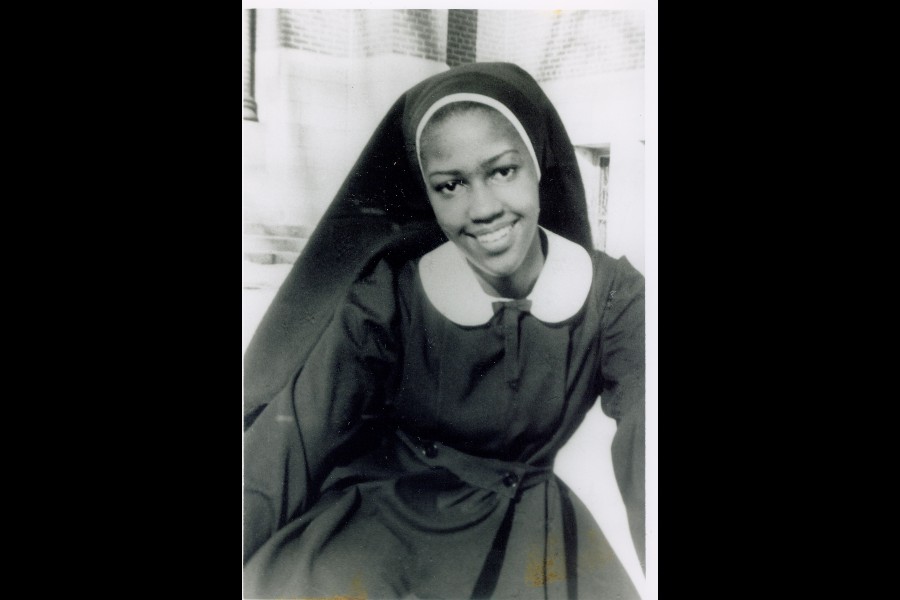
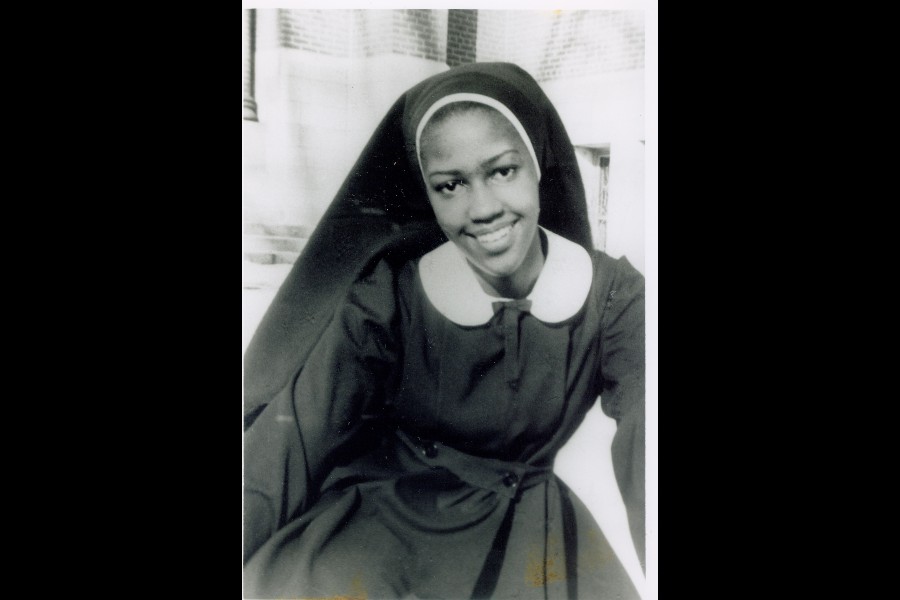
Read More