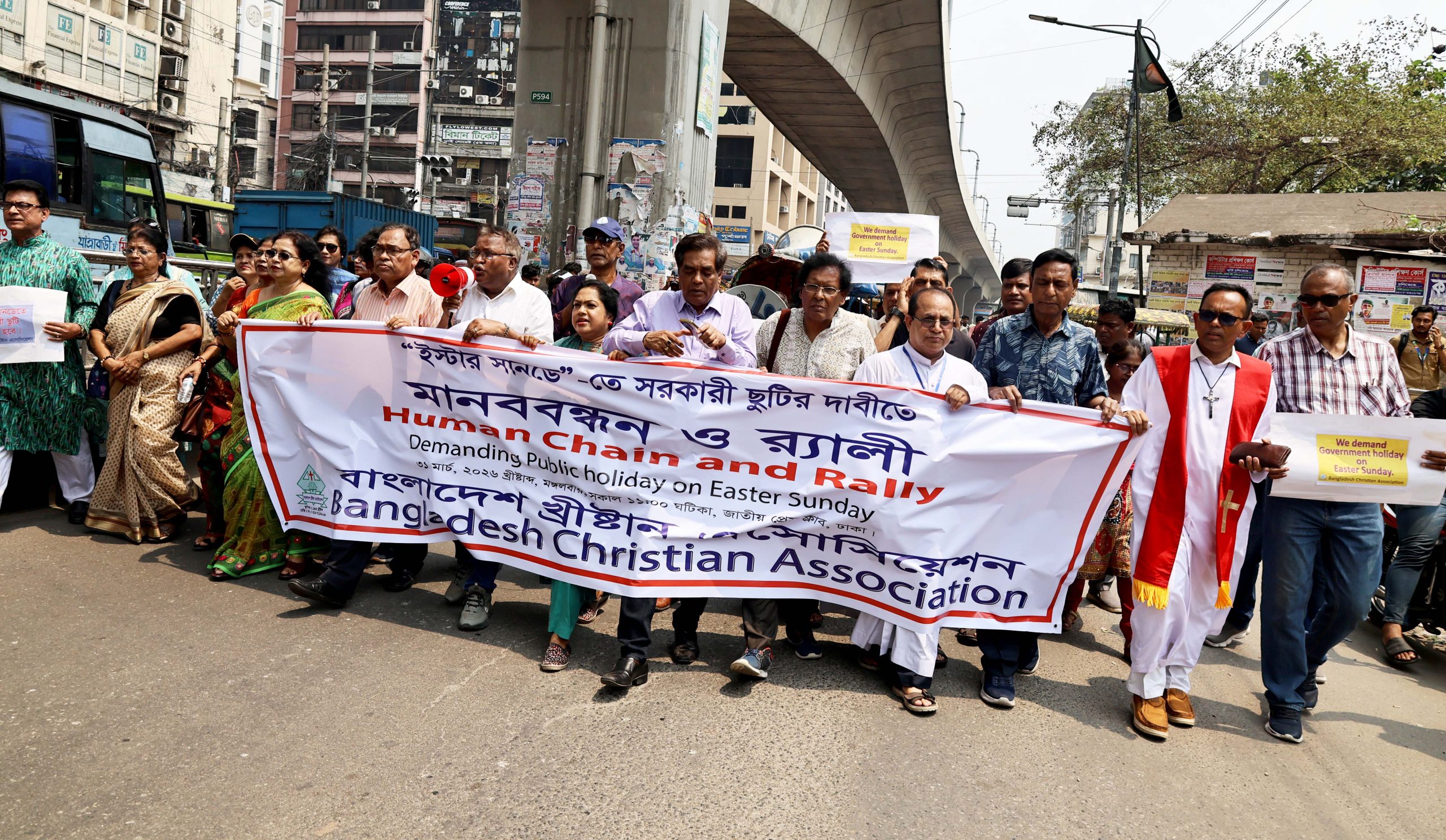

Christian leaders and Catholic clergy in the Muslim-majority South Asian nation are urging Prime Minister Tarique Rahman to add Easter Sunday to the government holiday calendar.
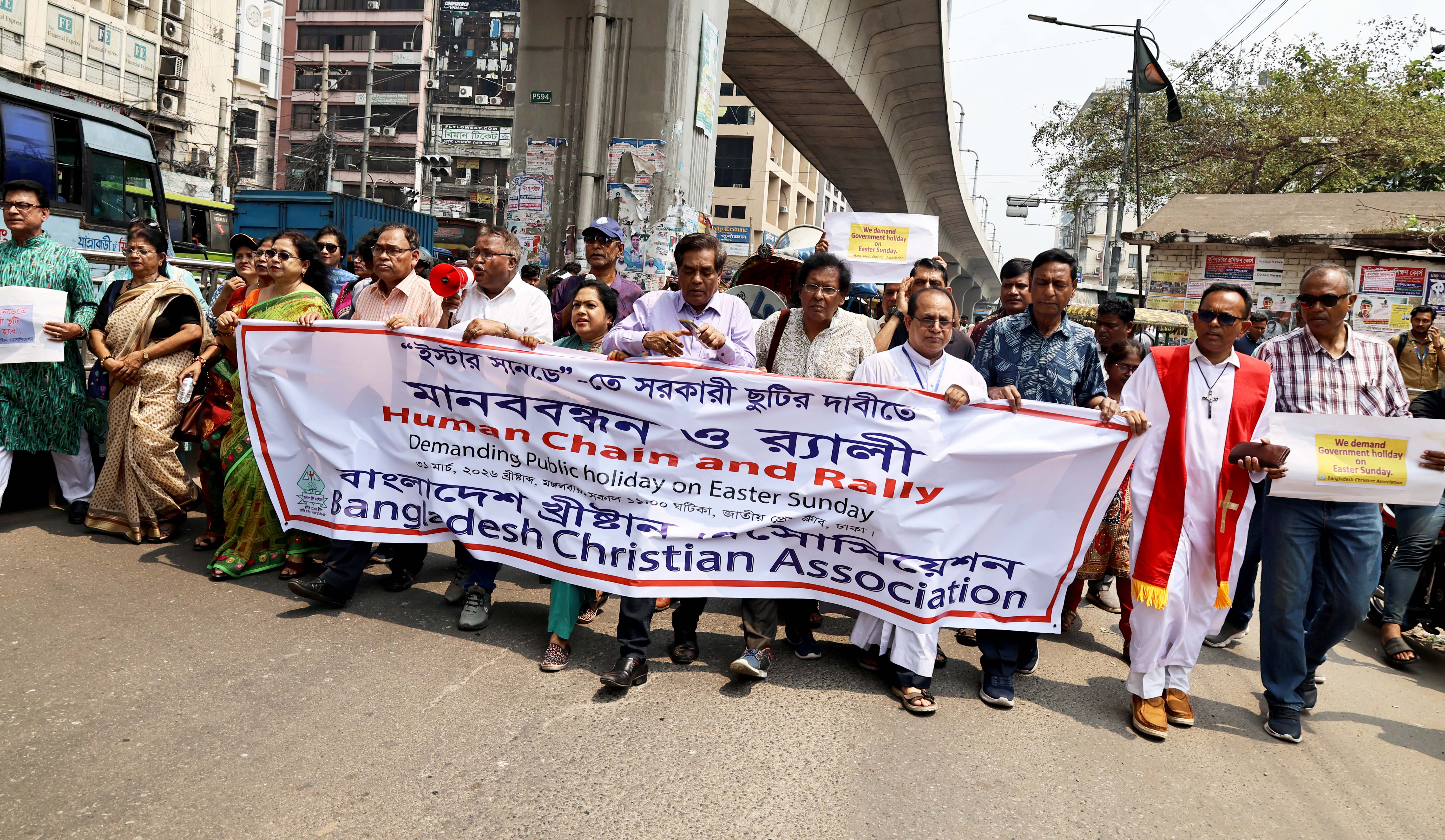
Christian leaders and Catholic clergy in the Muslim-majority South Asian nation are urging Prime Minister Tarique Rahman to add Easter Sunday to the government holiday calendar.
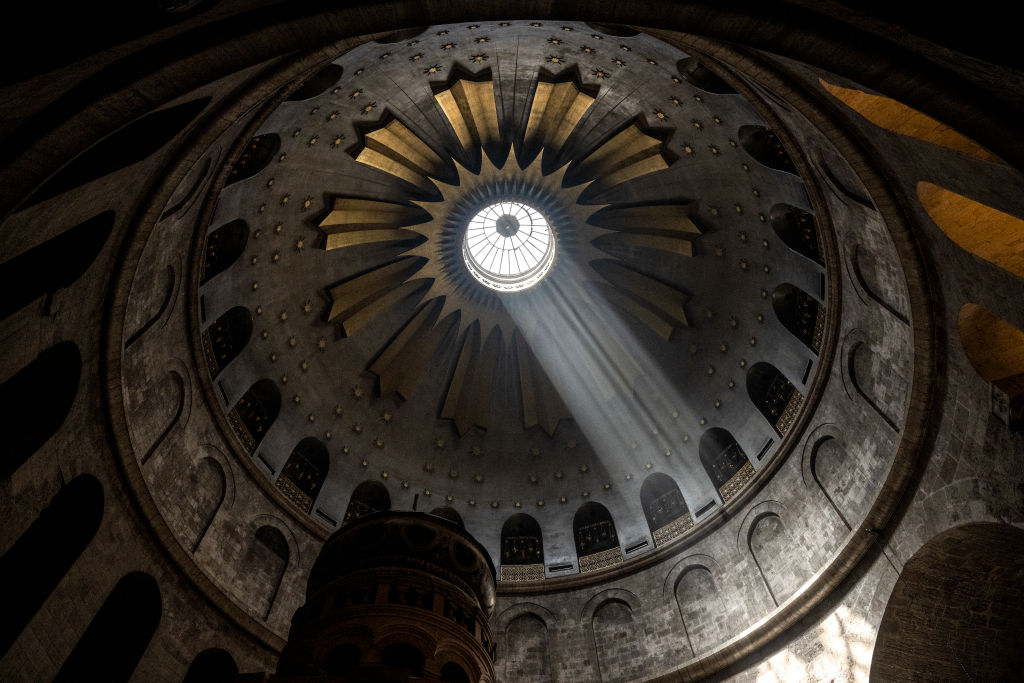
Police stopped the two church leaders on their way as they were proceeding privately “without any ceremonial or liturgical manifestations,” and forced them to turn back.
![Pope Leo XIV reunites with his eighth grade classmates #Catholic On the steps of St. Peter’s Basilica in Rome, Pope Leo XIV met last week with some of his eighth grade classmates from St. Mary of the Assumption lower school in south Chicago, where he grew up.Of the 82 eighth graders with whom he attended St. Mary’s in 1969, 10 greeted him after the general audience on March 18, exchanging laughs, gifts, and warm handshakes.During the meeting, his former classmates gave him a photograph of the class of 1969, which he held up as he posed for another group shot more than 50 years later.Jerome Clemens pointed out the young Robert Prevost standing among his classmates to the L’Osservatore Romano, the Vatican newspaper: “Here he is, our friend, the pope,” showing the back of the photo with Prevost’s old autograph and his new one, which he signed, “Leo XIV.”Another former classmate, Sherry Stone (née Blue), dropped a sign she held that read “God bless you Pope Leo” when the pope approached her.“Sorry! I’m nervous!” she said, laughing, as he shook her hand.Instagram postLast spring, Stone told the Lansing Journal: “When he was in the conclave, I thought, ‘Could it be him? Could Bob be the new pope? No, probably not.’ When I saw that it was him, I was just amazed. I was crying tears of joy.”“He was a super nice guy, but not nerdy,” she said.After finishing eighth grade at St. Mary’s, Prevost attended boarding school at St. Augustine Seminary High School in Michigan, graduating in 1973. He then attended another Augustinian school, Villanova University, where he earned a bachelor’s degree in mathematics in 1977 before entering the Augustinian novitiate that September. He was ordained a priest in 1982, earning a master of divinity degree from the Catholic Theological Union in Chicago that same year. He earned a licentiate in canon law (JCL) in 1984 and completed a doctorate in canon law (JCD) in 1987, both from the Pontifical University of St. Thomas Aquinas in Rome.St. Mary’s church and school on Chicago’s ‘most endangered list’St. Mary of the Assumption Church and School, where a young Prevost served as an altar boy and his mother, Mildred Prevost, worked as a librarian, was at the center of a vibrant Catholic community in the Riverdale neighborhood on Chicago’s South Side in the 1960s.The property, which has been vacant since 2011 and is now privately owned, is located just a few blocks from the pope’s childhood home in Dolton, Illinois, but within Chicago city limits.The neighborhood has seen significant decline since then. Ward Miller of Preservation Chicago told EWTN News that St. Mary’s, which has a hole in the roof of the church building, broken windows, graffiti, and many other issues, was listed on Preservation Chicago’s 2026 “7 Most Endangered List" as of March 4.
Broken windows and graffiti on St. Mary of the Assumption School, where Robert Prevost, now Pope Leo XIV, the first American pope, attended eighth grade in 1969. | Credit: Matthew Kaplan
“We at Preservation Chicago are of the opinion that the church and school buildings of St. Mary’s are in need of immediate attention in order to secure temporary repairs, with a long-term goal of a full restoration of the campus of buildings, before everything is lost to deterioration,” Miller said.The property’s current owner, Joel Hall, said last year he is open to a landmark designation by the city, according to Miller. Preservation Chicago, a nonprofit advocacy organization dedicated to preserving historic sites in Chicago and encouraging landmark designations in the city, presented its case to designate it as such at a meeting in May 2025 of the Commission of Chicago Landmarks.No decision has been made yet regarding the landmark designation, but Preservation Chicago has created an online petition to the city of Chicago to “Save the Pope’s Church!”“This complex should become a visitors site, an oratory or shrine, as this is our first American pope — a world leader, and from Chicago!” Miller told EWTN News.
The interior of the dilapidated St. Mary of the Assumption Church, showing water damage to the floor and graffiti behind where the altar once stood. Pope Leo XIV served as an altar boy there during his childhood. | Credit: Ward Miller/Preservation Chicago
“We would very much like to see a partnership form to save these buildings and tell the story of this world leader,” reads an article on Preservation Chicago’s website. “An initial step in this process would be to consider a Chicago landmark designation of the buildings of this campus, with a plan to methodically restore and repurpose each of the buildings.”
Close-up of St. Mary of the Assumption Church in Riverdale, Chicago, Pope Leo XIV’s childhood parish, which was recently added to Preservation Chicagoʼs “7 Most Endangered” list of historic structures in the city. | Credit: Cristen Brown
Miller told EWTN News he would like to see the property “prepared [in time] for the pope’s return visits to Chicago!”The pope does not yet have plans to visit the United States.](https://unitedyam.com/wp-content/uploads/2026/03/pope-leo-xiv-reunites-with-his-eighth-grade-classmates-catholic-on-the-steps-of-st-peters-basilica-in-rome-pope-leo-xiv-met-last-week-with-some-of-his-eighth-grade-classmates-from-st-mary.jpg)
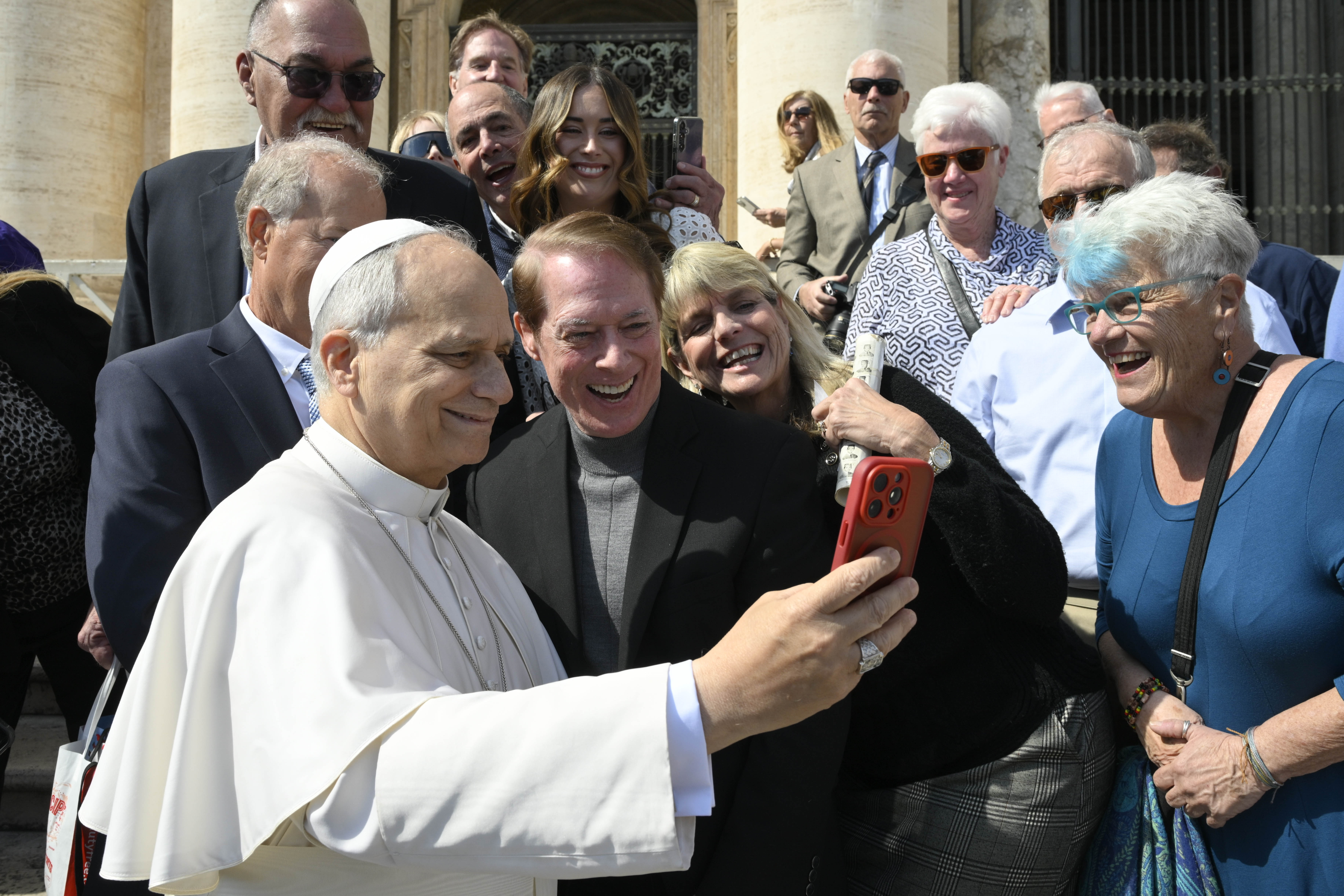
Pope Leo XIV met with 10 of his eighth grade classmates in St. Peter’s Square at a recent general audience.
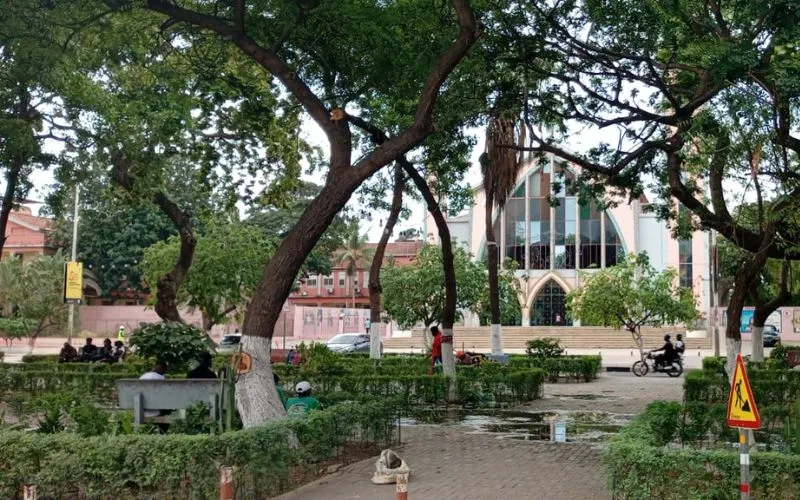
Our Lady of Fatima Parish in the Archdiocese of Luanda is preparing to host Pope Leo XIV’s meeting with bishops, priests, women and men religious, and catechists during his April 18–21 visit.
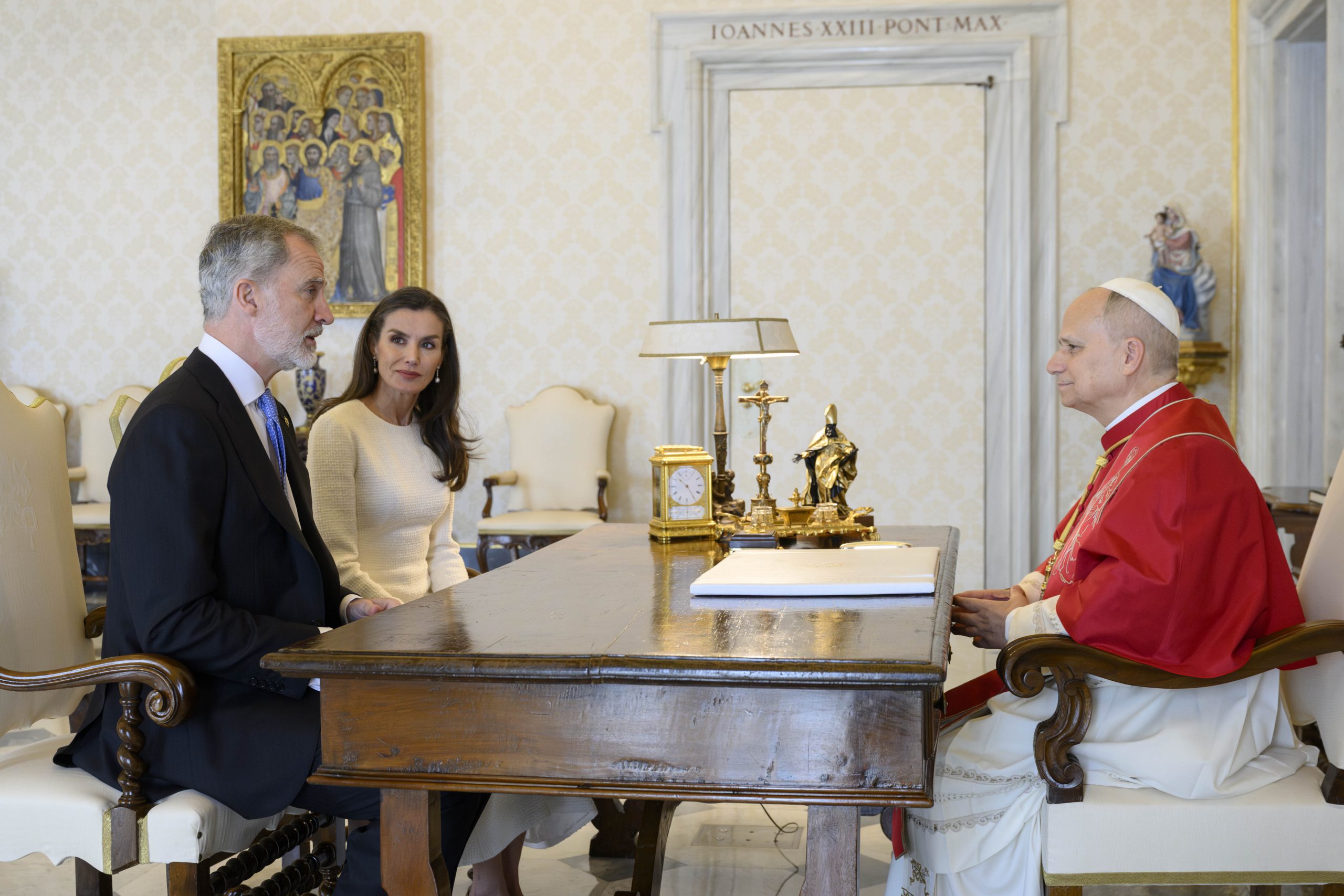
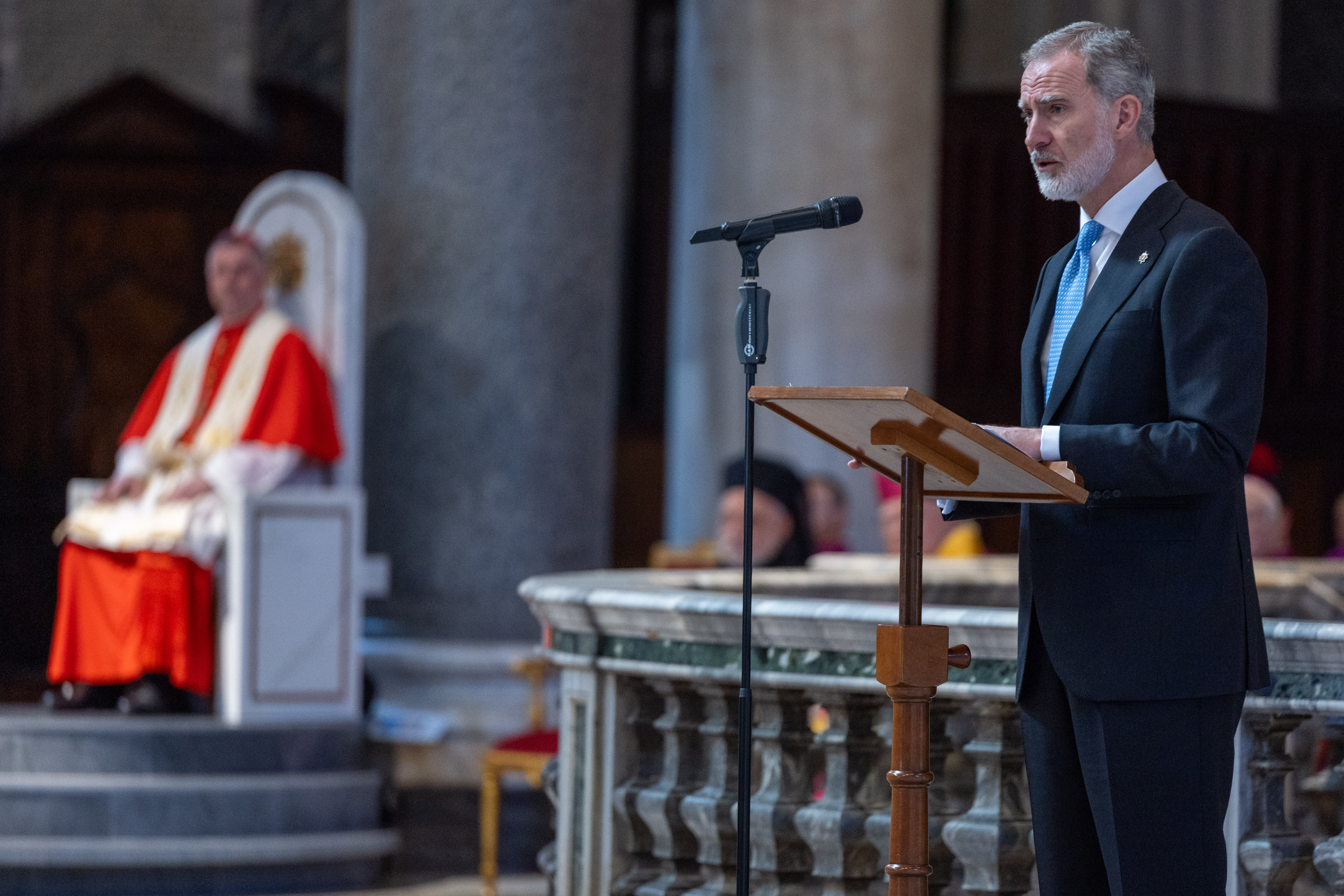
“Protocanon” is an honorary title reserved exclusively for the Spanish head of state, recognizing the monarch as a collaborator of the pope.
| Picture of the day |
|---|

|
|
The historic Geigersberg vineyard, northeast of the Sachsenheim district of Ochsenbach in Germany, still retains many of its old dry stone walls and is home to rare plant and animal species.
|
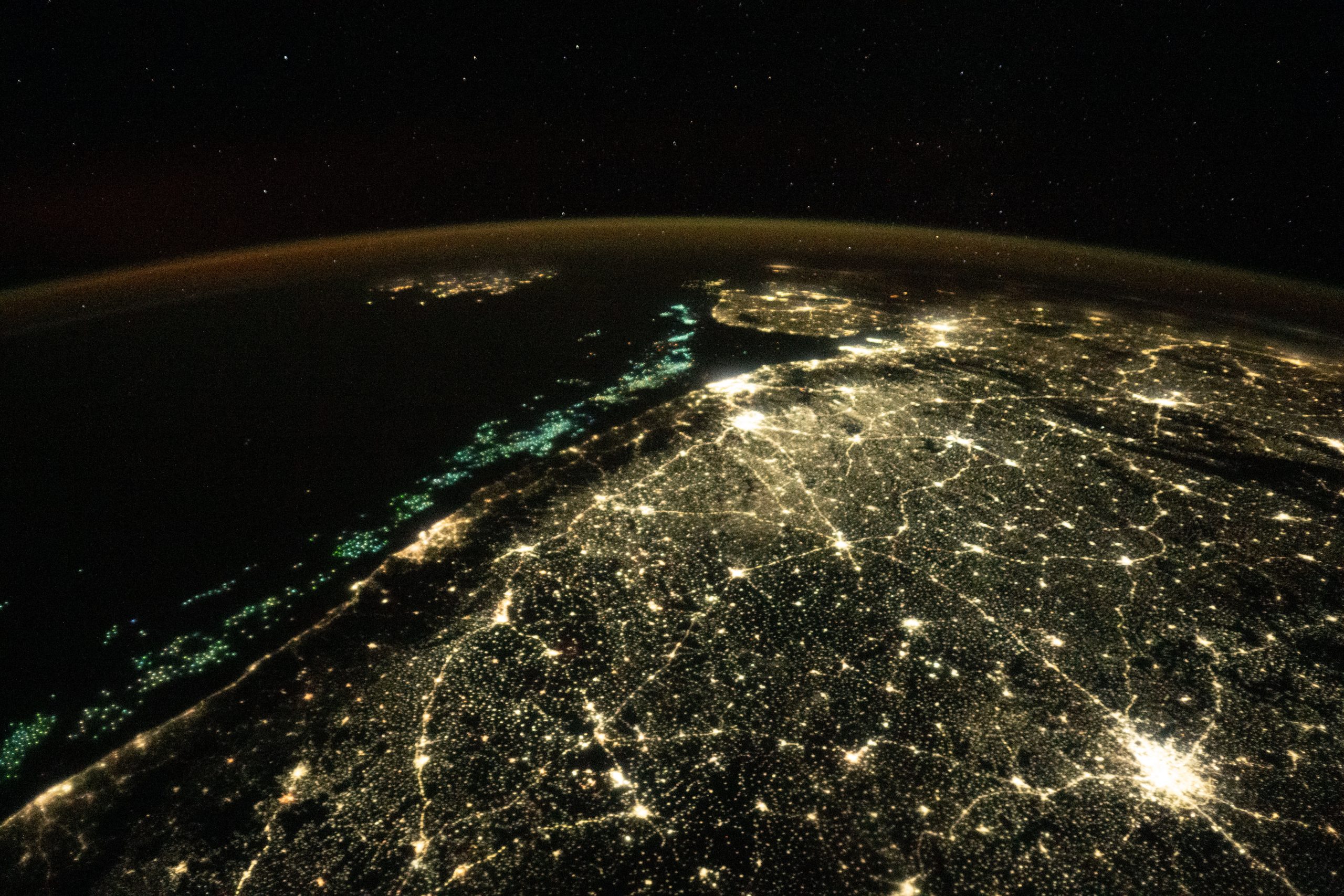
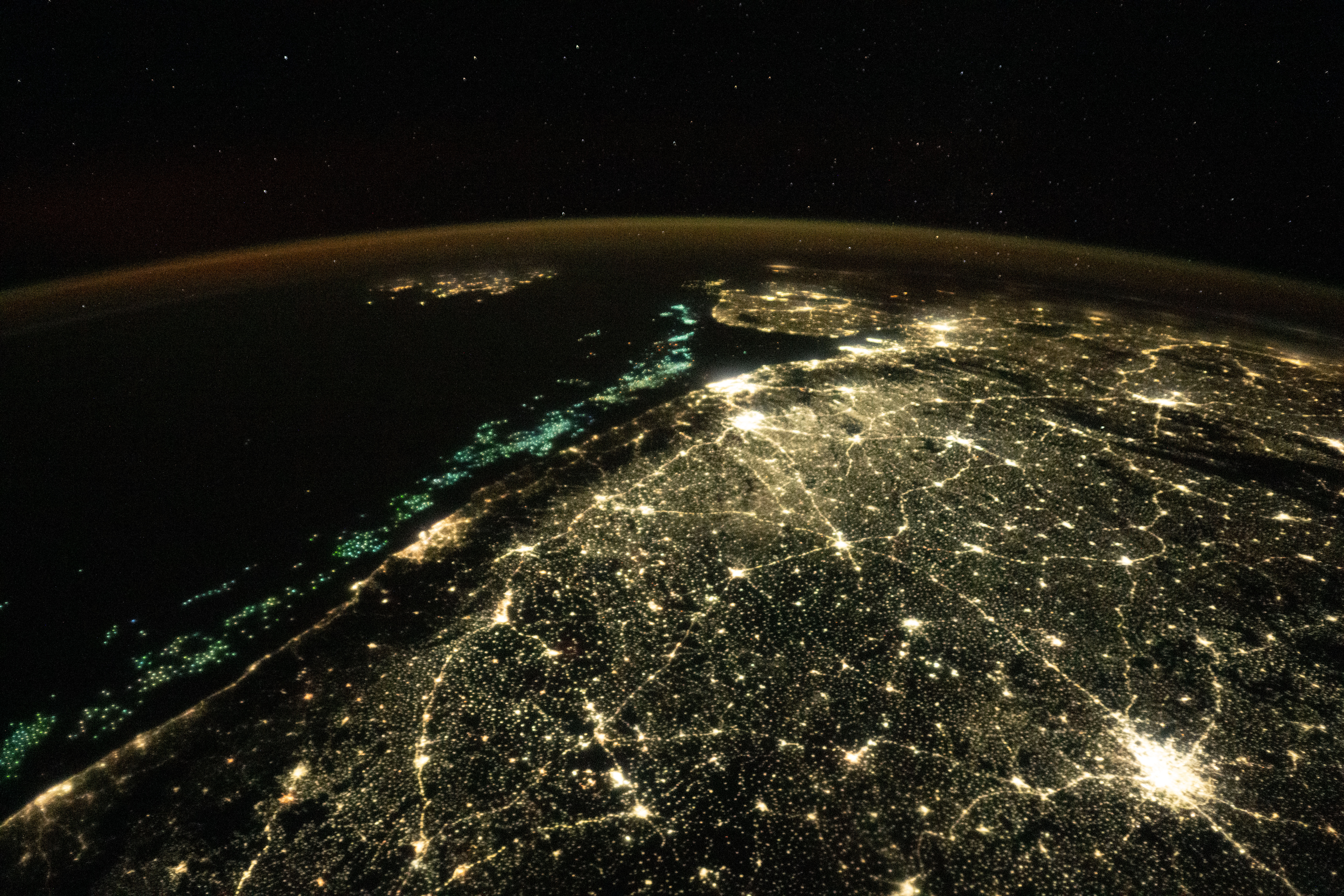
Fishing boats illuminate the Arabian Sea along India’s west coast with green lights designed to attract squid, shrimp, sardines, and mackerel in this nighttime photograph from the International Space Station, orbiting 259 miles above Earth. At lower right, the city lights of Hyderabad—renowned for its historic diamond and pearl trade—stretch westward toward the Mumbai Metropolitan Region, home to over 26 million people and the heart of Bollywood.
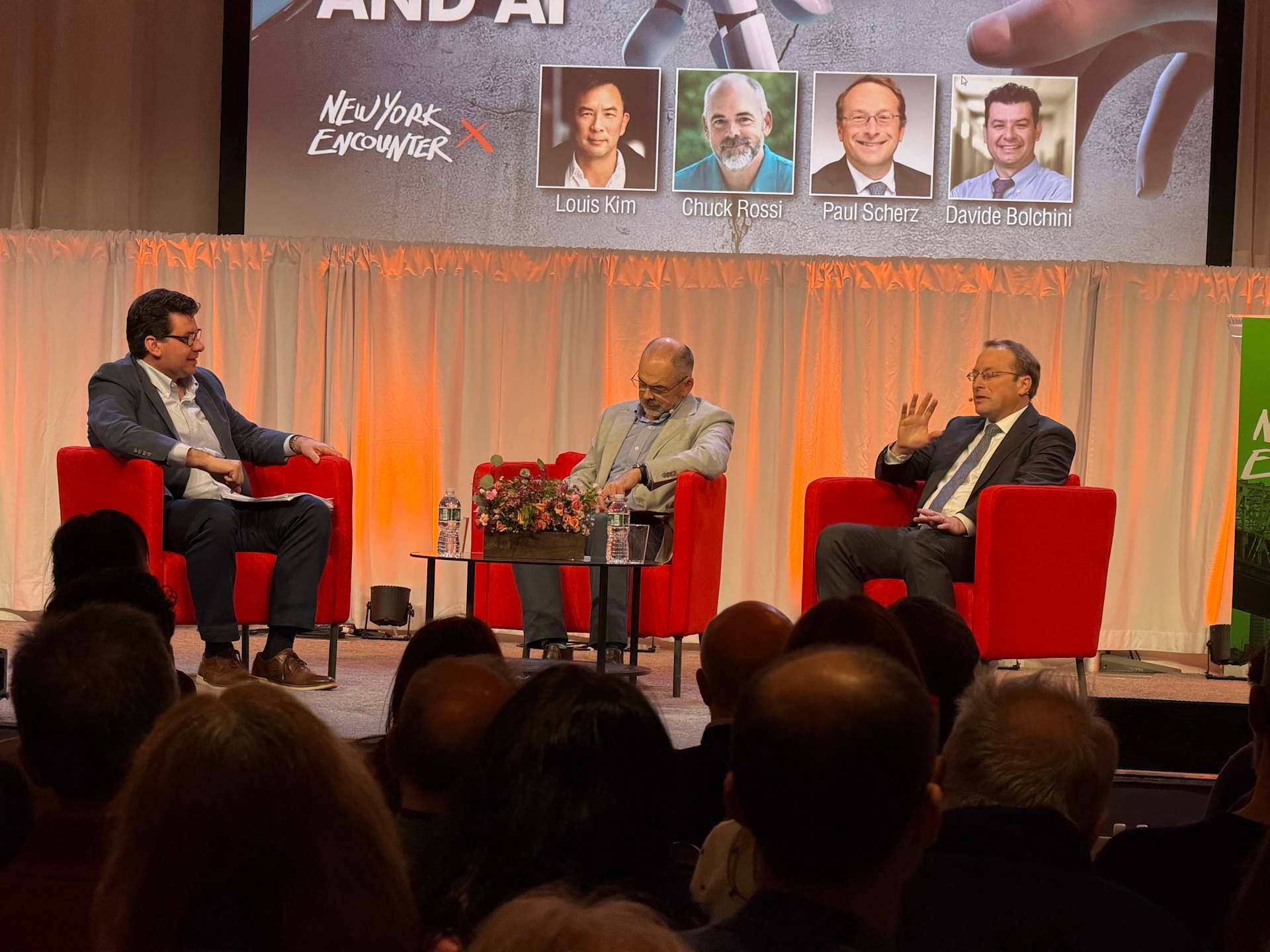
Read More![Catholic thinkers, tech experts reflect on promise and perils of AI at New York Encounter #Catholic NEW YORK — How can Catholic social teaching guide us in weighing the benefits of artificial intelligence against the dangers it poses to human dignity? That question animated a wide-ranging discussion among Catholic thinkers and technology experts at the New York Encounter on Saturday.Citing Pope Leo XIV’s call to use AI responsibly as well as the Church’s historic defense of human dignity in the face of modern technology, Davide Bolchini, moderator and dean of the Luddy School of Informatics at Indiana University, opened the discussion before an audience of several hundred people gathered for the three-day cultural conference in New York City.“The pope encouraged us to use AI responsibly, to use it in a way that helps us grow, not to let it work against us, but to let it work with us, not to substitute human intelligence, not to replace our judgment of what’s right … our ability of authentic wonder,” Bolchini said.With technology rapidly advancing, Bolchini asked, how can the Church stay ahead of these challenges?Chuck Rossi, an engineer at Meta who is developing AI-driven content moderation technology at the technology conglomerate, which includes Facebook and Instagram, argued that in his work, developments in AI have been instrumental in safeguarding human beings from harm. AI systems, he said, can examine 2.5 billion pieces of of shared online content per hour, filtering harmful material including nudity and sexual activity, bullying and harassment, child endanger, dangerous organizations, fake accounts, hateful conduct, restricted goods and services, spam, suicide and self-injury, violence and incitement, and violent and graphic content.“That’s my world,” he said. “It’s a very, very hard problem. If we miss 0.1% of 2. 5 billion, that’s millions of things that we didn’t want to be seeing. But we do an excellent job, and we have for years — we’re one of the best at it,” Rossi said.Using AI also protects human content moderators from being exposed to disturbing material, as they were in the past.“The good thing that we are giving back to humans is you never have to do this horrible work,” he said.Paul Scherz, professor of theology at the University of Notre Dame, acknowledged the benefits of AI, which he said included advances in medicine and efficiency for tasks like billing (“Nobody wants to do billing,” he said).But Scherz warned of the dangers of relying on technology to do what is intrinsically human.“We are really starting to turn to AI as people more broadly for these relational aspects, which would be tragic because there is something in that human-to-human connection, the ‘I/thou connection,’ as Martin Buber called it, that is irreplaceable by a machine,” Scherz said. He noted that AI has even moved into ministry, with the rise of Catholic apps relying on bots to offer catechesis.Scherz also cautioned that substituting AI for human interaction and intelligence risks eroding our skills, whether in relationships or in professional life.“My fear is as we use these chatbots more and more we will lose those person-to-person skills. We’ll no longer be able to engage one another as well, or have the patience and virtue to deeply love and encounter one another,” Scherz said.In addition, relying on AI in our work, for example, when a doctor consults AI to make a diagnosis, will result in our “de-skilling,” he said. “We know that people, when they’re using automated systems, they tend to just become biased and complacent and just approve the automated system. They lose their skills,” he said, adding that airline pilots who rely too much on autopilot are more prone to making errors.Louis Kim, former vice president of personal systems and AI at Hewlett-Packard who is currently pursuing graduate studies in theology and health care, pointed out that it’s not possible to know today what skills will be required in the future.“My personal view is I often find that predictions of impacted technology are largely unconsciously based on what we know of the current paradigm and structure and technologies,” Kim said.“There are going to be skills needed to control AI that are going to be different,” he said.Kim also called for “humility” in discussions about AI’s potential to affect human relationships.“Let’s ask ourselves about the quality of our current human relationships, whether it’s in the workplace, in toxic cultures, sometimes at home — even at conferences, at your next break, as you go around talking to this person [or] that person, how many times that person is looking over your shoulder for the more important person to talk to?” he said.Our moral formation, he said, will continue to shape the quality of our encounters with others.](https://unitedyam.com/wp-content/uploads/2026/02/catholic-thinkers-tech-experts-reflect-on-promise-and-perils-of-ai-at-new-york-encounter-catholic-new-york-how-can-catholic-social-teaching-guide-us-in-weighing-the-benefits-of-artificial-scaled.jpg "Catholic thinkers, tech experts reflect on promise and perils of AI at New York Encounter #Catholic NEW YORK — How can Catholic social teaching guide us in weighing the benefits of artificial intelligence against the dangers it poses to human dignity? That question animated a wide-ranging discussion among Catholic thinkers and technology experts at the New York Encounter on Saturday.Citing Pope Leo XIV’s call to use AI responsibly as well as the Church’s historic defense of human dignity in the face of modern technology, Davide Bolchini, moderator and dean of the Luddy School of Informatics at Indiana University, opened the discussion before an audience of several hundred people gathered for the three-day cultural conference in New York City.“The pope encouraged us to use AI responsibly, to use it in a way that helps us grow, not to let it work against us, but to let it work with us, not to substitute human intelligence, not to replace our judgment of what’s right … our ability of authentic wonder,” Bolchini said.With technology rapidly advancing, Bolchini asked, how can the Church stay ahead of these challenges?Chuck Rossi, an engineer at Meta who is developing AI-driven content moderation technology at the technology conglomerate, which includes Facebook and Instagram, argued that in his work, developments in AI have been instrumental in safeguarding human beings from harm. AI systems, he said, can examine 2.5 billion pieces of of shared online content per hour, filtering harmful material including nudity and sexual activity, bullying and harassment, child endanger, dangerous organizations, fake accounts, hateful conduct, restricted goods and services, spam, suicide and self-injury, violence and incitement, and violent and graphic content.“That’s my world,” he said. “It’s a very, very hard problem. If we miss 0.1% of 2. 5 billion, that’s millions of things that we didn’t want to be seeing. But we do an excellent job, and we have for years — we’re one of the best at it,” Rossi said.Using AI also protects human content moderators from being exposed to disturbing material, as they were in the past.“The good thing that we are giving back to humans is you never have to do this horrible work,” he said.Paul Scherz, professor of theology at the University of Notre Dame, acknowledged the benefits of AI, which he said included advances in medicine and efficiency for tasks like billing (“Nobody wants to do billing,” he said).But Scherz warned of the dangers of relying on technology to do what is intrinsically human.“We are really starting to turn to AI as people more broadly for these relational aspects, which would be tragic because there is something in that human-to-human connection, the ‘I/thou connection,’ as Martin Buber called it, that is irreplaceable by a machine,” Scherz said. He noted that AI has even moved into ministry, with the rise of Catholic apps relying on bots to offer catechesis.Scherz also cautioned that substituting AI for human interaction and intelligence risks eroding our skills, whether in relationships or in professional life.“My fear is as we use these chatbots more and more we will lose those person-to-person skills. We’ll no longer be able to engage one another as well, or have the patience and virtue to deeply love and encounter one another,” Scherz said.In addition, relying on AI in our work, for example, when a doctor consults AI to make a diagnosis, will result in our “de-skilling,” he said. “We know that people, when they’re using automated systems, they tend to just become biased and complacent and just approve the automated system. They lose their skills,” he said, adding that airline pilots who rely too much on autopilot are more prone to making errors.Louis Kim, former vice president of personal systems and AI at Hewlett-Packard who is currently pursuing graduate studies in theology and health care, pointed out that it’s not possible to know today what skills will be required in the future.“My personal view is I often find that predictions of impacted technology are largely unconsciously based on what we know of the current paradigm and structure and technologies,” Kim said.“There are going to be skills needed to control AI that are going to be different,” he said.Kim also called for “humility” in discussions about AI’s potential to affect human relationships.“Let’s ask ourselves about the quality of our current human relationships, whether it’s in the workplace, in toxic cultures, sometimes at home — even at conferences, at your next break, as you go around talking to this person [or] that person, how many times that person is looking over your shoulder for the more important person to talk to?” he said.Our moral formation, he said, will continue to shape the quality of our encounters with others.")
“The pope encouraged us to use AI responsibly, to use it in a way that helps us grow, not to let it work against us, ” said Davide Bolchini, the moderator of an AI panel at the weekend conference.
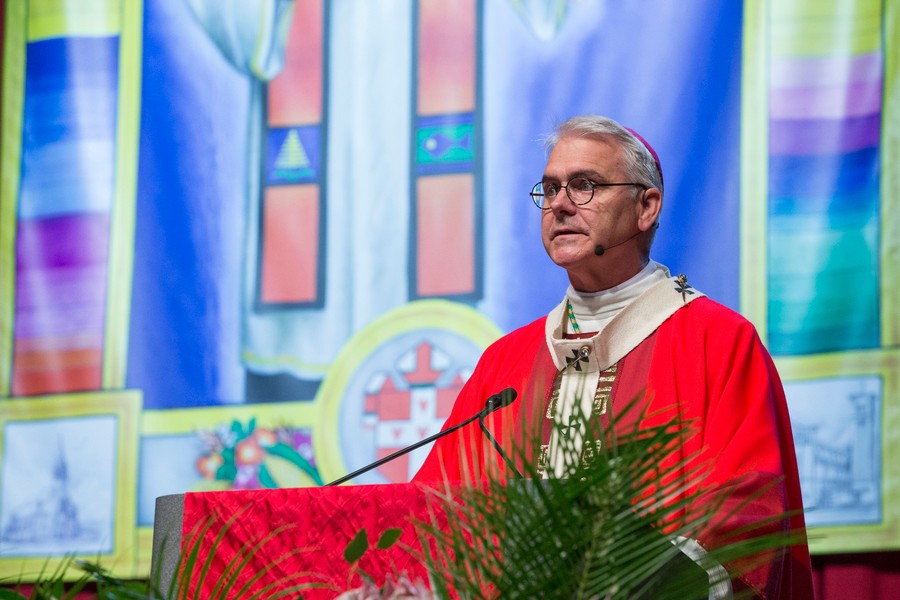
![Head of U.S. bishops joins call for Notre Dame to drop appointment of pro-abortion professor #Catholic U.S. Conference of Catholic Bishops President Archbishop Paul Coakley is urging the University of Notre Dame to drop the leadership appointment of an outspoken pro-abortion professor, joining nearly a dozen bishops in calling on the historic Catholic university to back away from the controversial decision. The controversy at Notre Dame exploded this week after Fort Wayne-South Bend, Indiana, Bishop Kevin Rhoades on Feb. 11 expressed “dismay” and “strong opposition” to the school's appointment of Professor Susan Ostermann as director of the school’s Liu Institute for Asia and Asian Studies.Ostermann has in the past spoken out strongly in favor of abortion and sharply criticized the pro-life movement, at times suggesting that its roots are in "white supremacy" and misogyny. Rhoades said Ostermann's beliefs, coupled with her leadership promotion at the Catholic school, were “causing scandal to the faithful of our diocese and beyond.”Multiple U.S. bishops from around the country backed Rhoades's call throughout the week, with Coakley himself speaking out about the controversy on Feb. 13. "I fully support Bishop Kevin Rhoades in his challenge to Notre Dame to rectify its poor judgement in hiring a professor who openly stands against Catholic teaching when it comes to the sanctity of life, in this case protection of the unborn," Coakley said in a statement on X. TweetThe statement was shared hundreds of times on X, including by Cardinal Joseph Zen Ze-kiun, the bishop emeritus of Hong Kong. Though criticism against Notre Dame's decision has come from top Catholic leadership in the U.S. throughout the week, the school has indicated that it will be standing by its plan to have Ostermann lead the institute. Notre Dame told EWTN News on Feb. 13 that Ostermann is "a highly regarded political scientist and legal scholar" who is "well prepared" to serve in the role. At the same time the university stressed its “unwavering” commitment “to upholding the inherent dignity of the human person and the sanctity of life at every stage.” Ostermann herself has told media that she “respect[s] Notre Dame’s institutional position on the sanctity of life at every stage." She has described herself as "fully committed to maintaining an environment of academic freedom where a plurality of voices can flourish."](https://unitedyam.com/wp-content/uploads/2026/02/head-of-u-s-bishops-joins-call-for-notre-dame-to-drop-appointment-of-pro-abortion-professor-catholic-u-s-conference-of-catholic-bishops-president-archbishop-paul-coakley-is-urging-the-university-of.jpg "Head of U.S. bishops joins call for Notre Dame to drop appointment of pro-abortion professor #Catholic U.S. Conference of Catholic Bishops President Archbishop Paul Coakley is urging the University of Notre Dame to drop the leadership appointment of an outspoken pro-abortion professor, joining nearly a dozen bishops in calling on the historic Catholic university to back away from the controversial decision. The controversy at Notre Dame exploded this week after Fort Wayne-South Bend, Indiana, Bishop Kevin Rhoades on Feb. 11 expressed “dismay” and “strong opposition” to the school's appointment of Professor Susan Ostermann as director of the school’s Liu Institute for Asia and Asian Studies.Ostermann has in the past spoken out strongly in favor of abortion and sharply criticized the pro-life movement, at times suggesting that its roots are in \"white supremacy\" and misogyny. Rhoades said Ostermann's beliefs, coupled with her leadership promotion at the Catholic school, were “causing scandal to the faithful of our diocese and beyond.”Multiple U.S. bishops from around the country backed Rhoades's call throughout the week, with Coakley himself speaking out about the controversy on Feb. 13. \"I fully support Bishop Kevin Rhoades in his challenge to Notre Dame to rectify its poor judgement in hiring a professor who openly stands against Catholic teaching when it comes to the sanctity of life, in this case protection of the unborn,\" Coakley said in a statement on X. TweetThe statement was shared hundreds of times on X, including by Cardinal Joseph Zen Ze-kiun, the bishop emeritus of Hong Kong. Though criticism against Notre Dame's decision has come from top Catholic leadership in the U.S. throughout the week, the school has indicated that it will be standing by its plan to have Ostermann lead the institute. Notre Dame told EWTN News on Feb. 13 that Ostermann is \"a highly regarded political scientist and legal scholar\" who is \"well prepared\" to serve in the role. At the same time the university stressed its “unwavering” commitment “to upholding the inherent dignity of the human person and the sanctity of life at every stage.” Ostermann herself has told media that she “respect[s] Notre Dame’s institutional position on the sanctity of life at every stage.\" She has described herself as \"fully committed to maintaining an environment of academic freedom where a plurality of voices can flourish.\"")
The school has indicated it will stick by its decision for Professor Susan Ostermann to lead a university institute.
The Franciscan Friars of California announced a bankruptcy filing in 2024 “to address 94 child sexual abuse claims.”

| Picture of the day |
|---|
.jpg)
|
|
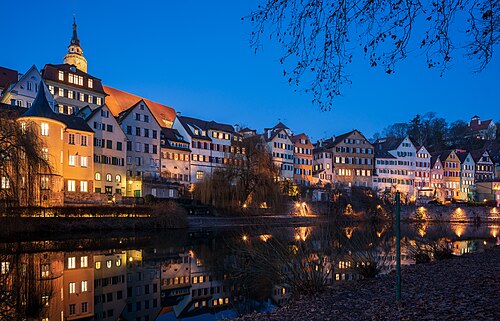
The Neckarfront in Tübingen, Germany, seen in the blue hour over the river Neckar. At the left the Hölderlinturm, followed by a row of historic town houses, at the top the tower of St. George’s Collegiate Church.
|
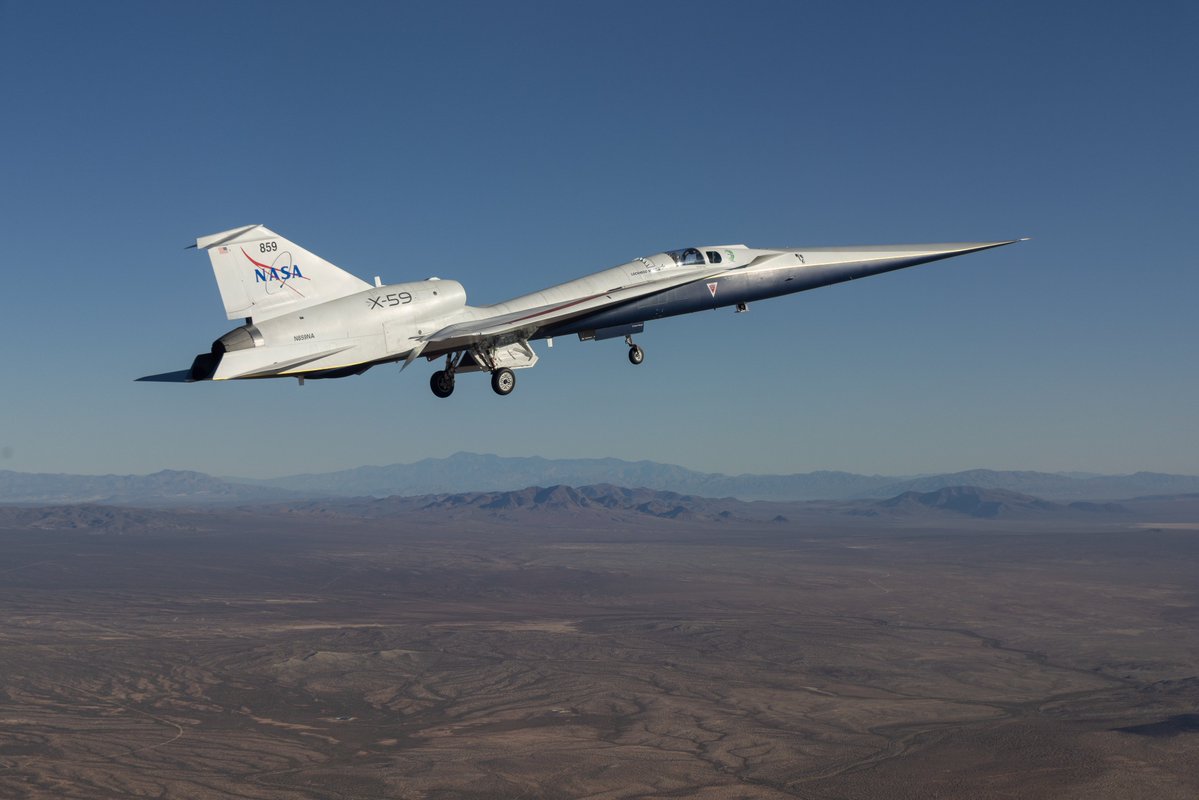
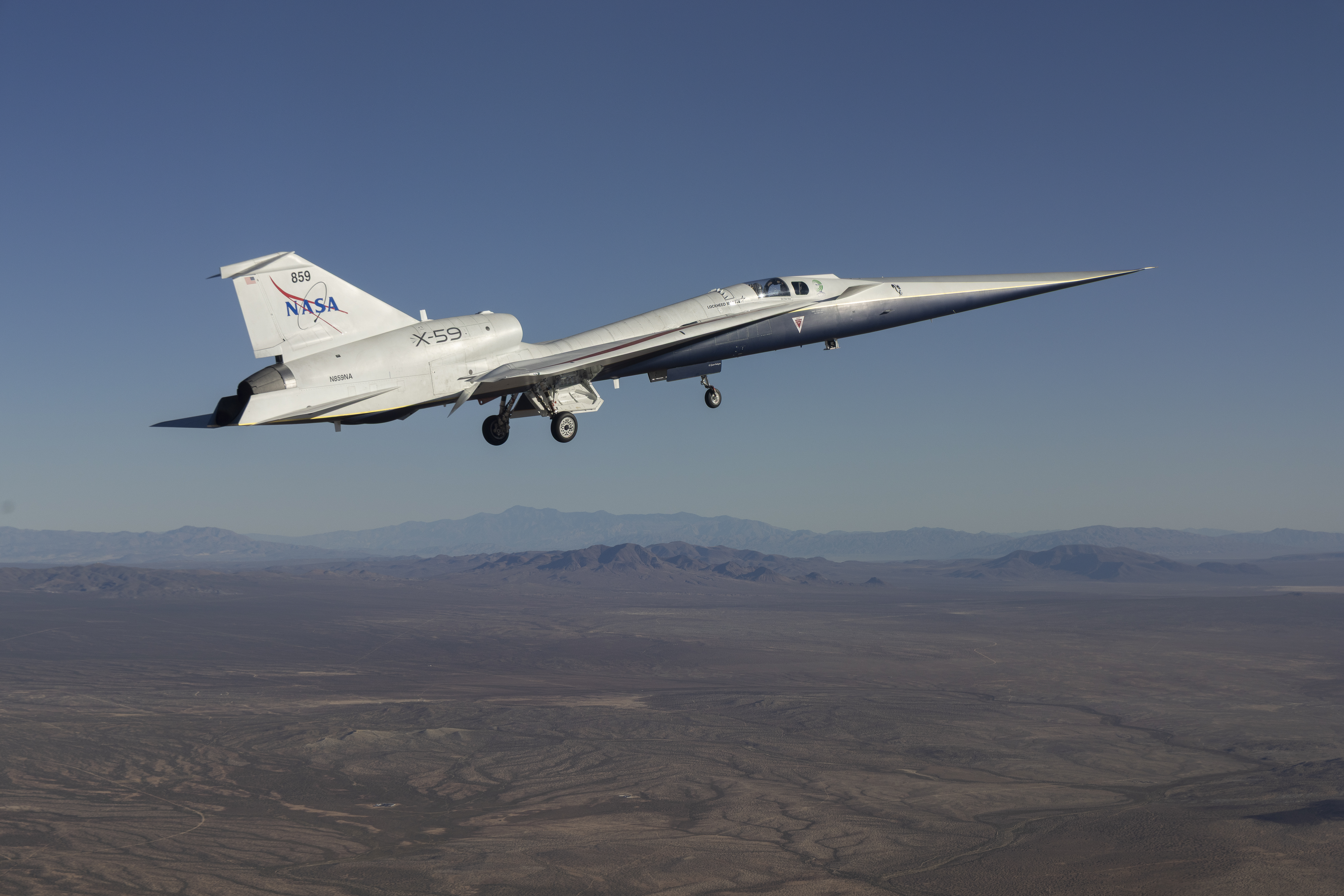
NASA’s X-59 quiet supersonic research aircraft lifts off for its first flight Tuesday, Oct. 28, 2025, from U.S. Air Force Plant 42 in Palmdale, California. The aircraft’s first flight marks the start of flight testing for NASA’s Quesst mission, the result of years of design, integration, and ground testing and begins a new chapter in NASA’s aeronautics research legacy.
Read More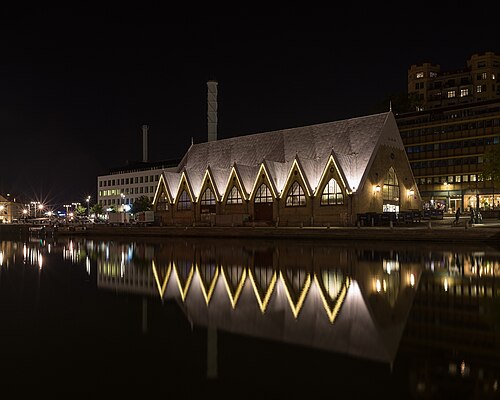
| Picture of the day |
|---|

|
|
Feskekôrka (meaning “fish church”) is a historic building in Gothenburg, Sweden that formerly housed an indoor fish market. Its name is based on the building’s resemblance to a neo-Gothic church.
|

| Picture of the day |
|---|

|
|
A Formula One car Cooper T53, built in 1961 by the by British motorsport team Cooper for sales. The picture was taken in 2023, during a historic race at Donington Park, England.
|

| Picture of the day |
|---|
.jpg)
|
|
MG PA-based racer with a 1300cc six-cylinder engine, in the historic paddock of the Nürburgring before closed boxes. The license plate is modified. Event: DAMC 05 Oldtimer Festival 2008.
|