

The platform and name are new, but the mission is the same: report the truth and bring the faith to the Spanish-speaking world.

The platform and name are new, but the mission is the same: report the truth and bring the faith to the Spanish-speaking world.
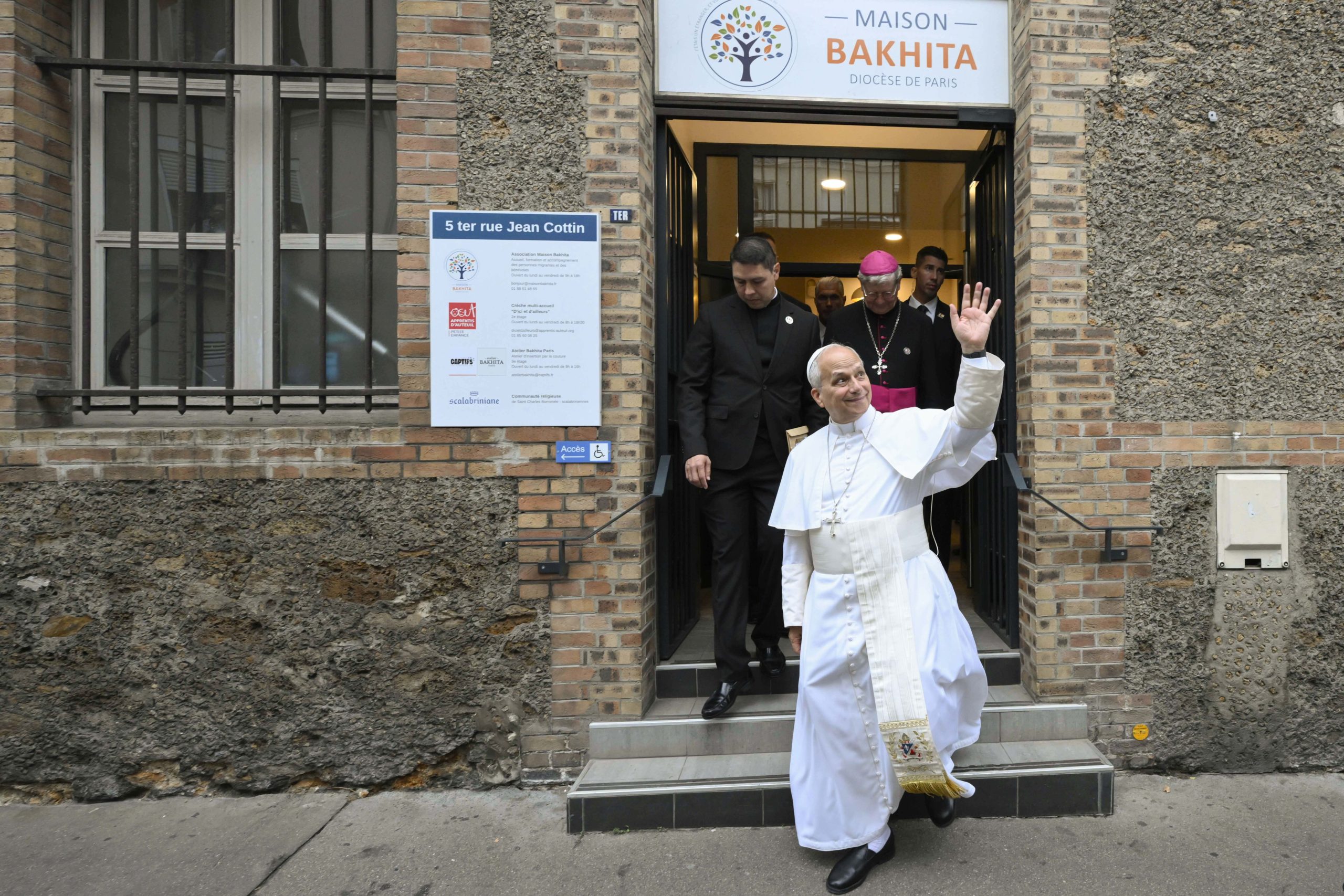
Pope Leo XIV visited the Maison Bakhita Center and celebrated an open-air Mass at Place de la Concorde in Paris before concluding his day at the Shrine of Our Lady of Lourdes.

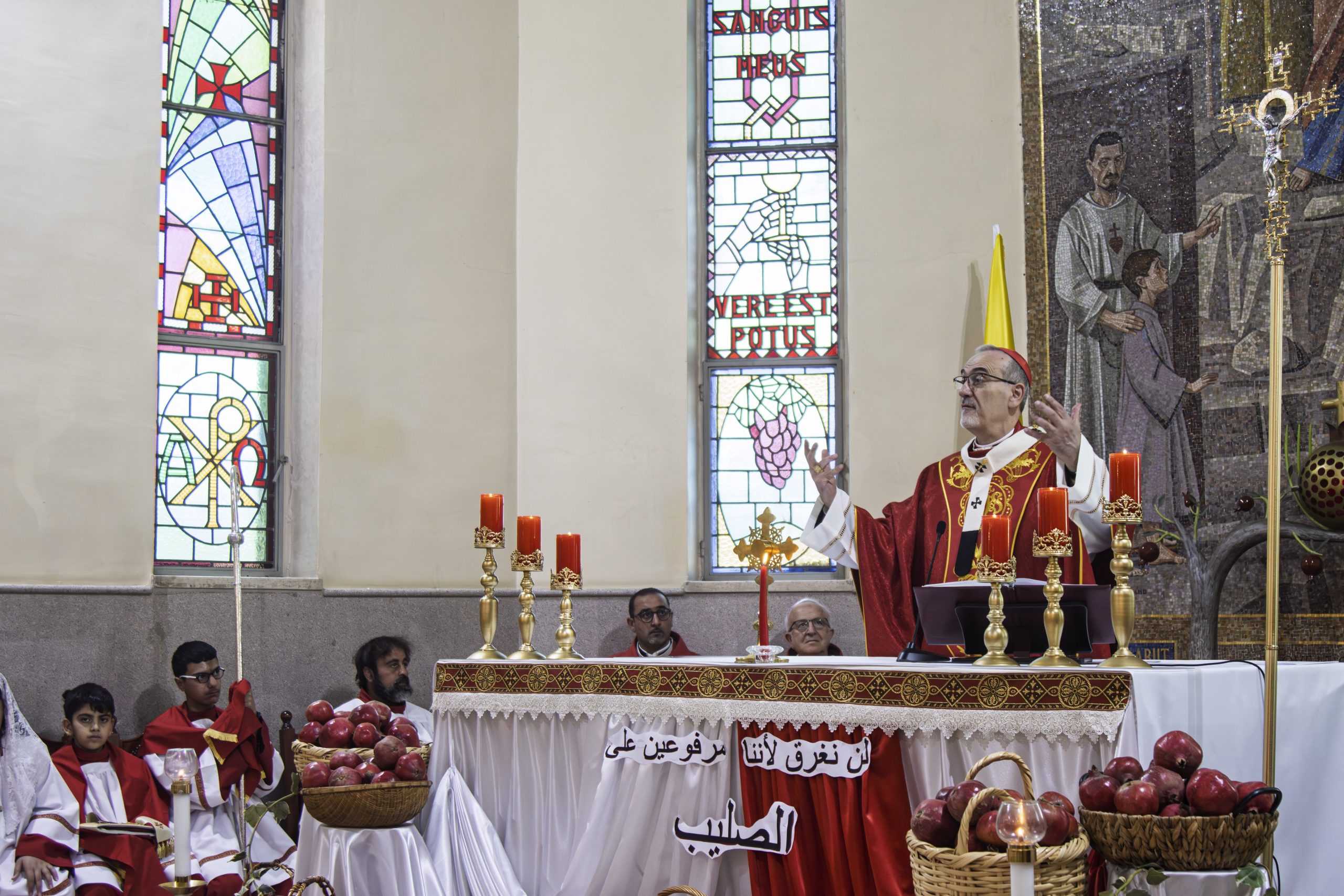
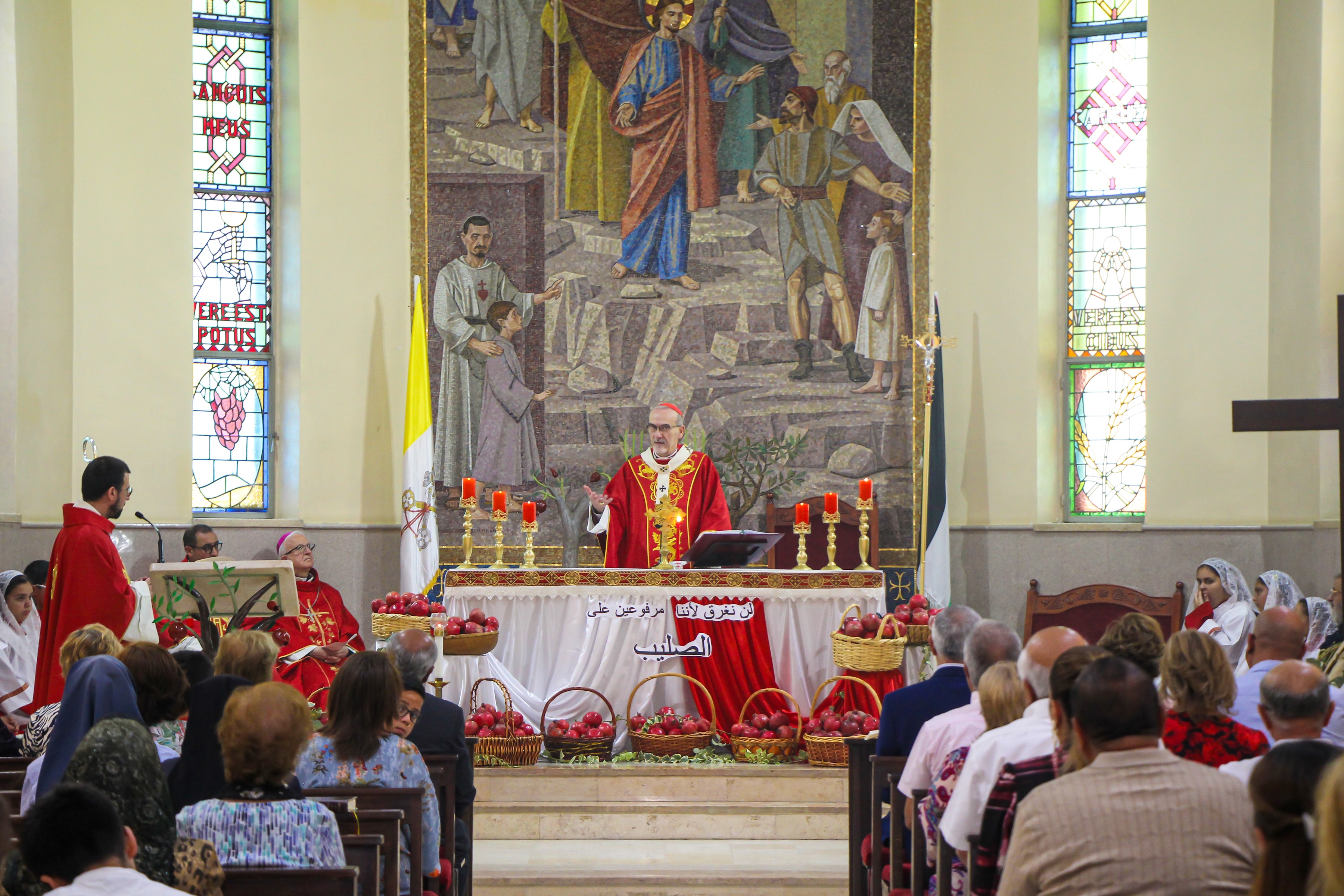
The Latin patrarch presided over Mass on the eve of the feast of the Exaltation of the Holy Cross in Taybeh, calling on Christians to live the “logic of the cross” through love and self-giving.
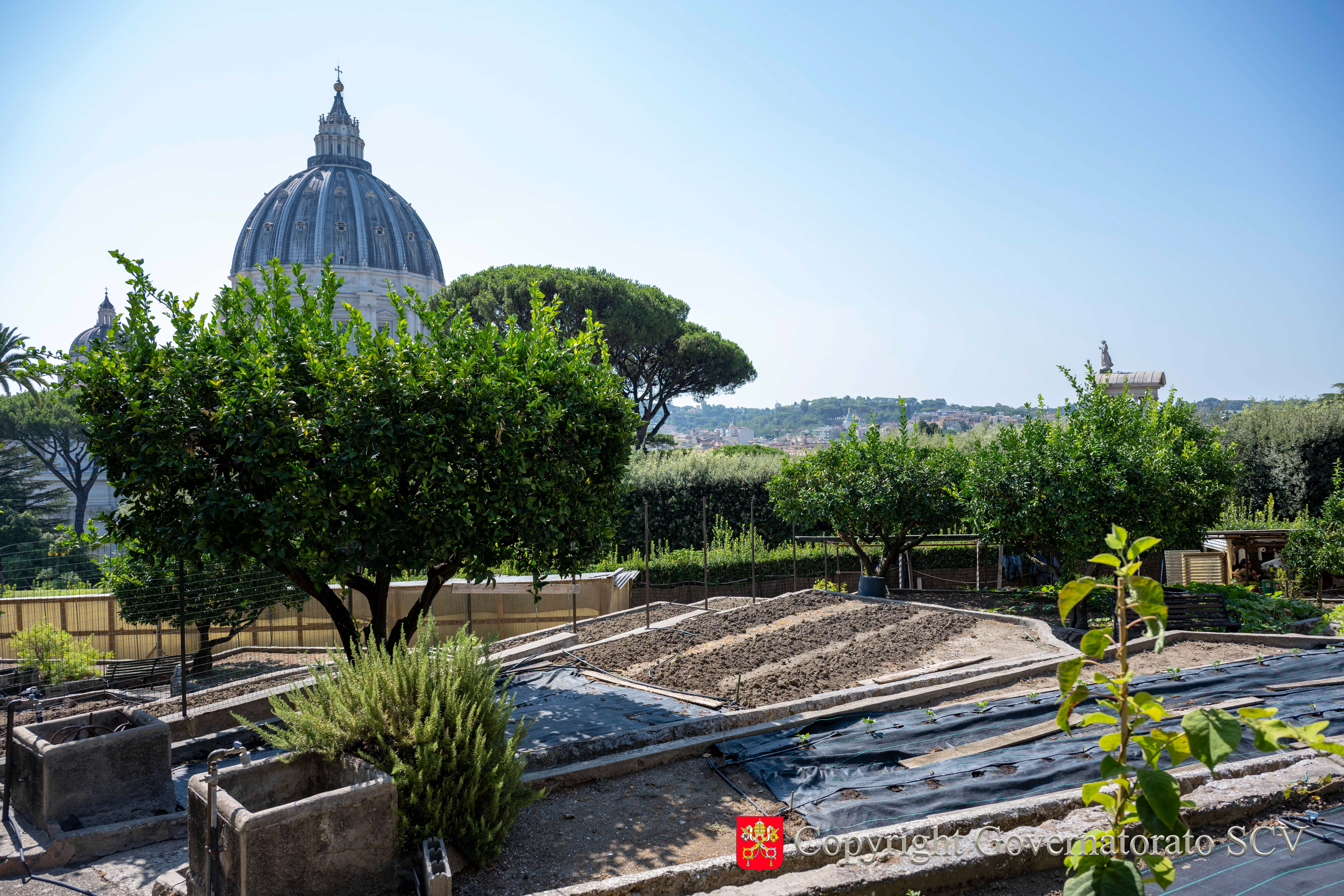
![Vatican vegetable garden goes 100% organic #Catholic A vegetable garden and orchard inside the Vatican walls, which historically provided food for the pope’s household, is now cultivated using exclusively organic farming techniques.The private garden covers almost a tenth of an acre of cultivable land inside the Mater Ecclesiae Monastery property, where Pope Benedict XVI lived during his retirement and now reside cloistered Benedictine nuns from the Abbey of St. Scholastica in Victoria, Argentina.Sometimes known as “the pope’s garden,” the vegetable plot “has always been a defining feature of the Vatican Gardens because, in fact, the Vatican Gardens were originally created primarily for that purpose — to provide sustenance for the [Apostolic] Palace,” Stefano Giampaolo, a forestry expert and head of the Gardens and Environment Service of the Vatican, told EWTN News.Giampaolo explained that now the plot is more accurately understood as the vegetable garden of the Vatican Gardens — an area that covers roughly half of Vatican City at 57 acres.
Mater Ecclesiae Monastery, built inside Vatican City in the 1990s to house nuns who support the ministry of the pope through prayer, has an adjoining vegetable garden and orchard. | Credit: Hannah Brockhaus/EWTN News
The Benedictine nuns at Mater Ecclesiae Monastery, who pray for the pope, eat the fruit and vegetables grown in the garden and use them to make jams and other food preserves. The excess produce is given to a Vatican soup kitchen run by the Missionaries of Charity.The move to biological farming techniques has been underway for several years, partly in response to Pope Francis’ 2015 encyclical Laudato Si’, Giampaolo said.The challenges of organicAccording to Gilberto Bianchi, the gardener responsible for the orchard and vegetable patch since 2008, the Vatican has a “desire to respect nature” in how it cares for the plants and trees on its land.But it’s far from easy.“Clearly, running a completely organic vegetable garden presents challenges, partly because insects are aggressive, and we use natural predators in the soil to control them,” Bianchi said. “No chemical fertilizers or insecticides are used.”He added that soil drainage and water conservation are also challenges.“This type of soil drains very well, so to conserve water, we add coconut fiber to retain moisture. And it’s watered with a drip irrigation system specifically to target the plants and avoid wasting water,” he said.Part of an organic agriculture also means respecting the seasons, he said. “Right now, the winter crops are being planted, while the summer crops are being harvested.”
The fresh produce grown in the vegetable garden and orchard in Vatican City feeds the Benedictine nuns living in the Mater Ecclesiae Monastery and supports the nearby Missionaries of Charity-run soup kitchen. | Credit: Governorate of Vatican City State
The end-of-summer harvest includes tomatoes, eggplants, green beans, zucchini, cucumbers, and peppers, while the fall and winter crop has broccoli, spinach, lettuce, and pumpkins.According to Vatican Media, the garden also includes garlic, basil, and a Peruvian variety of chili peppers known for its intensity. Kiwi plants were also added recently at the request of the Argentinian nuns.Next to the garden is a small orchard of around 15 citrus trees, some of which are 150 years old.“At this time, we’re planting savoy cabbage,” Bianchi said. “In short, whatever is in season. … So whatever is planted is because nature dictates it at that moment. The plants are grown from seed. We don’t use lab-grown plants.”A historic collection of gardensBianchi, who has worked for more than three decades in the Vatican Gardens, “is the one with the most expertise in this field, and he is now passing that knowledge on to a new gardener,” Giampaolo said.The expert gardener is part of a team of around 35 gardeners and administrators who oversee the Vatican’s green spaces and provide the flower arrangements for papal ceremonies.
Stefano Giampaolo, left, head of the Gardens and Environment Service of Vatican City, and expert gardener Gilberto Bianchi, right, the main caretaker of the orchard and vegetable garden commonly known as “the pope’s garden,” share their expertise with EWTN News in the Vatican Gardens on Sept. 9, 2026. | Credit: Hannah Brockhaus/EWTN News
“People expect to see a single garden, but in reality, as the name suggests, they are the Vatican Gardens — a collection of gardens,” Giampaolo said.The Gardens date to the mid-13th century, when Pope Nicolas III moved the papal residence from the Lateran Palace to the Vatican, had the city state’s walls built, and ordered the creation of a lawn, orchard, and “viridarium” — a Roman-style garden with flowerbeds and a fountain.Today, Giampaolo said, “there are countless different species, both trees and flowers. This is because, over time, the gardens have been enriched by donations and the search for specific botanical material, to the point of becoming a true botanical garden.”“Visitors are often struck by the diversity of the spaces — so many different gardens contained within this small area.”Ultimately, he said, the gardeners hope to one day eliminate all synthetic fertilizers and pesticides from their care of the entire Vatican territory.“It’s a process — the transformation of all the Gardens into organic ones,” he said.](https://unitedyam.com/wp-content/uploads/2026/09/vatican-vegetable-garden-goes-100-organic-catholic-a-vegetable-garden-and-orchard-inside-the-vatican-walls-which-historically-provided-food-for-the-popes-household-is-now-cultivated-using-scaled.jpg "Vatican vegetable garden goes 100% organic #Catholic A vegetable garden and orchard inside the Vatican walls, which historically provided food for the pope’s household, is now cultivated using exclusively organic farming techniques.The private garden covers almost a tenth of an acre of cultivable land inside the Mater Ecclesiae Monastery property, where Pope Benedict XVI lived during his retirement and now reside cloistered Benedictine nuns from the Abbey of St. Scholastica in Victoria, Argentina.Sometimes known as “the pope’s garden,” the vegetable plot “has always been a defining feature of the Vatican Gardens because, in fact, the Vatican Gardens were originally created primarily for that purpose — to provide sustenance for the [Apostolic] Palace,” Stefano Giampaolo, a forestry expert and head of the Gardens and Environment Service of the Vatican, told EWTN News.Giampaolo explained that now the plot is more accurately understood as the vegetable garden of the Vatican Gardens — an area that covers roughly half of Vatican City at 57 acres.
Mater Ecclesiae Monastery, built inside Vatican City in the 1990s to house nuns who support the ministry of the pope through prayer, has an adjoining vegetable garden and orchard. | Credit: Hannah Brockhaus/EWTN News
The Benedictine nuns at Mater Ecclesiae Monastery, who pray for the pope, eat the fruit and vegetables grown in the garden and use them to make jams and other food preserves. The excess produce is given to a Vatican soup kitchen run by the Missionaries of Charity.The move to biological farming techniques has been underway for several years, partly in response to Pope Francis’ 2015 encyclical Laudato Si’, Giampaolo said.The challenges of organicAccording to Gilberto Bianchi, the gardener responsible for the orchard and vegetable patch since 2008, the Vatican has a “desire to respect nature” in how it cares for the plants and trees on its land.But it’s far from easy.“Clearly, running a completely organic vegetable garden presents challenges, partly because insects are aggressive, and we use natural predators in the soil to control them,” Bianchi said. “No chemical fertilizers or insecticides are used.”He added that soil drainage and water conservation are also challenges.“This type of soil drains very well, so to conserve water, we add coconut fiber to retain moisture. And it’s watered with a drip irrigation system specifically to target the plants and avoid wasting water,” he said.Part of an organic agriculture also means respecting the seasons, he said. “Right now, the winter crops are being planted, while the summer crops are being harvested.”
The fresh produce grown in the vegetable garden and orchard in Vatican City feeds the Benedictine nuns living in the Mater Ecclesiae Monastery and supports the nearby Missionaries of Charity-run soup kitchen. | Credit: Governorate of Vatican City State
The end-of-summer harvest includes tomatoes, eggplants, green beans, zucchini, cucumbers, and peppers, while the fall and winter crop has broccoli, spinach, lettuce, and pumpkins.According to Vatican Media, the garden also includes garlic, basil, and a Peruvian variety of chili peppers known for its intensity. Kiwi plants were also added recently at the request of the Argentinian nuns.Next to the garden is a small orchard of around 15 citrus trees, some of which are 150 years old.“At this time, we’re planting savoy cabbage,” Bianchi said. “In short, whatever is in season. … So whatever is planted is because nature dictates it at that moment. The plants are grown from seed. We don’t use lab-grown plants.”A historic collection of gardensBianchi, who has worked for more than three decades in the Vatican Gardens, “is the one with the most expertise in this field, and he is now passing that knowledge on to a new gardener,” Giampaolo said.The expert gardener is part of a team of around 35 gardeners and administrators who oversee the Vatican’s green spaces and provide the flower arrangements for papal ceremonies.
Stefano Giampaolo, left, head of the Gardens and Environment Service of Vatican City, and expert gardener Gilberto Bianchi, right, the main caretaker of the orchard and vegetable garden commonly known as “the pope’s garden,” share their expertise with EWTN News in the Vatican Gardens on Sept. 9, 2026. | Credit: Hannah Brockhaus/EWTN News
“People expect to see a single garden, but in reality, as the name suggests, they are the Vatican Gardens — a collection of gardens,” Giampaolo said.The Gardens date to the mid-13th century, when Pope Nicolas III moved the papal residence from the Lateran Palace to the Vatican, had the city state’s walls built, and ordered the creation of a lawn, orchard, and “viridarium” — a Roman-style garden with flowerbeds and a fountain.Today, Giampaolo said, “there are countless different species, both trees and flowers. This is because, over time, the gardens have been enriched by donations and the search for specific botanical material, to the point of becoming a true botanical garden.”“Visitors are often struck by the diversity of the spaces — so many different gardens contained within this small area.”Ultimately, he said, the gardeners hope to one day eliminate all synthetic fertilizers and pesticides from their care of the entire Vatican territory.“It’s a process — the transformation of all the Gardens into organic ones,” he said.")
The move to biological farming techniques has been underway for several years in response to Pope Francis’ 2015 encyclical Laudato Si’.

The Catholic Church celebrates the birth of the Blessed Virgin Mary on Sept. 8, nine months after the Dec. 8 celebration of her immaculate conception.


Archbishop François Sylla challenged the youth delegation to see themselves as active members of the Church as they head to the youth celebration in Ghana.

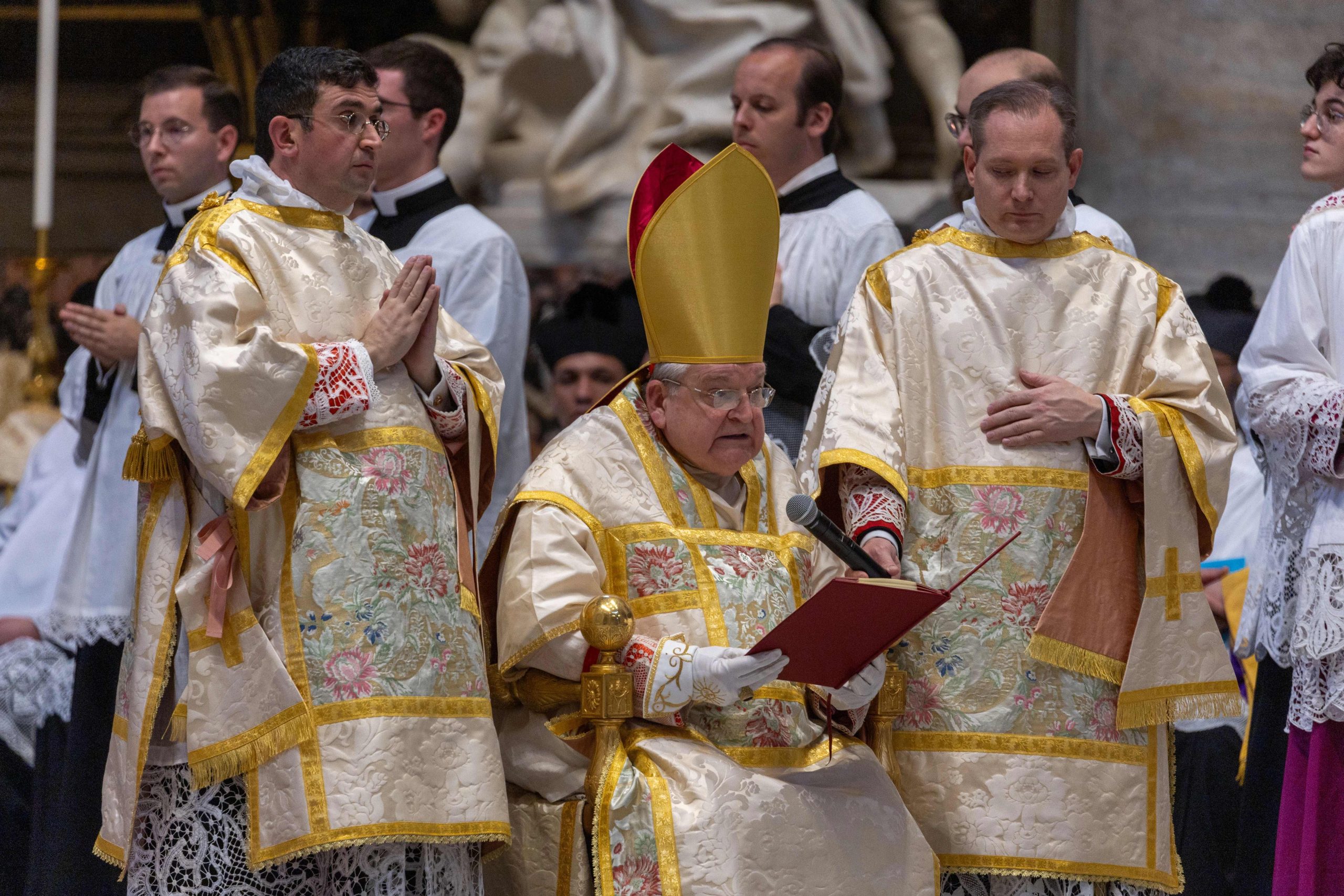
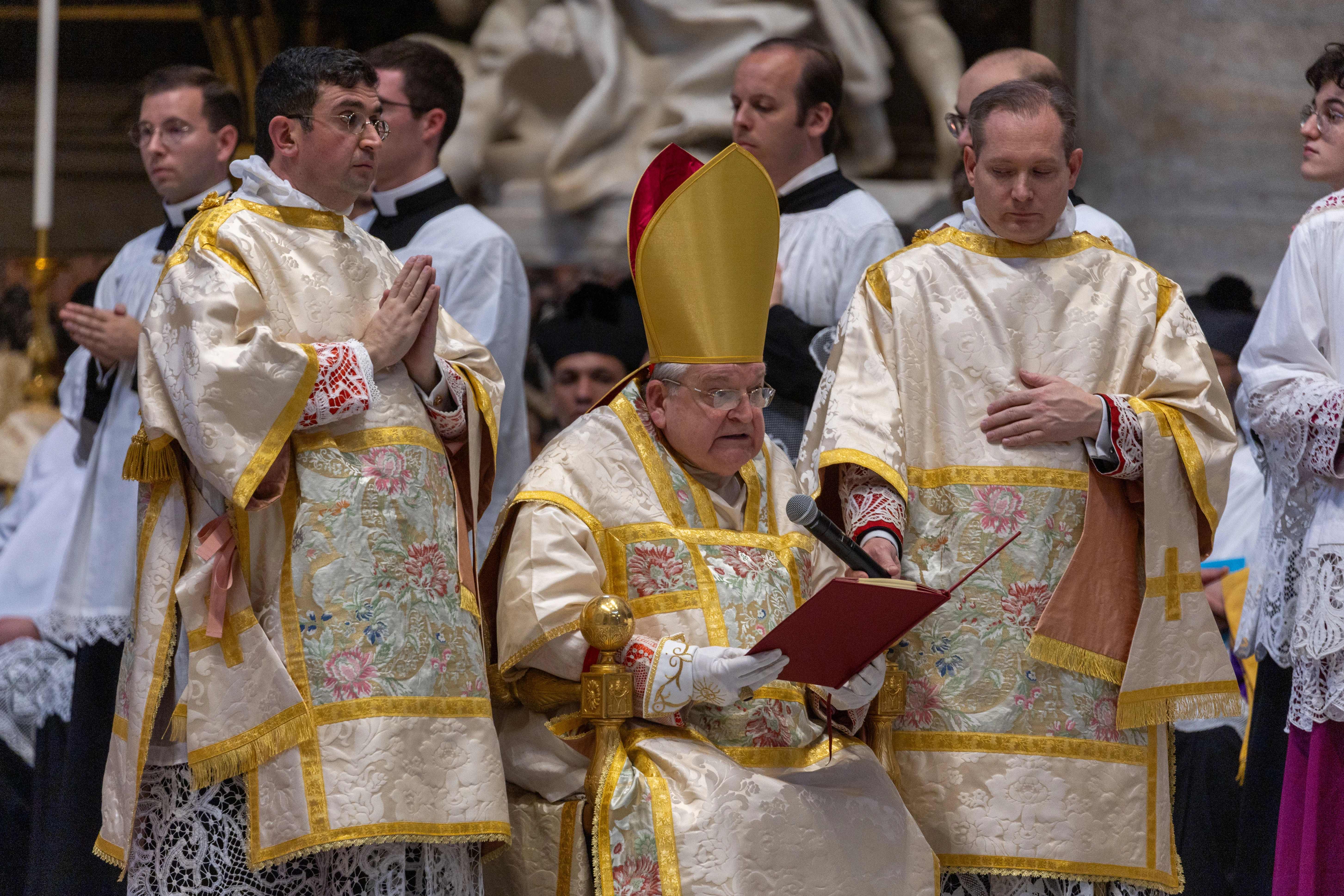
Catholic cardinal presides over Rosary Rally in Holland, Norway celebrates 100 years since first Mass, Scottish sisters to stand trial for abuse, and more in this week’s world news round up.
| Picture of the day |
|---|
,_Br%C3%BCcke_%E2%80%9EPonte_Vittorio_Emanuele_II%E2%80%9C_--_2024_--_0732.jpg)
|
|
The 108-metre-long Ponte Vittorio Emanuele II connects the historic centre of Rome, east of the Tiber, with the Vatican City.
|

| Picture of the day |
|---|

|
|
The historic Geigersberg vineyard, northeast of the Sachsenheim district of Ochsenbach in Germany, still retains many of its old dry stone walls and is home to rare plant and animal species.
|
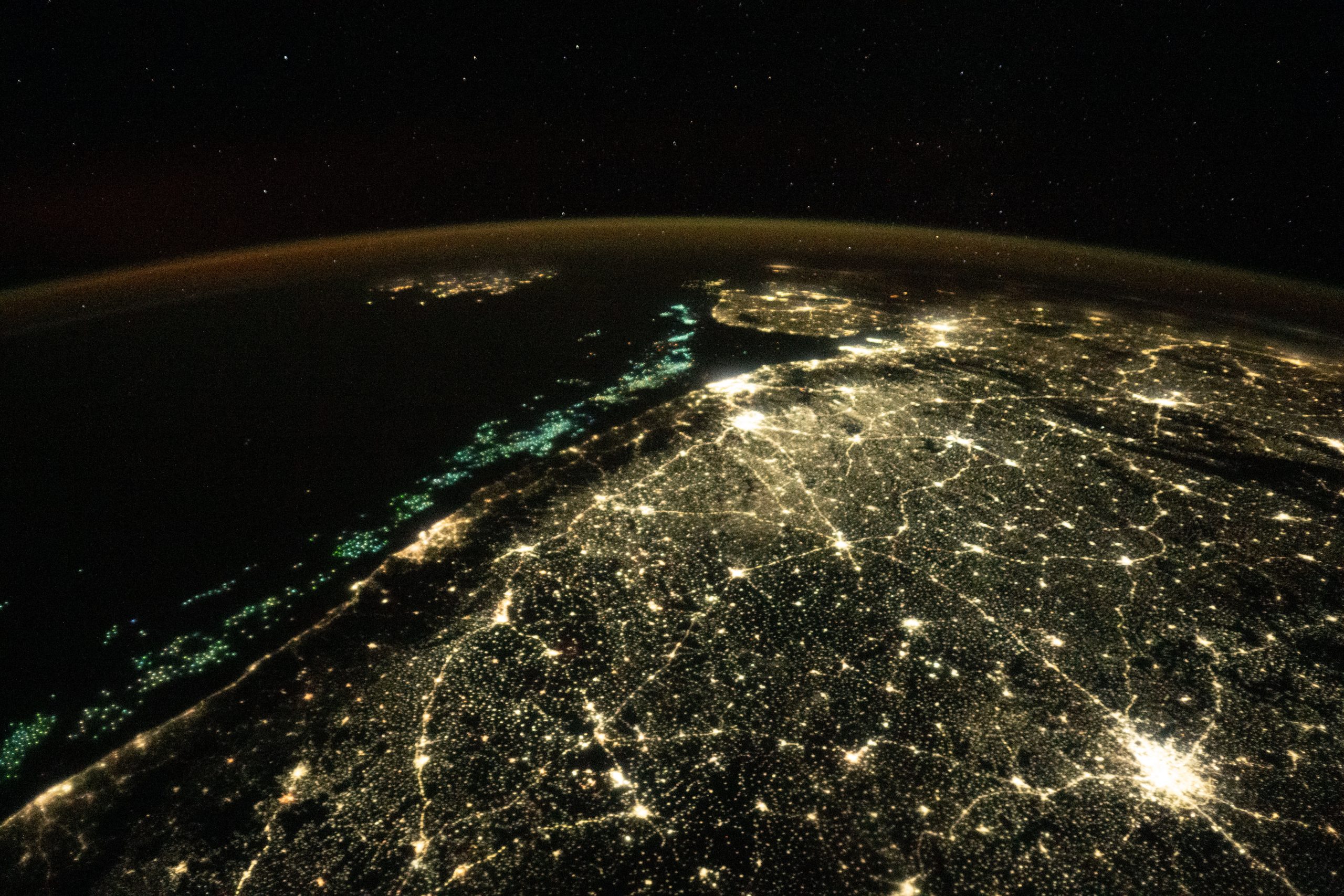
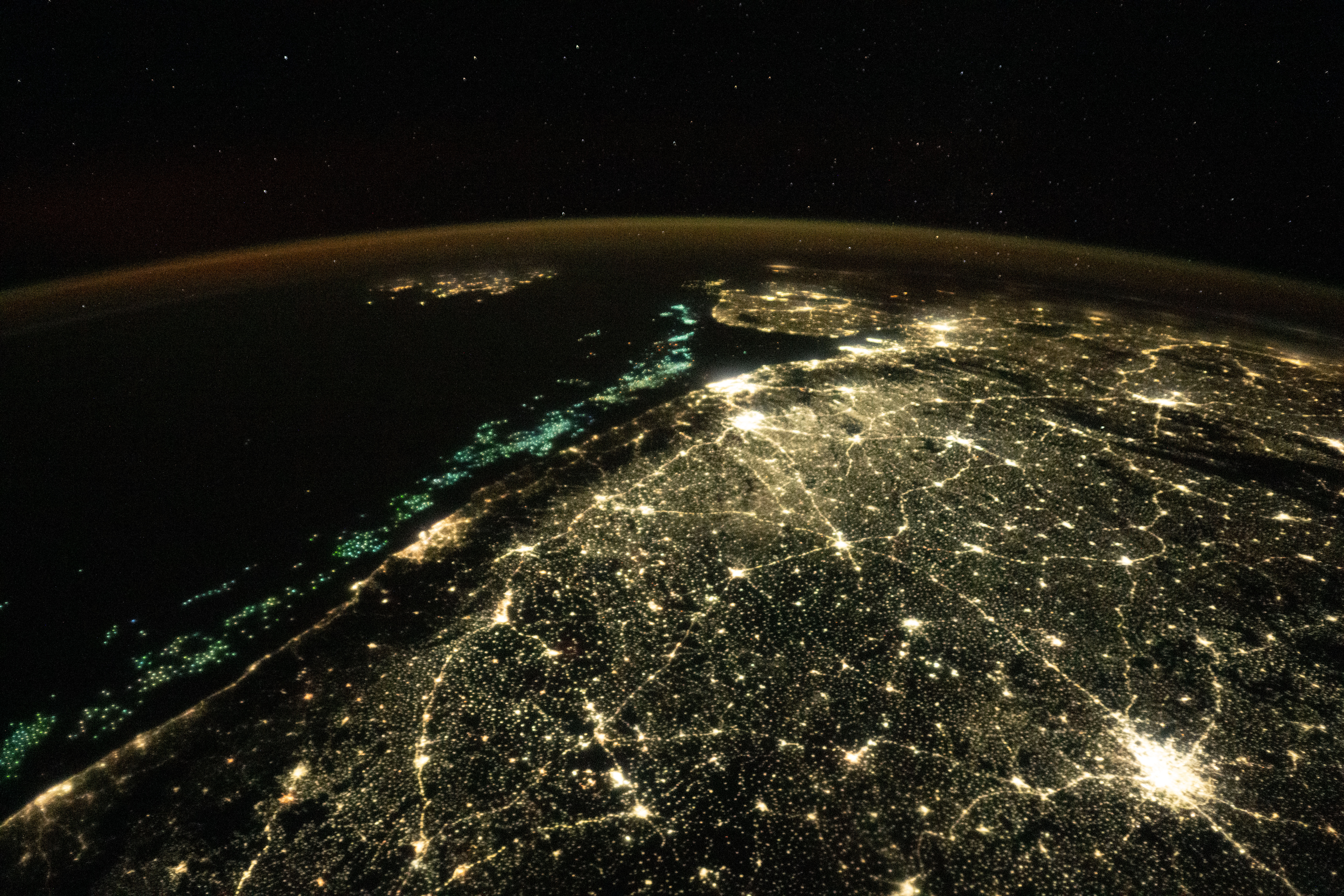
Fishing boats illuminate the Arabian Sea along India’s west coast with green lights designed to attract squid, shrimp, sardines, and mackerel in this nighttime photograph from the International Space Station, orbiting 259 miles above Earth. At lower right, the city lights of Hyderabad—renowned for its historic diamond and pearl trade—stretch westward toward the Mumbai Metropolitan Region, home to over 26 million people and the heart of Bollywood.
Read More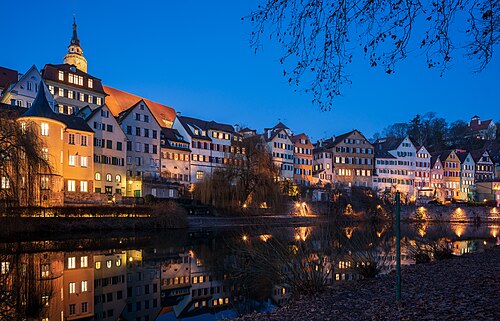
| Picture of the day |
|---|
.jpg)
|
|
The Neckarfront in Tübingen, Germany, seen in the blue hour over the river Neckar. At the left the Hölderlinturm, followed by a row of historic town houses, at the top the tower of St. George’s Collegiate Church.
|


NASA’s X-59 quiet supersonic research aircraft lifts off for its first flight Tuesday, Oct. 28, 2025, from U.S. Air Force Plant 42 in Palmdale, California. The aircraft’s first flight marks the start of flight testing for NASA’s Quesst mission, the result of years of design, integration, and ground testing and begins a new chapter in NASA’s aeronautics research legacy.
Read More