Immigrants

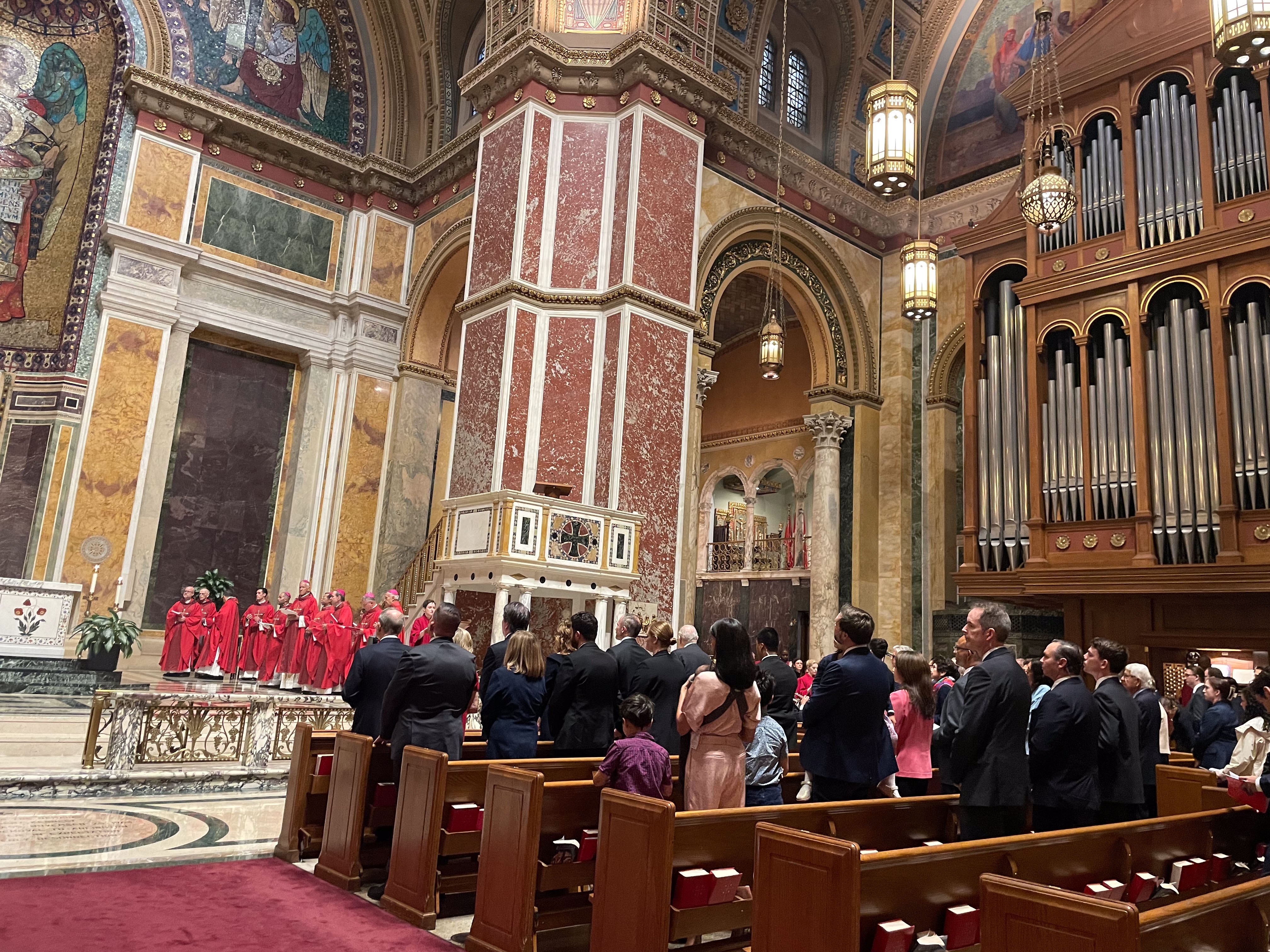
Pope Leo XIV declares American religious founder Mary Teresa Tallon venerable #Catholic Pope Leo XIV has declared American religious sister Mary Teresa Tallon venerable.The pontiff signed a decree on Thursday recognizing the heroic virtue of the foundress of the Parish Visitors of Mary Immaculate in New York. He also recognized the heroic virtue of several others, bringing them closer to sainthood. Just before signing the decree, he met with Cardinal Marcello Semeraro, prefect of the Dicastery for the Causes of Saints.Mary Teresa Tallon: Making every soul countTallon was born on May 6, 1867, in Hanover, New York, as the daughter of Irish immigrants.In 1887, at the age of 19, Tallon joined the Sisters of the Holy Cross, despite her family’s disapproval. She remained part of the congregation for the next 33 years, teaching in Catholic schools in South Bend, Indiana.During this time, Tallon was inspired to establish a new congregation dedicated to contemplation and to preaching the Gospel to the neglected. In 1920, she left the Sisters of the Holy Cross and, on Aug. 15, established the Parish Visitors of Mary Immaculate (PVMI). She gave it the motto “Make every soul count.”Considered a gifted scholar, Tallon authored a report documenting the first decade of the Confraternity of Christian Doctrine in New York for the National Catechetical Congress in 1936.Tallon died on Feb. 10, 1954, after a prolonged illness. In 2013, she was declared a servant of God in recognition of her holiness.Others declared venerablePope Leo XIV on June 18 also moved several other servants of God along the path to sainthood.Two Italians were declared venerable: Maria Agnese Tribbioli, a religious sister who founded the Pie Operaie di San Giuseppe congregation, and Maria Petra Giordano, a Dominican nun.Others included Spanish nun Clara Andreu y Malferit and Belgian missionary Júlio Maria de Lombaerde.Leo also recognized the martyrdom of Juan Torres Torres and 19 companions, all Catholic priests, for having been killed “in odium fidei” (“in hatred of the faith”) in Spain during the Spanish Civil War.

Pope Leo XIV declares American religious founder Mary Teresa Tallon venerable #Catholic Pope Leo XIV has declared American religious sister Mary Teresa Tallon venerable.The pontiff signed a decree on Thursday recognizing the heroic virtue of the foundress of the Parish Visitors of Mary Immaculate in New York. He also recognized the heroic virtue of several others, bringing them closer to sainthood. Just before signing the decree, he met with Cardinal Marcello Semeraro, prefect of the Dicastery for the Causes of Saints.Mary Teresa Tallon: Making every soul countTallon was born on May 6, 1867, in Hanover, New York, as the daughter of Irish immigrants.In 1887, at the age of 19, Tallon joined the Sisters of the Holy Cross, despite her family’s disapproval. She remained part of the congregation for the next 33 years, teaching in Catholic schools in South Bend, Indiana.During this time, Tallon was inspired to establish a new congregation dedicated to contemplation and to preaching the Gospel to the neglected. In 1920, she left the Sisters of the Holy Cross and, on Aug. 15, established the Parish Visitors of Mary Immaculate (PVMI). She gave it the motto “Make every soul count.”Considered a gifted scholar, Tallon authored a report documenting the first decade of the Confraternity of Christian Doctrine in New York for the National Catechetical Congress in 1936.Tallon died on Feb. 10, 1954, after a prolonged illness. In 2013, she was declared a servant of God in recognition of her holiness.Others declared venerablePope Leo XIV on June 18 also moved several other servants of God along the path to sainthood.Two Italians were declared venerable: Maria Agnese Tribbioli, a religious sister who founded the Pie Operaie di San Giuseppe congregation, and Maria Petra Giordano, a Dominican nun.Others included Spanish nun Clara Andreu y Malferit and Belgian missionary Júlio Maria de Lombaerde.Leo also recognized the martyrdom of Juan Torres Torres and 19 companions, all Catholic priests, for having been killed “in odium fidei” (“in hatred of the faith”) in Spain during the Spanish Civil War.

On June 18, the pope issued a decree recognizing the heroic virtue of the foundress of the Parish Visitors of Mary Immaculate in New York, among several others.

Read More
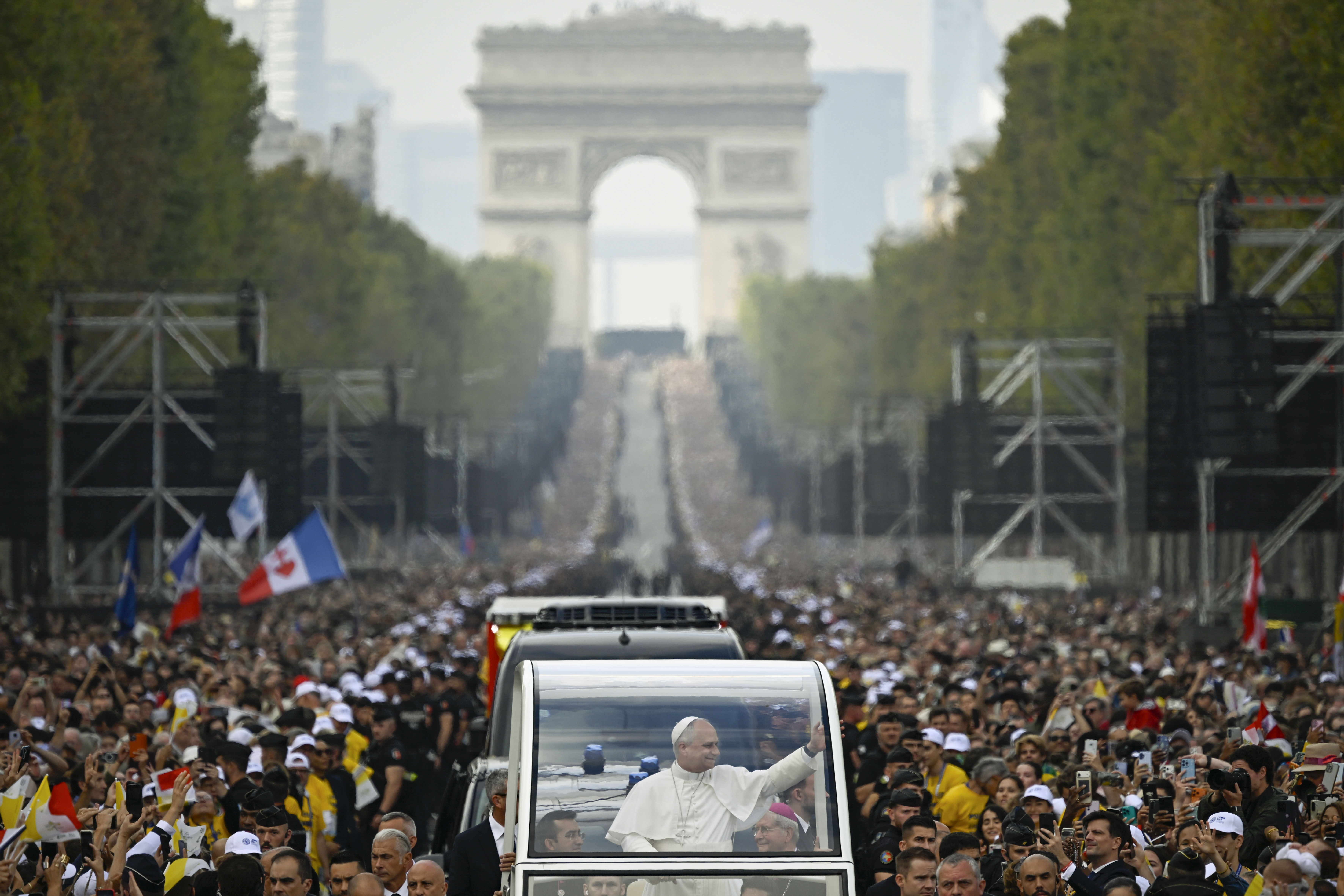
Migrants in Tenerife tell Pope Leo XIV: We do not ask for privileges or compassion #Catholic TENERIFE, Canary Islands — “No one leaves their land, their family and their roots by choice when they can live in peace,” said Bousso Diouf, a woman from Senegal who spoke with the moral authority of someone who risked her life crossing the Atlantic in a wooden boat, knowing the journey could last a week or end adrift at sea.Diouf was among the migrants who greeted Pope Leo XIV at the Las Raíces reception center in Tenerife, where some 700 sub-Saharan African migrants — all adult men — are currently housed. The center is located in the humid Las Raíces area of Tenerife, a eucalyptus-filled area about 3,300 feet above sea level.The number is relatively low compared with the hardest years of the “cayuco” crisis, especially at the end of 2024, when the center received between 2,000 and 3,000 migrants amid overcrowding and widely reported tensions.Most of those currently housed at the center come from Senegal, Gambia, and Mali, and on average spend about three months there before being transferred to mainland Spain.They arrive exhausted after having spent up to 72 hours in police custody for identification and registration procedures.“We come from countries where poverty, violence, war, persecution, and lack of opportunity forced us to leave,” Diouf said.Las Raíces opened in 2021 in response to the 2020 crisis, when more than 23,000 migrants arrived on the coasts of the Canary Islands.Now those numbers have fallen sharply, and the situation is very different.“Our work is to offer them an initial welcome that is dignified, humane, and organized at an especially difficult moment, immediately after their arrival by sea,” Navarro Atiénzar, regional director of Accem, the NGO that manages the Las Raíces Reception Center for Refugees and Immigrants in Tenerife, told Pope Leo.The pope arrived in Tenerife early in the morning from Las Palmas and went to the large camp set up inside a former rural military barracks after six marathon days in Spain that had taken him to Barcelona and Madrid.He listened to those housed there as a father listens when a child opens his heart to recount a trauma.One young Nigerian man said that crossing the ocean to the Canary Islands means facing hunger, cold, desperation, and often death.“Many brothers and sisters lost their lives at sea, and others continue to suffer in silence, victims of mafias that take advantage of need and human suffering,” he said.He also made a plea for humanity: “May we not be seen only as migrants, numbers, or documents, but as people with stories, dreams, families, and hope.”“We do not ask for privileges. We do not ask for compassion. We ask for respect, humanity, and the opportunity to live with dignity,” he said.Among those present was also Aliu Ceesay, a 16-year-old Gambian who arrived in the Canary Islands just one month ago in an irregular boat after a difficult journey from his home country. Like many other migrant minors, his goal is to find work so he can help support his family.Amid an experience marked by uncertainty, Aliu has followed Pope Leo XIV with interest online. The teenager said he wanted to see him in person and was struck by the pope’s message.“I have been following him on the internet and wanted to see him. He is very kind, very good,” Aliu said. He also emphasized the pope’s inclusive spirit: “He does not care if we are black or white, Muslim or Christian. He wants to help us.”More than 54,000 people have passed through Las Raíces. Behind each one is a story, a difficult journey, and, above all, a hope.In his address, Pope Leo repeated the message he gave on the first day he set foot in Las Palmas: “God’s love knows no borders, makes no distinctions, is given to all and brings us together in unity.”“As I look at your faces and listen to your stories, I also think of your hearts — wounded by so many difficulties, yet also comforted by the love you have received from other open, generous and merciful hearts,” the pope said.“Christ’s heart suffered and was pierced out of love, and he was also comforted by compassionate people who eased his pain,” he added.Missionary saints and migrantsThe pope dedicated part of his address to missionary saints such as St. Brother Peter of St. Joseph de Betancur and St. José de Anchieta, who set out from the Canary Islands to proclaim the Gospel in the Americas, opening new missionary horizons.“They too were migrants who ventured into the unknown, carrying faith, hope and charity as their greatest possessions,” he said.The pope called for “responsibility” with an eye toward future generations, to whom, he said, “we wish to bequeath the heritage of a civilization of love.”“Migration will play an important role in this,” he said, because it “can become an opportunity for encounter and mutual enrichment among peoples.”“Dear brothers and sisters, in a sense, all of us are migrants, for we are all pilgrims on our way to our heavenly homeland,” he said. “Let us help make this journey more humane for everyone by contributing in whatever way we can.”The pope said the name of the center, Las Raíces — “the roots” — had caught his attention. He recalled that Pope Francis, “who so longed to be with you,” often used the image of roots “to emphasize the importance of remembering our origins, staying united and trusting in the Lord.”“May this image of roots also help you to be firmly rooted in the Lord, so that no storm may drive you away from his presence, which strengthens and gives life,” Pope Leo said.At the end of his address, the pope told those gathered: “Dear friends, I carry you in my heart and will remember you in my prayers. May God bless you, your families and all who do good to you. And may the Blessed Virgin Mary, Consolation of Migrants, always accompany and assist you with her maternal protection.”During the meeting, when the pope announced that he would speak in French and English, many migrants responded with loud applause.This story was first published by ACI Prensa, the Spanish-language sister service of EWTN News. It has been translated and adapted by EWTN News English.

Migrants in Tenerife tell Pope Leo XIV: We do not ask for privileges or compassion #Catholic TENERIFE, Canary Islands — “No one leaves their land, their family and their roots by choice when they can live in peace,” said Bousso Diouf, a woman from Senegal who spoke with the moral authority of someone who risked her life crossing the Atlantic in a wooden boat, knowing the journey could last a week or end adrift at sea.Diouf was among the migrants who greeted Pope Leo XIV at the Las Raíces reception center in Tenerife, where some 700 sub-Saharan African migrants — all adult men — are currently housed. The center is located in the humid Las Raíces area of Tenerife, a eucalyptus-filled area about 3,300 feet above sea level.The number is relatively low compared with the hardest years of the “cayuco” crisis, especially at the end of 2024, when the center received between 2,000 and 3,000 migrants amid overcrowding and widely reported tensions.Most of those currently housed at the center come from Senegal, Gambia, and Mali, and on average spend about three months there before being transferred to mainland Spain.They arrive exhausted after having spent up to 72 hours in police custody for identification and registration procedures.“We come from countries where poverty, violence, war, persecution, and lack of opportunity forced us to leave,” Diouf said.Las Raíces opened in 2021 in response to the 2020 crisis, when more than 23,000 migrants arrived on the coasts of the Canary Islands.Now those numbers have fallen sharply, and the situation is very different.“Our work is to offer them an initial welcome that is dignified, humane, and organized at an especially difficult moment, immediately after their arrival by sea,” Navarro Atiénzar, regional director of Accem, the NGO that manages the Las Raíces Reception Center for Refugees and Immigrants in Tenerife, told Pope Leo.The pope arrived in Tenerife early in the morning from Las Palmas and went to the large camp set up inside a former rural military barracks after six marathon days in Spain that had taken him to Barcelona and Madrid.He listened to those housed there as a father listens when a child opens his heart to recount a trauma.One young Nigerian man said that crossing the ocean to the Canary Islands means facing hunger, cold, desperation, and often death.“Many brothers and sisters lost their lives at sea, and others continue to suffer in silence, victims of mafias that take advantage of need and human suffering,” he said.He also made a plea for humanity: “May we not be seen only as migrants, numbers, or documents, but as people with stories, dreams, families, and hope.”“We do not ask for privileges. We do not ask for compassion. We ask for respect, humanity, and the opportunity to live with dignity,” he said.Among those present was also Aliu Ceesay, a 16-year-old Gambian who arrived in the Canary Islands just one month ago in an irregular boat after a difficult journey from his home country. Like many other migrant minors, his goal is to find work so he can help support his family.Amid an experience marked by uncertainty, Aliu has followed Pope Leo XIV with interest online. The teenager said he wanted to see him in person and was struck by the pope’s message.“I have been following him on the internet and wanted to see him. He is very kind, very good,” Aliu said. He also emphasized the pope’s inclusive spirit: “He does not care if we are black or white, Muslim or Christian. He wants to help us.”More than 54,000 people have passed through Las Raíces. Behind each one is a story, a difficult journey, and, above all, a hope.In his address, Pope Leo repeated the message he gave on the first day he set foot in Las Palmas: “God’s love knows no borders, makes no distinctions, is given to all and brings us together in unity.”“As I look at your faces and listen to your stories, I also think of your hearts — wounded by so many difficulties, yet also comforted by the love you have received from other open, generous and merciful hearts,” the pope said.“Christ’s heart suffered and was pierced out of love, and he was also comforted by compassionate people who eased his pain,” he added.Missionary saints and migrantsThe pope dedicated part of his address to missionary saints such as St. Brother Peter of St. Joseph de Betancur and St. José de Anchieta, who set out from the Canary Islands to proclaim the Gospel in the Americas, opening new missionary horizons.“They too were migrants who ventured into the unknown, carrying faith, hope and charity as their greatest possessions,” he said.The pope called for “responsibility” with an eye toward future generations, to whom, he said, “we wish to bequeath the heritage of a civilization of love.”“Migration will play an important role in this,” he said, because it “can become an opportunity for encounter and mutual enrichment among peoples.”“Dear brothers and sisters, in a sense, all of us are migrants, for we are all pilgrims on our way to our heavenly homeland,” he said. “Let us help make this journey more humane for everyone by contributing in whatever way we can.”The pope said the name of the center, Las Raíces — “the roots” — had caught his attention. He recalled that Pope Francis, “who so longed to be with you,” often used the image of roots “to emphasize the importance of remembering our origins, staying united and trusting in the Lord.”“May this image of roots also help you to be firmly rooted in the Lord, so that no storm may drive you away from his presence, which strengthens and gives life,” Pope Leo said.At the end of his address, the pope told those gathered: “Dear friends, I carry you in my heart and will remember you in my prayers. May God bless you, your families and all who do good to you. And may the Blessed Virgin Mary, Consolation of Migrants, always accompany and assist you with her maternal protection.”During the meeting, when the pope announced that he would speak in French and English, many migrants responded with loud applause.This story was first published by ACI Prensa, the Spanish-language sister service of EWTN News. It has been translated and adapted by EWTN News English.

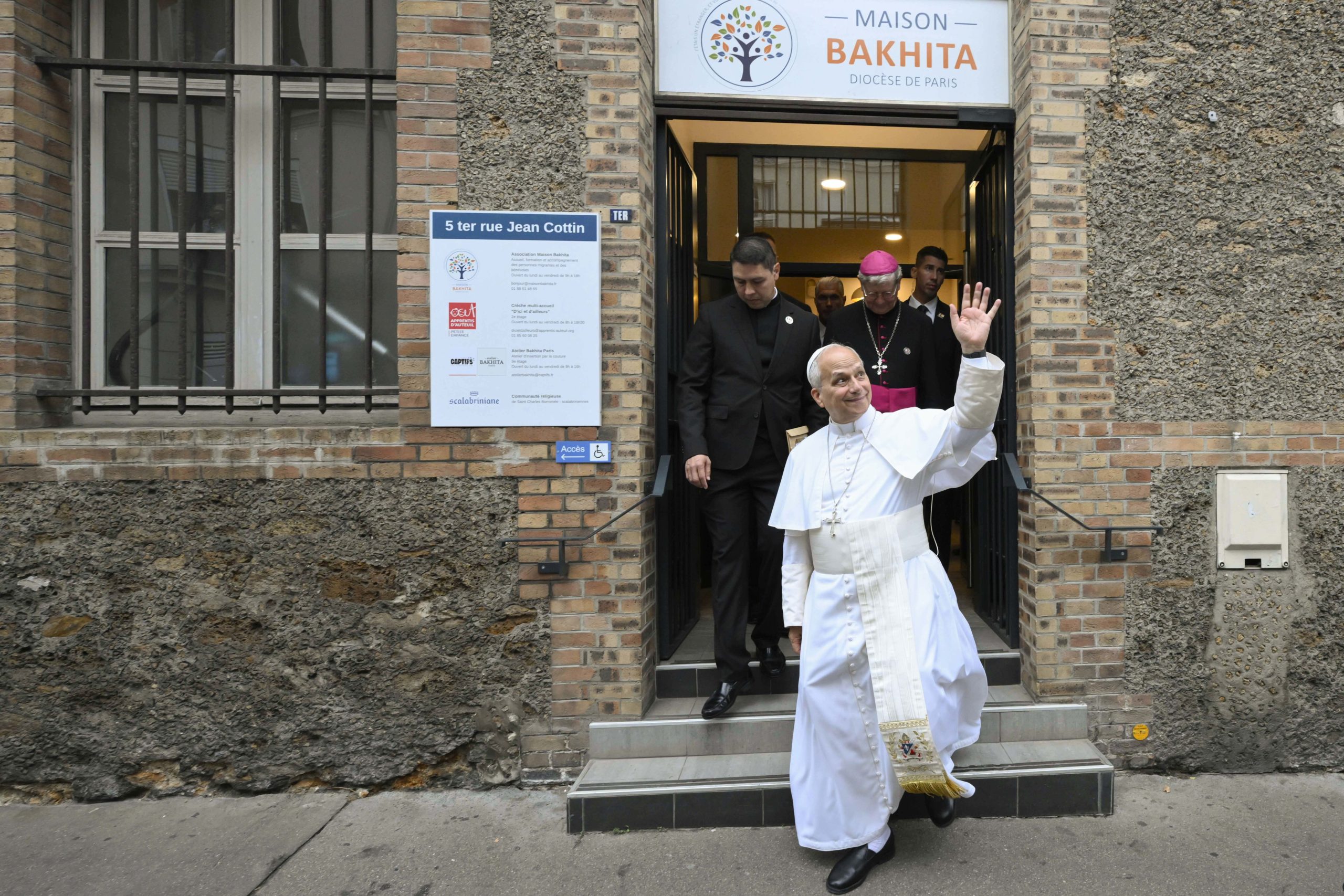
At Las Raíces reception center in Spain’s Canary Islands, the pope heard testimonies from migrants who risked their lives crossing the Atlantic and urged a more humane response rooted in dignity.

Read More
National Eucharistic Pilgrimage brings Christ through rainy streets of historic Baltimore #Catholic BALTIMORE, Maryland — About 300 Catholics gathered at the Basilica of the National Shrine of the Assumption of the Blessed Virgin Mary on Wednesday, June 10, for Mass and a Eucharistic procession through downtown Baltimore as the National Eucharistic Pilgrimage’s St. Frances Xavier Cabrini Route continued through the nation’s first Catholic diocese.
 
 The congregation participates in Mass at the Basilica of the National Shrine of the Assumption of the Blessed Virgin Mary during the National Eucharistic Pilgrimage in Baltimore, Maryland, June 10, 2026. | Credit: Jeffrey Bruno/EWTN News


 A member of the congregation kneels in prayer during Mass at the Basilica of the National Shrine of the Assumption of the Blessed Virgin Mary during the National Eucharistic Pilgrimage in Baltimore, Maryland, June 10, 2026. | Credit: Jeffrey Bruno/EWTN News
 
 Following the morning Mass, pilgrims processed several blocks in the rain from the basilica to Baltimore’s Washington Monument, one of the city’s most recognizable civic landmarks, praying and singing as they accompanied the Blessed Sacrament through the city’s historic streets.
 
 The Blessed Sacrament is carried beneath a canopy near Baltimore’s Washington Monument during the National Eucharistic Pilgrimage in Baltimore, Maryland, June 10, 2026. |.Credit: Jeffrey Bruno/EWTN News
 
 The Baltimore stop is part of the 2026 National Eucharistic Pilgrimage, which is traveling under the theme “One Nation Under God” as the United States prepares to mark the 250th anniversary of the signing of the Declaration of Independence.
 
 Monsignor Jay OʼConnor delivers the homily during Mass at the Basilica of the National Shrine of the Assumption of the Blessed Virgin Mary during the National Eucharistic Pilgrimage in Baltimore, Maryland, June 10, 2026. | Credit: Jeffrey Bruno/EWTN News
 
 In his homily, Monsignor Jay O’Connor reflected on the meaning of pilgrimage and the public witness of carrying the Eucharist through cities, towns, highways and waterways across the country. “This National Eucharistic Pilgrimage, which is of Jesus through the streets and the highways and the plains and the waterways of our country, brings the blessing of the Real Presence of Jesus into the heart and soul of our fellow citizens and our country,” he said.The basilica, completed in 1821, is the first cathedral constructed in the United States. It was built under the leadership of Bishop John Carroll, the first bishop of the United States, making the Baltimore stop a significant moment for a pilgrimage moving through many of the original 13 colonies during the nation’s semiquincentennial year.
 
 Members of the Knights of Columbus participate in a Eucharistic procession at Washington Monument Place in Baltimore, Maryland, June 10, 2026. | Credit: Jeffrey Bruno/EWTN News
 
 O’Connor said pilgrimage is not meant to be easy, citing St. John Paul II’s teaching that God uses the challenges of the journey to form his people.“Through the challenges of the journey, God forms us into the people he calls us to be — a community of missionary disciples,” he said.The celebrant also recalled a previous Eucharistic procession in Baltimore, when a man came out of his home and asked what was happening as the procession passed through his neighborhood.“One pilgrim responded, ‘Jesus is walking through your neighborhood,’” he said. “The man asked, ‘Can I join you?’ And he was invited to walk the rest of the way with the pilgrims. That’s what a pilgrimage is.”For the perpetual pilgrims accompanying the Eucharist along the Cabrini route, the journey has included long days of travel, prayer, public witness and constant movement.“It’s been very busy,” said John Paul Flynn, one of the perpetual pilgrims. “But it’s through that busyness, I think, that you start to lean more into it and lean more into the graces that are there.”He said the experience of traveling with the Blessed Sacrament has been unlike anything else.“Getting to be with Jesus all the time is a really unique experience,” he said, noting that the pilgrims even have adoration in the van as they travel.The pilgrimage was scheduled to continue through Maryland with stops in Severna Park and Annapolis before crossing the Chesapeake Bay by boat to Kent Island and the Diocese of Wilmington.
 
 Members of the Knights of Columbus depart the Basilica of the National Shrine of the Assumption of the Blessed Virgin Mary before a Eucharistic procession in Baltimore, Maryland, June 10, 2026. | Credit: Jeffrey Bruno/EWTN News
 
 The Cabrini route is named for St. Frances Xavier Cabrini, the Italian-born missionary sister who became the first U.S. citizen to be canonized a saint. Cabrini dedicated her life to serving immigrants, orphans, the sick and the poor, founding schools, hospitals and orphanages across the United States and beyond. The route began over Memorial Day weekend in St. Augustine, Florida, and is traveling north along the Eastern Seaboard before concluding in Philadelphia over Independence Day weekend.

National Eucharistic Pilgrimage brings Christ through rainy streets of historic Baltimore #Catholic BALTIMORE, Maryland — About 300 Catholics gathered at the Basilica of the National Shrine of the Assumption of the Blessed Virgin Mary on Wednesday, June 10, for Mass and a Eucharistic procession through downtown Baltimore as the National Eucharistic Pilgrimage’s St. Frances Xavier Cabrini Route continued through the nation’s first Catholic diocese. The congregation participates in Mass at the Basilica of the National Shrine of the Assumption of the Blessed Virgin Mary during the National Eucharistic Pilgrimage in Baltimore, Maryland, June 10, 2026. | Credit: Jeffrey Bruno/EWTN News A member of the congregation kneels in prayer during Mass at the Basilica of the National Shrine of the Assumption of the Blessed Virgin Mary during the National Eucharistic Pilgrimage in Baltimore, Maryland, June 10, 2026. | Credit: Jeffrey Bruno/EWTN News Following the morning Mass, pilgrims processed several blocks in the rain from the basilica to Baltimore’s Washington Monument, one of the city’s most recognizable civic landmarks, praying and singing as they accompanied the Blessed Sacrament through the city’s historic streets. The Blessed Sacrament is carried beneath a canopy near Baltimore’s Washington Monument during the National Eucharistic Pilgrimage in Baltimore, Maryland, June 10, 2026. |.Credit: Jeffrey Bruno/EWTN News The Baltimore stop is part of the 2026 National Eucharistic Pilgrimage, which is traveling under the theme “One Nation Under God” as the United States prepares to mark the 250th anniversary of the signing of the Declaration of Independence. Monsignor Jay OʼConnor delivers the homily during Mass at the Basilica of the National Shrine of the Assumption of the Blessed Virgin Mary during the National Eucharistic Pilgrimage in Baltimore, Maryland, June 10, 2026. | Credit: Jeffrey Bruno/EWTN News In his homily, Monsignor Jay O’Connor reflected on the meaning of pilgrimage and the public witness of carrying the Eucharist through cities, towns, highways and waterways across the country. “This National Eucharistic Pilgrimage, which is of Jesus through the streets and the highways and the plains and the waterways of our country, brings the blessing of the Real Presence of Jesus into the heart and soul of our fellow citizens and our country,” he said.The basilica, completed in 1821, is the first cathedral constructed in the United States. It was built under the leadership of Bishop John Carroll, the first bishop of the United States, making the Baltimore stop a significant moment for a pilgrimage moving through many of the original 13 colonies during the nation’s semiquincentennial year. Members of the Knights of Columbus participate in a Eucharistic procession at Washington Monument Place in Baltimore, Maryland, June 10, 2026. | Credit: Jeffrey Bruno/EWTN News O’Connor said pilgrimage is not meant to be easy, citing St. John Paul II’s teaching that God uses the challenges of the journey to form his people.“Through the challenges of the journey, God forms us into the people he calls us to be — a community of missionary disciples,” he said.The celebrant also recalled a previous Eucharistic procession in Baltimore, when a man came out of his home and asked what was happening as the procession passed through his neighborhood.“One pilgrim responded, ‘Jesus is walking through your neighborhood,’” he said. “The man asked, ‘Can I join you?’ And he was invited to walk the rest of the way with the pilgrims. That’s what a pilgrimage is.”For the perpetual pilgrims accompanying the Eucharist along the Cabrini route, the journey has included long days of travel, prayer, public witness and constant movement.“It’s been very busy,” said John Paul Flynn, one of the perpetual pilgrims. “But it’s through that busyness, I think, that you start to lean more into it and lean more into the graces that are there.”He said the experience of traveling with the Blessed Sacrament has been unlike anything else.“Getting to be with Jesus all the time is a really unique experience,” he said, noting that the pilgrims even have adoration in the van as they travel.The pilgrimage was scheduled to continue through Maryland with stops in Severna Park and Annapolis before crossing the Chesapeake Bay by boat to Kent Island and the Diocese of Wilmington. Members of the Knights of Columbus depart the Basilica of the National Shrine of the Assumption of the Blessed Virgin Mary before a Eucharistic procession in Baltimore, Maryland, June 10, 2026. | Credit: Jeffrey Bruno/EWTN News The Cabrini route is named for St. Frances Xavier Cabrini, the Italian-born missionary sister who became the first U.S. citizen to be canonized a saint. Cabrini dedicated her life to serving immigrants, orphans, the sick and the poor, founding schools, hospitals and orphanages across the United States and beyond. The route began over Memorial Day weekend in St. Augustine, Florida, and is traveling north along the Eastern Seaboard before concluding in Philadelphia over Independence Day weekend.

Thousands gathered at the Basilica of the National Shrine of the Assumption of the Blessed Virgin Mary on June 10 for Mass and a Eucharistic procession through downtown Baltimore.

Read More
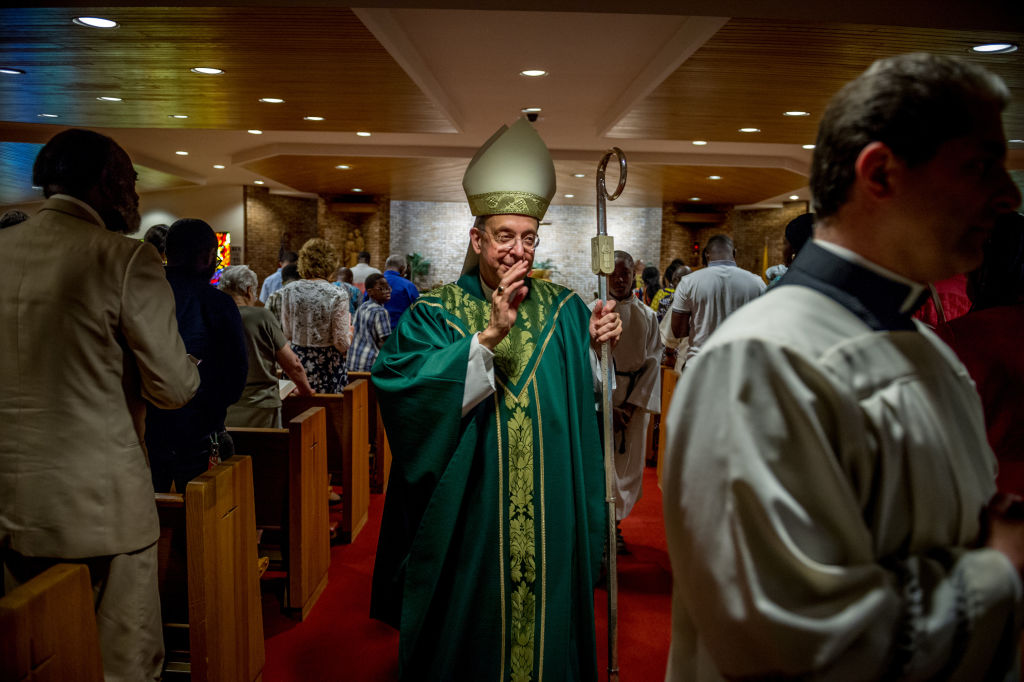
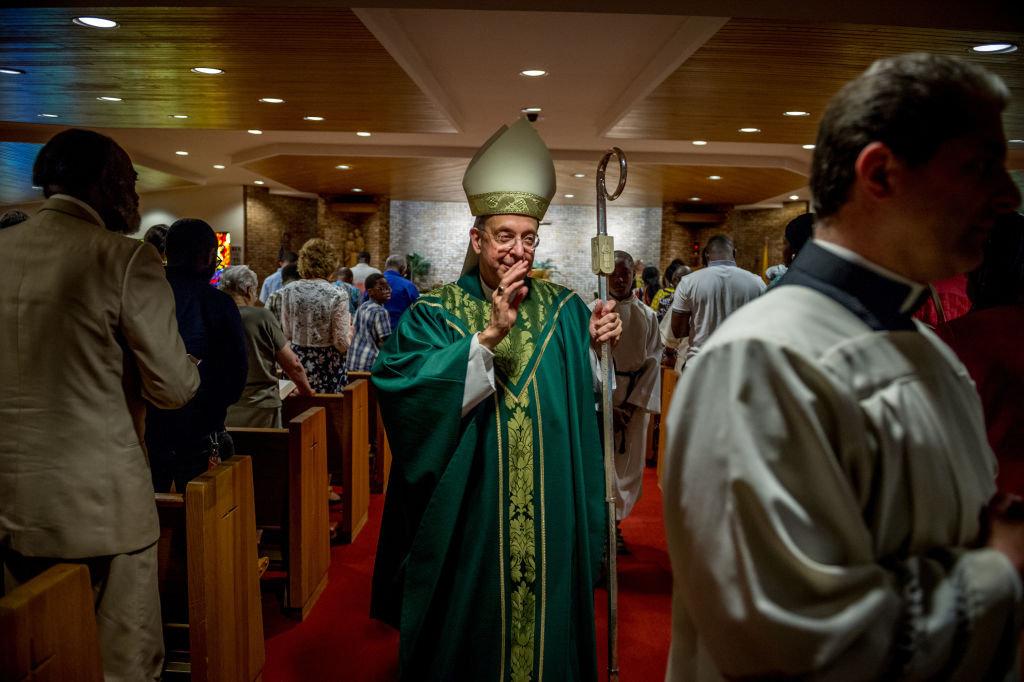
U.S. bishops unveil prayer service for America’s 250th anniversary centered on migrants #Catholic The U.S. Conference of Catholic Bishops (USCCB) has released a national prayer service for the country’s upcoming 250th anniversary that places immigration, justice, and the dignity of migrants at the center of America’s semiquincentennial observance.Titled “A National Prayer Service Honoring the Many Journeys that Shaped America,” the resource was developed by the Committee on Migration and the Subcommittee for the Promotion of Racial Justice and Reconciliation.Designed as a template for dioceses and parishes across the country, the prayer service invites Catholics to reflect on the nation’s history through the lens of migration, displacement, slavery, and faith while encouraging advocacy for vulnerable migrant populations.“In observance of the United States’ 250th anniversary in 2026, and rooted in the Church’s pastoral mission of welcome, accompaniment, and solidarity,” the instructions state, the service seeks “to acknowledge and honor the many diverse communities that have journeyed to the United States in search of hope, safety, and opportunity.”The document also highlights “the voices, sufferings, and enduring contributions of those who were forcibly brought to this land.”A prayer service rooted in hospitalityThe proposed service combines hymns, Scripture readings, intercessory prayers, testimonies, and guided reflections focused heavily on migrants, refugees, victims of trafficking, and immigrant communities.Organizers are encouraged to adapt the service to local needs and cultures by incorporating music and devotional practices that reflect “the lived experiences of migration, displacement, resilience, and faith.”The service opens with the hymn “All Are Welcome” by Marty Haugen and includes prayers asking Catholics to “walk in deeper solidarity with immigrant communities” and to advocate for “greater protection, justice, and accompaniment for vulnerable and at-risk migrant populations.”A prayer to St. Frances Xavier Cabrini — patroness of immigrants and herself an immigrant to the United States — asks for protection for migrant families separated from one another and for the grace to “welcome every stranger as Christ in our midst.”The document also includes a “call to action” encouraging Catholics to reflect on “concrete and compassionate ways to welcome, protect, promote, and integrate migrants, immigrants, and refugees” while advocating for “just and humane immigration reform that upholds the dignity of every human person created in the image of God.”The service concludes with a “Prayer for Migrants” asking God to help the Church “welcome, protect, promote, and integrate those who knock at our doors.”Scripture and civil rights themes woven throughoutThe Scripture passages selected for the service strongly emphasize hospitality toward foreigners and care for society’s most vulnerable.A reading from Deuteronomy 10:12-22 exhorts believers: “So you too must befriend the alien, for you were once aliens yourselves in the land of Egypt.”  The Gospel reading from Matthew 25:31-46 centers on Christ’s words, “I was thirsty and you gave me drink, a stranger and you welcomed me.”The template also incorporates themes of racial justice and historical memory. Intercessions address slavery and modern human trafficking, praying both for victims of exploitation and for “perpetrators of slavery” to repent.The service further recommends “Lift Every Voice and Sing,” often referred to as the Black national anthem and rooted in Black church worship and civic life in the U.S., as an intermediate hymn. It also includes optional excerpts from Dr. Martin Luther King Jr.’s “I Have a Dream" speech for use in a homily or guided reflection, alongside passages from the bishops’ 2025 special pastoral message on immigration.Dignity of migrantsIn recent years, U.S. bishops have consistently advocated for immigration reform while emphasizing the dignity of migrants, opposition to family separation, and support for refugees and trafficking victims.The prayer service places those concerns within the broader context of the nation’s identity ahead of America’s 250th anniversary observances.“This prayer service seeks to provide a sacred space for reflection, remembrance, lament, and hope,” the document states, inviting participants to encounter one another “as members of the one human family and the one body of Christ.”EWTN News reached out to the USCCB for comment but did not receive a response by publication time.

U.S. bishops unveil prayer service for America’s 250th anniversary centered on migrants #Catholic The U.S. Conference of Catholic Bishops (USCCB) has released a national prayer service for the country’s upcoming 250th anniversary that places immigration, justice, and the dignity of migrants at the center of America’s semiquincentennial observance.Titled “A National Prayer Service Honoring the Many Journeys that Shaped America,” the resource was developed by the Committee on Migration and the Subcommittee for the Promotion of Racial Justice and Reconciliation.Designed as a template for dioceses and parishes across the country, the prayer service invites Catholics to reflect on the nation’s history through the lens of migration, displacement, slavery, and faith while encouraging advocacy for vulnerable migrant populations.“In observance of the United States’ 250th anniversary in 2026, and rooted in the Church’s pastoral mission of welcome, accompaniment, and solidarity,” the instructions state, the service seeks “to acknowledge and honor the many diverse communities that have journeyed to the United States in search of hope, safety, and opportunity.”The document also highlights “the voices, sufferings, and enduring contributions of those who were forcibly brought to this land.”A prayer service rooted in hospitalityThe proposed service combines hymns, Scripture readings, intercessory prayers, testimonies, and guided reflections focused heavily on migrants, refugees, victims of trafficking, and immigrant communities.Organizers are encouraged to adapt the service to local needs and cultures by incorporating music and devotional practices that reflect “the lived experiences of migration, displacement, resilience, and faith.”The service opens with the hymn “All Are Welcome” by Marty Haugen and includes prayers asking Catholics to “walk in deeper solidarity with immigrant communities” and to advocate for “greater protection, justice, and accompaniment for vulnerable and at-risk migrant populations.”A prayer to St. Frances Xavier Cabrini — patroness of immigrants and herself an immigrant to the United States — asks for protection for migrant families separated from one another and for the grace to “welcome every stranger as Christ in our midst.”The document also includes a “call to action” encouraging Catholics to reflect on “concrete and compassionate ways to welcome, protect, promote, and integrate migrants, immigrants, and refugees” while advocating for “just and humane immigration reform that upholds the dignity of every human person created in the image of God.”The service concludes with a “Prayer for Migrants” asking God to help the Church “welcome, protect, promote, and integrate those who knock at our doors.”Scripture and civil rights themes woven throughoutThe Scripture passages selected for the service strongly emphasize hospitality toward foreigners and care for society’s most vulnerable.A reading from Deuteronomy 10:12-22 exhorts believers: “So you too must befriend the alien, for you were once aliens yourselves in the land of Egypt.”  The Gospel reading from Matthew 25:31-46 centers on Christ’s words, “I was thirsty and you gave me drink, a stranger and you welcomed me.”The template also incorporates themes of racial justice and historical memory. Intercessions address slavery and modern human trafficking, praying both for victims of exploitation and for “perpetrators of slavery” to repent.The service further recommends “Lift Every Voice and Sing,” often referred to as the Black national anthem and rooted in Black church worship and civic life in the U.S., as an intermediate hymn. It also includes optional excerpts from Dr. Martin Luther King Jr.’s “I Have a Dream" speech for use in a homily or guided reflection, alongside passages from the bishops’ 2025 special pastoral message on immigration.Dignity of migrantsIn recent years, U.S. bishops have consistently advocated for immigration reform while emphasizing the dignity of migrants, opposition to family separation, and support for refugees and trafficking victims.The prayer service places those concerns within the broader context of the nation’s identity ahead of America’s 250th anniversary observances.“This prayer service seeks to provide a sacred space for reflection, remembrance, lament, and hope,” the document states, inviting participants to encounter one another “as members of the one human family and the one body of Christ.”EWTN News reached out to the USCCB for comment but did not receive a response by publication time.

The prayer service invites Catholics to reflect on the nation’s history through the lens of migration, displacement, slavery, and faith while encouraging advocacy for vulnerable migrant populations.

Read More
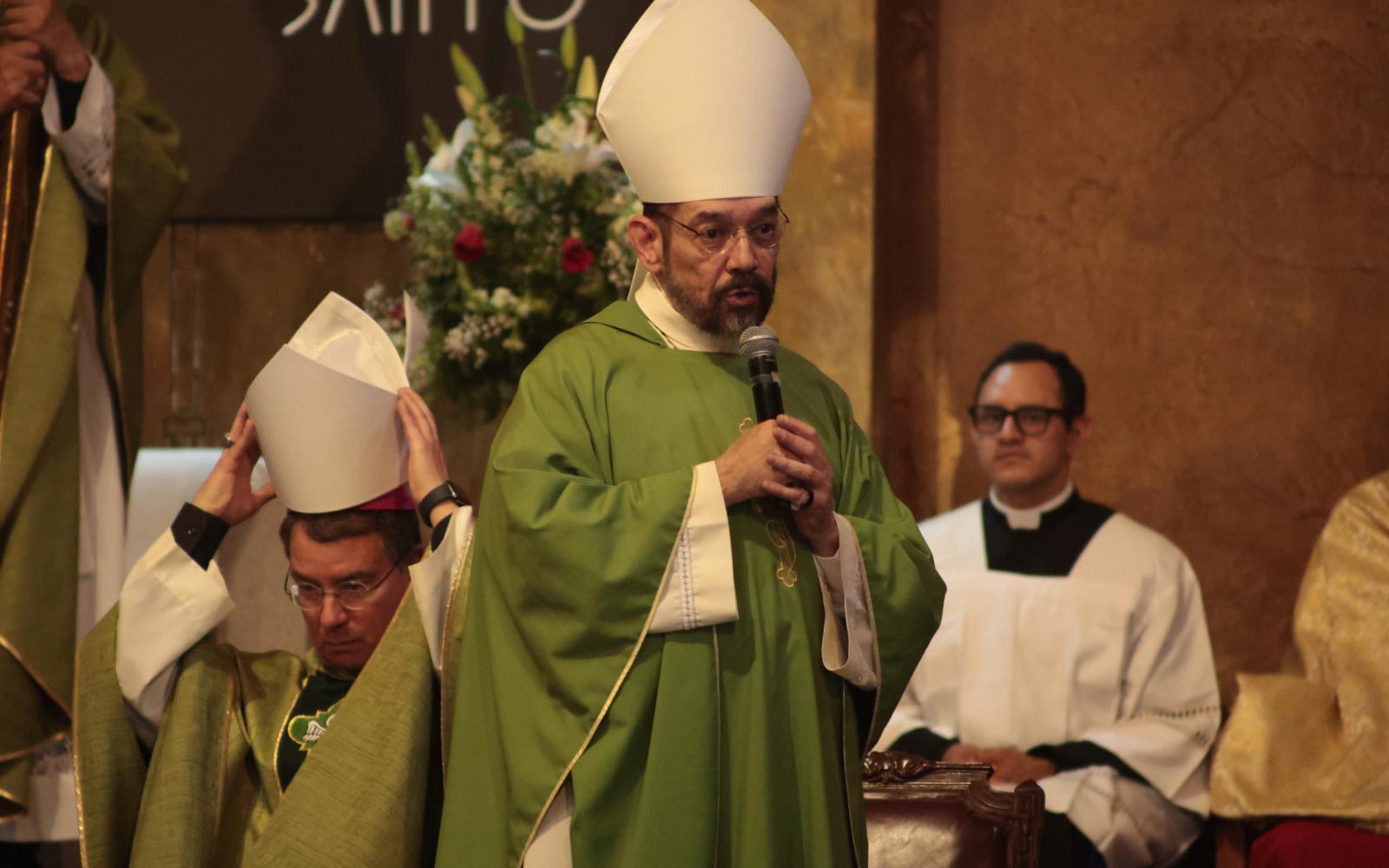
Human dignity, national security ‘not in conflict,’ U.S. bishops say amid Trump ‘aliens’ campaign #Catholic The U.S. bishops are reiterating their calls for immigrants in the U.S. to be treated with dignity as the Trump administration launched a campaign that likens immigrants living in the country illegally to extraterrestrials.The White House on May 28 launched a government website “Aliens.gov,” a retro sci-fi-styled site that claims the government has “kept a closely guarded secret” about “aliens” and an “invasion” for decades. The site mimics sci‑fi aesthetics, with a bold, geometric sans‑serif typeface in neon green and black, like 1950s movie posters used to advertise Cold‑War‑era sci‑fi films featuring monstrous extraterrestrials.“Aliens have been walking among us, living in our neighborhoods, and interacting with us in our daily lives,” the site claims, alleging that “aliens” have “shopped in the same stores, attended the same classes as our children, and lived seemingly normal human existences.”Promoting an “alien arrest map” of immigrant detentions around the country, the site states bluntly that people without legal status “do not belong here.”The website urges visitors to “report suspicious aliens” to an “ICE tip line.” In U.S. law, the word alien is a formal legal classification meaning a person who is not a U.S. citizen or national, a definition that appears in the Immigration and Nationality Act and is used in statutes, regulations, and court decisions.Dignity, national security ‘not in conflict,’ bishops saysImmigrants have long been portrayed through metaphors in U.S. culture, from 19th‑century political cartoons that depicted Irish, Italian, and Chinese newcomers as monsters or subhuman creatures to modern rhetoric framing migrant groups as “invaders,” “infestations,” or something other than fully human.The U.S. Conference of Catholic Bishops (USCCB) lamented “the state of contemporary debate and the vilification of immigrants” in a special message in November 2025. In February, the bishops condemned a plan from U.S. Immigration and Customs Enforcement to increase the capacity of migrant detention centers around the U.S. The government earlier this year indicated it would spend about $38 billion to bolster detention space. Victoria, Texas Bishop Brendan Cahill, chair of the bishops' immigration committee, called the plans “deeply troubling” at the time.“The thought of holding thousands of families in massive warehouses should challenge the conscience of every American," the bishop said. Asked about the governmentʼs new “aliens” campaign on May 29, USCCB spokeswoman Chieko Noguchi told EWTN News that the bishops have “continuously condemned vilification of immigrants and dehumanizing rhetoric and consistently advocated for a meaningful reform of our nation’s immigration laws and procedures.” “They’ve also repeatedly asserted that human dignity and national security are not in conflict,” she said, pointing to the bishops' special message. The bishops at that time said they “oppose[d] the indiscriminate mass deportation of people,” with the prelates praying “for an end to dehumanizing rhetoric and violence, whether directed at immigrants or at law enforcement.”The bishops in February urged the U.S. Supreme Court to uphold the U.S. constitutional policy of “birthright citizenship” wherein any individual born on U.S. soil is counted as an American citizen. The dispute before the court was launched after Trump in January 2025 signed an order directing that children born to parents in the country illegally were not entitled to U.S. citizenship. Pope Leo XIV — the first pope in history from the United States — has also weighed in, affirming in November 2025 that while nations have “a right to determine who and how and when people enter,” countries “have to look for ways of treating people humanely, treating people with the dignity that they have.”“When people are living good lives — and many of them (in the United States) for 10, 15, 20 years — to treat them in a way that is extremely disrespectful, to say the least,” is not acceptable, the pope said on Nov. 18, 2025.Regarding the bishops' Nov. 12, 2025 message on immigration, the pope remarked: “I appreciate very much what the bishops have said. I think it’s a very important statement. I would invite, especially all Catholics, but people of goodwill to listen carefully to what they said."In a statement to EWTN News, meanwhile, a spokesperson for the U.S. Department of Homeland Security on May 29 argued that news reports “too often” ignore “the victims [of illegal immigration] and their stories.” "These victims and their families are why we work around the clock to arrest and deport illegal aliens from our communities," the department said, describing crimes committed by undocumented immigrants as "completely preventable.”“What makes someone a target of ICE is if they are in the U.S. illegally,” the statement continued, arguing that “nearly 70% of ICE arrests are of criminal illegal aliens who have been convicted or have pending charges.”ICE data shows most people arrested and booked into ICE custody do not have criminal convictions, and some analyses show the 70% figure comes from redefining “criminal” to include pending charges, foreign allegations untested in a U.S. court, and people who have never been found guilty of a crime. Roughly 25–30% of people arrested by ICE have a prior conviction, according to analyses of ICE arrest and detention data, including work by the Cato Institute and the Transactional Records Access Clearinghouse based on ICE data.

Human dignity, national security ‘not in conflict,’ U.S. bishops say amid Trump ‘aliens’ campaign #Catholic The U.S. bishops are reiterating their calls for immigrants in the U.S. to be treated with dignity as the Trump administration launched a campaign that likens immigrants living in the country illegally to extraterrestrials.The White House on May 28 launched a government website “Aliens.gov,” a retro sci-fi-styled site that claims the government has “kept a closely guarded secret” about “aliens” and an “invasion” for decades. The site mimics sci‑fi aesthetics, with a bold, geometric sans‑serif typeface in neon green and black, like 1950s movie posters used to advertise Cold‑War‑era sci‑fi films featuring monstrous extraterrestrials.“Aliens have been walking among us, living in our neighborhoods, and interacting with us in our daily lives,” the site claims, alleging that “aliens” have “shopped in the same stores, attended the same classes as our children, and lived seemingly normal human existences.”Promoting an “alien arrest map” of immigrant detentions around the country, the site states bluntly that people without legal status “do not belong here.”The website urges visitors to “report suspicious aliens” to an “ICE tip line.” In U.S. law, the word alien is a formal legal classification meaning a person who is not a U.S. citizen or national, a definition that appears in the Immigration and Nationality Act and is used in statutes, regulations, and court decisions.Dignity, national security ‘not in conflict,’ bishops saysImmigrants have long been portrayed through metaphors in U.S. culture, from 19th‑century political cartoons that depicted Irish, Italian, and Chinese newcomers as monsters or subhuman creatures to modern rhetoric framing migrant groups as “invaders,” “infestations,” or something other than fully human.The U.S. Conference of Catholic Bishops (USCCB) lamented “the state of contemporary debate and the vilification of immigrants” in a special message in November 2025. In February, the bishops condemned a plan from U.S. Immigration and Customs Enforcement to increase the capacity of migrant detention centers around the U.S. The government earlier this year indicated it would spend about $38 billion to bolster detention space. Victoria, Texas Bishop Brendan Cahill, chair of the bishops' immigration committee, called the plans “deeply troubling” at the time.“The thought of holding thousands of families in massive warehouses should challenge the conscience of every American," the bishop said. Asked about the governmentʼs new “aliens” campaign on May 29, USCCB spokeswoman Chieko Noguchi told EWTN News that the bishops have “continuously condemned vilification of immigrants and dehumanizing rhetoric and consistently advocated for a meaningful reform of our nation’s immigration laws and procedures.” “They’ve also repeatedly asserted that human dignity and national security are not in conflict,” she said, pointing to the bishops' special message. The bishops at that time said they “oppose[d] the indiscriminate mass deportation of people,” with the prelates praying “for an end to dehumanizing rhetoric and violence, whether directed at immigrants or at law enforcement.”The bishops in February urged the U.S. Supreme Court to uphold the U.S. constitutional policy of “birthright citizenship” wherein any individual born on U.S. soil is counted as an American citizen. The dispute before the court was launched after Trump in January 2025 signed an order directing that children born to parents in the country illegally were not entitled to U.S. citizenship. Pope Leo XIV — the first pope in history from the United States — has also weighed in, affirming in November 2025 that while nations have “a right to determine who and how and when people enter,” countries “have to look for ways of treating people humanely, treating people with the dignity that they have.”“When people are living good lives — and many of them (in the United States) for 10, 15, 20 years — to treat them in a way that is extremely disrespectful, to say the least,” is not acceptable, the pope said on Nov. 18, 2025.Regarding the bishops' Nov. 12, 2025 message on immigration, the pope remarked: “I appreciate very much what the bishops have said. I think it’s a very important statement. I would invite, especially all Catholics, but people of goodwill to listen carefully to what they said."In a statement to EWTN News, meanwhile, a spokesperson for the U.S. Department of Homeland Security on May 29 argued that news reports “too often” ignore “the victims [of illegal immigration] and their stories.” "These victims and their families are why we work around the clock to arrest and deport illegal aliens from our communities," the department said, describing crimes committed by undocumented immigrants as "completely preventable.”“What makes someone a target of ICE is if they are in the U.S. illegally,” the statement continued, arguing that “nearly 70% of ICE arrests are of criminal illegal aliens who have been convicted or have pending charges.”ICE data shows most people arrested and booked into ICE custody do not have criminal convictions, and some analyses show the 70% figure comes from redefining “criminal” to include pending charges, foreign allegations untested in a U.S. court, and people who have never been found guilty of a crime. Roughly 25–30% of people arrested by ICE have a prior conviction, according to analyses of ICE arrest and detention data, including work by the Cato Institute and the Transactional Records Access Clearinghouse based on ICE data.

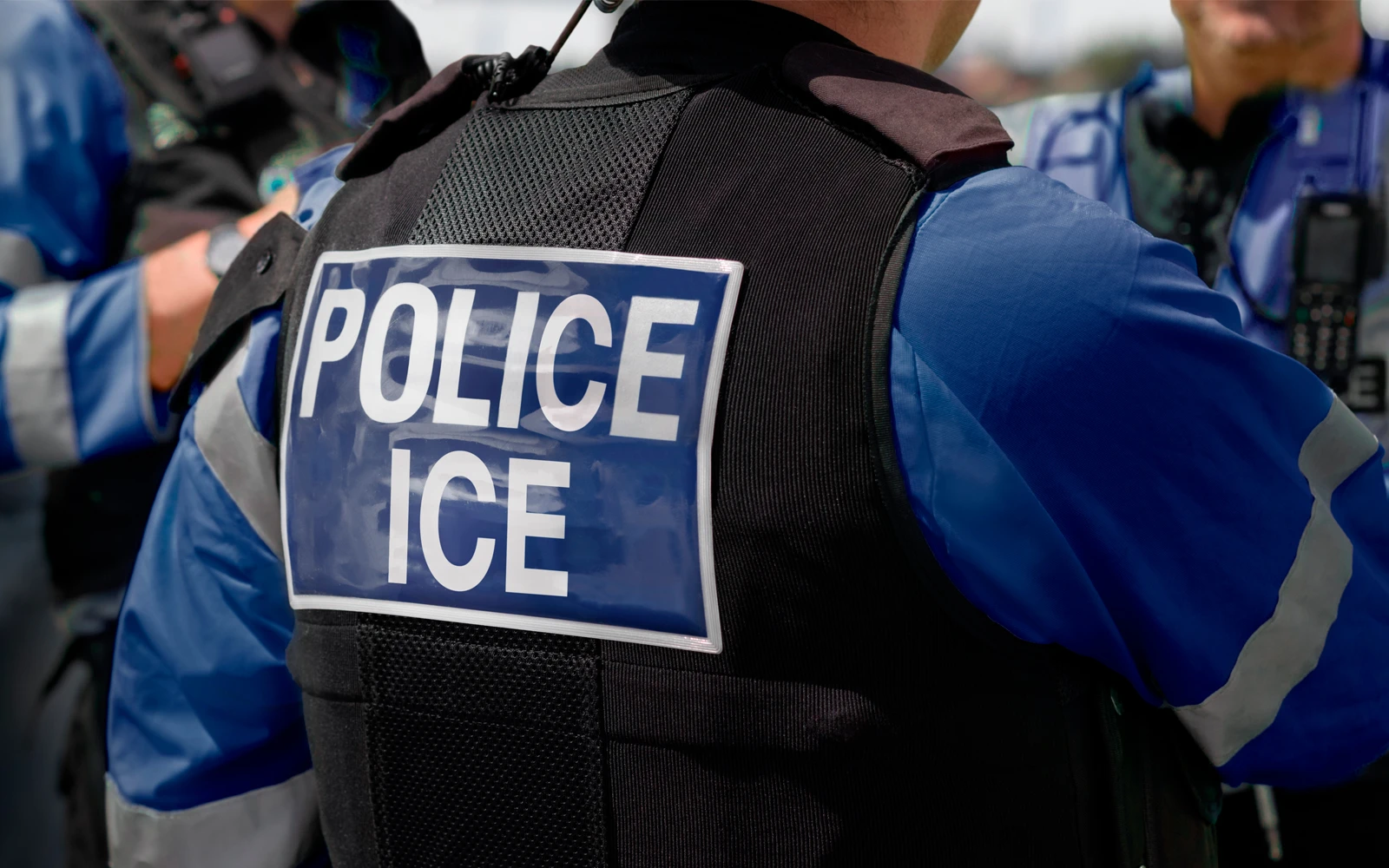
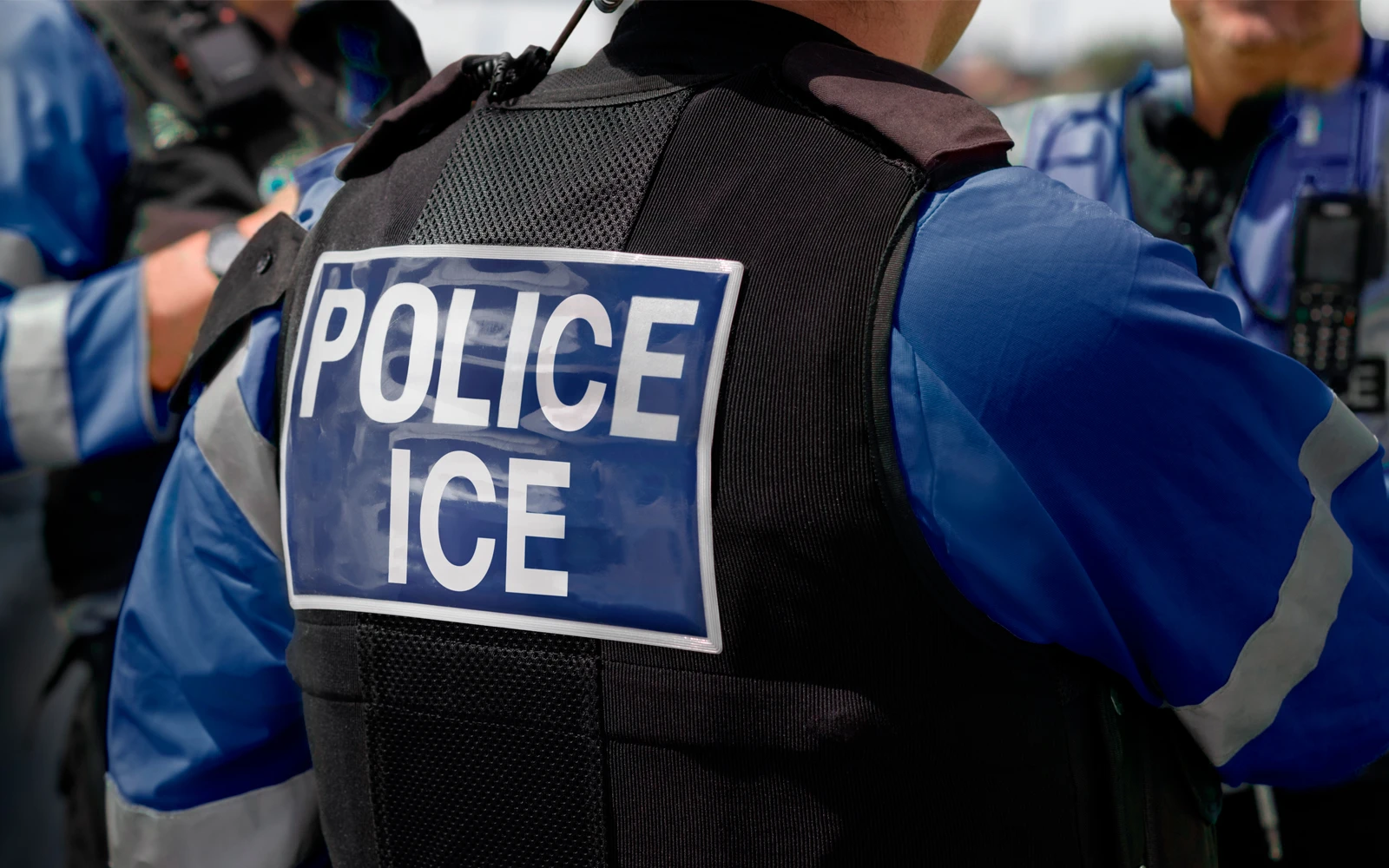
The Trump administration launched an “alien arrest map” with images and rhetoric that likens immigrants living illegally in the country to extraterrestrials.

Read More