

Insults

Coptic youths freed after video sparks accusations of insulting Islam #Catholic After less than three weeks in detention, six Coptic young men — one a minor — were released, bringing to a close a case that had raised fears of sectarian tensions in the countryside of Egypt’s Minya province. The case followed the young men’s posting of a video in which they reenacted a scene from an Egyptian film.In an interview with ACI MENA, the Arabic-language sister service of EWTN News, Nader Shukry, a citizenship researcher and writer specializing in Coptic affairs, described the case and its broader implications. He highlighted challenges around understanding Egyptian law and using social media.Shukry said the young men, who live in Ezbet Tanious in the village of Taha al-Amda, in the Samalut district of Minya, reenacted a scene from the 2018 film “Khalawis.” The scene does not mock religion, he said; it depicts prisoners known for bullying and violence trying to pray without knowing how.Dozens of Egyptian Muslims also reenacted and posted the scene without provoking similar reactions, Shukry said. But when the Coptic young men posted it, one village resident objected and accused them of insulting Islam.The young men deleted the video shortly after posting it because they did not realize some viewers might find it offensive, Shukry said. But incitement continued, prompting security forces to detain them in an effort to contain anger and prevent possible attacks on Christians and their property. He said extremist currents in Minya seek to inflame religious sentiment and create disorder.Shukry said the young men were not held for long once it became clear they had not intended to insult religion. A de-escalation meeting was also held in the village, with the church taking part. He distinguished this meeting from customary reconciliation sessions, saying it aimed to counter incitement on social media and ease tensions among residents.Shukry stressed the danger of attributing an individual’s actions, whether the person is guilty or innocent, to an entire religious community. A citizen should be held accountable for what that person did, he said; Christians as a whole, or an entire village, should not bear responsibility for one person’s actions.He also pointed to pages that publish content insulting Christians without facing legal consequences comparable to those a Christian might face for discussing Islam. The case involving the six young men remains open until the prosecutor general issues a decision to close it, Shukry said, although it has largely concluded in practice. He cited the short length of their detention compared with other cases involving alleged contempt of religion.Shukry urged young people to exercise caution when dealing with religious matters and to avoid discussions that others might exploit or present as insults to religion. He distinguished such discussions from interreligious dialogue conducted by specialists.Egyptian society faces a challenge of awareness, he said, noting that many Christians have previously become involved in cases involving alleged contempt of religion because they were unfamiliar with Egyptian law and how to use social media.This story was first published by ACI MENA, the Arabic-language sister service of EWTN News. It has been translated and adapted by EWTN News English.

Coptic youths freed after video sparks accusations of insulting Islam #Catholic After less than three weeks in detention, six Coptic young men — one a minor — were released, bringing to a close a case that had raised fears of sectarian tensions in the countryside of Egypt’s Minya province. The case followed the young men’s posting of a video in which they reenacted a scene from an Egyptian film.In an interview with ACI MENA, the Arabic-language sister service of EWTN News, Nader Shukry, a citizenship researcher and writer specializing in Coptic affairs, described the case and its broader implications. He highlighted challenges around understanding Egyptian law and using social media.Shukry said the young men, who live in Ezbet Tanious in the village of Taha al-Amda, in the Samalut district of Minya, reenacted a scene from the 2018 film “Khalawis.” The scene does not mock religion, he said; it depicts prisoners known for bullying and violence trying to pray without knowing how.Dozens of Egyptian Muslims also reenacted and posted the scene without provoking similar reactions, Shukry said. But when the Coptic young men posted it, one village resident objected and accused them of insulting Islam.The young men deleted the video shortly after posting it because they did not realize some viewers might find it offensive, Shukry said. But incitement continued, prompting security forces to detain them in an effort to contain anger and prevent possible attacks on Christians and their property. He said extremist currents in Minya seek to inflame religious sentiment and create disorder.Shukry said the young men were not held for long once it became clear they had not intended to insult religion. A de-escalation meeting was also held in the village, with the church taking part. He distinguished this meeting from customary reconciliation sessions, saying it aimed to counter incitement on social media and ease tensions among residents.Shukry stressed the danger of attributing an individual’s actions, whether the person is guilty or innocent, to an entire religious community. A citizen should be held accountable for what that person did, he said; Christians as a whole, or an entire village, should not bear responsibility for one person’s actions.He also pointed to pages that publish content insulting Christians without facing legal consequences comparable to those a Christian might face for discussing Islam. The case involving the six young men remains open until the prosecutor general issues a decision to close it, Shukry said, although it has largely concluded in practice. He cited the short length of their detention compared with other cases involving alleged contempt of religion.Shukry urged young people to exercise caution when dealing with religious matters and to avoid discussions that others might exploit or present as insults to religion. He distinguished such discussions from interreligious dialogue conducted by specialists.Egyptian society faces a challenge of awareness, he said, noting that many Christians have previously become involved in cases involving alleged contempt of religion because they were unfamiliar with Egyptian law and how to use social media.This story was first published by ACI MENA, the Arabic-language sister service of EWTN News. It has been translated and adapted by EWTN News English.

Coptic researcher urges caution as religious contempt cases persist in Egypt.

Read More
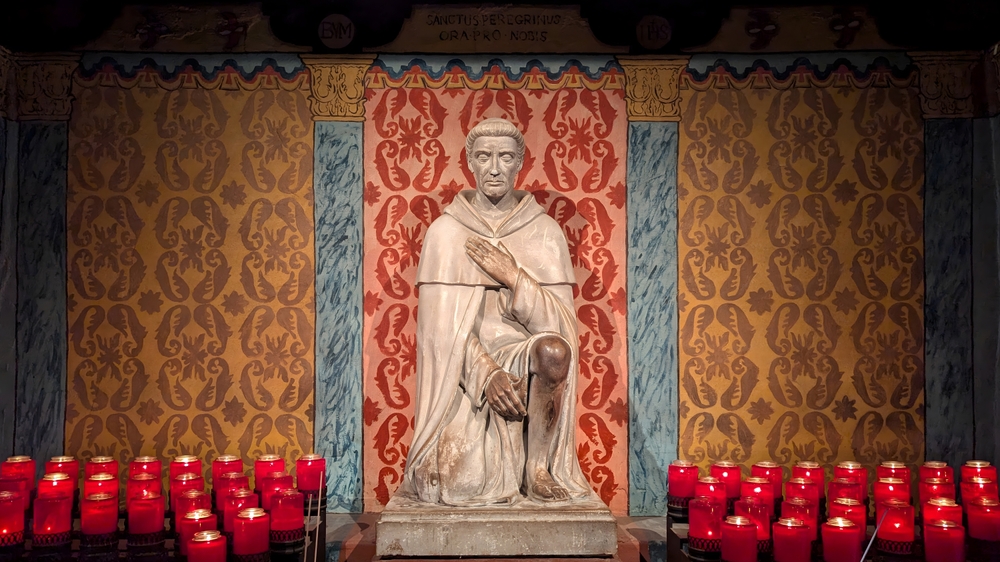
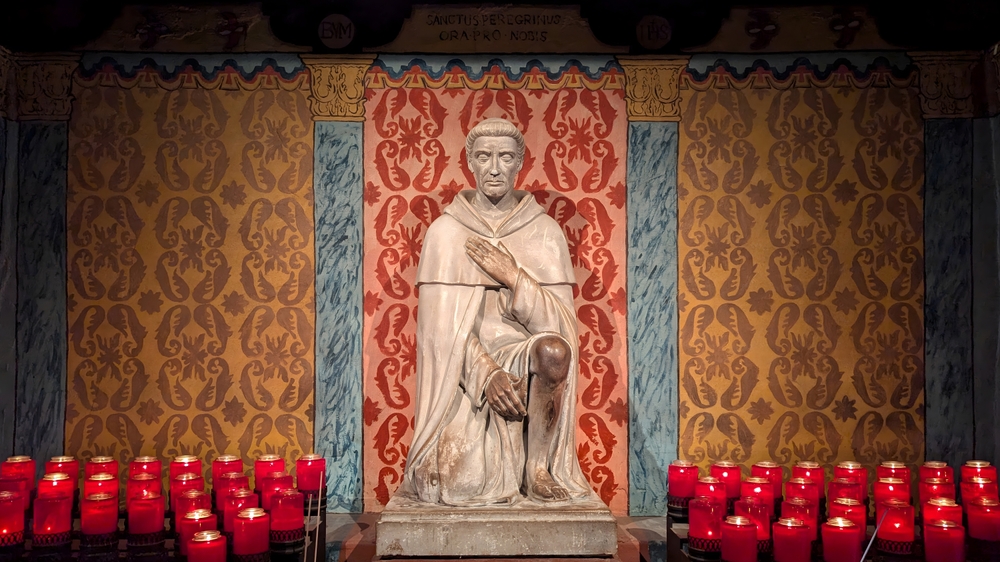
Who is St. Peregrine, the ‘cancer saint’ Catholics are invoking for Pope Leo XIV? #Catholic As Pope Leo XIV recovers at Rome’s Gemelli Hospital from surgery that confirmed lung cancer, Catholics around the world are praying for him, and many are turning to a 14th-century Servite priest long known as “the cancer saint”: St. Peregrine Laziosi.
 
 LIVE UPDATES: Pope Leo XIV diagnosed with lung cancer
 
 From punch to penanceAccording to an account by Father Lawrence G. Lovasik, SVD, published in EWTN’s library, Peregrine was born in 1260 in Forlì, Italy. He was the only son of a wealthy family, and as a young man he sided with the city’s anti-papal faction.When St. Philip Benizi of the Servants of Mary (the Servites) came to Forlì to preach peace on behalf of Pope Martin IV, he was met with insults, rocks, and clubs. Peregrine struck him in the face. Philip answered by offering the other cheek and praying for the young man.Moved, Peregrine ran after the departing friar. He begged forgiveness on his knees and promised to change his life. According to the traditional account, the Virgin Mary later appeared to him in Forlì’s cathedral and told him: “Go to Siena. There you will find the devout men who call themselves my servants. Join them.”Peregrine received the Servite habit in 1292. It was said that for 30 years he never sat down. In 1322, his superiors sent him to found a Servite house in his hometown of Forlì, where he became known as a preacher and a readily available confessor.The night before the amputationLater in life, Peregrine developed a painful cancerous wound on his foot. Lovasik writes that its “gangrenous stench” was so foul that others kept away. Surgeons decided to amputate.Peregrine spent the night before the operation in prayer before an image of the crucified Christ and fell asleep there. In a dream, Christ seemed to reach down from the cross and touch his diseased foot. When he awoke, he was healed. The account says the doctors could no longer find any trace of the disease.Peregrine died in 1345 at about 80 years of age. He was beatified in 1609, and Pope Benedict XIII canonized him in 1726. His feast is celebrated May 1. His body rests in the Basilica of San Pellegrino Laziosi in Forlì. Devotion to him has spread far beyond Italy, including to the National Shrine of St. Peregrine at Our Lady of Sorrows Basilica in Chicago, the city where Leo was born.Lovasik’s booklet includes several prayers, and EWTN offers a novena to St. Peregrine.

Who is St. Peregrine, the ‘cancer saint’ Catholics are invoking for Pope Leo XIV? #Catholic As Pope Leo XIV recovers at Rome’s Gemelli Hospital from surgery that confirmed lung cancer, Catholics around the world are praying for him, and many are turning to a 14th-century Servite priest long known as “the cancer saint”: St. Peregrine Laziosi. LIVE UPDATES: Pope Leo XIV diagnosed with lung cancer From punch to penanceAccording to an account by Father Lawrence G. Lovasik, SVD, published in EWTN’s library, Peregrine was born in 1260 in Forlì, Italy. He was the only son of a wealthy family, and as a young man he sided with the city’s anti-papal faction.When St. Philip Benizi of the Servants of Mary (the Servites) came to Forlì to preach peace on behalf of Pope Martin IV, he was met with insults, rocks, and clubs. Peregrine struck him in the face. Philip answered by offering the other cheek and praying for the young man.Moved, Peregrine ran after the departing friar. He begged forgiveness on his knees and promised to change his life. According to the traditional account, the Virgin Mary later appeared to him in Forlì’s cathedral and told him: “Go to Siena. There you will find the devout men who call themselves my servants. Join them.”Peregrine received the Servite habit in 1292. It was said that for 30 years he never sat down. In 1322, his superiors sent him to found a Servite house in his hometown of Forlì, where he became known as a preacher and a readily available confessor.The night before the amputationLater in life, Peregrine developed a painful cancerous wound on his foot. Lovasik writes that its “gangrenous stench” was so foul that others kept away. Surgeons decided to amputate.Peregrine spent the night before the operation in prayer before an image of the crucified Christ and fell asleep there. In a dream, Christ seemed to reach down from the cross and touch his diseased foot. When he awoke, he was healed. The account says the doctors could no longer find any trace of the disease.Peregrine died in 1345 at about 80 years of age. He was beatified in 1609, and Pope Benedict XIII canonized him in 1726. His feast is celebrated May 1. His body rests in the Basilica of San Pellegrino Laziosi in Forlì. Devotion to him has spread far beyond Italy, including to the National Shrine of St. Peregrine at Our Lady of Sorrows Basilica in Chicago, the city where Leo was born.Lovasik’s booklet includes several prayers, and EWTN offers a novena to St. Peregrine.

As Pope Leo XIV recovers from lung cancer surgery, meet St. Peregrine Laziosi, the Servite priest healed the night before his amputation and now patron of cancer patients.
Read More