International

Picture of the day


The atmospheric plume from an underwater volcano eruption in the Pacific nation of Tonga is pictured from the International Space Station as it orbited 269 miles above the Pacific Ocean northwest of Auckland, New Zealand.
 #ImageOfTheDay
Picture of the day
The atmospheric plume from an underwater volcano eruption in the Pacific nation of Tonga is pictured from the International Space Station as it orbited 269 miles above the Pacific Ocean northwest of Auckland, New Zealand.
Read More
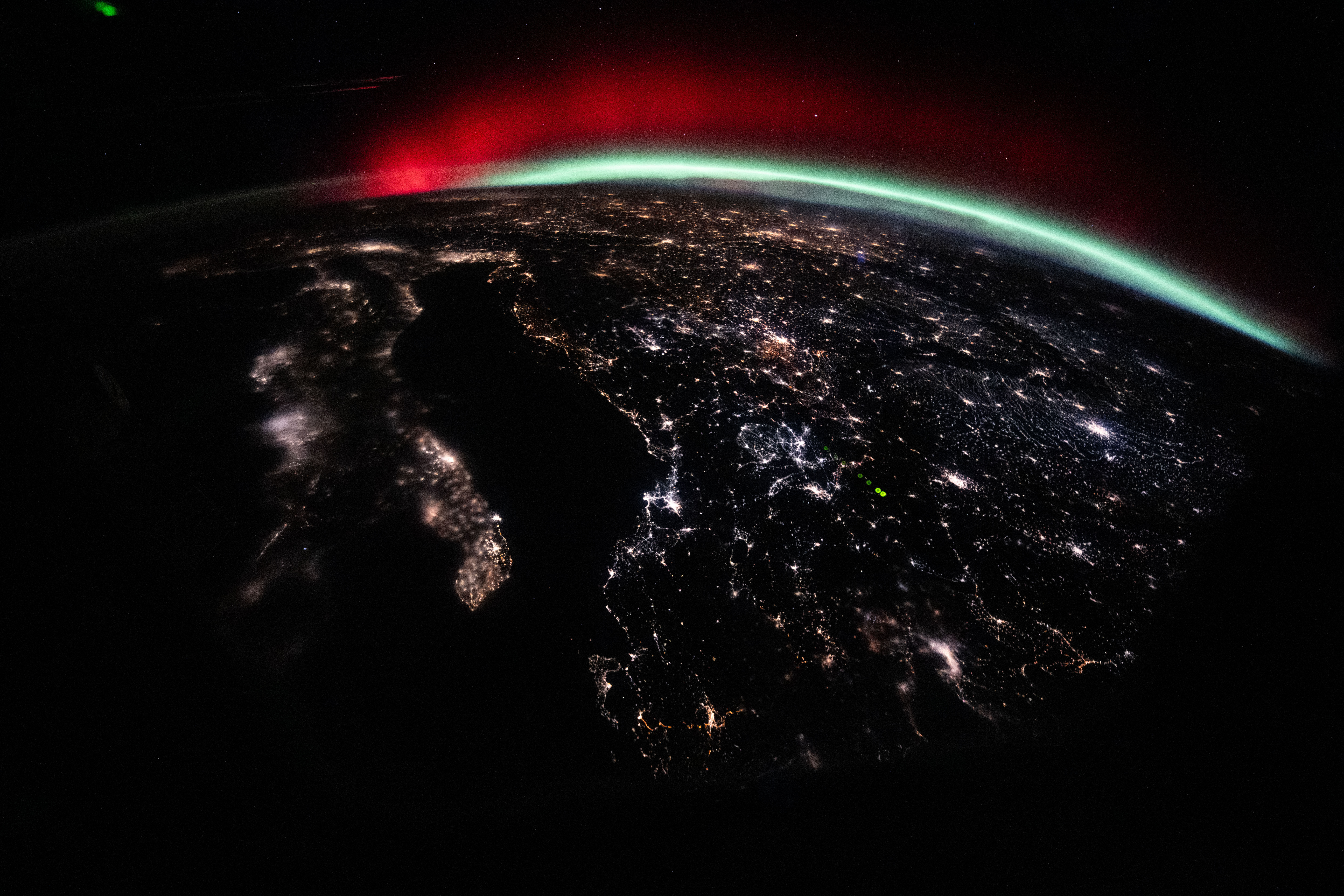
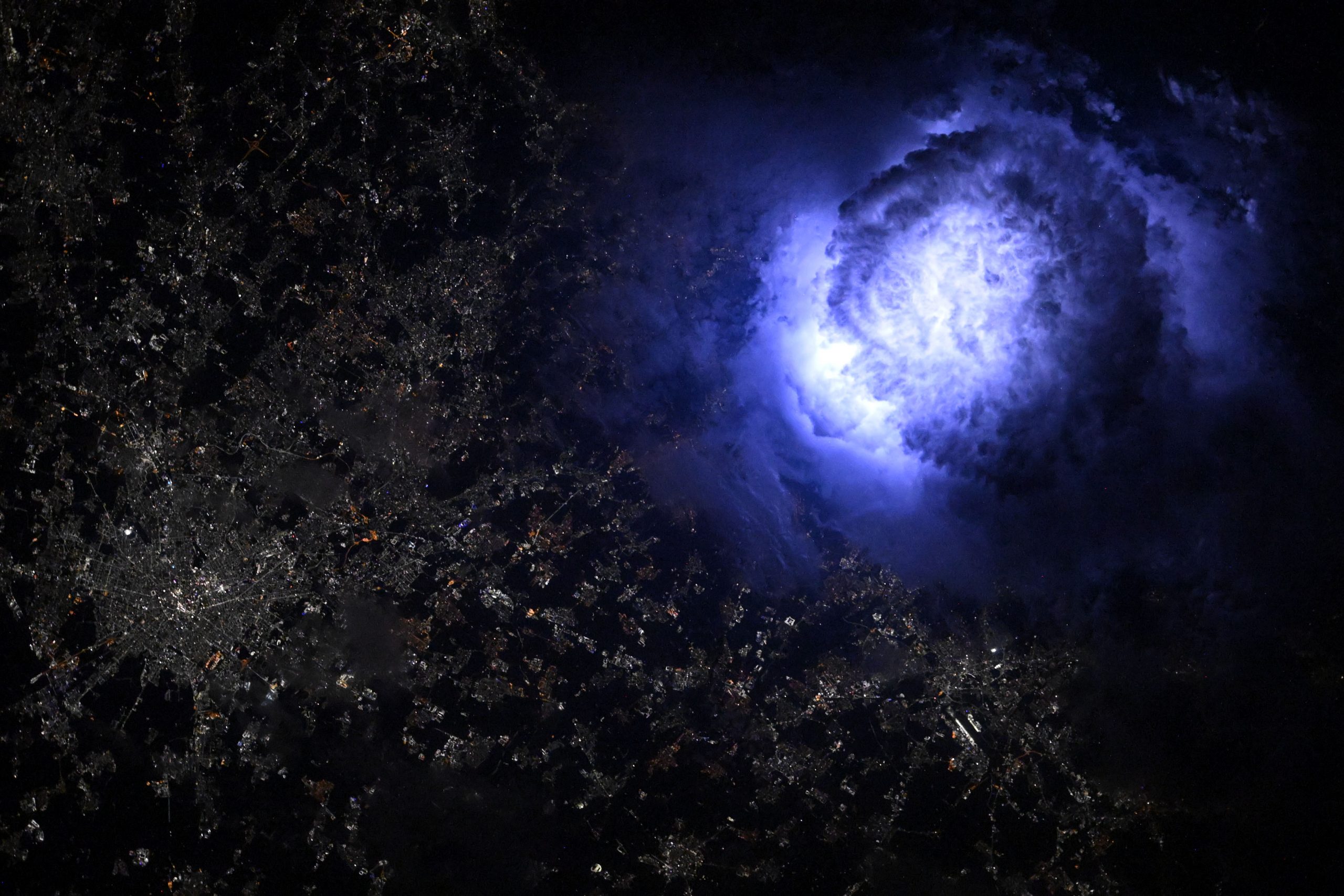
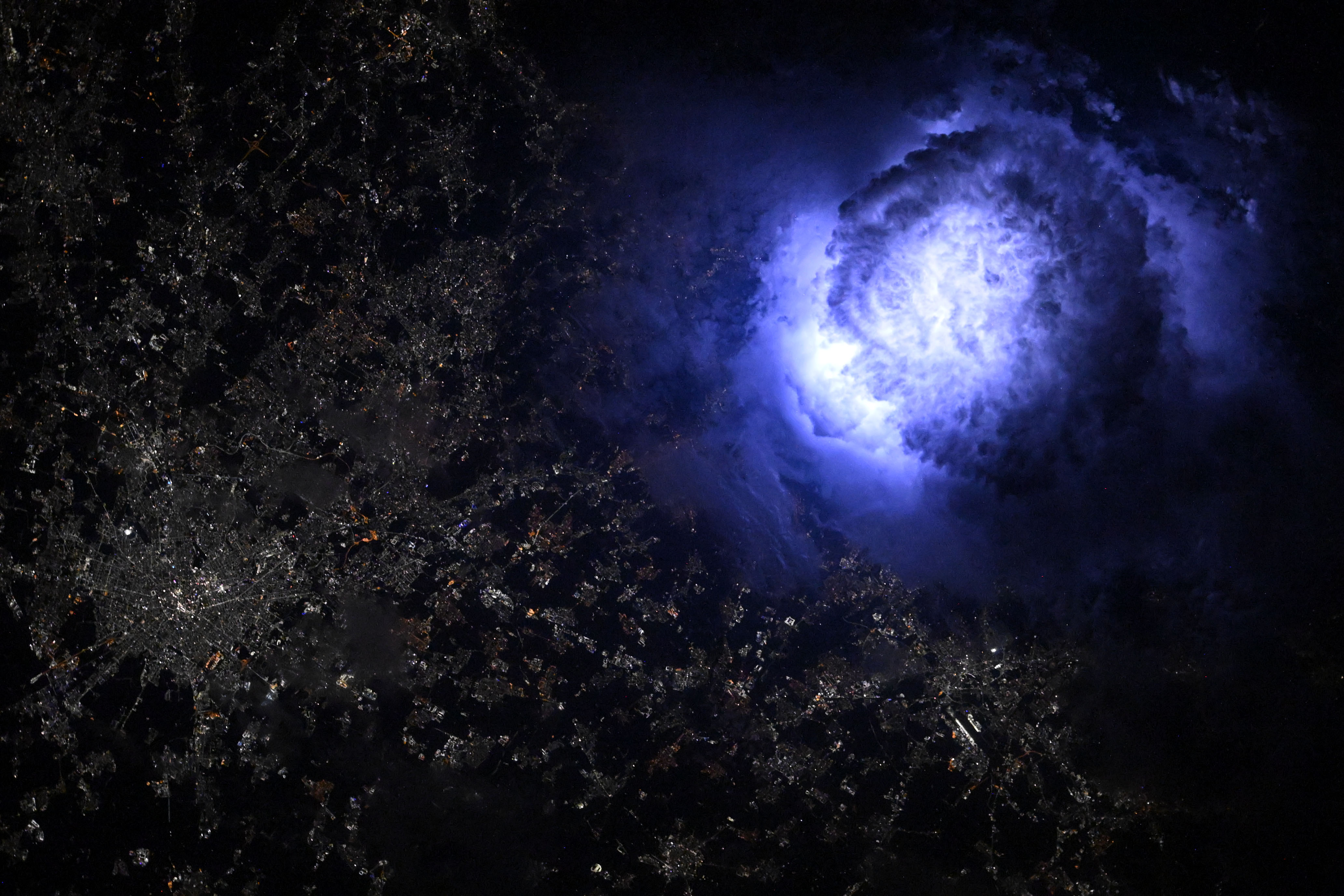
Red, Green Light Show – A green and red aurora streams across Earth’s horizon above the city lights of Europe in this Jan. 19, 2026, photograph, which looks north across Italy toward Germany. The International Space Station was orbiting 262 miles above the Mediterranean Sea at approximately 10:02 p.m. local time when the image was captured.

A green and red aurora streams across Earth’s horizon above the city lights of Europe in this Jan. 19, 2026, photograph, which looks north across Italy toward Germany. The International Space Station was orbiting 262 miles above the Mediterranean Sea at approximately 10:02 p.m. local time when the image was captured.

Read More
Catholics express mixed views on first year of Trump’s second term #Catholic 
 
 With Speaker of the House Mike Johnson by his side, President Donald Trump speaks to the press following a House Republican meeting at the U.S. Capitol on May 20, 2025, in Washington, D.C. | Credit: Tasos Katopodis/Getty Images

Jan 20, 2026 / 12:21 pm (CNA).
Catholics are offering mixed reactions to the first year of President Donald Trump’s second term, which included domestic policy actions that align with U.S. bishops on gender-related issues, and also tensions over immigration, expansion of the death penalty, and reduced funding for organizations that provide food and basic support to people in need.Trump secured his electoral victory in 2024 with the help of Catholics, who supported him by a double-digit margin, according to exit polls. A Pew Research Center report found that nearly a quarter of Trump’s voters in 2024 were Catholic.Throughout his first year, Trump — who calls himself a nondenominational Christian — has invoked Christianity and created a White House Faith Office. He created a Religious Liberty Commission by executive order in May 2025 and became the first president to issue a proclamation honoring the Catholic feast of the Immaculate Conception in December.Last year, the president also launched the “America Prays” initiative, which encouraged people to dedicate one hour of prayer for the United States and its people in preparation for the 250th anniversary of the Declaration of Independence on July 4, 2026.Immigration, poverty, and NGOsJohn White, professor of politics at The Catholic University of America, said the first year of Trump’s second term “challenged Catholics on many levels.”“The brutality of ICE has caused the U.S. Conference of Catholic Bishops to issue an extraordinary statement at the prompting of Pope Leo XIV,” White said, referring to the Immigration and Customs Enforcement agency. The U.S. Conference of Catholic Bishops (USCCB) issued a special message in November opposing indiscriminate mass deportations, calling for humane treatment, urging meaningful reform, and affirming the compatibility of national security with human dignity.The Trump administration, with JD Vance, the second Catholic vice president in U.S. history, cut billions of dollars in funding to nongovernmental organizations (NGOs), which financially damaged several Catholic nonprofits that had received funding. Trump also signed into law historic cuts to the Supplemental Nutrition Assistance Program.“The cuts to NGO funding, SNAP, and Medicaid benefits, alongside the huge increases in health care costs, have hurt the poor and middle class at home and around the world,” he said. “Instead of being the good Samaritan, Trump has challenged our Catholic values and narrowed our vision of who we are and what we believe. JD Vance’s interpretation of ‘Ordo Amoris’ of a hierarchy to those whom we love rather than a universal love is a case in point and has been repudiated by Pope Francis and Pope Leo XIV,” he said.The cuts aligned federal policy with the administration’s agenda, which included strict immigration enforcement, mass deportations of immigrants who are in the country illegally, and less foreign aid support.Catholic Charities USA was previously receiving more than $100 million annually for migrant services, and the Trump administration cut off those funds. In response, the organization scaled back its services.Since Trump took office, the administration said it has deported more than 600,000 people.Karen Sullivan, director of advocacy for the Catholic Legal Immigration Network (CLINIC), which provides legal services to migrants, said she is “very concerned about the way that immigration enforcement has been carried out,” adding her organization is “very concerned that human dignity of all persons [needs to] be respected.”Sullivan said the administration is “enabling their officers to use excessive force as they are taking people into custody” and “denying access to oversight at their detention centers.” She also expressed concern about the administration increasing fees for asylum applications and giving agents more leeway to conduct immigration enforcement at sensitive locations, such as churches, schools, and hospitals.She said the large number of deportations and the increase in expedited removals has “been a strain” on organizations that seek to provide legal help to migrants.CLINIC receives inquiries from people who are facing deportation and also those who fear they may be deported. She said: “The worry and the fear among those people [who may face deportation] makes them seek out assistance and advice even more often.”“The pace of the changes that have been happening in the past year have been very difficult to manage,” she said. “We are having to respond very quickly to changes."Executive actions on genderSusan Hanssen, a history professor at the University of Dallas (a Catholic institution), viewed the first year of Trump’s second term in mostly successful terms.“As Catholics we know that the law educates, and during Trump’s first year in office we witnessed an actual shift in public opinion on the LGBT/transgender ideology due to his asserting the scientific and natural common sense that there are only male and female,” Hanssen said.Trump took executive action to prohibit what he called the “chemical and surgical mutilation” of children, such as hormone therapy and surgical transition. He signed a policy restricting participation of transgender athletes in women’s sports. He legally recognized only two genders, determined by biology: male and female.“His strong executive action on this essential point — domestically in making the executive branch remove its trans-affirming language, the executive department of education stop subverting parental rights over their children, and women’s rights in sports, and (importantly) putting an end to USAID’s [U.S. Agency for International Development] pushing this gender agenda on the countries who need our economic assistance,” she said.“This has led to a genuine public shift, with fewer independent corporations choosing to enforce June as LGBT Pride month on their customer base, fewer DEI programs pushing the gender agenda on hiring, and a shift (especially among young men) towards disapproval of gender transitioning children and even towards disapproval of the legalization of so-called same sex ‘marriage,’” she added. “We will need to see how these executive branch victories will affect judicial and legislative action moving forward.”Father Tadeusz Pacholczyk, senior ethicist at the National Catholic Bioethics Center, had a similar view of some of the social changes.“The current administration has focused significant energy on the important task of ‘putting folks on notice,’ so it’s hard to deny, for example, that the misguided medico-pharmaceutical industry that has profited handsomely from exploiting vulnerable youth and other gender dysphoric individuals can no longer miss the loud indicators that these practices will not be able to continue unabated,” he said.Death penaltyTrump signaled a renewed and more aggressive federal capital-punishment policy in 2025, in opposition to the Catechism of the Catholic Church, which teaches that the death penalty is “inadmissible.”Trump signed an executive order on his first day in office directing the Justice Department to actively pursue the federal death penalty for serious crimes. He also directed federal prosecutors to seek death sentences in Washington, D.C., homicide cases. His administration lifted a moratorium on executions, reversing a pause in federal executions and following President Joe Biden’s commutations of federal death sentences.Archbishop Timothy P. Broglio, then-president of the USCCB, in a Jan. 22, 2025, statement called Trump’s support for expanding the federal death penalty “deeply troubling.” Newly elected USCCB president Archbishop Paul Coakley likewise called for the abolition of the death penalty.

Catholics express mixed views on first year of Trump’s second term #Catholic With Speaker of the House Mike Johnson by his side, President Donald Trump speaks to the press following a House Republican meeting at the U.S. Capitol on May 20, 2025, in Washington, D.C. | Credit: Tasos Katopodis/Getty Images Jan 20, 2026 / 12:21 pm (CNA). Catholics are offering mixed reactions to the first year of President Donald Trump’s second term, which included domestic policy actions that align with U.S. bishops on gender-related issues, and also tensions over immigration, expansion of the death penalty, and reduced funding for organizations that provide food and basic support to people in need.Trump secured his electoral victory in 2024 with the help of Catholics, who supported him by a double-digit margin, according to exit polls. A Pew Research Center report found that nearly a quarter of Trump’s voters in 2024 were Catholic.Throughout his first year, Trump — who calls himself a nondenominational Christian — has invoked Christianity and created a White House Faith Office. He created a Religious Liberty Commission by executive order in May 2025 and became the first president to issue a proclamation honoring the Catholic feast of the Immaculate Conception in December.Last year, the president also launched the “America Prays” initiative, which encouraged people to dedicate one hour of prayer for the United States and its people in preparation for the 250th anniversary of the Declaration of Independence on July 4, 2026.Immigration, poverty, and NGOsJohn White, professor of politics at The Catholic University of America, said the first year of Trump’s second term “challenged Catholics on many levels.”“The brutality of ICE has caused the U.S. Conference of Catholic Bishops to issue an extraordinary statement at the prompting of Pope Leo XIV,” White said, referring to the Immigration and Customs Enforcement agency. The U.S. Conference of Catholic Bishops (USCCB) issued a special message in November opposing indiscriminate mass deportations, calling for humane treatment, urging meaningful reform, and affirming the compatibility of national security with human dignity.The Trump administration, with JD Vance, the second Catholic vice president in U.S. history, cut billions of dollars in funding to nongovernmental organizations (NGOs), which financially damaged several Catholic nonprofits that had received funding. Trump also signed into law historic cuts to the Supplemental Nutrition Assistance Program.“The cuts to NGO funding, SNAP, and Medicaid benefits, alongside the huge increases in health care costs, have hurt the poor and middle class at home and around the world,” he said. “Instead of being the good Samaritan, Trump has challenged our Catholic values and narrowed our vision of who we are and what we believe. JD Vance’s interpretation of ‘Ordo Amoris’ of a hierarchy to those whom we love rather than a universal love is a case in point and has been repudiated by Pope Francis and Pope Leo XIV,” he said.The cuts aligned federal policy with the administration’s agenda, which included strict immigration enforcement, mass deportations of immigrants who are in the country illegally, and less foreign aid support.Catholic Charities USA was previously receiving more than $100 million annually for migrant services, and the Trump administration cut off those funds. In response, the organization scaled back its services.Since Trump took office, the administration said it has deported more than 600,000 people.Karen Sullivan, director of advocacy for the Catholic Legal Immigration Network (CLINIC), which provides legal services to migrants, said she is “very concerned about the way that immigration enforcement has been carried out,” adding her organization is “very concerned that human dignity of all persons [needs to] be respected.”Sullivan said the administration is “enabling their officers to use excessive force as they are taking people into custody” and “denying access to oversight at their detention centers.” She also expressed concern about the administration increasing fees for asylum applications and giving agents more leeway to conduct immigration enforcement at sensitive locations, such as churches, schools, and hospitals.She said the large number of deportations and the increase in expedited removals has “been a strain” on organizations that seek to provide legal help to migrants.CLINIC receives inquiries from people who are facing deportation and also those who fear they may be deported. She said: “The worry and the fear among those people [who may face deportation] makes them seek out assistance and advice even more often.”“The pace of the changes that have been happening in the past year have been very difficult to manage,” she said. “We are having to respond very quickly to changes."Executive actions on genderSusan Hanssen, a history professor at the University of Dallas (a Catholic institution), viewed the first year of Trump’s second term in mostly successful terms.“As Catholics we know that the law educates, and during Trump’s first year in office we witnessed an actual shift in public opinion on the LGBT/transgender ideology due to his asserting the scientific and natural common sense that there are only male and female,” Hanssen said.Trump took executive action to prohibit what he called the “chemical and surgical mutilation” of children, such as hormone therapy and surgical transition. He signed a policy restricting participation of transgender athletes in women’s sports. He legally recognized only two genders, determined by biology: male and female.“His strong executive action on this essential point — domestically in making the executive branch remove its trans-affirming language, the executive department of education stop subverting parental rights over their children, and women’s rights in sports, and (importantly) putting an end to USAID’s [U.S. Agency for International Development] pushing this gender agenda on the countries who need our economic assistance,” she said.“This has led to a genuine public shift, with fewer independent corporations choosing to enforce June as LGBT Pride month on their customer base, fewer DEI programs pushing the gender agenda on hiring, and a shift (especially among young men) towards disapproval of gender transitioning children and even towards disapproval of the legalization of so-called same sex ‘marriage,’” she added. “We will need to see how these executive branch victories will affect judicial and legislative action moving forward.”Father Tadeusz Pacholczyk, senior ethicist at the National Catholic Bioethics Center, had a similar view of some of the social changes.“The current administration has focused significant energy on the important task of ‘putting folks on notice,’ so it’s hard to deny, for example, that the misguided medico-pharmaceutical industry that has profited handsomely from exploiting vulnerable youth and other gender dysphoric individuals can no longer miss the loud indicators that these practices will not be able to continue unabated,” he said.Death penaltyTrump signaled a renewed and more aggressive federal capital-punishment policy in 2025, in opposition to the Catechism of the Catholic Church, which teaches that the death penalty is “inadmissible.”Trump signed an executive order on his first day in office directing the Justice Department to actively pursue the federal death penalty for serious crimes. He also directed federal prosecutors to seek death sentences in Washington, D.C., homicide cases. His administration lifted a moratorium on executions, reversing a pause in federal executions and following President Joe Biden’s commutations of federal death sentences.Archbishop Timothy P. Broglio, then-president of the USCCB, in a Jan. 22, 2025, statement called Trump’s support for expanding the federal death penalty “deeply troubling.” Newly elected USCCB president Archbishop Paul Coakley likewise called for the abolition of the death penalty.


With Speaker of the House Mike Johnson by his side, President Donald Trump speaks to the press following a House Republican meeting at the U.S. Capitol on May 20, 2025, in Washington, D.C. | Credit: Tasos Katopodis/Getty Images

Jan 20, 2026 / 12:21 pm (CNA).

Catholics are offering mixed reactions to the first year of President Donald Trump’s second term, which included domestic policy actions that align with U.S. bishops on gender-related issues, and also tensions over immigration, expansion of the death penalty, and reduced funding for organizations that provide food and basic support to people in need.

Trump secured his electoral victory in 2024 with the help of Catholics, who supported him by a double-digit margin, according to exit polls. A Pew Research Center report found that nearly a quarter of Trump’s voters in 2024 were Catholic.

Throughout his first year, Trump — who calls himself a nondenominational Christian — has invoked Christianity and created a White House Faith Office. He created a Religious Liberty Commission by executive order in May 2025 and became the first president to issue a proclamation honoring the Catholic feast of the Immaculate Conception in December.

Last year, the president also launched the “America Prays” initiative, which encouraged people to dedicate one hour of prayer for the United States and its people in preparation for the 250th anniversary of the Declaration of Independence on July 4, 2026.

Immigration, poverty, and NGOs

John White, professor of politics at The Catholic University of America, said the first year of Trump’s second term “challenged Catholics on many levels.”

“The brutality of ICE has caused the U.S. Conference of Catholic Bishops to issue an extraordinary statement at the prompting of Pope Leo XIV,” White said, referring to the Immigration and Customs Enforcement agency. The U.S. Conference of Catholic Bishops (USCCB) issued a special message in November opposing indiscriminate mass deportations, calling for humane treatment, urging meaningful reform, and affirming the compatibility of national security with human dignity.

The Trump administration, with JD Vance, the second Catholic vice president in U.S. history, cut billions of dollars in funding to nongovernmental organizations (NGOs), which financially damaged several Catholic nonprofits that had received funding. Trump also signed into law historic cuts to the Supplemental Nutrition Assistance Program.

“The cuts to NGO funding, SNAP, and Medicaid benefits, alongside the huge increases in health care costs, have hurt the poor and middle class at home and around the world,” he said. “Instead of being the good Samaritan, Trump has challenged our Catholic values and narrowed our vision of who we are and what we believe. JD Vance’s interpretation of ‘Ordo Amoris’ of a hierarchy to those whom we love rather than a universal love is a case in point and has been repudiated by Pope Francis and Pope Leo XIV,” he said.

The cuts aligned federal policy with the administration’s agenda, which included strict immigration enforcement, mass deportations of immigrants who are in the country illegally, and less foreign aid support.

Catholic Charities USA was previously receiving more than $100 million annually for migrant services, and the Trump administration cut off those funds. In response, the organization scaled back its services.

Since Trump took office, the administration said it has deported more than 600,000 people.

Karen Sullivan, director of advocacy for the Catholic Legal Immigration Network (CLINIC), which provides legal services to migrants, said she is “very concerned about the way that immigration enforcement has been carried out,” adding her organization is “very concerned that human dignity of all persons [needs to] be respected.”

Sullivan said the administration is “enabling their officers to use excessive force as they are taking people into custody” and “denying access to oversight at their detention centers.” She also expressed concern about the administration increasing fees for asylum applications and giving agents more leeway to conduct immigration enforcement at sensitive locations, such as churches, schools, and hospitals.

She said the large number of deportations and the increase in expedited removals has “been a strain” on organizations that seek to provide legal help to migrants.

CLINIC receives inquiries from people who are facing deportation and also those who fear they may be deported. She said: “The worry and the fear among those people [who may face deportation] makes them seek out assistance and advice even more often.”

“The pace of the changes that have been happening in the past year have been very difficult to manage,” she said. “We are having to respond very quickly to changes."

Executive actions on gender

Susan Hanssen, a history professor at the University of Dallas (a Catholic institution), viewed the first year of Trump’s second term in mostly successful terms.

“As Catholics we know that the law educates, and during Trump’s first year in office we witnessed an actual shift in public opinion on the LGBT/transgender ideology due to his asserting the scientific and natural common sense that there are only male and female,” Hanssen said.

Trump took executive action to prohibit what he called the “chemical and surgical mutilation” of children, such as hormone therapy and surgical transition. He signed a policy restricting participation of transgender athletes in women’s sports. He legally recognized only two genders, determined by biology: male and female.

“His strong executive action on this essential point — domestically in making the executive branch remove its trans-affirming language, the executive department of education stop subverting parental rights over their children, and women’s rights in sports, and (importantly) putting an end to USAID’s [U.S. Agency for International Development] pushing this gender agenda on the countries who need our economic assistance,” she said.

“This has led to a genuine public shift, with fewer independent corporations choosing to enforce June as LGBT Pride month on their customer base, fewer DEI programs pushing the gender agenda on hiring, and a shift (especially among young men) towards disapproval of gender transitioning children and even towards disapproval of the legalization of so-called same sex ‘marriage,’” she added. “We will need to see how these executive branch victories will affect judicial and legislative action moving forward.”

Father Tadeusz Pacholczyk, senior ethicist at the National Catholic Bioethics Center, had a similar view of some of the social changes.

“The current administration has focused significant energy on the important task of ‘putting folks on notice,’ so it’s hard to deny, for example, that the misguided medico-pharmaceutical industry that has profited handsomely from exploiting vulnerable youth and other gender dysphoric individuals can no longer miss the loud indicators that these practices will not be able to continue unabated,” he said.

Death penalty

Trump signaled a renewed and more aggressive federal capital-punishment policy in 2025, in opposition to the Catechism of the Catholic Church, which teaches that the death penalty is “inadmissible.”

Trump signed an executive order on his first day in office directing the Justice Department to actively pursue the federal death penalty for serious crimes. He also directed federal prosecutors to seek death sentences in Washington, D.C., homicide cases. His administration lifted a moratorium on executions, reversing a pause in federal executions and following President Joe Biden’s commutations of federal death sentences.

Archbishop Timothy P. Broglio, then-president of the USCCB, in a Jan. 22, 2025, statement called Trump’s support for expanding the federal death penalty “deeply troubling.” Newly elected USCCB president Archbishop Paul Coakley likewise called for the abolition of the death penalty.

Read More
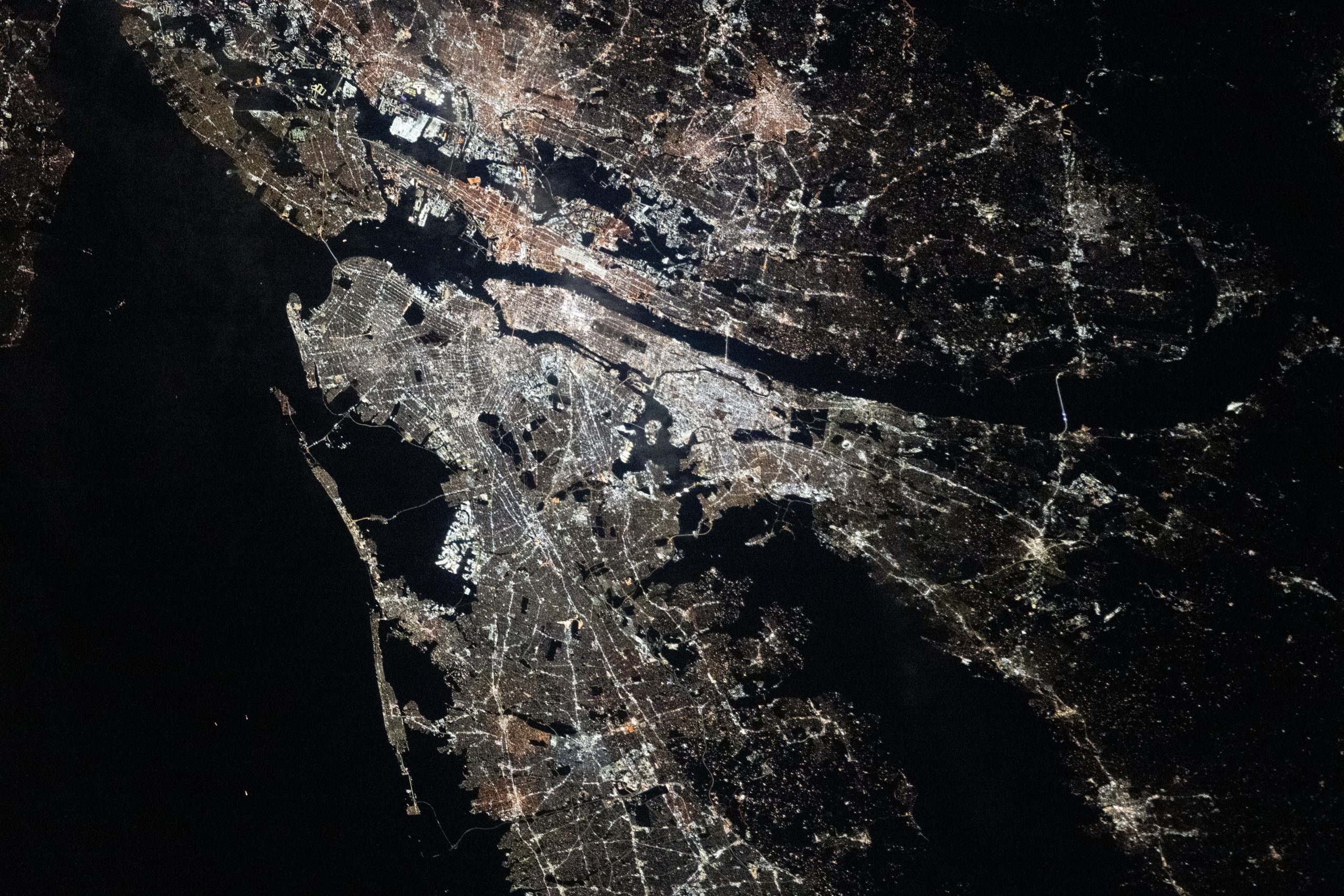
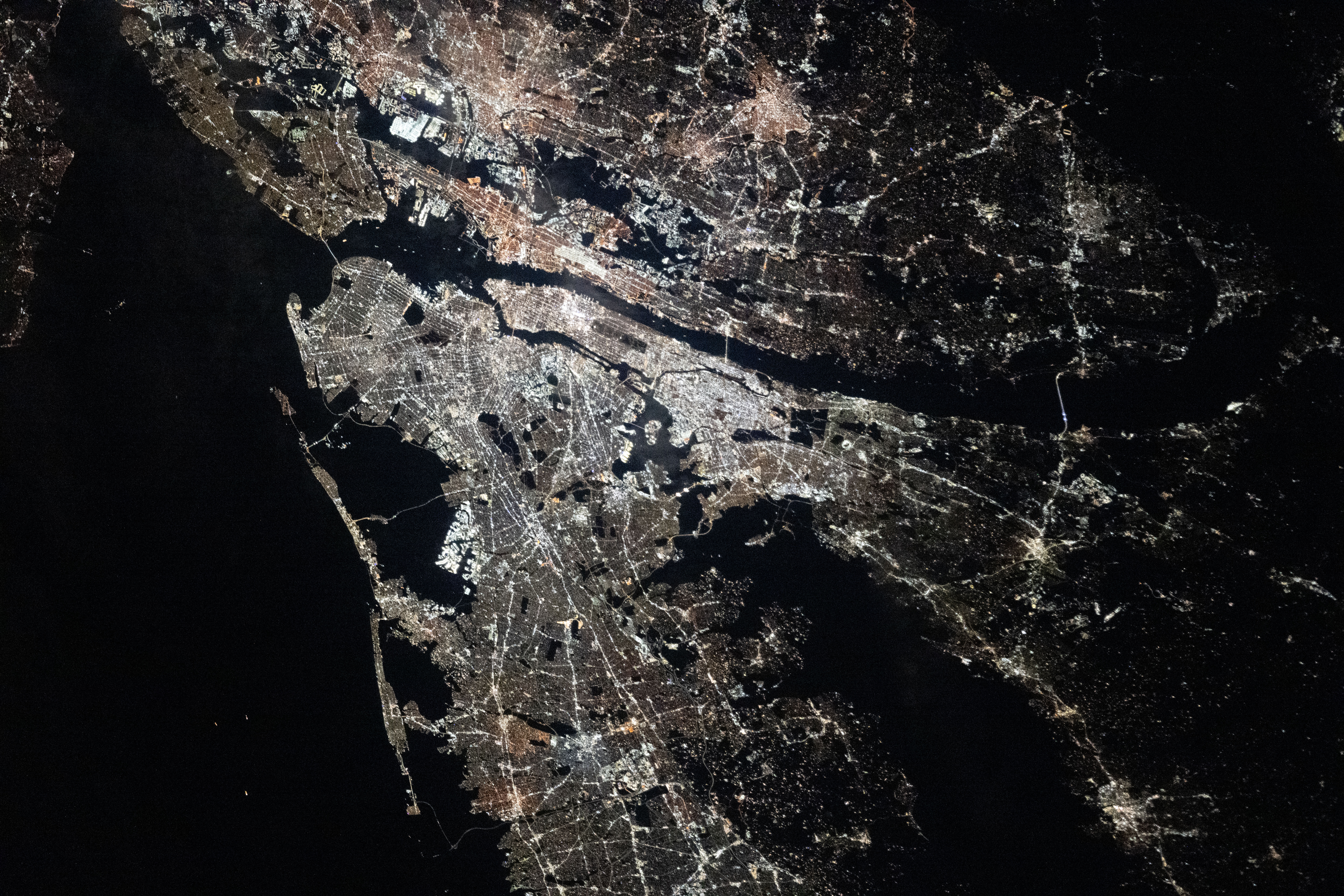
New York–Newark–Jersey City Metropolitan Area – The New York–Newark–Jersey City Metropolitan Statistical Area, which spans 23 counties across New York, New Jersey, and Connecticut and has a population of about 19.9 million, is pictured at approximately 3:29 a.m. local time Dec. 20, 2025, from the International Space Station as it orbited 262 miles above the Atlantic coast.

The New York–Newark–Jersey City Metropolitan Statistical Area, which spans 23 counties across New York, New Jersey, and Connecticut and has a population of about 19.9 million, is pictured at approximately 3:29 a.m. local time Dec. 20, 2025, from the International Space Station as it orbited 262 miles above the Atlantic coast.

Read More
Homeland Security Department says rule will address religious worker visa backlog #Catholic 
 
 Credit: Lisa F. Young/Shutterstock

Jan 14, 2026 / 10:25 am (CNA).
The Department of Homeland Security (DHS) said it is addressing a religious worker visa backlog with rules that will reduce wait times and disruptions in ministry for faith-based communities.“Under the leadership of Secretary [Kristi] Noem, DHS is committed to protecting and preserving freedom and expression of religion. We are taking the necessary steps to ensure religious organizations can continue delivering the services that Americans depend on,” a DHS spokesperson said in a press release Wednesday. “Pastors, priests, nuns, and rabbis are essential to the social and moral fabric of this country. We remain committed to finding ways to support and empower these organizations in their critical work.”Under the rule expected to be issued Jan. 14, religious workers in the country on R-1 visas would no longer be required to reside outside of the U.S. for a full year if they reach their statutory five-year maximum period of stay before completing their green card applications. “While R-1 religious workers are still required to depart the U.S., the rule establishes that there is no longer a minimum period of time they must reside and be physically present outside the U.S. before they seek readmission in R-1 status,” DHS said.DHS acknowledged the significant demand for visas within the EB-4 category “has exceeded the supply for many years,” citing 2023 changes implemented by President Joe Biden’s State Department. “By eliminating the one-year foreign residency requirement, USCIS [U.S. Citizenship and Immigration Services] is reducing the time religious organizations are left without their trusted clergy and non-ministerial religious workers,” according to a DHS statement.The rule, expected to be issued at 11 a.m. Jan. 14, is effective immediately, DHS said.Secretary of State Marco Rubio said in a press conference in December 2025 that the government would reveal its plan “early next month” for religious worker visas that would avoid giving preference to one denomination over another. Rubio noted that the plan would not favor one religion over another and that there would be “country-specific requirements depending on the country they’re coming from.” “I think we’re going to get to a good place,” Rubio said at the time. “We don’t have it ready yet. All this takes time to put together, but we’re moving quickly. I think we’ll have something positive about that at some point next month, hopefully in the early part of next month.”Visas for religious workers allow foreign nationals to work for a U.S. religious organization, through the temporary R-1 visa or a Green Card EB-4 visa, which requires at least two years of membership in the same denomination and a job offer from a qualifying nonprofit religious group.Rubio had also said in August the administration was working to create a “standalone process” for religious workers, separate from other competing applicants to the employment-based fourth preference (EB-4) category of visas that became severely backlogged after an unprecedented influx in unaccompanied minor applicants — most of which the USCIS has since alleged were fraudulent — who were added to the already-tight category under the Biden administration.In November 2025, a Catholic diocese in New Jersey dropped a lawsuit filed against the Biden administration’s State Department, Department of Homeland Security, and USCIS, citing knowledge of a solution with national implications.Since the issue of the backlogged visas started, multiple U.S. dioceses have called for a solution. Priests in the Archdiocese of Boston who are in the U.S. on visas were urged to avoid international travel amid the Trump administration’s  immigration policies and deportations.Priests and other Church leaders have expressed fear of having to leave their ministries and return to their home countries, then endure lengthy wait times before coming back. Church officials have warned that a continuing backlog could lead to significant priest shortages in the United States.“We are grateful for the administration’s attention to this important issue for the Church and value the opportunity for ongoing dialogue to address these challenges so the faithful can have access to the sacraments and other essential ministries,” a spokesperson for the USCCB told CNA.

Homeland Security Department says rule will address religious worker visa backlog #Catholic Credit: Lisa F. Young/Shutterstock Jan 14, 2026 / 10:25 am (CNA). The Department of Homeland Security (DHS) said it is addressing a religious worker visa backlog with rules that will reduce wait times and disruptions in ministry for faith-based communities.“Under the leadership of Secretary [Kristi] Noem, DHS is committed to protecting and preserving freedom and expression of religion. We are taking the necessary steps to ensure religious organizations can continue delivering the services that Americans depend on,” a DHS spokesperson said in a press release Wednesday. “Pastors, priests, nuns, and rabbis are essential to the social and moral fabric of this country. We remain committed to finding ways to support and empower these organizations in their critical work.”Under the rule expected to be issued Jan. 14, religious workers in the country on R-1 visas would no longer be required to reside outside of the U.S. for a full year if they reach their statutory five-year maximum period of stay before completing their green card applications. “While R-1 religious workers are still required to depart the U.S., the rule establishes that there is no longer a minimum period of time they must reside and be physically present outside the U.S. before they seek readmission in R-1 status,” DHS said.DHS acknowledged the significant demand for visas within the EB-4 category “has exceeded the supply for many years,” citing 2023 changes implemented by President Joe Biden’s State Department. “By eliminating the one-year foreign residency requirement, USCIS [U.S. Citizenship and Immigration Services] is reducing the time religious organizations are left without their trusted clergy and non-ministerial religious workers,” according to a DHS statement.The rule, expected to be issued at 11 a.m. Jan. 14, is effective immediately, DHS said.Secretary of State Marco Rubio said in a press conference in December 2025 that the government would reveal its plan “early next month” for religious worker visas that would avoid giving preference to one denomination over another. Rubio noted that the plan would not favor one religion over another and that there would be “country-specific requirements depending on the country they’re coming from.” “I think we’re going to get to a good place,” Rubio said at the time. “We don’t have it ready yet. All this takes time to put together, but we’re moving quickly. I think we’ll have something positive about that at some point next month, hopefully in the early part of next month.”Visas for religious workers allow foreign nationals to work for a U.S. religious organization, through the temporary R-1 visa or a Green Card EB-4 visa, which requires at least two years of membership in the same denomination and a job offer from a qualifying nonprofit religious group.Rubio had also said in August the administration was working to create a “standalone process” for religious workers, separate from other competing applicants to the employment-based fourth preference (EB-4) category of visas that became severely backlogged after an unprecedented influx in unaccompanied minor applicants — most of which the USCIS has since alleged were fraudulent — who were added to the already-tight category under the Biden administration.In November 2025, a Catholic diocese in New Jersey dropped a lawsuit filed against the Biden administration’s State Department, Department of Homeland Security, and USCIS, citing knowledge of a solution with national implications.Since the issue of the backlogged visas started, multiple U.S. dioceses have called for a solution. Priests in the Archdiocese of Boston who are in the U.S. on visas were urged to avoid international travel amid the Trump administration’s immigration policies and deportations.Priests and other Church leaders have expressed fear of having to leave their ministries and return to their home countries, then endure lengthy wait times before coming back. Church officials have warned that a continuing backlog could lead to significant priest shortages in the United States.“We are grateful for the administration’s attention to this important issue for the Church and value the opportunity for ongoing dialogue to address these challenges so the faithful can have access to the sacraments and other essential ministries,” a spokesperson for the USCCB told CNA.


Credit: Lisa F. Young/Shutterstock

Jan 14, 2026 / 10:25 am (CNA).

The Department of Homeland Security (DHS) said it is addressing a religious worker visa backlog with rules that will reduce wait times and disruptions in ministry for faith-based communities.

“Under the leadership of Secretary [Kristi] Noem, DHS is committed to protecting and preserving freedom and expression of religion. We are taking the necessary steps to ensure religious organizations can continue delivering the services that Americans depend on,” a DHS spokesperson said in a press release Wednesday. “Pastors, priests, nuns, and rabbis are essential to the social and moral fabric of this country. We remain committed to finding ways to support and empower these organizations in their critical work.”

Under the rule expected to be issued Jan. 14, religious workers in the country on R-1 visas would no longer be required to reside outside of the U.S. for a full year if they reach their statutory five-year maximum period of stay before completing their green card applications.

“While R-1 religious workers are still required to depart the U.S., the rule establishes that there is no longer a minimum period of time they must reside and be physically present outside the U.S. before they seek readmission in R-1 status,” DHS said.

DHS acknowledged the significant demand for visas within the EB-4 category “has exceeded the supply for many years,” citing 2023 changes implemented by President Joe Biden’s State Department. “By eliminating the one-year foreign residency requirement, USCIS [U.S. Citizenship and Immigration Services] is reducing the time religious organizations are left without their trusted clergy and non-ministerial religious workers,” according to a DHS statement.

The rule, expected to be issued at 11 a.m. Jan. 14, is effective immediately, DHS said.

Secretary of State Marco Rubio said in a press conference in December 2025 that the government would reveal its plan “early next month” for religious worker visas that would avoid giving preference to one denomination over another. Rubio noted that the plan would not favor one religion over another and that there would be “country-specific requirements depending on the country they’re coming from.” 

“I think we’re going to get to a good place,” Rubio said at the time. “We don’t have it ready yet. All this takes time to put together, but we’re moving quickly. I think we’ll have something positive about that at some point next month, hopefully in the early part of next month.”

Visas for religious workers allow foreign nationals to work for a U.S. religious organization, through the temporary R-1 visa or a Green Card EB-4 visa, which requires at least two years of membership in the same denomination and a job offer from a qualifying nonprofit religious group.

Rubio had also said in August the administration was working to create a “standalone process” for religious workers, separate from other competing applicants to the employment-based fourth preference (EB-4) category of visas that became severely backlogged after an unprecedented influx in unaccompanied minor applicants — most of which the USCIS has since alleged were fraudulent — who were added to the already-tight category under the Biden administration.

In November 2025, a Catholic diocese in New Jersey dropped a lawsuit filed against the Biden administration’s State Department, Department of Homeland Security, and USCIS, citing knowledge of a solution with national implications.

Since the issue of the backlogged visas started, multiple U.S. dioceses have called for a solution. Priests in the Archdiocese of Boston who are in the U.S. on visas were urged to avoid international travel amid the Trump administration’s immigration policies and deportations.

Priests and other Church leaders have expressed fear of having to leave their ministries and return to their home countries, then endure lengthy wait times before coming back. Church officials have warned that a continuing backlog could lead to significant priest shortages in the United States.

“We are grateful for the administration’s attention to this important issue for the Church and value the opportunity for ongoing dialogue to address these challenges so the faithful can have access to the sacraments and other essential ministries,” a spokesperson for the USCCB told CNA.

Read More
SEEK 2026: Bishop Olson of Fort Worth speaks about what he’s praying for, other issues #Catholic 
 
 Bishop Michael Olson of Fort Worth, Texas, speaks to CNA during the SEEK 2026 conference on Jan. 2, 2026. | Credit: Amira Abuzeid/CNA

Jan 2, 2026 / 20:00 pm (CNA).
Bishop Michael Olson, whose diocese of Fort Worth, Texas, is hosting the SEEK 2026 conference, said he is praying for unity in Christ.Olson said he has observed that young people attending the conference have “a real openness to God’s call. They very much want to make a difference for Christ” with their lives.“There’s a sense of communion that the Church has that postmodern reality undercuts. Young people, however, want to be disciples of the Lord. They want to belong, but they want to belong in the way he calls them to belong.”Regarding what is moving him spiritually right now, he said in an interview that “the heart of my prayer is the prayer of Jesus: That all may be one, as he and the father are one.”He said he is praying that “we all find communion and unity in Christ, as his Church, which is his intention.”“With all differences that we’re tempted to be divided over, especially in the sacraments and the liturgy,” he said he prays to help foster a sense of communion among people within the Church.ImmigrationAbout immigration, a prominent issue in Texas, Olson said that along with the majority of the U.S. bishops, he affirms the rule of law and the integrity of borders, “because without that, there is no sense of peace; there’s chaos and lawlessness and the most vulnerable suffer.”He said we all have to stop “defining ourselves by partisan ideologies, which feels like the dominant ‘religion’ in the U.S., for Catholics and non-Catholics alike.”“We have a responsibility to lend comfort [to immigrants] and to provide security. As an international issue and as a nation, we must help other nations to ensure their borders,” he continued.“Some of the challenges for the leadership of other nations are gangs. The most vulnerable are paying the price, terrified by the tyranny of the gangs,” he said.“We have to look at ourselves and say, how have we promoted [those challenges] in areas of foreign policy? We’re reaping what we’ve sown,” Olson said.“What we faced before with abortion and the death penalty, we now face with immigration: The dignity of the human person must be focused on, as well as the primacy of family life as the basis of society,” he said.Parish and school securityAsked about how security at parishes and Catholic schools is handled in his diocese following recent violence at Catholic schools, he said for the past seven years, the diocese has employed the Guardian ministry, which involves fully vetted, trained, and armed parishioners in partnership with the police.Those in the ministry are “proactive in cultivating a spirit and practice of deescalation, in the spirit of discipleship with Christ, in order to protect the vulnerable and weak.”Olson said at the rest of the SEEK conference he plans to spend time with the young people, giving a talk to the seminarians on prayer and St. Thérèse of Lisieux.

SEEK 2026: Bishop Olson of Fort Worth speaks about what he’s praying for, other issues #Catholic Bishop Michael Olson of Fort Worth, Texas, speaks to CNA during the SEEK 2026 conference on Jan. 2, 2026. | Credit: Amira Abuzeid/CNA Jan 2, 2026 / 20:00 pm (CNA). Bishop Michael Olson, whose diocese of Fort Worth, Texas, is hosting the SEEK 2026 conference, said he is praying for unity in Christ.Olson said he has observed that young people attending the conference have “a real openness to God’s call. They very much want to make a difference for Christ” with their lives.“There’s a sense of communion that the Church has that postmodern reality undercuts. Young people, however, want to be disciples of the Lord. They want to belong, but they want to belong in the way he calls them to belong.”Regarding what is moving him spiritually right now, he said in an interview that “the heart of my prayer is the prayer of Jesus: That all may be one, as he and the father are one.”He said he is praying that “we all find communion and unity in Christ, as his Church, which is his intention.”“With all differences that we’re tempted to be divided over, especially in the sacraments and the liturgy,” he said he prays to help foster a sense of communion among people within the Church.ImmigrationAbout immigration, a prominent issue in Texas, Olson said that along with the majority of the U.S. bishops, he affirms the rule of law and the integrity of borders, “because without that, there is no sense of peace; there’s chaos and lawlessness and the most vulnerable suffer.”He said we all have to stop “defining ourselves by partisan ideologies, which feels like the dominant ‘religion’ in the U.S., for Catholics and non-Catholics alike.”“We have a responsibility to lend comfort [to immigrants] and to provide security. As an international issue and as a nation, we must help other nations to ensure their borders,” he continued.“Some of the challenges for the leadership of other nations are gangs. The most vulnerable are paying the price, terrified by the tyranny of the gangs,” he said.“We have to look at ourselves and say, how have we promoted [those challenges] in areas of foreign policy? We’re reaping what we’ve sown,” Olson said.“What we faced before with abortion and the death penalty, we now face with immigration: The dignity of the human person must be focused on, as well as the primacy of family life as the basis of society,” he said.Parish and school securityAsked about how security at parishes and Catholic schools is handled in his diocese following recent violence at Catholic schools, he said for the past seven years, the diocese has employed the Guardian ministry, which involves fully vetted, trained, and armed parishioners in partnership with the police.Those in the ministry are “proactive in cultivating a spirit and practice of deescalation, in the spirit of discipleship with Christ, in order to protect the vulnerable and weak.”Olson said at the rest of the SEEK conference he plans to spend time with the young people, giving a talk to the seminarians on prayer and St. Thérèse of Lisieux.


Bishop Michael Olson of Fort Worth, Texas, speaks to CNA during the SEEK 2026 conference on Jan. 2, 2026. | Credit: Amira Abuzeid/CNA

Jan 2, 2026 / 20:00 pm (CNA).

Bishop Michael Olson, whose diocese of Fort Worth, Texas, is hosting the SEEK 2026 conference, said he is praying for unity in Christ.

Olson said he has observed that young people attending the conference have “a real openness to God’s call. They very much want to make a difference for Christ” with their lives.

“There’s a sense of communion that the Church has that postmodern reality undercuts. Young people, however, want to be disciples of the Lord. They want to belong, but they want to belong in the way he calls them to belong.”

Regarding what is moving him spiritually right now, he said in an interview that “the heart of my prayer is the prayer of Jesus: That all may be one, as he and the father are one.”

He said he is praying that “we all find communion and unity in Christ, as his Church, which is his intention.”

“With all differences that we’re tempted to be divided over, especially in the sacraments and the liturgy,” he said he prays to help foster a sense of communion among people within the Church.

Immigration

About immigration, a prominent issue in Texas, Olson said that along with the majority of the U.S. bishops, he affirms the rule of law and the integrity of borders, “because without that, there is no sense of peace; there’s chaos and lawlessness and the most vulnerable suffer.”

He said we all have to stop “defining ourselves by partisan ideologies, which feels like the dominant ‘religion’ in the U.S., for Catholics and non-Catholics alike.”

“We have a responsibility to lend comfort [to immigrants] and to provide security. As an international issue and as a nation, we must help other nations to ensure their borders,” he continued.

“Some of the challenges for the leadership of other nations are gangs. The most vulnerable are paying the price, terrified by the tyranny of the gangs,” he said.

“We have to look at ourselves and say, how have we promoted [those challenges] in areas of foreign policy? We’re reaping what we’ve sown,” Olson said.

“What we faced before with abortion and the death penalty, we now face with immigration: The dignity of the human person must be focused on, as well as the primacy of family life as the basis of society,” he said.

Parish and school security

Asked about how security at parishes and Catholic schools is handled in his diocese following recent violence at Catholic schools, he said for the past seven years, the diocese has employed the Guardian ministry, which involves fully vetted, trained, and armed parishioners in partnership with the police.

Those in the ministry are “proactive in cultivating a spirit and practice of deescalation, in the spirit of discipleship with Christ, in order to protect the vulnerable and weak.”

Olson said at the rest of the SEEK conference he plans to spend time with the young people, giving a talk to the seminarians on prayer and St. Thérèse of Lisieux.

Read More
CNA’s top Catholic moments of 2025 #Catholic 
 
 Pope Leo XIV greets a girl in a wheelchair during an audience with members of Italian Catholic Action on Dec. 19, 2025 at the Vatican. Credit: Vatican Media

Dec 31, 2025 / 08:00 am (CNA).
2025 was filled with impactful moments — from the death of Pope Francis to the election of the first American-born pope, Leo XIV, to hundreds of thousands of young people who gathered in Rome for the Jubilee of Youth to the canonization of the Church’s first millennial saint.Here are some of the top Catholic moments of 2025:Death of Pope FrancisThe new year began with Catholics around the world uniting in prayer for Pope Francis’ health as he entered the hospital on Feb. 14. He was admitted to Gemelli Hospital in Rome due to a respiratory infection that progressed to bilateral pneumonia, requiring a prolonged hospitalization that lasted almost six weeks. 
         View this post on Instagram            
 
 On March 23, Pope Francis was discharged from the hospital and gave a blessing from the hospital window to the faithful who were gathered. 
         View this post on Instagram            
 
 Soon after, on March 29, the late pontiff was readmitted to the hospital with difficulty breathing. On April 21, the day after Easter, Pope Francis passed away at the age of 88 from a stroke, coma, and irreversible cardiovascular collapse, according to the death certificate published just over 12 hours after Francis’ death.More than 400,000 people filled St. Peter’s Square for the funeral of Pope Francis on April 26 as the world said goodbye to the first Latin American pope, who led the Catholic Church for 12 years.Conclave and election of Pope Leo XIVOn May 7, 133 cardinal electors gathered in the Sistine Chapel for the start of the conclave. After four ballots, Cardinal Robert Prevost was elected on May 8 as the 267th pope of the Catholic Church and took the name Pope Leo XIV. A Chicago native, he became the first American pope in Church history.Thousands gathered in St. Peter’s Square erupted in cheers as the bells of the basilica began to toll, confirming the election of a new pontiff. The crowds gathered as word spread throughout Rome that a new pope had been chosen. 
         View this post on Instagram            
 
 Jubilee of YouthOne of Pope Leo’s first major events was the Jubilee of Youth, which was held in Rome from July 28 to Aug. 3. Roughly 1 million young adults from around the world filled the streets of Rome as each day was filled with different opportunities and events for the young people to experience the richness of the Catholic faith.On Aug. 2, Pope Leo XIV was greeted by the largest crowd he had addressed during his pontificate thus far for the evening vigil at Tor Vergata, an outdoor venue 10 miles east of Rome. An estimated 1 million people were in attendance. The Holy Father arrived by helicopter and then drove through the grounds on the popemobile, waving to the cheering young people before the prayer service began.Pope Leo XIV approaches Tor Vergata in Rome by helicopter on Saturday, Aug. 2, 2025. | Credit: Vatican MediaMinneapolis school shootingThe Catholic community was shaken when a school shooting took place on Aug. 27 at Annunciation Catholic Church in Minneapolis. Two children were killed and 20 were injured. The shooter was identified as Robin Westman — who was born “Robert” and identified as a transgender woman — who died by suicide shortly after shooting through the windows of the church during a weekday school Mass.The Holy Father sent his condolences and offered prayers for the victims. He described the event as an “extremely difficult” and “terrible” tragedy.People attend a vigil at Lynnhurst Park to mourn the dead and pray for the wounded after a gunman opened fire on students at Annunciation Catholic School on Aug. 27, 2025, in Minneapolis. | Credit: Scott Olson/Getty ImagesCanonization of Carlo Acutis and Pier Giorgio FrassatiOn Sept. 7, two of the Church’s most beloved blesseds became saints: Carlo Acutis and Pier Giorgio Frassati. The canonizations of the two men, promulgated before an estimated 70,000 people in St. Peter’s Square, were the first of Leo XIV’s pontificate.During his homily, the pope said: “Today we look to St. Pier Giorgio Frassati and St. Carlo Acutis: a young man from the early 20th century and a teenager from our own day, both in love with Jesus and ready to give everything for him.”“Dear friends, Sts. Pier Giorgio Frassati and Carlo Acutis are an invitation to all of us, especially young people, not to squander our lives but to direct them upwards and make them masterpieces,” he added. 
         View this post on Instagram            
 
 Newman made doctor of the ChurchThe Catholic Church gained a new doctor of the Church on Nov. 1 , when Pope Leo XIV declared St. John Henry Newman a doctor of the Church, recognizing the English cardinal and theologian — one of the most influential converts from Anglicanism — as a towering figure of faith and intellect in modern Catholicism.“Newman’s impressive spiritual and cultural stature will surely serve as an inspiration to new generations whose hearts thirst for the infinite and who, through research and knowledge, are willing to undertake that journey which, as the ancients said, takes us ‘per aspera ad astra,’ through difficulties to the stars,” the pope said in his homily.On All Saints’ Day 2025, St. John Henry Newman was proclaimed a doctor of the Church by Pope Leo XIV. | Credit: Vatican MediaPope Leo featured at NCYCOn Nov. 21, Pope Leo took part in his first digital encounter with American youth during the National Catholic Youth Conference, which took place Nov. 20–22 in Indianapolis.The conference featured Catholic speakers, daily Mass and adoration, music and worship, breakout groups and workshops, and interactive exhibits with games, vendors, meetups, and live radio shows.The main attraction of the conference was the hourlong live, virtual dialogue the pope had with those in attendance. Five young people were chosen to ask the Holy Father questions, which ranged from prayer to technology to friendships and the future of the Church. Pope Leo gave those gathered invaluable advice regarding the several different topics discussed.First papal trip to Turkey and LebanonPope Leo visited Turkey and Lebanon during his first papal trip from Nov. 27–Dec. 2. The wide-ranging international visit included historic ecumenical encounters, deeply symbolic gestures of prayer, and pastoral visits to Christian communities under pressure. The Holy Father highlighted the importance of unity, peace, and fraternity, and brought encouragement to a region marked by ancient faith and present suffering.Pope Leo XIV visits the Sultan Ahmed Mosque, also known as the “Blue Mosque,” in Istanbul, Turkey, on Nov. 29, 2025. Credit: Vatican Media

CNA’s top Catholic moments of 2025 #Catholic Pope Leo XIV greets a girl in a wheelchair during an audience with members of Italian Catholic Action on Dec. 19, 2025 at the Vatican. Credit: Vatican Media Dec 31, 2025 / 08:00 am (CNA). 2025 was filled with impactful moments — from the death of Pope Francis to the election of the first American-born pope, Leo XIV, to hundreds of thousands of young people who gathered in Rome for the Jubilee of Youth to the canonization of the Church’s first millennial saint.Here are some of the top Catholic moments of 2025:Death of Pope FrancisThe new year began with Catholics around the world uniting in prayer for Pope Francis’ health as he entered the hospital on Feb. 14. He was admitted to Gemelli Hospital in Rome due to a respiratory infection that progressed to bilateral pneumonia, requiring a prolonged hospitalization that lasted almost six weeks. View this post on Instagram On March 23, Pope Francis was discharged from the hospital and gave a blessing from the hospital window to the faithful who were gathered. View this post on Instagram Soon after, on March 29, the late pontiff was readmitted to the hospital with difficulty breathing. On April 21, the day after Easter, Pope Francis passed away at the age of 88 from a stroke, coma, and irreversible cardiovascular collapse, according to the death certificate published just over 12 hours after Francis’ death.More than 400,000 people filled St. Peter’s Square for the funeral of Pope Francis on April 26 as the world said goodbye to the first Latin American pope, who led the Catholic Church for 12 years.Conclave and election of Pope Leo XIVOn May 7, 133 cardinal electors gathered in the Sistine Chapel for the start of the conclave. After four ballots, Cardinal Robert Prevost was elected on May 8 as the 267th pope of the Catholic Church and took the name Pope Leo XIV. A Chicago native, he became the first American pope in Church history.Thousands gathered in St. Peter’s Square erupted in cheers as the bells of the basilica began to toll, confirming the election of a new pontiff. The crowds gathered as word spread throughout Rome that a new pope had been chosen. View this post on Instagram Jubilee of YouthOne of Pope Leo’s first major events was the Jubilee of Youth, which was held in Rome from July 28 to Aug. 3. Roughly 1 million young adults from around the world filled the streets of Rome as each day was filled with different opportunities and events for the young people to experience the richness of the Catholic faith.On Aug. 2, Pope Leo XIV was greeted by the largest crowd he had addressed during his pontificate thus far for the evening vigil at Tor Vergata, an outdoor venue 10 miles east of Rome. An estimated 1 million people were in attendance. The Holy Father arrived by helicopter and then drove through the grounds on the popemobile, waving to the cheering young people before the prayer service began.Pope Leo XIV approaches Tor Vergata in Rome by helicopter on Saturday, Aug. 2, 2025. | Credit: Vatican MediaMinneapolis school shootingThe Catholic community was shaken when a school shooting took place on Aug. 27 at Annunciation Catholic Church in Minneapolis. Two children were killed and 20 were injured. The shooter was identified as Robin Westman — who was born “Robert” and identified as a transgender woman — who died by suicide shortly after shooting through the windows of the church during a weekday school Mass.The Holy Father sent his condolences and offered prayers for the victims. He described the event as an “extremely difficult” and “terrible” tragedy.People attend a vigil at Lynnhurst Park to mourn the dead and pray for the wounded after a gunman opened fire on students at Annunciation Catholic School on Aug. 27, 2025, in Minneapolis. | Credit: Scott Olson/Getty ImagesCanonization of Carlo Acutis and Pier Giorgio FrassatiOn Sept. 7, two of the Church’s most beloved blesseds became saints: Carlo Acutis and Pier Giorgio Frassati. The canonizations of the two men, promulgated before an estimated 70,000 people in St. Peter’s Square, were the first of Leo XIV’s pontificate.During his homily, the pope said: “Today we look to St. Pier Giorgio Frassati and St. Carlo Acutis: a young man from the early 20th century and a teenager from our own day, both in love with Jesus and ready to give everything for him.”“Dear friends, Sts. Pier Giorgio Frassati and Carlo Acutis are an invitation to all of us, especially young people, not to squander our lives but to direct them upwards and make them masterpieces,” he added. View this post on Instagram Newman made doctor of the ChurchThe Catholic Church gained a new doctor of the Church on Nov. 1 , when Pope Leo XIV declared St. John Henry Newman a doctor of the Church, recognizing the English cardinal and theologian — one of the most influential converts from Anglicanism — as a towering figure of faith and intellect in modern Catholicism.“Newman’s impressive spiritual and cultural stature will surely serve as an inspiration to new generations whose hearts thirst for the infinite and who, through research and knowledge, are willing to undertake that journey which, as the ancients said, takes us ‘per aspera ad astra,’ through difficulties to the stars,” the pope said in his homily.On All Saints’ Day 2025, St. John Henry Newman was proclaimed a doctor of the Church by Pope Leo XIV. | Credit: Vatican MediaPope Leo featured at NCYCOn Nov. 21, Pope Leo took part in his first digital encounter with American youth during the National Catholic Youth Conference, which took place Nov. 20–22 in Indianapolis.The conference featured Catholic speakers, daily Mass and adoration, music and worship, breakout groups and workshops, and interactive exhibits with games, vendors, meetups, and live radio shows.The main attraction of the conference was the hourlong live, virtual dialogue the pope had with those in attendance. Five young people were chosen to ask the Holy Father questions, which ranged from prayer to technology to friendships and the future of the Church. Pope Leo gave those gathered invaluable advice regarding the several different topics discussed.First papal trip to Turkey and LebanonPope Leo visited Turkey and Lebanon during his first papal trip from Nov. 27–Dec. 2. The wide-ranging international visit included historic ecumenical encounters, deeply symbolic gestures of prayer, and pastoral visits to Christian communities under pressure. The Holy Father highlighted the importance of unity, peace, and fraternity, and brought encouragement to a region marked by ancient faith and present suffering.Pope Leo XIV visits the Sultan Ahmed Mosque, also known as the “Blue Mosque,” in Istanbul, Turkey, on Nov. 29, 2025. Credit: Vatican Media


Pope Leo XIV greets a girl in a wheelchair during an audience with members of Italian Catholic Action on Dec. 19, 2025 at the Vatican. Credit: Vatican Media

Dec 31, 2025 / 08:00 am (CNA).

2025 was filled with impactful moments — from the death of Pope Francis to the election of the first American-born pope, Leo XIV, to hundreds of thousands of young people who gathered in Rome for the Jubilee of Youth to the canonization of the Church’s first millennial saint.

Here are some of the top Catholic moments of 2025:

Death of Pope Francis

The new year began with Catholics around the world uniting in prayer for Pope Francis’ health as he entered the hospital on Feb. 14. He was admitted to Gemelli Hospital in Rome due to a respiratory infection that progressed to bilateral pneumonia, requiring a prolonged hospitalization that lasted almost six weeks.

On March 23, Pope Francis was discharged from the hospital and gave a blessing from the hospital window to the faithful who were gathered.

Soon after, on March 29, the late pontiff was readmitted to the hospital with difficulty breathing. On April 21, the day after Easter, Pope Francis passed away at the age of 88 from a stroke, coma, and irreversible cardiovascular collapse, according to the death certificate published just over 12 hours after Francis’ death.

More than 400,000 people filled St. Peter’s Square for the funeral of Pope Francis on April 26 as the world said goodbye to the first Latin American pope, who led the Catholic Church for 12 years.

Conclave and election of Pope Leo XIV

On May 7, 133 cardinal electors gathered in the Sistine Chapel for the start of the conclave. After four ballots, Cardinal Robert Prevost was elected on May 8 as the 267th pope of the Catholic Church and took the name Pope Leo XIV. A Chicago native, he became the first American pope in Church history.

Thousands gathered in St. Peter’s Square erupted in cheers as the bells of the basilica began to toll, confirming the election of a new pontiff. The crowds gathered as word spread throughout Rome that a new pope had been chosen.

Jubilee of Youth

One of Pope Leo’s first major events was the Jubilee of Youth, which was held in Rome from July 28 to Aug. 3. Roughly 1 million young adults from around the world filled the streets of Rome as each day was filled with different opportunities and events for the young people to experience the richness of the Catholic faith.

On Aug. 2, Pope Leo XIV was greeted by the largest crowd he had addressed during his pontificate thus far for the evening vigil at Tor Vergata, an outdoor venue 10 miles east of Rome. An estimated 1 million people were in attendance. The Holy Father arrived by helicopter and then drove through the grounds on the popemobile, waving to the cheering young people before the prayer service began.

Pope Leo XIV approaches Tor Vergata in Rome by helicopter on Saturday, Aug. 2, 2025. | Credit: Vatican Media

Minneapolis school shooting

The Catholic community was shaken when a school shooting took place on Aug. 27 at Annunciation Catholic Church in Minneapolis. Two children were killed and 20 were injured. The shooter was identified as Robin Westman — who was born “Robert” and identified as a transgender woman — who died by suicide shortly after shooting through the windows of the church during a weekday school Mass.

The Holy Father sent his condolences and offered prayers for the victims. He described the event as an “extremely difficult” and “terrible” tragedy.

People attend a vigil at Lynnhurst Park to mourn the dead and pray for the wounded after a gunman opened fire on students at Annunciation Catholic School on Aug. 27, 2025, in Minneapolis. | Credit: Scott Olson/Getty Images

Canonization of Carlo Acutis and Pier Giorgio Frassati

On Sept. 7, two of the Church’s most beloved blesseds became saints: Carlo Acutis and Pier Giorgio Frassati. The canonizations of the two men, promulgated before an estimated 70,000 people in St. Peter’s Square, were the first of Leo XIV’s pontificate.

During his homily, the pope said: “Today we look to St. Pier Giorgio Frassati and St. Carlo Acutis: a young man from the early 20th century and a teenager from our own day, both in love with Jesus and ready to give everything for him.”

“Dear friends, Sts. Pier Giorgio Frassati and Carlo Acutis are an invitation to all of us, especially young people, not to squander our lives but to direct them upwards and make them masterpieces,” he added.

Newman made doctor of the Church

The Catholic Church gained a new doctor of the Church on Nov. 1 , when Pope Leo XIV declared St. John Henry Newman a doctor of the Church, recognizing the English cardinal and theologian — one of the most influential converts from Anglicanism — as a towering figure of faith and intellect in modern Catholicism.

“Newman’s impressive spiritual and cultural stature will surely serve as an inspiration to new generations whose hearts thirst for the infinite and who, through research and knowledge, are willing to undertake that journey which, as the ancients said, takes us ‘per aspera ad astra,’ through difficulties to the stars,” the pope said in his homily.

On All Saints’ Day 2025, St. John Henry Newman was proclaimed a doctor of the Church by Pope Leo XIV. | Credit: Vatican Media

Pope Leo featured at NCYC

On Nov. 21, Pope Leo took part in his first digital encounter with American youth during the National Catholic Youth Conference, which took place Nov. 20–22 in Indianapolis.

The conference featured Catholic speakers, daily Mass and adoration, music and worship, breakout groups and workshops, and interactive exhibits with games, vendors, meetups, and live radio shows.

The main attraction of the conference was the hourlong live, virtual dialogue the pope had with those in attendance. Five young people were chosen to ask the Holy Father questions, which ranged from prayer to technology to friendships and the future of the Church. Pope Leo gave those gathered invaluable advice regarding the several different topics discussed.

First papal trip to Turkey and Lebanon

Pope Leo visited Turkey and Lebanon during his first papal trip from Nov. 27–Dec. 2. The wide-ranging international visit included historic ecumenical encounters, deeply symbolic gestures of prayer, and pastoral visits to Christian communities under pressure. The Holy Father highlighted the importance of unity, peace, and fraternity, and brought encouragement to a region marked by ancient faith and present suffering.

Pope Leo XIV visits the Sultan Ahmed Mosque, also known as the “Blue Mosque,” in Istanbul, Turkey, on Nov. 29, 2025. Credit: Vatican Media
Read More
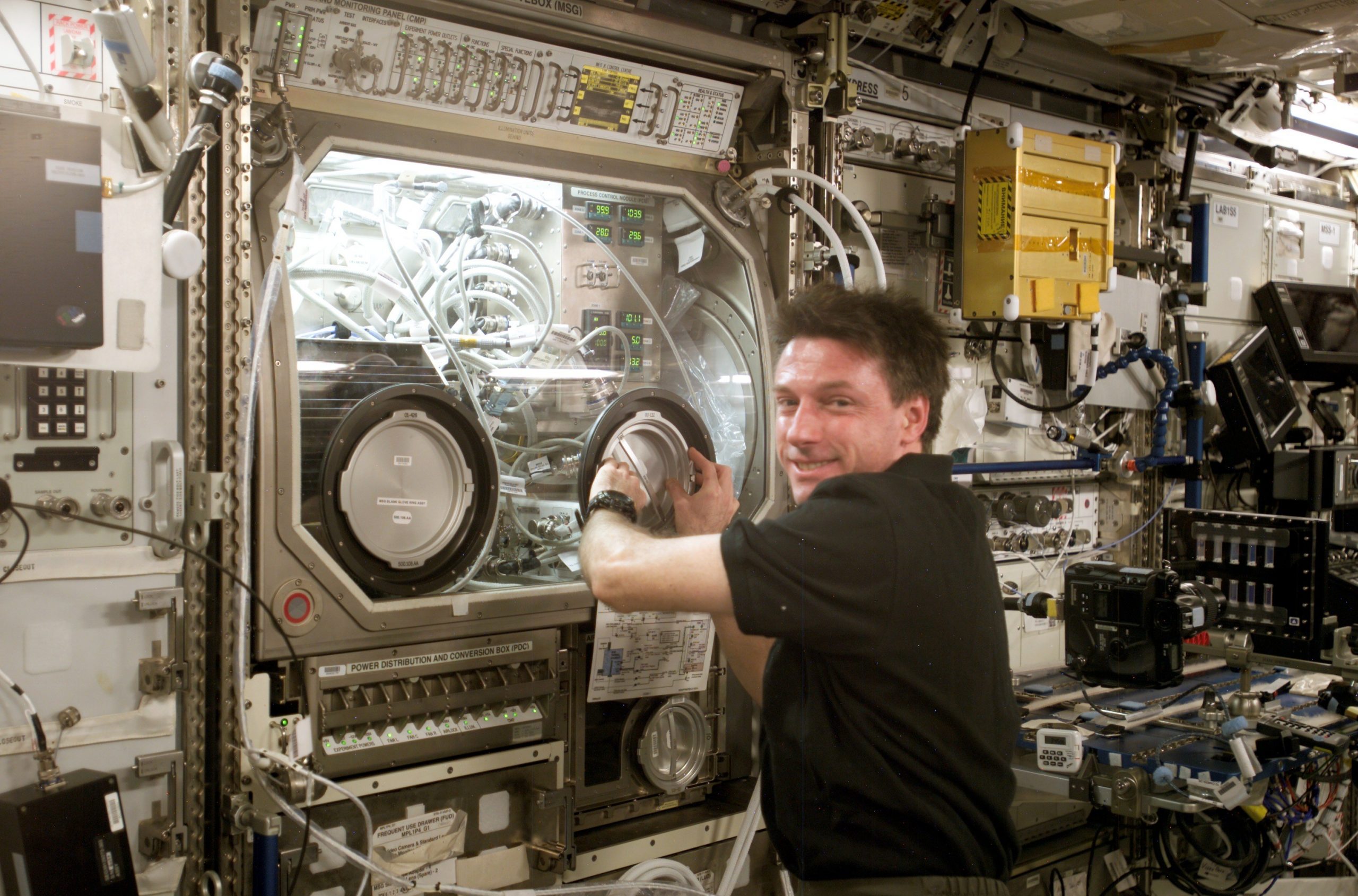
Studying Physics in Microgravity – Tiny ball bearings surround a larger central bearing during the Fluid Particles experiment, conducted inside the Microgravity Science Glovebox (MSG) aboard the International Space Station’s Destiny laboratory module.

Tiny ball bearings surround a larger central bearing during the Fluid Particles experiment, conducted inside the Microgravity Science Glovebox (MSG) aboard the International Space Station’s Destiny laboratory module.

Read More
Picture of the day


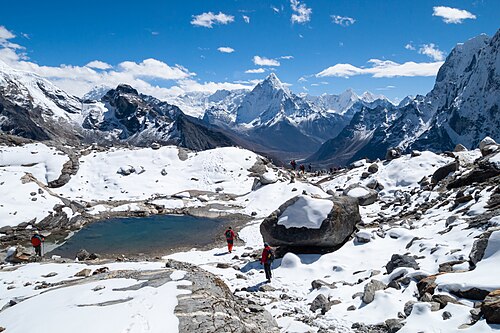
Mountaineers descending into Chola Valley, 5,200 metres (17,100 ft) a. s. l., in good weather conditions, with a panoramic view over snow-capped Himalayan peaks to the south of the Great Himalayan Range in Mahalangur Himal, Nepal, Himalayas. Today is International Mountain Day.
 #ImageOfTheDay
Picture of the day
Mountaineers descending into Chola Valley, 5,200 metres (17,100 ft) a. s. l., in good weather conditions, with a panoramic view over snow-capped Himalayan peaks to the south of the Great Himalayan Range in Mahalangur Himal, Nepal, Himalayas. Today is International Mountain Day.
Read More
Pope Leo XIV appoints new bishop for Palm Beach, auxiliary bishop for Phoenix #Catholic 
 
 Palm Beach Bishop-designate Manuel de Jesus Rodriguez. / Credit: Photo courtesy of Diocese of Palm Beach

CNA Staff, Dec 19, 2025 / 07:30 am (CNA).
The Holy See said on Dec. 19 that Pope Leo XIV had made two new episcopal appointments in the United States, with the Vatican announcing a new bishop for the Diocese of Palm Beach, Florida, as well as an auxiliary bishop for the Diocese of Phoenix.Father Manuel de Jesus Rodriguez will lead the Palm Beach Diocese after the resignation of Bishop Gerald Barbarito, the Vatican said. At 75, Barbarito has reached the customary age at which bishops retire.Bishop-designate Rodriguez is currently a priest in the Diocese of Brooklyn, where he serves at Our Lady of Sorrows Church in Queens.Born Jan. 15, 1974, in the Dominican Republic, Rodriguez studied at the Pontifical University Madre y Maestra in that country, receiving philosophy and law degrees there before obtaining several other degrees and certificates, including a doctorate in legal studies from the Pontifical Salesian University in Rome and a licentiate in canon law from The Catholic University of America.Admitted to the Salesians of Don Bosco in 1993, he made his final profession to that religious order in 2002 and was ordained on July 3, 2004. He was incardinated in the Diocese of Brooklyn in 2012.Rodriguez became a U.S. citizen in 2018. He has served multiple roles in Brooklyn, including as pastor and administrator of several churches as well as defender of the bond at the diocesan tribunal. The bishop-designate speaks English, Spanish, Italian, and French. Outgoing Palm Beach Bishop Barbarito said in a Dec. 19 statement that the diocese will be ”greatly blessed” by Rodriguez’s ministry and that he has “shown himself to be a deeply spiritual and exceptional priest.”Vicar for clergy appointed auxiliary bishop in PhoenixThe Holy See also announced on Dec. 19 that Pope Leo XIV has appointed Monsignor Peter Dai Bui as an auxiliary bishop of the Diocese of Phoenix. Bishop-designate Bui is currently the diocesan vicar for clergy for the Phoenix Diocese. A native of Vietnam, he entered the Legion of Christ novitiate in 1989 and made his first profession in 1991. He attended the Pontifical Athenaeum in Rome, where he earned degrees in philosophy and theology and a licentiate in philosophy.He was ultimately ordained for the Legionaries of Christ on Dec. 24, 2003. Bui served for several years as the chaplain of a private Catholic school in Venezuela, where he organized international mission trips. Incardinated in the Phoenix Diocese in 2009, he has served as pastor at multiple parishes and since 2022 as the vicar for clergy. The bishop-designate speaks English, Vietnamese, Spanish, Italian, and German.Bui said in a Dec. 19 statement that he was “honestly in shock” when Apostolic Nuncio Cardinal Christophe Pierre called him with the news. “I even forgot he couldn’t see me nodding through the phone!” he joked. He expressed a “profound gratitude to God” for the appointment. “I just want to be a good priest, now called to serve in a new way,” he said. Phoenix Bishop John Dolan, meanwhile, said he was “deeply grateful” to the pope for the appointment. “As one of the largest and most rapidly growing dioceses in the nation, Phoenix faces increasing pastoral and administrative complexity, and Bishop-elect Bui’s experience in governance, his deep care for priests, and his commitment to accompaniment will be invaluable,” the bishop said.

Pope Leo XIV appoints new bishop for Palm Beach, auxiliary bishop for Phoenix #Catholic Palm Beach Bishop-designate Manuel de Jesus Rodriguez. / Credit: Photo courtesy of Diocese of Palm Beach CNA Staff, Dec 19, 2025 / 07:30 am (CNA). The Holy See said on Dec. 19 that Pope Leo XIV had made two new episcopal appointments in the United States, with the Vatican announcing a new bishop for the Diocese of Palm Beach, Florida, as well as an auxiliary bishop for the Diocese of Phoenix.Father Manuel de Jesus Rodriguez will lead the Palm Beach Diocese after the resignation of Bishop Gerald Barbarito, the Vatican said. At 75, Barbarito has reached the customary age at which bishops retire.Bishop-designate Rodriguez is currently a priest in the Diocese of Brooklyn, where he serves at Our Lady of Sorrows Church in Queens.Born Jan. 15, 1974, in the Dominican Republic, Rodriguez studied at the Pontifical University Madre y Maestra in that country, receiving philosophy and law degrees there before obtaining several other degrees and certificates, including a doctorate in legal studies from the Pontifical Salesian University in Rome and a licentiate in canon law from The Catholic University of America.Admitted to the Salesians of Don Bosco in 1993, he made his final profession to that religious order in 2002 and was ordained on July 3, 2004. He was incardinated in the Diocese of Brooklyn in 2012.Rodriguez became a U.S. citizen in 2018. He has served multiple roles in Brooklyn, including as pastor and administrator of several churches as well as defender of the bond at the diocesan tribunal. The bishop-designate speaks English, Spanish, Italian, and French. Outgoing Palm Beach Bishop Barbarito said in a Dec. 19 statement that the diocese will be ”greatly blessed” by Rodriguez’s ministry and that he has “shown himself to be a deeply spiritual and exceptional priest.”Vicar for clergy appointed auxiliary bishop in PhoenixThe Holy See also announced on Dec. 19 that Pope Leo XIV has appointed Monsignor Peter Dai Bui as an auxiliary bishop of the Diocese of Phoenix. Bishop-designate Bui is currently the diocesan vicar for clergy for the Phoenix Diocese. A native of Vietnam, he entered the Legion of Christ novitiate in 1989 and made his first profession in 1991. He attended the Pontifical Athenaeum in Rome, where he earned degrees in philosophy and theology and a licentiate in philosophy.He was ultimately ordained for the Legionaries of Christ on Dec. 24, 2003. Bui served for several years as the chaplain of a private Catholic school in Venezuela, where he organized international mission trips. Incardinated in the Phoenix Diocese in 2009, he has served as pastor at multiple parishes and since 2022 as the vicar for clergy. The bishop-designate speaks English, Vietnamese, Spanish, Italian, and German.Bui said in a Dec. 19 statement that he was “honestly in shock” when Apostolic Nuncio Cardinal Christophe Pierre called him with the news. “I even forgot he couldn’t see me nodding through the phone!” he joked. He expressed a “profound gratitude to God” for the appointment. “I just want to be a good priest, now called to serve in a new way,” he said. Phoenix Bishop John Dolan, meanwhile, said he was “deeply grateful” to the pope for the appointment. “As one of the largest and most rapidly growing dioceses in the nation, Phoenix faces increasing pastoral and administrative complexity, and Bishop-elect Bui’s experience in governance, his deep care for priests, and his commitment to accompaniment will be invaluable,” the bishop said.


Palm Beach Bishop-designate Manuel de Jesus Rodriguez. / Credit: Photo courtesy of Diocese of Palm Beach

CNA Staff, Dec 19, 2025 / 07:30 am (CNA).

The Holy See said on Dec. 19 that Pope Leo XIV had made two new episcopal appointments in the United States, with the Vatican announcing a new bishop for the Diocese of Palm Beach, Florida, as well as an auxiliary bishop for the Diocese of Phoenix.

Father Manuel de Jesus Rodriguez will lead the Palm Beach Diocese after the resignation of Bishop Gerald Barbarito, the Vatican said. At 75, Barbarito has reached the customary age at which bishops retire.

Bishop-designate Rodriguez is currently a priest in the Diocese of Brooklyn, where he serves at Our Lady of Sorrows Church in Queens.

Born Jan. 15, 1974, in the Dominican Republic, Rodriguez studied at the Pontifical University Madre y Maestra in that country, receiving philosophy and law degrees there before obtaining several other degrees and certificates, including a doctorate in legal studies from the Pontifical Salesian University in Rome and a licentiate in canon law from The Catholic University of America.

Admitted to the Salesians of Don Bosco in 1993, he made his final profession to that religious order in 2002 and was ordained on July 3, 2004. He was incardinated in the Diocese of Brooklyn in 2012.

Rodriguez became a U.S. citizen in 2018. He has served multiple roles in Brooklyn, including as pastor and administrator of several churches as well as defender of the bond at the diocesan tribunal. The bishop-designate speaks English, Spanish, Italian, and French. 

Outgoing Palm Beach Bishop Barbarito said in a Dec. 19 statement that the diocese will be ”greatly blessed” by Rodriguez’s ministry and that he has “shown himself to be a deeply spiritual and exceptional priest.”

Vicar for clergy appointed auxiliary bishop in Phoenix

The Holy See also announced on Dec. 19 that Pope Leo XIV has appointed Monsignor Peter Dai Bui as an auxiliary bishop of the Diocese of Phoenix. 

Bishop-designate Bui is currently the diocesan vicar for clergy for the Phoenix Diocese. A native of Vietnam, he entered the Legion of Christ novitiate in 1989 and made his first profession in 1991. He attended the Pontifical Athenaeum in Rome, where he earned degrees in philosophy and theology and a licentiate in philosophy.

He was ultimately ordained for the Legionaries of Christ on Dec. 24, 2003. 

Bui served for several years as the chaplain of a private Catholic school in Venezuela, where he organized international mission trips. Incardinated in the Phoenix Diocese in 2009, he has served as pastor at multiple parishes and since 2022 as the vicar for clergy. 

The bishop-designate speaks English, Vietnamese, Spanish, Italian, and German.

Bui said in a Dec. 19 statement that he was “honestly in shock” when Apostolic Nuncio Cardinal Christophe Pierre called him with the news. 

“I even forgot he couldn’t see me nodding through the phone!” he joked. He expressed a “profound gratitude to God” for the appointment. 

“I just want to be a good priest, now called to serve in a new way,” he said. 

Phoenix Bishop John Dolan, meanwhile, said he was “deeply grateful” to the pope for the appointment. 

“As one of the largest and most rapidly growing dioceses in the nation, Phoenix faces increasing pastoral and administrative complexity, and Bishop-elect Bui’s experience in governance, his deep care for priests, and his commitment to accompaniment will be invaluable,” the bishop said.

Read More
Top 2025 religious freedom developments included mix of persecution, protection #Catholic 
 
 null / Credit: Joe Belanger/Shutterstock

Washington, D.C. Newsroom, Dec 19, 2025 / 06:00 am (CNA).
Here is an overview of some of the religious freedom developments and news in the United States and abroad in 2025:White House started the Religious Liberty CommissionPresident Donald Trump established the White House Religious Liberty Commission in May to report on threats to religious freedom in the U.S. and seek to advance legal protections. The commission and advisory boards include members of various religions. Catholic members on the commission include Cardinal Timothy Dolan and Bishop Robert Barron. Catholic advisory board members include Archbishop Salvatore J. Cordileone, Bishop Thomas Paprocki, Bishop Kevin Rhoades, and Father Thomas Ferguson.Lawmakers condemned persecution of Christians Rep. Riley Moore, R-West Virginia, and Sen. Josh Hawley, R-Missouri, introduced a joint resolution condemning the persecution of Christians in Muslim-majority countries across the world.The measure called on the Trump administration to leverage trade, security negotiations, and other diplomatic tools to advocate for religious freedom. Court blocked law that would require priests to violate the seal of confessionWashington Gov. Bob Ferguson signed a state law in May that would require priests to report child abuse to authorities even if they hear about it during the sacrament of confession. Catholic bishops brought a lawsuit against the measure. A federal judge blocked the controversial law.Trump announced federal guidelines to protect prayer at public schoolsPresident Donald Trump announced the U.S. Department of Education will issue federal guidelines to protect prayer at public schools during a Sept. 8 Religious Liberty Commission hearing. He said the guidelines will “protect the right to prayer in our public schools and [provide for] its total protection.”The president said he sought the guidelines after hearing about instances of public school students and staff being censored and facing disciplinary action for engaging in prayer, reading the Bible, and publicly expressing their faith.Report found most states fail to safeguard religious liberty About three-fourths of states scored less than 50% on Napa Legal Institute’s religious freedom index, which measures how well states safeguard religious liberty for faith-based organizations. The October report was part of Napa’s Faith & Freedom Index that showed Alabama scored the highest and Michigan scored the lowest.Lawmakers urged federal court to allow Ten Commandments displayFirst Liberty Institute and Heather Gebelin Hacker of Hacker Stephens LLP filed an amicus brief in December on behalf of 46 United States lawmakers urging the federal court to allow the Ten Commandments to be displayed in public schools.Speaker of the U.S. House of Representatives Mike Johnson, R-Louisiana; Rep. Chip Roy, R-Texas; and Sens. Ted Cruz and John Cornyn, R-Texas, were among the lawmakers who supported the cause after federal judges blocked Texas and Louisiana laws requiring the display of the commandments.Supreme Court ruled on religious freedom cases The U.S. Supreme Court ruled in favor of a group of Maryland parents who sued a school district over its refusal to allow families to opt their children out of reading LGBT-themed books. In a 6-3 decision on July 27 in Mahmoud v. Taylor, the court ruled the Catholic, Orthodox, and Muslim parents “are likely to succeed on their claim that the board’s policies unconstitutionally burden their religious exercise.” In July, the Supreme Court ordered the New York Court of Appeals to revisit Diocese of Albany v. Harris, which challenged a 2017 New York state mandate requiring employers to cover abortions in health insurance plans.In October, a Native American group working to stop the destruction of a centuries-old religious ritual site in Arizona lost its appeal to the Supreme Court.Religious liberty abroad: Religious freedom diminished in AfghanistanThe U.S. Commission on International Religious Freedom (USCIRF) said in a report that “religious freedom conditions in Afghanistan continue to decline dramatically under Taliban rule.”The USCIRF wrote in an Aug. 15 report examining the Taliban’s Law on the Propagation of Virtue and Prevention of Vice one year after its enactment: The morality law “impacts all Afghans” but “disproportionately affects religious minorities and women, eradicating their participation in public life and systematically eliminating their right to [freedom of religious belief].”Chinese government banned Catholic priests from evangelizing onlineIn September, the State Administration for Religious Affairs in China banned several forms of online evangelization for religious clergy of all religions, including Catholic priests.The Code of Conduct for Religious Clergy was made up of 18 articles including one that said faith leaders are banned from performing religious rituals through live broadcasts, short videos, or online meetings. U.S. commission said China should be designated as a country of particular concernThe USCIRF reported China tries to exert total control over religion and said the U.S. Department of State should redesignate China as a “country of particular concern” (CPC) regarding religious freedom.USCIRF said in September that China uses surveillance, fines, retribution against family members, imprisonment, enforced disappearance, torture, and other forms of abuse to control the Catholic Church and other religious communities in the nation.In its annual report, USCIRF also recommended Afghanistan, Burma, Cuba, Eritrea, India, Iran, Nicaragua, Nigeria, North Korea, Pakistan, Russia, Saudi Arabia, Tajikistan, Turkmenistan, and Vietnam be designated as CPCs.

Top 2025 religious freedom developments included mix of persecution, protection #Catholic null / Credit: Joe Belanger/Shutterstock Washington, D.C. Newsroom, Dec 19, 2025 / 06:00 am (CNA). Here is an overview of some of the religious freedom developments and news in the United States and abroad in 2025:White House started the Religious Liberty CommissionPresident Donald Trump established the White House Religious Liberty Commission in May to report on threats to religious freedom in the U.S. and seek to advance legal protections. The commission and advisory boards include members of various religions. Catholic members on the commission include Cardinal Timothy Dolan and Bishop Robert Barron. Catholic advisory board members include Archbishop Salvatore J. Cordileone, Bishop Thomas Paprocki, Bishop Kevin Rhoades, and Father Thomas Ferguson.Lawmakers condemned persecution of Christians Rep. Riley Moore, R-West Virginia, and Sen. Josh Hawley, R-Missouri, introduced a joint resolution condemning the persecution of Christians in Muslim-majority countries across the world.The measure called on the Trump administration to leverage trade, security negotiations, and other diplomatic tools to advocate for religious freedom. Court blocked law that would require priests to violate the seal of confessionWashington Gov. Bob Ferguson signed a state law in May that would require priests to report child abuse to authorities even if they hear about it during the sacrament of confession. Catholic bishops brought a lawsuit against the measure. A federal judge blocked the controversial law.Trump announced federal guidelines to protect prayer at public schoolsPresident Donald Trump announced the U.S. Department of Education will issue federal guidelines to protect prayer at public schools during a Sept. 8 Religious Liberty Commission hearing. He said the guidelines will “protect the right to prayer in our public schools and [provide for] its total protection.”The president said he sought the guidelines after hearing about instances of public school students and staff being censored and facing disciplinary action for engaging in prayer, reading the Bible, and publicly expressing their faith.Report found most states fail to safeguard religious liberty About three-fourths of states scored less than 50% on Napa Legal Institute’s religious freedom index, which measures how well states safeguard religious liberty for faith-based organizations. The October report was part of Napa’s Faith & Freedom Index that showed Alabama scored the highest and Michigan scored the lowest.Lawmakers urged federal court to allow Ten Commandments displayFirst Liberty Institute and Heather Gebelin Hacker of Hacker Stephens LLP filed an amicus brief in December on behalf of 46 United States lawmakers urging the federal court to allow the Ten Commandments to be displayed in public schools.Speaker of the U.S. House of Representatives Mike Johnson, R-Louisiana; Rep. Chip Roy, R-Texas; and Sens. Ted Cruz and John Cornyn, R-Texas, were among the lawmakers who supported the cause after federal judges blocked Texas and Louisiana laws requiring the display of the commandments.Supreme Court ruled on religious freedom cases The U.S. Supreme Court ruled in favor of a group of Maryland parents who sued a school district over its refusal to allow families to opt their children out of reading LGBT-themed books. In a 6-3 decision on July 27 in Mahmoud v. Taylor, the court ruled the Catholic, Orthodox, and Muslim parents “are likely to succeed on their claim that the board’s policies unconstitutionally burden their religious exercise.” In July, the Supreme Court ordered the New York Court of Appeals to revisit Diocese of Albany v. Harris, which challenged a 2017 New York state mandate requiring employers to cover abortions in health insurance plans.In October, a Native American group working to stop the destruction of a centuries-old religious ritual site in Arizona lost its appeal to the Supreme Court.Religious liberty abroad: Religious freedom diminished in AfghanistanThe U.S. Commission on International Religious Freedom (USCIRF) said in a report that “religious freedom conditions in Afghanistan continue to decline dramatically under Taliban rule.”The USCIRF wrote in an Aug. 15 report examining the Taliban’s Law on the Propagation of Virtue and Prevention of Vice one year after its enactment: The morality law “impacts all Afghans” but “disproportionately affects religious minorities and women, eradicating their participation in public life and systematically eliminating their right to [freedom of religious belief].”Chinese government banned Catholic priests from evangelizing onlineIn September, the State Administration for Religious Affairs in China banned several forms of online evangelization for religious clergy of all religions, including Catholic priests.The Code of Conduct for Religious Clergy was made up of 18 articles including one that said faith leaders are banned from performing religious rituals through live broadcasts, short videos, or online meetings. U.S. commission said China should be designated as a country of particular concernThe USCIRF reported China tries to exert total control over religion and said the U.S. Department of State should redesignate China as a “country of particular concern” (CPC) regarding religious freedom.USCIRF said in September that China uses surveillance, fines, retribution against family members, imprisonment, enforced disappearance, torture, and other forms of abuse to control the Catholic Church and other religious communities in the nation.In its annual report, USCIRF also recommended Afghanistan, Burma, Cuba, Eritrea, India, Iran, Nicaragua, Nigeria, North Korea, Pakistan, Russia, Saudi Arabia, Tajikistan, Turkmenistan, and Vietnam be designated as CPCs.


null / Credit: Joe Belanger/Shutterstock

Washington, D.C. Newsroom, Dec 19, 2025 / 06:00 am (CNA).

Here is an overview of some of the religious freedom developments and news in the United States and abroad in 2025:

White House started the Religious Liberty Commission

President Donald Trump established the White House Religious Liberty Commission in May to report on threats to religious freedom in the U.S. and seek to advance legal protections. 

The commission and advisory boards include members of various religions. Catholic members on the commission include Cardinal Timothy Dolan and Bishop Robert Barron. Catholic advisory board members include Archbishop Salvatore J. Cordileone, Bishop Thomas Paprocki, Bishop Kevin Rhoades, and Father Thomas Ferguson.

Lawmakers condemned persecution of Christians

Rep. Riley Moore, R-West Virginia, and Sen. Josh Hawley, R-Missouri, introduced a joint resolution condemning the persecution of Christians in Muslim-majority countries across the world.

The measure called on the Trump administration to leverage trade, security negotiations, and other diplomatic tools to advocate for religious freedom. 

Court blocked law that would require priests to violate the seal of confession

Washington Gov. Bob Ferguson signed a state law in May that would require priests to report child abuse to authorities even if they hear about it during the sacrament of confession. Catholic bishops brought a lawsuit against the measure. A federal judge blocked the controversial law.

Trump announced federal guidelines to protect prayer at public schools

President Donald Trump announced the U.S. Department of Education will issue federal guidelines to protect prayer at public schools during a Sept. 8 Religious Liberty Commission hearing. He said the guidelines will “protect the right to prayer in our public schools and [provide for] its total protection.”

The president said he sought the guidelines after hearing about instances of public school students and staff being censored and facing disciplinary action for engaging in prayer, reading the Bible, and publicly expressing their faith.

Report found most states fail to safeguard religious liberty 

About three-fourths of states scored less than 50% on Napa Legal Institute’s religious freedom index, which measures how well states safeguard religious liberty for faith-based organizations. The October report was part of Napa’s Faith & Freedom Index that showed Alabama scored the highest and Michigan scored the lowest.

Lawmakers urged federal court to allow Ten Commandments display

First Liberty Institute and Heather Gebelin Hacker of Hacker Stephens LLP filed an amicus brief in December on behalf of 46 United States lawmakers urging the federal court to allow the Ten Commandments to be displayed in public schools.

Speaker of the U.S. House of Representatives Mike Johnson, R-Louisiana; Rep. Chip Roy, R-Texas; and Sens. Ted Cruz and John Cornyn, R-Texas, were among the lawmakers who supported the cause after federal judges blocked Texas and Louisiana laws requiring the display of the commandments.

Supreme Court ruled on religious freedom cases 

The U.S. Supreme Court ruled in favor of a group of Maryland parents who sued a school district over its refusal to allow families to opt their children out of reading LGBT-themed books. 

In a 6-3 decision on July 27 in Mahmoud v. Taylor, the court ruled the Catholic, Orthodox, and Muslim parents “are likely to succeed on their claim that the board’s policies unconstitutionally burden their religious exercise.” 

In July, the Supreme Court ordered the New York Court of Appeals to revisit Diocese of Albany v. Harris, which challenged a 2017 New York state mandate requiring employers to cover abortions in health insurance plans.

In October, a Native American group working to stop the destruction of a centuries-old religious ritual site in Arizona lost its appeal to the Supreme Court.

Religious liberty abroad: Religious freedom diminished in Afghanistan

The U.S. Commission on International Religious Freedom (USCIRF) said in a report that “religious freedom conditions in Afghanistan continue to decline dramatically under Taliban rule.”

The USCIRF wrote in an Aug. 15 report examining the Taliban’s Law on the Propagation of Virtue and Prevention of Vice one year after its enactment: The morality law “impacts all Afghans” but “disproportionately affects religious minorities and women, eradicating their participation in public life and systematically eliminating their right to [freedom of religious belief].”

Chinese government banned Catholic priests from evangelizing online

In September, the State Administration for Religious Affairs in China banned several forms of online evangelization for religious clergy of all religions, including Catholic priests.

The Code of Conduct for Religious Clergy was made up of 18 articles including one that said faith leaders are banned from performing religious rituals through live broadcasts, short videos, or online meetings. 

U.S. commission said China should be designated as a country of particular concern

The USCIRF reported China tries to exert total control over religion and said the U.S. Department of State should redesignate China as a “country of particular concern” (CPC) regarding religious freedom.

USCIRF said in September that China uses surveillance, fines, retribution against family members, imprisonment, enforced disappearance, torture, and other forms of abuse to control the Catholic Church and other religious communities in the nation.

In its annual report, USCIRF also recommended Afghanistan, Burma, Cuba, Eritrea, India, Iran, Nicaragua, Nigeria, North Korea, Pakistan, Russia, Saudi Arabia, Tajikistan, Turkmenistan, and Vietnam be designated as CPCs.

Read More
Peekaboo! – Clockwise from left, JAXA (Japan Aerospace Exploration Agency) astronaut Kimiya Yui and NASA astronauts Jonny Kim, Zena Cardman, and Mike Fincke pose for a playful portrait through a circular opening in a hatch thermal cover aboard the International Space Station on Sept. 18, 2025.

Clockwise from left, JAXA (Japan Aerospace Exploration Agency) astronaut Kimiya Yui and NASA astronauts Jonny Kim, Zena Cardman, and Mike Fincke pose for a playful portrait through a circular opening in a hatch thermal cover aboard the International Space Station on Sept. 18, 2025.

Read More
Picture of the day


A full-size test article of the SpaceX Crew Dragon named DragonFly fires its eight SuperDraco engines in a development test of its ability to land with the accuracy of a helicopter using only the thrusters. The company conducted two tethered tests vehicle attached to a crane so engineers could refine the landing software and systems on the spacecraft. SpaceX envisions returning people to Earth from space on the power of thrust instead of beneath parachutes. SpaceX, in partnership with NASA’s Commercial Crew Program, is developing the Crew Dragon and Falcon 9 integrated system to take astronauts to launch astronauts to the International Space Station from the United States.
 #ImageOfTheDay
Picture of the day
A full-size test article of the SpaceX Crew Dragon named DragonFly fires its eight SuperDraco engines in a development test of its ability to land with the accuracy of a helicopter using only the thrusters. The company conducted two tethered tests vehicle attached to a crane so engineers could refine the landing software and systems on the spacecraft. SpaceX envisions returning people to Earth from space on the power of thrust instead of beneath parachutes. SpaceX, in partnership with NASA’s Commercial Crew Program, is developing the Crew Dragon and Falcon 9 integrated system to take astronauts to launch astronauts to the International Space Station from the United States.
Read More
Airplane Aerobatics

NASA astronaut Nick Hague watches as Robert Schmidle Pitts Aerobatics perform, Friday, Sept. 12, 2025, during the Joint Base Andrews Air Show at Joint Base Andrews in Prince George’s County, Maryland. Hague spent 171 days aboard the International Space Station as part of Expedition 72.

Read More
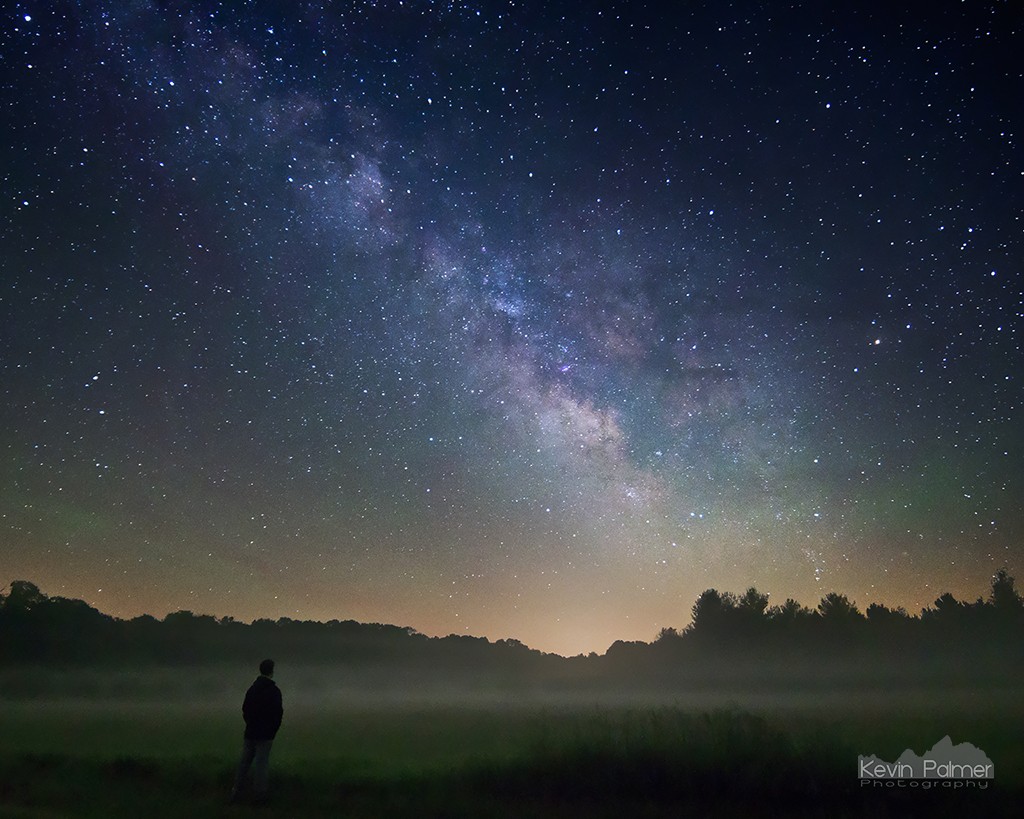

NASA astronauts Jonny Kim and Zena Cardman pose for a portrait in the Unity module

NASA astronauts Jonny Kim and Zena Cardman, both Expedition 73 Flight Engineers, pose for a portrait inside the International Space Station’s Unity module during a break in weekend housecleaning and maintenance activities. Kim and Cardman are both part of NASA Astronaut Group 22 selected in June 2017 with 12 other astronauts, including two Canadian Space Agency astronauts, and affectionately nicknamed “The Turtles.”

Read More


NASA’s SpaceX Crew-10 Splashes Down in Pacific Ocean

Roscosmos cosmonaut Kirill Peskov, left, NASA astronauts Nichole Ayers and Anne McClain, and JAXA (Japan Aerospace Exploration Agency) astronaut Takuya Onishi are seen inside the SpaceX Dragon Endurance spacecraft aboard the SpaceX recovery ship SHANNON shortly after having landed in the Pacific Ocean off the coast of San Diego, Calif., Saturday, Aug. 9, 2025. McClain, Ayers, Onishi, and Peskov returned after 147 days in space as part of Expedition 73 aboard the International Space Station.

Read More
Picture of the day


Édouard Manet’s The Café-Concert, 1878. Scene set in the Cabaret de Reichshoffen on the Boulevard Rochechouart, where women on the fringes of society freely intermingled with well-heeled gentlemen. Today is International Beer Day.
 #ImageOfTheDay
Picture of the day
Édouard Manet’s The Café-Concert, 1878. Scene set in the Cabaret de Reichshoffen on the Boulevard Rochechouart, where women on the fringes of society freely intermingled with well-heeled gentlemen. Today is International Beer Day.
Read More
Crew-11 Launches to International Space Station

A SpaceX Falcon 9 rocket carrying the company’s Dragon spacecraft is launched on NASA’s SpaceX Crew-11 mission to the International Space Station with NASA astronauts Zena Cardman, Mike Fincke, JAXA (Japan Aerospace Exploration Agency) astronaut Kimiya Yui, and Roscosmos cosmonaut Oleg Platonov aboard, Friday, Aug. 1, 2025, from NASA’s Kennedy Space Center in Florida.

Read More
Sunrise on Crew-11 Launch Attempt

A NASA photographer captured the sunrise on July 31, 2025, ahead of NASA’s SpaceX Crew-11 launch attempt. The Crew-11 mission will send NASA astronauts Zena Cardman and Mike Fincke, along with JAXA (Japan Aerospace Exploration Agency) astronaut Kimiya Yui and Roscosmos cosmonaut Oleg Platonov, to the International Space Station aboard SpaceX’s Dragon spacecraft and Falcon 9.

Read More
Picture of the day


STS-135 final flyaround of ISSThis picture of the International Space Station was photographed from the space shuttle Atlantis as the orbiting complex and the shuttle performed their relative separation in the early hours of July 19, 2011. Onboard the station were Russian cosmonauts Andrey Borisenko, Expedition 28 commander; Sergei Volkov and Alexander Samokutyaev, both flight engineers; Japan Aerospace Exploration astronaut Satoshi Furukawa, and NASA astronauts Mike Fossum and Ron Garan, all flight engineers. Onboard the shuttle were NASA astronauts Chris Ferguson, STS-135 commander; Doug Hurley, pilot; and Sandy Magnus and Rex Walheim, both mission specialists.
 #ImageOfTheDay
Picture of the day
STS-135 final flyaround of ISS
This picture of the International Space Station was photographed from the space shuttle Atlantis as the orbiting complex and the shuttle performed their relative separation in the early hours of July 19, 2011. Onboard the station were Russian cosmonauts Andrey Borisenko, Expedition 28 commander; Sergei Volkov and Alexander Samokutyaev, both flight engineers; Japan Aerospace Exploration astronaut Satoshi Furukawa, and NASA astronauts Mike Fossum and Ron Garan, all flight engineers. Onboard the shuttle were NASA astronauts Chris Ferguson, STS-135 commander; Doug Hurley, pilot; and Sandy Magnus and Rex Walheim, both mission specialists.
Read More
Picture of the day


The former “Kaispeicher B”, one of the oldest preserved warehouse structures in the Port of Hamburg, is now home to the International Maritime Museum Hamburg. The museum opened 17 years ago today, on June 25, 2008.
 #ImageOfTheDay
Picture of the day
The former “Kaispeicher B”, one of the oldest preserved warehouse structures in the Port of Hamburg, is now home to the International Maritime Museum Hamburg. The museum opened 17 years ago today, on June 25, 2008.
Read More
Back to Earth

The Soyuz MS-26 spacecraft is pictured backing away from the International Space Station shortly after undocking from the Rassvet module on April 19, 2025. The Soyuz crew ship would parachute to a landing in Kazakhstan about three hours later returning NASA astronaut Don Pettit and Roscosmos cosmonauts Alexey Ovchinin and Ivan Vagner back to Earth after a 220-day space research mission.

Read More
All Hands for Artemis III

A NASA spacesuit glove designed for use during spacewalks on the International Space Station is prepared for thermal vacuum testing inside a one-of-a-kind chamber called CITADEL (Cryogenic Ice Testing, Acquisition Development, and Excavation Laboratory) at NASA’s Jet Propulsion Laboratory in Southern California on Nov. 1, 2023.

Read More
Welcome Home, Crew-9!

NASA astronaut Butch Wilmore, left, Roscosmos cosmonaut Aleksandr Gorbunov, second from left, and NASA astronauts Nick Hague, second from right, and Suni Williams, right are seen inside a SpaceX Dragon spacecraft aboard the SpaceX recovery ship MEGAN shortly after having landed in the water off the coast of Tallahassee, Florida, Tuesday, March 18, 2025. Hague, Gorbunov, Williams, and Wilmore are returning from a long-duration science expedition aboard the International Space Station.

Read More