International

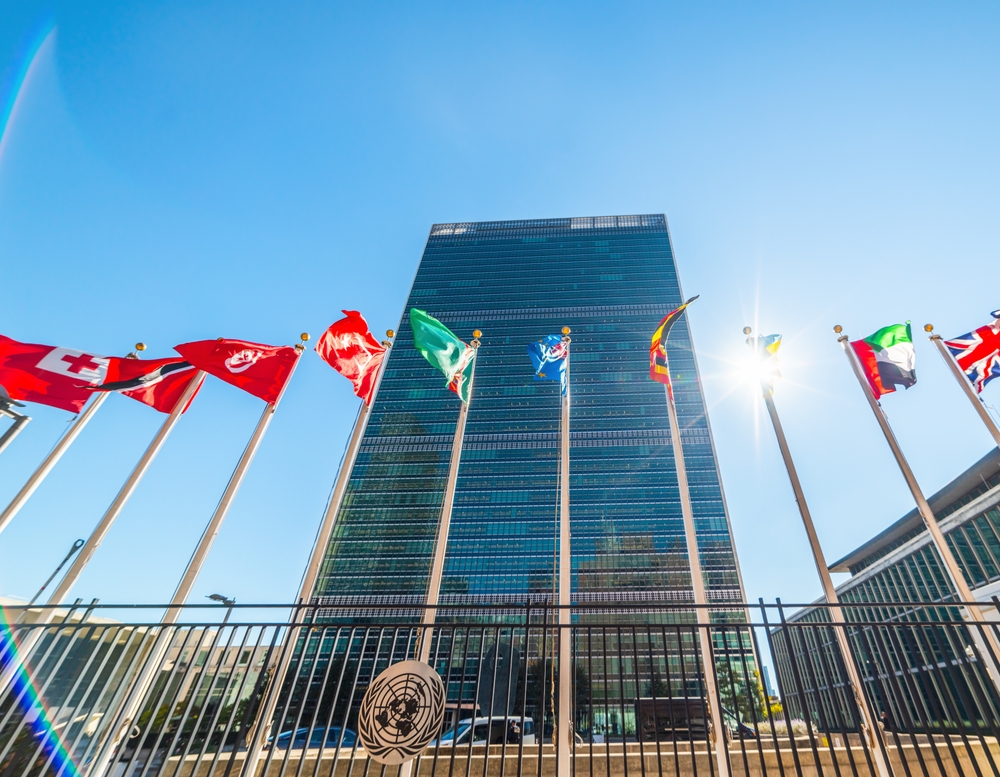
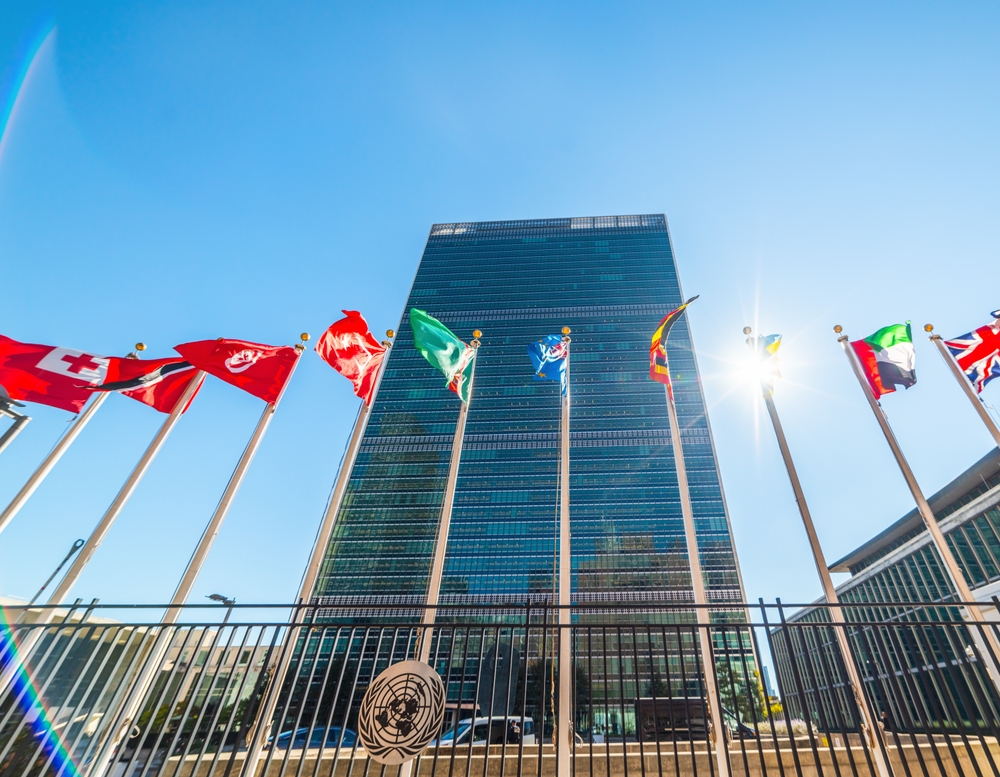
Pope Leo XIV: Vatican diplomats must be bridges and channels of peace #Catholic Pope Leo XIV on Monday outlined the qualities needed in priests who serve as Vatican diplomats, describing their work as a unique ministry that serves not only Catholics but also the entire human family in individual nations and international organizations.The pope made the remarks April 27 during a visit to the Pontifical Ecclesiastical Academy, the Holy See’s school for training diplomats, on the occasion of the 325th anniversary of its founding.Leo recalled that a few years earlier, while serving as prefect of the Dicastery for Bishops, he had visited the academy and reflected on “the essential mission carried out by the alma mater of the pontifical diplomats.”“Today, almost a year after the start of my Petrine ministry, accompanied by the diligent commitment of the Secretariat of State and the pontifical representations,” he said, “I therefore look with deep gratitude upon the history of dedication and service that this joyful anniversary celebrates.”That history, the pope said, rooted in the very Catholicity of the Church, has included an unbroken chain of priests from various parts of the world who have contributed “with their humble efforts to the building of that unity in Christ which, amid the diversity of origins, makes communion a fundamental characteristic of the diplomatic service of the Holy See.”Referring to reforms made to the academy by Pope Francis in March 2025, Leo said the most important reform required of those entering the community is “a constant exercise in conversion, aimed at cultivating ‘closeness, attentive listening, witness, a fraternal approach, and dialogue … combined with humility and meekness.’”The pope said the gathering was an opportunity to outline some characteristics of the pontifical diplomatic priest, who participates in the ministry of the successor of Peter and serves peace, truth, and justice.The Vatican diplomat, he said, “must be, first of all, a messenger of the paschal proclamation ‘Peace be with you!’”“Even when the hopes for dialogue and reconciliation seem to vanish and peace ‘as the world gives it’ is trampled upon and put to the test,” Leo said, “you are called to continue to bring the word of the risen Christ to all. ‘Peace I leave with you; my peace I give to you.’”Before trying to build peace “with our own meager strength,” the pope said, the mission of pontifical diplomats calls them to be bridges and channels for it, “so that the grace that comes from heaven may find its way through the vicissitudes of history.”Leo also said the papal diplomat, working in different cultural settings and international organizations, “is specifically assigned to bear witness to the truth that is Christ.”Such a diplomat, he said, must bring Christ’s message to the forum of nations and become “a sign of his love for that portion of humanity entrusted to his mission as a shepherd, even before that of a diplomat.”The pope also stressed the importance of clear language in diplomacy, citing his January address to the diplomatic corps accredited to the Holy See in which he said it is urgently necessary that “words once again … express distinct and clear realities unequivocally,” because “only in this way can authentic dialogue resume without misunderstandings.”“For this reason, too,” he told the students, “it is important that you bring to the world the Word of Life, who revealed himself not through the affirmation of abstract principles and ideas but by becoming flesh.”Leo reminded the academy’s students that they are preparing for a ministry “which is not limited to safeguarding the good of the Catholic community but extends to the entire human family living in a particular nation or participating in the work of various international organizations.”This, he said, requires them “to be promoters of all forms of justice that help to recognize, rebuild, and protect the image of God imprinted in every person.”“In the defense of human rights — among which the rights to religious freedom and to life are prominent — I therefore urge you to continue to show the way, not toward confrontation and demands but toward the protection of human dignity, the development of peoples and communities, and the promotion of international cooperation,” he said. “These are the only means that allow us to embark on authentic paths of peace.”The pope acknowledged that in a world marked by tensions, where conflict can appear to be the only way to address needs and demands, efforts at dialogue, listening, and reconciliation may seem insufficient, at times even futile.“This must not discourage us!” he said. “Let us continue to invoke with confidence the gift of Christ’s peace, without fear.”He assured the superiors and students that their ministry, at any time and in any place, will be “an instrument for promoting and safeguarding the dignity of every man and woman, created in the image and likeness of God, and for advancing the common good.”This story was first published by ACI Prensa, the Spanish-language sister service of EWTN News. It has been translated and adapted by EWTN News English.

Pope Leo XIV: Vatican diplomats must be bridges and channels of peace #Catholic Pope Leo XIV on Monday outlined the qualities needed in priests who serve as Vatican diplomats, describing their work as a unique ministry that serves not only Catholics but also the entire human family in individual nations and international organizations.The pope made the remarks April 27 during a visit to the Pontifical Ecclesiastical Academy, the Holy See’s school for training diplomats, on the occasion of the 325th anniversary of its founding.Leo recalled that a few years earlier, while serving as prefect of the Dicastery for Bishops, he had visited the academy and reflected on “the essential mission carried out by the alma mater of the pontifical diplomats.”“Today, almost a year after the start of my Petrine ministry, accompanied by the diligent commitment of the Secretariat of State and the pontifical representations,” he said, “I therefore look with deep gratitude upon the history of dedication and service that this joyful anniversary celebrates.”That history, the pope said, rooted in the very Catholicity of the Church, has included an unbroken chain of priests from various parts of the world who have contributed “with their humble efforts to the building of that unity in Christ which, amid the diversity of origins, makes communion a fundamental characteristic of the diplomatic service of the Holy See.”Referring to reforms made to the academy by Pope Francis in March 2025, Leo said the most important reform required of those entering the community is “a constant exercise in conversion, aimed at cultivating ‘closeness, attentive listening, witness, a fraternal approach, and dialogue … combined with humility and meekness.’”The pope said the gathering was an opportunity to outline some characteristics of the pontifical diplomatic priest, who participates in the ministry of the successor of Peter and serves peace, truth, and justice.The Vatican diplomat, he said, “must be, first of all, a messenger of the paschal proclamation ‘Peace be with you!’”“Even when the hopes for dialogue and reconciliation seem to vanish and peace ‘as the world gives it’ is trampled upon and put to the test,” Leo said, “you are called to continue to bring the word of the risen Christ to all. ‘Peace I leave with you; my peace I give to you.’”Before trying to build peace “with our own meager strength,” the pope said, the mission of pontifical diplomats calls them to be bridges and channels for it, “so that the grace that comes from heaven may find its way through the vicissitudes of history.”Leo also said the papal diplomat, working in different cultural settings and international organizations, “is specifically assigned to bear witness to the truth that is Christ.”Such a diplomat, he said, must bring Christ’s message to the forum of nations and become “a sign of his love for that portion of humanity entrusted to his mission as a shepherd, even before that of a diplomat.”The pope also stressed the importance of clear language in diplomacy, citing his January address to the diplomatic corps accredited to the Holy See in which he said it is urgently necessary that “words once again … express distinct and clear realities unequivocally,” because “only in this way can authentic dialogue resume without misunderstandings.”“For this reason, too,” he told the students, “it is important that you bring to the world the Word of Life, who revealed himself not through the affirmation of abstract principles and ideas but by becoming flesh.”Leo reminded the academy’s students that they are preparing for a ministry “which is not limited to safeguarding the good of the Catholic community but extends to the entire human family living in a particular nation or participating in the work of various international organizations.”This, he said, requires them “to be promoters of all forms of justice that help to recognize, rebuild, and protect the image of God imprinted in every person.”“In the defense of human rights — among which the rights to religious freedom and to life are prominent — I therefore urge you to continue to show the way, not toward confrontation and demands but toward the protection of human dignity, the development of peoples and communities, and the promotion of international cooperation,” he said. “These are the only means that allow us to embark on authentic paths of peace.”The pope acknowledged that in a world marked by tensions, where conflict can appear to be the only way to address needs and demands, efforts at dialogue, listening, and reconciliation may seem insufficient, at times even futile.“This must not discourage us!” he said. “Let us continue to invoke with confidence the gift of Christ’s peace, without fear.”He assured the superiors and students that their ministry, at any time and in any place, will be “an instrument for promoting and safeguarding the dignity of every man and woman, created in the image and likeness of God, and for advancing the common good.”This story was first published by ACI Prensa, the Spanish-language sister service of EWTN News. It has been translated and adapted by EWTN News English.

The pontiff said the Holy See’s diplomatic service is a unique ministry rooted in peace, truth, and justice and directed not only to Catholics but also to the entire human family.

Read More
Here are the patron saints of World Youth Day Seoul 2027 #Catholic The Local Organizing Committee for World Youth Day Seoul 2027 has officially announced the patron saints who will spiritually accompany the next major international gathering of young Catholics, which will take place in the South Korean capital Aug. 3–8, 2027.According to a statement from organizers, the five patron saints of WYD Seoul 2027 are St. John Paul II, founder of World Youth Day; St. Andrew Kim Taegon and his companion martyrs; St. Frances Xavier Cabrini; St. Josephine Bakhita; and St. Carlo Acutis.St. John Paul II (1920–2005) is remembered for centering much of his pastoral teaching on young people, the family, and the defense of the dignity of human life. St. Andrew Kim Taegon (1821–1846), the first Korean Catholic priest, together with his companion martyrs, represents a powerful witness of faith and courage, sealed by martyrdom at a young age.St. Frances Xavier Cabrini (1850–1917) was a tireless missionary, known especially for her work on behalf of migrants and the poor. St. Josephine Bakhita (1869–1947), a former slave who became a religious sister, is a witness of hope, freedom, and faith transformed through suffering. St. Carlo Acutis (1991–2006), meanwhile, embodies the witness of holiness in the digital age and remains a model of evangelization for young people today.As is customary for each World Youth Day, the patron saints are presented as models and guides of faith for young people through the witness of their lives and spirituality. For WYD Seoul 2027, the choices were made in light of the event’s major spiritual themes: truth, love, and peace.The selection process began at the end of 2024 and included a nationwide survey of young people, youth ministry leaders, and formators. Following that consultation, the Local Organizing Committee reviewed the candidates and made the final selection.After the announcement, a group of young volunteers spent two months studying the lives and spirituality of the five patron saints. Through prayer, dialogue, and shared reflection, they prepared a special prayer and a representative symbol for each saint to express the particular witness they offer to new generations.Cardinal Kevin Farrell, prefect of the Dicastery for the Laity, the Family, and Life, emphasized the importance of the selection, saying the patron saints “play a fundamental role in the preparation of each World Youth Day.” He said these models of holiness invite young people to reflect on God’s call and encourage them to respond with generosity and courage in following Christ.“May the witness of these patron saints inspire young people throughout the world, especially in contexts marked by difficulty and persecution,” Farrell said.Archbishop Peter Soon-taick Chung of Seoul, president of the Local Organizing Committee, noted that the chosen saints represent different continents and generations.“Each one of them offers a concrete path for living the faith amid the realities that young people face today,” Chung said, expressing his hope that participants will form a deep spiritual bond with the saints during the journey of preparation for WYD.The Local Organizing Committee will continue presenting the lives and spirituality of the patron saints through the official WYD Seoul 2027 website and social media channels, while also developing new content and formation programs.Along with the announcement, the committee also launched an interactive section titled “Meet Your Patron Saint!” Inspired by personality tests and digital quizzes, the feature asks young people a series of questions to help them discover which of the five saints most closely resembles their own personality. The goal is to help young people encounter the saints not only as historical figures but also as companions who can illuminate the questions and hopes of today.This story was first published by ACI Prensa, the Spanish-language sister service of EWTN News. It has been translated and adapted by EWTN News English.

Here are the patron saints of World Youth Day Seoul 2027 #Catholic The Local Organizing Committee for World Youth Day Seoul 2027 has officially announced the patron saints who will spiritually accompany the next major international gathering of young Catholics, which will take place in the South Korean capital Aug. 3–8, 2027.According to a statement from organizers, the five patron saints of WYD Seoul 2027 are St. John Paul II, founder of World Youth Day; St. Andrew Kim Taegon and his companion martyrs; St. Frances Xavier Cabrini; St. Josephine Bakhita; and St. Carlo Acutis.St. John Paul II (1920–2005) is remembered for centering much of his pastoral teaching on young people, the family, and the defense of the dignity of human life. St. Andrew Kim Taegon (1821–1846), the first Korean Catholic priest, together with his companion martyrs, represents a powerful witness of faith and courage, sealed by martyrdom at a young age.St. Frances Xavier Cabrini (1850–1917) was a tireless missionary, known especially for her work on behalf of migrants and the poor. St. Josephine Bakhita (1869–1947), a former slave who became a religious sister, is a witness of hope, freedom, and faith transformed through suffering. St. Carlo Acutis (1991–2006), meanwhile, embodies the witness of holiness in the digital age and remains a model of evangelization for young people today.As is customary for each World Youth Day, the patron saints are presented as models and guides of faith for young people through the witness of their lives and spirituality. For WYD Seoul 2027, the choices were made in light of the event’s major spiritual themes: truth, love, and peace.The selection process began at the end of 2024 and included a nationwide survey of young people, youth ministry leaders, and formators. Following that consultation, the Local Organizing Committee reviewed the candidates and made the final selection.After the announcement, a group of young volunteers spent two months studying the lives and spirituality of the five patron saints. Through prayer, dialogue, and shared reflection, they prepared a special prayer and a representative symbol for each saint to express the particular witness they offer to new generations.Cardinal Kevin Farrell, prefect of the Dicastery for the Laity, the Family, and Life, emphasized the importance of the selection, saying the patron saints “play a fundamental role in the preparation of each World Youth Day.” He said these models of holiness invite young people to reflect on God’s call and encourage them to respond with generosity and courage in following Christ.“May the witness of these patron saints inspire young people throughout the world, especially in contexts marked by difficulty and persecution,” Farrell said.Archbishop Peter Soon-taick Chung of Seoul, president of the Local Organizing Committee, noted that the chosen saints represent different continents and generations.“Each one of them offers a concrete path for living the faith amid the realities that young people face today,” Chung said, expressing his hope that participants will form a deep spiritual bond with the saints during the journey of preparation for WYD.The Local Organizing Committee will continue presenting the lives and spirituality of the patron saints through the official WYD Seoul 2027 website and social media channels, while also developing new content and formation programs.Along with the announcement, the committee also launched an interactive section titled “Meet Your Patron Saint!” Inspired by personality tests and digital quizzes, the feature asks young people a series of questions to help them discover which of the five saints most closely resembles their own personality. The goal is to help young people encounter the saints not only as historical figures but also as companions who can illuminate the questions and hopes of today.This story was first published by ACI Prensa, the Spanish-language sister service of EWTN News. It has been translated and adapted by EWTN News English.

The five saints chosen for the international youth gathering reflect the event’s spiritual themes of truth, love, and peace.

Read More
Kicked out of Mass as a mischievous child, Pope Leo will ordain him Sunday #Catholic The Diocese of Rome shared the testimonies of eight seminarians who, on April 26, Good Shepherd Sunday, will be ordained priests by Pope Leo XIV. Among them is Christian Sguazzino, who as a child was once kicked out of Mass by a priest because he was causing "chaos.”Sguazzino, together with Deacon Danilo Defant and Sister Ester Maddalena Iapenna, will share their testimonies on Friday, April 24, at St. John Lateran Basilica, the cathedral church of Rome, during the prayer vigil for vocations.Sguazzino discovered his vocation at St. John of the Cross Parish. “When I was a child — after having made my first Communion — I would go play soccer and then attend Mass every day, always bringing a friend along,” the future priest recounted.“At that time, there wasn’t even a proper church building; instead, services were held in tents. My friends and I, naturally, caused a bit of chaos. So, one day the assistant pastor kicked us out and told us we would be excommunicated!” he shared with a smile.Recalling that time of mischief, Sguazzino said that “even then — despite everything — I felt the joy of being in church; I loved looking at the altar and the tabernacle.” Along his journey, he emphasized, it was crucial to meet “so many priests who were happy to be priests. Their witness was fundamental.”An uncle who was a priest always supported himYordan Camilo Medina is Colombian and has an uncle who is a priest. As a child, he recounted, “I used to accompany him to take Communion to the mountain communities, and the joy of the faithful upon receiving the body of Christ was incredible.”“Now he, too, is in Rome, and I have followed him here on my path of priestly formation. He has always supported me,” he added.He dreamed of becoming a friarGiovanni Emanuele Nunziante is 32 years old. He was born in Rome but spent part of his childhood in England. “If I had to tell you how my vocation began, my earliest memory dates back to when I was a child,“ he said. ”I didn’t yet fully understand what it meant to be a priest, but I dreamed of being close to the Lord and toyed with the idea of ​​becoming a friar. Then, it all faded into oblivion!”The call returned with force in 2016, during the Fourth Sunday of Easter. “Upon hearing the Gospel of the Good Shepherd, that desire to be close to the Lord in a special way returned … I realized that my deepest desire was to offer my life just as Jesus did — the Good Shepherd,” he said.The influence of the Neocatechumenal WayAntonino Ordine, 27, related that his vocation was born within the faith formation program known as the Neocatechumenal Way: “I was born and raised in a very practicing family, and this led me to appreciate the beauty of the work the Church carries out on a daily basis. I was fortunate enough to meet priests and missionary families especially during a mission in Sweden who were fundamental to my discernment.”He had wanted to become a doctor and after having served on missions in Latin America, the Middle East, and India, he realized that God was calling him to give himself completely out of love for him.He was born in Africa into a non-Catholic familyJos Emanuel Nleme Sabate was born in Cameroon. “My father was Protestant and we often prayed at home,” he said. “When I was 11 years old, I entered the minor seminary of my home diocese because it had a reputation as an excellent school. It was there that I learned about Catholicism.”“I was baptized at the age of 12 and I believe it was during that rite, which was unfamiliar to me at the time, that I decided to become a priest,” he shared. He is now studying sign language and helping people with disabilities.He was a pianist of international stature“I come from a Catholic family,” Daniele Riscica related, “and I have always participated in parish activities; however, I studied at the Frosinone Conservatory and completed my piano studies in classical music. From there, I continued my career as a concert pianist.”Regarded as a rising star of the international piano scene by the age of 24, he said, “I had already achieved many goals in life, yet I was not satisfied. I felt that God was calling me to something more. So I tried entering the seminary — almost as a test … and there I felt happy.”He is grateful for his parents' faithGiorgio Larosa is 30 years old and said that his “vocation was born out of attending the parish, thanks to the faith my parents instilled in me.” His parents' example, as well as “the example of other Christians, laypeople and priests, was also very powerful. In their stories, I saw the power of the Gospel,” he recounted.He left his job and entered the seminaryGuglielmo Lapenna is 35 years old and worked in a liquor factory before beginning his formation for the priesthood.“During World Youth Day 2016 in Kraków, I decided to leave my job and enter the seminary,” he shared, adding: “And the Lord has reaffirmed my vocation every day.”This story was first published by ACI Prensa, the Spanish-language sister service of EWTN News. It has been translated and adapted by EWTN News English.

Kicked out of Mass as a mischievous child, Pope Leo will ordain him Sunday #Catholic The Diocese of Rome shared the testimonies of eight seminarians who, on April 26, Good Shepherd Sunday, will be ordained priests by Pope Leo XIV. Among them is Christian Sguazzino, who as a child was once kicked out of Mass by a priest because he was causing "chaos.”Sguazzino, together with Deacon Danilo Defant and Sister Ester Maddalena Iapenna, will share their testimonies on Friday, April 24, at St. John Lateran Basilica, the cathedral church of Rome, during the prayer vigil for vocations.Sguazzino discovered his vocation at St. John of the Cross Parish. “When I was a child — after having made my first Communion — I would go play soccer and then attend Mass every day, always bringing a friend along,” the future priest recounted.“At that time, there wasn’t even a proper church building; instead, services were held in tents. My friends and I, naturally, caused a bit of chaos. So, one day the assistant pastor kicked us out and told us we would be excommunicated!” he shared with a smile.Recalling that time of mischief, Sguazzino said that “even then — despite everything — I felt the joy of being in church; I loved looking at the altar and the tabernacle.” Along his journey, he emphasized, it was crucial to meet “so many priests who were happy to be priests. Their witness was fundamental.”An uncle who was a priest always supported himYordan Camilo Medina is Colombian and has an uncle who is a priest. As a child, he recounted, “I used to accompany him to take Communion to the mountain communities, and the joy of the faithful upon receiving the body of Christ was incredible.”“Now he, too, is in Rome, and I have followed him here on my path of priestly formation. He has always supported me,” he added.He dreamed of becoming a friarGiovanni Emanuele Nunziante is 32 years old. He was born in Rome but spent part of his childhood in England. “If I had to tell you how my vocation began, my earliest memory dates back to when I was a child,“ he said. ”I didn’t yet fully understand what it meant to be a priest, but I dreamed of being close to the Lord and toyed with the idea of ​​becoming a friar. Then, it all faded into oblivion!”The call returned with force in 2016, during the Fourth Sunday of Easter. “Upon hearing the Gospel of the Good Shepherd, that desire to be close to the Lord in a special way returned … I realized that my deepest desire was to offer my life just as Jesus did — the Good Shepherd,” he said.The influence of the Neocatechumenal WayAntonino Ordine, 27, related that his vocation was born within the faith formation program known as the Neocatechumenal Way: “I was born and raised in a very practicing family, and this led me to appreciate the beauty of the work the Church carries out on a daily basis. I was fortunate enough to meet priests and missionary families especially during a mission in Sweden who were fundamental to my discernment.”He had wanted to become a doctor and after having served on missions in Latin America, the Middle East, and India, he realized that God was calling him to give himself completely out of love for him.He was born in Africa into a non-Catholic familyJos Emanuel Nleme Sabate was born in Cameroon. “My father was Protestant and we often prayed at home,” he said. “When I was 11 years old, I entered the minor seminary of my home diocese because it had a reputation as an excellent school. It was there that I learned about Catholicism.”“I was baptized at the age of 12 and I believe it was during that rite, which was unfamiliar to me at the time, that I decided to become a priest,” he shared. He is now studying sign language and helping people with disabilities.He was a pianist of international stature“I come from a Catholic family,” Daniele Riscica related, “and I have always participated in parish activities; however, I studied at the Frosinone Conservatory and completed my piano studies in classical music. From there, I continued my career as a concert pianist.”Regarded as a rising star of the international piano scene by the age of 24, he said, “I had already achieved many goals in life, yet I was not satisfied. I felt that God was calling me to something more. So I tried entering the seminary — almost as a test … and there I felt happy.”He is grateful for his parents' faithGiorgio Larosa is 30 years old and said that his “vocation was born out of attending the parish, thanks to the faith my parents instilled in me.” His parents' example, as well as “the example of other Christians, laypeople and priests, was also very powerful. In their stories, I saw the power of the Gospel,” he recounted.He left his job and entered the seminaryGuglielmo Lapenna is 35 years old and worked in a liquor factory before beginning his formation for the priesthood.“During World Youth Day 2016 in Kraków, I decided to leave my job and enter the seminary,” he shared, adding: “And the Lord has reaffirmed my vocation every day.”This story was first published by ACI Prensa, the Spanish-language sister service of EWTN News. It has been translated and adapted by EWTN News English.

Seminarians shared their personal stories of hearing and responding to God’s call to the priesthood.

Read More
More adults quit Catholic Church than enter it in most countries Pew surveyed #Catholic A Pew Research Center study found that more adults leave the Catholic Church than enter it in most countries, but Catholics still make up the majority of the population in a number of countries analyzed.The research released April 23 found that Christianity has experienced some of the largest losses of followers due to religious switching, when people identify with a different religion in adulthood than they were raised in as a child, compared with other faith groups around the world.The U.S. data in the report, “Catholicism Has Lost People to Religious Switching in Many Countries, While Protestantism Has Gained in Some,” comes from the Center’s 2023-24 U.S. Religious Landscape Study (RLS). The international data comes from surveys conducted by Pew in spring 2024.
 
 Percent of adults in each country survey who reported they were raised Catholic. | Credit: Photo courtesy of Pew Research Center
 
 The global data that analyzed 24 countries was from Pew’s international surveys conducted via telephone or face-to-face interviews. Pew has conducted more than 800,000 interviews in over 110 countries. The margin of sampling error is based on individual countries’ research.Religious switching impact on CatholicismReligious switching has affected Catholicism and Protestantism, two of the largest Christian subgroups, in differing ways. Catholicism has lost more people than it has gained in almost all the countries surveyed, whereas Protestantism has seen a net gain from religious switching.Despite losses from religious switching, Catholics still make up the majority of the population in eight of the 24 nations Pew surveyed, including Poland (92%), the Philippines (80%), Italy (69%), Mexico (67%), Peru (67%), Hungary (63%), Colombia (60%), and Argentina (58%).In 12 of the 24 surveyed countries, most of the population was raised Catholic and many adults still identify with the faith today. For example, 96% of Polish adults were raised Catholics. Of the group, 92% still identify with the religion, with 4% reporting they have left Catholicism.Hungary also experienced a slight loss with 57% of the population identifying as lifelong Catholics and only 2% reporting that they left the Church.But overall, more people left Catholicism than joined it in 21 of the countries. People who leave Catholicism tend to join Protestantism or disaffiliate from religion altogether, the report said.Disaffiliation was found to be especially common in parts of Europe and Latin America, including Chile, where 19% of all adults who are former Catholics identify as atheist, agnostic, or “nothing in particular.”In comparison, in Kenya, Brazil, Ghana, Nigeria, and the Philippines, former Catholics are more likely to have joined Protestantism than to have become religious “nones,” the report said.Other adults have left the Church, with former Catholics making up 10% or more of the total population in 15 countries.In Italy, 22% of adults said they were raised Catholic but no longer identify as such, and an additional 1% were not raised Catholic but entered the Church. The nationʼs Catholic population experienced a net loss of 21% due to religious switching.In the United States, 30% of adults surveyed reported they were raised Catholic and only 17% remain Catholic. An additional 2% who were not raised Catholic reported they entered the Church, for a total of 19% of U.S. adults who are Catholic.Impact on other religionsSimilar to Catholics, former Protestants also make up a large share of the population in many countries. In nine of the 24 countries analyzed, the group was found to make up 10% or more of the population.In several countries, more people have joined Protestantism than have left it, with the religion having a net gain from switching in almost as many places as it has seen a net loss. Adults who leave Protestantism tend to become religiously unaffiliated, the report said.Most of the countries where Protestantism has had net gains are in Latin America, including in Brazil where 15% have joined Protestantism and 6% have left. Most Brazilians who reported switching into Protestantism were former Catholics.

More adults quit Catholic Church than enter it in most countries Pew surveyed #Catholic A Pew Research Center study found that more adults leave the Catholic Church than enter it in most countries, but Catholics still make up the majority of the population in a number of countries analyzed.The research released April 23 found that Christianity has experienced some of the largest losses of followers due to religious switching, when people identify with a different religion in adulthood than they were raised in as a child, compared with other faith groups around the world.The U.S. data in the report, “Catholicism Has Lost People to Religious Switching in Many Countries, While Protestantism Has Gained in Some,” comes from the Center’s 2023-24 U.S. Religious Landscape Study (RLS). The international data comes from surveys conducted by Pew in spring 2024. Percent of adults in each country survey who reported they were raised Catholic. | Credit: Photo courtesy of Pew Research Center The global data that analyzed 24 countries was from Pew’s international surveys conducted via telephone or face-to-face interviews. Pew has conducted more than 800,000 interviews in over 110 countries. The margin of sampling error is based on individual countries’ research.Religious switching impact on CatholicismReligious switching has affected Catholicism and Protestantism, two of the largest Christian subgroups, in differing ways. Catholicism has lost more people than it has gained in almost all the countries surveyed, whereas Protestantism has seen a net gain from religious switching.Despite losses from religious switching, Catholics still make up the majority of the population in eight of the 24 nations Pew surveyed, including Poland (92%), the Philippines (80%), Italy (69%), Mexico (67%), Peru (67%), Hungary (63%), Colombia (60%), and Argentina (58%).In 12 of the 24 surveyed countries, most of the population was raised Catholic and many adults still identify with the faith today. For example, 96% of Polish adults were raised Catholics. Of the group, 92% still identify with the religion, with 4% reporting they have left Catholicism.Hungary also experienced a slight loss with 57% of the population identifying as lifelong Catholics and only 2% reporting that they left the Church.But overall, more people left Catholicism than joined it in 21 of the countries. People who leave Catholicism tend to join Protestantism or disaffiliate from religion altogether, the report said.Disaffiliation was found to be especially common in parts of Europe and Latin America, including Chile, where 19% of all adults who are former Catholics identify as atheist, agnostic, or “nothing in particular.”In comparison, in Kenya, Brazil, Ghana, Nigeria, and the Philippines, former Catholics are more likely to have joined Protestantism than to have become religious “nones,” the report said.Other adults have left the Church, with former Catholics making up 10% or more of the total population in 15 countries.In Italy, 22% of adults said they were raised Catholic but no longer identify as such, and an additional 1% were not raised Catholic but entered the Church. The nationʼs Catholic population experienced a net loss of 21% due to religious switching.In the United States, 30% of adults surveyed reported they were raised Catholic and only 17% remain Catholic. An additional 2% who were not raised Catholic reported they entered the Church, for a total of 19% of U.S. adults who are Catholic.Impact on other religionsSimilar to Catholics, former Protestants also make up a large share of the population in many countries. In nine of the 24 countries analyzed, the group was found to make up 10% or more of the population.In several countries, more people have joined Protestantism than have left it, with the religion having a net gain from switching in almost as many places as it has seen a net loss. Adults who leave Protestantism tend to become religiously unaffiliated, the report said.Most of the countries where Protestantism has had net gains are in Latin America, including in Brazil where 15% have joined Protestantism and 6% have left. Most Brazilians who reported switching into Protestantism were former Catholics.

Despite losses from religious switching, Catholics still make up the majority of the population in a number of countries Pew Research Center analyzed across the globe.

Read More
March for Life in Warsaw commemorates 1,060 years of Christianity in Poland #Catholic Thousands of people gathered in Poland’s capital on April 19 for the National March for Life, a large public demonstration organized under the slogan “Faith and Fidelity 1966–2026,” commemorating the 1,060th anniversary of the Christianization of Poland. The event combined religious observance, civic participation, and pro-life advocacy, drawing families, clergy, activists, and public figures to central Warsaw. The day began with Mass celebrated in two of the cityʼs major churches. 
 
 Mass is celebrated at the Archcathedral Basilica of the Martyrdom of St. John the Baptist in Warsaw, Poland, on April 19, 2026. | Credit: Tomasz Daniluk/Ordo Iuris
 
 In the Archcathedral Basilica of St. John the Baptist, Bishop Piotr Jarecki presided over the liturgy, while Bishop Tomasz Sztajerwald celebrated Mass at the Cathedral of St. Michael the Archangel and St. Florian in Warsaw-Praga.Participants later gathered at Castle Square, where the march officially began. Organizers described the event as a public expression of support for life and family, rooted in Poland’s Christian tradition. Metropolitan Archbishop Adrian Galbas of Warsaw encouraged participation ahead of the event, framing it as a testimony to human dignity. “We want to testify that we are lovers of life. Bring your family along! Life triumphs over every death,” he declared.
 
 Church leaders join Poland’s President Karol Nawrocki and other dignitaries at the March for Life in Warsaw on April 19, 2026. | Credit: Tomasz Daniluk/Ordo lures
 
 March through Warsaw highlights pro-life messageThe procession moved through central Warsaw streets under the historic slogan marking Poland’s Christian heritage. As participants approached the Presidential Palace, Polish President Karol Nawrocki spoke, linking the march to broader social concerns.“I support initiatives that serve Poland, and this initiative certainly serves Poland,” he said. “It is also a response to the deep demographic crisis. Today, the answer to many Polish problems lies precisely in Polish families, in our identity, in remembering where we come from and where we are going.”Organizers said the march was intended not only as a demonstration of pro-life conviction but also as a broader reflection on national identity and social cohesion.A prominent symbol carried during the march was a copy of the icon of Our Lady of Częstochowa, which has been traveling internationally for 14 years as part of the From Ocean to Ocean pilgrimage in defense of life. The icon has traveled more than 220,000 kilometers (almost 137,000 miles) and visited 32 countries across five continents.
 
 Participants carry an icon of Our Lady of Częstochowa. | Credit: Tomasz Daniluk/Ordo Iuris
 
 Shifting abortion attitudes among younger PolesThe National March for Life is organized by the St. Benedict Foundation alongside dozens of pro-life groups from across Poland and takes place under the honorary patronage of the Polish Episcopal Conference.Patrycja Michońska-Dynek, director of the Press Center of the Archdiocese of Warsaw, told EWTN News that there are shifting public attitudes toward abortion in Poland, including growing societal acceptance and increased calls for liberalization, attributing these changes to secularization, cultural pressures, and differing interpretations of freedom.Michońska-Dynek also observed that while pro-life values remain important in Polish society, younger generations often approach the issue with more nuanced perspectives, particularly in complex or exceptional situations. Fostering a “culture of life” must include practical support for families, such as assistance for single mothers and couples in crisis, Michońska-Dynek said.
 
 Lidia, a participant at the National March for Life. | Credit: Tomasz Daniluk/Ordo Iuris
 
 Not a single-issue agendaLidia Sankowska-Grabczuk, one of the organizers of the National March for Life, told EWTN News that the pro-life movement in Poland extends beyond a single-issue focus on abortion.“In a nutshell, the pro-life movement is [often] the anti-abortion movement. In our view… it’s a bit different. We don’t reduce it to a single-issue agenda,” she said, warning that such a narrow framing “strips it of its true meaning.” While protecting unborn life remains central, she described it as part of a broader vision rooted in what she called “the public voice of Polish Christianity.”She outlined three core pillars underpinning the movement. The first is “respect for life,” encompassing not only the unborn but also solidarity with the elderly, families, and those in need. The second is the family as society’s foundation, grounded in the traditional understanding of marriage and its role in Poland’s social stability. The third pillar is “a state serving the common good,” reflecting a view of politics as service and a call for greater social solidarity.
 
 March for Life in Warsaw commemorates 1,060 years of Christianity in Poland. | Credit: Tomasz Daniluk/Ordo Iuris
 
 Sankowska-Grabczuk also discussed the importance of Poland’s historical and Christian identity in shaping the movement. She noted that recent marches have intentionally marked major national milestones, including the 1,000th anniversary of Poland’s first royal coronation in 2025.These commemorations, she said, highlight how the movement sees its mission as inseparable from Poland’s historical development, where Christianity has long informed both national identity and social values.Pro-life voices and public participationAmong international participants was Tonio Borg, president of the European Federation One of Us. He urged participants to remain steadfast in their convictions despite criticism or public pressure. “Do not be afraid of being slandered and ridiculed because you seek to protect life from the moment of conception,” he said, encouraging continued public engagement and advocacy. He also called on supporters to make their voices heard in the public sphere, stressing the importance of influencing lawmakers and demonstrating that “the unborn child is one of us.”
 
 Paula, a participant at the National March for Life in Poland. | Credit: Tomasz Daniluk/Ordo Iuris
 
 Marcin Perłowski, director of the Centre for Life and Family, said participants gathered at the march out of a shared conviction that “human life begins at conception” and must be defended. He stated that the National March for Life serves as a public demonstration of that belief, describing it as a stand “against all those who raise a hand against unborn children.”Pro-life activist Emilia Mędrzecka told EWTN News that her position is grounded in a belief in universal human dignity. “Children in the womb are as human as we are… they are more dependent and need time to grow,” she said while adding that the march reflected a strong presence of families, young people, and older generations united in support of life.
 
 Polish president Karol Nawrocki walks among participants at the National March for Life in Poland. | Credit: Tomasz Daniluk/Ordo Iuris
 
 While official attendance figures have not been released, estimates provided to EWTN News suggested more than 10,000 people participated, with organizers placing peak attendance between 25,000 and 30,000.

March for Life in Warsaw commemorates 1,060 years of Christianity in Poland #Catholic Thousands of people gathered in Poland’s capital on April 19 for the National March for Life, a large public demonstration organized under the slogan “Faith and Fidelity 1966–2026,” commemorating the 1,060th anniversary of the Christianization of Poland. The event combined religious observance, civic participation, and pro-life advocacy, drawing families, clergy, activists, and public figures to central Warsaw. The day began with Mass celebrated in two of the cityʼs major churches. Mass is celebrated at the Archcathedral Basilica of the Martyrdom of St. John the Baptist in Warsaw, Poland, on April 19, 2026. | Credit: Tomasz Daniluk/Ordo Iuris In the Archcathedral Basilica of St. John the Baptist, Bishop Piotr Jarecki presided over the liturgy, while Bishop Tomasz Sztajerwald celebrated Mass at the Cathedral of St. Michael the Archangel and St. Florian in Warsaw-Praga.Participants later gathered at Castle Square, where the march officially began. Organizers described the event as a public expression of support for life and family, rooted in Poland’s Christian tradition. Metropolitan Archbishop Adrian Galbas of Warsaw encouraged participation ahead of the event, framing it as a testimony to human dignity. “We want to testify that we are lovers of life. Bring your family along! Life triumphs over every death,” he declared. Church leaders join Poland’s President Karol Nawrocki and other dignitaries at the March for Life in Warsaw on April 19, 2026. | Credit: Tomasz Daniluk/Ordo lures March through Warsaw highlights pro-life messageThe procession moved through central Warsaw streets under the historic slogan marking Poland’s Christian heritage. As participants approached the Presidential Palace, Polish President Karol Nawrocki spoke, linking the march to broader social concerns.“I support initiatives that serve Poland, and this initiative certainly serves Poland,” he said. “It is also a response to the deep demographic crisis. Today, the answer to many Polish problems lies precisely in Polish families, in our identity, in remembering where we come from and where we are going.”Organizers said the march was intended not only as a demonstration of pro-life conviction but also as a broader reflection on national identity and social cohesion.A prominent symbol carried during the march was a copy of the icon of Our Lady of Częstochowa, which has been traveling internationally for 14 years as part of the From Ocean to Ocean pilgrimage in defense of life. The icon has traveled more than 220,000 kilometers (almost 137,000 miles) and visited 32 countries across five continents. Participants carry an icon of Our Lady of Częstochowa. | Credit: Tomasz Daniluk/Ordo Iuris Shifting abortion attitudes among younger PolesThe National March for Life is organized by the St. Benedict Foundation alongside dozens of pro-life groups from across Poland and takes place under the honorary patronage of the Polish Episcopal Conference.Patrycja Michońska-Dynek, director of the Press Center of the Archdiocese of Warsaw, told EWTN News that there are shifting public attitudes toward abortion in Poland, including growing societal acceptance and increased calls for liberalization, attributing these changes to secularization, cultural pressures, and differing interpretations of freedom.Michońska-Dynek also observed that while pro-life values remain important in Polish society, younger generations often approach the issue with more nuanced perspectives, particularly in complex or exceptional situations. Fostering a “culture of life” must include practical support for families, such as assistance for single mothers and couples in crisis, Michońska-Dynek said. Lidia, a participant at the National March for Life. | Credit: Tomasz Daniluk/Ordo Iuris Not a single-issue agendaLidia Sankowska-Grabczuk, one of the organizers of the National March for Life, told EWTN News that the pro-life movement in Poland extends beyond a single-issue focus on abortion.“In a nutshell, the pro-life movement is [often] the anti-abortion movement. In our view… it’s a bit different. We don’t reduce it to a single-issue agenda,” she said, warning that such a narrow framing “strips it of its true meaning.” While protecting unborn life remains central, she described it as part of a broader vision rooted in what she called “the public voice of Polish Christianity.”She outlined three core pillars underpinning the movement. The first is “respect for life,” encompassing not only the unborn but also solidarity with the elderly, families, and those in need. The second is the family as society’s foundation, grounded in the traditional understanding of marriage and its role in Poland’s social stability. The third pillar is “a state serving the common good,” reflecting a view of politics as service and a call for greater social solidarity. March for Life in Warsaw commemorates 1,060 years of Christianity in Poland. | Credit: Tomasz Daniluk/Ordo Iuris Sankowska-Grabczuk also discussed the importance of Poland’s historical and Christian identity in shaping the movement. She noted that recent marches have intentionally marked major national milestones, including the 1,000th anniversary of Poland’s first royal coronation in 2025.These commemorations, she said, highlight how the movement sees its mission as inseparable from Poland’s historical development, where Christianity has long informed both national identity and social values.Pro-life voices and public participationAmong international participants was Tonio Borg, president of the European Federation One of Us. He urged participants to remain steadfast in their convictions despite criticism or public pressure. “Do not be afraid of being slandered and ridiculed because you seek to protect life from the moment of conception,” he said, encouraging continued public engagement and advocacy. He also called on supporters to make their voices heard in the public sphere, stressing the importance of influencing lawmakers and demonstrating that “the unborn child is one of us.” Paula, a participant at the National March for Life in Poland. | Credit: Tomasz Daniluk/Ordo Iuris Marcin Perłowski, director of the Centre for Life and Family, said participants gathered at the march out of a shared conviction that “human life begins at conception” and must be defended. He stated that the National March for Life serves as a public demonstration of that belief, describing it as a stand “against all those who raise a hand against unborn children.”Pro-life activist Emilia Mędrzecka told EWTN News that her position is grounded in a belief in universal human dignity. “Children in the womb are as human as we are… they are more dependent and need time to grow,” she said while adding that the march reflected a strong presence of families, young people, and older generations united in support of life. Polish president Karol Nawrocki walks among participants at the National March for Life in Poland. | Credit: Tomasz Daniluk/Ordo Iuris While official attendance figures have not been released, estimates provided to EWTN News suggested more than 10,000 people participated, with organizers placing peak attendance between 25,000 and 30,000.

Recent marches in Poland have intentionally marked major national milestones, including the 1,000th anniversary of Poland’s first royal coronation in 2025.

Read More
Punk legend Patti Smith, Mexican architect Tatiana Bilbao to represent Vatican at Venice Biennale #Catholic For the fourth consecutive year, the Holy See will have its own pavilion at the 61st International Art Exhibition of La Biennale di Venezia in Italy.The Dicastery for Culture and Education announced the participation of several influential figures in contemporary art and culture — including American singer Patti Smith and Mexican architect Tatiana Bilbao — in the Holy See Pavilion at the 61st International Art Exhibition of the Venice Biennale, which will be held May 9 through Nov. 22.This edition of the Italian cultural event, titled “In Minor Keys,” is a sensory and meditative experience that seeks to reconnect participants with the emotional and affective roles of art in society.In a press release, the Dicastery for Culture and Education announced the 24 artists who will form part of the Holy See’s selection this year, reflecting the eventʼs concept for 2026, which invites visitors to slow down the pace of life and open up spaces for reflection and silence.This edition is marked by the unexpected death in May 2025 in Basel, Switzerland, of its curator, Koyo Kouoh, a Cameroonian-Swiss artist globally recognized as one of the most powerful voices in the promotion of contemporary African art.Patti Smith is popularly known as the “Godmother of Punk.” Her 1975 debut album “Horses” marked a turning point in New York punk by fusing rock and poetry.The prestigious Mexican architect Tatiana Bilbao, internationally renowned for her humanist and social approach to architecture, will also participate in the project. She designed the pavilion for the 2025 Venice Biennale, a project titled “Opera Aperta” (“Open Work”), which received a special mention from the jury.Inspired by a medieval saintInspired by the life and spiritual legacy of St. Hildegard of Bingen, the Holy See’s pavilion as explained by the Vatican is conceived as a space for contemplation and deep listening. Titled “L’orecchio è l’occhio dell’anima” (“The Ear Is the Eye of the Soul”), the pavilion will be hosted across two historic venues in the city: Cannaregio and Castello.
 
 St. Hildegard of Bingen. | Credit: Haffitt (CC BY-SA 4.0)
 
 It has been curated by Hans Ulrich Obrist and Ben Vickers in collaboration with the Soundwalk Collective and draws upon the life and spiritual legacy of St. Hildegard, a 12th-century Benedictine nun, mystic, composer, and thinker who was proclaimed a saint and doctor of the Church in 2012 by Pope Benedict XVI.The works commissioned from the participating artists are conceived as a “sonic prayer”: an art form that unites music, spoken word, film, and silence, and invites the visitor to an experience of contemplative listening.As explained by the Vatican, the proposal reflects a curatorial vision that conceives of sound as a path to inner knowledge and spiritual experience, reviving a central insight of the thought of Hildegard of Bingen.The project is curated by Cardinal José Tolentino de Mendonça, prefect of the Dicastery for Culture and Education.This story was first published by ACI Prensa, the Spanish-language sister service of EWTN News. It has been translated and adapted by EWTN News English.

Punk legend Patti Smith, Mexican architect Tatiana Bilbao to represent Vatican at Venice Biennale #Catholic For the fourth consecutive year, the Holy See will have its own pavilion at the 61st International Art Exhibition of La Biennale di Venezia in Italy.The Dicastery for Culture and Education announced the participation of several influential figures in contemporary art and culture — including American singer Patti Smith and Mexican architect Tatiana Bilbao — in the Holy See Pavilion at the 61st International Art Exhibition of the Venice Biennale, which will be held May 9 through Nov. 22.This edition of the Italian cultural event, titled “In Minor Keys,” is a sensory and meditative experience that seeks to reconnect participants with the emotional and affective roles of art in society.In a press release, the Dicastery for Culture and Education announced the 24 artists who will form part of the Holy See’s selection this year, reflecting the eventʼs concept for 2026, which invites visitors to slow down the pace of life and open up spaces for reflection and silence.This edition is marked by the unexpected death in May 2025 in Basel, Switzerland, of its curator, Koyo Kouoh, a Cameroonian-Swiss artist globally recognized as one of the most powerful voices in the promotion of contemporary African art.Patti Smith is popularly known as the “Godmother of Punk.” Her 1975 debut album “Horses” marked a turning point in New York punk by fusing rock and poetry.The prestigious Mexican architect Tatiana Bilbao, internationally renowned for her humanist and social approach to architecture, will also participate in the project. She designed the pavilion for the 2025 Venice Biennale, a project titled “Opera Aperta” (“Open Work”), which received a special mention from the jury.Inspired by a medieval saintInspired by the life and spiritual legacy of St. Hildegard of Bingen, the Holy See’s pavilion as explained by the Vatican is conceived as a space for contemplation and deep listening. Titled “L’orecchio è l’occhio dell’anima” (“The Ear Is the Eye of the Soul”), the pavilion will be hosted across two historic venues in the city: Cannaregio and Castello. St. Hildegard of Bingen. | Credit: Haffitt (CC BY-SA 4.0) It has been curated by Hans Ulrich Obrist and Ben Vickers in collaboration with the Soundwalk Collective and draws upon the life and spiritual legacy of St. Hildegard, a 12th-century Benedictine nun, mystic, composer, and thinker who was proclaimed a saint and doctor of the Church in 2012 by Pope Benedict XVI.The works commissioned from the participating artists are conceived as a “sonic prayer”: an art form that unites music, spoken word, film, and silence, and invites the visitor to an experience of contemplative listening.As explained by the Vatican, the proposal reflects a curatorial vision that conceives of sound as a path to inner knowledge and spiritual experience, reviving a central insight of the thought of Hildegard of Bingen.The project is curated by Cardinal José Tolentino de Mendonça, prefect of the Dicastery for Culture and Education.This story was first published by ACI Prensa, the Spanish-language sister service of EWTN News. It has been translated and adapted by EWTN News English.

The exhibition by the Dicastery for Culture and Education features the work of contemporary artists in various fields, inspired by the life and spiritual legacy of St. Hildegard of Bingen.

Read More
Pope Leo XIV in Algeria: ‘I am here among you as a pilgrim of peace’ #Catholic ALGIERS, Algeria — Pope Leo XIV on Monday presented himself to Algeria’s diplomatic corps and civil society as “a pilgrim of peace,” urging a more just international order, warning against exclusion and inequality, and praising those who refuse to be “blinded by power or wealth.”Peace remained the central theme of the pope’s first day in Algeria, following his earlier stop at the Martyrs’ Memorial, where he delivered an appeal for peace and reconciliation.Speaking in French at the Djamaa el Djazair Conference Center, Leo recalled his previous visits to Algeria in 2001 and 2013 to Annaba, the ancient see of St. Augustine, whose spiritual legacy has long shaped the Augustinian order to which the pope belongs.“I am here among you as a pilgrim of peace, eager to meet the noble Algerian people,” the pope said. “We are brothers and sisters, for we have the same Father in heaven.”Leo said the “profound religious sense of the Algerian people” fosters “a culture of encounter and reconciliation,” adding that his visit also seeks to be a sign of that spirit.“In a world full of conflicts and misunderstandings, let us meet and strive for mutual understanding, recognizing that we are one family!” he said. “Today, the simplicity of this awareness is the key to opening many doors that are closed.”Addressing an audience of about 1,400 people from civil society and the diplomatic corps, the pope praised the resilience of the Algerian people, saying they had never been defeated by their trials because of their spirit of solidarity, hospitality, and community.“They are the truly strong ones, to whom the future belongs: those who do not allow themselves to be blinded by power or wealth, and those who refuse to sacrifice the dignity of their fellow citizens for the sake of personal or collective gain,” he said.Leo also highlighted the Algerian understanding of hospitality and almsgiving, reflected in the word “sadaka,” which he noted can also mean justice.“The one who accumulates wealth and remains indifferent to others is unjust,” the pope said, calling this vision of justice both “simple and radical” because it recognizes the image of God in others. “Indeed, a religion without mercy and a society without solidarity are a scandal in God’s eyes.”At the same time, he warned that many societies that consider themselves advanced are falling ever deeper into inequality and exclusion, while “people and organizations that dominate others destroy the world.” He said Africa knows this reality well and suggested that Algeria’s historical experience gives it a critical perspective on global power balances.“If you are able to engage in dialogue regarding the concerns of all and show solidarity with the sufferings of so many countries near and far, then you will be able to contribute to both envisioning and bringing about greater justice among peoples,” Leo said.He added that this task is especially urgent “in the face of continuous violations of international law and neocolonial tendencies.”Drawing on the teaching of Benedict XVI and Pope Francis, Leo called on Algeria’s authorities not to fear a broader social participation by those on the margins.“I therefore urge those of you who hold positions of authority in this country not to fear this outlook but to promote a vibrant, dynamic, and free civil society, in which young people in particular are recognized as capable of helping to broaden the horizon of hope for all,” he said.“The true strength of a nation lies in the cooperation of everyone in pursuing the common good,” he continued. “Authorities are called not to dominate but to serve the people and foster their development.”The pope also pointed to Algeria’s unique role as “a bridge between North and South, and between East and West,” describing the Mediterranean and the Sahara as geographical and spiritual crossroads rich with human and cultural meaning.“Woe to us if we turn them into graveyards where hope also dies!” he said. “Let us multiply oases of peace; let us denounce and remove the causes of despair; and let us oppose those who profit from the misfortune of others!”“For illicit are the gains of those who exploit human life, whose dignity is inviolable,” he added.Leo then broadened his reflection to the place of religion in modern society, noting that Algeria, like much of the world, experiences tensions between religious sensibility and modern life. He warned against both fundamentalism and secularization when they distort the true sense of God and human dignity.“Religious symbols and words can become, on the one hand, blasphemous languages of violence and oppression, or on the other, empty signs in the immense marketplace of consumption that does not satisfy us,” he said.Still, the pope insisted that such polarization should not lead to despair.“We must educate people in critical thinking and freedom, in listening and dialogue, and in the trust that leads us to recognize in those who are different fellow travelers and not threats,” he said. “We must work toward the healing of memory and reconciliation among former adversaries.”In his introduction, Algerian President Abdelmadjid Tebboune called Leo’s presence the first visit of a pope to Algeria and said it gave the occasion “a unique resonance.” He invoked both St. Augustine and Emir Abdelkader as enduring models at a time of accelerating change and weakening moral values.Tebboune also praised the pope’s moral authority and his support for social justice while reaffirming Algeria’s commitment to working with the Holy Father to promote dialogue, coexistence, and cooperation over division and conflict.This story was first published by ACI Stampa, the Italian-language sister service of EWTN News. It has been translated and adapted by EWTN News English.

Pope Leo XIV in Algeria: ‘I am here among you as a pilgrim of peace’ #Catholic ALGIERS, Algeria — Pope Leo XIV on Monday presented himself to Algeria’s diplomatic corps and civil society as “a pilgrim of peace,” urging a more just international order, warning against exclusion and inequality, and praising those who refuse to be “blinded by power or wealth.”Peace remained the central theme of the pope’s first day in Algeria, following his earlier stop at the Martyrs’ Memorial, where he delivered an appeal for peace and reconciliation.Speaking in French at the Djamaa el Djazair Conference Center, Leo recalled his previous visits to Algeria in 2001 and 2013 to Annaba, the ancient see of St. Augustine, whose spiritual legacy has long shaped the Augustinian order to which the pope belongs.“I am here among you as a pilgrim of peace, eager to meet the noble Algerian people,” the pope said. “We are brothers and sisters, for we have the same Father in heaven.”Leo said the “profound religious sense of the Algerian people” fosters “a culture of encounter and reconciliation,” adding that his visit also seeks to be a sign of that spirit.“In a world full of conflicts and misunderstandings, let us meet and strive for mutual understanding, recognizing that we are one family!” he said. “Today, the simplicity of this awareness is the key to opening many doors that are closed.”Addressing an audience of about 1,400 people from civil society and the diplomatic corps, the pope praised the resilience of the Algerian people, saying they had never been defeated by their trials because of their spirit of solidarity, hospitality, and community.“They are the truly strong ones, to whom the future belongs: those who do not allow themselves to be blinded by power or wealth, and those who refuse to sacrifice the dignity of their fellow citizens for the sake of personal or collective gain,” he said.Leo also highlighted the Algerian understanding of hospitality and almsgiving, reflected in the word “sadaka,” which he noted can also mean justice.“The one who accumulates wealth and remains indifferent to others is unjust,” the pope said, calling this vision of justice both “simple and radical” because it recognizes the image of God in others. “Indeed, a religion without mercy and a society without solidarity are a scandal in God’s eyes.”At the same time, he warned that many societies that consider themselves advanced are falling ever deeper into inequality and exclusion, while “people and organizations that dominate others destroy the world.” He said Africa knows this reality well and suggested that Algeria’s historical experience gives it a critical perspective on global power balances.“If you are able to engage in dialogue regarding the concerns of all and show solidarity with the sufferings of so many countries near and far, then you will be able to contribute to both envisioning and bringing about greater justice among peoples,” Leo said.He added that this task is especially urgent “in the face of continuous violations of international law and neocolonial tendencies.”Drawing on the teaching of Benedict XVI and Pope Francis, Leo called on Algeria’s authorities not to fear a broader social participation by those on the margins.“I therefore urge those of you who hold positions of authority in this country not to fear this outlook but to promote a vibrant, dynamic, and free civil society, in which young people in particular are recognized as capable of helping to broaden the horizon of hope for all,” he said.“The true strength of a nation lies in the cooperation of everyone in pursuing the common good,” he continued. “Authorities are called not to dominate but to serve the people and foster their development.”The pope also pointed to Algeria’s unique role as “a bridge between North and South, and between East and West,” describing the Mediterranean and the Sahara as geographical and spiritual crossroads rich with human and cultural meaning.“Woe to us if we turn them into graveyards where hope also dies!” he said. “Let us multiply oases of peace; let us denounce and remove the causes of despair; and let us oppose those who profit from the misfortune of others!”“For illicit are the gains of those who exploit human life, whose dignity is inviolable,” he added.Leo then broadened his reflection to the place of religion in modern society, noting that Algeria, like much of the world, experiences tensions between religious sensibility and modern life. He warned against both fundamentalism and secularization when they distort the true sense of God and human dignity.“Religious symbols and words can become, on the one hand, blasphemous languages of violence and oppression, or on the other, empty signs in the immense marketplace of consumption that does not satisfy us,” he said.Still, the pope insisted that such polarization should not lead to despair.“We must educate people in critical thinking and freedom, in listening and dialogue, and in the trust that leads us to recognize in those who are different fellow travelers and not threats,” he said. “We must work toward the healing of memory and reconciliation among former adversaries.”In his introduction, Algerian President Abdelmadjid Tebboune called Leo’s presence the first visit of a pope to Algeria and said it gave the occasion “a unique resonance.” He invoked both St. Augustine and Emir Abdelkader as enduring models at a time of accelerating change and weakening moral values.Tebboune also praised the pope’s moral authority and his support for social justice while reaffirming Algeria’s commitment to working with the Holy Father to promote dialogue, coexistence, and cooperation over division and conflict.This story was first published by ACI Stampa, the Italian-language sister service of EWTN News. It has been translated and adapted by EWTN News English.

The pontiff called for a world order that does not exclude the vulnerable and urged leaders to serve the common good.

Read More
Pope Leo XIV: Eucharist is ‘indispensable for Christian life’ #Catholic “The Sunday Eucharist is indispensable for Christian life,” said Pope Leo XIV before reciting the Marian prayer of the Regina Caeli on April 12 in St. Peterʼs Square. Speaking to crowds gathered in the square, the pope noted his upcoming departure for Africa, where “some martyrs of the early African Church, the Martyrs of Abitene, have left us a beautiful testimony in this regard." "Faced with the offer to save their lives on the condition that they renounce celebrating the Eucharist, they replied that they could not live without celebrating the Lord’s Day. It is there that our faith is nourished and grows,” the Holy Father said. “Because it is through the Eucharist that even our hands become ‘hands of the Risen One,’ witnesses of his presence, of his mercy, and of his peace, in the signs of work, of sacrifices, of illness, and of the passing of the years, which are often engraved upon them — just as in the tenderness of a caress, a handshake, or a gesture of charity," he said. In his commentary on the April 12 Gospel for the second Sunday of Easter — dedicated by Pope John Paul II to Divine Mercy — the pope spoke about the faithfulʼs encounter with Jesus: “Where can we find him? How can we recognize him? How can we believe?”“Certainly, it is not always easy to believe. It was not easy for Thomas, and it is not easy for us either. Faith needs to be nourished and supported. For this reason, on the ‘eighth day,’ that is, every Sunday, the Church invites us to do as the first disciples did: to gather together and celebrate the Eucharist as one," he said.The pope concluded: “In a world that is in such great need of peace, this commits us more than ever to be assiduous and faithful in our Eucharistic encounter with the Risen Lord, so that we may depart from it as witnesses of charity and bearers of reconciliation." “May the Virgin Mary help us to do this — she who is blessed because she was the first to believe without seeing,” he said. After the prayer, Pope Leo XIV returned to the theme of peace. Recalling the Easter celebration of the Orthodox Churches, he said: “I accompany those communities with even more intense prayer for all those who suffer because of the war, in particular for the dear people of Ukraine.”“May the light of Christ bring comfort to afflicted hearts and strengthen the hope of peace. May the attention of the international community toward the drama of this war not diminish. I am also more than ever close to the beloved people of Lebanon in these days of sorrow, fear, and invincible hope in God.”“The principle of humanity, inscribed in the conscience of every person and recognized in international law, entails the moral obligation to protect the civilian population from the atrocious effects of war. I appeal to the conflicting parties to cease fire and to urgently seek a peaceful solution," he said. Next Wednesday marks three years since the beginning of the bloody conflict in Sudan. “How much the Sudanese people are suffering — innocent victims of this inhuman tragedy!“ the pope said. ”I renew my heartfelt appeal to the warring parties to silence the weapons and to begin, without preconditions, a sincere dialogue aimed at ending as soon as possible this fratricidal war.”The pope then greeted everyone: “I extend a warm welcome to all of you, Romans and pilgrims, especially to the faithful who have celebrated Divine Mercy Sunday at the Shrine of Santo Spirito in Sassia.”This story was first published by ACI Stampa, the Italian-language sister service of EWTN News. It has been translated and adapted by EWTN News English.

Pope Leo XIV: Eucharist is ‘indispensable for Christian life’ #Catholic “The Sunday Eucharist is indispensable for Christian life,” said Pope Leo XIV before reciting the Marian prayer of the Regina Caeli on April 12 in St. Peterʼs Square. Speaking to crowds gathered in the square, the pope noted his upcoming departure for Africa, where “some martyrs of the early African Church, the Martyrs of Abitene, have left us a beautiful testimony in this regard." "Faced with the offer to save their lives on the condition that they renounce celebrating the Eucharist, they replied that they could not live without celebrating the Lord’s Day. It is there that our faith is nourished and grows,” the Holy Father said. “Because it is through the Eucharist that even our hands become ‘hands of the Risen One,’ witnesses of his presence, of his mercy, and of his peace, in the signs of work, of sacrifices, of illness, and of the passing of the years, which are often engraved upon them — just as in the tenderness of a caress, a handshake, or a gesture of charity," he said. In his commentary on the April 12 Gospel for the second Sunday of Easter — dedicated by Pope John Paul II to Divine Mercy — the pope spoke about the faithfulʼs encounter with Jesus: “Where can we find him? How can we recognize him? How can we believe?”“Certainly, it is not always easy to believe. It was not easy for Thomas, and it is not easy for us either. Faith needs to be nourished and supported. For this reason, on the ‘eighth day,’ that is, every Sunday, the Church invites us to do as the first disciples did: to gather together and celebrate the Eucharist as one," he said.The pope concluded: “In a world that is in such great need of peace, this commits us more than ever to be assiduous and faithful in our Eucharistic encounter with the Risen Lord, so that we may depart from it as witnesses of charity and bearers of reconciliation." “May the Virgin Mary help us to do this — she who is blessed because she was the first to believe without seeing,” he said. After the prayer, Pope Leo XIV returned to the theme of peace. Recalling the Easter celebration of the Orthodox Churches, he said: “I accompany those communities with even more intense prayer for all those who suffer because of the war, in particular for the dear people of Ukraine.”“May the light of Christ bring comfort to afflicted hearts and strengthen the hope of peace. May the attention of the international community toward the drama of this war not diminish. I am also more than ever close to the beloved people of Lebanon in these days of sorrow, fear, and invincible hope in God.”“The principle of humanity, inscribed in the conscience of every person and recognized in international law, entails the moral obligation to protect the civilian population from the atrocious effects of war. I appeal to the conflicting parties to cease fire and to urgently seek a peaceful solution," he said. Next Wednesday marks three years since the beginning of the bloody conflict in Sudan. “How much the Sudanese people are suffering — innocent victims of this inhuman tragedy!“ the pope said. ”I renew my heartfelt appeal to the warring parties to silence the weapons and to begin, without preconditions, a sincere dialogue aimed at ending as soon as possible this fratricidal war.”The pope then greeted everyone: “I extend a warm welcome to all of you, Romans and pilgrims, especially to the faithful who have celebrated Divine Mercy Sunday at the Shrine of Santo Spirito in Sassia.”This story was first published by ACI Stampa, the Italian-language sister service of EWTN News. It has been translated and adapted by EWTN News English.

“It is through the Eucharist that even our hands become ‘hands of the Risen One’,” the pope said.

Read More
Vatican urges Catholics not to leave Pope Leo XIV alone in opposing war #Catholic VATICAN CITY — Vatican Secretary of State Cardinal Pietro Parolin warned that the “logic of the strongest” risks prevailing on the international stage and called on Christians to become “voices of peace” who do not leave Pope Leo XIV standing alone in his opposition to war.In an interview with Dialoghi, a cultural magazine linked to Italian Catholic Action, Parolin said the voice of the pope is “prophetic” but risks becoming “a voice crying in the wilderness if it is not supported and helped concretely.”His remarks also offer a key to understanding the peace prayer vigil Leo XIV has called for April 11 in St. Peter’s Basilica.Parolin recalled the 2003 Iraq war, when St. John Paul II pleaded for the conflict to be avoided but “was left alone.” He therefore stressed the need to support the current pontiff’s appeal for a peace that is “unarmed and disarming” and to reject “the false propaganda of rearmament.”“There is a need for more voices of peace, more voices against the madness of the rush toward rearmament, more voices raised in favor of our poorest brothers and sisters, more voices and more proposals — I am thinking, for example, of the world of Catholic universities — for new economic models inspired by justice and care for the weakest instead of the idolatry of money,” Parolin said.The cardinal described an alarming international climate in which military action appears to impose itself too easily.“I am struck by how much determination — I was about to say ease — with which the military option is presented as decisive, almost inevitable,” he said.According to the Vatican secretary of state, this trend has left diplomacy practically “mute,” unable to activate alternative tools, while awareness of the tragedy of war and the value of shared rules is being lost.Parolin said the root of the problem is a “multi-polarism inspired by the primacy of power,” in which states place greater trust in force than in international law. That, he said, has produced “double standards,” visible in the differing reactions to attacks on civilians in Ukraine and the destruction in Gaza.“Many governments,” Parolin said, “have expressed indignation over attacks against Ukrainian civilians by Russian missiles and drones, imposing sanctions on the aggressors.”“I do not think the same has happened with the tragedy of the destruction of Gaza,” he added.For the cardinal, this is a case of “double standards” tied to the “primacy of power” — the dominance of one’s own country over others — with international law invoked “only when convenient” and ignored in many other cases.“It seems there has been a lack of awareness of the value of peace, awareness of the tragic reality of war, awareness of the importance of shared rules and of respecting them,” he said.Parolin also lamented the weakening of the global diplomatic architecture and said it is “utopian” to think peace can be guaranteed “by weapons and by balances imposed by the strongest rather than by international agreements.”“We cannot surrender to the logic of the strongest,” the cardinal insisted, because that logic “bends international law to its own interests” and weakens multilateral institutions.In that context, he also expressed regret that Europe has been unable to speak with one voice. He said it is necessary “to rekindle in peoples the sense of European belonging and, in leadership, the awareness of the need for common actions without ever failing the principles that are at the foundation of the European Union itself.”Regarding the United Nations, Parolin said the Holy See “continues to believe in its importance,” considering international organizations essential for restraining the logic of the strongest. At the same time, he acknowledged that the use of the veto has limited the U.N.’s ability to act.“We cannot move from the force of law to the law of force,” he warned.Parolin also highlighted the role believers can play, including defending life and human dignity, protecting religious freedom, promoting reforms to the economic and financial system in line with the Church’s social doctrine, and caring for creation.Finally, the cardinal addressed the cultural impact of new technologies, saying hyper-connectivity and the spread of fake news help fuel fear and build new walls.“As Christians, we must oppose this drift with our daily lives,” he concluded.This story was first published by ACI Prensa, the Spanish-language sister service of EWTN News. It has been translated and adapted by EWTN News English.

Vatican urges Catholics not to leave Pope Leo XIV alone in opposing war #Catholic VATICAN CITY — Vatican Secretary of State Cardinal Pietro Parolin warned that the “logic of the strongest” risks prevailing on the international stage and called on Christians to become “voices of peace” who do not leave Pope Leo XIV standing alone in his opposition to war.In an interview with Dialoghi, a cultural magazine linked to Italian Catholic Action, Parolin said the voice of the pope is “prophetic” but risks becoming “a voice crying in the wilderness if it is not supported and helped concretely.”His remarks also offer a key to understanding the peace prayer vigil Leo XIV has called for April 11 in St. Peter’s Basilica.Parolin recalled the 2003 Iraq war, when St. John Paul II pleaded for the conflict to be avoided but “was left alone.” He therefore stressed the need to support the current pontiff’s appeal for a peace that is “unarmed and disarming” and to reject “the false propaganda of rearmament.”“There is a need for more voices of peace, more voices against the madness of the rush toward rearmament, more voices raised in favor of our poorest brothers and sisters, more voices and more proposals — I am thinking, for example, of the world of Catholic universities — for new economic models inspired by justice and care for the weakest instead of the idolatry of money,” Parolin said.The cardinal described an alarming international climate in which military action appears to impose itself too easily.“I am struck by how much determination — I was about to say ease — with which the military option is presented as decisive, almost inevitable,” he said.According to the Vatican secretary of state, this trend has left diplomacy practically “mute,” unable to activate alternative tools, while awareness of the tragedy of war and the value of shared rules is being lost.Parolin said the root of the problem is a “multi-polarism inspired by the primacy of power,” in which states place greater trust in force than in international law. That, he said, has produced “double standards,” visible in the differing reactions to attacks on civilians in Ukraine and the destruction in Gaza.“Many governments,” Parolin said, “have expressed indignation over attacks against Ukrainian civilians by Russian missiles and drones, imposing sanctions on the aggressors.”“I do not think the same has happened with the tragedy of the destruction of Gaza,” he added.For the cardinal, this is a case of “double standards” tied to the “primacy of power” — the dominance of one’s own country over others — with international law invoked “only when convenient” and ignored in many other cases.“It seems there has been a lack of awareness of the value of peace, awareness of the tragic reality of war, awareness of the importance of shared rules and of respecting them,” he said.Parolin also lamented the weakening of the global diplomatic architecture and said it is “utopian” to think peace can be guaranteed “by weapons and by balances imposed by the strongest rather than by international agreements.”“We cannot surrender to the logic of the strongest,” the cardinal insisted, because that logic “bends international law to its own interests” and weakens multilateral institutions.In that context, he also expressed regret that Europe has been unable to speak with one voice. He said it is necessary “to rekindle in peoples the sense of European belonging and, in leadership, the awareness of the need for common actions without ever failing the principles that are at the foundation of the European Union itself.”Regarding the United Nations, Parolin said the Holy See “continues to believe in its importance,” considering international organizations essential for restraining the logic of the strongest. At the same time, he acknowledged that the use of the veto has limited the U.N.’s ability to act.“We cannot move from the force of law to the law of force,” he warned.Parolin also highlighted the role believers can play, including defending life and human dignity, protecting religious freedom, promoting reforms to the economic and financial system in line with the Church’s social doctrine, and caring for creation.Finally, the cardinal addressed the cultural impact of new technologies, saying hyper-connectivity and the spread of fake news help fuel fear and build new walls.“As Christians, we must oppose this drift with our daily lives,” he concluded.This story was first published by ACI Prensa, the Spanish-language sister service of EWTN News. It has been translated and adapted by EWTN News English.

The Vatican Secretary of State said the pope’s appeals for peace need concrete support.

Read More
French priest Henri Caffarel, founder of Teams of Our Lady, declared venerable by Pope Leo XIV #Catholic Father Henri Caffarel, a French priest whose apostolate centered on accompanying and guiding married couples on the path to holiness, is one step closer to being canonized.On March 23, Pope Leo XIV recognized the heroic virtues of the newly declared venerable, who maintained that couples are made for happiness and that marriage is a path toward it.With this deep conviction, and conscious of the challenges faced by couples, Caffarel, who was born in Lyon, France, in 1903, founded the movement for marital spirituality known as “Teams of Our Lady” in Paris in 1939.The beginning of a living legacySpaniards Alberto Pérez Bueno and Mercedes Gómez-Ferrer Lozano, the couple in charge of the Teams of Our Lady internationally, have been married for 35 years and have three children. In an interview with ACI Prensa, the Spanish-language sister service of EWTN News, they said the ministry started “with four couples who approached Father Caffarel to ask him how they could live out their faith as a couple.”“He didn’t have an answer at that moment, so he proposed that they embark on a journey of discovery together rooted in the sacrament of holy orders and the sacrament of matrimony. And that‘s how it all began,” Alberto explained.Following World War II, the movement, which is primarily lay-led, grew rapidly; today, it is present in 92 countries and is comprised of more than 15,000 teams.
 
 Father Henri Caffarel. | Credit: Photo courtesy of Alberto Pérez Bueno
 
 Marital communication and prayerMercedes emphasized that from the very beginning, Caffarel saw the need to foster the essentials of marital communication and prayer, convinced that by sharing their problems with one another, many couples could avoid estrangement that sometimes occurs in marriage.The priest, Alberto recalled, said that “the sacrament of matrimony is an image of God” and “probably the most perfect one there is.” The priest said married couples are called to holiness through a life of “work, personal growth, love, patience, and building a life together.”“It‘s not an overnight process but rather a journey undertaken over the course of a lifetime. Father Caffarel invited couples to embark on this path and to attain holiness through their work and their life together,” Alberto emphasized.Mercedes said the priest thought of marriage as a sign “that reflects the love of God” because the relationship of communion that exists between spouses is analogous to the relationship existing among the three Divine Persons: Christ, the Father, and the Holy Spirit.In the priest’s view, the image of marriage allowed for a clearer expression of the idea of ​​a God who is love “and who communicates and expands within his own nature.” From this perspective, “holiness ceases to be understood as a matter of individual effort or moral perfection and is situated instead within the dynamic of love that transforms and animates life,” Mercedes explained.A continuous path of spiritual growthThe organization of the Teams of Our Lady is based on a specific methodology “that goes beyond monthly meetings,” encompassing prayer, dialogue, and personal commitment. Each team consists of five or six married couples, fostering “listening to the word, personal prayer, prayer as a couple and family prayer, and a profound dialogue in the presence of the Lord that we also have every month,” Mercedes explained.Ultimately, it is a matter of “having a rule of life, a set of elements through which you strive to improve your Christian life,” she said. There is also a yearly retreat and a specific study theme each month.Alberto emphasized that the Teams of Our Lady are, in a sense, “precursors of the synodality” promoted by Pope Francis. “It’s a movement that is very nonclerical — though, it must be said, the accompaniment of married couples by priests is essential.”He also noted that “married couples place their time, their skills, their charisms, and their gifts at the service of others in order to build community.” Mercedes, who had the opportunity to meet the now-venerable, recalled that in 1973 he stepped aside after founding the teams, convinced that “if it was a work of the Holy Spirit and possessed a charism for the Church, there was no need for him to stay on.”Leaving the ministry in the laity’s hands, he retired to a house of prayer on the outskirts of Paris, where he began his other “great work”: teaching people how to pray. Mercedes noted that “one of the things he desired most was to teach people how to draw closer to Christ and to serve as an intermediary so that every person could have a personal encounter with God.”
 
 Alberto Pérez Bueno and Mercedes Gómez-Ferrer Lozano, international organizers of Teams of Our Lady. | Credit: Photo courtesy of Alberto Pérez Bueno
 
 The challenges facing married couples todayAlberto and Mercedes explained how married couples today confront new challenges stemming from the pace of life, particularly the “massive entry of women into the workforce,” which has brought different challenges, such as “finding time to be together and talk.”They highlighted Caffarel’s enduring counsel: “Seek out these moments; don’t let them slip away,” for life “sweeps us along like a fast-moving river.They also highlighted the movement’s impact in countries such as Lithuania, with a past marked by communist repression, or in African nations where the teams foster equality, participation, and changes such as abandoning polygamy. This is also true in Europe, where the Teams of Our Lady help strengthen families within increasingly secularized societies.Both highlight the universal impact of the movement: Couples from diverse cultures agree on the benefits received, particularly the “opportunity to pray together” and the realization of “how difficult it would have been without the presence of Christ in their married life.” Ultimately, this is a way of life that responds to a profound desire: Even as sacramental marriages decline, “there is no diminishing of people’s desire to live as a couple.”Mercedes also warned of a growing way of dealing with problems: “At the slightest setback, people are right off tempted to give up,” and the couple is not taught how to “persevere and forgive.” Added to this is “a great fear of commitment” and a tendency to avoid lasting bonds or communities despite the fact that, deep down, people “want to be happy and want to stay together.”For this reason, she emphasized the importance of mutual support and community life: “It‘s fundamental to allow oneself to be helped,” since in her view navigating married life in isolation “is extremely complex.”The teams offer precisely the necessary tools and support: a setting where married couples share their problems and solutions. Drawing upon their own experiences, they particularly encourage young couples to embark on this path of holiness.Both expressed their joy that Caffarel has been declared venerable, a long-awaited recognition following nearly 20 years of going through the beatification process, which continues, awaiting a miracle wrought through his intercession.This story was first published by ACI Prensa, the Spanish-language sister service of EWTN News. It has been translated and adapted by EWTN News English.

French priest Henri Caffarel, founder of Teams of Our Lady, declared venerable by Pope Leo XIV #Catholic Father Henri Caffarel, a French priest whose apostolate centered on accompanying and guiding married couples on the path to holiness, is one step closer to being canonized.On March 23, Pope Leo XIV recognized the heroic virtues of the newly declared venerable, who maintained that couples are made for happiness and that marriage is a path toward it.With this deep conviction, and conscious of the challenges faced by couples, Caffarel, who was born in Lyon, France, in 1903, founded the movement for marital spirituality known as “Teams of Our Lady” in Paris in 1939.The beginning of a living legacySpaniards Alberto Pérez Bueno and Mercedes Gómez-Ferrer Lozano, the couple in charge of the Teams of Our Lady internationally, have been married for 35 years and have three children. In an interview with ACI Prensa, the Spanish-language sister service of EWTN News, they said the ministry started “with four couples who approached Father Caffarel to ask him how they could live out their faith as a couple.”“He didn’t have an answer at that moment, so he proposed that they embark on a journey of discovery together rooted in the sacrament of holy orders and the sacrament of matrimony. And that‘s how it all began,” Alberto explained.Following World War II, the movement, which is primarily lay-led, grew rapidly; today, it is present in 92 countries and is comprised of more than 15,000 teams. Father Henri Caffarel. | Credit: Photo courtesy of Alberto Pérez Bueno Marital communication and prayerMercedes emphasized that from the very beginning, Caffarel saw the need to foster the essentials of marital communication and prayer, convinced that by sharing their problems with one another, many couples could avoid estrangement that sometimes occurs in marriage.The priest, Alberto recalled, said that “the sacrament of matrimony is an image of God” and “probably the most perfect one there is.” The priest said married couples are called to holiness through a life of “work, personal growth, love, patience, and building a life together.”“It‘s not an overnight process but rather a journey undertaken over the course of a lifetime. Father Caffarel invited couples to embark on this path and to attain holiness through their work and their life together,” Alberto emphasized.Mercedes said the priest thought of marriage as a sign “that reflects the love of God” because the relationship of communion that exists between spouses is analogous to the relationship existing among the three Divine Persons: Christ, the Father, and the Holy Spirit.In the priest’s view, the image of marriage allowed for a clearer expression of the idea of ​​a God who is love “and who communicates and expands within his own nature.” From this perspective, “holiness ceases to be understood as a matter of individual effort or moral perfection and is situated instead within the dynamic of love that transforms and animates life,” Mercedes explained.A continuous path of spiritual growthThe organization of the Teams of Our Lady is based on a specific methodology “that goes beyond monthly meetings,” encompassing prayer, dialogue, and personal commitment. Each team consists of five or six married couples, fostering “listening to the word, personal prayer, prayer as a couple and family prayer, and a profound dialogue in the presence of the Lord that we also have every month,” Mercedes explained.Ultimately, it is a matter of “having a rule of life, a set of elements through which you strive to improve your Christian life,” she said. There is also a yearly retreat and a specific study theme each month.Alberto emphasized that the Teams of Our Lady are, in a sense, “precursors of the synodality” promoted by Pope Francis. “It’s a movement that is very nonclerical — though, it must be said, the accompaniment of married couples by priests is essential.”He also noted that “married couples place their time, their skills, their charisms, and their gifts at the service of others in order to build community.” Mercedes, who had the opportunity to meet the now-venerable, recalled that in 1973 he stepped aside after founding the teams, convinced that “if it was a work of the Holy Spirit and possessed a charism for the Church, there was no need for him to stay on.”Leaving the ministry in the laity’s hands, he retired to a house of prayer on the outskirts of Paris, where he began his other “great work”: teaching people how to pray. Mercedes noted that “one of the things he desired most was to teach people how to draw closer to Christ and to serve as an intermediary so that every person could have a personal encounter with God.” Alberto Pérez Bueno and Mercedes Gómez-Ferrer Lozano, international organizers of Teams of Our Lady. | Credit: Photo courtesy of Alberto Pérez Bueno The challenges facing married couples todayAlberto and Mercedes explained how married couples today confront new challenges stemming from the pace of life, particularly the “massive entry of women into the workforce,” which has brought different challenges, such as “finding time to be together and talk.”They highlighted Caffarel’s enduring counsel: “Seek out these moments; don’t let them slip away,” for life “sweeps us along like a fast-moving river.They also highlighted the movement’s impact in countries such as Lithuania, with a past marked by communist repression, or in African nations where the teams foster equality, participation, and changes such as abandoning polygamy. This is also true in Europe, where the Teams of Our Lady help strengthen families within increasingly secularized societies.Both highlight the universal impact of the movement: Couples from diverse cultures agree on the benefits received, particularly the “opportunity to pray together” and the realization of “how difficult it would have been without the presence of Christ in their married life.” Ultimately, this is a way of life that responds to a profound desire: Even as sacramental marriages decline, “there is no diminishing of people’s desire to live as a couple.”Mercedes also warned of a growing way of dealing with problems: “At the slightest setback, people are right off tempted to give up,” and the couple is not taught how to “persevere and forgive.” Added to this is “a great fear of commitment” and a tendency to avoid lasting bonds or communities despite the fact that, deep down, people “want to be happy and want to stay together.”For this reason, she emphasized the importance of mutual support and community life: “It‘s fundamental to allow oneself to be helped,” since in her view navigating married life in isolation “is extremely complex.”The teams offer precisely the necessary tools and support: a setting where married couples share their problems and solutions. Drawing upon their own experiences, they particularly encourage young couples to embark on this path of holiness.Both expressed their joy that Caffarel has been declared venerable, a long-awaited recognition following nearly 20 years of going through the beatification process, which continues, awaiting a miracle wrought through his intercession.This story was first published by ACI Prensa, the Spanish-language sister service of EWTN News. It has been translated and adapted by EWTN News English.

A married couple that leads the Teams of Our Lady, founded by newly-declared Venerable Father Henri Caffarel, explains how this lay apostolate helps couples grow together in holiness.

Read More
On Easter Monday, Pope Leo XIV remembers those ‘tormented’ by war: ‘The truth does not remain hidden’ #Catholic On his first Easter Monday as pope, Leo XIV appeared at the window of the Apostolic Palace under bright sunshine and clear skies to lead the Regina Caeli with thousands of pilgrims gathered in St. Peter’s Square.“Dear brothers and sisters, Christ is risen! Happy Easter!“ he exclaimed. “This greeting, full of wonder and joy, will accompany us throughout the week. As we celebrate this new day that the Lord has made for us, the liturgy celebrates the entrance of all creation into the time of salvation: The despair of death has been banished forever, in the name of Jesus.”He continued: “Today’s Gospel asks us to choose between two accounts: that of the women, who encountered the Risen One, or that of the guards, who were bribed by the leaders of the Sanhedrin.” The women proclaim “the victory of Christ over death,” while the guards “proclaim that death always wins, no matter what,” the pope said, illustrating two opposing versions of the same event. In the guards’ version, Christ did not rise, “but his body was stolen,” the pope recalled. From this comes the fact that “from the same event — the empty tomb — two interpretations spring forth: One is a source of new and eternal life, the other of certain and definitive death,” he explained.This contrast “makes us reflect on the value of Christian witness and the honesty of human communication. Often, in fact, the telling of the truth is obscured by what we today call fake news — that is, lies, insinuations, and baseless accusations. Yet in the face of such obstacles, the truth does not remain hidden; on the contrary, it comes to meet us, alive and radiant, illuminating even the densest darkness,” he continued.Christ is the good news to be proclaimed to the world, he said: “The Lord’s passover is our passover, the passover of humanity, because this man, who died for us, is the Son of God, who gave his life for us.”Leo then turned his thoughts to “peoples tormented by war, to Christians persecuted for their faith, and to children deprived of education. To announce the passover of Christ in words and deeds means giving new voice to hope, otherwise stifled by the hands of the violent.”Finally, he remembered Pope Francis, “who exactly one year ago, on Easter Monday, entrusted his life to the Lord. As we recall his great witness of faith and love, let us pray together to the Virgin Mary, Seat of Wisdom, so that we may become ever brighter heralds of the truth.”After reciting the Marian prayer, Pope Leo XIV added a few more words: “I thank the initiatives promoted for the International Day of Sport for Development and Peace, and I renew the appeal that sport, with its universal language of fraternity, may be a place of inclusion and peace. I thank all those who in these days have sent me Easter greetings. I am especially grateful for the prayers. Through the intercession of the Virgin Mary, may God reward each one with his gifts.” He concluded: “I wish you a joyful and faithful celebration of this Easter Monday and these days of the Octave of Easter, during which the celebration of Christ’s resurrection continues. Let us persevere in invoking the gift of peace for the whole world.”This story was first published by ACI Stampa, the Italian-language sister service of EWTN News. It has been translated and adapted by EWTN News English.

On Easter Monday, Pope Leo XIV remembers those ‘tormented’ by war: ‘The truth does not remain hidden’ #Catholic On his first Easter Monday as pope, Leo XIV appeared at the window of the Apostolic Palace under bright sunshine and clear skies to lead the Regina Caeli with thousands of pilgrims gathered in St. Peter’s Square.“Dear brothers and sisters, Christ is risen! Happy Easter!“ he exclaimed. “This greeting, full of wonder and joy, will accompany us throughout the week. As we celebrate this new day that the Lord has made for us, the liturgy celebrates the entrance of all creation into the time of salvation: The despair of death has been banished forever, in the name of Jesus.”He continued: “Today’s Gospel asks us to choose between two accounts: that of the women, who encountered the Risen One, or that of the guards, who were bribed by the leaders of the Sanhedrin.” The women proclaim “the victory of Christ over death,” while the guards “proclaim that death always wins, no matter what,” the pope said, illustrating two opposing versions of the same event. In the guards’ version, Christ did not rise, “but his body was stolen,” the pope recalled. From this comes the fact that “from the same event — the empty tomb — two interpretations spring forth: One is a source of new and eternal life, the other of certain and definitive death,” he explained.This contrast “makes us reflect on the value of Christian witness and the honesty of human communication. Often, in fact, the telling of the truth is obscured by what we today call fake news — that is, lies, insinuations, and baseless accusations. Yet in the face of such obstacles, the truth does not remain hidden; on the contrary, it comes to meet us, alive and radiant, illuminating even the densest darkness,” he continued.Christ is the good news to be proclaimed to the world, he said: “The Lord’s passover is our passover, the passover of humanity, because this man, who died for us, is the Son of God, who gave his life for us.”Leo then turned his thoughts to “peoples tormented by war, to Christians persecuted for their faith, and to children deprived of education. To announce the passover of Christ in words and deeds means giving new voice to hope, otherwise stifled by the hands of the violent.”Finally, he remembered Pope Francis, “who exactly one year ago, on Easter Monday, entrusted his life to the Lord. As we recall his great witness of faith and love, let us pray together to the Virgin Mary, Seat of Wisdom, so that we may become ever brighter heralds of the truth.”After reciting the Marian prayer, Pope Leo XIV added a few more words: “I thank the initiatives promoted for the International Day of Sport for Development and Peace, and I renew the appeal that sport, with its universal language of fraternity, may be a place of inclusion and peace. I thank all those who in these days have sent me Easter greetings. I am especially grateful for the prayers. Through the intercession of the Virgin Mary, may God reward each one with his gifts.” He concluded: “I wish you a joyful and faithful celebration of this Easter Monday and these days of the Octave of Easter, during which the celebration of Christ’s resurrection continues. Let us persevere in invoking the gift of peace for the whole world.”This story was first published by ACI Stampa, the Italian-language sister service of EWTN News. It has been translated and adapted by EWTN News English.

Upon the recitation of the Regina Caeli, the pope also remembered Pope Francis, who died a year ago on Easter Monday.

Read More
Official delegation announced for Pope Leo XIV’s upcoming visit to Equatorial Guinea #Catholic EBEBIYÍN, Equatorial Guinea — Preparations for the planned apostolic visit of Pope Leo XIV to Equatorial Guinea have gained momentum, with Church authorities unveiling details of the high-level delegation expected to accompany the Holy Father during his visit scheduled for April 21–23.The announcement was made by Father Cristino Ela Engonga, secretary-general of the Episcopal Conference of Equatorial Guinea (CEGE) and general coordinator of the Church commission for the papal visit, during a strategic meeting that was held on March 28 at the bishop’s house in Bata Diocese.The meeting brought together members of various subcommissions from the dioceses of Bata, Ebibeyín, Evinayong, and Mongomo to assess ongoing preparations and receive updates from the Holy See regarding the historic visit, which will mark Pope Leo XIV’s first trip to Africa.According to Engonga, nearly 50 Vatican officials are expected to accompany the pontiff, including five cardinals. Among them is Cardinal Robert Sarah, prefect emeritus of the Dicastery for Divine Worship and the Discipline of the Sacraments.The pope is expected to visit key cities, including Malabo, Mongomo, and Bata, accompanied by senior Vatican officials such as Secretary of State Cardinal Pietro Parolin and Cardinal Luis Antonio Tagle, pro-prefect of the Dicastery for Evangelization.Other prominent members of the papal entourage include Cardinal George Jacob Koovakad, prefect of the Dicastery for Interreligious Dialogue, and Cardinal Peter Kodwo Appiah Turkson, chancellor of the Pontifical Academy of Social Sciences.They will be joined by 42 additional Vatican officials, including Monsignor José Nahúm Jairo Salas, who is responsible for coordinating papal international travels, as well as leading Vatican communicators such as Paolo Ruffini and Matteo Bruni.Beyond the papal entourage, the meeting also highlighted the participation of special guests, including Cardinal Fridolin Ambongo, president of the Symposium of Episcopal Conferences of Africa and Madagascar (SECAM), as well as Archbishop Luis Javier Argüello García, president of the Spanish Episcopal Conference (CEE).Engonga further said that more than 40 Catholic bishops from six central African countries have expressed their intention to attend the event.During the meeting, participants also received a report from the masters of ceremonies of CEGE, Fathers Julio Enrique Meheme and Diosdado Márquez Sabadell, who recently traveled to Rome to prepare the liturgical celebrations the pope will preside over.The Holy Father is expected to arrive in Malabo on Tuesday, April 21, the final leg of his four-nation African trip. Following the official welcome ceremony, he will meet the president of Equatorial Guinea and address political leaders, civil society representatives, and the diplomatic corps.In the afternoon, the pope will engage with academics and artists during a meeting with representatives of the world of culture at the León XIV Campus of the National University. A pastoral visit to patients and staff at the Jean Pierre Olie Psychiatric Hospital is also scheduled for this day.On Wednesday, April 22, the pope will travel to Mongomo to celebrate Mass at the Basilica of the Immaculate Conception before visiting the Pope Francis Technology School.Later in the day, the Holy Father will continue to Bata, where he is scheduled to visit a prison; pray at a memorial dedicated to victims of the March 7, 2021, explosion; and meet young people and families at Bata Stadium.The apostolic journey to Africa is to conclude on Thursday, April 23, with a final Mass celebrated by the pope at Malabo Stadium.Following the farewell ceremony at Malabo International Airport, the Holy Father will depart for Rome, arriving later that evening at Rome’s Fiumicino International Airport.This story was first published by ACI Africa, the sister service of EWTN News in Africa, and has been adapted by EWTN News.

Official delegation announced for Pope Leo XIV’s upcoming visit to Equatorial Guinea #Catholic EBEBIYÍN, Equatorial Guinea — Preparations for the planned apostolic visit of Pope Leo XIV to Equatorial Guinea have gained momentum, with Church authorities unveiling details of the high-level delegation expected to accompany the Holy Father during his visit scheduled for April 21–23.The announcement was made by Father Cristino Ela Engonga, secretary-general of the Episcopal Conference of Equatorial Guinea (CEGE) and general coordinator of the Church commission for the papal visit, during a strategic meeting that was held on March 28 at the bishop’s house in Bata Diocese.The meeting brought together members of various subcommissions from the dioceses of Bata, Ebibeyín, Evinayong, and Mongomo to assess ongoing preparations and receive updates from the Holy See regarding the historic visit, which will mark Pope Leo XIV’s first trip to Africa.According to Engonga, nearly 50 Vatican officials are expected to accompany the pontiff, including five cardinals. Among them is Cardinal Robert Sarah, prefect emeritus of the Dicastery for Divine Worship and the Discipline of the Sacraments.The pope is expected to visit key cities, including Malabo, Mongomo, and Bata, accompanied by senior Vatican officials such as Secretary of State Cardinal Pietro Parolin and Cardinal Luis Antonio Tagle, pro-prefect of the Dicastery for Evangelization.Other prominent members of the papal entourage include Cardinal George Jacob Koovakad, prefect of the Dicastery for Interreligious Dialogue, and Cardinal Peter Kodwo Appiah Turkson, chancellor of the Pontifical Academy of Social Sciences.They will be joined by 42 additional Vatican officials, including Monsignor José Nahúm Jairo Salas, who is responsible for coordinating papal international travels, as well as leading Vatican communicators such as Paolo Ruffini and Matteo Bruni.Beyond the papal entourage, the meeting also highlighted the participation of special guests, including Cardinal Fridolin Ambongo, president of the Symposium of Episcopal Conferences of Africa and Madagascar (SECAM), as well as Archbishop Luis Javier Argüello García, president of the Spanish Episcopal Conference (CEE).Engonga further said that more than 40 Catholic bishops from six central African countries have expressed their intention to attend the event.During the meeting, participants also received a report from the masters of ceremonies of CEGE, Fathers Julio Enrique Meheme and Diosdado Márquez Sabadell, who recently traveled to Rome to prepare the liturgical celebrations the pope will preside over.The Holy Father is expected to arrive in Malabo on Tuesday, April 21, the final leg of his four-nation African trip. Following the official welcome ceremony, he will meet the president of Equatorial Guinea and address political leaders, civil society representatives, and the diplomatic corps.In the afternoon, the pope will engage with academics and artists during a meeting with representatives of the world of culture at the León XIV Campus of the National University. A pastoral visit to patients and staff at the Jean Pierre Olie Psychiatric Hospital is also scheduled for this day.On Wednesday, April 22, the pope will travel to Mongomo to celebrate Mass at the Basilica of the Immaculate Conception before visiting the Pope Francis Technology School.Later in the day, the Holy Father will continue to Bata, where he is scheduled to visit a prison; pray at a memorial dedicated to victims of the March 7, 2021, explosion; and meet young people and families at Bata Stadium.The apostolic journey to Africa is to conclude on Thursday, April 23, with a final Mass celebrated by the pope at Malabo Stadium.Following the farewell ceremony at Malabo International Airport, the Holy Father will depart for Rome, arriving later that evening at Rome’s Fiumicino International Airport.This story was first published by ACI Africa, the sister service of EWTN News in Africa, and has been adapted by EWTN News.

Church authorities unveiled details of the official delegation expected to accompany the Holy Father during his visit scheduled for April 21–23.

Read More
Archbishop Broglio: War should always be ‘a last resort’ #Catholic Archbishop for the Military Services, USA Timothy Broglio said this week that the ongoing U.S.-Iran war doesnʼt seem to be legitimate under a just war theory, with the prelate admitting that while military intelligence may have additional information unknown to the public, it was nevertheless “hard” to see how the war could be justified. The archbishop, who also served as the president of the U.S. Conference of Catholic Bishops from 2022 to 2025, made the remarks during an interview with Ed OʼKeefe on CBS Newsʼs “Face the Nation,” set to air on April 5. OʼKeefe during the interview highlighted Saint Augustineʼs theory of “just war” in which the ancient theologian pointed out that “the causes for which men undertake wars” must be grounded in both peace and necessity. The journalist asked if the Iran war could be justified under that doctrine. “I would think under the just war theory, it is not,” the archbishop said. “Because while there was a threat with nuclear arms, [the war is] compensating for a threat before [the threat itself] is actually realized.”“I would line myself up with Pope Leo, who has been urging for negotiation,” Broglio continued. “I realize also that you could say, well, with whom are you going to negotiate? And that is a problem.” “But in the meantime, lives are being lost, both there and also among troops,” he said. “So it is a concern.”On March 31 Pope Leo XIV appealed for world peace amid multiple conflicts throughout the Middle East, urging the faithful to pray “for the victims of war … that there may truly be a new, renewed peace, which can give new life to all.”Earlier, on Palm Sunday, the Holy Father spoke out more strongly against global conflict, arguing that God “does not listen to the prayers of those who wage war."In his interview on CBS, Broglio pointed to remarks in October of 1965 by then-Pope Paul VI, who in addressing the United Nations decried the “blood of millions” resulting from numerous global conflicts, telling the international body: “Never again war, never again war!” “Now, so many years later, weʼre still in this situation,” Broglio said. “So I think Pope Leo would definitely support saying that, you know, we have to find a situation where men and women can sit down and find avenues of peace.”“I think war is always a last resort,” the archbishop said during the interview. In January, amid overtures by the U.S. to potentially invade Greenland, Broglio in an interview with the BBC expressed concern that soldiers might be “put in a situation where they’re being ordered to do something that is morally questionable.”Speaking to CBS, the prelate acknowledged that a soldier in the military “has to obey [an order] unless itʼs clearly immoral.”“And then he would probably have to speak to his chaplain, to his chain of command,” the archbishop said. “The question might be, would generals or admirals have space to perhaps say, can we look at this a different way?” “But having spoken to some of them too, theyʼre also in the same dilemma,” he said. “So I guess my counsel would be to do as little harm as you can, and to try and preserve innocent lives.”

Archbishop Broglio: War should always be ‘a last resort’ #Catholic Archbishop for the Military Services, USA Timothy Broglio said this week that the ongoing U.S.-Iran war doesnʼt seem to be legitimate under a just war theory, with the prelate admitting that while military intelligence may have additional information unknown to the public, it was nevertheless “hard” to see how the war could be justified. The archbishop, who also served as the president of the U.S. Conference of Catholic Bishops from 2022 to 2025, made the remarks during an interview with Ed OʼKeefe on CBS Newsʼs “Face the Nation,” set to air on April 5. OʼKeefe during the interview highlighted Saint Augustineʼs theory of “just war” in which the ancient theologian pointed out that “the causes for which men undertake wars” must be grounded in both peace and necessity. The journalist asked if the Iran war could be justified under that doctrine. “I would think under the just war theory, it is not,” the archbishop said. “Because while there was a threat with nuclear arms, [the war is] compensating for a threat before [the threat itself] is actually realized.”“I would line myself up with Pope Leo, who has been urging for negotiation,” Broglio continued. “I realize also that you could say, well, with whom are you going to negotiate? And that is a problem.” “But in the meantime, lives are being lost, both there and also among troops,” he said. “So it is a concern.”On March 31 Pope Leo XIV appealed for world peace amid multiple conflicts throughout the Middle East, urging the faithful to pray “for the victims of war … that there may truly be a new, renewed peace, which can give new life to all.”Earlier, on Palm Sunday, the Holy Father spoke out more strongly against global conflict, arguing that God “does not listen to the prayers of those who wage war."In his interview on CBS, Broglio pointed to remarks in October of 1965 by then-Pope Paul VI, who in addressing the United Nations decried the “blood of millions” resulting from numerous global conflicts, telling the international body: “Never again war, never again war!” “Now, so many years later, weʼre still in this situation,” Broglio said. “So I think Pope Leo would definitely support saying that, you know, we have to find a situation where men and women can sit down and find avenues of peace.”“I think war is always a last resort,” the archbishop said during the interview. In January, amid overtures by the U.S. to potentially invade Greenland, Broglio in an interview with the BBC expressed concern that soldiers might be “put in a situation where they’re being ordered to do something that is morally questionable.”Speaking to CBS, the prelate acknowledged that a soldier in the military “has to obey [an order] unless itʼs clearly immoral.”“And then he would probably have to speak to his chaplain, to his chain of command,” the archbishop said. “The question might be, would generals or admirals have space to perhaps say, can we look at this a different way?” “But having spoken to some of them too, theyʼre also in the same dilemma,” he said. “So I guess my counsel would be to do as little harm as you can, and to try and preserve innocent lives.”

The archbishop for the Military Services, USA said it was “hard” to see how the ongoing war with Iran could be justified.

Read More
European soccer body says Red Star fine was for profanity, not Orthodox icon #Catholic BRUSSELS, Belgium — The Union of European Football Associations (UEFA) told EWTN News that a 40,000-euro (about ,000) fine on Serbian soccer club Red Star Belgrade was for a banner containing offensive language directed at the organization, not for a massive display featuring an Orthodox Christian icon, which drew international attention.The case follows a Europa League match between Red Star Belgrade and LOSC Lille (Lille Olympique Sporting Club) on Feb. 26, when UEFA’s Control, Ethics, and Disciplinary Body imposed multiple fines on the Serbian club totaling 95,500 euros (about 0,000). These included a 40,000-euro penalty for transmitting a message deemed not fit for a sports event and bringing the sport of football, and UEFA in particular, into disrepute.The sanction drew political attention after reports suggested it may have been connected to a stadium display featuring an Orthodox Christian icon alongside a religious message invoking faith and victory.In response to an inquiry from EWTN News, UEFA said the fine was linked to a banner containing the phrase “F*** UEFA” and not to the religious display. It added that there is no sanction related to the choreography itself.MEP raises concernsGreek member of European Parliament (MEP) Emmanouil Fragkos said the case raised broader concerns about the application of rules governing religious expression in European football.“UEFA and all UEFAs must learn to be accountable to the football fans and all the real people,” Fragkos told EWTN News, adding that he supports religion, tradition, and the right of people to speak freely. He also emphasized the need for greater awareness among supporters of their “collective power” in shaping how such decisions are received.In a letter to Glenn Micallef, the European commissioner for intergenerational fairness, youth, culture, and sport, Fragkos said the case “raises serious concerns” about UEFA’s approach, questioning how “a peaceful expression of faith and identity” could be deemed inappropriate and calling for “consistent and transparent application” of the rules governing messages displayed at matches.Christian symbolism debateReports had also pointed to a separate sanction involving LOSC Lille following its Europa League match against Aston Villa on March 12, where a banner depicting St. Joan of Arc was displayed. UEFA told EWTN News those claims were inaccurate, stating that any sanction in that case was related to insulting chants directed at an opposing goalkeeper and not to the imagery.The episode comes amid ongoing debates in Europe over the place of religious symbols in public life, including a case before the European Court of Human Rights, Union of Atheists v. Greece, concerning the display of Orthodox Christian icons in Greek courtrooms. The applicants argue that such imagery may affect perceptions of judicial neutrality and religious freedom.

European soccer body says Red Star fine was for profanity, not Orthodox icon #Catholic BRUSSELS, Belgium — The Union of European Football Associations (UEFA) told EWTN News that a 40,000-euro (about $46,000) fine on Serbian soccer club Red Star Belgrade was for a banner containing offensive language directed at the organization, not for a massive display featuring an Orthodox Christian icon, which drew international attention.The case follows a Europa League match between Red Star Belgrade and LOSC Lille (Lille Olympique Sporting Club) on Feb. 26, when UEFA’s Control, Ethics, and Disciplinary Body imposed multiple fines on the Serbian club totaling 95,500 euros (about $110,000). These included a 40,000-euro penalty for transmitting a message deemed not fit for a sports event and bringing the sport of football, and UEFA in particular, into disrepute.The sanction drew political attention after reports suggested it may have been connected to a stadium display featuring an Orthodox Christian icon alongside a religious message invoking faith and victory.In response to an inquiry from EWTN News, UEFA said the fine was linked to a banner containing the phrase “F*** UEFA” and not to the religious display. It added that there is no sanction related to the choreography itself.MEP raises concernsGreek member of European Parliament (MEP) Emmanouil Fragkos said the case raised broader concerns about the application of rules governing religious expression in European football.“UEFA and all UEFAs must learn to be accountable to the football fans and all the real people,” Fragkos told EWTN News, adding that he supports religion, tradition, and the right of people to speak freely. He also emphasized the need for greater awareness among supporters of their “collective power” in shaping how such decisions are received.In a letter to Glenn Micallef, the European commissioner for intergenerational fairness, youth, culture, and sport, Fragkos said the case “raises serious concerns” about UEFA’s approach, questioning how “a peaceful expression of faith and identity” could be deemed inappropriate and calling for “consistent and transparent application” of the rules governing messages displayed at matches.Christian symbolism debateReports had also pointed to a separate sanction involving LOSC Lille following its Europa League match against Aston Villa on March 12, where a banner depicting St. Joan of Arc was displayed. UEFA told EWTN News those claims were inaccurate, stating that any sanction in that case was related to insulting chants directed at an opposing goalkeeper and not to the imagery.The episode comes amid ongoing debates in Europe over the place of religious symbols in public life, including a case before the European Court of Human Rights, Union of Atheists v. Greece, concerning the display of Orthodox Christian icons in Greek courtrooms. The applicants argue that such imagery may affect perceptions of judicial neutrality and religious freedom.

UEFA told EWTN News its fine on a Serbian soccer club was for offensive language, not a massive Orthodox Christian display — contradicting widespread reports the sanction targeted religious imagery.

Read More
Vatican bank names new president #Catholic The Institute for the Works of Religion (IOR), often referred to as the Vatican bank, has announced that Luxembourg banker François Pauly will succeed Jean-Baptiste Douville de Franssu as president of its Board of Superintendence.According to a March 25 press release, Pauly “has been elected as the next president of the Board of Superintendence” and will formally take office following the board meeting scheduled for April 28, when the institute’s 2025 financial statements are approved.De Franssu, who has led the IOR since July 9, 2014, will remain in office until that date, concluding a tenure marked by significant internal reform and efforts to rebuild the institution’s international credibility.The need for reform stemmed from years of scrutiny over the Vatican bank’s management, transparency, and anti-money-laundering controls. In the past, the institute faced damaged credibility amid concerns about oversight and compliance, prompting a long push to strengthen governance, tighten internal procedures, and bring its operations into line with international financial standards.The transition “follows a carefully managed succession process conducted over the past 12 months in close collaboration between the Board of Superintendence and the Commission of Cardinals, ensuring continuity in the governance of the Institute,” the IOR said.Pauly, a Luxembourg national, has served on the board since 2024. His appointment was approved Jan. 28 by the Commission of Cardinals following a proposal by the board in December 2025, in accordance with the institute’s statutes.He brings decades of experience in the financial sector, having begun his banking career in the late 1980s. He previously served as deputy chief executive officer of Dexia Crediop in Italy and later as CEO and chairman of Banque Internationale à Luxembourg from 2011 to 2016. He also served on the board of the Vatican Pension Fund from 2017 to 2021.Currently, Pauly is chairman of La Luxembourgeoise Group and a member of the Commission for Economic Affairs of the Archdiocese of Luxembourg, while also serving on the boards of several financial firms across Europe.In a statement, de Franssu reflected on his tenure, saying the institute had undergone “a profound structural transformation” that restored credibility and strengthened financial performance.“This process has enabled the institute to achieve strong international credibility and to deliver solid financial results,” he said, noting that reforms improved governance, transparency, and compliance with international anti-money laundering standards.Cardinal Giuseppe Petrocchi, president of the IOR’s Commission of Cardinals, expressed “deep gratitude” for de Franssu’s service and praised his “essential contribution” to the institute’s renewal.He also welcomed Pauly’s appointment, highlighting his “extensive professional experience” as key to consolidating recent progress and strengthening the institute’s ties with the global financial sector.“We hope that, under his leadership, the Board of Superintendence continues to effectively support the mission of the IOR in service of the universal Church,” Petrocchi said.The Commission of Cardinals will now appoint a new member of the Board of Superintendence to replace de Franssu, subject to regulatory approval.This story was first published by ACI Prensa, the Spanish-language sister service of EWTN News. It has been translated and adapted by EWTN News English.

Vatican bank names new president #Catholic The Institute for the Works of Religion (IOR), often referred to as the Vatican bank, has announced that Luxembourg banker François Pauly will succeed Jean-Baptiste Douville de Franssu as president of its Board of Superintendence.According to a March 25 press release, Pauly “has been elected as the next president of the Board of Superintendence” and will formally take office following the board meeting scheduled for April 28, when the institute’s 2025 financial statements are approved.De Franssu, who has led the IOR since July 9, 2014, will remain in office until that date, concluding a tenure marked by significant internal reform and efforts to rebuild the institution’s international credibility.The need for reform stemmed from years of scrutiny over the Vatican bank’s management, transparency, and anti-money-laundering controls. In the past, the institute faced damaged credibility amid concerns about oversight and compliance, prompting a long push to strengthen governance, tighten internal procedures, and bring its operations into line with international financial standards.The transition “follows a carefully managed succession process conducted over the past 12 months in close collaboration between the Board of Superintendence and the Commission of Cardinals, ensuring continuity in the governance of the Institute,” the IOR said.Pauly, a Luxembourg national, has served on the board since 2024. His appointment was approved Jan. 28 by the Commission of Cardinals following a proposal by the board in December 2025, in accordance with the institute’s statutes.He brings decades of experience in the financial sector, having begun his banking career in the late 1980s. He previously served as deputy chief executive officer of Dexia Crediop in Italy and later as CEO and chairman of Banque Internationale à Luxembourg from 2011 to 2016. He also served on the board of the Vatican Pension Fund from 2017 to 2021.Currently, Pauly is chairman of La Luxembourgeoise Group and a member of the Commission for Economic Affairs of the Archdiocese of Luxembourg, while also serving on the boards of several financial firms across Europe.In a statement, de Franssu reflected on his tenure, saying the institute had undergone “a profound structural transformation” that restored credibility and strengthened financial performance.“This process has enabled the institute to achieve strong international credibility and to deliver solid financial results,” he said, noting that reforms improved governance, transparency, and compliance with international anti-money laundering standards.Cardinal Giuseppe Petrocchi, president of the IOR’s Commission of Cardinals, expressed “deep gratitude” for de Franssu’s service and praised his “essential contribution” to the institute’s renewal.He also welcomed Pauly’s appointment, highlighting his “extensive professional experience” as key to consolidating recent progress and strengthening the institute’s ties with the global financial sector.“We hope that, under his leadership, the Board of Superintendence continues to effectively support the mission of the IOR in service of the universal Church,” Petrocchi said.The Commission of Cardinals will now appoint a new member of the Board of Superintendence to replace de Franssu, subject to regulatory approval.This story was first published by ACI Prensa, the Spanish-language sister service of EWTN News. It has been translated and adapted by EWTN News English.

François Pauly will succeed Jean-Baptiste de Franssu at helm of Institute for the Works of Religion.

Read More
Pakistan Christian prisoners rebuild lives after church bombings #Catholic LAHORE, Pakistan — Every year during Lent, Sunil Masih remembers his elder brother as churches in Youhanabad — Lahore’s largest squatter settlement for poor Christians — mark the anniversary of the 2015 church bombings.The four Catholic brothers were among more than 150 Christians arrested by police days after twin suicide attacks on St. John’s Catholic Church and Christ Church on March 15, 2015, which killed at least 19 people and injured hundreds. The attacks were claimed by Jamaat-ul-Ahrar, an offshoot of Tehreek-e-Taliban Pakistan.The bombings sparked mob violence that mistakenly killed two Muslim men, who were later identified and detained through raids and video evidence.
 
 Sunil Masih stands beside his vegetable cart in front of his family’s former
milk shop in Youhanabad, Lahore, Pakistan, on March 15, 2025. | Credit:
Kamran Chaudhry
 
 Masih, now 28, said the trauma of prison changed him forever.“They hurled abuses at us, beat us with strips cut from vehicle tires, and in jail we were given old dried roti [flat bread],” he told EWTN News. “Water from the greasy toilet taps was served for drinking. Family meetings were allowed only after a month. It was a hellhole on earth.”He and his brother Sadaqat Perwaiz — popularly known as Monty — were released after six months in Central Jail Lahore. One brother, however, remained among 42 Christians and one Muslim charged in the lynching case.Devastation beyond prisonThe protracted court proceedings devastated the family’s four-decade-old milk business, saddled them with mounting debts, and forced the sale of their 680-square-foot home.Their worries deepened after two Christian inmates, Inderyas Masih, 36, and Usman Shaukat, 29, died in custody under suspicious circumstances during the trial. Police claimed tuberculosis and a heart attack, respectively, while families and the British Pakistani Christian Association reported bruises and unexplained injuries.
 
 Pakistani police stand guard outside St. John’s Catholic Church in
Youhanabad, Lahore, on March 15, 2025. Posters of Servant of God Akash Bashir flank the entrance gate on the 10th anniversary of twin suicide bombings that struck the neighborhood. | Credit: Kamran Chaudhry
 
 In January 2020, an anti-terrorism court acquitted the remaining 39 accused after blood money (Diyat) of 25 million rupees ($89,800) was paid to the victims’ families by Pastor Anwar Fazal, a prominent Christian televangelist.Under the Qisas and Diyat Ordinance 1990, introduced during Gen. Ziaul Haq’s Islamization process, courts calculate compensation based on the financial capacity of the convict and the victim’s heirs, with a minimum value linked to 30,630 grams of silver.Monty died of a heart attack in 2022, leaving behind two children aged 10 and 14. His faded poster still hangs in front of the family’s closed milk shop.“He was a stout man, known for his strong community ties and friendly nature in our neighborhood. Prison left him very lean and weakened by an infection that caused his legs to swell beneath the knees and bleed,” Masih said.Today, Sunil Masih sells vegetables from a wooden cart in front of the same shop, now leased to a real estate dealer. He hopes to marry once his new business stabilizes.‘The gift of a hero’On March 15, police guarded churches in Youhanabad, which houses more than 150,000 Christians, as the community observed the 11th bombing anniversary.At St. John’s, parishioners lit candles and placed flowers beneath a banner honoring Akash Bashir, the 20-year-old security volunteer who died preventing a suicide bomber from entering the church during that Sunday Mass.“Salute and gratitude to the martyrs of Youhanabad,” read the banner near the Marian grotto. In January 2022, the Vatican recognized Bashir as a servant of God, making him the first Pakistani Catholic on the path to canonization.
 
 Father Akram Javed (fifth from right), parish priest of St. John’s Catholic Church, lights a memorial candle for Servant of God Akash Bashir at a commemoration in Youhanabad, Lahore, Pakistan, on March 15, 2025. |
Credit: Kamran Chaudhry
 
 Father Akram Javed, parish priest of St. John’s, thanked police for security.“A group of 30 local volunteers carry on Akash’s mission, protecting the church and worshippers. The bombings were a terrible tragedy, but in that darkness, we received the gift of a hero,” he told EWTN News.‘The bombing was a national tragedy’Pentecostal politician Aslam Pervaiz Sahotra, who spent five years in prison, sees the anniversary as a moment of reflection for Pakistan’s 3.3 million Christians, many of whom continue to face discrimination, economic hardship, and lingering trauma.
 
 A man prays outside a church in Youhanabad, Lahore, Pakistan, on March 15, 2025, during commemorations marking the anniversary of the twin suicide bombings. Banners honoring Akash Bashir are visible in the background. | Credit: Kamran Chaudhry
 
 “The bombing was a national tragedy from which the authorities learnt nothing. We continue to suffer losses due to terrorism, with sporadic attacks targeting minority communities and security forces,” said the 65-year-old head of the Massiha Millat Party (Christian Nation Party).He alleged prison authorities tried to manipulate him, introducing Muslim prisoners to persuade him to stay passive.“Despite back pain from four displaced vertebrae, my time in prison strengthened my faith and resolve for activism. The trend of arresting Christians for alleged blasphemy to appease angry crowds will continue unless investigations are conducted on merit,” he added.
 
 Pakistani bishops demand probe into death of Christian farmworker
 
 The United States Commission on International Religious Freedom, in its 2025 annual report, said religious freedom in Pakistan continued to deteriorate, recommending it be designated a “country of particular concern,” citing blasphemy-related prosecutions, mob violence, and forced conversions targeting Christians and other minorities, and a growing climate of fear and impunity.

Pakistan Christian prisoners rebuild lives after church bombings #Catholic LAHORE, Pakistan — Every year during Lent, Sunil Masih remembers his elder brother as churches in Youhanabad — Lahore’s largest squatter settlement for poor Christians — mark the anniversary of the 2015 church bombings.The four Catholic brothers were among more than 150 Christians arrested by police days after twin suicide attacks on St. John’s Catholic Church and Christ Church on March 15, 2015, which killed at least 19 people and injured hundreds. The attacks were claimed by Jamaat-ul-Ahrar, an offshoot of Tehreek-e-Taliban Pakistan.The bombings sparked mob violence that mistakenly killed two Muslim men, who were later identified and detained through raids and video evidence. Sunil Masih stands beside his vegetable cart in front of his family’s former milk shop in Youhanabad, Lahore, Pakistan, on March 15, 2025. | Credit: Kamran Chaudhry Masih, now 28, said the trauma of prison changed him forever.“They hurled abuses at us, beat us with strips cut from vehicle tires, and in jail we were given old dried roti [flat bread],” he told EWTN News. “Water from the greasy toilet taps was served for drinking. Family meetings were allowed only after a month. It was a hellhole on earth.”He and his brother Sadaqat Perwaiz — popularly known as Monty — were released after six months in Central Jail Lahore. One brother, however, remained among 42 Christians and one Muslim charged in the lynching case.Devastation beyond prisonThe protracted court proceedings devastated the family’s four-decade-old milk business, saddled them with mounting debts, and forced the sale of their 680-square-foot home.Their worries deepened after two Christian inmates, Inderyas Masih, 36, and Usman Shaukat, 29, died in custody under suspicious circumstances during the trial. Police claimed tuberculosis and a heart attack, respectively, while families and the British Pakistani Christian Association reported bruises and unexplained injuries. Pakistani police stand guard outside St. John’s Catholic Church in Youhanabad, Lahore, on March 15, 2025. Posters of Servant of God Akash Bashir flank the entrance gate on the 10th anniversary of twin suicide bombings that struck the neighborhood. | Credit: Kamran Chaudhry In January 2020, an anti-terrorism court acquitted the remaining 39 accused after blood money (Diyat) of 25 million rupees ($89,800) was paid to the victims’ families by Pastor Anwar Fazal, a prominent Christian televangelist.Under the Qisas and Diyat Ordinance 1990, introduced during Gen. Ziaul Haq’s Islamization process, courts calculate compensation based on the financial capacity of the convict and the victim’s heirs, with a minimum value linked to 30,630 grams of silver.Monty died of a heart attack in 2022, leaving behind two children aged 10 and 14. His faded poster still hangs in front of the family’s closed milk shop.“He was a stout man, known for his strong community ties and friendly nature in our neighborhood. Prison left him very lean and weakened by an infection that caused his legs to swell beneath the knees and bleed,” Masih said.Today, Sunil Masih sells vegetables from a wooden cart in front of the same shop, now leased to a real estate dealer. He hopes to marry once his new business stabilizes.‘The gift of a hero’On March 15, police guarded churches in Youhanabad, which houses more than 150,000 Christians, as the community observed the 11th bombing anniversary.At St. John’s, parishioners lit candles and placed flowers beneath a banner honoring Akash Bashir, the 20-year-old security volunteer who died preventing a suicide bomber from entering the church during that Sunday Mass.“Salute and gratitude to the martyrs of Youhanabad,” read the banner near the Marian grotto. In January 2022, the Vatican recognized Bashir as a servant of God, making him the first Pakistani Catholic on the path to canonization. Father Akram Javed (fifth from right), parish priest of St. John’s Catholic Church, lights a memorial candle for Servant of God Akash Bashir at a commemoration in Youhanabad, Lahore, Pakistan, on March 15, 2025. | Credit: Kamran Chaudhry Father Akram Javed, parish priest of St. John’s, thanked police for security.“A group of 30 local volunteers carry on Akash’s mission, protecting the church and worshippers. The bombings were a terrible tragedy, but in that darkness, we received the gift of a hero,” he told EWTN News.‘The bombing was a national tragedy’Pentecostal politician Aslam Pervaiz Sahotra, who spent five years in prison, sees the anniversary as a moment of reflection for Pakistan’s 3.3 million Christians, many of whom continue to face discrimination, economic hardship, and lingering trauma. A man prays outside a church in Youhanabad, Lahore, Pakistan, on March 15, 2025, during commemorations marking the anniversary of the twin suicide bombings. Banners honoring Akash Bashir are visible in the background. | Credit: Kamran Chaudhry “The bombing was a national tragedy from which the authorities learnt nothing. We continue to suffer losses due to terrorism, with sporadic attacks targeting minority communities and security forces,” said the 65-year-old head of the Massiha Millat Party (Christian Nation Party).He alleged prison authorities tried to manipulate him, introducing Muslim prisoners to persuade him to stay passive.“Despite back pain from four displaced vertebrae, my time in prison strengthened my faith and resolve for activism. The trend of arresting Christians for alleged blasphemy to appease angry crowds will continue unless investigations are conducted on merit,” he added. Pakistani bishops demand probe into death of Christian farmworker The United States Commission on International Religious Freedom, in its 2025 annual report, said religious freedom in Pakistan continued to deteriorate, recommending it be designated a “country of particular concern,” citing blasphemy-related prosecutions, mob violence, and forced conversions targeting Christians and other minorities, and a growing climate of fear and impunity.

Eleven years after twin suicide bombings struck two Pakistan churches, survivors of mass arrests still bear the scars as a young martyr who died stopping the attack moves toward sainthood.

Read More
Picture of the day


Fishermen fishing in the chars (shifting sediment islands) of the river Padma in Rajshahi District, Bangladesh. The chars are being frequently visible as the river is drying up. Today is the International Day of Action for Rivers.
 #ImageOfTheDay
Picture of the day
Fishermen fishing in the chars (shifting sediment islands) of the river Padma in Rajshahi District, Bangladesh. The chars are being frequently visible as the river is drying up. Today is the International Day of Action for Rivers.
Read More
Angola parish prepares to host historic meeting of pope and Church leaders #Catholic LUANDA, Angola — Our Lady of Fátima Parish in the Archdiocese of Luanda is at the center of preparations for a historic moment in Angola as it prepares to host Pope Leo XIV’s meeting with bishops, priests, women and men religious, and catechists during his planned April 18–21 apostolic visit.The encounter, scheduled for April 20, places the parish — run by members of the Order of Friars Minor Capuchin (OFM Cap) — in the spotlight, drawing attention from across the country and around the world.For Father Diogo Messias, pastor of the parish, the choice of Our Lady of Fátima as host is both an honor and a profound spiritual moment for the local Church.“The visit of the Holy Father to our community is a moment of great significance, joy, and pride for all the faithful,” he said in an interview with ACI Africa, the sister service of EWTN News in Africa, on March 18.“The pope’s presence is a blessing for our parish and for all of Angola,” he said. “The visit marks a historic moment, and seeing our parish chosen for this meeting is a cause of joy and renewal for our community.”
 
 Father Diogo Messias is pastor of Our Lady of Fátima Parish in the Archdiocese of Luanda in Angola. | Credit: Photo courtesy of ACI Africa
 
 As the largest Capuchin fraternity in Angola, the parish has become a hive of activity, with preparations focused on ensuring that the venue is ready to welcome hundreds of Church leaders and participants expected for the encounter.“The preparations are focused both inside and outside the church,” Messias explained, adding: “Visible work includes improving the courtyard, pavement, and chairs. The essential part, however, is the interior, where the meeting with the Holy Father will take place.”The parish’s infrastructure is old, but efforts are underway to enhance the space and ensure it reflects the dignity of the occasion.“It is not a case of serious deterioration, but we want to give dignity to the Capuchin house and the place of prayer for the faithful. Every touch and detail matters,” the priest said.
 
 Preparations are being made both inside and outside of Our Lady of Fátima Parish in the Archdiocese of Luanda, Angola, to prepare for Pope Leo XIV’s historic apostolic visit April 18–21, 2026. | Credit: Photo courtesy of ACI Africa
 
 Renovation works include painting, structural repairs, and adapting the church to accommodate the expected influx of participants. At the same time, improvements are ongoing in surrounding areas, particularly at Largo Rainha Ginga, where access routes and walkways are being upgraded.“These works aim to improve access and movement for everyone and enhance the appearance of the church that will receive the pope on April 20,” Messias said.Beyond logistics, Messias underscored the significance of the gathering, describing it as a moment that brings together the entire Church in Angola and beyond.“The meeting with the Holy Father involves the entire Church in Angola, including religious sisters, catechists, and members from other dioceses and neighboring countries, such as São Tomé,” he said. “The event will have national and international impact, showing the unity of the Church and the richness of Angolan culture.”While the parish prepares physically, the emphasis remains on spiritual renewal for those who will take part in the encounter.“Despite the great mobilization, the most important thing is the experience of renewal for all those present. Those who participate will leave strengthened in spirit, committed to the community, and motivated to live values of fraternity and respect,” Messias said.The April 20 meeting is expected to be one of the defining moments of the pope’s visit to Angola, offering a unique opportunity for direct engagement with Church leaders and pastoral agents.“Bishops, women and men religious, and catechists in Angola expect Pope Leo XIV to bring a message centered above all on unity, hope, and community commitment,” Messias said.He said the visit is widely seen as an opportunity for deeper reflection and renewal within the Church.
 
 Our Lady of Fátima Parish in Angola’s Archdiocese of Luanda will host Pope Leo XIV’s meeting with Church leaders during the pope’s planned apostolic visit April 18–21, 2026. | Credit: Photo courtesy of ACI Africa
 
 “The visit of the Holy Father is seen as a moment that goes beyond a simple meeting, being understood as an opportunity for inner renewal,” he said, adding: “It is expected that the Holy Father’s message will help consecrated persons renew their vocation, strengthen their dedication to service, and assume with greater responsibility the role they play in the life of the Church and the country.”Meanwhile, members of the local community are playing an active role in the preparations. Among them is David Afonso, a young carpenter overseeing the restoration of church benches.“Working to receive the Holy Father is a great responsibility, and we are doing our best to ensure everything is in good condition,” he said.Although not a Catholic, Afonso expressed pride in contributing to the preparations.“It is a pleasure to take part in an event of this magnitude. Every detail matters, and we want the space to be worthy and memorable for all the faithful and visitors,” he said.This story was first published by ACI Africa, the sister service of EWTN News in Africa, and has been adapted by EWTN News.

Angola parish prepares to host historic meeting of pope and Church leaders #Catholic LUANDA, Angola — Our Lady of Fátima Parish in the Archdiocese of Luanda is at the center of preparations for a historic moment in Angola as it prepares to host Pope Leo XIV’s meeting with bishops, priests, women and men religious, and catechists during his planned April 18–21 apostolic visit.The encounter, scheduled for April 20, places the parish — run by members of the Order of Friars Minor Capuchin (OFM Cap) — in the spotlight, drawing attention from across the country and around the world.For Father Diogo Messias, pastor of the parish, the choice of Our Lady of Fátima as host is both an honor and a profound spiritual moment for the local Church.“The visit of the Holy Father to our community is a moment of great significance, joy, and pride for all the faithful,” he said in an interview with ACI Africa, the sister service of EWTN News in Africa, on March 18.“The pope’s presence is a blessing for our parish and for all of Angola,” he said. “The visit marks a historic moment, and seeing our parish chosen for this meeting is a cause of joy and renewal for our community.” Father Diogo Messias is pastor of Our Lady of Fátima Parish in the Archdiocese of Luanda in Angola. | Credit: Photo courtesy of ACI Africa As the largest Capuchin fraternity in Angola, the parish has become a hive of activity, with preparations focused on ensuring that the venue is ready to welcome hundreds of Church leaders and participants expected for the encounter.“The preparations are focused both inside and outside the church,” Messias explained, adding: “Visible work includes improving the courtyard, pavement, and chairs. The essential part, however, is the interior, where the meeting with the Holy Father will take place.”The parish’s infrastructure is old, but efforts are underway to enhance the space and ensure it reflects the dignity of the occasion.“It is not a case of serious deterioration, but we want to give dignity to the Capuchin house and the place of prayer for the faithful. Every touch and detail matters,” the priest said. Preparations are being made both inside and outside of Our Lady of Fátima Parish in the Archdiocese of Luanda, Angola, to prepare for Pope Leo XIV’s historic apostolic visit April 18–21, 2026. | Credit: Photo courtesy of ACI Africa Renovation works include painting, structural repairs, and adapting the church to accommodate the expected influx of participants. At the same time, improvements are ongoing in surrounding areas, particularly at Largo Rainha Ginga, where access routes and walkways are being upgraded.“These works aim to improve access and movement for everyone and enhance the appearance of the church that will receive the pope on April 20,” Messias said.Beyond logistics, Messias underscored the significance of the gathering, describing it as a moment that brings together the entire Church in Angola and beyond.“The meeting with the Holy Father involves the entire Church in Angola, including religious sisters, catechists, and members from other dioceses and neighboring countries, such as São Tomé,” he said. “The event will have national and international impact, showing the unity of the Church and the richness of Angolan culture.”While the parish prepares physically, the emphasis remains on spiritual renewal for those who will take part in the encounter.“Despite the great mobilization, the most important thing is the experience of renewal for all those present. Those who participate will leave strengthened in spirit, committed to the community, and motivated to live values of fraternity and respect,” Messias said.The April 20 meeting is expected to be one of the defining moments of the pope’s visit to Angola, offering a unique opportunity for direct engagement with Church leaders and pastoral agents.“Bishops, women and men religious, and catechists in Angola expect Pope Leo XIV to bring a message centered above all on unity, hope, and community commitment,” Messias said.He said the visit is widely seen as an opportunity for deeper reflection and renewal within the Church. Our Lady of Fátima Parish in Angola’s Archdiocese of Luanda will host Pope Leo XIV’s meeting with Church leaders during the pope’s planned apostolic visit April 18–21, 2026. | Credit: Photo courtesy of ACI Africa “The visit of the Holy Father is seen as a moment that goes beyond a simple meeting, being understood as an opportunity for inner renewal,” he said, adding: “It is expected that the Holy Father’s message will help consecrated persons renew their vocation, strengthen their dedication to service, and assume with greater responsibility the role they play in the life of the Church and the country.”Meanwhile, members of the local community are playing an active role in the preparations. Among them is David Afonso, a young carpenter overseeing the restoration of church benches.“Working to receive the Holy Father is a great responsibility, and we are doing our best to ensure everything is in good condition,” he said.Although not a Catholic, Afonso expressed pride in contributing to the preparations.“It is a pleasure to take part in an event of this magnitude. Every detail matters, and we want the space to be worthy and memorable for all the faithful and visitors,” he said.This story was first published by ACI Africa, the sister service of EWTN News in Africa, and has been adapted by EWTN News.

Our Lady of Fatima Parish in the Archdiocese of Luanda is preparing to host Pope Leo XIV’s meeting with bishops, priests, women and men religious, and catechists during his April 18–21 visit.

Read More
Collection for the Holy Land: Christians need concrete hope, not just consoling words #Catholic Cardinal Claudio Gugerotti, prefect of the Dicastery for the Eastern Churches, called upon the faithful worldwide to participate in the Good Friday collection aimed at assisting Christian communities in the Holy Land.The Good Friday collection is one of the primary sources of support for the Custody of the Holy Land — the Franciscan institution that for centuries has safeguarded the sites connected to the life of Jesus Christ and accompanied the Christian communities living in the region.The prefect called upon the faithful around the world to respond with a concrete gesture of solidarity. “I wish to propose a small gesture to you: to offer a little of our money to help our brothers and sisters who find themselves in extreme peril to live one more day, to find hope, and to find the possibility of starting anew.”“How many times have I personally visited those Christian minorities who wake up every morning facing the danger of no longer having a place to exist!” Gugerotti wrote in the March 18 letter, which was also signed by the dicastery’s secretary, Archbishop Michel Jalakh.“Help us to offer them concrete hope, not merely words of consolation — for we who visit them will leave, while they remain with their fears, even with the terror that, precisely because they are Christians, they may be eliminated,” the cardinal stated. The cardinal explained that the Good Friday donations hold a twofold significance: on the one hand, providing material aid to those living amid war and poverty, and on the other, challenging the conscience of the faithful.“It is also vital for us, because without sacrifice, without a real change in our way of living, we risk remaining inert before a world in flames — and thus complicit in its destruction,” he said. Gugerotti noted that many Christians in the Holy Land have lost their means of livelihood, especially those who depended on religious tourism, which historically sustained a large portion of the local economy. The conflict that began on Oct. 7, 2023, when Hamas attacked Israel, triggered a sharp decline in religious tourism.“A great many Christians in the Holy Land have lost everything, even the work that came from serving pilgrims,” he pointed out.In early 2025, Israel’s Ministry of Tourism characterized the year as a turning point, with 1.3 million international arrivals. However, 2026 has once again proven to be a highly problematic year for pilgrimages primarily due to the military escalation by the United States and Israel against Iran, which has thrown the entire region into crisis.The drastic reduction in pilgrimages and the current climate of insecurity have  exacerbated the situation. “Now, out of fear, almost everyone tends to avoid venturing into those lands,” he said.What is done with the money collected?In 2023 — the most recent year for which official data are available — the Holy Land collection raised 6,571,893 euros (.5 million). The Custody of the Holy Land typically receives 65% of the proceeds, while the remaining 35% goes to the Dicastery for the Eastern Churches, which uses it for the formation of priests and for subsidies to the various dioceses and eparchies in Palestine, Israel, Jordan, Lebanon, Syria, Turkey, and Iraq.Of the money it receives, the Custody of the Holy Land normally invests 20% in the upkeep of the sites where Jesus Christ walked, while the remainder goes to Christian families, who, in 1948, constituted 20% of the local population but now make up less than 1.4%.In the Gaza Strip, it collaborates with the Latin parish and the Atfa-Luna association to provide psycho-social support “to some 1,000 children and 300 adults,” as well as to distribute emergency kits and aid to families of people with disabilities.In Lebanon, the Church responded to the 2024 crisis (the fighting between Israel and Hezbollah) by providing “hot meals for some 500 beneficiaries every day” and ensuring “drinking water for about 250 people daily.” The Custody of the Holy Land also manages hundreds of housing units at nominal rents to prevent emigration.“It has been said that peace has been achieved; however, even though the media speak of it much less today than before, the shooting continues, people continue to die, lands remain disputed, and Christians continue to emigrate to save their lives,” the cardinal noted.According to the 2023 data released by the Dicastery for the Eastern Churches, 2,376,167 euros (.7 million) was donated to seminaries, houses of religious formation, and cultural institutions. The Franciscan Custody allocated more than 2 million euros (.3 million) to the education of young people in the Holy Land in 2023, funding scholarships at various universities in the region. Nearly 1 million euros (.15 million) were allocated to the Pontifical Oriental Institute, which now encompasses, at Pope Francis’ direction, the Pontifical Gregorian University.A portion was also invested in Bethlehem University, one of the prestigious foundations that underwrites the academic studies of 3,300 young people, both Muslim and Christian, with the aim of educating them to build a future of peace in the Holy Land.A concrete gesture: Giving is a ‘strong sign of faith’In his message, the cardinal invited bishops and pastoral leaders to raise awareness among the faithful regarding the importance of sustaining the Christian presence in the places where Christianity was born.“Let us ensure that our people approach the collection with the awareness that giving is a strong sign of faith,” he wrote. “A Holy Land without believers is a lost land, for the living memory of salvation is lost,” he added.“Pope Leo XIV never ceases to bring to our minds and hearts this commitment to be one, so that there may be peace — not a provisional truce, not perpetual hatred, not an immense expenditure on armaments, but a contribution to our common rebirth,” the cardinal wrote.The prelate concluded his letter by acknowledging that the collection would be merely “a drop in the ocean” but that “the ocean, as a result of losing its drops, is turning into a desert.”In addition to supporting the Franciscan mission in the Holy Land to safeguard the holy places, sustain local Christian communities, and foster peace in the region where Jesus lived, the cardinal said Christians can actively contribute by offering prayers to support this work and inspire new vocations, or by undertaking a pilgrimage to discover the roots of Christianity.This story was first published by ACI Prensa, the Spanish-language sister service of EWTN News. It has been translated and adapted by EWTN News English.

Collection for the Holy Land: Christians need concrete hope, not just consoling words #Catholic Cardinal Claudio Gugerotti, prefect of the Dicastery for the Eastern Churches, called upon the faithful worldwide to participate in the Good Friday collection aimed at assisting Christian communities in the Holy Land.The Good Friday collection is one of the primary sources of support for the Custody of the Holy Land — the Franciscan institution that for centuries has safeguarded the sites connected to the life of Jesus Christ and accompanied the Christian communities living in the region.The prefect called upon the faithful around the world to respond with a concrete gesture of solidarity. “I wish to propose a small gesture to you: to offer a little of our money to help our brothers and sisters who find themselves in extreme peril to live one more day, to find hope, and to find the possibility of starting anew.”“How many times have I personally visited those Christian minorities who wake up every morning facing the danger of no longer having a place to exist!” Gugerotti wrote in the March 18 letter, which was also signed by the dicastery’s secretary, Archbishop Michel Jalakh.“Help us to offer them concrete hope, not merely words of consolation — for we who visit them will leave, while they remain with their fears, even with the terror that, precisely because they are Christians, they may be eliminated,” the cardinal stated. The cardinal explained that the Good Friday donations hold a twofold significance: on the one hand, providing material aid to those living amid war and poverty, and on the other, challenging the conscience of the faithful.“It is also vital for us, because without sacrifice, without a real change in our way of living, we risk remaining inert before a world in flames — and thus complicit in its destruction,” he said. Gugerotti noted that many Christians in the Holy Land have lost their means of livelihood, especially those who depended on religious tourism, which historically sustained a large portion of the local economy. The conflict that began on Oct. 7, 2023, when Hamas attacked Israel, triggered a sharp decline in religious tourism.“A great many Christians in the Holy Land have lost everything, even the work that came from serving pilgrims,” he pointed out.In early 2025, Israel’s Ministry of Tourism characterized the year as a turning point, with 1.3 million international arrivals. However, 2026 has once again proven to be a highly problematic year for pilgrimages primarily due to the military escalation by the United States and Israel against Iran, which has thrown the entire region into crisis.The drastic reduction in pilgrimages and the current climate of insecurity have  exacerbated the situation. “Now, out of fear, almost everyone tends to avoid venturing into those lands,” he said.What is done with the money collected?In 2023 — the most recent year for which official data are available — the Holy Land collection raised 6,571,893 euros ($7.5 million). The Custody of the Holy Land typically receives 65% of the proceeds, while the remaining 35% goes to the Dicastery for the Eastern Churches, which uses it for the formation of priests and for subsidies to the various dioceses and eparchies in Palestine, Israel, Jordan, Lebanon, Syria, Turkey, and Iraq.Of the money it receives, the Custody of the Holy Land normally invests 20% in the upkeep of the sites where Jesus Christ walked, while the remainder goes to Christian families, who, in 1948, constituted 20% of the local population but now make up less than 1.4%.In the Gaza Strip, it collaborates with the Latin parish and the Atfa-Luna association to provide psycho-social support “to some 1,000 children and 300 adults,” as well as to distribute emergency kits and aid to families of people with disabilities.In Lebanon, the Church responded to the 2024 crisis (the fighting between Israel and Hezbollah) by providing “hot meals for some 500 beneficiaries every day” and ensuring “drinking water for about 250 people daily.” The Custody of the Holy Land also manages hundreds of housing units at nominal rents to prevent emigration.“It has been said that peace has been achieved; however, even though the media speak of it much less today than before, the shooting continues, people continue to die, lands remain disputed, and Christians continue to emigrate to save their lives,” the cardinal noted.According to the 2023 data released by the Dicastery for the Eastern Churches, 2,376,167 euros ($2.7 million) was donated to seminaries, houses of religious formation, and cultural institutions. The Franciscan Custody allocated more than 2 million euros ($2.3 million) to the education of young people in the Holy Land in 2023, funding scholarships at various universities in the region. Nearly 1 million euros ($1.15 million) were allocated to the Pontifical Oriental Institute, which now encompasses, at Pope Francis’ direction, the Pontifical Gregorian University.A portion was also invested in Bethlehem University, one of the prestigious foundations that underwrites the academic studies of 3,300 young people, both Muslim and Christian, with the aim of educating them to build a future of peace in the Holy Land.A concrete gesture: Giving is a ‘strong sign of faith’In his message, the cardinal invited bishops and pastoral leaders to raise awareness among the faithful regarding the importance of sustaining the Christian presence in the places where Christianity was born.“Let us ensure that our people approach the collection with the awareness that giving is a strong sign of faith,” he wrote. “A Holy Land without believers is a lost land, for the living memory of salvation is lost,” he added.“Pope Leo XIV never ceases to bring to our minds and hearts this commitment to be one, so that there may be peace — not a provisional truce, not perpetual hatred, not an immense expenditure on armaments, but a contribution to our common rebirth,” the cardinal wrote.The prelate concluded his letter by acknowledging that the collection would be merely “a drop in the ocean” but that “the ocean, as a result of losing its drops, is turning into a desert.”In addition to supporting the Franciscan mission in the Holy Land to safeguard the holy places, sustain local Christian communities, and foster peace in the region where Jesus lived, the cardinal said Christians can actively contribute by offering prayers to support this work and inspire new vocations, or by undertaking a pilgrimage to discover the roots of Christianity.This story was first published by ACI Prensa, the Spanish-language sister service of EWTN News. It has been translated and adapted by EWTN News English.

Now more than ever, the Christian minority in the Holy Land needs the support it receives through the annual Good Friday collection as ongoing violence in the Middle East has curtailed pilgrimages.

Read More
Holy See calls on UN to eradicate surrogacy ‘in all its forms’ #Catholic The Holy See has reaffirmed its position against surrogacy in a statement to the United Nations, urging the complete eradication of the practice and calling for the protection of women and children from exploitation.Archbishop Gabriele Caccia, apostolic nuncio and permanent observer of the Holy See to the U.N., highlighted the urgency and sensitivity of the issue, lamenting that “technology and practice have run laps around the law and ethics.”Although he acknowledged that many view surrogacy “as a compassionate solution for those wishing to be parents,” he urged the adoption of measures that respect the dignity and rights of women and children.Women choose it due to financial needCaccia lamented that because of financial need, many women agree to carry a child in their womb and subsequently hand the child over to others for money. This situation could be remedied through the development of “social protection, education, and economic opportunities,” he said.The statement asked whether the surrogacy industry could survive if poverty were eradicated. It warned that the demand for this practice “already exceeds the supply” and that many women who do not wish to participate may find themselves pressured or even coerced into doing so by family members.The text also addressed the rights of children, who are reduced to an item to be ordered “within an industrial and dehumanized logic.” The statement from the Holy See also denounced the commodification of babies and the fact that many are considered “a defective product” when they have a disability.This attitude “runs contrary to a just society in which children can grow and flourish. Children, in fact, possess rights and interests that must be respected, beginning with “a moral right to be created in an act of love,” as well as the right “to know their parents and to be cared for by them,” according to the statement.Although the Holy See acknowledged the “very real and understandable desire to have children,” it maintained that these issues cannot simply be resolved through the regulation of surrogacy. The Permanent Mission of the Holy See to the U.N. commended the decision of the Hague Conference on Private International Law not to proceed with the drafting of a convention on legal parentage in cases of surrogacy.Caccia also recalled the words of Pope Leo XIV, who affirmed that, by transforming gestation into a negotiable service, one “violates the dignity both of the child, who is reduced to a ‘product,’ and of the mother, exploiting her body and the generative process, and distorting the original relational calling of the family.”The Holy See urged that new steps be taken “toward ending this practice in all its forms and at all levels,” with the aim of protecting women and children “from exploitation and violence.”This story was first published by ACI Prensa, the Spanish-language sister service of EWTN News. It has been translated and adapted by EWTN News English.

Holy See calls on UN to eradicate surrogacy ‘in all its forms’ #Catholic The Holy See has reaffirmed its position against surrogacy in a statement to the United Nations, urging the complete eradication of the practice and calling for the protection of women and children from exploitation.Archbishop Gabriele Caccia, apostolic nuncio and permanent observer of the Holy See to the U.N., highlighted the urgency and sensitivity of the issue, lamenting that “technology and practice have run laps around the law and ethics.”Although he acknowledged that many view surrogacy “as a compassionate solution for those wishing to be parents,” he urged the adoption of measures that respect the dignity and rights of women and children.Women choose it due to financial needCaccia lamented that because of financial need, many women agree to carry a child in their womb and subsequently hand the child over to others for money. This situation could be remedied through the development of “social protection, education, and economic opportunities,” he said.The statement asked whether the surrogacy industry could survive if poverty were eradicated. It warned that the demand for this practice “already exceeds the supply” and that many women who do not wish to participate may find themselves pressured or even coerced into doing so by family members.The text also addressed the rights of children, who are reduced to an item to be ordered “within an industrial and dehumanized logic.” The statement from the Holy See also denounced the commodification of babies and the fact that many are considered “a defective product” when they have a disability.This attitude “runs contrary to a just society in which children can grow and flourish. Children, in fact, possess rights and interests that must be respected, beginning with “a moral right to be created in an act of love,” as well as the right “to know their parents and to be cared for by them,” according to the statement.Although the Holy See acknowledged the “very real and understandable desire to have children,” it maintained that these issues cannot simply be resolved through the regulation of surrogacy. The Permanent Mission of the Holy See to the U.N. commended the decision of the Hague Conference on Private International Law not to proceed with the drafting of a convention on legal parentage in cases of surrogacy.Caccia also recalled the words of Pope Leo XIV, who affirmed that, by transforming gestation into a negotiable service, one “violates the dignity both of the child, who is reduced to a ‘product,’ and of the mother, exploiting her body and the generative process, and distorting the original relational calling of the family.”The Holy See urged that new steps be taken “toward ending this practice in all its forms and at all levels,” with the aim of protecting women and children “from exploitation and violence.”This story was first published by ACI Prensa, the Spanish-language sister service of EWTN News. It has been translated and adapted by EWTN News English.

Archbishop Gabriele Caccia, the Holy See’s permanent observer to the United Nations, laid out the economic reasons surrogacy exists, the harm it does, and why it is wrong.

Read More
At a time of conflict, Pope Leo sends a bridge-builder to the United States #Catholic Archbishop Gabriele Caccia, the recently appointed apostolic nuncio to the United States, takes up his new role at a time of heightened tension between the Vatican and the White House over issues including immigration to the U.S. and war in the Middle East.Former collaborators say Caccia’s personal qualities and wide diplomatic experience — including in Lebanon and the Philippines — make him well suited for this crucial assignment.The 68-year-old diplomat recently served as the permanent observer of the Holy See Mission to the United Nations in New York after Pope Francis appointed him there in 2019. His new job is important as a liaison between the Vatican and the U.S., where recent federal policies have faced growing resistance from Church leaders.Pope Leo’s new man on a high-stakes missionA veteran diplomat, Caccia will serve as Pope Leo XIV’s chief representative to the Trump administration. Like his predecessor, Cardinal Christophe Pierre, he assumes office amid ongoing tension between the administration and the Church, especially on immigration enforcement and foreign policy.In a public statement in November 2025, U.S. bishops strongly opposed the administration’s treatment of migrants during mass deportations. Pope Leo expressed support for the statement and denounced the treatment of migrants as “extremely disrespectful, and with instances of violence.”The U.S. bishops have also voiced concern over recent foreign policy moves, including interventions in the Middle East. In January of this year, three U.S. cardinals — Blase Cupich, Joseph Tobin, and Robert McElroy — jointly condemned the administration’s foreign policy in a public statement. In recent addresses, Pope Leo has also called for a ceasefire in the Middle East, deploring on March 15 a “widespread climate of hatred and fear.”Monsignor Roger Landry, who served at the Holy See Mission from 2015 to 2022 and now heads the Pontifical Mission Societies, expressed confidence in the nuncio’s ability to communicate the Holy See’s concerns effectively to the U.S. government while supporting the bishops.“He will represent Pope Leo very well to the U.S. government and the U.S. Church, be a great listener and effective relayer of what’s happening in the United States to Pope Leo, and be a steady source of counsel and support to U.S. bishops,” he told EWTN News.Dálida Morales, who interned at the mission and now works at the Ministry of Industry and Commerce in the Dominican Republic, conveyed hope for the archbishop’s potential to build international dialogue.“He is genuinely a bridge-builder for peace. At a time when dialogue, moral clarity, and principled leadership are urgently needed in the United States, his appointment there is both timely and hopeful,” she said.A diplomat forged in complex geopoliticsHaving worked in the diplomatic service of the Holy See since 1991, Caccia previously served in challenging posts before his appointment to the U.N. He served as apostolic nuncio to Lebanon and the Philippines, two countries with sensitive political climates.His service in Lebanon occurred during the outbreak of the Syrian Civil War in 2011. There, he helped coordinate the Church’s humanitarian response to support over 1.5 million Syrian refugees in Lebanon. His service also included helping maintain peace in a country constitutionally divided among Maronite Christians, Muslims, and Druze.He served in the Philippines at the height of President Rodrigo Duterte’s highly aggressive and controversial anti-narcotics campaign, which resulted in thousands of extrajudicial killings. As the nuncio, he helped to support the bishops, who were vocal critics against the government, while maintaining the country’s diplomatic relations with the Holy See.During his time at the U.N., he promoted the Vatican’s diplomatic stance. Father Mark Knestout, who served with Caccia as a former attaché for the Holy See Mission, noted the importance of his diplomatic experience in his new role.“He was in Lebanon for eight years, which is a complex situation because you have multiple denominations of Catholics there, alongside the situation with Muslims,” he told EWTN News. “So I see him being personable and striving to get to know everyone in the United States as best he can.”An inclusive leader and sports loverFormer staff of Caccia also shared with EWTN News some personal anecdotes from their time serving with him in New York. Vitória Volpato, a former intern at the mission who serves at the Prefecture of São Paulo in Brazil, noted with gratitude the archbishop’s insights on leadership.“He said something that stayed with me: ‘I do not choose the people I work with, but I work with the people I have.’ That made me reflect on what a good leader must be, something the archbishop clearly is,” she said.Ashley Campbell, who interned at the mission and now works at the Religious Freedom Institute, reflected on his love of sports. “I remember once walking with him back to the Holy See Mission building from the U.N., and we talked about how we both grew up playing sports and how amazing it would be if Vatican City could send athletes to the Olympics.”Fidelity to the Holy FatherOne trait consistently praised by those who have worked with the archbishop is his fidelity to the Holy Father. Knestout described the archbishop as a “true Churchman who wants to represent the desires and the intentions of the Holy Father.”Morales added: “Every Wednesday, he would ask us about the Holy Father’s general audience. In this way, he reminded us that one of the most meaningful ways to remain united to the Church is by listening to the voice of the pope. It is a habit I continue to keep today thanks to him.”

At a time of conflict, Pope Leo sends a bridge-builder to the United States #Catholic Archbishop Gabriele Caccia, the recently appointed apostolic nuncio to the United States, takes up his new role at a time of heightened tension between the Vatican and the White House over issues including immigration to the U.S. and war in the Middle East.Former collaborators say Caccia’s personal qualities and wide diplomatic experience — including in Lebanon and the Philippines — make him well suited for this crucial assignment.The 68-year-old diplomat recently served as the permanent observer of the Holy See Mission to the United Nations in New York after Pope Francis appointed him there in 2019. His new job is important as a liaison between the Vatican and the U.S., where recent federal policies have faced growing resistance from Church leaders.Pope Leo’s new man on a high-stakes missionA veteran diplomat, Caccia will serve as Pope Leo XIV’s chief representative to the Trump administration. Like his predecessor, Cardinal Christophe Pierre, he assumes office amid ongoing tension between the administration and the Church, especially on immigration enforcement and foreign policy.In a public statement in November 2025, U.S. bishops strongly opposed the administration’s treatment of migrants during mass deportations. Pope Leo expressed support for the statement and denounced the treatment of migrants as “extremely disrespectful, and with instances of violence.”The U.S. bishops have also voiced concern over recent foreign policy moves, including interventions in the Middle East. In January of this year, three U.S. cardinals — Blase Cupich, Joseph Tobin, and Robert McElroy — jointly condemned the administration’s foreign policy in a public statement. In recent addresses, Pope Leo has also called for a ceasefire in the Middle East, deploring on March 15 a “widespread climate of hatred and fear.”Monsignor Roger Landry, who served at the Holy See Mission from 2015 to 2022 and now heads the Pontifical Mission Societies, expressed confidence in the nuncio’s ability to communicate the Holy See’s concerns effectively to the U.S. government while supporting the bishops.“He will represent Pope Leo very well to the U.S. government and the U.S. Church, be a great listener and effective relayer of what’s happening in the United States to Pope Leo, and be a steady source of counsel and support to U.S. bishops,” he told EWTN News.Dálida Morales, who interned at the mission and now works at the Ministry of Industry and Commerce in the Dominican Republic, conveyed hope for the archbishop’s potential to build international dialogue.“He is genuinely a bridge-builder for peace. At a time when dialogue, moral clarity, and principled leadership are urgently needed in the United States, his appointment there is both timely and hopeful,” she said.A diplomat forged in complex geopoliticsHaving worked in the diplomatic service of the Holy See since 1991, Caccia previously served in challenging posts before his appointment to the U.N. He served as apostolic nuncio to Lebanon and the Philippines, two countries with sensitive political climates.His service in Lebanon occurred during the outbreak of the Syrian Civil War in 2011. There, he helped coordinate the Church’s humanitarian response to support over 1.5 million Syrian refugees in Lebanon. His service also included helping maintain peace in a country constitutionally divided among Maronite Christians, Muslims, and Druze.He served in the Philippines at the height of President Rodrigo Duterte’s highly aggressive and controversial anti-narcotics campaign, which resulted in thousands of extrajudicial killings. As the nuncio, he helped to support the bishops, who were vocal critics against the government, while maintaining the country’s diplomatic relations with the Holy See.During his time at the U.N., he promoted the Vatican’s diplomatic stance. Father Mark Knestout, who served with Caccia as a former attaché for the Holy See Mission, noted the importance of his diplomatic experience in his new role.“He was in Lebanon for eight years, which is a complex situation because you have multiple denominations of Catholics there, alongside the situation with Muslims,” he told EWTN News. “So I see him being personable and striving to get to know everyone in the United States as best he can.”An inclusive leader and sports loverFormer staff of Caccia also shared with EWTN News some personal anecdotes from their time serving with him in New York. Vitória Volpato, a former intern at the mission who serves at the Prefecture of São Paulo in Brazil, noted with gratitude the archbishop’s insights on leadership.“He said something that stayed with me: ‘I do not choose the people I work with, but I work with the people I have.’ That made me reflect on what a good leader must be, something the archbishop clearly is,” she said.Ashley Campbell, who interned at the mission and now works at the Religious Freedom Institute, reflected on his love of sports. “I remember once walking with him back to the Holy See Mission building from the U.N., and we talked about how we both grew up playing sports and how amazing it would be if Vatican City could send athletes to the Olympics.”Fidelity to the Holy FatherOne trait consistently praised by those who have worked with the archbishop is his fidelity to the Holy Father. Knestout described the archbishop as a “true Churchman who wants to represent the desires and the intentions of the Holy Father.”Morales added: “Every Wednesday, he would ask us about the Holy Father’s general audience. In this way, he reminded us that one of the most meaningful ways to remain united to the Church is by listening to the voice of the pope. It is a habit I continue to keep today thanks to him.”

Archbishop Gabriele Caccia, the new papal envoy to Washington, has been shaped by a diplomatic career in geopolitical hot spots.

Read More
Michigan teen starts Catholic online newspaper for other teens #Catholic Luis Nava, a high school freshman at the International Academy in Michigan, takes to heart that he wants to be ready to answer any questions from his peers but also to better understand his Catholic faith. He began an online newspaper called The Catholic Michigander, where he tackles some of those questions and more.Nava is a parishioner at St. Joseph Parish in Lake Orion, Michigan, and spent his first few years attending school there. He recently spoke to students at the Catholic school about a project he started to help spread the Catholic faith among teens and to help young people understand what the faith is all about.“A lot of the times, if I’m facing questions from classmates that don’t have the same beliefs as me, I want to know exactly what I believe and exactly why I believe it,” Nava said.Learning about his faith became more of a quest after Nava attended a pro-life conference in 2024 at his parish. While he was there, Nava picked up a quote from William Wilberforce that he says inspired him to fulfill what he believes is his calling: “Let it not be said that I was silent when they needed me,” he said. The saying is posted above his desk. “I see it every day.”Nava, who plans to study neuroscience, said he has always been passionate about writing and hoped to start a newspaper one day. After the conference, he felt the prompting of the Holy Spirit guiding him, and he got to work on a website.“It all came from a project that I had when I was in middle school,” he said. “I was on the newspaper for my middle school in sixth grade, and then in seventh grade I took over as the editor.”Nava takes ideas for content for the newspaper from his daily experiences and conversations with classmates. He also invites others to write with him.The newspaper contains a wide variety of articles on different topics, from infertility and natural family planning to life issues and the real presence of Christ in the Eucharist. Nava said he writes “if a particular issue sparks my interest.” Father Jim Kean advises Nava on Catholic theology to ensure that all of the content adheres to Catholic teaching.“There was a report that a huge amount of Catholics don’t know that Christ is really present in the Eucharist, so I thought topics like those would be good to address,” Nava said.Each month, Nava writes and edits the copy and posts it to the website, featuring not only his writing but also that of some of his peers.
 
 A middle school student at St. Joseph School in Lake Orion, Michigan, reviews an article in Luis Nava’s online newspaper, The Catholic Michigander. | Credit: Photo courtesy of Luis Nava/Detroit Catholic
 
 “A couple of them are parishioners here at St. Joseph Parish, but they were public school students,” said Doris Fornasiero, principal at St. Joseph School. “I think that’s also a remarkable piece, that he’s reaching and pulling in students from all over the public school, private school, but students who are passionate about their faith.”Nava doesn’t just write about his faith, but he brings it to life, said Lindy Cubba, a middle school religion teacher at St. Joseph.“As teachers and educators, listening to him, it was remarkable because he had captured this passion for faith and yet this way to inspire and nurture beliefs that people already have and bring them into the open,” Cubba said.In addition to his work with the newspaper, Nava is also active in the youth group and as an athlete, where he encourages others to live their lives of faith. Recently he spoke to St. Joseph students about his project.“He’s just an incredibly positive, strong influence in the right way,” Fornasiero said. “He inspired the kids and encouraged them to speak out, that they didn’t have to keep their beliefs and their feelings about their faith to themselves. He was giving them a safe place to voice their beliefs.”Nava said he is grateful to the Holy Spirit, as well as mentors such as Fornasiero and Cubba, and said he wants to encourage other students to be courageous enough to do what they dream.“Well, I try to be a model to imitate, but I mean it’s a work in progress,” he said.“Like with everything, we’re all called to be saints, so I’m trying to walk down that road, as I’m sure everybody is,” Nava said. “I hope this can inspire other people to maybe take action and realize they can do anything. Hopefully, we can get all of the youth of today to really grow in their love for God.”Nava believes his newspaper project and his interest in neuroscience are related.“It’s really perfect, because neuroscience and religion and spirituality go hand in hand so well together,” Nava said. “We need God at the center of our lives if we want to have good mental health. I thought that would integrate very well with the writing and with religion.”With three more years of high school ahead of him, Nava said he hopes he can continue the newspaper for several more years.“I’m not sure how it’s going to evolve,” he said, “but I hope that we can continue to put out articles that teenagers can see and be inspired by.”This story was first published by the Detroit Catholic and is reprinted here with permission.

Michigan teen starts Catholic online newspaper for other teens #Catholic Luis Nava, a high school freshman at the International Academy in Michigan, takes to heart that he wants to be ready to answer any questions from his peers but also to better understand his Catholic faith. He began an online newspaper called The Catholic Michigander, where he tackles some of those questions and more.Nava is a parishioner at St. Joseph Parish in Lake Orion, Michigan, and spent his first few years attending school there. He recently spoke to students at the Catholic school about a project he started to help spread the Catholic faith among teens and to help young people understand what the faith is all about.“A lot of the times, if I’m facing questions from classmates that don’t have the same beliefs as me, I want to know exactly what I believe and exactly why I believe it,” Nava said.Learning about his faith became more of a quest after Nava attended a pro-life conference in 2024 at his parish. While he was there, Nava picked up a quote from William Wilberforce that he says inspired him to fulfill what he believes is his calling: “Let it not be said that I was silent when they needed me,” he said. The saying is posted above his desk. “I see it every day.”Nava, who plans to study neuroscience, said he has always been passionate about writing and hoped to start a newspaper one day. After the conference, he felt the prompting of the Holy Spirit guiding him, and he got to work on a website.“It all came from a project that I had when I was in middle school,” he said. “I was on the newspaper for my middle school in sixth grade, and then in seventh grade I took over as the editor.”Nava takes ideas for content for the newspaper from his daily experiences and conversations with classmates. He also invites others to write with him.The newspaper contains a wide variety of articles on different topics, from infertility and natural family planning to life issues and the real presence of Christ in the Eucharist. Nava said he writes “if a particular issue sparks my interest.” Father Jim Kean advises Nava on Catholic theology to ensure that all of the content adheres to Catholic teaching.“There was a report that a huge amount of Catholics don’t know that Christ is really present in the Eucharist, so I thought topics like those would be good to address,” Nava said.Each month, Nava writes and edits the copy and posts it to the website, featuring not only his writing but also that of some of his peers. A middle school student at St. Joseph School in Lake Orion, Michigan, reviews an article in Luis Nava’s online newspaper, The Catholic Michigander. | Credit: Photo courtesy of Luis Nava/Detroit Catholic “A couple of them are parishioners here at St. Joseph Parish, but they were public school students,” said Doris Fornasiero, principal at St. Joseph School. “I think that’s also a remarkable piece, that he’s reaching and pulling in students from all over the public school, private school, but students who are passionate about their faith.”Nava doesn’t just write about his faith, but he brings it to life, said Lindy Cubba, a middle school religion teacher at St. Joseph.“As teachers and educators, listening to him, it was remarkable because he had captured this passion for faith and yet this way to inspire and nurture beliefs that people already have and bring them into the open,” Cubba said.In addition to his work with the newspaper, Nava is also active in the youth group and as an athlete, where he encourages others to live their lives of faith. Recently he spoke to St. Joseph students about his project.“He’s just an incredibly positive, strong influence in the right way,” Fornasiero said. “He inspired the kids and encouraged them to speak out, that they didn’t have to keep their beliefs and their feelings about their faith to themselves. He was giving them a safe place to voice their beliefs.”Nava said he is grateful to the Holy Spirit, as well as mentors such as Fornasiero and Cubba, and said he wants to encourage other students to be courageous enough to do what they dream.“Well, I try to be a model to imitate, but I mean it’s a work in progress,” he said.“Like with everything, we’re all called to be saints, so I’m trying to walk down that road, as I’m sure everybody is,” Nava said. “I hope this can inspire other people to maybe take action and realize they can do anything. Hopefully, we can get all of the youth of today to really grow in their love for God.”Nava believes his newspaper project and his interest in neuroscience are related.“It’s really perfect, because neuroscience and religion and spirituality go hand in hand so well together,” Nava said. “We need God at the center of our lives if we want to have good mental health. I thought that would integrate very well with the writing and with religion.”With three more years of high school ahead of him, Nava said he hopes he can continue the newspaper for several more years.“I’m not sure how it’s going to evolve,” he said, “but I hope that we can continue to put out articles that teenagers can see and be inspired by.”This story was first published by the Detroit Catholic and is reprinted here with permission.

Luis Nava, a high school freshman in Lake Orion, Michigan, felt inspired to help peers find their voice and live their Catholic faith.

Read More
Mathematicians can become ‘signs of hope for the world,’ Pope Leo XIV says #Catholic In a message conveyed through Vatican Secretary of State Cardinal Pietro Parolin, Pope Leo XIV on Friday said that mathematicians can become “signs of hope for the world,” particularly in a context marked by rapid technological advancements and challenges facing humanity.The pope’s message was addressed to the Turkish mathematician and university professor Betül Tanbay, chair of the International Day of Mathematics, which was observed March 13. Tanbay had informed the pontiff of a webinar dedicated to the theme “Mathematics and Hope.” In response, the pope sent a letter extending his cordial greetings and best wishes to all participants in the initiative.In the text, Leo XIV invited reflection on the role that mathematics can play in the face of “the multiple challenges confronting the human family,” citing rapid technological development, with all its potential “for both good and evil.”The pontiff encouraged participants to consider how mathematicians can offer a positive witness to society. “A particularly fruitful area of ​​research is the use of algorithms, especially in the field of artificial intelligence,” he noted.However, the pope emphasized that work in these fields demands something more than technical competence. As he pointed out, this task requires “not only intellectual effort and ingenuity but also the integral growth of the whole person,” capable of taking into account the moral dimension of emerging technologies.Recalling his own experience as a mathematics and physics teacher, Leo XIV quoted words he addressed to students during the Jubilee of the World of Education, held on Oct. 30, 2025: “Possessing vast knowledge is not enough if we don’t know who we are or what the meaning of life is.”Along these lines, the pontiff expressed his hope that participants would be attentive “to the profound spiritual needs of the human heart” and seek ways to humanize the digital realm so that it may become an opportunity for fraternity and creativity.Likewise, he encouraged mathematicians to be “prophets of hope, truth, and goodness in the world.”The message concluded with a prayer from the pope for all participants in the International Day of Mathematics, upon whom he invoked “abundant divine blessings of wisdom, joy, and peace.”Pope Leo XIV’s mathematical backgroundRobert Francis Prevost, now Pope Leo XIV, graduated in 1977 from Villanova University in Pennsylvania, earning a bachelor of arts degree in mathematics alongside studies in philosophy. This preceded the beginning of his theological studies upon his formal entry into the Augustinian novitiate that same year.During his time at the Catholic Theological Union in Chicago, Prevost combined his religious formation with teaching: He taught mathematics part time at Mendel Catholic High School in Chicago and worked occasionally as a substitute physics teacher at St. Rita of Cascia High School.This story was first published by ACI Prensa, the Spanish-language sister service of EWTN News. It has been translated and adapted by EWTN News English.

Mathematicians can become ‘signs of hope for the world,’ Pope Leo XIV says #Catholic In a message conveyed through Vatican Secretary of State Cardinal Pietro Parolin, Pope Leo XIV on Friday said that mathematicians can become “signs of hope for the world,” particularly in a context marked by rapid technological advancements and challenges facing humanity.The pope’s message was addressed to the Turkish mathematician and university professor Betül Tanbay, chair of the International Day of Mathematics, which was observed March 13. Tanbay had informed the pontiff of a webinar dedicated to the theme “Mathematics and Hope.” In response, the pope sent a letter extending his cordial greetings and best wishes to all participants in the initiative.In the text, Leo XIV invited reflection on the role that mathematics can play in the face of “the multiple challenges confronting the human family,” citing rapid technological development, with all its potential “for both good and evil.”The pontiff encouraged participants to consider how mathematicians can offer a positive witness to society. “A particularly fruitful area of ​​research is the use of algorithms, especially in the field of artificial intelligence,” he noted.However, the pope emphasized that work in these fields demands something more than technical competence. As he pointed out, this task requires “not only intellectual effort and ingenuity but also the integral growth of the whole person,” capable of taking into account the moral dimension of emerging technologies.Recalling his own experience as a mathematics and physics teacher, Leo XIV quoted words he addressed to students during the Jubilee of the World of Education, held on Oct. 30, 2025: “Possessing vast knowledge is not enough if we don’t know who we are or what the meaning of life is.”Along these lines, the pontiff expressed his hope that participants would be attentive “to the profound spiritual needs of the human heart” and seek ways to humanize the digital realm so that it may become an opportunity for fraternity and creativity.Likewise, he encouraged mathematicians to be “prophets of hope, truth, and goodness in the world.”The message concluded with a prayer from the pope for all participants in the International Day of Mathematics, upon whom he invoked “abundant divine blessings of wisdom, joy, and peace.”Pope Leo XIV’s mathematical backgroundRobert Francis Prevost, now Pope Leo XIV, graduated in 1977 from Villanova University in Pennsylvania, earning a bachelor of arts degree in mathematics alongside studies in philosophy. This preceded the beginning of his theological studies upon his formal entry into the Augustinian novitiate that same year.During his time at the Catholic Theological Union in Chicago, Prevost combined his religious formation with teaching: He taught mathematics part time at Mendel Catholic High School in Chicago and worked occasionally as a substitute physics teacher at St. Rita of Cascia High School.This story was first published by ACI Prensa, the Spanish-language sister service of EWTN News. It has been translated and adapted by EWTN News English.

On the International Day of Mathematics, Pope Leo XIV sent a message inviting reflection on the role good mathematics can play in today’s world.

Read More
Weekends on the Space Station – Weekends on the International Space Station are for housecleaning and haircuts. NASA astronaut Jessica Meir trims the hair of fellow NASA astronaut Jack Hathaway, both Expedition 74 flight engineers, using an electric razor attached to a vacuum that collects loose clippings to keep the station’s atmosphere clean in microgravity.

Weekends on the International Space Station are for housecleaning and haircuts. NASA astronaut Jessica Meir trims the hair of fellow NASA astronaut Jack Hathaway, both Expedition 74 flight engineers, using an electric razor attached to a vacuum that collects loose clippings to keep the station’s atmosphere clean in microgravity.

Read More


Making an Entrance – NASA astronaut and SpaceX Crew-12 Pilot Jack Hathaway enters the International Space Station after docking aboard the Dragon spacecraft to join Expedition 74 and begin a long-duration microgravity research mission.

NASA astronaut and SpaceX Crew-12 Pilot Jack Hathaway enters the International Space Station after docking aboard the Dragon spacecraft to join Expedition 74 and begin a long-duration microgravity research mission.

Read More

Webb Maps Uranus’ Upper Atmosphere – For the first time, an international team of astronomers have mapped the vertical structure of Uranus’s upper atmosphere, uncovering how temperature and charged particles vary with height across the planet.

For the first time, an international team of astronomers have mapped the vertical structure of Uranus’s upper atmosphere, uncovering how temperature and charged particles vary with height across the planet.

Read More

Crystals Grown in Space – This image of lysozyme crystals grown aboard the International Space Station was taken after the crystals returned to Earth in April 2024. Lysozyme is a protein found in bodily fluids like tears, saliva, and milk. It is used as a control compound to demonstrate well-formed crystals.

This image of lysozyme crystals grown aboard the International Space Station was taken after the crystals returned to Earth in April 2024. Lysozyme is a protein found in bodily fluids like tears, saliva, and milk. It is used as a control compound to demonstrate well-formed crystals.

Read More
Fishing Boats and City Lights – Fishing boats illuminate the Arabian Sea along India’s west coast with green lights designed to attract squid, shrimp, sardines, and mackerel in this nighttime photograph from the International Space Station, orbiting 259 miles above Earth. At lower right, the city lights of Hyderabad—renowned for its historic diamond and pearl trade—stretch westward toward the Mumbai Metropolitan Region, home to over 26 million people and the heart of Bollywood.

Fishing boats illuminate the Arabian Sea along India’s west coast with green lights designed to attract squid, shrimp, sardines, and mackerel in this nighttime photograph from the International Space Station, orbiting 259 miles above Earth. At lower right, the city lights of Hyderabad—renowned for its historic diamond and pearl trade—stretch westward toward the Mumbai Metropolitan Region, home to over 26 million people and the heart of Bollywood.

Read More
NASA’s SpaceX Crew-12 Launch – A SpaceX Falcon 9 rocket carrying the company’s Dragon spacecraft is launched on NASA’s SpaceX Crew-12 mission to the International Space Station with NASA astronauts Jessica Meir, Jack Hathaway, ESA (European Space Agency) astronaut Sophie Adenot, and Roscosmos cosmonaut Andrey Fedyaev onboard, Friday, Feb. 13, 2026, from Cape Canaveral Space Force Station in Florida. NASA’s SpaceX Crew-12 mission is the twelfth crew rotation mission of the SpaceX Dragon spacecraft and Falcon 9 rocket to the International Space Station as part of the agency’s Commercial Crew Program. Meir, Hathaway, Adenot, and Fedyaev launched at 5:15 a.m. EST from Space Launch Complex 40 at the Cape Canaveral Space Force Station to begin a mission aboard the orbital outpost.

A SpaceX Falcon 9 rocket carrying the company’s Dragon spacecraft is launched on NASA’s SpaceX Crew-12 mission to the International Space Station with NASA astronauts Jessica Meir, Jack Hathaway, ESA (European Space Agency) astronaut Sophie Adenot, and Roscosmos cosmonaut Andrey Fedyaev onboard, Friday, Feb. 13, 2026, from Cape Canaveral Space Force Station in Florida. NASA’s SpaceX Crew-12 mission is the twelfth crew rotation mission of the SpaceX Dragon spacecraft and Falcon 9 rocket to the International Space Station as part of the agency’s Commercial Crew Program. Meir, Hathaway, Adenot, and Fedyaev launched at 5:15 a.m. EST from Space Launch Complex 40 at the Cape Canaveral Space Force Station to begin a mission aboard the orbital outpost.

Read More
CubeSats’ Missions Begin – A pair of CubeSats designed by college students from around the world is deployed into Earth orbit from a small satellite orbital deployer on the outside of the International Space Station’s Kibo laboratory module. Students from Mexico, Italy, Thailand, Malaysia, and Japan designed the shoe-boxed sized satellites for a series of Earth observations and technology demonstrations.

A pair of CubeSats designed by college students from around the world is deployed into Earth orbit from a small satellite orbital deployer on the outside of the International Space Station’s Kibo laboratory module. Students from Mexico, Italy, Thailand, Malaysia, and Japan designed the shoe-boxed sized satellites for a series of Earth observations and technology demonstrations.

Read More
Picture of the day


“Selection” of Hungarian Jews on the ramp at Auschwitz-II-Birkenau in German-occupied Poland, May/June 1944, during the final phase of the Holocaust. Jews were sent either to forced labor or the gas chambers. 81 years ago today, on January 27, 1945, Auschwitz was liberated by the Red Army. Today is also International Holocaust Remembrance Day.
 #ImageOfTheDay
Picture of the day
“Selection” of Hungarian Jews on the ramp at Auschwitz-II-Birkenau in German-occupied Poland, May/June 1944, during the final phase of the Holocaust. Jews were sent either to forced labor or the gas chambers. 81 years ago today, on January 27, 1945, Auschwitz was liberated by the Red Army. Today is also International Holocaust Remembrance Day.
Read More
Picture of the day


The atmospheric plume from an underwater volcano eruption in the Pacific nation of Tonga is pictured from the International Space Station as it orbited 269 miles above the Pacific Ocean northwest of Auckland, New Zealand.
 #ImageOfTheDay
Picture of the day
The atmospheric plume from an underwater volcano eruption in the Pacific nation of Tonga is pictured from the International Space Station as it orbited 269 miles above the Pacific Ocean northwest of Auckland, New Zealand.
Read More
Red, Green Light Show – A green and red aurora streams across Earth’s horizon above the city lights of Europe in this Jan. 19, 2026, photograph, which looks north across Italy toward Germany. The International Space Station was orbiting 262 miles above the Mediterranean Sea at approximately 10:02 p.m. local time when the image was captured.

A green and red aurora streams across Earth’s horizon above the city lights of Europe in this Jan. 19, 2026, photograph, which looks north across Italy toward Germany. The International Space Station was orbiting 262 miles above the Mediterranean Sea at approximately 10:02 p.m. local time when the image was captured.

Read More
New York–Newark–Jersey City Metropolitan Area – The New York–Newark–Jersey City Metropolitan Statistical Area, which spans 23 counties across New York, New Jersey, and Connecticut and has a population of about 19.9 million, is pictured at approximately 3:29 a.m. local time Dec. 20, 2025, from the International Space Station as it orbited 262 miles above the Atlantic coast.

The New York–Newark–Jersey City Metropolitan Statistical Area, which spans 23 counties across New York, New Jersey, and Connecticut and has a population of about 19.9 million, is pictured at approximately 3:29 a.m. local time Dec. 20, 2025, from the International Space Station as it orbited 262 miles above the Atlantic coast.

Read More
Studying Physics in Microgravity – Tiny ball bearings surround a larger central bearing during the Fluid Particles experiment, conducted inside the Microgravity Science Glovebox (MSG) aboard the International Space Station’s Destiny laboratory module.

Tiny ball bearings surround a larger central bearing during the Fluid Particles experiment, conducted inside the Microgravity Science Glovebox (MSG) aboard the International Space Station’s Destiny laboratory module.

Read More
Picture of the day


Mountaineers descending into Chola Valley, 5,200 metres (17,100 ft) a. s. l., in good weather conditions, with a panoramic view over snow-capped Himalayan peaks to the south of the Great Himalayan Range in Mahalangur Himal, Nepal, Himalayas. Today is International Mountain Day.
 #ImageOfTheDay
Picture of the day
Mountaineers descending into Chola Valley, 5,200 metres (17,100 ft) a. s. l., in good weather conditions, with a panoramic view over snow-capped Himalayan peaks to the south of the Great Himalayan Range in Mahalangur Himal, Nepal, Himalayas. Today is International Mountain Day.
Read More
Peekaboo! – Clockwise from left, JAXA (Japan Aerospace Exploration Agency) astronaut Kimiya Yui and NASA astronauts Jonny Kim, Zena Cardman, and Mike Fincke pose for a playful portrait through a circular opening in a hatch thermal cover aboard the International Space Station on Sept. 18, 2025.

Clockwise from left, JAXA (Japan Aerospace Exploration Agency) astronaut Kimiya Yui and NASA astronauts Jonny Kim, Zena Cardman, and Mike Fincke pose for a playful portrait through a circular opening in a hatch thermal cover aboard the International Space Station on Sept. 18, 2025.

Read More
Picture of the day


A full-size test article of the SpaceX Crew Dragon named DragonFly fires its eight SuperDraco engines in a development test of its ability to land with the accuracy of a helicopter using only the thrusters. The company conducted two tethered tests vehicle attached to a crane so engineers could refine the landing software and systems on the spacecraft. SpaceX envisions returning people to Earth from space on the power of thrust instead of beneath parachutes. SpaceX, in partnership with NASA’s Commercial Crew Program, is developing the Crew Dragon and Falcon 9 integrated system to take astronauts to launch astronauts to the International Space Station from the United States.
 #ImageOfTheDay
Picture of the day
A full-size test article of the SpaceX Crew Dragon named DragonFly fires its eight SuperDraco engines in a development test of its ability to land with the accuracy of a helicopter using only the thrusters. The company conducted two tethered tests vehicle attached to a crane so engineers could refine the landing software and systems on the spacecraft. SpaceX envisions returning people to Earth from space on the power of thrust instead of beneath parachutes. SpaceX, in partnership with NASA’s Commercial Crew Program, is developing the Crew Dragon and Falcon 9 integrated system to take astronauts to launch astronauts to the International Space Station from the United States.
Read More
Airplane Aerobatics

NASA astronaut Nick Hague watches as Robert Schmidle Pitts Aerobatics perform, Friday, Sept. 12, 2025, during the Joint Base Andrews Air Show at Joint Base Andrews in Prince George’s County, Maryland. Hague spent 171 days aboard the International Space Station as part of Expedition 72.

Read More