Italy

At annual meeting, Catholic historians assess impact of first American pope #Catholic 
 
 University of Notre Dame professor Kathleen Sprows Cummings. Credit: Ken Oliver-Méndez/CNA

Jan 10, 2026 / 10:12 am (CNA).
Assessing the impact of the Catholic Church's first American pope was front and center at the 106th annual meeting of the American Catholic Historical Association (ACHA), which met in Pope Leo XIV's hometown of Chicago from Jan. 8-11.During a panel on the subject, Catholic scholars noted some of the historic caricatures of what an American papacy would be like and compared that to the first eight months of Leo's actual papacy.American Catholic History Association panelists (from left to right) Brian Flanagan, Colleen Dulle, Miguel Diaz and Kathleen Sprows Cummings. Credit: Ken Oliver-Méndez/CNAAt the outset of the panel, University of Notre Dame history professor Kathleen Sprows Cummings referenced the 1894 Puck magazine cartoon titled “ The American Pope,” which depicts the first apostolic delegate to the United States, Cardinal Francesco Satolli, sitting atop a church labeled the “American headquarters” and casting a shadow of then Pope Leo XIII over the entire country.Sprows Cummings noted the cartoon illustrates “fears about papal intervention in the United States” at a time when the country was receiving waves of Catholic immigrants from countries such as Ireland and Italy.As Catholics became more settled in American society in the subsequent decades, she said some of those prejudices began to lessen and pointed to the 1918 election of Catholic Democrat Al Smith as New York’s governor. By this point, Catholics had become “much more confident about their place in American culture.” During the same early 20th century period, the United States also began to rise as a superpower. Sprows Cummings noted that predominant concerns about an American pope shifted to Vatican concerns over the “Americanization of the Catholic Church.”America magazine's Vatican correspondent, Colleen Dulle, said some of those concerns were evidently mitigated in the person of then Cardinal Robert Prevost, whose service to the Church included many years as a missionary and bishop in Peru as well as in Rome as the head of a global religious order, the Augustinians.Sprows Cummings said the College of Cardinals clearly saw in Cardinal Prevost the "pastoral presence, administrative savvy and global vision" that the Church needed at this time and that he was “not elected in some flex of American power.”Miguel Diaz, the John Courtney Murray, S.J. Chair in Public Service at Loyola University Chicago, noted that some of Leo’s actions have actually amounted to the opposite of flexing American power, such as his focus on the dignity of migrants, which he contrasted to the policies of the Trump administration.Former U.S. Ambassador to the Holy See Miguel Diaz. Credit: Ken Oliver-Méndez/CNADiaz, who served as U.S. ambassador to the Holy See under former President Barack Obama, said Leo is “a different symbol, from America first to America cares.”He emphasized that having an American pope is significant amid the country’s political debates because “he can say things and he will be listened to.”The panelists also discussed what Leo’s papacy may look like moving forward, with Dulle noting that only this year are there clear signs of him charting his own programmatic course, as the events and itinerary of the 2025 Jubilee were primarily developed for Pope Francis. Up until now, she said, he has been mostly “continuing the Francis initiatives in a different style.”She noted Pope Leo's management of this week's consistory — a meeting between the pope and the College of Cardinals — where the pontiff gave them four topics to choose from, which were all in line with Francis’s priorities: synodality, evangelization, reform of the curia, and the liturgy. The cardinals chose synodality and evangelization.Dulle said Leo is seen as "a consensus builder” who aims to build consensus around the Church's priorities. She noted Pope Leo's announcement this week of a regular schedule of consistories, with the next one set for this June. This approach is emerging as a "hallmark of how he governs the Church" Dulle said.Brian Flanagan, the John Cardinal Cody Chair of Catholic Theology at Loyola University Chicago, also emphasized Leo’s strong appeal to the cardinals and bishops in efforts to reach consensus, in keeping with the Pope's role as a preserver of unity.Flanagan said he sees Leo exercising the papacy as not so much "at the top of the pyramid, but as at the center of conversation.” He said this is likely influenced by Leo's past as leader of a religious order — the Order of Saint Augustine — rather than a diocese because the orders are “global, diverse, and somewhat fractious.”“You can’t govern a global religious community without getting people on board,” he said.

At annual meeting, Catholic historians assess impact of first American pope #Catholic University of Notre Dame professor Kathleen Sprows Cummings. Credit: Ken Oliver-Méndez/CNA Jan 10, 2026 / 10:12 am (CNA). Assessing the impact of the Catholic Church's first American pope was front and center at the 106th annual meeting of the American Catholic Historical Association (ACHA), which met in Pope Leo XIV's hometown of Chicago from Jan. 8-11.During a panel on the subject, Catholic scholars noted some of the historic caricatures of what an American papacy would be like and compared that to the first eight months of Leo's actual papacy.American Catholic History Association panelists (from left to right) Brian Flanagan, Colleen Dulle, Miguel Diaz and Kathleen Sprows Cummings. Credit: Ken Oliver-Méndez/CNAAt the outset of the panel, University of Notre Dame history professor Kathleen Sprows Cummings referenced the 1894 Puck magazine cartoon titled “ The American Pope,” which depicts the first apostolic delegate to the United States, Cardinal Francesco Satolli, sitting atop a church labeled the “American headquarters” and casting a shadow of then Pope Leo XIII over the entire country.Sprows Cummings noted the cartoon illustrates “fears about papal intervention in the United States” at a time when the country was receiving waves of Catholic immigrants from countries such as Ireland and Italy.As Catholics became more settled in American society in the subsequent decades, she said some of those prejudices began to lessen and pointed to the 1918 election of Catholic Democrat Al Smith as New York’s governor. By this point, Catholics had become “much more confident about their place in American culture.” During the same early 20th century period, the United States also began to rise as a superpower. Sprows Cummings noted that predominant concerns about an American pope shifted to Vatican concerns over the “Americanization of the Catholic Church.”America magazine's Vatican correspondent, Colleen Dulle, said some of those concerns were evidently mitigated in the person of then Cardinal Robert Prevost, whose service to the Church included many years as a missionary and bishop in Peru as well as in Rome as the head of a global religious order, the Augustinians.Sprows Cummings said the College of Cardinals clearly saw in Cardinal Prevost the "pastoral presence, administrative savvy and global vision" that the Church needed at this time and that he was “not elected in some flex of American power.”Miguel Diaz, the John Courtney Murray, S.J. Chair in Public Service at Loyola University Chicago, noted that some of Leo’s actions have actually amounted to the opposite of flexing American power, such as his focus on the dignity of migrants, which he contrasted to the policies of the Trump administration.Former U.S. Ambassador to the Holy See Miguel Diaz. Credit: Ken Oliver-Méndez/CNADiaz, who served as U.S. ambassador to the Holy See under former President Barack Obama, said Leo is “a different symbol, from America first to America cares.”He emphasized that having an American pope is significant amid the country’s political debates because “he can say things and he will be listened to.”The panelists also discussed what Leo’s papacy may look like moving forward, with Dulle noting that only this year are there clear signs of him charting his own programmatic course, as the events and itinerary of the 2025 Jubilee were primarily developed for Pope Francis. Up until now, she said, he has been mostly “continuing the Francis initiatives in a different style.”She noted Pope Leo's management of this week's consistory — a meeting between the pope and the College of Cardinals — where the pontiff gave them four topics to choose from, which were all in line with Francis’s priorities: synodality, evangelization, reform of the curia, and the liturgy. The cardinals chose synodality and evangelization.Dulle said Leo is seen as "a consensus builder” who aims to build consensus around the Church's priorities. She noted Pope Leo's announcement this week of a regular schedule of consistories, with the next one set for this June. This approach is emerging as a "hallmark of how he governs the Church" Dulle said.Brian Flanagan, the John Cardinal Cody Chair of Catholic Theology at Loyola University Chicago, also emphasized Leo’s strong appeal to the cardinals and bishops in efforts to reach consensus, in keeping with the Pope's role as a preserver of unity.Flanagan said he sees Leo exercising the papacy as not so much "at the top of the pyramid, but as at the center of conversation.” He said this is likely influenced by Leo's past as leader of a religious order — the Order of Saint Augustine — rather than a diocese because the orders are “global, diverse, and somewhat fractious.”“You can’t govern a global religious community without getting people on board,” he said.


University of Notre Dame professor Kathleen Sprows Cummings. Credit: Ken Oliver-Méndez/CNA

Jan 10, 2026 / 10:12 am (CNA).

Assessing the impact of the Catholic Church's first American pope was front and center at the 106th annual meeting of the American Catholic Historical Association (ACHA), which met in Pope Leo XIV's hometown of Chicago from Jan. 8-11.

During a panel on the subject, Catholic scholars noted some of the historic caricatures of what an American papacy would be like and compared that to the first eight months of Leo's actual papacy.

American Catholic History Association panelists (from left to right) Brian Flanagan, Colleen Dulle, Miguel Diaz and Kathleen Sprows Cummings. Credit: Ken Oliver-Méndez/CNA

At the outset of the panel, University of Notre Dame history professor Kathleen Sprows Cummings referenced the 1894 Puck magazine cartoon titled “ The American Pope,” which depicts the first apostolic delegate to the United States, Cardinal Francesco Satolli, sitting atop a church labeled the “American headquarters” and casting a shadow of then Pope Leo XIII over the entire country.

Sprows Cummings noted the cartoon illustrates “fears about papal intervention in the United States” at a time when the country was receiving waves of Catholic immigrants from countries such as Ireland and Italy.

As Catholics became more settled in American society in the subsequent decades, she said some of those prejudices began to lessen and pointed to the 1918 election of Catholic Democrat Al Smith as New York’s governor. By this point, Catholics had become “much more confident about their place in American culture.”

During the same early 20th century period, the United States also began to rise as a superpower. Sprows Cummings noted that predominant concerns about an American pope shifted to Vatican concerns over the “Americanization of the Catholic Church.”

America magazine's Vatican correspondent, Colleen Dulle, said some of those concerns were evidently mitigated in the person of then Cardinal Robert Prevost, whose service to the Church included many years as a missionary and bishop in Peru as well as in Rome as the head of a global religious order, the Augustinians.

Sprows Cummings said the College of Cardinals clearly saw in Cardinal Prevost the "pastoral presence, administrative savvy and global vision" that the Church needed at this time and that he was “not elected in some flex of American power.”

Miguel Diaz, the John Courtney Murray, S.J. Chair in Public Service at Loyola University Chicago, noted that some of Leo’s actions have actually amounted to the opposite of flexing American power, such as his focus on the dignity of migrants, which he contrasted to the policies of the Trump administration.

Former U.S. Ambassador to the Holy See Miguel Diaz. Credit: Ken Oliver-Méndez/CNA

Diaz, who served as U.S. ambassador to the Holy See under former President Barack Obama, said Leo is “a different symbol, from America first to America cares.”

He emphasized that having an American pope is significant amid the country’s political debates because “he can say things and he will be listened to.”

The panelists also discussed what Leo’s papacy may look like moving forward, with Dulle noting that only this year are there clear signs of him charting his own programmatic course, as the events and itinerary of the 2025 Jubilee were primarily developed for Pope Francis.

Up until now, she said, he has been mostly “continuing the Francis initiatives in a different style.”

She noted Pope Leo's management of this week's consistory — a meeting between the pope and the College of Cardinals — where the pontiff gave them four topics to choose from, which were all in line with Francis’s priorities: synodality, evangelization, reform of the curia, and the liturgy. The cardinals chose synodality and evangelization.

Dulle said Leo is seen as "a consensus builder” who aims to build consensus around the Church's priorities. She noted Pope Leo's announcement this week of a regular schedule of consistories, with the next one set for this June. This approach is emerging as a "hallmark of how he governs the Church" Dulle said.

Brian Flanagan, the John Cardinal Cody Chair of Catholic Theology at Loyola University Chicago, also emphasized Leo’s strong appeal to the cardinals and bishops in efforts to reach consensus, in keeping with the Pope's role as a preserver of unity.

Flanagan said he sees Leo exercising the papacy as not so much "at the top of the pyramid, but as at the center of conversation.” He said this is likely influenced by Leo's past as leader of a religious order — the Order of Saint Augustine — rather than a diocese because the orders are “global, diverse, and somewhat fractious.”

“You can’t govern a global religious community without getting people on board,” he said.

Read More
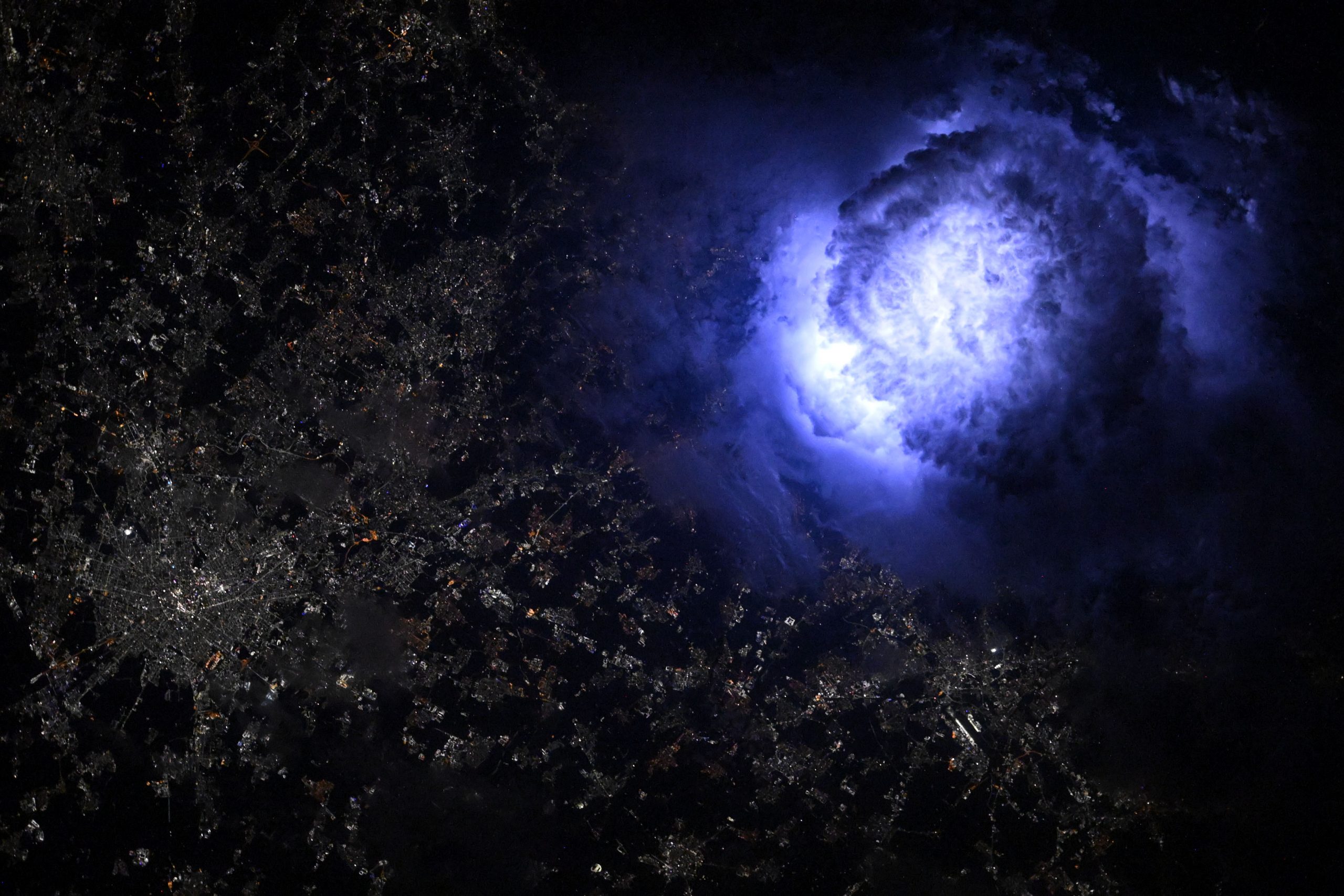
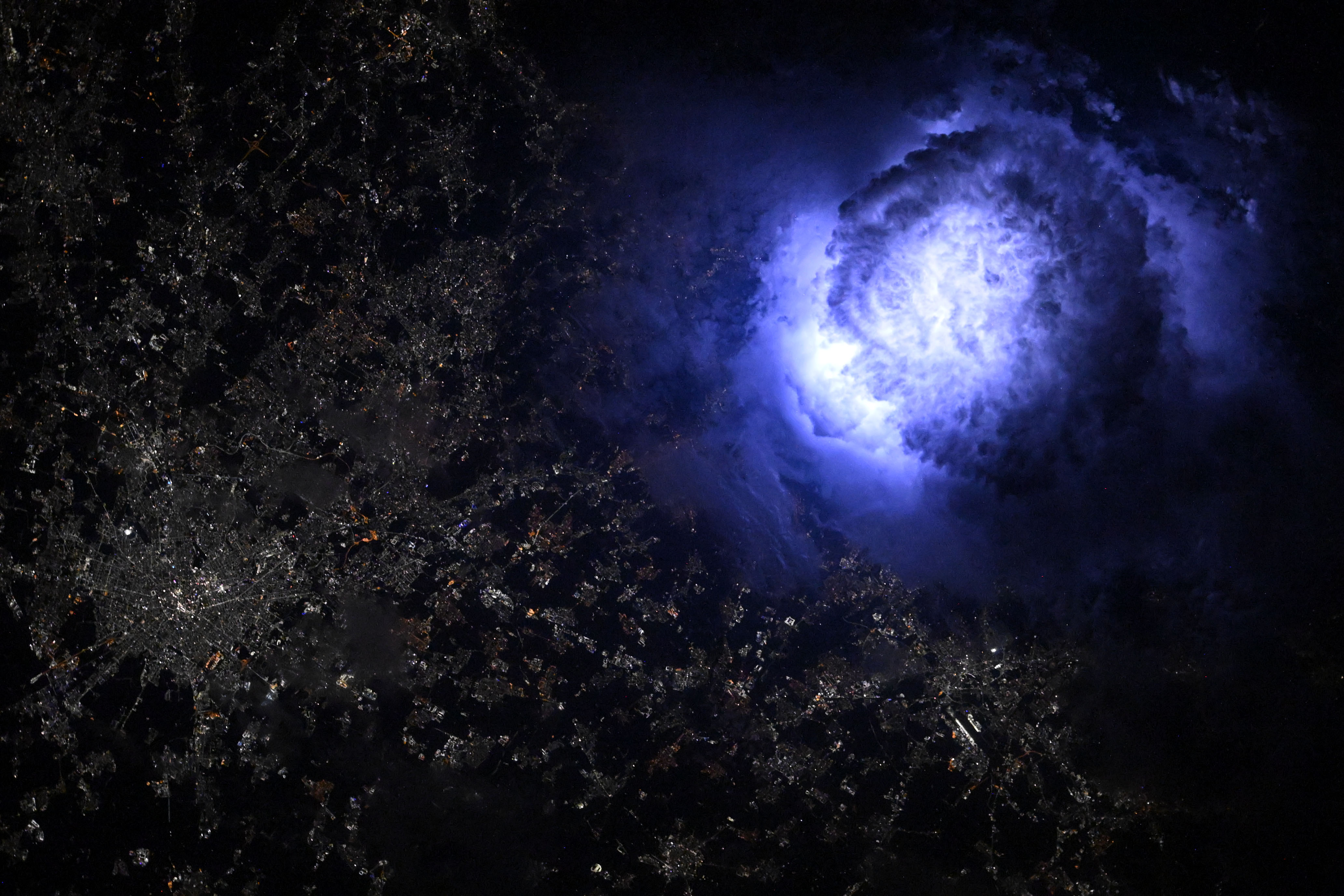
Picture of the day


View of coastline northwest from above Manarola: fields and steep trail to Volastra in foreground, Corniglia Station and town centre, north to Punta Mesco. Depicts the north half of Cinque Terre National Park coastline. Liguria, Italy
 #ImageOfTheDay
Picture of the day
View of coastline northwest from above Manarola: fields and steep trail to Volastra in foreground, Corniglia Station and town centre, north to Punta Mesco. Depicts the north half of Cinque Terre National Park coastline. Liguria, Italy
Read More
Jonathan Roumie tells Father Mike Schmitz: ‘Everything in my life has prepared me for this role’ #Catholic 
 
 Actor Jonathan Roumie, known for his role as Jesus in “The Chosen,” and Father Mike Schmitz, known for the “Bible in a Year” podcast, sit down for an in-depth interview. Credit: Ascension Presents

Dec 29, 2025 / 17:21 pm (CNA).
In a new sit-down interview with Father Mike Schmitz, who is best known for the “Bible in a Year” podcast and YouTube videos on Ascension Presents, actor Jonathan Roumie spoke in depth about his role portraying Jesus in the hit series “The Chosen.”“Everything in my life has prepared me for this role,” Roumie told Schmitz in the 43-minute-long interview, which aired Dec. 28 on the Ascension Presents YouTube channel.Looking back at his childhood, Roumie recalled a couple of moments and experiences that deeply impacted him and his own portrayal of Jesus. He said at 12 years old he reenacted Christ’s passion and crucifixion in his backyard after watching Robert Powell’s portrayal of Jesus in “Jesus of Nazareth.”“I had 2-by-8 planks that I found and I hammered them together and I hammered the nails where the hands would go and I painted the blood and the same thing with the feet,” he recalled. “And then I grabbed like a bush, a piece of a branch of a bush, and made my own crown of thorns and I painted blood on it and everything and I processed around to the side of my garage.”Roumie also opened up about his experience being bullied as a child and how it led him to offer up his past trauma to God as he was reenacting the Crucifixion during filming of Season 6 of “The Chosen,” which focuses on Jesus’ passion and crucifixion.“I was bullied as a kid a lot and I had to kind of look at what Jesus went through as a righteous man and a peaceful man and meek and humble and see just the level of devastation and terrorized bullying that he received to the point of death,” he said. “So for me, I think, and I’ll go back and look at all those experiences I had as a kid, which might have been part of the reason that led me to reenact the Passion, as something that I could relate to and I think all of that prepared me for this role.”He added: “I understand it now a bit more, at least I think, in my own sort of human ignorance and pride… Of course I don’t know exactly what all of this is about but it feels authentic. Like, ‘Well, I went through that as a kid and my compassion increased and my empathy increased and now I’m playing the most compassionate, empathetic human being that was God in the universe for all time.’ So I can lend that experience in his suffering and in his empathy even in wanting to forgive his enemies, which I had to do.”“I was beaten pretty bad. So, I had to offer up all of my past trauma to him as I was recreating it, knowing that that was part of my own personal sacrifice — was my own offering for him on behalf of what he suffered for humanity.”The actor shared that before beginning the filming of Season 6, he asked God in prayer that “if it were his will to allow me a fraction of a fraction of what he went through.”Before traveling to Matera, Italy — the location where the Crucifixion was filmed — Roumie injured his right shoulder after falling while filming a scene. An X-ray and MRI showed that he had separated a bit of his AC joint from the clavicle, causing sharp pain.“It was the right shoulder, so the shoulder that was carrying the beam [of the cross] on and it was extremely painful,” Roumie said. “And that was just one of many things.”Roumie added that while filming the Crucifixion “certain adjustments” also had to be made due to pain being felt by the metal and real nails being used during filming.“He [God] gave me exactly what I asked for — just a glimpse, just a glimpse,” he said. “And I think the thing that I got was that I got to enter into it in a way that I had never entered into it before.”Schmitz asked Roumie how his experience portraying Jesus’ passion and crucifixion has impacted the way he attends or prays at Mass. Roumie shared that in the past year he began to feel “convicted to give more reverence to Christ in the Eucharist.”“I started receiving on my knees and on the tongue, which I hadn’t before,” he said, adding that it was slightly “disorienting at first.”He recalled an experience at Mass where he kneeled to receive the Eucharist but the priest asked him to stand up. He hesitated but rose and continued on with the Mass. Afterward, he asked his spiritual director if that was permissible, to which he responded that a priest “shouldn’t do that but it happens.”After this experience, Roumie shared that he “doubled down on it and now I’m prepared to just wait as long as I need to until somebody concedes because I’m not going anywhere.”Returning to his time portraying Jesus in the series, Schmitz told Roumie that “the show is called ‘The Chosen’ in the sense that it’s also about those who were chosen, but you were chosen and there’s something in that that has changed you. You being chosen to not only portray Jesus, but to be his disciple, an imitator of him, as St. Paul says, and that’s changed you.”“That’s something I’m trying to wrap my head around and identify with,” Roumie responded. “It wasn’t somebody else. He picked me. And I, of course, said yes, because I needed the work initially. I didn’t know what it was going to do to me internally.”Once the final season of “The Chosen” airs, it will have been a span of 10 years that Roumie will have been portraying Jesus. He said that this experience is something that might take “the rest of my life to unpack.”There was an error serializing the imagefile_get_contents(https://iframe.ly/api/iframely/oembed?url=https%3A%2F%2Fwww.youtube.com%2Fwatch%3Fv%3DtLHZ1qYhph0&api_key=): Failed to open stream: HTTP request failed! HTTP/1.1 404 Not Found
“So, I have to give myself a little bit of grace, but it’s something that I think I will always live with. And in fact, I don’t know that I want to let it go because it keeps me connected to him, especially when the show ends.”

Jonathan Roumie tells Father Mike Schmitz: ‘Everything in my life has prepared me for this role’ #Catholic Actor Jonathan Roumie, known for his role as Jesus in “The Chosen,” and Father Mike Schmitz, known for the “Bible in a Year” podcast, sit down for an in-depth interview. Credit: Ascension Presents Dec 29, 2025 / 17:21 pm (CNA). In a new sit-down interview with Father Mike Schmitz, who is best known for the “Bible in a Year” podcast and YouTube videos on Ascension Presents, actor Jonathan Roumie spoke in depth about his role portraying Jesus in the hit series “The Chosen.”“Everything in my life has prepared me for this role,” Roumie told Schmitz in the 43-minute-long interview, which aired Dec. 28 on the Ascension Presents YouTube channel.Looking back at his childhood, Roumie recalled a couple of moments and experiences that deeply impacted him and his own portrayal of Jesus. He said at 12 years old he reenacted Christ’s passion and crucifixion in his backyard after watching Robert Powell’s portrayal of Jesus in “Jesus of Nazareth.”“I had 2-by-8 planks that I found and I hammered them together and I hammered the nails where the hands would go and I painted the blood and the same thing with the feet,” he recalled. “And then I grabbed like a bush, a piece of a branch of a bush, and made my own crown of thorns and I painted blood on it and everything and I processed around to the side of my garage.”Roumie also opened up about his experience being bullied as a child and how it led him to offer up his past trauma to God as he was reenacting the Crucifixion during filming of Season 6 of “The Chosen,” which focuses on Jesus’ passion and crucifixion.“I was bullied as a kid a lot and I had to kind of look at what Jesus went through as a righteous man and a peaceful man and meek and humble and see just the level of devastation and terrorized bullying that he received to the point of death,” he said. “So for me, I think, and I’ll go back and look at all those experiences I had as a kid, which might have been part of the reason that led me to reenact the Passion, as something that I could relate to and I think all of that prepared me for this role.”He added: “I understand it now a bit more, at least I think, in my own sort of human ignorance and pride… Of course I don’t know exactly what all of this is about but it feels authentic. Like, ‘Well, I went through that as a kid and my compassion increased and my empathy increased and now I’m playing the most compassionate, empathetic human being that was God in the universe for all time.’ So I can lend that experience in his suffering and in his empathy even in wanting to forgive his enemies, which I had to do.”“I was beaten pretty bad. So, I had to offer up all of my past trauma to him as I was recreating it, knowing that that was part of my own personal sacrifice — was my own offering for him on behalf of what he suffered for humanity.”The actor shared that before beginning the filming of Season 6, he asked God in prayer that “if it were his will to allow me a fraction of a fraction of what he went through.”Before traveling to Matera, Italy — the location where the Crucifixion was filmed — Roumie injured his right shoulder after falling while filming a scene. An X-ray and MRI showed that he had separated a bit of his AC joint from the clavicle, causing sharp pain.“It was the right shoulder, so the shoulder that was carrying the beam [of the cross] on and it was extremely painful,” Roumie said. “And that was just one of many things.”Roumie added that while filming the Crucifixion “certain adjustments” also had to be made due to pain being felt by the metal and real nails being used during filming.“He [God] gave me exactly what I asked for — just a glimpse, just a glimpse,” he said. “And I think the thing that I got was that I got to enter into it in a way that I had never entered into it before.”Schmitz asked Roumie how his experience portraying Jesus’ passion and crucifixion has impacted the way he attends or prays at Mass. Roumie shared that in the past year he began to feel “convicted to give more reverence to Christ in the Eucharist.”“I started receiving on my knees and on the tongue, which I hadn’t before,” he said, adding that it was slightly “disorienting at first.”He recalled an experience at Mass where he kneeled to receive the Eucharist but the priest asked him to stand up. He hesitated but rose and continued on with the Mass. Afterward, he asked his spiritual director if that was permissible, to which he responded that a priest “shouldn’t do that but it happens.”After this experience, Roumie shared that he “doubled down on it and now I’m prepared to just wait as long as I need to until somebody concedes because I’m not going anywhere.”Returning to his time portraying Jesus in the series, Schmitz told Roumie that “the show is called ‘The Chosen’ in the sense that it’s also about those who were chosen, but you were chosen and there’s something in that that has changed you. You being chosen to not only portray Jesus, but to be his disciple, an imitator of him, as St. Paul says, and that’s changed you.”“That’s something I’m trying to wrap my head around and identify with,” Roumie responded. “It wasn’t somebody else. He picked me. And I, of course, said yes, because I needed the work initially. I didn’t know what it was going to do to me internally.”Once the final season of “The Chosen” airs, it will have been a span of 10 years that Roumie will have been portraying Jesus. He said that this experience is something that might take “the rest of my life to unpack.”There was an error serializing the imagefile_get_contents(https://iframe.ly/api/iframely/oembed?url=https%3A%2F%2Fwww.youtube.com%2Fwatch%3Fv%3DtLHZ1qYhph0&api_key=): Failed to open stream: HTTP request failed! HTTP/1.1 404 Not Found “So, I have to give myself a little bit of grace, but it’s something that I think I will always live with. And in fact, I don’t know that I want to let it go because it keeps me connected to him, especially when the show ends.”


Actor Jonathan Roumie, known for his role as Jesus in “The Chosen,” and Father Mike Schmitz, known for the “Bible in a Year” podcast, sit down for an in-depth interview. Credit: Ascension Presents

Dec 29, 2025 / 17:21 pm (CNA).

In a new sit-down interview with Father Mike Schmitz, who is best known for the “Bible in a Year” podcast and YouTube videos on Ascension Presents, actor Jonathan Roumie spoke in depth about his role portraying Jesus in the hit series “The Chosen.”

“Everything in my life has prepared me for this role,” Roumie told Schmitz in the 43-minute-long interview, which aired Dec. 28 on the Ascension Presents YouTube channel.

Looking back at his childhood, Roumie recalled a couple of moments and experiences that deeply impacted him and his own portrayal of Jesus. He said at 12 years old he reenacted Christ’s passion and crucifixion in his backyard after watching Robert Powell’s portrayal of Jesus in “Jesus of Nazareth.”

“I had 2-by-8 planks that I found and I hammered them together and I hammered the nails where the hands would go and I painted the blood and the same thing with the feet,” he recalled. “And then I grabbed like a bush, a piece of a branch of a bush, and made my own crown of thorns and I painted blood on it and everything and I processed around to the side of my garage.”

Roumie also opened up about his experience being bullied as a child and how it led him to offer up his past trauma to God as he was reenacting the Crucifixion during filming of Season 6 of “The Chosen,” which focuses on Jesus’ passion and crucifixion.

“I was bullied as a kid a lot and I had to kind of look at what Jesus went through as a righteous man and a peaceful man and meek and humble and see just the level of devastation and terrorized bullying that he received to the point of death,” he said.

“So for me, I think, and I’ll go back and look at all those experiences I had as a kid, which might have been part of the reason that led me to reenact the Passion, as something that I could relate to and I think all of that prepared me for this role.”

He added: “I understand it now a bit more, at least I think, in my own sort of human ignorance and pride… Of course I don’t know exactly what all of this is about but it feels authentic. Like, ‘Well, I went through that as a kid and my compassion increased and my empathy increased and now I’m playing the most compassionate, empathetic human being that was God in the universe for all time.’ So I can lend that experience in his suffering and in his empathy even in wanting to forgive his enemies, which I had to do.”

“I was beaten pretty bad. So, I had to offer up all of my past trauma to him as I was recreating it, knowing that that was part of my own personal sacrifice — was my own offering for him on behalf of what he suffered for humanity.”

The actor shared that before beginning the filming of Season 6, he asked God in prayer that “if it were his will to allow me a fraction of a fraction of what he went through.”

Before traveling to Matera, Italy — the location where the Crucifixion was filmed — Roumie injured his right shoulder after falling while filming a scene. An X-ray and MRI showed that he had separated a bit of his AC joint from the clavicle, causing sharp pain.

“It was the right shoulder, so the shoulder that was carrying the beam [of the cross] on and it was extremely painful,” Roumie said. “And that was just one of many things.”

Roumie added that while filming the Crucifixion “certain adjustments” also had to be made due to pain being felt by the metal and real nails being used during filming.

“He [God] gave me exactly what I asked for — just a glimpse, just a glimpse,” he said. “And I think the thing that I got was that I got to enter into it in a way that I had never entered into it before.”

Schmitz asked Roumie how his experience portraying Jesus’ passion and crucifixion has impacted the way he attends or prays at Mass. Roumie shared that in the past year he began to feel “convicted to give more reverence to Christ in the Eucharist.”

“I started receiving on my knees and on the tongue, which I hadn’t before,” he said, adding that it was slightly “disorienting at first.”

He recalled an experience at Mass where he kneeled to receive the Eucharist but the priest asked him to stand up. He hesitated but rose and continued on with the Mass. Afterward, he asked his spiritual director if that was permissible, to which he responded that a priest “shouldn’t do that but it happens.”

After this experience, Roumie shared that he “doubled down on it and now I’m prepared to just wait as long as I need to until somebody concedes because I’m not going anywhere.”

Returning to his time portraying Jesus in the series, Schmitz told Roumie that “the show is called ‘The Chosen’ in the sense that it’s also about those who were chosen, but you were chosen and there’s something in that that has changed you. You being chosen to not only portray Jesus, but to be his disciple, an imitator of him, as St. Paul says, and that’s changed you.”

“That’s something I’m trying to wrap my head around and identify with,” Roumie responded. “It wasn’t somebody else. He picked me. And I, of course, said yes, because I needed the work initially. I didn’t know what it was going to do to me internally.”

Once the final season of “The Chosen” airs, it will have been a span of 10 years that Roumie will have been portraying Jesus. He said that this experience is something that might take “the rest of my life to unpack.”

There was an error serializing the image

file_get_contents(https://iframe.ly/api/iframely/oembed?url=https%3A%2F%2Fwww.youtube.com%2Fwatch%3Fv%3DtLHZ1qYhph0&api_key=): Failed to open stream: HTTP request failed! HTTP/1.1 404 Not Found

“So, I have to give myself a little bit of grace, but it’s something that I think I will always live with. And in fact, I don’t know that I want to let it go because it keeps me connected to him, especially when the show ends.”

Read More
Where does the ‘Feast of the 7 Fishes’ Christmas Eve tradition come from? #Catholic 
 
 A variety of fish dishes served on Christmas Eve. / Credit: Francesca Pollio Fenton/CNA

CNA Staff, Dec 24, 2025 / 04:00 am (CNA).
There are numerous Christmas Eve traditions families around the world take part in, whether it’s watching a certain movie together, baking cookies for Santa, opening one present before going to bed, or eating a specific meal for dinner. The Feast of the Seven Fishes — in Italian “La Vigilia,” which means “The Eve” — is one of these Christmas Eve traditions.So, where does this tradition come from?This feast stems from the southern part of Italy and spans generations. Before 1861, Italy was made up of different regions. Each had its own government, however, and the southern regions were the poorest. This remained true before and after the unification of the country. The new unified government allocated many of its resources to northern Italy, which caused poverty and organized crime in the south. The area, however, though poor, was plentiful in fish since it was so close to the ocean. The Feast of the Seven Fishes tradition is also tied to the Catholic Church’s practice of not eating meat during certain times of the year — for example, on Fridays during Lent and on the eve of some holidays. The number seven is also symbolic in that it is repeated more than 700 times in the Bible, and in Catholicism there are seven sacraments, seven days of creation, and seven deadly sins. Although it is not an actual feast day on the Catholic liturgical calendar, it is definitely a feast in terms of the amount of food on the table!A traditional pasta dish served on Christmas Eve for the Feast of the Seven Fishes. Credit: Francesca Pollio Fenton/CNAPut all these things together and that is how the Feast of the Seven Fishes began in the 1900s. Additionally, many Italians who fled the country due to poverty and immigrated to the United States brought this tradition with them, so the feast continued among many Italian Americans.So what is eaten during this seven-course meal?While there is no specific menu, there are some guidelines that are followed. The first being, of course, having seven different fish dishes. These dishes can include any type of seafood including shellfish. Based on the fish you plan to prepare, you can then determine the different courses that typically include appetizers, a soup, pasta, a side salad, and the main entrees.Many families may also include a palette cleanser, or a small fruit dish, before bringing out the highly-anticipated desserts!Some dishes include “insalata di mare” (“ocean salad”), which typically has shrimp and mussels; “insalata di polipo” (“salad with octopus”); “capestante,” which are clam shells filled with salmon, shrimp, and bechamel sauce; “linguine con frutti di mare,” which is a pasta with several different kinds of fish; and other dishes that include fried fish, eel, crab, and lobster.”Struffoli,” a traditional Neapolitan dessert eaten on Christmas Eve. Credit: Francesca Pollio Fenton/CNAAnd we can’t forget dessert! “Struffoli” are little balls of fried dough covered in honey and sprinkles and are considered a Neapolitan dessert. Others include “mostaccioli” and “roccocò,” which are types of cookies, and “pandoro” and “panettone” are sweet breads.This is just a glimpse into the variety of dishes southern Italian families will spend hours preparing ahead of Christmas Eve dinner. Each family has its own fish dishes and ways of cooking them; however, one thing is for sure: You can expect to be filled to the brim with delicious food before heading off to bed.This story was first published Dec. 23, 2022, and has been updated.

Where does the ‘Feast of the 7 Fishes’ Christmas Eve tradition come from? #Catholic A variety of fish dishes served on Christmas Eve. / Credit: Francesca Pollio Fenton/CNA CNA Staff, Dec 24, 2025 / 04:00 am (CNA). There are numerous Christmas Eve traditions families around the world take part in, whether it’s watching a certain movie together, baking cookies for Santa, opening one present before going to bed, or eating a specific meal for dinner. The Feast of the Seven Fishes — in Italian “La Vigilia,” which means “The Eve” — is one of these Christmas Eve traditions.So, where does this tradition come from?This feast stems from the southern part of Italy and spans generations. Before 1861, Italy was made up of different regions. Each had its own government, however, and the southern regions were the poorest. This remained true before and after the unification of the country. The new unified government allocated many of its resources to northern Italy, which caused poverty and organized crime in the south. The area, however, though poor, was plentiful in fish since it was so close to the ocean. The Feast of the Seven Fishes tradition is also tied to the Catholic Church’s practice of not eating meat during certain times of the year — for example, on Fridays during Lent and on the eve of some holidays. The number seven is also symbolic in that it is repeated more than 700 times in the Bible, and in Catholicism there are seven sacraments, seven days of creation, and seven deadly sins. Although it is not an actual feast day on the Catholic liturgical calendar, it is definitely a feast in terms of the amount of food on the table!A traditional pasta dish served on Christmas Eve for the Feast of the Seven Fishes. Credit: Francesca Pollio Fenton/CNAPut all these things together and that is how the Feast of the Seven Fishes began in the 1900s. Additionally, many Italians who fled the country due to poverty and immigrated to the United States brought this tradition with them, so the feast continued among many Italian Americans.So what is eaten during this seven-course meal?While there is no specific menu, there are some guidelines that are followed. The first being, of course, having seven different fish dishes. These dishes can include any type of seafood including shellfish. Based on the fish you plan to prepare, you can then determine the different courses that typically include appetizers, a soup, pasta, a side salad, and the main entrees.Many families may also include a palette cleanser, or a small fruit dish, before bringing out the highly-anticipated desserts!Some dishes include “insalata di mare” (“ocean salad”), which typically has shrimp and mussels; “insalata di polipo” (“salad with octopus”); “capestante,” which are clam shells filled with salmon, shrimp, and bechamel sauce; “linguine con frutti di mare,” which is a pasta with several different kinds of fish; and other dishes that include fried fish, eel, crab, and lobster.”Struffoli,” a traditional Neapolitan dessert eaten on Christmas Eve. Credit: Francesca Pollio Fenton/CNAAnd we can’t forget dessert! “Struffoli” are little balls of fried dough covered in honey and sprinkles and are considered a Neapolitan dessert. Others include “mostaccioli” and “roccocò,” which are types of cookies, and “pandoro” and “panettone” are sweet breads.This is just a glimpse into the variety of dishes southern Italian families will spend hours preparing ahead of Christmas Eve dinner. Each family has its own fish dishes and ways of cooking them; however, one thing is for sure: You can expect to be filled to the brim with delicious food before heading off to bed.This story was first published Dec. 23, 2022, and has been updated.


A variety of fish dishes served on Christmas Eve. / Credit: Francesca Pollio Fenton/CNA

CNA Staff, Dec 24, 2025 / 04:00 am (CNA).

There are numerous Christmas Eve traditions families around the world take part in, whether it’s watching a certain movie together, baking cookies for Santa, opening one present before going to bed, or eating a specific meal for dinner. The Feast of the Seven Fishes — in Italian “La Vigilia,” which means “The Eve” — is one of these Christmas Eve traditions.

So, where does this tradition come from?

This feast stems from the southern part of Italy and spans generations. Before 1861, Italy was made up of different regions. Each had its own government, however, and the southern regions were the poorest. This remained true before and after the unification of the country. The new unified government allocated many of its resources to northern Italy, which caused poverty and organized crime in the south. The area, however, though poor, was plentiful in fish since it was so close to the ocean.

The Feast of the Seven Fishes tradition is also tied to the Catholic Church’s practice of not eating meat during certain times of the year — for example, on Fridays during Lent and on the eve of some holidays.

The number seven is also symbolic in that it is repeated more than 700 times in the Bible, and in Catholicism there are seven sacraments, seven days of creation, and seven deadly sins.

Although it is not an actual feast day on the Catholic liturgical calendar, it is definitely a feast in terms of the amount of food on the table!

A traditional pasta dish served on Christmas Eve for the Feast of the Seven Fishes. Credit: Francesca Pollio Fenton/CNA

Put all these things together and that is how the Feast of the Seven Fishes began in the 1900s.

Additionally, many Italians who fled the country due to poverty and immigrated to the United States brought this tradition with them, so the feast continued among many Italian Americans.

So what is eaten during this seven-course meal?

While there is no specific menu, there are some guidelines that are followed. The first being, of course, having seven different fish dishes. These dishes can include any type of seafood including shellfish. Based on the fish you plan to prepare, you can then determine the different courses that typically include appetizers, a soup, pasta, a side salad, and the main entrees.

Many families may also include a palette cleanser, or a small fruit dish, before bringing out the highly-anticipated desserts!

Some dishes include “insalata di mare” (“ocean salad”), which typically has shrimp and mussels; “insalata di polipo” (“salad with octopus”); “capestante,” which are clam shells filled with salmon, shrimp, and bechamel sauce; “linguine con frutti di mare,” which is a pasta with several different kinds of fish; and other dishes that include fried fish, eel, crab, and lobster.

"Struffoli," a traditional Neapolitan dessert eaten on Christmas Eve. Credit: Francesca Pollio Fenton/CNA
“Struffoli,” a traditional Neapolitan dessert eaten on Christmas Eve. Credit: Francesca Pollio Fenton/CNA

And we can’t forget dessert! “Struffoli” are little balls of fried dough covered in honey and sprinkles and are considered a Neapolitan dessert. Others include “mostaccioli” and “roccocò,” which are types of cookies, and “pandoro” and “panettone” are sweet breads.

This is just a glimpse into the variety of dishes southern Italian families will spend hours preparing ahead of Christmas Eve dinner. Each family has its own fish dishes and ways of cooking them; however, one thing is for sure: You can expect to be filled to the brim with delicious food before heading off to bed.

This story was first published Dec. 23, 2022, and has been updated.

Read More
UPDATED: Pope asked Illinois governor to veto assisted suicide bill #Catholic 
 
 Pope Leo meets with Illinois Gov. JB Pritzker in November 2025. / Credit: Courtesy of the Office of Gov. JB Pritzker

Castel Gandolfo, Italy, Dec 23, 2025 / 14:55 pm (CNA).
Pope Leo XIV appealed to Illinois Gov. JB Pritzker to veto a bill legalizing assisted suicide during a Vatican meeting last month, the pope told reporters Tuesday.The pope, responding to a question from Rudolf Gehrig of EWTN News, said he made his opposition to the bill clear in the November conversation with the governor. Leo told Pritzker it was important to defend the value of life and that every life is sacred, the pope told reporters outside the papal villa of Castel Gandolfo before his return to Rome.The Vatican had not earlier provided details of the meeting.Pritzker signed the assisted suicide measure, ardently opposed by Catholic leaders, into law Dec. 12.“I spoke very explicitly with Gov. Pritzker about that,” the pope said, and he said Cardinal Blase Cupich also expressed his views. “But we were very clear about the necessity to respect the sacredness of life from the very beginning to the very end. And unfortunately, for different reasons, he decided to sign that bill. Very disappointed about that.”People should use Christmastime to think about the value of life, the pope added.“I would invite all people, especially in this Christmas feast days, to reflect upon the nature of human life, the goodness of human life. God became human like us to show us what it means really to live human life. And I hope and pray that the respect for life will once again grow in all moments of human existence, from conception to natural death,” the pope said.Catholic bishops had objected to the Illinois law.“This law ignores the very real failures in access to quality care that drive vulnerable people to despair,” according to the Catholic Conference of Illinois. “It does nothing to ensure patients are offered services, protected from coercion, or surrounded by loved ones when they kill themselves.” Several states and countries also have advanced legislation to expand access to physician-assisted suicide besides Illinois.Other U.S. jurisdictions with assisted suicide laws include California, Colorado, Delaware, Hawaii, Maine, New Jersey, New Mexico, Oregon, Vermont, Washington, and the District of Columbia. Pope Leo XIV tells reporters Dec. 23, 2025, that he appealed to Illinois Gov. JB Pritzer to veto a bill legalizing assisted suicide during a Vatican meeting in November. Credit: EWTN NewsBritish lawmakers in the House of Commons passed a bill in June to legalize assisted suicide for terminally ill patients in England and Wales. Legislators in Uruguay passed a bill in August to legalize euthanasia in the country.A Canadian law allowing medical assistance in dying led to disproportionately high rates of premature deaths among vulnerable groups, a report showed.Rudolf Gehrig contributed to this story.This story was updated at 3:15 p.m. ET on Dec. 23, 2025, with the quotations from the pope.

UPDATED: Pope asked Illinois governor to veto assisted suicide bill #Catholic Pope Leo meets with Illinois Gov. JB Pritzker in November 2025. / Credit: Courtesy of the Office of Gov. JB Pritzker Castel Gandolfo, Italy, Dec 23, 2025 / 14:55 pm (CNA). Pope Leo XIV appealed to Illinois Gov. JB Pritzker to veto a bill legalizing assisted suicide during a Vatican meeting last month, the pope told reporters Tuesday.The pope, responding to a question from Rudolf Gehrig of EWTN News, said he made his opposition to the bill clear in the November conversation with the governor. Leo told Pritzker it was important to defend the value of life and that every life is sacred, the pope told reporters outside the papal villa of Castel Gandolfo before his return to Rome.The Vatican had not earlier provided details of the meeting.Pritzker signed the assisted suicide measure, ardently opposed by Catholic leaders, into law Dec. 12.“I spoke very explicitly with Gov. Pritzker about that,” the pope said, and he said Cardinal Blase Cupich also expressed his views. “But we were very clear about the necessity to respect the sacredness of life from the very beginning to the very end. And unfortunately, for different reasons, he decided to sign that bill. Very disappointed about that.”People should use Christmastime to think about the value of life, the pope added.“I would invite all people, especially in this Christmas feast days, to reflect upon the nature of human life, the goodness of human life. God became human like us to show us what it means really to live human life. And I hope and pray that the respect for life will once again grow in all moments of human existence, from conception to natural death,” the pope said.Catholic bishops had objected to the Illinois law.“This law ignores the very real failures in access to quality care that drive vulnerable people to despair,” according to the Catholic Conference of Illinois. “It does nothing to ensure patients are offered services, protected from coercion, or surrounded by loved ones when they kill themselves.” Several states and countries also have advanced legislation to expand access to physician-assisted suicide besides Illinois.Other U.S. jurisdictions with assisted suicide laws include California, Colorado, Delaware, Hawaii, Maine, New Jersey, New Mexico, Oregon, Vermont, Washington, and the District of Columbia. Pope Leo XIV tells reporters Dec. 23, 2025, that he appealed to Illinois Gov. JB Pritzer to veto a bill legalizing assisted suicide during a Vatican meeting in November. Credit: EWTN NewsBritish lawmakers in the House of Commons passed a bill in June to legalize assisted suicide for terminally ill patients in England and Wales. Legislators in Uruguay passed a bill in August to legalize euthanasia in the country.A Canadian law allowing medical assistance in dying led to disproportionately high rates of premature deaths among vulnerable groups, a report showed.Rudolf Gehrig contributed to this story.This story was updated at 3:15 p.m. ET on Dec. 23, 2025, with the quotations from the pope.


Pope Leo meets with Illinois Gov. JB Pritzker in November 2025. / Credit: Courtesy of the Office of Gov. JB Pritzker

Castel Gandolfo, Italy, Dec 23, 2025 / 14:55 pm (CNA).

Pope Leo XIV appealed to Illinois Gov. JB Pritzker to veto a bill legalizing assisted suicide during a Vatican meeting last month, the pope told reporters Tuesday.

The pope, responding to a question from Rudolf Gehrig of EWTN News, said he made his opposition to the bill clear in the November conversation with the governor. 

Leo told Pritzker it was important to defend the value of life and that every life is sacred, the pope told reporters outside the papal villa of Castel Gandolfo before his return to Rome.

The Vatican had not earlier provided details of the meeting.

Pritzker signed the assisted suicide measure, ardently opposed by Catholic leaders, into law Dec. 12.

“I spoke very explicitly with Gov. Pritzker about that,” the pope said, and he said Cardinal Blase Cupich also expressed his views. “But we were very clear about the necessity to respect the sacredness of life from the very beginning to the very end. And unfortunately, for different reasons, he decided to sign that bill. Very disappointed about that.”

People should use Christmastime to think about the value of life, the pope added.

“I would invite all people, especially in this Christmas feast days, to reflect upon the nature of human life, the goodness of human life. God became human like us to show us what it means really to live human life. And I hope and pray that the respect for life will once again grow in all moments of human existence, from conception to natural death,” the pope said.

Catholic bishops had objected to the Illinois law.

“This law ignores the very real failures in access to quality care that drive vulnerable people to despair,” according to the Catholic Conference of Illinois. “It does nothing to ensure patients are offered services, protected from coercion, or surrounded by loved ones when they kill themselves.” 

Several states and countries also have advanced legislation to expand access to physician-assisted suicide besides Illinois.

Other U.S. jurisdictions with assisted suicide laws include California, Colorado, Delaware, Hawaii, Maine, New Jersey, New Mexico, Oregon, Vermont, Washington, and the District of Columbia. 

Pope Leo XIV tells reporters Dec. 23, 2025, that he appealed to Illinois Gov. JB Pritzer to veto a bill legalizing assisted suicide during a Vatican meeting in November. Credit: EWTN News

British lawmakers in the House of Commons passed a bill in June to legalize assisted suicide for terminally ill patients in England and Wales. Legislators in Uruguay passed a bill in August to legalize euthanasia in the country.

A Canadian law allowing medical assistance in dying led to disproportionately high rates of premature deaths among vulnerable groups, a report showed.

Rudolf Gehrig contributed to this story.

This story was updated at 3:15 p.m. ET on Dec. 23, 2025, with the quotations from the pope.

Read More
PHOTOS: Tickhill Psalter’s Jesse Tree shines in Morgan Library’s Advent exhibit #Catholic 
 
 Death of Uriah; David in Penance, from the Morgan’s famed Farnese Hours, demonstrates the enduring appeal of the penitential Psalms of David as seen in this early Renaissance book of hours. Italy, Rome, 1546. The Morgan Library & Museum, New York, MS M.69, fols, 63v-63r. Photography by Janny Chiu. / Credit: Courtesy of the New York Library

New York City, New York, Nov 30, 2025 / 08:00 am (CNA).
Part of the New York Public Library’s Spencer Collection, the Tickhill Psalter is on view throughout Advent and Christmas at The Morgan Library & Museum in its exhibit “Sing a New Song: The Psalms in Medieval Art and Life.” A full-page Jesse Tree introduces the Psalms in the Tickhill Psalter, a 14th-century illuminated manuscript from the Augustinian Worksop Priory in Nottinghamshire, England. Tree of Jesse (Psalm 1), from the Tickhill Psalter, England, Nottinghamshire, Worksop Priory, 1303-14, New York Public Library, Spencer 26. fol. 6v. The Medieval manuscript is on display in Morgan Library’s Advent exhibit. Credit: Courtesy of the Morgan LibraryDavid appears in the historiated B of Psalm 1, providing a conceptual link to scenes from his life in the Jesse Tree on the facing page. “Beatus vir,” or “Blessed is the man,” the first stanza opens in celebration of the one who delights in God’s law, concluding: “That person is like a tree planted by streams of water, which yields its fruit in season and whose leaf does not wither, — what they do prospers.” These words and their historiated B, with its visual link to the facing page, highlight David as key author of the Psalms and their prefiguration of Christ, the good fruit of the Jesse Tree, a theme common to medieval illuminated manuscripts.King David as Psalmist, from Florence, Italy, ca. 1408-10, by Lorenzo Monaco, who was born Piero di Giovanni but took the name Lorenzo Monaco, or Lorenzo the Monk, upon joining the monastery of Santa Maria degli Angeli, where he became a skilled illuminator and translated themes common to illuminated manuscripts into panel paintings, like this tempera on wood with gold ground depicting David seated on a stone bench tuning a psaltery, lips parted, prepared to sing, with a halo backing the crown he wears to signify the divine inspiration of his compositions. The Metropolitan Museum of Art, New York, 65.14.4. November 2025. Credit: Courtesy of the Metropolitan Museum of Art, New YorkProphets stand in architectural niches on either side of the Tickhill Psalter’s Jesse Tree, heralding the Psalms as prophecy. Credit: Courtesy of the New York LibraryThe central panel of a 1490 Flemish triptych with scenes from the life of Saint Augustine contextualizes the exhibit. This five-by-five-foot oil on wood painting references Augustine’s use of allegory, essential to his understanding of scripture and interpretation of the psalms as prophecy. One scene captures Augustine’s realization of the Trinity as boundless mystery that dwarfs human understanding, allegorized by a child trying to pour the sea into a hole in the sand. Scenes from the life of St. Augustine of Hippo, 1490, Bruges, Belgium, by the unnamed master of St. Augustine, amplifies the Church’s leading theologian on the allegorical interpretation of Psalms. At center, his installation as bishop of Hippo highlights his teaching authority, flanked by scenes of ordination and preaching on the left. On the right, he engages in scholarly discourse and converses with a child trying to pour the sea into a hole in the sand, illustrating the importance of allegory in Augustinian thought. Credit: Courtesy of the New York Public LibraryLate 12th-century book comprised of Augustine’s Gradual Psalms and his Enchiridion (Greek for “handbook”). The well-worn and annotated pages reflect the proliferation of Augustinian influence on interpretation of Scripture. Spain, Santa Maria de Benevivere, near Palencia. Free Library of Philadelphia, Lewis E22, fols. 68v-69r. Credit: Courtesy of the New York Public LibraryIn the book accompanying the exhibit, Morgan curator Deirdre Jackson extends the psalms’ significance to this triptych through a reference to a surviving panel housed in Ireland that shows Augustine on his deathbed. It’s a scene described by contemporary bishop Possidius of Calama, who said that Augustine “ordered those psalms of David which are especially penitential to be copied out and, when he was very weak, used to lie in bed, facing the wall where the written sheets were put up, gazing at them and reading them, and copiously and continuously weeping as he read.”Death of Uriah; David in Penance, from the Morgan’s famed Farnese Hours, demonstrates the enduring appeal of the penitential Psalms of David as seen in this early Renaissance book of hours. Italy, Rome, 1546. The Morgan Library & Museum, New York, MS M.69, fols, 63v-63r. Photography by Janny Chiu. Credit: Courtesy of the New York Public LibraryScenes from the Life of David, depicting the story of David and Goliath, exemplifies the significance attached to the figure of David in medieval illuminated manuscripts. Winchester Bible, England, Winchester, ca. 1160-80. The Morgan Library & Museum, New York, MS M.619v. Photography by Graham S. Haber. Credit: Courtesy of the New York LibraryIn his book “The Tickhill Psalter and Related Manuscripts,” 20th-century art historian Donald Drew Egbert speculates that the Tickhill Psalter was decorated by highly skilled illuminators working for Augustinian monasteries and patrons of Augustinian houses during a high point of book arts in England.St. Thomas More, “in tribulation vehementi et in carcere” (annotation), from the Prayer Book of Thomas More, France, Paris, 1522 (Psalter) and 1530 (Book of Hours), Beinecke Rare Book & Manuscript Library, Yale University, New Haven, MS Vault More, fol. 68v (Psalter section). Credit: Courtesy of the New York LibraryThis high point inspired a trend of books as personalized treasures, best exemplified in this exhibit by St. Thomas More’s prayer book. Containing much of his own writing in the margins, it consists of a Book of Hours and a Psalter and was with him in the Tower of London while he awaited execution. More’s notes during that time show his preoccupation with the psalms of David’s tribulations. Beside Psalm 87:5-10, “a man without help … in the dark places, and in the shadow of death,” More writes, “in severe tribulation and in prison.”The Prayer Book of Thomas More is backed by a wall-sized image of Hans Holbein’s “Sir Thomas More,” positioned to look like More is gazing intently across the gallery at an image of David from the Crusader Bible. Engelhard Gallery, Photography by Janny Chiu, October 2025. Credit: Courtesy of the New York LibraryMore’s thoughts in distress demonstrate the appeal of David’s story to the human heart, a reality repeatedly expressed throughout the treasures of this exhibit. In the Tickhill Psalter’s Jesse Tree, David is encircled by branches springing from a tree that grows out of his father, Jesse, sprawled in an active sleep, his elbow supporting a hand planted against his head as though dreaming of all that is to come. A crop of the enter of Tickhill Psalter showing the Virgin and Child and the figure of David playing a harp. Credit: Courtesy of the New York LibraryThe branches of the tree wind around David and directly overhead to encircle the Virgin and Child, tracing Christ’s lineage through Mary to the House of David. At the top, the branches surround Christ enthroned in majesty, fulfilling the promise of victory over sin and death foreshadowed in the psalms.David strikes a joyous pose and plays a harp in celebration, and foliage on either side of the main branch wraps around prophets who unfurl scrolls to hint at mysteries about to be foretold in the reading of the psalms.Beneath the figure of Jesse, two separate depictions of David protecting his sheep from wild animals cast his actions as allegory in the fight against evil, segueing to his likeness in the historiated B, dancing and singing his story into the Psalms to animate their prefiguration of Christ.

PHOTOS: Tickhill Psalter’s Jesse Tree shines in Morgan Library’s Advent exhibit #Catholic Death of Uriah; David in Penance, from the Morgan’s famed Farnese Hours, demonstrates the enduring appeal of the penitential Psalms of David as seen in this early Renaissance book of hours. Italy, Rome, 1546. The Morgan Library & Museum, New York, MS M.69, fols, 63v-63r. Photography by Janny Chiu. / Credit: Courtesy of the New York Library New York City, New York, Nov 30, 2025 / 08:00 am (CNA). Part of the New York Public Library’s Spencer Collection, the Tickhill Psalter is on view throughout Advent and Christmas at The Morgan Library & Museum in its exhibit “Sing a New Song: The Psalms in Medieval Art and Life.” A full-page Jesse Tree introduces the Psalms in the Tickhill Psalter, a 14th-century illuminated manuscript from the Augustinian Worksop Priory in Nottinghamshire, England. Tree of Jesse (Psalm 1), from the Tickhill Psalter, England, Nottinghamshire, Worksop Priory, 1303-14, New York Public Library, Spencer 26. fol. 6v. The Medieval manuscript is on display in Morgan Library’s Advent exhibit. Credit: Courtesy of the Morgan LibraryDavid appears in the historiated B of Psalm 1, providing a conceptual link to scenes from his life in the Jesse Tree on the facing page. “Beatus vir,” or “Blessed is the man,” the first stanza opens in celebration of the one who delights in God’s law, concluding: “That person is like a tree planted by streams of water, which yields its fruit in season and whose leaf does not wither, — what they do prospers.” These words and their historiated B, with its visual link to the facing page, highlight David as key author of the Psalms and their prefiguration of Christ, the good fruit of the Jesse Tree, a theme common to medieval illuminated manuscripts.King David as Psalmist, from Florence, Italy, ca. 1408-10, by Lorenzo Monaco, who was born Piero di Giovanni but took the name Lorenzo Monaco, or Lorenzo the Monk, upon joining the monastery of Santa Maria degli Angeli, where he became a skilled illuminator and translated themes common to illuminated manuscripts into panel paintings, like this tempera on wood with gold ground depicting David seated on a stone bench tuning a psaltery, lips parted, prepared to sing, with a halo backing the crown he wears to signify the divine inspiration of his compositions. The Metropolitan Museum of Art, New York, 65.14.4. November 2025. Credit: Courtesy of the Metropolitan Museum of Art, New YorkProphets stand in architectural niches on either side of the Tickhill Psalter’s Jesse Tree, heralding the Psalms as prophecy. Credit: Courtesy of the New York LibraryThe central panel of a 1490 Flemish triptych with scenes from the life of Saint Augustine contextualizes the exhibit. This five-by-five-foot oil on wood painting references Augustine’s use of allegory, essential to his understanding of scripture and interpretation of the psalms as prophecy. One scene captures Augustine’s realization of the Trinity as boundless mystery that dwarfs human understanding, allegorized by a child trying to pour the sea into a hole in the sand. Scenes from the life of St. Augustine of Hippo, 1490, Bruges, Belgium, by the unnamed master of St. Augustine, amplifies the Church’s leading theologian on the allegorical interpretation of Psalms. At center, his installation as bishop of Hippo highlights his teaching authority, flanked by scenes of ordination and preaching on the left. On the right, he engages in scholarly discourse and converses with a child trying to pour the sea into a hole in the sand, illustrating the importance of allegory in Augustinian thought. Credit: Courtesy of the New York Public LibraryLate 12th-century book comprised of Augustine’s Gradual Psalms and his Enchiridion (Greek for “handbook”). The well-worn and annotated pages reflect the proliferation of Augustinian influence on interpretation of Scripture. Spain, Santa Maria de Benevivere, near Palencia. Free Library of Philadelphia, Lewis E22, fols. 68v-69r. Credit: Courtesy of the New York Public LibraryIn the book accompanying the exhibit, Morgan curator Deirdre Jackson extends the psalms’ significance to this triptych through a reference to a surviving panel housed in Ireland that shows Augustine on his deathbed. It’s a scene described by contemporary bishop Possidius of Calama, who said that Augustine “ordered those psalms of David which are especially penitential to be copied out and, when he was very weak, used to lie in bed, facing the wall where the written sheets were put up, gazing at them and reading them, and copiously and continuously weeping as he read.”Death of Uriah; David in Penance, from the Morgan’s famed Farnese Hours, demonstrates the enduring appeal of the penitential Psalms of David as seen in this early Renaissance book of hours. Italy, Rome, 1546. The Morgan Library & Museum, New York, MS M.69, fols, 63v-63r. Photography by Janny Chiu. Credit: Courtesy of the New York Public LibraryScenes from the Life of David, depicting the story of David and Goliath, exemplifies the significance attached to the figure of David in medieval illuminated manuscripts. Winchester Bible, England, Winchester, ca. 1160-80. The Morgan Library & Museum, New York, MS M.619v. Photography by Graham S. Haber. Credit: Courtesy of the New York LibraryIn his book “The Tickhill Psalter and Related Manuscripts,” 20th-century art historian Donald Drew Egbert speculates that the Tickhill Psalter was decorated by highly skilled illuminators working for Augustinian monasteries and patrons of Augustinian houses during a high point of book arts in England.St. Thomas More, “in tribulation vehementi et in carcere” (annotation), from the Prayer Book of Thomas More, France, Paris, 1522 (Psalter) and 1530 (Book of Hours), Beinecke Rare Book & Manuscript Library, Yale University, New Haven, MS Vault More, fol. 68v (Psalter section). Credit: Courtesy of the New York LibraryThis high point inspired a trend of books as personalized treasures, best exemplified in this exhibit by St. Thomas More’s prayer book. Containing much of his own writing in the margins, it consists of a Book of Hours and a Psalter and was with him in the Tower of London while he awaited execution. More’s notes during that time show his preoccupation with the psalms of David’s tribulations. Beside Psalm 87:5-10, “a man without help … in the dark places, and in the shadow of death,” More writes, “in severe tribulation and in prison.”The Prayer Book of Thomas More is backed by a wall-sized image of Hans Holbein’s “Sir Thomas More,” positioned to look like More is gazing intently across the gallery at an image of David from the Crusader Bible. Engelhard Gallery, Photography by Janny Chiu, October 2025. Credit: Courtesy of the New York LibraryMore’s thoughts in distress demonstrate the appeal of David’s story to the human heart, a reality repeatedly expressed throughout the treasures of this exhibit. In the Tickhill Psalter’s Jesse Tree, David is encircled by branches springing from a tree that grows out of his father, Jesse, sprawled in an active sleep, his elbow supporting a hand planted against his head as though dreaming of all that is to come. A crop of the enter of Tickhill Psalter showing the Virgin and Child and the figure of David playing a harp. Credit: Courtesy of the New York LibraryThe branches of the tree wind around David and directly overhead to encircle the Virgin and Child, tracing Christ’s lineage through Mary to the House of David. At the top, the branches surround Christ enthroned in majesty, fulfilling the promise of victory over sin and death foreshadowed in the psalms.David strikes a joyous pose and plays a harp in celebration, and foliage on either side of the main branch wraps around prophets who unfurl scrolls to hint at mysteries about to be foretold in the reading of the psalms.Beneath the figure of Jesse, two separate depictions of David protecting his sheep from wild animals cast his actions as allegory in the fight against evil, segueing to his likeness in the historiated B, dancing and singing his story into the Psalms to animate their prefiguration of Christ.


Death of Uriah; David in Penance, from the Morgan’s famed Farnese Hours, demonstrates the enduring appeal of the penitential Psalms of David as seen in this early Renaissance book of hours. Italy, Rome, 1546. The Morgan Library & Museum, New York, MS M.69, fols, 63v-63r. Photography by Janny Chiu. / Credit: Courtesy of the New York Library

New York City, New York, Nov 30, 2025 / 08:00 am (CNA).

Part of the New York Public Library’s Spencer Collection, the Tickhill Psalter is on view throughout Advent and Christmas at The Morgan Library & Museum in its exhibit “Sing a New Song: The Psalms in Medieval Art and Life.” A full-page Jesse Tree introduces the Psalms in the Tickhill Psalter, a 14th-century illuminated manuscript from the Augustinian Worksop Priory in Nottinghamshire, England.

Tree of Jesse (Psalm 1), from the Tickhill Psalter, England, Nottinghamshire, Worksop Priory, 1303-14, New York Public Library, Spencer 26. fol. 6v. The Medieval manuscript is on display in Morgan Library’s Advent exhibit. Credit: Courtesy of the Morgan Library

David appears in the historiated B of Psalm 1, providing a conceptual link to scenes from his life in the Jesse Tree on the facing page. “Beatus vir,” or “Blessed is the man,” the first stanza opens in celebration of the one who delights in God’s law, concluding: “That person is like a tree planted by streams of water, which yields its fruit in season and whose leaf does not wither, — what they do prospers.” 

These words and their historiated B, with its visual link to the facing page, highlight David as key author of the Psalms and their prefiguration of Christ, the good fruit of the Jesse Tree, a theme common to medieval illuminated manuscripts.

King David as Psalmist, from Florence, Italy, ca. 1408-10, by Lorenzo Monaco, who was born Piero di Giovanni but took the name Lorenzo Monaco, or Lorenzo the Monk, upon joining the monastery of Santa Maria degli Angeli, where he became a skilled illuminator and translated themes common to illuminated manuscripts into panel paintings, like this tempera on wood with gold ground depicting David seated on a stone bench tuning a psaltery, lips parted, prepared to sing, with a halo backing the crown he wears to signify the divine inspiration of his compositions. The Metropolitan Museum of Art, New York, 65.14.4. November 2025. Credit: Courtesy of the Metropolitan Museum of Art, New York
Prophets stand in architectural niches on either side of the Tickhill Psalter’s Jesse Tree, heralding the Psalms as prophecy. Credit: Courtesy of the New York Library

The central panel of a 1490 Flemish triptych with scenes from the life of Saint Augustine contextualizes the exhibit. This five-by-five-foot oil on wood painting references Augustine’s use of allegory, essential to his understanding of scripture and interpretation of the psalms as prophecy. One scene captures Augustine’s realization of the Trinity as boundless mystery that dwarfs human understanding, allegorized by a child trying to pour the sea into a hole in the sand. 

Scenes from the life of St. Augustine of Hippo, 1490, Bruges, Belgium, by the unnamed master of St. Augustine, amplifies the Church’s leading theologian on the allegorical interpretation of Psalms. At center, his installation as bishop of Hippo highlights his teaching authority, flanked by scenes of ordination and preaching on the left. On the right, he engages in scholarly discourse and converses with a child trying to pour the sea into a hole in the sand, illustrating the importance of allegory in Augustinian thought. Credit: Courtesy of the New York Public Library
Late 12th-century book comprised of Augustine’s Gradual Psalms and his Enchiridion (Greek for “handbook”). The well-worn and annotated pages reflect the proliferation of Augustinian influence on interpretation of Scripture. Spain, Santa Maria de Benevivere, near Palencia. Free Library of Philadelphia, Lewis E22, fols. 68v-69r. Credit: Courtesy of the New York Public Library

In the book accompanying the exhibit, Morgan curator Deirdre Jackson extends the psalms’ significance to this triptych through a reference to a surviving panel housed in Ireland that shows Augustine on his deathbed. It’s a scene described by contemporary bishop Possidius of Calama, who said that Augustine “ordered those psalms of David which are especially penitential to be copied out and, when he was very weak, used to lie in bed, facing the wall where the written sheets were put up, gazing at them and reading them, and copiously and continuously weeping as he read.”

Death of Uriah; David in Penance, from the Morgan’s famed Farnese Hours, demonstrates the enduring appeal of the penitential Psalms of David as seen in this early Renaissance book of hours. Italy, Rome, 1546. The Morgan Library & Museum, New York, MS M.69, fols, 63v-63r. Photography by Janny Chiu. Credit: Courtesy of the New York Public Library
Scenes from the Life of David, depicting the story of David and Goliath, exemplifies the significance attached to the figure of David in medieval illuminated manuscripts. Winchester Bible, England, Winchester, ca. 1160-80. The Morgan Library & Museum, New York, MS M.619v. Photography by Graham S. Haber. Credit: Courtesy of the New York Library

In his book “The Tickhill Psalter and Related Manuscripts,” 20th-century art historian Donald Drew Egbert speculates that the Tickhill Psalter was decorated by highly skilled illuminators working for Augustinian monasteries and patrons of Augustinian houses during a high point of book arts in England.

St. Thomas More, “in tribulation vehementi et in carcere” (annotation), from the Prayer Book of Thomas More, France, Paris, 1522 (Psalter) and 1530 (Book of Hours), Beinecke Rare Book & Manuscript Library, Yale University, New Haven, MS Vault More, fol. 68v (Psalter section). Credit: Courtesy of the New York Library

This high point inspired a trend of books as personalized treasures, best exemplified in this exhibit by St. Thomas More’s prayer book. Containing much of his own writing in the margins, it consists of a Book of Hours and a Psalter and was with him in the Tower of London while he awaited execution. More’s notes during that time show his preoccupation with the psalms of David’s tribulations. Beside Psalm 87:5-10, “a man without help … in the dark places, and in the shadow of death,” More writes, “in severe tribulation and in prison.”

The Prayer Book of Thomas More is backed by a wall-sized image of Hans Holbein’s "Sir Thomas More," positioned to look like More is gazing intently across the gallery at an image of David from the Crusader Bible. Engelhard Gallery, Photography by Janny Chiu, October 2025. Credit: Courtesy of the New York Library
The Prayer Book of Thomas More is backed by a wall-sized image of Hans Holbein’s “Sir Thomas More,” positioned to look like More is gazing intently across the gallery at an image of David from the Crusader Bible. Engelhard Gallery, Photography by Janny Chiu, October 2025. Credit: Courtesy of the New York Library

More’s thoughts in distress demonstrate the appeal of David’s story to the human heart, a reality repeatedly expressed throughout the treasures of this exhibit. In the Tickhill Psalter’s Jesse Tree, David is encircled by branches springing from a tree that grows out of his father, Jesse, sprawled in an active sleep, his elbow supporting a hand planted against his head as though dreaming of all that is to come. 

A crop of the enter of Tickhill Psalter showing the Virgin and Child and the figure of David playing a harp. Credit: Courtesy of the New York Library

The branches of the tree wind around David and directly overhead to encircle the Virgin and Child, tracing Christ’s lineage through Mary to the House of David. At the top, the branches surround Christ enthroned in majesty, fulfilling the promise of victory over sin and death foreshadowed in the psalms.

David strikes a joyous pose and plays a harp in celebration, and foliage on either side of the main branch wraps around prophets who unfurl scrolls to hint at mysteries about to be foretold in the reading of the psalms.

Beneath the figure of Jesse, two separate depictions of David protecting his sheep from wild animals cast his actions as allegory in the fight against evil, segueing to his likeness in the historiated B, dancing and singing his story into the Psalms to animate their prefiguration of Christ.

Read More
‘Say thank you to someone’ this Thanksgiving, Pope Leo XIV says #Catholic 
 
 Pope Leo XIV speaks to reporters after a daylong stay at the papal villa of Castel Gandolfo on Nov. 25, 2025. / Credit: Daniel Ibáñez/CNA

Castel Gandolfo, Italy, Nov 25, 2025 / 15:31 pm (CNA).
Pope Leo XIV on Tuesday suggested that people “say thank you to someone” this Thanksgiving and he addressed concerns about violence in Lebanon ahead of his trip there later this week.Speaking two days before Thanksgiving, the first U.S.-born pope celebrated what he called “this beautiful feast that we have in the United States, which unites all people, people of different faiths, people who perhaps do not have the gift of faith.” The pope urged all people, not just Americans, to take the occasion “to recognize that we all have received so many gifts, first and foremost, the gift of life, the gift of faith, the gift of unity … and to give thanks to God for the many gifts we’ve been given.” Pope Leo answered questions from reporters as he left for Rome after a daylong stay at the papal villa of Castel Gandolfo.Pope Leo XIV speaks to reporters after a daylong stay at the papal villa of Castel Gandolfo on Nov. 25, 2025. Credit: Daniel Ibáñez/CNALeo is set to begin his first international trip as pope Nov. 27, a six-day visit to Turkey and Lebanon. The foreign trip is the fulfillment of a promise made by Pope Francis to visit Lebanon, a Muslim-majority country. Regional instability and internal crises have battered the small country where about a third of the population is Christian.Reporters asked Leo if violence in Lebanon is a concern.“It’s always a concern,” the pope said. “Again, I would invite all people to look for ways, to abandon the use of arms as a way of solving problems, and to come together, to respect one another, to sit down together at the table, to dialogue and to work together for solutions for the problems that affect us.”Pope Leo XIV answers questions from reporters as he leaves for Rome after a daylong stay at the papal villa of Castel Gandolfo on Nov. 25, 2025. Credit: Daniel Ibáñez/CNARegarding a message for Israel, the pope said he likewise encourages all people “to look for peace, to look for justice, because oftentimes violence occurs as a result of injustices. And I think we have to work together, look for greater unity, respect for all people and all religions.”Pope Leo XIV exits the papal villa of Castel Gandolfo on Nov. 25, 2025. Credit: Daniel Ibáñez/CNA

‘Say thank you to someone’ this Thanksgiving, Pope Leo XIV says #Catholic Pope Leo XIV speaks to reporters after a daylong stay at the papal villa of Castel Gandolfo on Nov. 25, 2025. / Credit: Daniel Ibáñez/CNA Castel Gandolfo, Italy, Nov 25, 2025 / 15:31 pm (CNA). Pope Leo XIV on Tuesday suggested that people “say thank you to someone” this Thanksgiving and he addressed concerns about violence in Lebanon ahead of his trip there later this week.Speaking two days before Thanksgiving, the first U.S.-born pope celebrated what he called “this beautiful feast that we have in the United States, which unites all people, people of different faiths, people who perhaps do not have the gift of faith.” The pope urged all people, not just Americans, to take the occasion “to recognize that we all have received so many gifts, first and foremost, the gift of life, the gift of faith, the gift of unity … and to give thanks to God for the many gifts we’ve been given.” Pope Leo answered questions from reporters as he left for Rome after a daylong stay at the papal villa of Castel Gandolfo.Pope Leo XIV speaks to reporters after a daylong stay at the papal villa of Castel Gandolfo on Nov. 25, 2025. Credit: Daniel Ibáñez/CNALeo is set to begin his first international trip as pope Nov. 27, a six-day visit to Turkey and Lebanon. The foreign trip is the fulfillment of a promise made by Pope Francis to visit Lebanon, a Muslim-majority country. Regional instability and internal crises have battered the small country where about a third of the population is Christian.Reporters asked Leo if violence in Lebanon is a concern.“It’s always a concern,” the pope said. “Again, I would invite all people to look for ways, to abandon the use of arms as a way of solving problems, and to come together, to respect one another, to sit down together at the table, to dialogue and to work together for solutions for the problems that affect us.”Pope Leo XIV answers questions from reporters as he leaves for Rome after a daylong stay at the papal villa of Castel Gandolfo on Nov. 25, 2025. Credit: Daniel Ibáñez/CNARegarding a message for Israel, the pope said he likewise encourages all people “to look for peace, to look for justice, because oftentimes violence occurs as a result of injustices. And I think we have to work together, look for greater unity, respect for all people and all religions.”Pope Leo XIV exits the papal villa of Castel Gandolfo on Nov. 25, 2025. Credit: Daniel Ibáñez/CNA


Pope Leo XIV speaks to reporters after a daylong stay at the papal villa of Castel Gandolfo on Nov. 25, 2025. / Credit: Daniel Ibáñez/CNA

Castel Gandolfo, Italy, Nov 25, 2025 / 15:31 pm (CNA).

Pope Leo XIV on Tuesday suggested that people “say thank you to someone” this Thanksgiving and he addressed concerns about violence in Lebanon ahead of his trip there later this week.

Speaking two days before Thanksgiving, the first U.S.-born pope celebrated what he called “this beautiful feast that we have in the United States, which unites all people, people of different faiths, people who perhaps do not have the gift of faith.” 

The pope urged all people, not just Americans, to take the occasion “to recognize that we all have received so many gifts, first and foremost, the gift of life, the gift of faith, the gift of unity … and to give thanks to God for the many gifts we’ve been given.” 

Pope Leo answered questions from reporters as he left for Rome after a daylong stay at the papal villa of Castel Gandolfo.

Pope Leo XIV speaks to reporters after a daylong stay at the papal villa of Castel Gandolfo on Nov. 25, 2025. Credit: Daniel Ibáñez/CNA

Leo is set to begin his first international trip as pope Nov. 27, a six-day visit to Turkey and Lebanon. The foreign trip is the fulfillment of a promise made by Pope Francis to visit Lebanon, a Muslim-majority country. Regional instability and internal crises have battered the small country where about a third of the population is Christian.

Reporters asked Leo if violence in Lebanon is a concern.

“It’s always a concern,” the pope said. “Again, I would invite all people to look for ways, to abandon the use of arms as a way of solving problems, and to come together, to respect one another, to sit down together at the table, to dialogue and to work together for solutions for the problems that affect us.”

Pope Leo XIV answers questions from reporters as he leaves for Rome after a daylong stay at the papal villa of Castel Gandolfo on Nov. 25, 2025. Credit: Daniel Ibáñez/CNA

Regarding a message for Israel, the pope said he likewise encourages all people “to look for peace, to look for justice, because oftentimes violence occurs as a result of injustices. And I think we have to work together, look for greater unity, respect for all people and all religions.”

Pope Leo XIV exits the papal villa of Castel Gandolfo on Nov. 25, 2025. Credit: Daniel Ibáñez/CNA

Read More
City Lights and Atmospheric Glow – The atmospheric glow blankets southern Europe and the northwestern Mediterranean coast, outlined by city lights. At left, the Po Valley urban corridor in Italy shines with the metropolitan areas of Milan and Turin and their surrounding suburbs.

The atmospheric glow blankets southern Europe and the northwestern Mediterranean coast, outlined by city lights. At left, the Po Valley urban corridor in Italy shines with the metropolitan areas of Milan and Turin and their surrounding suburbs.

Read More
Picture of the day


View on Val Montanaia (Montanaia Valley), with the Cima Both (2,437 m) on the left and the “Campanile” (2,173 m) in the middle; both are peaks of the Spalti di Toro group, in the Friulian Dolomites Natural Park, Friuli-Venezia Giulia, Italy.
 #ImageOfTheDay
Picture of the day
View on Val Montanaia (Montanaia Valley), with the Cima Both (2,437 m) on the left and the “Campanile” (2,173 m) in the middle; both are peaks of the Spalti di Toro group, in the Friulian Dolomites Natural Park, Friuli-Venezia Giulia, Italy.
Read More
Picture of the day


Side view of the Basilica of Saint Francis of Assisi from the north-west, showing the imposing structure of the Basilica and monastery located in Assisi, Umbria, Italy. Today (4th October) is the feast day of St. Francis of Assisi, Patron of Ecologists.
 #ImageOfTheDay
Picture of the day
Side view of the Basilica of Saint Francis of Assisi from the north-west, showing the imposing structure of the Basilica and monastery located in Assisi, Umbria, Italy. Today (4th October) is the feast day of St. Francis of Assisi, Patron of Ecologists.
Read More
Picture of the day


A caterpillar of the spurge hawk moth (Hyles euphorbiae), photographed in the Scrivia riverbed, in Novi Ligure, Piedmont, Italy. The larvae of this Europiean hawk moth eat the leaves and bracts of the leafy spurge (Euphorbia virgata), which gives the species its common name.
 #ImageOfTheDay
Picture of the day
A caterpillar of the spurge hawk moth (Hyles euphorbiae), photographed in the Scrivia riverbed, in Novi Ligure, Piedmont, Italy. The larvae of this Europiean hawk moth eat the leaves and bracts of the leafy spurge (Euphorbia virgata), which gives the species its common name.
Read More